How Can You Tell If a Tree in Your El Monte Yard Is Dying?
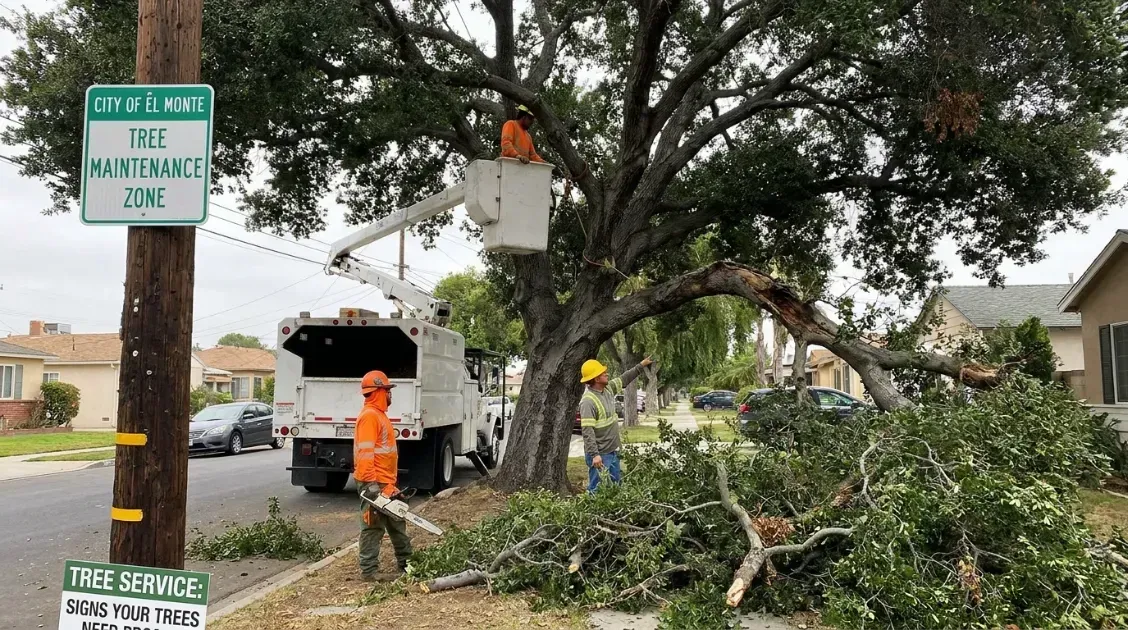
Homeowners in El Monte, California can spot a dying yard tree by watching for sparse leaves, brittle limbs, peeling bark, mushrooms at the base, and sudden lean. Early checks protect property and people. Elmonte Tree Service offers local Tree Services that help you confirm risk and plan safe next steps before failure.
Key takeaways
- Sparse canopy and dead twigs often signal decline before full failure.
- Soft wood, cavities, or fungal growth at the trunk base need prompt review.
- Sudden lean or heaving soil can mean root failure after wind or water stress.
- Document changes season to season, then seek a professional on-site look.
What signs mean a yard tree may be dying?
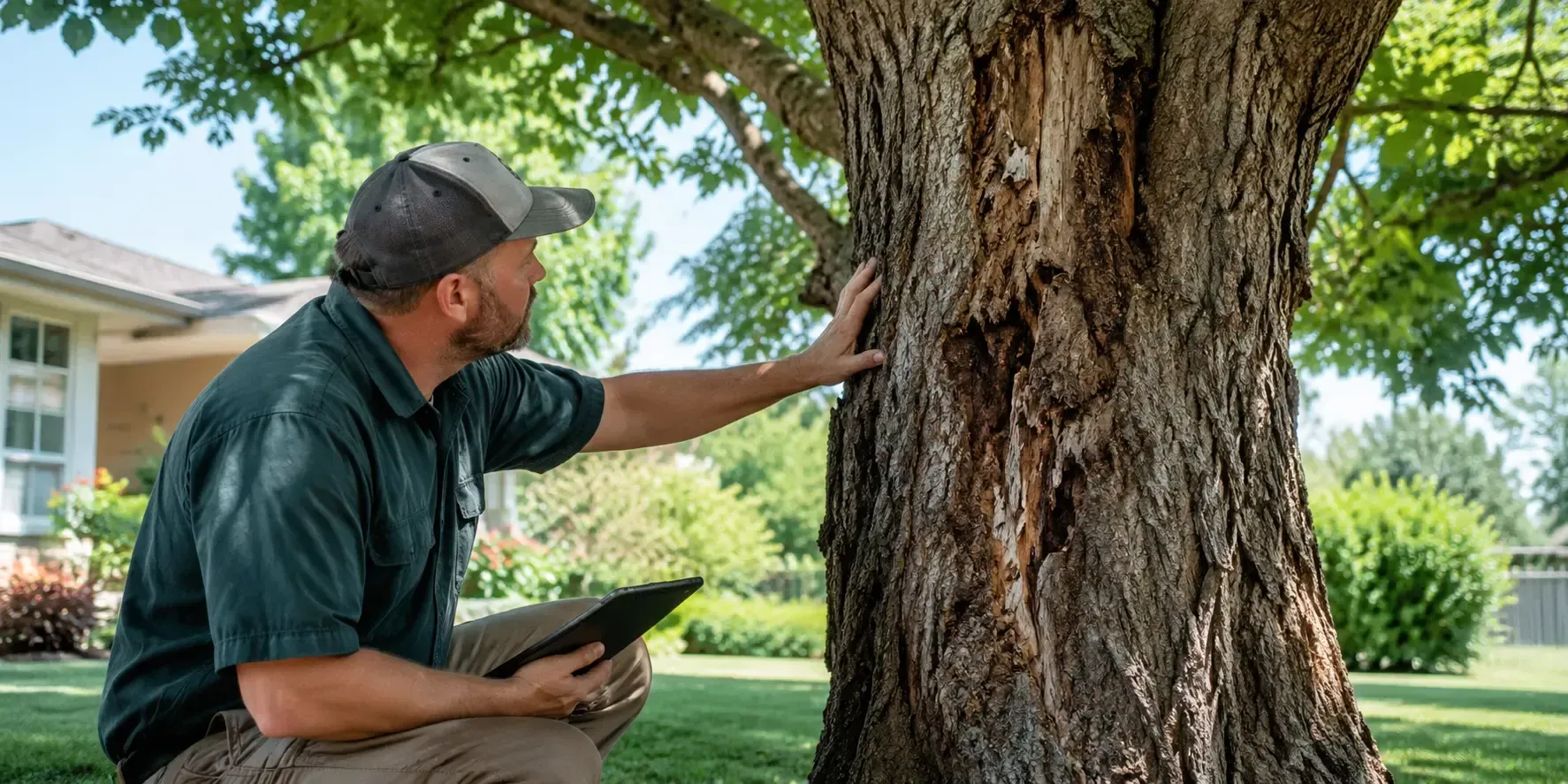
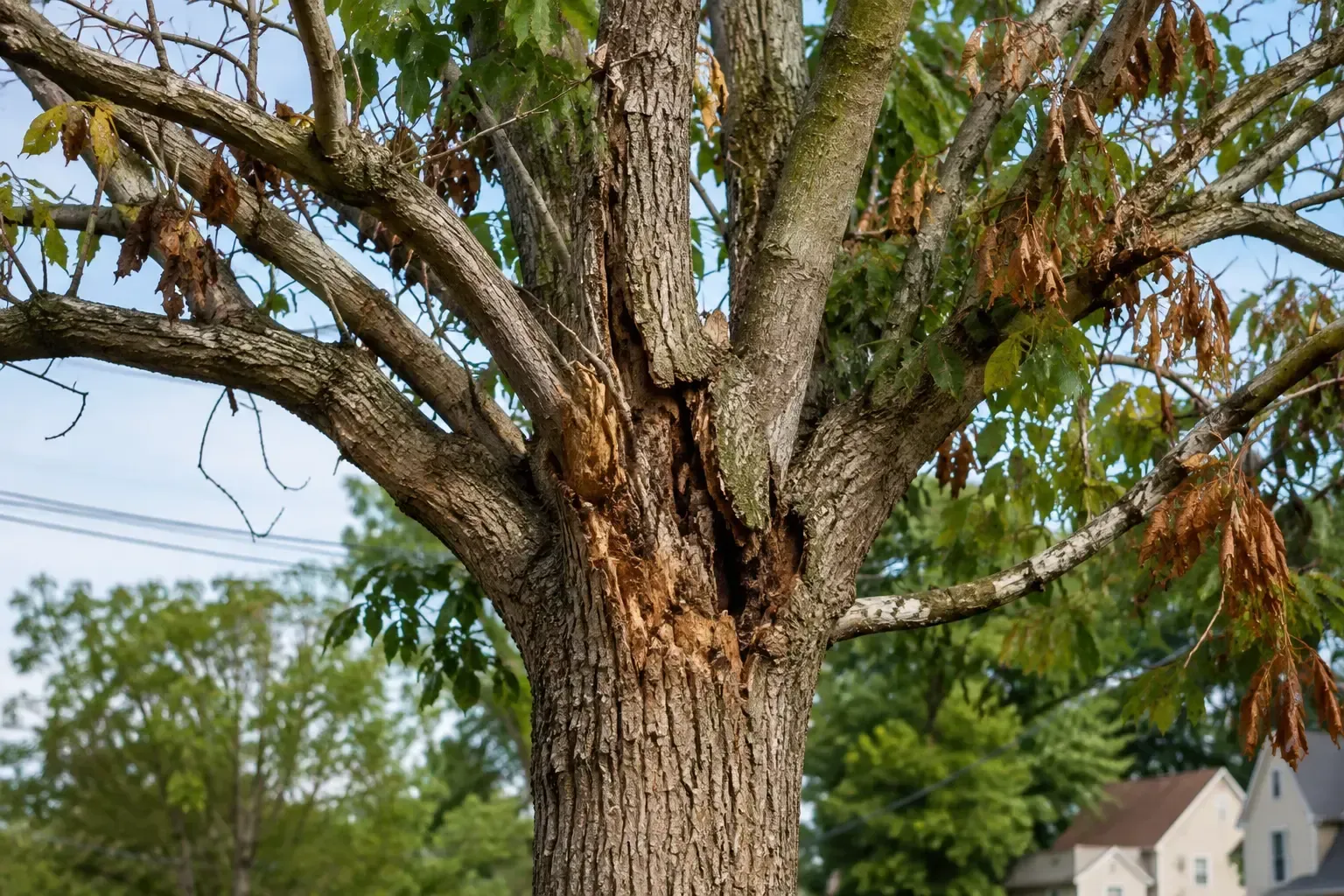
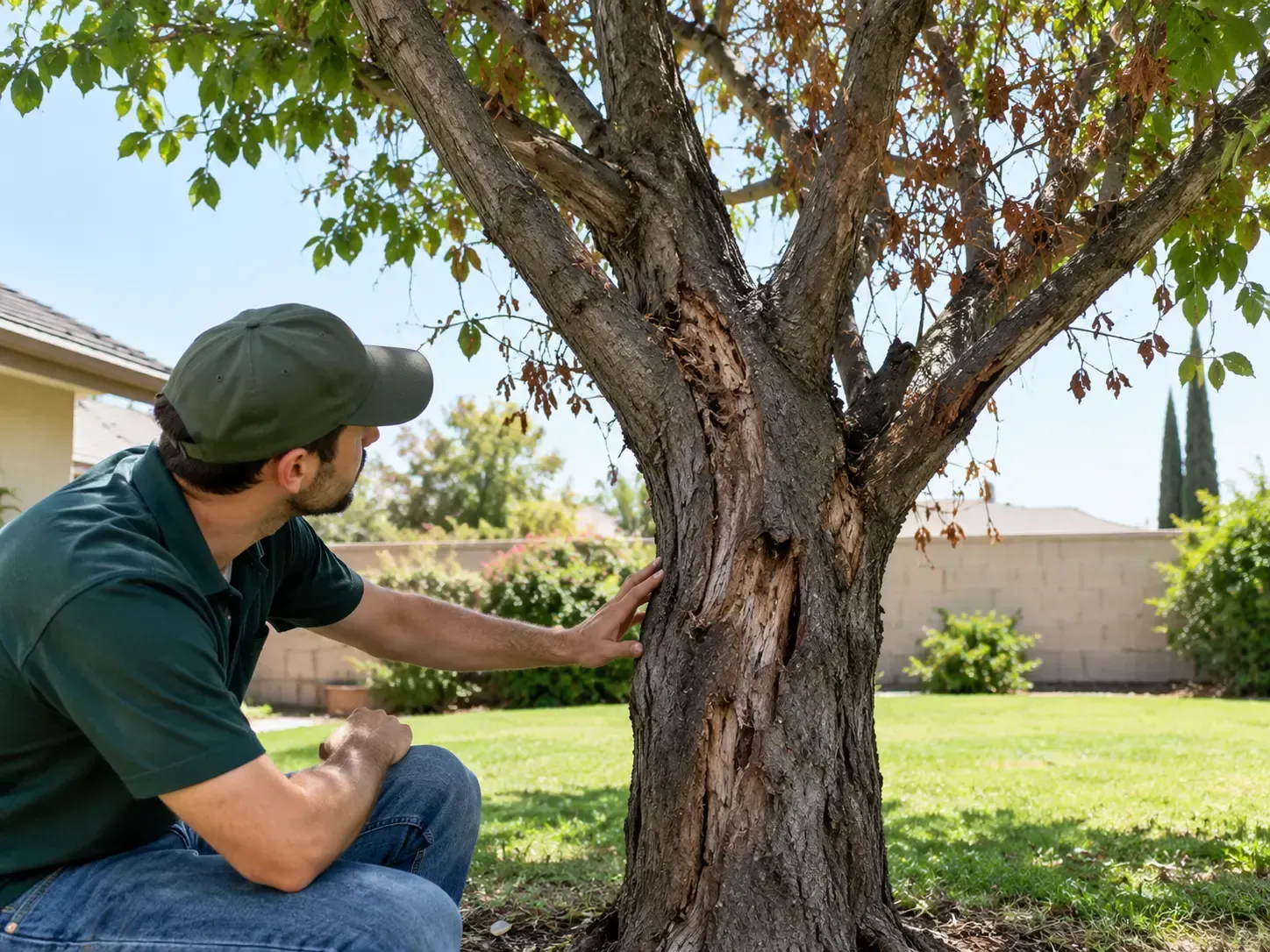
A tree in El Monte, California may be dying when leaves stay thin through the growing season, branches snap dry, bark splits or peels in sheets, and the trunk shows soft spots, cavities, or mushrooms—especially with a new lean after storms. These patterns often point to root, vascular, or structural failure rather than a short dry spell.
If several signs stack up, schedule an inspection and review tree removal options when risk is high. Contact for a next-step visit.
Which tree problems need Tree Services soonest?
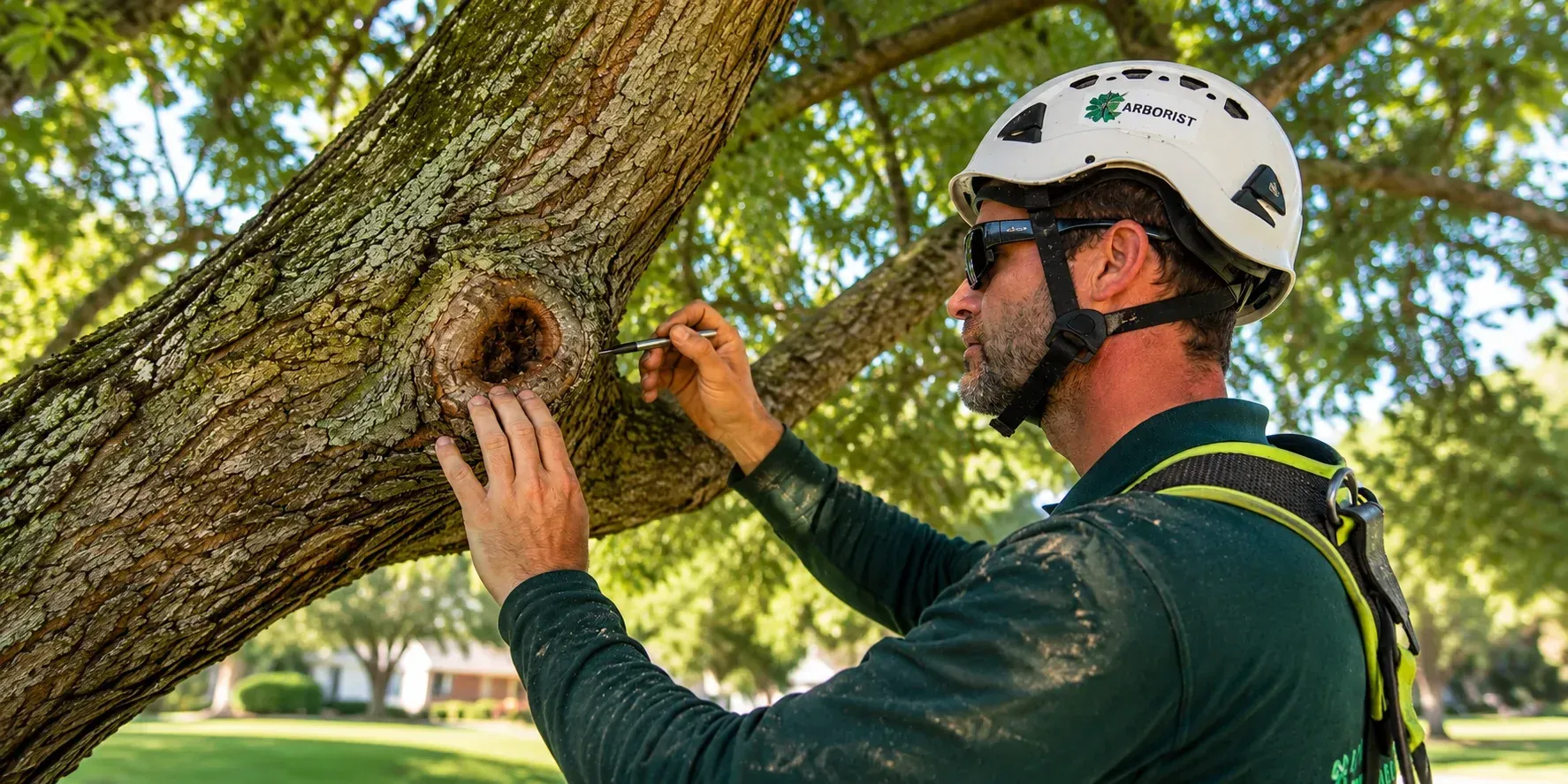
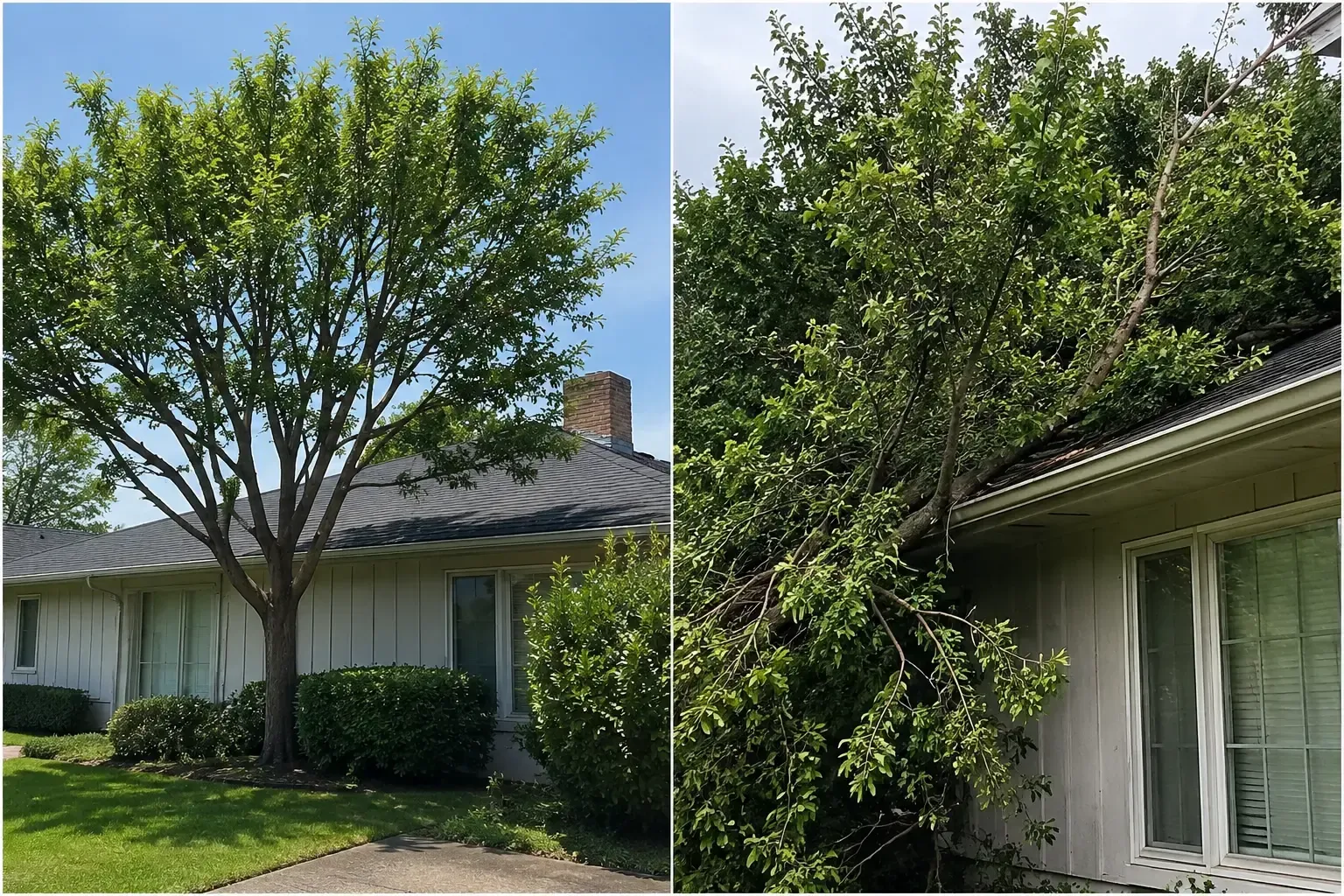
In El Monte, California, prioritize sudden lean, heaving soil, large dead limbs over targets, deep trunk cavities, and active fungal conks at the root flare—these often mean structural failure risk that needs prompt Tree Services review, while thin leaves alone may allow monitored care if wood stays sound and the canopy still leafs out in season.
| Problem | Best next step | Last Name | Email Address |
|---|---|---|---|
| Sudden lean / heaved soil | Same-week pro check | Evans | anne.evans@mail.com |
| Large dead limbs over roof or walk | Prune or remove risk wood | Fernandez | bill.fernandez@mail.com |
| Soft trunk, cavity, or basal mushrooms | On-site risk assessment | Gates | candice.gates@mail.com |
| Sparse leaves, no lean or soft wood | Water, mulch, seasonal monitor | Hill | dave.hill@mail.com |
Compare patterns across weeks, not one hot afternoon. Note which side of the crown thins first and whether twigs snap crisp or stay flexible. Photograph the trunk flare after irrigation or rain so soil movement is easier to see.
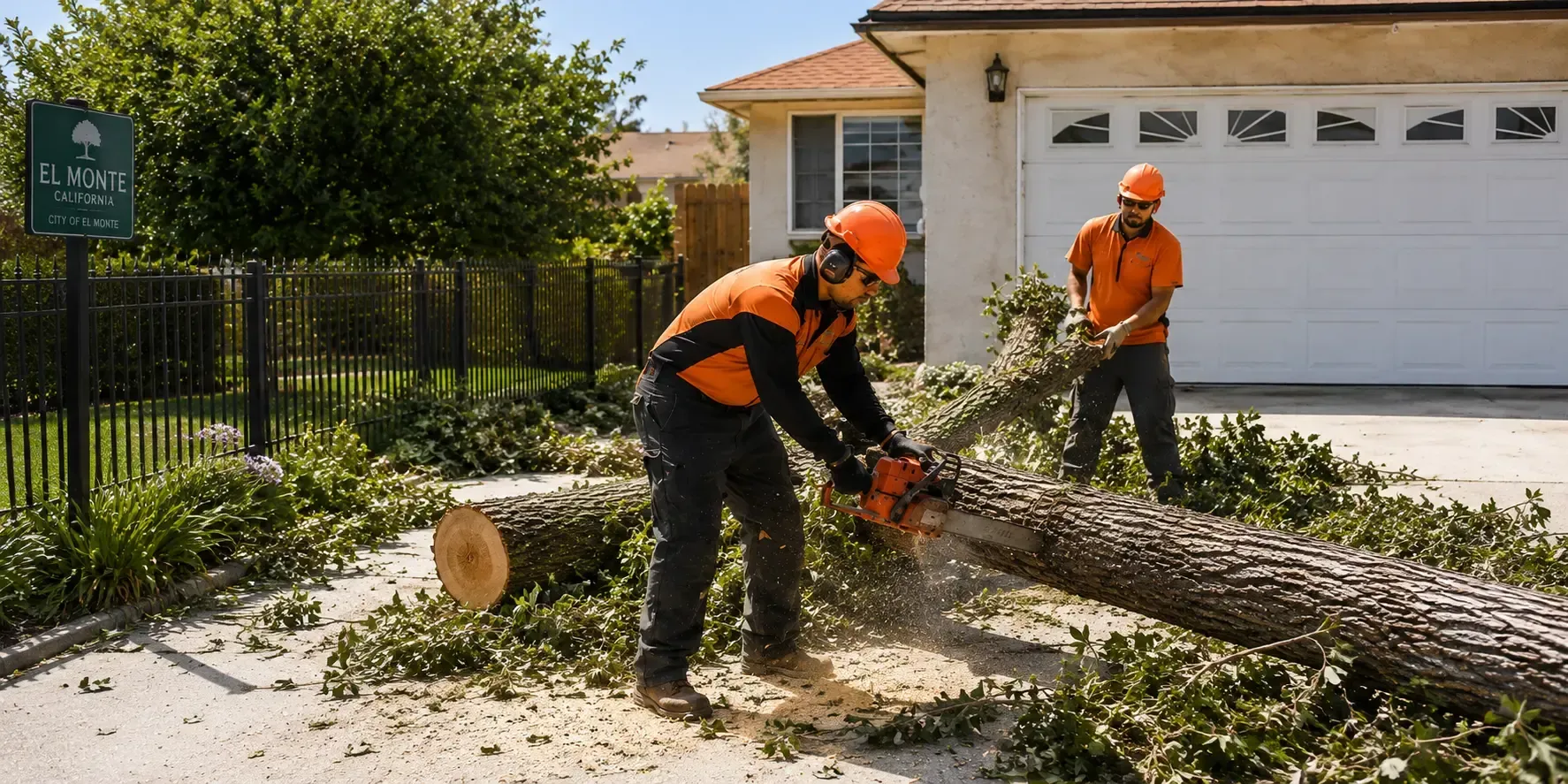
When targets sit under the canopy, treat removal planning as safety work, not curb appeal. Review tree removal only after a ground-level look at roots, lean, and targets. For a clear next step on your lot, Contact to schedule a local inspection.
DIY Monitoring or Professional Tree Services Which Comes First in El Monte?
In El Monte, California, start with short weekly checks for lean, soil heave, soft wood, and basal fungi, then call Tree Services the same week if targets sit under failing limbs or the root plate shifts; sparse leaves alone can wait for watering and mulch if the trunk stays firm and twigs still flex without a sudden lean toward the house, walk, or parked cars on your lot.
Keep notes on the same side of the crown each visit. Dry Santa Ana stretches can thin foliage without killing sound wood, so separate heat stress from decay.
Walk the drip line after irrigation. Look for new cracks, mushrooms at the flare, or bark that yields under light pressure. Those signs outrank leaf color alone.
If the tree still holds a balanced canopy and hard wood, adjust deep watering and keep mulch off the bark. Stacked red flags lean plus soft trunk plus overhead targets—mean stop DIY and get a ground-level risk look.
Elmonte Tree Service can match what you photographed to local soil and species patterns without guessing from the curb. Mention only the hazards you already logged so the visit stays focused on safety, not cosmetics.
When Leaf Drop Is Stress, Not a Dead Tree
Sparse canopy in El Monte, California often tracks heat and shallow water before true dieback. Firm trunk wood, flexible live twigs, and buds that still swell after deep soak point to recovery, not removal. Brown edges without soft bark or lean rarely justify rush cuts.
Watch the same branch set for two to three weeks. If only outer leaves thin and the leader stays upright, improve irrigation timing and keep mulch clear of the flare. Call sooner when bare wood spreads inward or bark plates lift in sheets.
Root and Trunk Clues That Outrank Color
Heaved soil, new cracks at the base, or mushrooms on the root flare beat leaf color as risk signals. Soft spots under light thumb pressure, hollow sound when tapped, and a sudden lean toward a roof or walk mean the structure may already be failing.
Photograph the flare, the lean line, and any target below. That record helps Elmonte Tree Service judge urgency against local clay soils and common street and yard species without curb-side guesswork.
Targets, Lean, and Next Steps for Homeowners
Map what sits under the crown: house edge, sidewalk, play area, or parked cars. A mild lean over open lawn can wait for a scheduled look; the same lean over a bedroom wall needs same-week attention. Stacked signs—lean, soft wood, basal fungi end DIY monitoring.
For high-risk cases, professional Tree Services may include pruning, cabling review, or removal when the root plate has shifted. Log hazards you already saw, then schedule a ground-level assessment so the visit stays on safety.
Frequently Asked Questions
What early signs suggest a yard tree in El Monte may be dying?
Brown leaves out of season, thinning crowns that do not refill, peeling bark in large sheets, and mushrooms at the base often signal stress or decay. Track whether problems spread after heat or wind. Persistent lean or soil heave near the flare needs faster professional review than minor twig dieback alone.
Can summer drought alone kill a mature tree in this climate?
Prolonged drought stresses many species on clay soils, yet one dry stretch rarely means the tree is finished. Deep, infrequent watering and mulch help when roots still function. Ongoing canopy loss, dead large limbs, or root damage after drought is when Tree Services should assess survival versus safety.
Should homeowners prune large dead wood themselves first?
Light dead twigs within easy reach can be removed with care, but large dead limbs, decayed trunks, and work near power lines need trained Tree Services. Improper cuts and falls injure people and property. Ground-level inspection of roots, lean, and targets guides safer removal or retention choices.
Preferred Source on Google Search
Add www.montetreeservice.com to customize your search feed across Top Stories.