How Professionals Assess a Hazardous or Leaning Tree
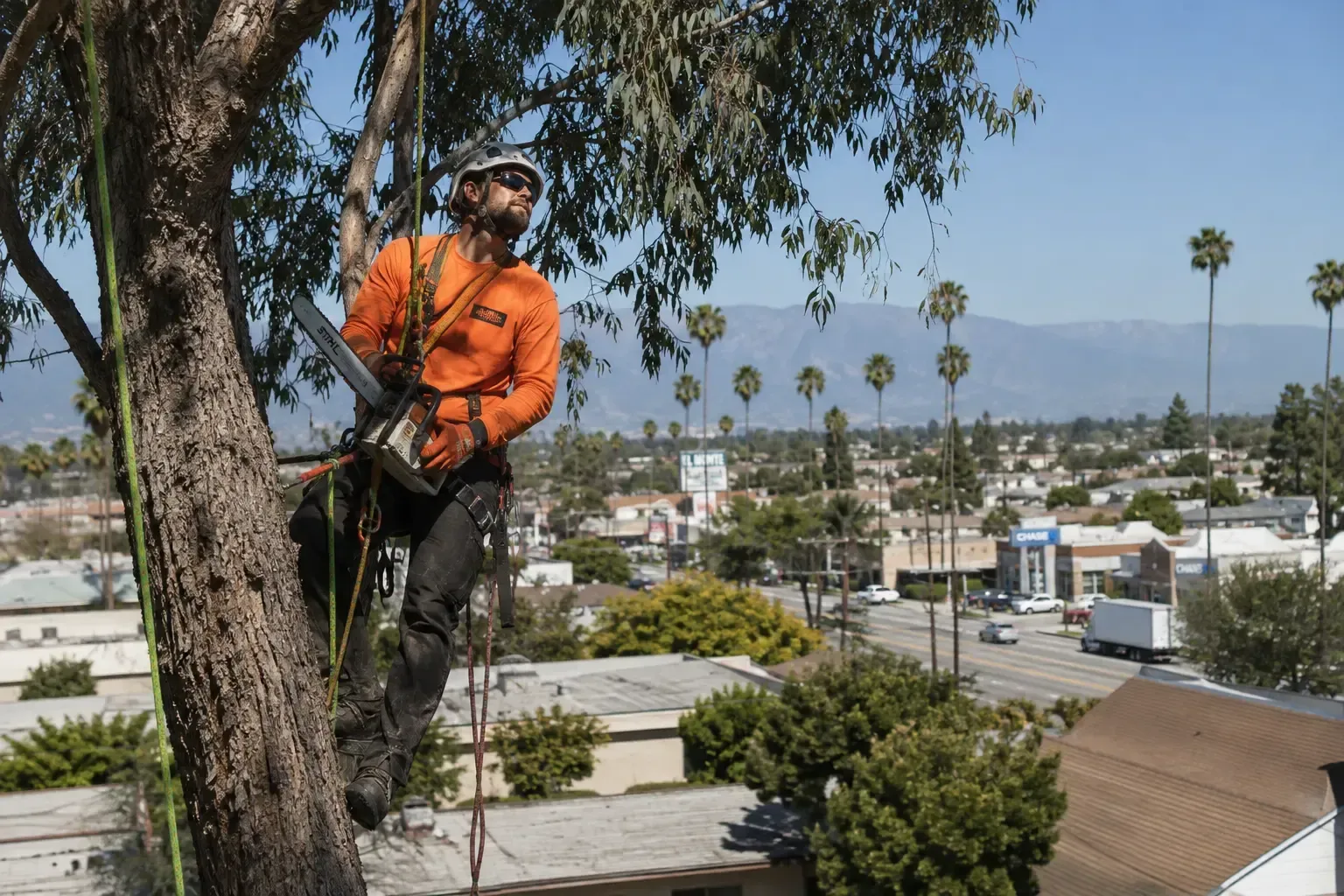
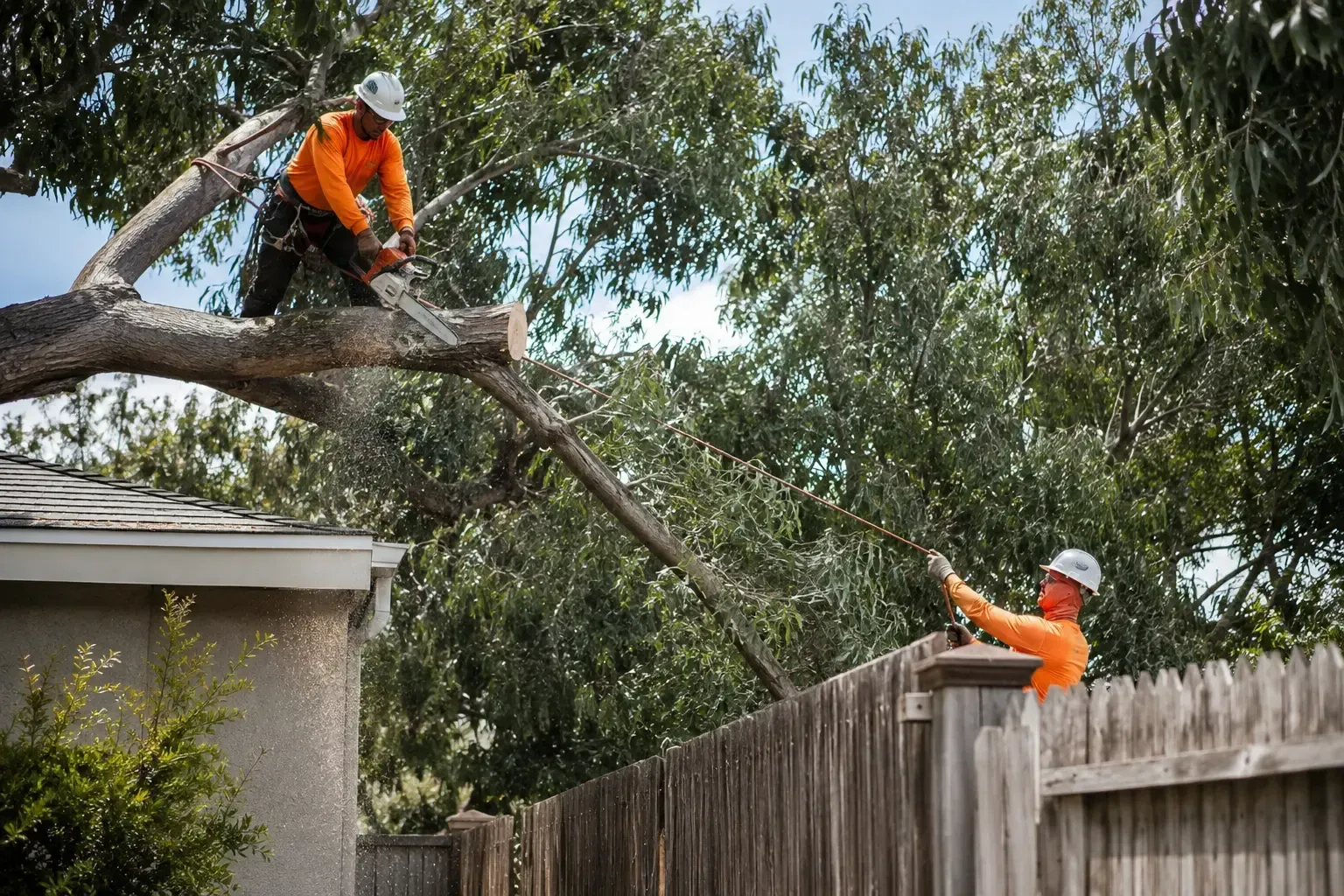
A leaning trunk, cracked roots, or dead limbs can put people and property at risk. In El Monte, CA, a clear hazardous tree assessment helps homeowners, businesses, and property managers know what is urgent and what can wait. El Monte Tree Service documents structure, targets, and failure potential so you can plan safe next steps.
Key takeaways
- Lean alone is not a verdict; roots, soil, and targets decide risk.
- Visible cracks, heaving soil, and dead wood raise priority fast.
- Certified review separates monitor-now from remove-soon decisions.
- Local wind, irrigation, and site use change how lean behaves.
How do arborists evaluate a leaning or hazardous tree?
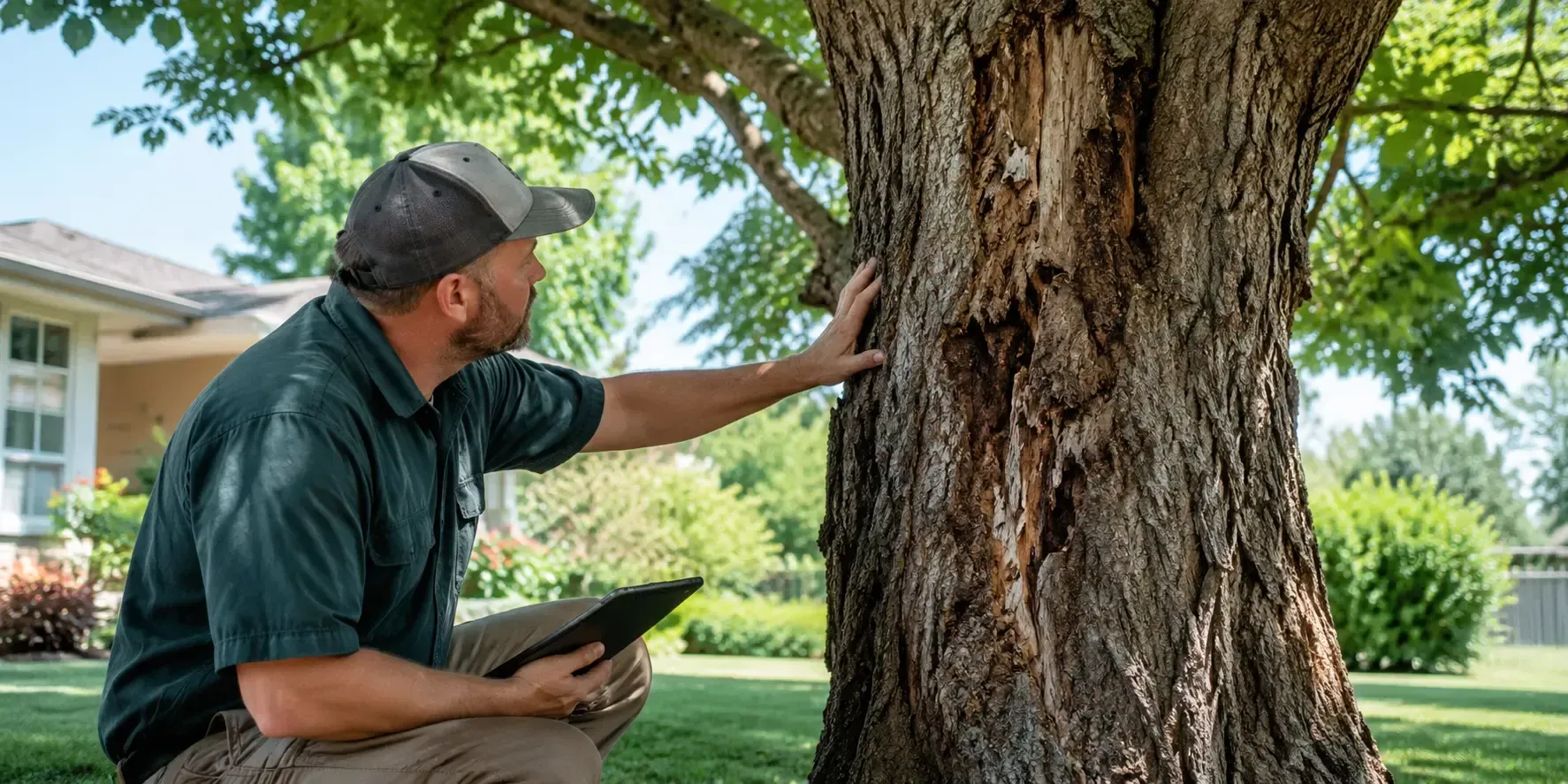
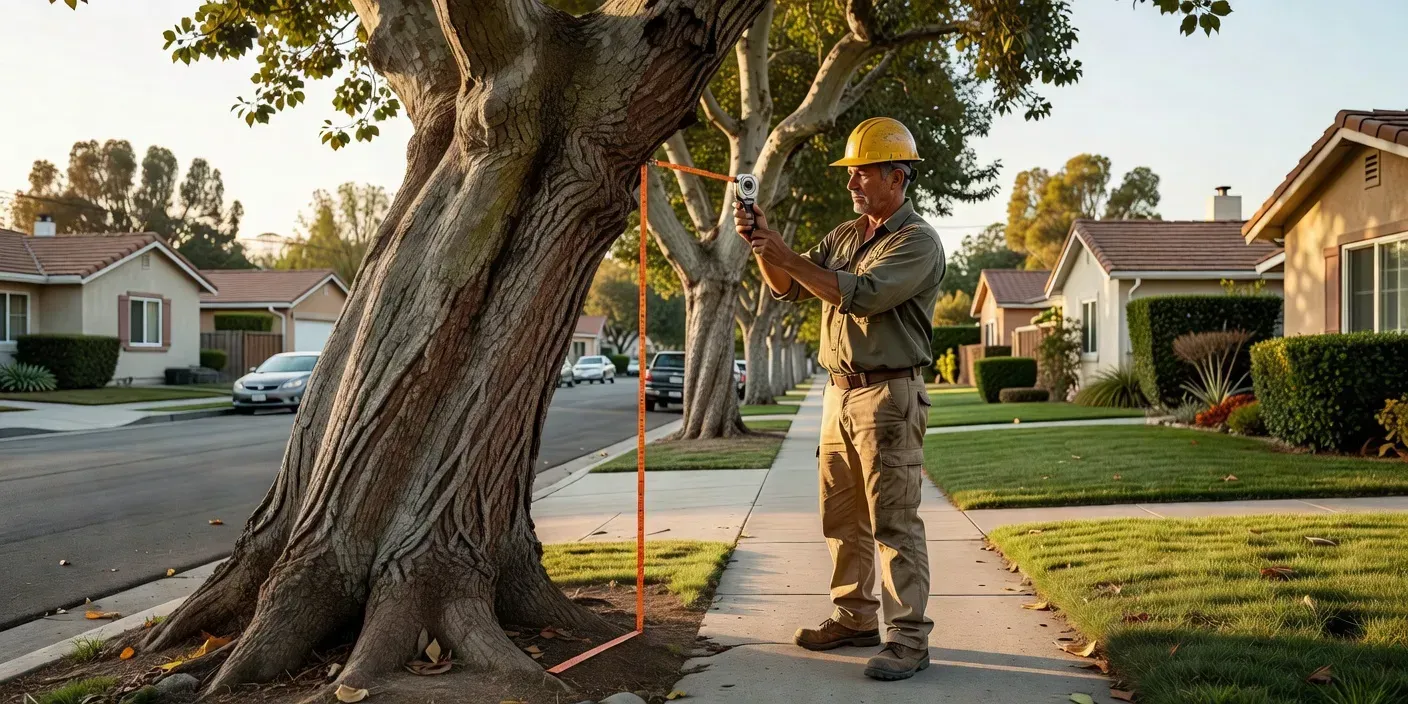
Arborists start with the whole tree and its landing zone: lean angle, root plate, soil movement, trunk defects, crown weight, and what sits in the fall path, then rank likelihood and consequence so owners in El Monte, CA get a plain-language priority instead of guesswork. Our team method pairs ground checks with height and target notes.
Which leaning tree warning signs need action first?
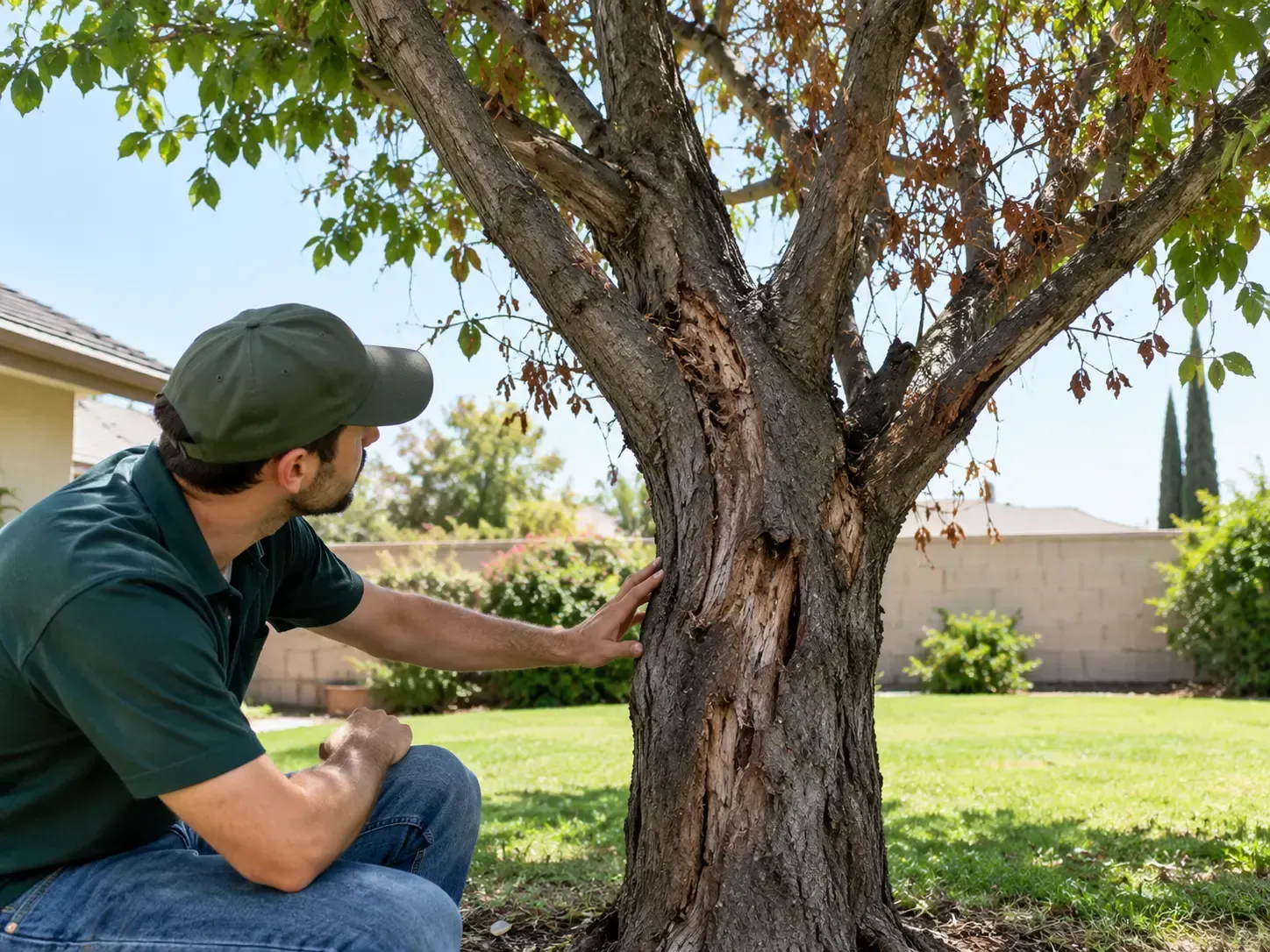
Lean severity, root-plate movement, trunk cracks, and dead crown wood are ranked against nearby targets so a hazardous tree assessment separates watch-and-document from same-week mitigation for El Monte, CA yards, lots, and storefronts; soil heave and progressive lean after wind or irrigation changes usually outrank a long-stable tilt with no defects. Visible failure clues drive urgency more than lean angle alone.
| Sign | Best for prioritizing | Watch-out |
|---|---|---|
| Fresh soil heave or root lift | Same-week professional review | Irrigation or grading can hide movement |
| New or widening trunk cracks | Structural risk near roofs or walks | Paint or vines can mask depth |
| Heavy dead limbs over targets | Prune or remove before storms | Dead wood can fail without more lean |
| Sudden lean after wind or water | Compare to prior photos and notes | Old stable lean may still be lower risk |
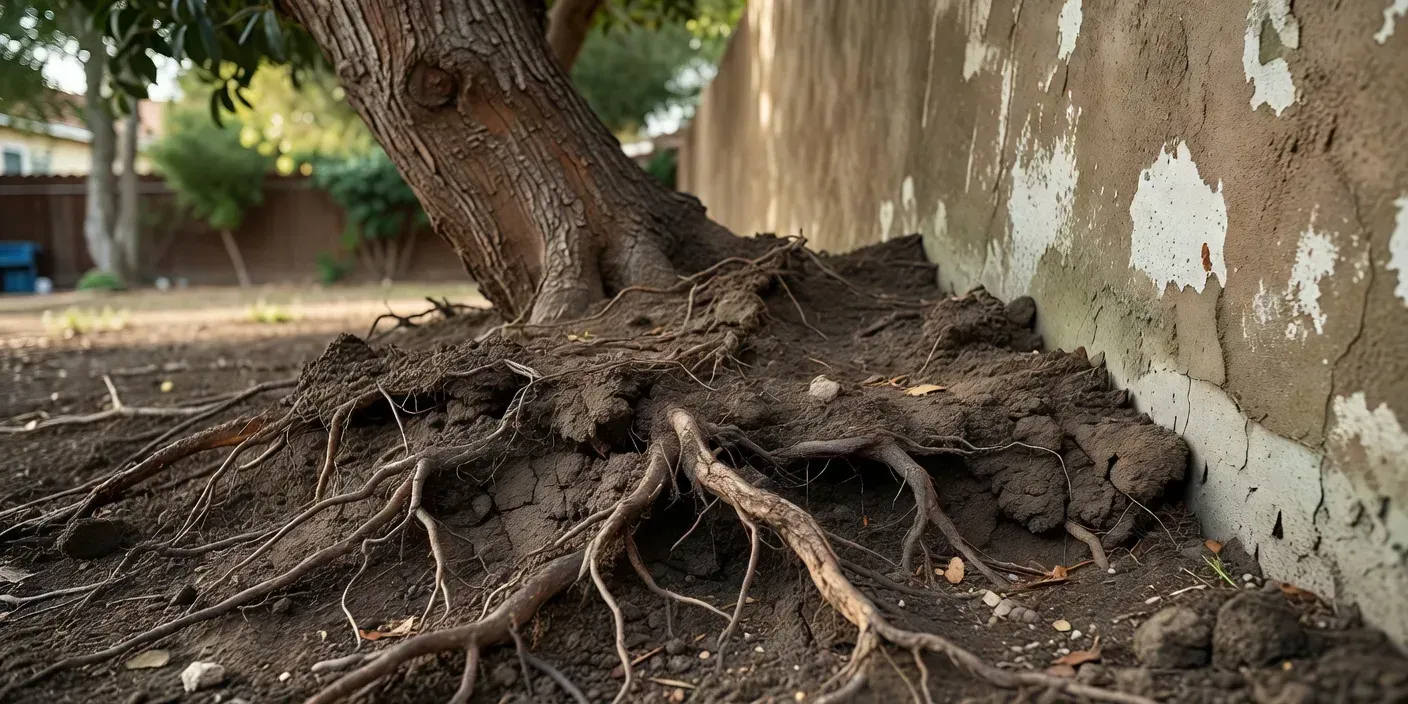
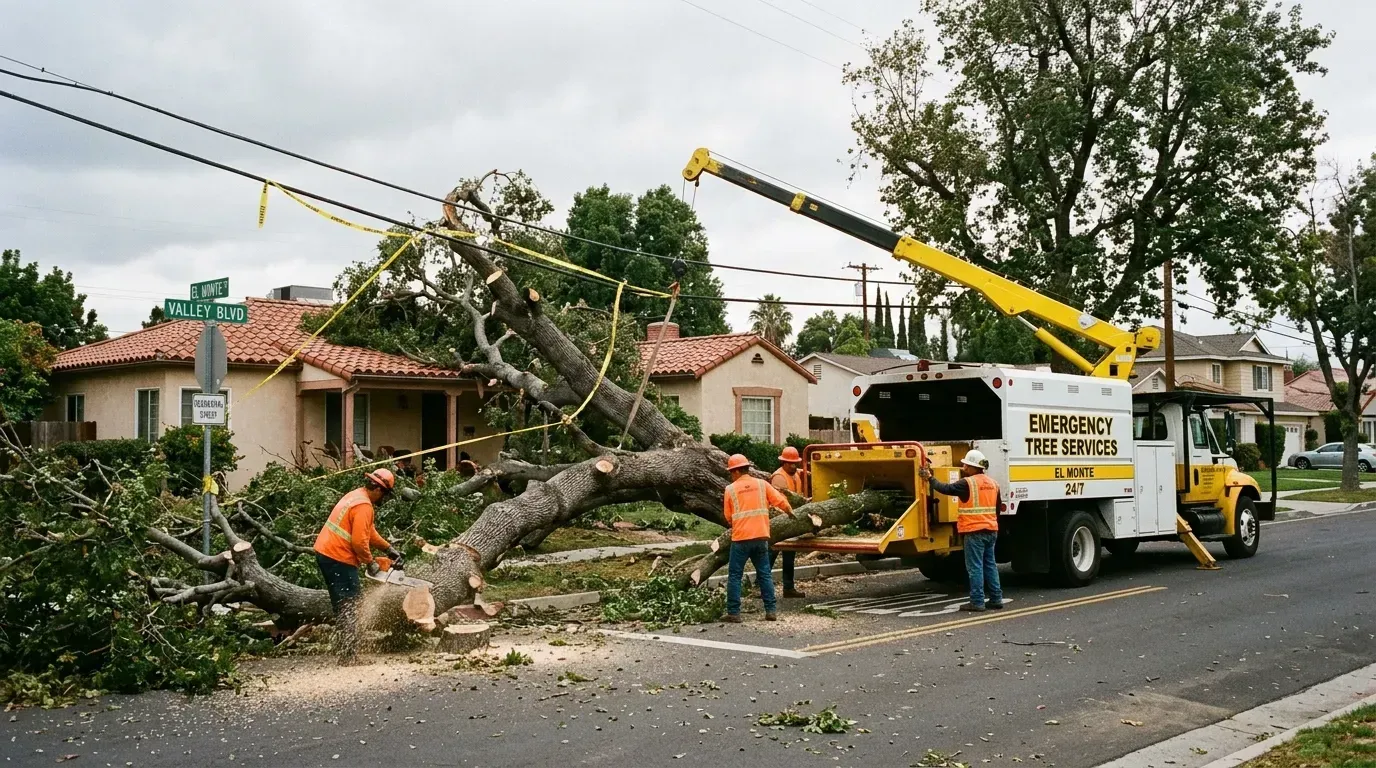
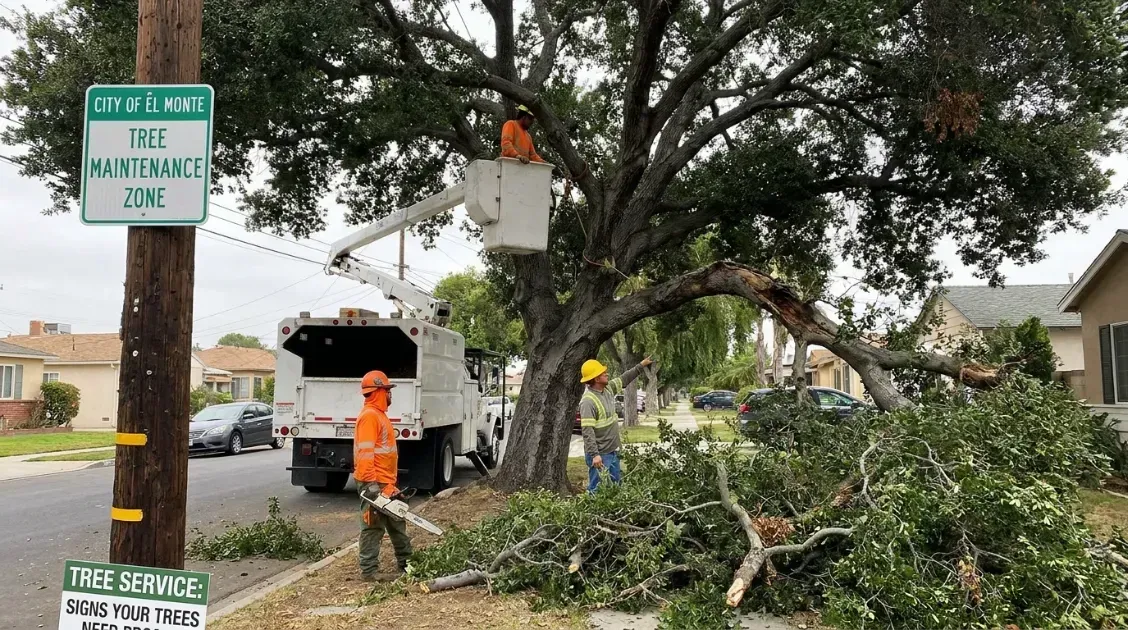
Paragraphs stay short: map the fall path to cars, play areas, and power lines, then note crown weight on the lean side. When failure has already started, pair assessment with emergency tree removal guidance after a tree or large limb falls. For documented services on leaning or hazardous trees, contact the crew with photos and access notes so the next step is clear.
Which Factors Matter More Than Lean Angle in a Hazardous Tree Assessment?
In a hazardous tree assessment, arborists weigh target exposure, root plate movement, trunk decay, and crown imbalance more than lean degrees alone, because a modest tilt over a driveway or roof in El Monte, CA can outrank a steeper lean in open space when soil heave, cracks, or dead wood show active failure risk after wind or irrigation change.
Lean angle is a clue, not a score. Crews walk the fall path first, then test whether roots still grip and whether the trunk can carry lean-side weight.
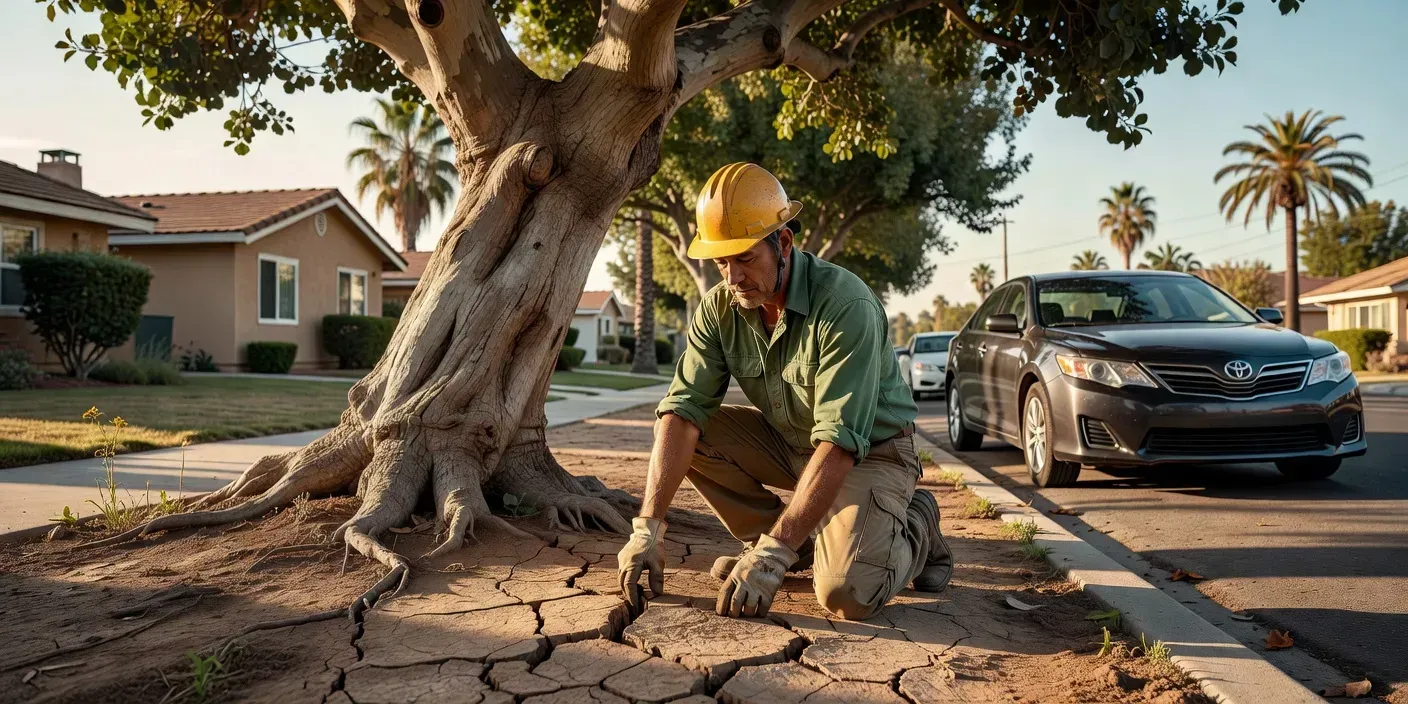
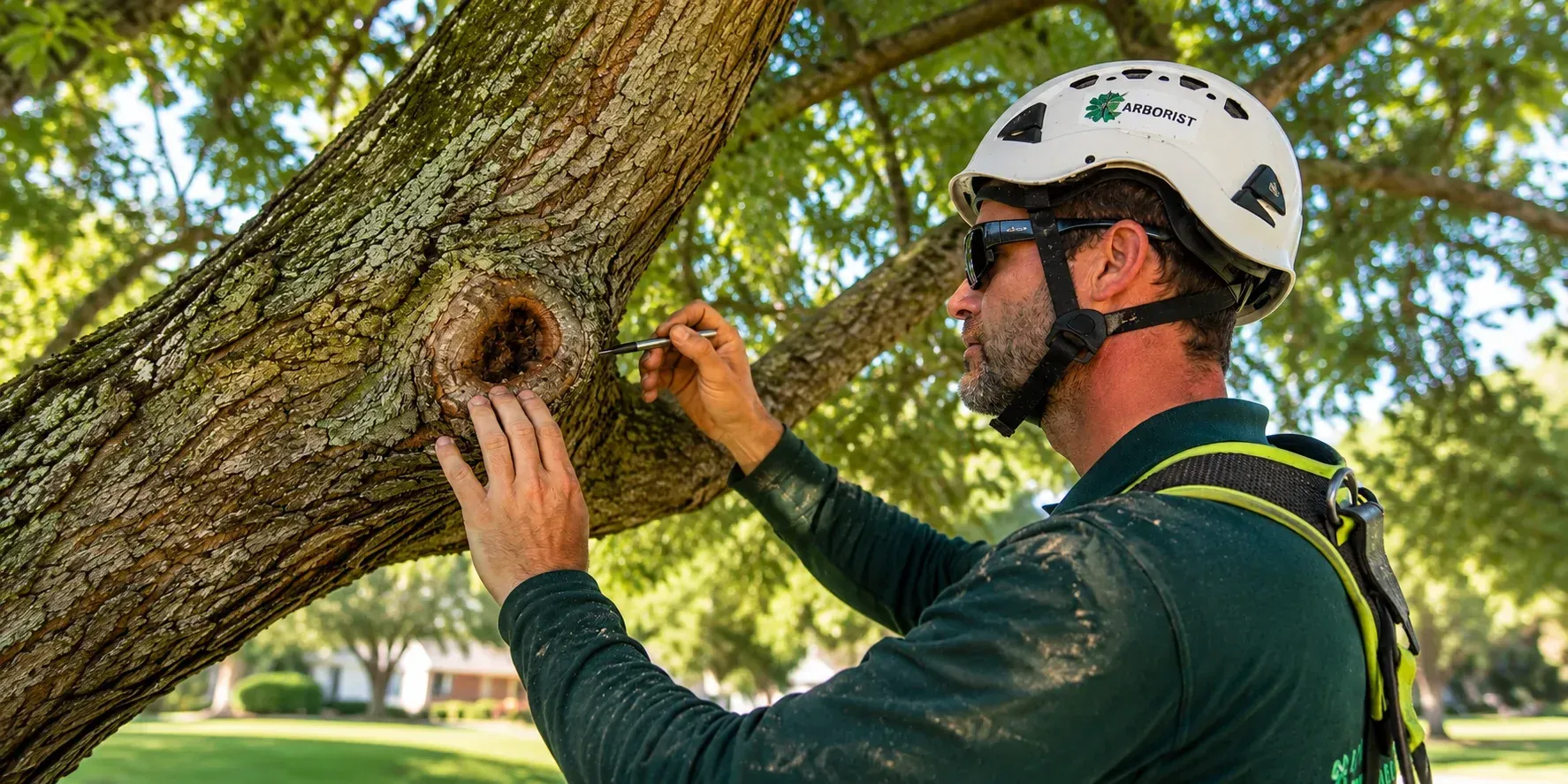
How arborists evaluate a leaning or hazardous tree also includes sounding for hollows, checking old wounds, and comparing photos over seasons. Stable historic lean with sound wood often ranks lower than fresh movement near targets. Leaning tree warning signs that raise priority include heaved soil, fungal brackets, and sudden crown shift after storms. The El Monte Tree Service approach documents those findings on site so owners see why prune, cable, or remove is recommended.
When the team finishes the walk-through, they outline options tied to your layout. For next-step scheduling on a leaning or hazardous tree, contact with clear photos and access notes.
When removal beats monitoring
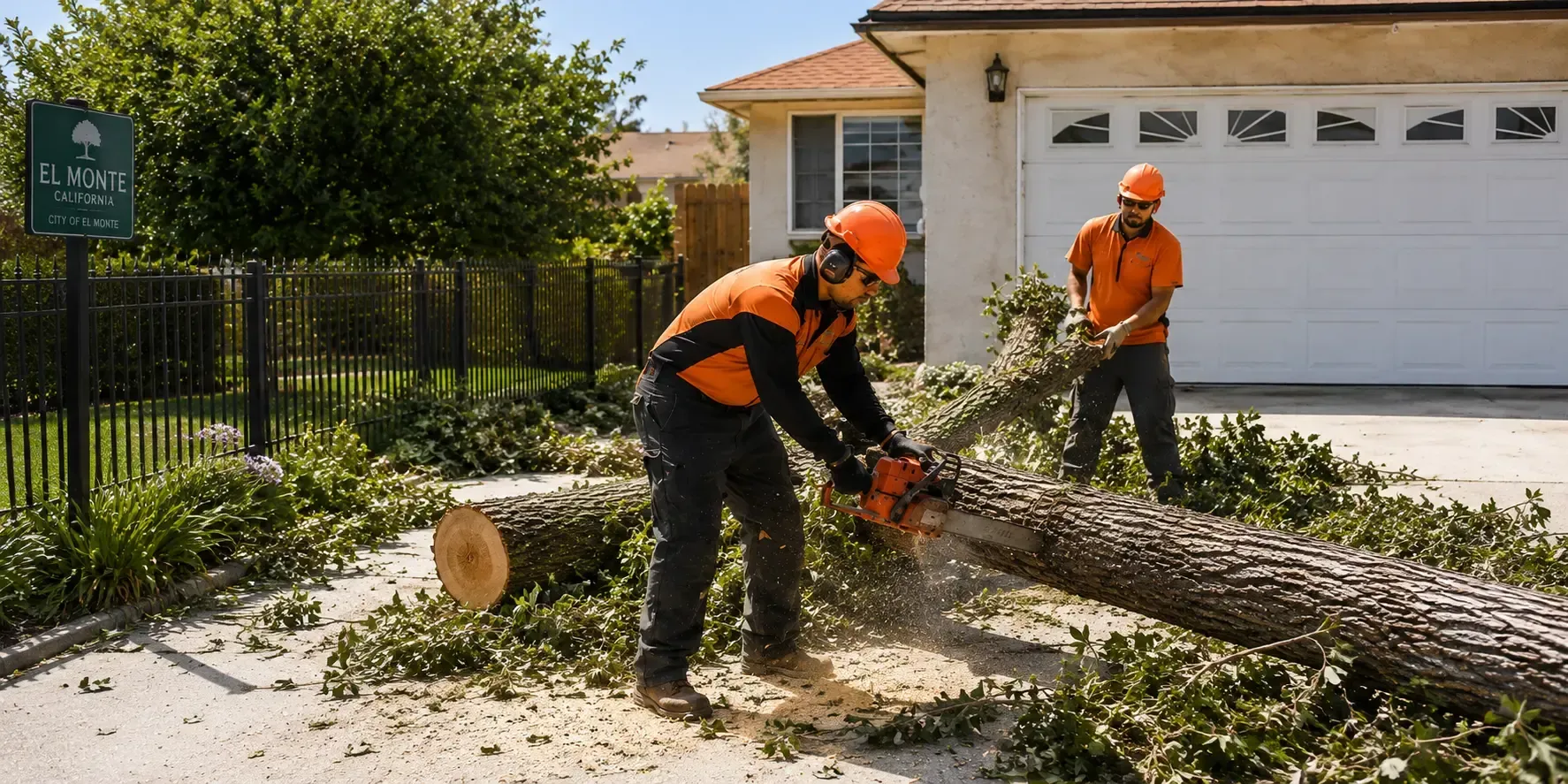
A hazardous tree assessment favors removal when targets sit in the fall zone, roots have lifted, or decay leaves little sound wood—especially on tight El Monte, CA lots. Monitoring fits only stable historic lean with no heave, no progressive tilt, and clear access for rechecks. After a limb or whole tree fails, follow guidance in Emergency Tree Removal in El Monte: What to Do After a Tree or Large Limb Falls.
| Finding | Typical priority | Common next step |
|---|---|---|
| Fresh lean + soil cracks | High | Protect targets; schedule removal review |
| Historic lean, sound trunk | Lower | Document; seasonal photo checks |
| Decay + roof/driveway target | High | Prune, support, or remove via services |
Frequently Asked Questions
What does a hazardous tree assessment include on a residential lot?
A hazardous tree assessment reviews targets, lean direction, root plate, trunk soundness, and crown weight so risk is ranked by failure likelihood and consequence. In El Monte, CA, crews note soil heave, irrigation effects, and nearby structures, then explain prune, cable, or remove options in plain language tied to your layout and access.
How do arborists evaluate a leaning or hazardous tree after a storm?
How arborists evaluate a leaning or hazardous tree after a storm starts with fall-path targets, then fresh movement, cracked soil, and broken roots or limbs. They sound the trunk, check wounds, and compare pre-storm lean. Sudden crown shift or fungal brackets near a driveway usually raises urgency over a long-standing, stable tilt alone.
Which leaning tree warning signs mean I should call soon?
Leaning tree warning signs that warrant a prompt call include heaved or cracked soil at the base, new lean after wind, dead leaders, and mushrooms or brackets on the trunk. Add urgency if the tree hangs over a roof, play area, or parked cars.
Preferred Source on Google Search
Add www.montetreeservice.com to customize your search feed across Top Stories.