How Much Tree Trimming Does a Mature Tree Need in El Monte, California?
Key Takeaways and Insights
Maintaining mature trees in El Monte requires a strategic balance of safety and plant health. Professional evaluations and proper pruning techniques protect your property from unpredictable weather and falling branches. Relying on scheduled, species-specific maintenance ensures your landscape remains a beautiful and safe asset for years to come.
* Mature trees need routine crown cleaning to remove dangerous deadwood and improve canopy airflow.
* Trimming frequency varies widely by species, with oaks needing care every 3-5 years and eucalyptus needing more frequent attention.
* Homeowners should immediately address warning signs like crossing branches, deep trunk cracks, or hanging limbs after storms.
Mature trees add incredible value to any residential property. They provide excellent shade during hot summer months. They also improve local air quality and boost overall neighborhood aesthetics. Many homeowners in El Monte cherish the large, established trees on their properties. However, caring for a fully grown tree requires specific knowledge.
You might wonder exactly how much pruning a large canopy requires. Too much cutting can stress the plant and invite disease. Too little maintenance can lead to dangerous structural failures. Striking the perfect balance is essential for both safety and plant health. Understanding the right approach ensures your landscape remains a safe and beautiful asset.
The Value of Mature Trees in El Monte
Established trees are much more than simple landscape decorations. They are complex living systems that require regular observation. A large canopy provides extensive cooling benefits. This shade can significantly lower your home air conditioning costs during peak summer heat.
Furthermore, mature trees increase residential property values. Buyers often look for neighborhoods with established greenery. Well-maintained trees signal that a property has been cared for properly. However, an unkempt canopy can have the opposite effect. Overgrown branches can block natural light. They can also scrape against roofing materials and cause expensive structural damage.
Protecting this investment means scheduling routine evaluations. You cannot treat a fifty-year-old oak tree the same way you treat a new sapling. Older plants grow more slowly. Their energy reserves take longer to replenish after losing foliage. Therefore, strategic and careful pruning is the only way to proceed.
The Impact of the Local Climate
The weather in Southern California plays a massive role in tree care. El Monte experiences hot, dry summers followed by mild winters. This distinct climate affects how trees grow and heal. It also determines the best times of year to schedule maintenance.
Drought conditions can severely stress large trees. When a tree lacks water, it may sacrifice certain branches. This natural process leads to deadwood accumulating in the upper canopy. Deadwood is extremely brittle. It poses a significant hazard to anyone walking underneath.
Additionally, El Monte occasionally experiences strong seasonal winds. Heavy canopies catch these gusts like a sailboat catches the wind. This excessive force can snap massive limbs or even uproot the entire trunk. Proper pruning allows wind to pass through the leaves safely. This vital step reduces the overall mechanical stress on the root system.
Evaluating Comprehensive Tree Services
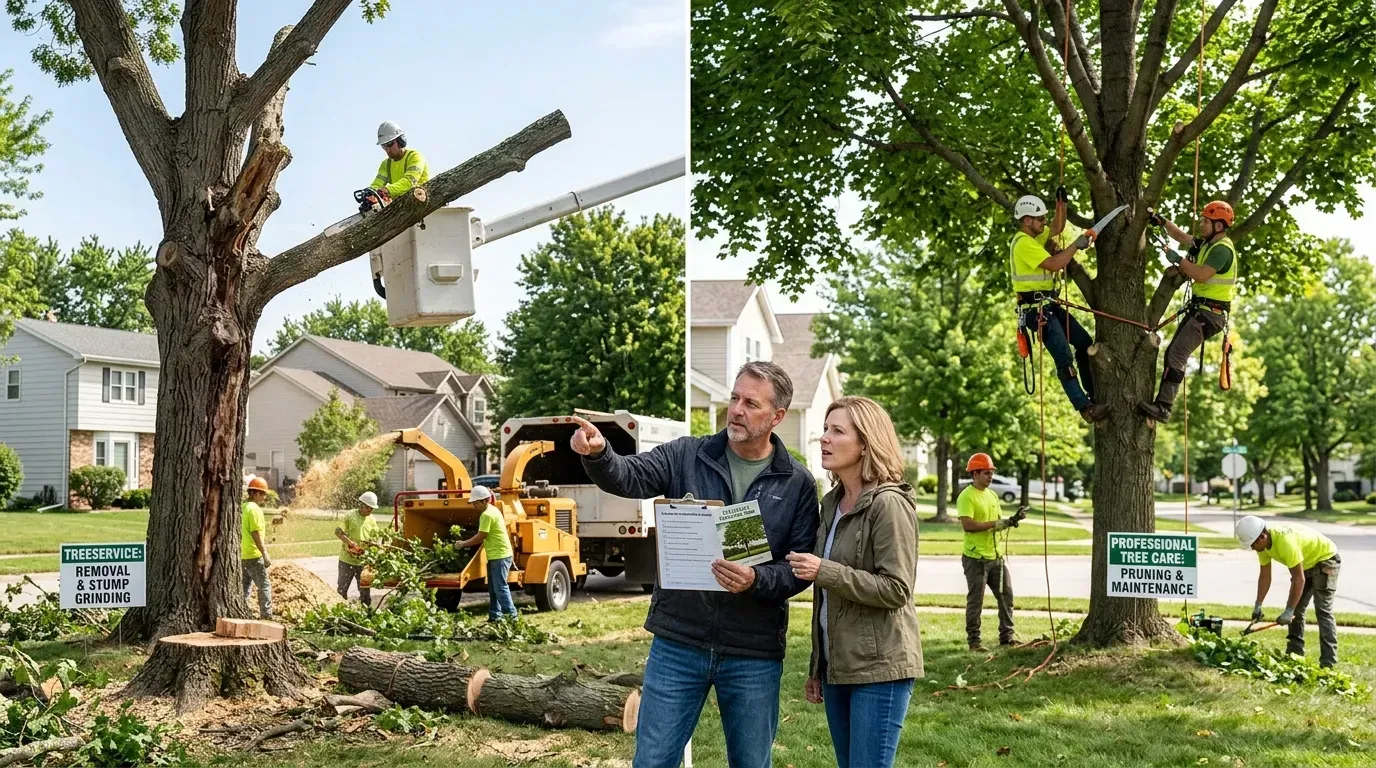
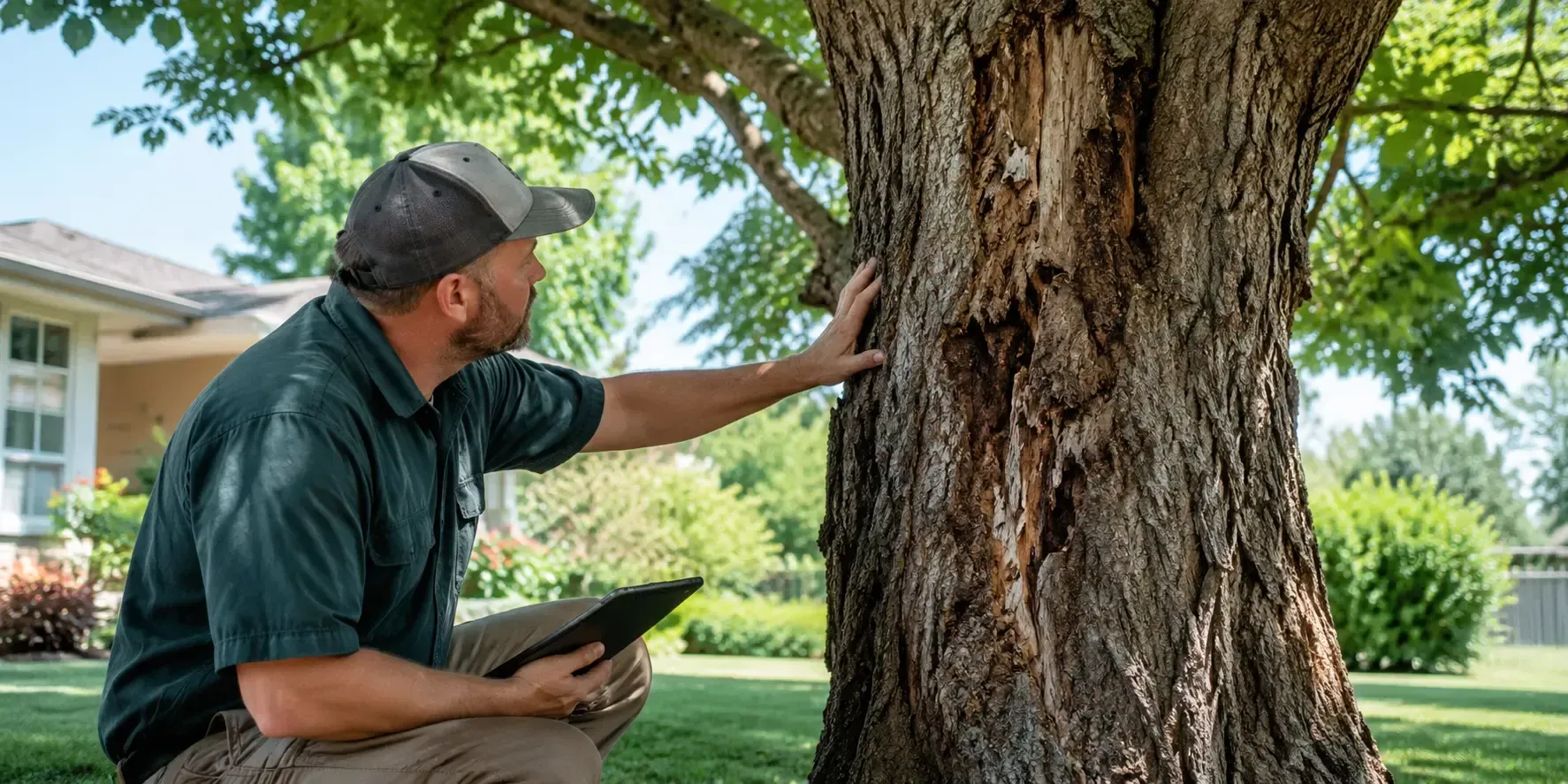
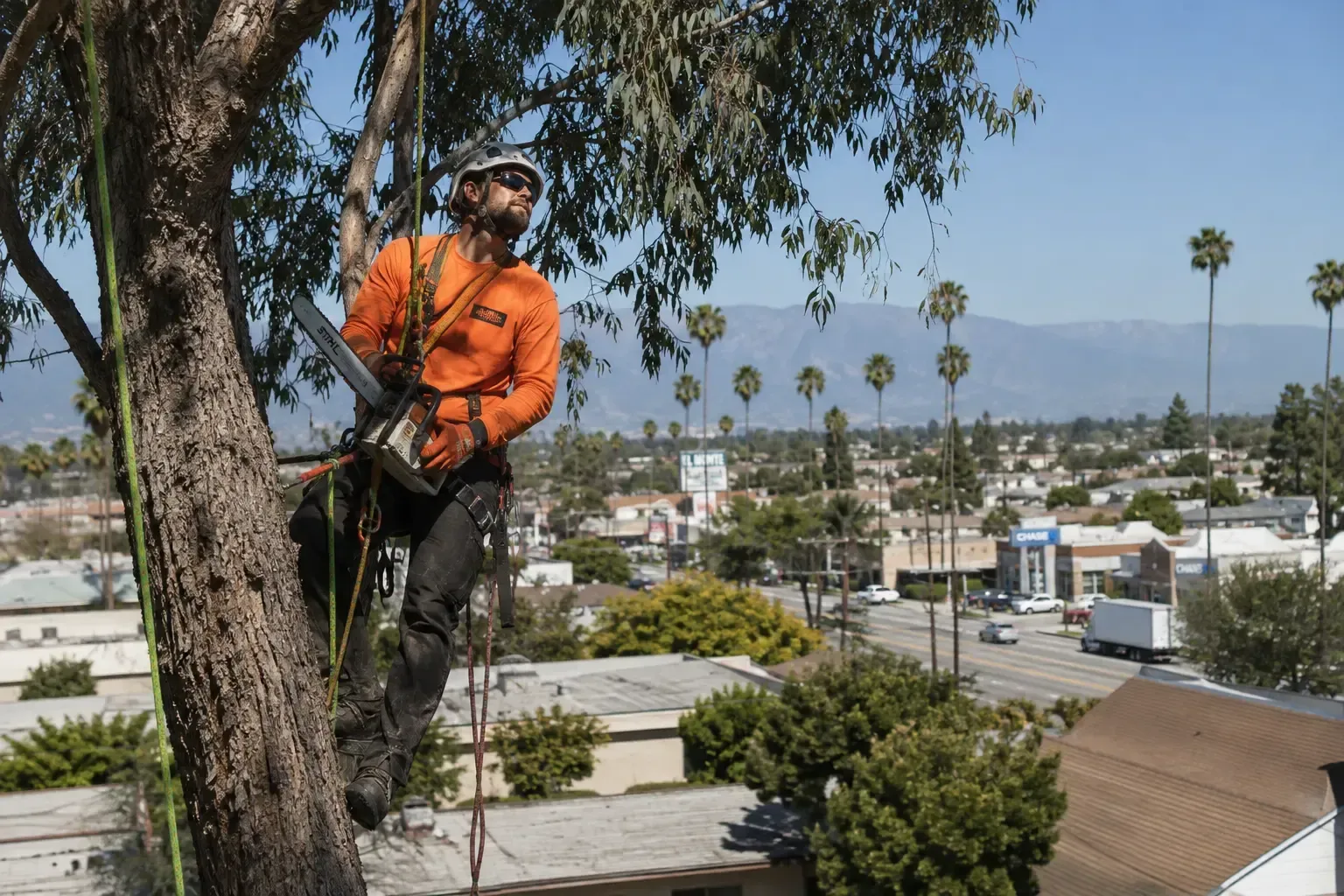
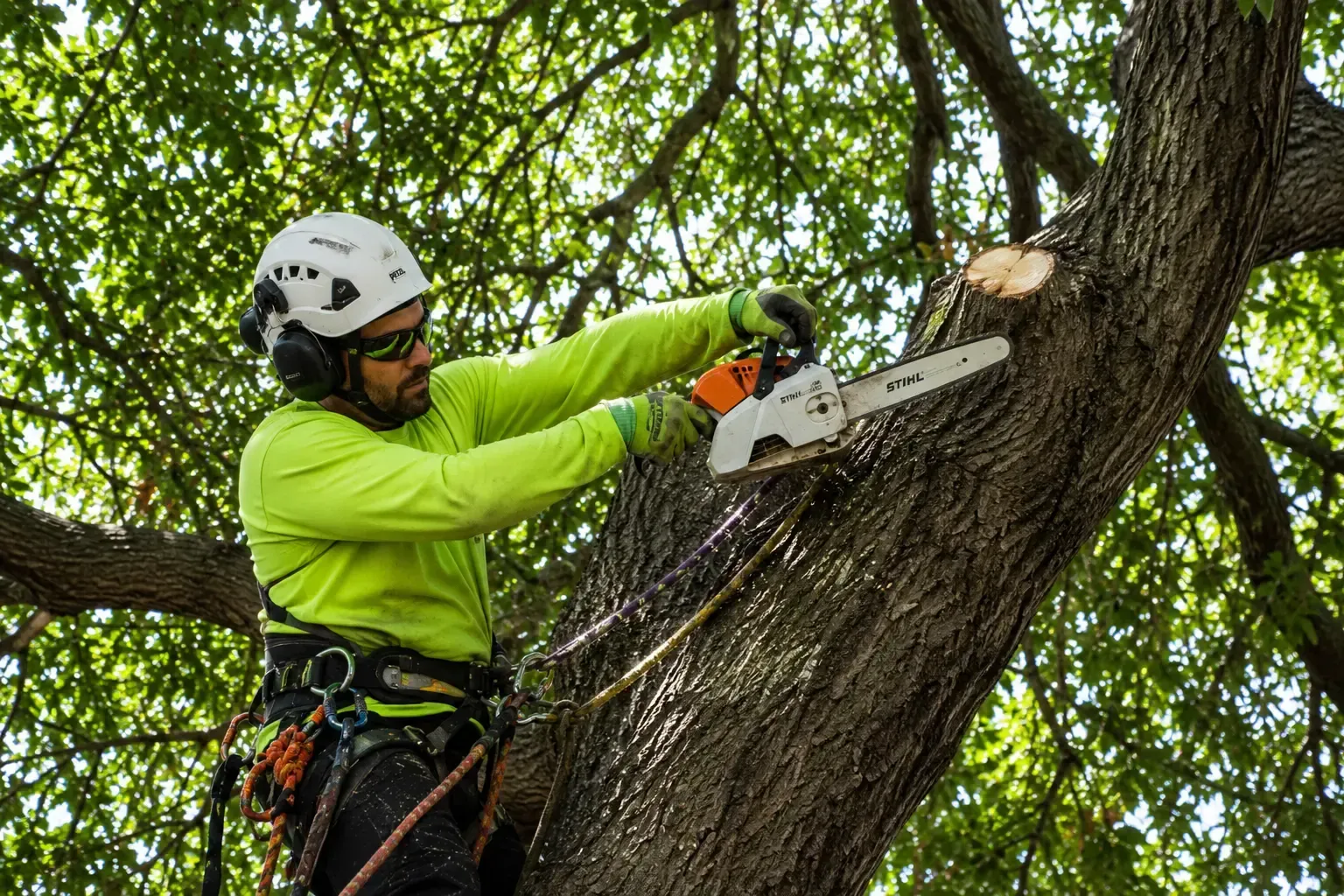
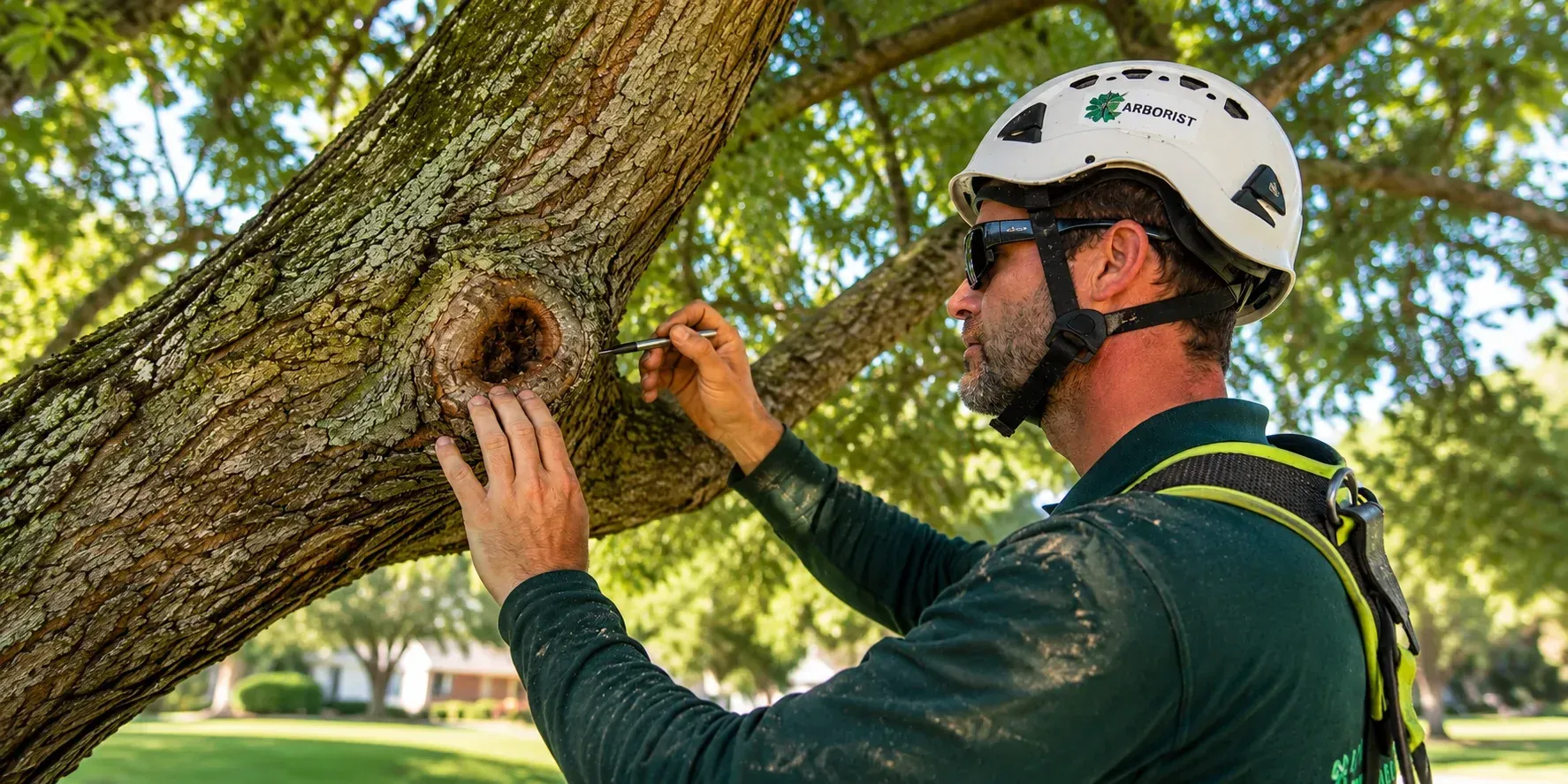
Taking care of massive canopies is not a weekend do-it-yourself project. Climbing a large trunk with sharp tools is incredibly dangerous. Evaluating structural integrity requires specialized training and extensive experience. This is exactly where professional Tree Services become indispensable.
Hiring certified experts ensures the job is done safely and correctly. Professionals know how to identify diseases before they spread. They understand the specific weight distribution of different branch structures. A trained specialist will only remove exactly what is necessary.
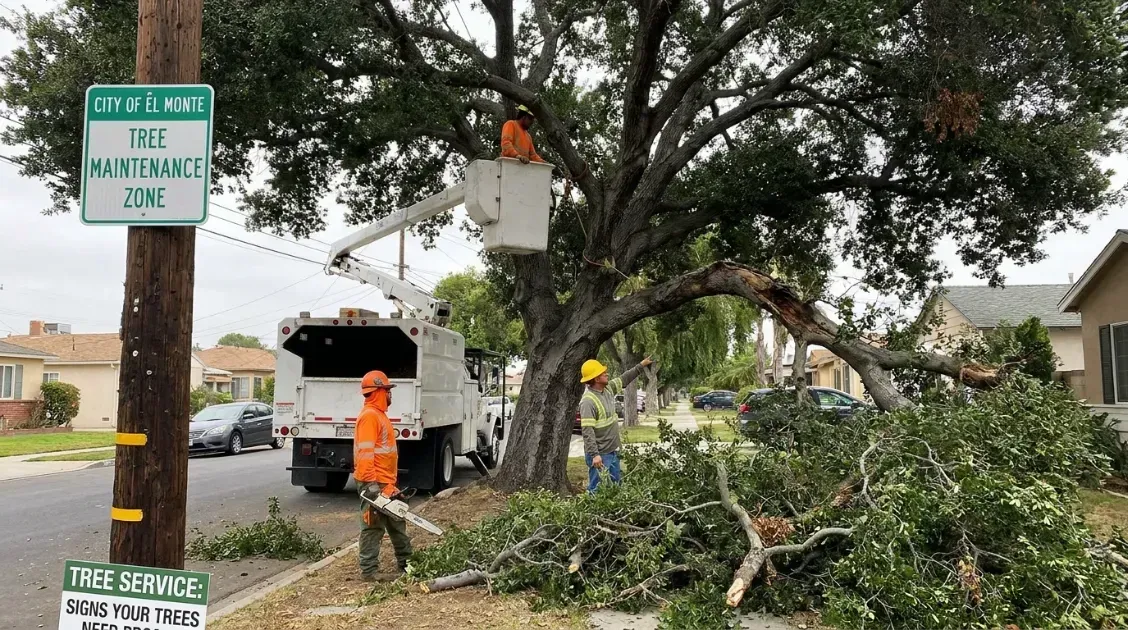
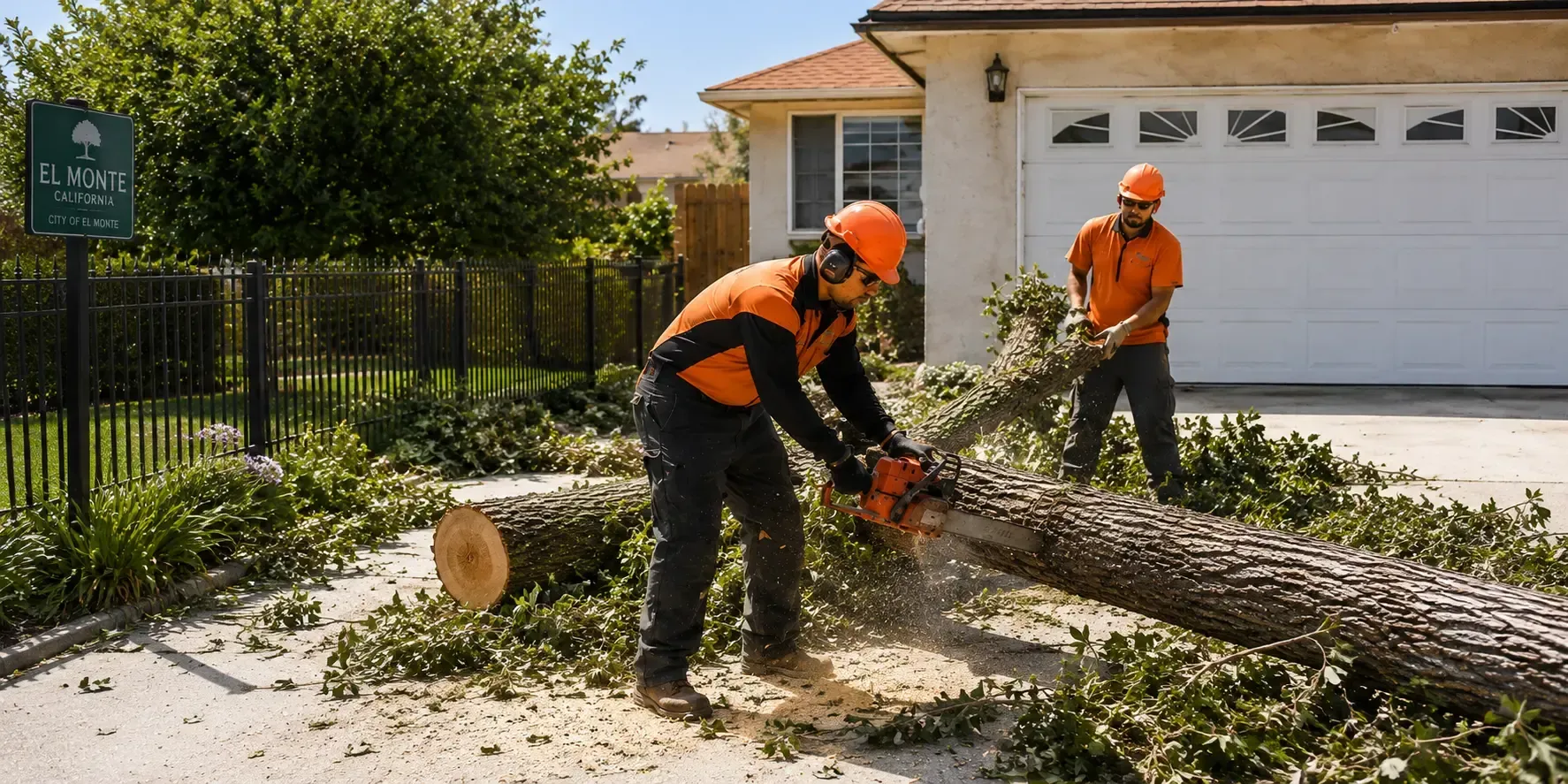
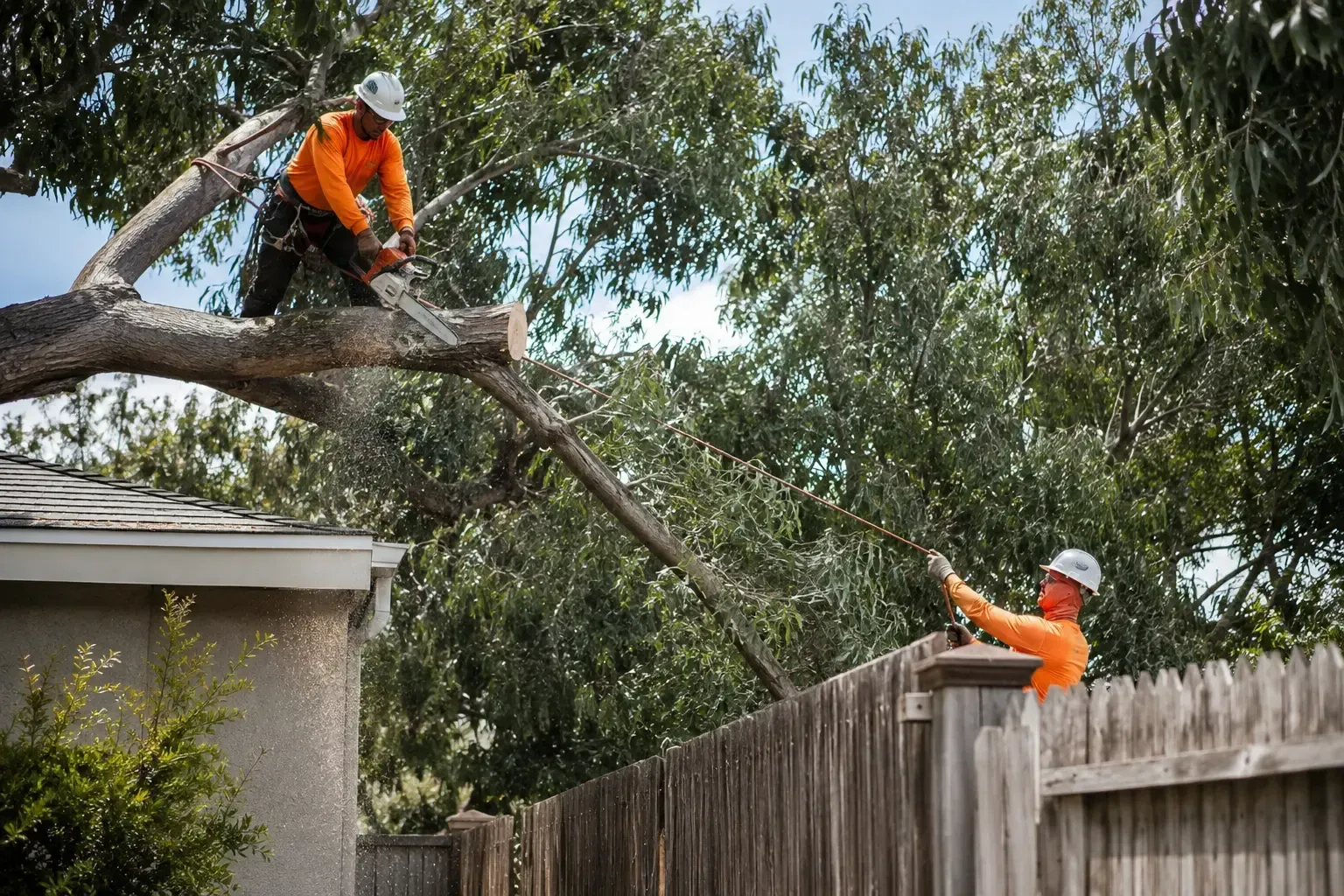
When you hire a dedicated team, you protect your home. A professional crew uses heavy-duty rigging equipment. This gear allows them to lower massive branches to the ground slowly. They will never let heavy wood crash onto your driveway or lawn. Investing in high-quality maintenance safeguards your property from unpredictable accidents.
Understanding Essential Pruning Techniques
Not all trimming methods are identical. Different goals require different approaches. Knowing the vocabulary helps you communicate effectively with your local specialists.
- Crown Cleaning: This is the most common technique for mature plants. It involves removing dead, diseased, or broken branches. Cleaning does not change the overall size or shape. It simply improves plant health and property safety.
- Crown Thinning: Thinning selectively removes smaller branches near the outer edge. This process increases light penetration. It also allows air to circulate freely through the leaves. Thinning reduces wind resistance effectively.
- Crown Raising: Raising involves cutting away the lowest hanging branches. This method provides clearance for pedestrians and vehicles. It also improves sightlines around driveways and street corners.
- Crown Reduction: Reduction decreases the overall height and spread of the canopy. This is a complex procedure. It should only be performed by highly trained professionals to avoid shocking the plant.
You should never let anyone top your trees. Topping is an outdated and harmful practice. It involves indiscriminately cutting large branches down to stubs. This method ruins the natural shape and creates severe long-term structural weakness.
Trimming Frequency Based on Tree Species
The frequency of necessary pruning depends heavily on the specific species. Some varieties grow aggressively and require frequent attention. Others grow very slowly and only need occasional touch-ups. Understanding your specific landscape helps you plan an effective maintenance schedule.
For instance, native oaks are highly adapted to the local environment. They generally grow slowly once they reach maturity. Excessive pruning can actually harm them. Conversely, non-native species like eucalyptus grow much faster. They often require more frequent intervention to prevent massive limbs from snapping.
Fruit trees require an entirely different approach. Their trimming schedule is usually focused on maximizing fruit yield. Shade trees prioritize structural strength and aesthetic shape. Below is a helpful guide for common species found around Southern California.
Mature Tree Trimming Schedule Comparison
| Tree Species Type | Recommended Frequency | Primary Goal | El Monte Climate Factor |
|---|---|---|---|
| Native Oaks | Every 3 to 5 years | Structural integrity | Highly drought resilient |
| Eucalyptus | Every 2 to 3 years | Weight reduction | Vulnerable to strong winds |
| Fruit Trees | Annually | Yield and health | Needs optimal sun exposure |
| Pine Trees | Every 5 to 7 years | Deadwood removal | Susceptible to bark beetles |
Identifying Warning Signs for Immediate Action
While routine schedules are helpful, you must remain observant. Sometimes a mature tree needs immediate help outside of its normal cycle. Learning to spot these warning signs can prevent catastrophic property damage.
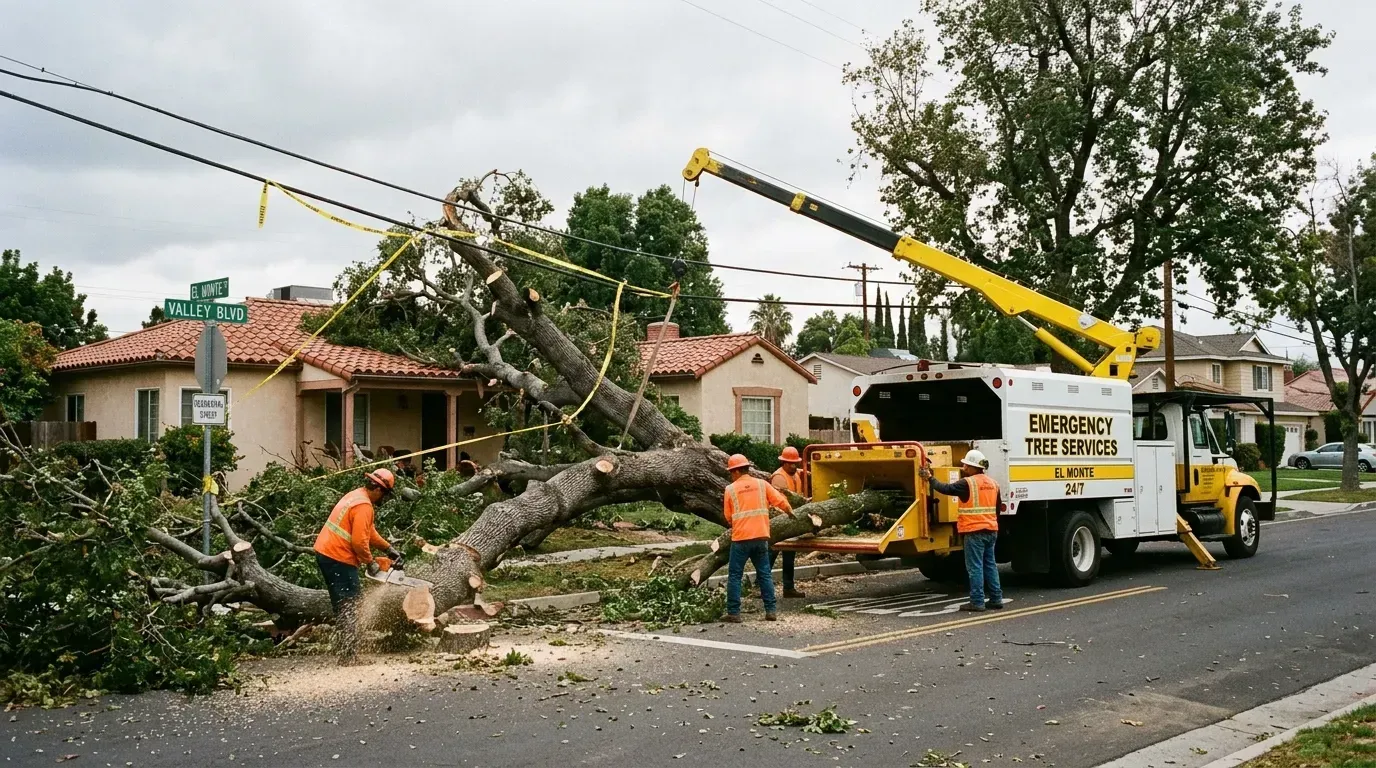
Look closely at the canopy after a heavy storm. If you see broken branches hanging loosely, you need professional help right away. These branches are often called widow-makers for a very good reason. They can fall at any moment without any additional warning.
Pay attention to branches that are crossing and rubbing together. The friction wears away the protective bark layer. This open wound invites pests and fungal infections. Removing one of the competing branches solves the problem instantly.
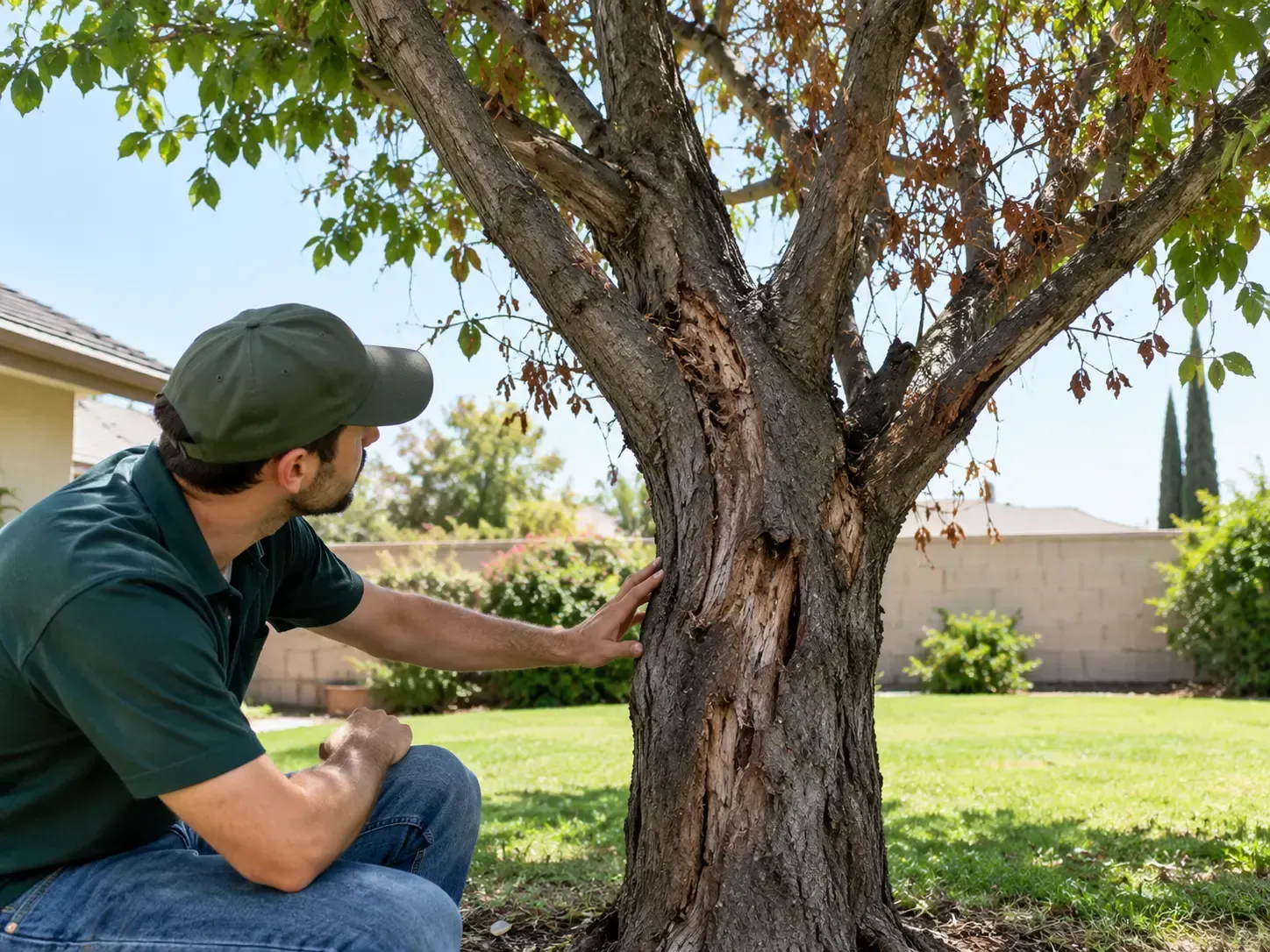
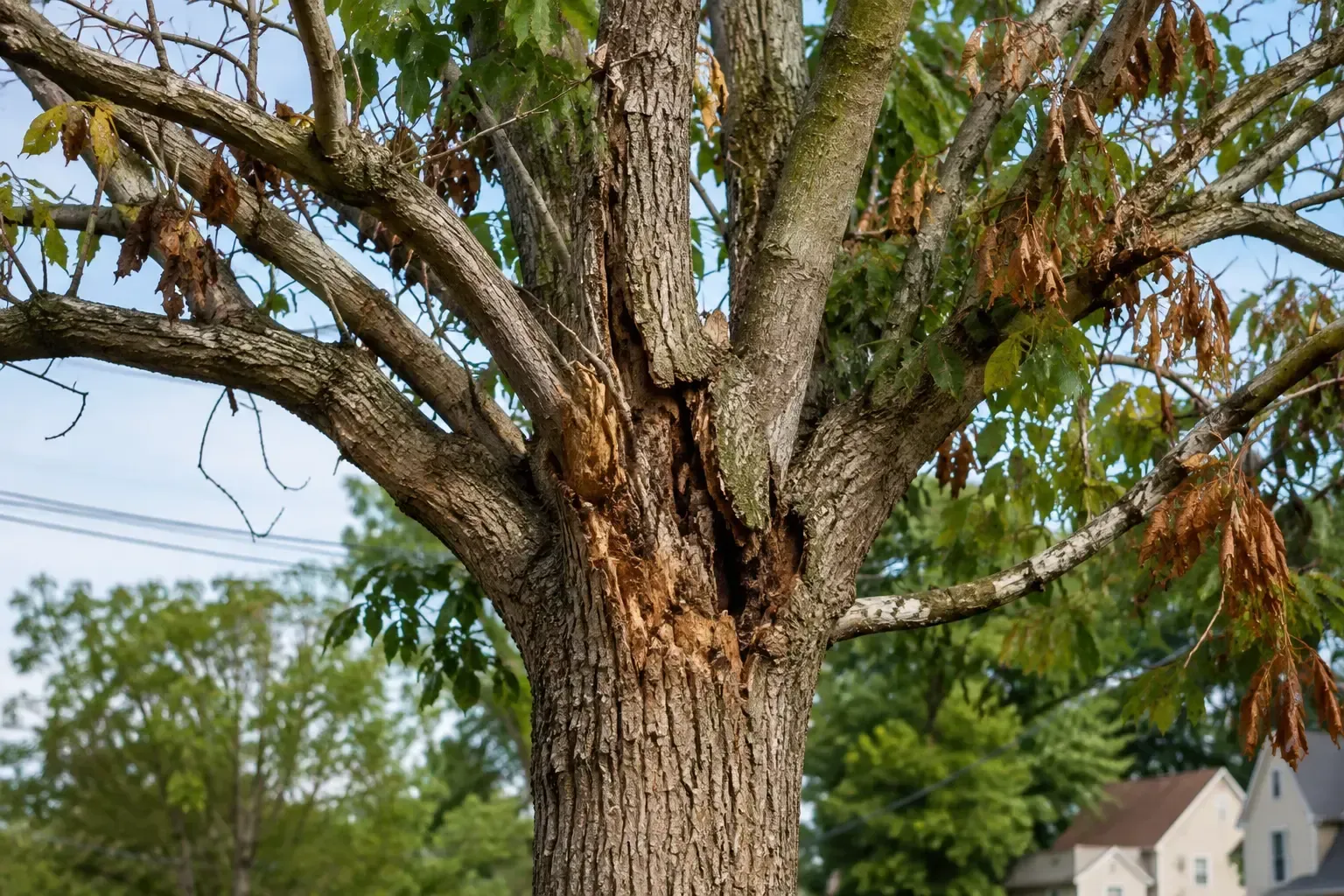
You should also monitor the trunk for deep cracks. A large split in the main trunk is a severe structural failure. Fungal growth at the base of the trunk is another red flag. Mushrooms growing near the roots often indicate internal decay. If you notice any of these signs, request an inspection promptly.
Protecting Your Landscape and Property
Maintaining a beautiful landscape takes consistent effort and professional guidance. Ignoring your large canopies is a gamble that rarely pays off. Proper pruning extends the lifespan of your greenery. It enhances your property value and protects your family from hidden dangers.
Knowing when to act is just as important as knowing what to do. You do not need to trim mature plants constantly. However, you do need to have them evaluated regularly by trained eyes. A proactive approach saves money and prevents emergency situations.
If you have concerns about the large canopies on your property, we are here to help. Taking action today prevents headaches tomorrow. You can always reach out to our local team to schedule a thorough evaluation of your yard.
Partnering with Local Experts
Caring for El Monte landscapes requires a deep understanding of the local environment. Our team brings years of dedicated experience to every single job. We prioritize safety, efficiency, and exceptional customer service.
We encourage you to learn more about our comprehensive approach. Visit Elmonte Tree Service to explore our full range of solutions. Our licensed experts are ready to keep your property safe and stunning year-round.
Frequently Asked Questions
How often should a mature oak tree be trimmed?
Mature oak trees generally need professional trimming every three to five years. Native oaks grow slowly and store energy in their extensive canopies. Removing too much foliage too often can severely stress the plant. Maintenance should focus primarily on removing deadwood and improving structural balance.
Can trimming a mature tree at the wrong time damage it?
Yes. Pruning at the wrong time of year can expose the plant to extreme stress. It also leaves fresh cuts vulnerable to seasonal pests and diseases. For most mature species in El Monte, late winter or early spring is the optimal time for structural maintenance.
Do I need a permit to trim street-facing trees in El Monte?
Permit requirements depend on the tree location and species. Trees planted in the public right-of-way often require a city permit before any major work begins. Protected native species may also have specific legal restrictions. A professional arborist can help you navigate local municipal guidelines before starting your project.