Tree Trimming in El Monte: Signs Your Trees Need Professional Attention
Neglected limbs, dead wood, and crowded crowns put El Monte, CA properties at risk. When you need tree trimming El Monte done right, El Monte Tree Service assesses structure, clearance, and health before any cut. Our professional tree pruning protects homes, businesses, and shared spaces across verified service areas without guesswork or overcutting.
Key takeaways
- Watch for dead, hanging, or crossing branches that signal urgent work.
- Clearance issues near roofs, walks, and power lines need trained crews.
- Thinning and crown reduction improve light, airflow, and storm readiness.
- Compare recovery versus removal before you schedule major cuts—see
how to know if a tree can recover or needs removal.
What are the clearest signs a tree needs professional trimming?
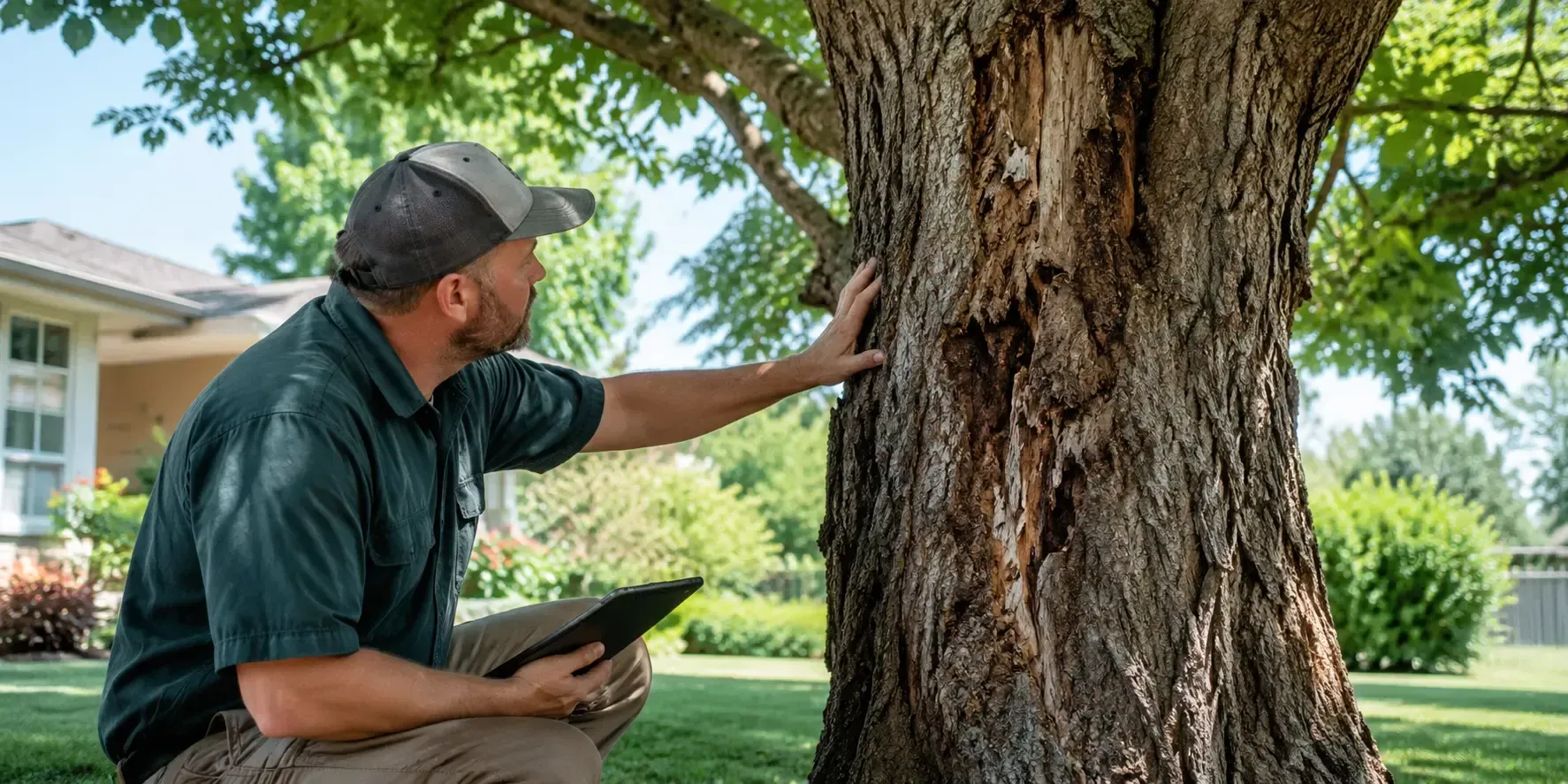
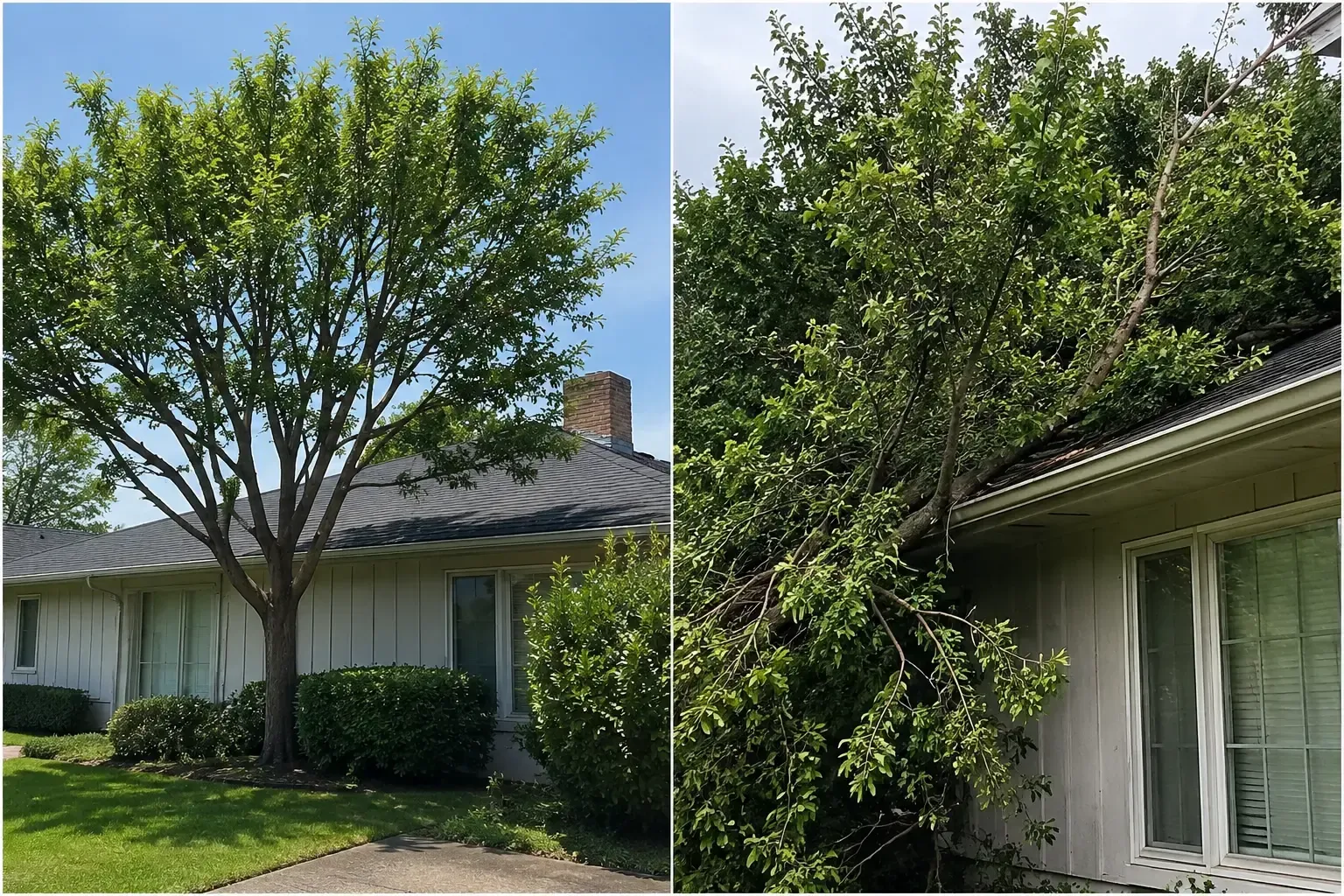
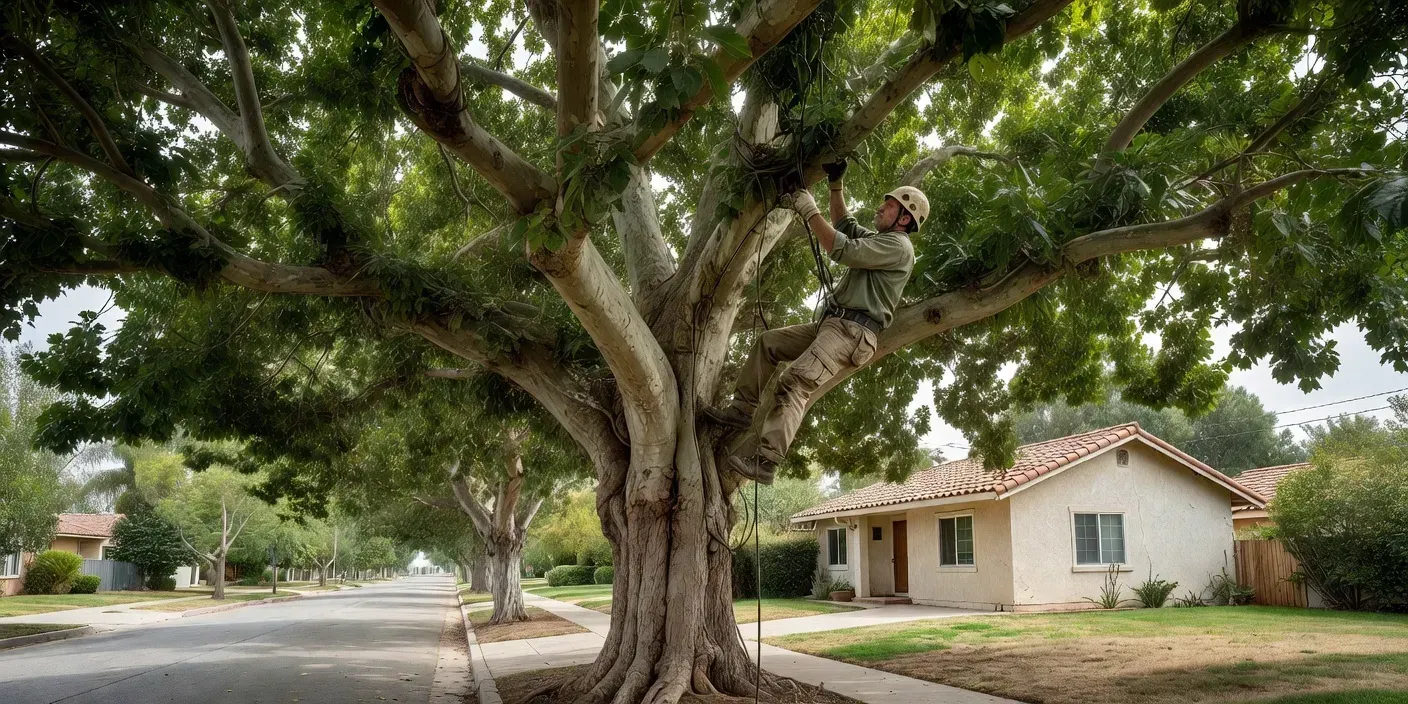
Dead limbs, sudden lean, rubbing branches, sparse foliage, and growth pressing on roofs or walkways are the clearest signs a tree needs professional trimming in El Monte, CA; our field team documents risk, species response, and safe access, then outlines next steps so you can request a site visit before minor issues become failures.
Which canopy problems call for pruning versus other tree care?
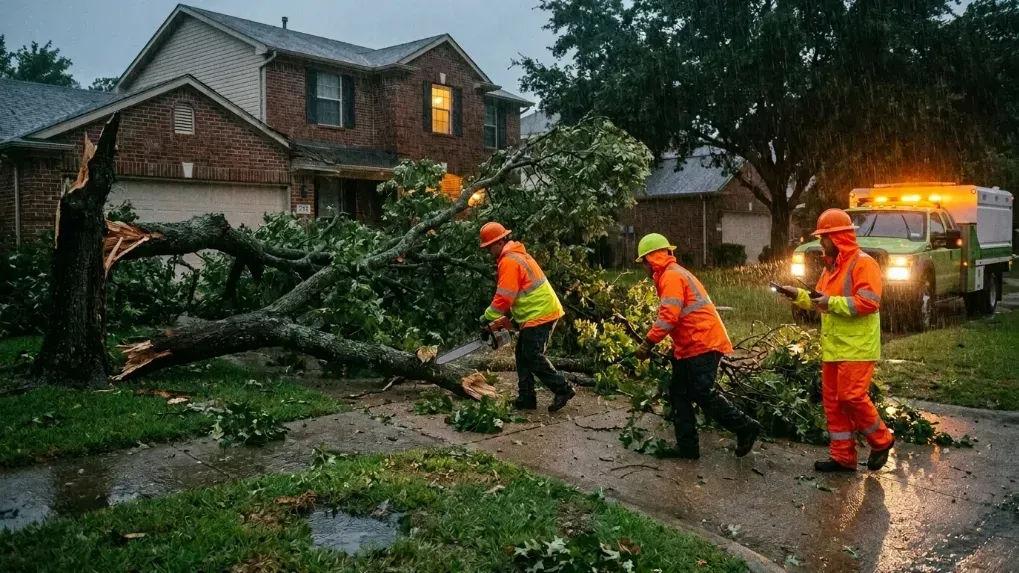
Crossing limbs, dense shade, roof contact, and storm-damaged tips usually call for professional tree pruning, while deep decay, root failure, or severe lean may need recovery checks or removal planning instead; for tree trimming El Monte property owners, matching the symptom to the right action protects structure, clearance, and long-term health without unnecessary cuts on sound wood.
| Issue | Best first step | Watch-out |
|---|---|---|
| Crossing or rubbing branches | Selective thinning and pruning | Leaving stubs that invite decay |
| Canopy pressing on roof or walks | Clearance-focused crown reduction | Over-reducing and stressing the tree |
| Dead tips after wind or drought | Targeted deadwood removal | Climbing unstable wood without rigging |
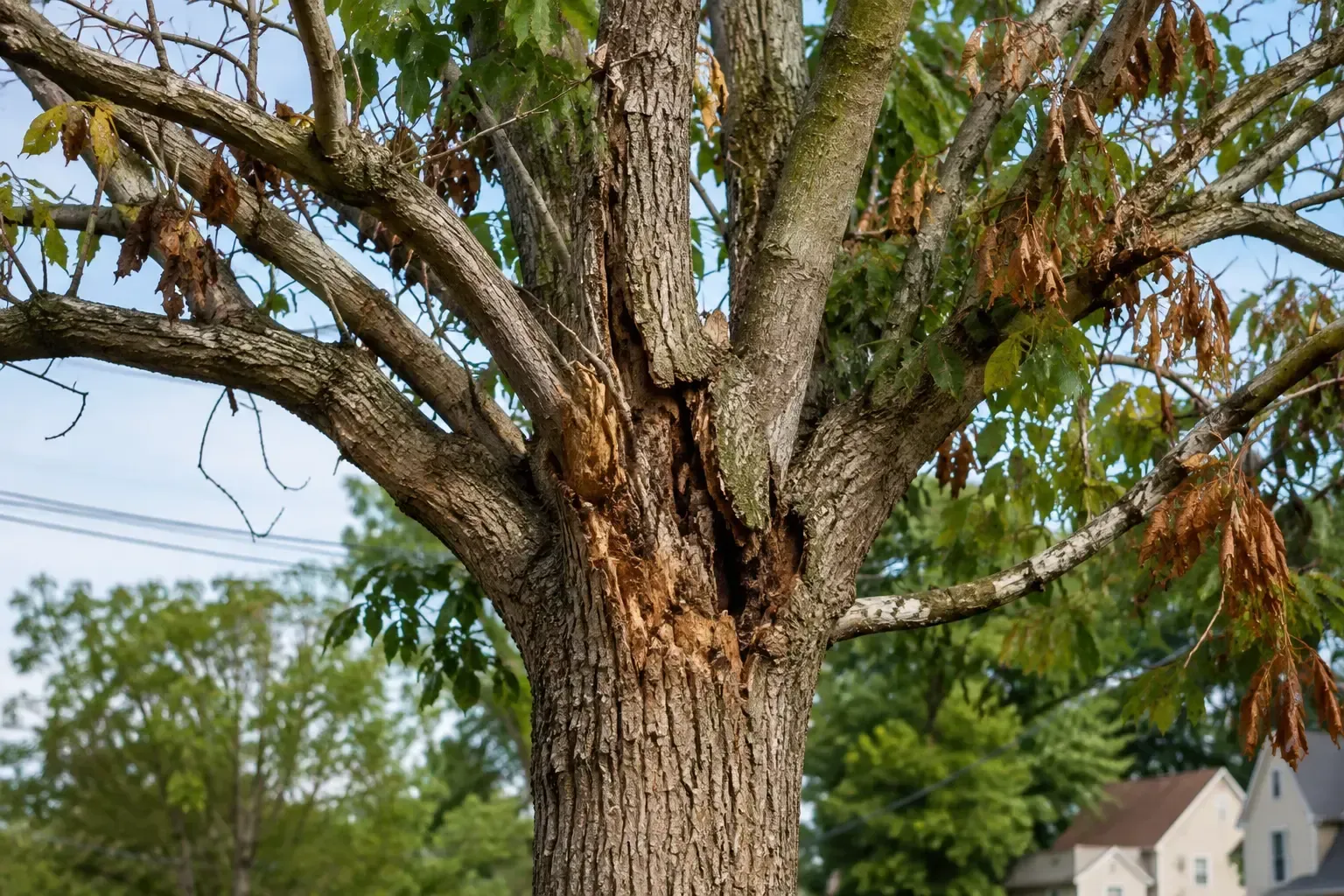
| Sparse leaves with trunk hollows | Health assessment before major cuts | Pruning a tree that cannot recover |
In El Monte, CA, heat, irrigation patterns, and tight lots make clearance and light common triggers for work. Thinning opens airflow. Reduction eases load on long limbs. Deadwood removal lowers drop risk near drives and entries.
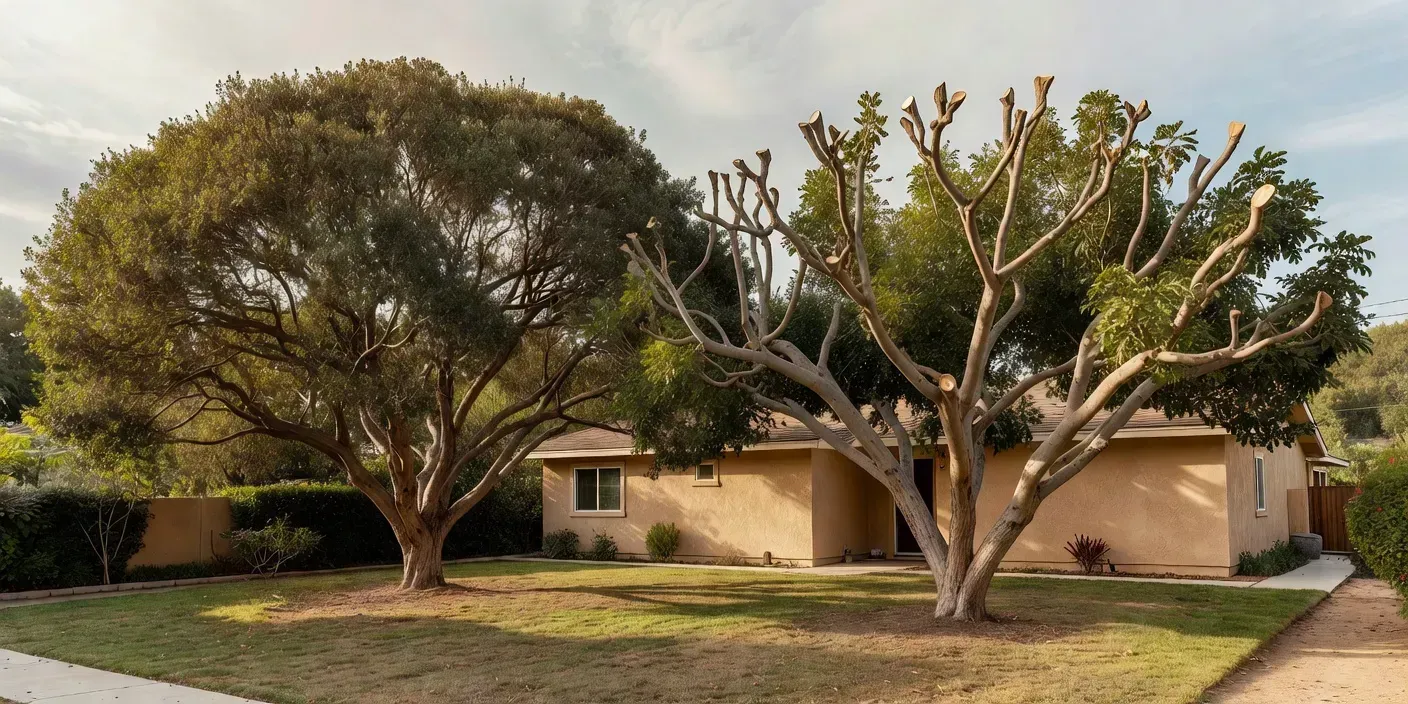
When growth is the main problem, schedule professional tree pruning rather than topping. If stability looks doubtful, review recovery versus removal guidance first, then request a site visit so crews size the job safely.
DIY Ladder Work or Professional Tree Trimming El Monte: Which Fits Your Property?
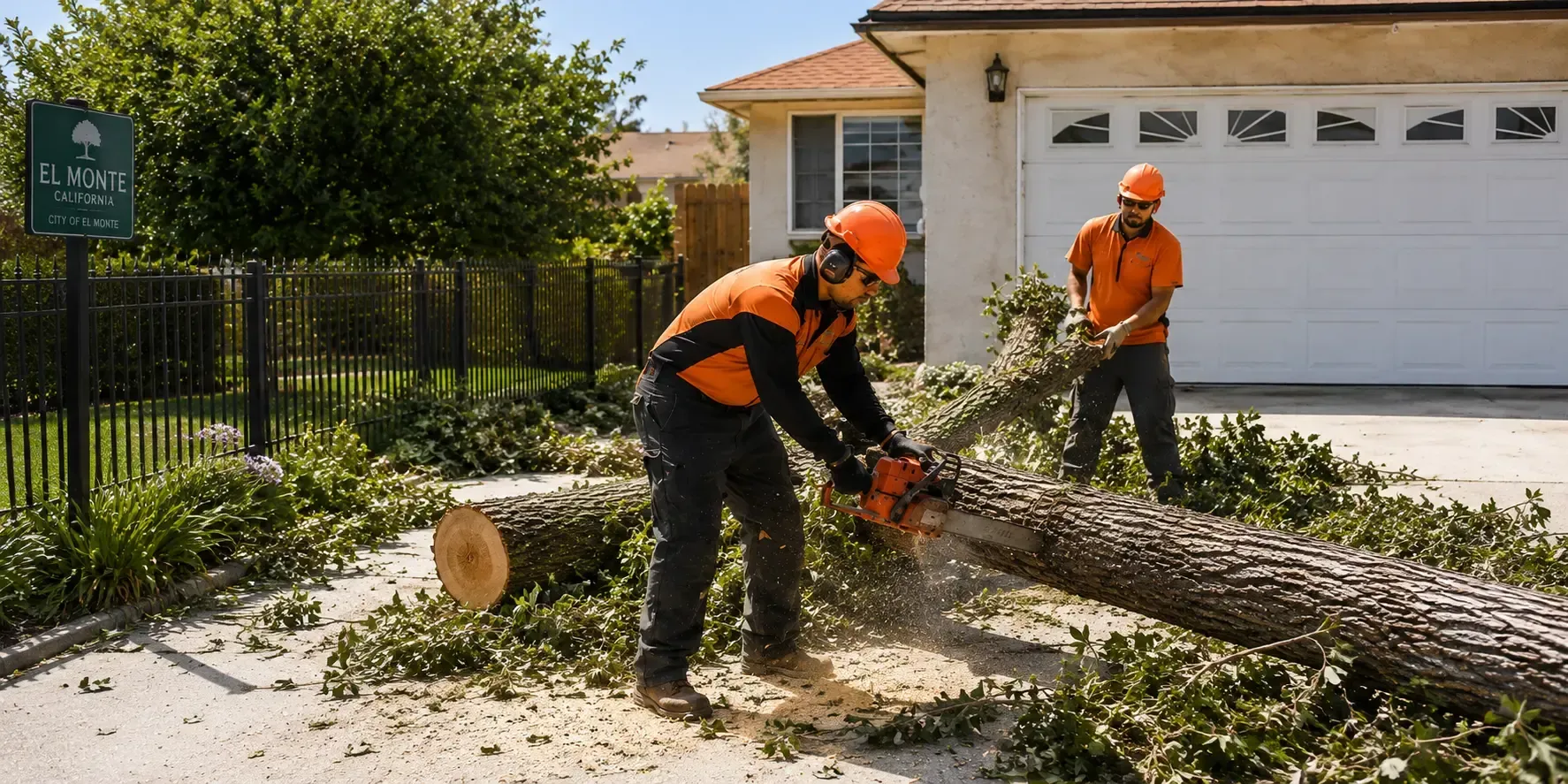
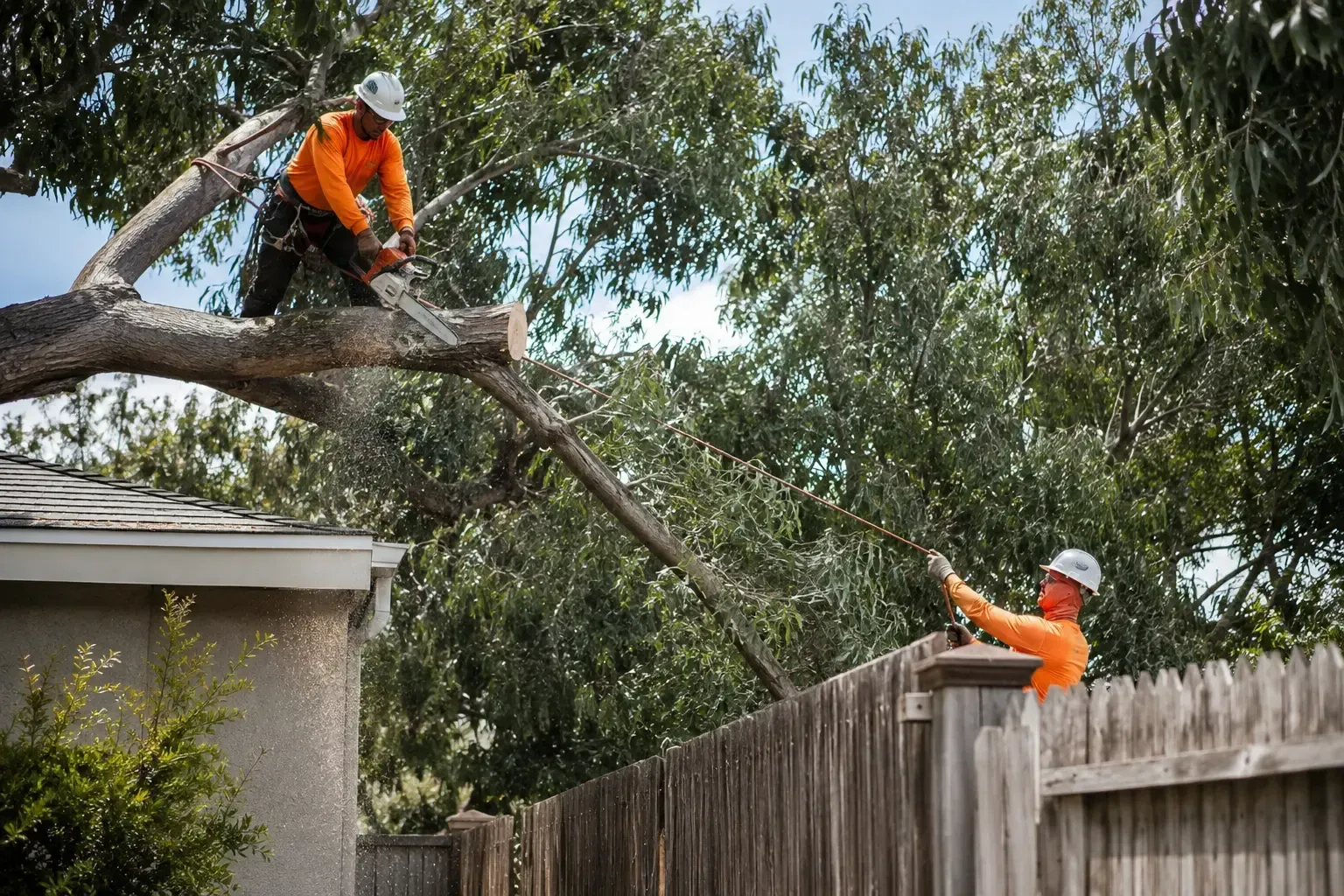
When limbs rub, hang over roofs, or show dieback after heat and wind in El Monte, CA, most property owners need professional tree trimming El Monte instead of DIY ladder work because load, clearance, and hidden decay require correct cuts, safe rigging, and judgment that protect structures and long-term canopy health without topping.
Home ladders rarely reach upper crowns safely. Power lines, stucco walls, and narrow side yards raise the stakes. A missed cut can leave stubs that invite decay.
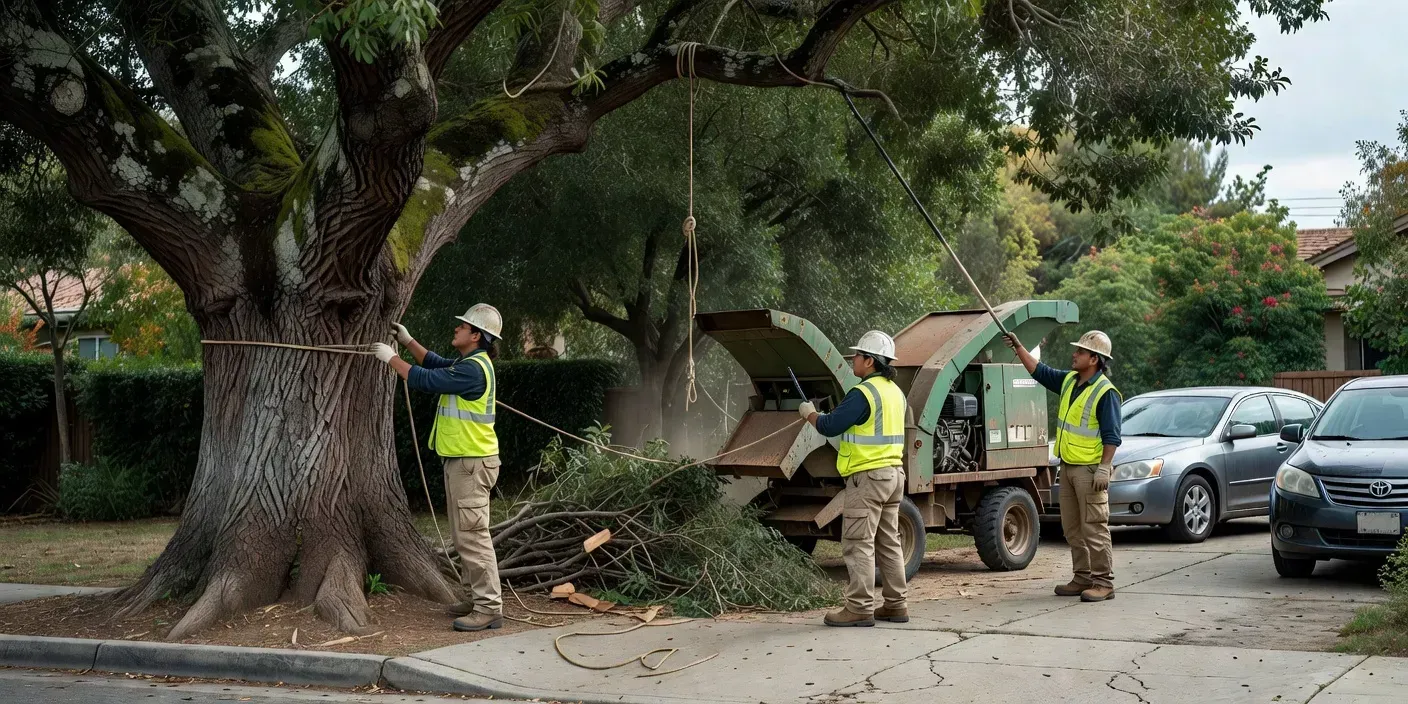
El Monte Tree Service focuses on clearance, structure, and health rather than shape-only shearing. The team matches each cut to species, season, and site limits common on local lots. If bark is peeling, the trunk sounds hollow, or lean has worsened, pause major reduction. Review how to tell if a tree can recover or needs removal before scheduling large crown work.
For rubbing limbs, roof contact, or deadwood over walks, plan targeted pruning next. When you are ready for a walkthrough, contact the crew to size access, drop zones, and cleanup for your El Monte address.
Clear signs that call for a pro
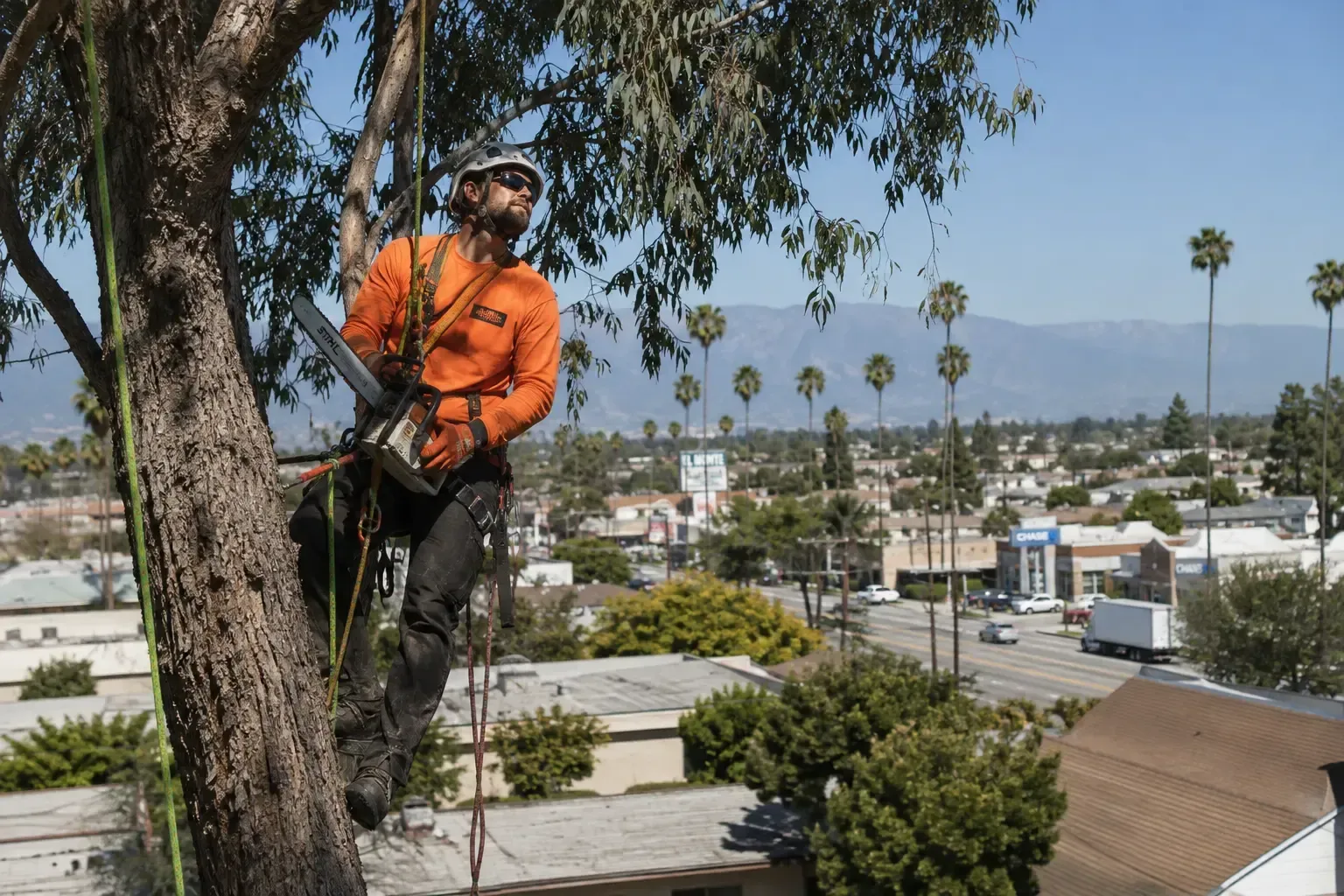
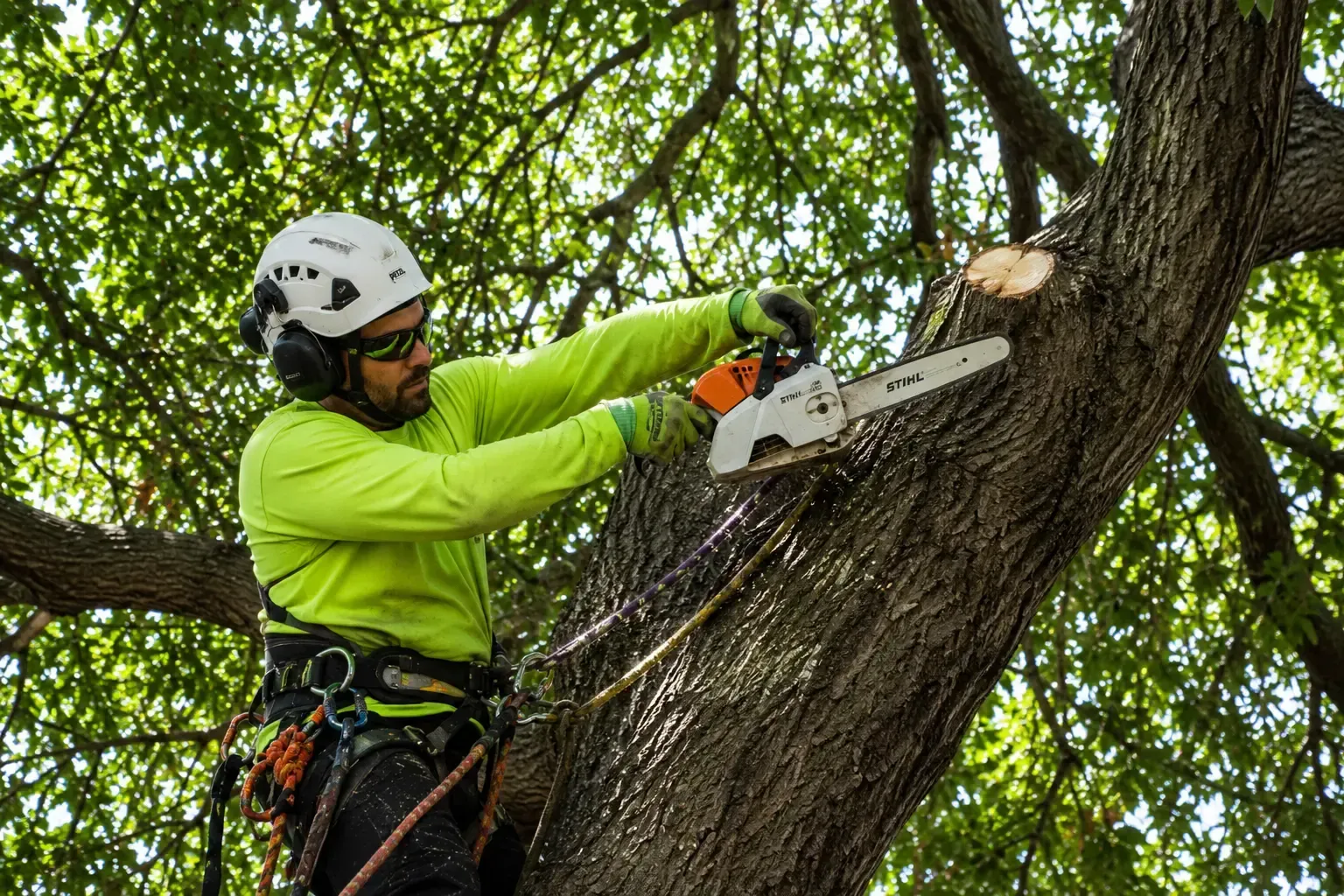
Overhanging limbs, cracked unions, and sparse upper foliage are classic signs a tree needs professional trimming before storms or summer heat stress El Monte, CA canopies. Homeowners, businesses, and property managers gain safer clearance and healthier structure when trained climbers handle load paths, not when ladders and pole saws force rushed cuts near roofs, lines, and parked cars.
Watch for branches that scrape gutters, cross and rub, or hang dead over sidewalks. Uneven crowns and sudden lean after wind also warrant a look. Early professional tree pruning reduces failure risk without stripping the tree.
What crews check on site
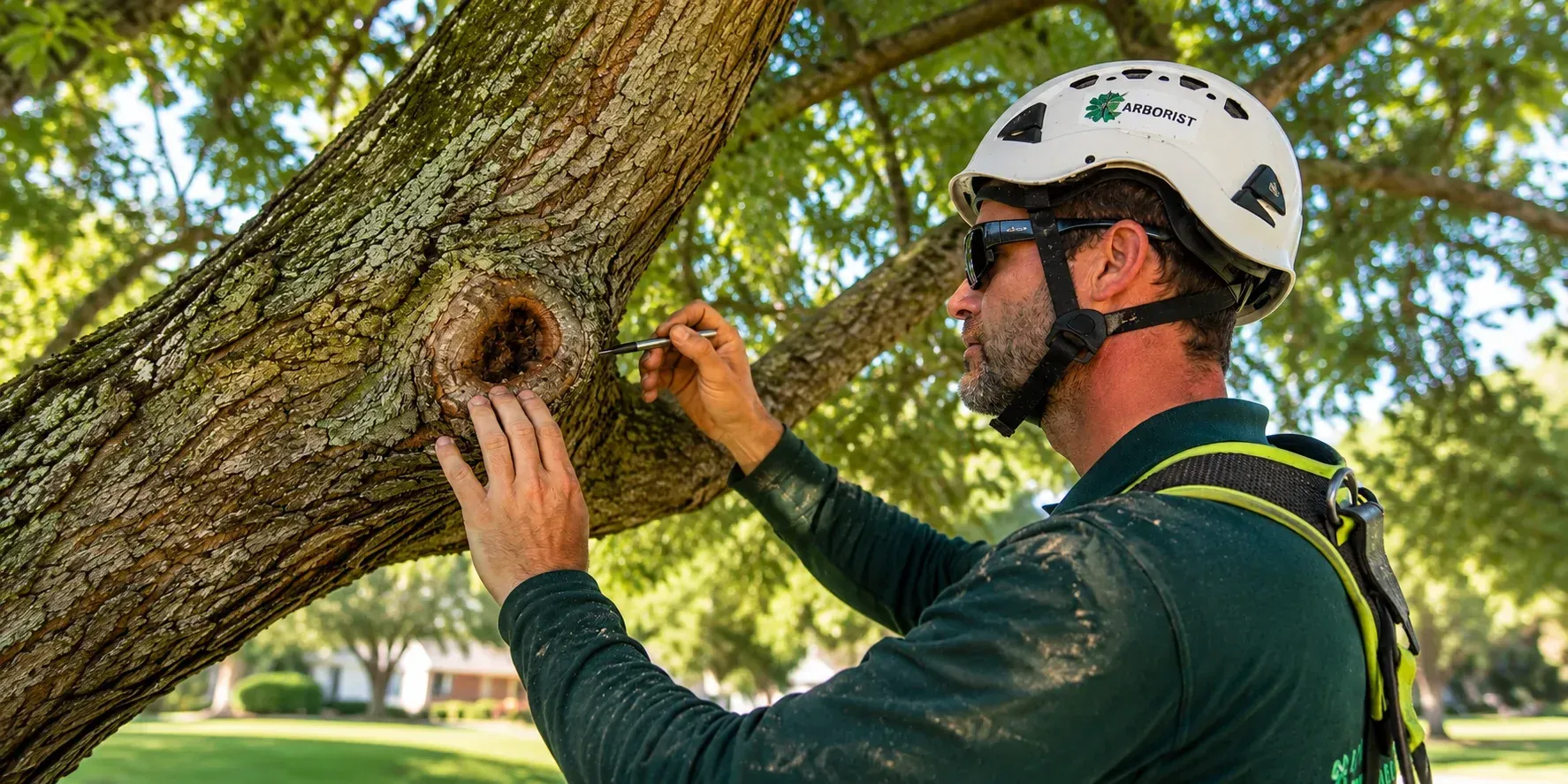
Access width, drop zones, species response, and decay pockets guide each cut. Local lots often mix mature street trees with tight driveways, so rigging and chipping plans matter as much as the pruning prescription itself.
| Sign | Risk if ignored | Typical response |
|---|---|---|
| Roof or line contact | Damage, outages | Selective reduction |
| Deadwood over walks | Injury, liability | Deadwooding |
| Rubbing or crossed limbs | Wounds, decay | Structural pruning |
| Thin crown after heat | Decline | Light thinning, monitor |
Frequently Asked Questions
How often should tree trimming El Monte properties receive?
Most healthy landscape trees benefit from professional review every few years, with sooner visits after storms, construction, or visible dieback. Frequency depends on species, growth rate, and proximity to structures. A short site walk sets a realistic cycle for your lot without unnecessary annual shearing.
What are the main signs a tree needs professional trimming?
Roof contact, hanging dead limbs, crossed branches, and sparse upper growth signal that DIY work is unsafe or incomplete. Hollow sounds, peeling bark, or worsening lean need extra caution. Address clearance and structure first so cuts protect both people and long-term canopy health on El Monte streets.
Is professional tree pruning different from topping?
Yes. Proper pruning removes selected wood at correct points to improve structure and clearance while preserving living canopy. Topping leaves large stubs, weak sprouts, and faster decay. Ask for species-aware cuts, not flat “haircuts,” especially on mature trees near homes
Preferred Source on Google Search
Add www.montetreeservice.com to customize your search feed across Top Stories.