Tree Removal vs. Tree Trimming: How Property Owners Can Evaluate the Difference
Choosing tree removal vs trimming starts with risk, structure, and long-term site goals in El Monte, CA. El Monte Tree Service helps homeowners, businesses, and property managers weigh canopy health, targets under the drip line, and whether pruning can restore safe form—or whether the tree should come down.
Key takeaways
- Trimming manages shape, clearance, and light; removal ends the hazard at the stump.
- Remove when decay, lean, or root failure makes pruning a temporary fix.
- Use a basic tree risk assessment before storms or construction.
- Local codes and utility lines often decide the safer path.
When should you remove a tree instead of trimming it?
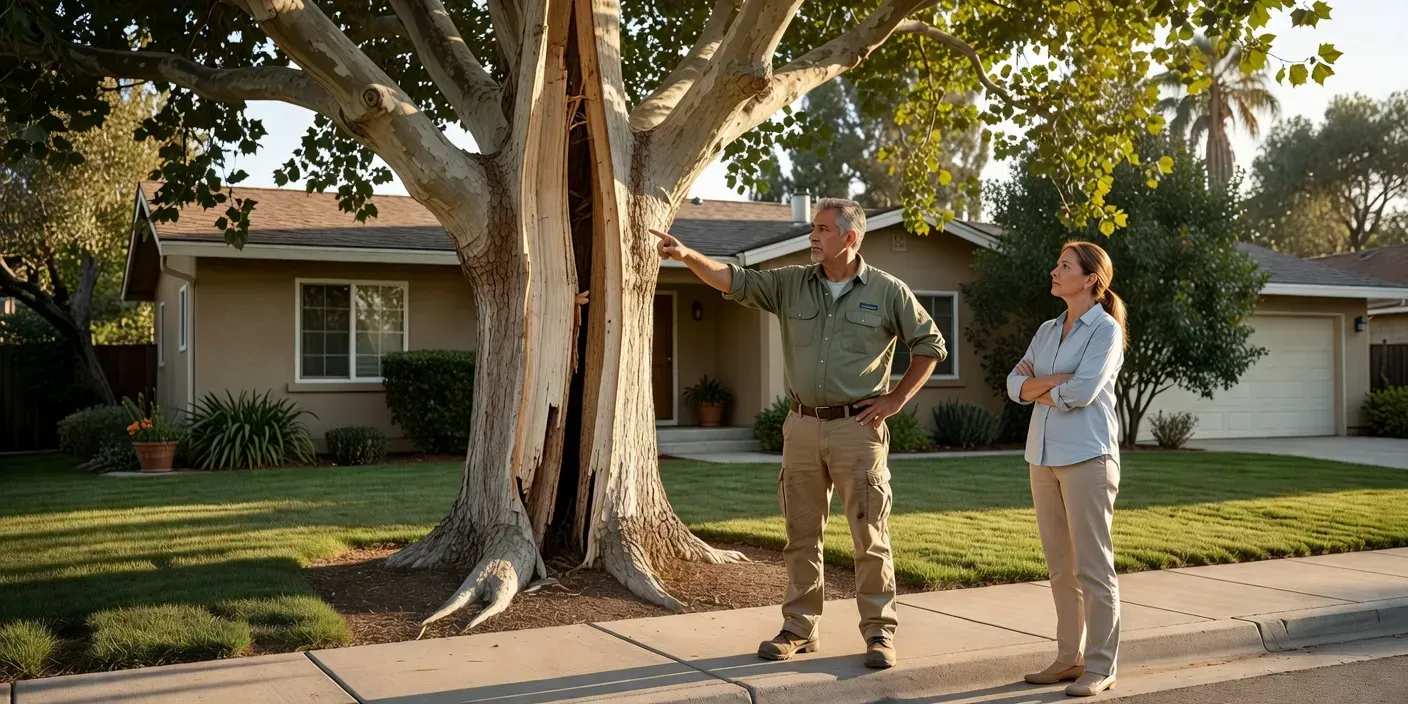
You should remove a tree instead of trimming it when structural failure is likely, the trunk or roots are critically compromised, or repeated pruning cannot reduce risk to people and property in El Monte. Trimming suits deadwood, clearance, and balanced crowns on otherwise sound trees. If decline signs match what you see after reading how you can tell if a tree in your El Monte yard is dying, plan a full assessment before the next wind event.
Which option fits tree removal vs trimming on an El Monte lot?
Tree removal vs trimming depends on whether the tree can hold safe structure after pruning or must leave the site entirely; in El Monte, CA, sound trees with clearance or light issues usually stay under a trim plan, while failed roots, severe lean, or irreversible decay push owners toward removal so targets under the canopy stay protected and long-term landscape goals remain realistic.
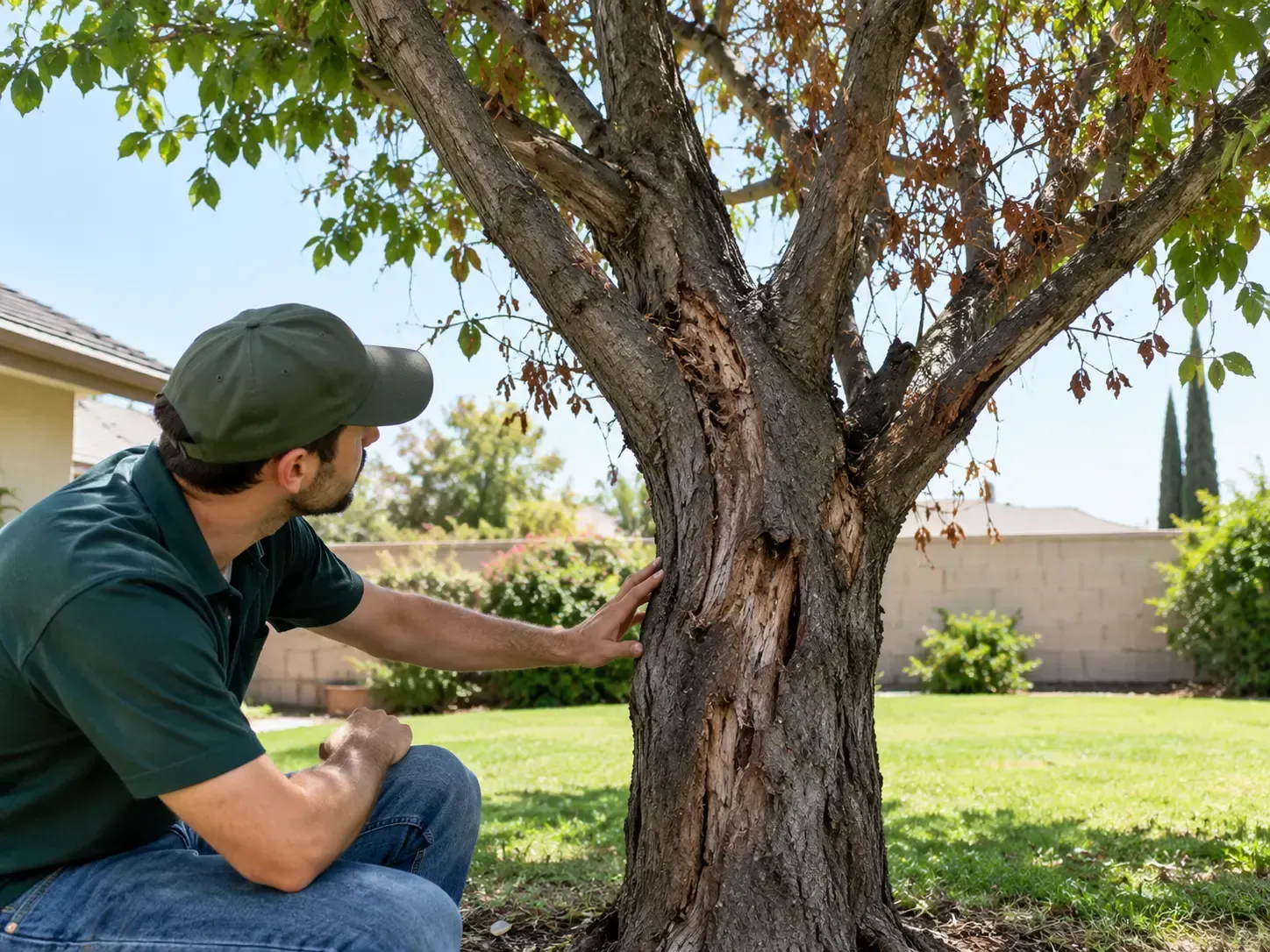
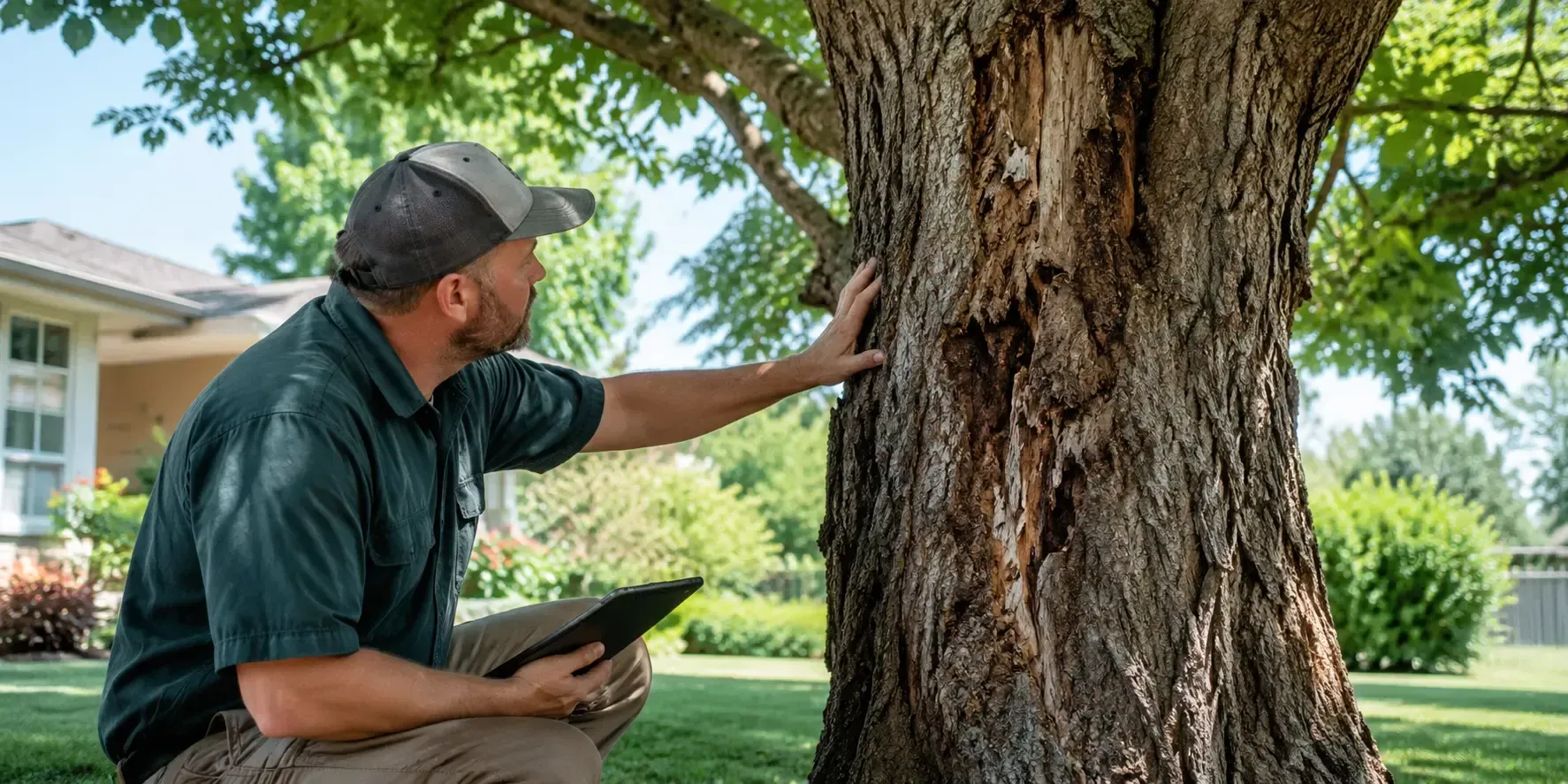
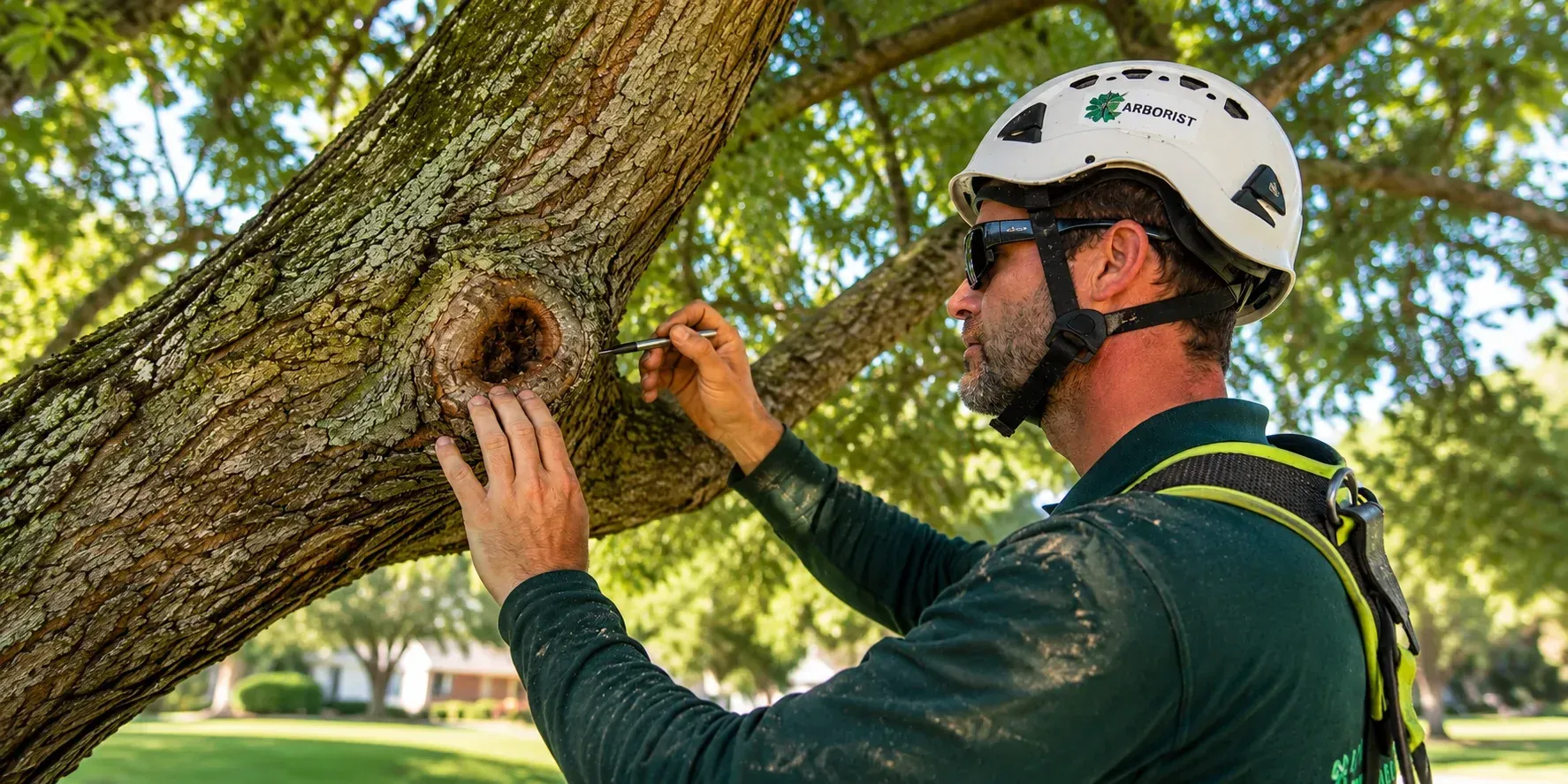
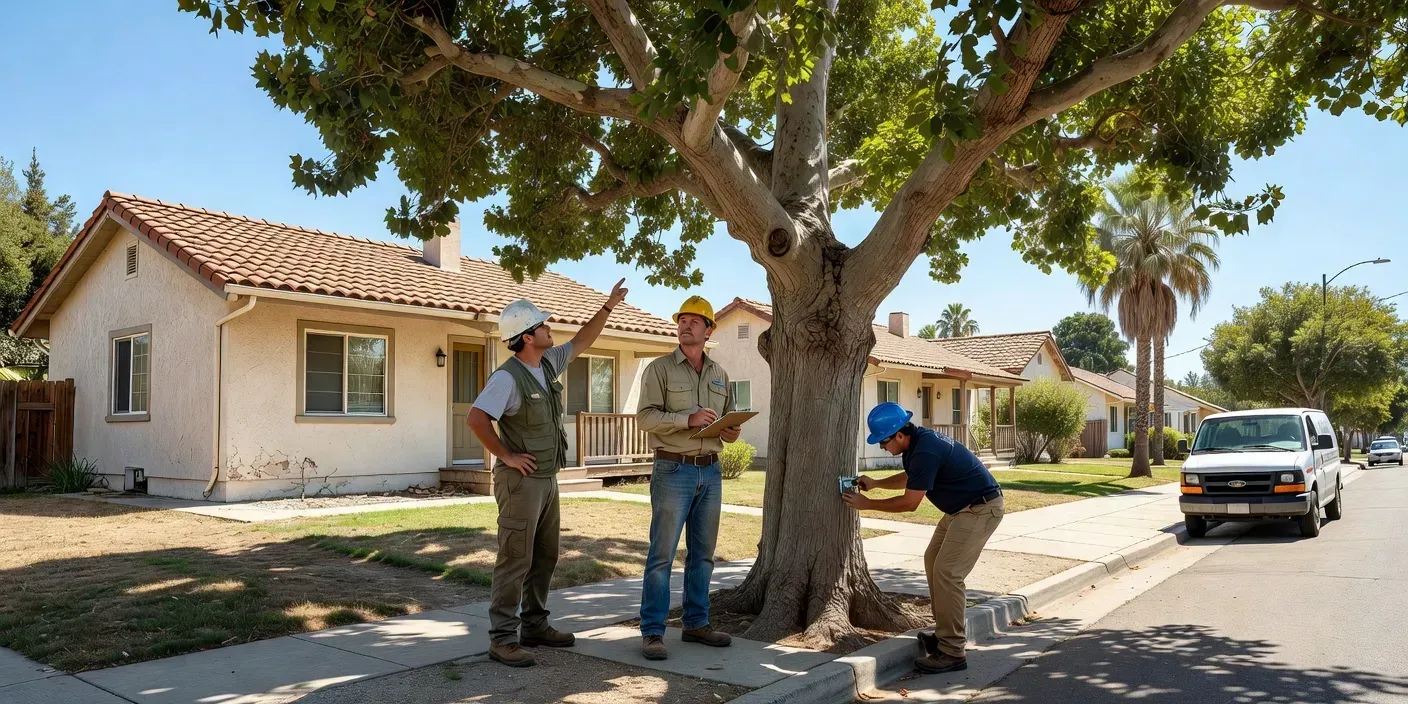
Use a simple tree risk assessment: check trunk seams, root plate heave, dead leaders over roofs, and how often you have already cut the same limbs. Trimming buys time only when wood and anchorage still work. Removal ends the cycle when failure is the likely next step.
| Option | Best for | Watch-out | Typical next step |
|---|---|---|---|
| Light trim | Clearance, shape, deadwood on sound wood | Over-thinning weakens the crown | Schedule services pruning |
| Structural prune | Correctable lean or competing leaders | Ignores advanced decay | Document risk, recheck after storms |
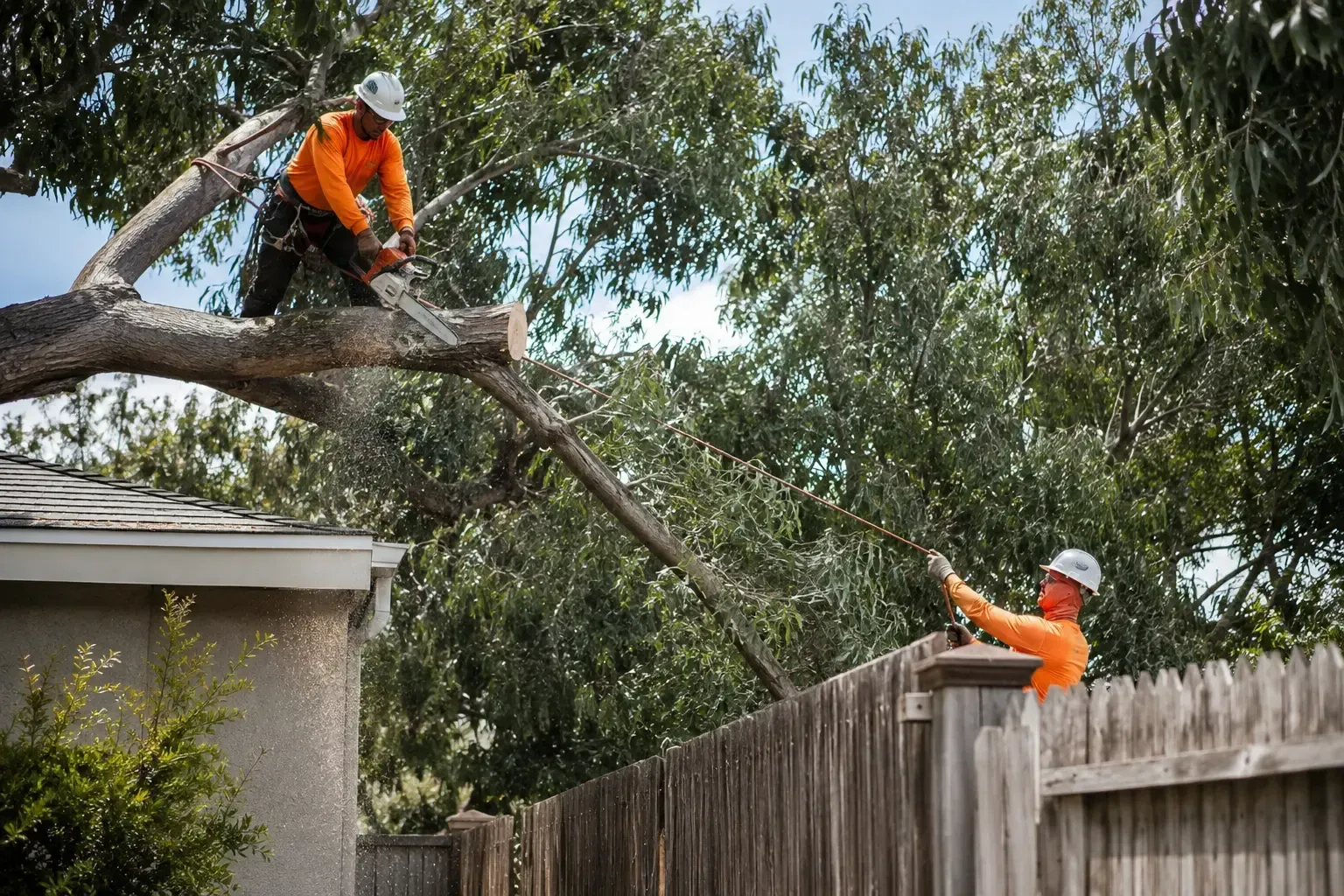
| Staged reduction | Large canopy near roofs or lines | Repeat cuts if roots are failing | Pair with monitoring plan |
| Full removal | Critical defects, targets at high risk | Stump and replant decisions | Confirm method with the team |
If targets, lean, or decay already dominate the walkaround, skip cosmetic cuts and contact for a removal-ready plan before the next Santa Ana wind pattern.
Tree Removal vs Trimming: Which Path Fits Your El Monte Property?
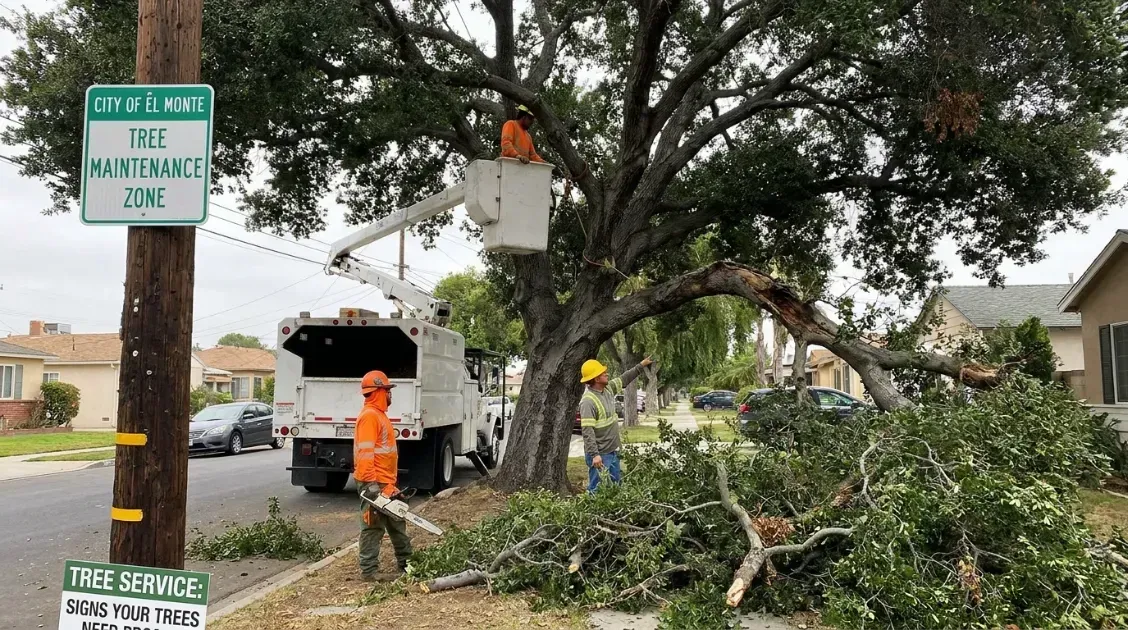
Choose trimming when the trunk, roots, and main leaders still hold load and only clearance, shape, or limited deadwood is the issue; choose removal when defects, targets, and failure history show the tree can no longer be managed safely—especially after storms common around El Monte, CA—so landscape goals and nearby structures stay protected without endless repeat cuts.
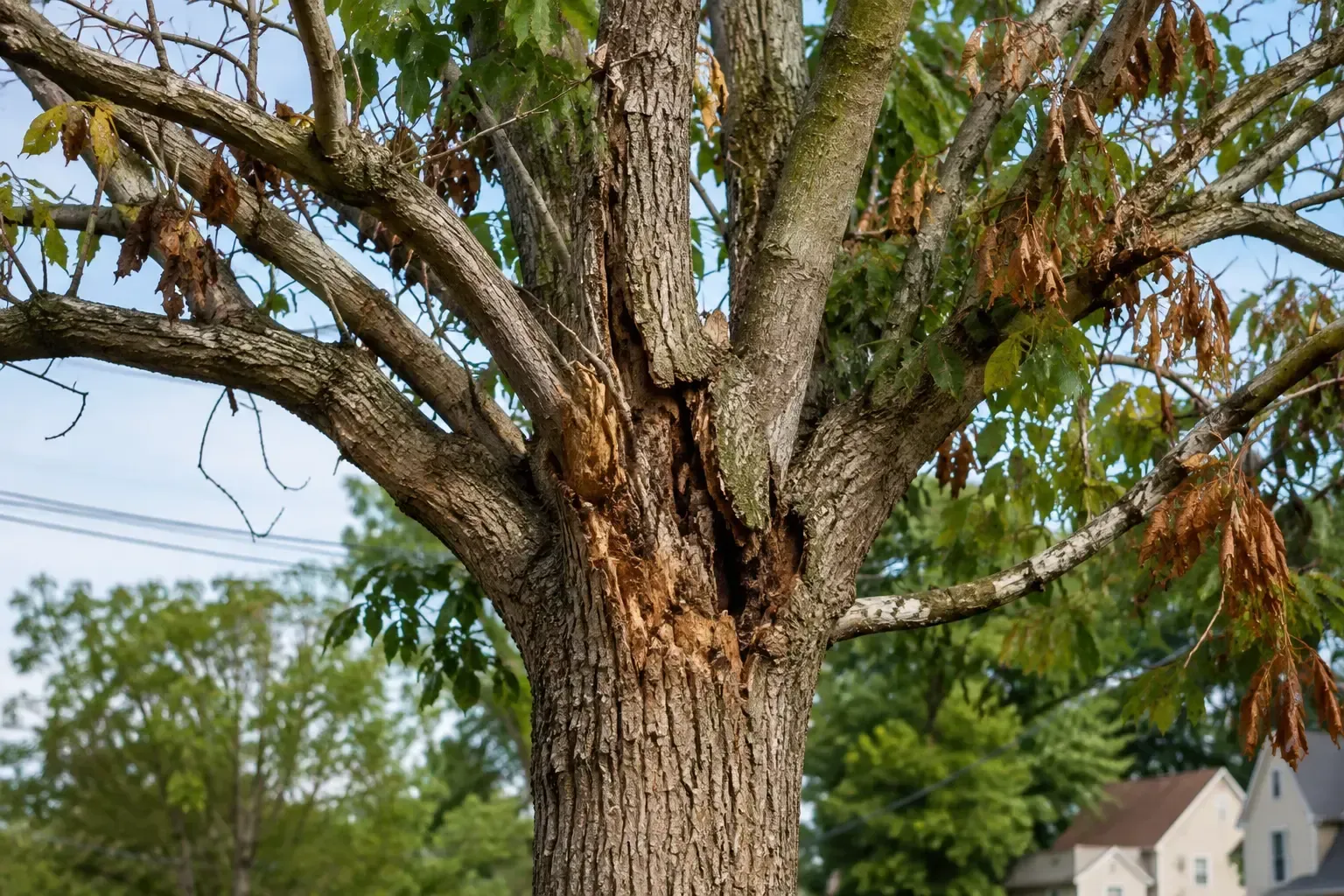
Sound wood and stable anchorage favor pruning. Failed roots, deep cavities, or a lean that keeps worsening favor full removal instead of another light cut.
Walk the site with a simple tree risk assessment in mind. Note heave at the root plate, seams in the trunk, and dead leaders over roofs or parking. If you already keep cutting the same limbs, trimming is only buying short time.
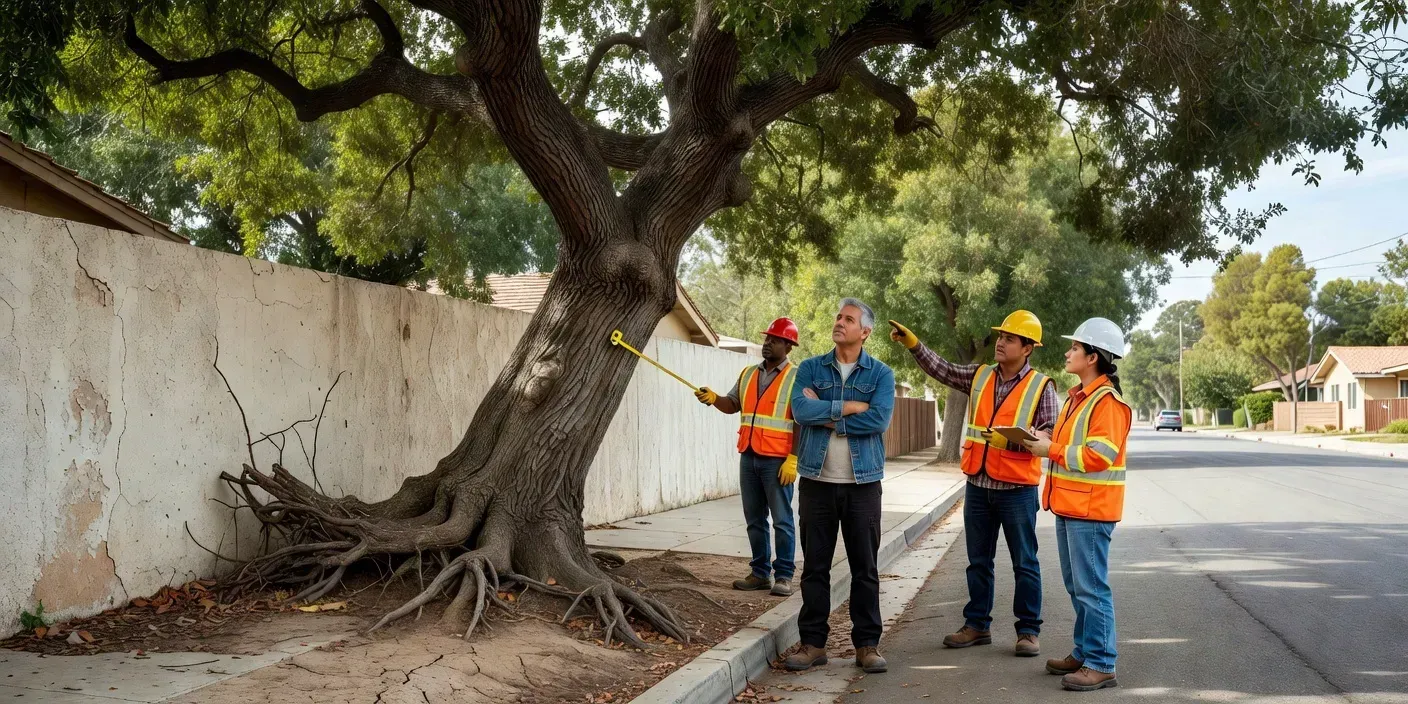
When decline is unclear, compare what you see with guidance on how can you tell if a tree in your El Monte yard is dying before you schedule work. El Monte Tree Service can then match the job to the real condition rather than a cosmetic fix.
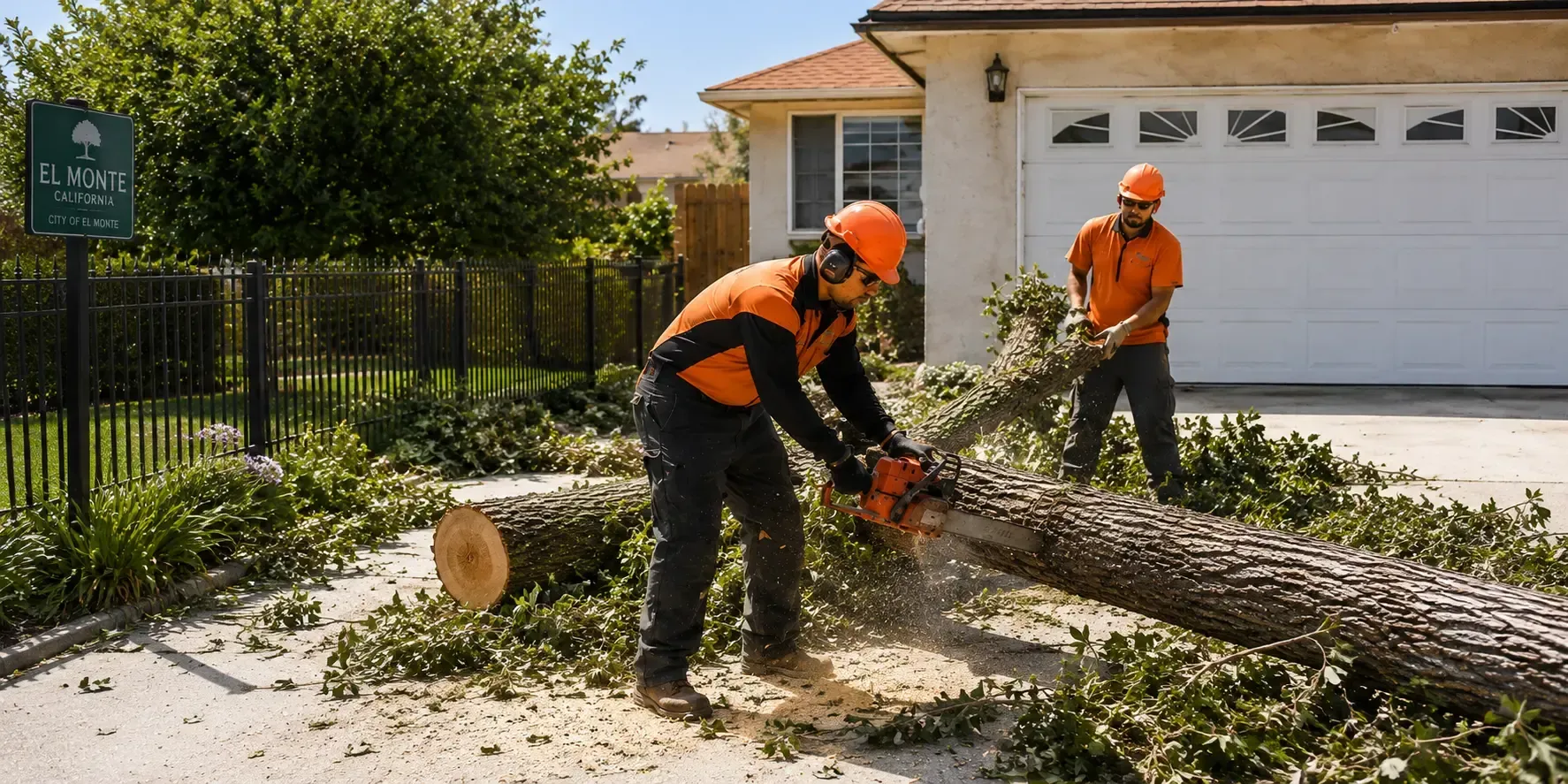
If removal is the safer call, plan stump handling and a replacement that fits the lot. For a clear next step on your address, reach out through contact so the crew can confirm method and timing on site.
Comparing Options Side by Side
Tree removal vs trimming hinges on whether the whole stem can still carry load safely or only crown work is needed; property owners use a basic tree risk assessment—targets, defects, and failure history—to decide, especially after wind and rain around El Monte, CA, so homes and access stay protected without repeat emergency cuts.
| Factor | Trimming (pruning) | Removal |
|---|---|---|
| Structure | Sound trunk, roots, leaders | Failed roots, cavities, worsening lean |
| Goal | Clearance, shape, deadwood | Eliminate high risk to targets |
| Follow-up | Periodic maintenance | Stump plan and possible replant |
When to Remove a Tree Instead of Trimming It
Choose removal when heave, deep decay, or dead leaders over roofs keep returning after cuts; endless trimming then only delays failure. Sound anchorage and limited deadwood still favor pruning. Match the call to lot use, nearby walls, and storm exposure common in El Monte.
Request an Assessment for scoped tree care services, the local team walks defects against targets so the method fits the site—not a one-size cosmetic pass.
Frequently Asked Questions
What is the core difference in tree removal vs trimming?
Tree removal vs trimming separates full take-down from selective crown work. Trimming keeps a stable tree while fixing clearance or deadwood. Removal is for trees that can no longer be managed safely over people, roofs, or parking after a clear tree risk assessment on the lot.
When to remove a tree instead of trimming it on a small lot?
Remove instead of trimming when roots heave, the lean worsens, or cavities leave little sound wood over a target. Repeat cuts on the same leaders signal short-term delay only. Storm history around El Monte, CA often pushes that decision sooner for tight yards.
How does a simple tree risk assessment guide the choice?
A tree risk assessment notes defects, weather exposure, and what sits under the canopy. Sound wood and stable roots support trimming. Failed anchorage, seams, or dead leaders over structures support removal so landscape goals and buildings stay protected without endless callbacks.
Preferred Source on Google Search
Add www.montetreeservice.com to customize your search feed across Top Stories.