How Do You Know if a Tree Can Recover or Needs to Be Removed?
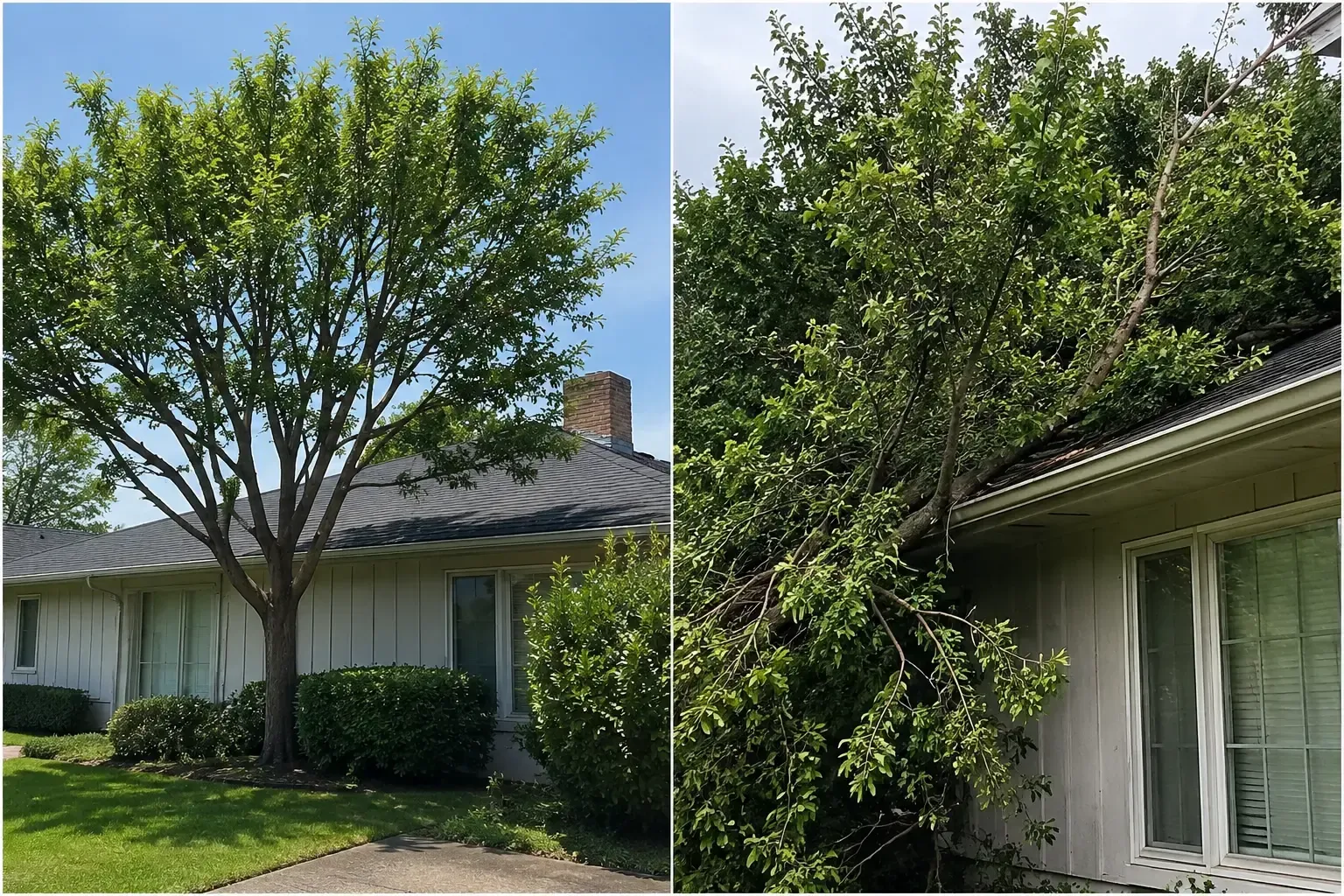
A damaged or unhealthy tree does not always need to be removed. In many cases, proper pruning, improved care, or treatment can help a tree recover and continue growing safely. However, some trees develop serious structural problems, extensive decay, or irreversible decline that make removal the safer choice.
For homeowners, knowing the difference can prevent unnecessary tree removal while also reducing the risk of falling branches, property damage, or personal injury. If you are unsure about a tree on your El Monte property, a professional evaluation can help determine whether the tree should be trimmed, treated, monitored, or removed.
What Determines Whether a Tree Can Recover?
Several factors affect a tree's ability to recover. These include the type and severity of damage, the tree's age, its overall health, root condition, structural stability, and whether the underlying problem can be corrected.
A tree with a few dead branches may respond well to professional pruning. On the other hand, a tree with extensive trunk decay, severe root damage, or major structural failure may have little chance of safely recovering.
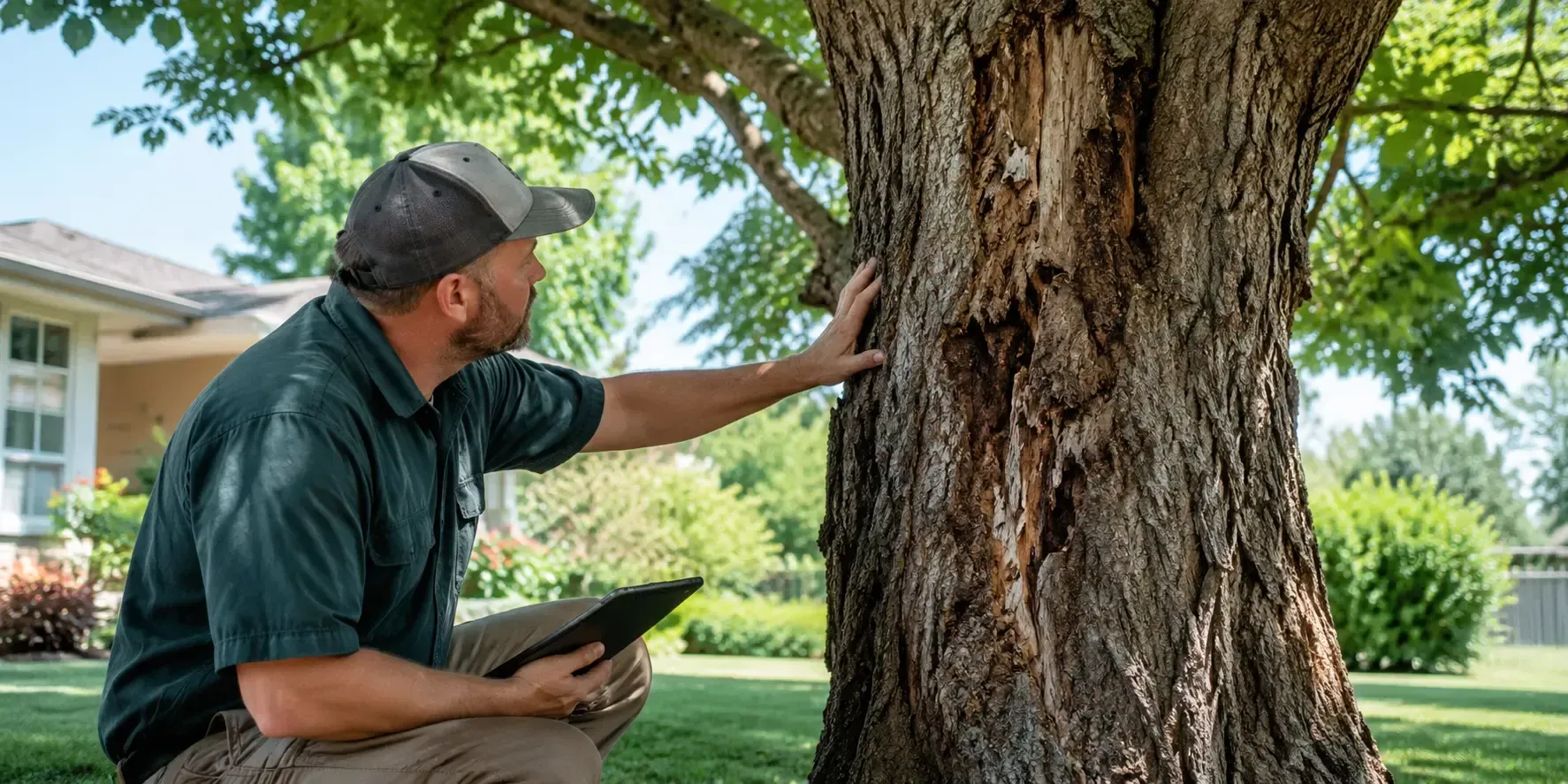
A professional tree assessment should look at the entire tree rather than focusing on one visible problem.
Signs a Tree May Still Be Able to Recover
Some warning signs look serious but do not automatically mean the tree needs to be removed.
1. Only a Few Branches Are Dead
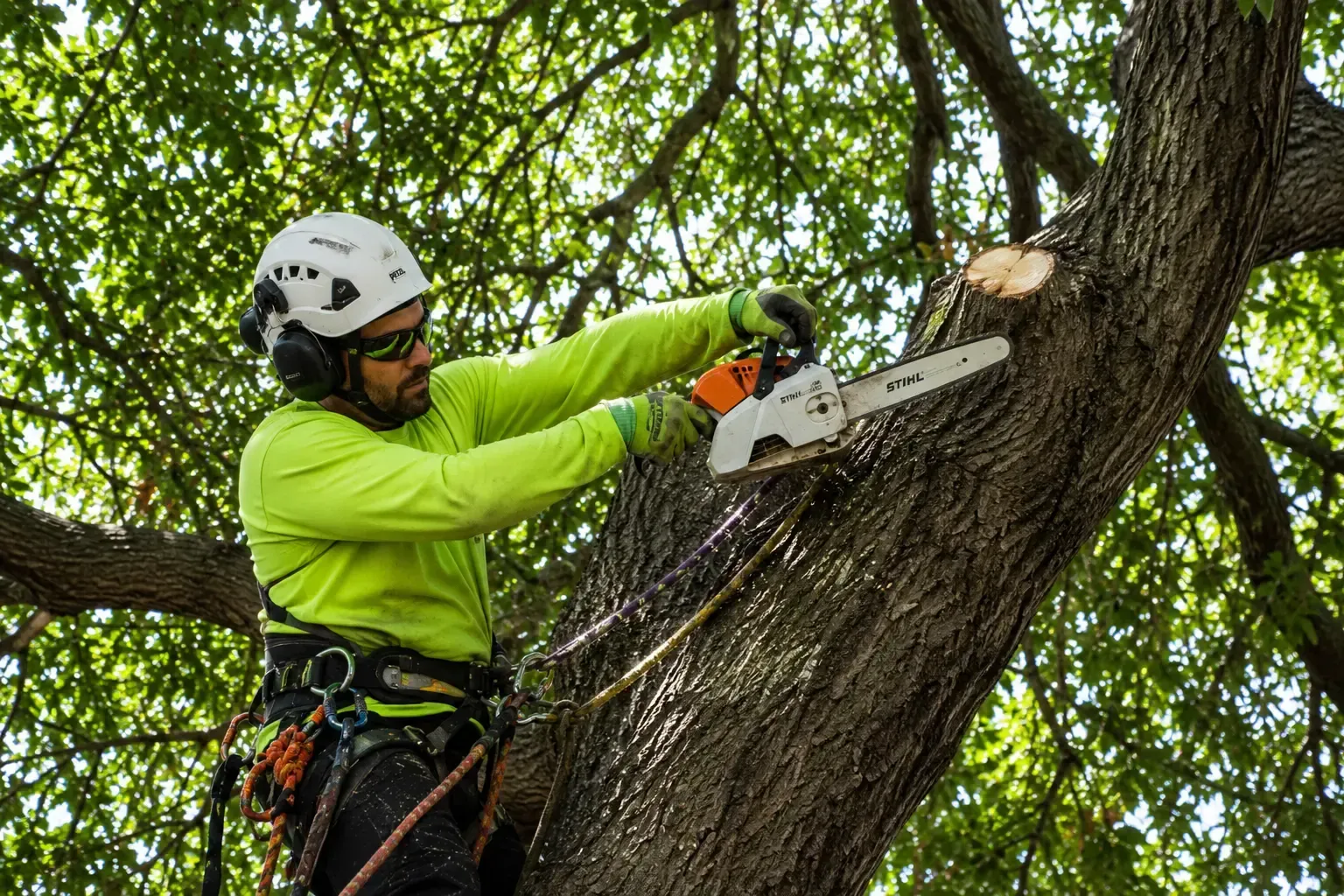
Dead or damaged branches can often be removed through selective pruning. Removing these branches can reduce hazards and allow the remaining healthy parts of the tree to continue developing.
2. The Trunk Is Mostly Sound
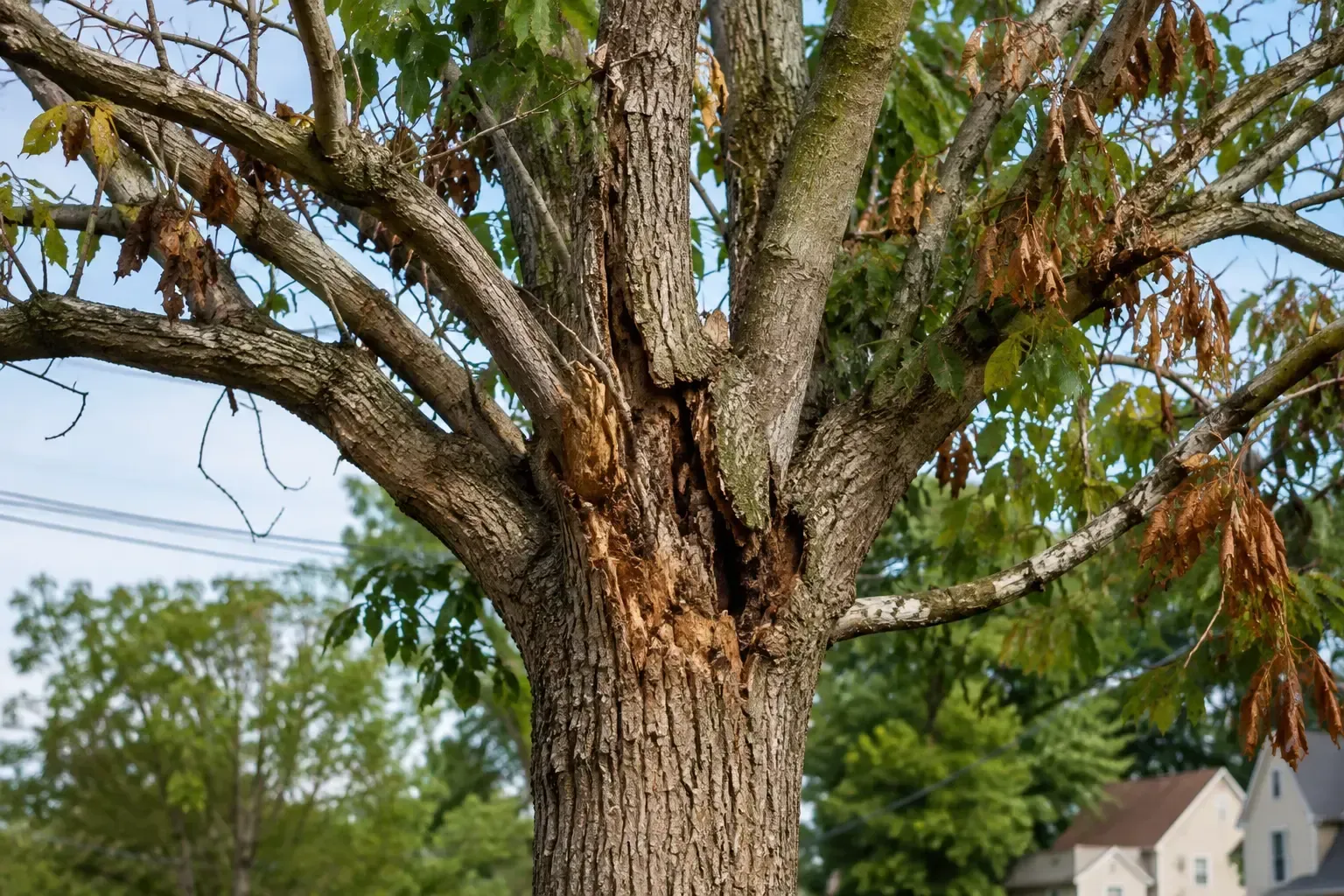
A solid trunk without extensive cavities, severe cracks, or widespread decay is generally a more encouraging sign. Minor bark damage or a small damaged area may be manageable depending on the tree's condition.
3. The Tree Is Producing New Growth
New leaves, buds, shoots, or healthy branch growth can indicate that the tree is still actively functioning. However, new growth alone does not prove that a structurally damaged tree is safe.
4. The Root System Is Relatively Healthy
Roots provide water and nutrients while anchoring the tree. If the roots have not suffered significant damage, the tree may have a better chance of recovering from above-ground stress.
5. The Problem Can Be Corrected
Poor branch structure, excessive growth, or limited deadwood may sometimes be addressed with professional pruning. El Monte's tree-management guidance recommends evaluating mature trees individually to determine whether corrective pruning can restore them or whether removal is the better option.
Signs a Tree May Need to Be Removed
Some conditions indicate that simply trimming the tree may not solve the underlying problem.
| Tree Warning Sign | What It May Mean | Action |
|---|---|---|
| Trunk decay | Structural weakness | Get an inspection |
| Major cracks | Possible failure | Prompt assessment |
| Dead branches | Declining health | Pruning or evaluation |
| Root damage | Reduced stability | Professional assessment |
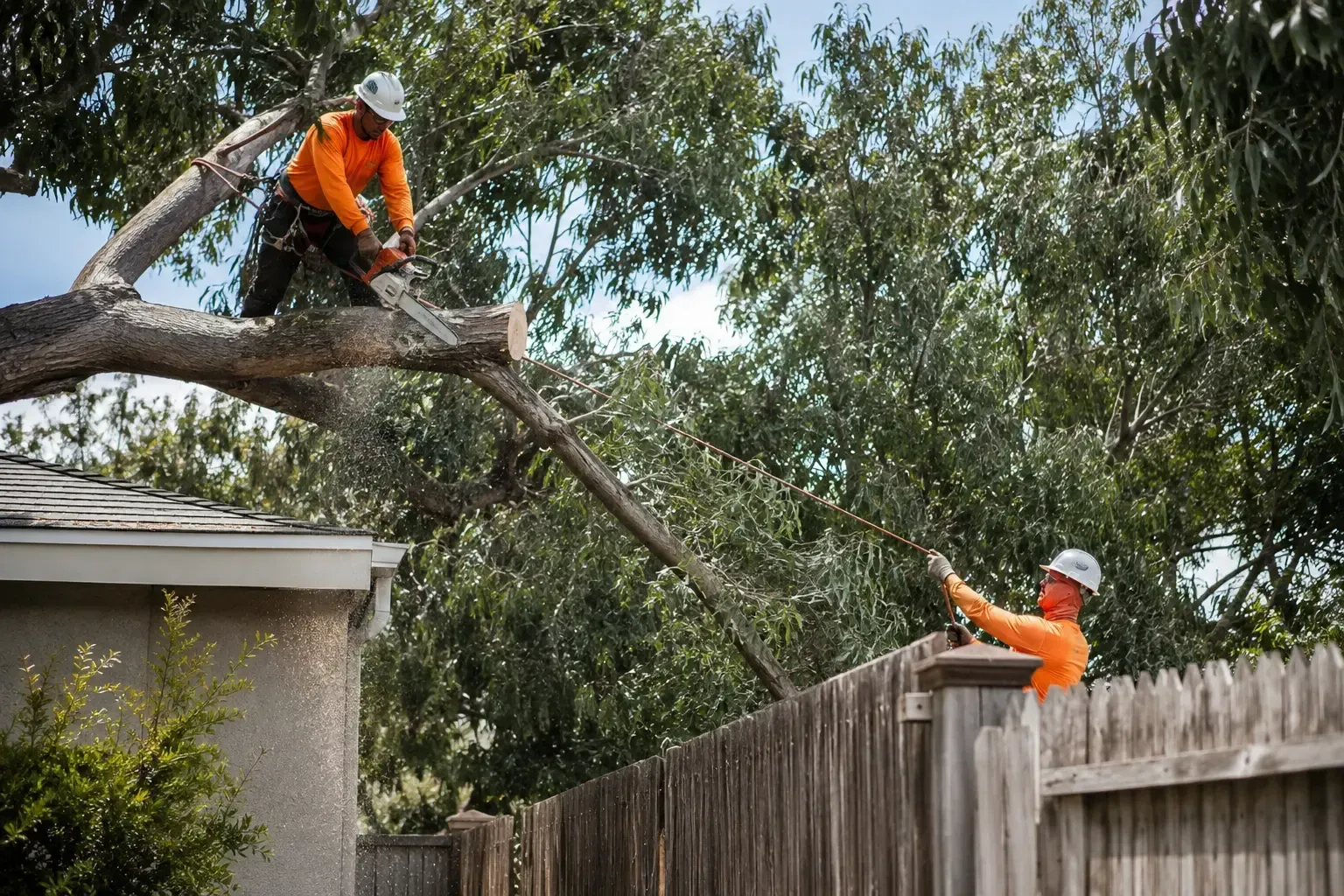
The City of El Monte identifies conditions such as hazardous trees, severe disease or decay, irreversible decline, serious structural problems, utility interference, and certain types of property damage among circumstances that can support tree removal decisions.
Can Pruning Save a Damaged Tree?
Sometimes, yes.
Professional pruning can remove dead, broken, diseased, or structurally problematic branches while preserving healthy portions of the tree. It may also improve branch structure and reduce certain safety hazards.
However, pruning cannot reverse advanced trunk decay, severely compromised roots, or a tree that has become structurally unstable. Removing branches from an unsafe tree does not necessarily make the remaining trunk and root system safe.
This is why homeowners should avoid making a removal decision based only on how many dead branches they can see.
How Root Damage Affects Tree Recovery
Root damage is one of the more difficult problems for homeowners to identify because much of the root system is underground.
Construction, excavation, soil compaction, drainage changes, and physical root damage can interfere with the tree's ability to absorb water and nutrients. Significant root damage can also reduce stability.
If a tree suddenly begins declining after nearby digging, construction, or major landscaping work, professional assessment is worthwhile.
What About a Leaning Tree?
A leaning tree is not automatically dangerous. Some trees naturally grow at an angle, and gradual leaning can sometimes occur without creating an immediate hazard.
The concern increases when the lean is new or accompanied by:
- Cracks in the soil near the trunk
- Exposed or damaged roots
- A cracked or split trunk
- Large dead branches
- Soil movement
- Recent storm damage
- A noticeable change in the tree's position
A sudden change in lean should be treated more seriously because it may indicate that the tree's anchoring system or structure has been compromised.
When Should You Call a Professional Tree Service?
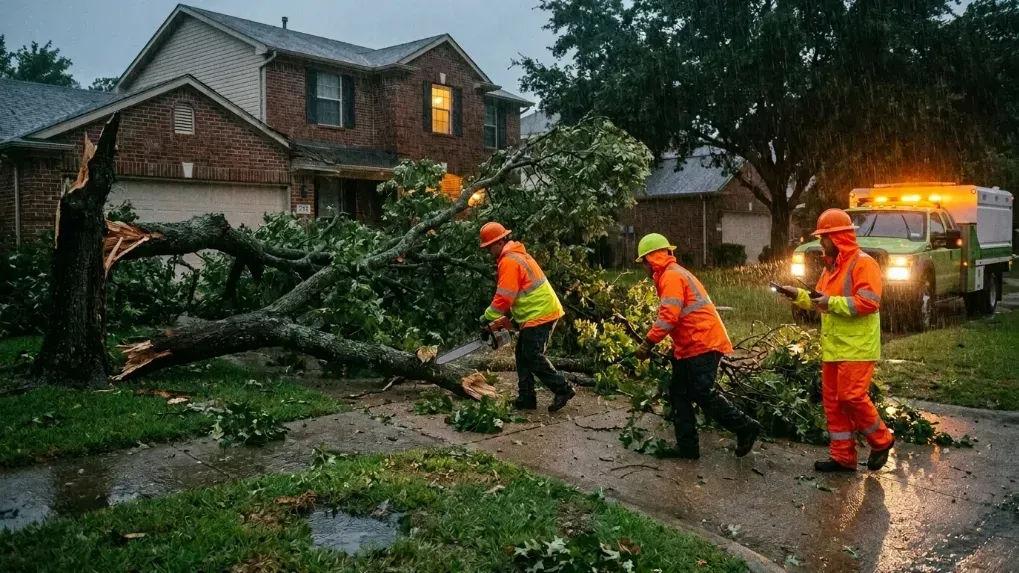
Consider scheduling a professional inspection if you notice major cracks, extensive decay, significant leaning, large dead limbs, storm damage, root problems, or rapid decline.
Professional Tree Services in El Monte, California can help determine whether trimming, corrective pruning, monitoring, or removal makes the most sense for the specific tree and its location.
This is especially important when a tree is close to a house, driveway, fence, sidewalk, vehicle, or utility line. El Monte's local tree regulations also place restrictions on certain tree removal and severe-pruning activities, so homeowners should check applicable requirements before starting major work.
Should You Remove a Tree That Looks Unhealthy?
Not necessarily.
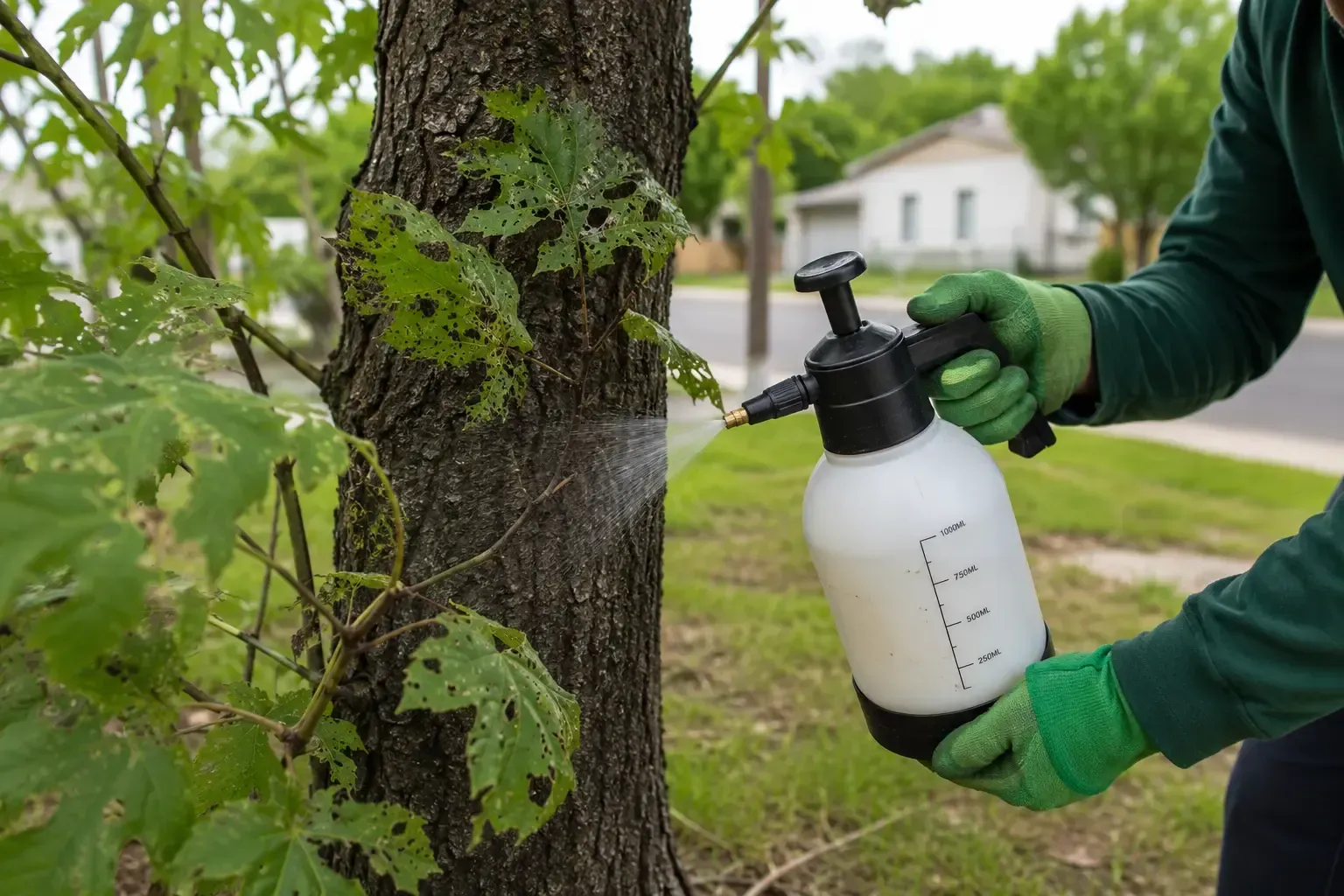
A tree can look unhealthy because of drought stress, pest problems, disease, poor pruning, root disturbance, or temporary environmental stress. Removing it immediately may eliminate a tree that could have recovered with proper care.
The better approach is to identify why the tree is declining and determine whether that problem can realistically be corrected.
If the tree has extensive irreversible decay, serious structural instability, or poses an unacceptable hazard, removal may ultimately be the safest option.
Why a Professional Tree Assessment Matters
Tree problems are not always obvious from the ground. A tree may have internal decay, compromised roots, weak branch unions, or structural defects that are difficult for an untrained homeowner to evaluate.
A professional assessment considers the tree's species, age, structure, health, location, surrounding property, and potential hazards before recommending a solution.
The goal should not simply be to remove a tree. The goal is to determine the safest and most practical way to manage it.
Final Thoughts
A damaged tree does not automatically mean tree removal is necessary. If the trunk and roots remain healthy and the underlying problem can be corrected, professional pruning or ongoing care may allow the tree to recover.
However, extensive decay, severe structural damage, compromised roots, irreversible decline, or serious safety hazards can make removal the more responsible choice.
For homeowners in El Monte, getting a professional assessment before making a major decision can help protect both the tree and the property around it. Professional Tree Services in El Monte, California can provide the evaluation needed to determine whether a tree should be preserved, trimmed, monitored, or removed.
Frequently Asked Questions
Can a tree with dead branches recover?
Yes. A tree with limited dead or damaged branches may recover when the underlying problem is addressed and hazardous branches are professionally pruned. Extensive deadwood combined with trunk or root problems requires a more detailed evaluation.
Does a leaning tree always need to be removed?
No. Some trees naturally grow at an angle. However, a sudden lean, soil movement, root damage, cracks, or storm damage can indicate a serious stability problem and should be professionally evaluated.
Who can determine whether a tree should be removed?
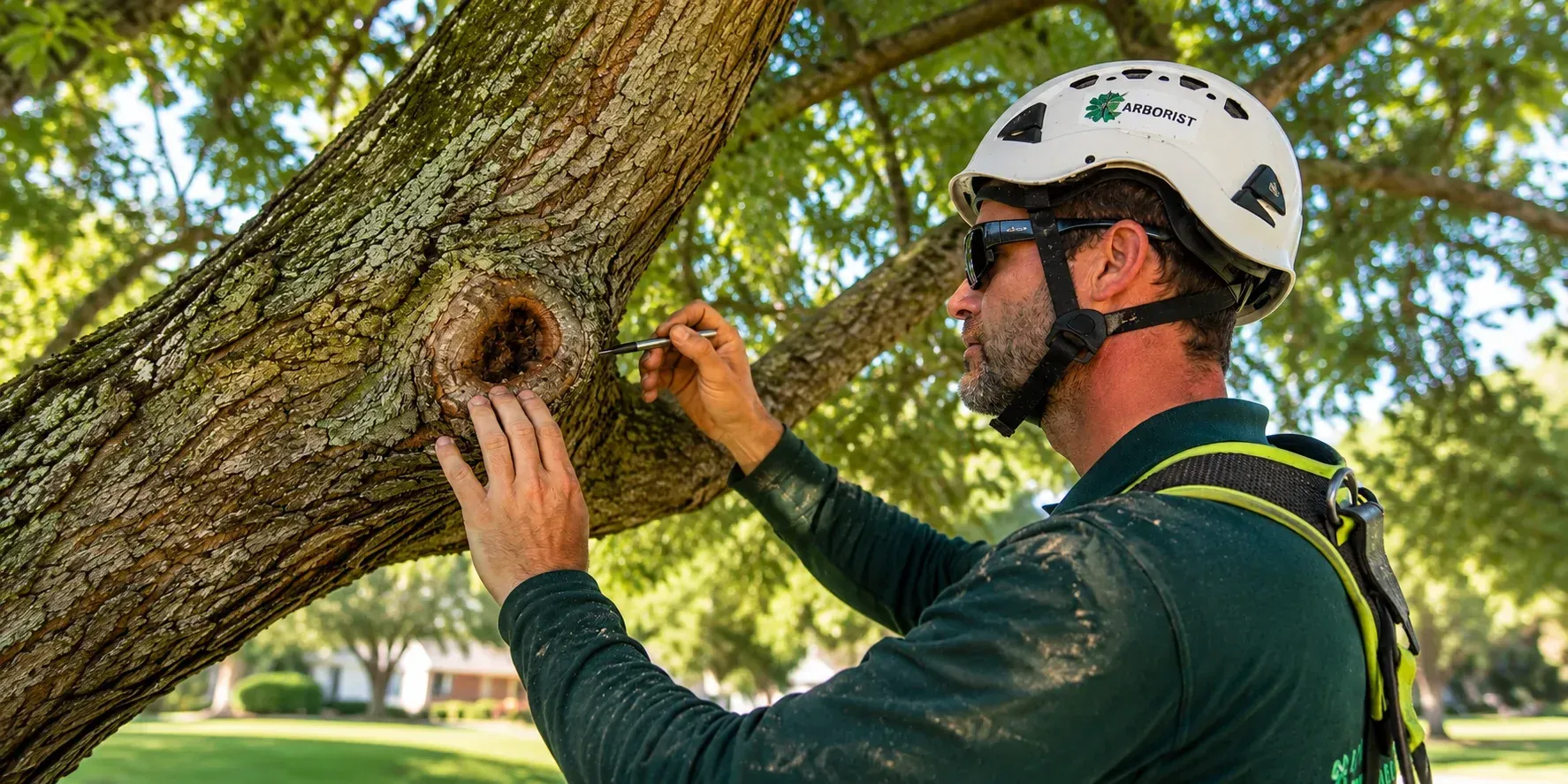
A qualified tree professional or certified arborist can evaluate the tree's health, structure, roots, location, and potential hazards. They can recommend whether pruning, treatment, monitoring, or removal is the safest option.