How Often Should Trees Be Trimmed in Southern California?
In Southern California’s dry heat and mild winters, knowing how often to trim trees keeps limbs safe, growth balanced, and fire risk lower. Most landscape trees need pruning every one to three years; young or fast growers may need annual work. El Monte Tree Service guides homeowners, businesses, and property managers in El Monte, CA with a clear tree care plan matched to species and site.
Key takeaways
- Most mature trees: prune every 1–3 years in Southern California.
- Young trees: light structural cuts yearly for strong form.
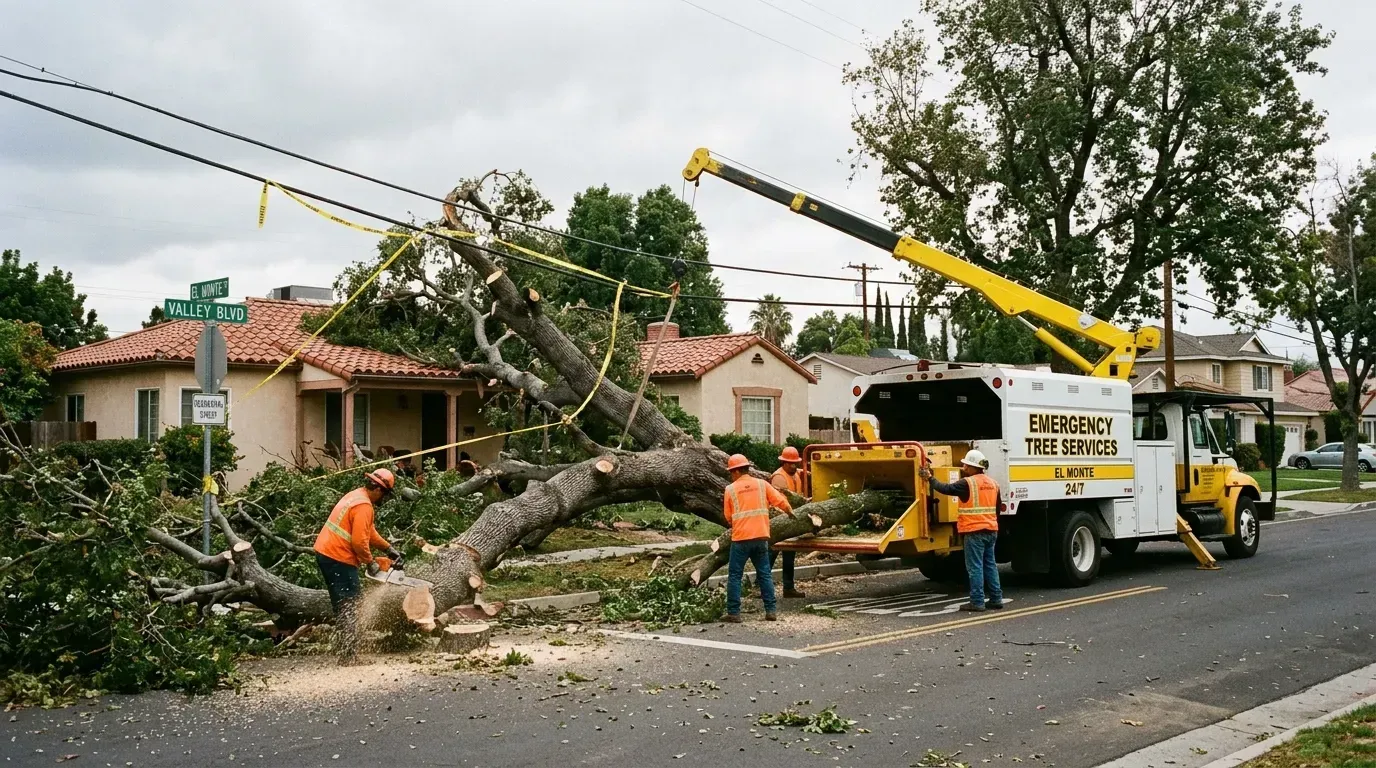
- Storm-damaged or dense canopies: inspect sooner, trim as needed.
- Pair cuts with cleanup so debris does not linger on the lot.

What tree trimming schedule works for Southern California trees?
A practical tree pruning schedule in El Monte, CA usually means light annual checks for young stock and fuller canopy work every one to three years for established trees, timed after peak growth or before fire season so limbs stay clear of roofs and power lines while the team matches cuts to species, drought stress, and local wind patterns without over-thinning.
Which trees need yearly cuts versus multi-year gaps?
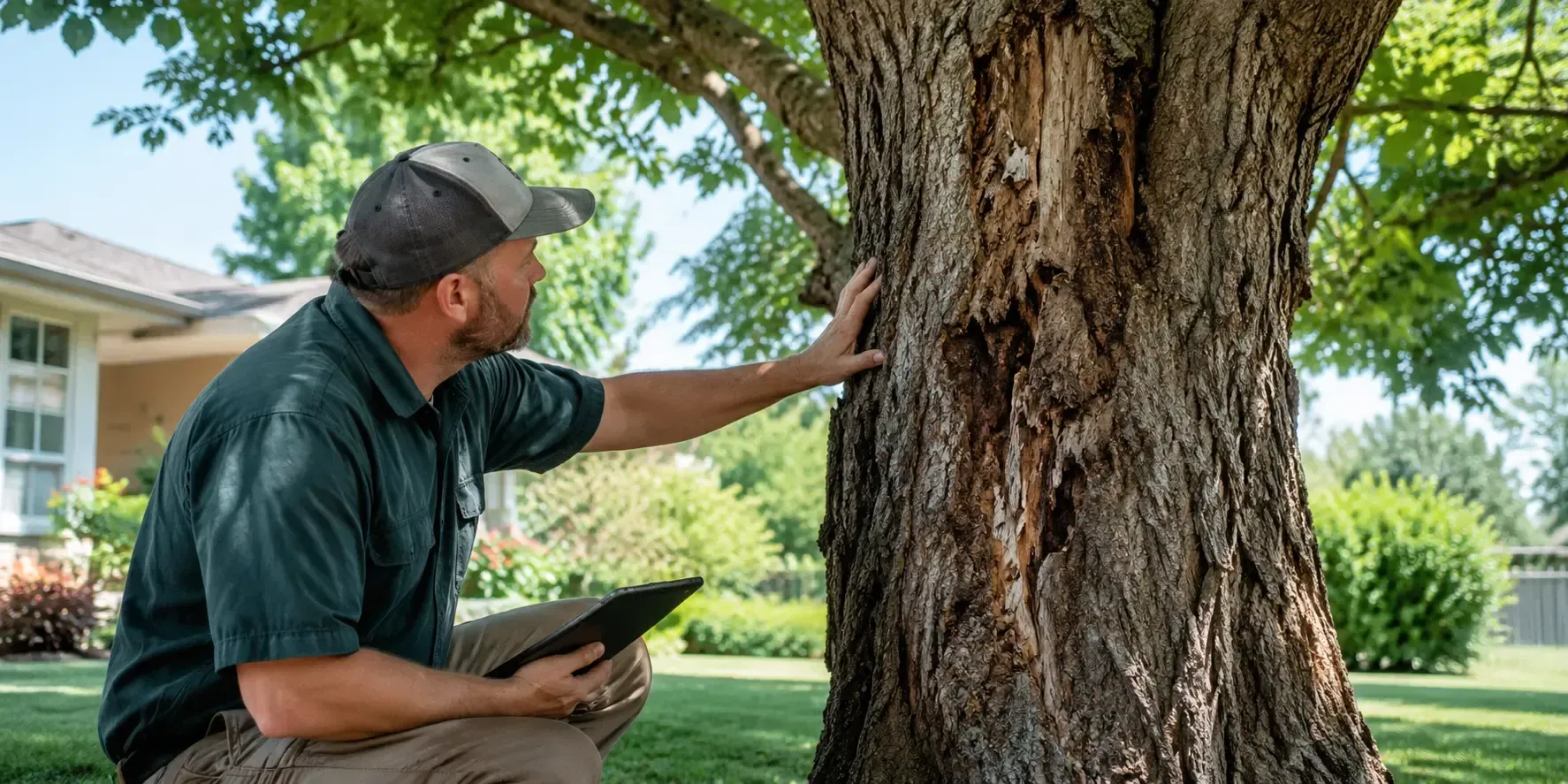
In El Monte, CA, how often to trim trees depends on species and growth rate: young or fast growers often need light yearly structure work, while mature oaks and similar landscape trees usually fit a one-to-three-year tree pruning schedule, with denser or storm-exposed canopies checked sooner so a local tree trimming schedule for Southern California trees stays safe without stripping shade or stressing drought-adapted roots.
| Tree type | Typical interval | Best for | Watch-out |
|---|---|---|---|
| Young shade trees | Every 1 year | Strong branch structure | Avoid heavy canopy removal |
| Mature oaks / slow growers | Every 2–3 years | Stability and form | Do not over-thin in heat |
| Fast growers (e.g. many ornamentals) | Every 1–2 years | Clearance from roofs and lines | Watch for weak forks |
| Fruit or dense canopy trees | Annual light pass + fuller cut as needed | Airflow and fruit access | Timing around bloom or crop |
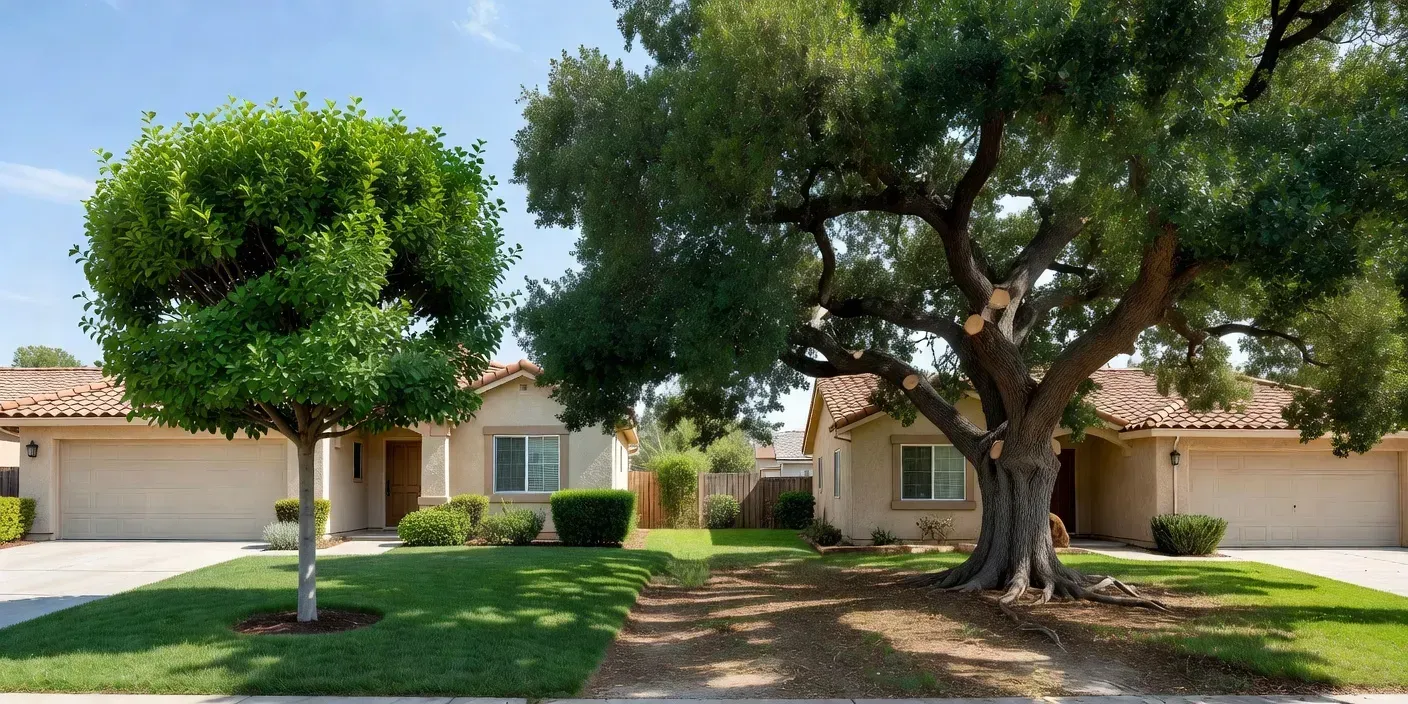
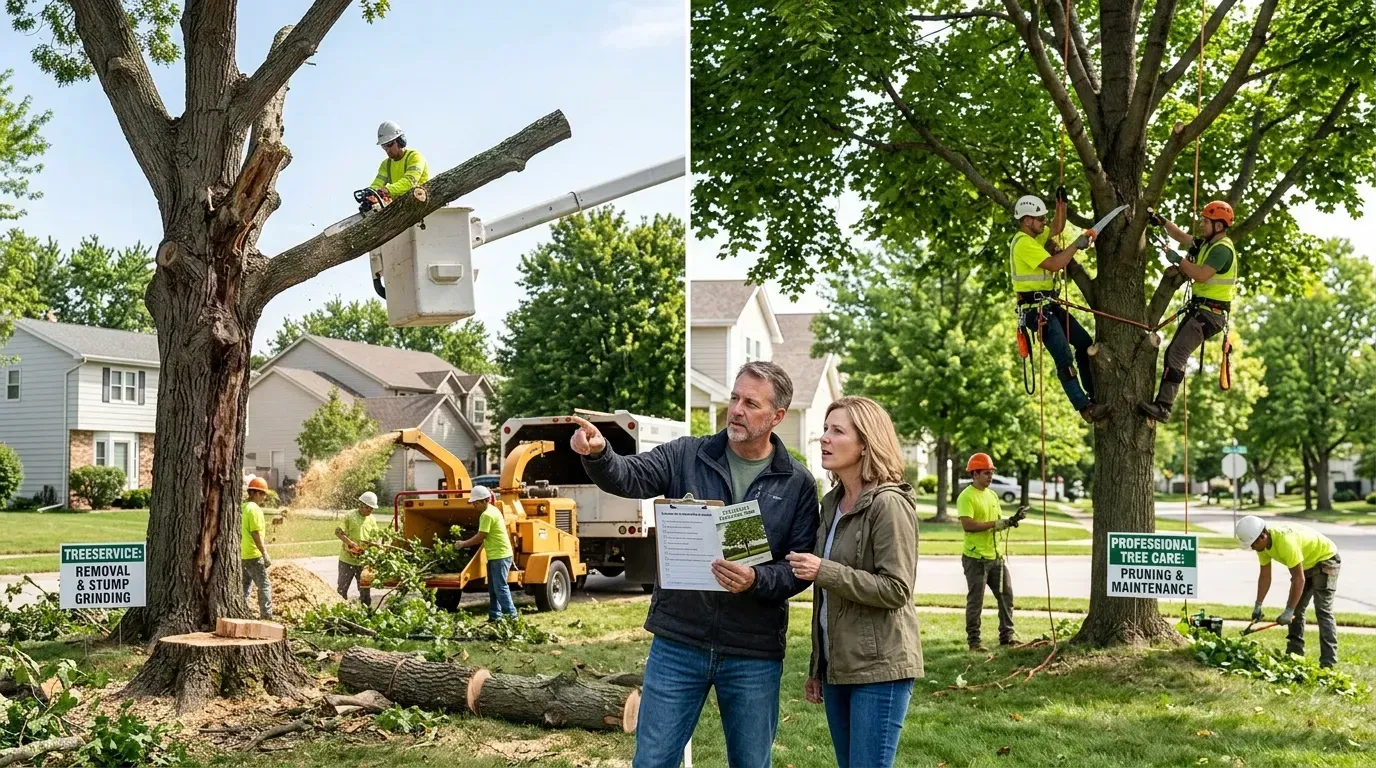
Keep intervals flexible after wind, drought, or construction. Pair pruning with thorough yard cleanup after tree work so chips and limbs do not sit against fences or softscape. When you need a site-specific plan, contact the crew for a walk-through before the next growth flush.
Which Is Better for Southern California Properties: Fixed Calendar Trims or Condition-Based Pruning?
A fixed calendar alone rarely answers how often to trim trees on El Monte lots; condition-based pruning guided by growth rate, clearance needs, and canopy health usually outperforms rigid yearly cuts, while a light tree pruning schedule still keeps young trees structured and mature specimens stable without removing too much shade during heat and drought stress. Fixed dates help busy owners remember service windows. They fail when a storm opens a weak fork or irrigation changes push sudden flush growth.
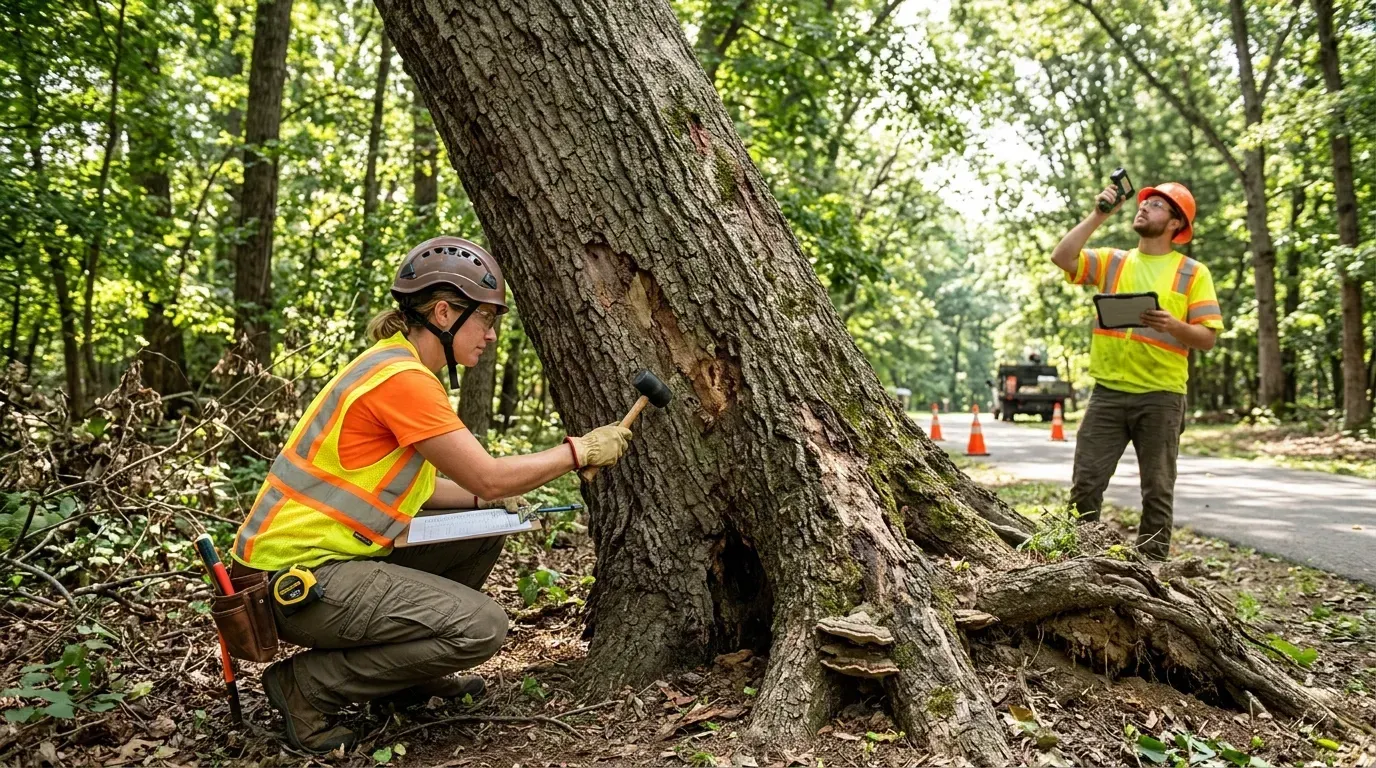
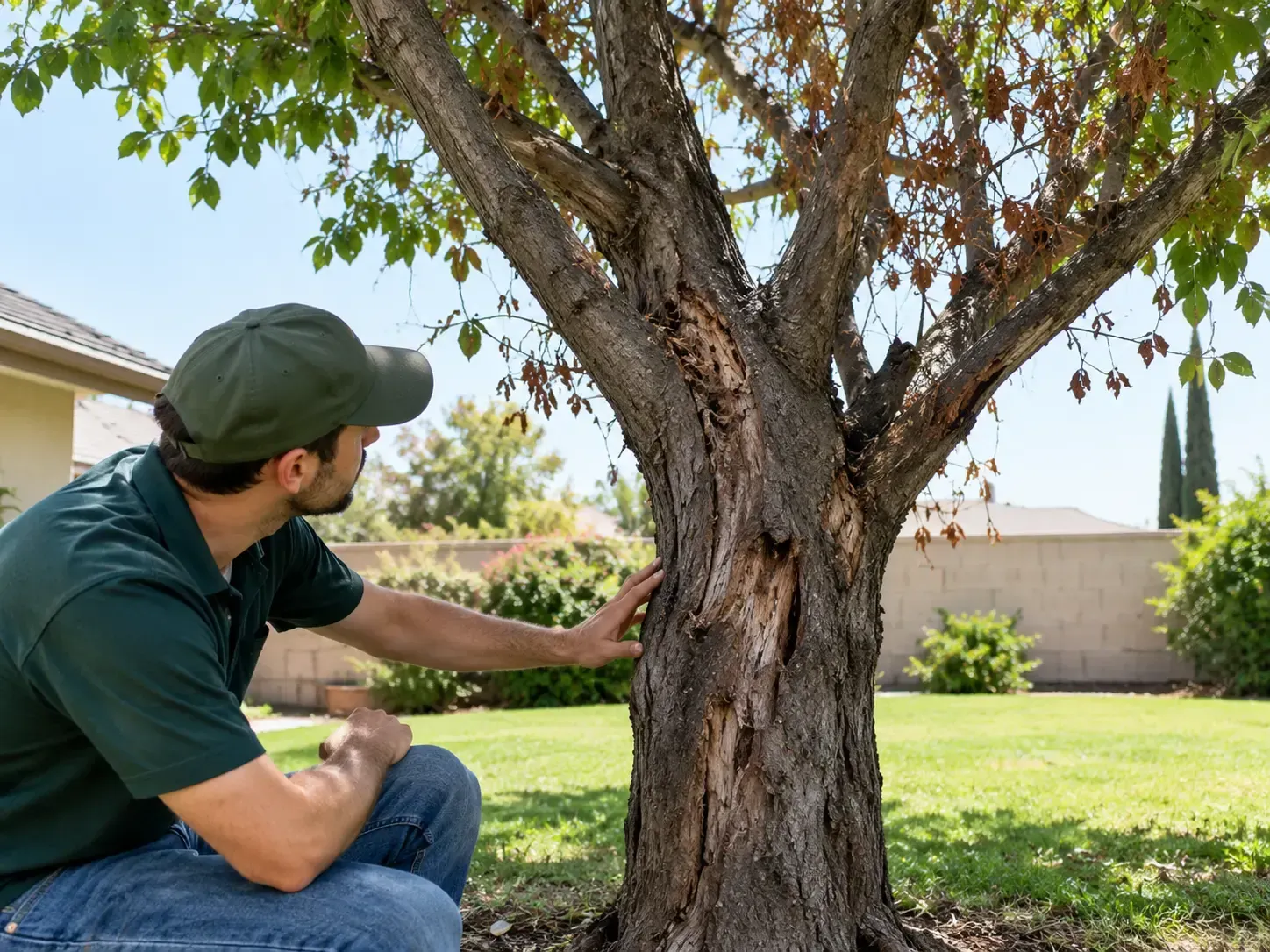
Condition checks look at rub limbs, roof clearance, and deadwood first. That approach fits a practical tree trimming schedule for Southern California trees better than cutting on the same month every year.

El Monte Tree Service builds intervals from what the tree is doing now, not only the calendar. Our services cover structural work, clearance, and selective thinning matched to species and exposure.
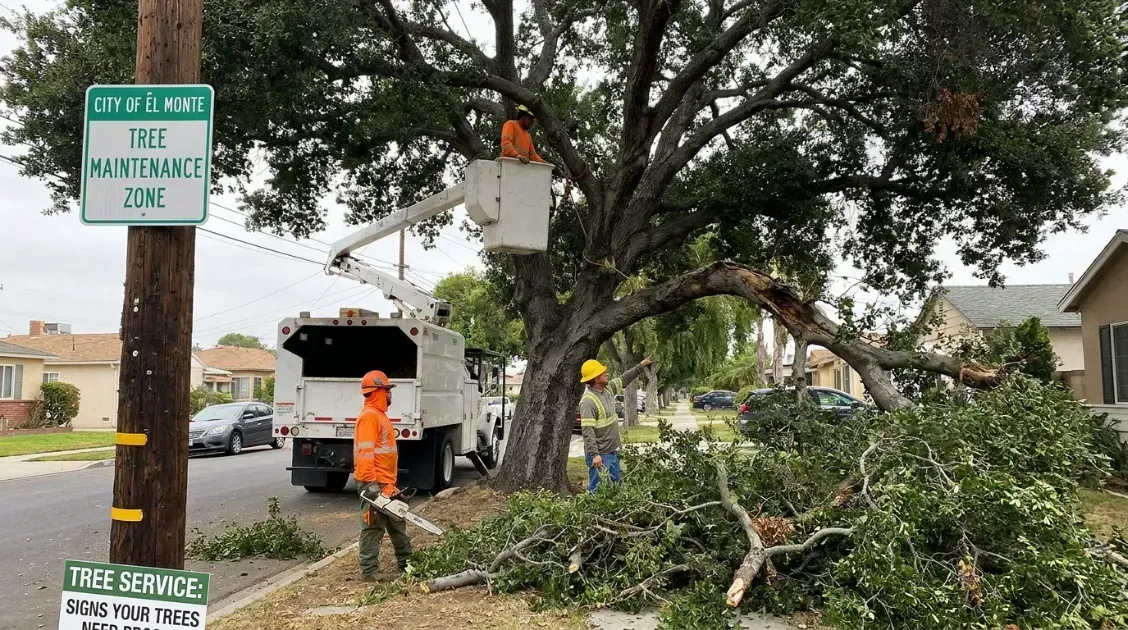
The team walks the property, notes utilities and hardscape, then sets the next pass so drought-adapted roots are not shocked by heavy removal. Property managers often prefer this rhythm because it reduces emergency calls after wind events.
Homeowners and businesses in verified service areas get clearer budgets when pruning follows real risk instead of guesswork. Schedule the next assessment before peak growth so the plan stays local, safe, and shade-smart.
A practical next step is a walkthrough that ranks hazards, then books only the cuts that protect structure and clearance. When you are ready, contact the crew for a site-specific interval rather than a generic annual date.
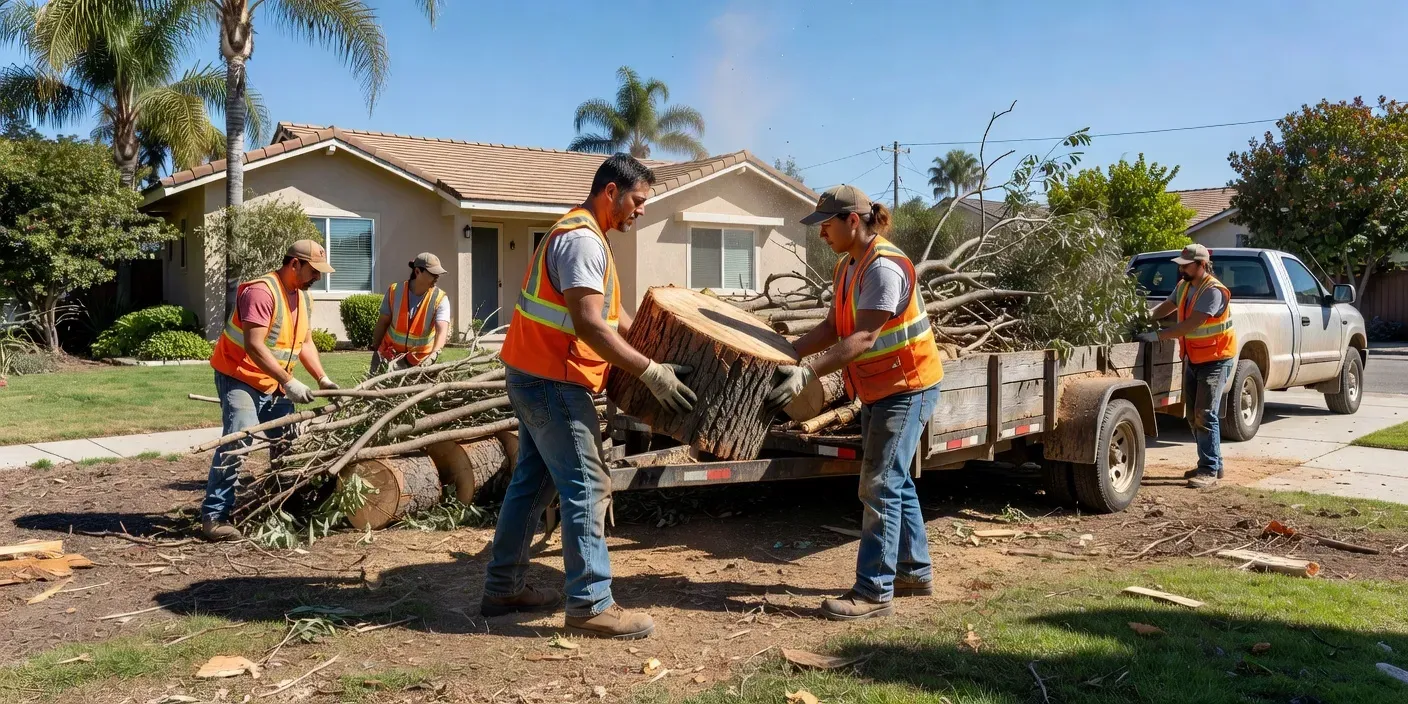
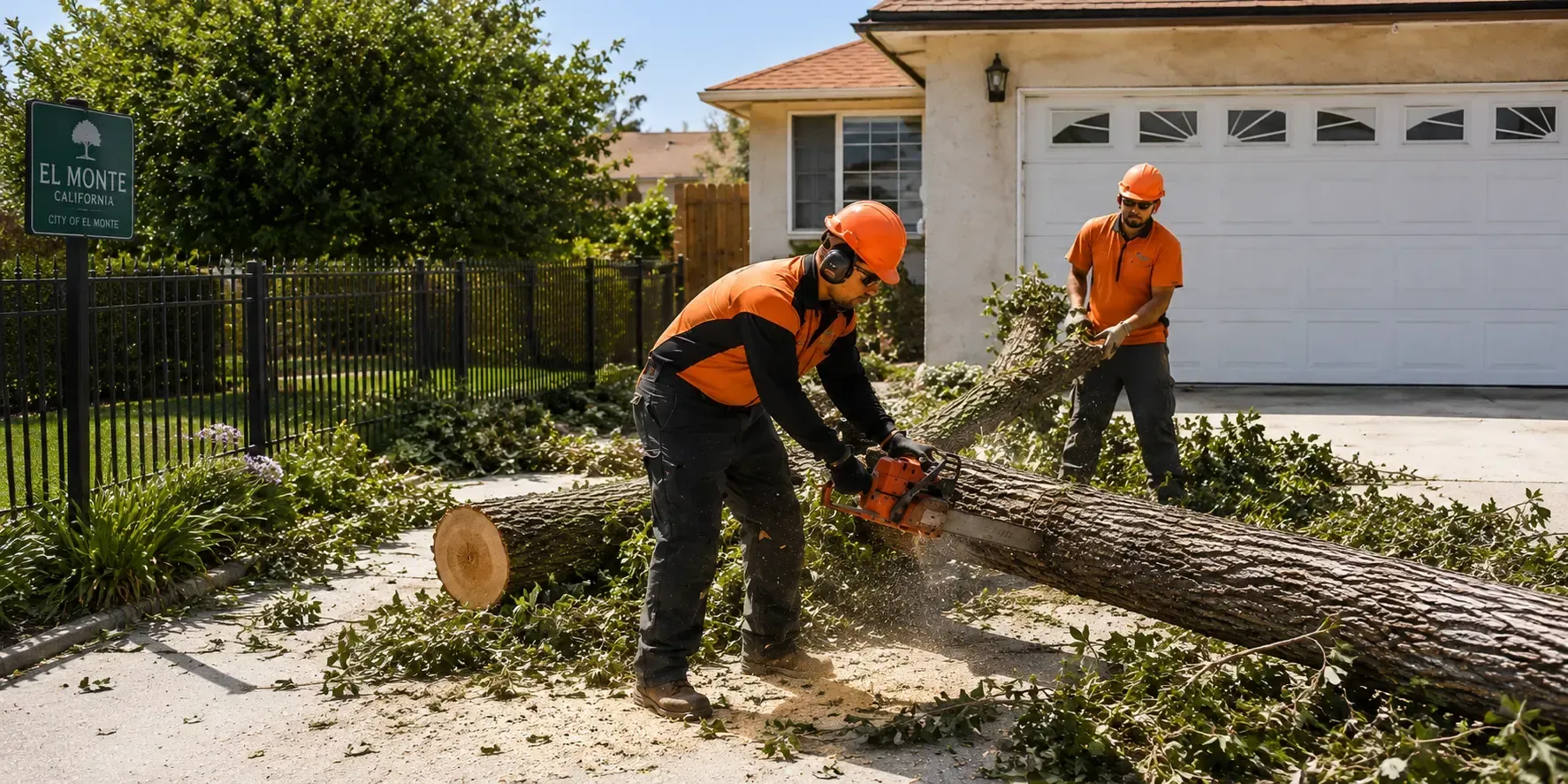
After major pruning, plan debris removal so mulch, chips, and wood do not sit against foundations. Pair the cut list with yard cleanup after tree work and what should be included so the site stays safe for foot traffic and irrigation lines stay clear.
In El Monte, CA, Santa Ana wind seasons and long dry spells change how often to trim trees more than the printed calendar does. Light, timed work on a tree pruning schedule keeps canopies open without stripping the shade that cools walls and hardscape.
Young trees may need formative passes every one to three years. Mature oaks, peppers, and citrus often stretch longer when deadwood and clearance stay under control. Reassess after construction, irrigation upgrades, or storm damage so the tree trimming schedule for Southern California trees stays honest to growth, not habit.
Frequently Asked Questions
How often to trim trees on a typical El Monte property?
Most healthy mature trees need professional pruning every two to five years, with faster checks after wind or heavy flush growth. Young trees often need formative work more often. Base timing on species, clearance, and deadwood, not a fixed month alone.
What is a realistic tree trimming schedule for Southern California trees?
Use condition windows: late winter or early spring for many deciduous species, and lighter summer thinning only when heat and drought allow. Add post-storm inspections. Avoid heavy cuts during extreme heat so remaining canopy still shades trunks and soil.
How does a tree pruning schedule differ for young versus mature trees?
Young trees need structural training every one to three years to set strong branch architecture. Mature trees focus on deadwood, weight reduction, and roof or utility clearance on longer intervals. Both still need spot work when limbs rub, crack, or hang over walkways.
Preferred Source on Google Search
Add www.montetreeservice.com to customize your search feed across Top Stories.