Tree Diseases in El Monte: Spot, Prevent & Protect Your Green Treasures
My Journey with El Monte's Tree Health Challenges
A Personal Story: How I Discovered the Silent Threat to My Backyard Oak
Last summer, I noticed something strange happening to my 30-year-old oak tree. The normally vibrant leaves were developing odd spots, and some branches seemed to be dying back. At first, I thought it was just the drought stress we'd been experiencing, but something didn't feel right.
I remember standing in my backyard, coffee in hand, studying the canopy and thinking, "This tree sheltered my kids when they were little. I can't lose it now." That moment sparked my journey into learning about tree diseases in El Monte, and ultimately saved not just my oak, but helped me assist three neighbors with their tree problems too.
Common Tree Diseases in El Monte: Know Your Enemy
Understanding what we're up against is the first step in protecting our trees. Here are the most common diseases I've encountered in El Monte:
Sudden Oak Death: The Silent Killer
Despite its name, Sudden Oak Death (SOD) doesn't always kill quickly. I've seen it take years to fully damage a tree, which can make it easy to miss until it's too late.
What to look for:
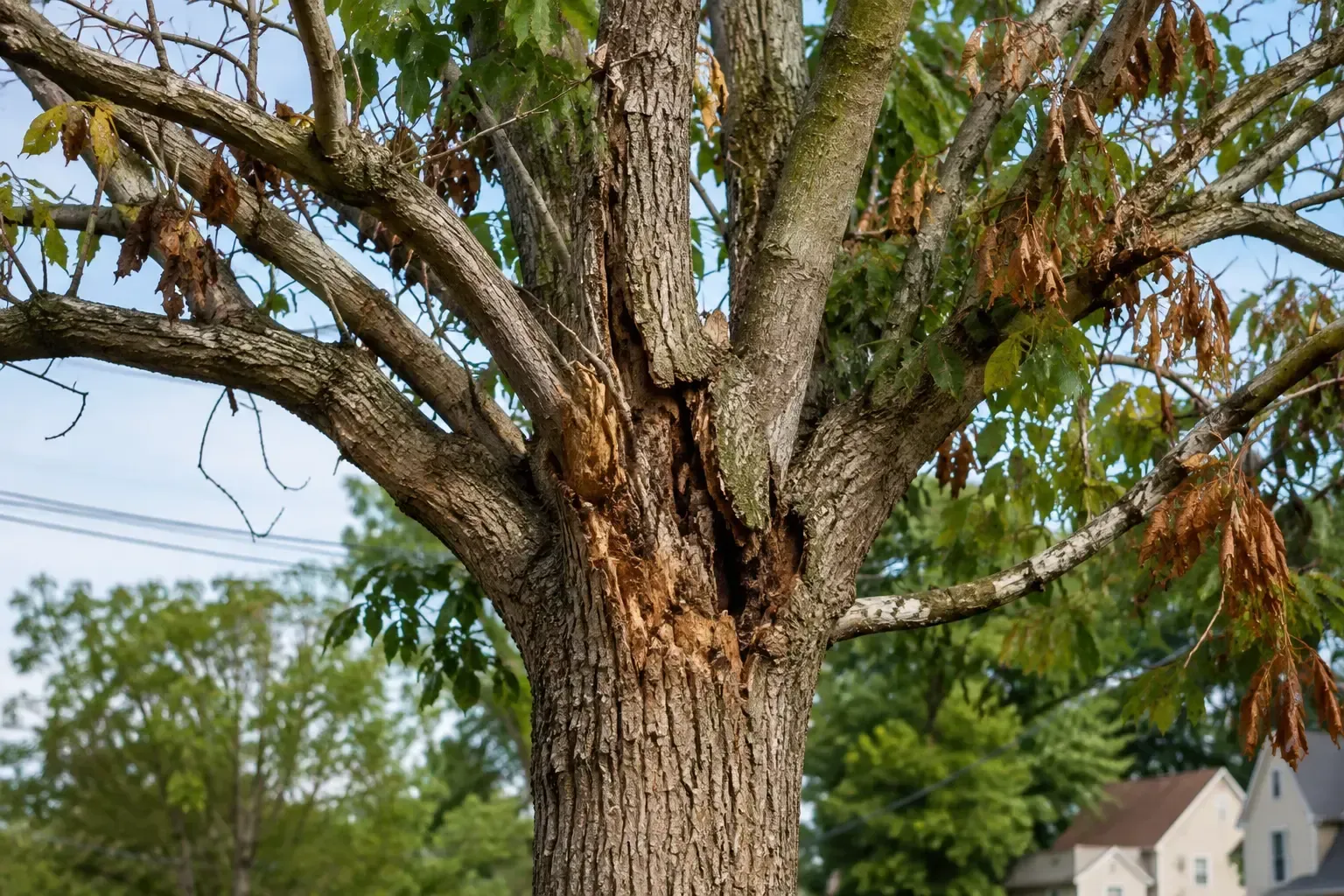
- Oozing sap on the trunk (looks like thick, dark molasses)
- Cankers on the trunk or main branches
- Leaf browning, especially at the edges
- Twig and branch dieback
SOD primarily affects coast live oak, California black oak, and canyon live oak—all common in the El Monte area. I've found that trees in poorly drained soils seem especially vulnerable.
Fire Blight: When Fruit Trees Look Scorched
If you have apple, pear, or quince trees like I do, watch out for Fire Blight. This bacterial disease makes branches look like they've been scorched by fire.
What to look for:
- Blackened leaves that remain attached to branches
- Crooked "shepherd's crook" at the end of infected branches
- Sunken cankers on branches or trunk
- Bacterial ooze that looks amber or orange
I lost a pear tree to this disease before I knew what I was dealing with. Now I check my fruit trees religiously in spring when they're most vulnerable.
Powdery Mildew: The White Coating Mystery
Identifying Powdery Mildew Early
The first time I saw powdery mildew on my crape myrtle, I thought someone had sprayed something on the leaves. The white powdery coating is unmistakable once you know what to look for:
- White powdery coating on leaves
- Curled or distorted new growth
- Premature leaf drop
- Stunted growth
Vulnerable Tree Species in El Monte
In our El Monte climate, I've noticed these trees are particularly susceptible:
- Crape myrtle
- Sycamore
- Dogwood
- Roses (I know they're not trees, but many of us have them near our trees!)
Warning Signs: How I Spotted Tree Diseases in Time
After my oak scare, I developed a monthly inspection routine that has helped me catch problems early.
Leaf Symptoms That Caught My Attention
The leaves are like a tree's early warning system. Here's what to watch for:
- Discoloration: Yellow, brown, or black spots
- Abnormal growth: Curling, wilting, or stunted leaves
- Premature drop: Leaves falling out of season
- Strange patterns: Mottling, streaking, or rings
Last fall, I noticed yellow spots on my sweetgum's leaves. A quick consultation with Monte Tree Service confirmed it was bacterial leaf scorch—catching it early saved the tree with some strategic tree trimming and treatment.
Trunk and Branch Red Flags
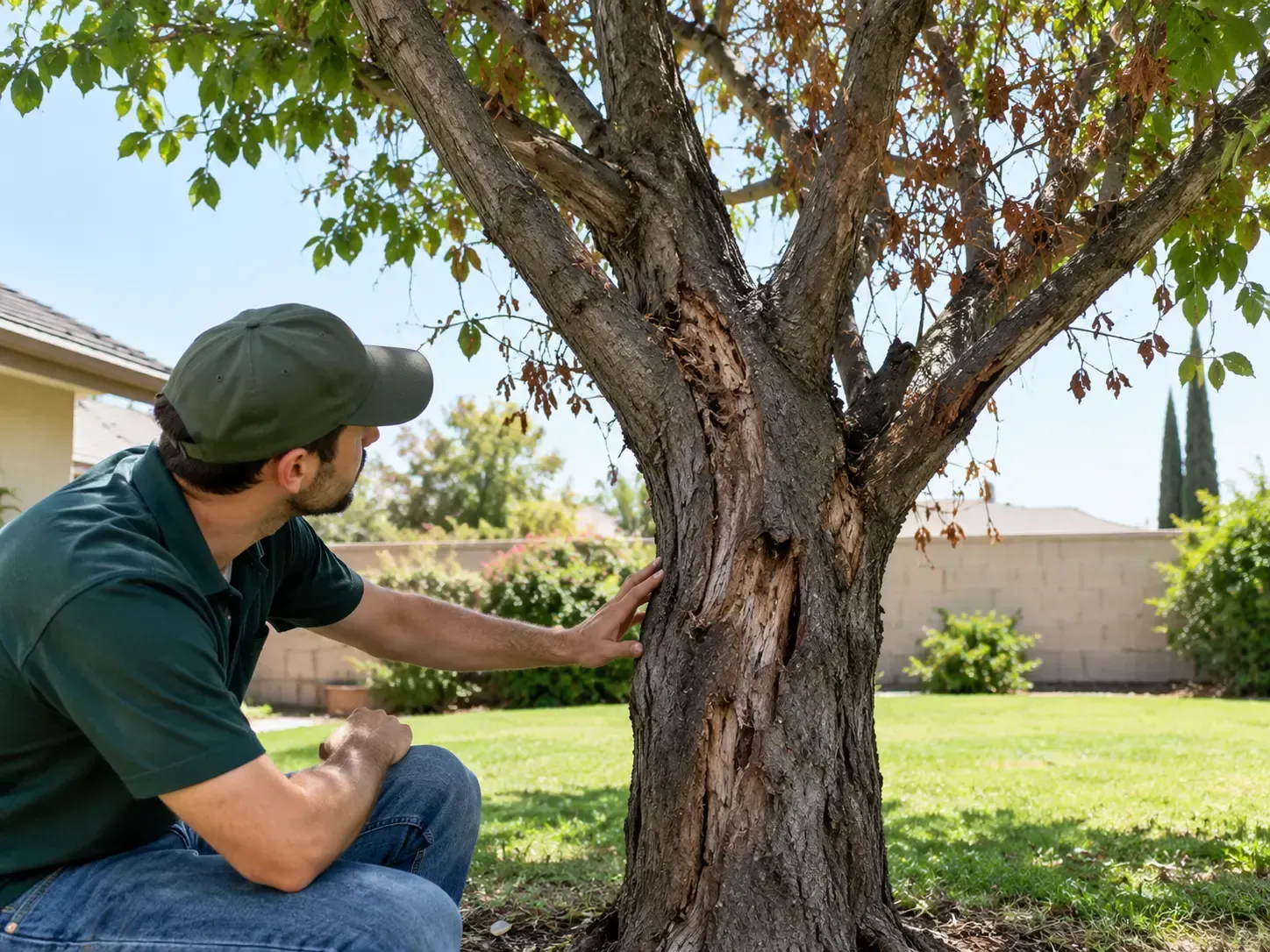
While checking my trees last spring, I spotted these concerning signs:
- Cankers (sunken, discolored areas)
- Oozing sap or resin
- Cracks or splits not caused by injury
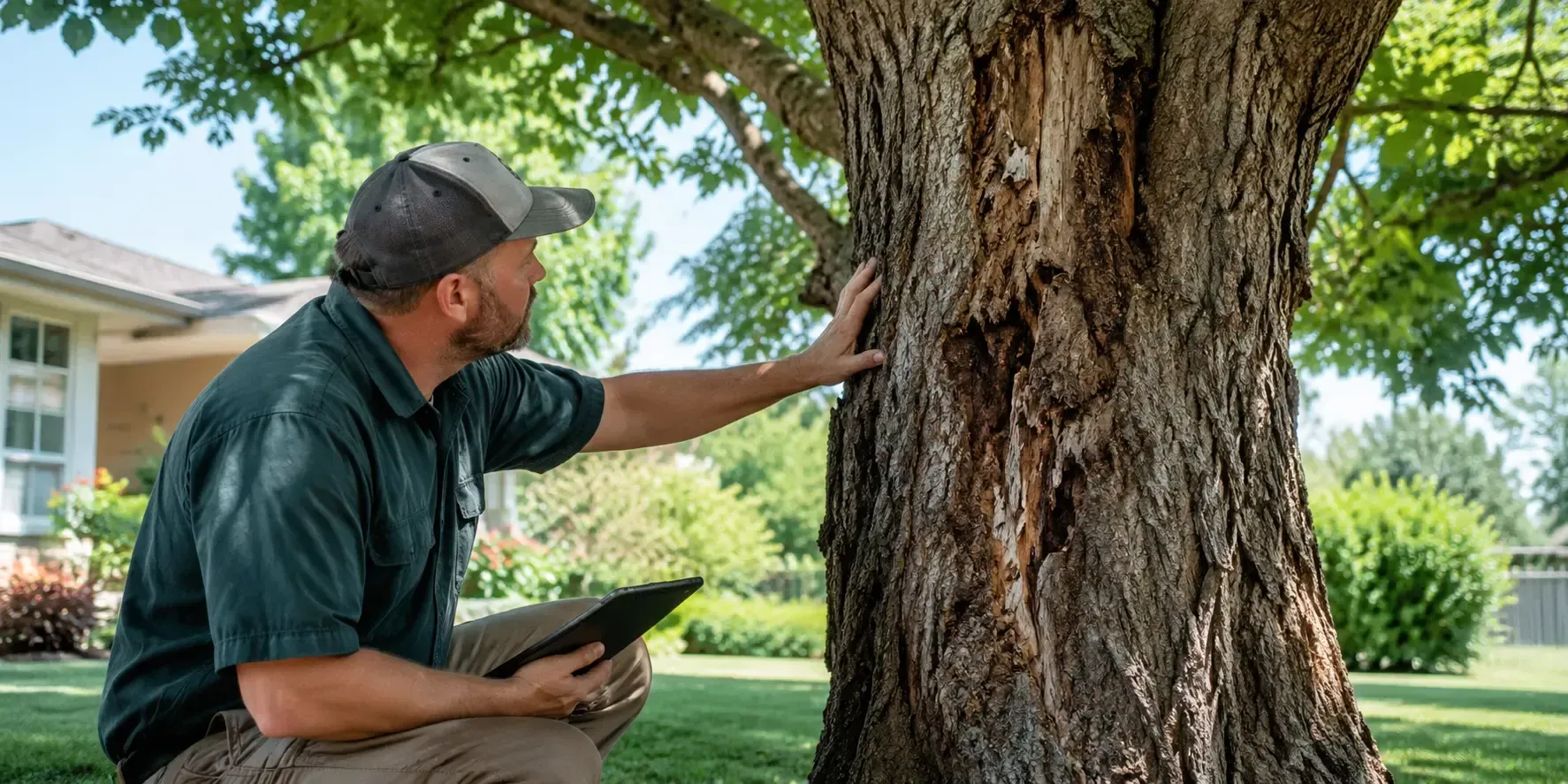
- Fungal bodies (mushrooms, conks, or brackets)
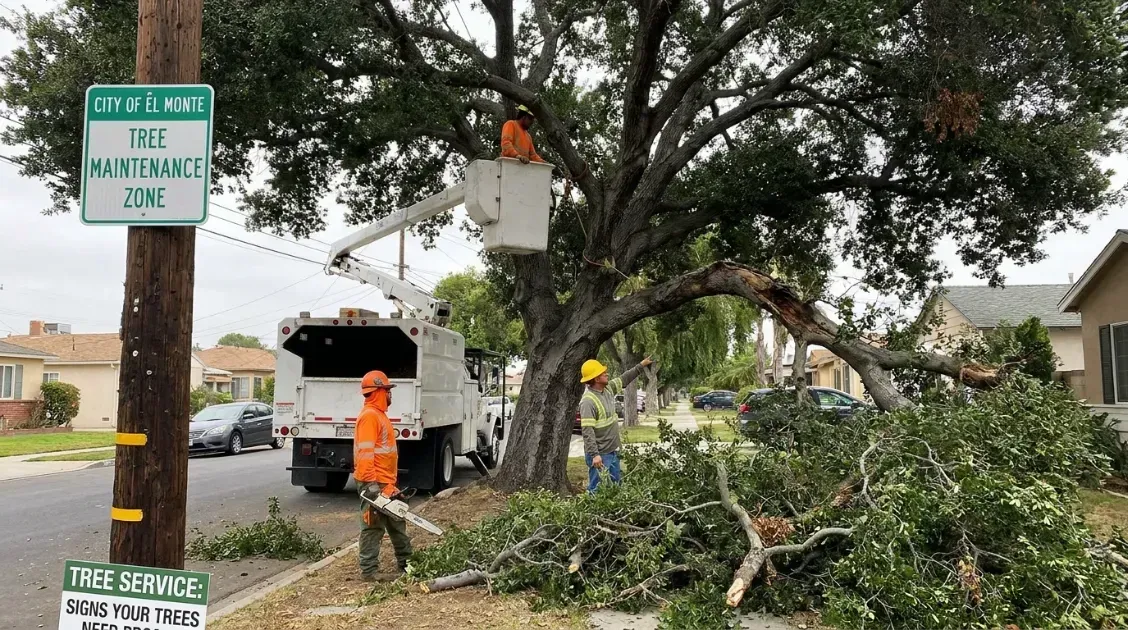
When I found bracket fungi at the base of my neighbor's sycamore, I immediately suggested they contact a professional. The emergency tree removal likely prevented the weakened tree from falling on their house during our last windstorm.
Root Problems: The Hidden Danger
Why Soil Health Matters in El Monte
Our clay-heavy soil in many parts of El Monte can contribute to root problems. Watch for:
- Soil heaving or cracking
- Exposed or damaged roots
- Mushrooms around the base of the tree
- Thinning canopy (often indicates root issues)
I've amended the soil around my trees with compost and mulch, which has improved drainage and reduced disease pressure. You can learn more about proper soil management on Monte Tree Service's about us page, which explains their sustainable approaches.
My Prevention Strategy for El Monte Properties
An ounce of prevention is worth a pound of cure—especially with trees that take decades to mature.
Seasonal Care Calendar for El Monte Trees
Season Preventive Actions Why It Matters Spring Inspect for new growth issues, apply preventive treatments Catches problems early when treatment is most effective Summer Monitor water needs, check for heat stress Prevents drought stress that makes trees vulnerable Fall Clean up fallen leaves, apply mulch Removes disease sources, prepares for winter Winter Prune dormant trees, plan for spring care Removes diseased wood, improves structure
Watering Wisdom in Southern California
Despite our Mediterranean climate, proper watering remains crucial for disease prevention:
- Water deeply but infrequently to encourage deep roots
- Avoid wetting the foliage when possible
- Water in the morning to allow surfaces to dry
- Adjust based on rainfall and temperature
During our recent drought years, I installed a drip irrigation system that directs water to the root zone while keeping leaves dry—it's been a game-changer for reducing fungal issues.
The Right Way to Prune in Our Climate
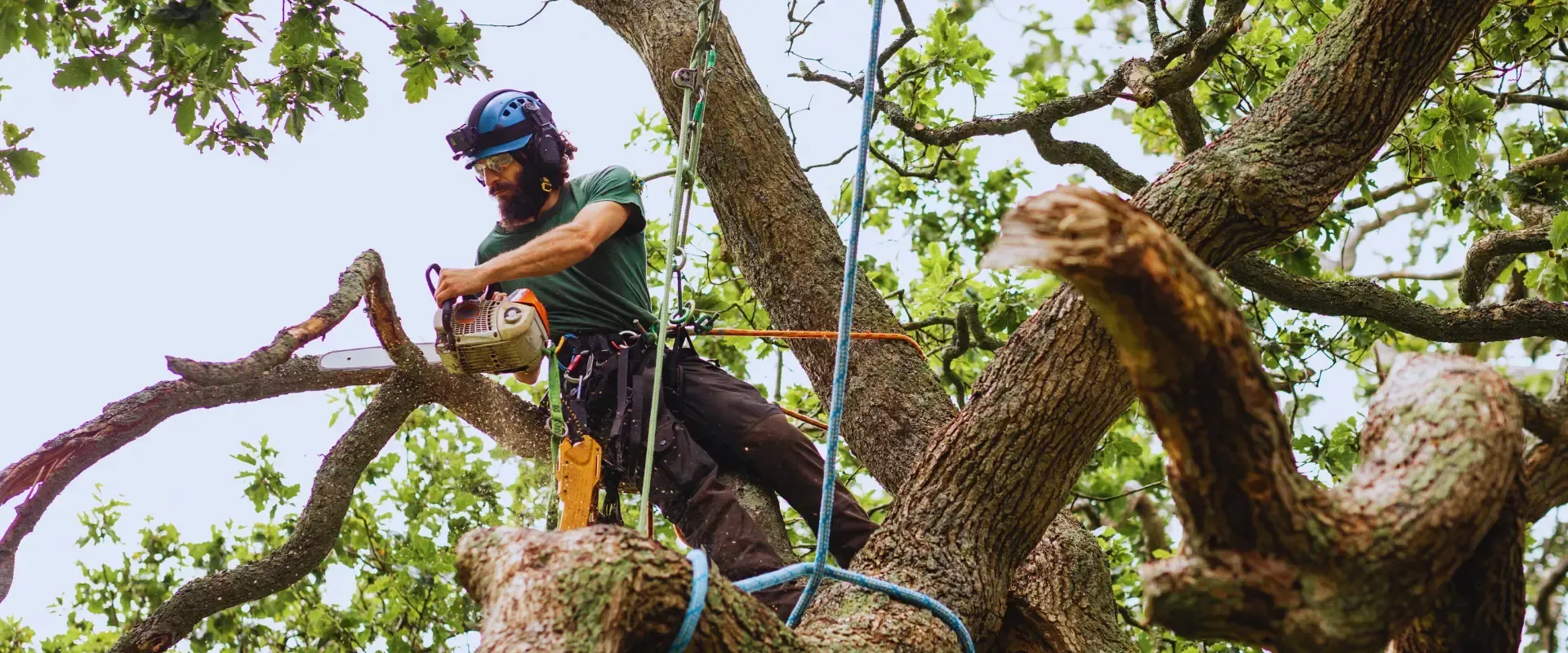
Tools and Techniques I Use for Safe Tree Trimming
Proper pruning is key to disease prevention. Here's my approach:
- Disinfect tools between cuts with isopropyl alcohol
- Remove dead or diseased branches first
- Make clean cuts just outside the branch collar
- Prune during the dormant season when possible
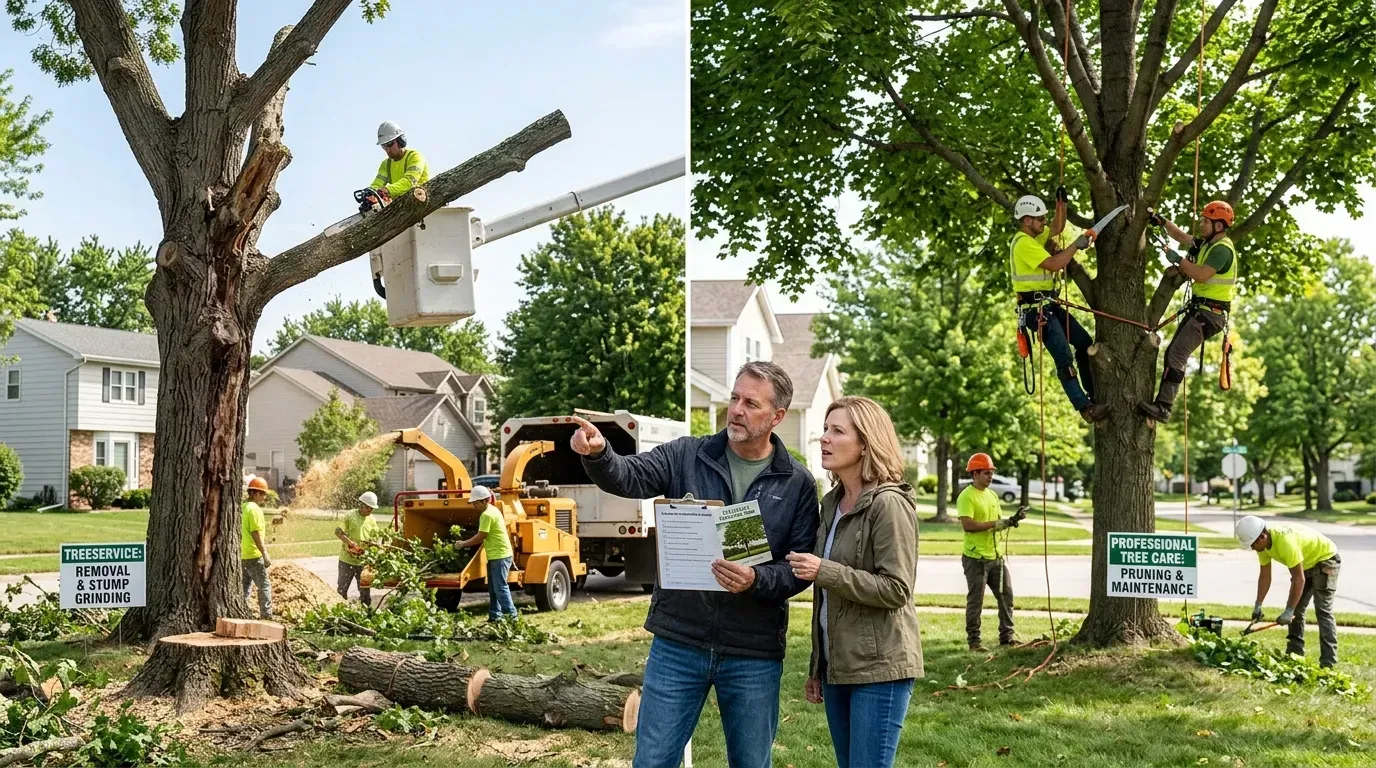
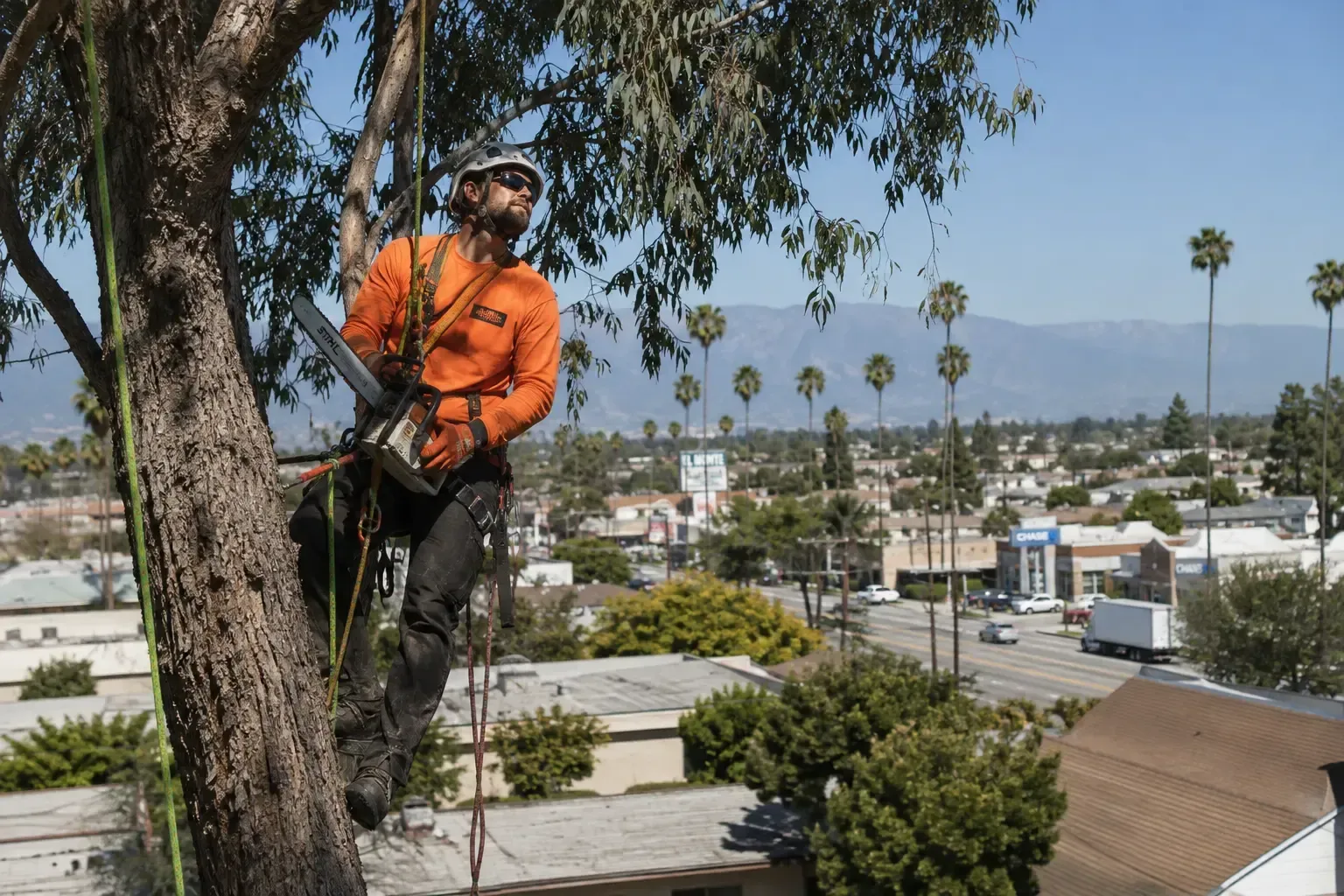
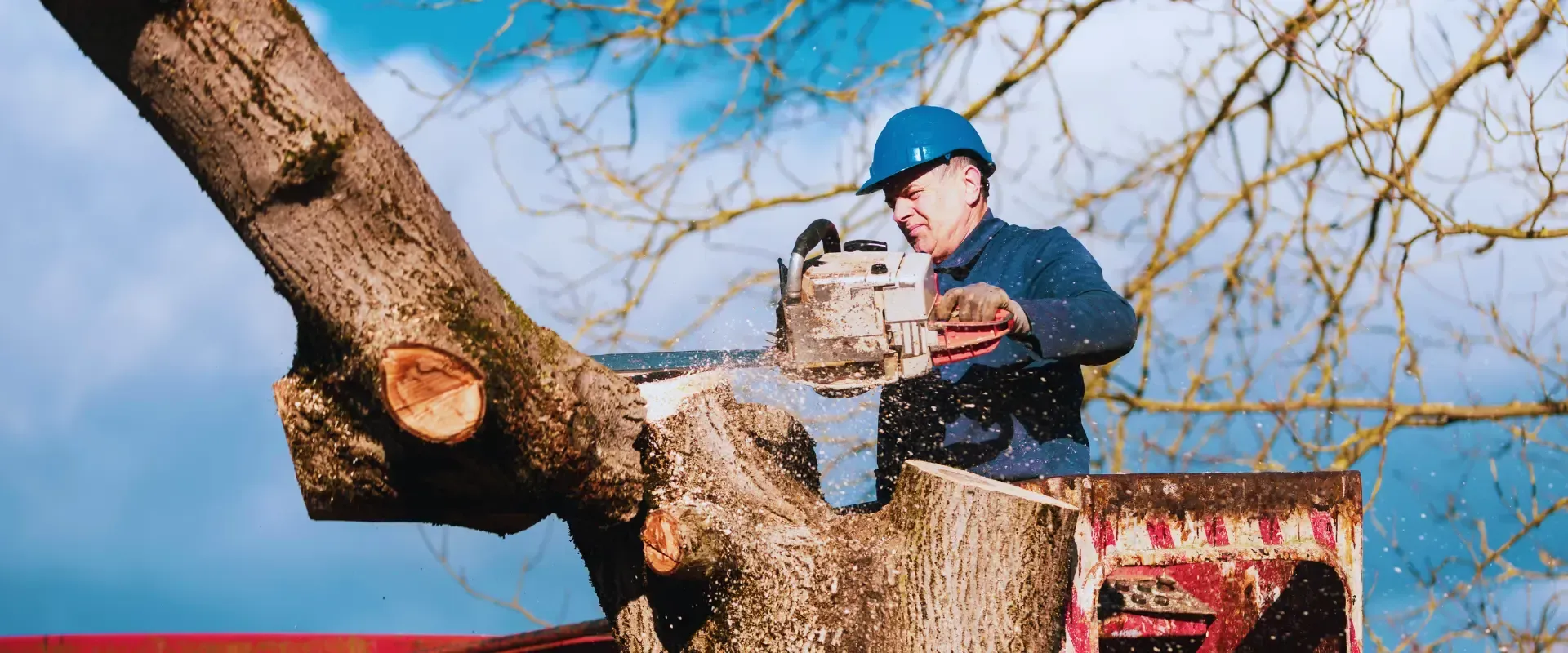
For larger jobs, I don't hesitate to call professionals. Their expertise with tree trimming has saved me from making costly mistakes.
"The best time to plant a tree was twenty years ago. The second best time is now. The best time to treat a tree disease is before it takes hold." — This has become my gardening motto.
When to Call the Experts: My Experience with Professional Help
There comes a time when DIY just won't cut it. Here's when I've called in the pros:
Signs That Prompted My Emergency Tree Removal
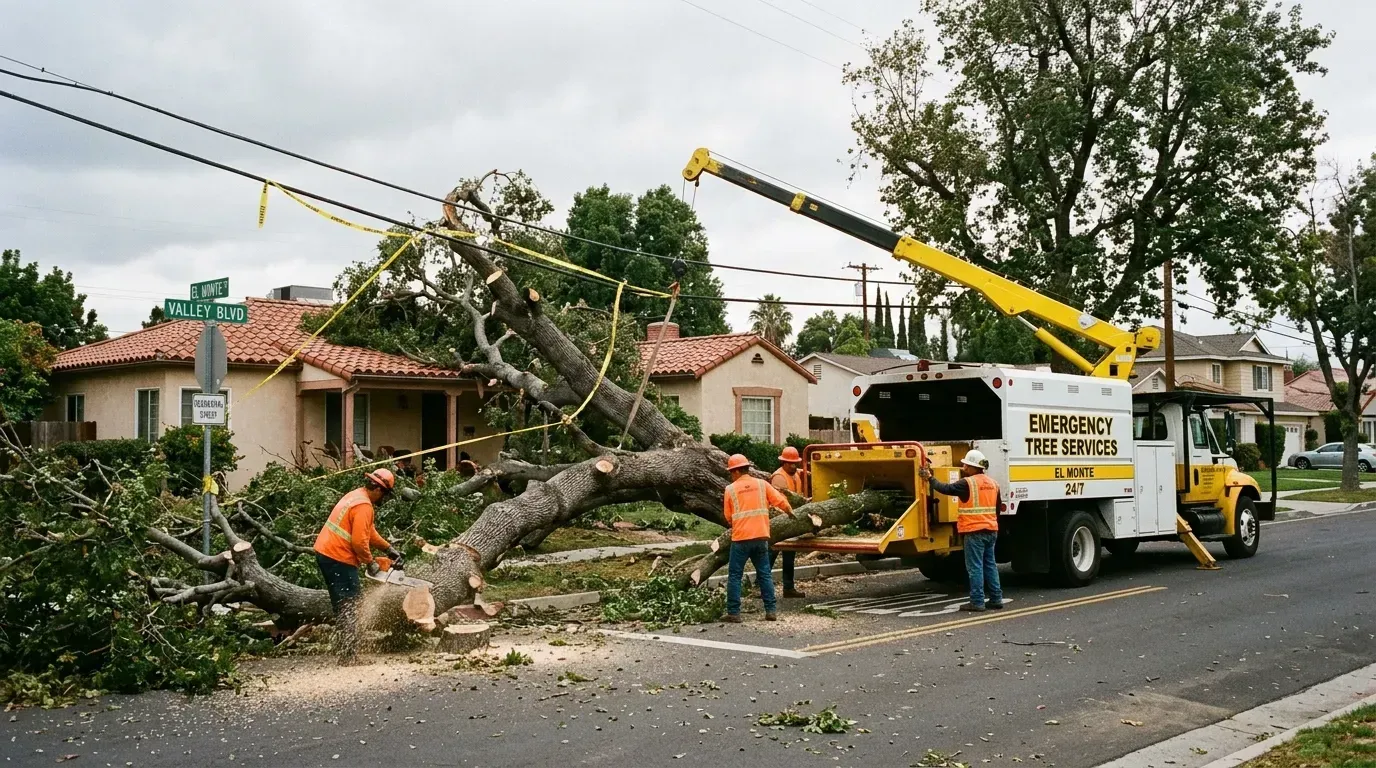
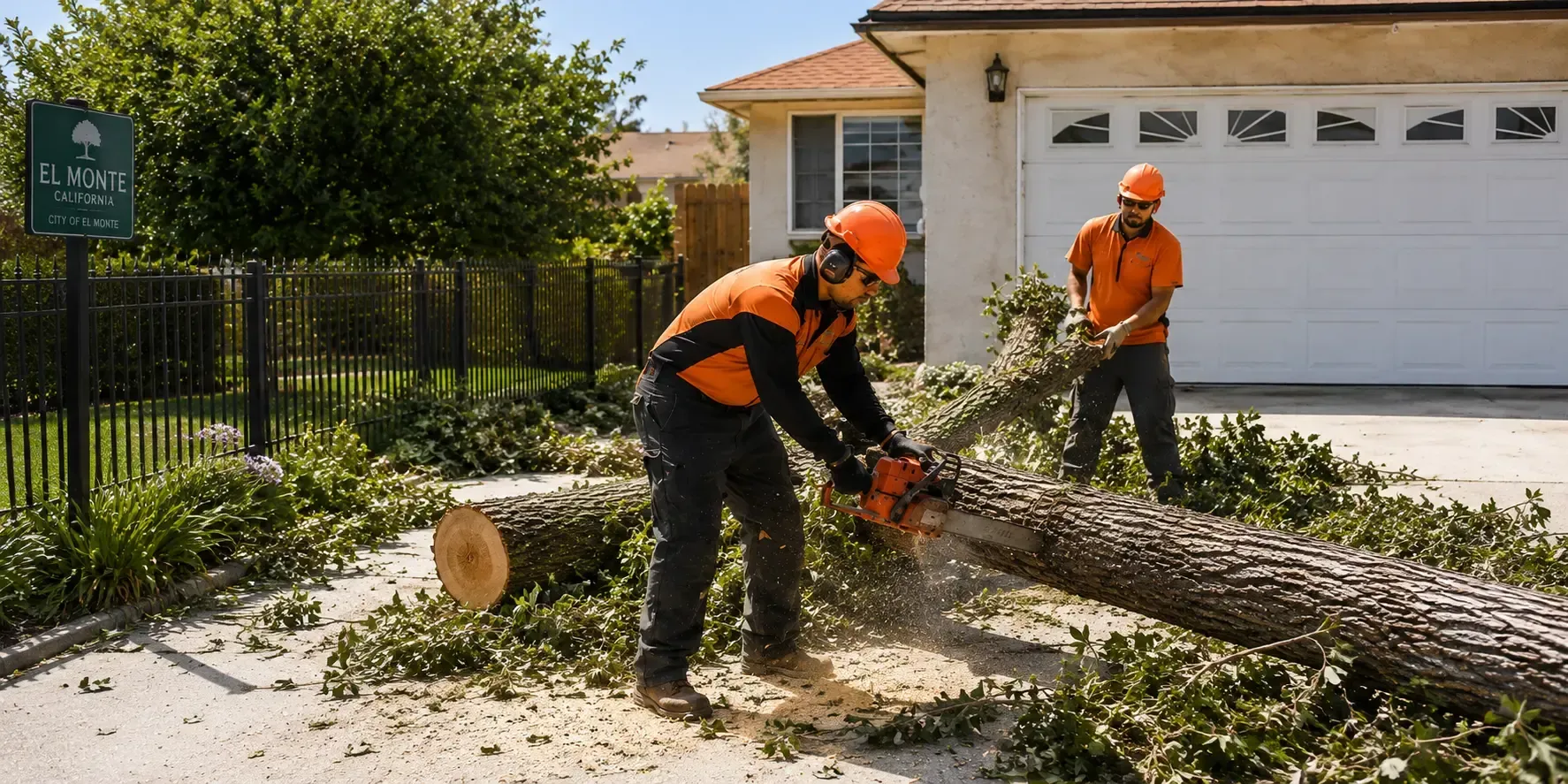
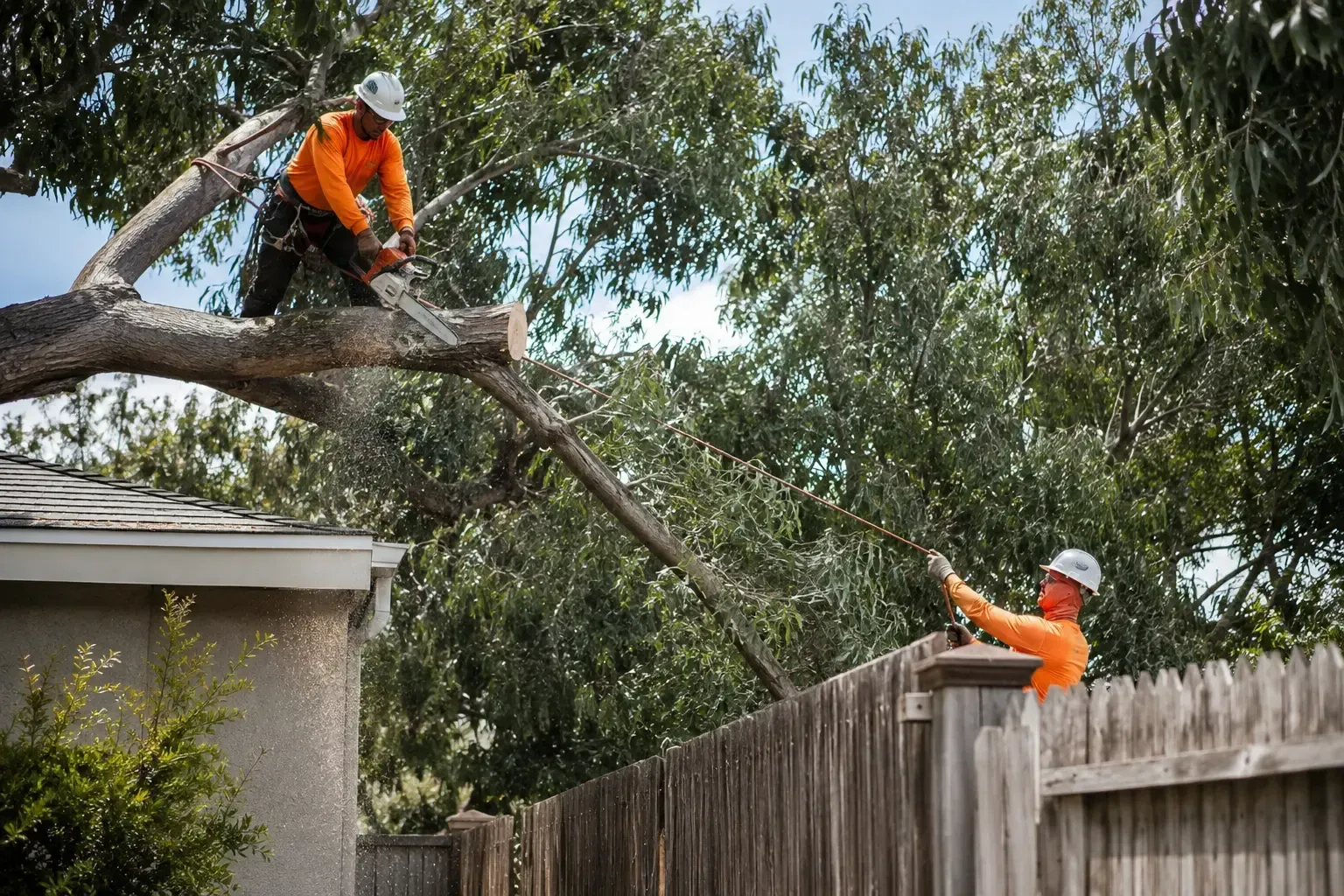
Last winter, a series of storms left my neighbor's pine tree dangerously leaning toward my property. These were the red flags that told me professional emergency tree removal was needed:
- Severe leaning that wasn't there before
- Exposed roots and soil lifting
- Cracks in the main trunk
- Multiple dead branches over structures
The team at Monte Tree Service responded quickly, and their experience with emergency situations prevented what could have been a disaster.
How Professional Tree Trimming Saved My Maple
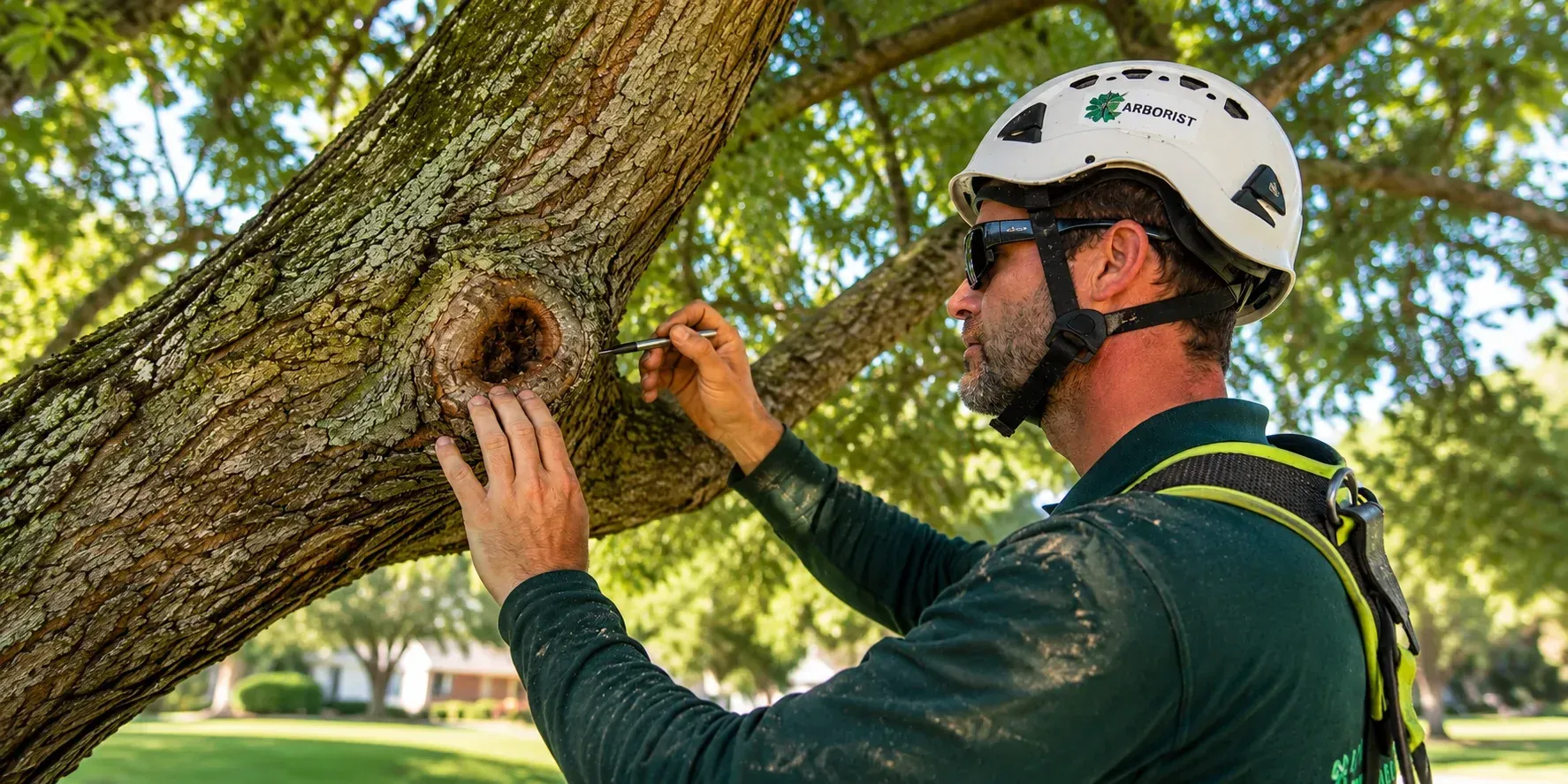
My Japanese maple developed a fungal issue that I couldn't identify. The professional arborist:
- Correctly identified the disease (Verticillium wilt)
- Performed selective tree trimming to remove affected areas
- Recommended soil treatments to suppress the fungus
- Created a multi-year management plan
Three years later, that maple is thriving again—something I couldn't have achieved on my own.
Selecting the Right Tree Service in El Monte
When choosing professional help, I recommend:
- Verifying proper licensing and insurance
- Checking reviews from other El Monte residents
- Asking about their experience with your specific tree species
- Getting a detailed written estimate
You can reach out to Monte Tree Service for an assessment if you're uncertain about your tree's health.
Frequently Asked Questions About Tree Diseases in El Monte
Q: How often should I inspect my trees for diseases?
A: I check mine monthly during the growing season (March-October) and quarterly during winter. After storms, I always do an extra check.
Q: Can diseased trees be saved?
A: Many can if caught early! I've saved several by working with professionals who provided the right treatments and tree trimming strategies.
Q: Are there any disease-resistant trees for El Monte yards?
A: Yes! I've had great success with Coast Live Oak, Western Redbud, and Chinese Pistache. The experts at Monte Tree Service can recommend others based on your specific property.
Q: How can I tell if my tree needs emergency removal?
A: If you see a leaning trunk, large dead branches over structures, or cracks in major limbs or the trunk, contact a professional for emergency tree removal right away.
Q: What's the best mulch to use around trees in El Monte?
A: I use wood chips from local tree trimmings, applied 3-4 inches deep but kept away from direct contact with the trunk.
Conclusion: My Ongoing Tree Health Journey
Caring for trees in El Monte is both a challenge and a joy. Through my years of learning—sometimes the hard way—I've discovered that vigilance, proper care, and knowing when to call the experts makes all the difference.
Our urban forest faces threats from diseases, climate change, and development, but with the right knowledge, we can protect these vital community assets. I encourage you to get to know your trees, learn their specific needs, and partner with professionals like Monte Tree Service when needed.
Remember that healthy trees increase property values, cool our city, clean our air, and provide beauty for generations. The care we give them today ensures a greener, healthier El Monte tomorrow.