Winter Emergency Tree Removal in El Monte: When Santa Ana Winds Turn Your Yard Into a Hazard
The sound of a snapping branch at 2:00 AM is unmistakable. In El Monte, it usually follows a week of heavy rain and the arrival of the Santa Ana winds. You lie there, staring at the ceiling, wondering if that 40-foot Eucalyptus in the backyard is finally going to give up its grip on the San Gabriel Valley soil. It is a common nightmare for local homeowners. When a tree fails, you don't need a lecture on nature; you need a tree removal service that understands the specific municipal codes and wind patterns of our corner of Los Angeles County.
The El Monte Winter Danger: Winds, Water, and Weight
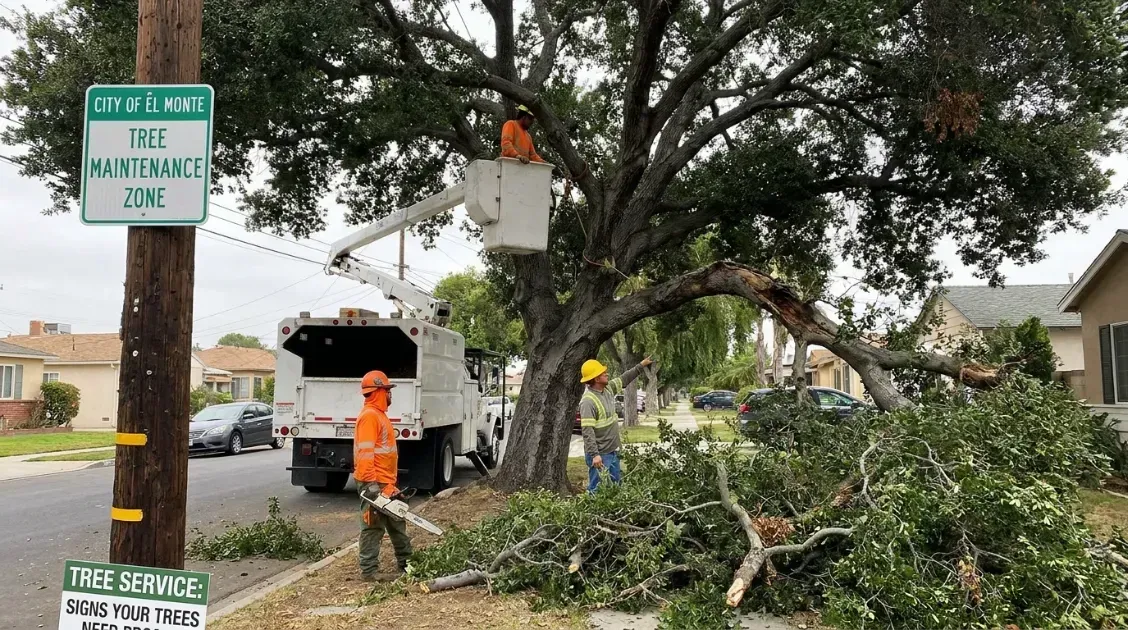
Southern California winters are deceptive. We don’t deal with snow loads, but we do deal with "soil saturation." When the ground becomes a sponge after a January downpour, the root systems of mature trees lose their anchor. Combine that with offshore gusts hitting 60 miles per hour, and even a healthy-looking tree becomes a literal lever prying itself out of the earth.
Most residents don't realize that El Monte sits in a unique geographic "wind tunnel" effect. The air compresses as it moves through the mountain passes, gaining speed before it slams into our residential neighborhoods. This isn't just bad luck. It is physics. If your tree has a thick, unpruned canopy, it acts like a sail. The wind catches it, the saturated soil gives way, and suddenly, you have three tons of timber resting on your shingles. At
El Monte Tree Service, we see this exact scenario every single winter. It’s predictable, yet it’s always an emergency when it happens to you.
Understanding El Monte’s Tree Protection Ordinance
You cannot just grab a chainsaw and go to town on a fallen tree. The City of El Monte is surprisingly strict about its canopy. Under Chapter 14.03 of the El Monte Municipal Code, certain trees are "Protected." This includes any California Native tree—like the Coast Live Oak or California Sycamore—with a circumference greater than 25 inches when measured 4.5 feet above the ground. Even Heritage trees that aren't native fall under this umbrella.
Removing a protected tree without a permit can result in a fine of up to $5,000 per tree. That is a expensive mistake. However, in a true emergency where a tree poses an "imminent threat" to life or property, the rules allow for immediate action, provided you document the hazard and follow up with the city’s Economic Development Department. We handle the paperwork because we know the city arborist’s expectations. We ensure you don't get slapped with an "after-the-fact" permit fee, which usually doubles the standard $185 cost. We play by the rules so you don't have to pay for them later.
Why You Can’t Wait Until the Next Storm
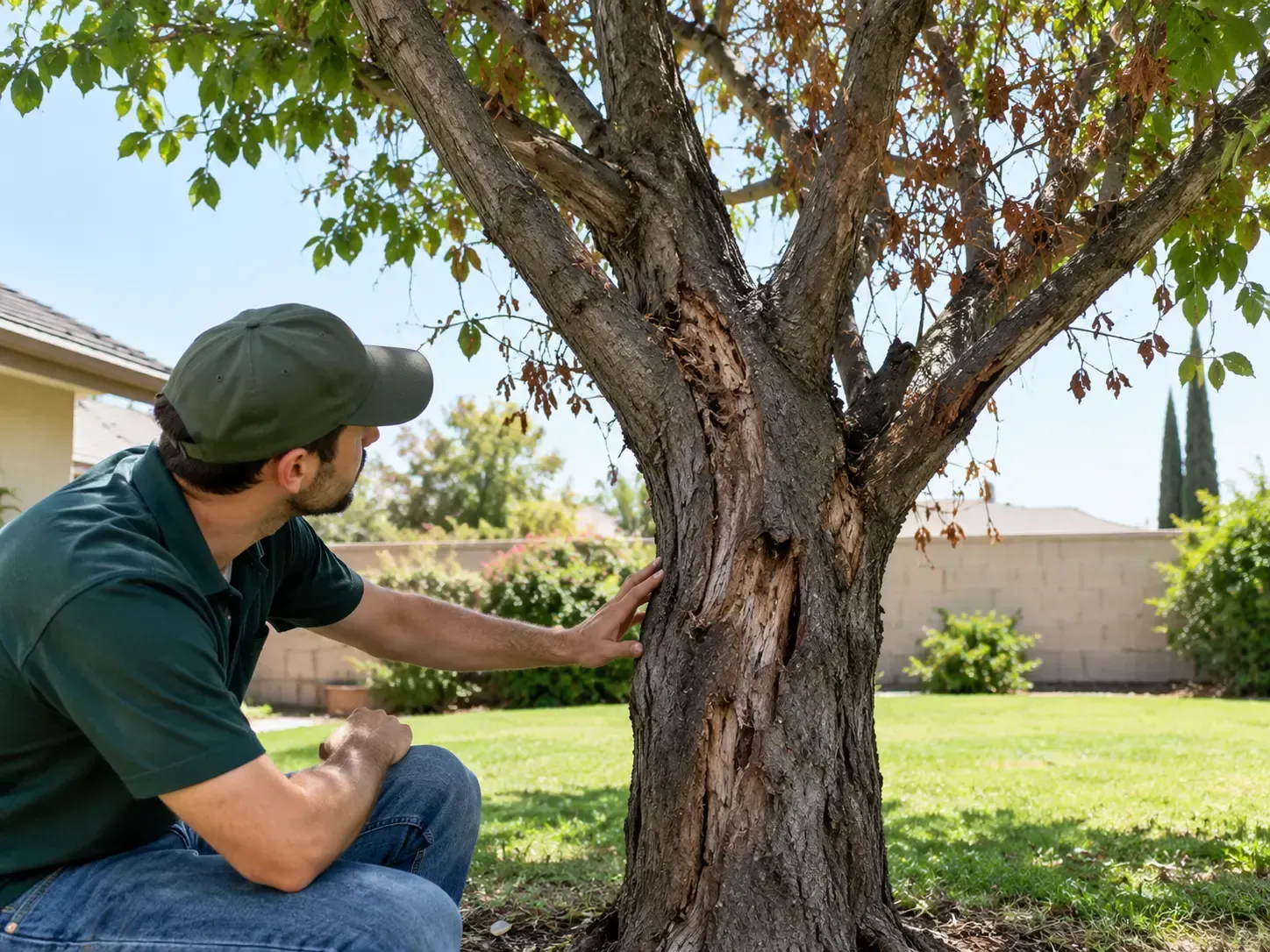
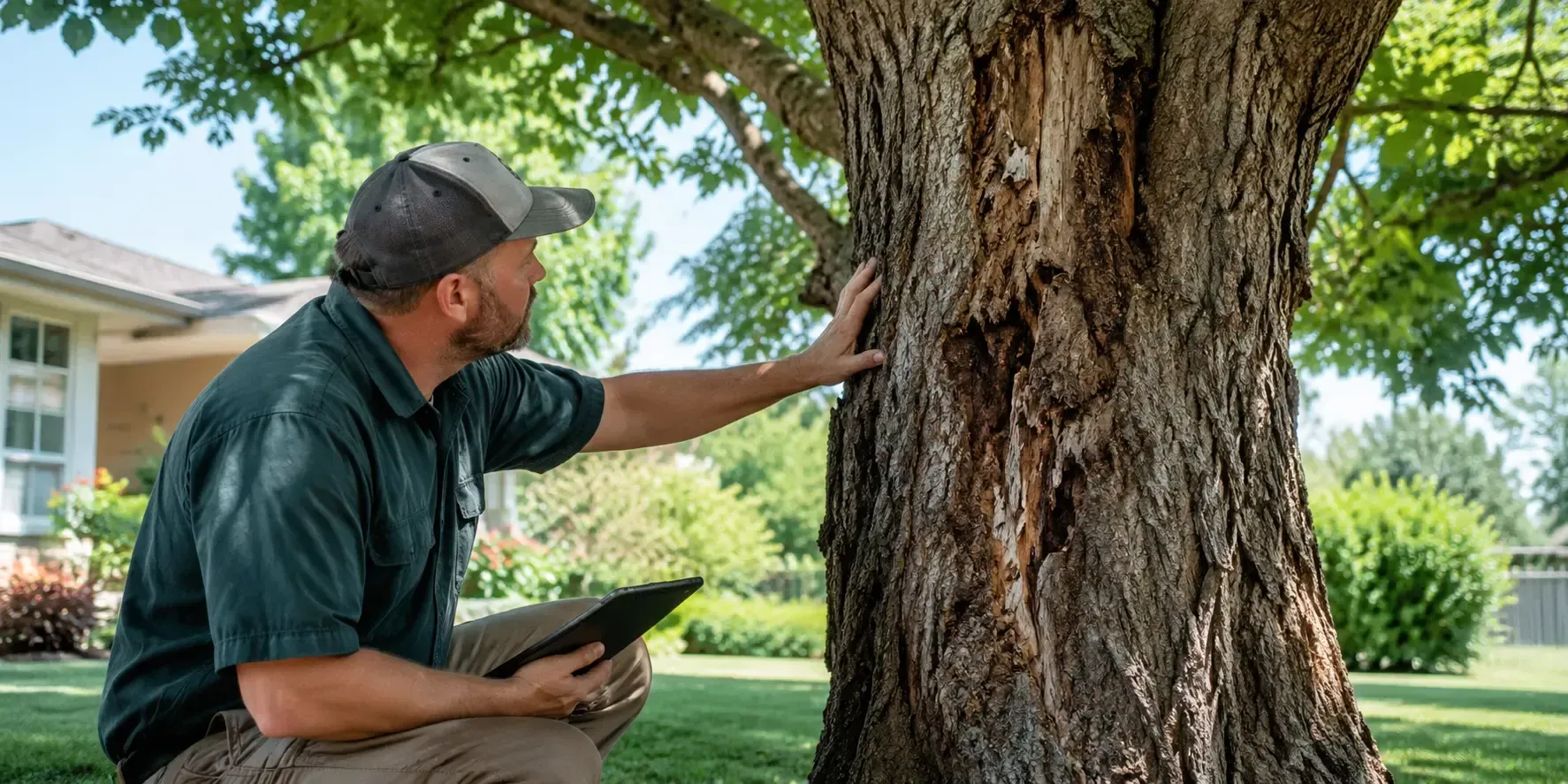
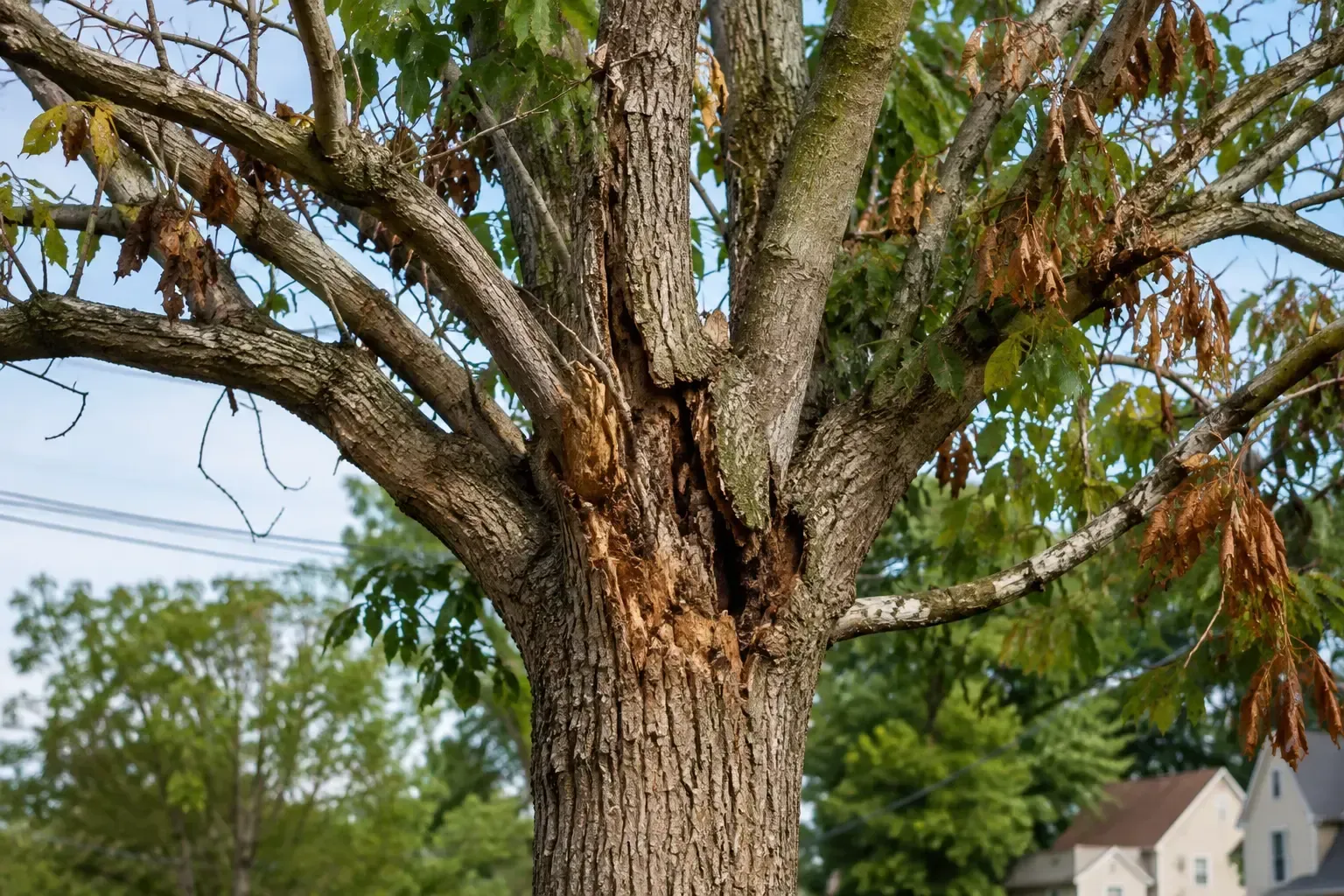
Procrastination is the biggest enemy of your roofline. Most "emergency" removals could have been "preventative" trimmings. Look at your trees right now. Is there a mound of earth lifting on one side of the trunk? That’s root heave. It means the tree is already failing. Are there large, leafless branches near the top? That’s "dieback," and those limbs will be the first to fly when the winds kick up.
Professional arborists follow standards set by the
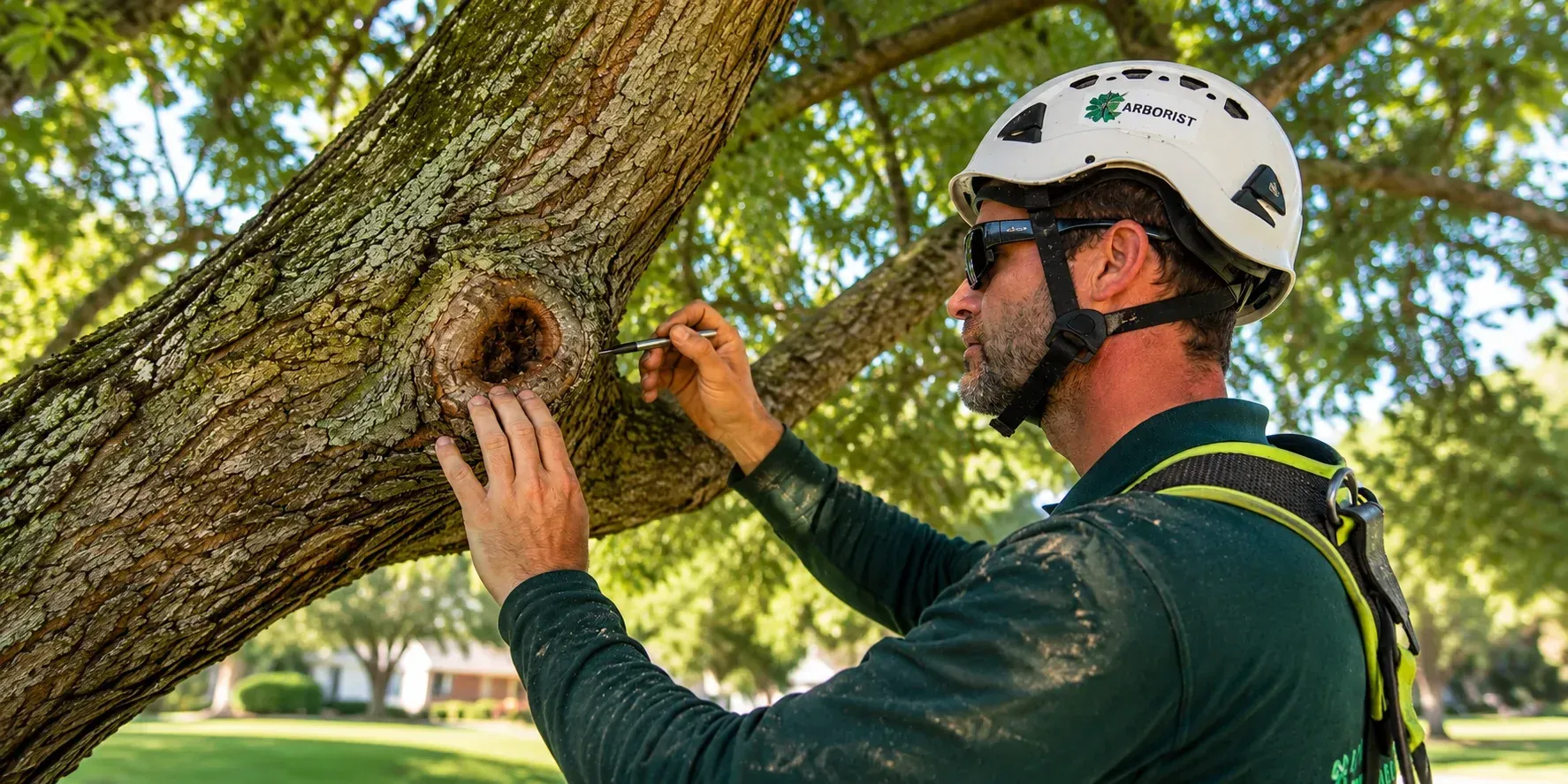
International Society of Arboriculture (ISA) to identify structural defects that the untrained eye misses. A tree might look green and lush but be hollowed out by wood-boring beetles or fungal rot at the base. In El Monte’s dense residential lots, a falling tree rarely stays in its own yard. It takes out the neighbor’s fence, the power lines, or the parked car on the street. Taking care of it now is an investment. Waiting for it to fall is a gamble.
The Homeowners Insurance Trap
Will your insurance pay for a tree removal service? Maybe. The California Department of Insurance is clear on this: most policies cover tree removal only if the tree hits a "covered structure." If an Oak falls on your house, you’re likely covered. If it falls on your detached garage, you’re likely covered. But if that same Oak falls across your lawn and doesn't hit anything? You are usually on the hook for the entire bill.
There is one exception. If a fallen tree blocks a driveway or a ramp for the disabled, many insurers will cover the cost to move it. But "preventative" removal? Almost never. Insurance companies view tree maintenance as a homeowner’s responsibility. If they can prove the tree was dead or diseased for months before the storm, they might even deny your claim for the roof damage, citing "lack of maintenance." Don't give them that excuse. Document your tree’s health and get professional help before the sky turns gray.
Why DIY is a Disaster Waiting to Happen
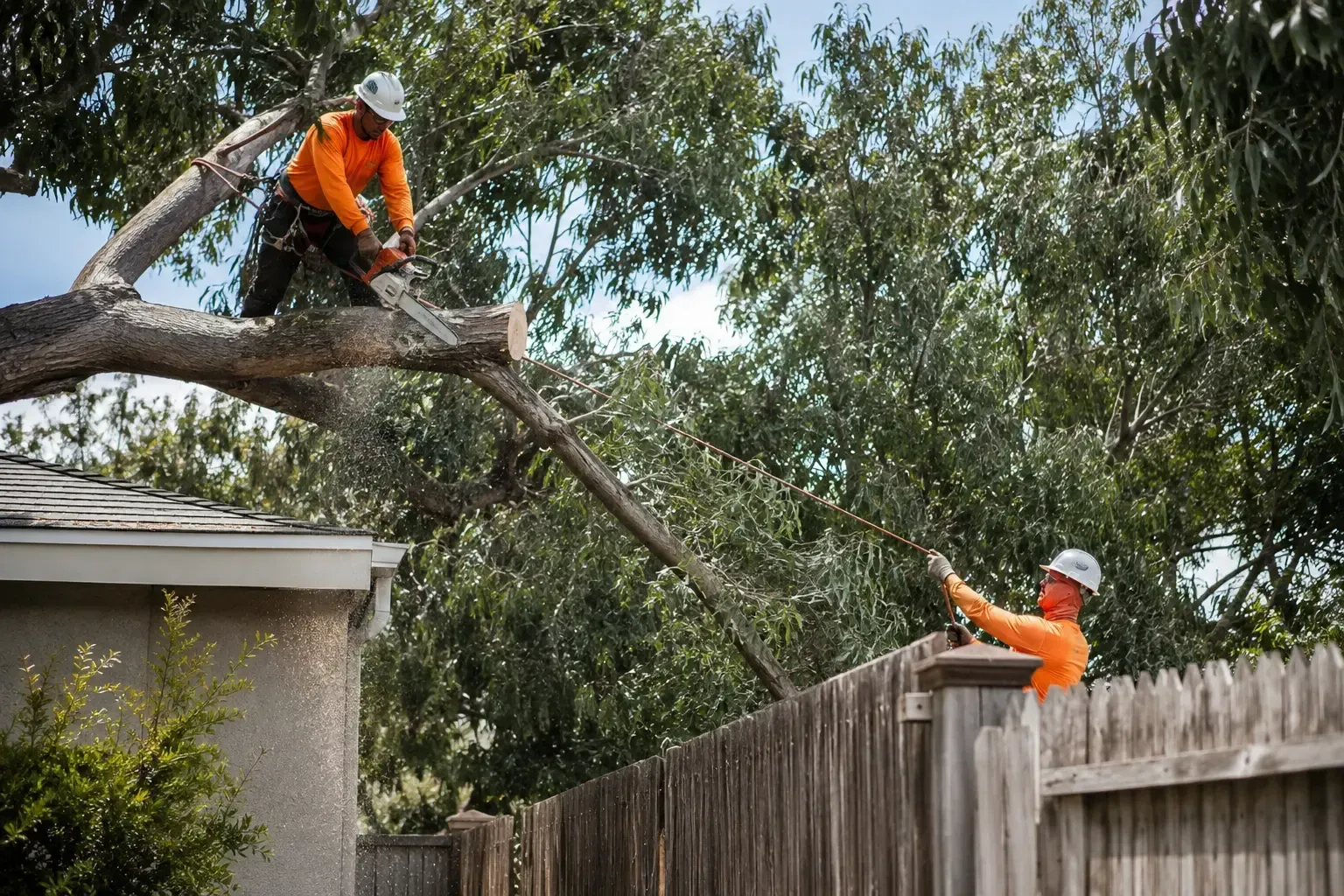
Cutting down a tree in an open field is one thing. Doing it in a suburban backyard in El Monte is a surgical operation. You have power lines, property boundaries, and the "kickback" of a pressurized trunk to worry about. Emergency removals often involve "tension wood"—branches that are under immense pressure from the fall. One wrong cut and that branch can snap back with enough force to be fatal.
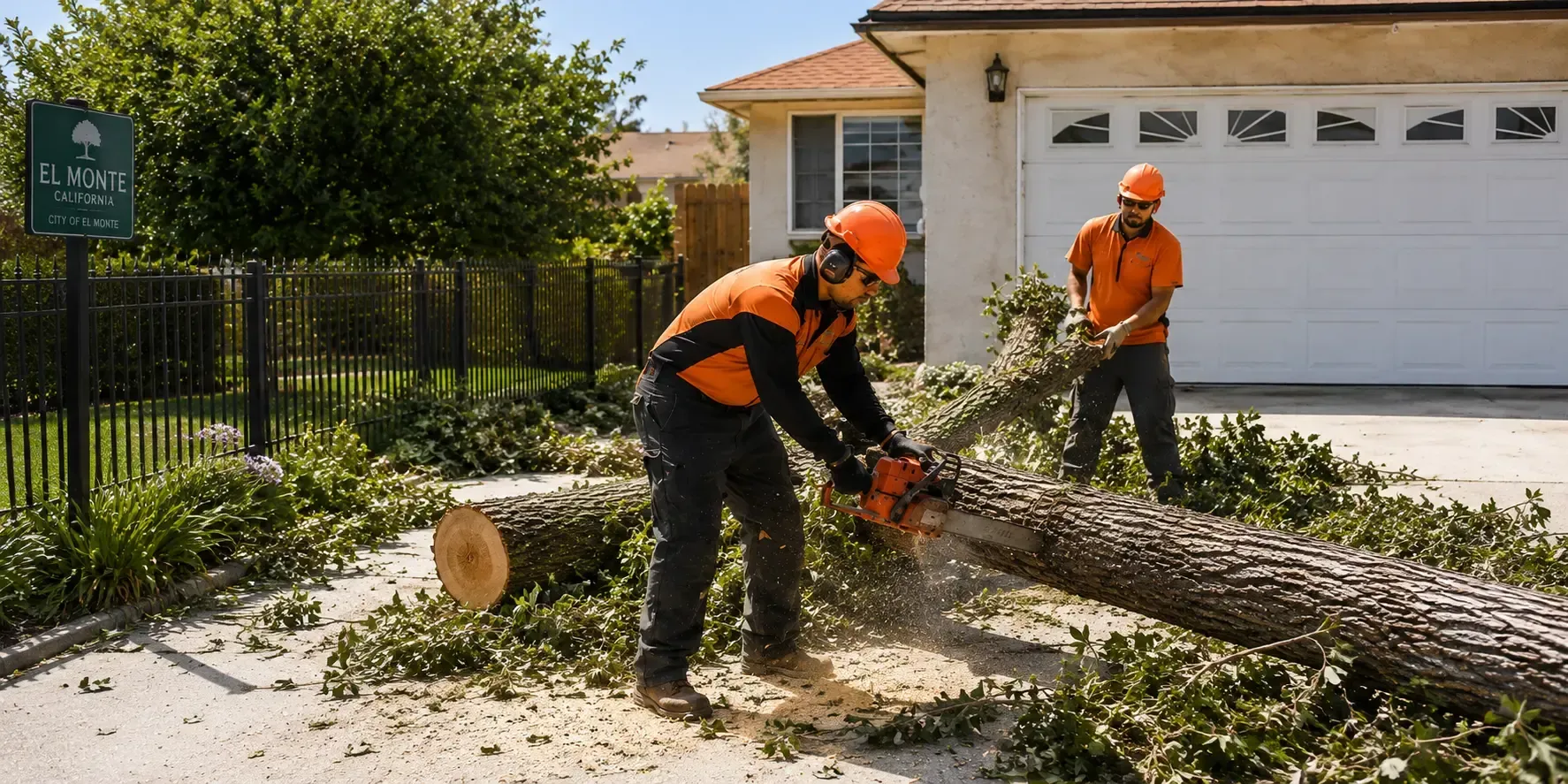
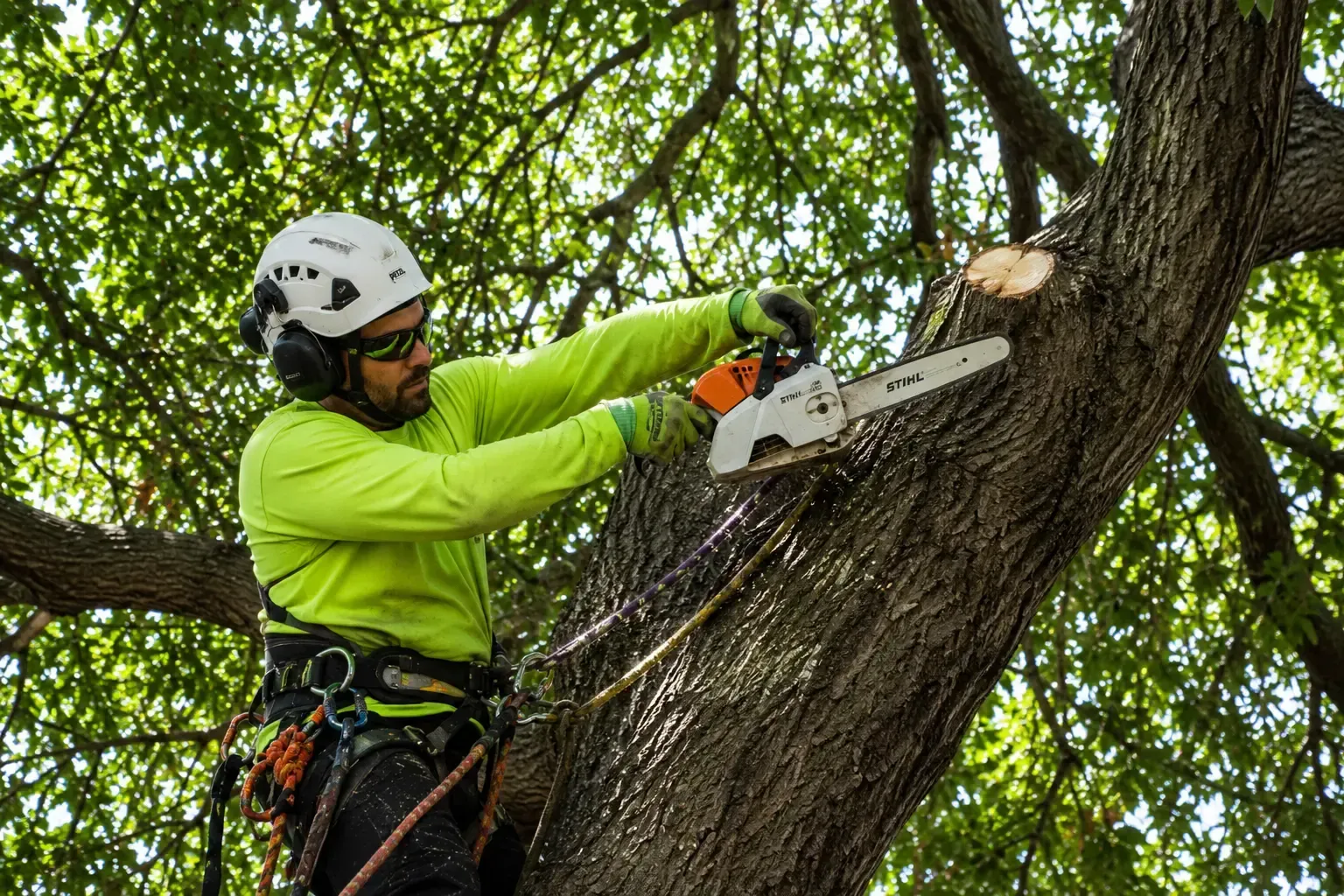
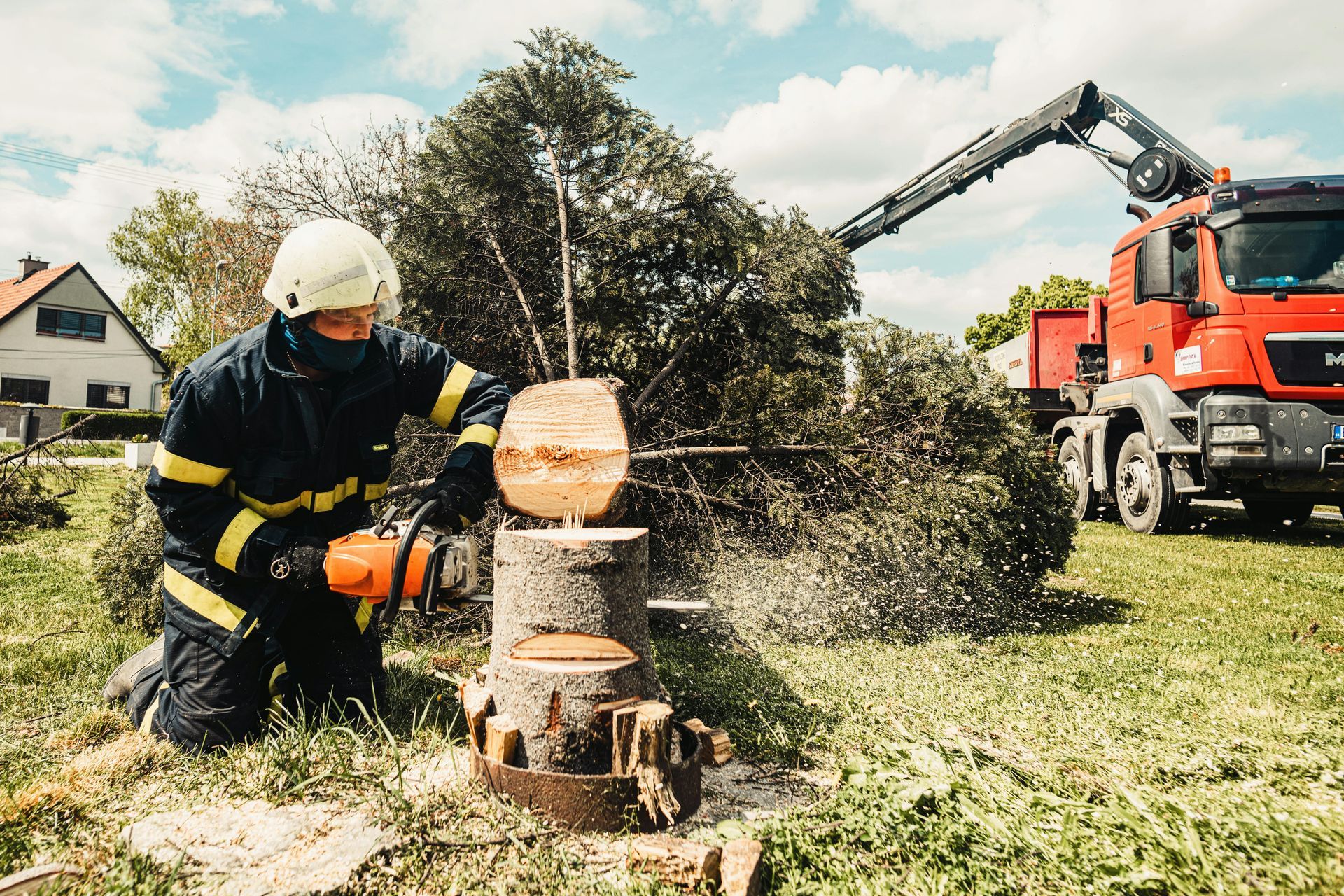
We use specialized rigging, cranes, and high-capacity chippers to dismantle a hazard piece by piece. We are fully insured and bonded. If one of our guys gets hurt, or if a branch slips and hits your neighbor's window, we are covered. If your cousin or a "guy with a truck" does it? You are the one who gets sued. It’s that simple. In the world of tree care, you get what you pay for. Speed, safety, and legal compliance are the three things you cannot compromise on during a winter storm.
The El Monte Tree Service Advantage
When the winds howl and the power goes out, you need someone local. We aren't a national franchise waiting for a corporate dispatch. We live here. We know the streets of El Monte, from the North side near the 10 freeway down to the Valley Mall area. We respond fast because we know how quickly a small crack can become a total collapse.
Our team arrives with the right equipment for the heavy lifting. We don’t just cut the tree; we clear the debris, grind the stump if necessary, and help you navigate the city’s replacement requirements. Remember, El Monte requires a 2:1 replacement ratio for removed protected trees. We help you pick the right species from the city’s approved palette so you stay in compliance and keep your property value high.
Frequently Asked Questions
How much does emergency tree removal cost in El Monte?
Most emergency removals in the San Gabriel Valley range from $1,500 to $5,000 depending on the size, location, and hazard level. Standard, non-emergency removals for smaller trees can start as low as $300. Factors like proximity to power lines or the need for a crane will increase the final price significantly.
Do I need a permit to remove a dead tree in El Monte?
Yes, if the tree is a "Protected" species or meets the size requirements (over 25 inches in circumference). While the city often waives fees for dead or hazardous trees, you still must submit a Tree Removal Permit Application to the Economic Development Department and have an ISA-certified arborist verify the tree's condition.
What should I do if a tree falls on power lines near my house?
Do not go near the tree. Call 911 and Southern California Edison immediately. Even if the power seems to be off, the lines could still be live. Once the utility company has cleared the electrical hazard and de-energized the lines, a professional tree removal service can safely begin clearing the wood.