The High Cost of Cheap Gear: Why Professional Equipment is Non-Negotiable for Healthy Trees
Have you ever seen a tree that looks like it went through a meat grinder? It happens more often than you’d think. Someone grabs a rusted hand saw or a cheap electric chainsaw from a big-box store and decides to "tidy up" their yard. An hour later, the tree is mangled, the bark is stripped, and the property owner is lucky they still have all ten fingers. Tree care isn't just about cutting wood. It is a surgical procedure performed on a living organism. When you treat it like a weekend DIY craft project with subpar tools, the tree pays the ultimate price.
Most people view trees as static objects. They aren't. They are dynamic systems that react to every cut. Using the wrong equipment doesn't just make the job harder; it introduces pathogens, causes structural instability, and can lead to a slow, agonizing decline of a specimen that took fifty years to grow. If you want your canopy to survive the next decade, you need to understand why the gear matters. This is why professional Tree Services invest tens of thousands of dollars in high-grade machinery and specialized hand tools. It isn't for show. It’s for the biology of the tree.
The Biology of a Clean Cut: Why Sharpness is Everything
Think about a dull kitchen knife trying to slice a tomato. It crushes the fruit rather than cutting it. The same thing happens when tree experts use dull chainsaws or loppers. A dull blade doesn't slice through the wood fibers; it tears them. These ragged edges are a playground for fungi and bacteria. When a tree is cut cleanly, it can begin a process called CODIT—Compartmentalization Of Decay In Trees. It essentially seals off the wound. A ragged, torn cut from bad equipment makes it impossible for the tree to form a proper "callus."
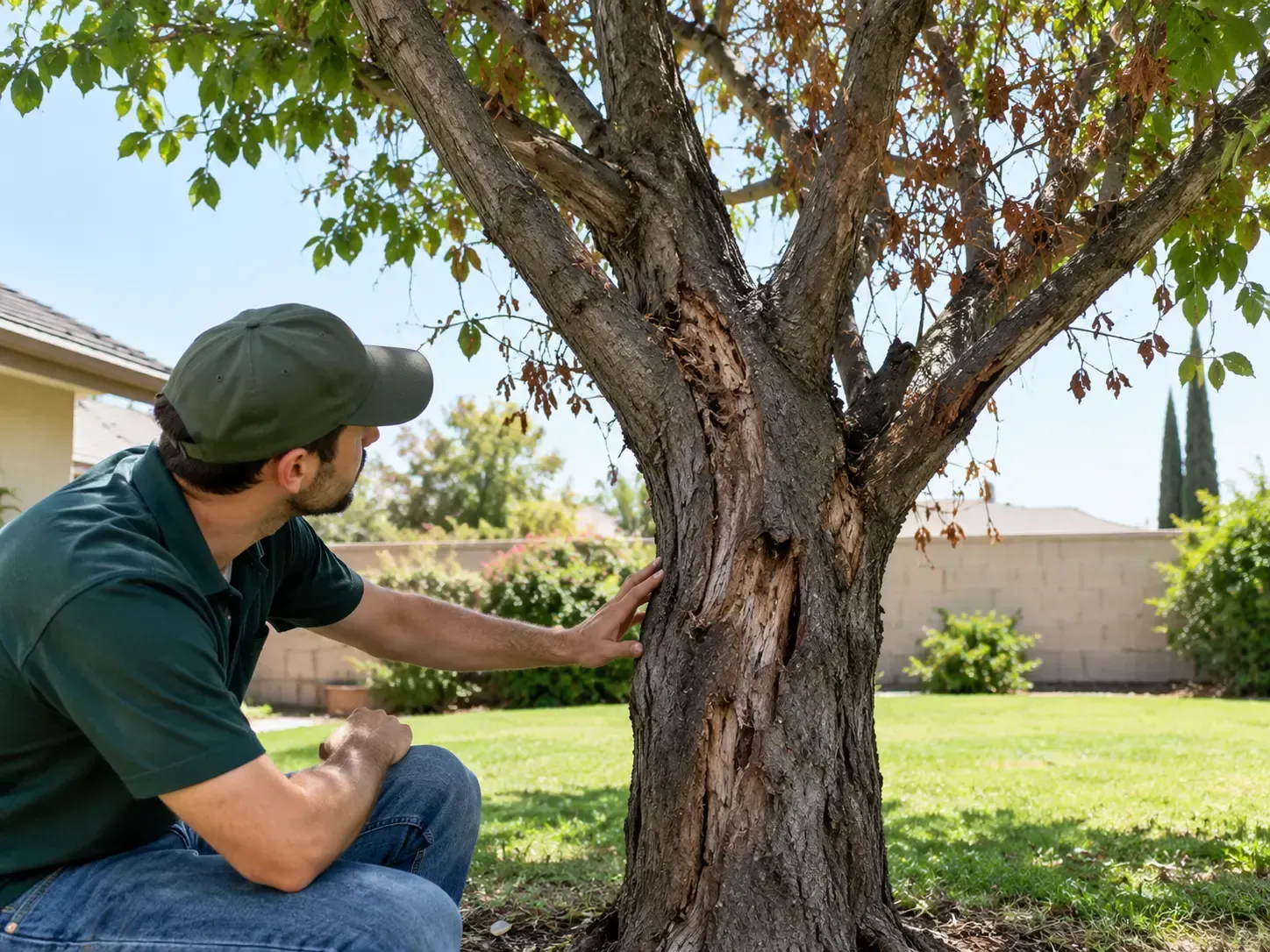
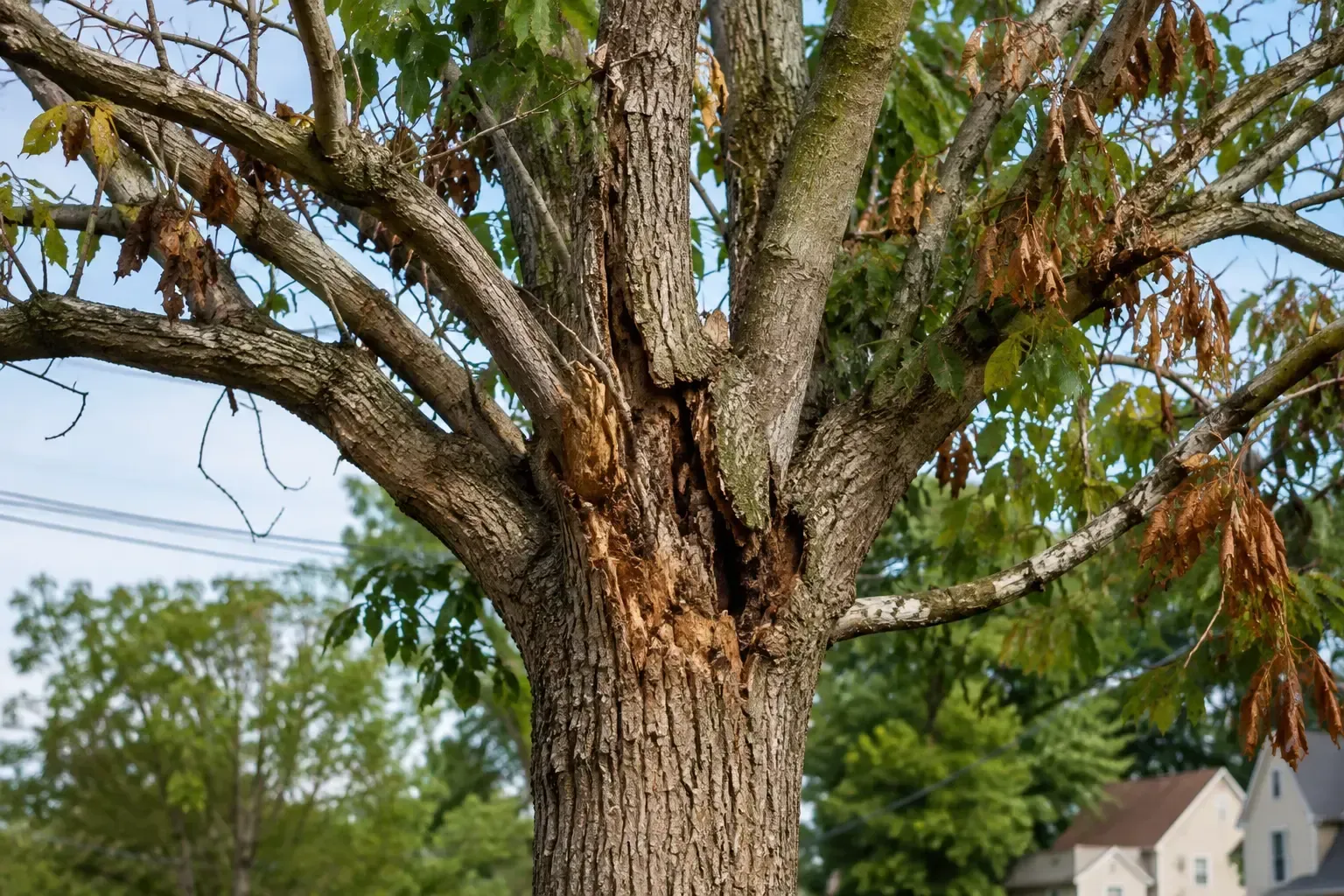
At Our Homepage, we emphasize the use of surgical-grade steel in our pruning saws. We aren't just hacking away branches. We are making precise incisions at the branch collar. If the equipment is dull, the bark rips downward as the limb falls. This creates a "strip" of missing bark that exposes the heartwood. Once the heartwood is exposed, the clock starts ticking on rot. You won't see the damage today. You’ll see it in five years when the entire limb shears off in a light breeze because the interior has turned to mush.
Proper maintenance of equipment is just as vital as the equipment itself. We sharpen our chains every single day. We disinfect our blades between properties. Why? Because tools can carry diseases from one yard to the next. If a local tree service uses the same saw on a Dutch Elm Disease-infected tree and then comes to your yard without cleaning it, they might as well be injecting your trees with a lethal virus. That is the difference between a pro and a guy with a truck.
Heavy Machinery and the Silent Killer: Soil Compaction
Most homeowners focus on what’s happening in the air. They forget about what’s happening under their feet. Trees need oxygen. Their roots don't just sit in the dirt; they live in the microscopic spaces between soil particles. When an amateur service rolls a heavy, standard-issue skid steer over your lawn to move a log, they are effectively suffocating your tree. This is called soil compaction. It is the silent killer of urban forests.
Professional Tree Services use specialized equipment like "AlturnaMATS" or low-pressure tracked lifts. These machines distribute weight across a larger surface area, preventing the soil from being crushed into a concrete-like state. We take this seriously. You can see the variety of low-impact machinery we utilize on Our Main Services page. If your tree guy isn't talking about root zone protection, he isn't a tree guy—he's a woodcutter. There is a massive difference.
We also utilize Air Spades. This tool uses supersonic compressed air to blow soil away from roots without damaging the delicate root hairs. It’s the gold standard for diagnosing root rot or decompacting soil. You won't find an Air Spade in the back of a DIYer’s van. It’s a specialized piece of kit that costs a fortune, but it saves trees that would otherwise be destined for the chipper.
The Physics of Rigging: Keeping Your Roof Intact
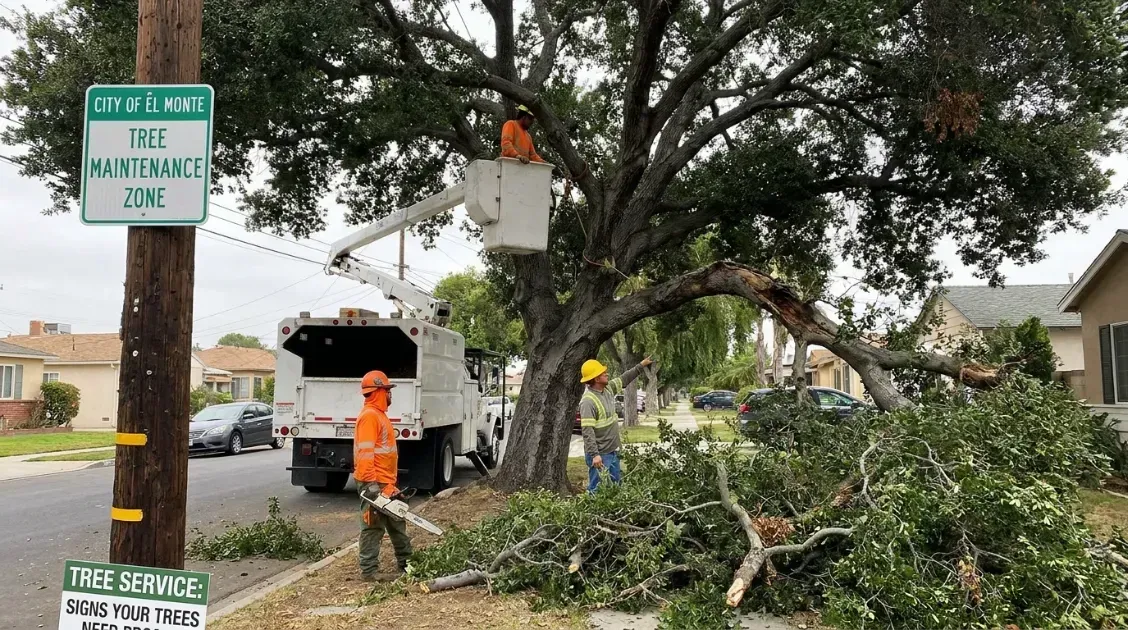
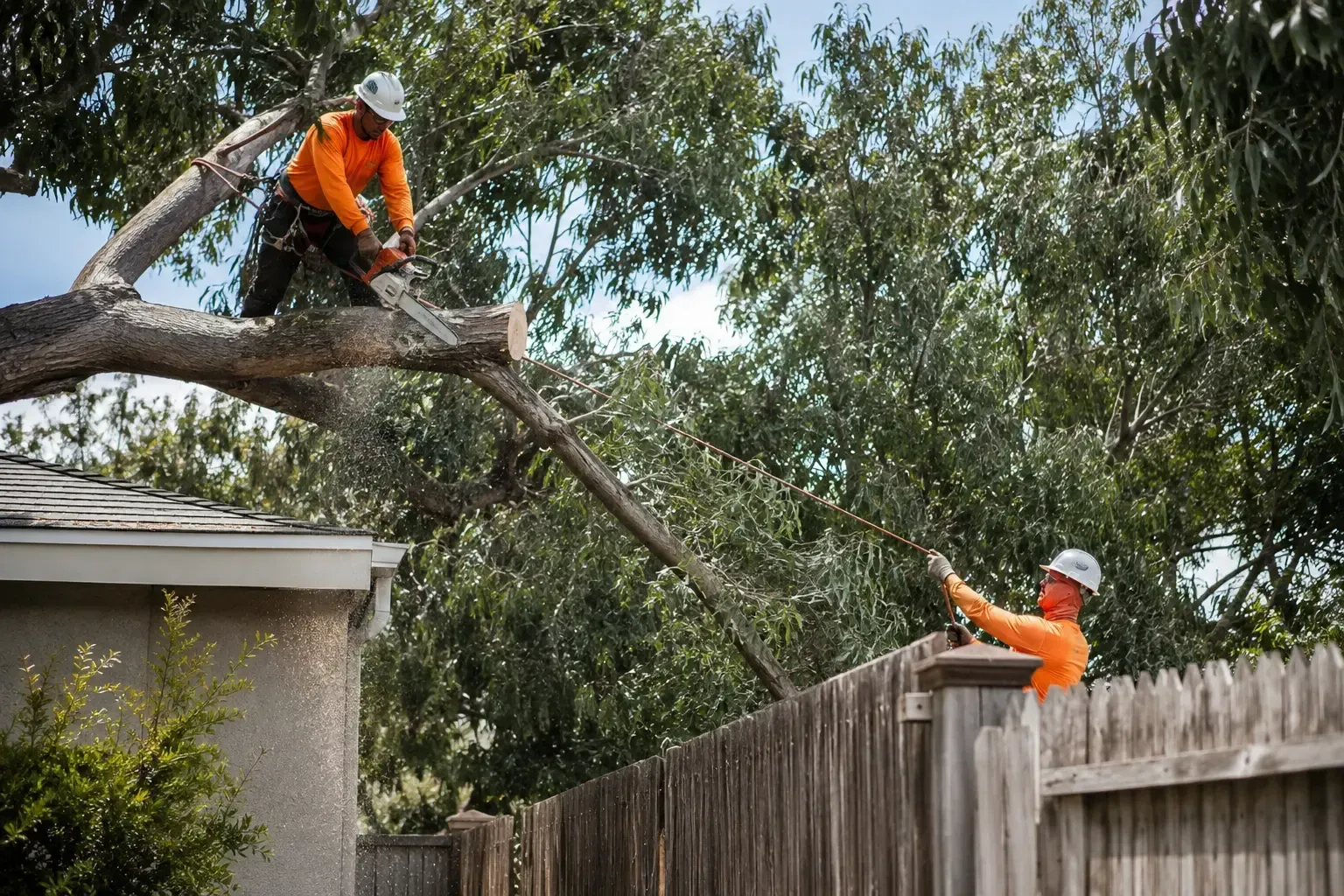
Gravity is a relentless force. When you’re removing a 500-pound limb hanging over a sunroom, you don't just "let it fall." You need rigging. This is where the men are separated from the boys in this industry. Proper rigging involves high-tensile strength ropes, blocks, pulleys, and friction devices like the Hobbs Lowering Device or a Port-a-Wrap. These tools allow a ground person to control thousands of pounds of wood with one hand.
Amateurs often use hardware store nylon rope. That is a recipe for disaster. Nylon stretches. It snaps. It has a low melting point. If that rope friction-burns through while a limb is mid-air, you have a projectile heading for your house. Our tree experts use double-braid polyester ropes specifically engineered for arboriculture. They have zero stretch and massive breaking strengths. We calculate the "shock load" before we ever make a cut. If the equipment can't handle the physics, we don't do the job until we have the right gear on site.
This level of precision is part of our DNA. You can learn more About Us and our commitment to safety and engineering. We don't guess. We calculate. Using the right rigging blocks ensures that the tree itself isn't damaged by the rope's friction. Rubbing a rope directly over a branch causes "rope burn," which kills the cambium layer. A pro always uses a friction saver to protect the tree’s skin.
Safety Gear: It’s Not Just for the Workers
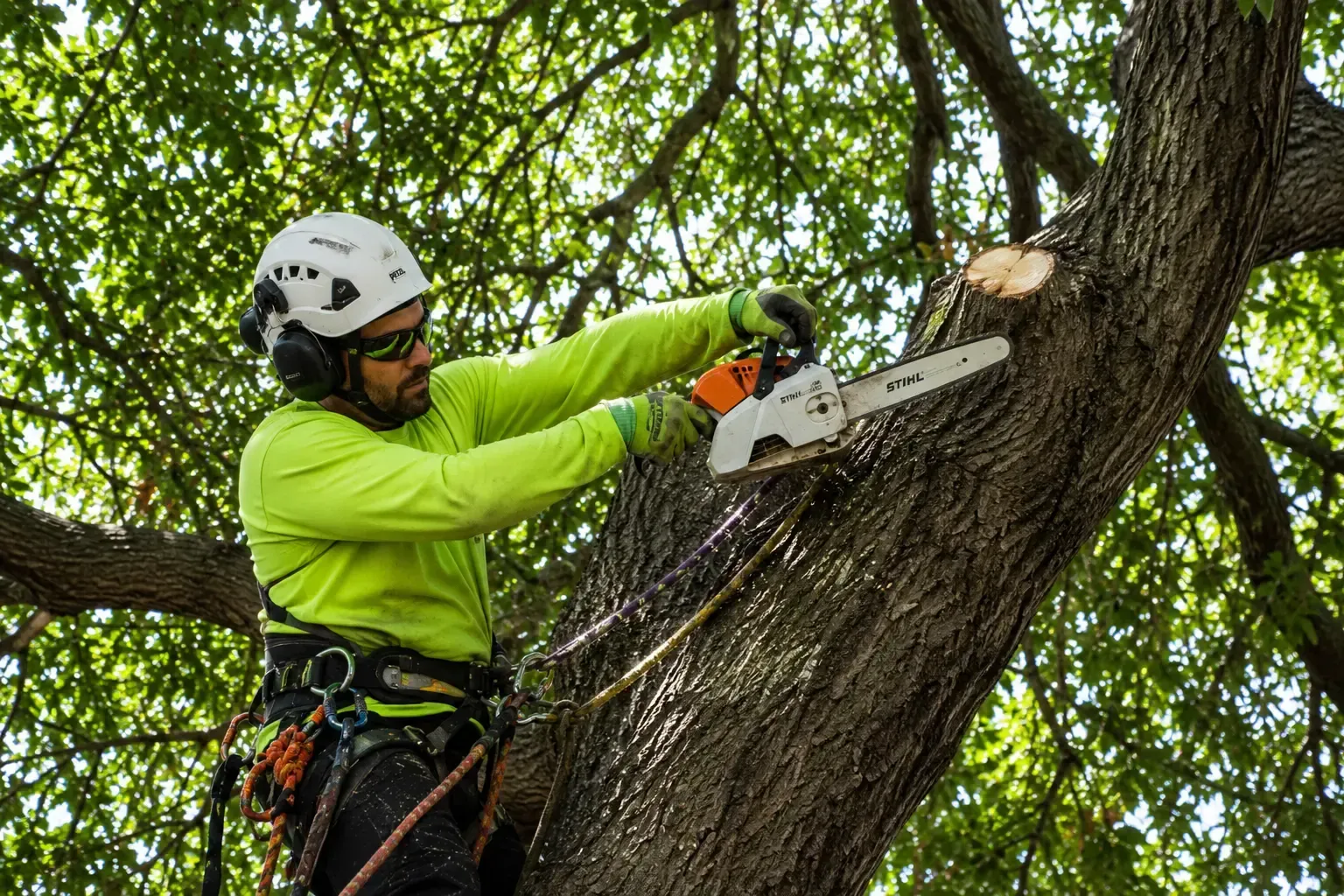
You might wonder why a worker's helmet or chaps affects your tree. It's about focus and stability. When a climber is using a modern, lightweight saddle and work-positioning lanyards, they are stable. They can reach the outer canopy safely. They can make the precise "reduction cuts" that a tree needs to balance its weight. If a climber is using outdated, uncomfortable gear, they are going to rush. They are going to make "lion's tailing" cuts because they are easier to reach, even though those cuts are devastating for the tree’s structural integrity.
Proper PPE (Personal Protective Equipment) also includes things like communication headsets. In a loud environment with wood chippers and chainsaws, communication is usually done through screaming and hand signals. That leads to mistakes. Our teams use Bluetooth-integrated helmets. We talk in a normal voice. "Lower it two feet. Stop. Now swing left." This level of coordination ensures that no branches accidentally swing into the trunk of the tree, scarring the bark and creating an entry point for pests.
Chainsaw Technology: Beyond the Gas Engine
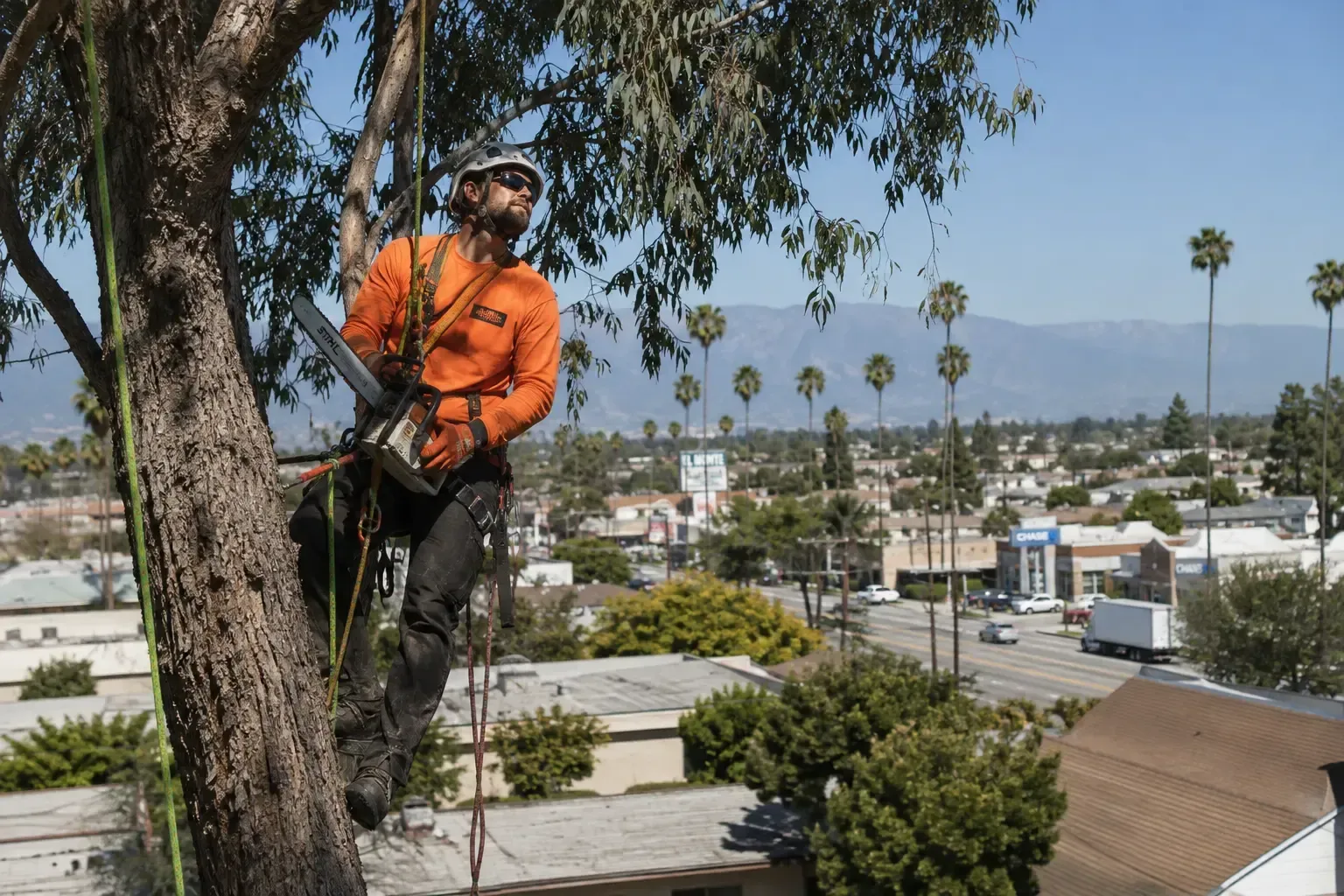
The industry is changing. We are seeing a massive shift toward high-torque battery-powered saws for in-tree work. These aren't the toys you see at the local hardware store. These are professional-grade Husqvarna and Stihl units. Why does this matter for your tree? Noise and vibration. High-decibel gas saws can actually disrupt local wildlife and, more importantly, the vibration of a heavy gas saw makes it harder for a climber to make the "micro-adjustments" needed for a perfect cut. A battery saw is instant-on, instant-off. It allows the arborist to focus entirely on the biology of the cut rather than the mechanics of the engine.
Furthermore, the use of biodegradable bar oil is a hallmark of a responsible local tree service. Standard bar oil is a petroleum product. Every time a saw runs, it flings a fine mist of oil. Do you want oil sprayed all over your living tree and your lawn? We don't think so. We use vegetable-based lubricants that provide the same protection for the saw but break down naturally without harming the ecosystem of your backyard.
The Wood Chipper: More Than a Trash Compactor
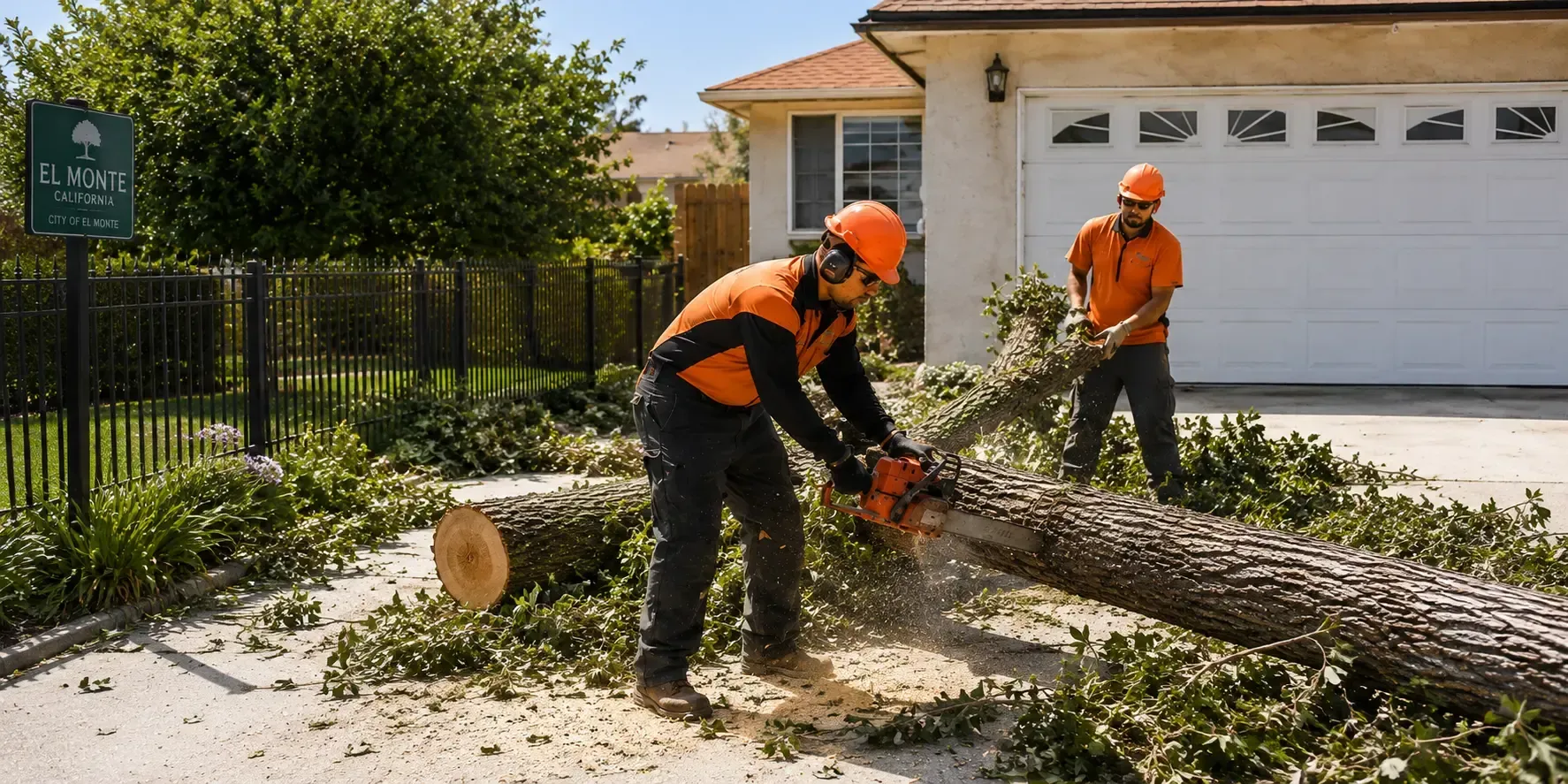
What happens to the wood once it leaves the tree? Most people don't care, but they should. A high-capacity, sharp-bladed wood chipper produces clean, uniform mulch. This mulch is "gold" for your garden. Cheap, dull chippers produce "stringy" waste that mats down and prevents water from reaching the soil. If we are doing a removal or a heavy prune, we offer the resulting mulch back to the homeowner. Because our equipment is top-tier, the mulch is premium quality—free of trash and perfectly sized to regulate soil temperature and retain moisture.
If you have questions about how we handle debris or what tools we’ll bring to your specific job, you should Contact Us. Every property is different. Some require a 75-foot spider lift that can fit through a 36-inch garden gate. Others require a crane. We have the fleet to handle both, ensuring that your local tree service experience is seamless and non-destructive.
Aerial Lifts vs. Climbing: The Right Tool for the Height
There is a romantic notion about arborists climbing trees with ropes and saddles. While we love climbing, sometimes the most "pro-tree" move is to use an aerial lift. Why? Because every time a human climbs a tree, there is a risk of damage. Spikes (climbing spurs) should never be used on a tree that is being pruned. They poke holes through the bark, through the phloem, and into the xylem. These are essentially "stab wounds."
A professional Tree Service will only use spikes for removals. For pruning, we use ropes or a bucket truck. If the tree is in a tight spot, we use a "compact lift." These machines have rubber tracks and can navigate narrow side-yards. By using a lift, we avoid putting any unnecessary stress on the tree's trunk. We can get to the very tips of the branches to perform "end-weight reduction," which prevents limbs from snapping during heavy snow or high winds. This is the kind of detail that "experts" provide.
Diagnostic Tools: The "MRI" for Your Trees
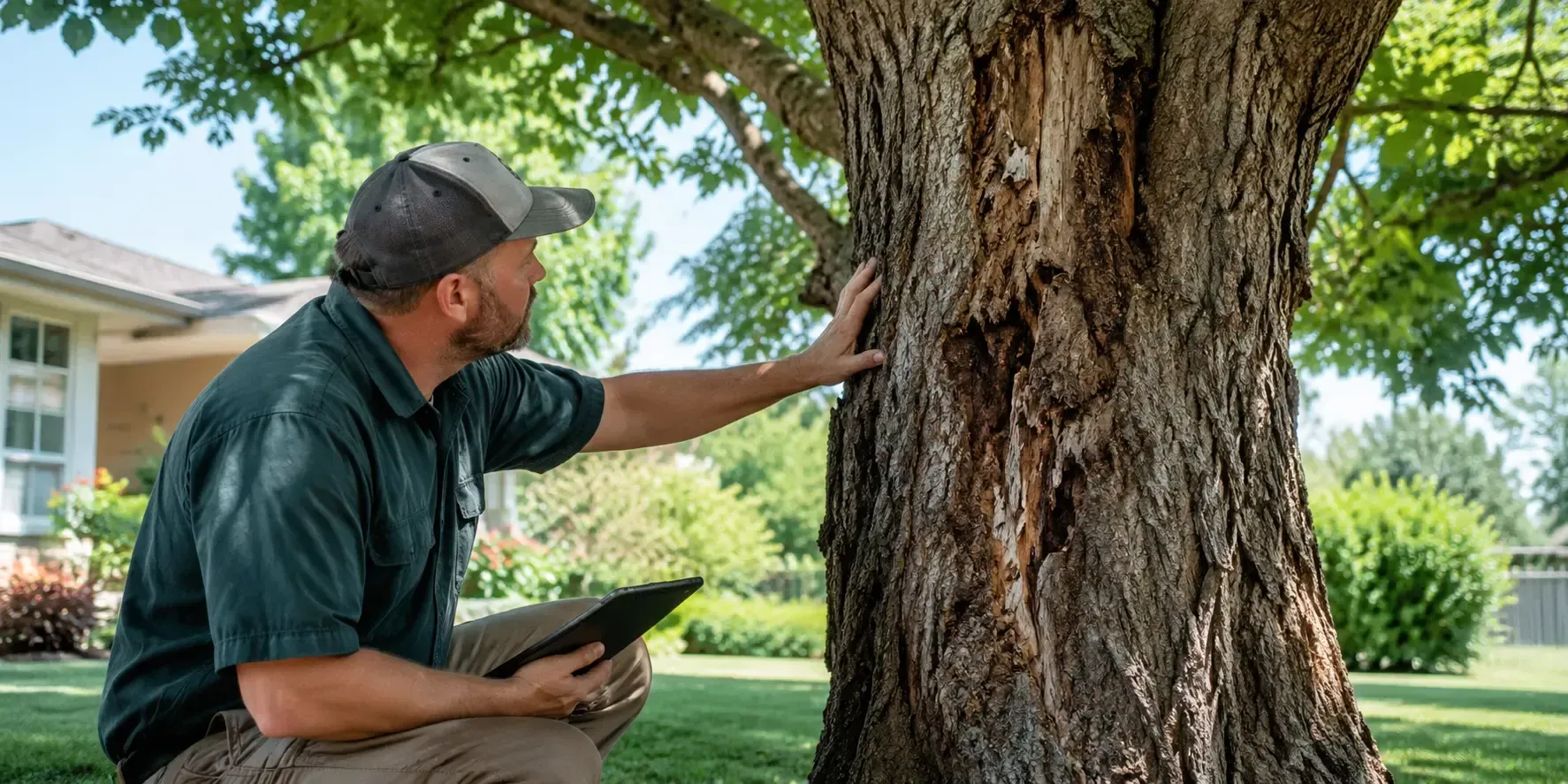
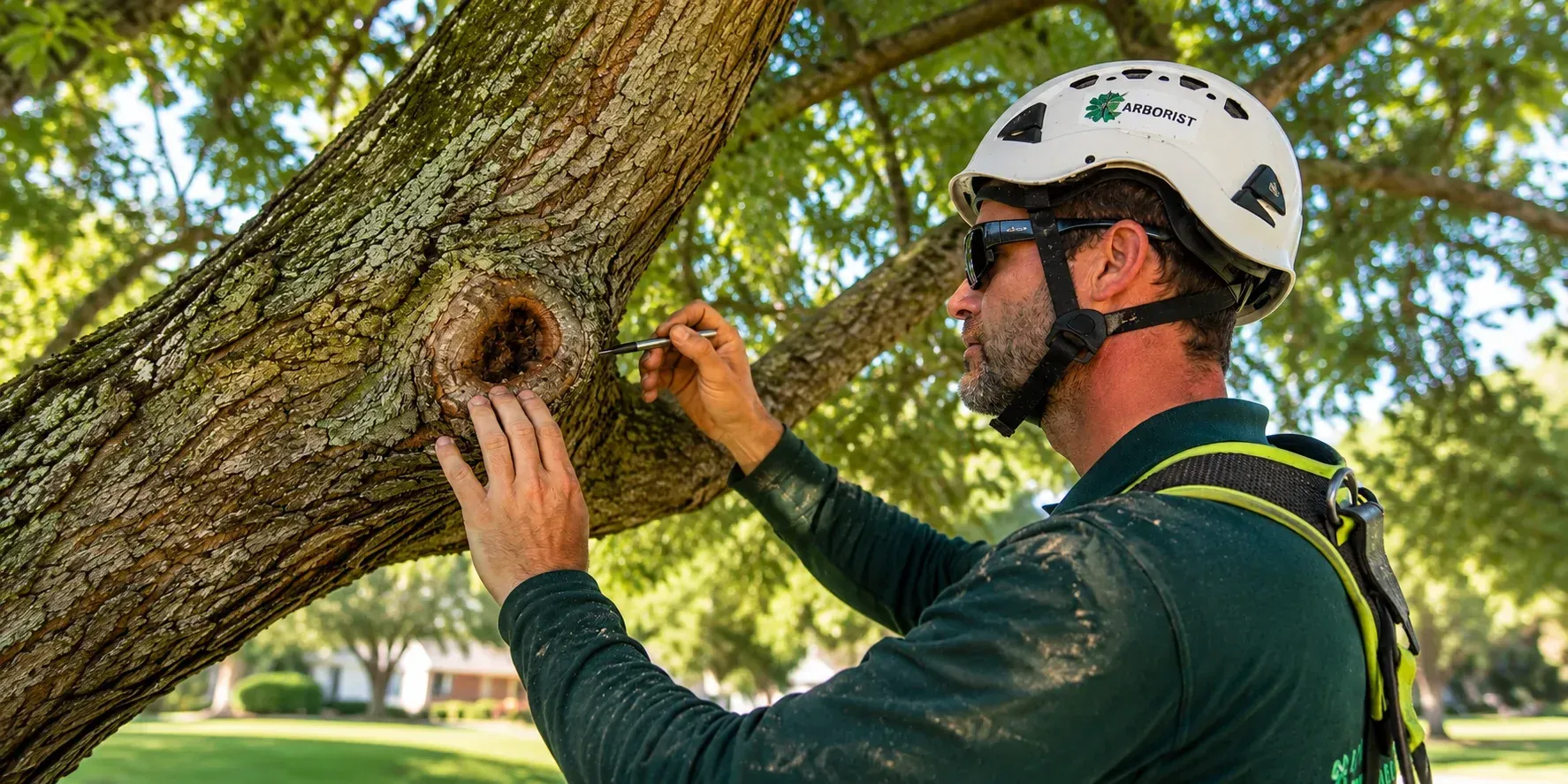
How do we know if a tree is hollow? In the old days, you’d hit it with a mallet and listen. Today, we use Resistographs and Sonic Tomographs. These tools allow us to "see" inside the trunk without cutting it open. A Resistograph uses a tiny needle to measure the resistance of the wood. If the resistance drops, we know there is a pocket of decay. A Sonic Tomograph uses sound waves to create a color-coded map of the tree's interior.
This is the pinnacle of Tree Services. Using this equipment, we can tell a homeowner, "Your tree looks fine on the outside, but it only has 20% solid wood left. It is a high-risk hazard." Conversely, we can save trees that others might want to cut down by proving they are still structurally sound. This technology-driven approach saves our clients thousands of dollars in unnecessary removals and gives them peace of mind during storm season.
The Importance of Specialized Hand Tools
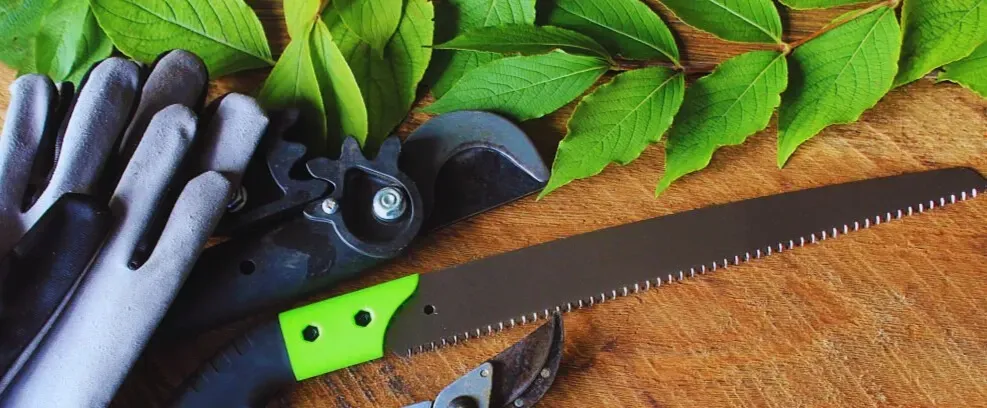
While the big machines get the glory, the small tools do the finesse work. Japanese pull-saws, for instance, are a staple in our kits. Unlike Western saws that cut on the "push" stroke, these cut on the "pull." This gives the arborist much more control and allows for a thinner blade. A thinner blade means a smaller "kerf" (the width of the cut), which means less stress on the tree. We use these for fine pruning on ornamental species like Japanese Maples or Dogwoods, where every centimeter counts.
We also use bypass pruners rather than anvil pruners. Anvil pruners crush the stem; bypass pruners act like scissors. It’s a small detail, but it’s the difference between a flowering shrub that thrives and one that gets "die-back" from the tips. We treat your hedges and small trees with the same scientific rigor as your massive Oaks.
Why Training Matters More Than the Tool
You can give a novice a Stradivarius, and they’ll still play "Hot Cross Buns." The same applies to tree gear. The equipment is only as good as the technician using it. Our tree experts undergo constant training on the latest ANSI A300 standards. We understand the "why" behind the "how." We know that "topping" a tree is a crime against nature, even if you have a $2,000 saw to do it with. We know that "lion's tailing" (stripping the inner branches) makes a tree more likely to fail in a windstorm because it changes the dampening effect of the canopy.
When you hire El Monte Tree Service, you are hiring a team that views equipment as an extension of their expertise. We don't just show up and start cutting. We assess the species, the soil, the wind patterns, and the overall health of the tree. Then, and only then, do we select the specific tools needed for that unique situation. This bespoke approach is why we are the leaders in the industry.
The Environmental Impact of Professional Gear
Sustainability is a buzzword, but in our world, it has a practical application. High-efficiency engines in our chippers and trucks reduce our carbon footprint. Battery-powered tools reduce noise pollution for you and your neighbors. But the biggest environmental benefit? Keeping your trees alive. A healthy, mature tree provides the cooling equivalent of ten room-sized air conditioners. It filters thousands of gallons of stormwater. It sequesters carbon. By using the right equipment to prolong the life of your trees, we are helping the planet, one backyard at a time.
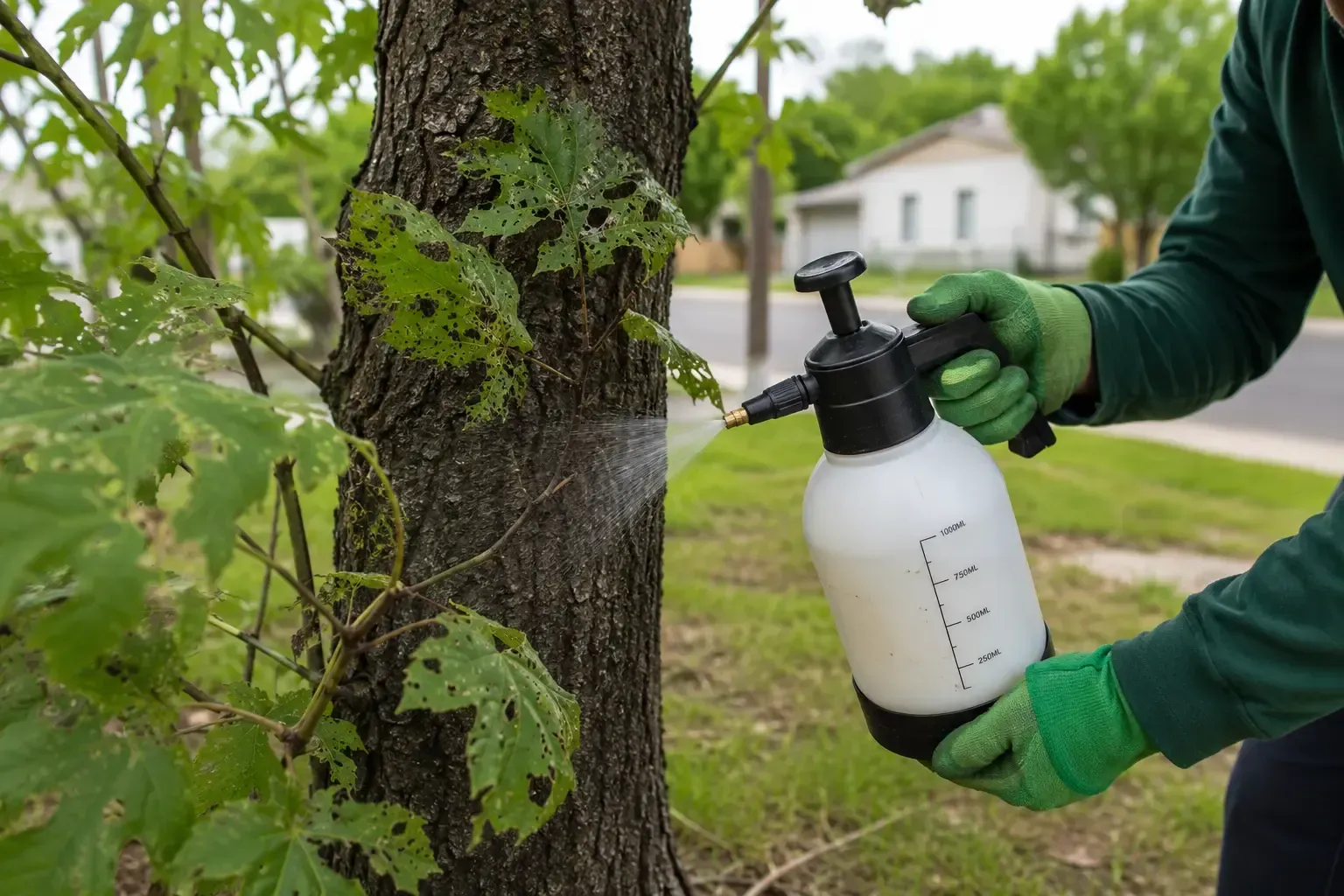
Cheap equipment often leads to "death by a thousand cuts." A tree that is stressed by poor pruning and compacted soil is more susceptible to drought and pests like the Emerald Ash Borer or Polyphagous Shot Hole Borer. Once a tree is weakened, you have to use more chemicals and more resources to save it—or worse, use a lot of fuel and energy to remove it. Doing it right the first time with the right gear is the only "green" way to handle tree care.
Conclusion: Invest in the Best for Your Canopy
Your trees are an investment. They add up to 20% to your property value. They are the only part of your home's infrastructure that actually increases in value over time—if they are cared for. Don't let someone with a "can-do" attitude and a dull saw destroy decades of growth. Demand that your local tree service uses the right equipment. Ask them about their rigging, their soil protection, and their diagnostic tools.
At El Monte Tree Service, we don't cut corners. We use the best gear because your trees deserve the best care. We are the tree experts who understand that a chainsaw is a scalpel, a chipper is a recycler, and a rope is a lifeline. Let’s keep your trees standing tall for the next generation.
Frequently Asked Questions
Why can't I just use a standard chainsaw for my own trees?
Standard consumer chainsaws often lack the power-to-weight ratio needed for precise cuts. More importantly, without professional training, DIYers often make "flush cuts" or leave "stubs," both of which prevent the tree from healing. Professional saws also use specific chain types that minimize "kickback" and tearing of the wood fibers, ensuring the tree's long-term health and your personal safety.
How does heavy equipment damage my lawn and trees?
Heavy machinery causes soil compaction, which collapses the tiny air pockets roots need to breathe. This leads to root suffocation and eventual canopy dieback. Professional services use specialized mats or tracked "spider" lifts to distribute weight, ensuring that the ground remains porous and healthy for the tree's root system to thrive even after major work is completed.
What is the difference between "spiking" and "climbing"?
Spiking involves wearing metal spurs that stab into the tree's trunk. This is acceptable only during a full removal. For pruning, "climbing" uses ropes, harnesses, and friction-saving devices that do not puncture the bark. Using spikes for pruning creates hundreds of entry points for disease and pests, which can eventually kill a healthy tree.
Do I really need to hire a pro for small pruning jobs?
Even small cuts can have big consequences if made in the wrong place. "Topping" or "heading" cuts can trigger a stress response that leads to weak, dangerous regrowth. A professional arborist knows how to prune for structure and health, ensuring that the tree grows stronger rather than just shorter. It saves you money on future corrections or removals.
Why is "clean" equipment important?
Tree diseases, such as Oak Wilt or Fire Blight, can be spread via contaminated tools. A reputable service will disinfect their saws and pruners with alcohol or a bleach solution between every job. This prevents the cross-contamination of your property and ensures that your healthy trees aren't accidentally infected by pathogens from a previous job site.