Where Arboriculture Meets Landscaping: Protecting Your Trees the Right Way
Stop treating your trees like oversized perennials. They aren't just big plants that need a quick trim when the branches get too low. Trees are complex, long-lived biological organisms that require a completely different level of care than your lawn or flower beds. Most homeowners make the mistake of hiring a general gardener to handle their massive oaks or delicate maples. That is a recipe for disaster. You need a specialist. You need someone who understands the cellular structure of wood, the mechanics of root systems, and the specific pathogens that plague our local canopy.
If you want a yard that looks decent for a season, hire a guy with a mower. If you want a property that increases in value and stays safe for decades, you need the expertise found on Our Homepage. The intersection of garden design and tree science is where most people get lost. They prioritize the "look" of the yard while inadvertently suffocating the very trees that provide shade, privacy, and character to the property. It’s time to change how we think about our outdoor spaces.
The Fundamental Clash Between Aesthetics and Biology
Gardeners focus on the immediate. They want the grass green, the hedges square, and the flowers blooming. This is fine for annuals. It is lethal for trees. Take the "mulch volcano" as a prime example. You see it everywhere: mulch piled high against the trunk of a tree in a neat, conical shape. It looks "tidy" to the untrained eye. To certified arborists, it looks like a slow-motion execution. That moisture trapped against the bark causes rot. It invites fungal pathogens. It encourages girdling roots that will eventually choke the tree to death. This is where the conflict starts. What looks clean in a garden often kills the timber above it.
Trees operate on a much slower timeline than the rest of your yard. A mistake made today—like nicking the trunk with a string trimmer or compacting the soil with heavy machinery—might not show symptoms for three, five, or even ten years. By the time the canopy starts thinning, the damage is often irreversible. This is why professional Tree Services focus on preventative care rather than just reactive cutting. We look at the soil, the root flare, and the structural integrity of the primary scaffold branches before we even think about pulling a starter cord on a saw.
Compaction is the silent killer. Your trees need oxygen in the soil. When you have a crew running heavy mowers over the root zone every week, the soil particles get smashed together. The tiny air pockets disappear. The roots suffocate. Water can't penetrate. Suddenly, your "well-maintained" yard is a hostile environment for its most valuable assets. We see this constantly when people call for a local tree service because their tree "just looks tired." Usually, the ground is as hard as concrete because of years of foot traffic and lawn maintenance.
Why Certified Arborists Are Non-Negotiable
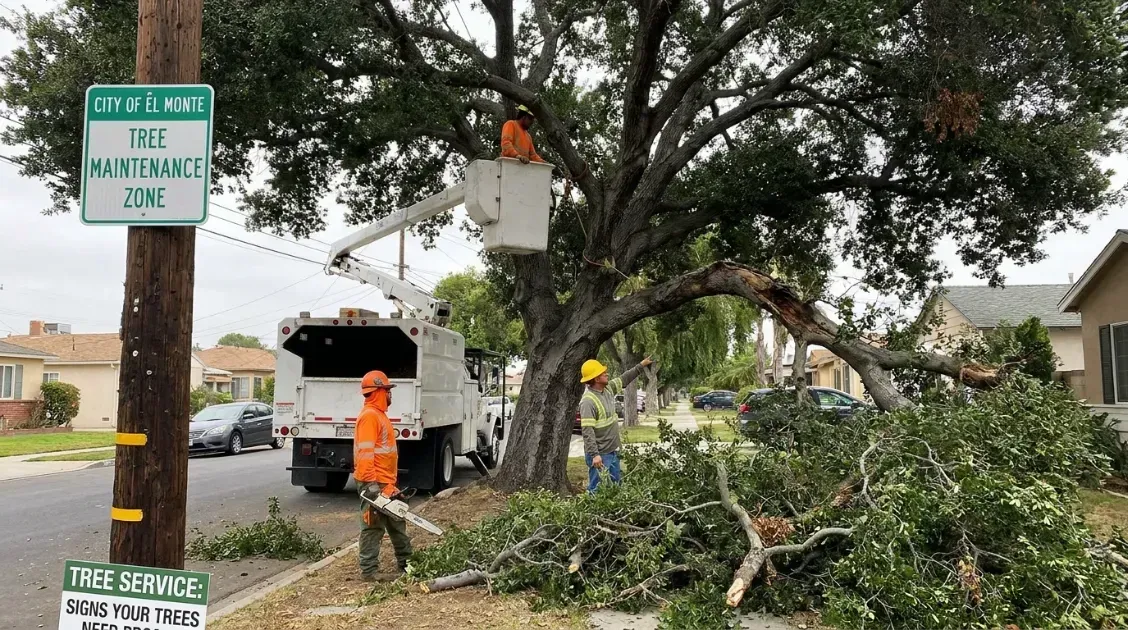
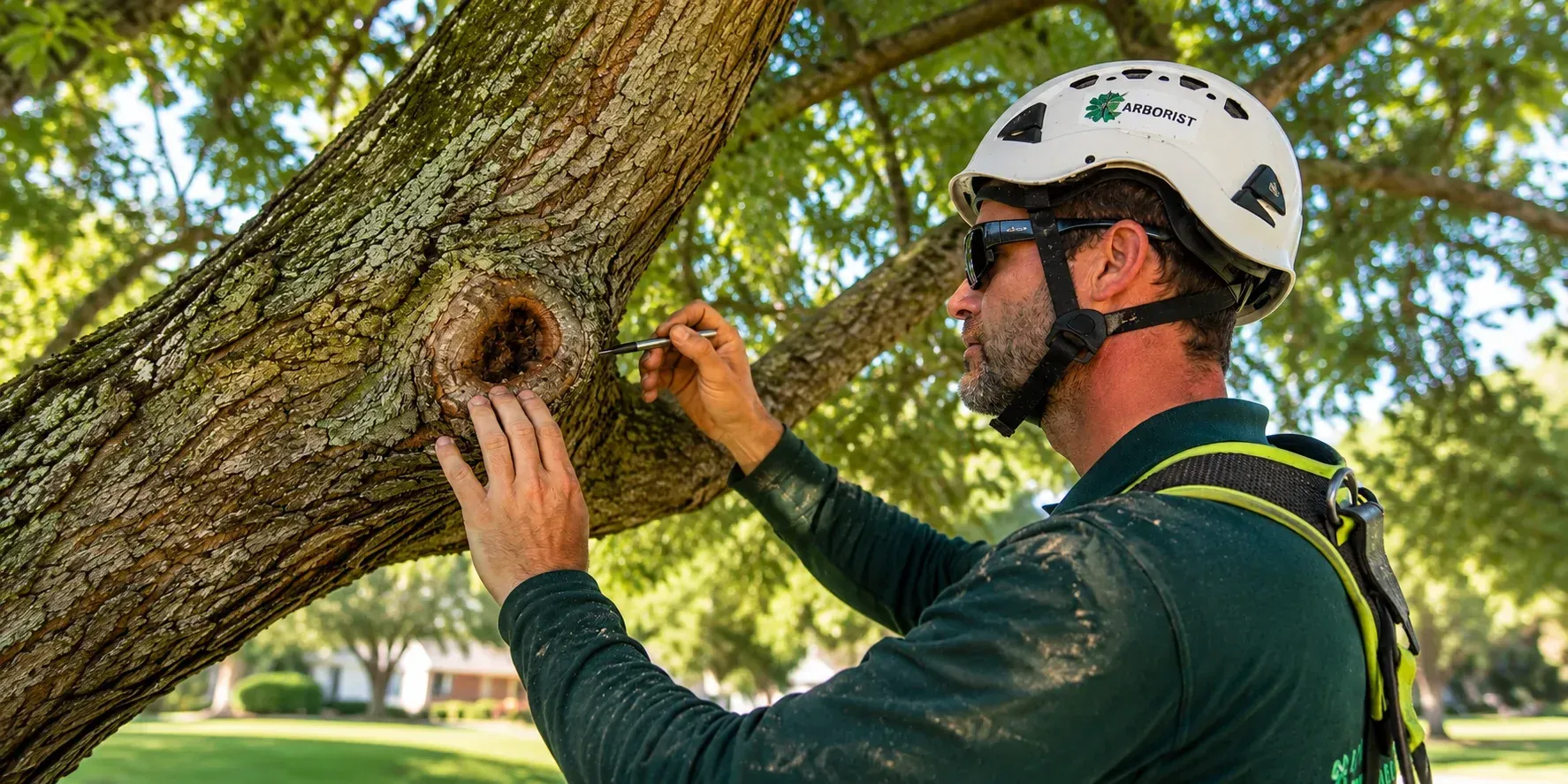
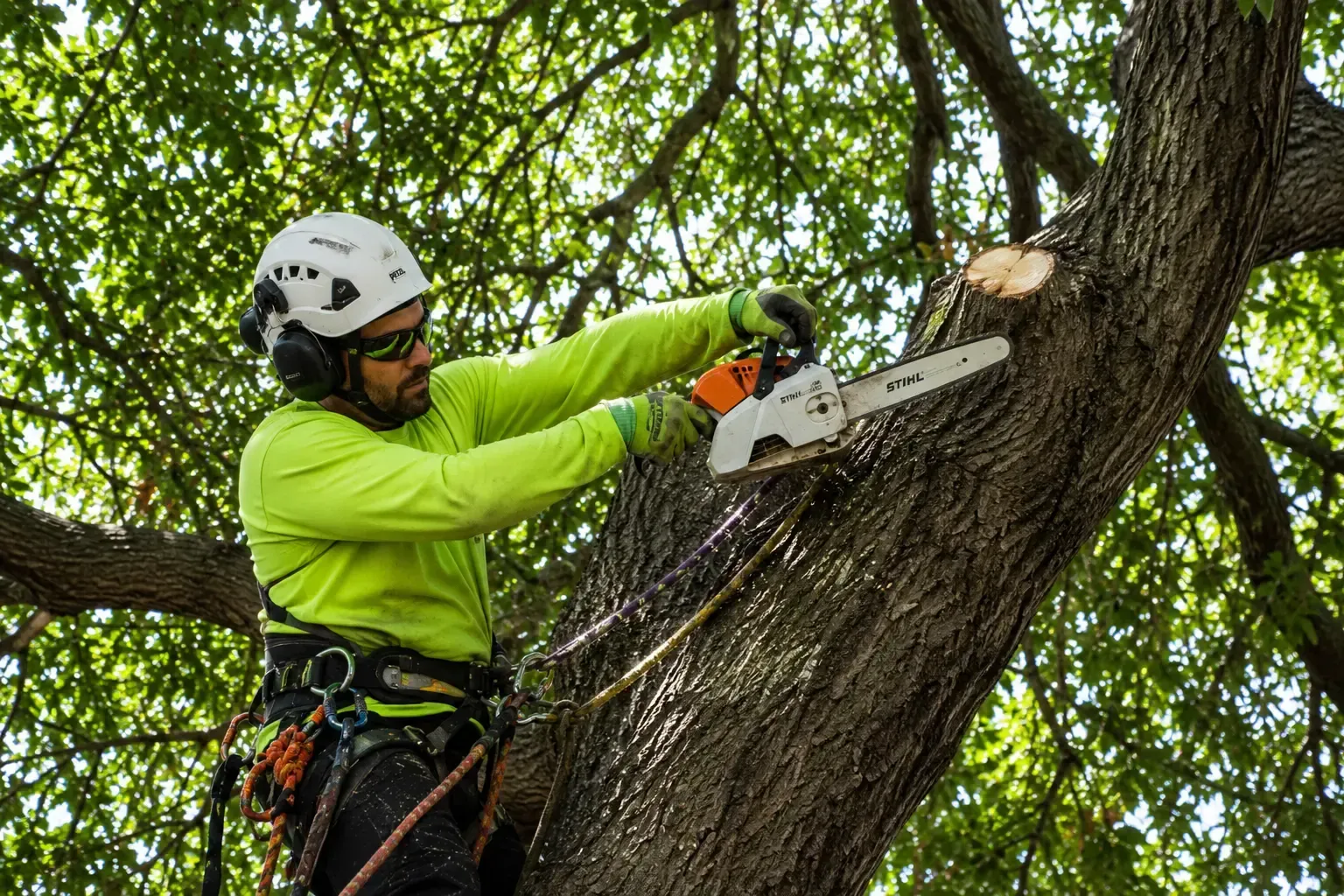
Anyone can buy a chainsaw. Not everyone knows how to use it without destroying a tree's future. When you hire someone to work on your property, you aren't just paying for labor; you are paying for the knowledge of tree biology. Our team at El Monte Tree Service brings a level of precision that general contractors simply cannot match. You can learn more about our specific qualifications and our dedication to the craft on our About Us page. We don't just "lop off" branches. We make surgical cuts that allow the tree to compartmentalize the wound and prevent decay.
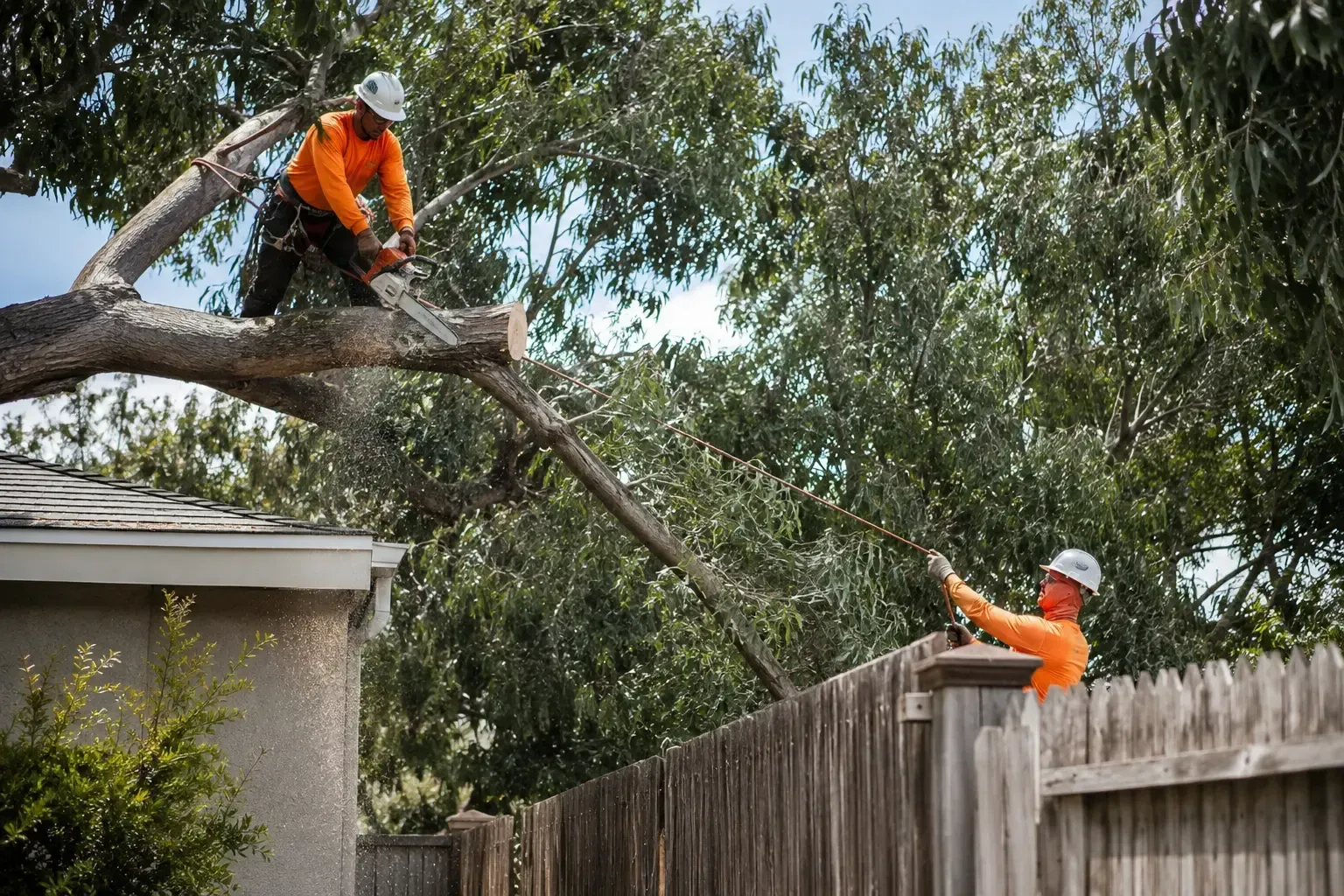
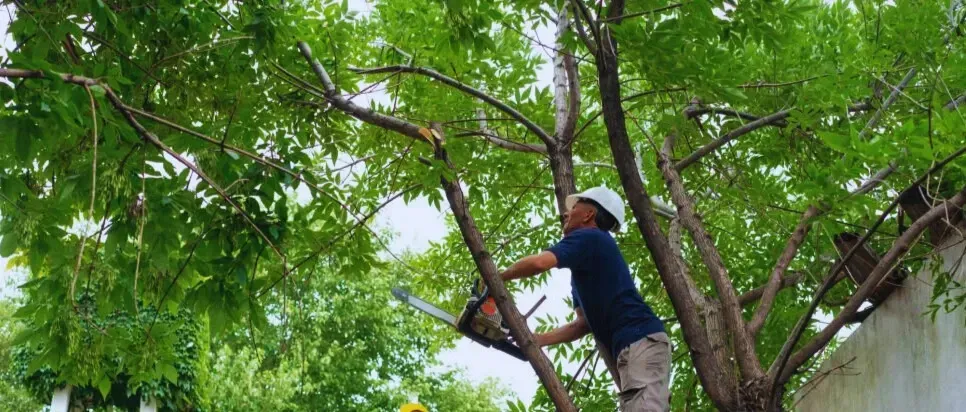
Think about the physics of a tree. A single large limb can weigh several tons. If you remove the wrong branch, you shift the center of gravity. You change how the wind moves through the canopy. You might accidentally create a sail effect that causes the tree to topple in the next storm. Certified arborists understand these forces. We use structural pruning to reduce weight at the tips and encourage a strong central leader. This isn't just about beauty; it’s about public safety and protecting your home from falling debris.
Then there is the issue of "topping." This is the practice of cutting the tops off trees to reduce their height. It is a crime against nature. Topping triggers a stress response where the tree sends out dozens of weak, vertical shoots called epicormic sprouts. These sprouts are poorly attached and grow incredibly fast. Within two years, your tree is just as tall as it was before, but now it’s ugly and dangerous. A professional local tree service will never offer topping. We offer crown reduction, which is a sophisticated method of shortening a tree while maintaining its natural form and health.
The Hidden World Beneath the Grass
The most important part of your tree is the part you never see. The root system usually extends two to three times the width of the dripline (the edge of the leaves). This means if you are digging a trench for a new irrigation system or putting in a new fence, you are likely severing vital roots. Most homeowners think roots go deep into the earth. Wrong. Most feeder roots are in the top 12 to 18 inches of soil. They are incredibly vulnerable.
When we provide Our Main Services, we often start with a root zone assessment. We look for signs of "girdling," where roots have begun to wrap around the trunk. If left alone, these roots will act like a noose, cutting off the flow of nutrients and water. We use specialized tools, like supersonic air spades, to blow away the soil without damaging the delicate root tissue. This allows us to prune the problematic roots and save the tree's life. You won't get that from a standard lawn care crew.
Soil chemistry also plays a massive role. In many suburban environments, the soil is stripped of its natural organic matter. We rake away the leaves—the tree's natural fertilizer—and replace them with chemically treated grass. This creates a nutrient deficiency. We advocate for "vertical mulching" or soil injections that put organic life back into the ground. Healthy soil equals a healthy tree. It’s a simple equation, but one that is frequently ignored in favor of aesthetic perfection.
Pruning for Longevity, Not Just Sightlines
Pruning is both an art and a science. There is a right time and a wrong time for every species. Pruning an Oak in the middle of summer in certain regions is an invitation for Oak Wilt. Pruning a fruit tree at the wrong time can ruin your harvest. We approach every job with a specific goal: Is this for safety? Is it for health? Is it for clearance? Each goal requires a different technique.
A common mistake is "Lion's Tailing." This is when a cutter removes all the inner foliage and leaves only a tuft of leaves at the very end of the branch. It makes the tree look "open," but it’s a death sentence for the limbs. Without those inner leaves to dampen the vibration of the wind, the branches are much more likely to snap. Furthermore, the bark is suddenly exposed to direct sunlight, leading to sunscald. We see this frequently from cut-rate Tree Services that want to make it look like they did a lot of work when they actually just compromised the tree's structural integrity.
Our approach is different. We focus on "thinning" and "deadwooding." We remove the branches that are crossing, rubbing, or already dead. This allows light to reach the interior of the canopy and improves air circulation, which reduces the risk of fungal infections. It is a meticulous process. It takes time. But the result is a tree that can withstand a hurricane and look stunning while doing it. If you are ready for a consultation on your property's canopy, you should Contact Us immediately before the next storm season hits.
The True Cost of "Cheap" Tree Care
Budgeting for home maintenance is tough. We get it. But tree work is the last place you want to pinch pennies. When you hire an uninsured, uncertified crew, you are taking a massive financial risk. If a branch falls on your roof—or worse, a neighbor's roof—and the company you hired doesn't have the right workers' comp and liability insurance, you are on the hook. Certified arborists carry the necessary coverage to protect you and your property.
There is also the "Value of Stature." A mature, healthy tree can add up to 15% to your property value. Conversely, a dying, poorly maintained tree is a liability that can shave thousands off an appraisal. Think of Tree Services as an investment in your home's equity. By keeping your trees healthy, you are ensuring that your outdoor environment remains an asset rather than a hazard. Cheap work often results in "flush cuts"—cuts made too close to the trunk that prevent the tree from healing. This leads to internal rot. Years later, the tree fails, and you're stuck with a $5,000 removal bill that could have been avoided with a $500 professional pruning five years prior.
We pride ourselves on being the local tree service that residents trust when they want the job done right the first time. We aren't the cheapest, but we are the most cost-effective. We save you money by preventing emergencies. We save you money by keeping your trees alive. We save you money by doing the job safely without damaging your gutters, your lawn, or your peace of mind.
Integrating Trees Into Your Outdoor Design
You don't have to choose between a beautiful yard and healthy trees. You just need a plan that respects both. When designing your outdoor space, consider the "Critical Root Zone." This is the area you should protect at all costs. Avoid paving over it. Avoid putting heavy planters on it. If you want a patio near a tree, use permeable pavers that allow water and oxygen to reach the roots.
Planting the right tree in the right place is also vital. Don't plant a Giant Sequoia three feet from your foundation. Don't plant a Willow near your sewer lines. We help our clients select species that are native to our area, drought-tolerant, and appropriately sized for their space. This proactive approach reduces the need for heavy pruning down the line and ensures the tree can thrive without constant intervention. This is the essence of modern arboriculture: working with nature, not against it.
Irrigation is another area where gardens and trees often clash. Most lawn sprinklers run for short bursts every day. This is great for grass but terrible for trees. It encourages shallow root growth. Trees prefer deep, infrequent watering. We often recommend installing a separate drip line for your large trees to ensure they get the deep soak they need to survive hot summers and periods of drought. It’s about being intentional with your resources.
The El Monte Tree Service Standard
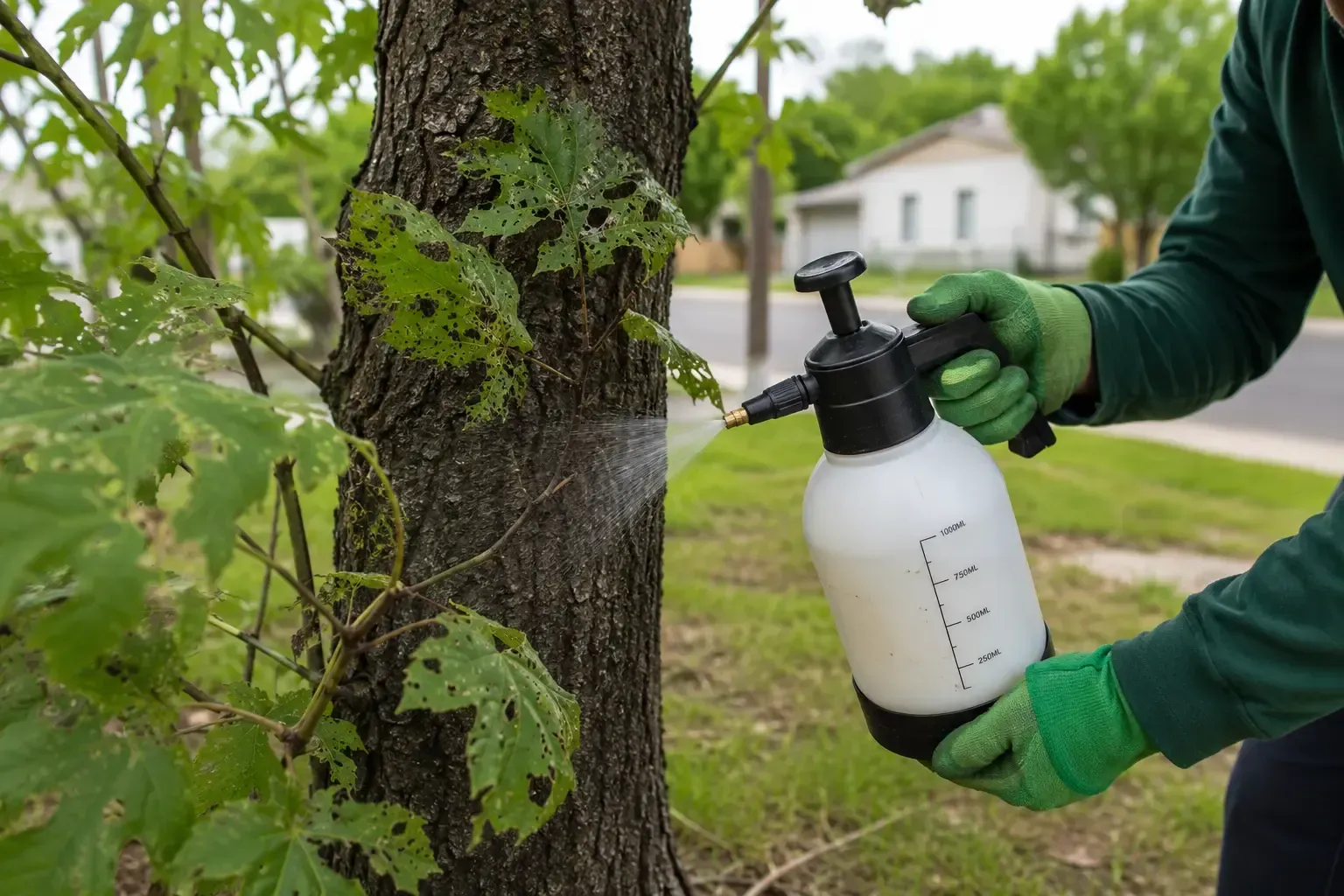
Our reputation wasn't built overnight. It was built one tree at a time. We have seen every pest, every disease, and every type of storm damage imaginable. This experience allows us to diagnose problems quickly and accurately. Whether it’s an infestation of Emerald Ash Borer or a simple case of nutrient deficiency, we have the tools and the talent to handle it. We are the premier local tree service because we treat every property as if it were our own.
We believe in transparency. When we walk your property, we will tell you which trees are healthy, which ones need help, and which ones are beyond saving. We won't sell you a service you don't need. If a tree is a hazard, we will tell you plainly. If a tree just needs a little bit of TLC and some specialized fertilizer, we will guide you through that process. Our goal is to be your long-term partner in property management. This commitment to excellence is what defines us.
Your trees are the silent sentinels of your home. They have been there through years of growth, and with the right care, they will be there for many more. Don't leave their health to chance. Don't let a "mow and blow" crew dictate the lifespan of your canopy. Choose the experts who understand the delicate balance between the ground and the sky. Choose El Monte Tree Service.
Frequently Asked Questions
What is the difference between an arborist and a gardener?
An arborist is a specialist trained in the science of planting, caring for, and maintaining individual trees. They focus on long-term health, structural integrity, and biological needs. A gardener typically focuses on the aesthetic maintenance of flowers, lawns, and shrubs, often lacking the technical equipment and knowledge required for large-scale tree biology and safety.
How often should my trees be professionally pruned?
Most mature trees benefit from a professional inspection and pruning every 3 to 5 years. However, younger trees may require more frequent "training" every 2 years to ensure they develop a strong structure. The frequency depends on the species, the tree's health, and its proximity to structures or power lines.
Why is soil compaction so dangerous for trees?
Soil compaction eliminates the tiny air pockets that tree roots rely on for oxygen exchange. When soil is compressed by heavy machinery or foot traffic, roots suffocate, and water cannot penetrate the surface. This leads to decline, increased susceptibility to pests, and eventual death of the tree from the bottom up.
Can a "topped" tree be fixed?
While the damage from topping is permanent, a certified arborist can perform "restorative pruning." This involves selecting the strongest epicormic sprouts and training them to become new leaders while thinning out the weaker growth. It takes several years of careful management to restore some level of safety and natural appearance to the tree.
Are your tree services fully insured?
Yes. El Monte Tree Service carries comprehensive general liability and workers' compensation insurance. This protects our clients from any financial responsibility in the event of property damage or on-site injuries. Always ask for proof of insurance before allowing any tree crew to begin work on your property.
What are the signs that a tree is diseased or dying?
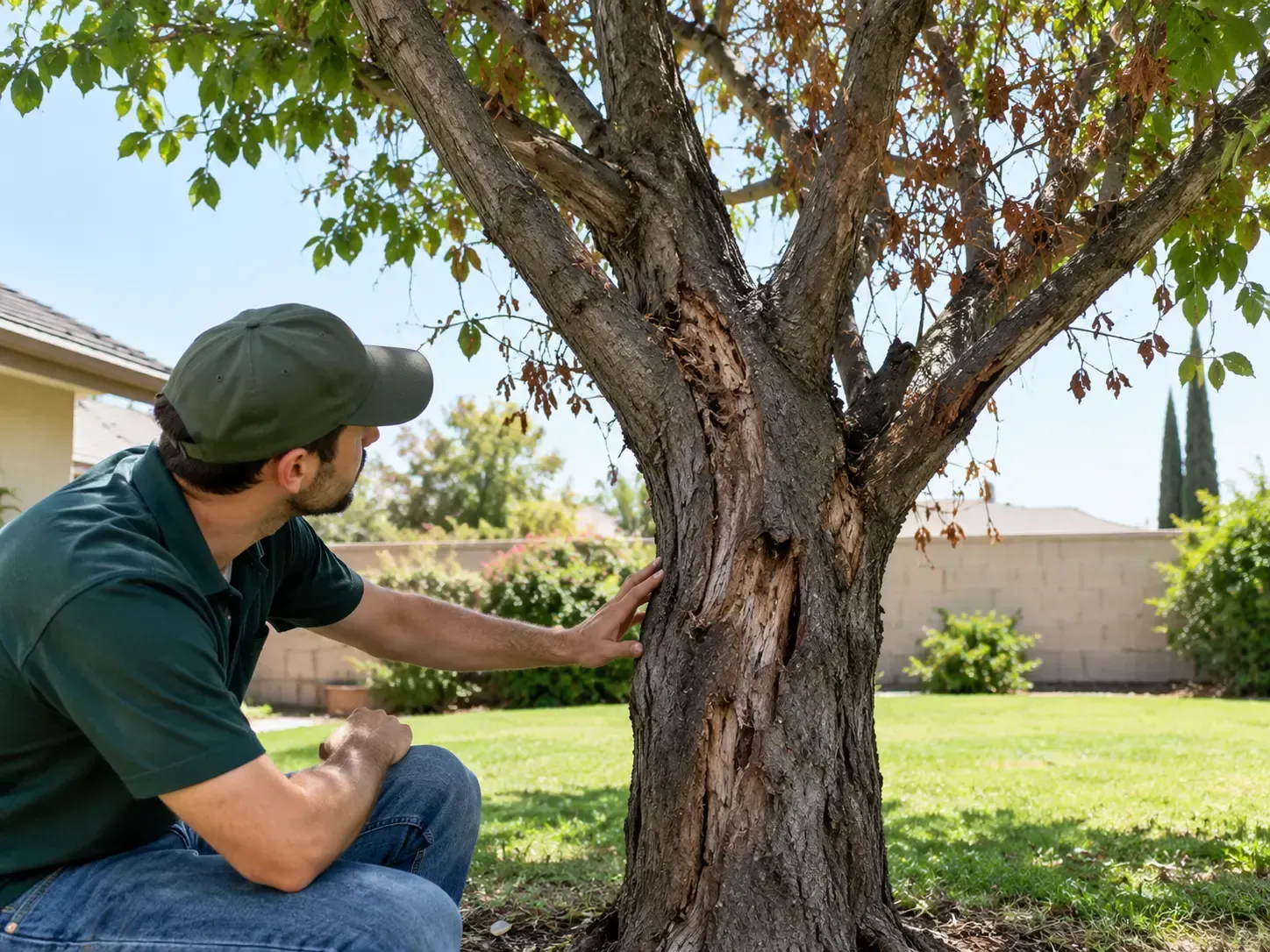
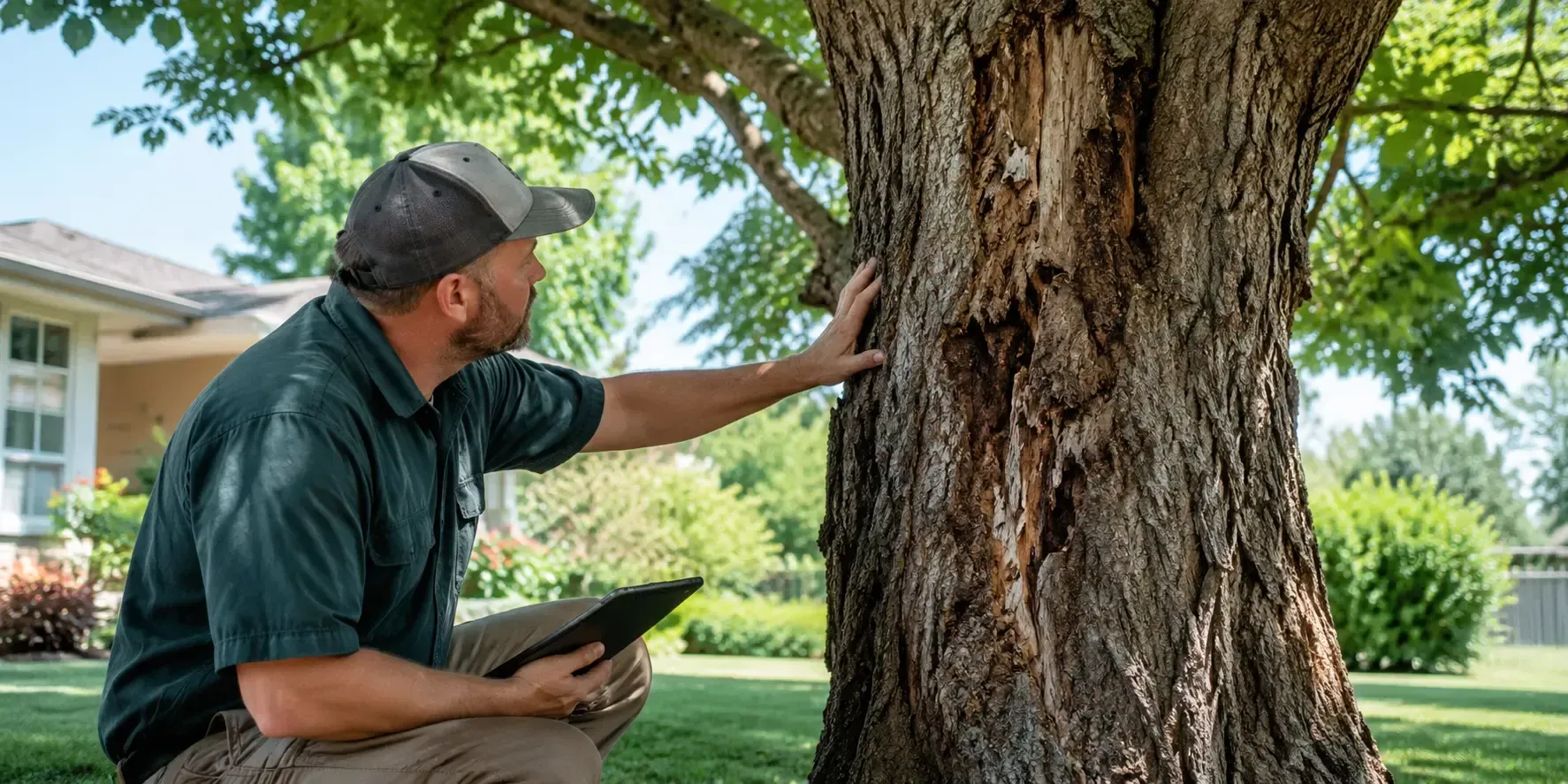
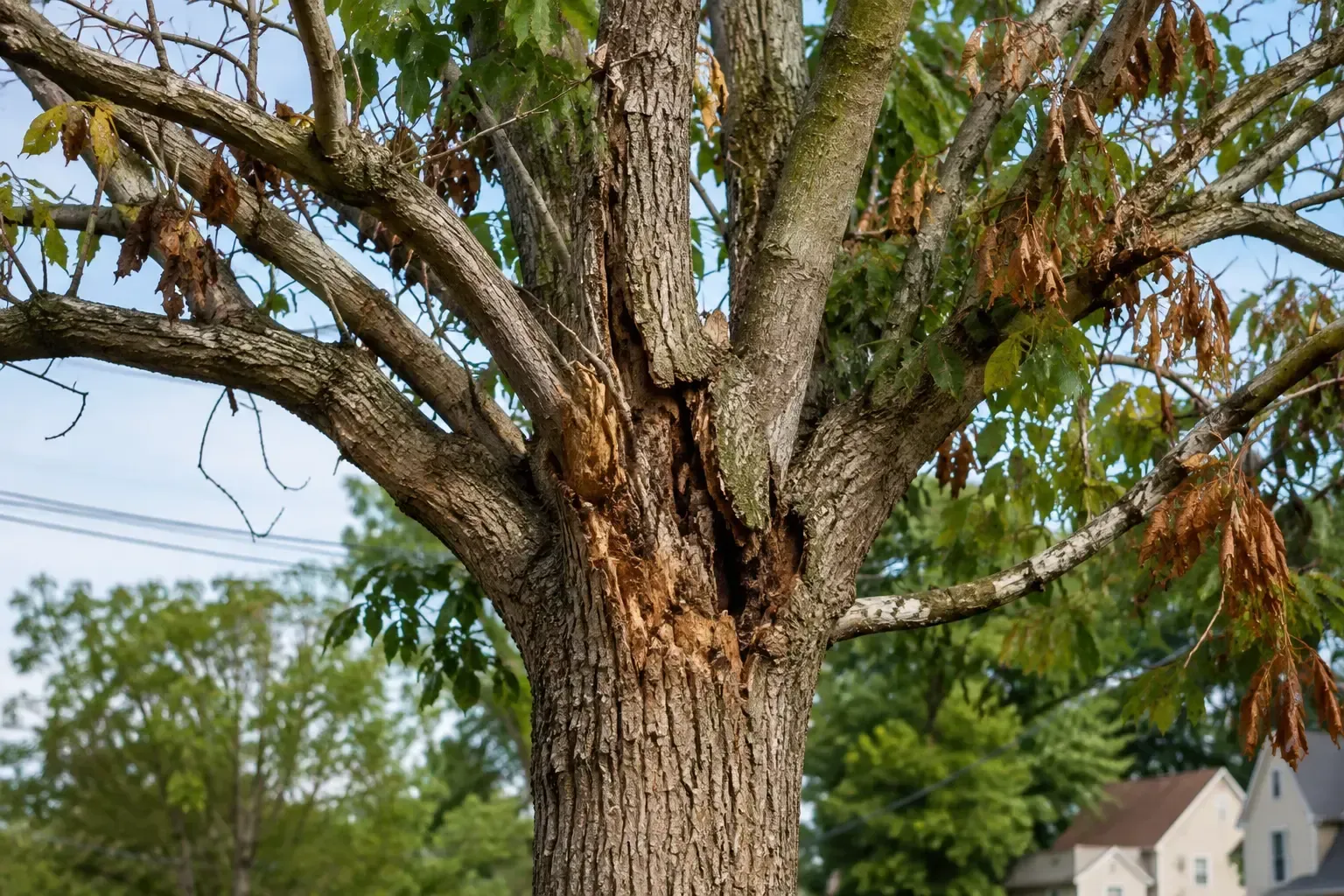
Common red flags include premature leaf drop, discolored foliage, fungal growth at the base of the trunk, and "dieback" where the tips of the branches lose their leaves. You should also look for cracks in the trunk or sawdust-like material (frass) which may indicate a boring insect infestation.