Why Winter Tree Care in California Is a Must

December 23, 2024

Let’s face it: winters in California can be tricky for trees. Even though the state is known for its mild weather, winter still brings frost, unpredictable rains, and dry spells that can stress your trees. These conditions leave trees vulnerable to broken branches, diseases, and even drought-like stress. That’s why a little TLC during winter goes a long way in keeping them healthy and strong for years to come.


Whether you’re in the sunny stretches of Southern California or dealing with frostier Northern California nights, tree care during winter needs a plan. And if you're unsure about where to start, services like Tree Service make it easy to give your trees the attention they deserve.
Understanding California’s Winter Challenges for Trees

California winters aren’t uniform—weather conditions change significantly depending on where you live. Northern California deals with frosty nights and chilly mornings, while Southern California faces drier conditions and high winds. Trees in these environments face different challenges, and your care plan should reflect that.


In Northern California: Frost damage can kill young or tender trees if they’re not protected. Wrapping the trunks and adding mulch can insulate them from temperature drops.


In Southern California: Drought stress becomes a problem as sporadic rainfall fails to provide enough hydration. Regular watering and pruning help trees stay resilient.


Wherever you are, keep an eye on your trees. Seasonal changes are easier to navigate when you know what they need—and Tree Trimming can help you prepare for these conditions.


Biggest Winter Risks for Trees in California


Frost Damage

Frost is one of the leading culprits of winter tree issues, especially for species not adapted to cold weather. Frost kills buds, cracks bark, and weakens trees over time. Cover your most vulnerable trees with burlap wraps or frost blankets on colder nights to shield them.


Dry Winters

California winters can mimic drought conditions. With little rain in some regions, soil dries out, leaving trees dehydrated. Deep watering every few weeks ensures roots stay hydrated without oversaturating them.


Wind Damage

Winter storms and Santa Ana winds can wreak havoc on trees, snapping weak branches or even uprooting younger ones. Pruning heavy branches and staking newly planted trees protect them from gusty weather.


For expert advice on dealing with these risks, turn to a trusted Tree Service.


How to Water Trees Properly During Winter

It’s easy to assume your trees don’t need much water during the winter months. After all, they’re dormant, right? Wrong! Even during dormancy, their roots need hydration to stay healthy. But how much water is enough?


  • Deep, Less Frequent Watering: Water deeply every two to three weeks, especially if rainfall is scarce. Saturate the soil around the root zone rather than frequent light watering.


  • Monitor Rainfall: Use a rain gauge to measure natural water input. If rainfall is less than one inch weekly, supplement with additional irrigation.


Overwatering can do more harm than good, so be sure the soil has time to drain. When in doubt, schedule a consultation through Contact with a local tree care expert to assess your specific needs.


Pruning: A Winter Essential

Pruning during winter is a game-changer for tree health. Trees are dormant, meaning they won’t lose as much energy when trimmed. Plus, pests and diseases are less active, reducing the risk of infections.


Why Prune in Winter?

  • Removes dead or damaged branches before they become a hazard.
  • Improves the tree’s structure, preparing it for strong spring growth.
  • Reduces the weight of top-heavy trees, minimizing the chance of wind damage.


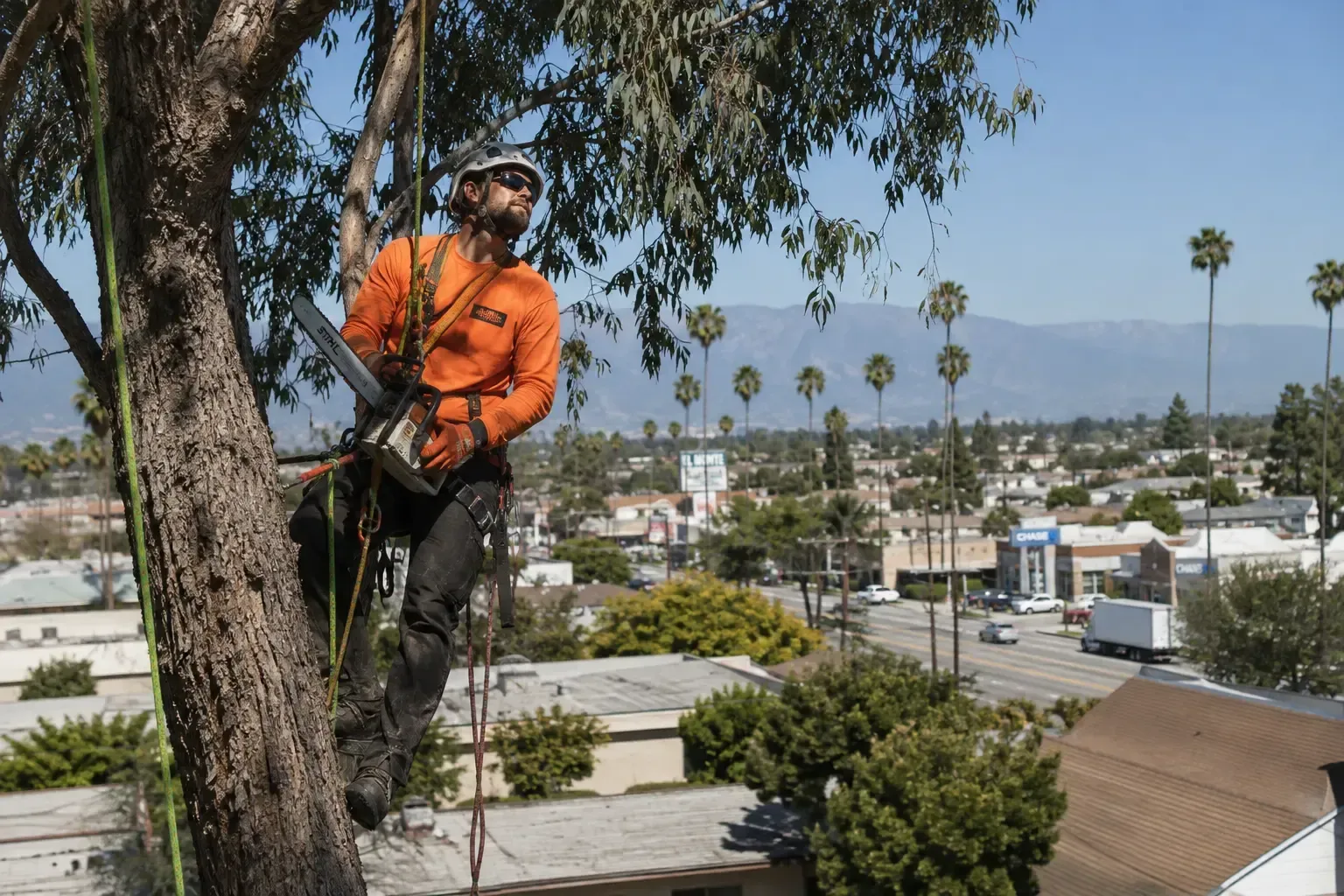
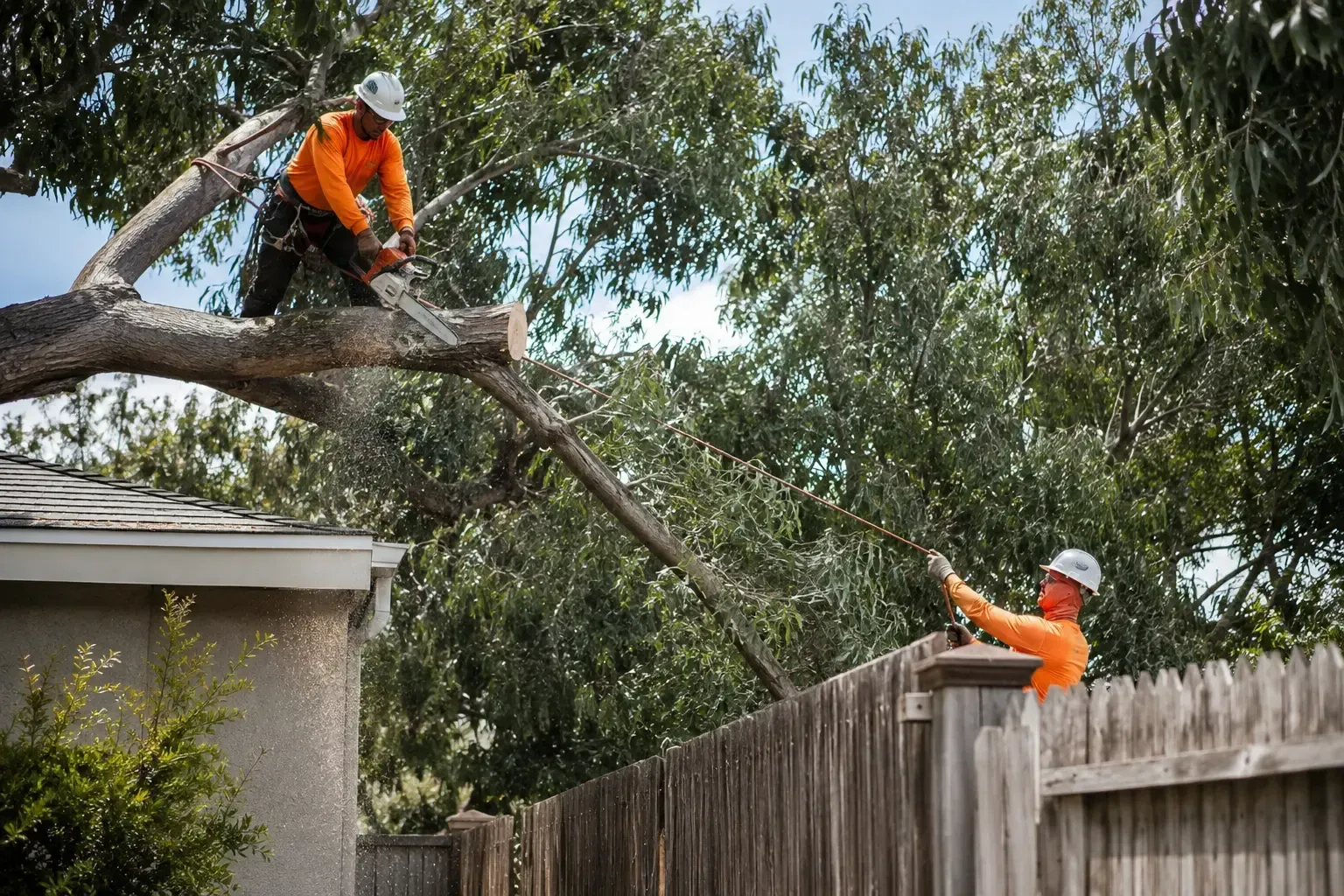
While smaller trees are manageable for DIY pruning, larger or older trees need professional care to avoid accidents or improper cuts.

Experts like Tree Trimming ensure safe, efficient, and health-focused pruning.


Frost Protection Tips for California Trees

If frost sneaks up on your trees, the damage can be long-lasting. Take these steps to safeguard them:


  • Wrap Tree Trunks: Use burlap or frost cloth to protect the trunks of young or frost-sensitive trees.
  • Add Mulch: Spread a 2-3 inch layer of organic mulch around the base of your tree to insulate roots.
  • Move Potted Trees: If you have trees in pots, bring them closer to walls or sheltered areas to keep them warm.


Creating a frost-ready microclimate in your yard doesn’t have to be complicated, and professionals like Tree Service are just a call away if you need extra help.


Signs of Winter Stress to Watch For

Sometimes, even with the best care, trees show signs of stress. Knowing what to look for helps you take immediate action.


  • Droopy or Curling Leaves: Often a sign of inadequate water or frost damage.
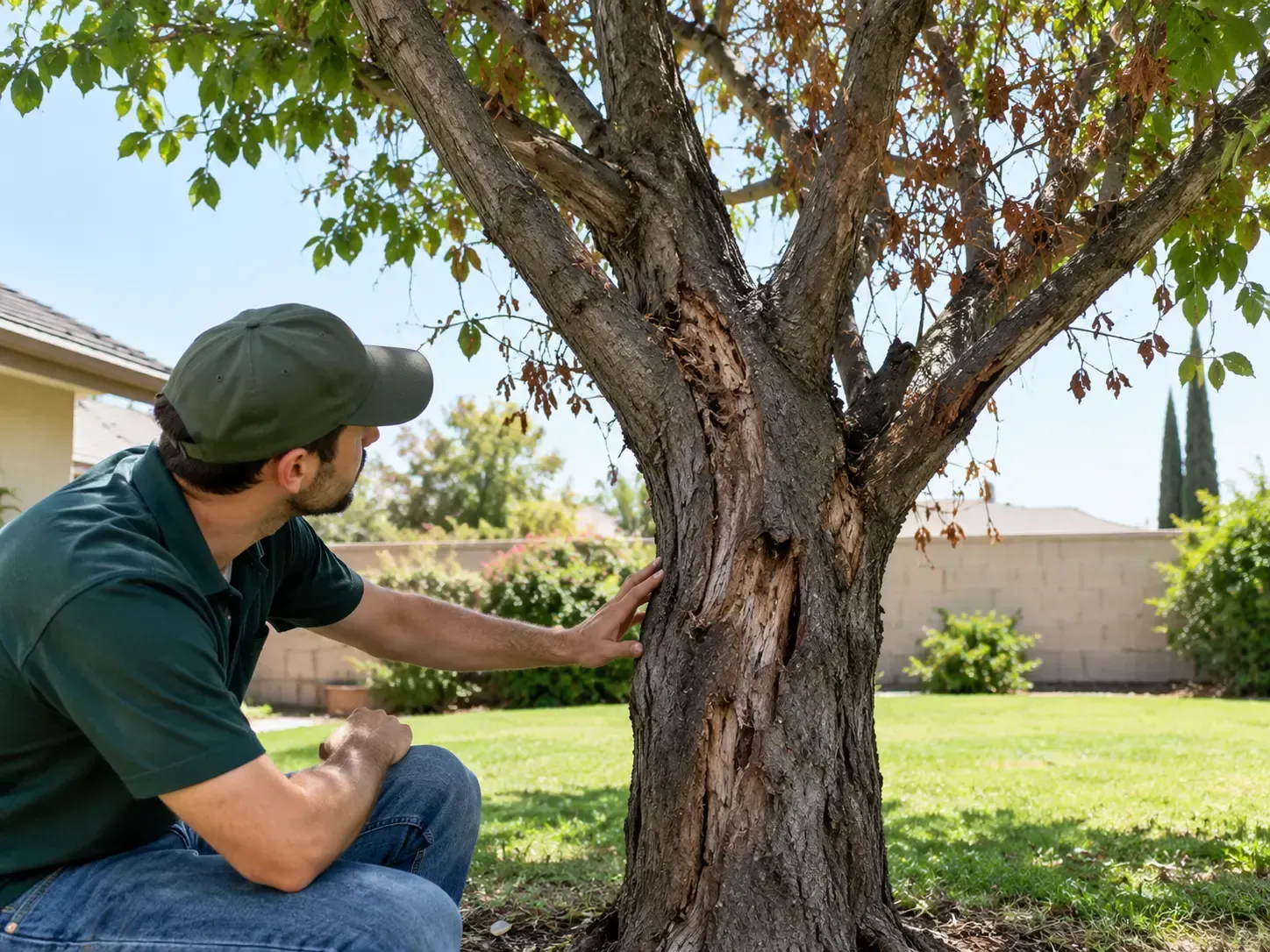
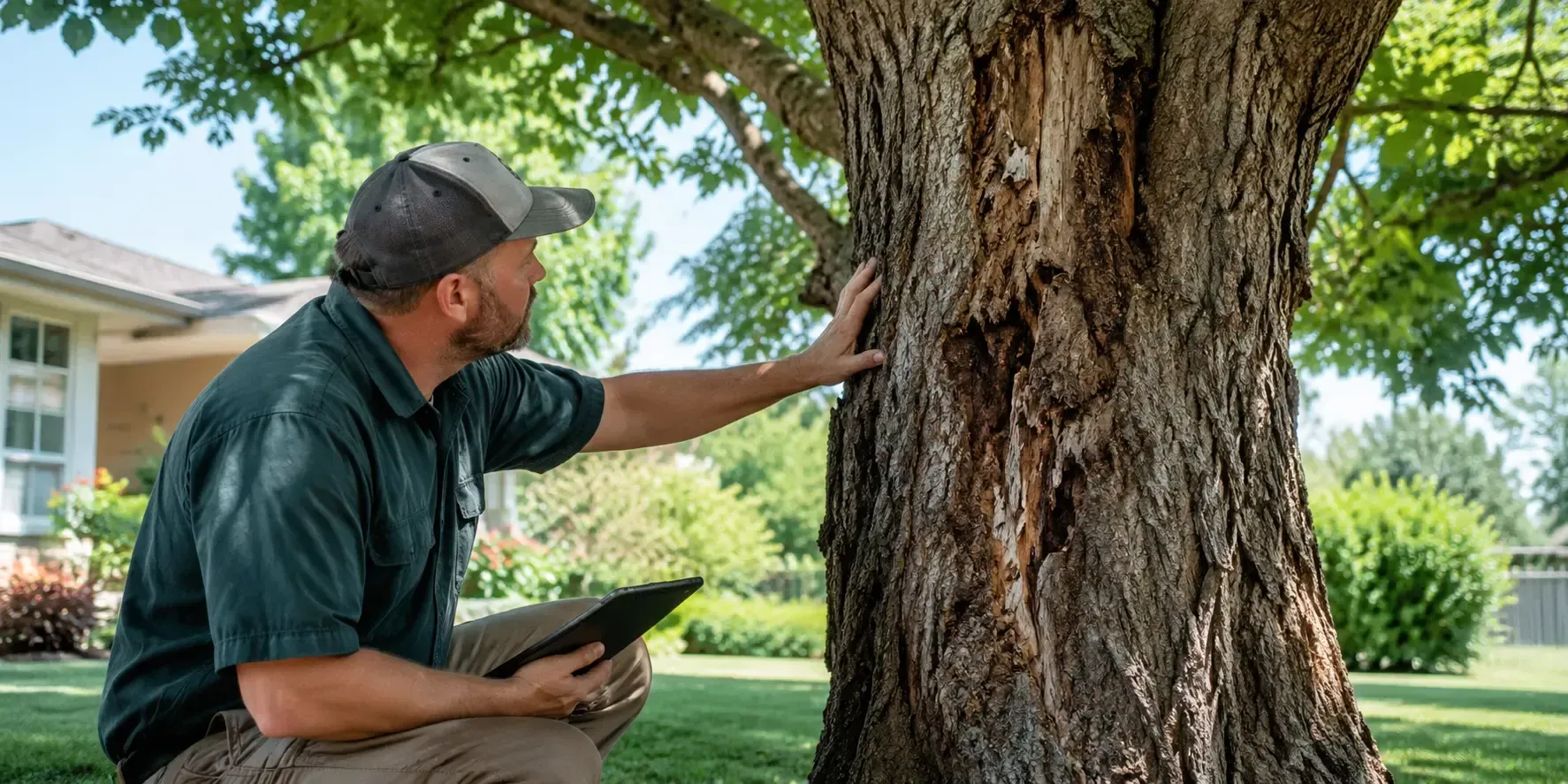
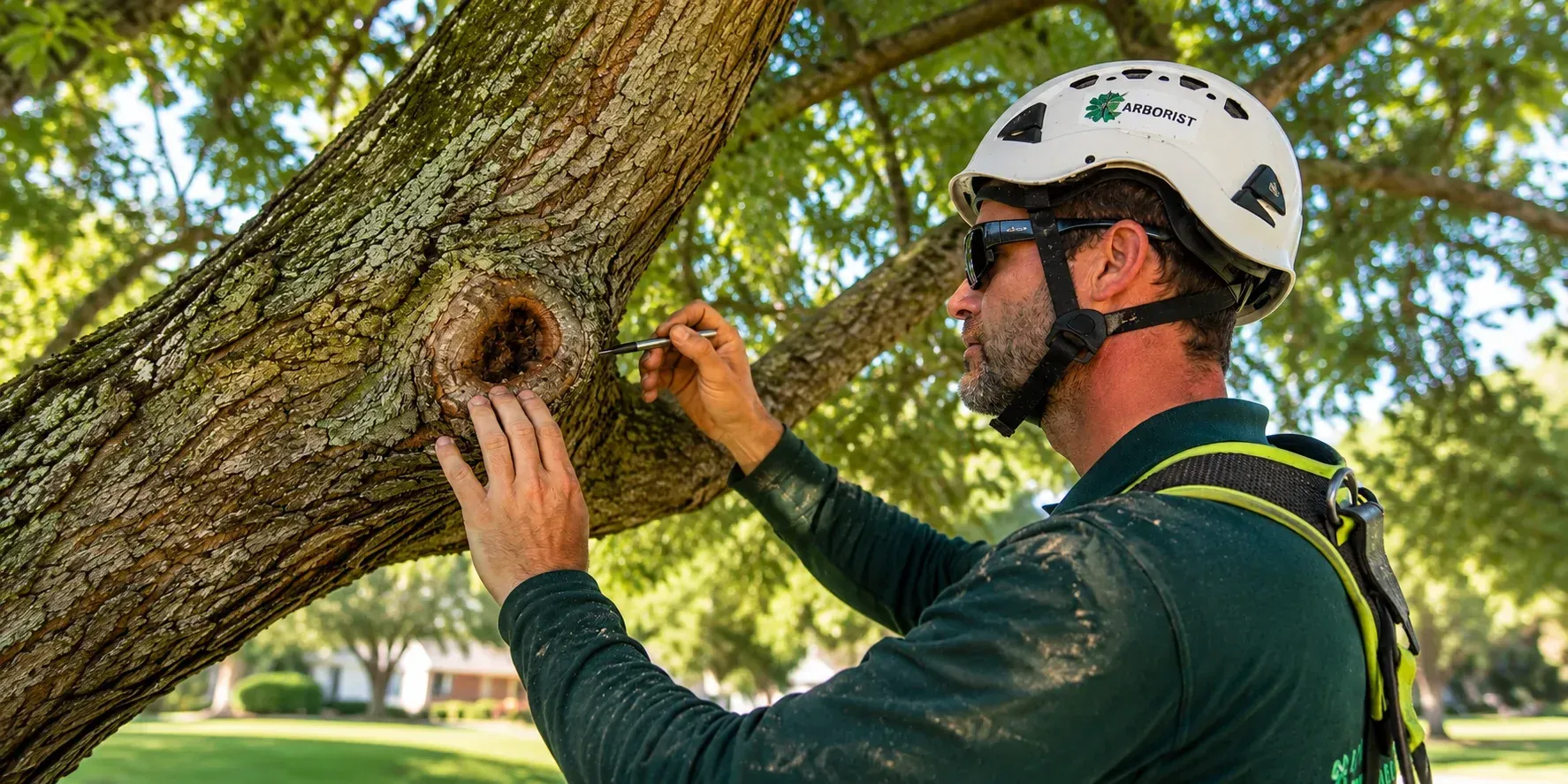
  • Cracking Bark: Sudden temperature changes can cause bark to split, exposing the tree to pests and diseases.
  • Brittle or Sparse Branches: These might indicate a lack of nutrients or deep-root issues.

Not sure how to help? Contact a tree care expert to diagnose and treat the problem before it worsens.


Sustainable Winter Tree Care Practices

Caring for trees sustainably benefits your landscape and the planet.


  • Use Organic Mulch: Mulch not only insulates roots but also adds nutrients to the soil as it decomposes.
  • Avoid Overfertilizing: Winter is not the time to overdo fertilizer—wait until early spring when trees are actively growing.
  • Conserve Water: Focus on deep, strategic watering to use resources wisely.


Local tree care experts like Tree Service can guide you in adopting eco-friendly practices that keep your trees thriving year-round.

FAQs


Do trees need water during winter in California?
Yes! Even during dormancy, trees require occasional deep watering to prevent dehydration, especially in dry winters.


Is winter pruning really necessary?
Absolutely. Winter pruning removes weak or dead branches, prevents storm damage, and sets the tree up for healthier spring growth.


How do I protect my tree from frost?
Wrap trunks, use frost blankets, and mulch around the base to keep roots warm.


What should I do if my tree looks stressed?
Look for signs like drooping leaves or cracked bark. If you’re unsure how to help, Contact a professional for an expert assessment.


Can I handle tree care myself, or should I hire a professional?
Smaller tasks like watering and light pruning are manageable, but for safety and optimal care, hiring experts like Tree Trimming is always a wise choice.


What types of trees thrive in California winters?
Native species like coast live oaks and Monterey pines handle the winter conditions best.


Conclusion

California winters might seem mild, but they can be surprisingly tough on trees. By focusing on hydration, frost protection, and seasonal pruning, you’ll ensure your trees stay strong and ready to thrive in the spring.


Don’t hesitate to enlist professional help from Tree Service for all your winter tree care needs. Whether it’s trimming, watering, or frost-proofing, expert care will make all the difference. Ready to protect your trees? Contact the professionals today!
By John Constantine February 19, 2026
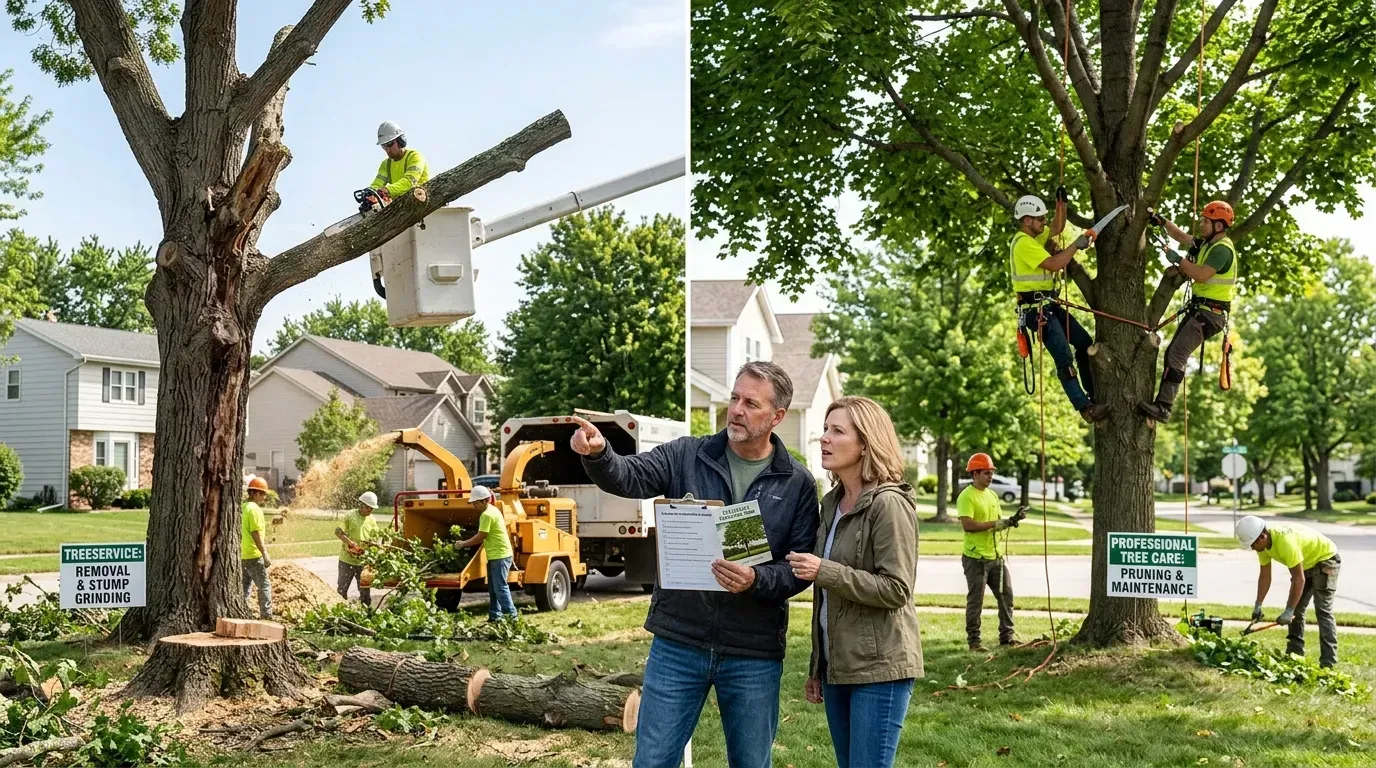
Winter in the San Gabriel Valley leaves a mark. While we don’t get buried in snow, the rain and wind we saw earlier this year have likely left your property’s greenery looking a bit ragged. Broken branches dangle precariously. Root systems, swollen from the soak, might be pushing up your driveway pavement. Ignore these signs now, and you aren’t just looking at an ugly yard; you’re looking at a liability. Spring is the season of aggressive growth. It is the absolute best time to assess structural integrity. If you wait until the heat of July, the stress on your trees—and your wallet—will double. For residents from the Peck Road corridor to the neighborhoods bordering the Whittier Narrows, El Monte Tree Service stands as the definitive authority on keeping your green assets safe and stunning. Let’s get into why your trees need immediate attention.
By John Constantine February 17, 2026
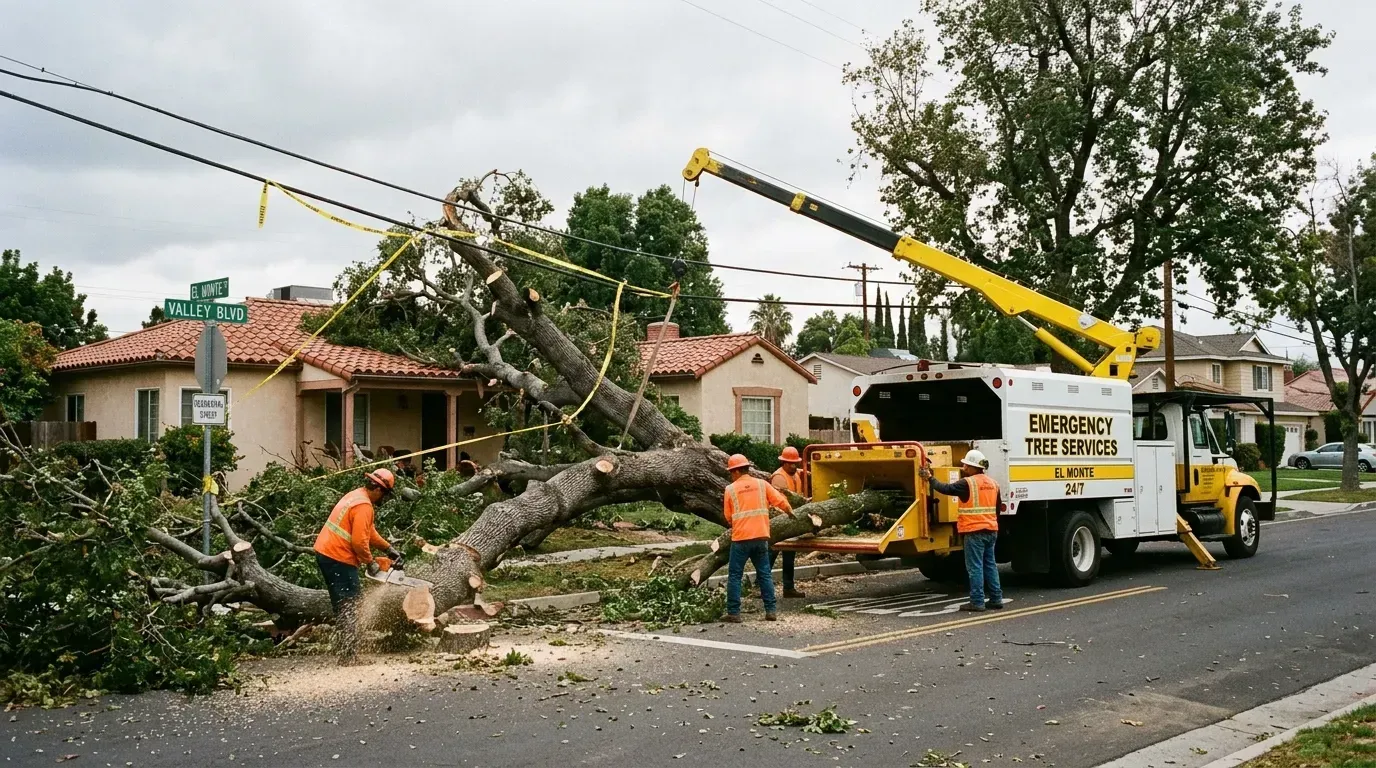
Everyone thinks Southern California is immune to real winter. They’re wrong. While we don't shovel snow on Valley Boulevard, El Monte homeowners face a different, arguably more volatile beast: the Santa Ana winds coupled with concentrated rain bombs. The soil gets saturated. The roots loosen. Then the gusts hit. That is the recipe for disaster. If you are staring at a leaning Pine or a heavy Eucalyptus swaying a little too aggressively near your power lines, you are already gambling. Waiting until spring isn't a strategy; it's a liability. Winter is actually the critical season for structural tree assessment and removal in the San Gabriel Valley. Let’s look at why your property needs immediate attention before the next storm front rolls off the Pacific.
By John Constantine February 7, 2026
Your trees are failing. You might not see the hollow trunk or the fungal conks yet, but the biology doesn't lie. Most homeowners view their trees as static fixtures, like a fence or a mailbox. They aren't. They are living, breathing, and occasionally dangerous organisms that require more than a "guy with a truck" and a sharp blade. When you look for a Local Arborist , you aren't just hiring a laborer; you are hiring a tree surgeon, a structural engineer, and a soil scientist all rolled into one.  In El Monte, CA, our canopy faces a unique set of challenges. From the blistering San Gabriel Valley heat to the unpredictable Santa Ana winds, your trees are under constant environmental stress. If you’ve been searching for Tree Services that actually understand the local ecosystem, you have to look beyond the lowest bid. This guide will break down exactly what a professional arborist does and why it is the most critical investment you can make for your home’s safety and value.
By John Constantine February 4, 2026
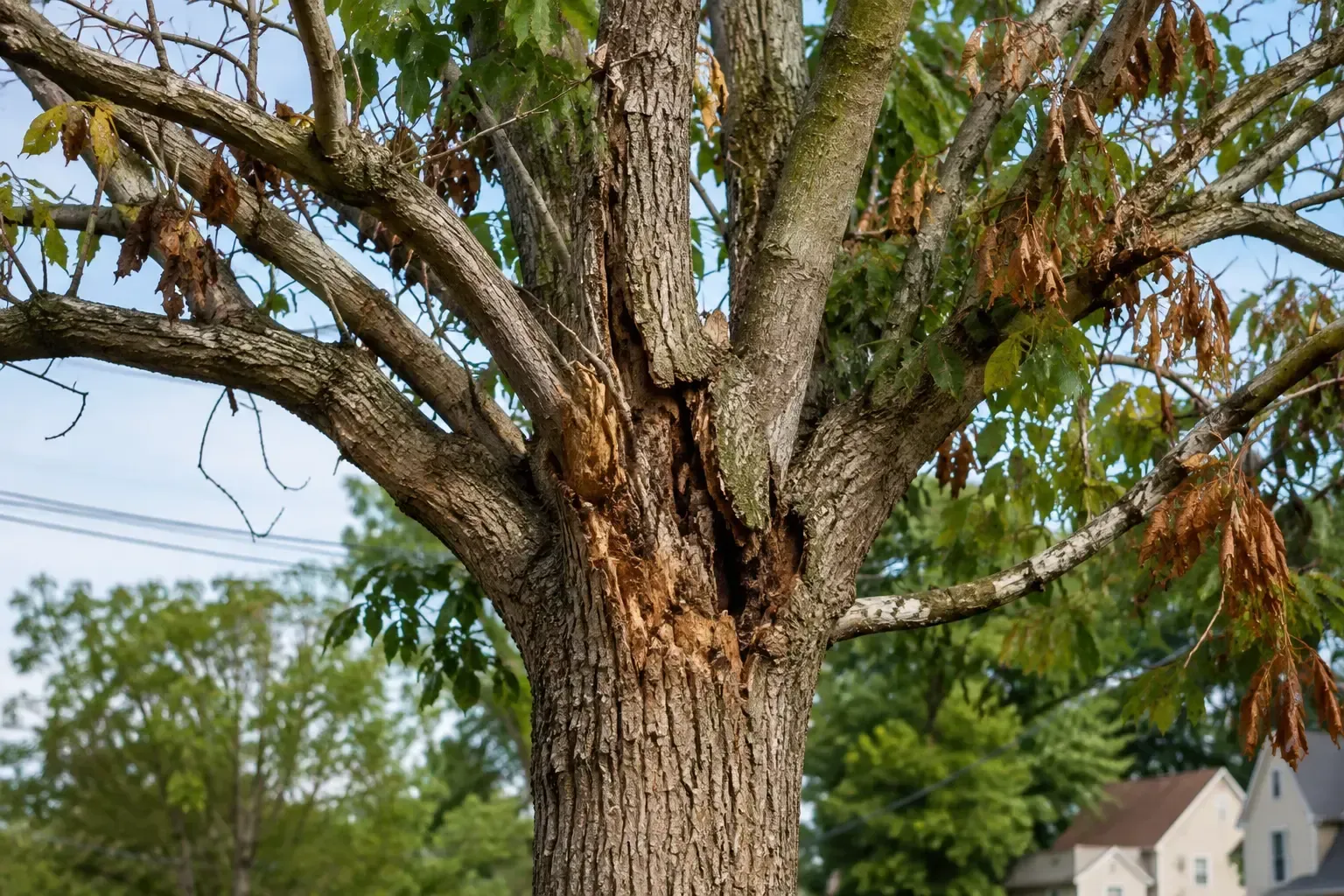
Most homeowners don't notice a dying tree until it’s lying across their driveway or, worse, through their living room ceiling. That’s a massive mistake. A tree doesn't just decide to fall on a sunny Tuesday afternoon for no reason. It gives you signs. It whispers its distress for months, sometimes years, before the structural failure actually occurs. If you aren't listening, you’re playing a high-stakes game of property-damage roulette.  Trees are biological machines. Like any machine, they have components that wear out, rust, and eventually break. But unlike a car, a 50-foot Oak doesn't have a check engine light. You are the sensor. You have to be the one to spot the decay before gravity takes over. Whether you are looking for a local tree service to handle a pruning job or you suspect a complete removal is necessary, understanding the visual cues of a hazard tree is the first step in responsible property management.
By John Constantine January 31, 2026
That massive Oak shading your driveway isn't just a piece of landscaping. It is thousands of pounds of timber suspended above your car, your roof, and your family. Most of the time, it stands guard. But when gravity and decay team up against structural integrity, that guardian becomes a guillotine.  You don't need a degree in arboriculture to know when something looks wrong, but you do need to know exactly when "wrong" turns into "emergency."
By John Constantine January 31, 2026
Trees add beauty and value to your property but without proper care they can quickly become a safety risk. Many homeowners in El Monte ask the same question every year Do I really need a professional tree service or can this wait? This locally focused guide explains when tree care becomes necessary how professional help protects your property and why choosing El Monte Tree makes a difference.
By John Constantine January 23, 2026
Have you ever seen a tree that looks like it went through a meat grinder? It happens more often than you’d think. Someone grabs a rusted hand saw or a cheap electric chainsaw from a big-box store and decides to "tidy up" their yard. An hour later, the tree is mangled, the bark is stripped, and the property owner is lucky they still have all ten fingers. Tree care isn't just about cutting wood. It is a surgical procedure performed on a living organism. When you treat it like a weekend DIY craft project with subpar tools, the tree pays the ultimate price.  Most people view trees as static objects. They aren't. They are dynamic systems that react to every cut. Using the wrong equipment doesn't just make the job harder; it introduces pathogens, causes structural instability, and can lead to a slow, agonizing decline of a specimen that took fifty years to grow. If you want your canopy to survive the next decade, you need to understand why the gear matters. This is why professional Tree Services invest tens of thousands of dollars in high-grade machinery and specialized hand tools. It isn't for show. It’s for the biology of the tree.
By John Constantine January 20, 2026
Stop treating your trees like oversized perennials. They aren't just big plants that need a quick trim when the branches get too low. Trees are complex, long-lived biological organisms that require a completely different level of care than your lawn or flower beds. Most homeowners make the mistake of hiring a general gardener to handle their massive oaks or delicate maples. That is a recipe for disaster. You need a specialist. You need someone who understands the cellular structure of wood, the mechanics of root systems, and the specific pathogens that plague our local canopy.  If you want a yard that looks decent for a season, hire a guy with a mower. If you want a property that increases in value and stays safe for decades, you need the expertise found on Our Homepage . The intersection of garden design and tree science is where most people get lost. They prioritize the "look" of the yard while inadvertently suffocating the very trees that provide shade, privacy, and character to the property. It’s time to change how we think about our outdoor spaces.
By John Constantine January 17, 2026
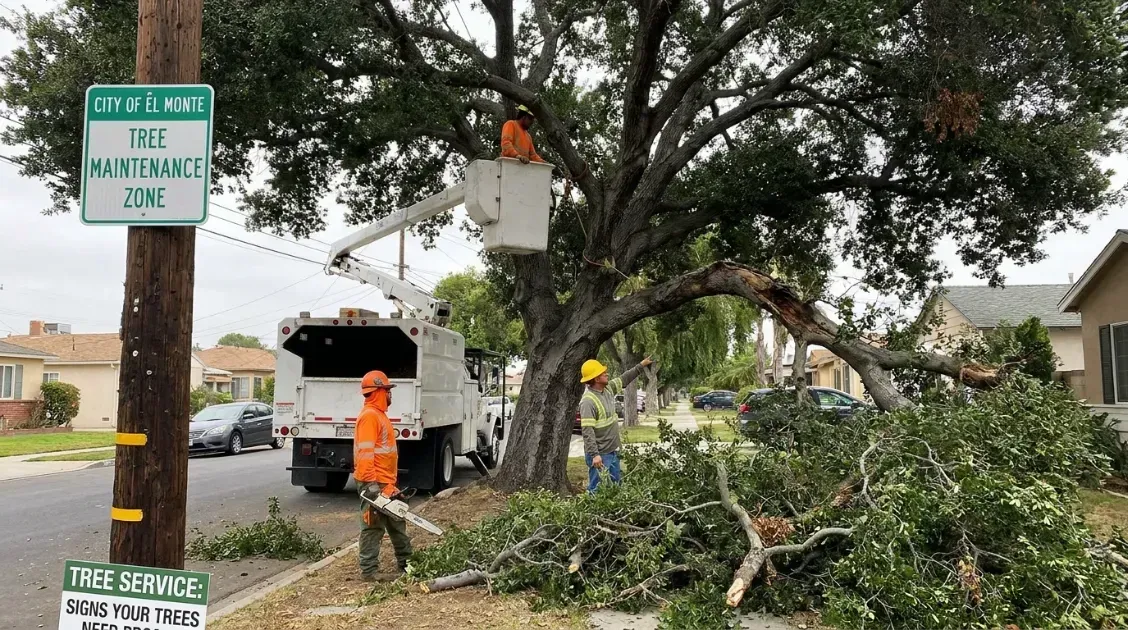
The sound of a snapping branch at 2:00 AM is unmistakable. In El Monte, it usually follows a week of heavy rain and the arrival of the Santa Ana winds. You lie there, staring at the ceiling, wondering if that 40-foot Eucalyptus in the backyard is finally going to give up its grip on the San Gabriel Valley soil. It is a common nightmare for local homeowners. When a tree fails, you don't need a lecture on nature; you need a tree removal service that understands the specific municipal codes and wind patterns of our corner of Los Angeles County.
By John Constantine January 14, 2026
Your trees are trying to tell you something. Usually, it’s a warning. In El Monte, where the Santa Ana winds can turn a beautiful oak into a rooftop-crushing disaster in seconds, ignoring your trees is a high-stakes gamble. You might think a chainsaw and a weekend of free time make you a groundskeeper. You’re wrong. Professional tree care isn't about making things look pretty for the neighbors; it’s about structural integrity, local law, and keeping your house in one piece. El Monte has some of the most beautiful canopy cover in the San Gabriel Valley. But that beauty comes with a price. Between the Invasive Shot Hole Borer and strict municipal codes, managing your property’s greenery requires more than just a pair of loppers. If you aren't calling in a pro, you’re likely breaking a law or inviting a crisis. Here is why hiring a professional tree service in El Monte is the only move that makes sense for a healthy, safe property.