Decoding Danger: What Leaning Trunks and Cracked Branches Reveal About Your Trees
Trees are the silent giants of our landscapes. They provide shade, beauty, and a sense of permanence to our properties. But sometimes, these giants are in distress, and their silent signals can be easy to miss until it's too late. A leaning trunk or a cracked branch might seem like a minor issue, but they can be precursors to catastrophic failure, posing a significant risk to your home, property, and safety. Understanding these warning signs is the first step in preventing a tree-related emergency.
Here at El Monte Tree Service, we've seen firsthand how a seemingly healthy tree can harbor hidden dangers. This comprehensive guide will help you decode the signals your trees are sending. We'll explore the real meaning behind leaning trunks, cracked branches, and other subtle red flags, so you can identify potential hazards and know when it's time to call in a professional arborist.
Section 1: The Anatomy of a Hazardous Tree
Not every imperfection makes a tree dangerous. Trees are living organisms that bear the scars of storms, droughts, and age. However, certain defects critically compromise a tree's structural integrity. The primary factors that contribute to a tree becoming a hazard are:
- Structural Defects: Weak branch unions, cracks, decay, and poor architecture.
- Root Problems: Damaged, diseased, or restricted root systems that can no longer anchor the tree.
- Tree Health: A tree weakened by disease, pests, or environmental stress is more likely to fail.
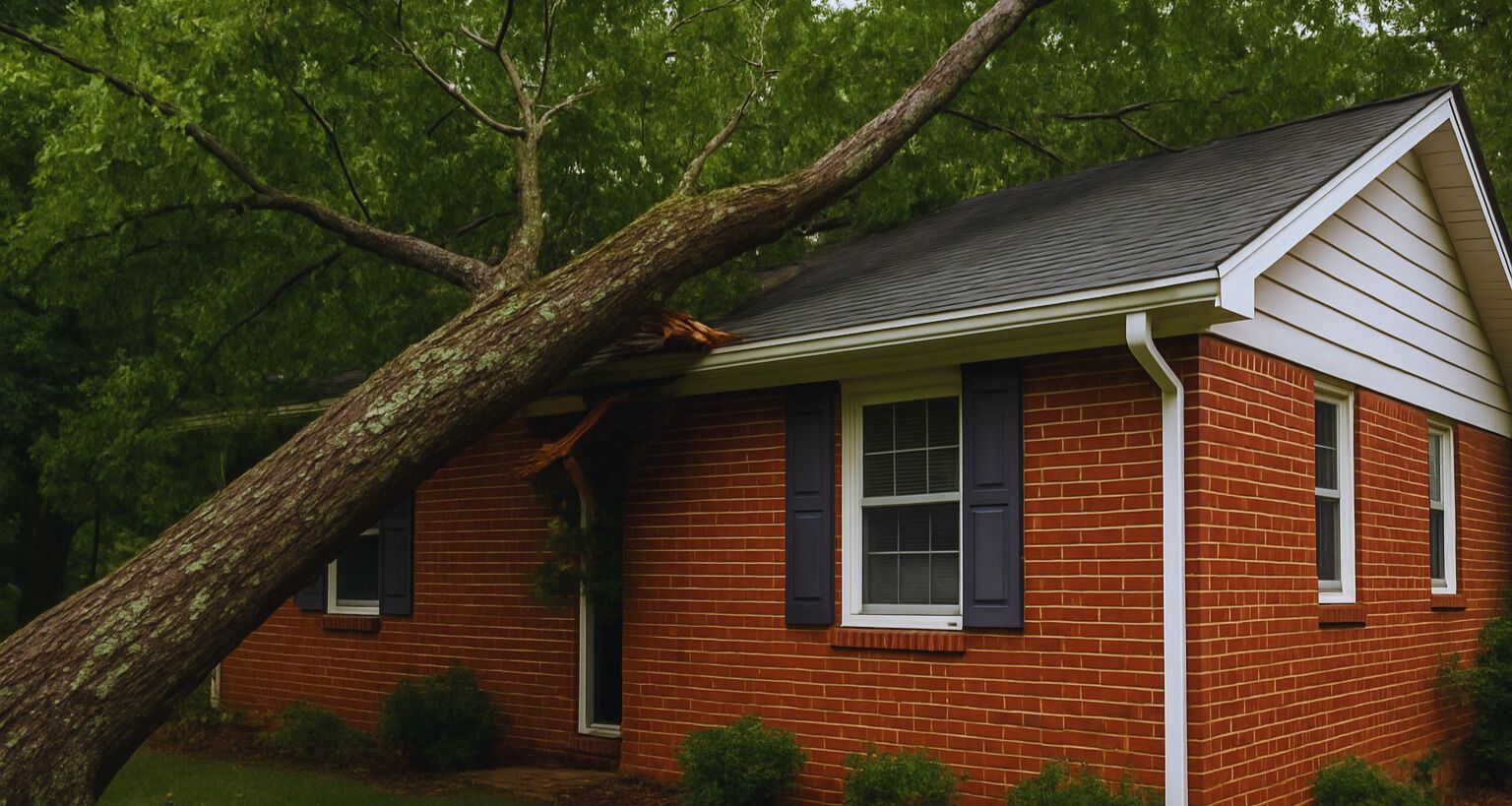
- Location (The Target): A hazardous tree is only a true risk if its failure could damage property or cause injury. A dead tree in the middle of a forest is part of the ecosystem; the same tree leaning over your house is a liability.
Section 2: The Leaning Tree - A Ticking Time Bomb?
A leaning tree is one of the most alarming sights for a property owner. But does every lean mean imminent danger? Not necessarily. The key is to understand the cause and progression of the lean.
Sudden vs. Gradual Leaning
A tree that has grown with a slight lean towards sunlight over many years (known as phototropism) may have developed a strong, compensating root system and is often stable. The real danger lies in a sudden lean. If a tree starts leaning, or an existing lean worsens, after a storm with high winds or heavy soil saturation, it's a critical warning sign. This often indicates root failure, where the roots have broken or lost their grip in the soil.
Telltale Signs of a Dangerous Lean:
- Heaving Soil: Look at the base of the tree on the side opposite the lean. If you see mounded or cracked soil, it's a sign that the root plate is lifting out of the ground. This is an emergency situation.
- Exposed Roots: Freshly exposed, broken, or torn roots are a clear indication of instability.
- Angle of the Lean: A lean greater than 15 degrees from vertical is a significant cause for concern and warrants immediate professional assessment.
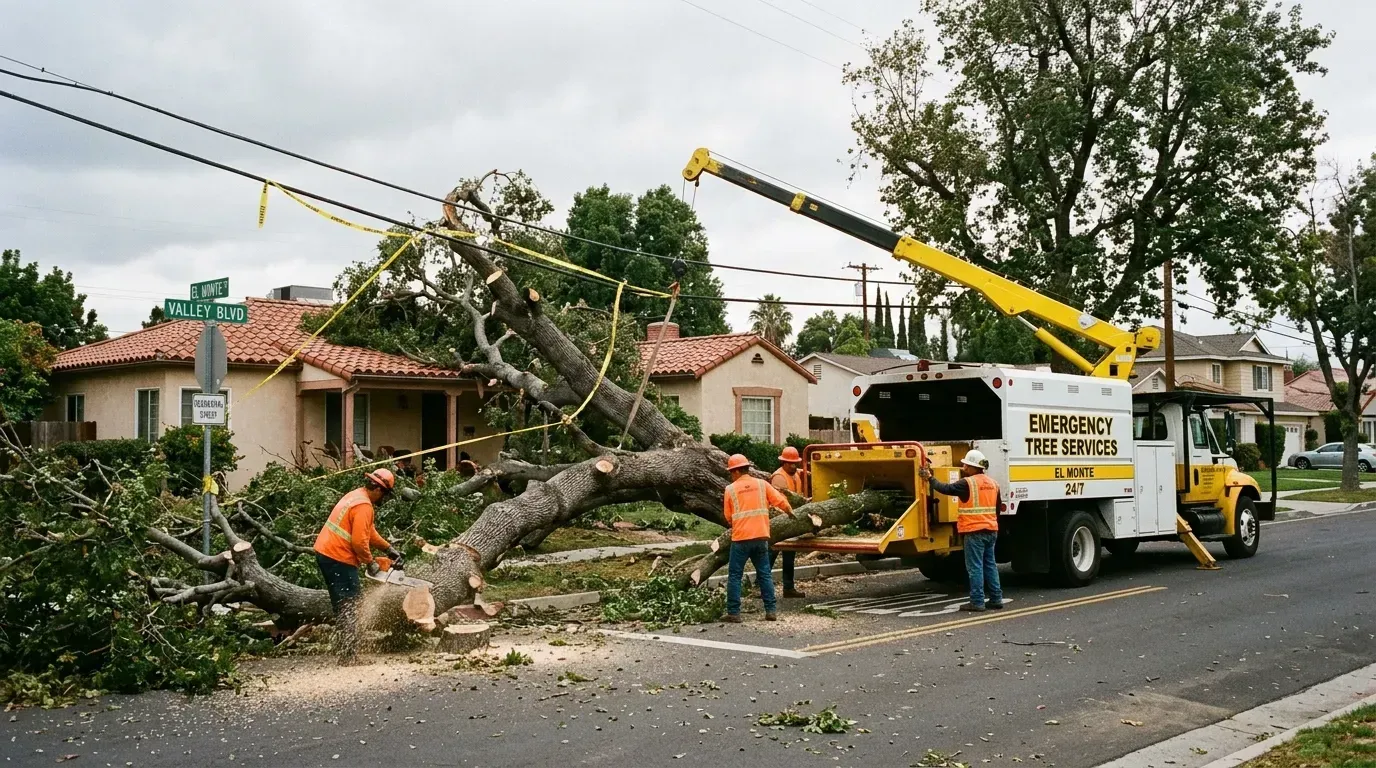
A leaning tree, especially with heaving soil, requires immediate attention. It's a sign that the entire support system is compromised. Trying to correct it yourself is extremely dangerous. This is a situation that demands the expertise and specialized equipment of a certified arborist, which you can find by exploring our professional tree services.
Section 3: Cracks and Splits - The Tree's Cry for Help
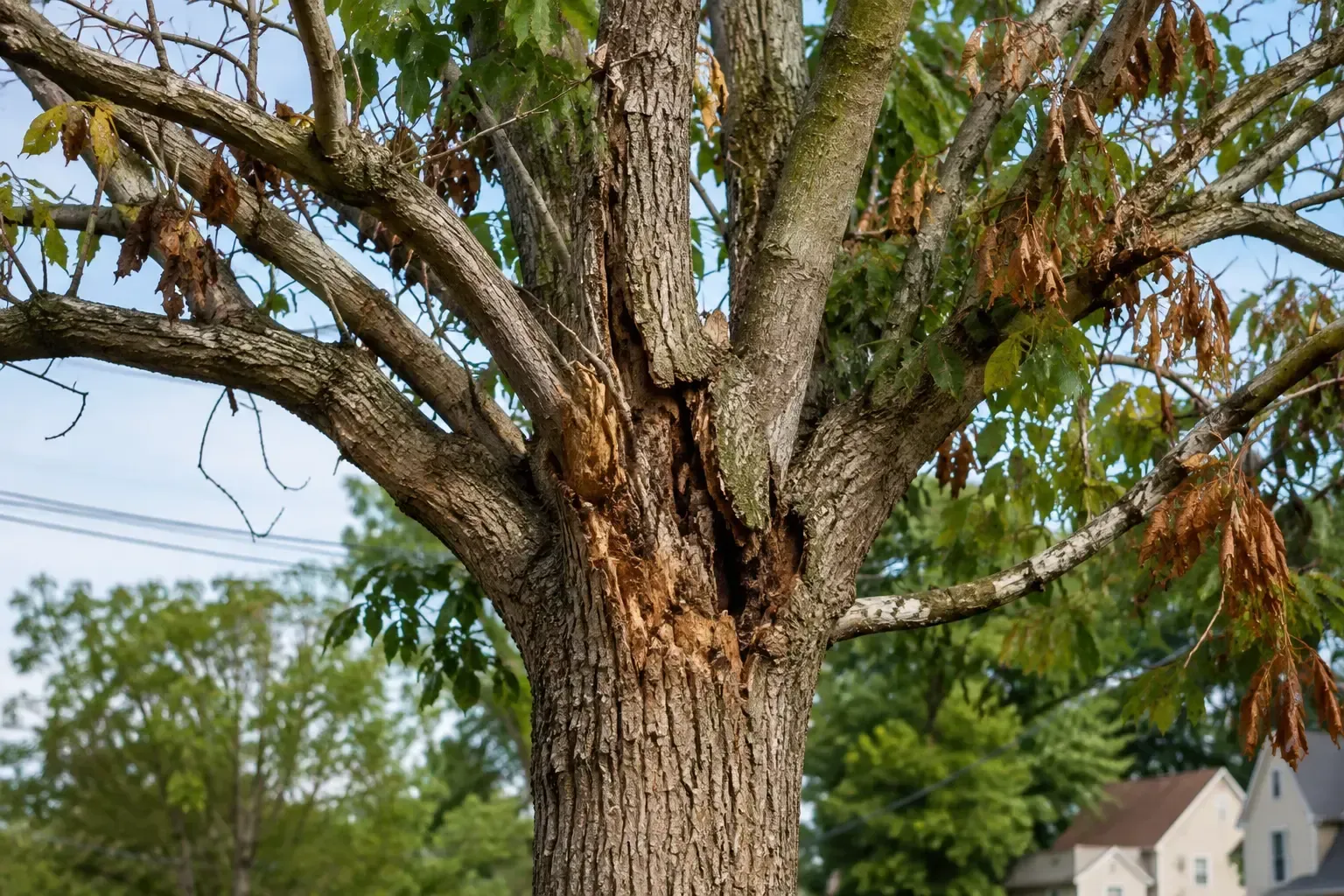
Cracks are fissures in the wood that can run deep into the trunk or a major limb, severely weakening the tree's structure. They are often more dangerous than hollows because they represent a point where the wood is actively tearing apart.
Types of Cracks and What They Mean:
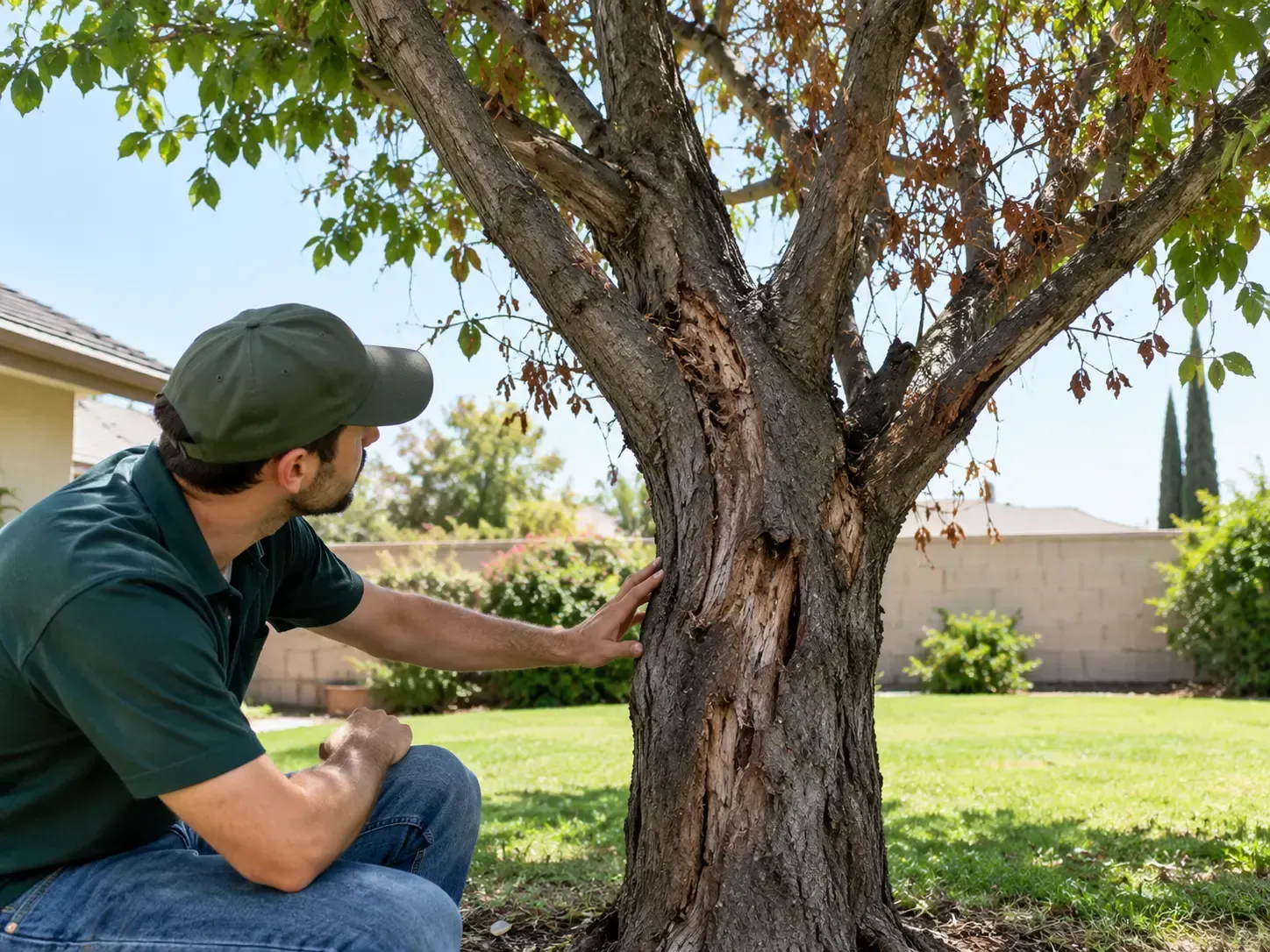
- Vertical Cracks: These run up and down the trunk. They can be caused by lightning strikes, frost, or internal decay pushing the wood apart. While some shallow cracks can be managed, deep cracks that extend through the trunk are a serious hazard.
- Horizontal Cracks: These are less common but far more dangerous. They run across the grain of the wood, indicating that the internal fibers have separated. A tree with a significant horizontal crack is at a very high risk of snapping.
- Shear Cracks: These are cracks where the wood appears to be sliding apart. They often occur at the junction of two codominant stems (see below) or where a branch meets the trunk.
The Danger of Codominant Stems and Included Bark
Many tree failures occur where two or more main stems, or 'leaders', grow together. This is known as having codominant stems. When these stems grow closely, they often form a tight, V-shaped union instead of a stronger, U-shaped one. As the stems grow in diameter, they press against each other, and bark gets trapped between them. This 'included bark' prevents the wood from fusing properly, creating a weak point that can easily split under stress from wind, snow, or even its own weight.
If you see a crack forming at the junction of two large stems, it's a major red flag. This part of the tree is structurally compromised and could fail without warning.
Section 4: Other Red Flags You Can't Afford to Ignore
Beyond leaning and cracks, several other signs indicate a tree is in poor health and could be a potential hazard. Here’s a quick-reference table to help you spot them.
| Symptom | What It Looks Like | What It Could Mean |
|---|---|---|
| Deadwood / Dieback | Large, dead branches, especially in the upper canopy. Brittle, leafless, and often a different color from healthy branches. | The tree is under stress from disease, pests, or root problems. Large dead branches (often called 'widowmakers') can fall at any time. |
| Decay and Fungus | Mushrooms or fungal conks growing on the trunk, base, or major roots. Soft, spongy wood or cavities. | This is a definitive sign of internal rot. The fungus you see is just the fruiting body of a much larger organism decaying the tree from the inside out. |
| Root and Soil Issues | Heaving soil, severed roots from construction, compacted soil around the base. | The tree's anchor is compromised. A tree cannot be healthy without a healthy root system. This can lead to leaning and eventual failure. |
| Sudden Leaf Changes | Leaves wilting, changing color prematurely, or dropping out of season. Thinning canopy. | Indicates acute stress. This could be from disease, insect infestation, root damage, or drought, all of which weaken the tree. |
Section 5: When to Call a Professional Arborist
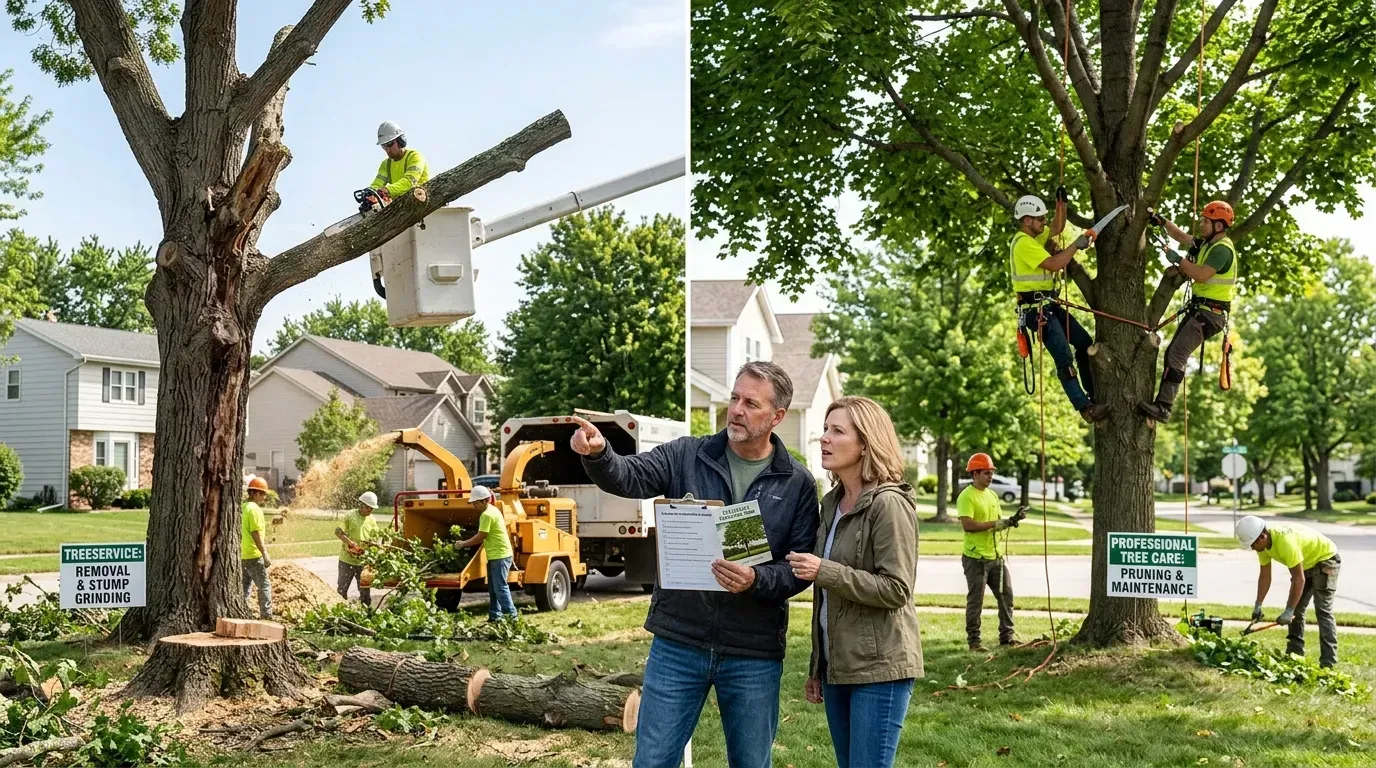
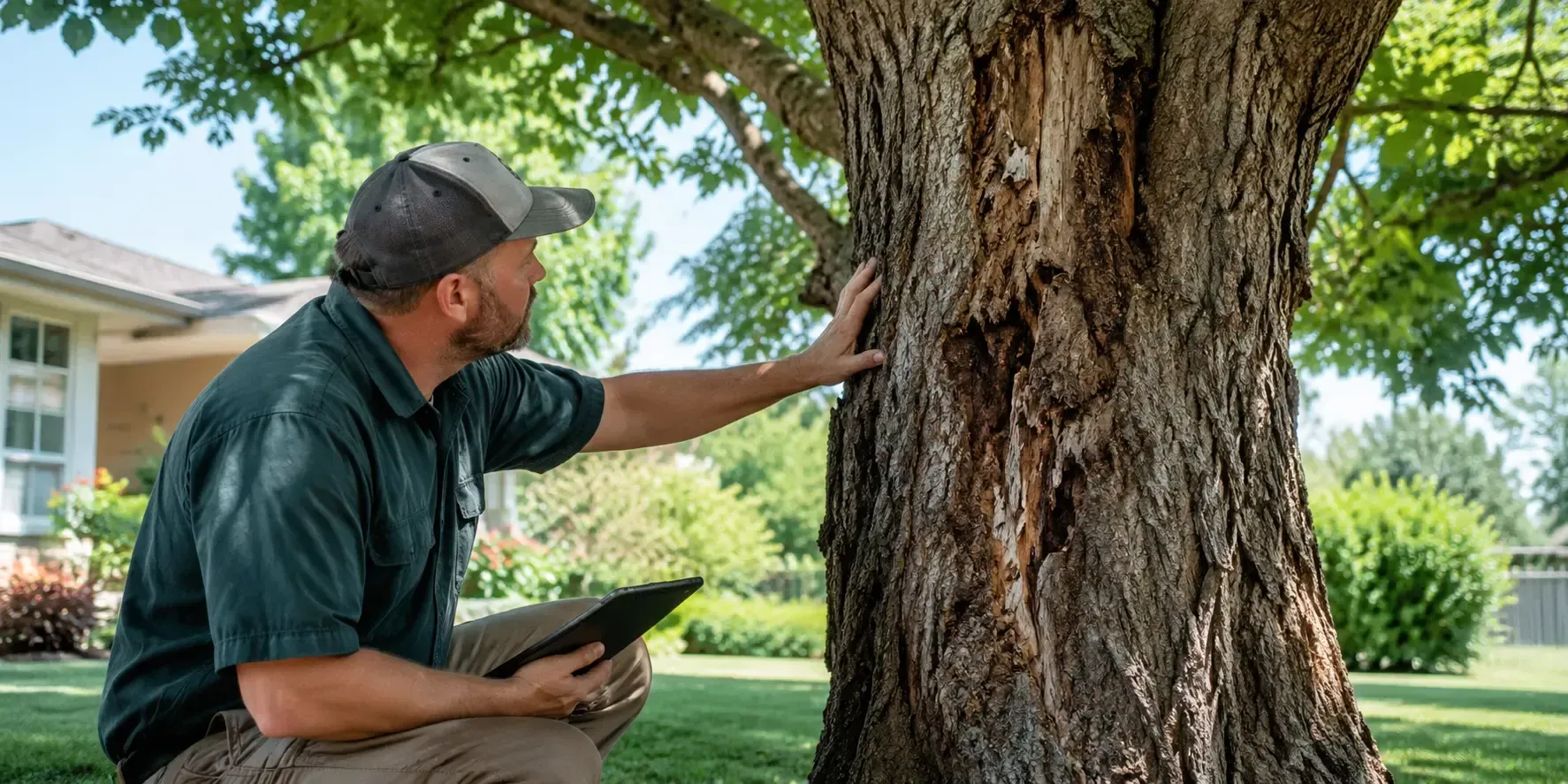
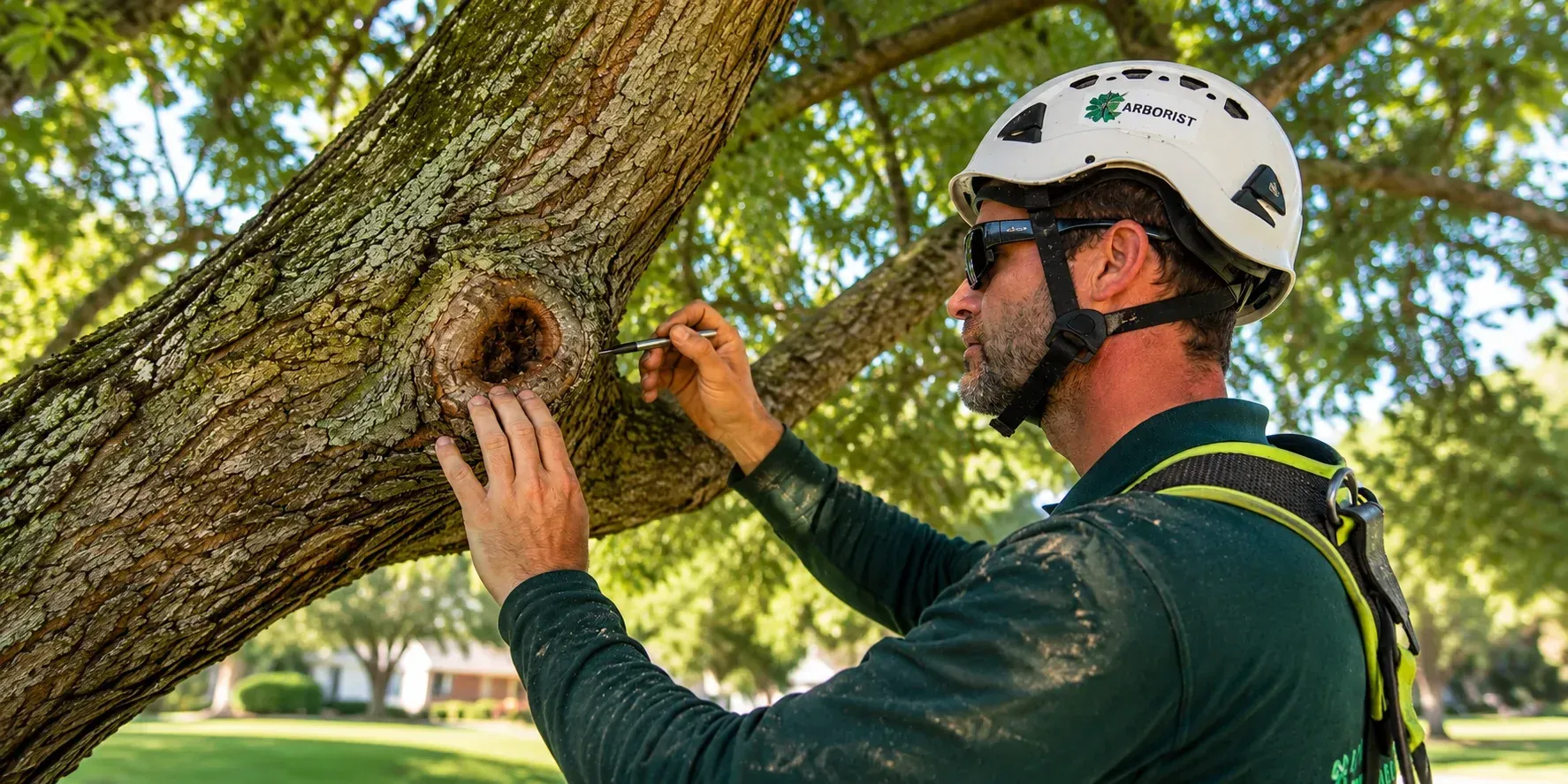
While this guide can help you spot potential problems, assessing the true risk of a tree requires a trained eye. A certified arborist can perform a detailed Tree Risk Assessment, which is a systematic process to identify hazards, evaluate the likelihood of failure, and recommend mitigation strategies.
You should call a professional immediately if you notice:
- A tree has suddenly started leaning or is leaning significantly.
- There is heaving soil or exposed roots at the base of a leaning tree.
- A deep, long crack has appeared on the trunk or a major limb.
- Mushrooms are growing on the trunk or root flare of a tree near your home.
- A large branch has fallen, and you're concerned about the rest of the tree.
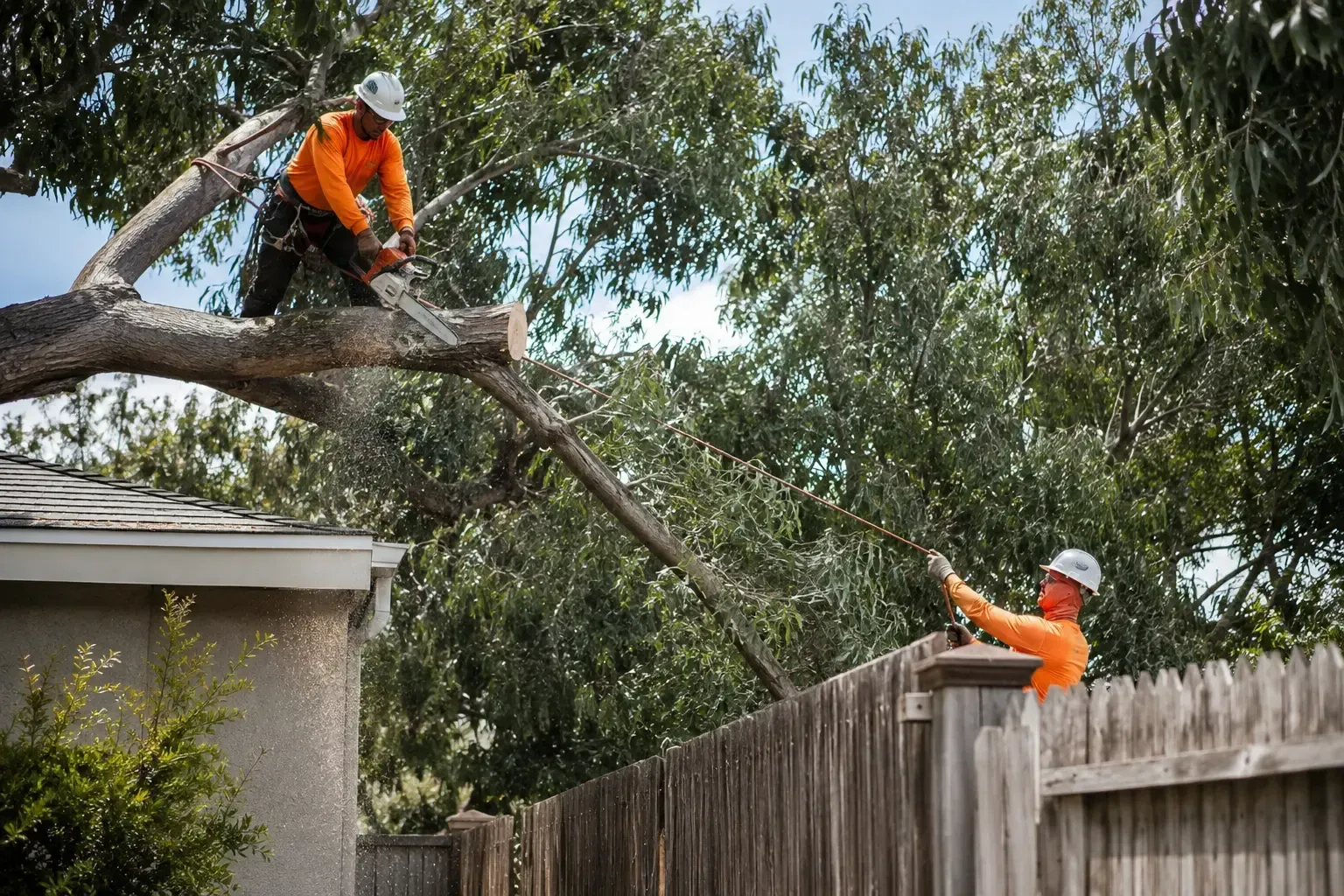
The team at El Monte Tree Service has years of experience in diagnosing and safely handling hazardous trees. Our priority is your safety and the health of your landscape. We believe in transparency and education, which is a core part of our mission you can read more about on our about us page.
Section 6: Proactive Measures for Preventing Tree Emergencies
The best way to handle a tree emergency is to prevent it from happening in the first place. Regular, proactive care can significantly reduce the risk of tree failure.
- Regular Inspections: Walk your property after major storms and a few times a year to look for the signs mentioned in this guide.
- Proper Pruning: Have your trees pruned by a professional arborist to remove deadwood, improve structure, and correct issues like codominant stems before they become a problem.
- Mulching and Watering: Proper watering during droughts and applying a layer of mulch around the base (without touching the trunk) can protect the root system and improve overall tree health.
- Protect the Root Zone: Avoid construction, trenching, or soil compaction within a tree's critical root zone.
Conclusion: Your Partner in Tree Safety
Your trees are a valuable asset, but they require informed stewardship. By learning to recognize the warning signs of leaning trunks, cracked branches, and other signs of distress, you can take timely action to protect your property and loved ones. Don't wait for a branch to fall or a trunk to split to address a potential hazard. Be proactive, be observant, and when in doubt, always consult a professional.
If you have any concerns about a tree on your property, don't hesitate. An expert assessment can provide peace of mind or a clear plan of action. Reach out to the experienced team at El Monte Tree Service through our contact page to schedule a consultation and ensure the safety and beauty of your landscape for years to come.
Frequently Asked Questions
How quickly should I act if I see a large crack in my tree?
You should act immediately. A large, deep crack, especially one that runs vertically down the trunk or is located at a major branch union, signifies a severe structural weakness. The tree could fail at any time. Contact a certified arborist for an emergency assessment right away.
Can a leaning tree be saved, or does it always need to be removed?
It depends on the cause, severity, and recentness of the lean. A tree with a long-standing, gradual lean may be stable. However, a tree that has started leaning suddenly, especially with signs of root heave, is extremely dangerous and often requires removal. An arborist can assess the situation to determine if stabilization methods like cabling or bracing are viable, but removal is often the safest option for high-risk trees.
Is it safe for me to remove a large, dead branch myself?
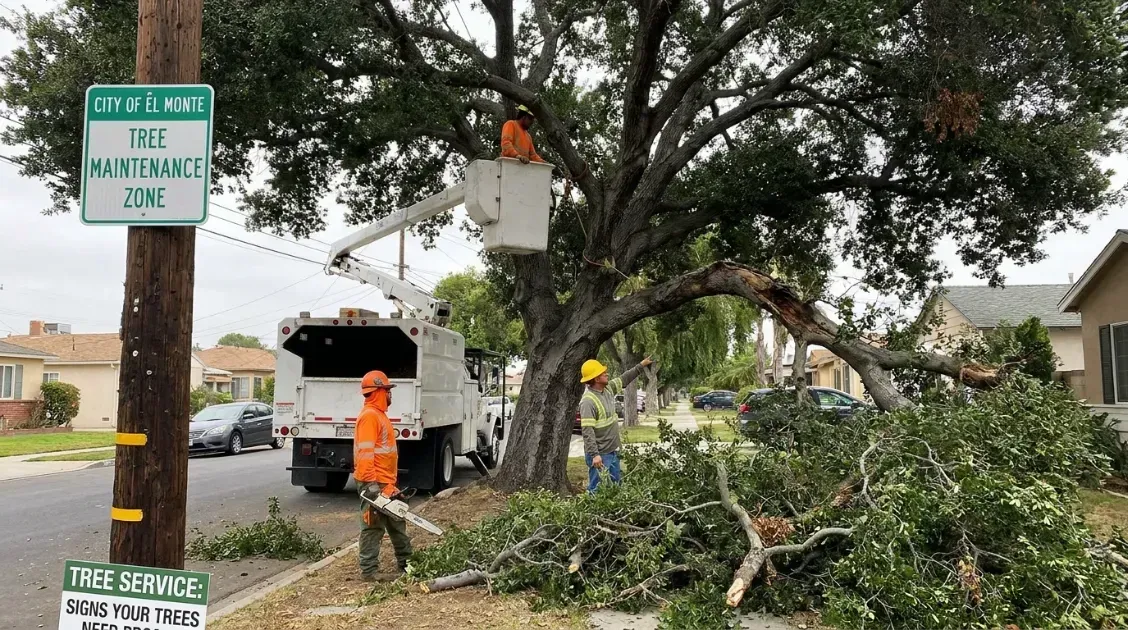
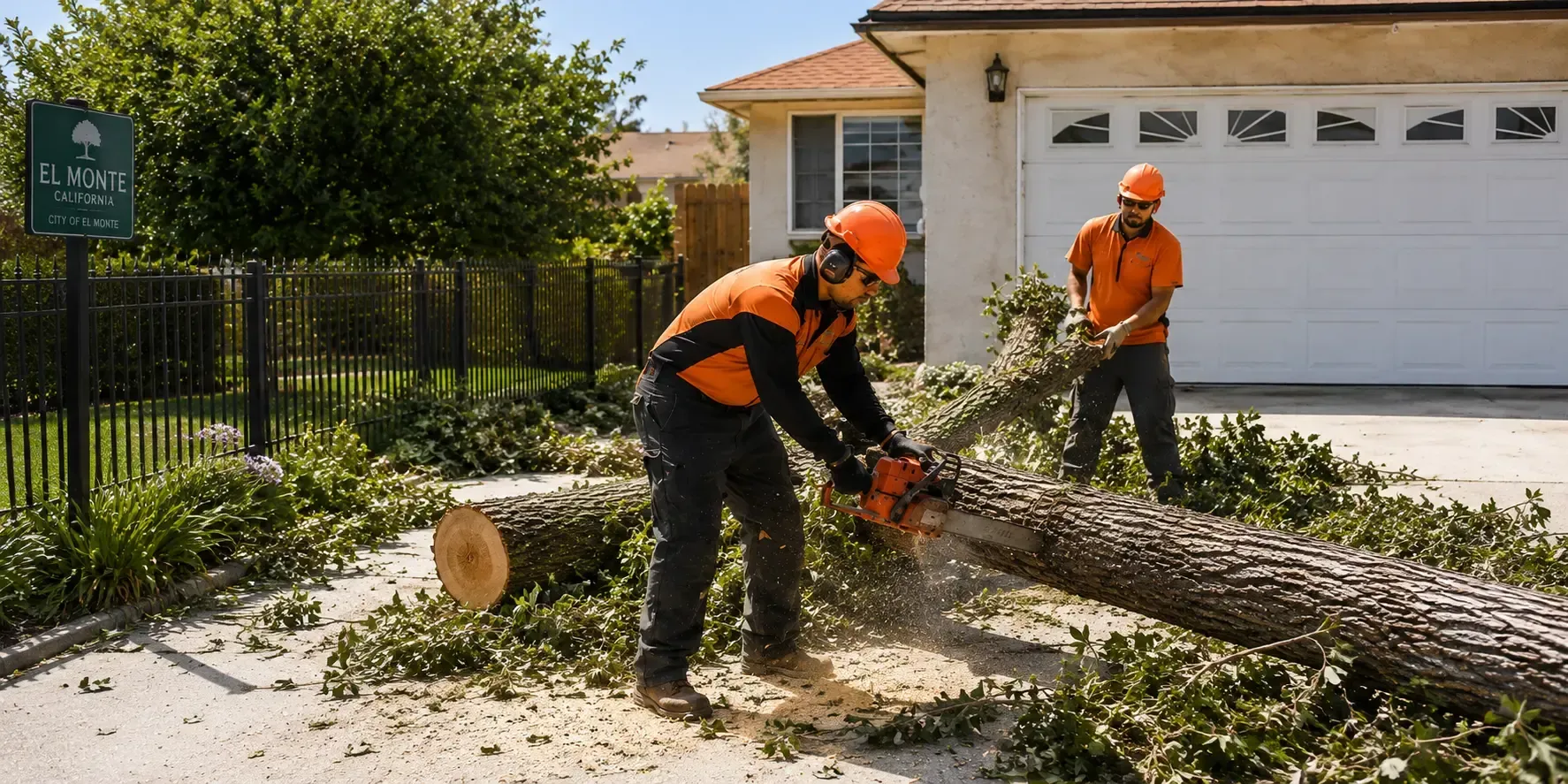
No, it is not recommended for homeowners to remove large branches. Dead branches, known as 'widowmakers,' are unpredictable and can be extremely heavy. Attempting to remove them without the proper training, safety gear, and equipment can lead to serious injury or property damage. This task should always be left to a professional tree service.
What does a professional tree risk assessment involve?
A professional tree risk assessment is a thorough evaluation performed by a certified arborist. It involves a visual inspection of the tree from the ground (and sometimes an aerial inspection), checking for defects like cracks, decay, weak unions, and root problems. The arborist will also assess the 'target' (what the tree could hit if it fails) and use their expertise to rate the overall risk level and recommend mitigation options, such as pruning, cabling, or removal.