Safeguard Your Yard: A Homeowner's Guide to Handling Dead and Dying Trees
Trees are the majestic cornerstones of our landscapes. They provide shade on hot summer days, a home for wildlife, and a timeless beauty that can significantly increase a property's value. But what happens when these silent giants become sick or die? A dead or dying tree transforms from a cherished asset into a significant liability, posing a serious threat to your home, your family, and your financial well-being. Here at El Monte Tree Service, we believe that understanding these risks is the first step toward a safer, healthier yard. This comprehensive guide will walk you through everything you need to know about identifying, handling, and preventing the problems associated with dead and dying trees.
The Silent Threat: Why Dead and Dying Trees Are a Major Risk
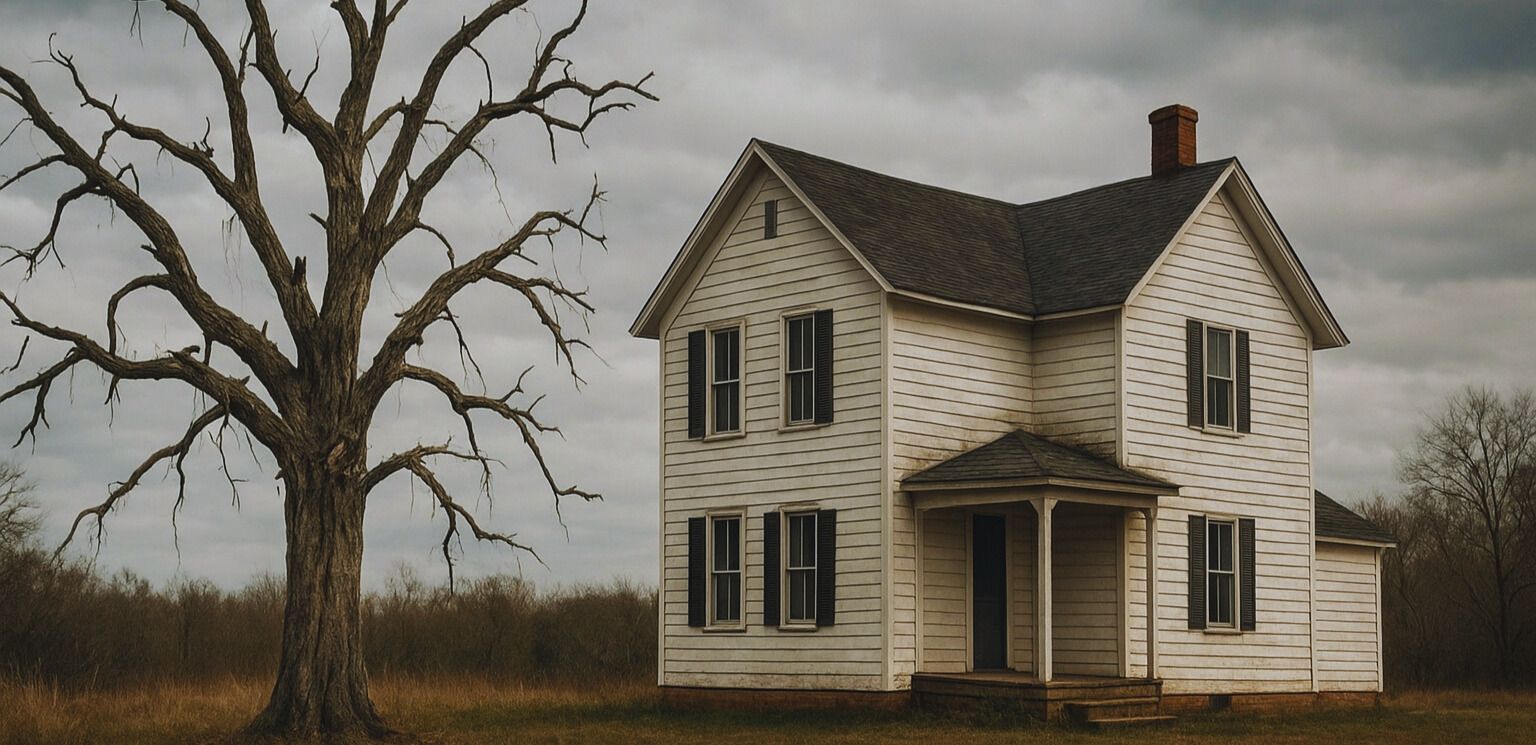
It's easy to underestimate the danger a compromised tree presents. It might stand for months or even years without issue, lulling you into a false sense of security. However, the internal decay and structural weakness are a ticking time bomb, waiting for a strong wind or heavy rain to trigger a catastrophe.
Risk 1: Catastrophic Property Damage
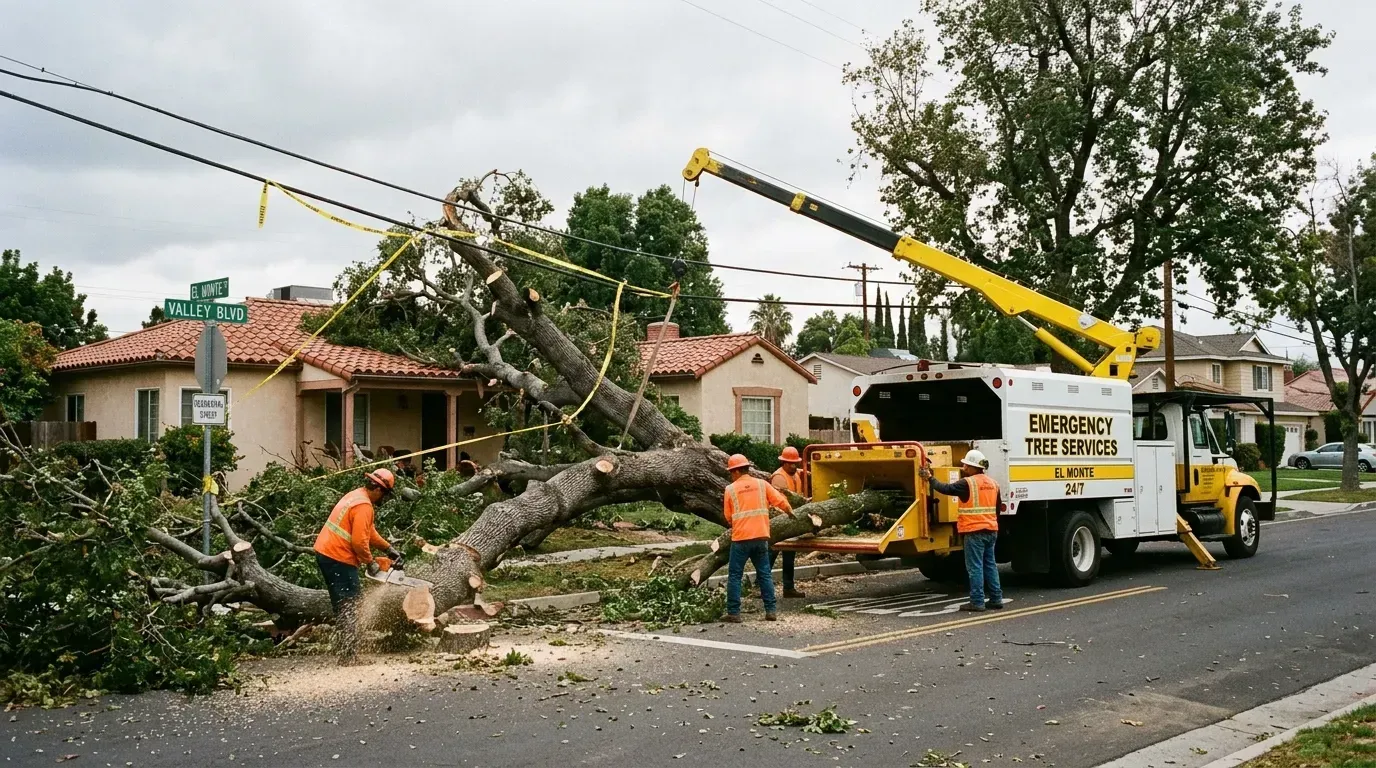
The most obvious threat is the potential for falling branches or a complete tree failure. A large limb can easily crush a roof, smash a vehicle, or flatten a fence, leading to thousands of dollars in repairs. An entire uprooted tree can cause devastating structural damage to your home or a neighbor's property, creating complex insurance claims and immense stress.
Risk 2: Personal Safety Hazards
Property can be replaced, but the safety of your family and pets is paramount. Falling branches, often called 'widowmakers' for a grim reason, can cause serious injury or death. Children playing in the yard, guests enjoying a barbecue, or even someone simply walking to their car are all at risk when a hazardous tree looms overhead.
Risk 3: Pest and Disease Infestations
Dead and decaying wood is an open invitation for pests like termites, carpenter ants, and beetles. These insects can establish a colony in the dead tree and then easily migrate to the healthy trees in your yard—or worse, into the wooden structures of your home. Fungal diseases also thrive in weakened trees, and their spores can spread to other plants, jeopardizing the health of your entire landscape.
Risk 4: Decreased Property Value
A yard filled with dead or visibly sick trees sends a clear signal of neglect to potential buyers. It detracts from curb appeal and presents an immediate, costly problem that any savvy homebuyer will factor into their offer. Proactively managing your trees, on the other hand, demonstrates pride of ownership and protects your real estate investment.
How to Identify a Dead or Dying Tree: A Visual Checklist
You don't need to be an arborist to spot the early warning signs of a tree in distress. By regularly inspecting the trees on your property, you can catch problems before they become emergencies. Here’s what to look for:
| Symptom | What It Means |
|---|---|
| Lack of Leaves or Buds | If a deciduous tree has no leaves in summer, or if its buds don't open in spring when others do, it's a strong sign the tree is dead or dying. Conifers that turn brown and lose their needles are also a major red flag. |
| Brittle, Dead Branches | Perform a simple 'snap test' on a small, low-hanging twig. A healthy twig will be flexible and bend, while a dead one will snap easily and be dry on the inside. An abundance of these 'deadwood' branches in the canopy is a clear warning sign. |
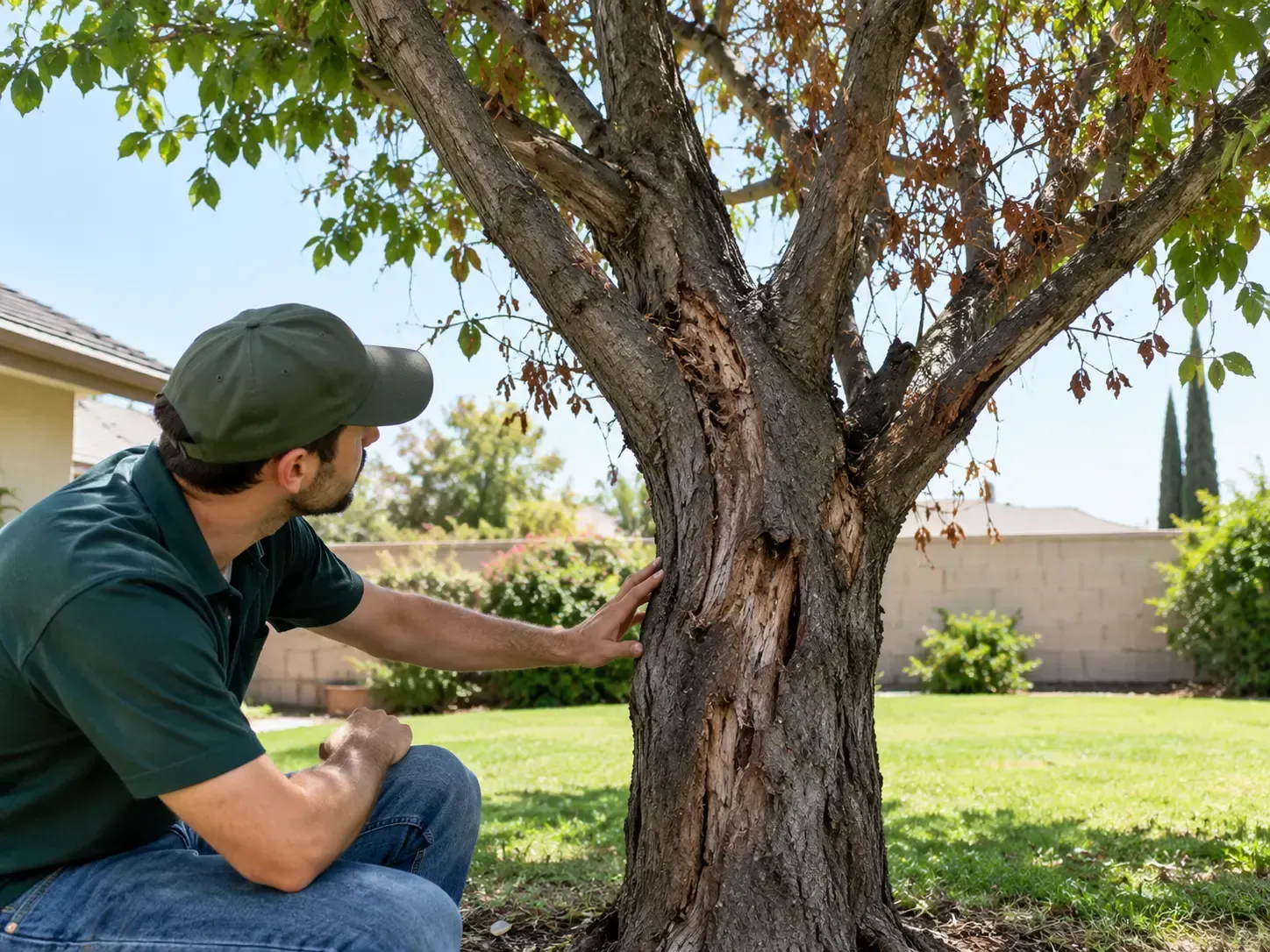
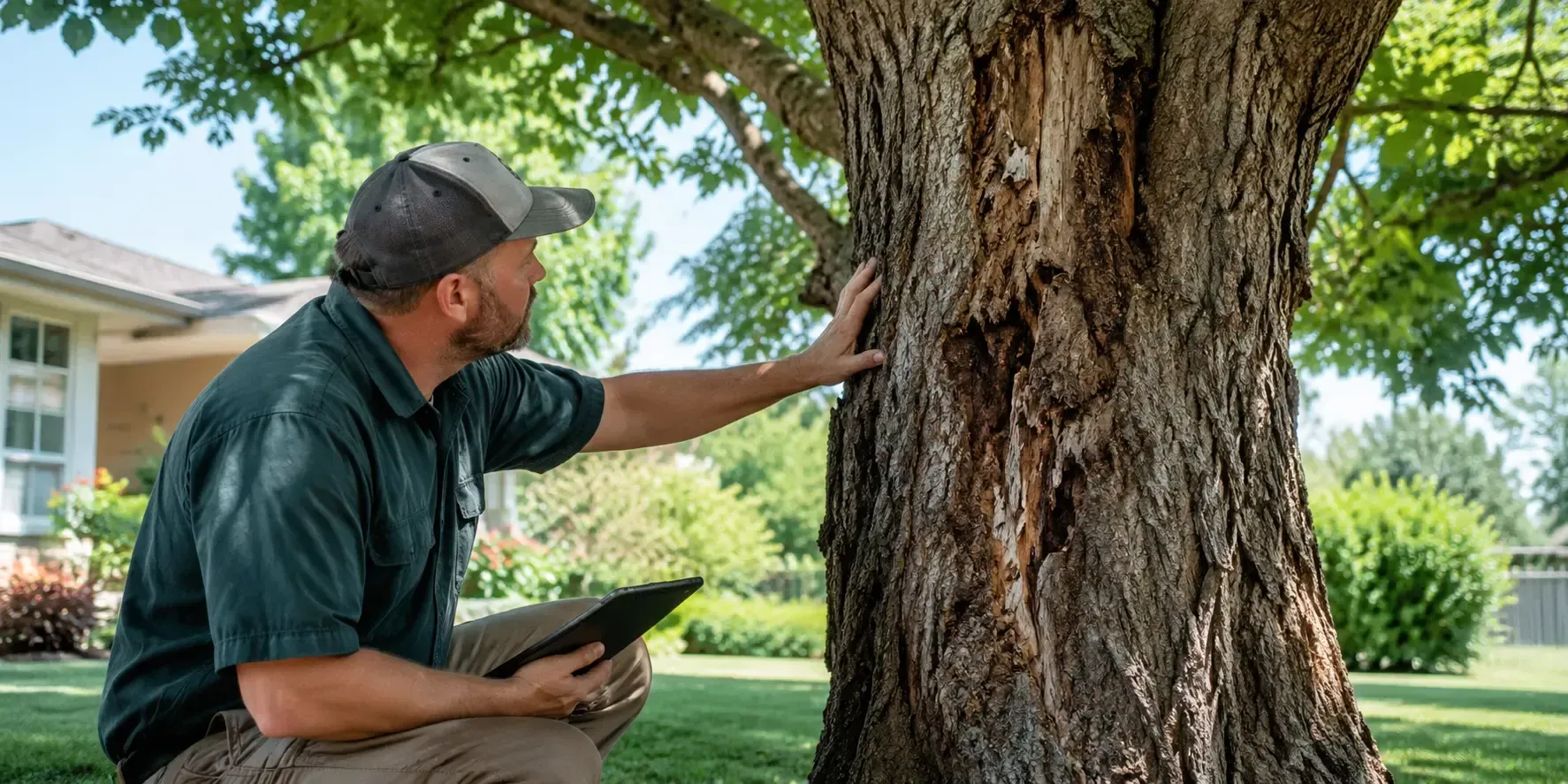
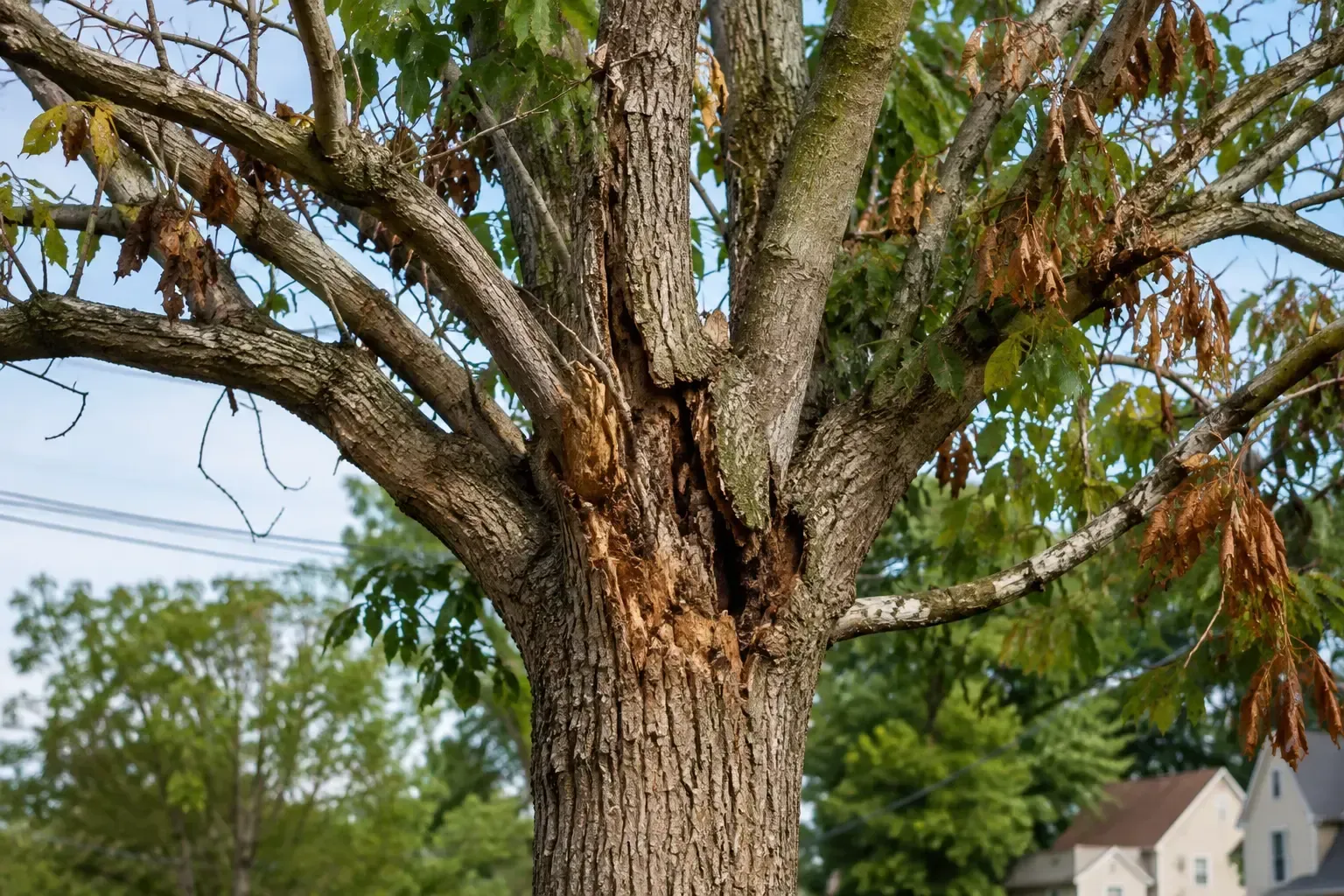
| Cracks and Splits in the Trunk | Deep, vertical cracks in the trunk compromise the tree's structural integrity. These can be caused by weather, internal decay, or improper healing from past injuries. They are serious defects that warrant immediate professional inspection. |
| Peeling or Missing Bark | The bark is a tree's protective skin. Large patches of missing or peeling bark can indicate a fungal disease or that the tree is already dead and the inner wood is exposed to the elements and pests. |
| Fungus and Mushroom Growth | The appearance of fungi, like mushrooms or large 'conks' (shelf-like growths), on the trunk or at the base of a tree is a definitive sign of internal decay. The tree may look solid on the outside, but the fungus is feeding on rotting wood within. |
| A Sudden, Pronounced Lean | While some trees grow with a natural lean, a sudden change or an increasingly severe lean indicates root failure or ground instability. This is an extremely dangerous situation, as the tree could topple at any moment. |
Your Action Plan: What to Do When You Suspect a Problem
If your inspection reveals one or more of these warning signs, it's time to act. Don't panic, but don't delay either. Follow these steps.
Step 1: Document and Observe
Take clear photos of the concerning areas—the cracks, the fungus, the dead branches. Note the tree's location relative to your house, power lines, and fences. This information will be invaluable when you call a professional.
Step 2: Why DIY Tree Removal is a Dangerous Idea
The temptation to save money by grabbing a chainsaw and tackling the problem yourself can be strong, but it's a gamble with life-threatening consequences. Professional arborists have specialized equipment, extensive training in tree physics, and crucial safety protocols. The average homeowner does not. The risks of DIY removal include:
- Unpredictable Falls: Trees can fall in unexpected directions, kick back, or get hung up on other trees, creating a highly unstable situation.
- Power Line Electrocution: Contacting a power line is a fatal mistake. Professionals are trained to work safely around these high-voltage hazards.
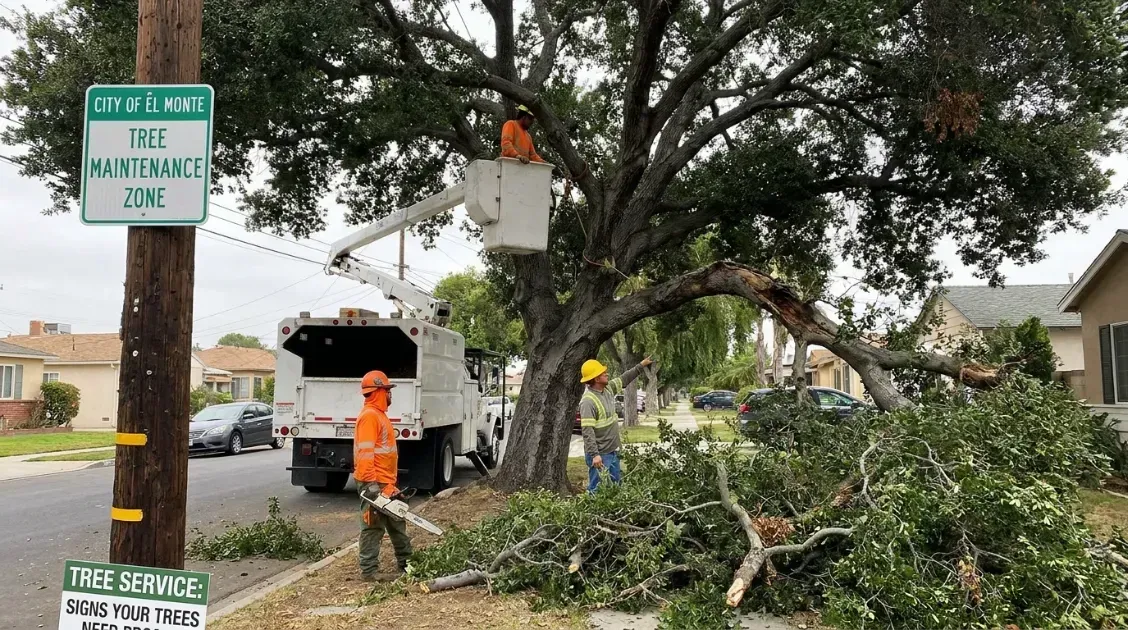
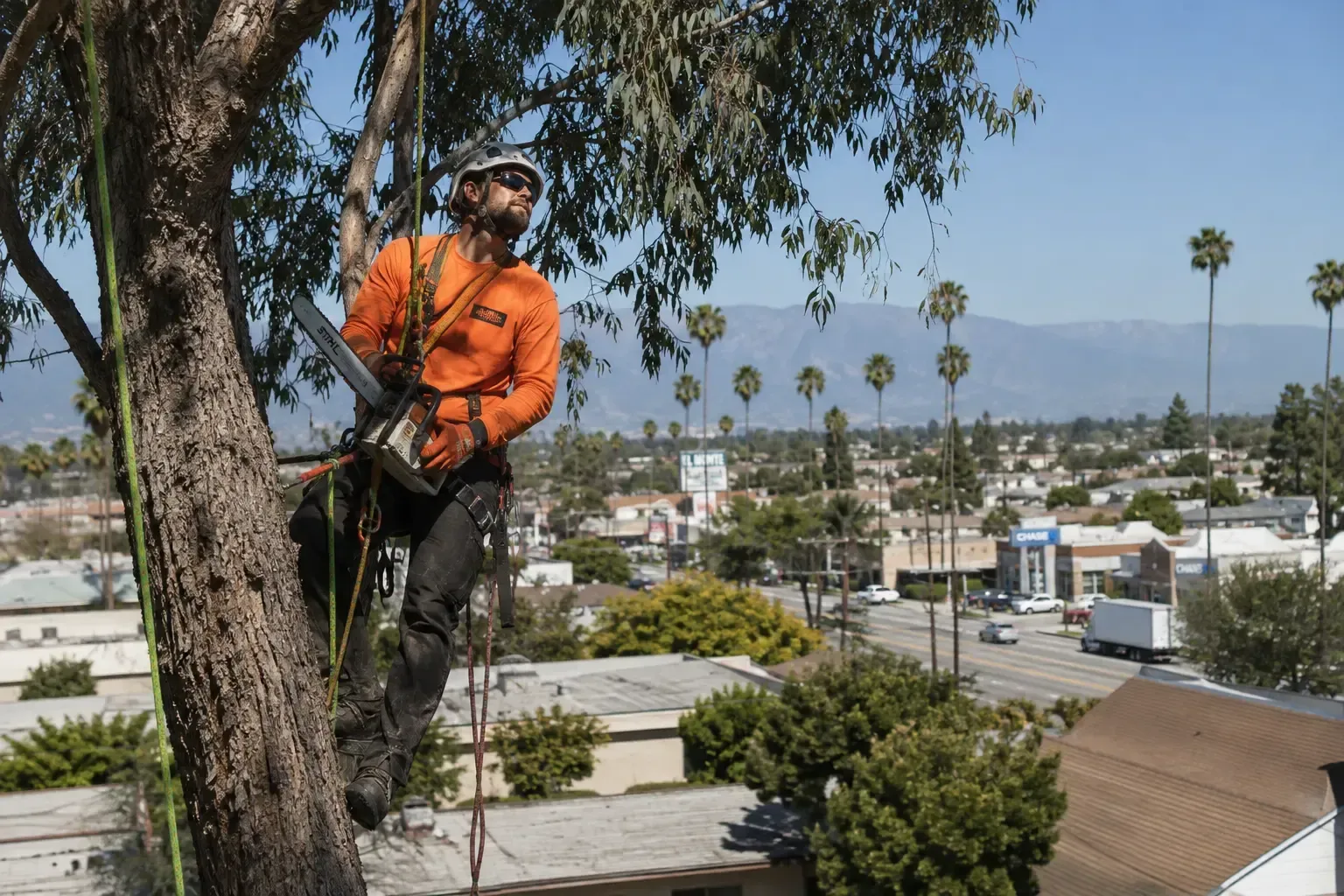
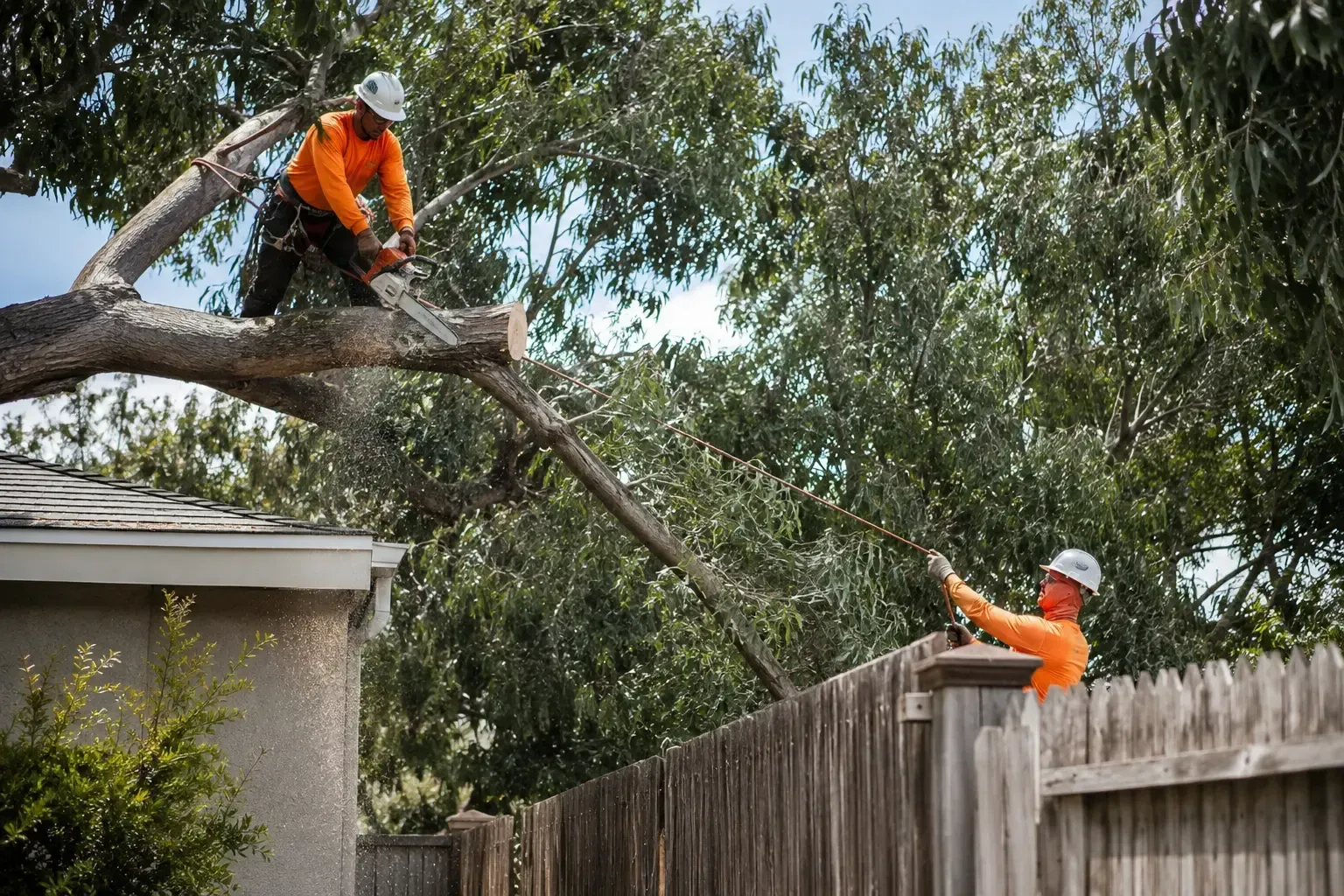
- Improper Equipment: A consumer-grade chainsaw is no match for a large tree. Professionals use rigging, cranes, and advanced cutting techniques to dismantle a tree in a controlled, piece-by-piece manner.
- Lack of Insurance: If you damage your home, a neighbor's property, or injure someone, your homeowner's insurance will likely not cover the damages from such a high-risk, non-professional activity.
Step 3: Call a Certified Arborist
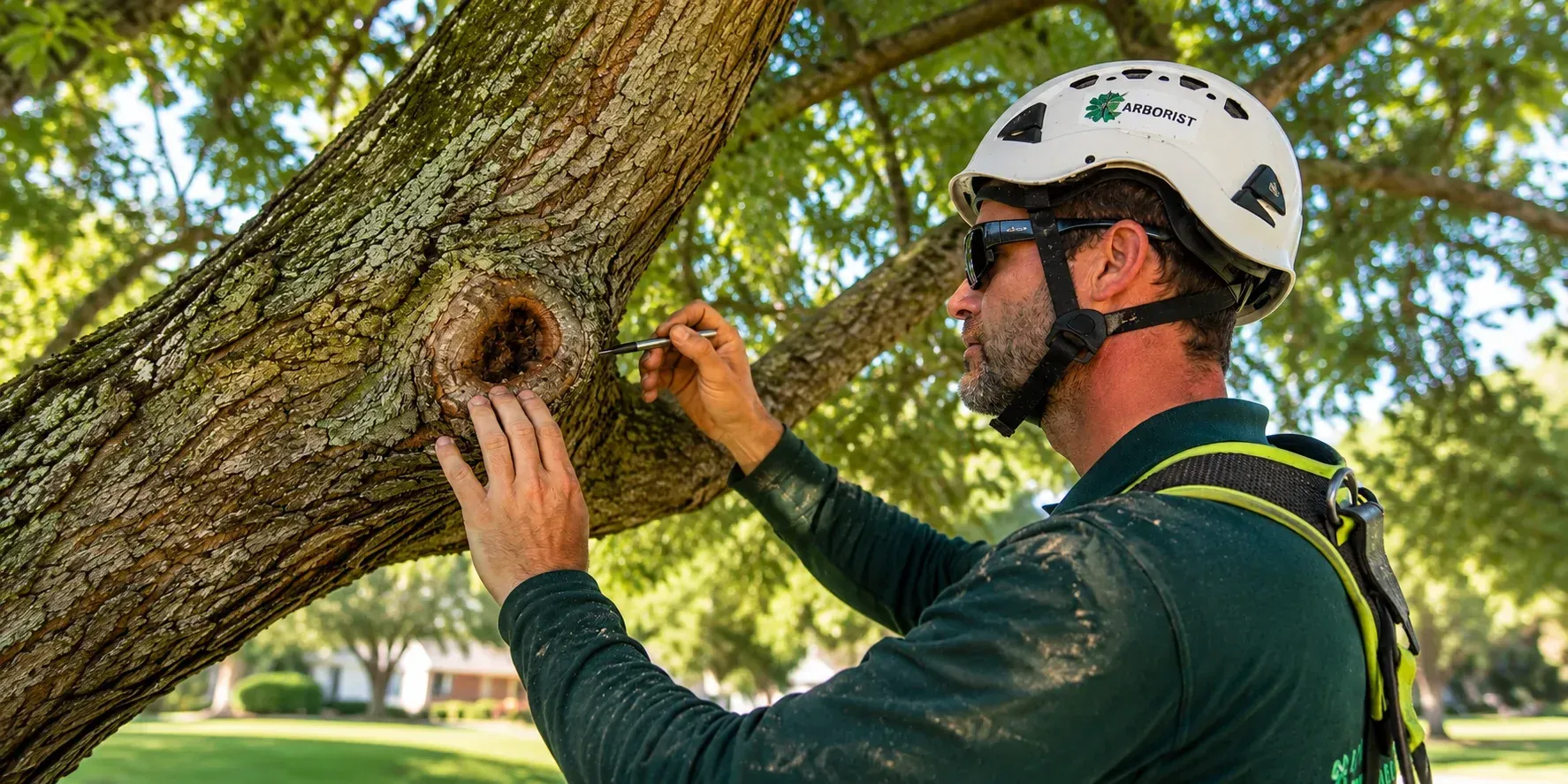
This is the most important step. A certified arborist is a tree care specialist who has passed a comprehensive examination and maintains their credentials through ongoing education. They can accurately diagnose your tree's health, assess the level of risk, and recommend the best course of action. This might be removal, but it could also be strategic pruning or a treatment plan to save the tree. For a comprehensive look at the solutions we offer, you can view our main services page.
The Professional Solution: What to Expect from El Monte Tree Service
When you call a professional team like us, you're not just hiring tree cutters; you're partnering with experts dedicated to the safety and beauty of your property. Our process is designed to be thorough, safe, and transparent.
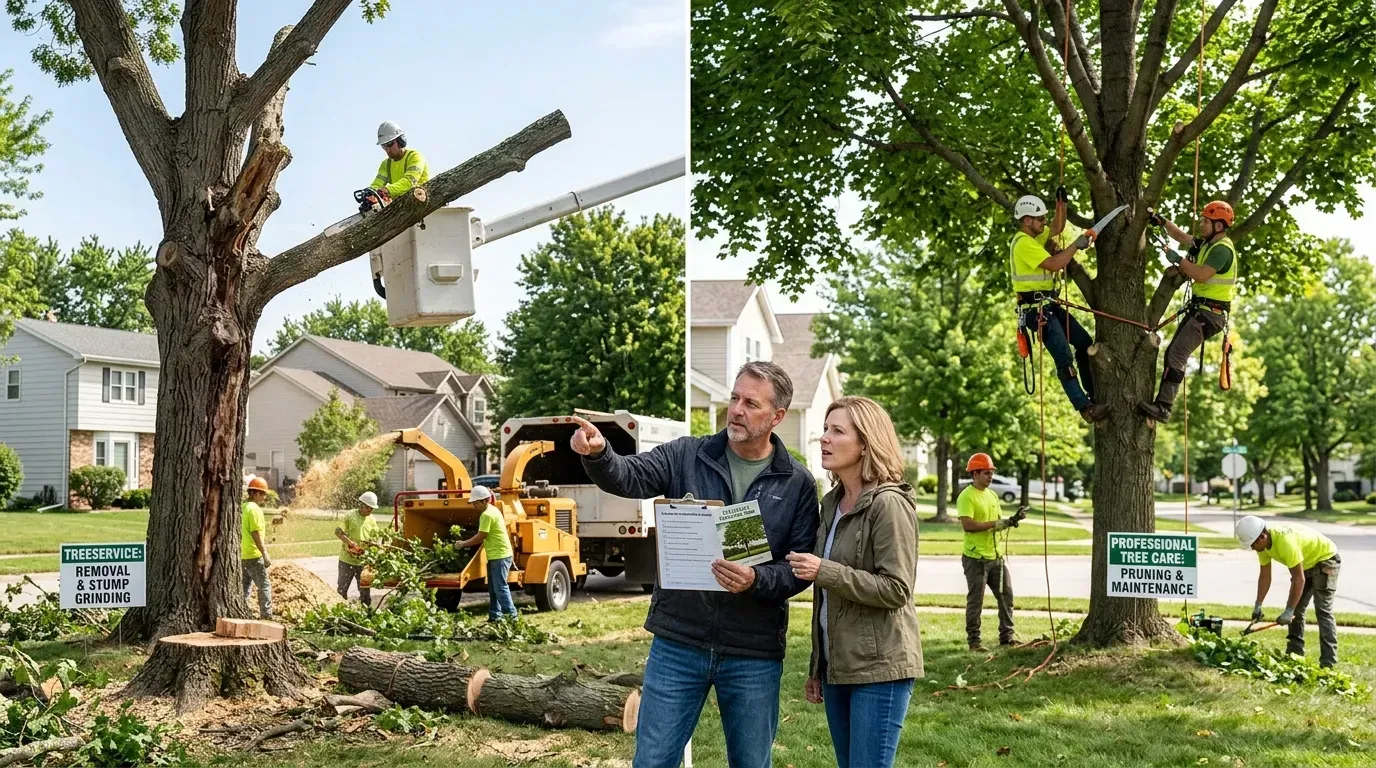
First, we conduct an on-site consultation and a detailed risk assessment. We examine the tree from root to crown, identify the species, evaluate its structural integrity, and determine the safest method for removal or pruning. We then provide a clear, written estimate outlining the scope of work.
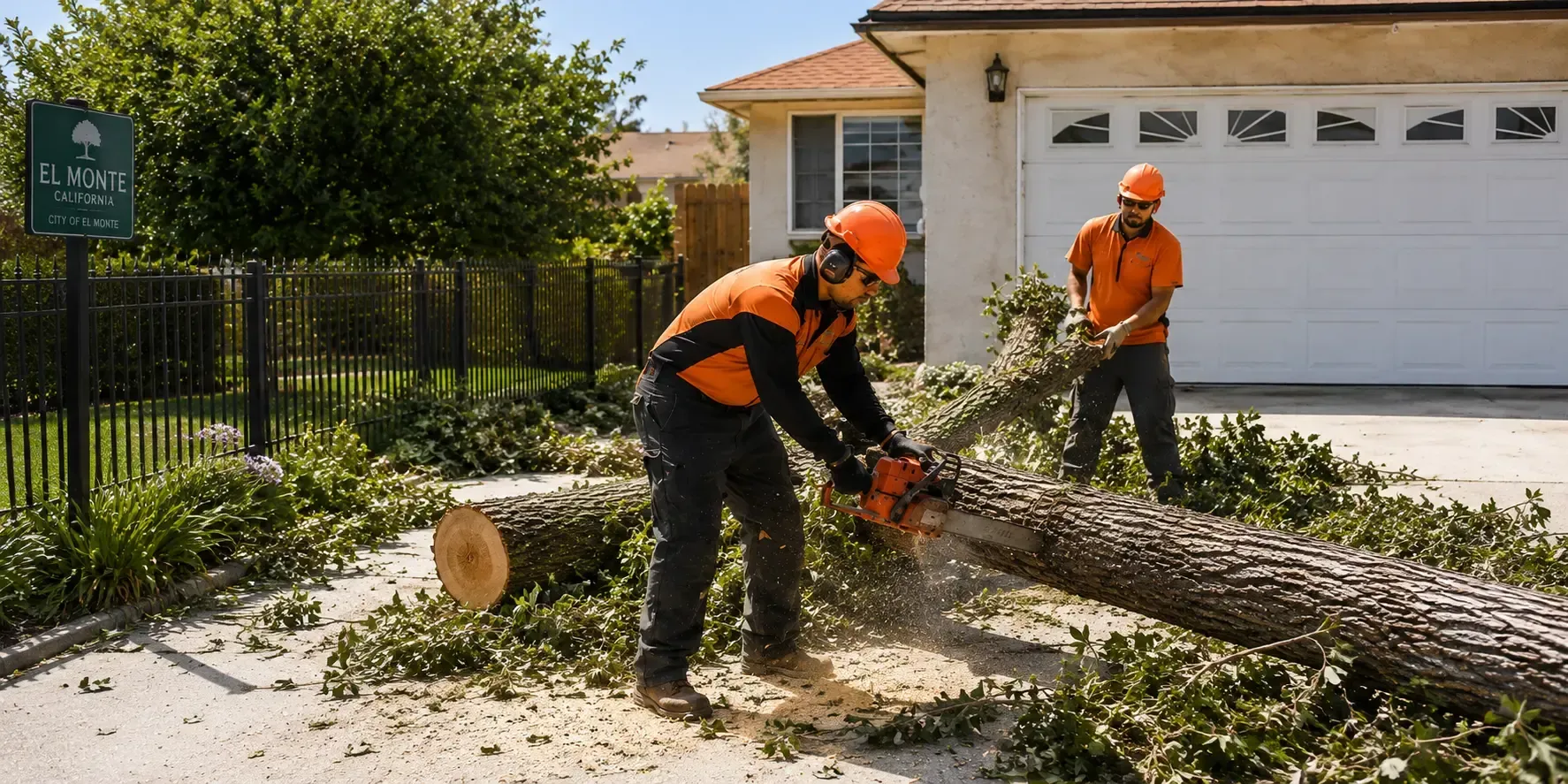
Our highly trained crew uses state-of-the-art equipment and adheres to the strictest industry safety standards to perform the work. Whether it's a complex removal near your home or corrective pruning to save a beloved oak, our focus is on precision and control. After the tree is down, we offer stump grinding services to remove the unsightly stump and surface roots, allowing you to reclaim that space for lawn or landscaping. We pride ourselves on leaving your property cleaner than we found it.
Prevention is Better Than Cure: Keeping Your Trees Healthy
The best way to handle a dead tree is to prevent it from dying in the first place. Proactive care can extend the life of your trees and catch issues when they are small and manageable.
- Proper Watering: Ensure your trees, especially young ones, receive deep, infrequent watering during dry periods to encourage strong root growth.
- Effective Mulching: Apply a 2-4 inch layer of organic mulch around the base of your trees (without touching the trunk) to retain moisture, regulate soil temperature, and suppress weeds.
- Regular Pruning: Have your trees professionally pruned every 3-5 years to remove dead or weak branches, improve structure, and increase airflow, which helps prevent disease.
- Annual Inspections: A yearly walk-through with a certified arborist can identify subtle signs of stress, disease, or pest problems that you might miss. This small investment can save you from the major expense of tree removal down the line. To learn more about our commitment to long-term tree health, visit our About Us page.
Conclusion: Protecting Your Green Investment
Your trees are a living, breathing part of your home's ecosystem and value. Ignoring a dead or dying tree is a risk no homeowner should take. By learning to recognize the warning signs and understanding the importance of professional intervention, you can effectively safeguard your property, your family, and your landscape. Don't wait for a storm to force your hand. Be proactive, be safe, and protect your green investment.
If you have a tree you're concerned about, don't hesitate. Contact El Monte Tree Service today for a professional consultation and peace of mind.
Frequently Asked Questions
How can I tell if a tree is dead in the winter?
In winter, look for signs other than leaves. Check for peeling bark, fungus on the trunk, or deep cracks. You can also perform the 'scratch test': use a pocketknife to scratch a small spot on a young branch. A living tree will be green and moist underneath; a dead tree will be brown and dry.
How much does it cost to remove a dead tree?
The cost varies significantly based on the tree's size, location, and condition. A small tree in an open yard will be much less expensive to remove than a large, decaying tree located between your house and power lines. Always get a written estimate from a qualified and insured tree service.
Is it okay to leave a dead tree standing if it's far from my house?
While the immediate risk to your home is lower, it's generally not a good idea. The tree can still fall and damage fences or other parts of your property. It will also attract pests and diseases that can spread to your healthy trees. Over time, it will continue to decay and become even more unpredictable and hazardous to remove.
What's the difference between a certified arborist and a regular tree cutter?
A certified arborist is a trained professional with in-depth knowledge of tree biology, health, and safety. They are qualified to diagnose diseases, assess structural integrity, and recommend holistic care plans. A 'tree cutter' may only have experience in felling trees, without the deeper scientific understanding of tree care. For the health and safety of your property, always choose a company with certified arborists on staff.