Emergency Tree Removal in El Monte, California: What Homeowners Need to Know
Navigating Emergency Tree Situations in El Monte, California
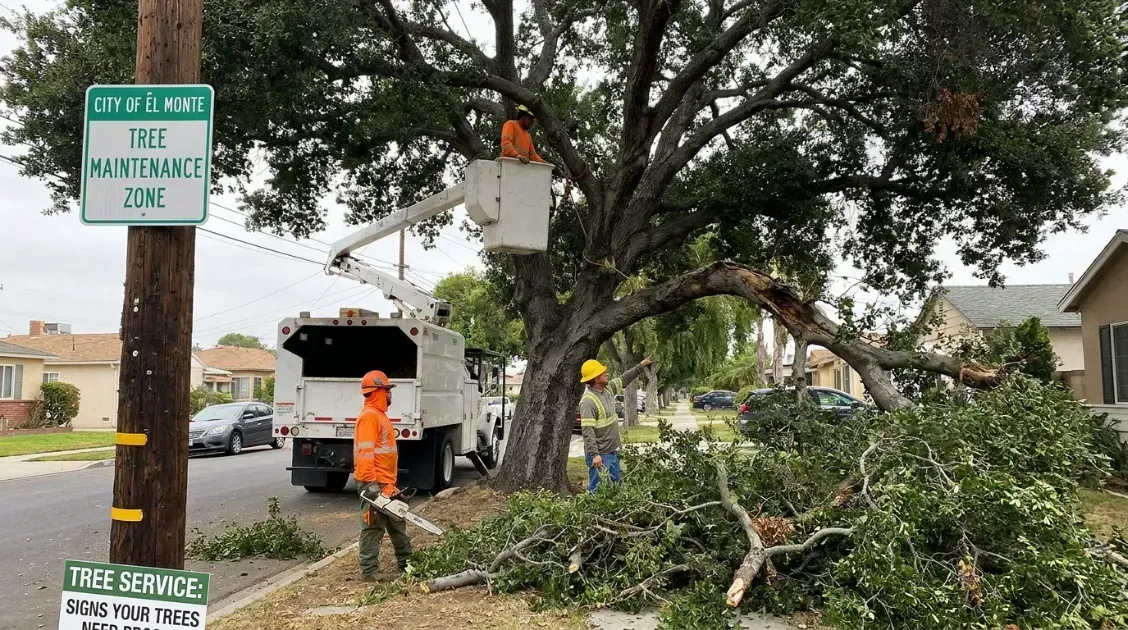
When a massive oak or eucalyptus unexpectedly crashes onto your driveway, roof, or power lines, panic is a natural first reaction. High winds and sudden storm systems in Southern California can turn a seemingly healthy landscape feature into a severe hazard within seconds. Mature landscaping adds immense value to residential neighborhoods, but it carries inherent responsibilities. For property owners in the San Gabriel Valley, knowing how to handle these sudden crises protects both life and property.
El Monte Tree Service provides immediate, professional response teams equipped to secure your property safely. Time matters greatly when heavy timber threatens your home, as delaying action can lead to massive secondary damage if a roof is pierced.
Identifying the Need for Emergency Tree Removal Services
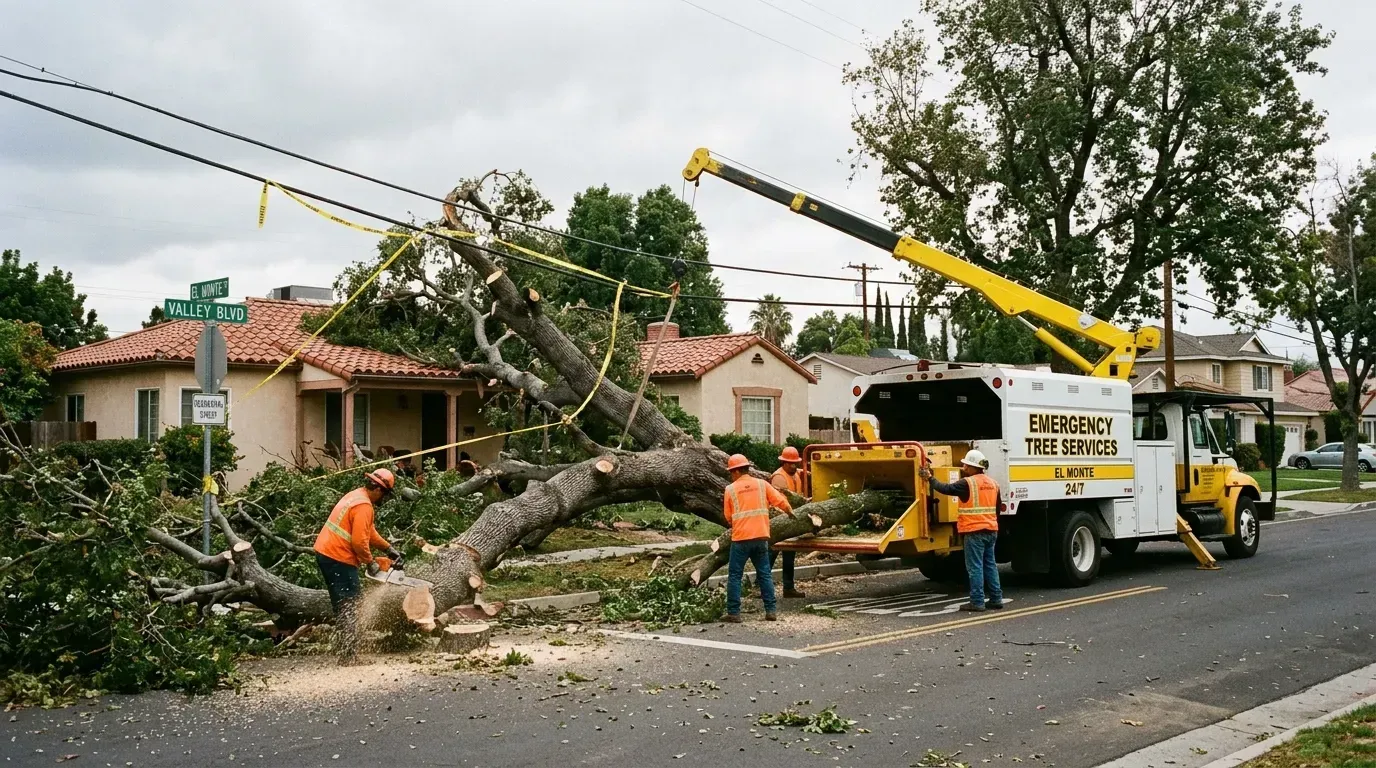
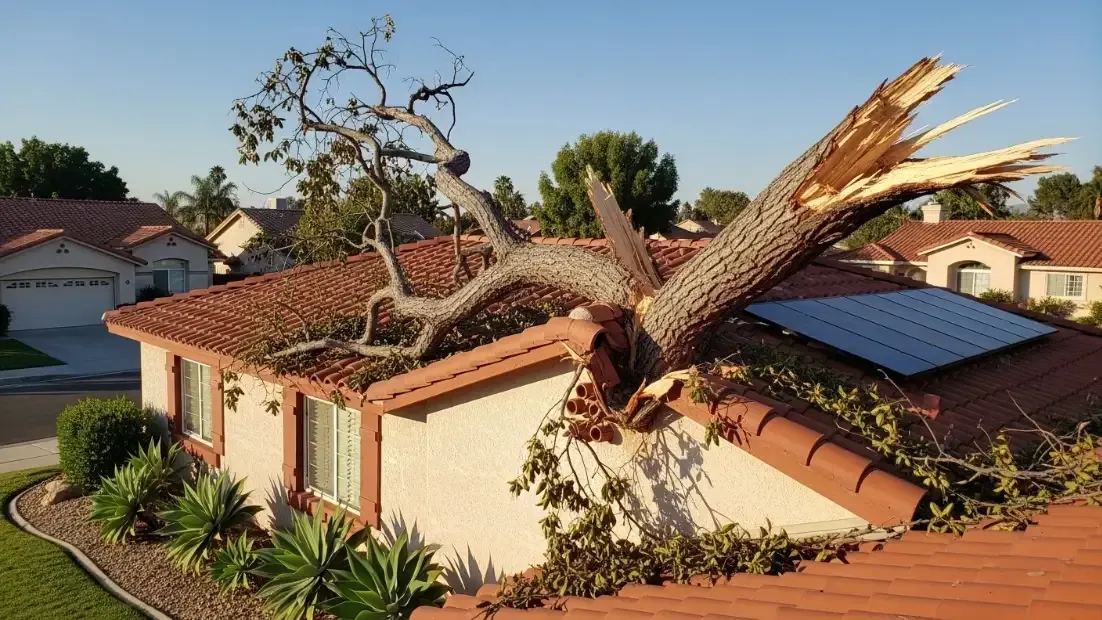
Not every fallen branch constitutes a crisis. However, certain situations require immediate, professional intervention. You need reliable tree removal services the moment a trunk compromises the structural integrity of your house or garage. If roots uproot entirely and the canopy rests against power lines, this becomes a severe hazard requiring specialized utility coordination alongside trained arborists.
Another urgent scenario involves obstructed access points. If a heavy limb blocks your main driveway or a public roadway in El Monte, emergency clearance is necessary to allow vehicles and first responders to pass safely. At El Monte Tree Service, our rapid response teams prioritize these high-risk scenarios. Furthermore, root system failures present a unique challenge. Attempting to navigate around a tree leaning at a forty-five degree angle is a gamble you should never take. We dispatch specialized equipment to safely dismantle and haul away dangerous vegetation before the situation deteriorates further.
Common Causes of Sudden Tree Failures in El Monte
Understanding why trees fail helps property owners anticipate problems before a trunk splits. Southern California weather patterns play a massive role in landscape damage. The notorious Santa Ana winds funnel through the San Gabriel Valley with enough force to snap weakened branches or uproot shallow root systems. Saturated soil from rare but intense winter rainstorms also reduces root friction, causing towering pines and ficus trees to topple without warning.
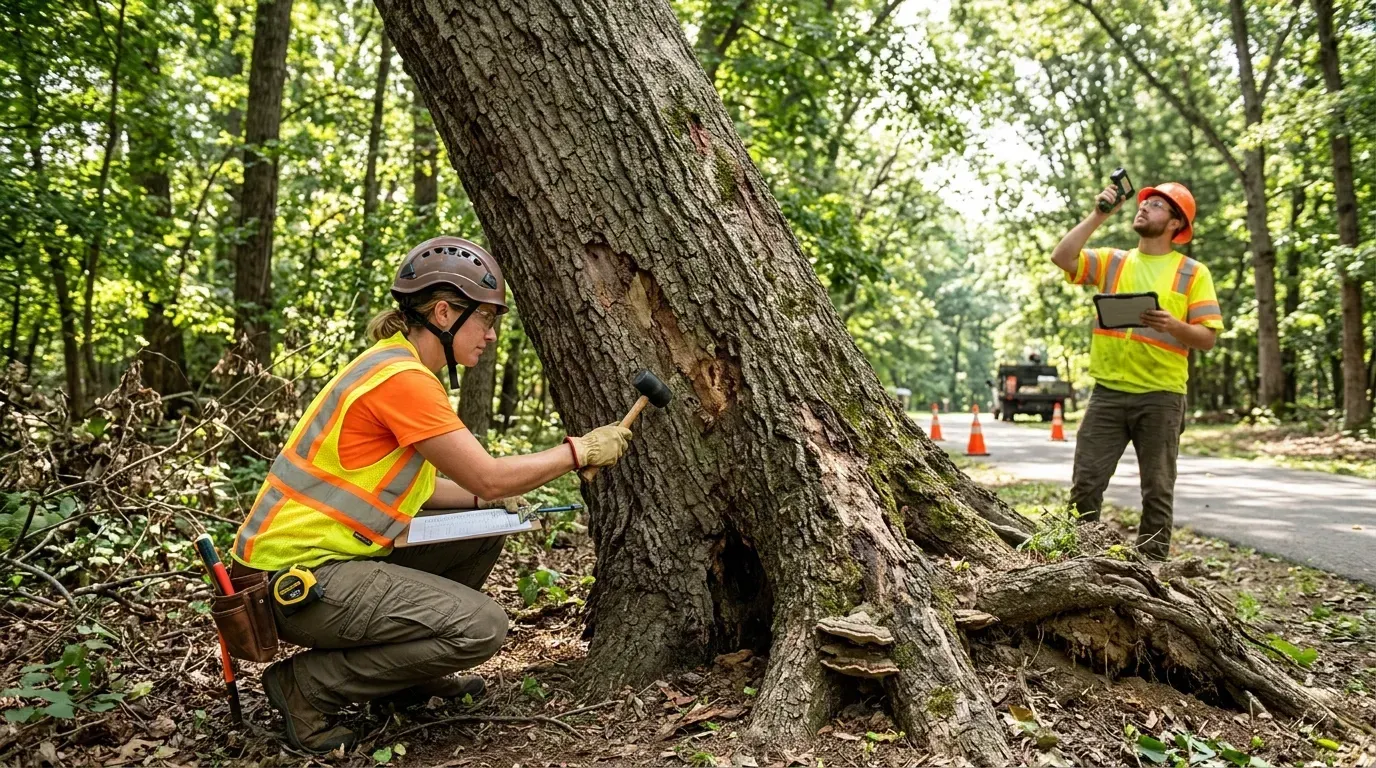
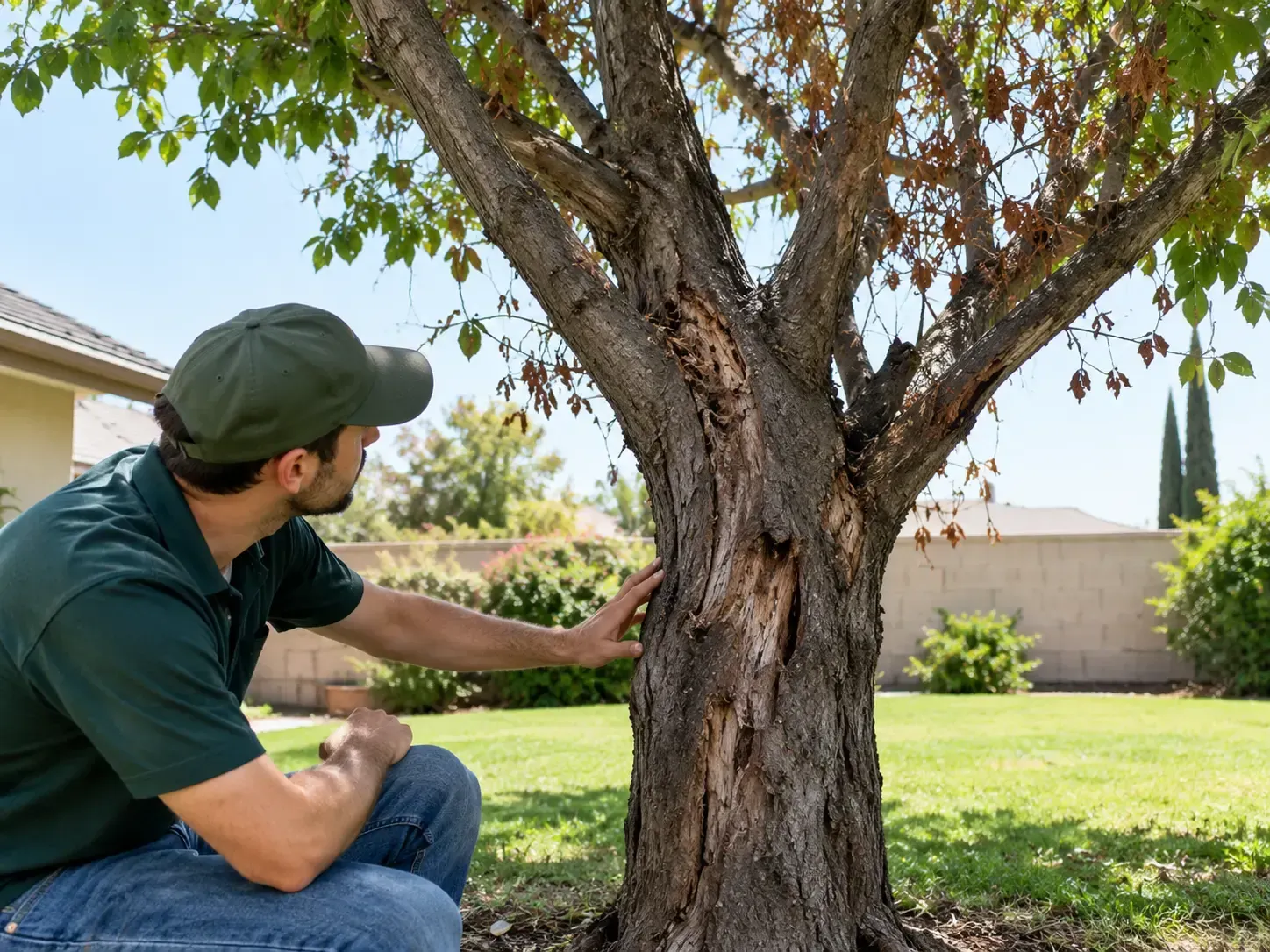
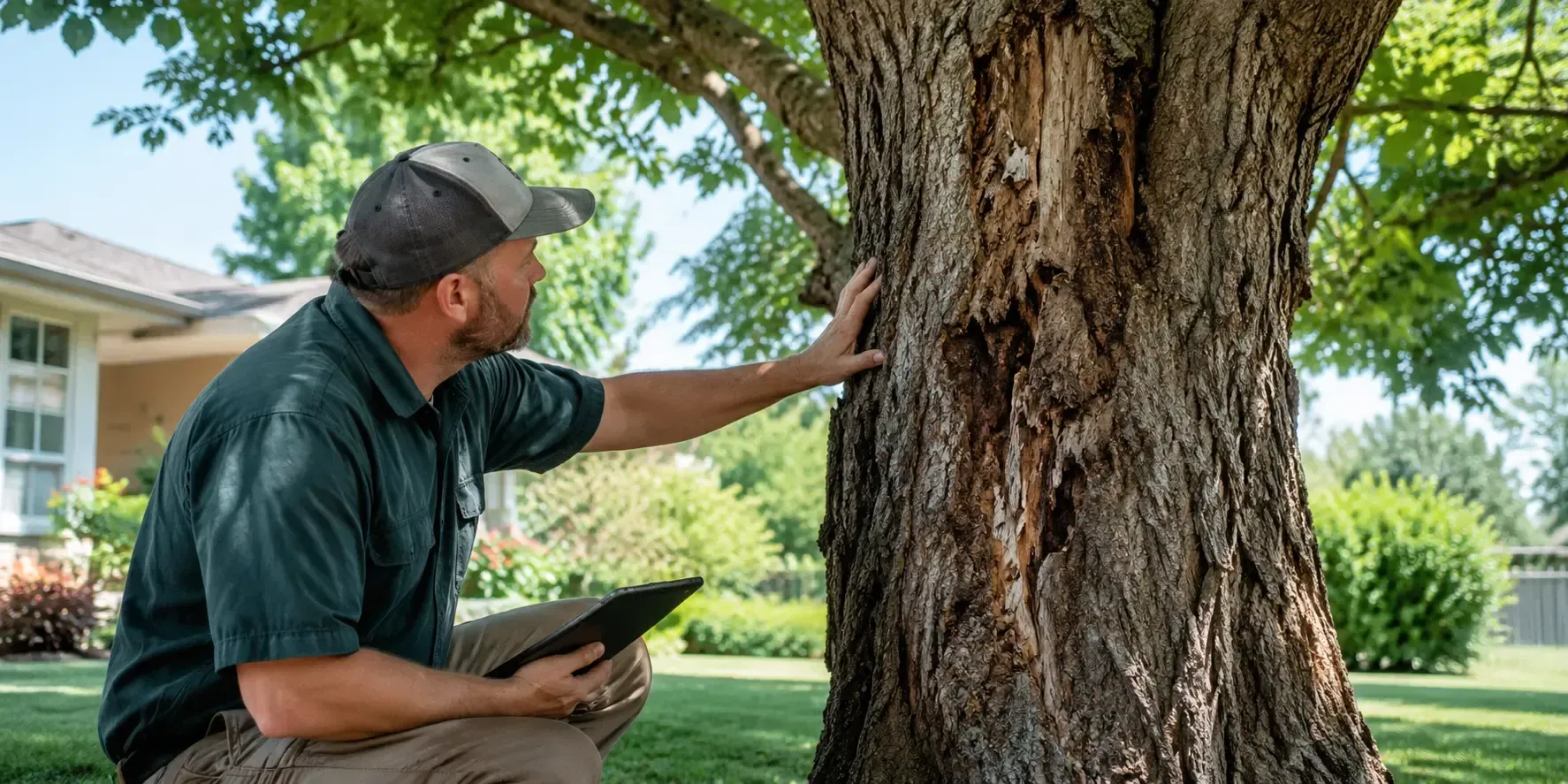
Beyond weather, internal decay significantly weakens structural integrity. Fungal infections, pest infestations, and root rot often hollow out the core of a trunk. El Monte residents frequently battle pest issues like borers that silently eat away at hardwood. To the untrained eye, the canopy might still look green, but the foundation is severely compromised. This is why regular inspections are critical. As we discussed in our guide on seasonal tree trimming in El Monte, California, proactive maintenance allows certified arborists to identify hidden decay early.
Assessing the Risks: Standard vs. Emergency Situations
Property owners often wonder about the distinction between scheduling routine work and calling for a midnight dispatch. The difference primarily lies in immediate risk, environmental hazards, and equipment requirements. The data below outlines the key differences between standard maintenance and urgent response protocols.
| Situation Type | Threat Level | Required Response Time | Equipment Needs |
|---|---|---|---|
| Routine Pruning | Low | 1 to 3 weeks | Hand saws, pole pruners, standard chipper |
| Dead Tree Removal | Moderate | 2 to 5 days | Chainsaws, standard bucket truck, haul trailer |
| Fallen Tree on Driveway | High | 2 to 12 hours | Heavy-duty chainsaws, skid steer, large chipper |
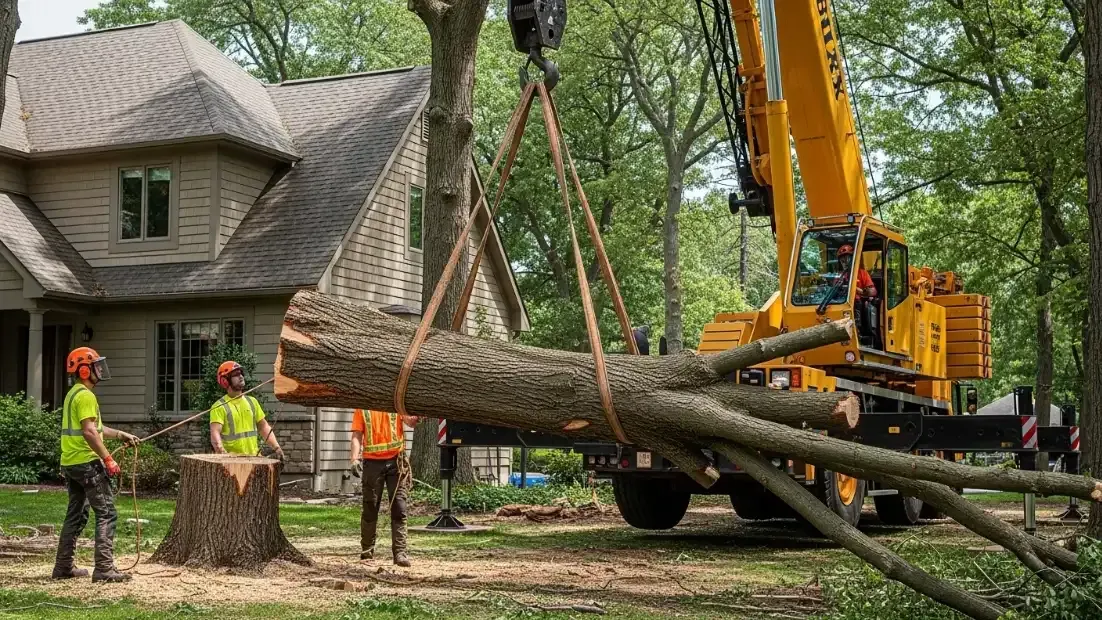
| Tree on Roof or Power Line | Severe | Immediate (ASAP) | Crane, specialized rigging, utility coordination |
This breakdown highlights why you should never attempt a cleanup when dealing with a high or severe threat level. The tension trapped in a fallen trunk can release suddenly, causing serious injury to anyone lacking proper training and rigging gear.
Immediate Steps to Take When Disaster Strikes
If a tree falls on your property in El Monte, safety must dictate your first few actions.
- Keep all family members and pets indoors and far away from the impact zone.
- If the canopy has tangled with local power lines, call the utility company immediately and treat every wire as if it is live. Never walk near a downed line.
- Document the damage from a safe distance using your smartphone. Your insurance provider will need clear photographs to process your claim efficiently.
- If a branch shatters a window, do not approach the area to deploy a tarp unless you are absolutely certain no overhead hazards remain.
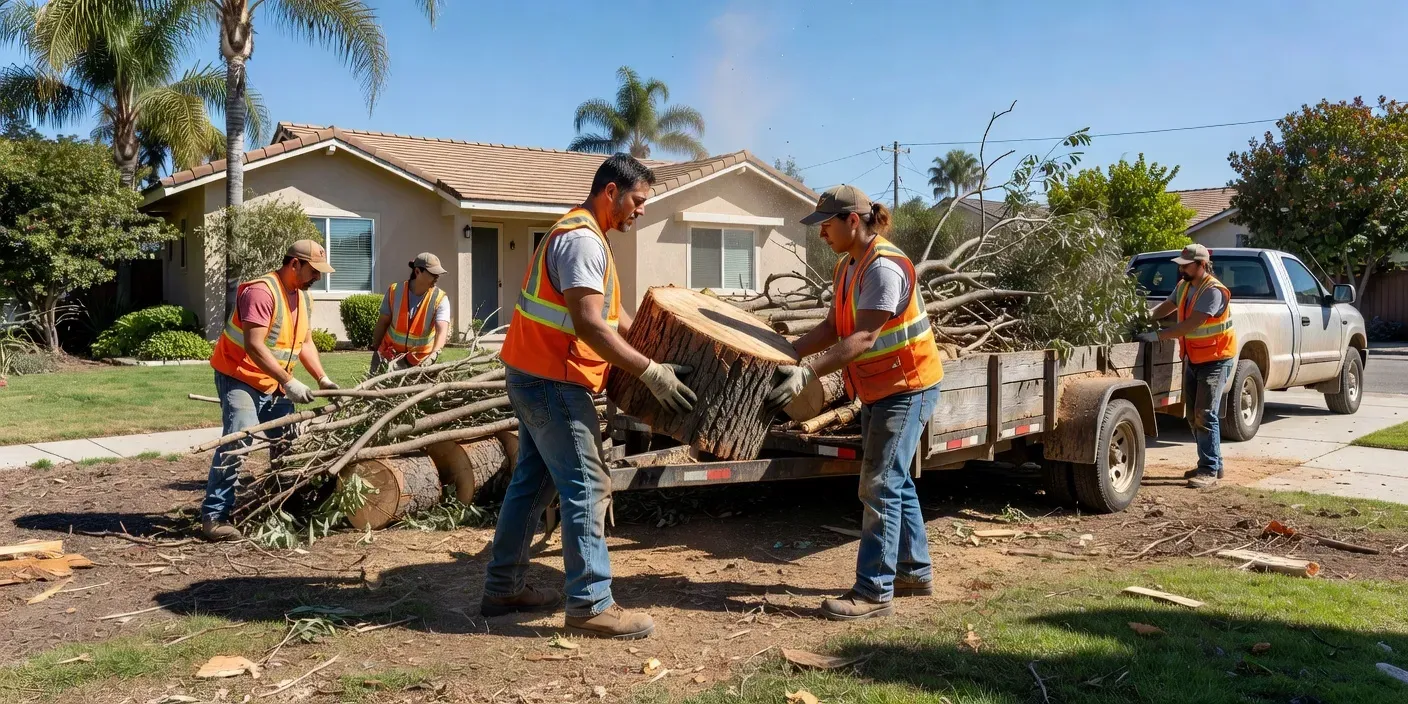
Once everyone is safe, reach out to professionals who handle urgent dispatch. You can contact us to mobilize a crew. We handle the hazard assessment, structural stabilization, and the complete removal of the debris so you can begin the repair process.
Preventative Care and Professional Maintenance
The safest way to handle a crisis is to prevent it entirely. While we cannot control the Santa Ana winds, we can fortify your landscape against them. Routine canopy thinning reduces wind resistance, allowing heavy gusts to pass right through the branches rather than pushing against them.
Proper weight distribution also prevents heavy limbs from snapping under their own mass. Scheduling regular tree trimming ensures your greenery remains balanced and structurally sound throughout the year. To learn more about our commitment to urban forest management and keeping the community safe, visit our about us page. Our certified arborists will walk your property, identify hazardous leans, and address vulnerabilities long before storm season arrives.
Frequently Asked Questions
Does homeowners insurance cover the cost of removing a fallen tree?
In most cases, standard homeowners insurance policies cover the removal costs if the tree causes damage to a covered structure, such as your house or a detached garage. If the tree falls perfectly into an empty yard without hitting anything, insurance might not cover the cleanup. You should always review your specific policy details with your provider to understand your exact coverage limits.
How quickly can an emergency crew arrive at my property in El Monte?
Response times vary based on the severity of the storm and local road conditions. However, high-risk situations involving structural damage or blocked public access receive top priority. We strive to have an assessment team on-site as rapidly as possible to secure the perimeter and begin the stabilization process safely.
Can I cut the branches myself to clear a path?
We strongly advise against cutting branches on a fallen or leaning tree. Fallen timber stores massive amounts of kinetic energy and tension. Cutting the wrong limb can cause the entire trunk to roll, snap back, or drop suddenly. Always wait for qualified arborists who understand compression and tension wood mechanics to handle the dismantling process.