Expert Ivy Removal and Tree Removal Services in West Covina, CA: Protecting Your Property and Grounds Year-Round
Ivy looks romantic. Until it rips off your gutters.
Many property owners in West Covina and El Monte admire the lush, green vines creeping up their mature oaks and brick facades. Big mistake. That picturesque vine is actually a slow-moving parasite. English and Algerian ivy dominate Southern California yards, aggressively competing with native flora for water, sunlight, and soil nutrients. Left unchecked, these invasive climbers add thousands of pounds of sheer weight to tree canopies. Branches snap. Trunks rot. Eventually, the entire structure collapses.
Stop ignoring the vines.
When an infested tree finally succumbs to rot or weight stress, you aren't just dealing with a weekend gardening chore. You are staring down a massive financial liability. Falling timber destroys roofs, crushes vehicles, and takes down power lines in a fraction of a second. If the damage is already severe, hiring a professional tree removal service is the only logical solution to protect your home.
The Ivy Illusion: A Silent Killer in Your Yard
People think ivy acts as a protective ground cover. The reality is far more destructive. Ivy roots secrete a sticky, acidic substance that eats into bark, stucco, and wood siding. As the vines climb higher, their dense foliage blocks vital sunlight from the host tree’s leaves. The tree starves.
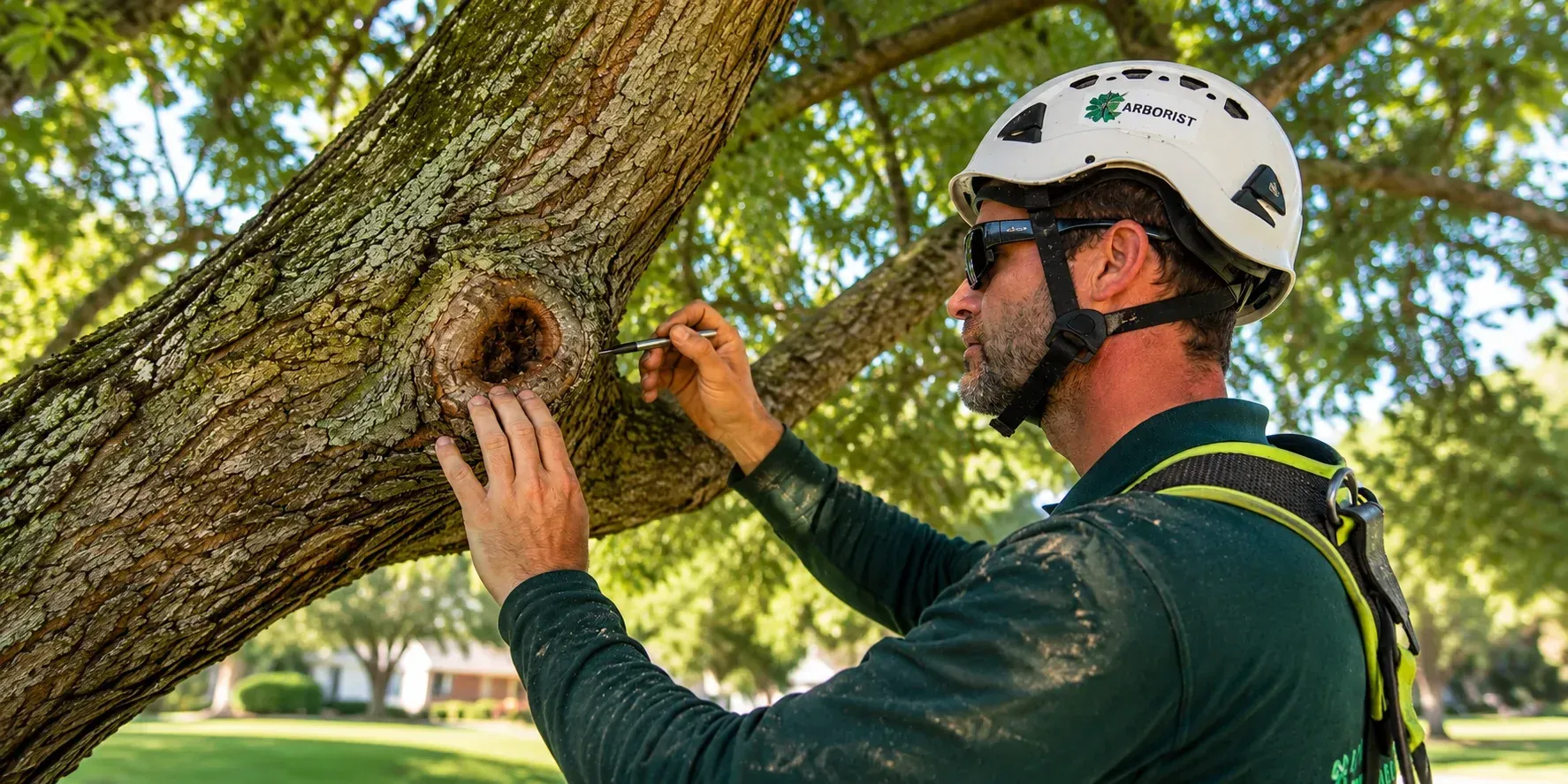
According to the California Invasive Plant Council, invasive ivy species harbor pests, trap moisture against tree trunks, and accelerate fungal decay. This creates a hidden hollow inside what looks like a healthy trunk. You won't notice the rot until a strong gust of wind blows through the San Gabriel Valley.
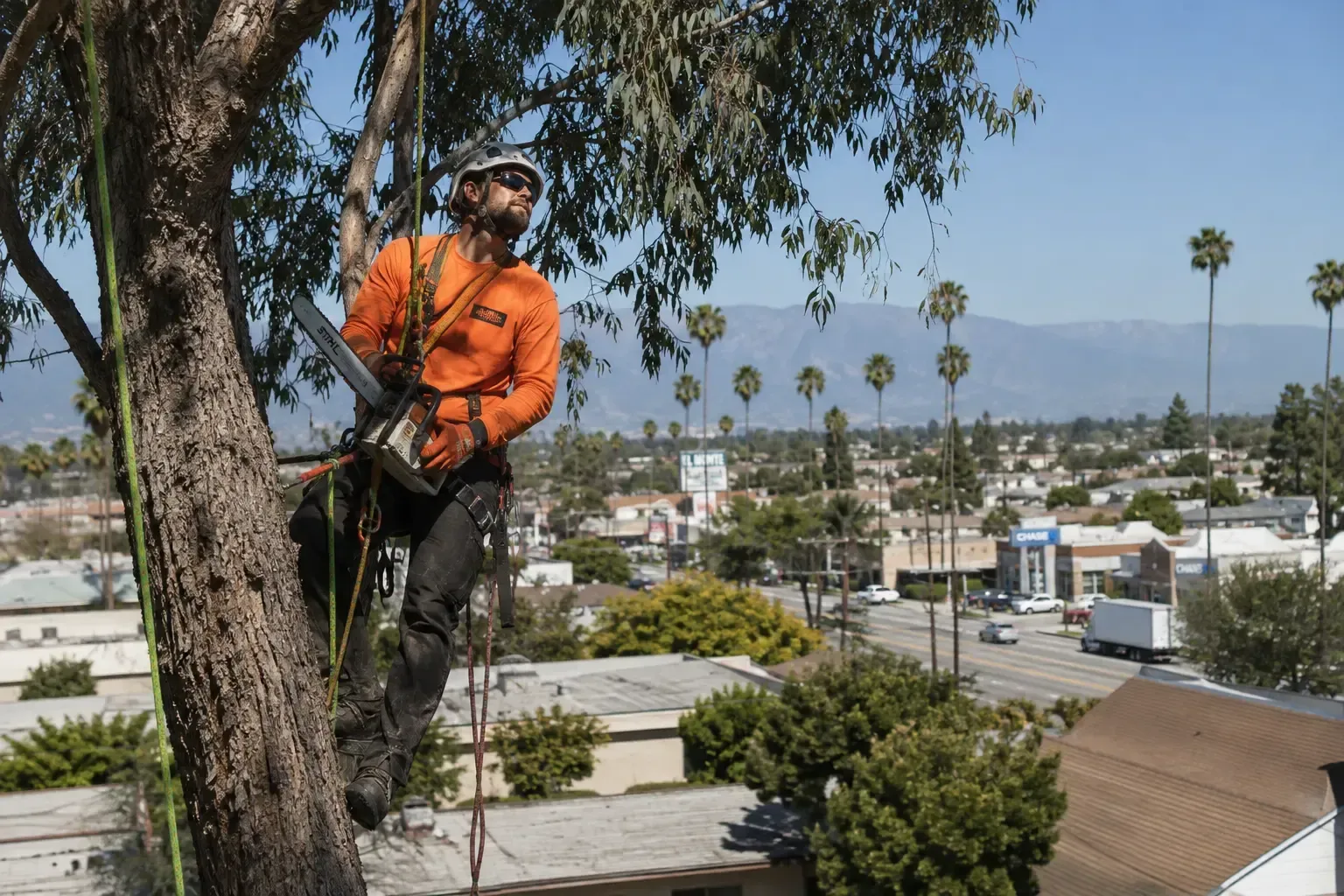
During our notorious Santa Ana wind events, compromised trees become deadly projectiles. The heavy "sail effect" created by thick ivy foliage catches the wind, drastically increasing the likelihood of uprooting. Stripping ivy off a towering oak requires specialized rigging and deep horticultural knowledge. Pulling the vines off incorrectly will rip the bark right off the tree, exposing it to further disease. It requires surgical precision.
Recognizing the Tipping Point: When to Call a Tree Removal Service
Not every tree can be saved. Sometimes, the infestation has simply gone too far.
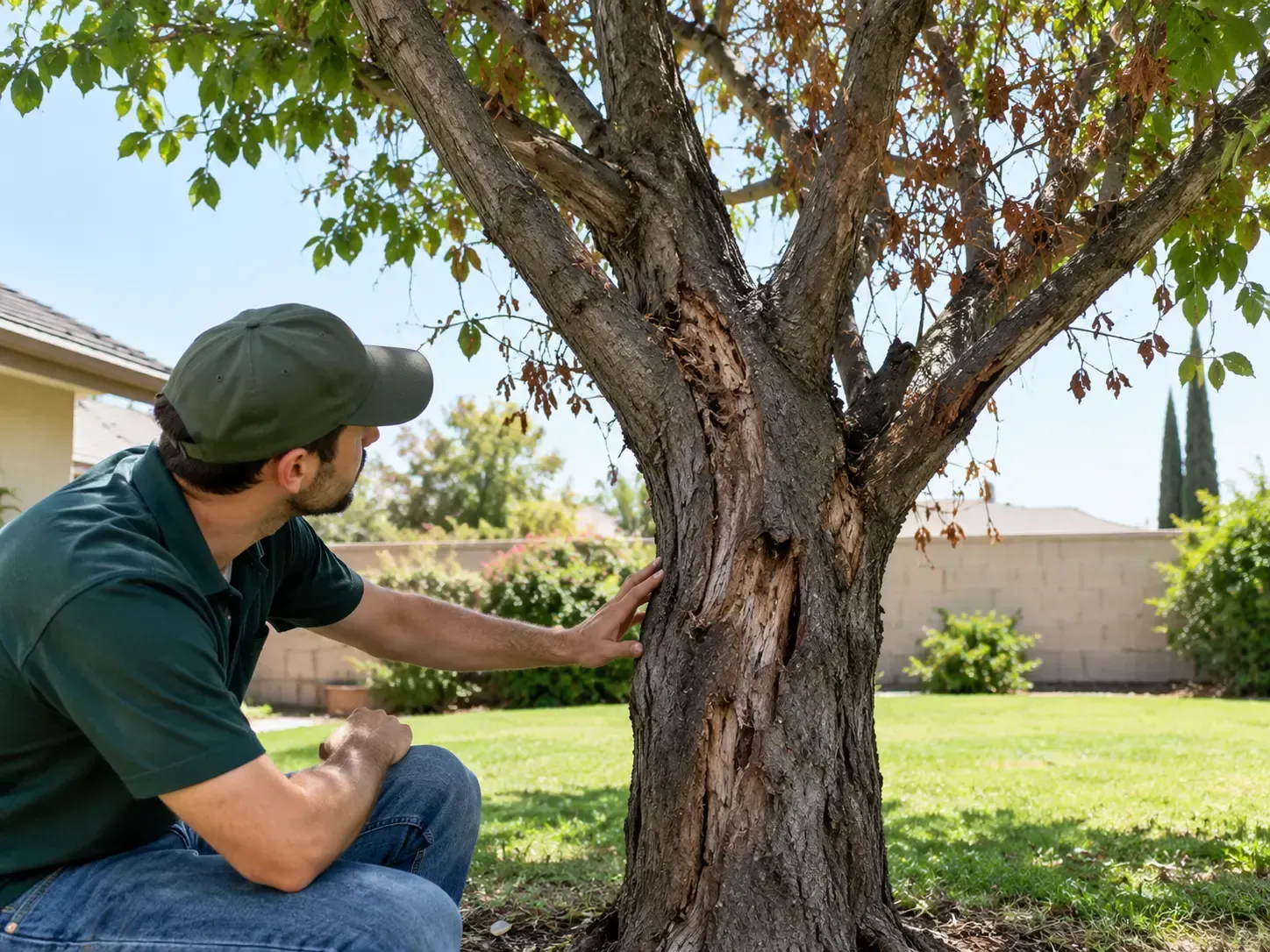
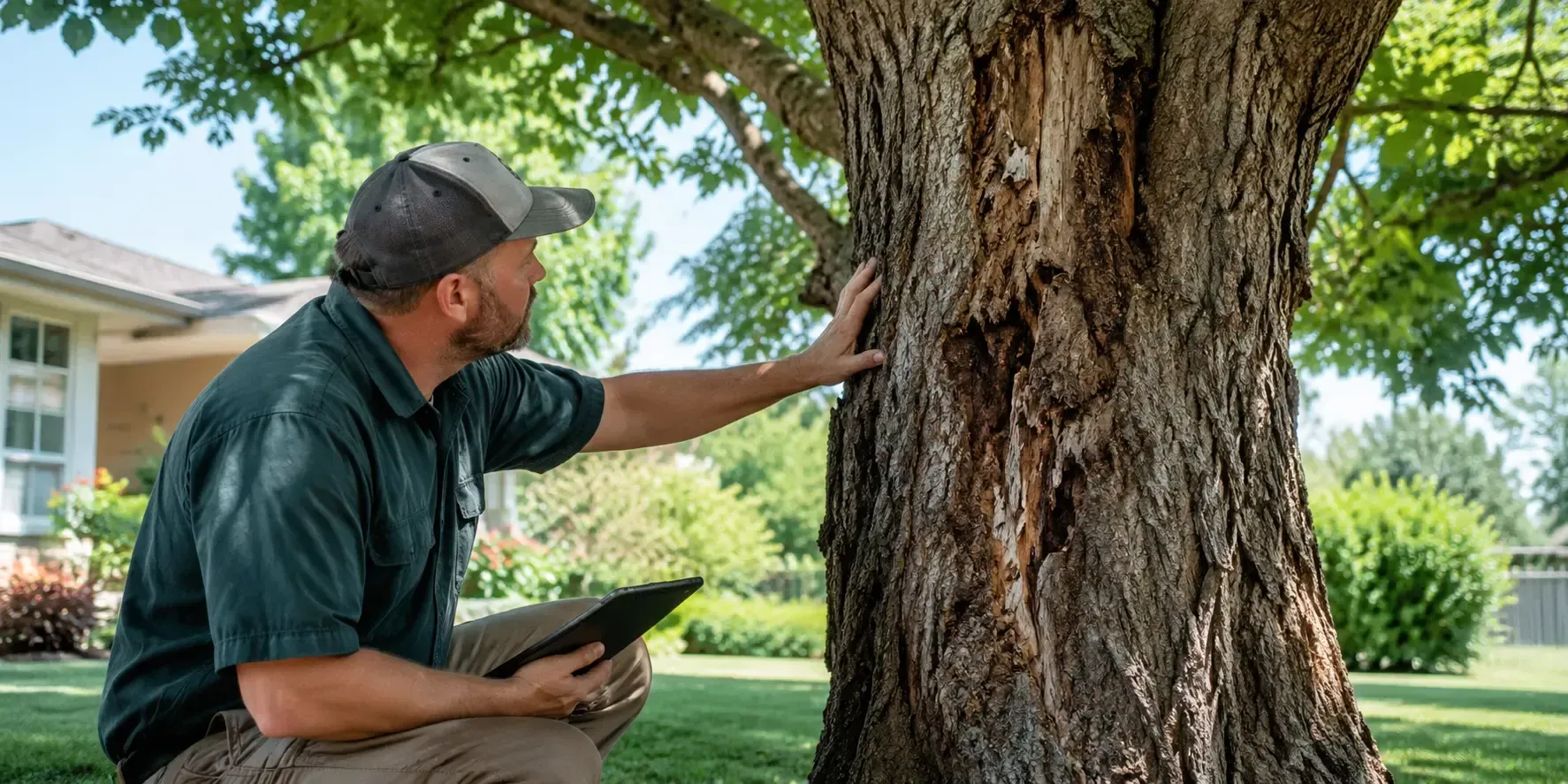
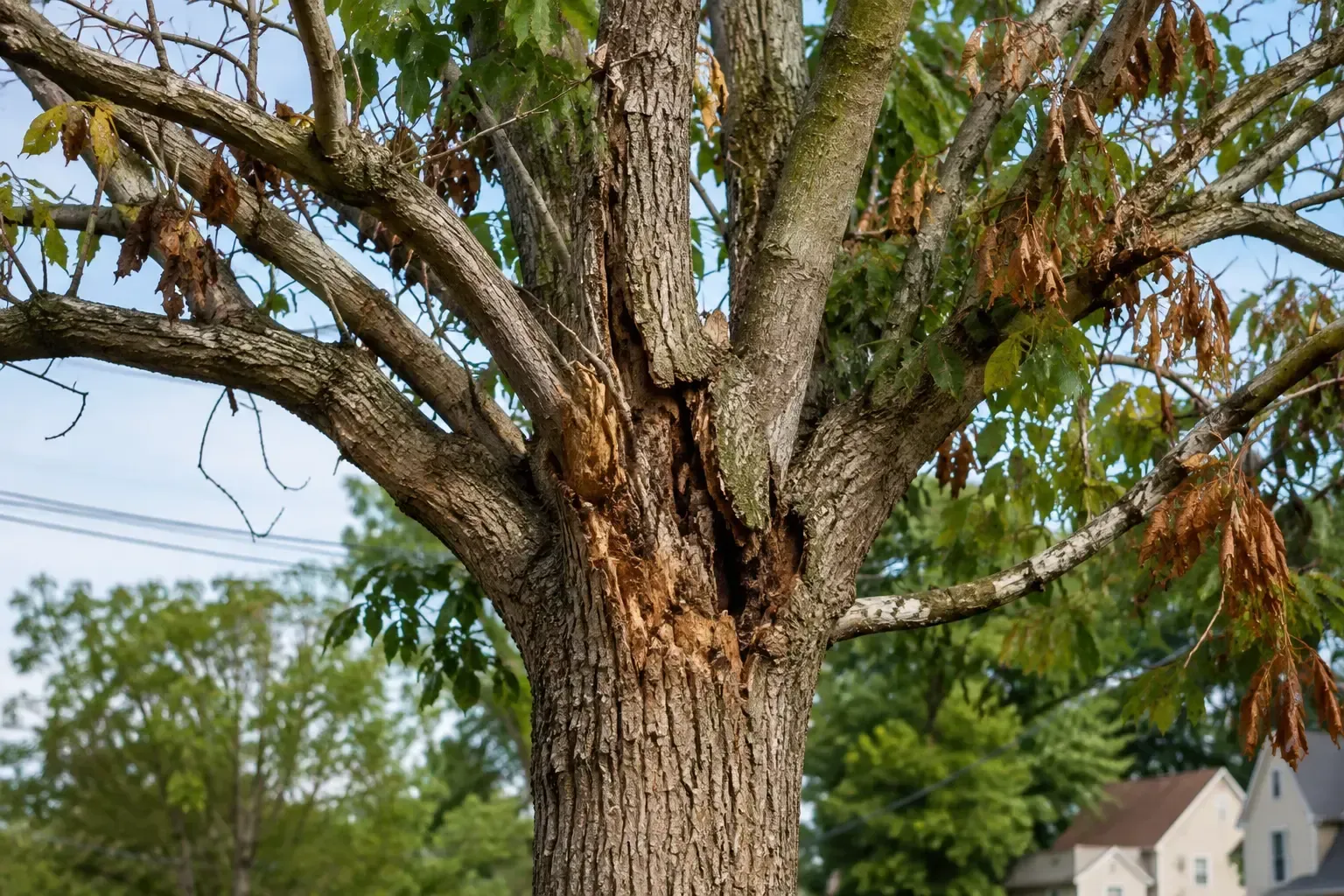
Deciding to cut down a mature tree is tough. However, keeping a dead hazard standing on your property is negligent. How do you know it is time to call in the experts? Look for the warning signs. Deep cracks in the main trunk are a massive red flag. Mushroom growth around the base indicates advanced root rot. Dead, leafless branches at the upper canopy mean the vascular system is already failing.
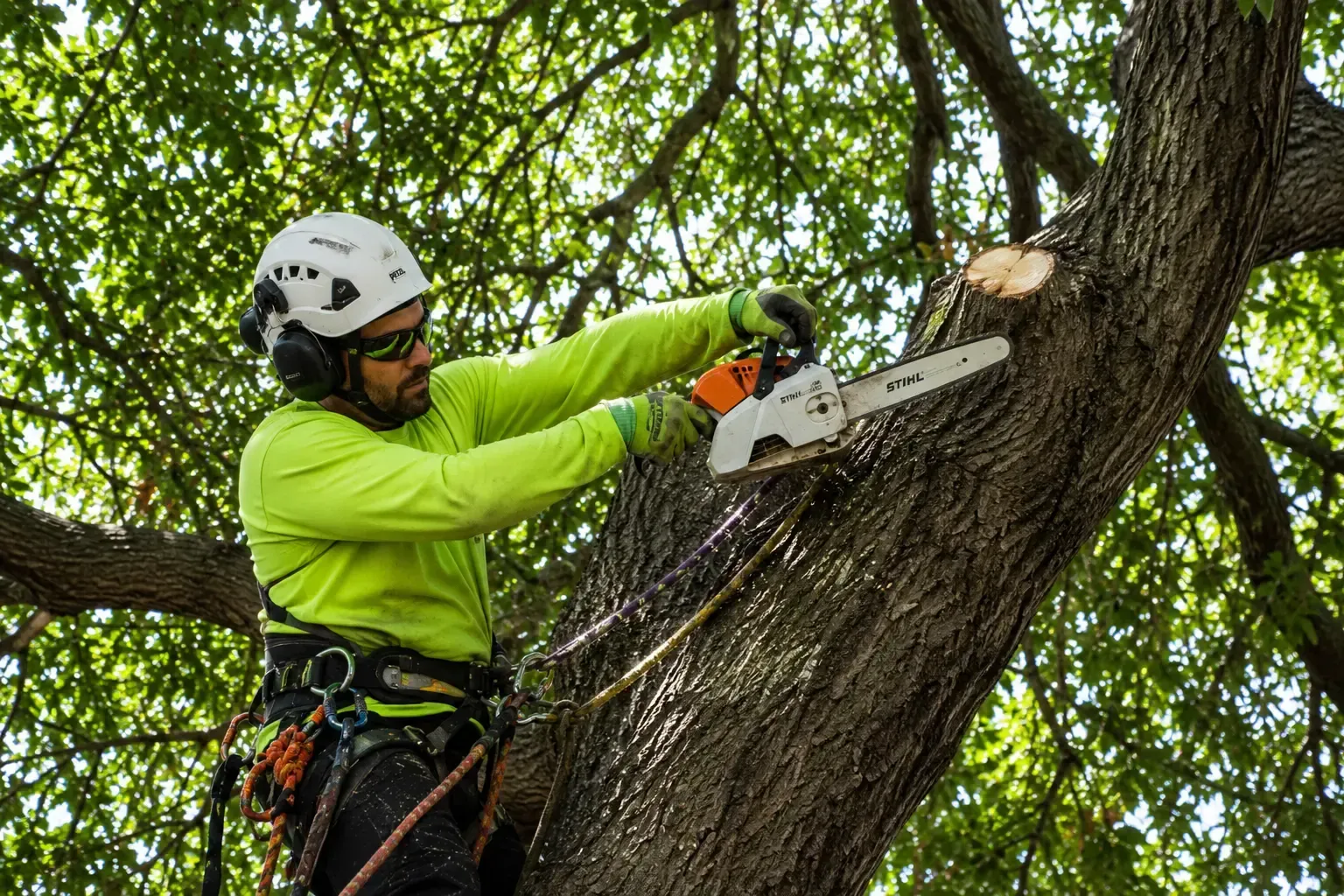
The International Society of Arboriculture (ISA) warns that DIY removal of hazardous trees is one of the most dangerous tasks a homeowner can attempt. Gravity is unforgiving. Chainsaw kickbacks, unpredictable fall trajectories, and hidden power lines turn amateur logging attempts into fatal accidents.
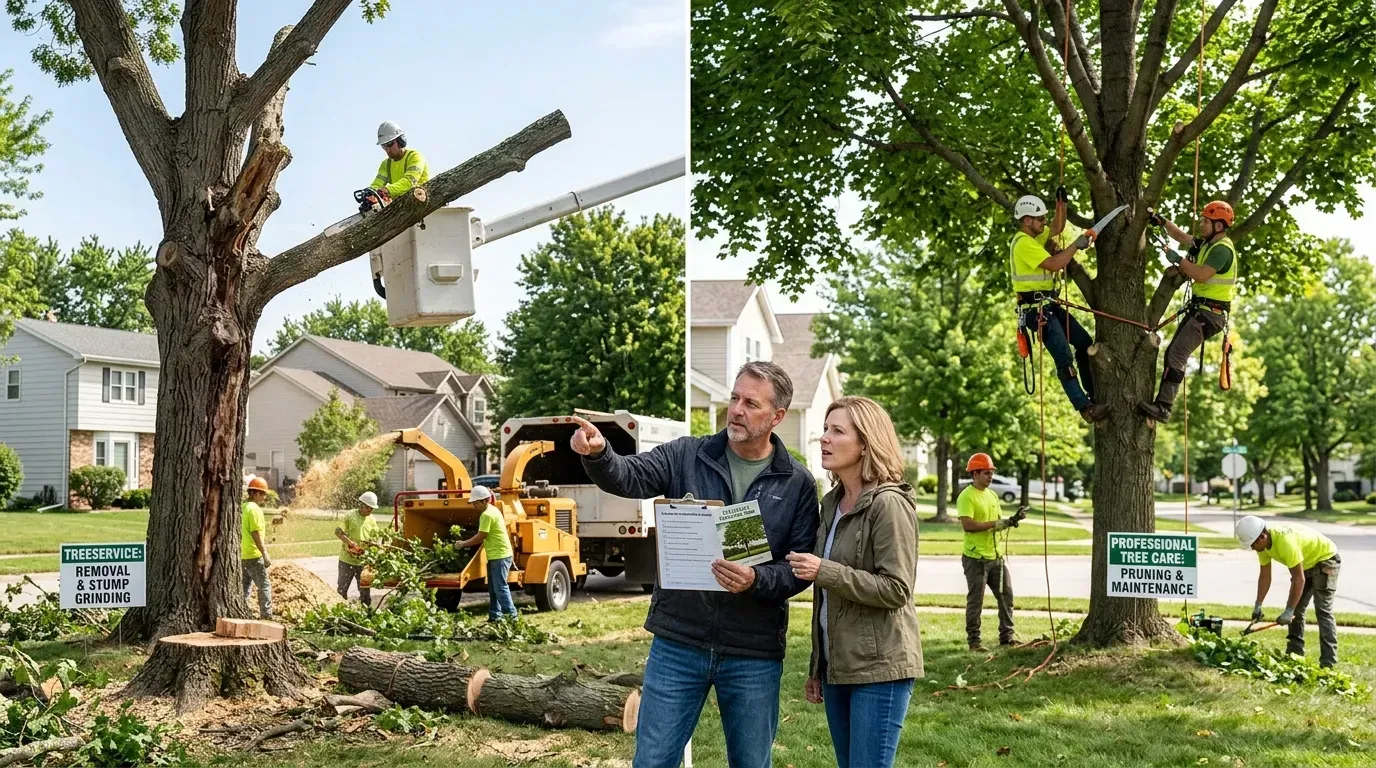
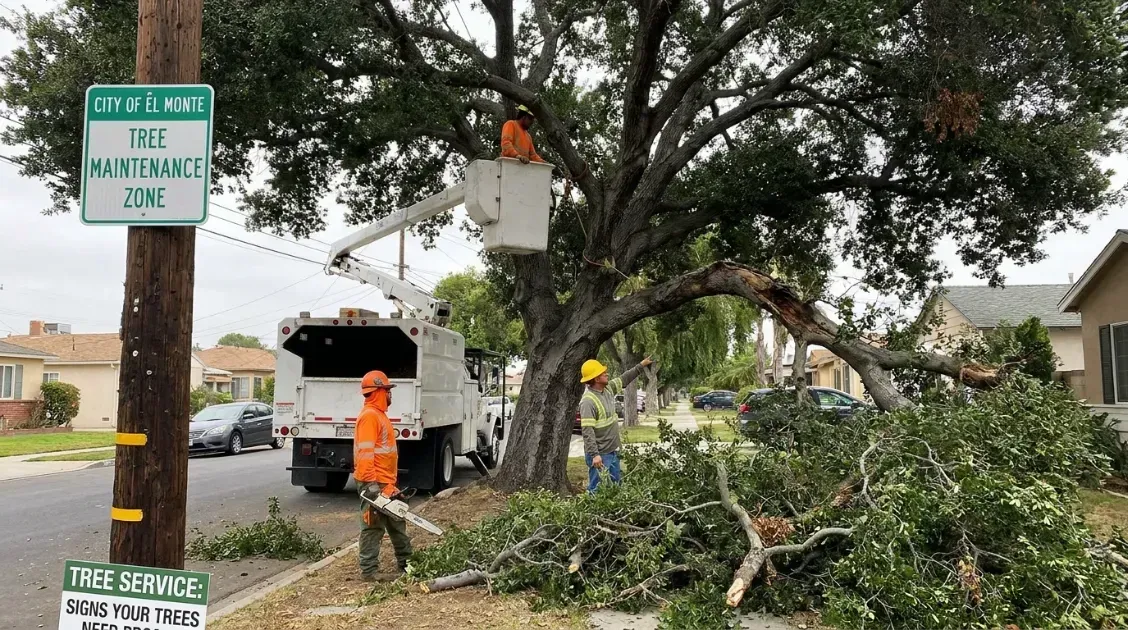
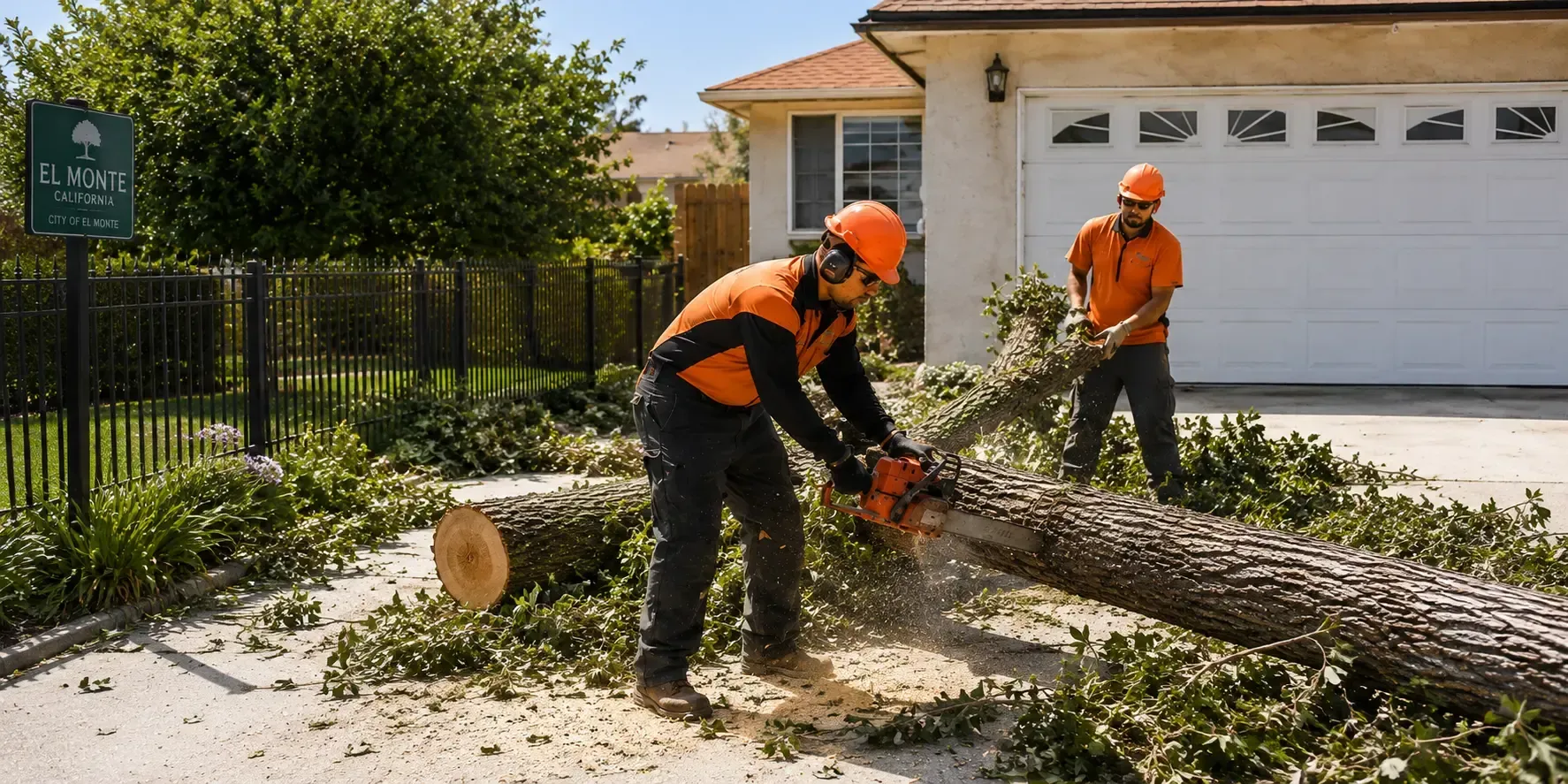
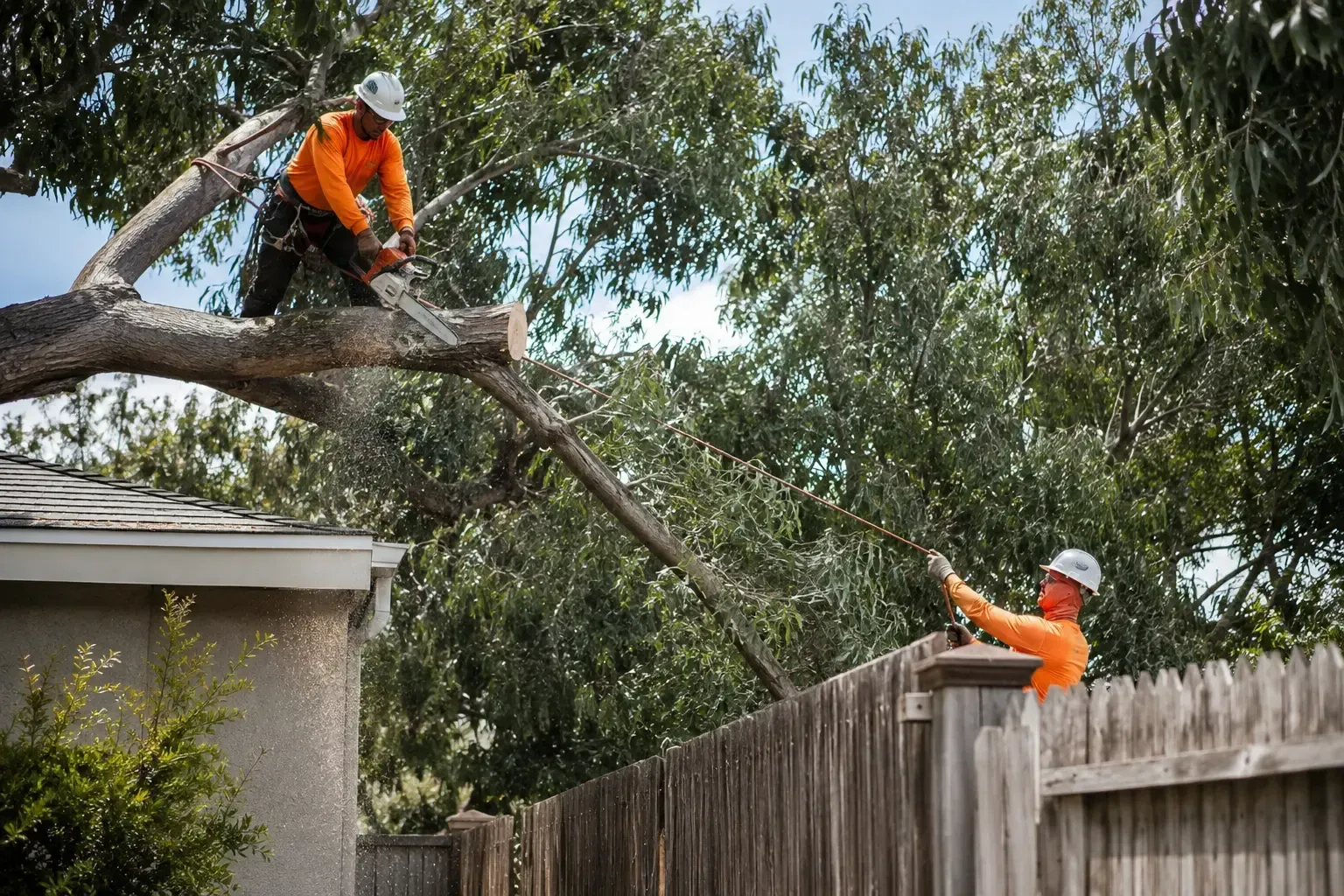
A top-tier tree removal service doesn't just hack away at wood. They engineer the dismantling. They calculate weight distribution, set up complex rope rigging, and lower massive logs to the ground with zero impact to the surrounding property.
Defensible Space: A Southern California Necessity
West Covina borders rugged, fire-prone terrain. Property maintenance here is about more than curb appeal. It is about survival.
Overgrown vines and dead trees are highly combustible fuel sources. The California Department of Forestry and Fire Protection (Cal Fire) legally mandates the creation of defensible space around structures. Dead or dying trees choked by dried-out ivy act as fire ladders, carrying ground flames directly into the upper canopy and, subsequently, onto your roof.
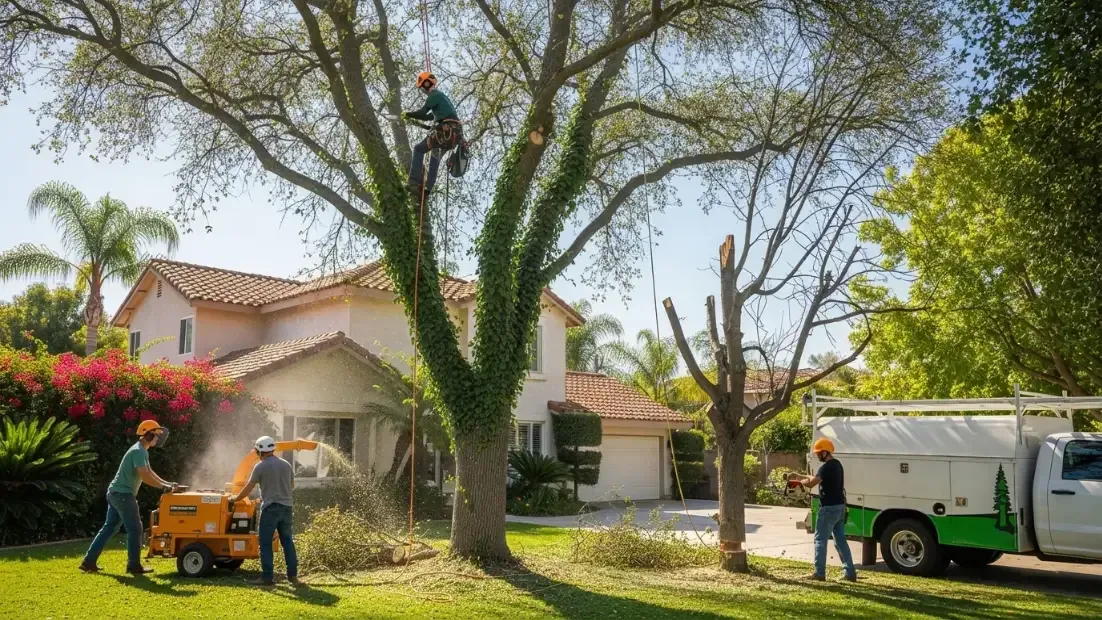
Clearing this hazard requires heavy machinery and seasoned crews. El Monte Tree Service handles these high-stakes removals daily. We strip away the fuel ladders, fell the dead timber safely, and grind the stumps below grade. Your yard becomes safer, cleaner, and fully compliant with local fire codes.
Why El Monte Tree Service Owns the San Gabriel Valley
You have options when you search for arborists in Los Angeles County. Most are guys with a truck and a chainsaw. We are different.
El Monte Tree Service operates as the definitive industry leader for West Covina and the surrounding valley. We understand the specific soil profiles, microclimates, and local regulations governing tree care in this exact region. We don't guess. We execute.
Our crews arrive with commercial-grade chippers, bucket trucks, and stump grinders. We handle the permitting process for protected native species. We clean up the debris so thoroughly you won't even find a woodchip left on your driveway. Whether you need delicate ivy eradication to save a century-old oak or emergency extraction of a fallen pine at 2:00 AM, our response is rapid and ruthless in its efficiency. We protect your property investment year-round, period.
Frequently Asked Questions
How much does a tree removal service cost in West Covina?
Costs vary based on tree height, location, and complexity. Removing a small, easily accessible tree might cost $400, while a massive, hazardous oak requiring cranes and rigging can exceed $2,500. We provide exact, transparent estimates onsite before any work begins.
Can ivy actually kill a healthy, mature tree?
Yes. Ivy competes for water and nutrients at the root level. As it climbs, it blocks sunlight from the tree’s leaves, inhibiting photosynthesis. The dense vines also trap moisture against the bark, breeding rot and fungal diseases that ultimately destroy the tree.
Do I need a city permit to remove a tree on my property?
In West Covina and El Monte, permits are often required for removing specific heritage trees, native oaks, or parkway trees. El Monte Tree Service handles all municipal permit acquisitions and ensures your removal is completely compliant with local ordinances.
Is stump grinding included when you cut down a tree?
Stump grinding is generally offered as an essential add-on service. Leaving a stump attracts termites and creates a tripping hazard. We use heavy-duty grinders to obliterate the stump up to 12 inches below the soil line, allowing you to plant grass or hardscape immediately.