Why Does My Tree Look Uneven After Pruning?
Key Takeaways and Insights
Seeing an uneven or lopsided tree after a fresh pruning session can be alarming, but it is often a sign of proper, corrective arboriculture. Arborists prioritize structural integrity, hazard removal, and disease management over immediate visual symmetry. By trusting certified professionals and allowing your trees time to heal during the El Monte growing season, your landscape will recover its natural beauty and enjoy a longer, healthier lifespan.
* Uneven shapes often result from removing dangerous structural flaws, diseased wood, or branches threatening power lines.
* Professional pruning methods focus on tree health and safety, never removing more than twenty-five percent of the canopy at once.
* Recovery takes time. Depending on the species, expect your tree to fill out its canopy over one to three growing seasons.
Why Does My Tree Look Uneven After Pruning?
You walk into your yard after a long day. You look up at your newly pruned tree. The canopy looks lopsided. The branches seem sparse on one side. This uneven shape might cause you to worry. A strange shape is actually quite common after a fresh cut. You might wonder if the arborist made a mistake. Let us explain what happens when a tree receives a major trim.
Pruning is a surgical procedure for your plants. It changes the way a tree balances its weight. It alters how it absorbs sunlight. A perfectly symmetrical tree is rare in nature. Corrective cuts often make a tree look awkward at first. This is a normal part of the healing process. We will explore the exact reasons behind this temporary unevenness.
The Biology Behind Pruning Responses
Trees grow in response to their environment. They reach for available sunlight. They build stronger wood to resist local wind patterns. When branches are removed, the tree must adapt. The sudden loss of foliage causes a biological reaction. The plant redirects energy to its remaining limbs.
Removing heavy limbs changes the center of gravity. A tree might look unbalanced to the human eye. However, the root system still supports the entire structure securely. The tree focuses on closing the pruning wounds. It sends sap and nutrients to the cut areas. This rapid response helps prevent decay. It also prepares the tree to sprout new leaves in the coming months.
Common Reasons for an Asymmetrical Shape
Your tree might look strange right now. There are several legitimate reasons for this appearance. Certified arborists cut trees with specific goals in mind. Aesthetics take a back seat to plant health and safety.
Correcting Structural Flaws
Many trees develop bad habits as they grow. Two main branches might compete to be the central leader. This creates a weak "V" shape in the trunk. This weak union can split during heavy winds. An arborist will often remove one of these competing leaders.
Removing a massive structural branch leaves a noticeable gap. The tree will look flat or bare on one side. This is an unavoidable consequence of fixing a dangerous structural flaw. The alternative is a total trunk failure later on. A missing branch is always better than a split trunk.
Disease and Pest Removal
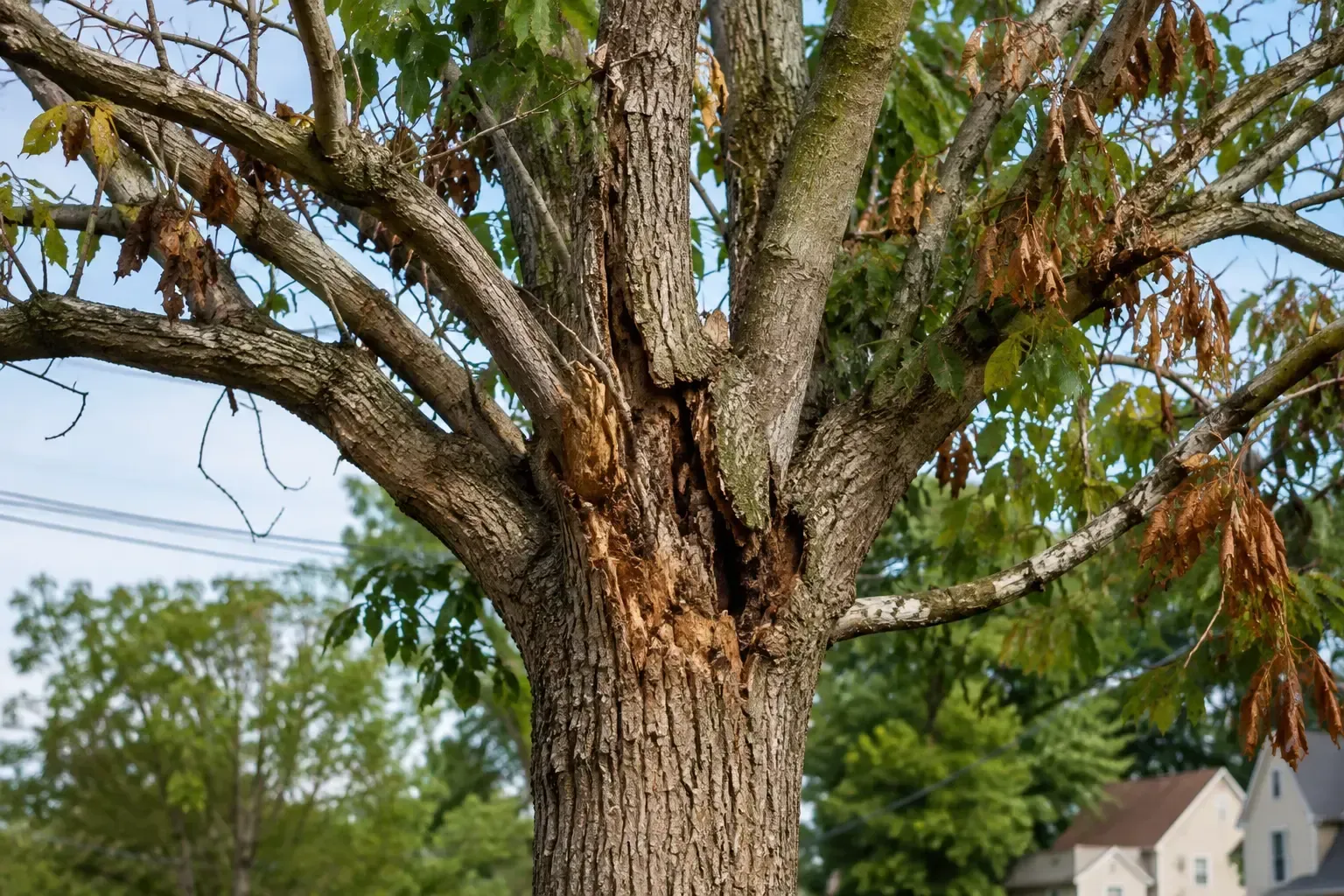
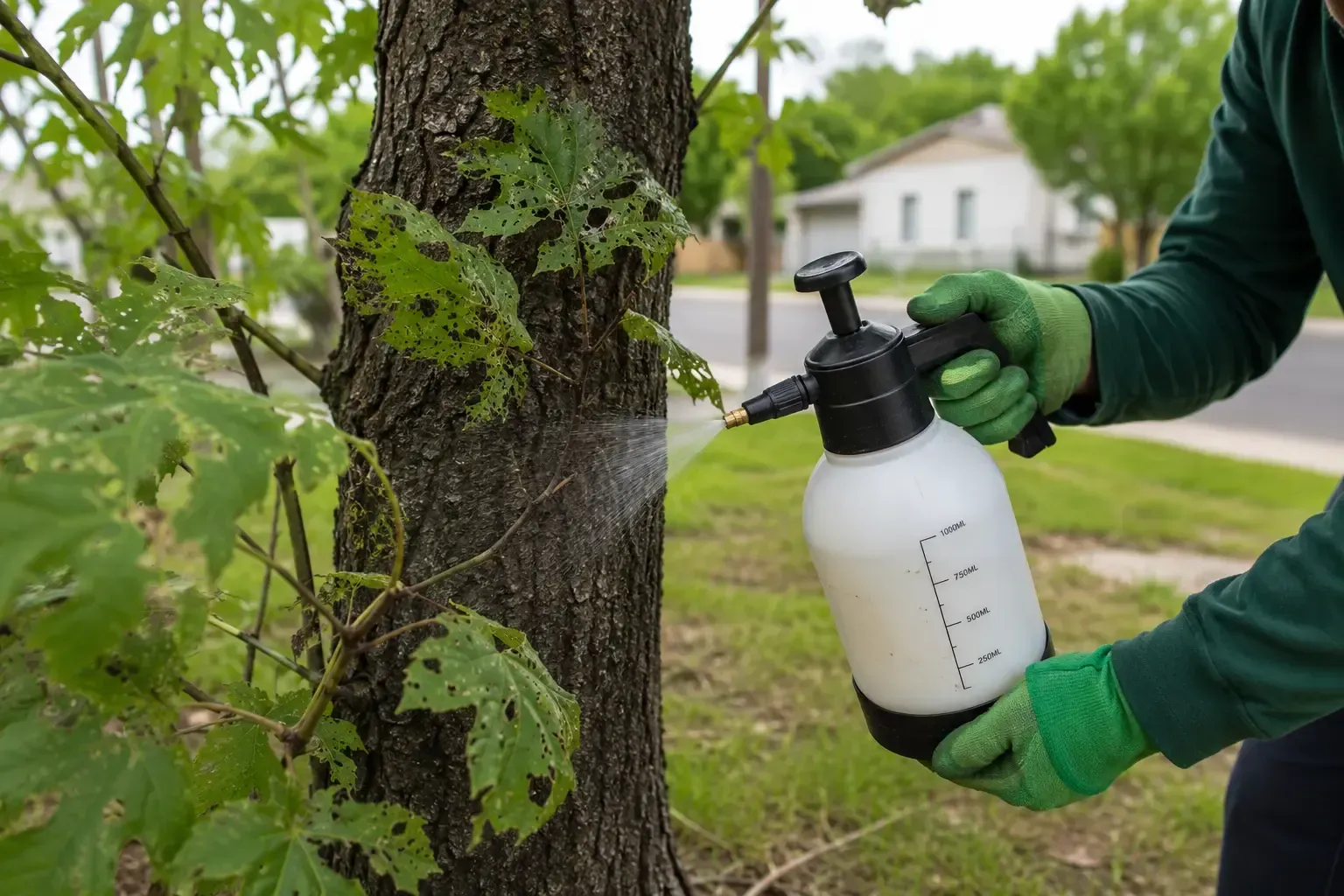
Fungal infections spread quickly through crowded canopies. Wood-boring insects target specific branches. If a section of your tree is infected, it must go. Arborists will amputate diseased limbs to save the whole plant.
This selective removal ignores visual symmetry. The priority is establishing a clean margin around the infection. The resulting shape will reflect where the disease was located. If pests attacked the left side of the canopy, the left side will look empty. This dramatic intervention extends the lifespan of your landscape.
Clearing Hazards and Power Lines
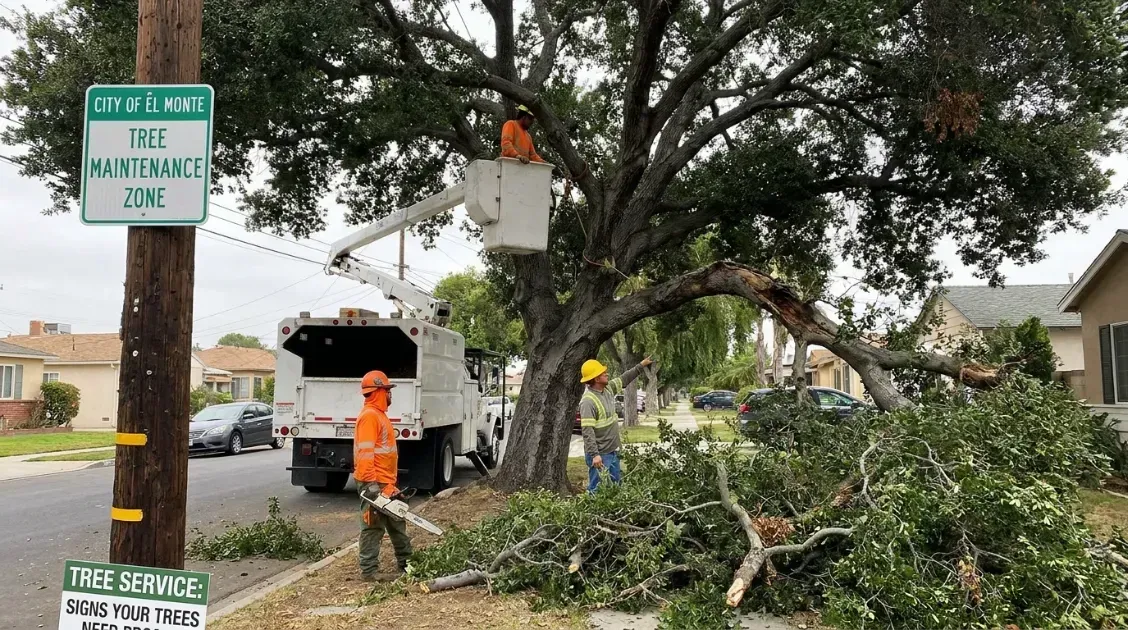
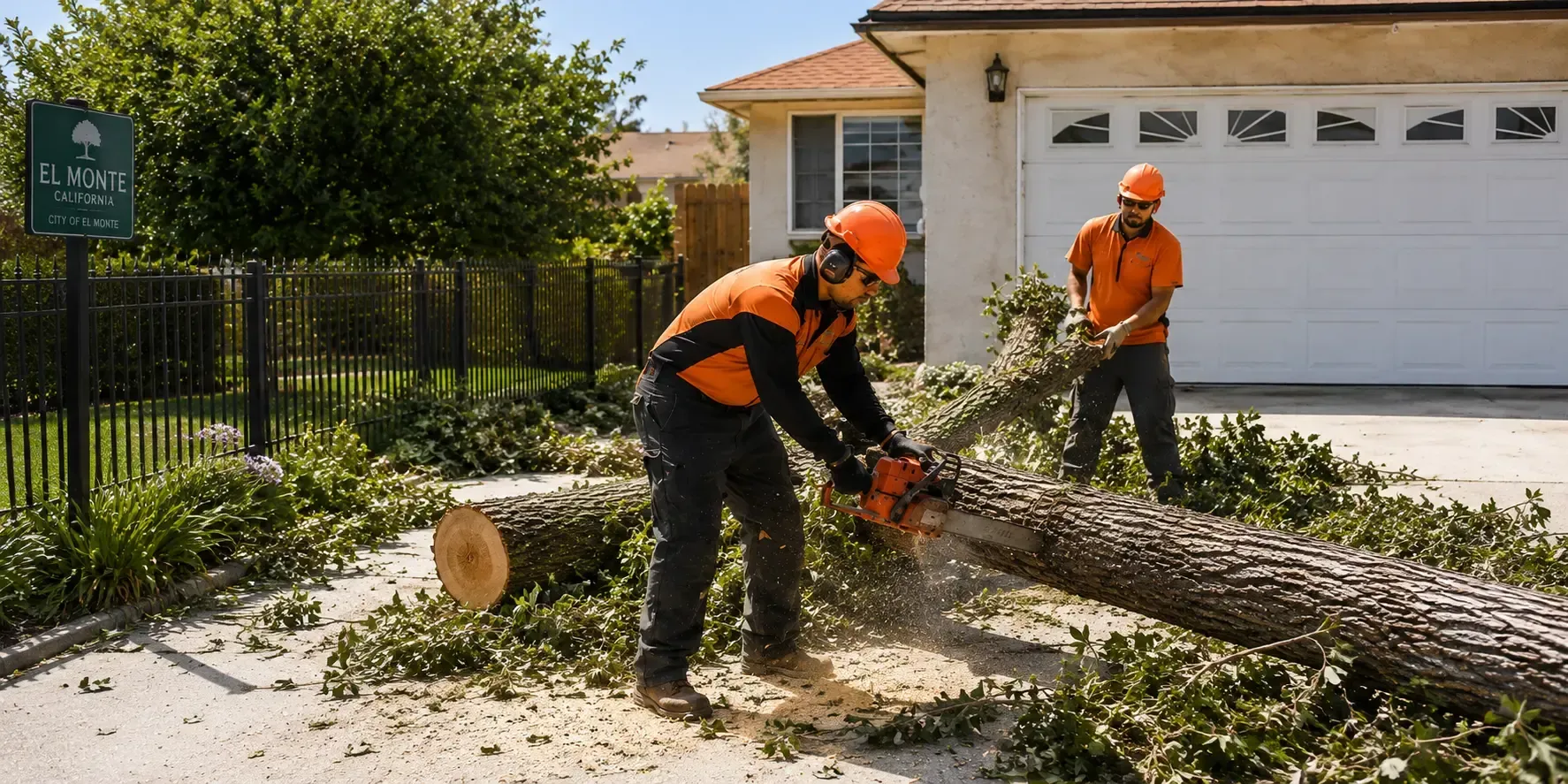
Safety is a primary concern for property owners in El Monte. Tree branches frequently grow too close to utility lines. They rub against roof shingles. They block streetlights and traffic signs. Utility companies require strict clearance distances around power lines.
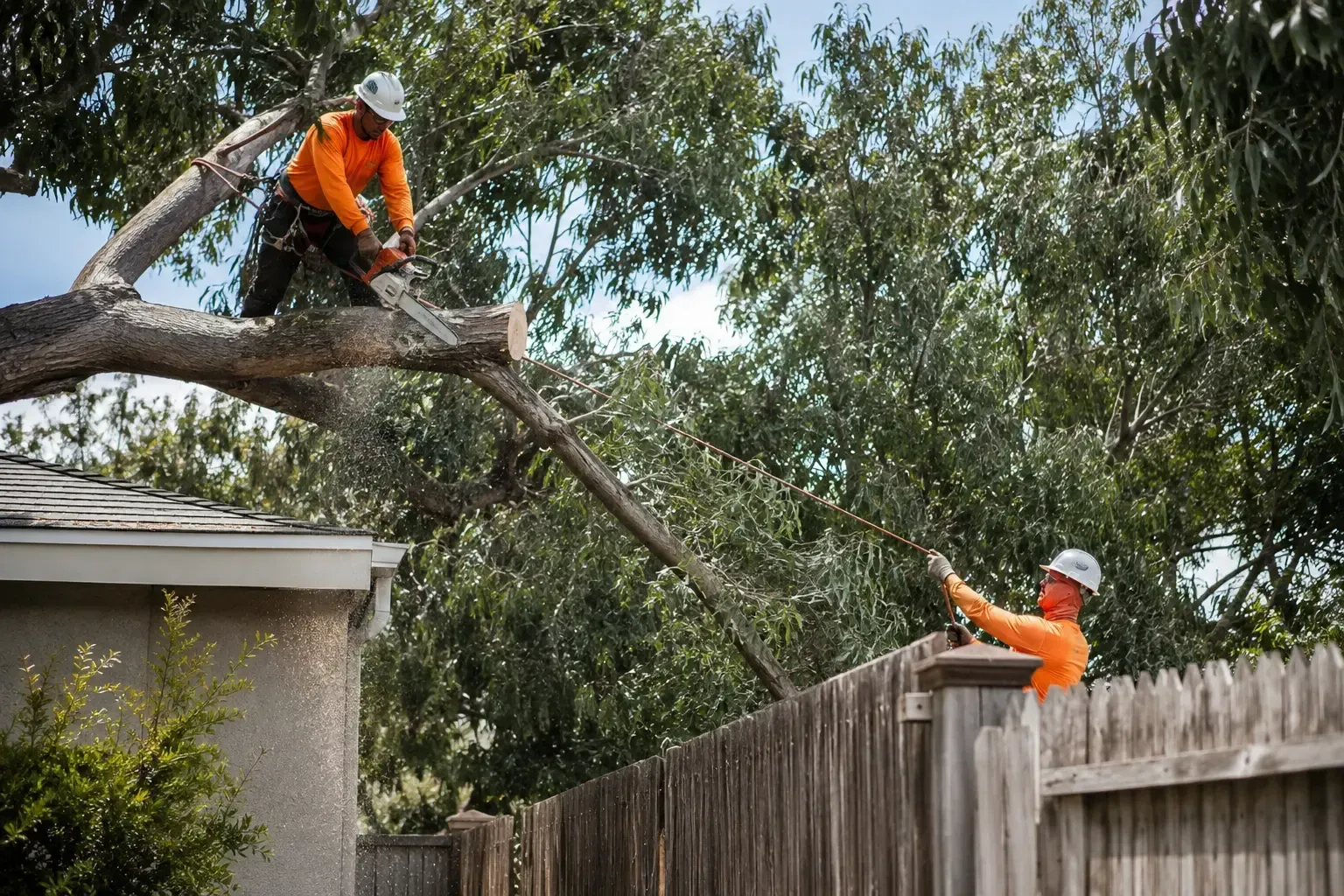
Directional pruning forces the tree to grow away from these hazards. The arborist removes branches that grow toward the wires. They leave branches that grow away from the wires. This results in a distinctive "V" or "L" shape. It is highly asymmetrical. However, it keeps your property safe and prevents power outages.
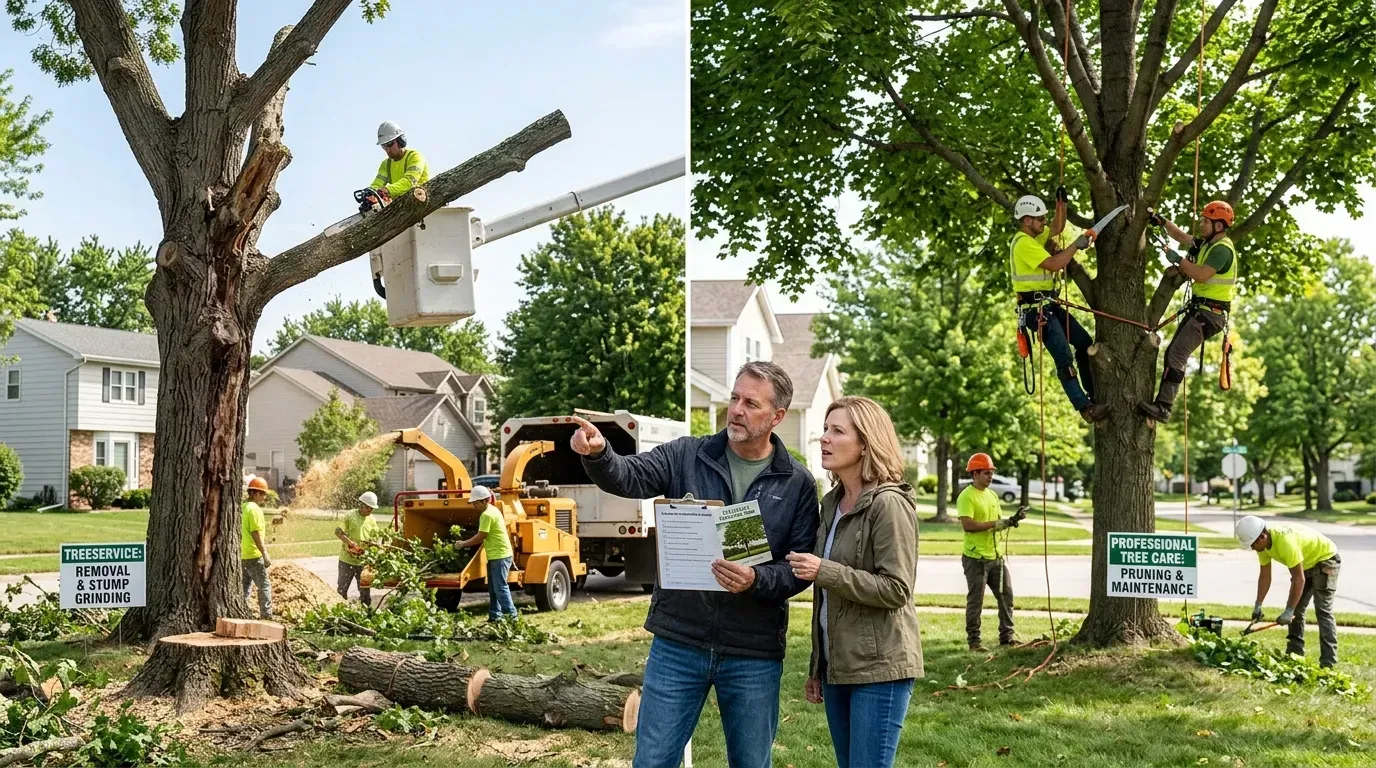
Why Professional Tree Services Are Necessary
Amateur pruning can permanently damage your landscape. Making cuts in the wrong places causes serious harm. It encourages weak watersprouts to grow. These rapid, flimsy shoots break easily in storms. Improper cuts also leave the trunk vulnerable to rot.
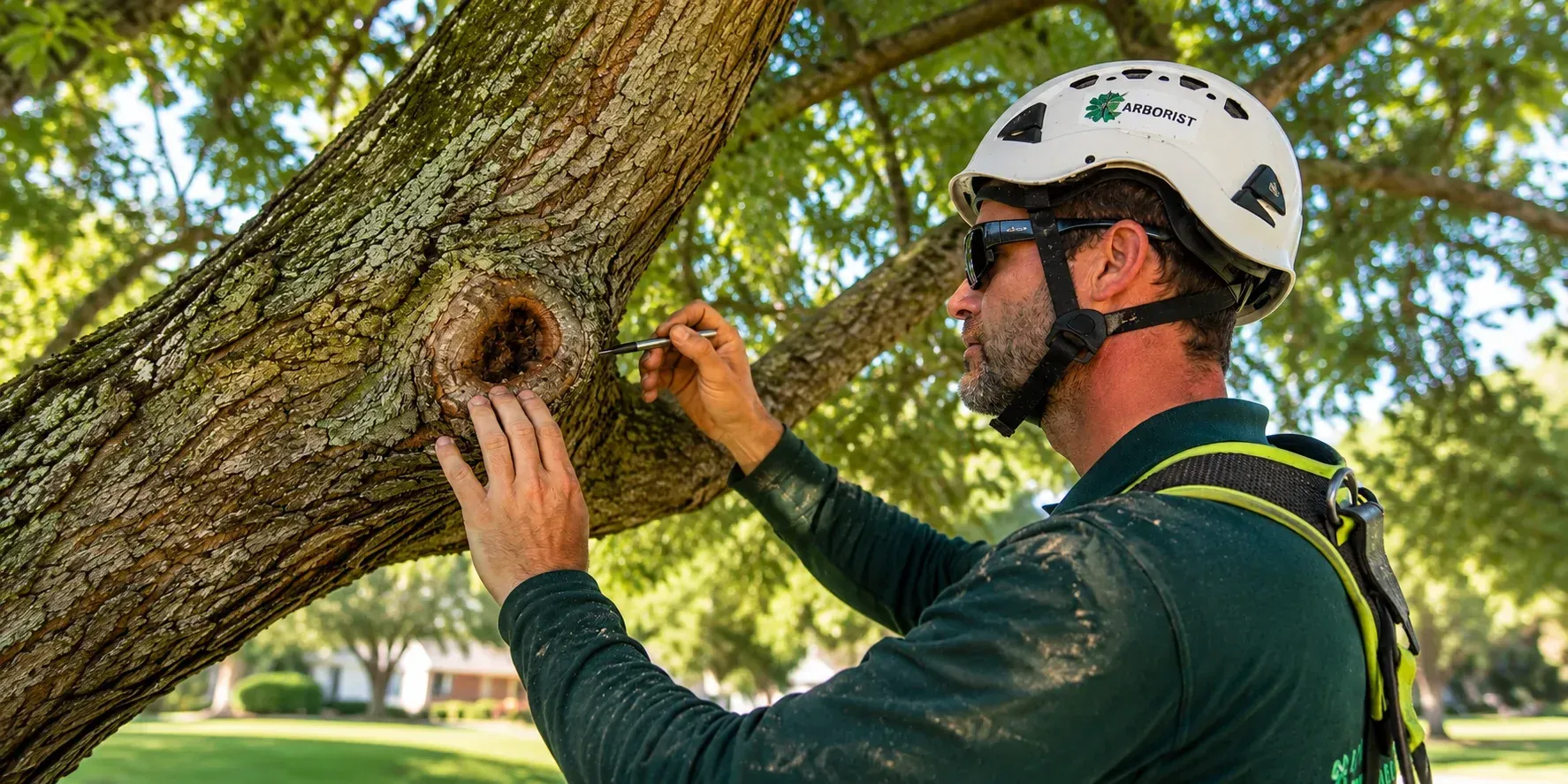
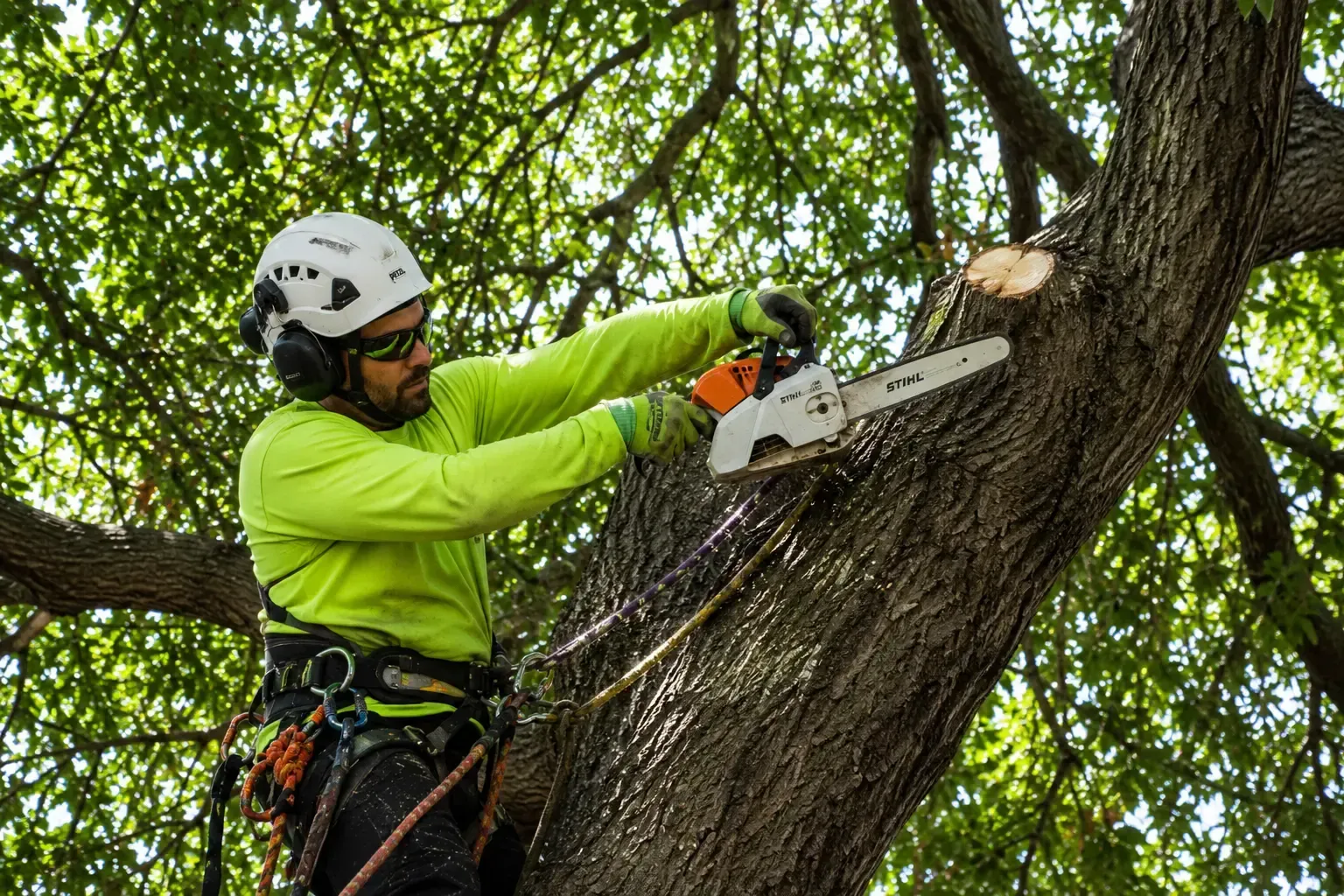
This is why expert intervention matters. Using professional Tree Services ensures that every cut has a biological purpose. Experts know exactly where to make the cut. They cut just outside the branch collar. This specific location allows the tree to heal quickly. It prevents rot from entering the main trunk.
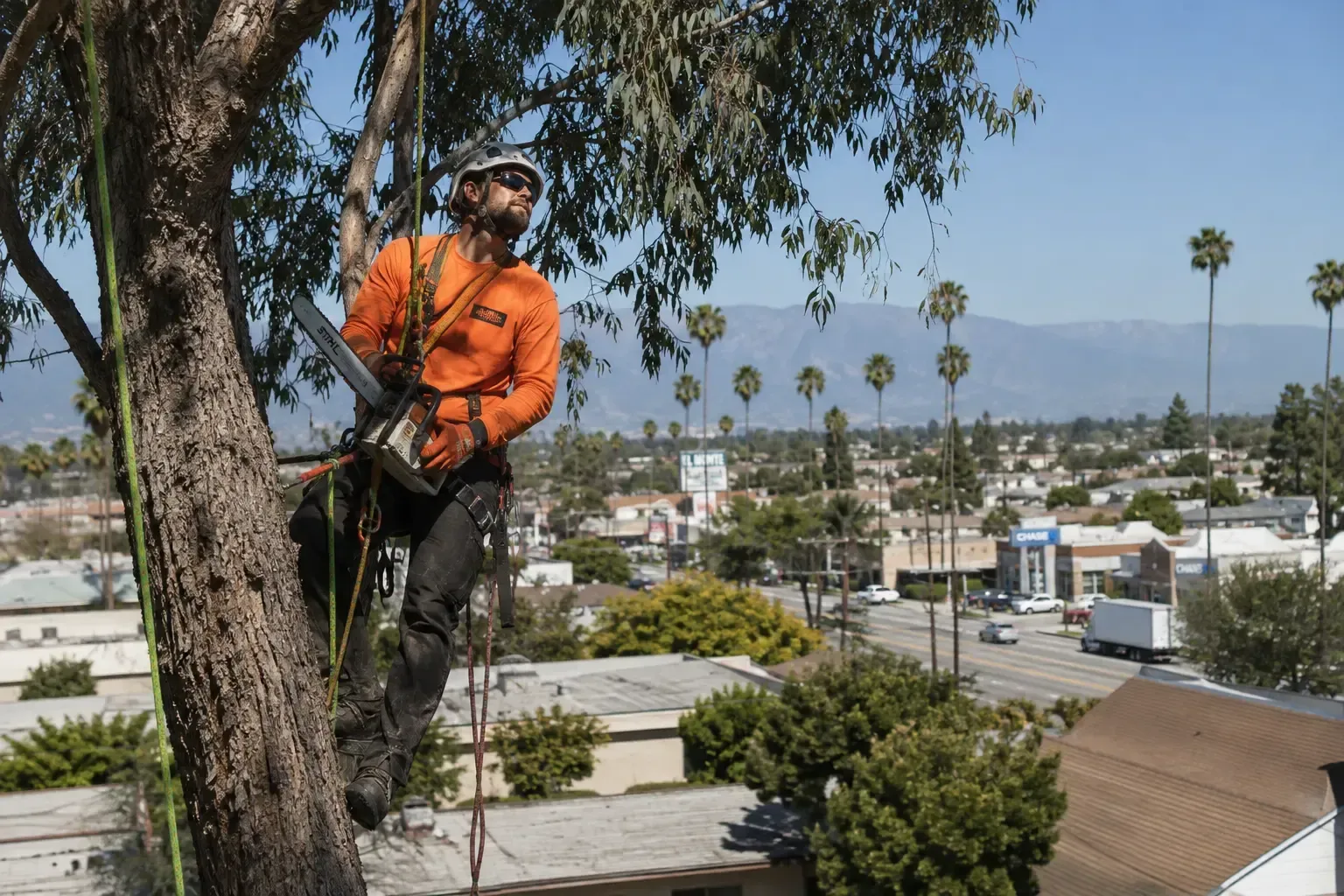
A trained professional from Elmonte Tree Service will evaluate the entire structure before starting. They will never remove more than twenty-five percent of the foliage at one time. Removing too much canopy causes extreme stress. The tree might starve because it lacks enough leaves for photosynthesis. A careful, calculated approach protects your investment.
Pruning Methods and Expected Outcomes
Different techniques produce different visual results. Understanding these methods helps manage your expectations. Below is a breakdown of common techniques and their immediate impacts.
| Pruning Technique | Primary Goal | Immediate Appearance | Recovery Time |
|---|---|---|---|
| Crown Thinning | Increase light and airflow | Slightly sparse but balanced | 1 to 2 growing seasons |
| Crown Raising | Clear space for structures | High canopy with bare lower trunk | Minimal visual disruption |
| Crown Reduction | Control overall height or spread | Noticeably smaller and uneven | 2 to 3 growing seasons |
| Deadwooding | Remove dangerous dead branches | Cleaner structure with minor gaps | Immediate improvement |
| Directional Pruning | Steer growth from power lines | Distinctly asymmetrical shape | Permanent altered growth |
This data helps clarify why your specific tree looks the way it does. A crown reduction will always look more severe than simple deadwooding.
How Long Will Recovery Take in El Monte?
Patience is vital after a major pruning session. The visual recovery depends on the tree species and the local climate. El Monte enjoys a warm Mediterranean climate. This means long growing seasons with plenty of sunshine.
Fast-growing species might fill in their gaps within a few months. Examples include certain eucalyptus or elm trees. Slow-growing species take much longer. Mature oak trees might need two full years to look normal again.
You can support the healing process with proper care. Provide adequate water during dry spells in Southern California. Ensure the soil has good drainage. Avoid applying heavy fertilizers right after a severe cut. Fertilizer forces rapid leaf growth. The tree needs to focus on healing its wounds first. You can read more about proper seasonal care on our tree trimming page.
Evaluating Your Tree After a Cut
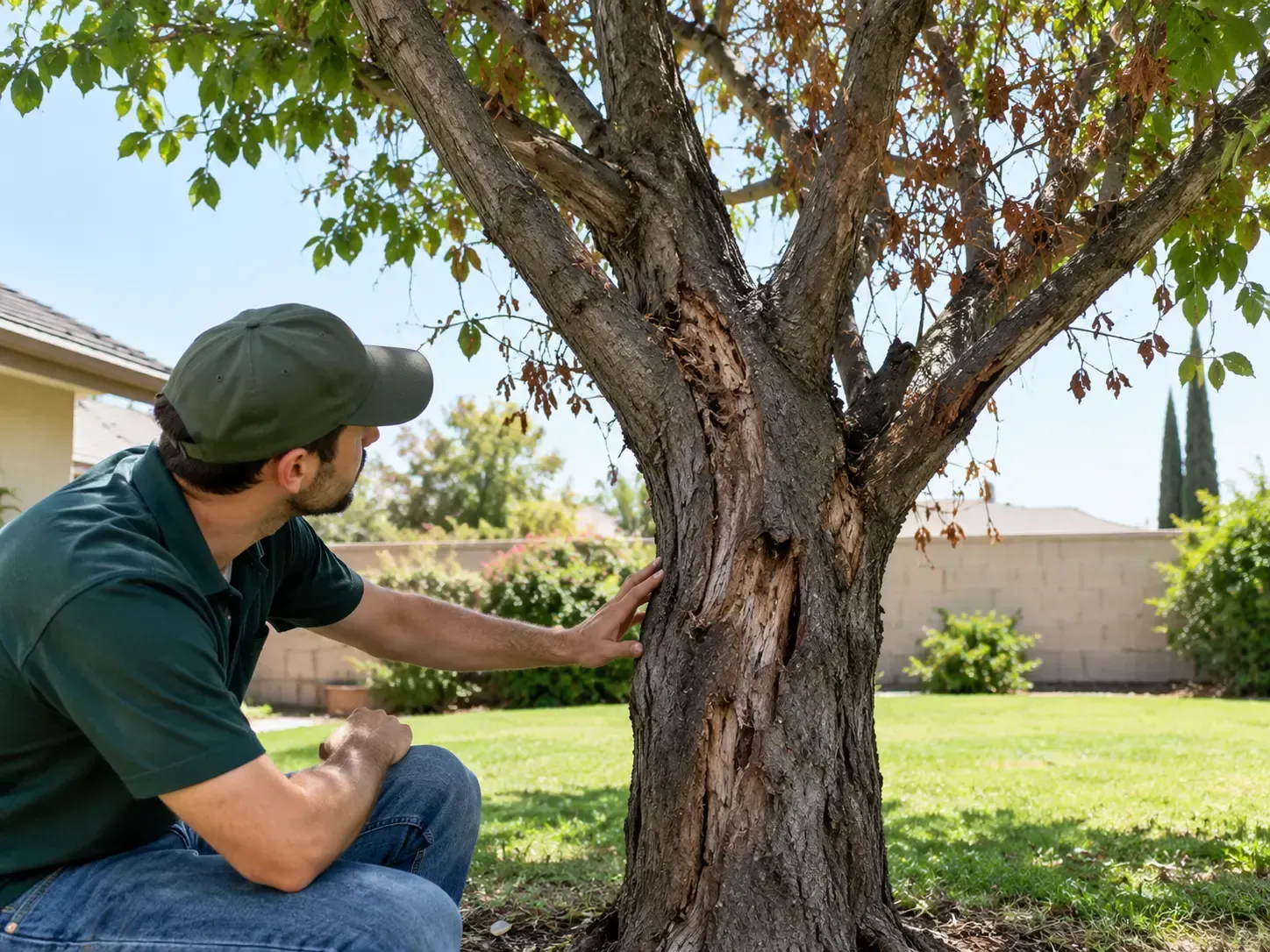
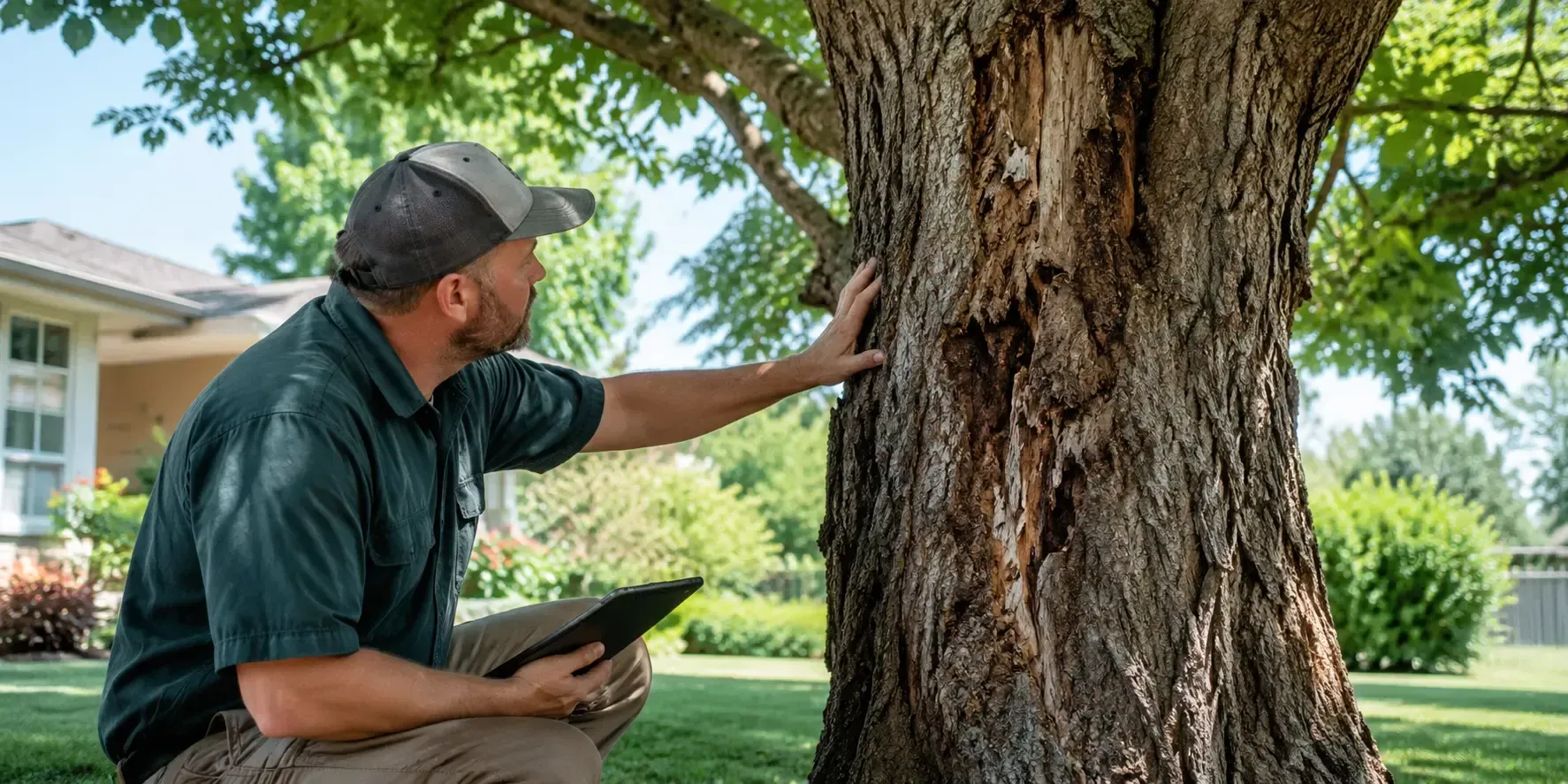
It is important to inspect your tree a few weeks after the job is done. Look closely at the cut marks. A proper cut should be smooth. The bark should not be torn or peeling down the trunk. Torn bark indicates a careless cut.
Watch for signs of extreme stress. Are the remaining leaves turning yellow? Is the tree dropping foliage out of season? These are warning signs. The tree might be struggling to recover.
If the tree simply looks lopsided but the leaves are green, it is likely fine. The remaining branches are receiving more sunlight now. They will begin to sprout new growth. Over time, the canopy will round out naturally.
Steps to Take if You Suspect a Bad Pruning Job
Sometimes a tree looks uneven because it was actually pruned poorly. Inexperienced workers often perform a practice called "topping." Topping involves chopping off the top of the central trunk. This is a harmful and outdated practice. It ruins the natural shape of the plant. It creates weak growth that breaks easily.
If you suspect your tree was topped or damaged, act quickly. Take clear photos of the branches and the trunk. Note the dates when the work was performed.
You will need a certified arborist to assess the damage. They can implement a restoration plan. Restoration pruning takes time. It involves carefully selecting new central leaders over several years. If you need a second opinion on a recent job, please reach out for an assessment. We can help you understand the current health of your landscape.
Maintaining a Healthy Landscape Long Term
Consistent maintenance is the secret to a beautiful yard. Regular, minor pruning is better than rare, severe cuts. Annual checkups catch structural problems early. Small branches are easy to remove. The tree heals quickly from tiny cuts.
If you wait ten years between appointments, the branches grow massive. Removing a massive branch shocks the system. It guarantees an awkward, uneven appearance for years. Regular care keeps the canopy dense and symmetrical.
Property owners in the San Gabriel Valley face specific environmental challenges. High winds and prolonged droughts stress local vegetation. Working with a local expert ensures your plants are prepared for these conditions. Local experts understand the native soil. They know the exact watering needs for the area.
If you are looking for reliable local expertise, visit Elmonte Tree Service. Our team is dedicated to preserving the health and beauty of your neighborhood. We operate right here at 3380 Flair Dr Suite 215 in El Monte, CA. We are always ready to answer your questions and protect your property.
Frequently Asked Questions
Why is one side of my tree completely bare after pruning?
This usually happens due to directional pruning or disease removal. If branches were growing into power lines or neighboring structures, the arborist had to remove them. The tree will appear bare on that side permanently to maintain safety clearances.
Will an uneven tree eventually balance itself out?
Yes, in most cases. Trees naturally grow toward sunlight. If the pruning opened up a gap, new shoots will gradually grow to fill that empty space. This process usually takes one to three growing seasons depending on the local climate and the species.
Does an asymmetrical shape make the tree likely to fall?
Not necessarily. Professional arborists evaluate the root structure and trunk integrity before making cuts. While the canopy might look visually unbalanced, the overall weight distribution is usually safe. If you see leaning combined with cracked soil at the base, call an expert immediately.