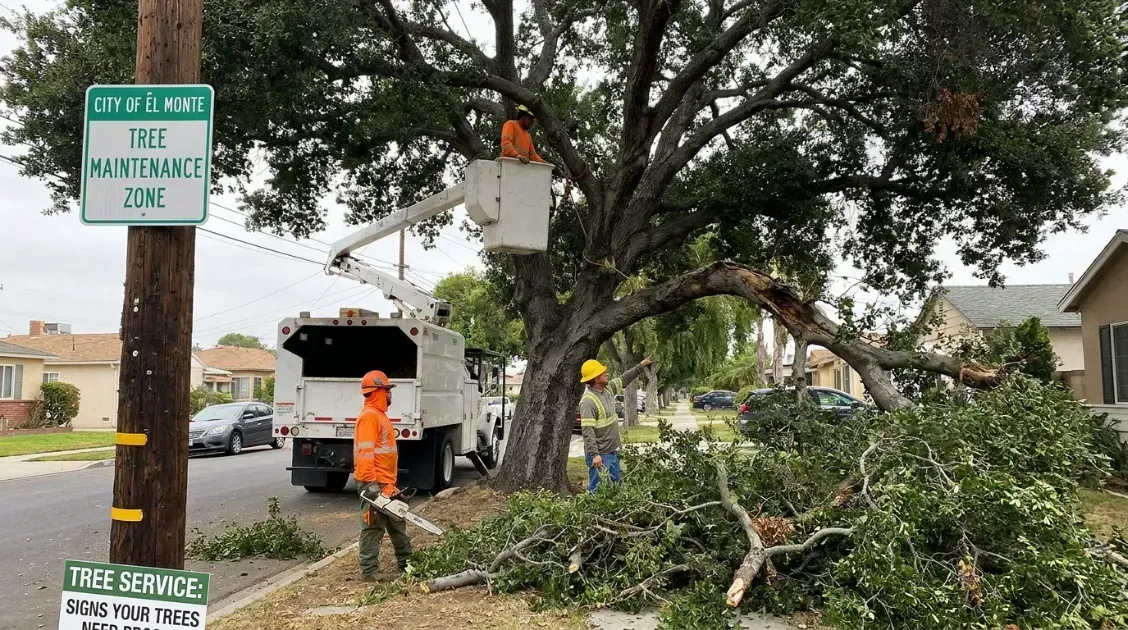
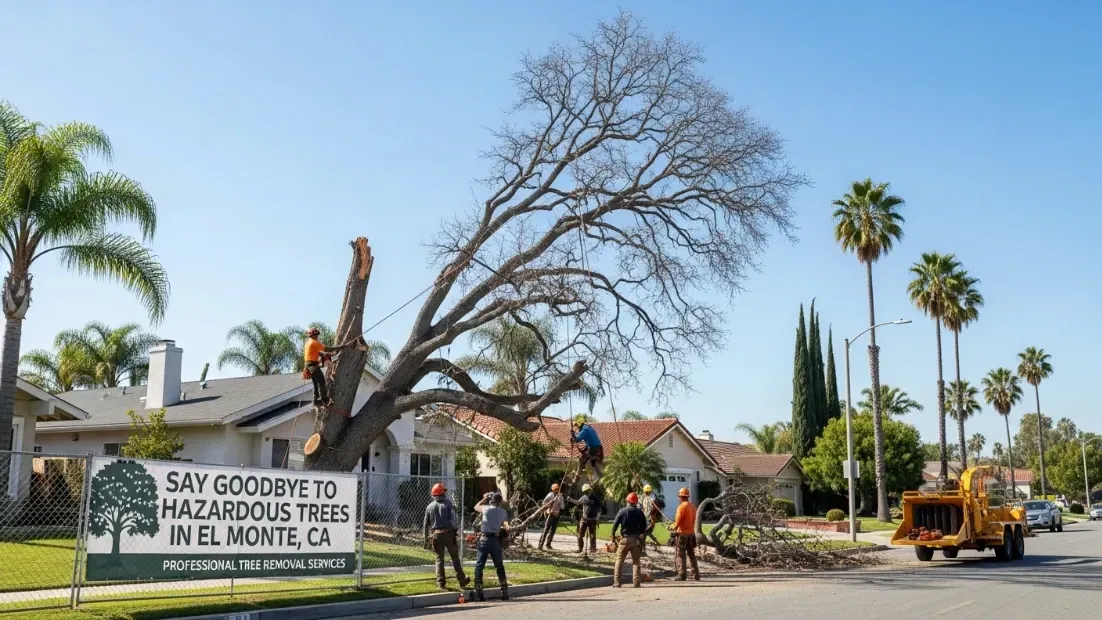
Say Goodbye to Hazardous Trees in El Monte, CA
That decaying eucalyptus in your front yard isn't just an eyesore. It is a ticking time bomb. Seriously. One strong gust of wind rolling off the San Gabriel Mountains is all it takes to send tons of dead wood crashing through your roof, your car, or worse. Stop waiting for the inevitable.
Homeowners in El Monte often ignore dying trees because they look sturdy enough from the outside. That is a massive mistake. Root rot, fungal infections, and hollow trunks compromise structural integrity long before the branches actually snap. When you are dealing with massive, unstable timber in a densely populated suburban environment, you need professional
tree removal services. Anything less is gambling with your property.
The Hidden Danger in the San Gabriel Valley
El Monte sits right in the crosshairs of extreme Southern California weather patterns. We get blistering summer heat that stresses root systems, followed by heavy, sudden winter rains that loosen the soil. Then come the infamous Santa Ana winds. According to National Weather Service data on Santa Ana winds, gusts routinely exceed 60 mph in our region. A healthy tree bends. A dead tree breaks.
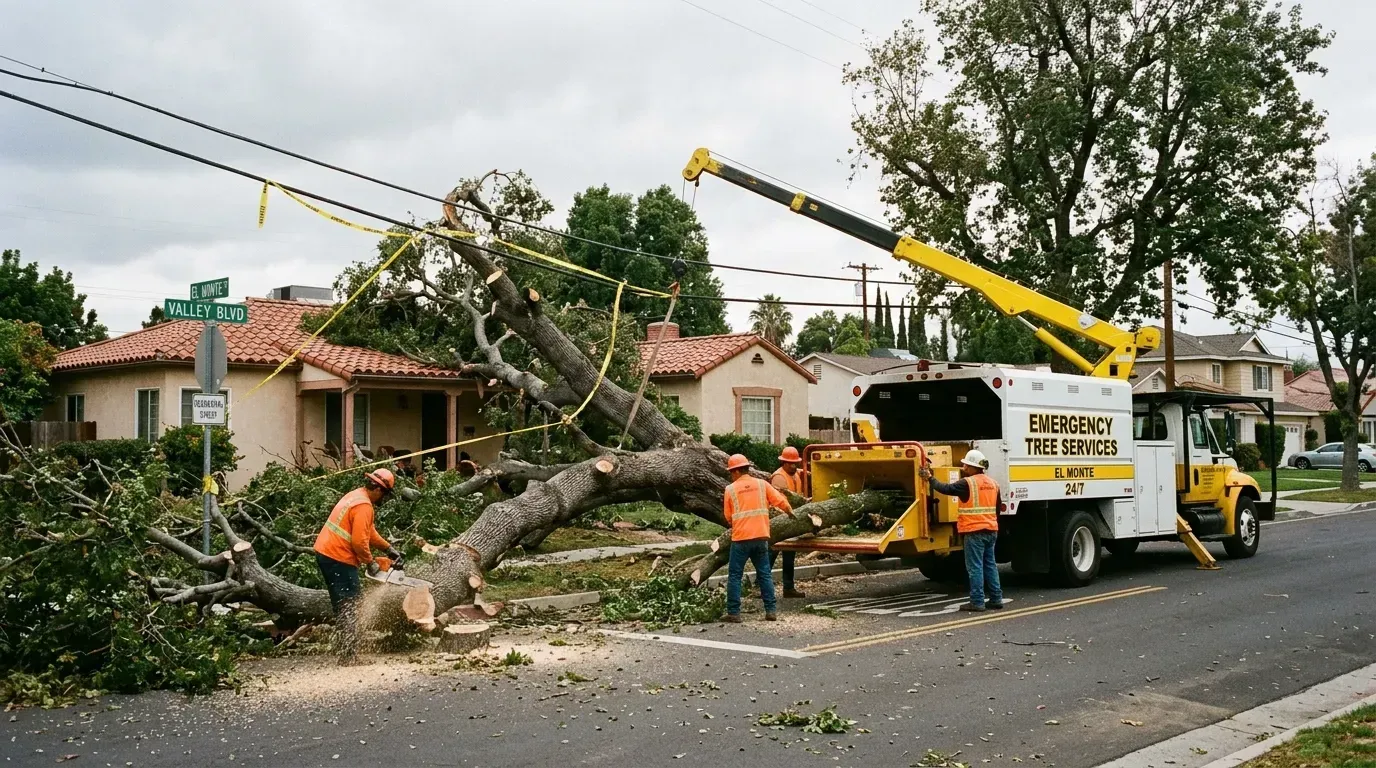
I have seen decades-old pines completely uprooted, tearing up concrete driveways and ripping through power lines along Valley Boulevard. The financial devastation is staggering. Property damage from fallen trees frequently runs into the tens of thousands of dollars, and your insurance company will fight you tooth and nail if they determine the tree was dead prior to the storm. You are entirely liable. Proactive extraction is the only logical defense.
Recognizing the Fatal Warning Signs
How do you know it is time to call for backup? Trees rarely die overnight. They leave clues. You just need to know what to look for.
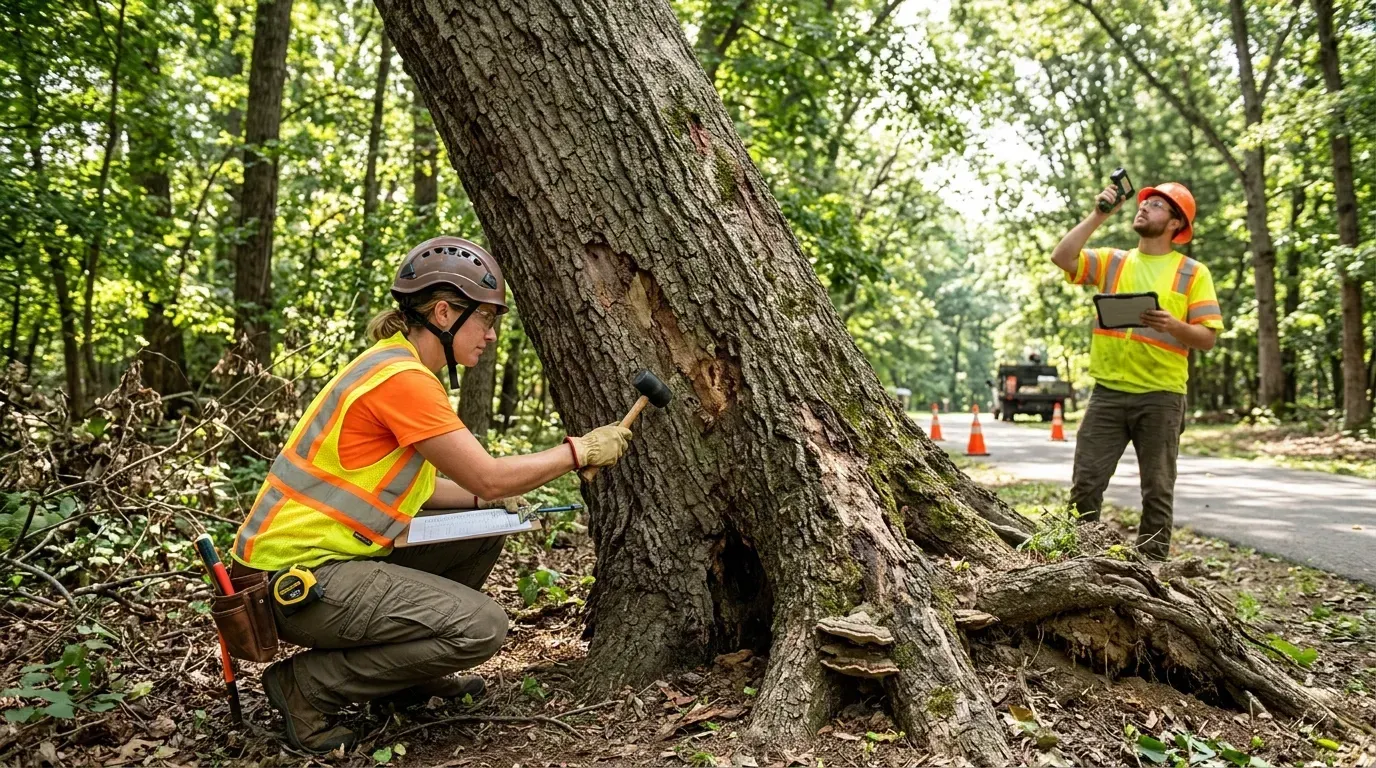
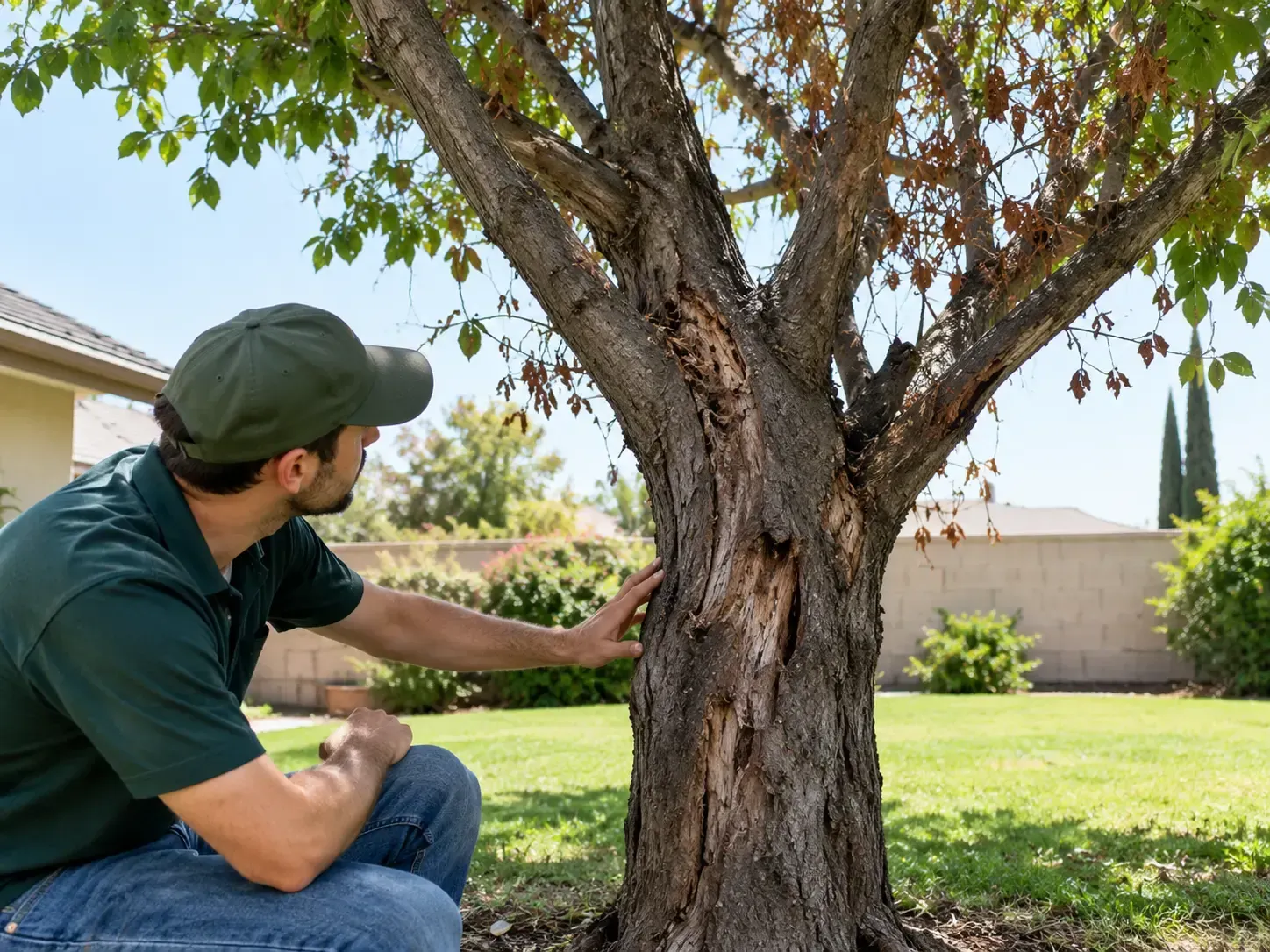
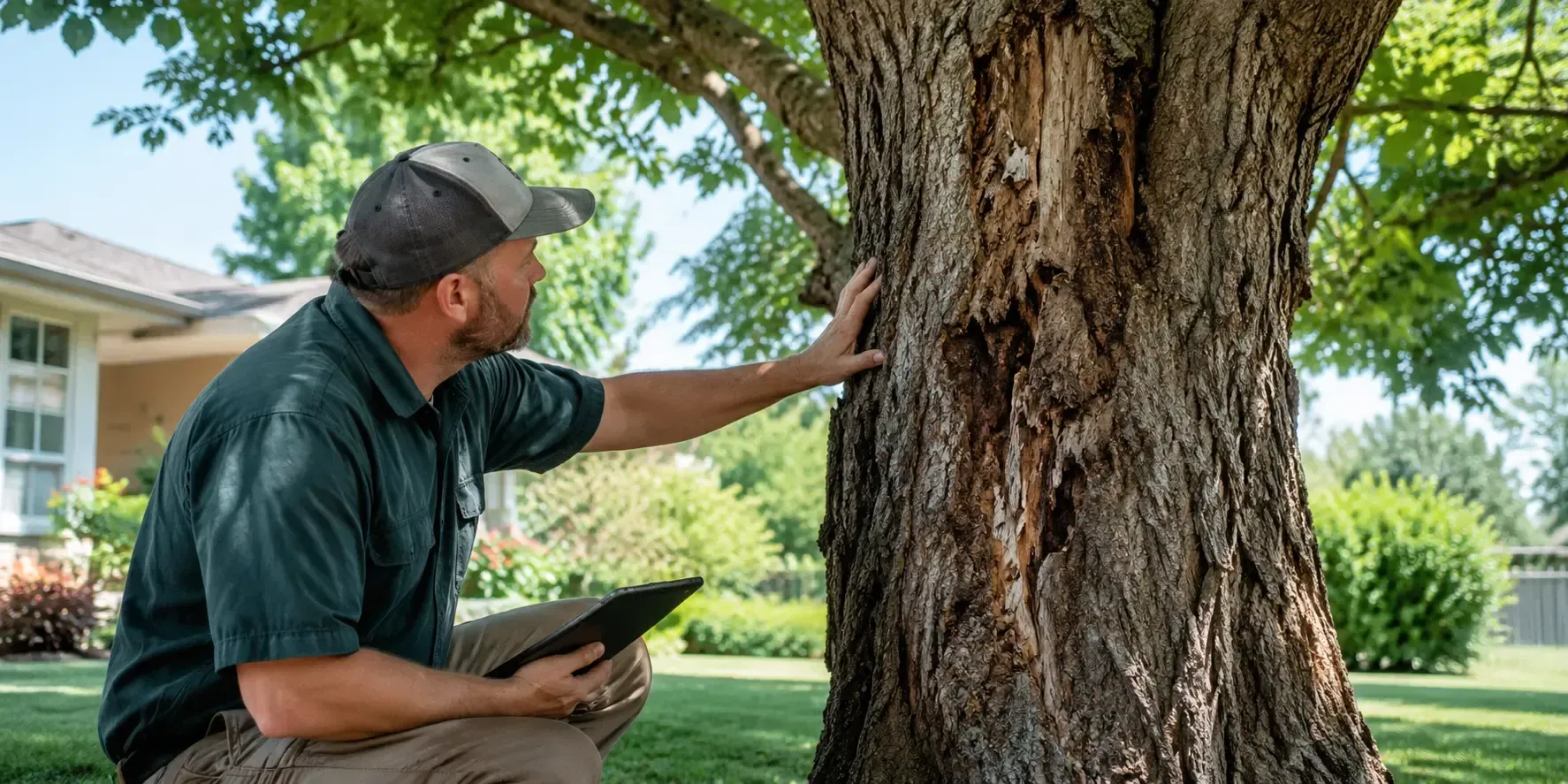
First, inspect the canopy. If you see significant dieback—large branches completely devoid of leaves during the growing season—the vascular system of the tree is failing. Next, check the trunk. Deep vertical cracks, missing bark, or a sudden, severe lean indicate catastrophic structural failure. Finally, look at the base. The sudden appearance of mushrooms or shelf fungi around the roots means the wood is actively rotting from the inside out. The International Society of Arboriculture (ISA) classifies these exact symptoms as critical hazard indicators requiring immediate professional assessment.
Do not attempt to diagnose this yourself. If you spot these signs, the clock is ticking.
Why DIY Tree Removal is a Terrible Idea
Let's get one thing straight. You cannot take down a 50-foot oak tree with a ladder, a rented chainsaw, and a YouTube tutorial. DIY tree removal is a fool's errand that routinely ends in severe injury or death. Gravity is unforgiving. Wood is incredibly heavy and highly unpredictable when it falls.
The OSHA tree care safety statistics speak for themselves. Logging and tree care consistently rank among the most dangerous professions in the United States. Professionals use specialized rigging, cranes, and advanced felling techniques to control the descent of every single branch.
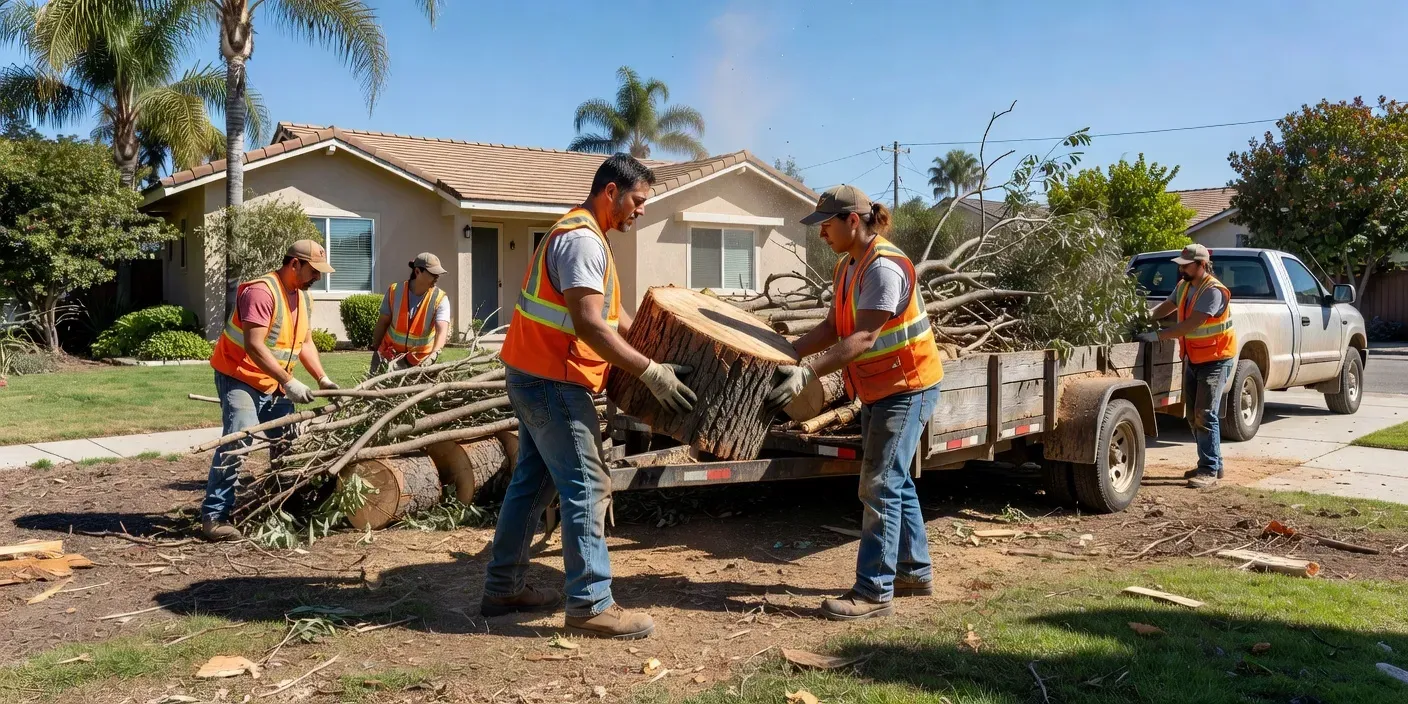
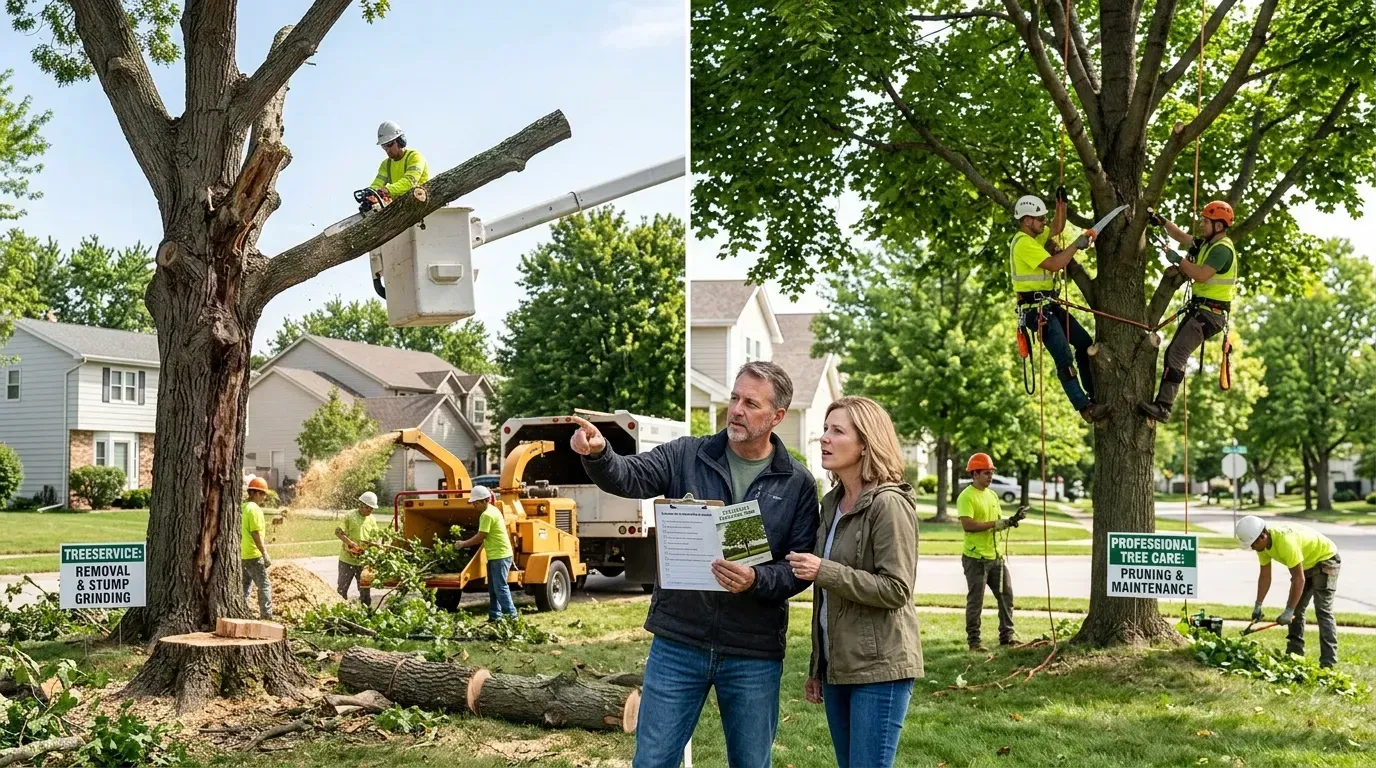
This is exactly where El Monte Tree Service steps in. As the premier authority in the region, we do not just hack away at wood. We engineer the takedown. Our crews calculate weight distribution, assess drop zones, and execute removals with surgical precision. We protect your home, your neighbor's fence, and the underlying plumbing infrastructure. Safety is never optional. It is the core of our business.
Navigating Municipal Codes in El Monte
Cutting down a tree in California involves red tape. El Monte is no exception. You cannot simply fire up a chainsaw on a Tuesday afternoon without checking the local ordinances.
The city has specific guidelines protecting certain heritage species and regulating what can be removed, especially if the tree sits in the parkway (the space between your sidewalk and the street). Failing to secure the proper permits can result in hefty fines and stop-work orders. You can review the specifics directly through the El Monte Public Works Department.
When you hire El Monte Tree Service, we handle the bureaucracy. We know the local codes inside and out. We pull the necessary permits, interface with city officials, and ensure your project is 100% compliant from day one. You skip the headache at City Hall.
Reclaiming Your Space and Peace of Mind
Removing a hazardous tree does more than eliminate a threat. It transforms your property. That massive, dying ash tree blocking the sun is robbing your yard of its potential.
Once the hazard is gone, your options open up. You finally have the sunlight required to install solar panels or cultivate a vibrant garden. Many El Monte homeowners are using the newly cleared space to transition to sustainable, water-wise landscaping, following guidelines from the UC Master Gardener Program. Removing a dead tree is not a loss. It is an upgrade to your home's functionality and curb appeal.
Stop stressing every time the wind howls. Take control of your property.
Frequently Asked Questions
How much do tree removal services cost in El Monte?
Costs vary based on the tree's height, diameter, location, and condition. A small, easily accessible tree might cost $500 to remove, while a massive, hazardous oak near power lines can exceed $2,500. El Monte Tree Service provides transparent, upfront estimates after a thorough on-site inspection.
Do I need a permit to cut down a tree on my property in El Monte?
It depends on the species and location. Trees located in the public right-of-way require city approval. Additionally, certain native California species are protected by state law. Our team at El Monte Tree Service evaluates your specific situation and secures all mandatory municipal permits before beginning work.
What happens to the stump after a tree is removed?
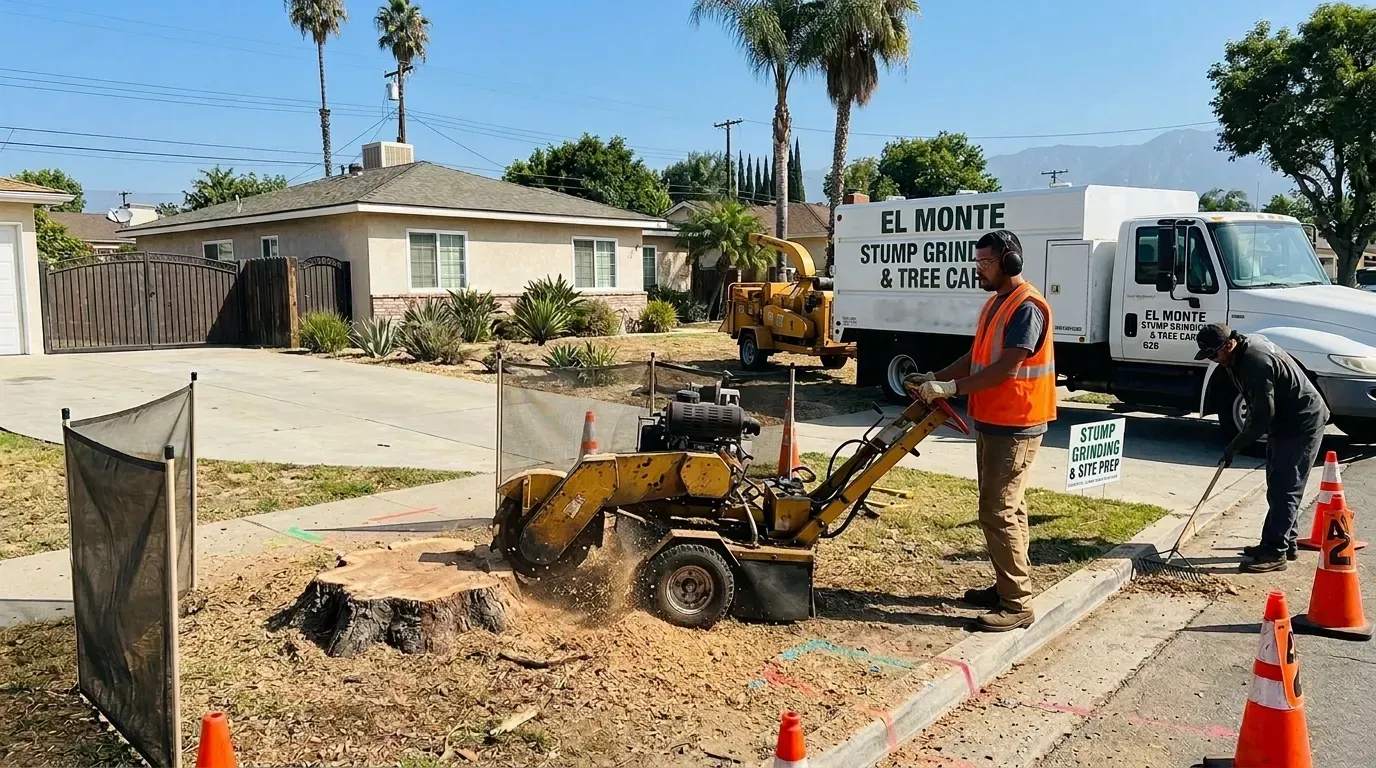
Standard tree removal services cut the trunk down to an inch or two above the soil line. For complete eradication, you need professional stump grinding. We use heavy-duty grinders to pulverize the stump and roots six inches below ground, allowing you to replant or pave over the area immediately.
Will my homeowners insurance cover tree removal?
Insurance typically only covers removal if the tree has already fallen and damaged a covered structure, like your roof or garage. Preventative removal of a standing, hazardous tree is considered standard home maintenance and is almost entirely an out-of-pocket expense for the homeowner.