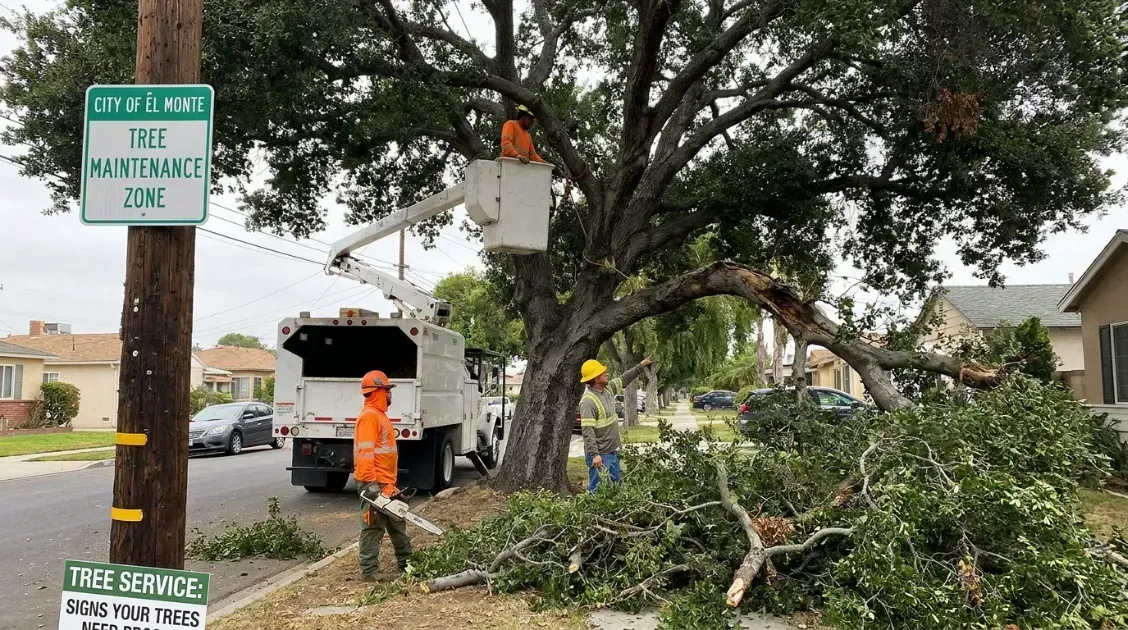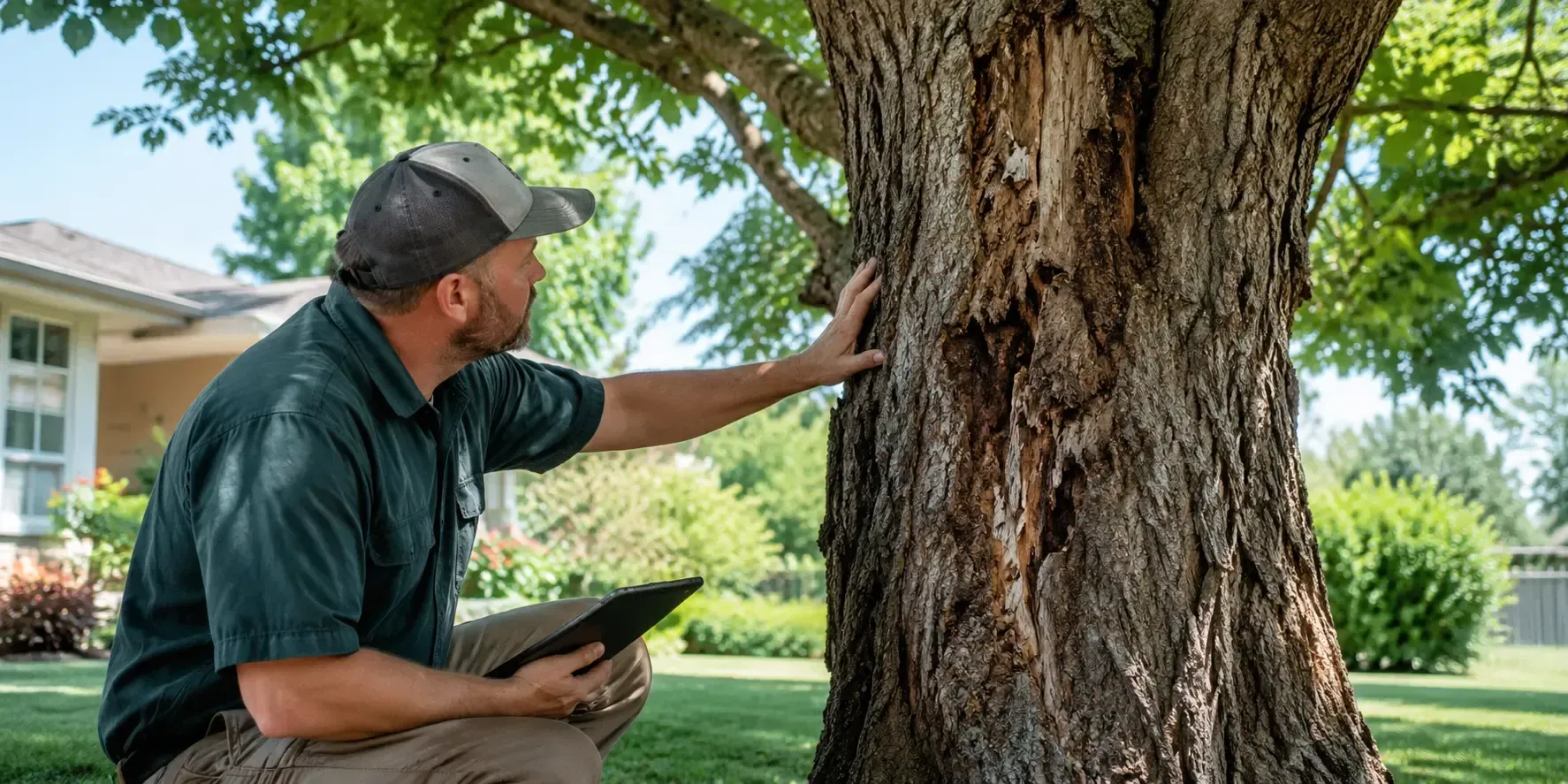
Tree Branches Near Roofs, Fences, and Driveways: When to Request an Assessment
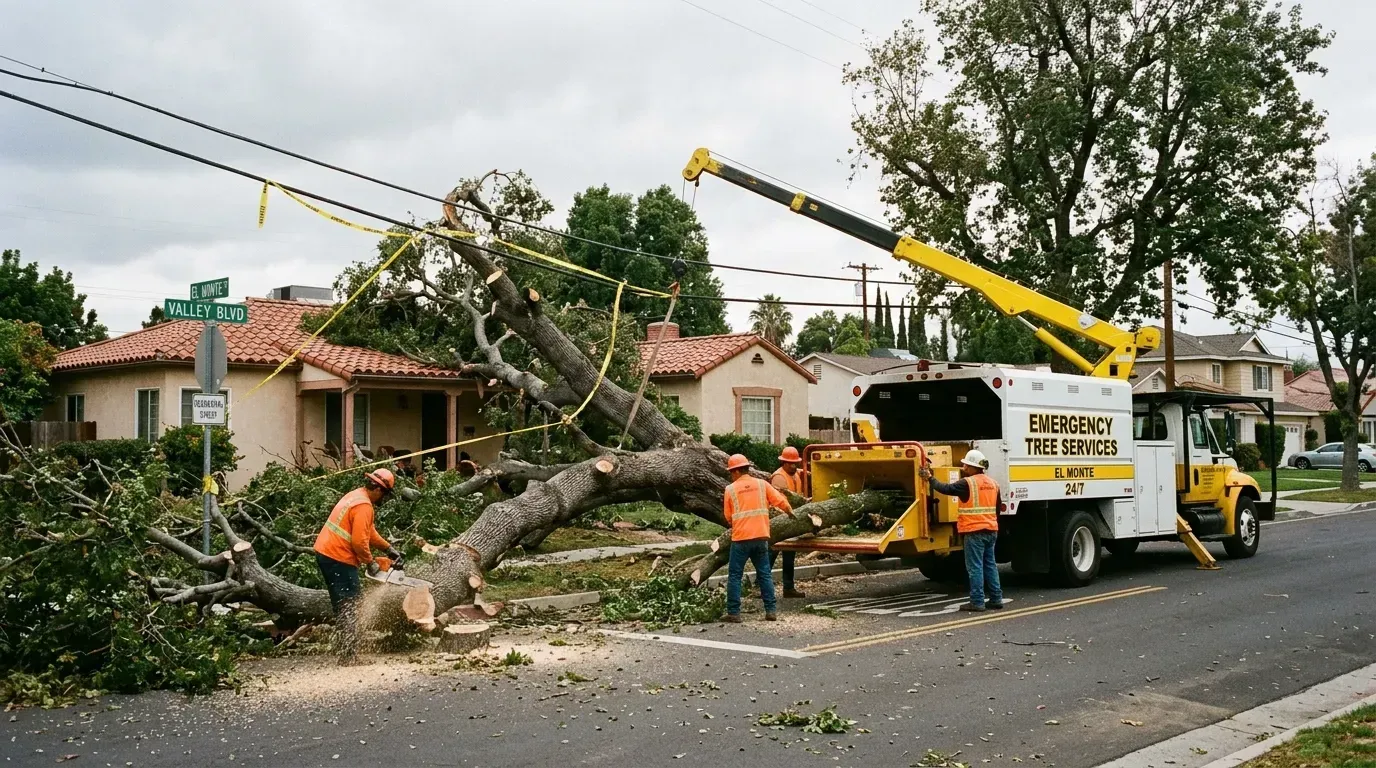
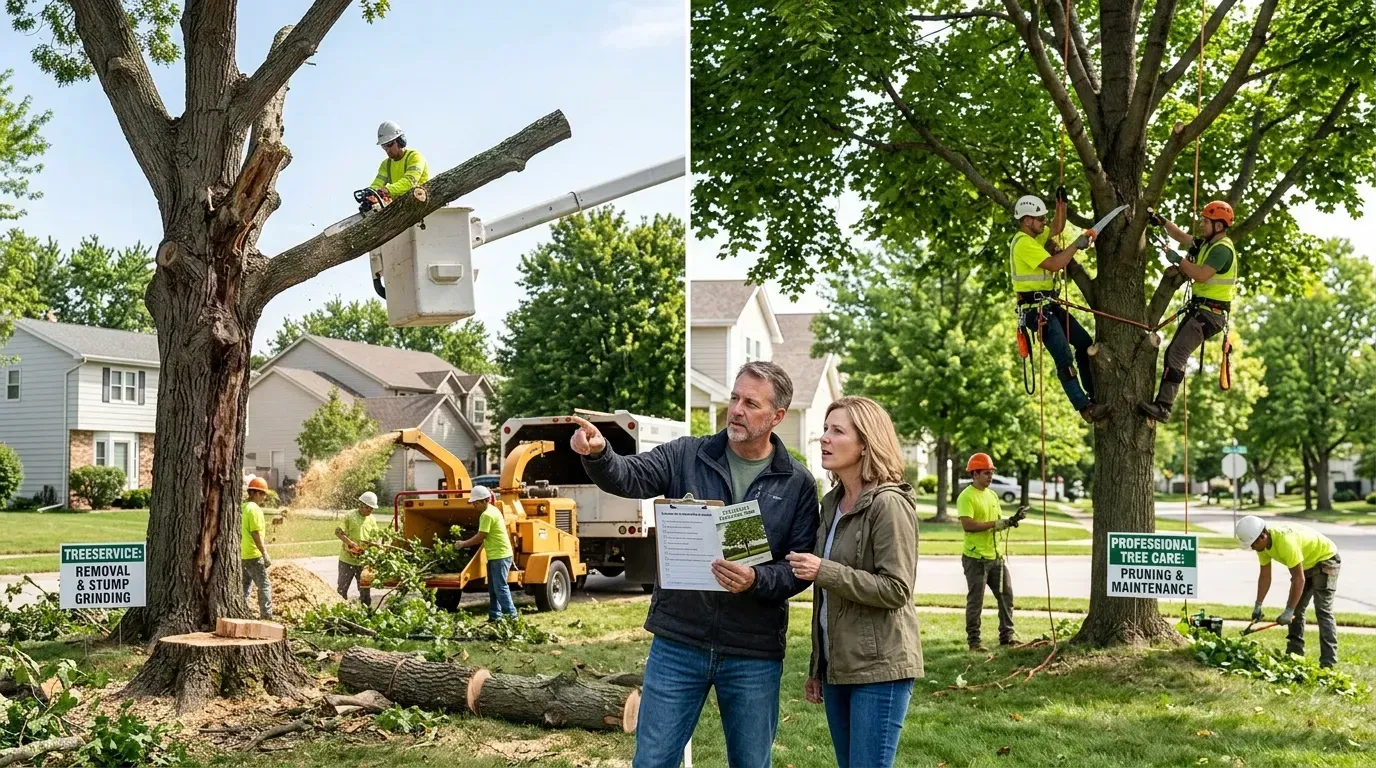
When tree branches near house roofs, fences, or driveways rub, sag, or block access, an on-site look prevents costly damage. In El Monte, CA, El Monte Tree Service helps homeowners, businesses, and property managers judge clearance needs and timing before storms or growth create risk.
Key takeaways
- Branches touching roofs, gutters, or shingles need prompt review.
- Fence lines and driveways lose safe clearance when limbs droop or spread.
- Seasonal growth in Southern California can close gaps faster than expected.
- A local tree clearance service assessment clarifies trim versus monitor.
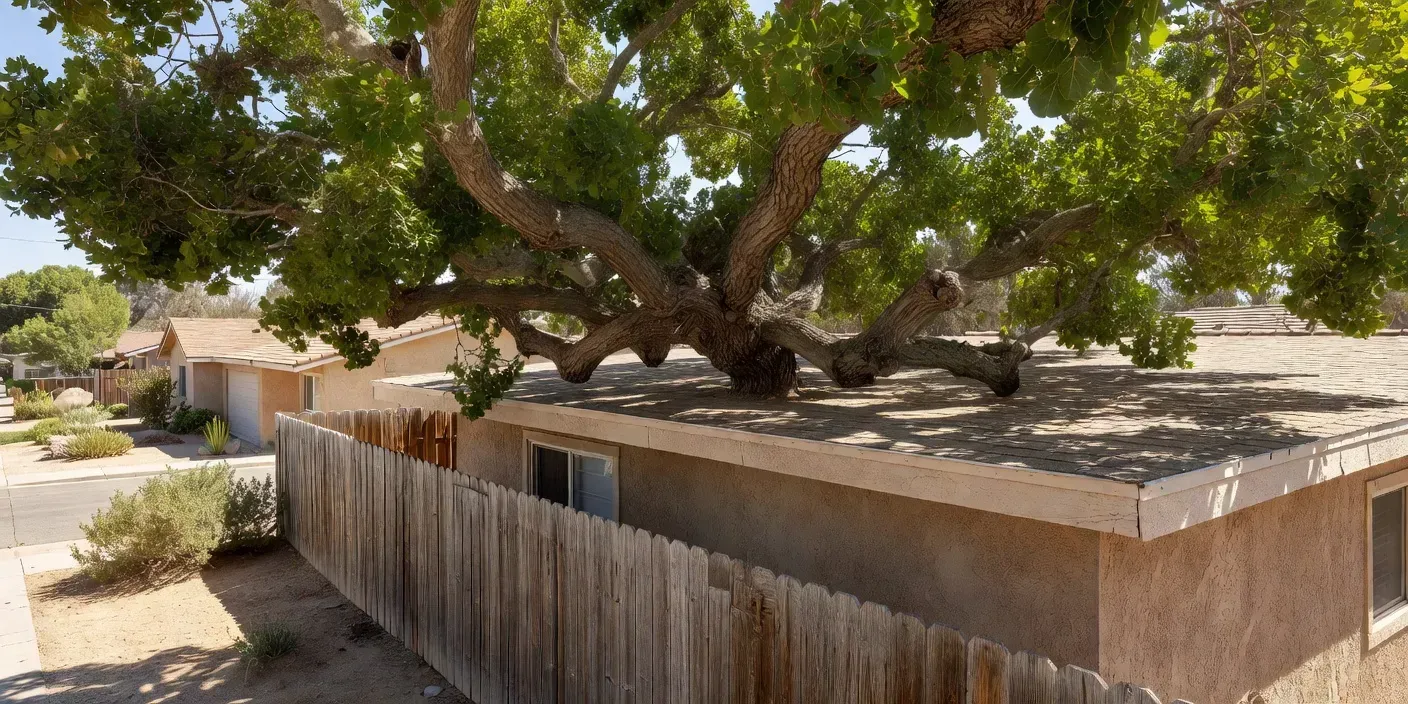
When do branches near a roof, fence, or driveway need attention?
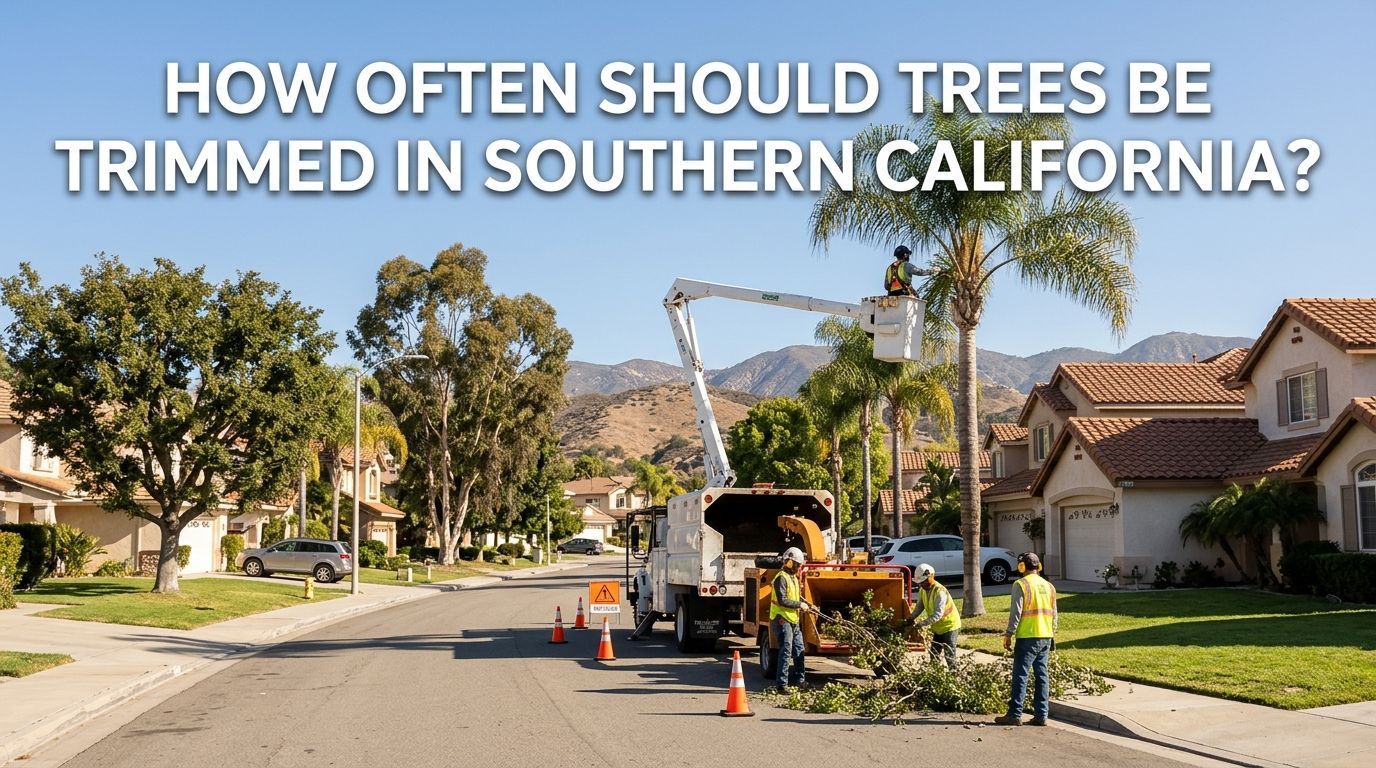
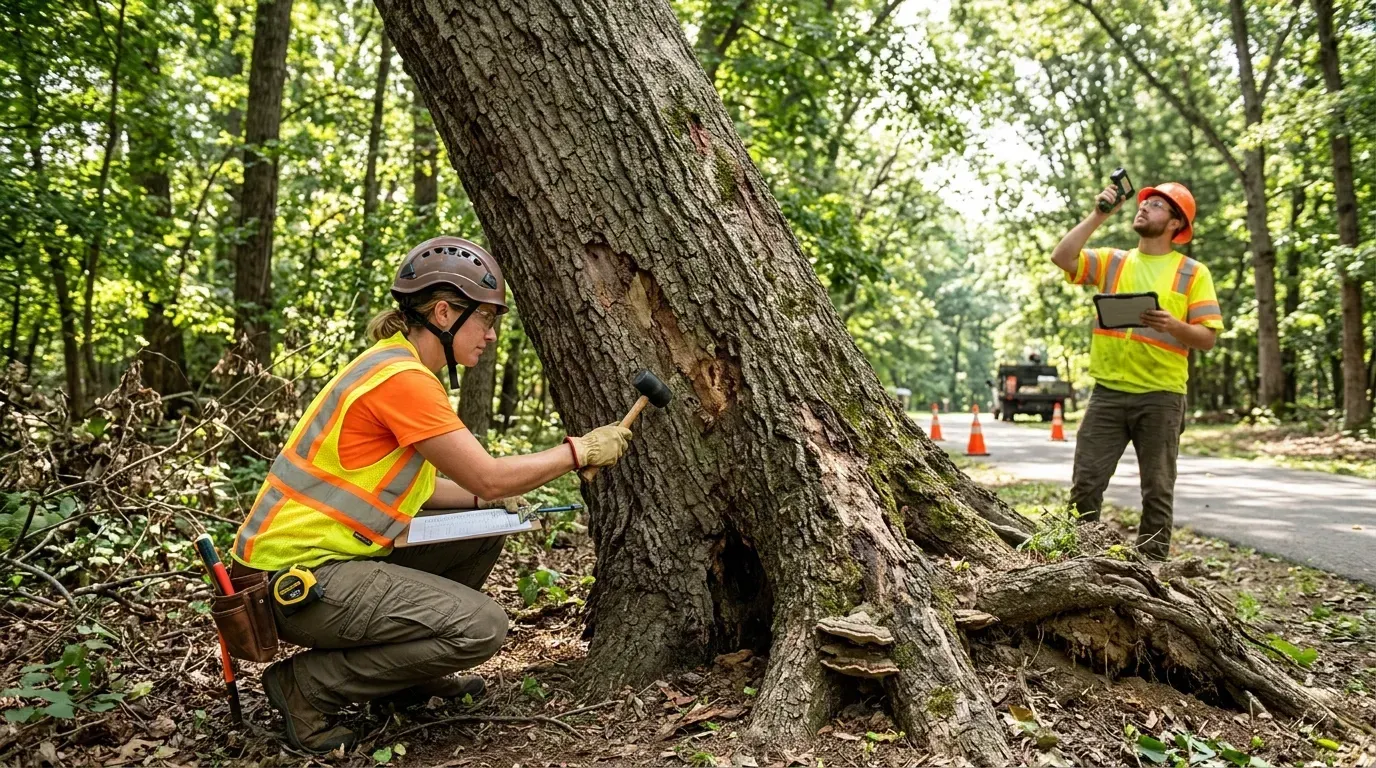
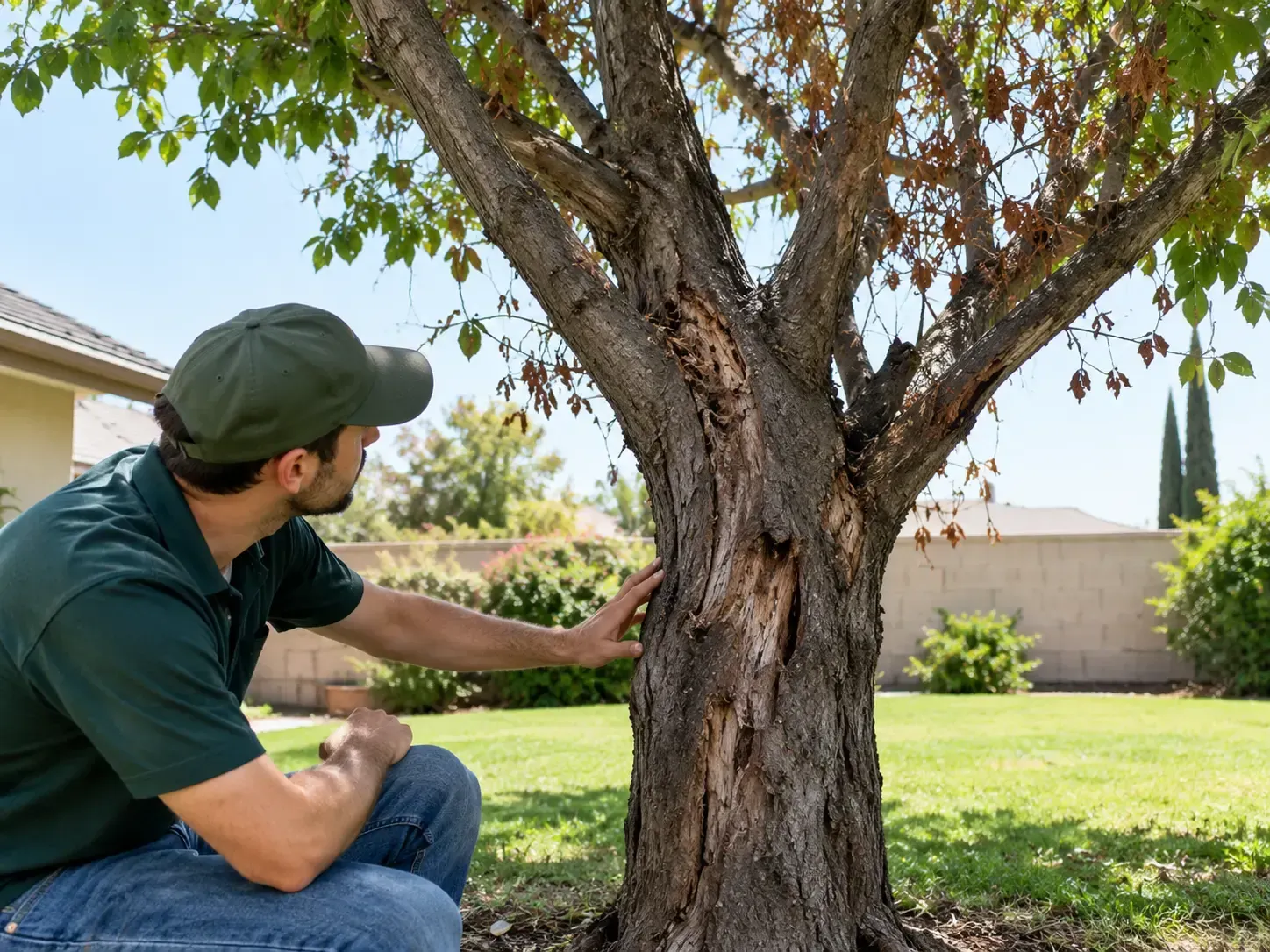
Branches need attention when they scrape roofing, rest on fences, block sight lines or vehicles, or hang within a few feet after wind or rain; rubbing, broken wood, and dense shade on pavement are clear signals to schedule a walkthrough. Our team pairs that check with guidance from how often trees should be trimmed in Southern California. Request an assessment when clearance looks tight.
Which tree branches near house spots need a clearance check first?
Roof contact, fence lean, and driveway overhang usually outrank distant canopy issues because they scrape materials, block access, and drop debris where people walk or park; prioritize limbs that touch structures, reduce vehicle height clearance, or hide sight lines, then schedule a local walkthrough before peak growth or wind seasons in El Monte, CA tighten those gaps further.
| Location | Best for early review | Watch-out |
|---|---|---|
| Roof and gutters | Rubbing limbs, leaf dams, shingle wear | Delayed trim can lift edges or clog drains |
| Side or rear fence | Posts leaning from trunk or branch pressure | Hidden rot where wood meets bark |
| Driveway edge | Low limbs over cars and walk paths | Scrapes, blocked views at the apron |
| Corner sight lines | Branches narrowing street or alley views | Growth after rain closes gaps fast |
A focused
tree clearance service visit ranks these zones so you fix the highest risk first. Keep cuts timed with regional growth patterns rather than waiting for damage. If two areas compete, start where friction or vehicle clearance is already failing.
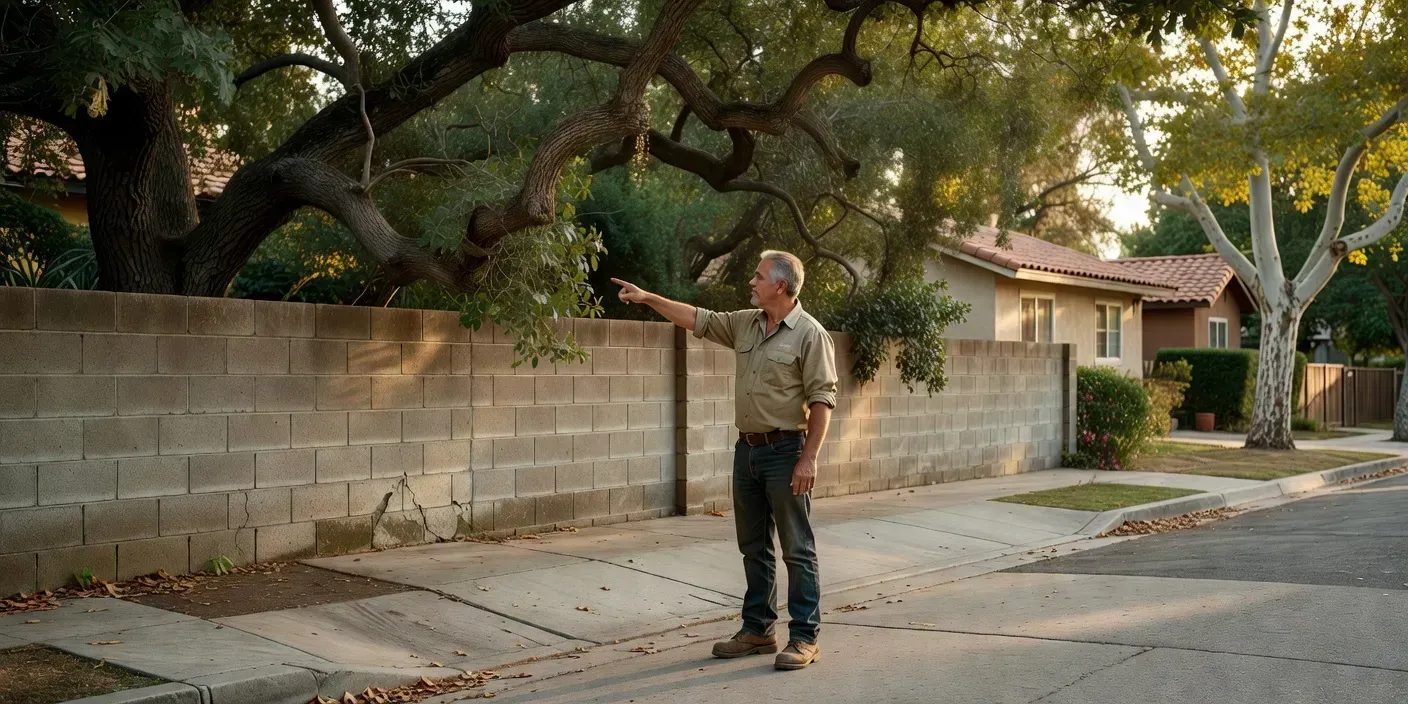
When the ranking is unclear, request an assessment so the next step matches what you see on site.
Roof Contact or Driveway Clearance: Which Should You Address First?
Roof-touching limbs usually need attention before driveway clearance when bark rub, shingle lift, or gutter dams are already visible, because structure wear compounds faster than occasional scrapes; still prioritize driveways when vehicles, walkers, or sight lines at the apron are blocked daily, then align both with a local tree branches near house review before El Monte, CA wind or growth surges close remaining gaps.
Roof friction can loosen edges and trap moisture along the eave line. Driveway limbs mainly risk paint, mirrors, and pedestrian headroom. Neither zone is “safe” if contact is constant. Compare friction and access, not only height. A limb that barely clears a sedan may still hide the sidewalk apron. A quiet rub on composition shingles can worsen after a single dry Santa Ana stretch.
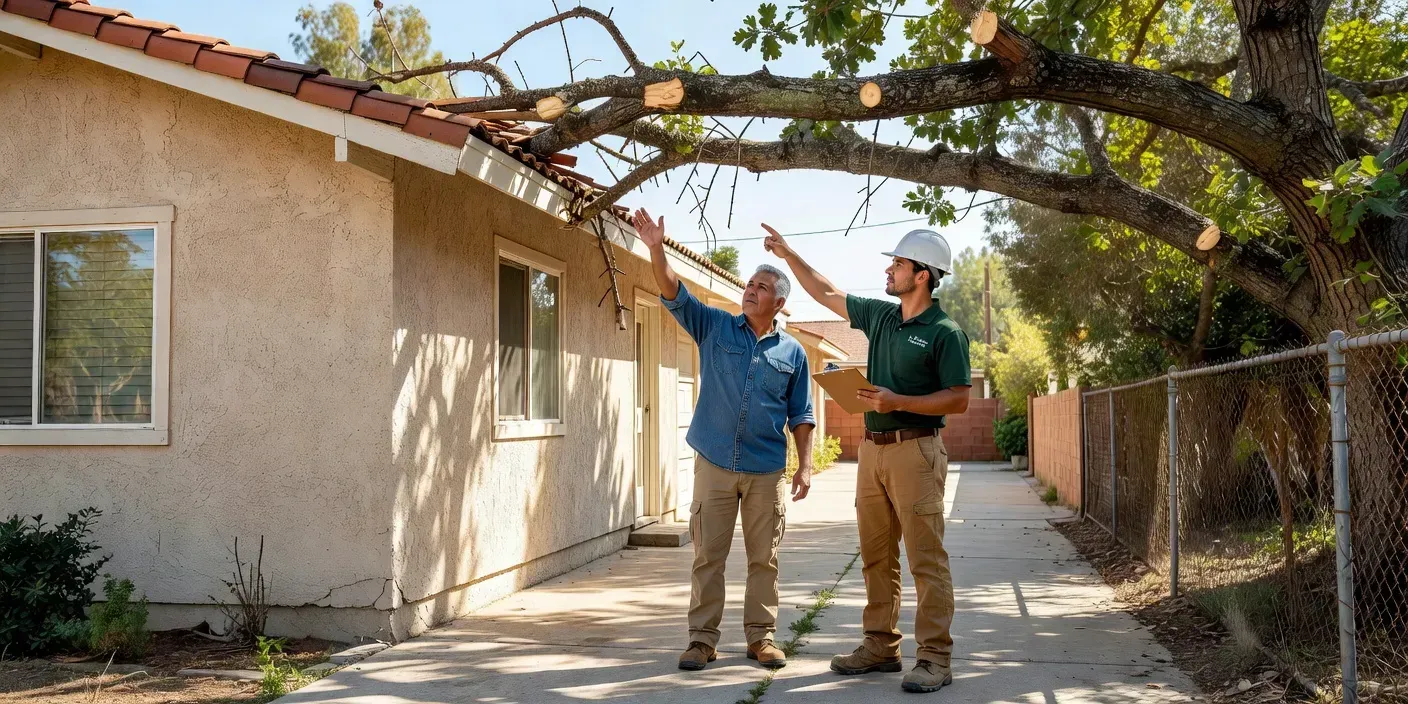
Match timing to Southern California growth. Many owners pair this check with guidance from how often trees should be trimmed in Southern California so cuts stay proactive. El Monte Tree Service documents both zones on one walkthrough. The team ranks friction, clearance, and sight lines without padding the scope.
When roof and driveway compete, request a site visit and fix the failing contact first. Roof and driveway limbs both deserve a measured tree clearance service when contact is repeated, not only when height looks dramatic. Prioritize the surface that fails first, then schedule a full tree branches near house walk-through so El Monte, CA growth and wind do not erase the remaining gap.
When fence lines need the same review
Fence contact needs attention when limbs scrape boards, lift rails, or shade wet soil against posts long enough to speed rot. A quiet rub can still shift panels after Santa Ana winds. Compare fence friction with roof and driveway risk on one visit so cuts stay proportional and property lines stay clear without over-pruning healthy crowns.
| Zone | Watch for | Typical next step |
|---|---|---|
| Roof | Tile rub, eave moisture | Clearance cut + moisture check |
| Fence | Board scrape, post shade | Selective reduction |
| Driveway | Headroom, apron sight lines | Lift or thin for access |
Frequently Asked Questions
When do tree branches near house roofs need a professional look?
Branches need a look when they rest on tiles, scrape eaves, or trap debris along the drip edge after dry wind. Constant friction loosens edges faster than rare contact. Homeowners in El Monte, CA should treat repeated roof touch as a cue for assessment before the next growth surge closes the gap.
When should fence-side limbs get clearance work?
Fence-side limbs need work when they grind boards, lift rails, or keep posts damp in shade. Scrapes and soil moisture matter more than raw height. Pair fence review with roof and driveway checks so one plan covers friction, access, and sight lines without separate emergency trims.
What driveway clearance problems matter most for daily use?
Driveway problems matter when limbs hit roofs of cars, block walkers, or hide the apron at the street. Paint and mirror scrapes signal tight clearance. Fix daily access first, then align remaining cuts with a broader tree branches near house plan timed to Southern California growth.
Preferred Source on Google Search
Add www.montetreeservice.com to customize your search feed across Top Stories.