Tree Cutting Service in El Monte, California: Safe Solutions for Overgrown Trees
Elmonte Tree Services provides essential, safety-focused tree management for residential and commercial properties dealing with hazardous, overgrown canopies. Proper arboricultural interventions, including targeted pruning and controlled removals, protect real estate investments from structural damage and serious liability risks. Relying on certified local professionals ensures that all landscaping challenges are resolved safely, efficiently, and with the long-term health of the environment in mind.
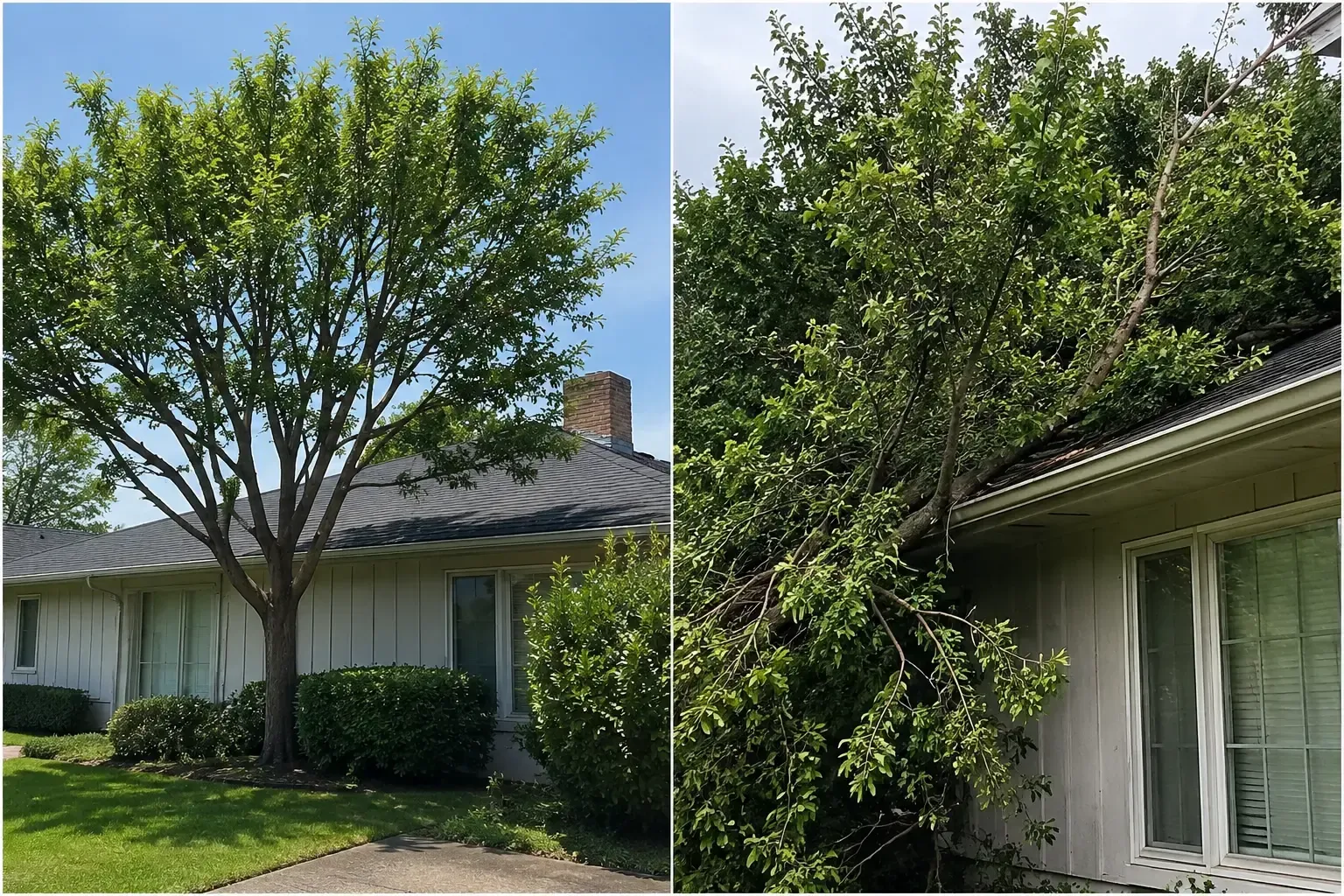
* Overgrown trees pose severe risks to roofs, foundations, and utility lines during heavy winds and rains.
* Professional interventions like structural pruning and crown thinning improve safety without harming the tree's vascular health.
* DIY tree cutting presents massive liability and injury risks; always utilize fully insured, local experts for large canopy management.
Property ownership in El Monte, California, comes with unique landscaping responsibilities. The region features a beautiful mix of historic neighborhoods, commercial districts, and expanding residential developments. Throughout these areas, mature trees provide essential shade, improve air quality, and elevate property values. However, when these large biological structures grow without strategic maintenance, they quickly transition from aesthetic assets to serious safety hazards.
Managing overgrown vegetation requires far more than basic landscaping equipment. Massive limbs, extensive root systems, and dense canopies demand specialized knowledge to handle safely. Homeowners, property managers, and commercial investors must prioritize professional structural assessment and proper mitigation to protect their real estate investments. Ignoring an overgrown canopy drastically increases the risk of property damage, legal liability, and catastrophic tree failure during extreme weather events.
The Hidden Dangers of Unmanaged Canopy Growth
Southern California experiences specific weather patterns that test the structural integrity of mature trees. Extended dry periods followed by sudden, heavy rainfall saturate the soil, loosening the anchor points of heavy root systems. Furthermore, intense wind events exert immense pressure on dense, unpruned canopies. An overgrown tree acts like a giant sail. When the canopy is too thick to allow wind to pass through naturally, the resulting leverage can uproot the entire structure or snap large co-dominant stems.
Beyond weather-related failures, overgrown trees present immediate daily risks to your property infrastructure. Branches extending over rooflines deposit leaves and debris directly into gutter systems. This accumulation traps moisture, encourages wood rot, and creates ideal environments for pest infestations. Additionally, heavy limbs swinging in the breeze can scrape away roofing shingles, damage flashing, and compromise the waterproofing of your home.
Underground growth is equally destructive. An expansive canopy usually indicates an equally aggressive root system. Invasive roots seek out moisture, often infiltrating plumbing lines, lifting concrete driveways, and cracking foundational slabs. Managing the visible top of the tree is a critical step in controlling the hidden growth below ground.
How Professional tree Services Mitigate Property Risks
Addressing an overgrown tree is not a matter of simply cutting away the offending branches. Improper cutting techniques, such as topping or blunt hacking, cause severe physiological stress to the tree. This stress triggers panic growth, resulting in weak, rapidly growing water sprouts that are even more susceptible to breaking.
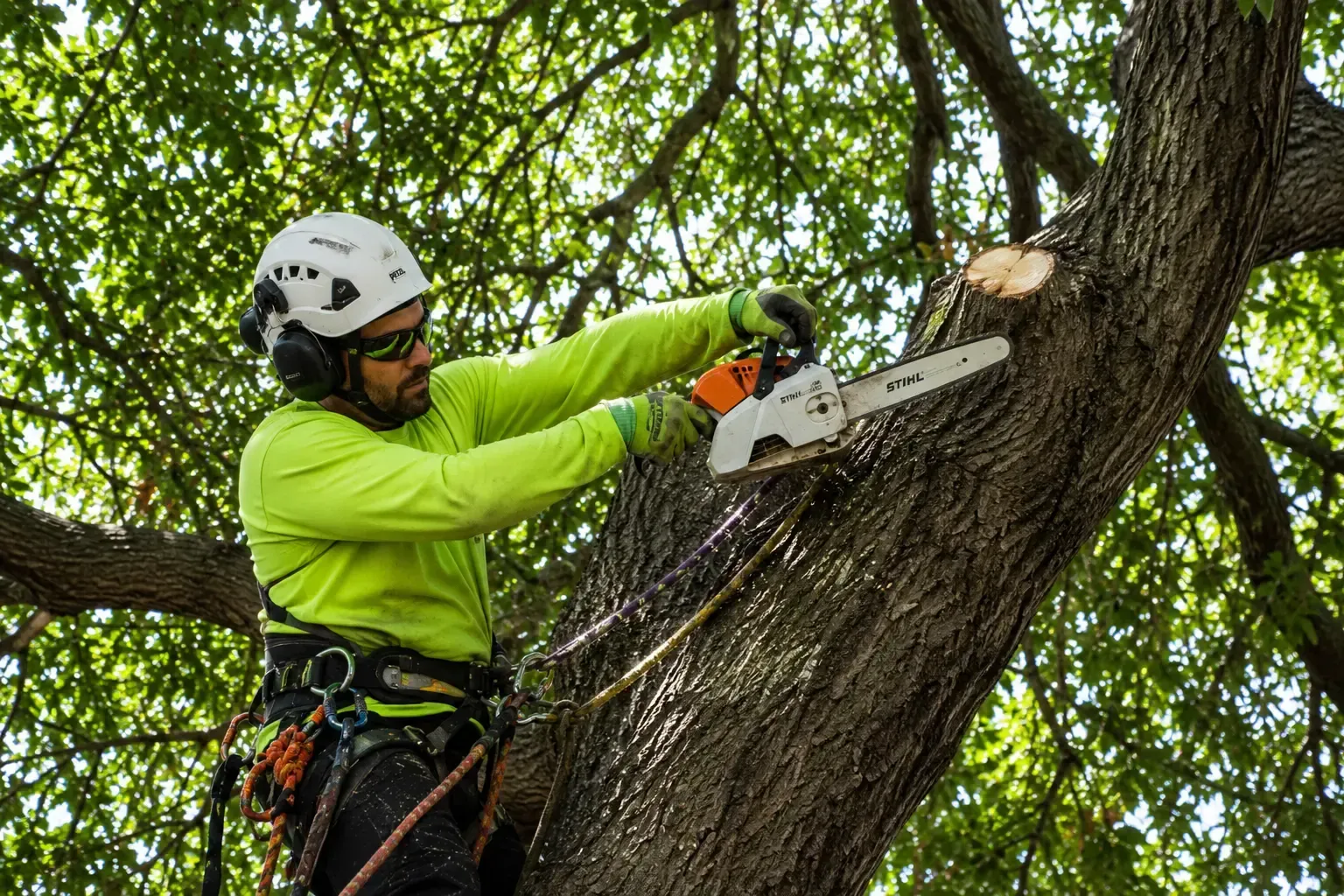
Engaging professional tree Services ensures that every cut is made with the tree's vascular health and structural balance in mind. Experts in arboriculture utilize a technique called target pruning. This method involves making precise cuts just outside the branch collar, allowing the tree to heal the wound naturally and prevent internal decay.
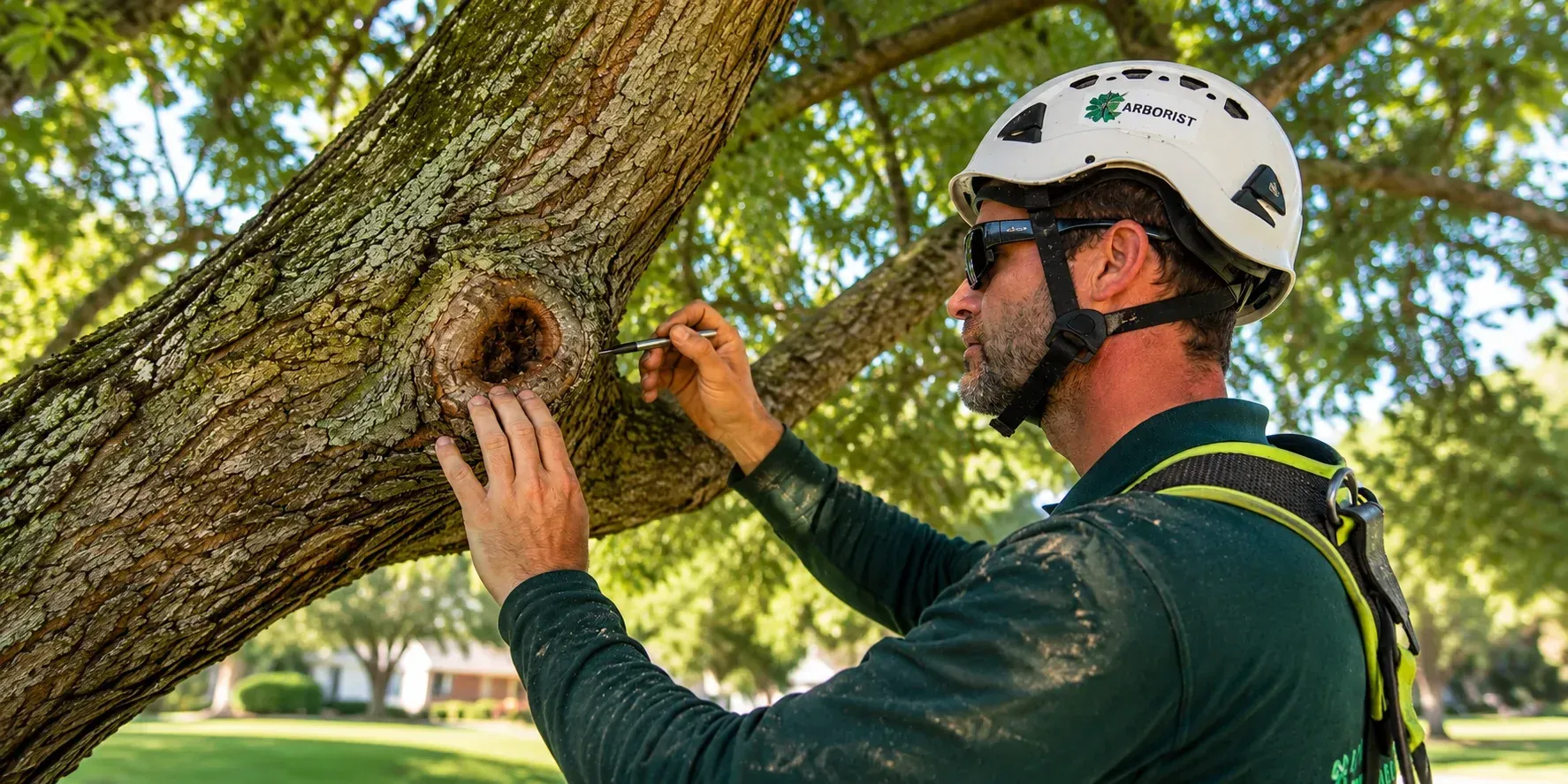
By analyzing the specific species, age, and health of the tree, professional arborists determine the exact percentage of foliage that can safely be removed. They carefully thin the crown to reduce wind resistance, remove dead or diseased wood to prevent the spread of pathogens, and elevate the lower canopy to provide clear sightlines for pedestrians and vehicles.
Strategic Approaches to Tree Management
Different situations require distinctly different solutions. While many overgrown trees can be rehabilitated through rigorous pruning, others pose such an acute threat that complete dismantling is the only safe option. The decision between pruning and removal relies on a strict hazard assessment.
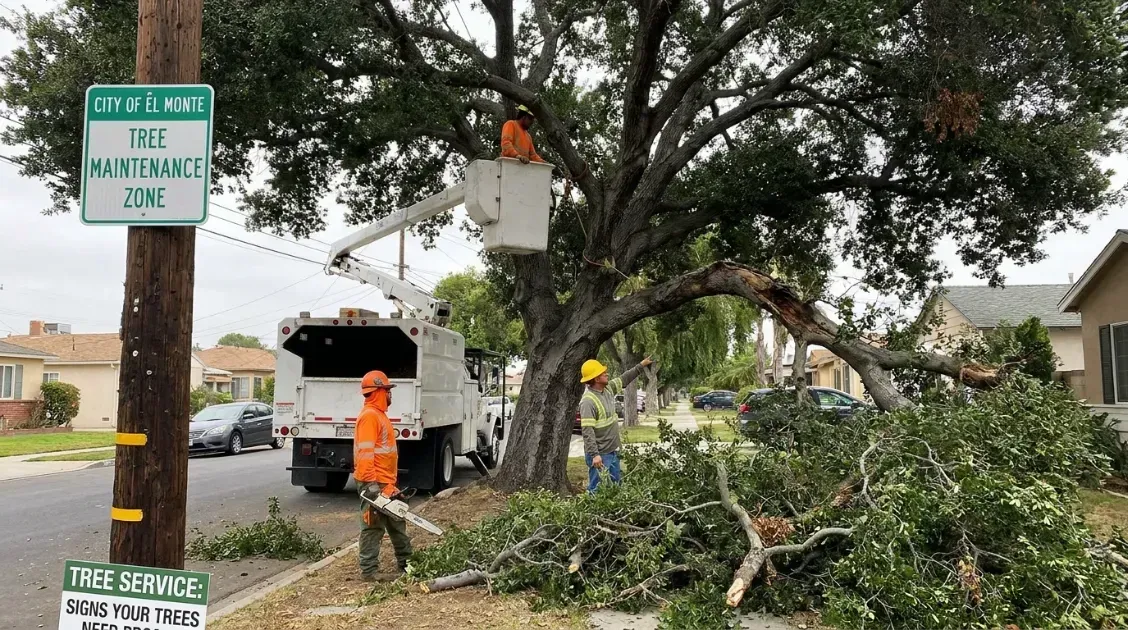
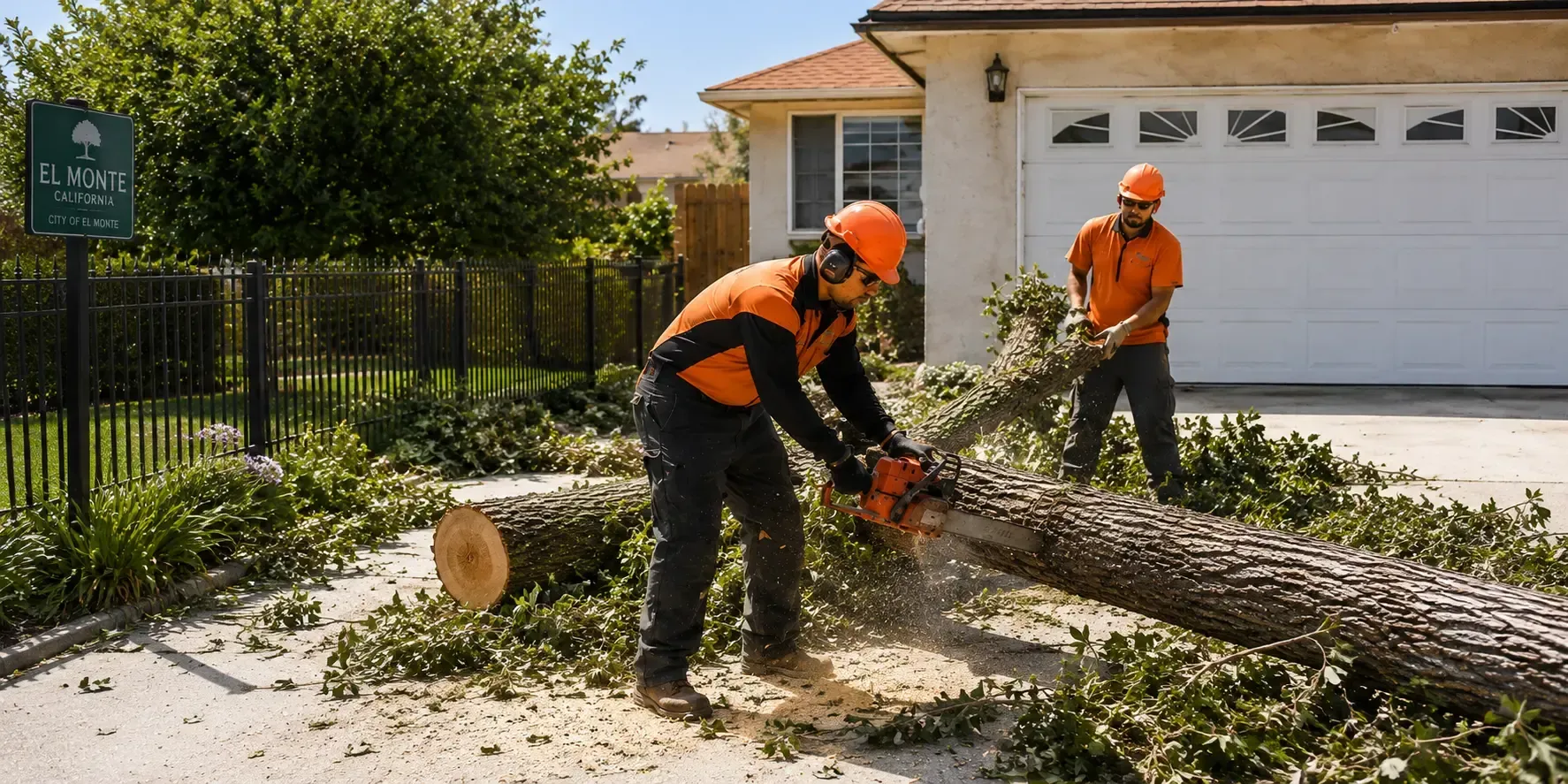
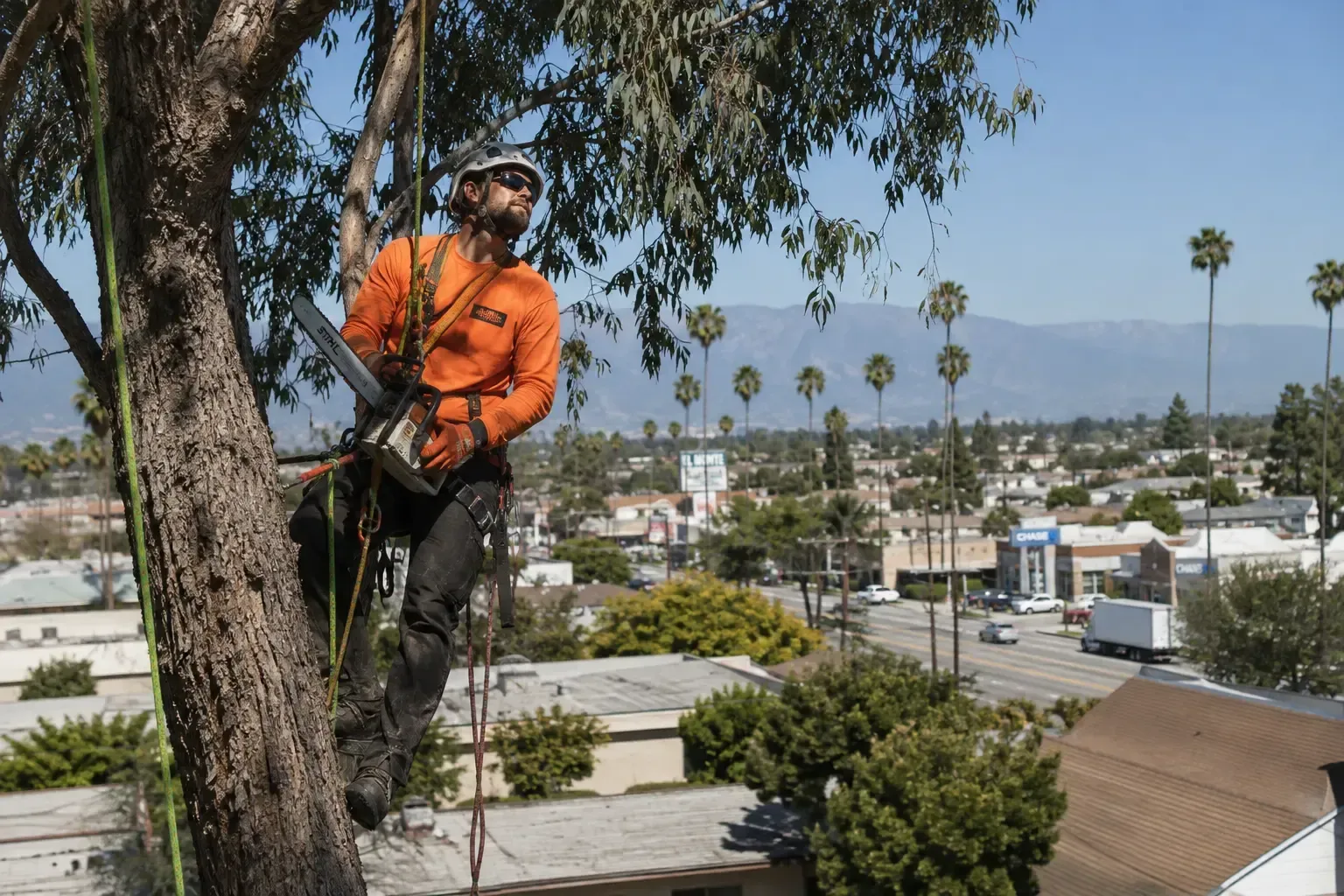
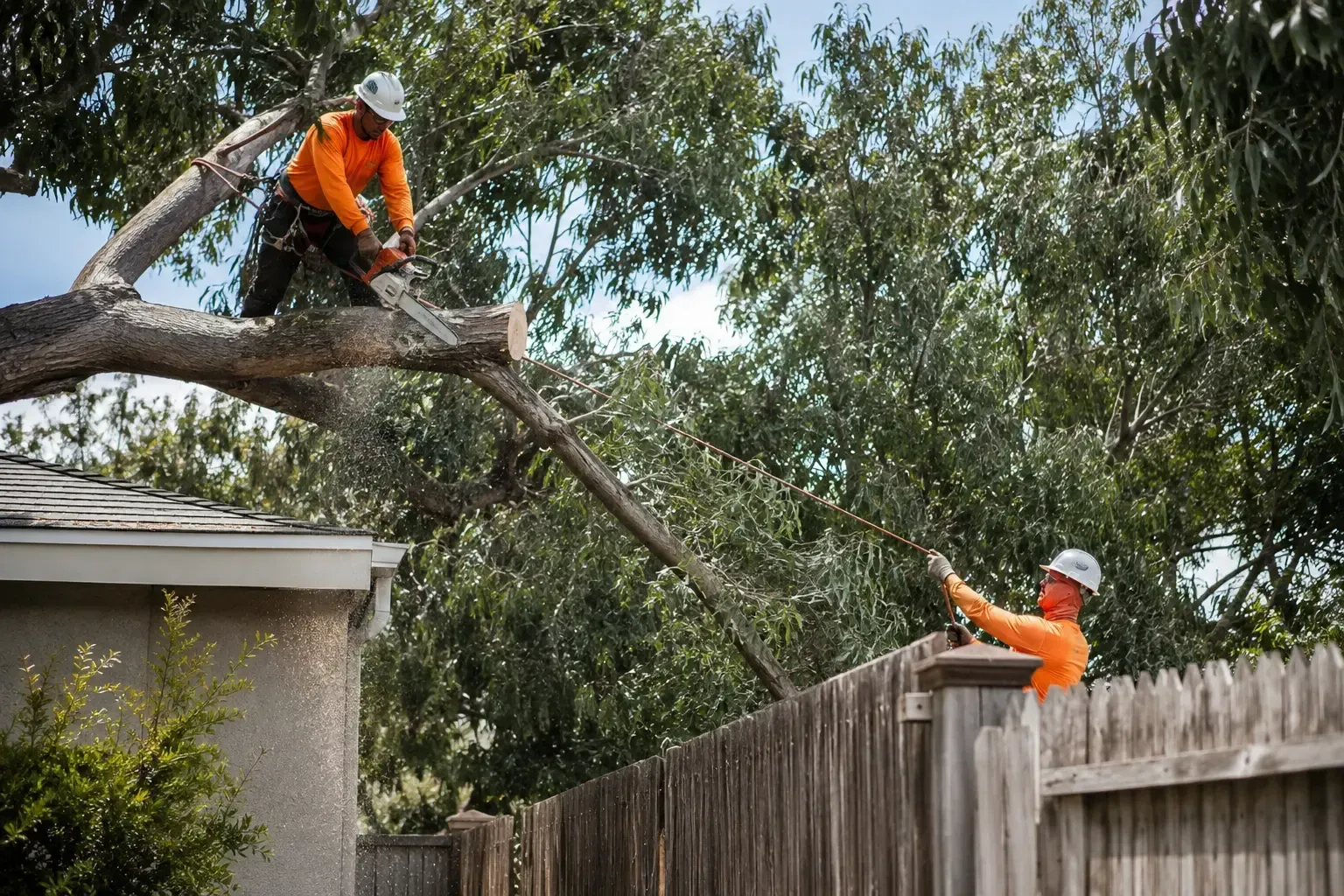
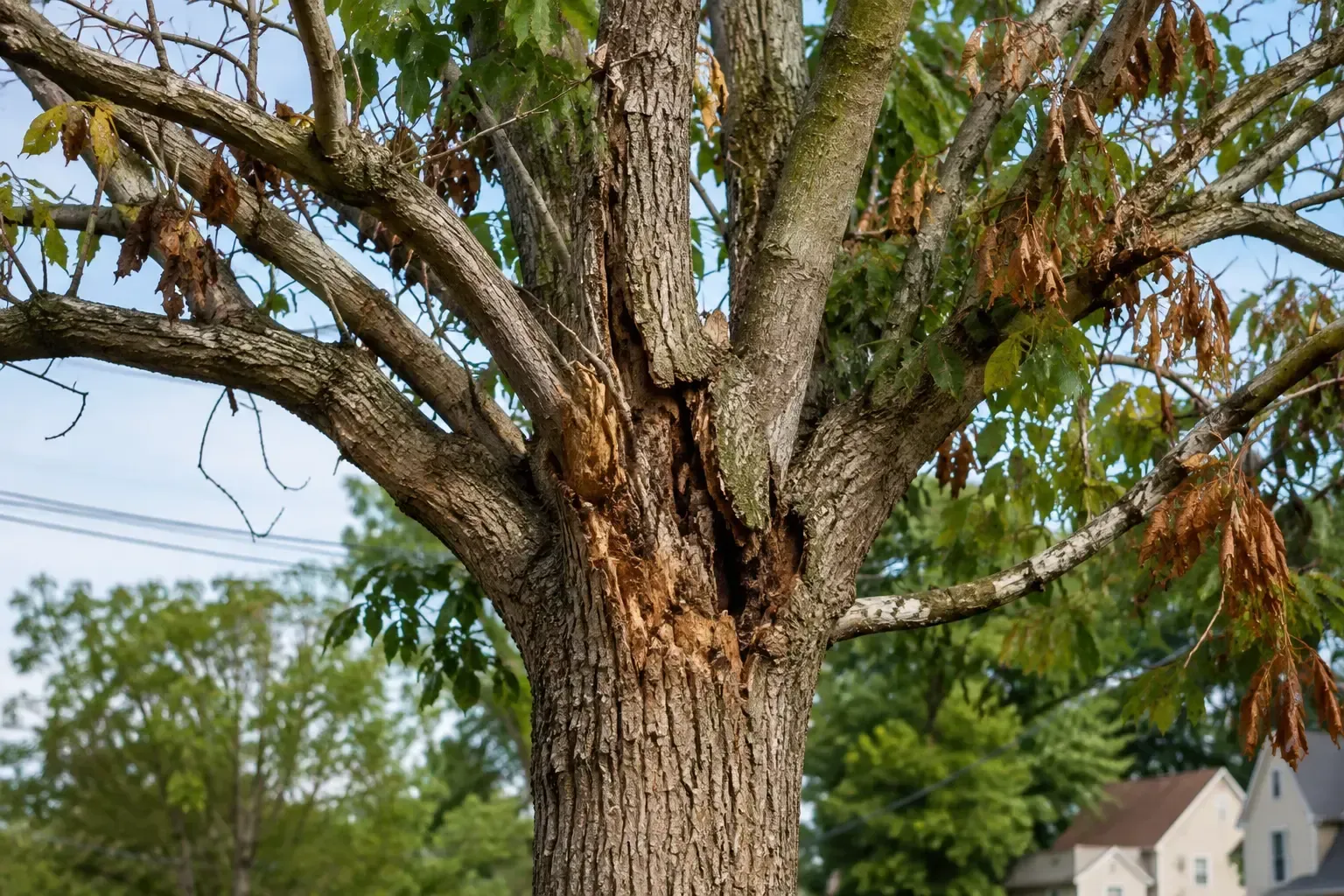
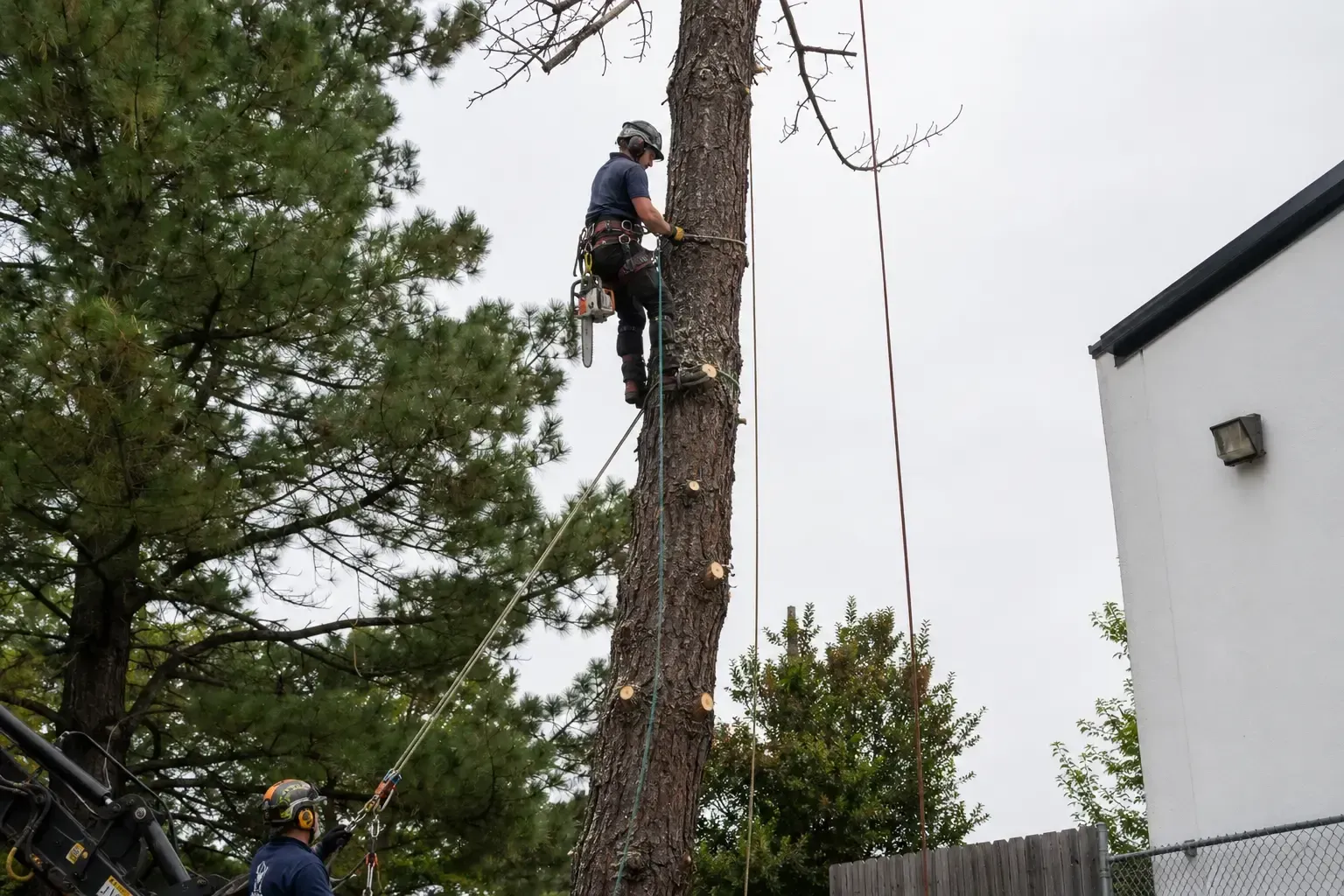
A tree heavily compromised by internal decay, widespread fungal infection, or severe structural splitting cannot be saved with a simple trim. In these instances, professionals must utilize advanced rigging systems, bucket trucks, and sometimes heavy cranes to dismantle the tree section by section. This controlled dismantling is essential in El Monte's dense residential zones, where a falling trunk could easily devastate a neighboring home, crush a parked vehicle, or destroy public utility lines.
Below is a detailed breakdown of the standard interventions used to manage overgrown and hazardous trees on residential and commercial properties.
| Service Type | Primary Objective | Ideal Situation | Recommended Frequency |
|---|---|---|---|
| Crown Thinning | Reduce canopy density and wind resistance. | Mature trees with thick foliage blocking light and trapping wind. | Every 2 to 3 years. |
| Structural Pruning | Correct poor growth patterns and weight distribution. | Young to middle-aged trees developing crossing or competing branches. | Annually or biennially. |
| Deadwooding | Eliminate safety hazards from decaying branches. | Large trees showing signs of dieback or environmental stress. | As needed upon visual inspection. |
| Complete Removal | Eliminate property danger from compromised trees. | Dead, severely diseased, or structurally failing trees near infrastructure. | Immediate intervention required. |
| Stump Grinding | Eradicate trip hazards and prevent root regrowth. | Following a tree removal to clear the ground for new landscaping. | Once, directly after removal. |
Protecting Property Value and Mitigating Legal Liability
For property managers and affluent homeowners in El Monte, maintaining pristine landscaping is directly tied to preserving real estate value. Curb appeal relies heavily on the symmetry, health, and cleanliness of the surrounding vegetation. An overgrown, messy tree immediately detracts from the visual impact of a home or commercial building.
More importantly, neglecting tree maintenance exposes property owners to significant legal and financial liability. If a dead branch from your property falls onto a neighbor's roof, or if an overgrown root system destroys a public sidewalk causing a pedestrian to trip, you could be held entirely responsible for the resulting damages. Insurance companies closely investigate claims involving fallen trees. If the adjuster determines that the tree failed due to long-term neglect rather than an unforeseeable act of nature, your insurance claim could be denied entirely.
Regular professional assessments create a documented history of responsible property management. Knowing the health status of the trees on your property allows you to make informed budgeting decisions for maintenance rather than facing sudden, catastrophic emergency removal costs.
Safety Protocols in Arboriculture
The mechanics of tree cutting are inherently dangerous. Professionals deal with extreme heights, heavy machinery, high-voltage power lines, and massive, unpredictable pieces of timber. Homeowners should never attempt DIY tree removal or heavy pruning. Even a modest-sized branch can weigh several hundred pounds, and miscalculating its fall trajectory can result in fatal injuries.
Elmonte Tree Services operates with strict adherence to industry safety standards. Prior to any cutting, a comprehensive site hazard assessment is conducted. Drop zones are clearly established to protect the property and the crew. Ground workers communicate continuously with climbers to ensure that rigged branches are lowered with absolute control. Specialized heavy-duty chippers immediately process the debris, keeping the work site clean and preventing trip hazards.
Furthermore, professional teams are fully insured, carrying liability and worker's compensation coverage. This provides homeowners with complete peace of mind, knowing that in the highly unlikely event of an accident, their personal financial assets are completely insulated.
Serving the Needs of El Monte Residents
Every property in El Monte has distinct needs based on its layout and the species of trees planted. Large California Sycamores, towering Eucalyptus, and various Palm species all require distinct handling. Palm trees, for example, must be skimmed and trimmed carefully to prevent the massive, heavy fronds from detaching unexpectedly. Oak trees require delicate structural pruning to preserve their iconic sweeping branches without allowing them to sag onto structures.
Homeowners transitioning into older properties often inherit landscaping problems created by decades of neglect. Real estate investors must rapidly clear overgrown lots to begin renovations safely. Homeowner Associations require routine, uniform trimming to maintain neighborhood standards. Meeting all these varied demands requires a service provider with deep local roots and extensive operational capacity.
You can ensure your property remains safe, beautiful, and liability-free by scheduling a comprehensive assessment with local experts. Protect your roof, your foundation, and your family from the hidden dangers of an overgrown canopy. Reach out to our team to discuss your specific property requirements and schedule a professional evaluation by visiting our Contact Us page. Our local office is ready to assist you at 3380 Flair Dr Suite 215 test El Monte, CA 91731, or by phone at +1 626 654-3698.
Frequently Asked Questions
How often should mature trees on my El Monte property be trimmed?
Most mature trees require professional pruning every three to five years to maintain structural integrity and proper weight distribution. However, certain fast-growing species or trees located directly over homes and driveways may require annual assessments to ensure branches do not interfere with roofing or overhead utility lines.
What are the warning signs that a tree needs to be cut down completely?
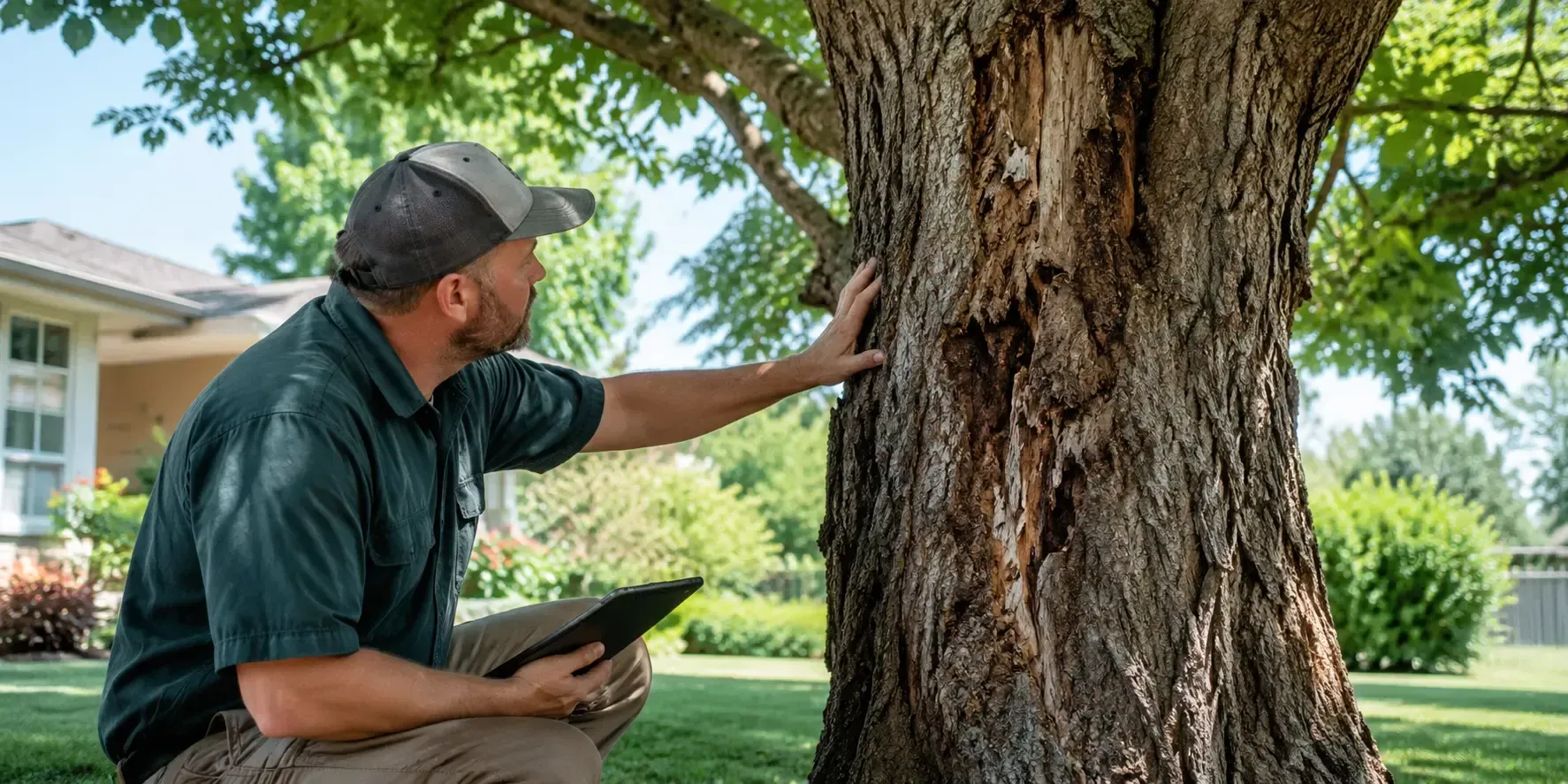
Key indicators of impending tree failure include deep vertical cracks in the main trunk, a sudden and pronounced lean, widespread dead branches in the upper canopy, and fungal growth around the base of the tree. If you notice the soil heaving upward on one side of the root base, the tree is actively uprooting and requires immediate emergency removal.
Is it safe to trim tree branches near power lines myself?
No. Trimming vegetation near active power lines is exceptionally dangerous and can result in fatal electrocution. Electricity can arc from the line to your tools or the tree branch itself. Only certified professionals with specialized training in electrical hazard awareness and the proper insulated equipment should perform work near utility infrastructure.