5 Indicators You Require Emergency Tree Removal to Protect Property Assets and Mitigate Risk
Key Insights and Takeaways
Failing trees present severe safety and financial risks to homeowners. Identifying sudden leaning, trunk cracks, and uprooted soil allows you to act before structural collapse occurs. Partnering with a certified local specialist ensures dangerous trees are dismantled safely and efficiently.
- A sudden lean or lifted soil indicates catastrophic root failure requiring immediate extraction.
- Deep vertical trunk cracks compromise the entire weight-bearing structure of the tree.
- Hiring a trained professional is critical for accurately assessing internal decay and preventing property damage.
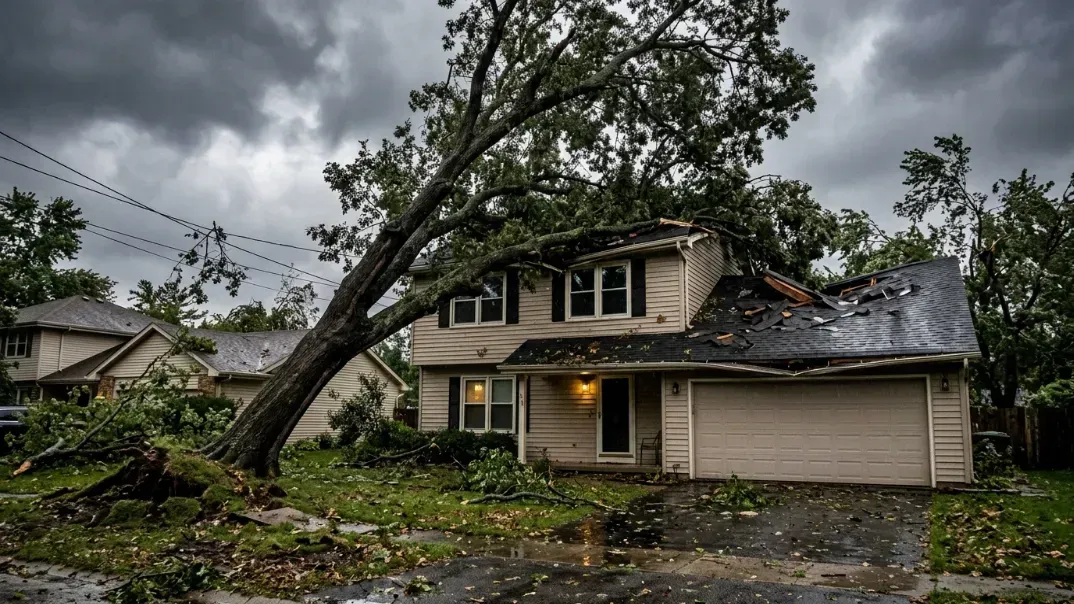
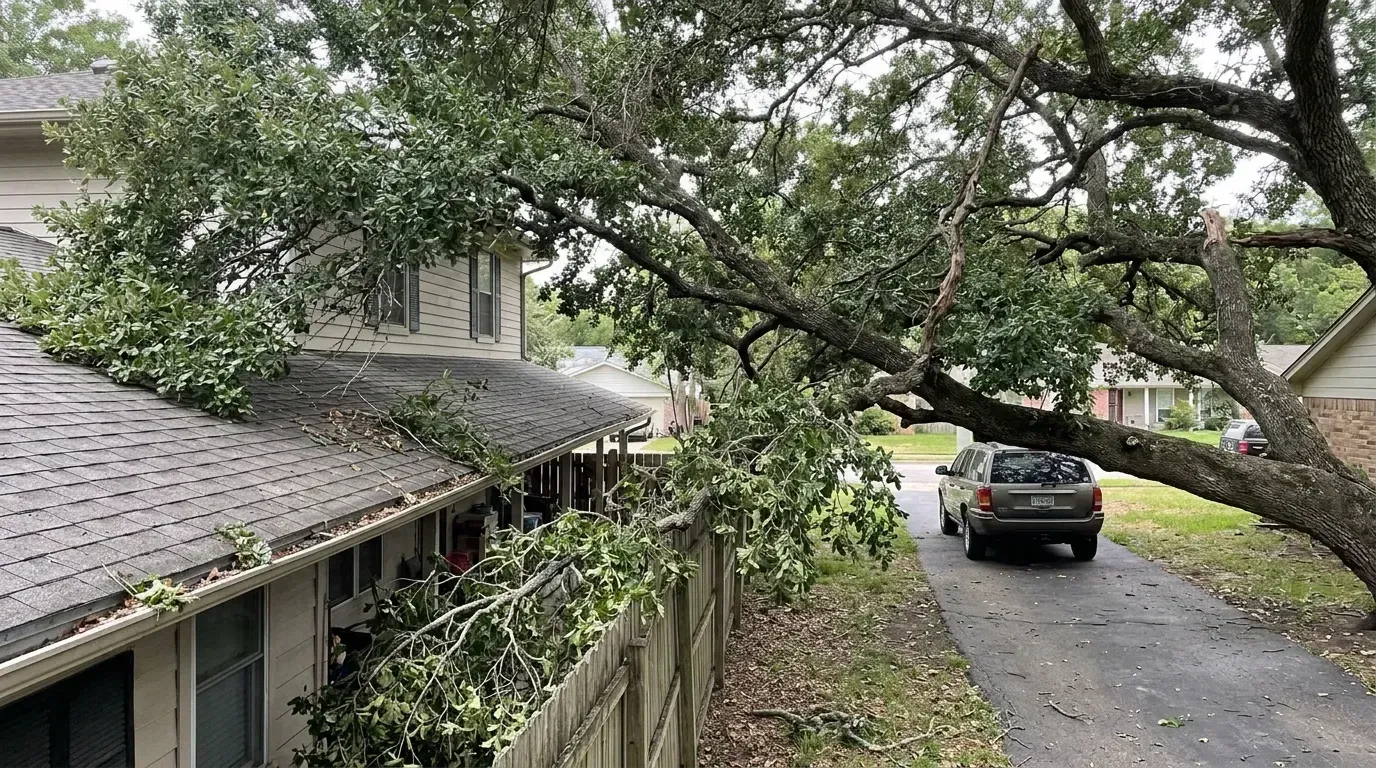
Large trees add beauty and value to your property. They provide excellent shade during hot summer months. However, compromised trees pose a severe threat. A falling tree can destroy roofs, crush vehicles, and cause serious injuries. Property owners must know how to identify structural failures before a disaster strikes. Ignoring early warning signs can lead to massive financial losses.
Southern California weather introduces unique challenges. High winds and sudden rainstorms can destabilize mature trees. You need to monitor your landscape regularly. Spotting danger early allows you to act fast.
Why You Need a Tree Specialist for Hazard Assessment
You should never guess when it comes to tree safety. Visual inspections by an untrained eye often miss critical flaws. A certified tree specialist knows exactly what to look for. They understand the internal biology and structural mechanics of different tree species.
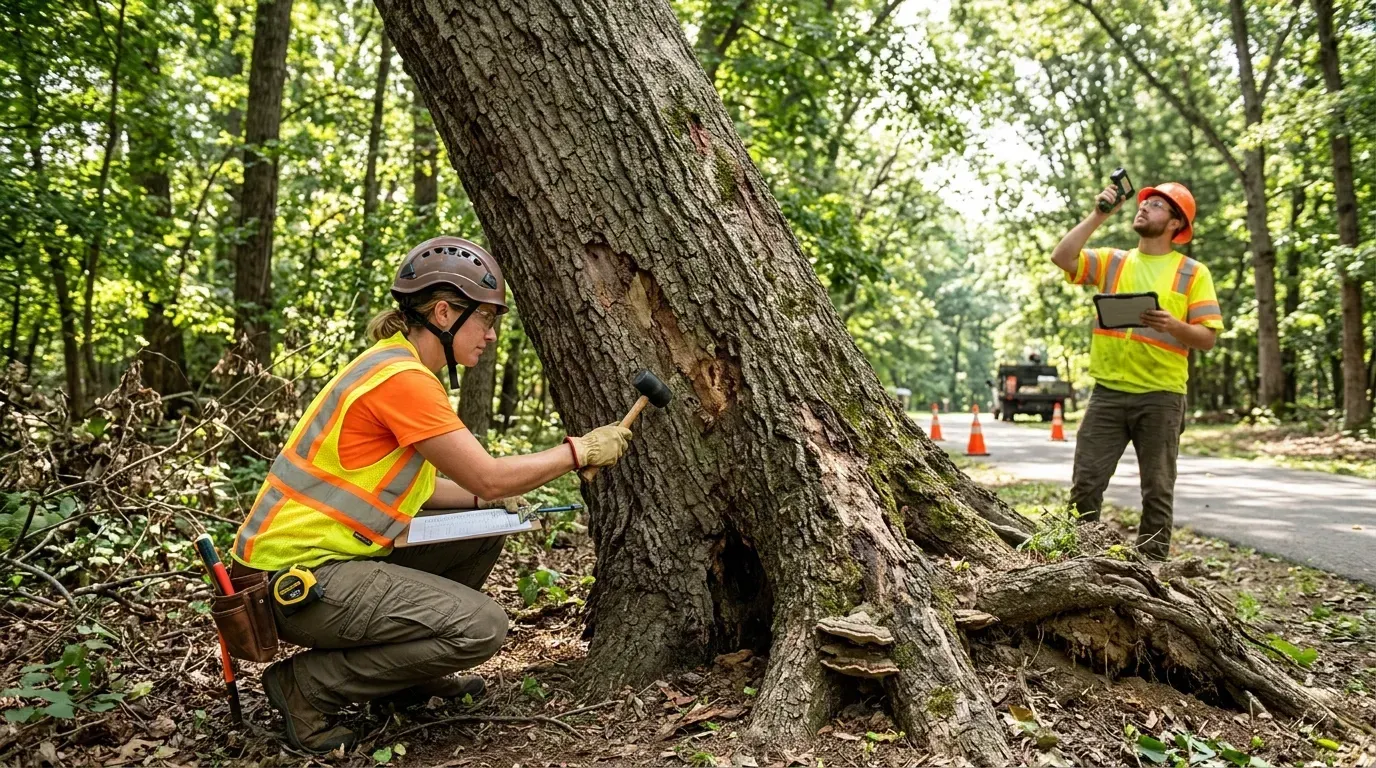
Professionals use specific diagnostic tools to assess trunk integrity. They can spot hidden decay that a casual observer would overlook. Partnering with experts ensures that you receive accurate advice. You can learn more about our experienced team and how we evaluate these risks by visiting our website. Accurate assessments prevent unnecessary removals. They also ensure dangerous trees are taken down promptly.
5 Signs You Need Emergency Tree Removal
Knowing when to call a professional can save your property. Look for these five distinct warning signs on your landscape.
1. Severe Leaning After a Storm
Trees naturally grow at slight angles. A gradual lean is rarely a cause for panic. A sudden lean is a completely different story. If a tree suddenly shifts after a major storm, you have a major problem.
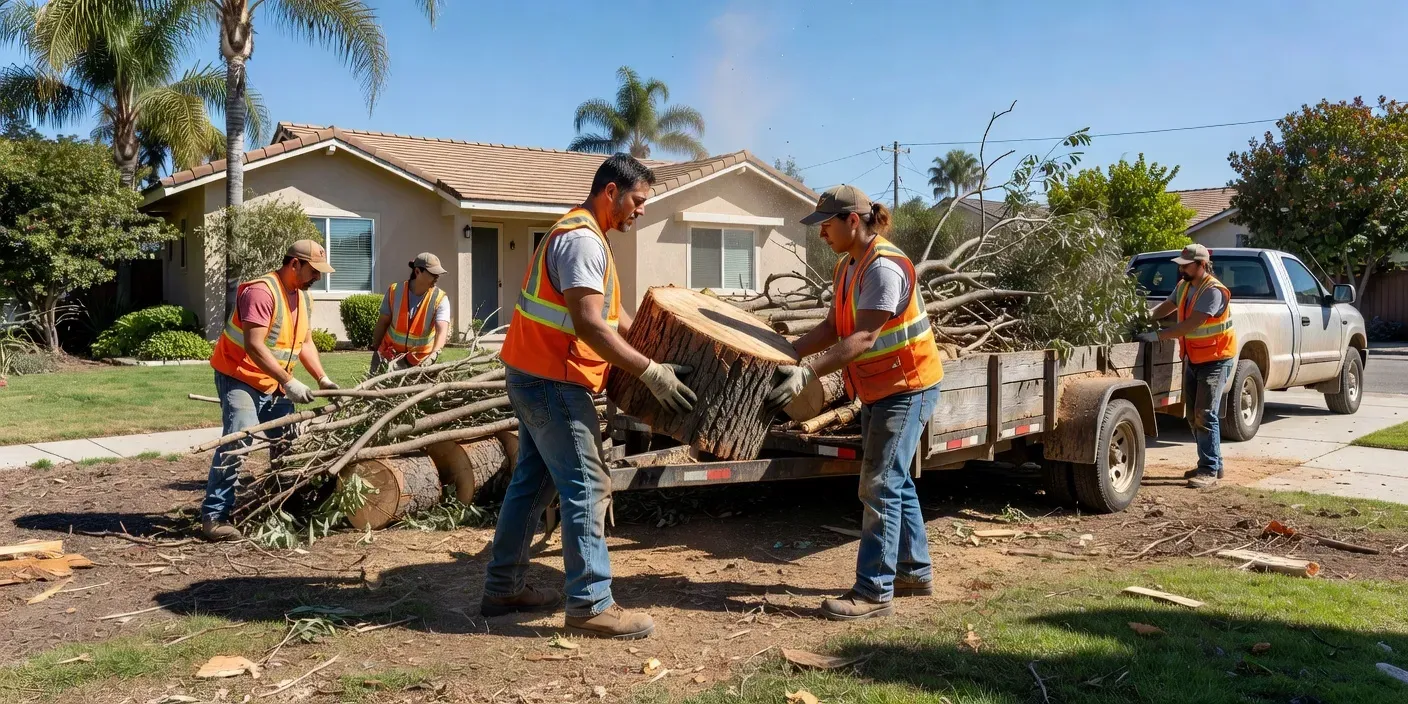
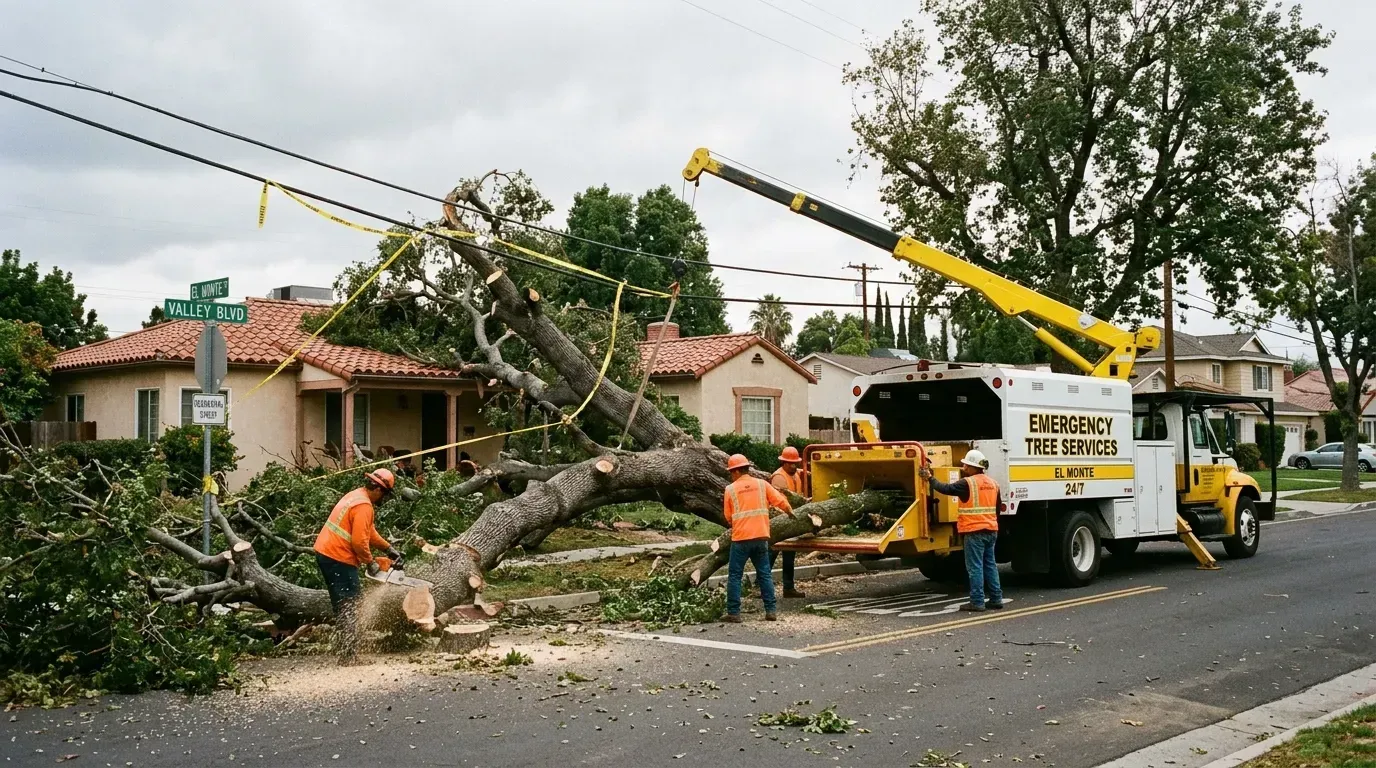
This sudden movement indicates that the roots are failing. The structural anchor of the tree has broken. Gravity will eventually pull the entire tree down. You must act immediately to protect your home. Calling for emergency tree removal is the only safe option. Crews will dismantle the tree before it collapses on its own.
2. Large Broken Branches Lodged in the Canopy
High winds often snap heavy branches. Sometimes these broken limbs do not fall to the ground right away. They get tangled in the upper canopy. Arborists call these suspended branches widow-makers.
The name highlights the extreme danger they present. A sudden gust of wind can dislodge the heavy wood. The branch can fall on a person or a parked car without warning. Routine
tree trimming helps prevent this issue. If you spot a massive broken branch hanging high above, you need immediate professional help. Do not attempt to pull it down yourself.
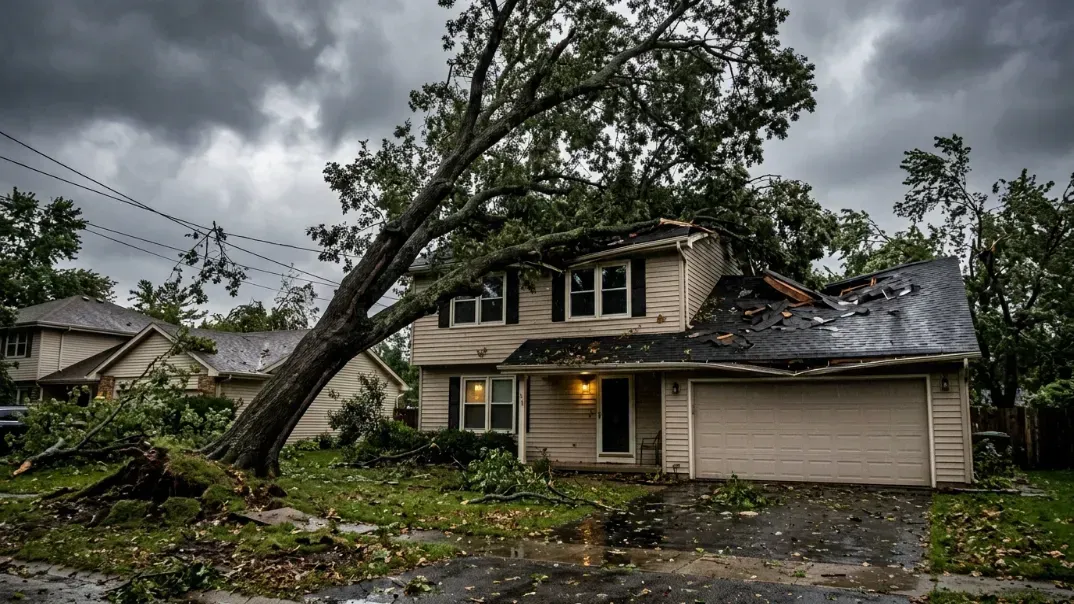
3. Visible Root Damage or Soil Heaving
The root system is the foundation of any tree. Healthy roots grip the soil tightly. Damaged roots compromise the entire structure. Look closely at the ground around the base of the trunk.
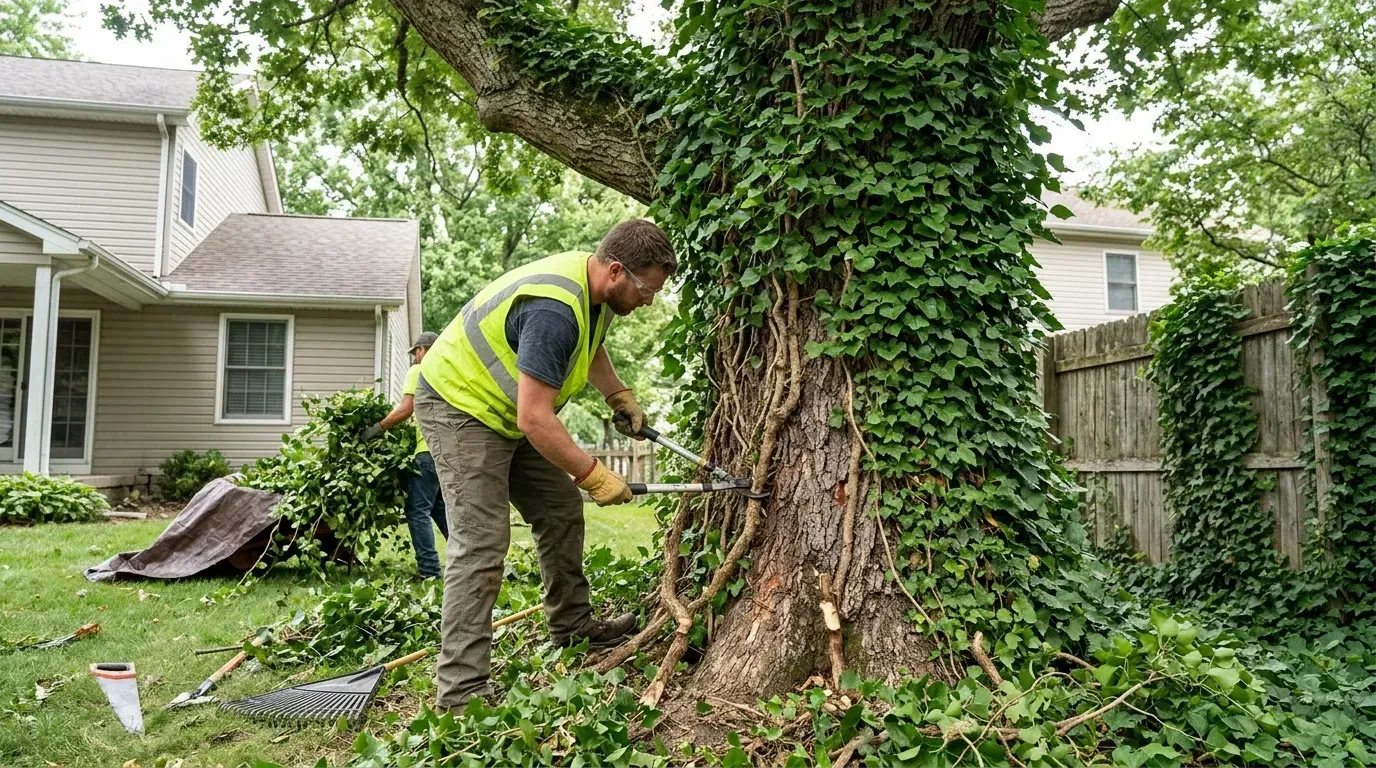
You might see cracked soil or uplifted dirt. This is known as soil heaving. It happens when the root plate starts to lift out of the ground. Saturated soil from heavy rains makes this problem worse. Fungal growth around the base also indicates severe root decay. A tree with a failing root system cannot remain standing for long.
4. Sudden Cracks in the Main Trunk
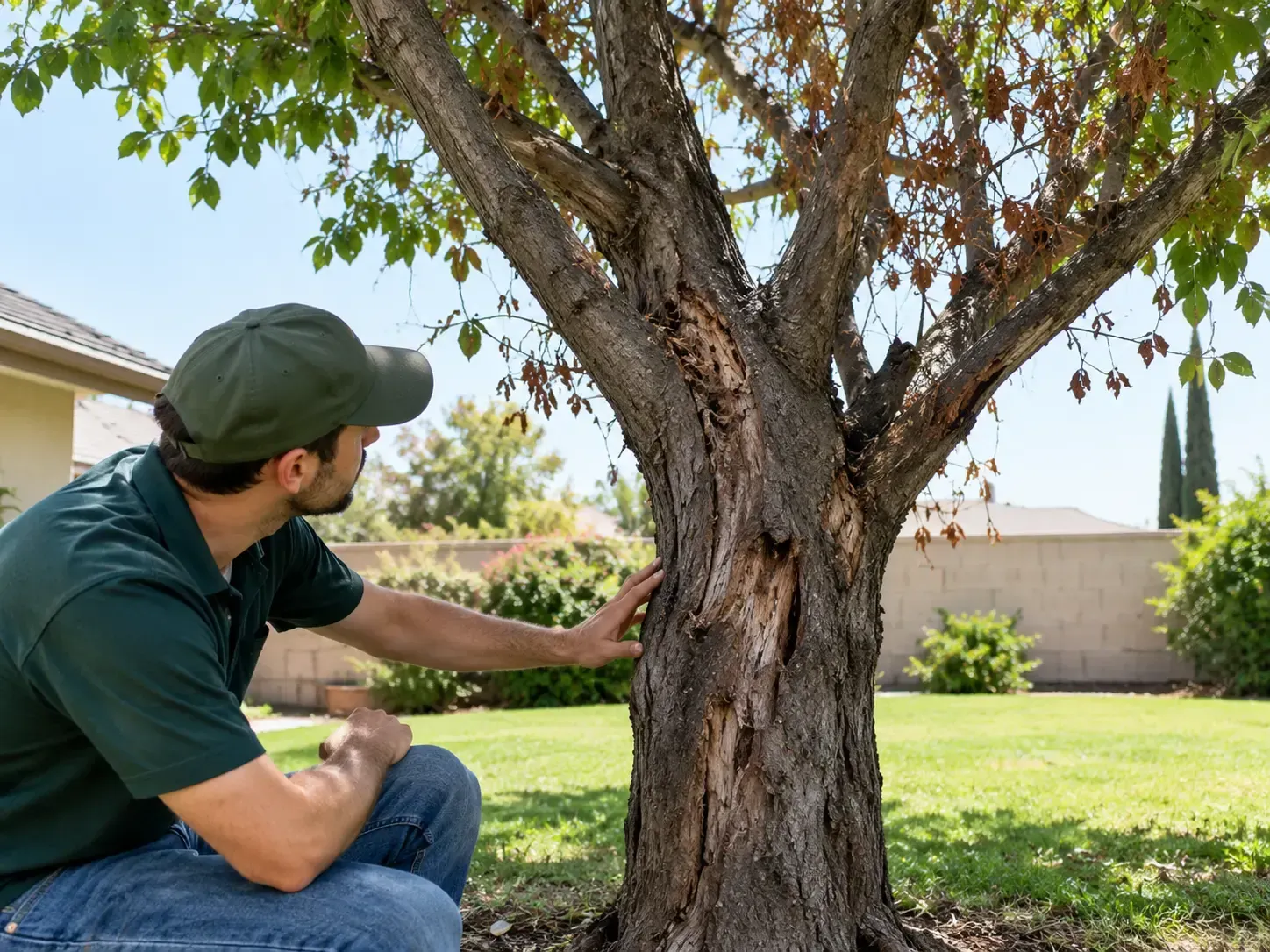
The main trunk supports the entire weight of the canopy. Deep cracks in the trunk are a huge red flag. Vertical cracks often suggest that the wood fibers are splitting under stress.
Multiple deep splits mean the tree is structurally compromised. The trunk can split completely in half during the next windstorm. When the main stem fails, the damage is catastrophic. Professional tree removal becomes mandatory in these situations. Specialists know how to brace and remove cracked trees safely.
5. Hollow Cavities and Decay
Trees can rot from the inside out. A tree might look perfectly green and healthy on the outside. Meanwhile, the interior wood could be entirely hollow.
Check for large holes or cavities along the trunk. Woodpecker damage and insect infestations often point to dead wood. If a large portion of the trunk is hollow, the tree lacks structural strength. It becomes a fragile shell. An expert can measure the thickness of the remaining solid wood. They will tell you if the tree requires urgent extraction.
Risk Assessment Guide
Use this reference table to understand the urgency of different tree hazards.
| Warning Sign | Primary Risk | Recommended Action | Urgency Timeline |
|---|---|---|---|
| Sudden 15-degree lean | Total uprooting | Emergency removal | Immediate |
| Suspended broken limbs | Falling debris hazard | Canopy clearing | Within 24 hours |
| Deep vertical trunk splits | Structural collapse | Trunk dismantling | Immediate |
| Soil heaving at the base | Root plate failure | Professional extraction | Immediate |
| Moderate deadwood | Branch drop | Routine pruning | Within 2 weeks |
Protecting Your El Monte Property
Property owners in El Monte must stay vigilant. The Santa Ana winds can turn a weak tree into a destructive force very quickly. Regular property walks can help you spot the five indicators listed above.
If you notice any of these signs, do not wait for the situation to worsen. Fast action minimizes your financial liability. It keeps your family and your neighbors safe. You can explore more safety tips by reading our latest articles on the topic.
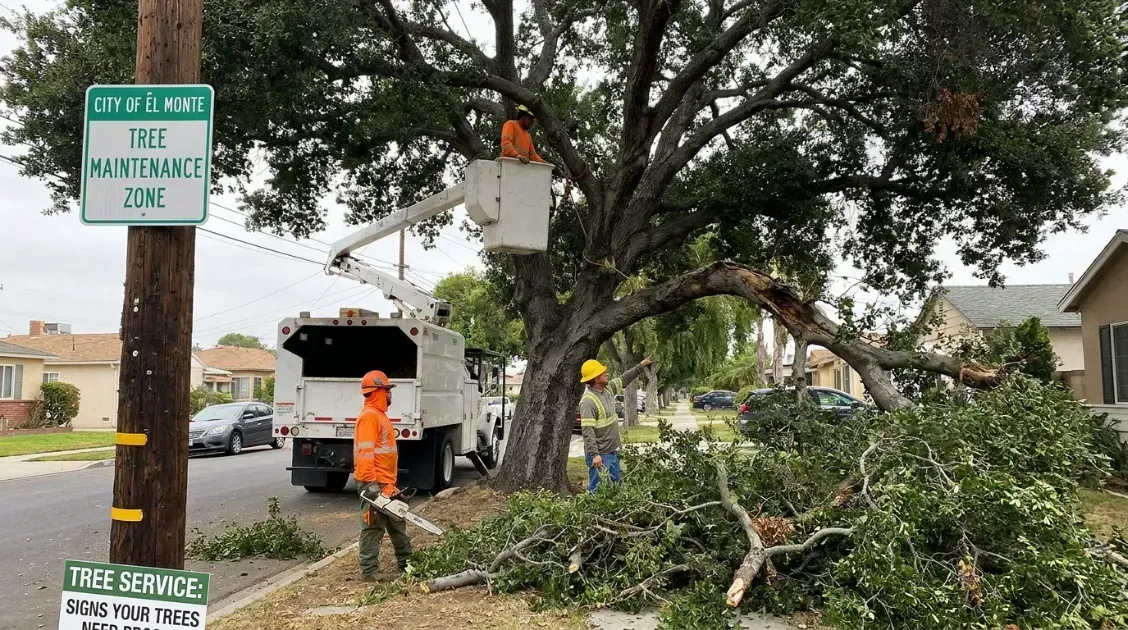
Choosing the right local tree service makes a massive difference. You need a company that responds rapidly to urgent calls. El Monte Tree Service provides reliable and safe extraction for hazardous trees. Our crews have the heavy equipment needed for complex jobs.
If you suspect a tree is failing, reach out to us right away. You can contact us to request a rapid safety inspection.
El Monte Tree Service 3380 Flair Dr Suite 215 El Monte, CA 91731 (626) 654-3698
Frequently Asked Questions
What classifies as a tree emergency?
A tree emergency occurs when a tree poses an immediate threat to life or property. This includes sudden leaning, massive broken limbs caught in the canopy, or roots tearing out of the ground.
Will my homeowner insurance cover the removal?
Insurance policies vary widely. Most providers cover the cost of removal if a tree falls on a covered structure like a roof or garage. They rarely cover the cost of removing a standing tree, even if it is dead.
How quickly can a crew arrive in El Monte?
Response times depend on local weather conditions and crew availability. Dedicated local services prioritize high-risk situations. Crews can often arrive within a few hours to secure a dangerous scene.