Recognizing When and Why to Schedule Professional Tree Removal in El Monte, CA
Key Insights and TakeAways
Deciding to remove a large tree is a critical step in protecting your El Monte property from severe structural damage and liability. Relying on professional arborists ensures that hazardous, dead, or diseased vegetation is dismantled safely without risking your home or family.
* Look for critical warning signs like hollow trunks, sudden leaning, and widespread fungal growth to identify failing root systems early.
* Never attempt DIY extraction, as specialized rigging, commercial equipment, and liability insurance are necessary to prevent catastrophic accidents.
* Regular maintenance and strategic trimming can often save compromised vegetation and extend the life of your mature landscape.
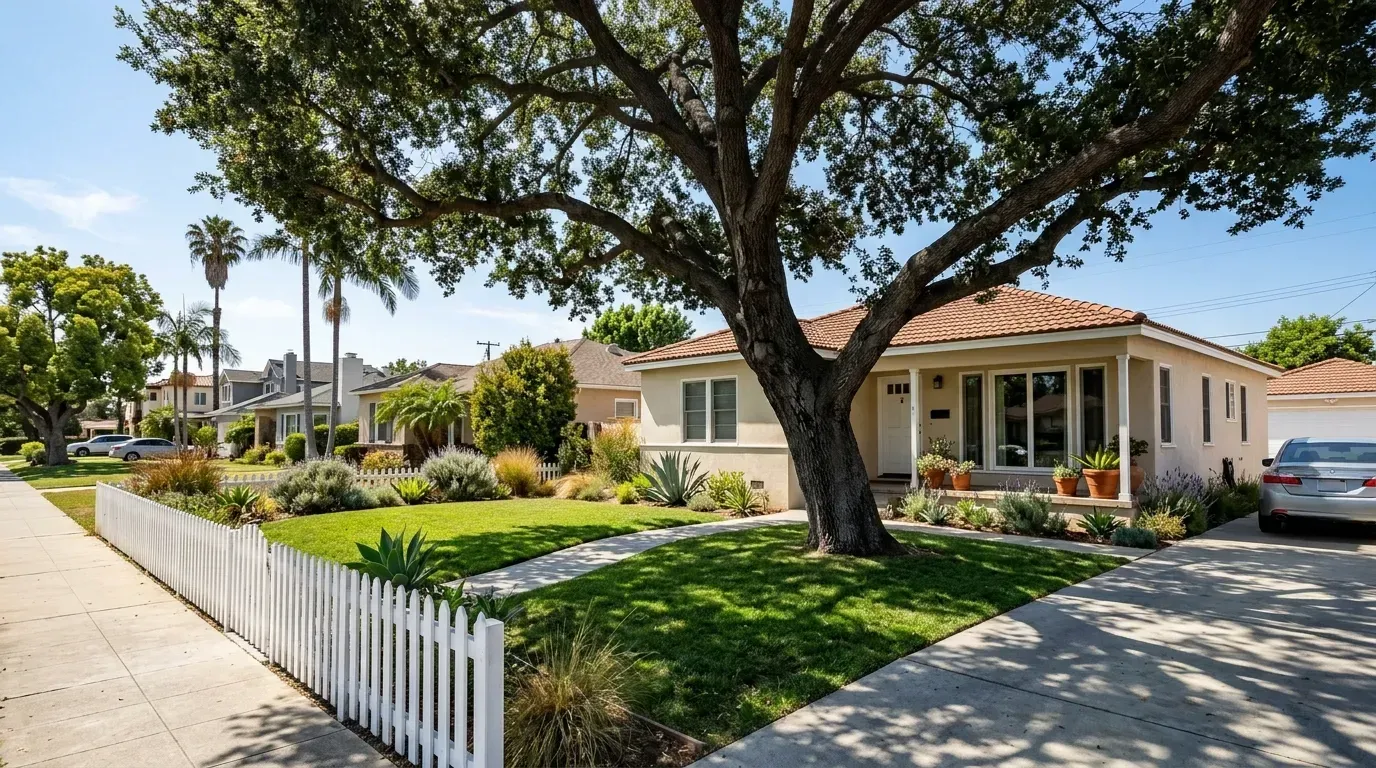
Maintaining a vibrant and healthy landscape is a priority for property owners throughout El Monte, CA. The towering greenery across the San Gabriel Valley provides essential shade during scorching summer months, improves local air quality, and significantly elevates residential property values. However, property management also involves making difficult decisions about landscape maintenance. Sometimes, removing a massive trunk is the only viable option to protect your home and ensure the safety of your family.
Recognizing the exact moment a structural hazard needs to come down can save you from catastrophic property damage. At El Monte Tree, we help property owners navigate these challenging situations safely. Understanding the warning signs of decay and knowing when to call in professionals will protect your real estate investment for decades to come.
Identifying the Signs of Irreversible Decay
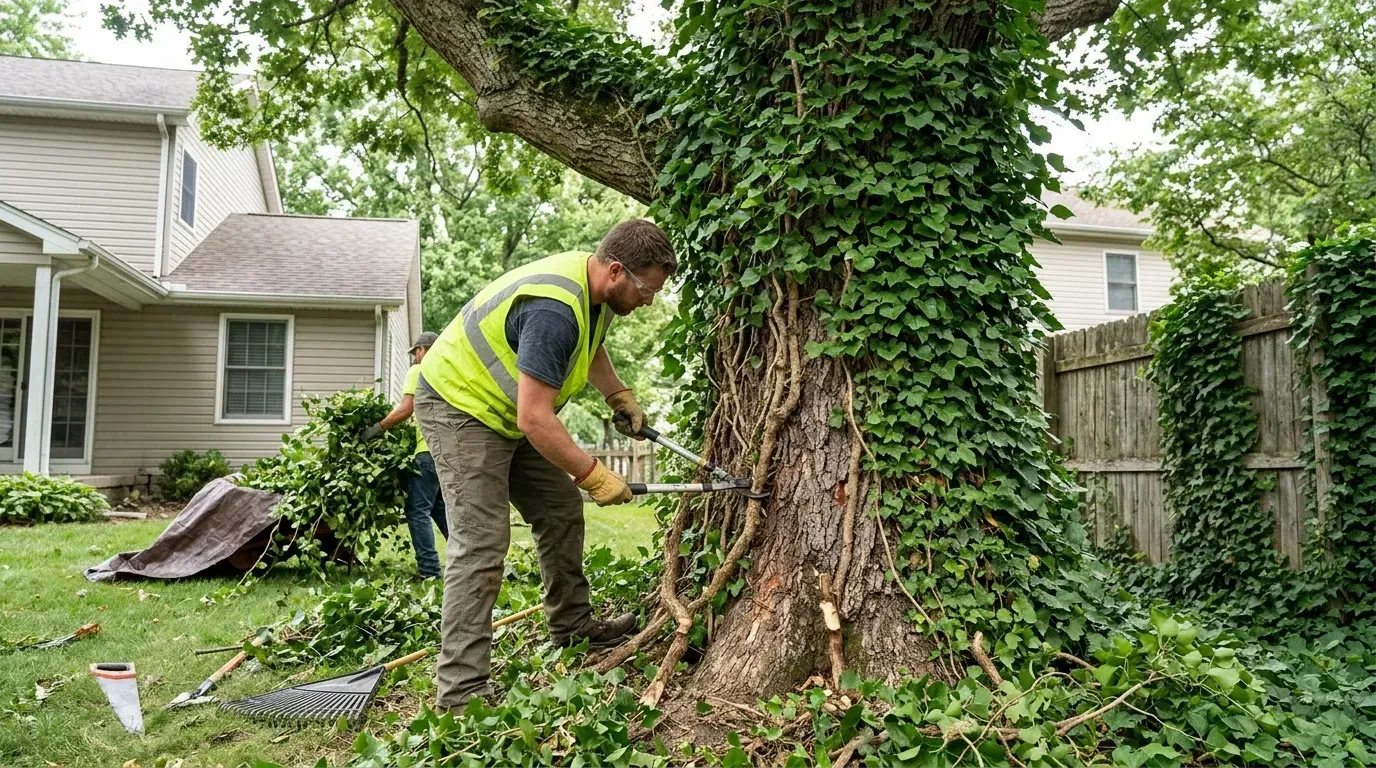
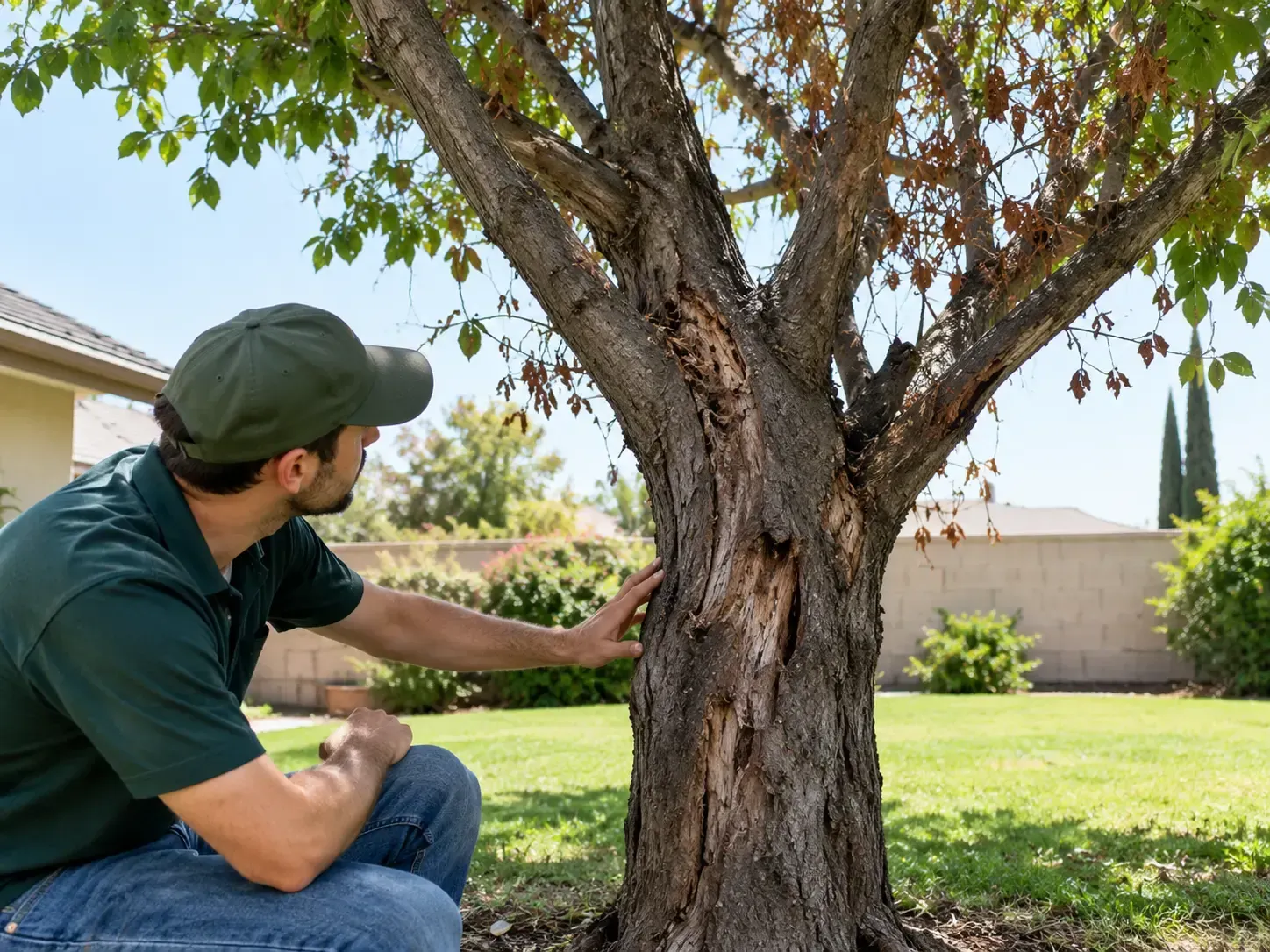
Identifying the early warning signs of a failing root system or decaying trunk is a critical responsibility for any homeowner. Diagnosing structural failure requires careful observation and an understanding of local botany. Several unmistakable indicators point toward the need for immediate tree removal.
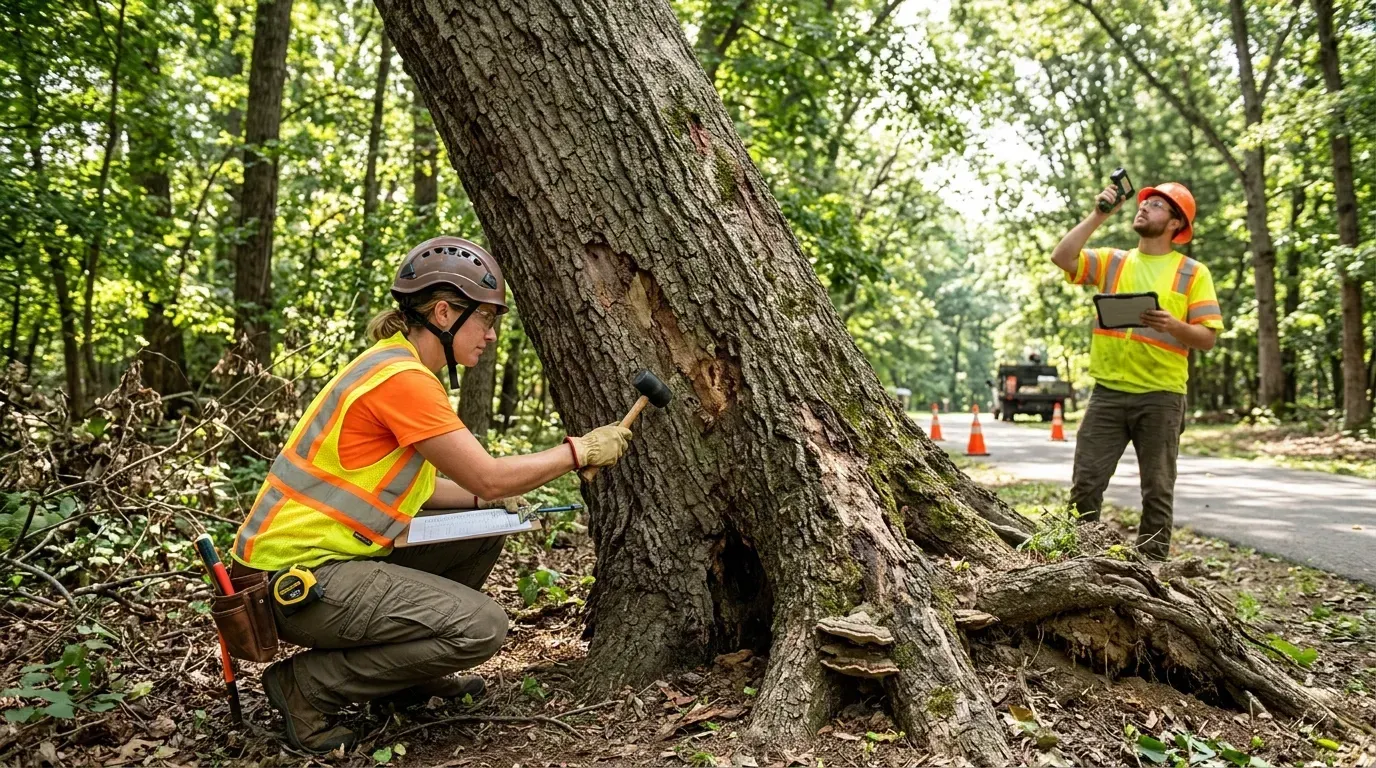
- Extensive Fungal Growth: The presence of mushrooms or severe fungal blooms around the base of the trunk often indicates deep-rooted decay. Wood-decay fungi consume the structural tissue from the inside out.
- Severe Leaning: While some species naturally grow at a slight angle, a sudden or dramatic shift in posture is a major red flag. This shift usually means the anchor roots are failing or the surrounding soil is highly compromised.
- Hollow or Compromised Trunks: A trunk that sounds hollow when tapped or exhibits deep, vertical cracks has lost its structural integrity.
- Widespread Dead Branches: When a canopy features entirely dead branches that do not produce foliage during the spring, the internal vascular system is likely failing.
Waiting for these symptoms to resolve naturally is a dangerous gamble. Wood decay rarely reverses itself without intense, targeted intervention.
The Serious Risks of Delaying Action
Delaying the extraction of a dead or dying specimen often leads to cascading problems across your entire property. Dead wood is a magnet for invasive pests. Termites, carpenter ants, and wood-boring beetles will quickly colonize a decaying trunk. Once they consume the available wood, these pests frequently migrate toward the nearest residential structure, putting your home at severe risk of infestation.
Furthermore, weather conditions in El Monte pose a significant threat to weakened structures.
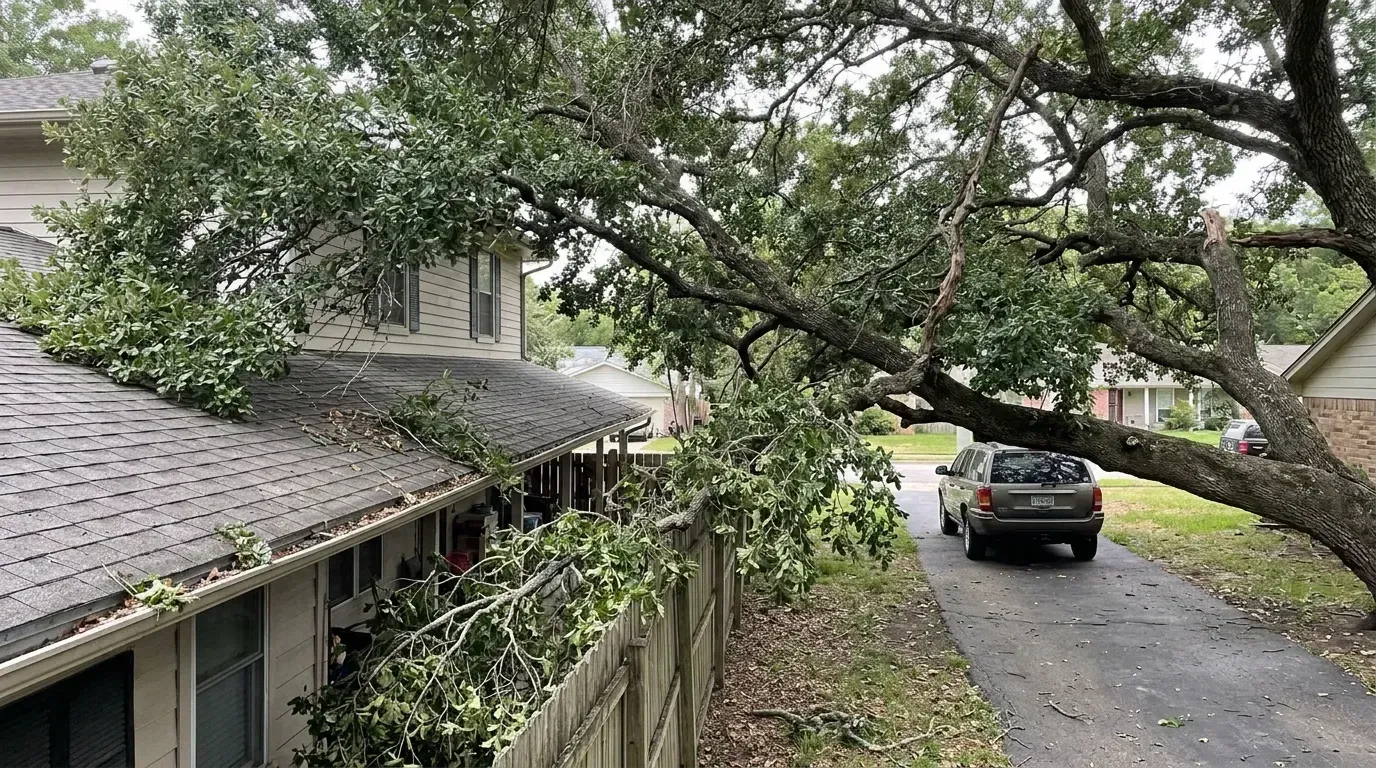
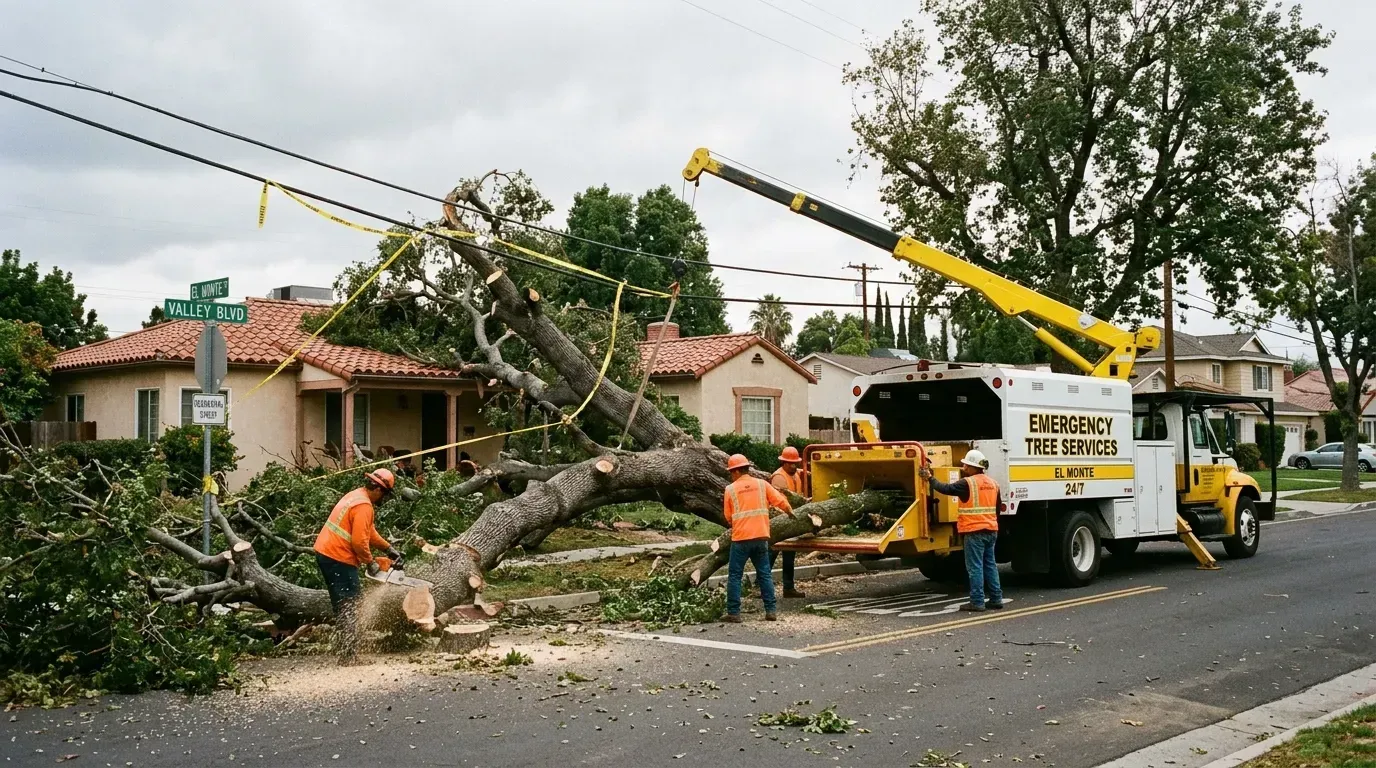
The region is notorious for fierce Santa Ana winds that sweep through the valley without warning. These powerful windstorms can easily snap brittle branches and send them hurtling toward your roof, vehicles, or neighboring properties. In the most severe cases, high winds can uproot an unstable trunk entirely. When a massive branch snaps and rests precariously above a power line or a bedroom window, you need emergency tree removal to secure the area and prevent a disaster.
Why Extraction Should Never Be a DIY Project
Property owners frequently consider handling backyard projects themselves to reduce maintenance costs. While planting flowers or laying mulch are excellent weekend activities, chopping down a towering pine or eucalyptus is an entirely different and highly dangerous undertaking.
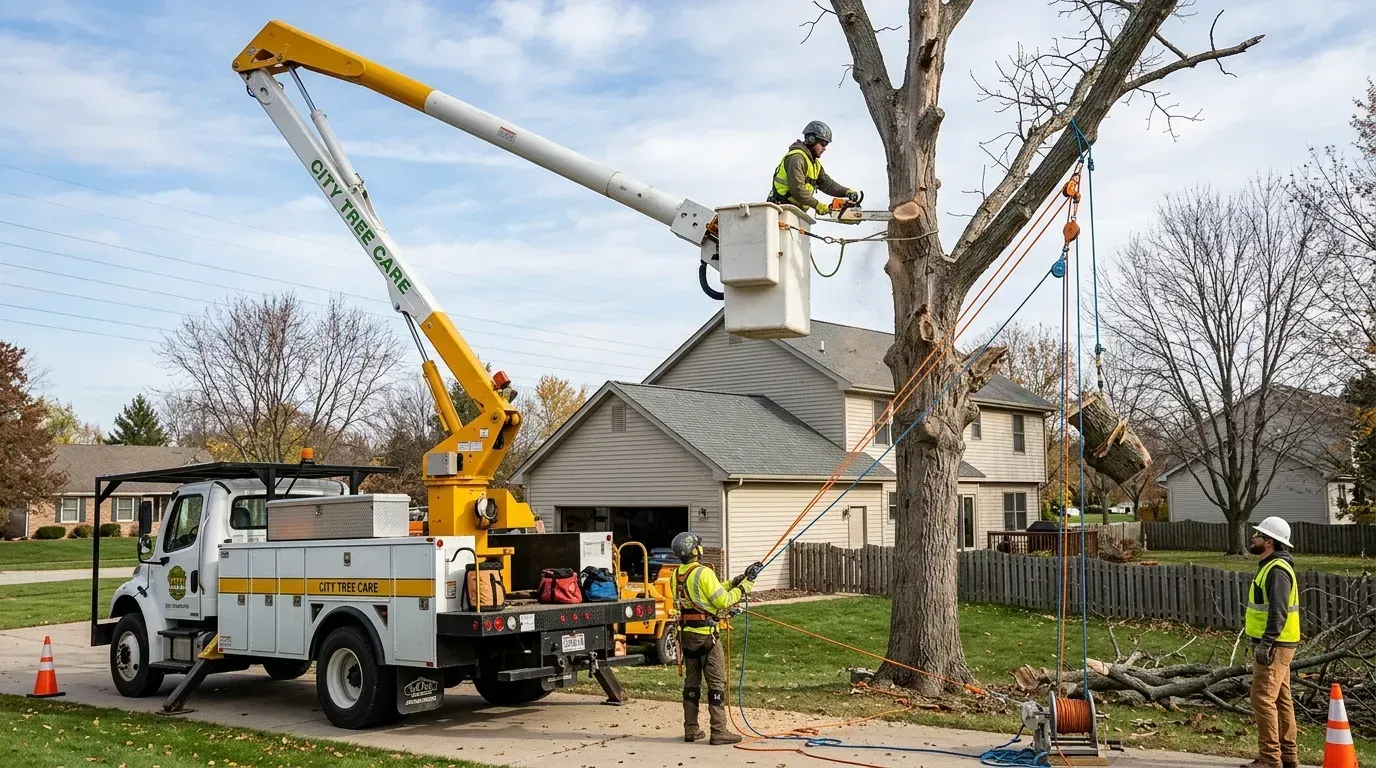
Felling massive timber requires specialized heavy machinery, complex structural rigging, and a deep understanding of physics. A simple miscalculation regarding the center of gravity can send tons of solid wood crashing through a living room window or crushing a parked vehicle. Additionally, homeowners rarely possess the specific liability insurance required to cover these catastrophic accidents.
Hiring the experienced crew at El Monte Tree ensures the job is completed efficiently. Our team brings commercial-grade equipment, extensive safety training, and comprehensive insurance coverage to every project. We calculate the precise fall zones and utilize strategic rigging techniques to dismantle large vegetation without putting your property at risk.
Comprehensive Tree Services Protect Your Landscape
Navigating the various professional tree services available to El Monte residents allows you to make informed decisions about your property. It is important to note that full extraction is not always the only path forward. A certified specialist evaluates the overall health of your landscape to determine the most responsible course of action.
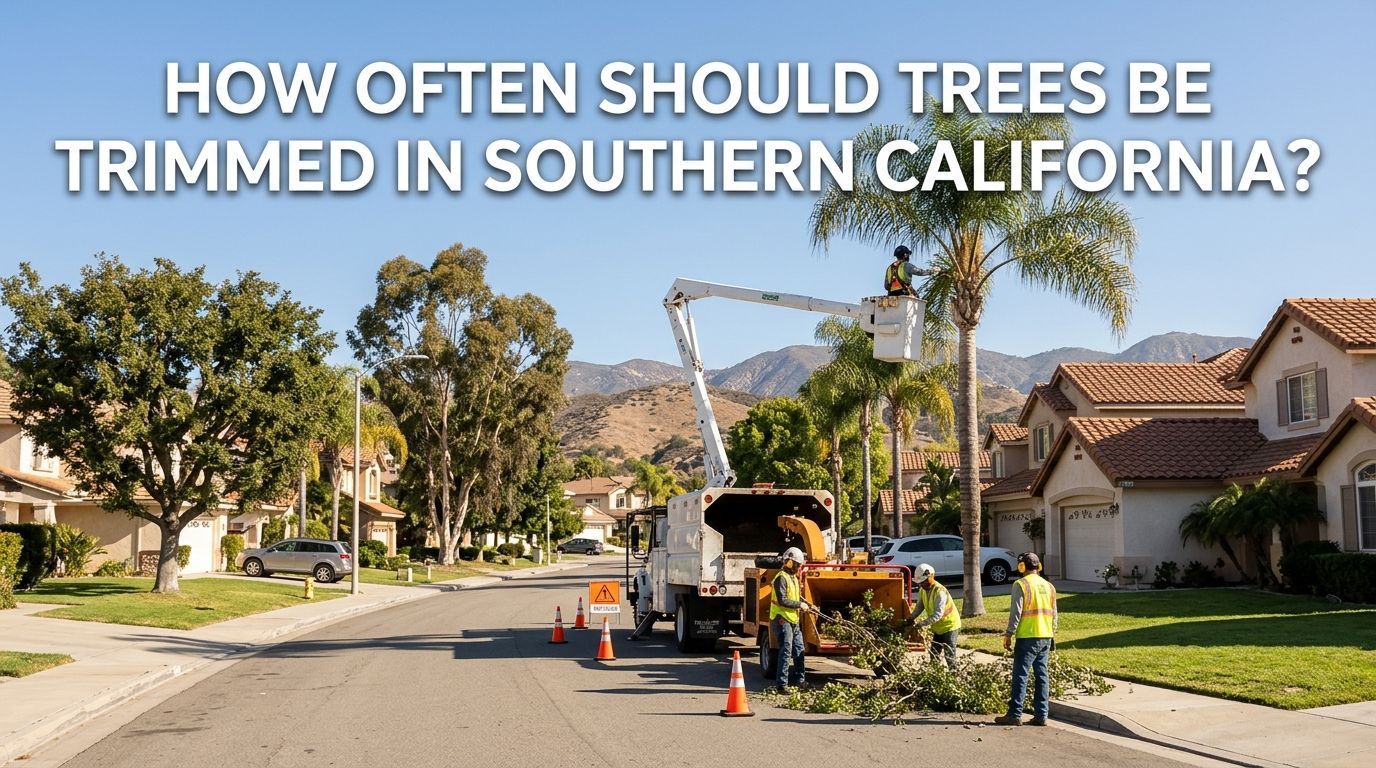
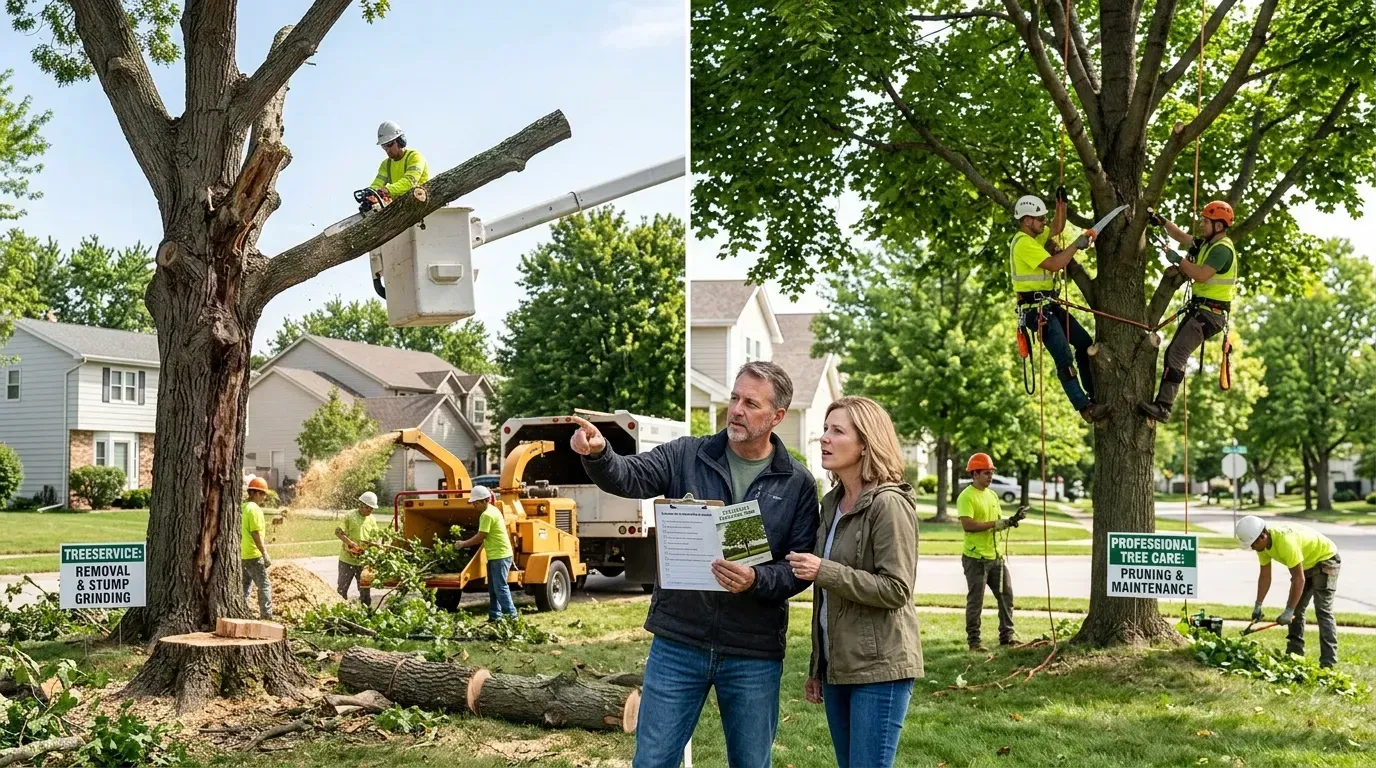
If a specimen is diseased but the core structure remains salvageable, targeted pruning might save it. Routine tree trimming removes deadweight, encourages proper sunlight penetration, and promotes healthy growth patterns throughout the canopy. Proactive maintenance often prevents the need for complete extraction down the road. If you are curious about saving your older vegetation, we highly recommend reading our detailed guide on how tree trimming service in El Monte helps preserve mature trees.
What to Expect During the Extraction Process
Understanding the methodology behind bringing down a massive structure helps alleviate the anxiety associated with the project. The process requires meticulous planning and strict adherence to safety protocols.
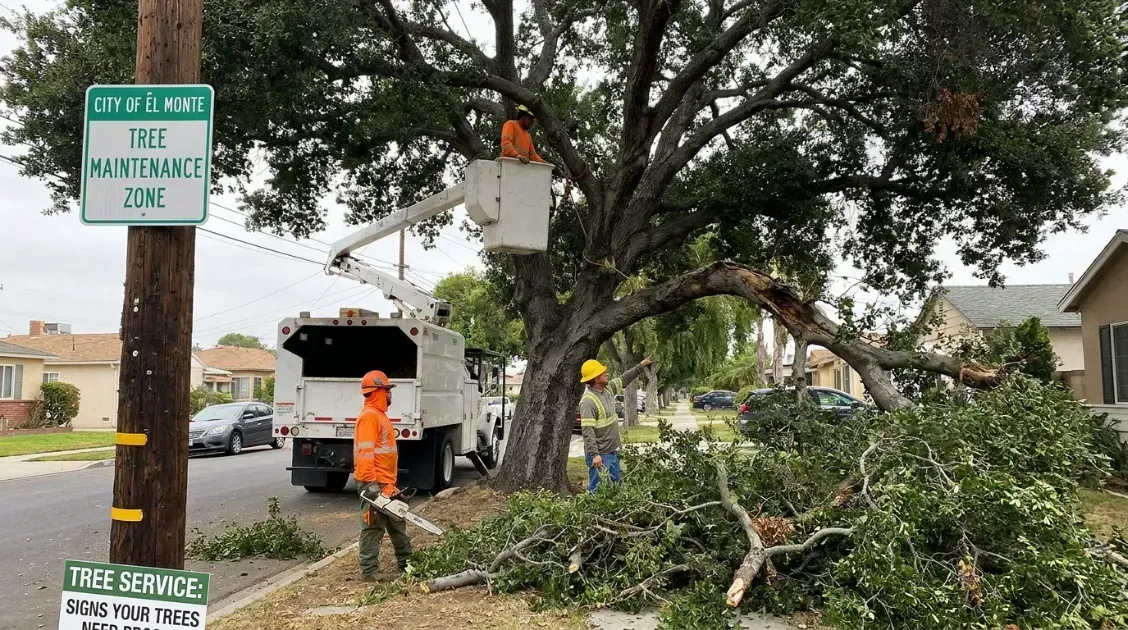
First, the evaluation team maps out the immediate surroundings, identifying hazards like underground utilities, overhead power lines, and delicate landscaping. Next, climbers and bucket truck operators systematically dismantle the upper canopy piece by piece. They lower heavy branches to the ground using heavy-duty ropes to prevent soil impact damage.
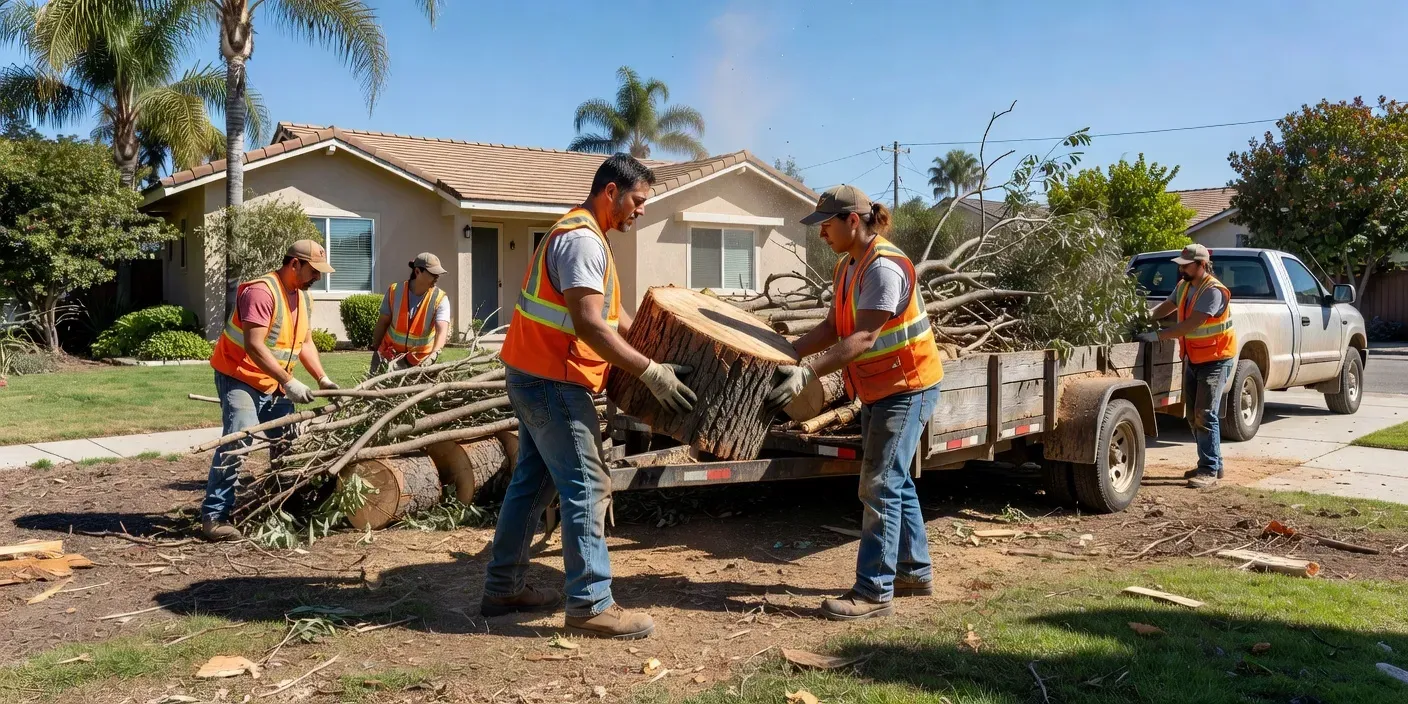
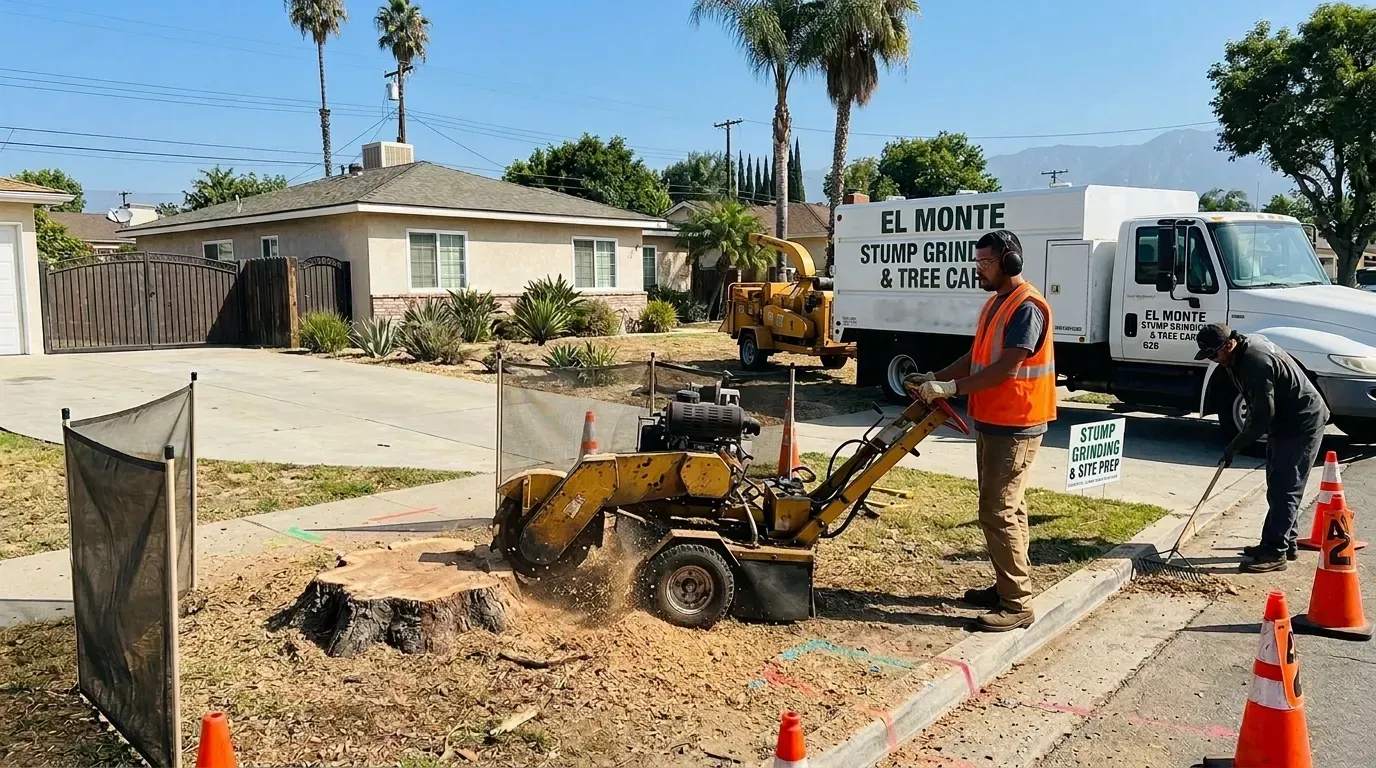
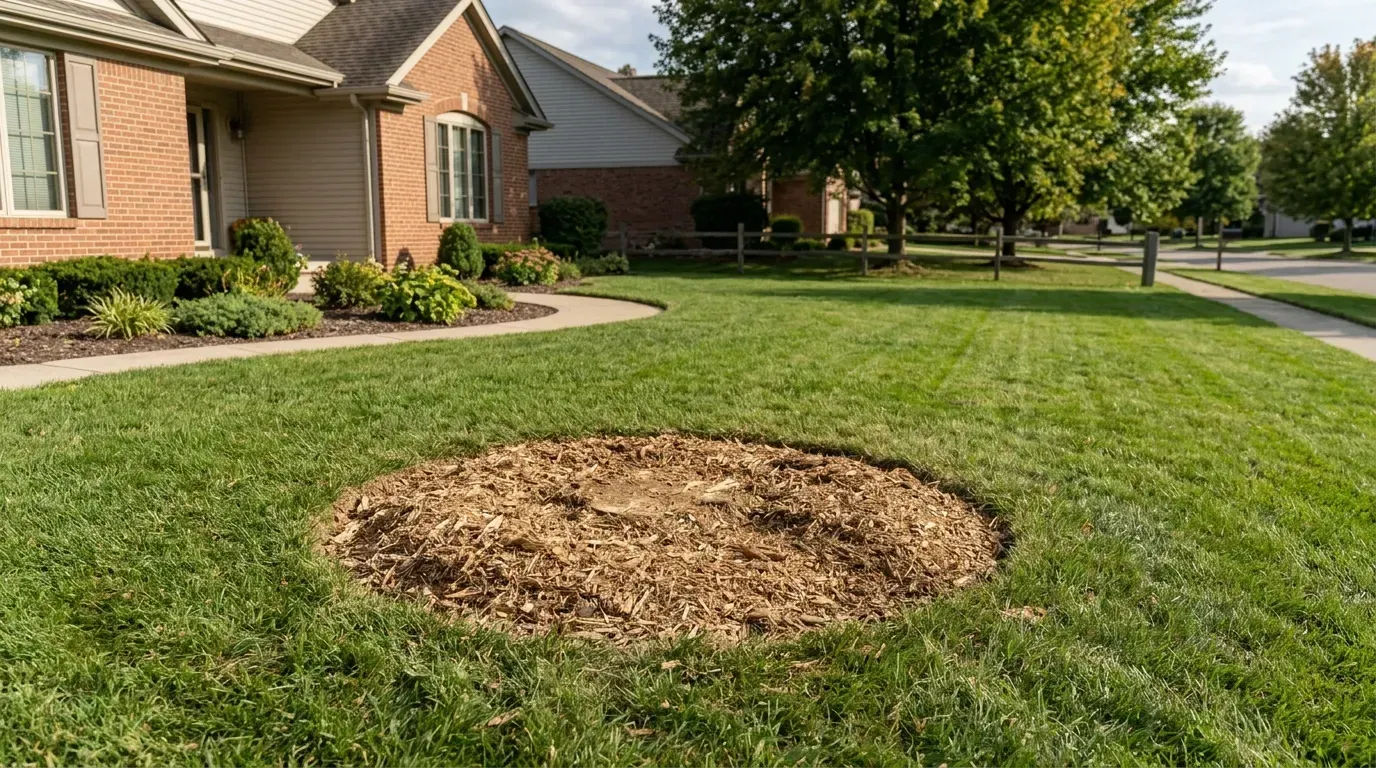
After the canopy is cleared, the main trunk is sectioned and lowered safely. The final phase involves thorough debris cleanup and stump grinding. Grinding the remaining stump below the soil line eliminates tripping hazards and prepares the ground for future planting or landscaping projects, leaving your yard pristine.
Secure Your Property Today
Do not wait for a heavy Southern California windstorm to reveal the hidden weaknesses in your yard. Proactive landscape management protects your home and ensures the safety of your neighborhood. Scheduling a thorough inspection today provides absolute peace of mind for the future. Please contact us to schedule a consultation with our local experts and keep your El Monte property safe and beautiful year-round.
Frequently Asked Questions
How do I know if my tree needs to be removed entirely?
You should look for signs of severe structural decay, such as large hollow cavities in the trunk, extensive fungal growth near the roots, and a sudden, dramatic lean. If the canopy is entirely dead or the trunk is heavily cracked, complete extraction is likely necessary to ensure safety.
Do I need a permit to cut down vegetation in El Monte, CA?
Permit requirements depend heavily on the size, species, and specific location of the vegetation on your property. Certain native species and parkway trees are protected by local municipal codes. Our team handles the assessment and will advise you on any necessary city permits before beginning work.
Is stump grinding included in the standard extraction process?
Stump grinding is generally offered as a highly recommended add-on service. Leaving a stump in the ground can attract pests like termites and create a tripping hazard. We utilize specialized grinding equipment to pulverize the remaining wood well below the soil surface, allowing you to replant or sod over the area easily.