Dangerous Limbs and Dead Wood: Why Professional Tree Removal Services in El Monte Are Essential
A dead California Sycamore looming over a driveway isn't just an eyesore. It’s a ticking time bomb. In the San Gabriel Valley, where the Santa Ana winds whip through the corridor between the 10 and 605 freeways, neglecting a compromised tree is a gamble you shouldn't take. Gravity doesn't negotiate.
Homeowners in El Monte often wait too long. They watch the bark peel. They ignore the fungus growing at the base. Then, a winter storm rolls in, and suddenly that "rustic" oak tree is sitting in the living room. Or worse, on a neighbor's car. Managing the urban canopy here requires more than a pickup truck and a chainsaw. It requires a strategic approach to tree removal services that balances safety, aesthetics, and local regulations. Whether you manage an apartment complex near the Whittier Narrows Recreation Area or own a single-family home off Peck Road, understanding when and how to remove a tree is critical for protecting your assets.
The "DIY" Trap: Why You Should Leave the Chainsaw in the Garage
You have a ladder. You have a saw. You watched a ten-minute video online. Stop right there. Tree removal is consistently ranked as one of the most dangerous professions in the United States. The physics of bringing down a 2,000-pound object in a confined residential space are unforgiving.
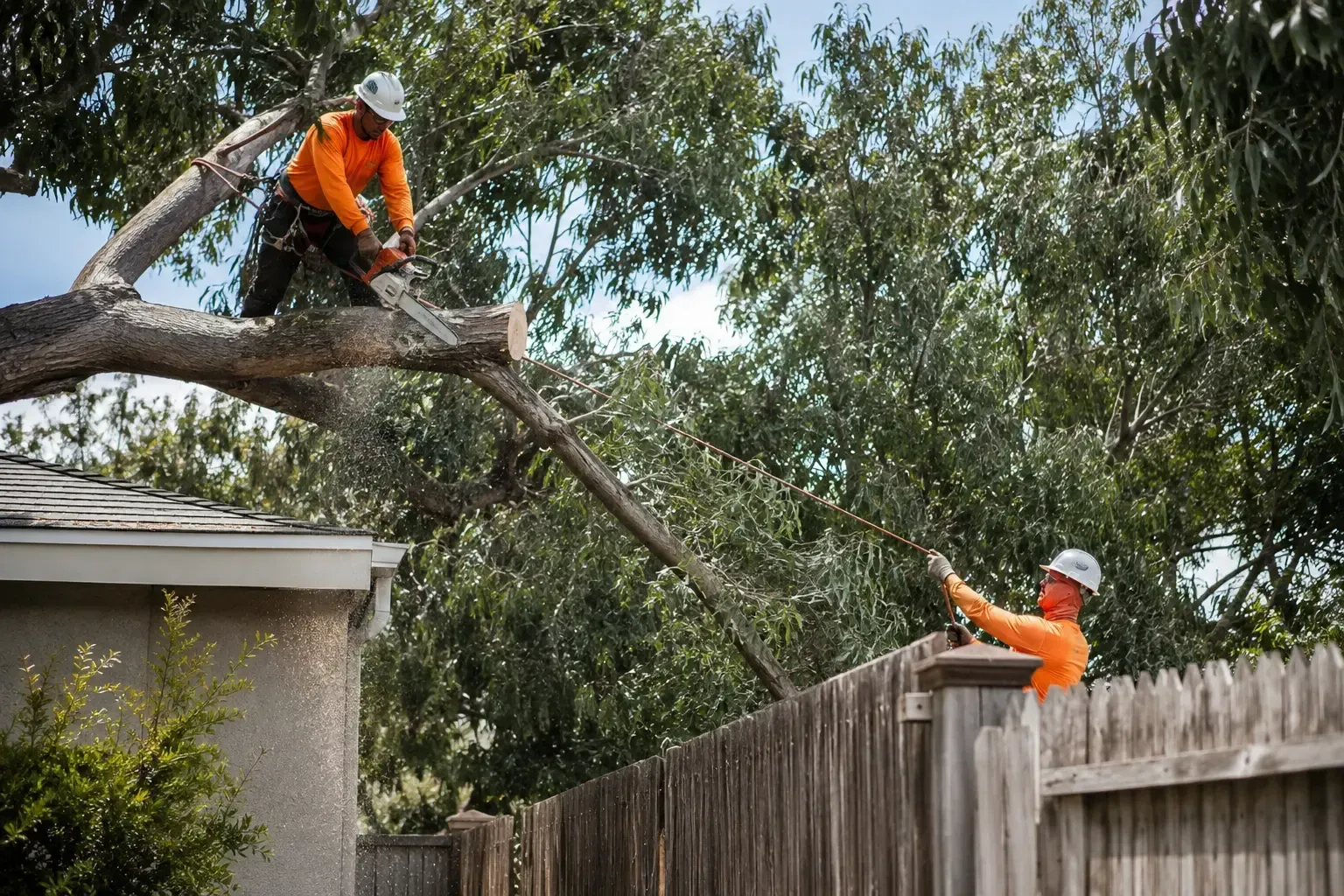
When an amateur attempts to fell a tree, they rarely account for the "barber chair" effect—where the tree splits vertically and kicks back—or the tension in the limbs. In El Monte, where properties are often tightly packed, a mistake doesn't just mean a bruised ego. It means downed power lines, crushed fences, and massive liability claims.
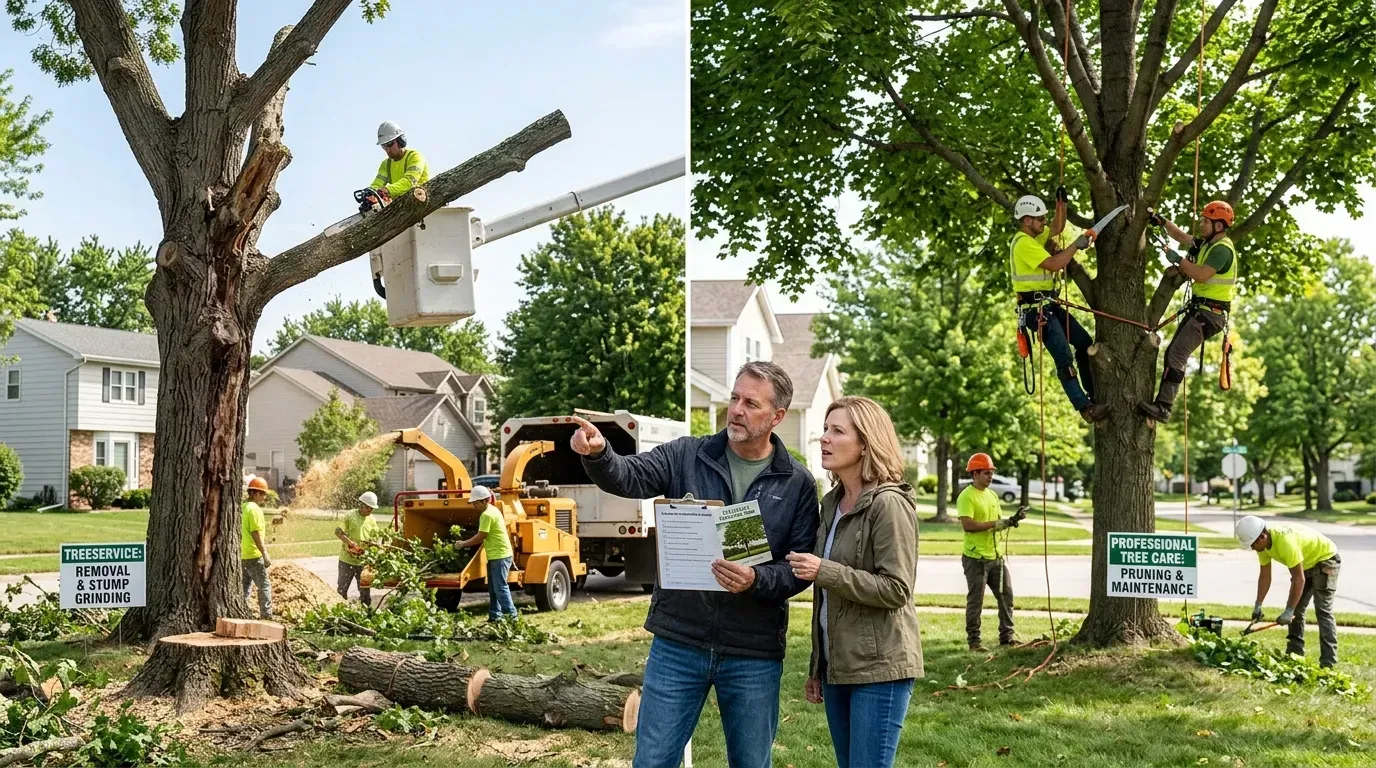
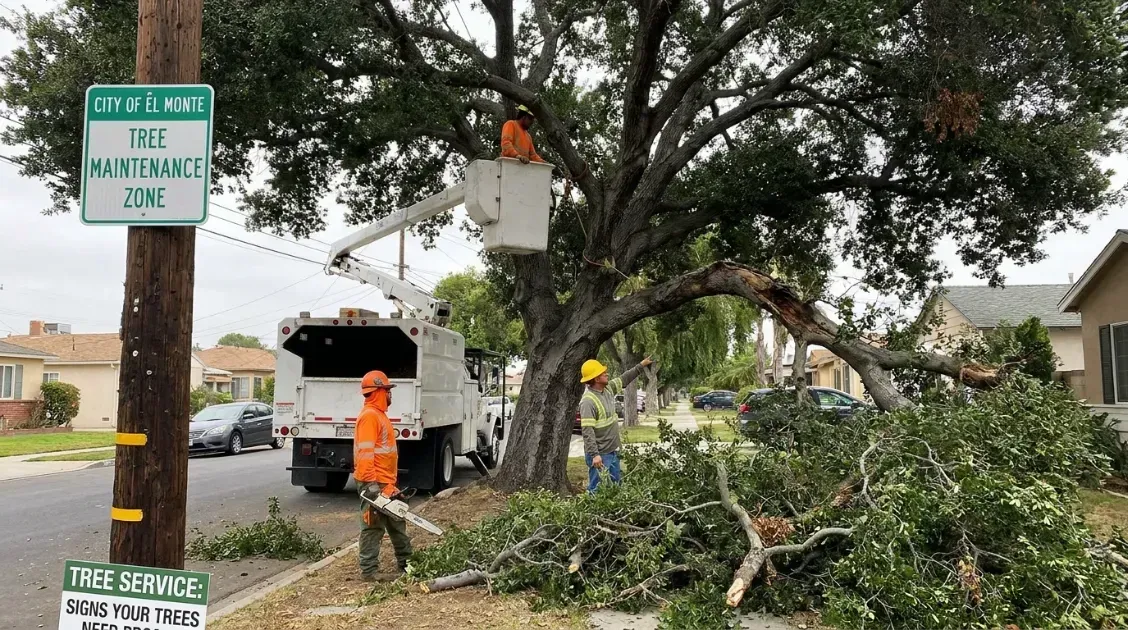
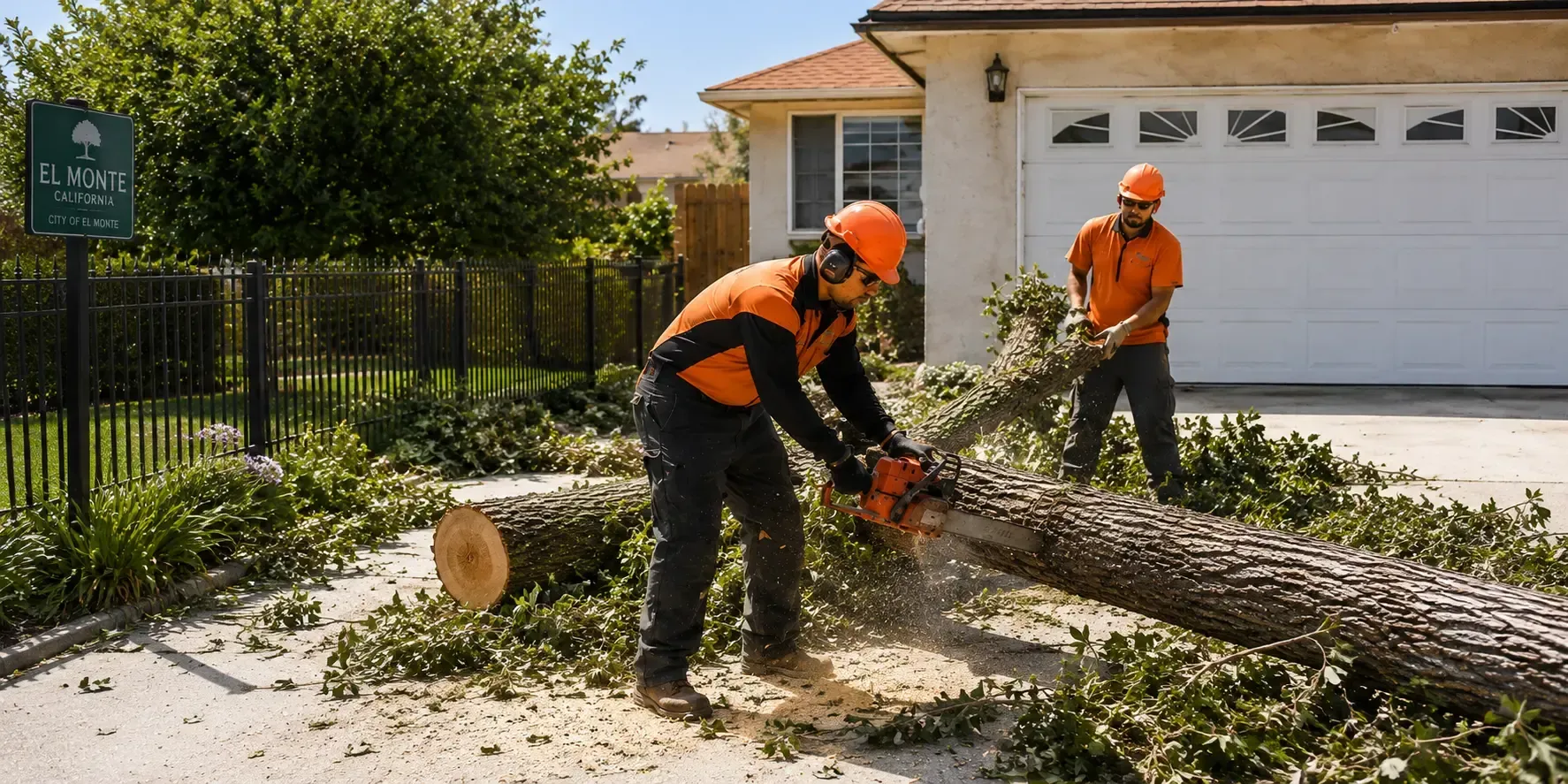
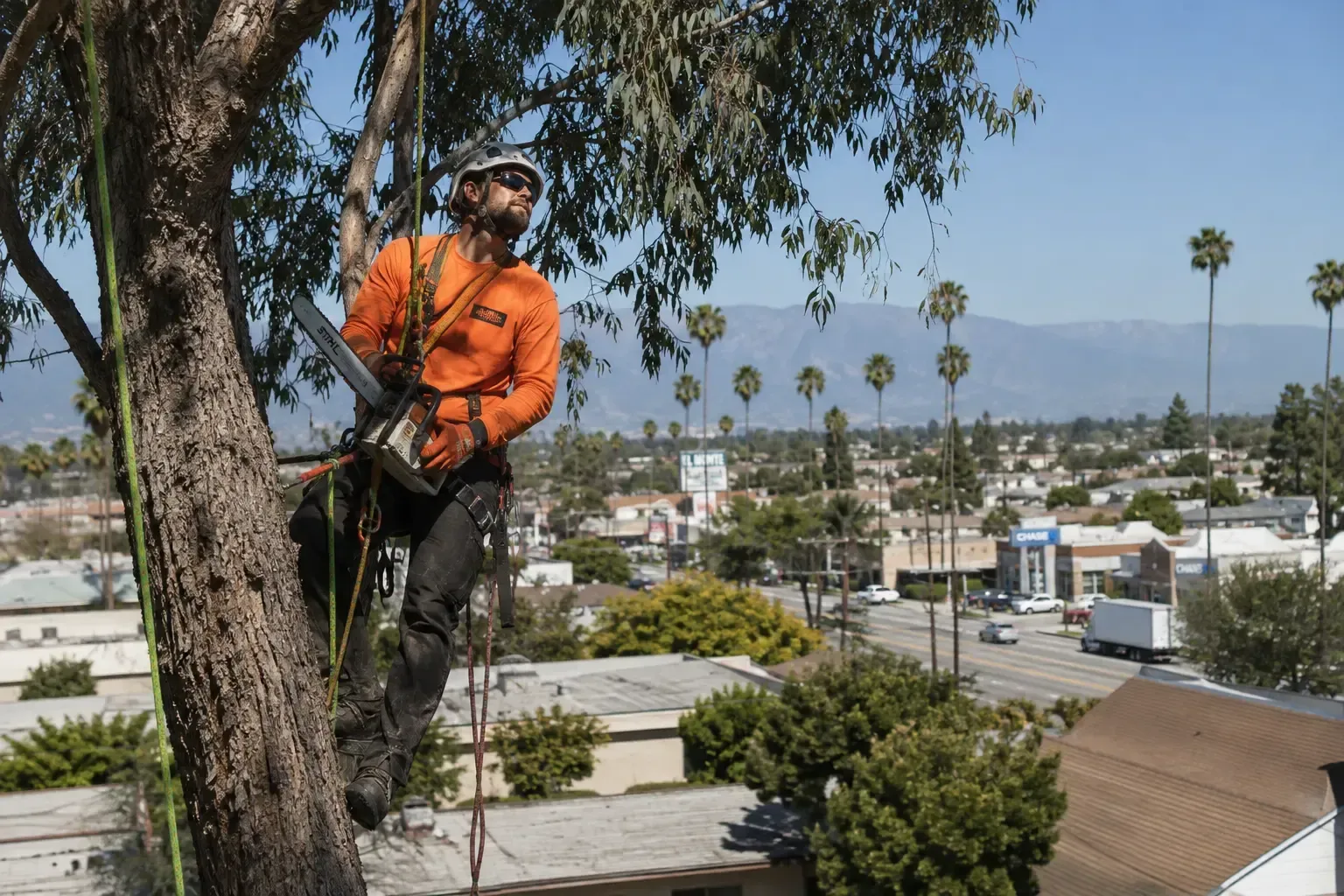
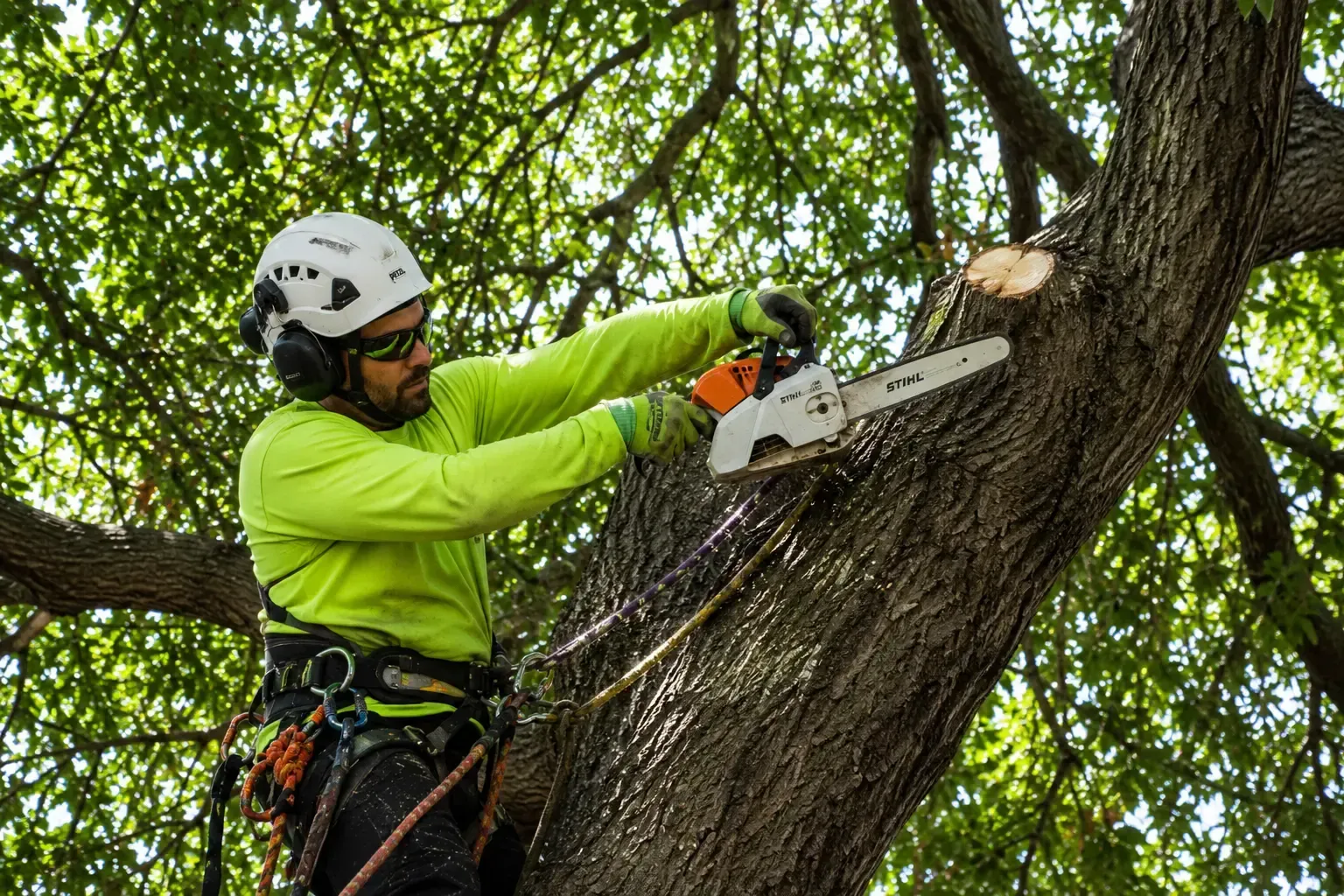
El Monte Tree Service operates differently. We don't guess. We calculate. We utilize rigging systems, cranes, and bucket trucks to dismantle trees piece by piece, ensuring that nothing hits the ground without a plan. This isn't just about cutting wood; it's about engineering a safe descent for tons of biomass.
Identifying the Silent Killers in Your Yard
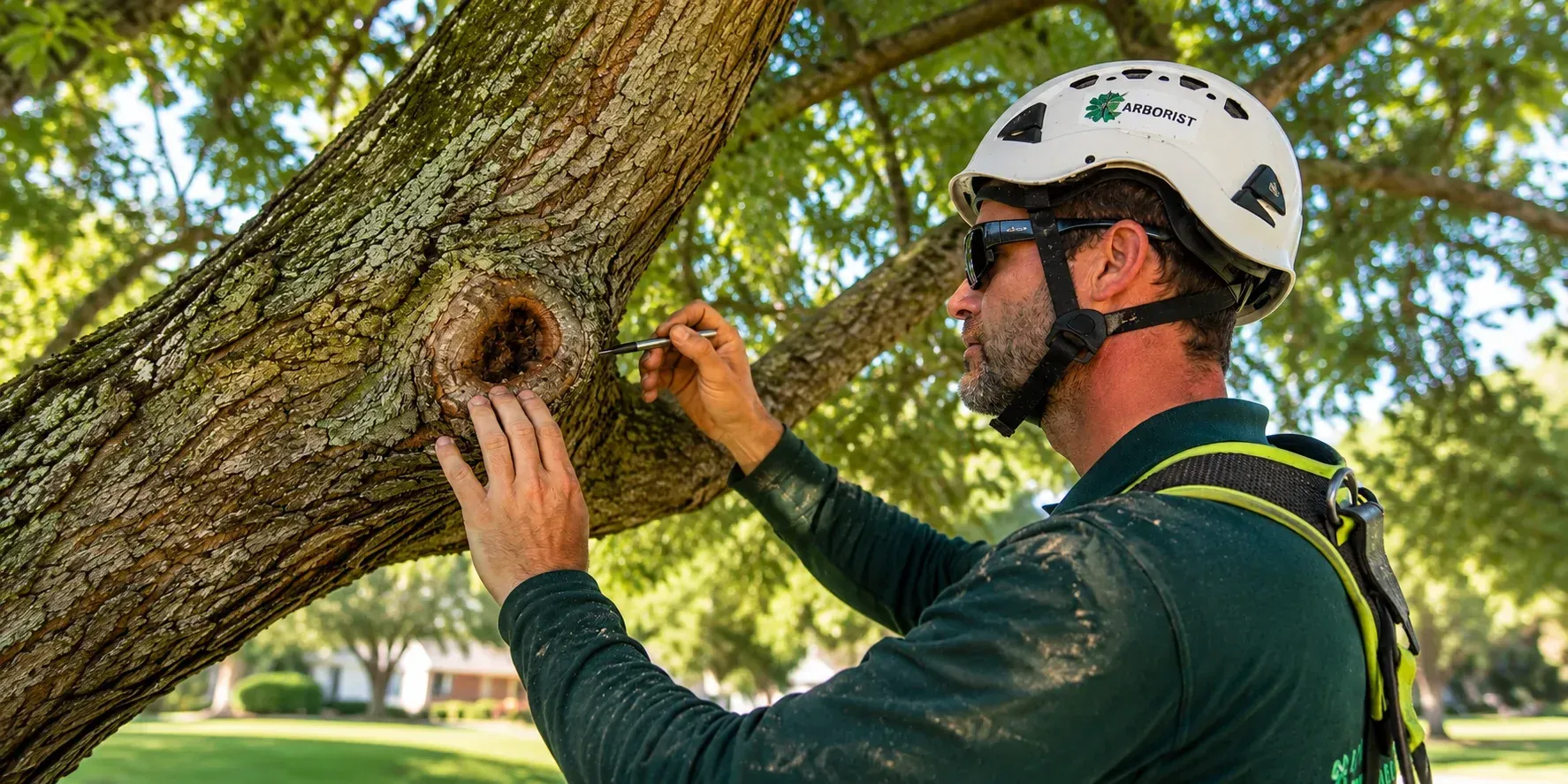
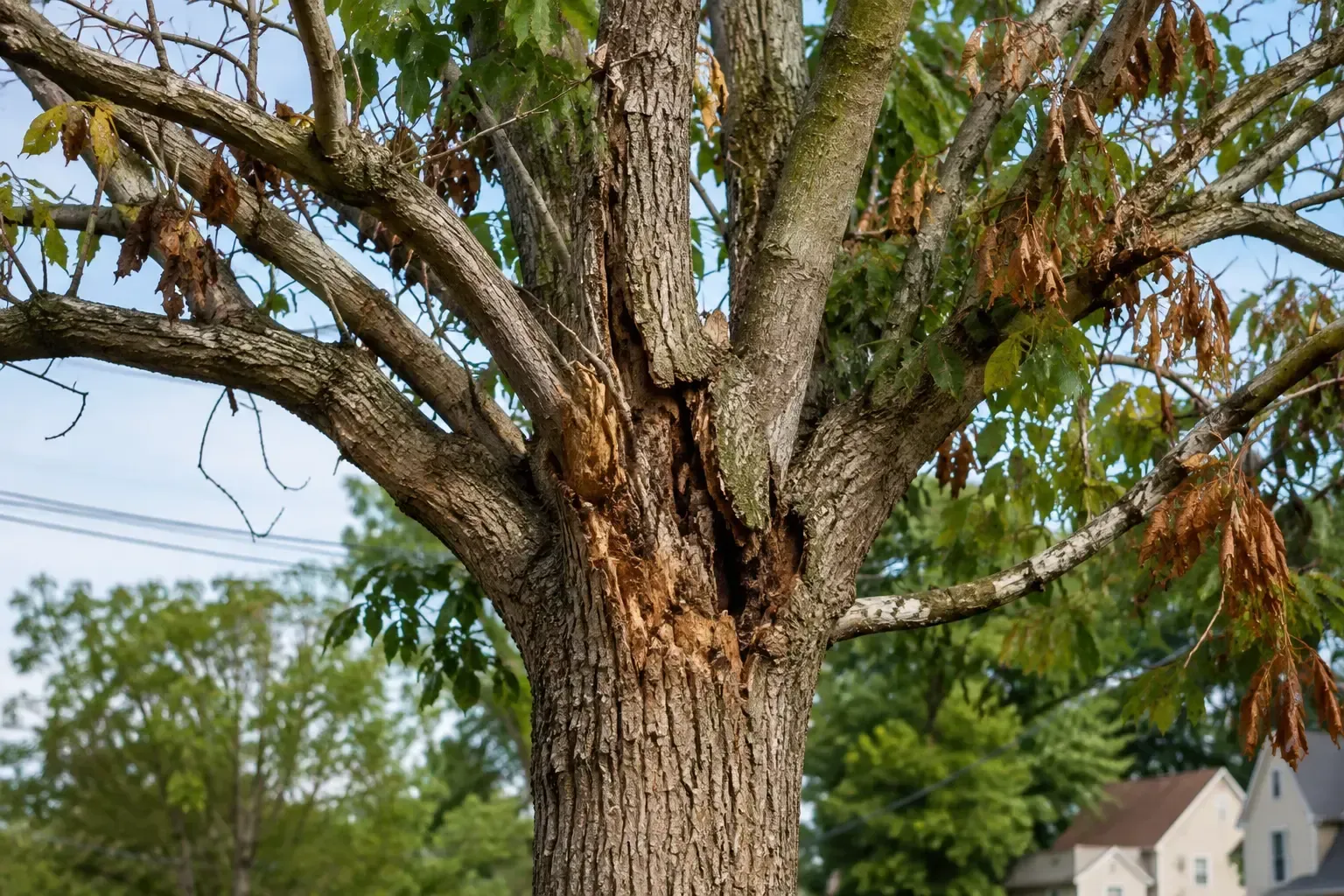
Trees die from the inside out. By the time you see dead branches at the crown—a condition arborists call "stagheading"—the internal structure might already be compromised. In Southern California, the prolonged droughts followed by sudden, intense rain create a brutal cycle for root systems.
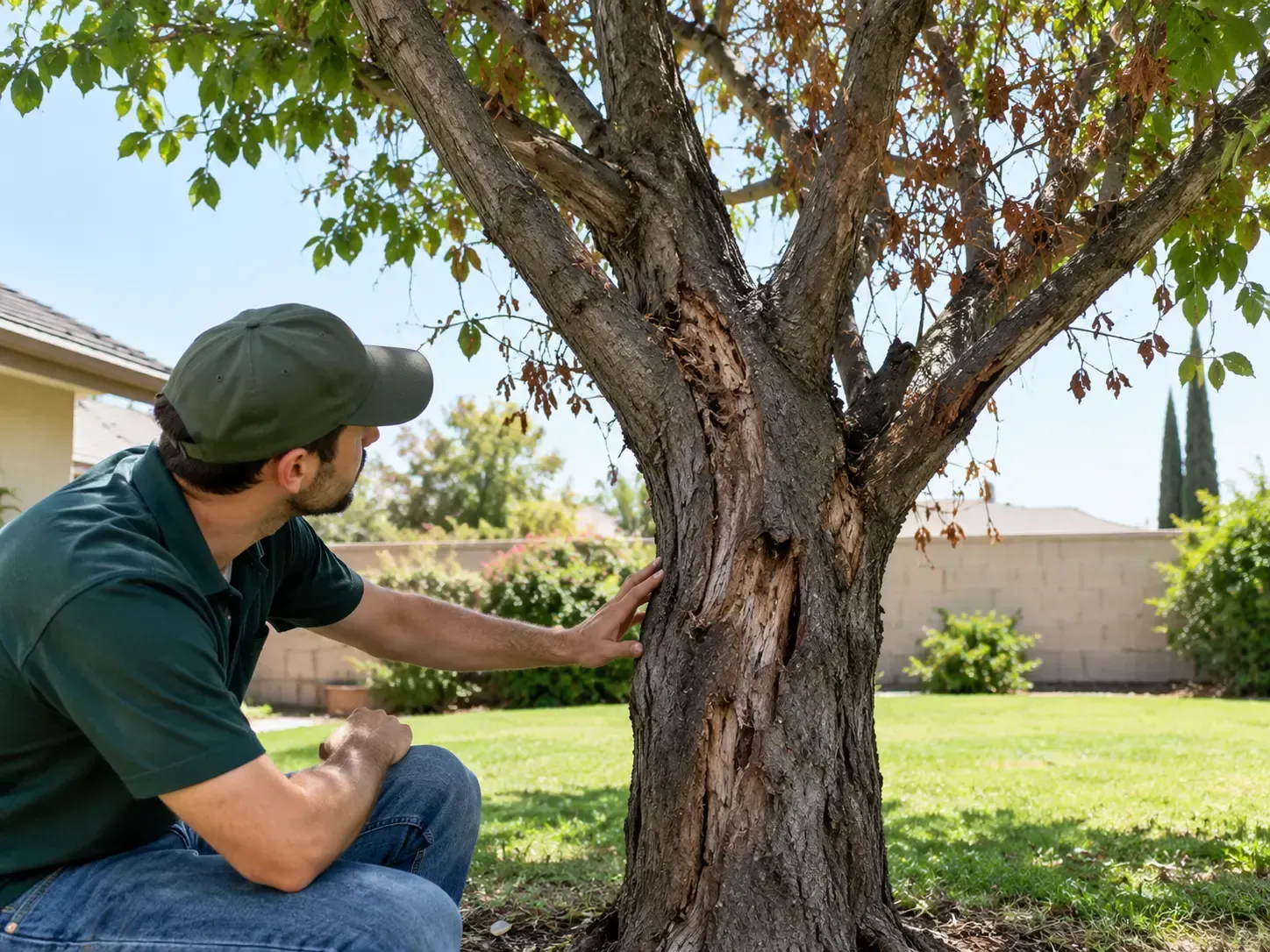
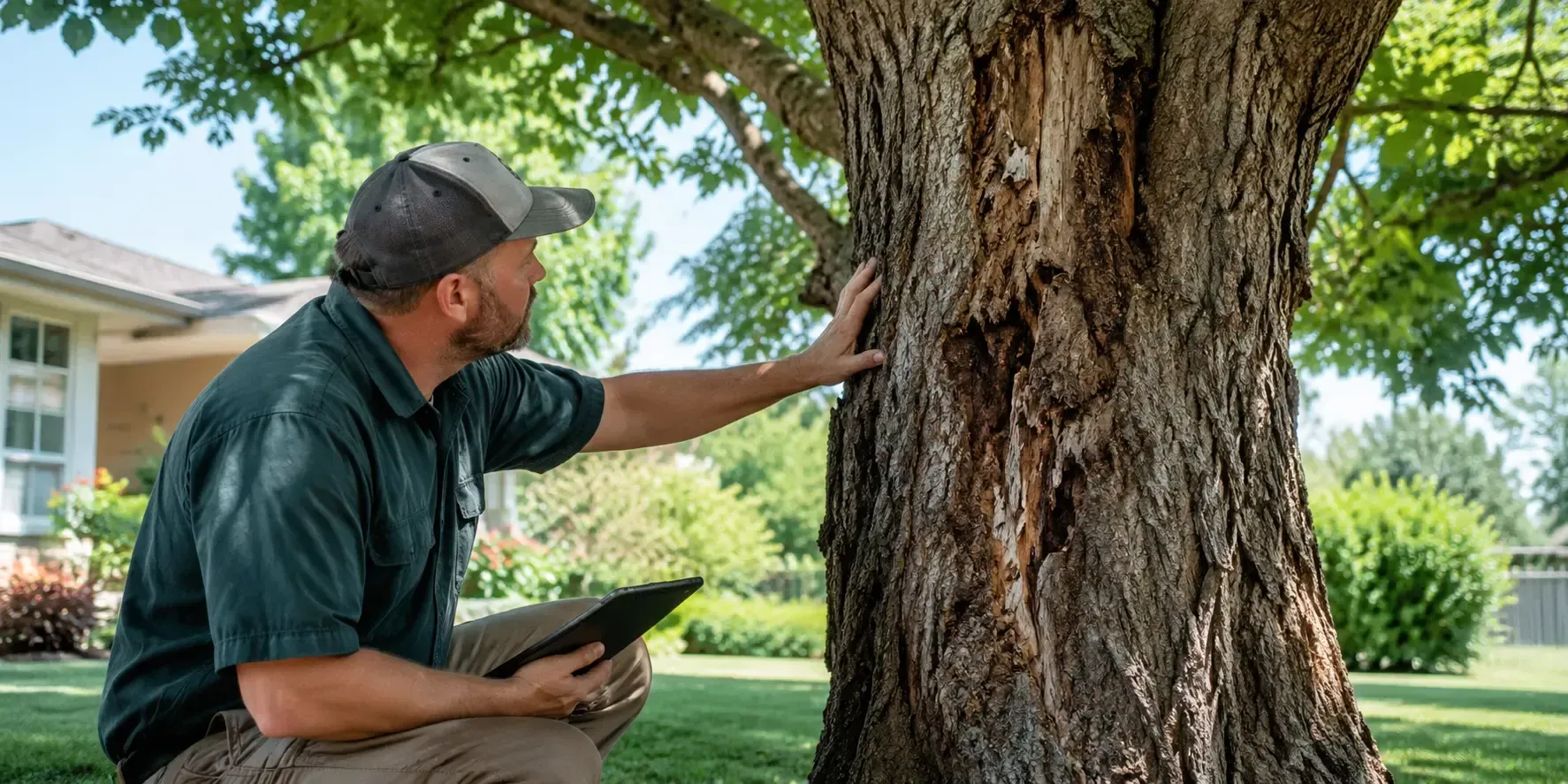
Look for the tell-tale signs. Heaving soil at the base of the trunk suggests the roots are failing to anchor the tree. Deep cracks in the bark or cavities in the trunk are invitations for pests. If you see sawdust at the base, you might have borers eating the wood structure. These aren't cosmetic issues; they are structural failures in progress.
Sometimes, the tree is healthy, but the location is wrong. A Ficus tree planted ten years ago might now be lifting your foundation or wrapping its roots around your main sewer line. In these instances, tree removal services are a necessary surgical strike to save the rest of the property.
Navigating El Monte's Red Tape
You cannot simply chop down whatever you want. California has strict environmental protections, and El Monte has specific municipal codes regarding tree preservation, particularly for heritage trees and species located in the public right-of-way. Ignorance of these laws is expensive. Fines can run into the thousands per tree.
According to the International Society of Arboriculture (ISA), proper permitting is part of the professional standard. A legitimate service provider handles the bureaucracy for you. We know the local ordinances. We know which species are protected. We know when a permit is required and how to expedite it. When you hire El Monte Tree Service, you are buying peace of mind that no code enforcement officer will be knocking on your door the next morning.
The Cleanup: More Than Just Hauling Wood
The job isn't done when the tree hits the ground. In fact, that's often where the real work begins. A large tree leaves behind a massive stump and a root system that can persist for decades, inviting termites and ants closer to your home foundation.
Complete tree removal services must include stump grinding. This process turns the stump into mulch, typically grinding it down 6 to 12 inches below the soil line. This allows you to replant the area or simply let the grass grow over it. Leaving a stump is essentially leaving a trip hazard and a pest hotel in the middle of your lawn.
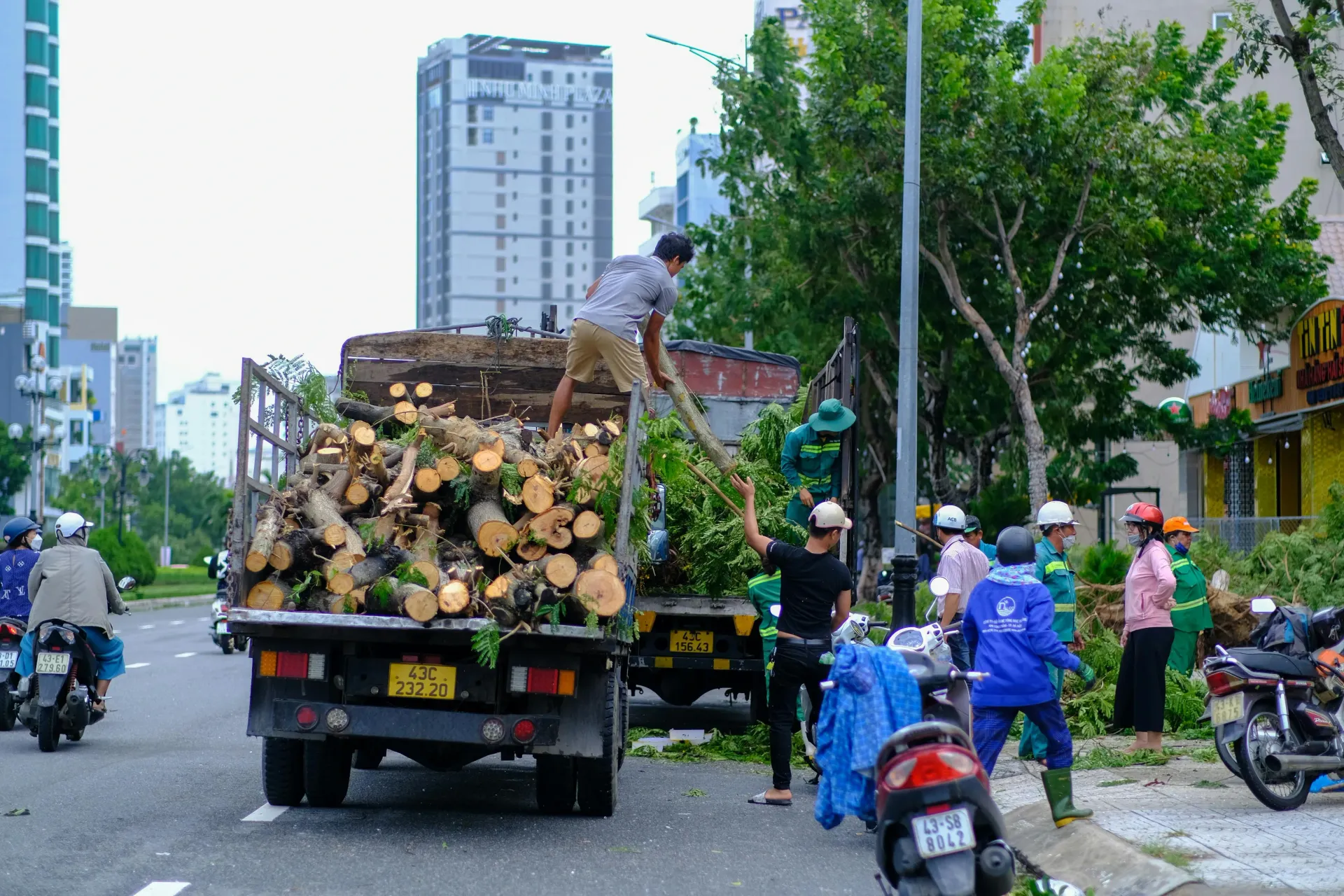
Furthermore, proper disposal is an environmental responsibility. We don't just dump the waste. The wood is often repurposed into mulch or firewood, keeping it out of landfills. The Arbor Day Foundation notes that proper mulching can significantly improve the health of remaining plants, turning a removal into a net positive for your garden ecosystem.
The Economic Argument for Professional Removal
Property managers often balk at the upfront cost of professional arboriculture. They see a line item on a budget sheet. They are looking at it wrong. The cost of removal is a fraction of the cost of damage repair.
Consider the logic. A single limb falling on a tenant's roof can cost $10,000 in repairs, plus temporary housing costs, plus potential legal fees. Compare that to the cost of preventative removal. It’s simple math. Moreover, curb appeal matters. A yard cluttered with dying, scraggly trees drives down property value. Clean, well-maintained grounds signal to potential buyers or renters that the property is cared for.
El Monte Tree Service positions itself as an investment partner. We help you triage your trees. Which ones can be saved with trimming? Which ones are hazardous? We provide a clear, honest assessment so you can allocate your maintenance budget where it matters most.
Why El Monte Tree Service is the Industry Standard
There are guys with trucks, and then there are arborists. We are the latter. Our team understands the specific micro-climate of El Monte. We know how the soil composition near the San Gabriel River differs from the soil in the northern commercial districts.
We carry comprehensive liability insurance and workers' compensation. This is non-negotiable. If an uninsured worker gets hurt on your property, you could be liable for their medical bills. When you hire us, that risk vanishes. We bring the heavy artillery—bucket trucks, chippers, and stump grinders—to handle jobs of any scale, from a single hazardous palm to clearing a lot for development.
Frequently Asked Questions
How much do tree removal services typically cost in El Monte?
Costs vary significantly based on height, diameter, and accessibility. Small trees may cost a few hundred dollars, while large, hazardous trees near structures can range from $1,000 to over $3,000. El Monte Tree Service provides free, transparent on-site estimates so you know exactly what the job entails before we start.
Do I need a permit to remove a tree on my private property?
It depends on the species and size. El Monte protects certain "heritage" trees and street trees. Generally, if the tree is strictly on private property and not a protected species (like certain Oaks), you may not need one, but it is crucial to verify. We handle this verification process for you.
Can you remove a tree that is touching power lines?
Yes, but this is a high-risk operation. We coordinate with local utility providers when necessary to ensure the lines are de-energized or shielded. Never attempt to trim or remove vegetation near power lines yourself; it is a leading cause of electrocution fatalities.
What happens to the wood after the tree is removed?
Describe the item or answer the question so that site visitors who are interested get more information. You can emphasize this text with bullets, italics or bold, and add links.