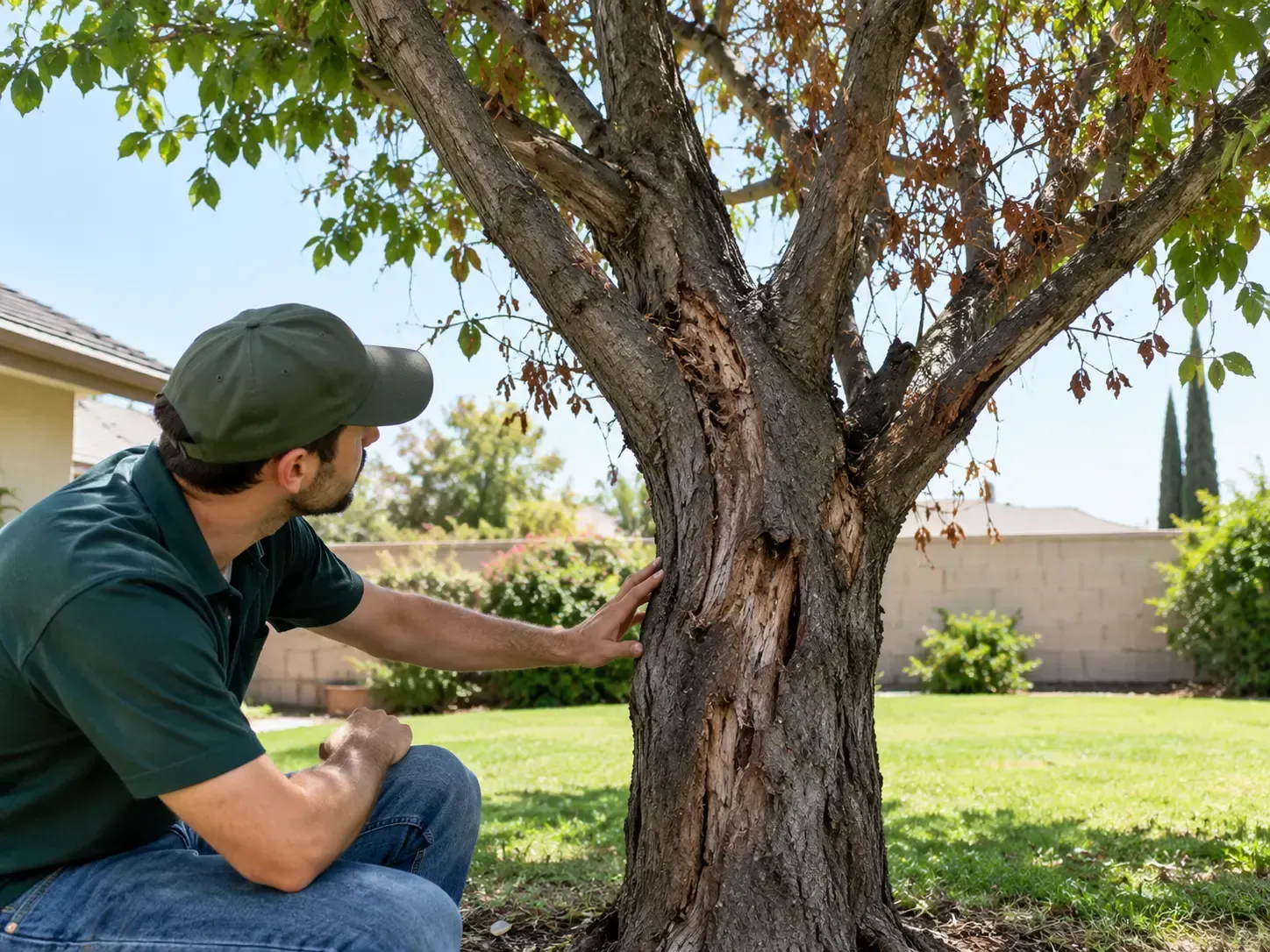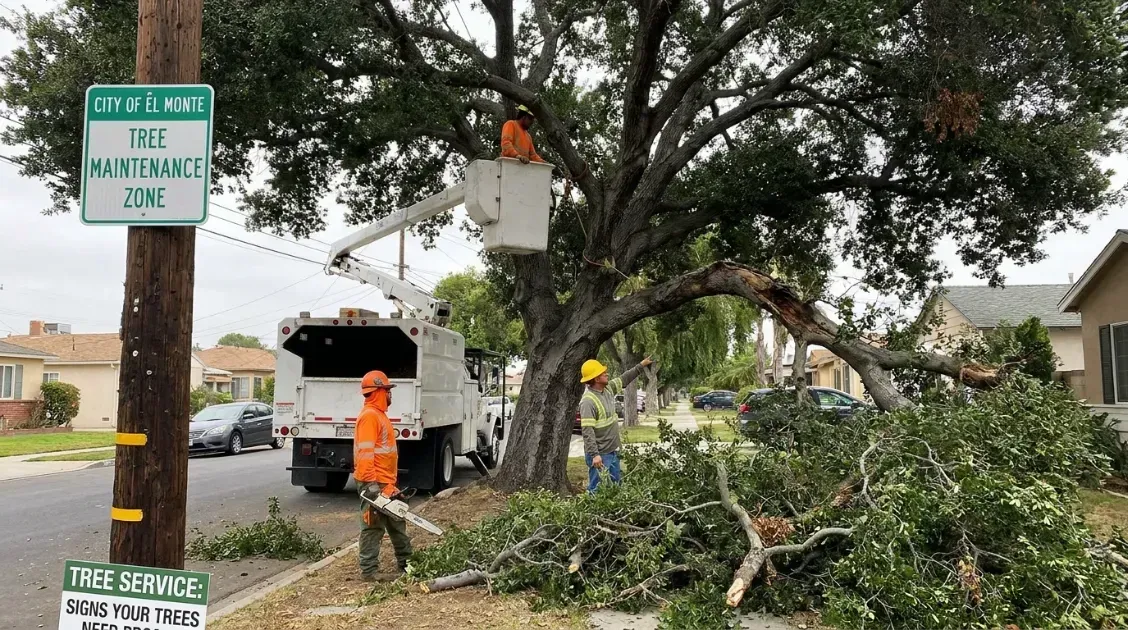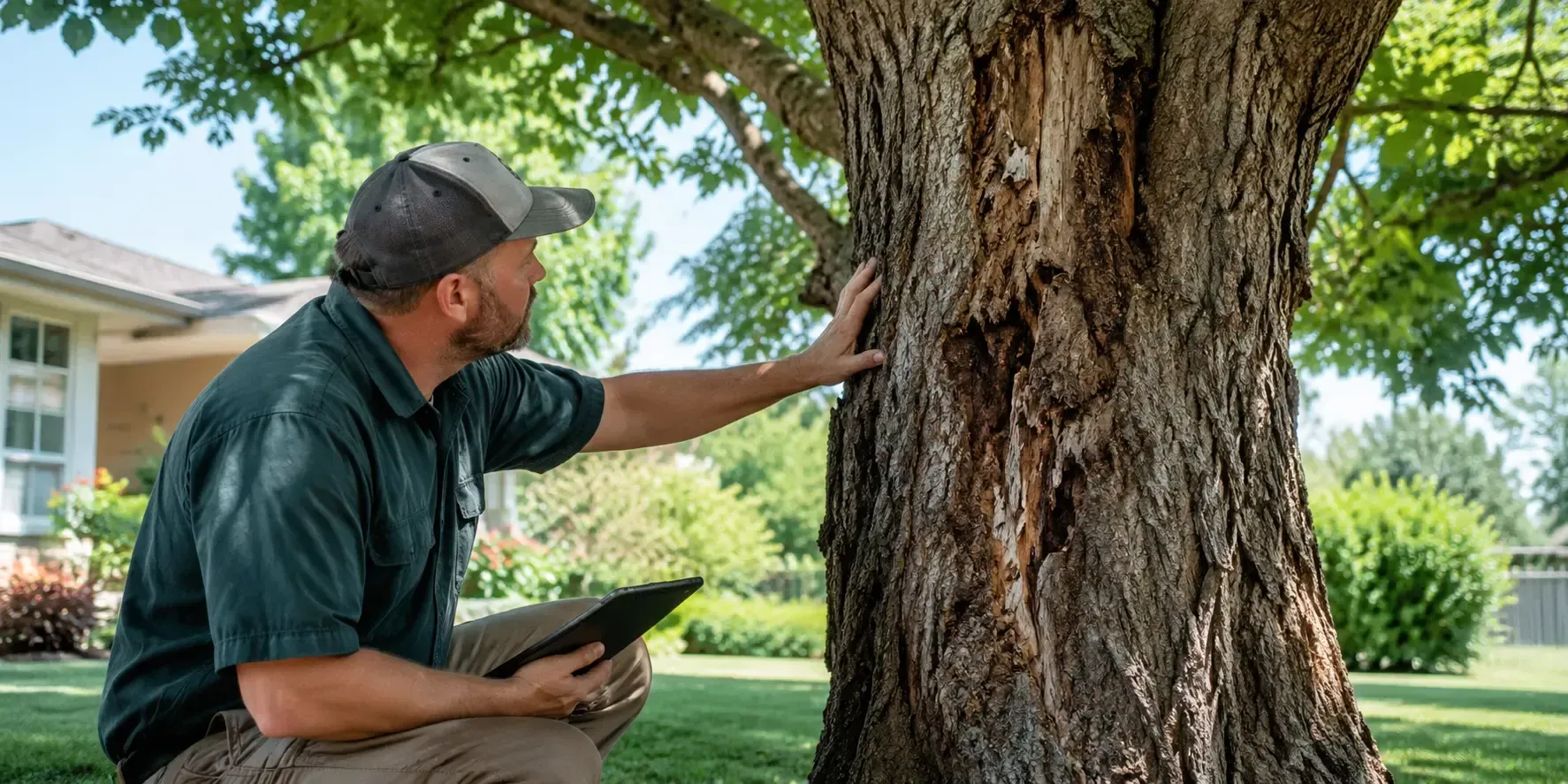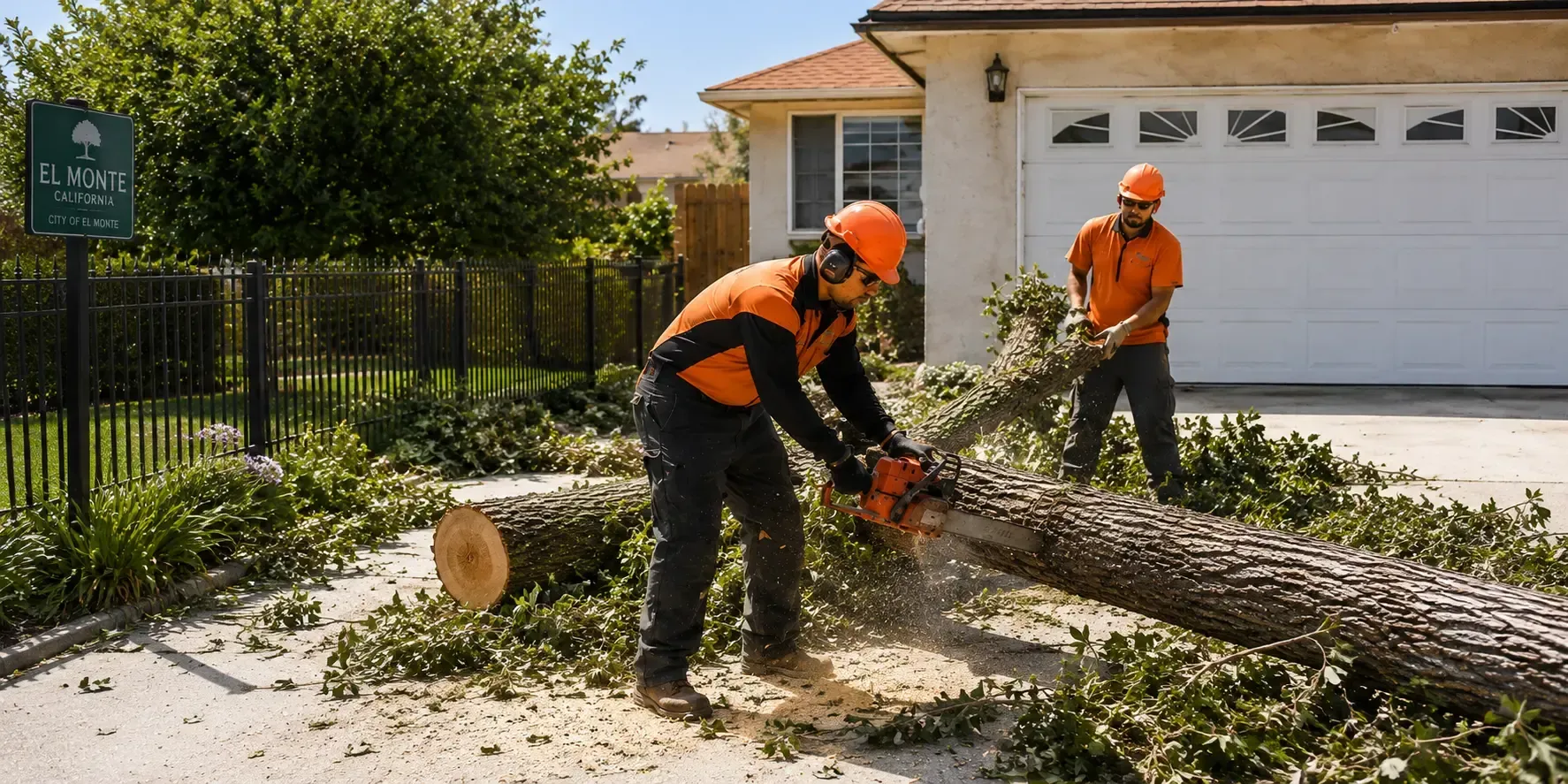
Should You Remove or Save That Tree in El Monte California? Complete Cost and Safety Guide
The Real Cost of Tree Removal vs Keeping a Dangerous Tree
Let's talk money first, because that's usually the sticking point:
What Tree Removal Actually Costs in El Monte
Small Trees (under 30 feet):
- Removal: $500-1,500
- Stump grinding: +$150-300
- Total: $650-1,800
Medium Trees (30-60 feet):
- Removal: $1,500-4,000
- Stump grinding: +$200-400
- Total: $1,700-4,400
Large Trees (60-80+ feet):
- Removal: $4,000-10,000
- Stump grinding: +$300-600
- Total: $4,300-10,600
Complex Removals (near structures, power lines, difficult access):
- Can exceed $15,000-20,000
That's a lot of money. I get it. That's why homeowners hesitate.
But Here's What Keeping a Dangerous Tree Costs
When the Tree Falls on Your House:
- Roof damage: $8,000-35,000
- Structural damage: $10,000-50,000+
- Vehicle damage: $5,000-25,000
- Insurance deductible: $1,000-5,000
- Increased premiums: Years of higher rates
- Emergency tree removal: 2-3x normal cost
- Temporary housing: $3,000-15,000+
When Someone Gets Injured:
- Medical bills: $10,000-500,000+
- Liability lawsuit: Unlimited
- Legal fees: $25,000-100,000+
- Homeowner insurance may not cover if you knew tree was hazardous
Property Damage to Neighbors:
- Their property damage
- Their increased insurance
- Your liability
- Potential lawsuit
- Relationship destroyed
The Real Math:
- Preventive removal: $3,800
- Tree fails and damages house: $3,800 (removal of debris) + $18,000 (roof repair) + $2,500 (deductible) = $24,300
You don't save $3,800 by waiting. You gamble $3,800 against $24,300.
The Hidden Costs of Delay
Every Month You Wait:
- Tree gets weaker
- Problem gets worse
- Risk increases
- Stress on you increases
- Liability grows
Plus:
- Can't enjoy yard (worried tree will fall)
- Can't have gatherings under tree
- Constant anxiety during windstorms
- Difficulty selling house (disclosure requirements)
Common El Monte Tree Scenarios: What to Do
Let me walk through real situations I see constantly:
Scenario 1: Old Eucalyptus Dropping Branches
The Situation: 70-year-old eucalyptus, dropping branches 3-4 times per year, some dead wood visible, near house.
Assessment Questions:
- How large are falling branches? (2+ inches = serious)
- Pattern increasing? (Getting worse = declining tree)
- Any trunk decay, cracks, or lean?
- How close to house? (Within falling distance?)
Usually: Remove. Eucalyptus are inherently risky in urban settings. Once they start regular branch drop, they rarely stop. Risk to property too high.
Cost: $4,000-8,000 typical for large eucalyptus Risk of waiting: $15,000-40,000 property damage when it fails
Decision: Remove. Not worth the risk.
Scenario 2: Tree Leaning Toward House (But Has Been for Years)
The Situation: Pepper tree, 15° lean toward house, been leaning 5+ years, otherwise appears healthy.
Assessment Questions:
- Is lean stable or increasing? (Measure over 3 months)
- Any root damage or soil heaving?
- Any cracks where it attaches to ground?
- Can you see exposed roots on lean side?
If Stable: May be okay with monitoring If Increasing: Remove soon If Root Damage: Remove immediately
Critical: Old lean ≠ safe lean. Trees compensate for years, then suddenly fail when compensation exceeds capacity.
Decision: Professional assessment with follow-up in 6 months. If lean stable and no root issues, may be okay. If any doubt, remove.
Scenario 3: Massive Tree, Perfect Location, Minor Dead Wood
The Situation: Beautiful 60-year-old oak, perfect shade tree, some dead branches in canopy (maybe 10-15%), no other issues.
Assessment Questions:
- Is dead wood scattered or concentrated?
- Any signs of disease or pest?
- Is decline progressive?
- Good structural attachments?
Usually: Save. Trim dead wood, assess overall health. Mature, well-placed healthy trees are valuable.
Cost: $800-1,500 for professional pruning Value: Mature oak adds $5,000-15,000 to property value
Decision: Prune dead wood, monitor. If decline continues, reassess in 1 year.
Scenario 4: Tree With Root Damage From Recent Construction
The Situation: Tree healthy until pool installation 6 months ago. Now showing stress (wilting, some branch dieback).
Assessment Questions:
- How much root system was damaged? (25%+ = serious)
- Is tree responding to supplemental water/care?
- How long since damage? (Trees can decline 1-2 years post-damage)
- What species? (Some tolerate root damage better)
Usually: Monitor closely. Tree may recover with care or may decline over 1-2 years.
Critical: Often looks okay for months then suddenly fails. Professional assessment every 6 months essential.
Decision: Commit to 6-month monitoring for 2 years. If decline continues, plan removal. If stabilizes, may survive.
Scenario 5: Tree Growing Into Power Lines
The Situation: Tree 5 feet from power lines, growing toward them, currently no contact.
Assessment Questions:
- Primary lines (high voltage) or secondary?
- How fast is tree growing?
- Can tree be pruned away from lines?
- Who owns tree? (Parkway = city responsibility)
Usually: Must be addressed. Contact with power lines is extreme fire/electrocution risk.
Options:
- Professional line clearance pruning (ongoing every 2-3 years)
- Remove tree
- Contact SCE (Southern California Edison) - they'll trim aggressively
Cost:
- Line clearance pruning: $400-1,200 every 2-3 years
- Removal: $1,500-5,000 depending on size
Decision: If tree can be kept away from lines with reasonable pruning, keep. If tree will constantly grow into lines, remove. Never worth electrocution/fire risk.
How to Get an Honest Assessment in El Monte
Many homeowners worry about getting sold unnecessary removal:
Get Multiple Opinions (But Do It Right)
Call 3 Different Types:
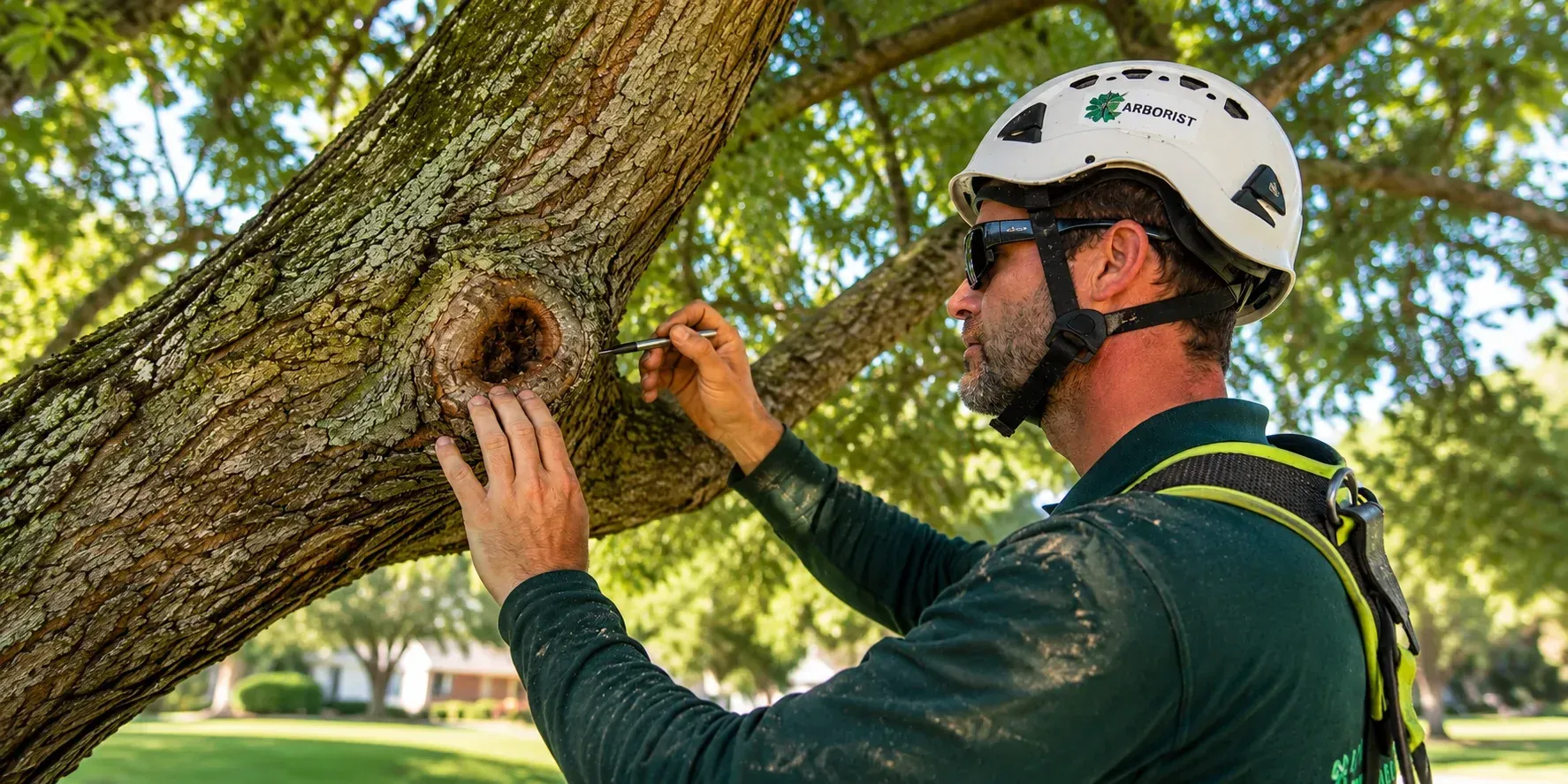
- ISA-Certified Arborist (tree health expert, may or may not do removals)
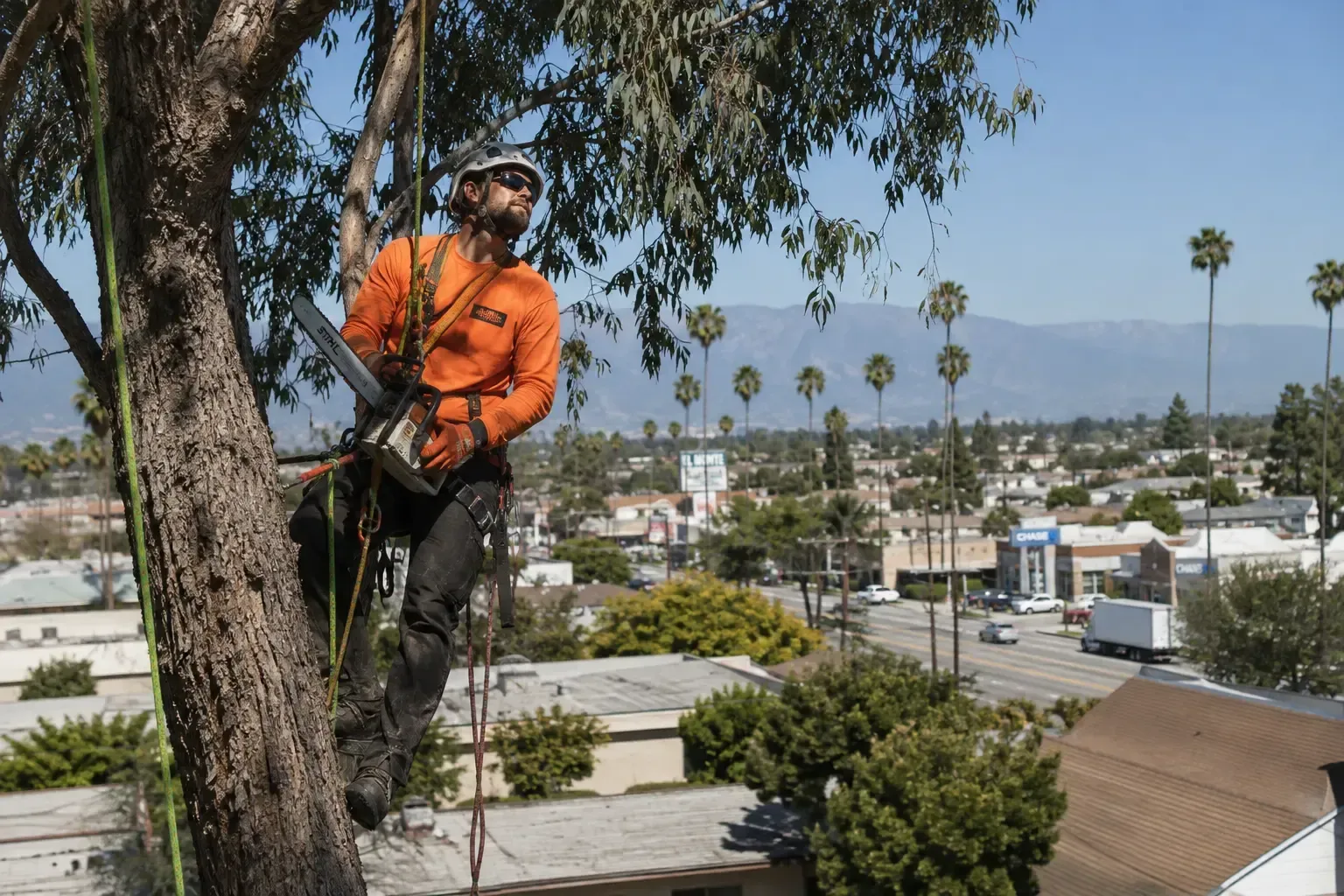
- Tree Service Company (does removals, but get one with arborist on staff)
- Independent Consulting Arborist (doesn't do tree work, only assessments - most unbiased)
What to Ask Each:
- "Does this tree need to be removed?"
- "If not now, when?"
- "What are the specific risks?"
- "What would you do if this was your house?"
- "Can anything be done to save it?"
Red Flags:
- Immediate pressure to sign contract
- Won't provide written assessment
- Dismisses your questions
- Significantly different from others (either way higher or way lower)
- Can't explain specific reasons in terms you understand
Good Signs:
- Detailed explanation of specific issues
- Shows you the problems (photos, pointing out issues)
- Discusses options (removal, pruning, monitoring)
- Provides written assessment
- No pressure, answers all questions
What Written Assessment Should Include
Professional Assessment Includes:
- Tree species and size
- Specific problems identified (with photos if possible)
- Risk rating (low, moderate, high, extreme)
- Recommendations with reasoning
- Timeline (immediate, soon, monitor)
- Cost estimate if removal recommended
- Arborist credentials and signature
This Document:
- Protects you legally (shows you acted responsibly)
- Helps with insurance if tree later fails
- Allows you to compare recommendations objectively
- Gives you confidence in decision
Cost: $150-350 for professional written assessment Value: Peace of mind + legal protection + informed decision
Special Considerations for El Monte Properties
Property Value Impact
Mature Healthy Trees:
- Add $3,000-20,000 to property value
- Increase curb appeal significantly
- Make home more desirable
- Provide energy savings (shade)
Hazardous or Problem Trees:
- Reduce property value
- Must be disclosed to buyers
- Can kill deals (buyers demand removal)
- May prevent sale entirely
Decision Factor: If tree is hazardous, removal increases home value more than keeping tree decreases it.
HOA and City Requirements
Some El Monte Areas Have:
- Protected tree ordinances
- HOA restrictions on tree removal
- Permit requirements
- Replacement tree requirements
Before Removing:
- Check with HOA (if applicable)
- Contact El Monte Community Development (626-580-2046)
- Verify permit requirements
- Understand any replacement obligations
Exception: Hazardous trees usually exempt from protection. Professional arborist assessment documenting hazard typically sufficient.
Insurance Considerations
Homeowner's Insurance:
- Generally covers tree damage to structure IF tree was not known hazard
- If you knew tree was dangerous (arborist report, visible issues), may deny claim
- Document everything (assessments, photos, communication)
Liability:
- You're responsible for trees on your property
- If hazardous tree damages neighbor's property, you may be liable
- Professional assessment shows due diligence
Best Practice: Get professional assessment of any questionable tree. Documentation protects you.
Real Estate Transactions
Selling Home:
- Must disclose known tree hazards
- Buyers often demand removal or credit
- Better to remove before listing than deal with it during escrow
Buying Home:
- Get tree assessment during inspection period
- Negotiate removal or credit for hazardous trees
- Factor tree maintenance into purchase decision
What Actually Happens During Tree Removal
Understanding the process helps with decision:
Professional Tree Removal Process
Day 1 - Assessment and Planning:
- Arborist examines tree, surrounding area
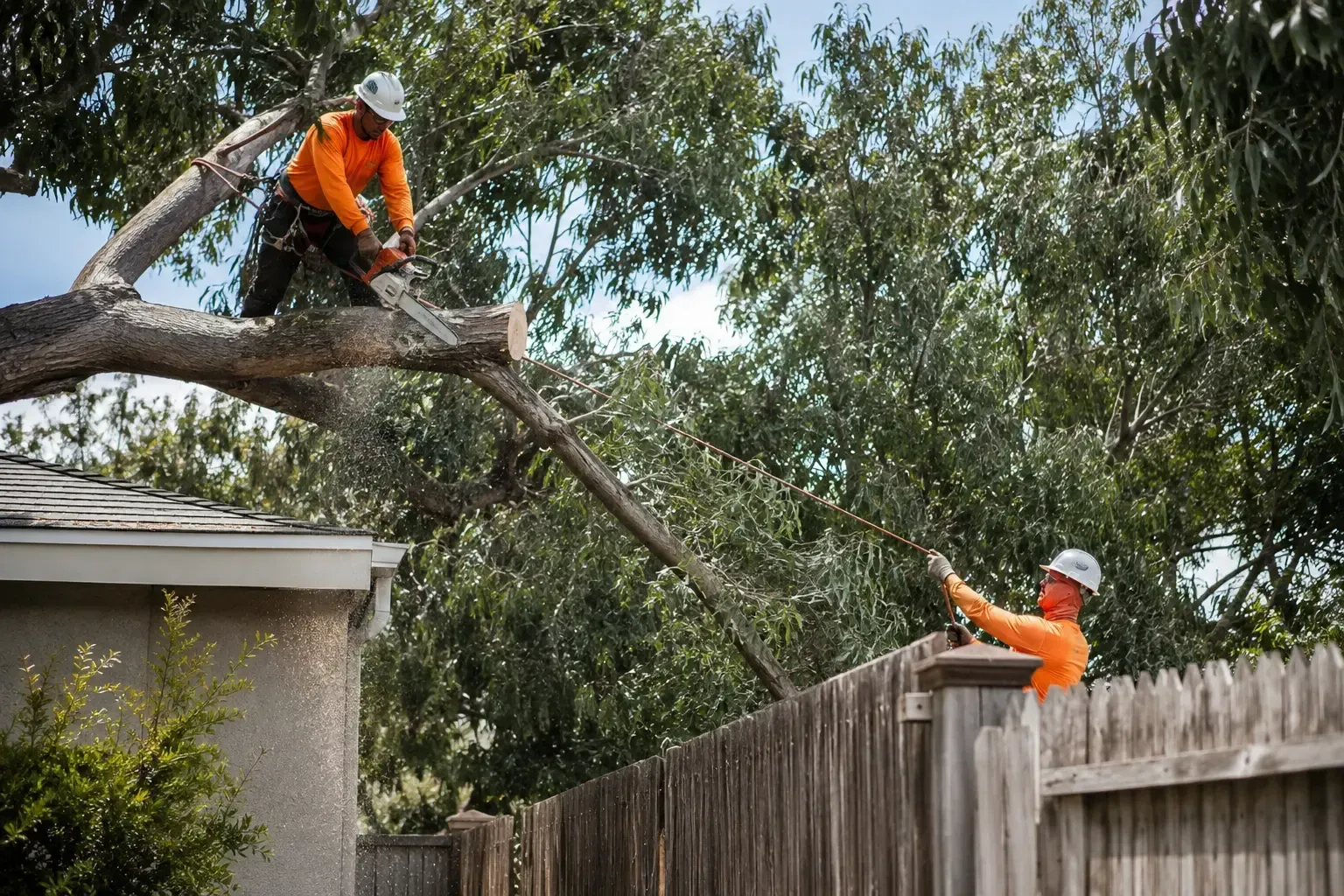
- Plans removal strategy (piece by piece, fell whole, crane)
- Identifies hazards and protection needs
- Confirms access and equipment needs
Day 2 - Removal Day:
- Crew arrives with equipment
- Sets up protection (tarps, plywood)
- Begins removal (top to bottom if near structures)
- Carefully lowers each piece
- Chips brush, cuts logs
- Removes all debris
Day 3 - Cleanup and Stump (if requested):
- Final cleanup and rake
- Stump grinding if requested
- Repairs any lawn/landscape damage
- Final inspection
Timeline:
- Small trees: 2-4 hours
- Medium trees: 4-8 hours
- Large trees: 1-3 days
- Complex removals: Up to a week
What You Should Expect
Professional Tree Service Provides:
- Proof of insurance and licensing
- Written contract with scope and price
- Timeline estimate
- Safety briefing (where to stay during work)
- Property protection plan
- Complete cleanup
- Disposal of all debris
You Should NOT:
- Be asked to do any work
- Have debris left unless requested
- Have property damage (barring accidents)
- Be surprised by costs
Alternatives to Full Removal
Sometimes there are middle-ground options:
Crown Reduction
What It Is: Reducing tree height and spread significantly
When Appropriate:
- Tree too large for location but otherwise healthy
- Reducing wind load on structurally compromised tree
- Buying time before eventual removal
Cost: $800-2,500 depending on size Lifespan: Temporary solution, may need removal in 3-10 years
Cabling and Bracing
What It Is: Installing cables and braces to support weak attachments
When Appropriate:
- Weak crotches but otherwise sound tree
- Valuable specimen worth investment
- Cannot remove due to location/regulations
Cost: $500-2,000+ depending on complexity Lifespan: Requires inspection every 1-2 years, not permanent fix
Selective Limb Removal
What It Is: Removing only hazardous limbs, keeping tree
When Appropriate:
- Isolated dead or weak limbs
- Tree generally healthy
- Limbs over structures only
Cost: $400 1,500 depending on number and size of limbs Lifespan: Addresses immediate hazard but doesn't fix underlying problems
When Alternatives Don't Work
Don't Compromise on Safety:
- If tree is structurally unsound, pruning doesn't fix it
- If decay is extensive, cabling won't prevent failure
- If tree is dying, reduction just delays inevitable
False Economy: Spending $1,500 on pruning when $4,000 removal is needed = wasted $1,500 + still need $4,000 later
The Decision Framework: Remove, Monitor, or Save
Here's the professional framework I use:
REMOVE IMMEDIATELY (Within Days)
Structural Failure in Progress:
- Trunk cracks with separation
- Major limb splits
- Severe lean (over 20° toward target)
- Recent sudden lean (root failure)
- Tree partially fallen/hung up
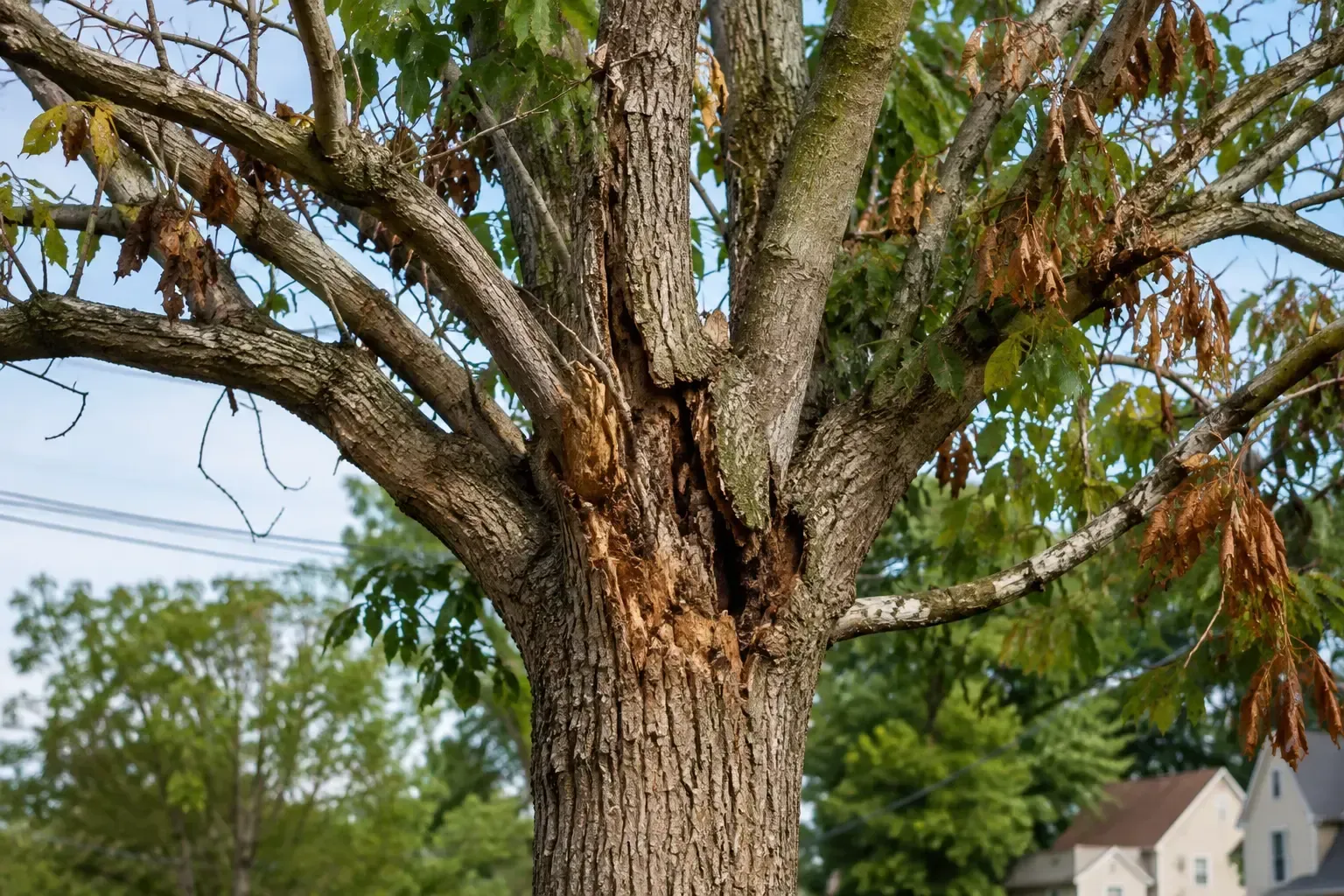
Extensive Decay:
- Trunk 50%+ hollow
- Multiple large cavities
- Extensive fungal fruiting bodies (mushrooms on trunk)
- Soft, punky wood when probed
- Root rot affecting 50%+ of root system
Dead or Dying:
- 50%+ of canopy dead
- No leaves entire season (deciduous) or browning (evergreen)
- Bark falling off in large sections
- No response to growing season
Location + Condition = Unacceptable Risk:
- Serious problems + lean toward house
- Touching power lines + any structural issues
- Over children's play area + dead branches
- Near public sidewalk + decay
Why Immediate: Risk of failure within weeks to months. Property damage, injury, or death likely if tree fails.
El Monte Context: After Santa Ana winds or storms, trees weakened to failure point need immediate removal.
REMOVE SOON (Within Months)
Moderate Decay:
- Trunk 25-50% hollow
- Significant root damage (construction, trenching)
- Fungal growth indicating internal decay
- Multiple structural issues combined
Significant Dead Wood:
- 25-50% canopy dead
- Large dead branches over structures/walkways
- Progressive dieback each year
Correctable Problems That Won't Be Corrected:
- Tree needs $2,000 in cabling and you won't do it
- Tree needs special care and you can't provide it
- Location problems (wrong tree, wrong place)
Why Soon-ish: Tree declining but not imminent failure. Plan removal before emergency, but not panic situation.
MONITOR CLOSELY (Reassess in 6-12 Months)
Minor Issues with Good Prognosis:
- Less than 15% dead wood
- Small wounds or cavities (under 25% of trunk)
- Treatable disease if you commit to treatment
- Stressed but responding to improved care
Valuable Tree Worth Trying to Save:
- Mature, healthy specimen with minor problem
- Rare or significant tree
- Adds substantial property value
- Sentimental value + financially feasible to save
Professional Intervention Possible:
- Can be stabilized with cabling/bracing
- Disease treatable with proper care
- Stress factors can be corrected (water, soil, etc.)
Why Monitor: Problems present but not immediately life-threatening to tree. Investment in care may save tree.
Requirements:
- Professional assessment every 6-12 months
- Commitment to recommended care
- Budget for treatments
- Acceptance that removal may become necessary later
HEALTHY - ROUTINE CARE ONLY
No Significant Issues:
- Less than 5-10% dead wood (normal)
- Good structure
- Active growth
- No decay or disease
- Proper location
Why Routine Care: Tree is healthy asset to property. Normal pruning every 3-5 years sufficient.
Frequently Asked Questions
How much does it cost to remove a tree in El Monte California?
Tree removal in El Monte costs $500-20,000 depending on size, location, and complexity. Small trees (under 30 ft) run $500-1,500, medium trees (30-60 ft) cost $1,500-4,000, large trees (60-80+ ft) run $4,000-10,000, and complex removals near structures or power lines can exceed $15,000.
Can I remove a tree myself in El Monte?
Small trees (under 15 feet) on your property can legally be removed yourself, but it's dangerous and not recommended. Risks include: falls causing serious injury/death, chainsaw injuries, property damage from falling tree/branches, hitting power lines (electrocution), and liability if injury/damage occurs
Will removing a large tree affect my property value?
Impact depends on tree condition and location. Removing hazardous, poorly-located, or problem trees typically increases property value by $2,000-10,000+ by eliminating liability and improving appeal.
What happens to the tree after removal?
Professional tree services in El Monte chip brush into mulch, cut trunk/limbs into logs, and haul away all debris unless you request otherwise.