Don’t Wait for Disaster: El Monte Tree Problems That Escalate Fast
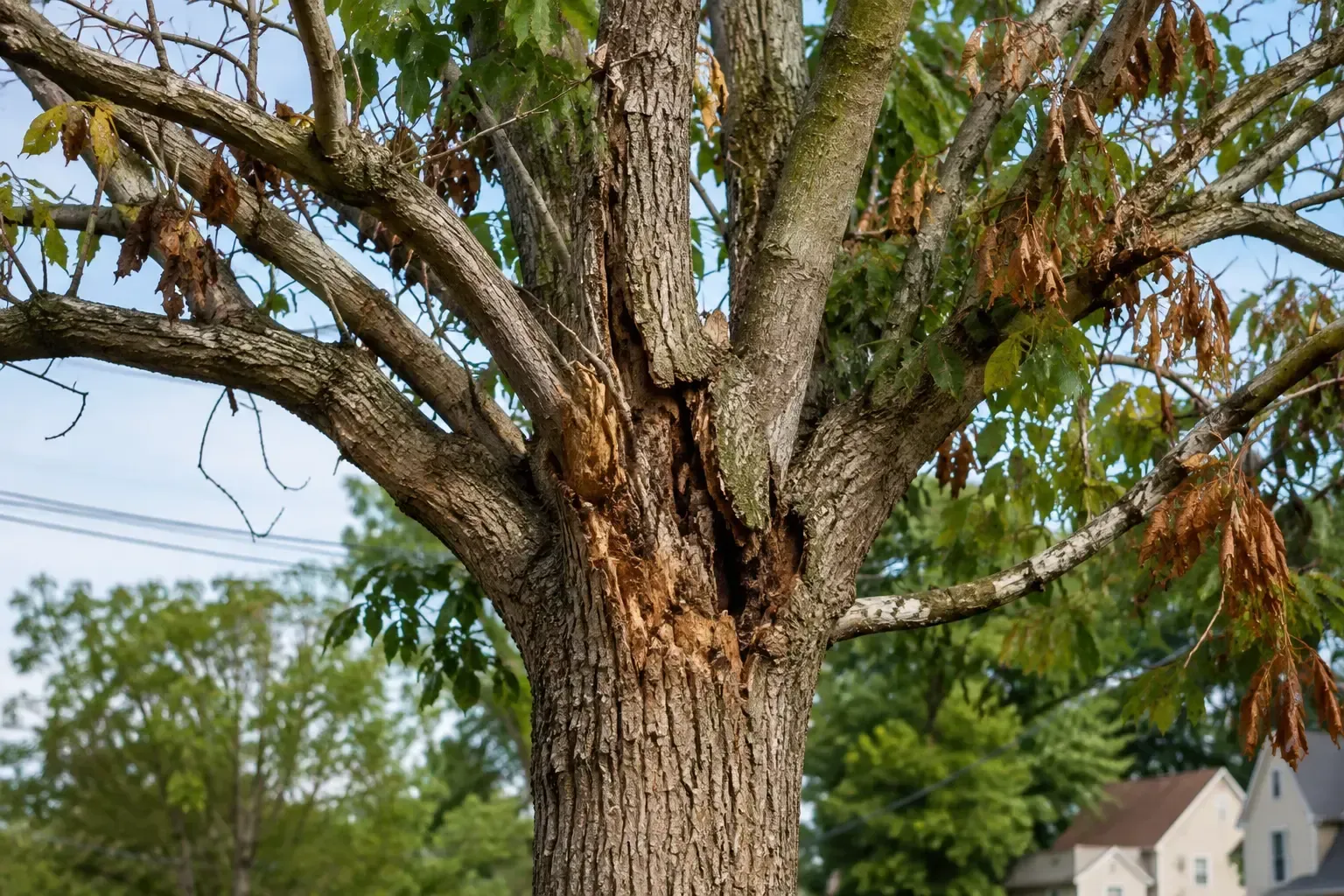
Mature trees add immense value to properties in El Monte, California. They provide essential shade during intense summer heat, boost curb appeal, and anchor landscape designs. For families who have invested heavily in their forever homes, preserving the structural integrity of the landscape is a top priority. However, living assets require proactive management. A tree that looks perfectly healthy from a distance might be harboring structural weaknesses or aggressive diseases.
For homeowners and commercial property managers alike, waiting for a branch to fail or a root system to breach a foundation is a costly mistake. Addressing warning signs early prevents severe property damage, liability issues, and expensive emergency removals.
How Professional Tree Services Mitigate Property Risk
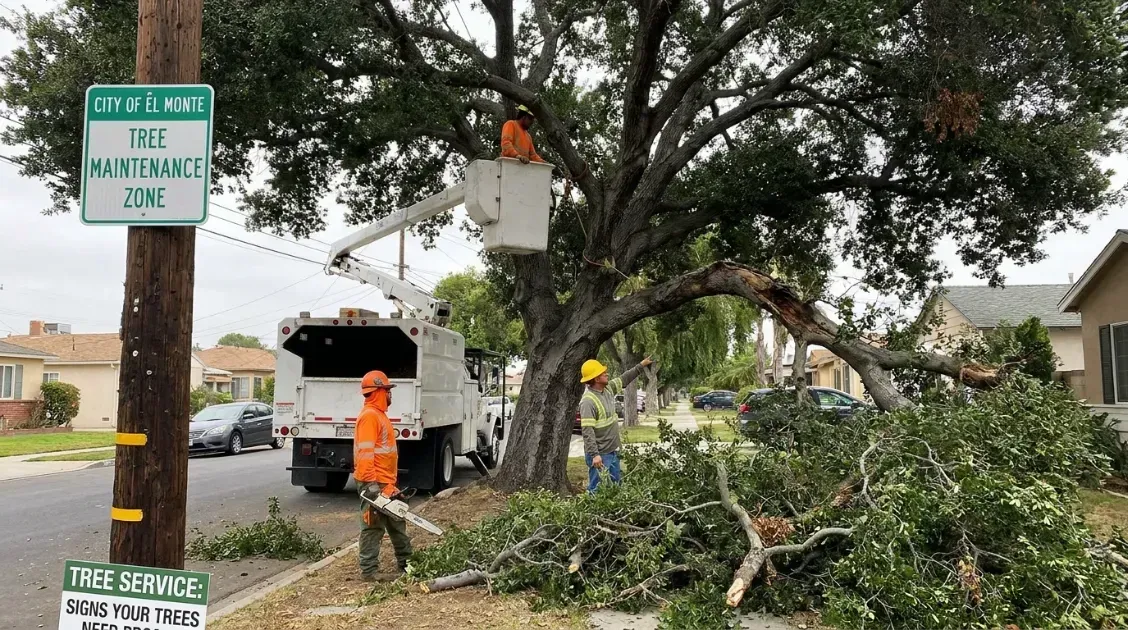
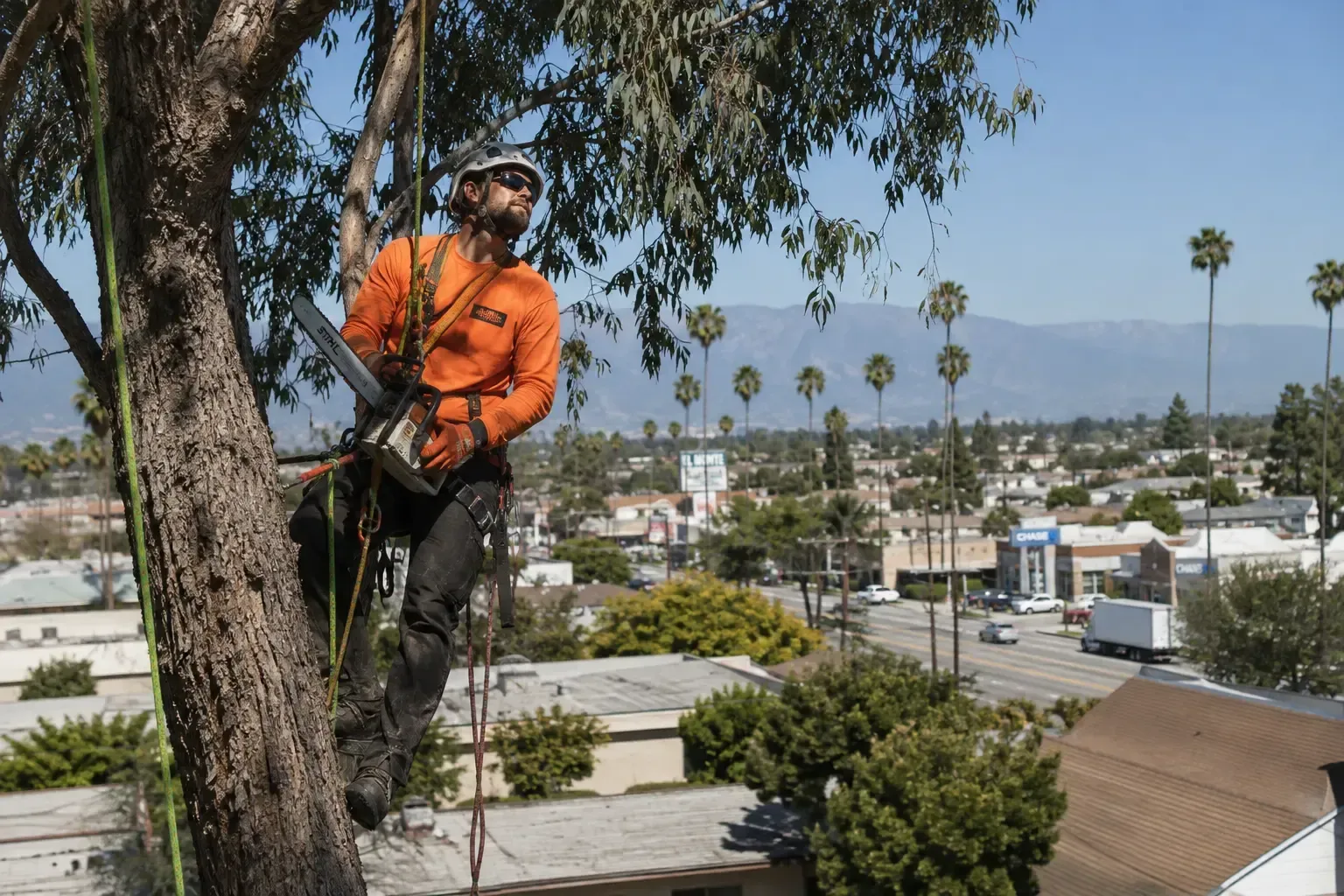
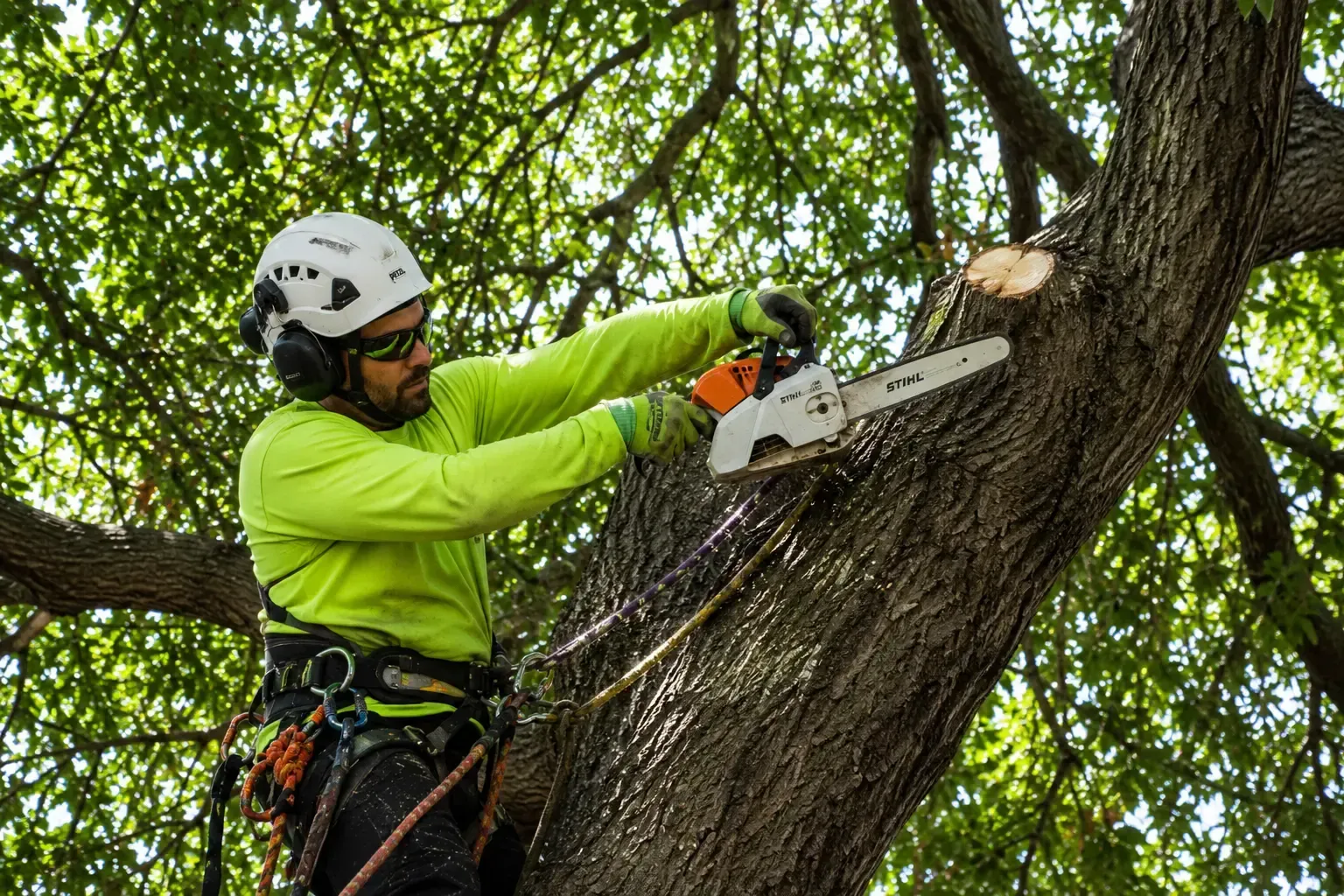
Handling large-scale landscape issues without professional equipment or training is a direct path to personal injury and property damage. Attempting to trim heavy limbs or fell a leaning tree requires precise calculations regarding weight distribution, fall zones, and tension release.
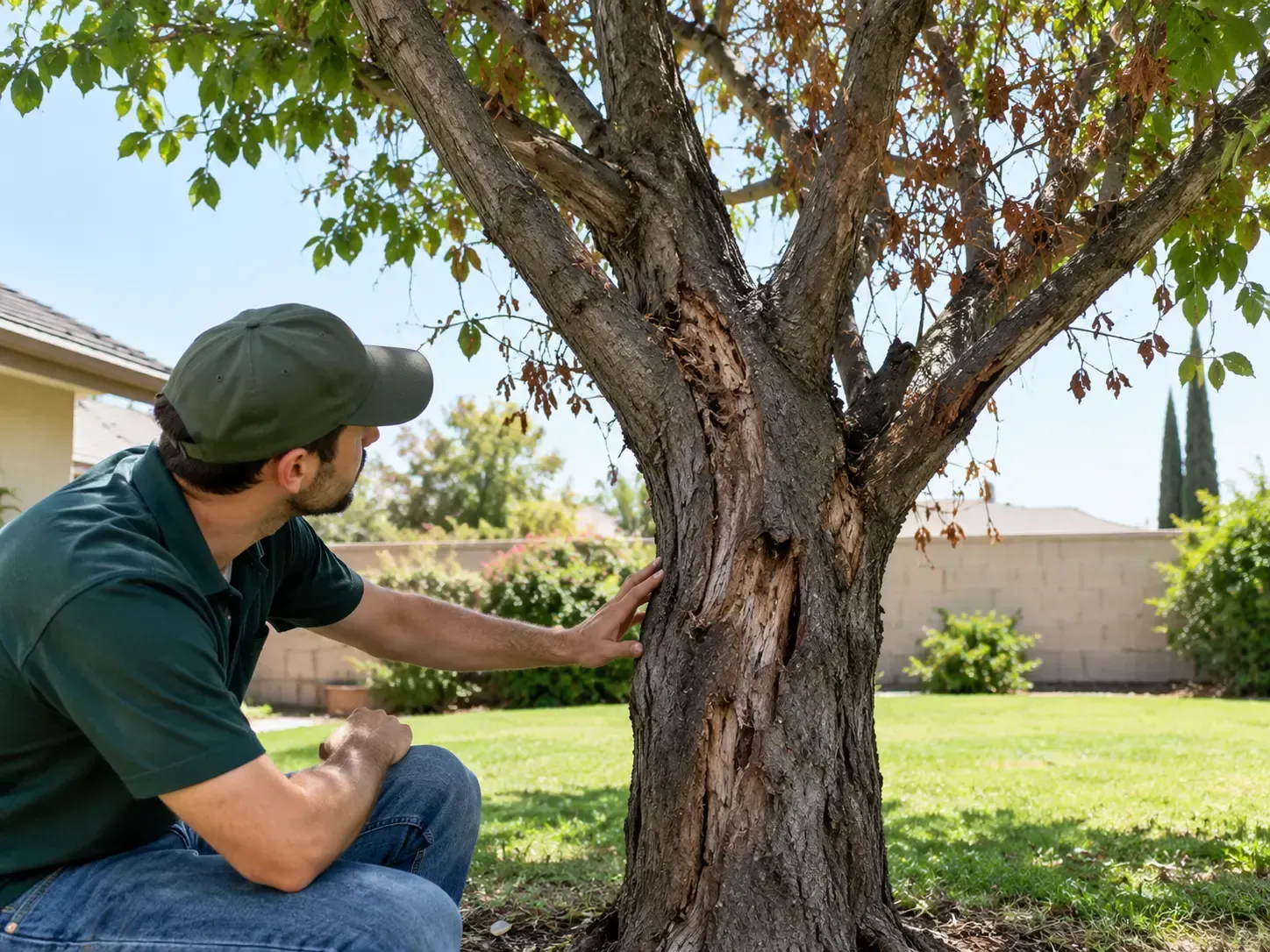
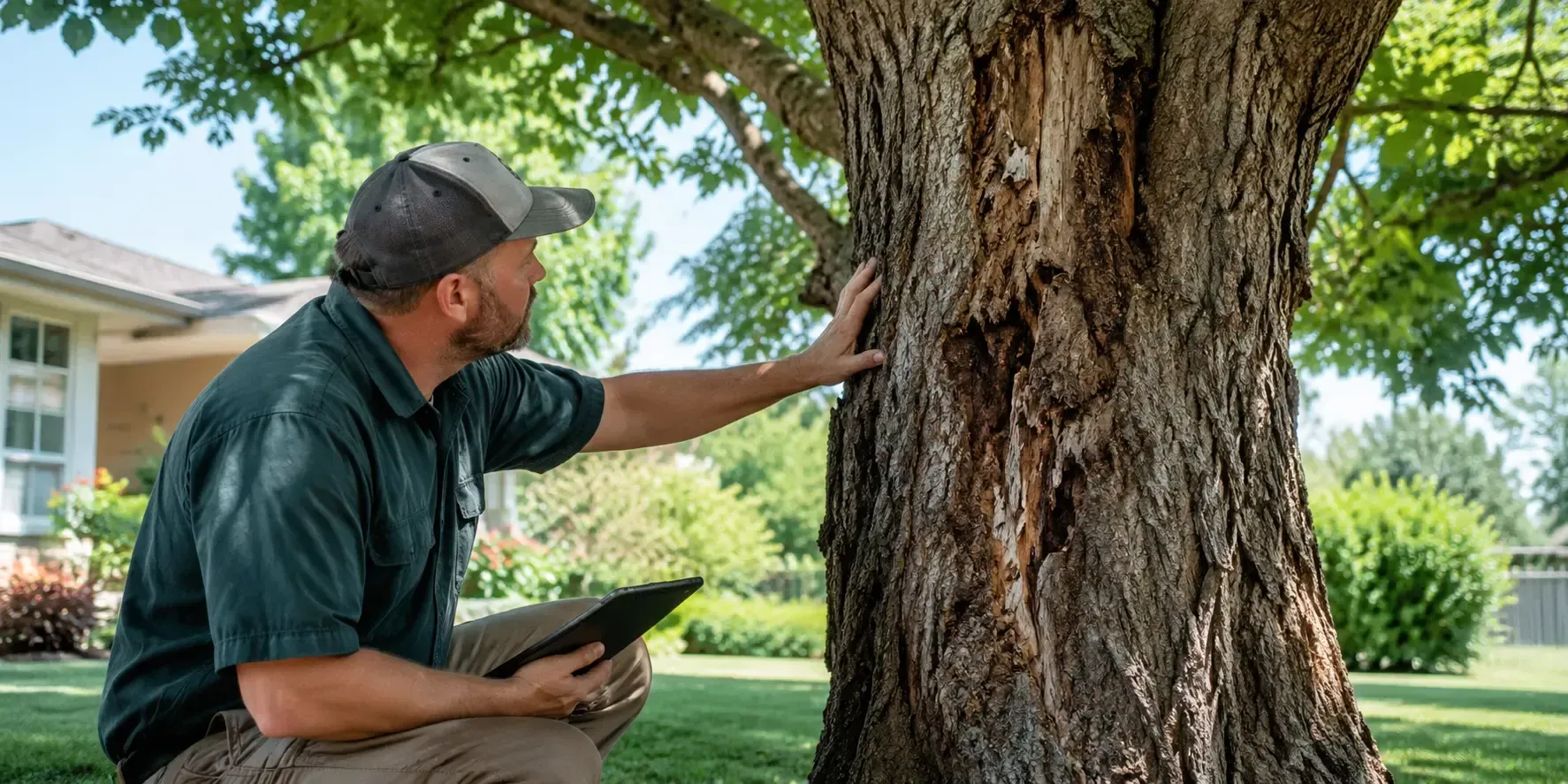
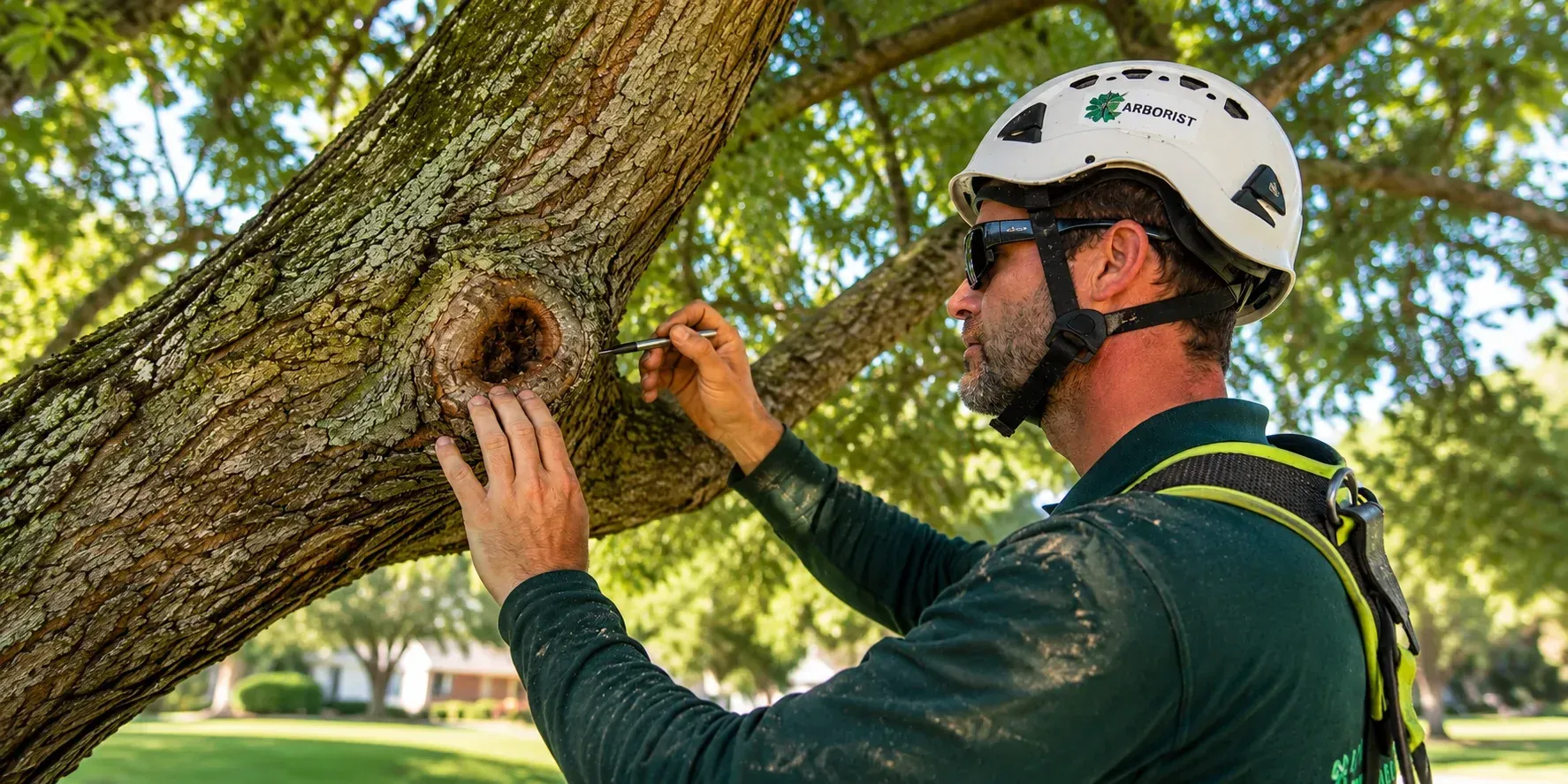
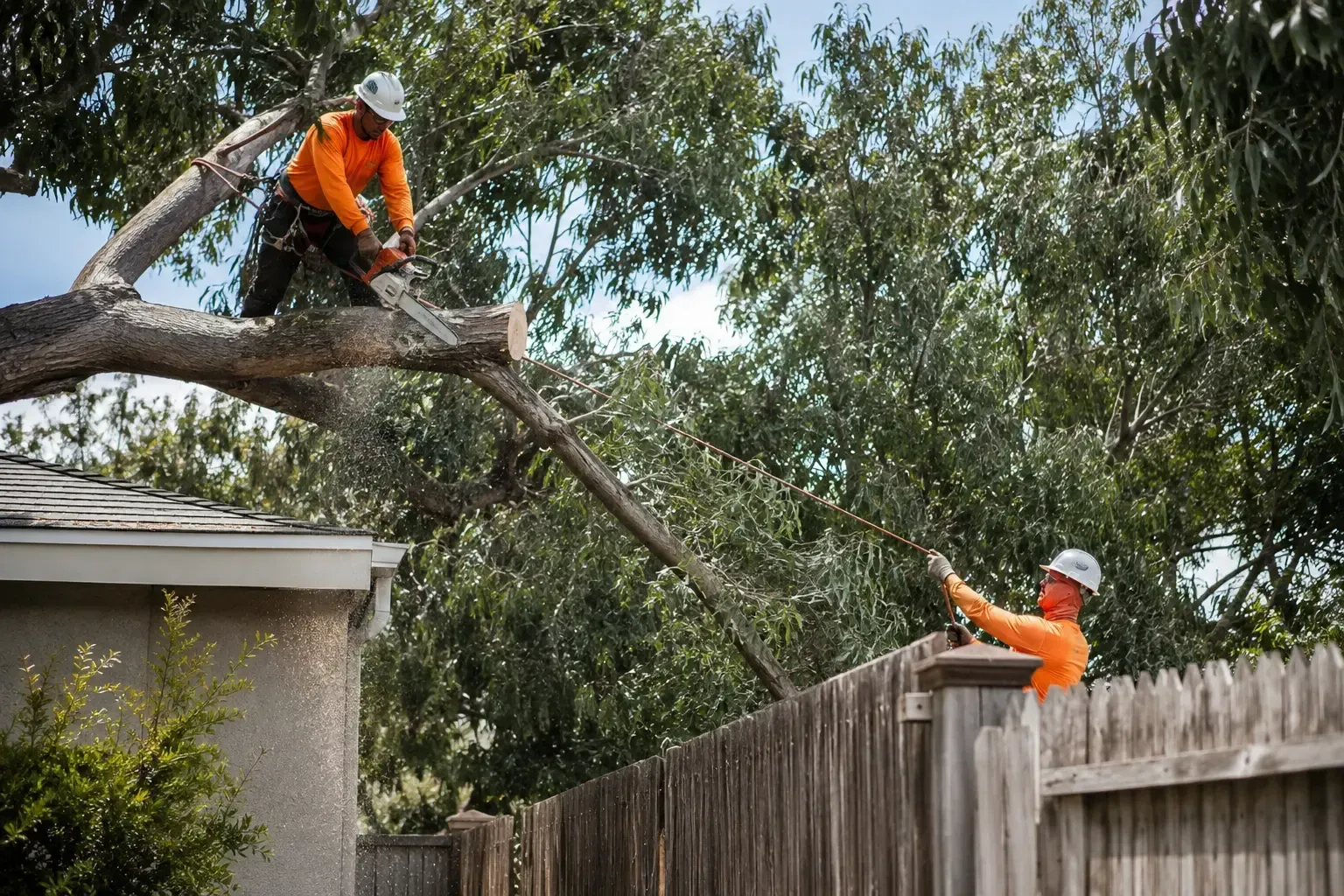
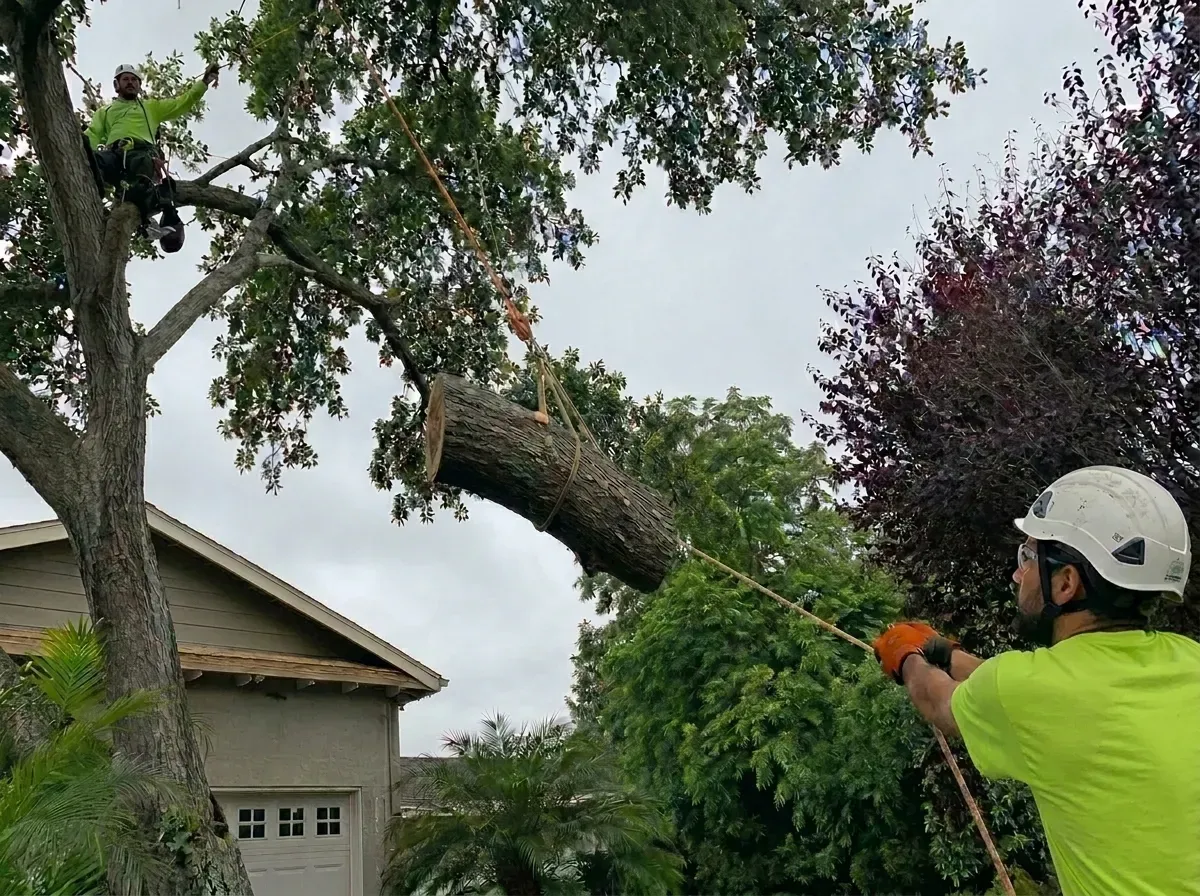
Securing expert tree services guarantees that high-risk problems are neutralized safely. Professional arborists possess the diagnostic skills to identify internal rot that is invisible to the untrained eye. They utilize specialized rigging techniques to lower massive branches safely to the ground, ensuring that roofs, fences, and power lines remain untouched.
Beyond removal, expert pruning reduces wind resistance in the canopy. Thinning the crown allows high winds to pass safely through the branches rather than pushing against the tree like a sail. This preventative measure is essential for protecting older, established trees that hold significant sentimental and financial value on your property.
| Tree Condition | Early Stage Indicator | Escalated Threat Level | Financial & Property Impact if Ignored |
|---|---|---|---|
| Co-dominant Stems | V-shaped branch crotch | Trunk splitting in high winds | Massive structural failure, severe roof damage |
| Root Rot | Fungal growth at base | Loss of ground anchorage | Complete tree collapse onto structures |
| Deadwood | Brittle, leafless limbs | Falling debris during storms | Personal injury, vehicle damage, liability lawsuits |
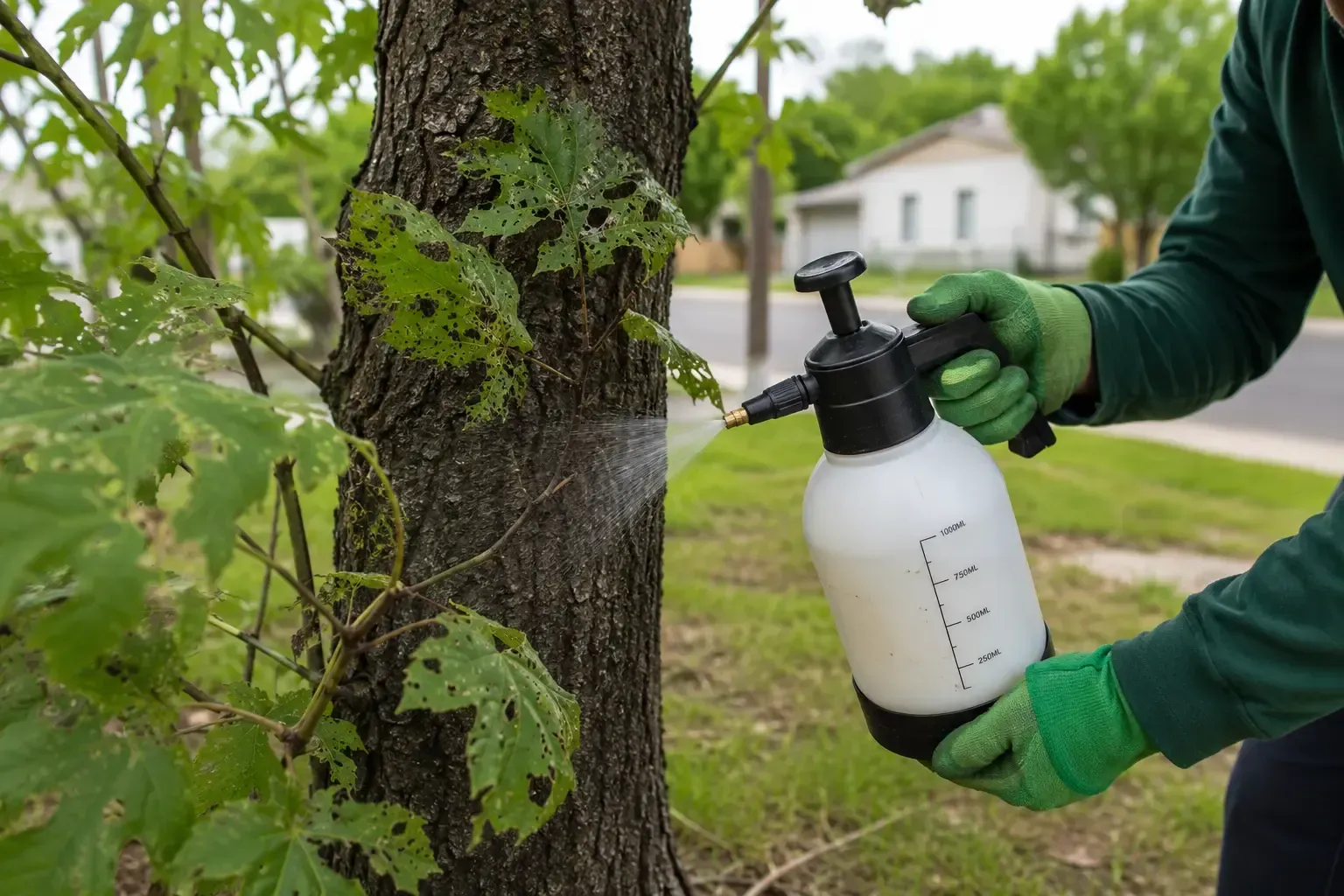
| Pest Infestation | Small holes in trunk | Rapid vascular system death | Disease transmission to adjacent healthy plants |
Southern California Weather: Are Your Trees Ready?
El Monte experiences specific weather patterns that test the resilience of local landscapes. While the region is known for its sunshine, it also endures intense Santa Ana winds and brief but heavy winter rainstorms.
When the Santa Ana winds funnel through the valleys, they put immense pressure on tree canopies. A tree with a dense, unpruned crown absorbs the full force of these gusts. If the root system is compromised or the soil is saturated from recent winter rains, the tree loses its ability to withstand the leverage. Uprooted trees cause catastrophic damage to homes, vehicles, and municipal infrastructure.
Preparing for these seasonal shifts requires action well before the weather turns aggressive. Property owners should walk their grounds quarterly to inspect for leaning trunks, newly exposed roots, or large cracks in the soil around the base of major trees. Identifying these vulnerabilities early gives you time to implement cabling, bracing, or selective removal before a storm forces your hand.
Protecting Commercial Properties and Homeowners Associations
For commercial property managers and Homeowners Association boards in El Monte, tree maintenance is heavily tied to legal liability and tenant safety. A falling branch in a retail parking lot or a communal park creates severe financial exposure. Managing these risks demands a scheduled, documented maintenance routine.
Commercial landscapes require uniform aesthetics and rigorous safety standards. Regular canopy clearing keeps sightlines open for security cameras and ensures adequate lighting in parking areas. Removing low-hanging branches prevents damage to delivery vehicles and keeps pedestrian walkways clear of hazards. Partnering with a dedicated landscape management team ensures that your commercial property remains compliant with local safety codes while maintaining an inviting appearance for clients and residents.
Consistent care also preserves the mature canopy that takes decades to establish. For high-end residential communities and business parks, lush, mature trees are a primary factor in maintaining high property values and attracting premium tenants. A preventative approach is always more cost-effective than the financial fallout of an unexpected accident.
Safeguard Your Home with Elmonte Tree Service
Maintaining a safe and beautiful property requires a proactive mindset. Ignoring the subtle warnings your landscape provides will inevitably lead to compounding problems that disrupt your life and drain your resources. Your trees should be an asset that enhances your daily living experience, not a source of anxiety during every windstorm.
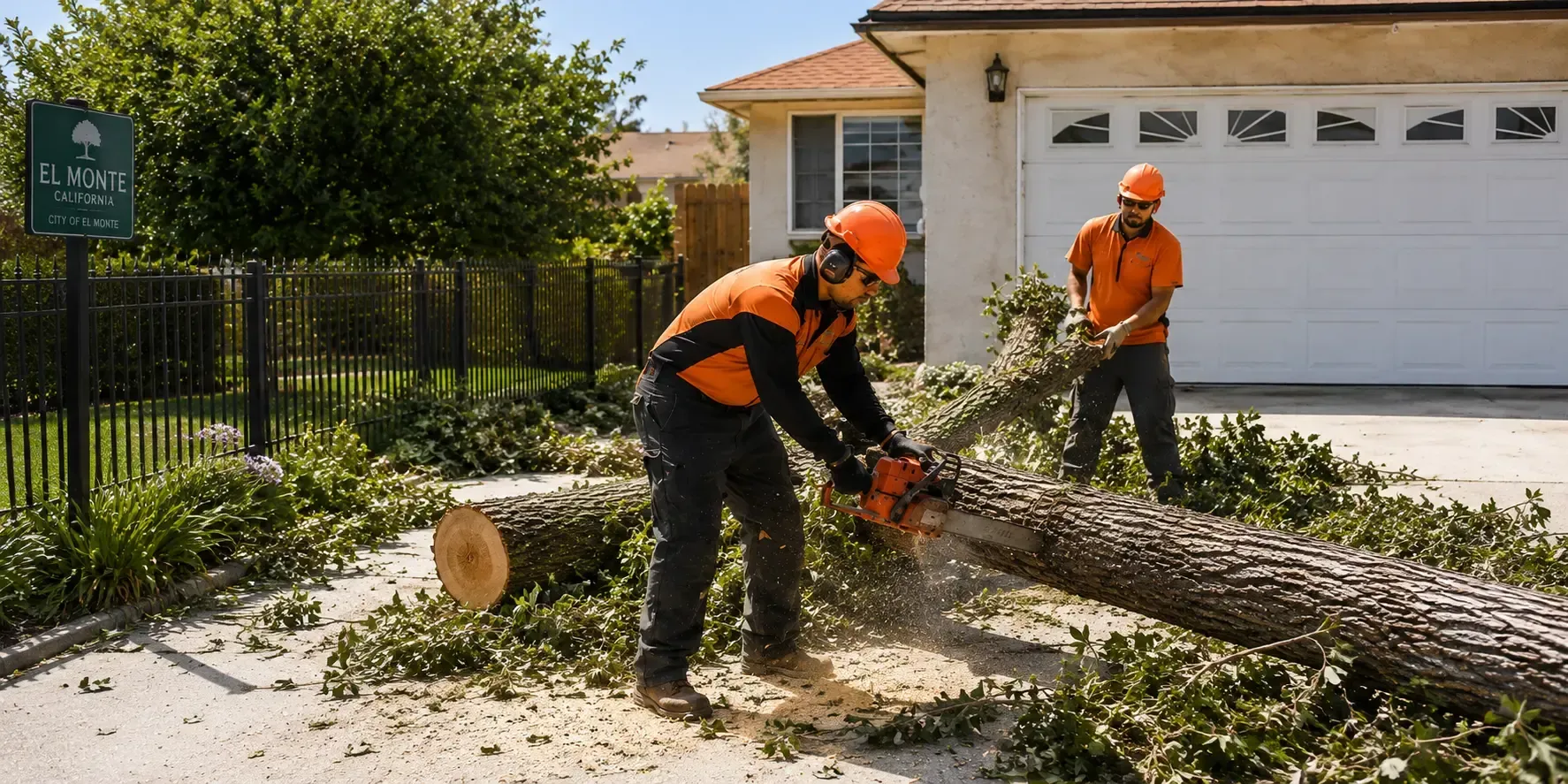
Elmonte Tree Service is committed to helping local property owners protect their investments through precise, safety-focused arboriculture. Our team provides detailed assessments, strategic trimming, and safe removal of hazardous specimens. Do not wait for a minor structural issue to become a midnight emergency.
If you suspect a tree on your property is showing signs of decay, disease, or instability, reach out to our team immediately. Visit our Contact Us page to schedule a professional evaluation and secure the long-term health of your landscape.
Frequently Asked Questions
How often should mature trees on my property be inspected?
Mature trees should undergo a professional visual inspection at least once a year. However, if your property experiences a severe weather event, such as high winds or localized flooding, you should schedule an immediate follow-up assessment to check for newly developed structural weaknesses.
Can a tree with root damage be saved?
The survivability of a tree with root damage depends entirely on the severity of the severance or decay. If less than twenty-five percent of the root zone is affected, the tree can often recover with proper soil care and watering modifications. If structural anchor roots are compromised, the tree becomes a critical fall hazard and usually requires prompt removal.
Will my homeowners insurance cover preventative tree removal?
Standard homeowners insurance policies generally do not cover the cost of preventative tree removal or routine maintenance. Insurance typically only covers tree removal if a healthy tree falls onto a covered structure due to a covered peril, like a windstorm. Preventative care is considered the responsibility of the property owner to avoid future negligence claims.
Can planting trees too close together cause problems?
Yes. Crowded trees compete for sunlight, water, and nutrients, often leading to stunted growth and increased pest vulnerability.