Expert Strategies for Proper Tree Trimming in El Monte CA
Trees form a critical part of the local ecosystem and property aesthetics throughout El Monte, California. Properly managed foliage offers vital shade during hot Southern California summers, improves local air quality, and significantly increases real estate value. Maintaining this natural asset requires precise and timely care. Overgrown branches can quickly turn from a beautiful landscape feature into a serious liability. At El Monte Tree Service, we approach arboriculture as both an exact science and a highly specialized craft designed to protect your property and prolong the life of your greenery.
The Science and Strategy Behind Expert Tree Services
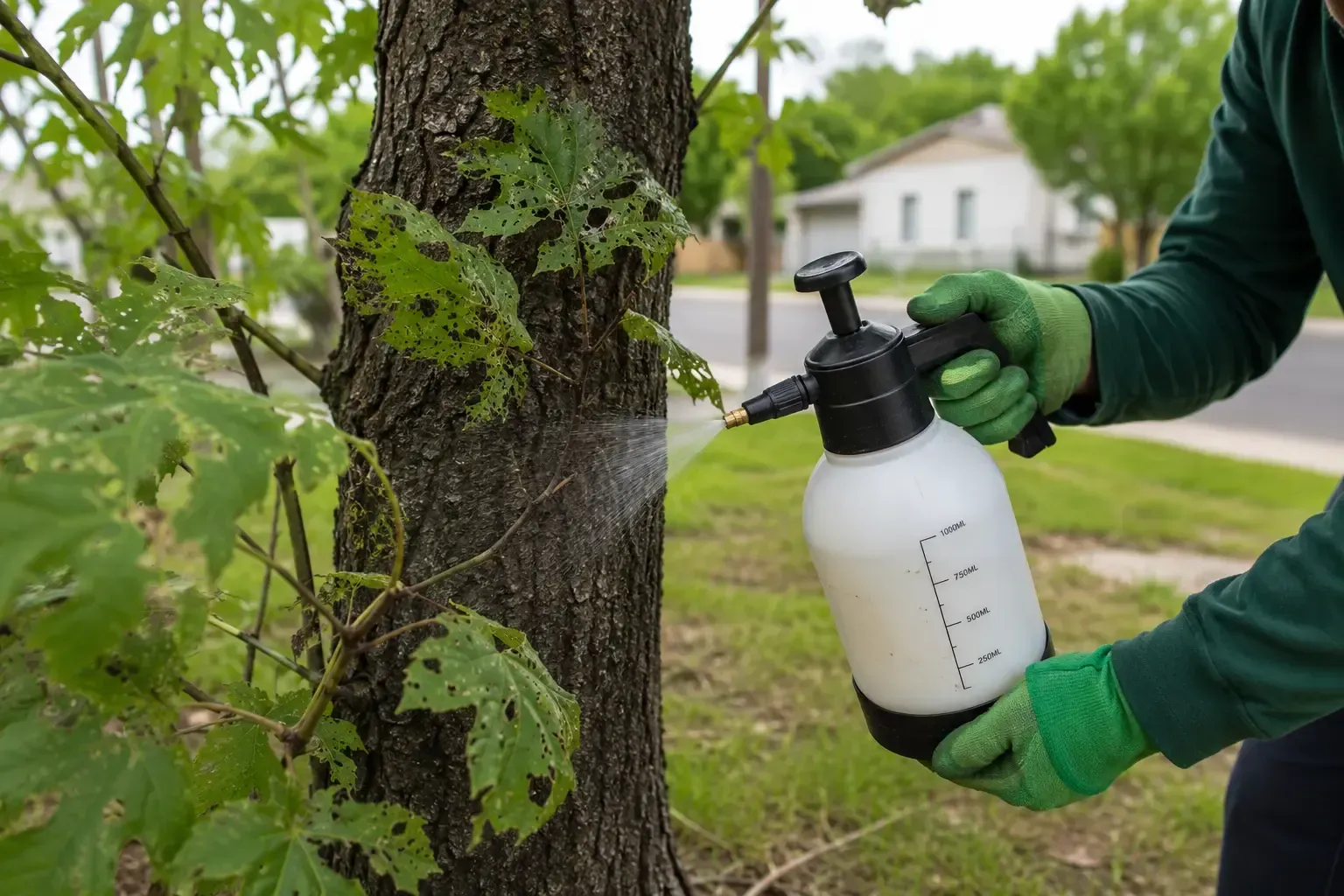
Many property owners view pruning simply as a way to improve the visual appeal of their yard. While a well-shaped canopy certainly looks better, professional Tree Services encompass much more than basic aesthetic improvements. Every cut made to a tree is a wound that the organism must heal. If a branch is cut at the wrong angle or in the wrong location, the tree cannot properly seal the wound, leaving it vulnerable to fungal infections, rot, and pest infestations.
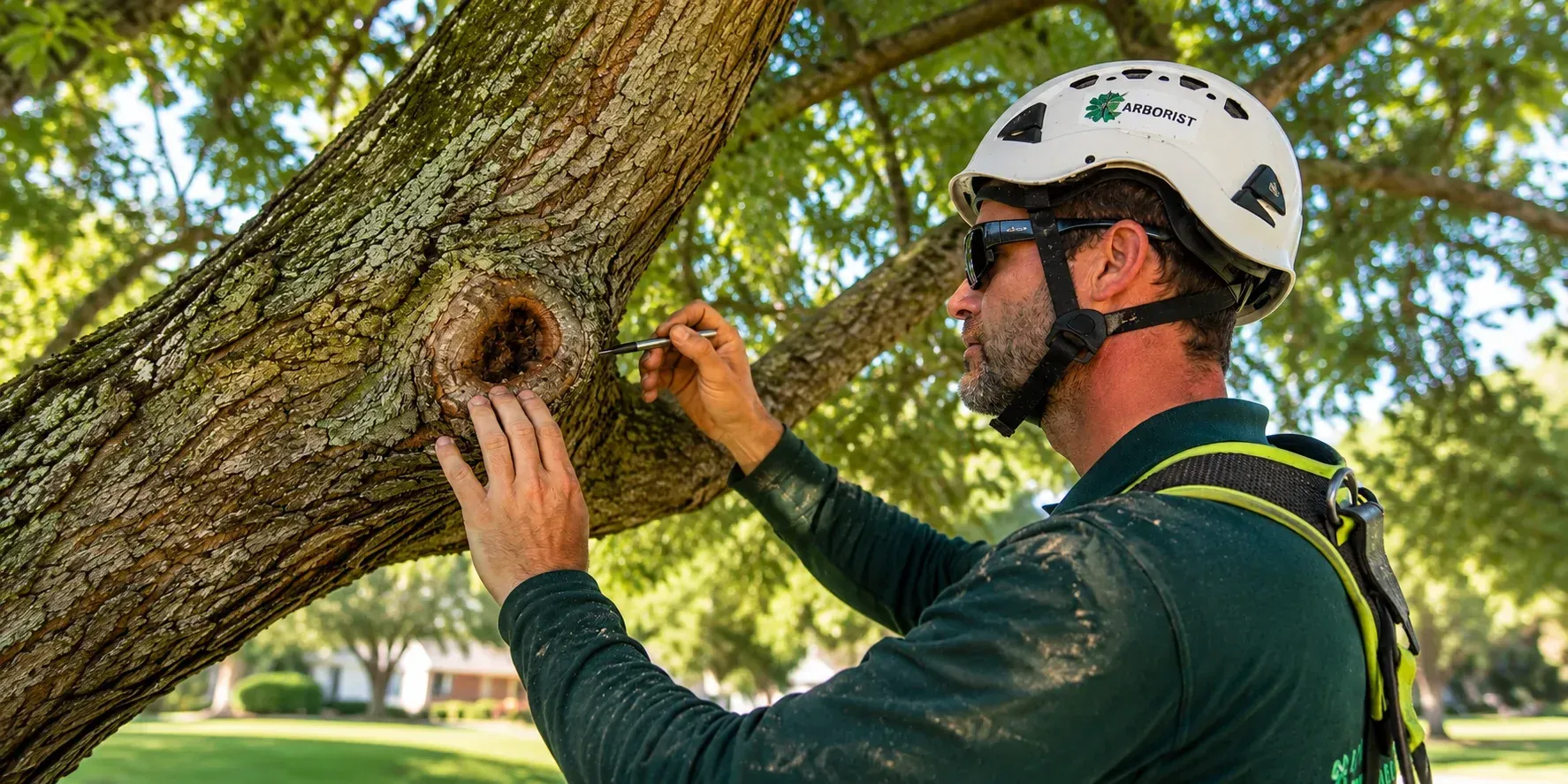
Professional arborists understand the precise biology of different species. They know how to identify the branch collar, which is the slightly swollen area where a branch connects to the trunk. Cutting just outside this collar allows the tree to compartmentalize the damage and form protective callus tissue over the cut.
Enhancing Airflow and Wind Resistance
Beyond biological health, targeted pruning is essential for structural stability. A dense, overgrown canopy acts like a giant sail when heavy winds sweep through the San Gabriel Valley. By strategically thinning the crown of the tree, professionals allow wind to pass smoothly through the branches. This greatly reduces the mechanical stress placed on the trunk and root system, preventing the tree from uprooting or snapping during severe weather events.
Recognizing When Your El Monte Property Needs Attention
The climate in El Monte presents unique challenges for urban forestry. Long periods of dry heat followed by intense seasonal rain can cause unpredictable growth patterns. Heavy winter rains can spur rapid branch elongation that leaves limbs weak and top-heavy. As the dry season returns, these overextended branches become brittle and prone to snapping.
If you are unsure whether your landscape requires attention, there are specific environmental cues to watch for. Being proactive is always safer and more cost-effective than waiting for a branch to fall. You can learn more about how minor issues rapidly become major hazards by reviewing our insights on tree problems that escalate fast.
Key Indicators That Maintenance Is Required
- Crossing or Rubbing Branches: When limbs grow inward and rub against one another, the friction strips away protective bark and creates entry points for disease.
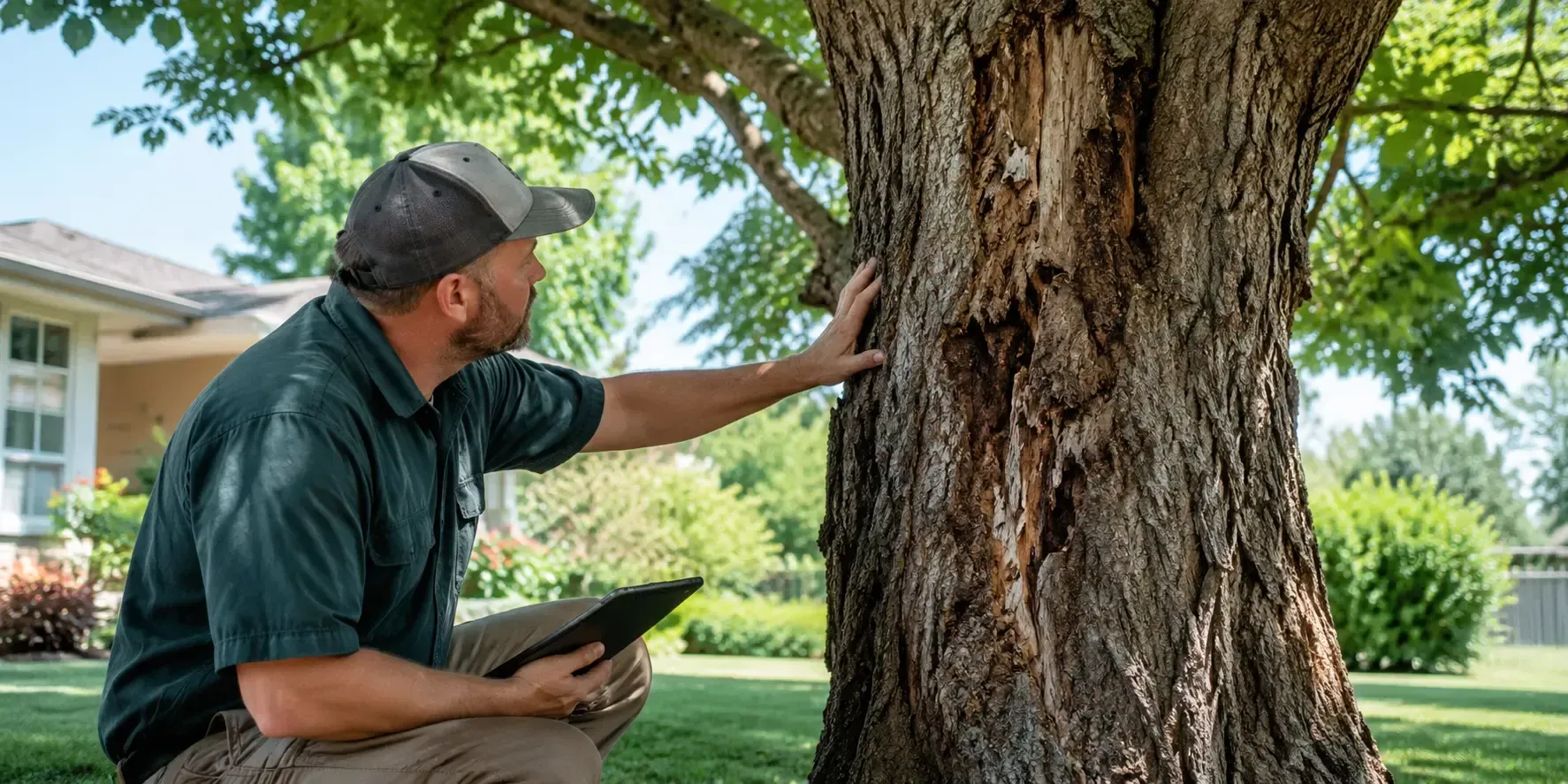
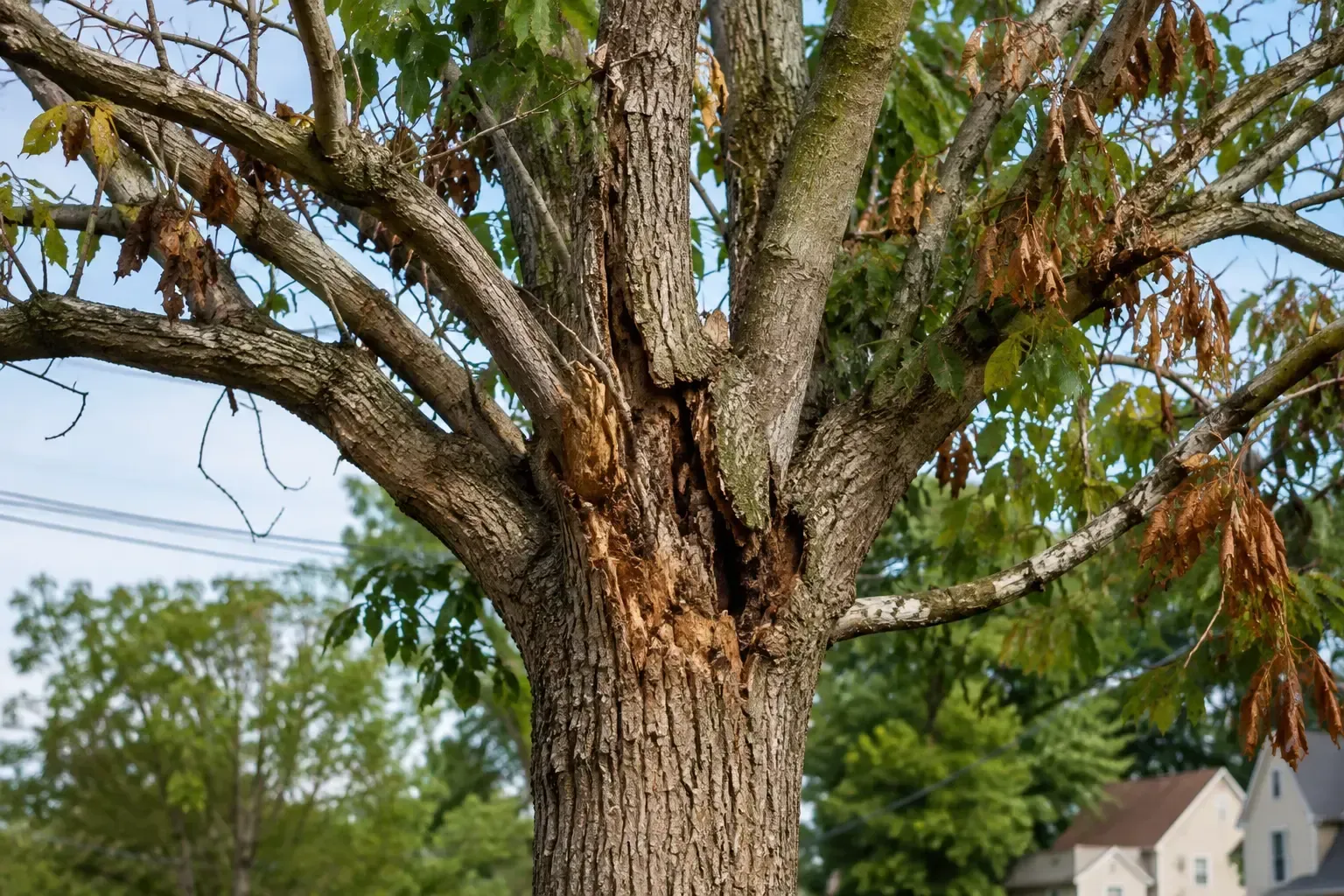
- Dead or Decaying Wood: Branches lacking leaves during the growing season or showing peeling bark need immediate removal before they drop unexpectedly.
- Proximity to Structures: Foliage that is resting on your roof or growing dangerously close to power lines poses severe safety and property damage risks.
- Canopy Density: If sunlight cannot penetrate the canopy to reach the grass or plants below, the tree requires crown thinning.
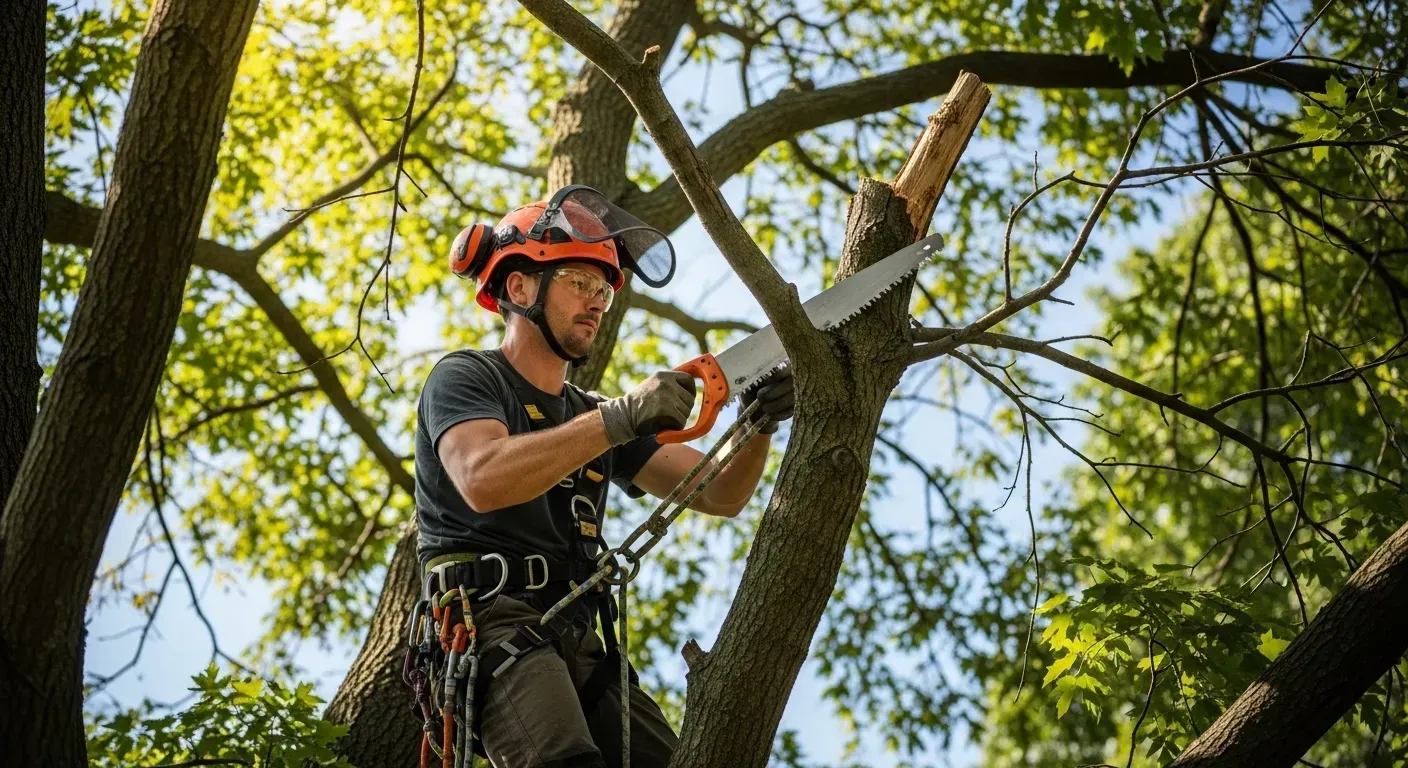
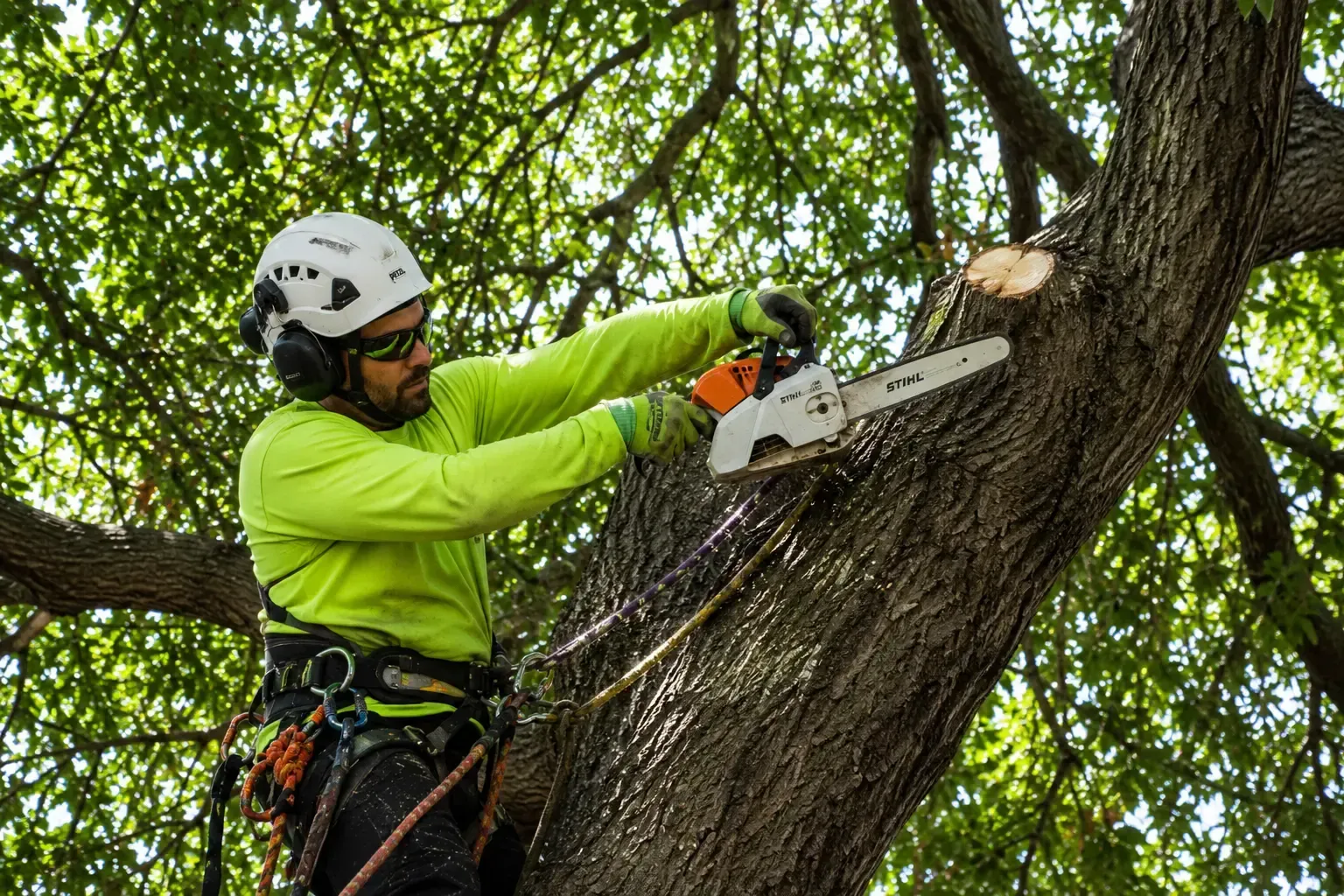
When you notice these signs, scheduling dedicated tree trimming ensures your landscape remains a safe and visually appealing environment. Regular maintenance keeps growth directed away from your home while promoting stronger, healthier lateral branches.
When Trimming Progresses to Advanced Tree Care
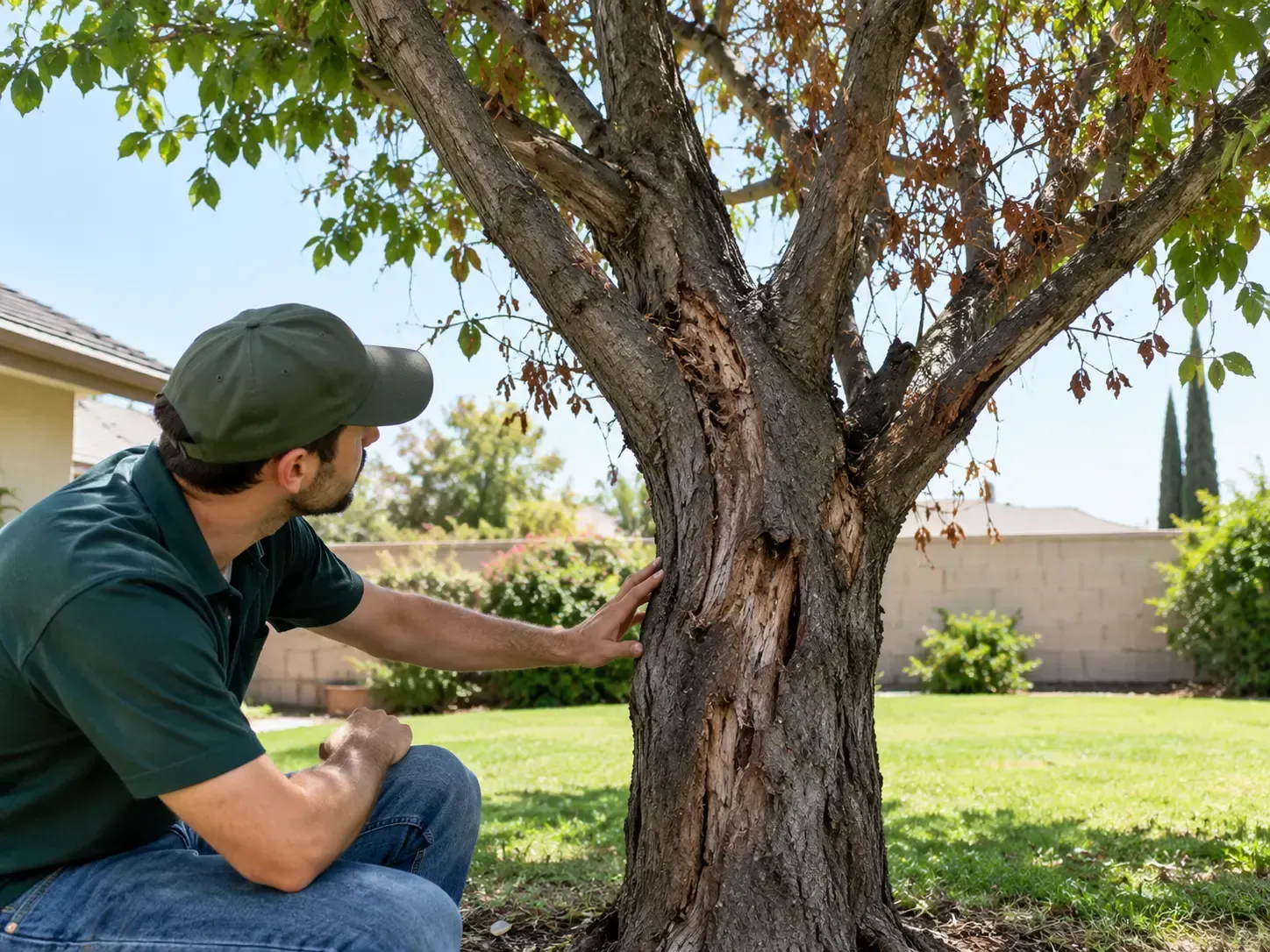
Sometimes, a routine pruning appointment reveals underlying issues that cannot be solved with shears and saws alone. As professionals inspect the upper canopy and trunk structure, they may discover extensive internal decay, advanced disease, or severe root damage. In these scenarios, attempting to save the tree might be dangerous or biologically impossible.
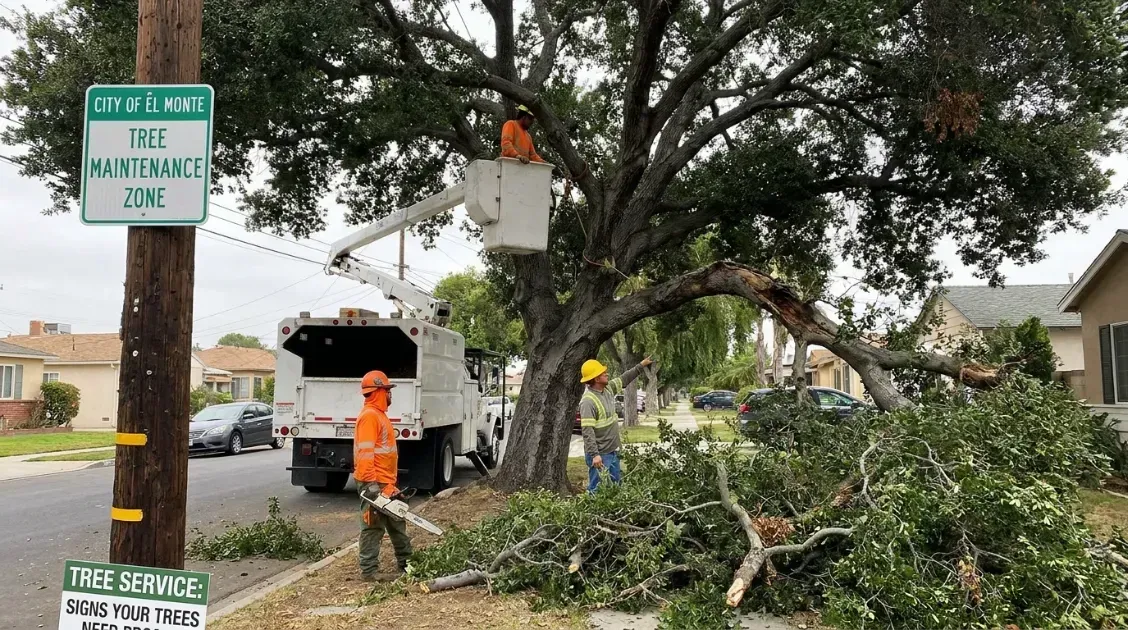
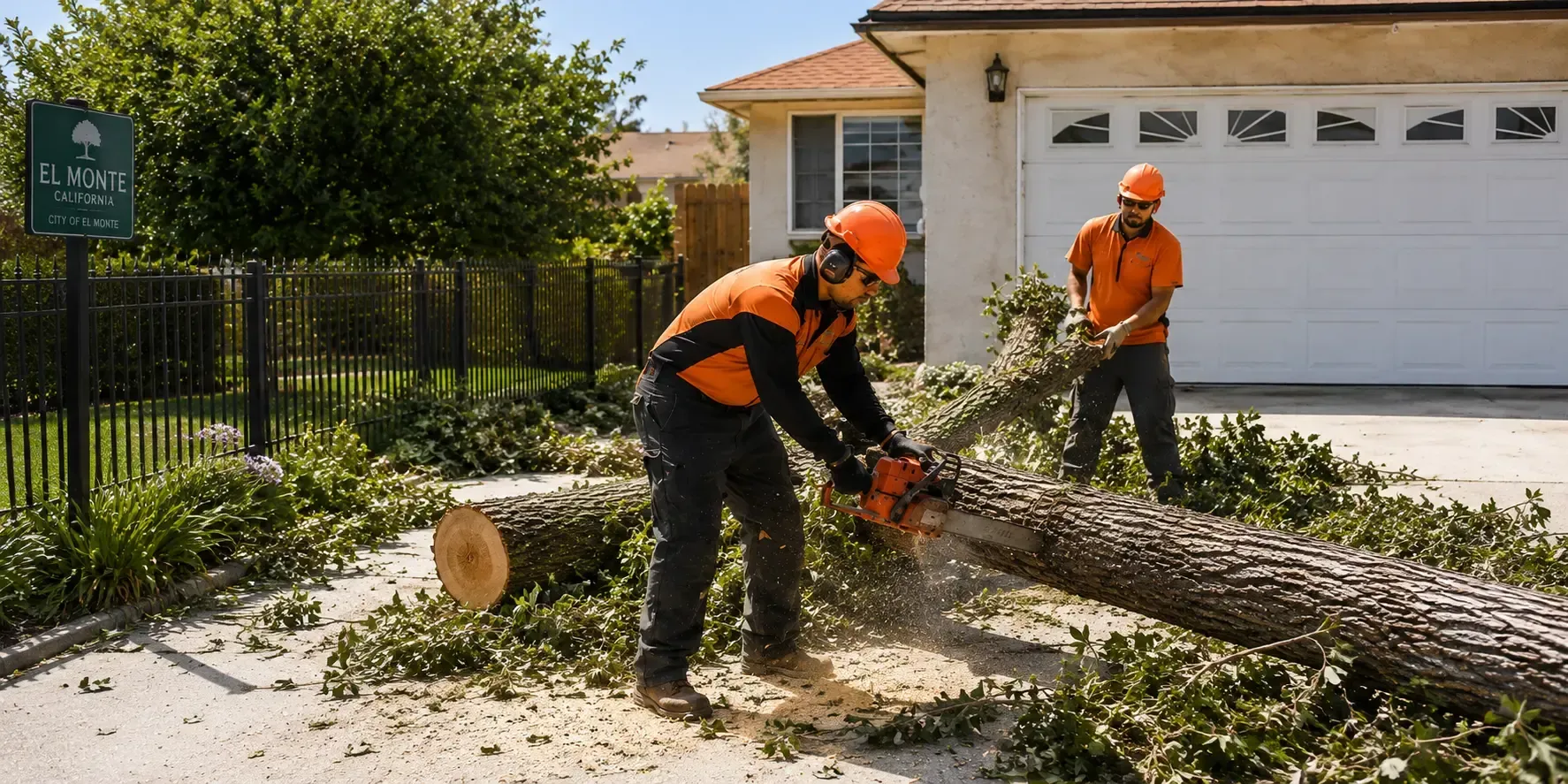
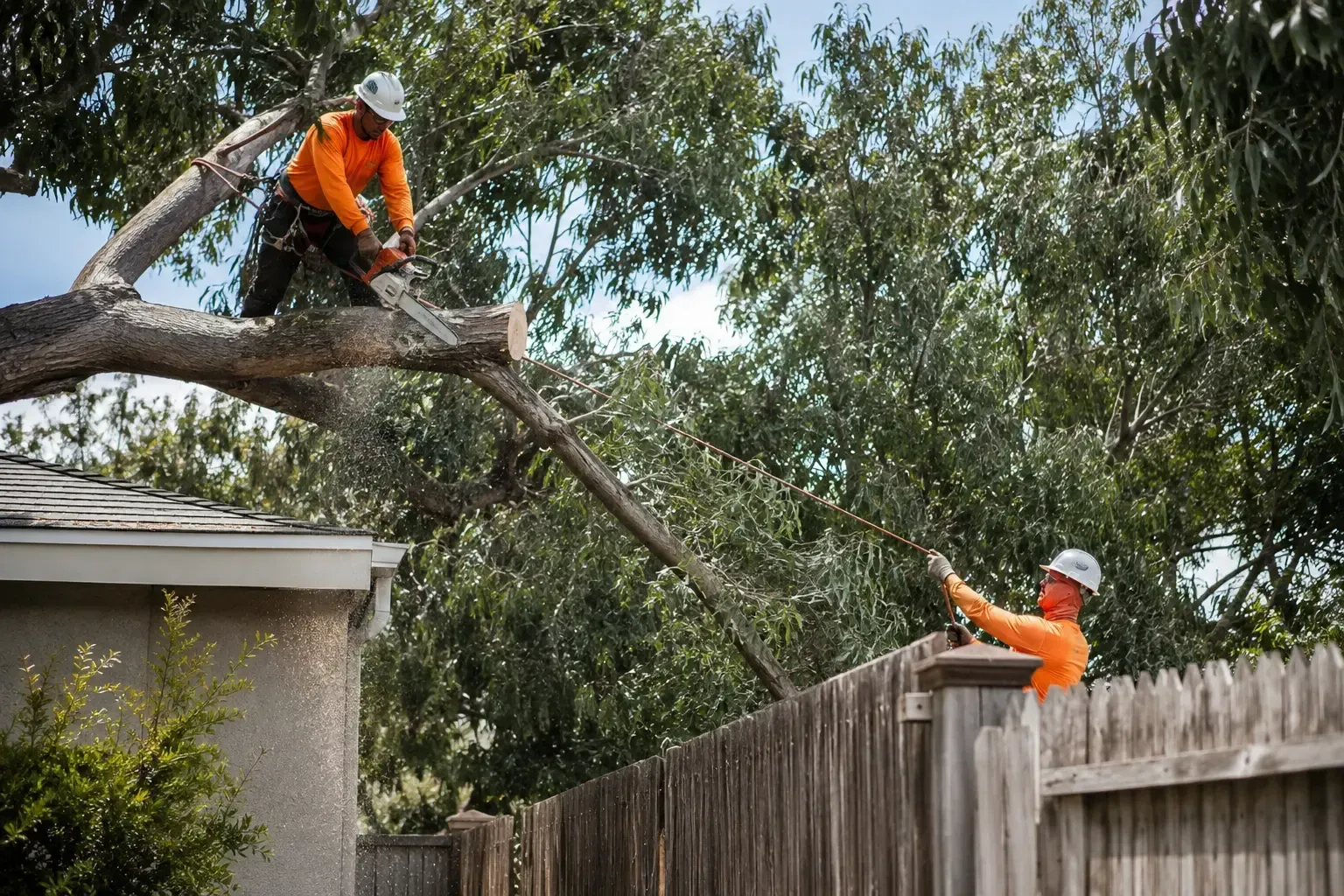
When a specimen is deemed hazardous or structurally compromised beyond repair, professional tree removal becomes the only viable option. Removing a large tree safely in a dense residential area requires rigorous planning, advanced rigging equipment, and a deep understanding of physics. Branches must be carefully lowered to the ground to avoid damaging fences, vehicles, or neighboring properties.
Furthermore, weather events in Southern California can cause sudden and catastrophic tree failures. High winds or soil saturation can cause massive limbs to tear away or entire trunks to lean precariously. Under these stressful circumstances, rapid response is mandatory. Property owners facing immediate threats can rely on our emergency tree removal protocols to safely secure the area and clear hazardous debris without delay.
Choosing Reliable Expertise in the San Gabriel Valley
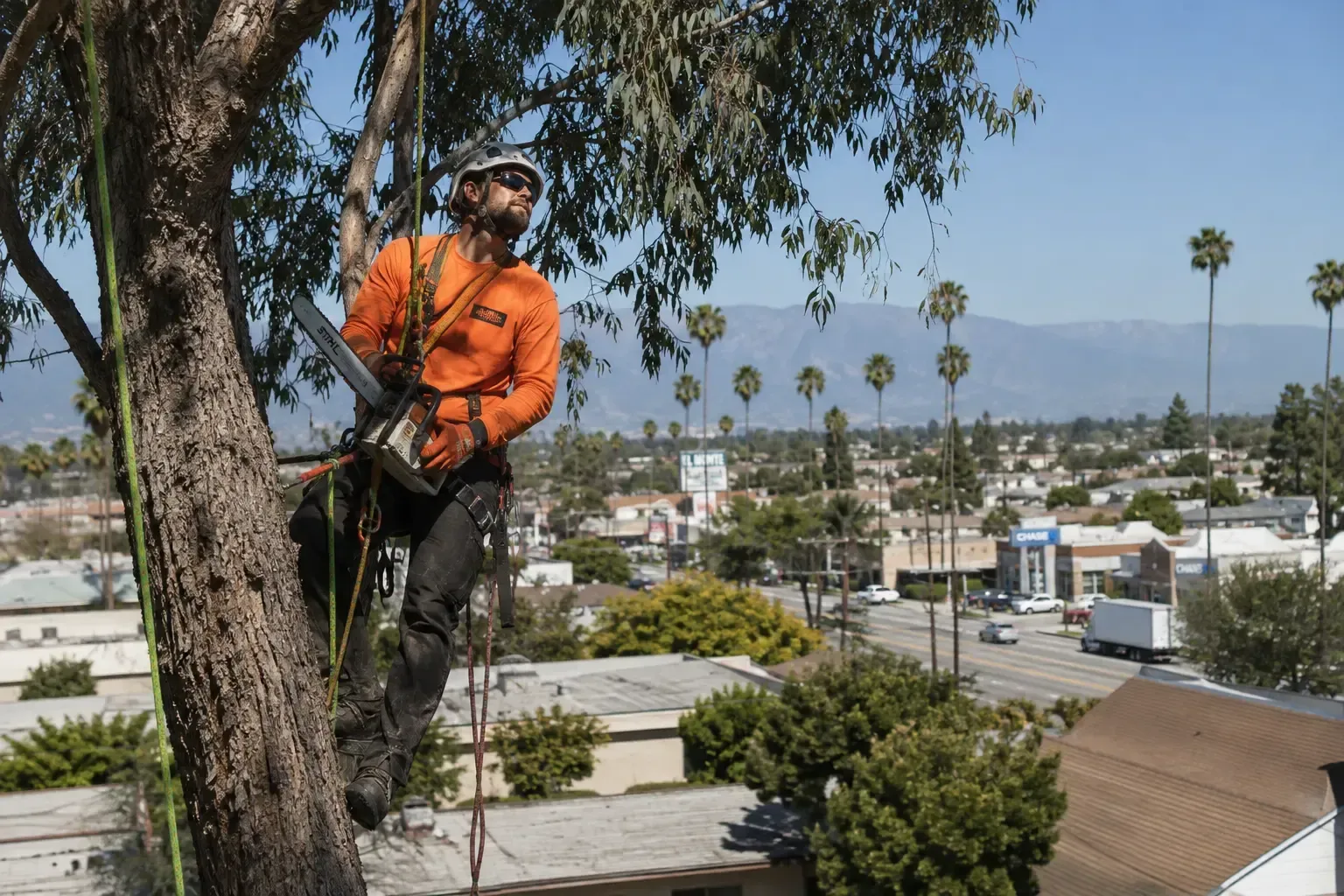
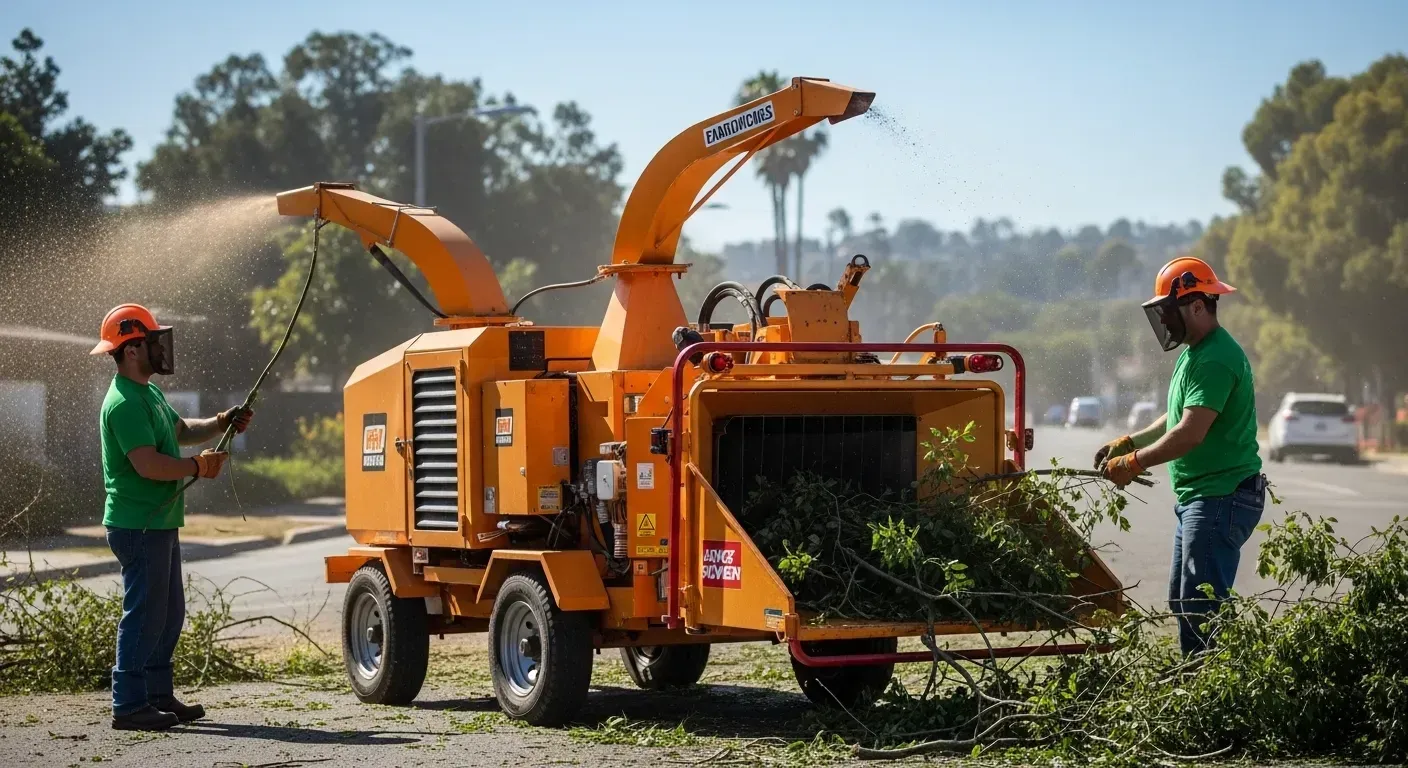
Handling heavy equipment at extreme heights requires rigorous safety standards and extensive training. Attempting to prune large branches without professional guidance often results in property damage or severe personal injury. Trusting an established local entity ensures your landscape is handled by technicians who understand the local climate, soil conditions, and native species.
Our foundation is built on deep arboricultural knowledge and a commitment to customer safety. To understand our philosophy and the standards we uphold for our local community, take a moment to read about our company. We believe that honest communication and transparent operational practices are just as important as the physical work we perform.
Maintaining the trees on your property requires a partnership with professionals who prioritize the long-term health of your landscape. If your trees are showing signs of overgrowth, deadwood, or structural instability, prompt action will protect your home and preserve the beauty of your yard. To schedule a comprehensive evaluation with our arborists, please reach out and contact us today.
Frequently Asked Questions
How often should residential trees be trimmed in El Monte?
Most mature shade trees benefit from professional pruning every three to five years. However, fast-growing species or fruit trees may require annual maintenance to promote healthy yields and maintain a manageable size. Your arborist can provide a custom schedule based on the specific species in your yard.
What is the difference between pruning and trimming?
While often used interchangeably, pruning generally refers to the strategic removal of specific branches to protect the health and structural integrity of the tree. Trimming typically refers to cutting back overgrowth strictly for aesthetic shaping, commonly applied to hedges, shrubs, and ornamental foliage.
Can I trim branches near power lines myself?
No. Trimming vegetation near active utility lines is incredibly dangerous and can easily result in fatal electrocution. Only certified line-clearance arborists have the proper training, insulated equipment, and legal authorization to safely operate within the vicinity of high-voltage lines.