Emergency Tree Removal in El Monte: What to Do When Trees Become Dangerous
Mature trees provide vital shade, environmental benefits, and significant aesthetic value to residential properties. However, these massive biological structures require ongoing attention to remain safe. When a tree suffers structural failure due to disease, age, or severe weather conditions, it transforms rapidly from a landscaping asset into a critical hazard. Homeowners must understand the mechanics of tree failure and know exactly how to respond when an immediate threat arises.
Handling compromised trees is not a task for the inexperienced. It requires heavy machinery, advanced rigging techniques, and a deep understanding of arboricultural physics. Knowing how to identify the warning signs and having a trusted professional on call can mean the difference between a safely mitigated situation and catastrophic property damage. For residents in the area, partnering with an experienced team like El Monte Tree Service ensures that hazardous situations are handled with precision and speed.
Identifying the Warning Signs for Emergency Tree Removal
Trees rarely fail without providing some level of visual warning. Learning to identify these signals allows homeowners to act before a heavy branch breaches a roof or a trunk collapses across a driveway. Structural defects often develop slowly over years but can reach a tipping point rapidly under the right environmental stresses.
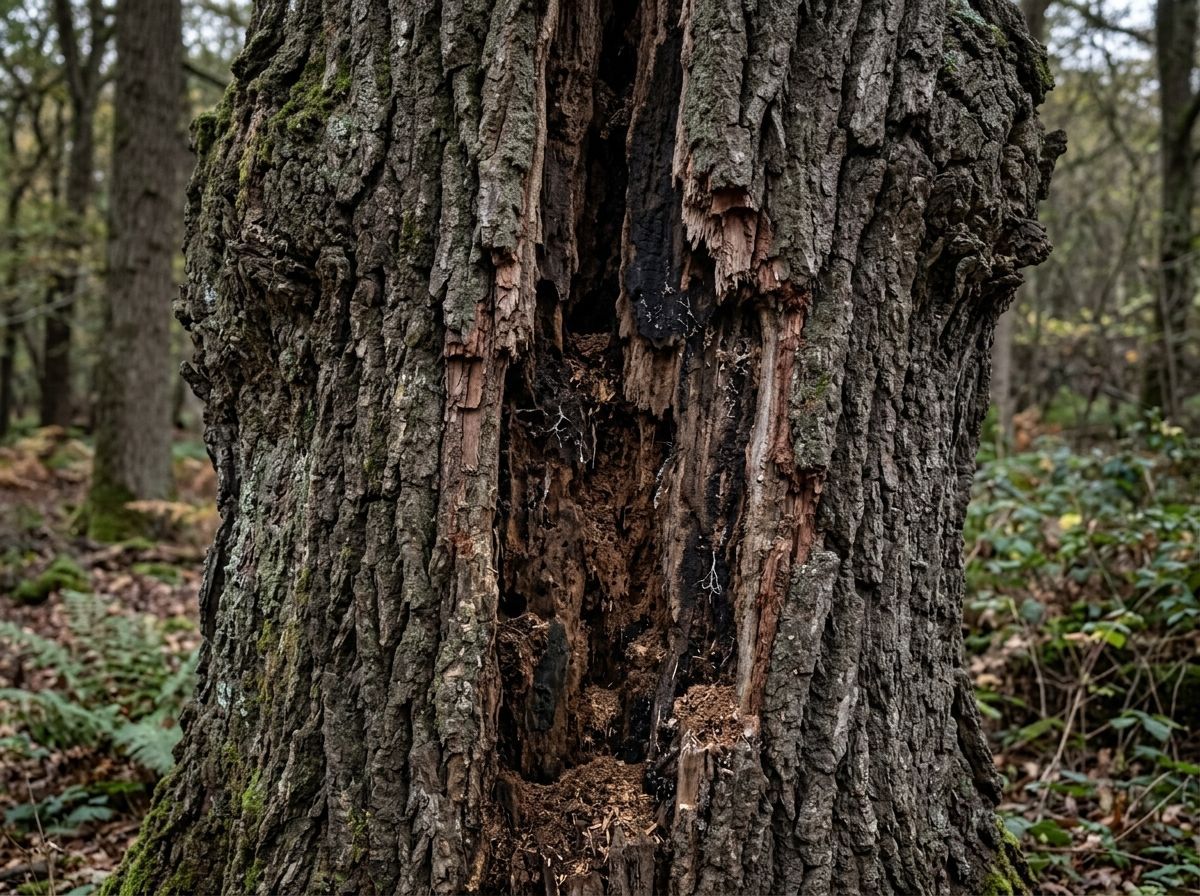
One of the most obvious indicators of impending failure is a sudden, pronounced lean. While some trees naturally grow at an angle to chase sunlight, a newly developed lean indicates that the root system is actively failing. You might notice soil heaving or cracking on the opposite side of the lean, which means the anchor roots are snapping beneath the ground.
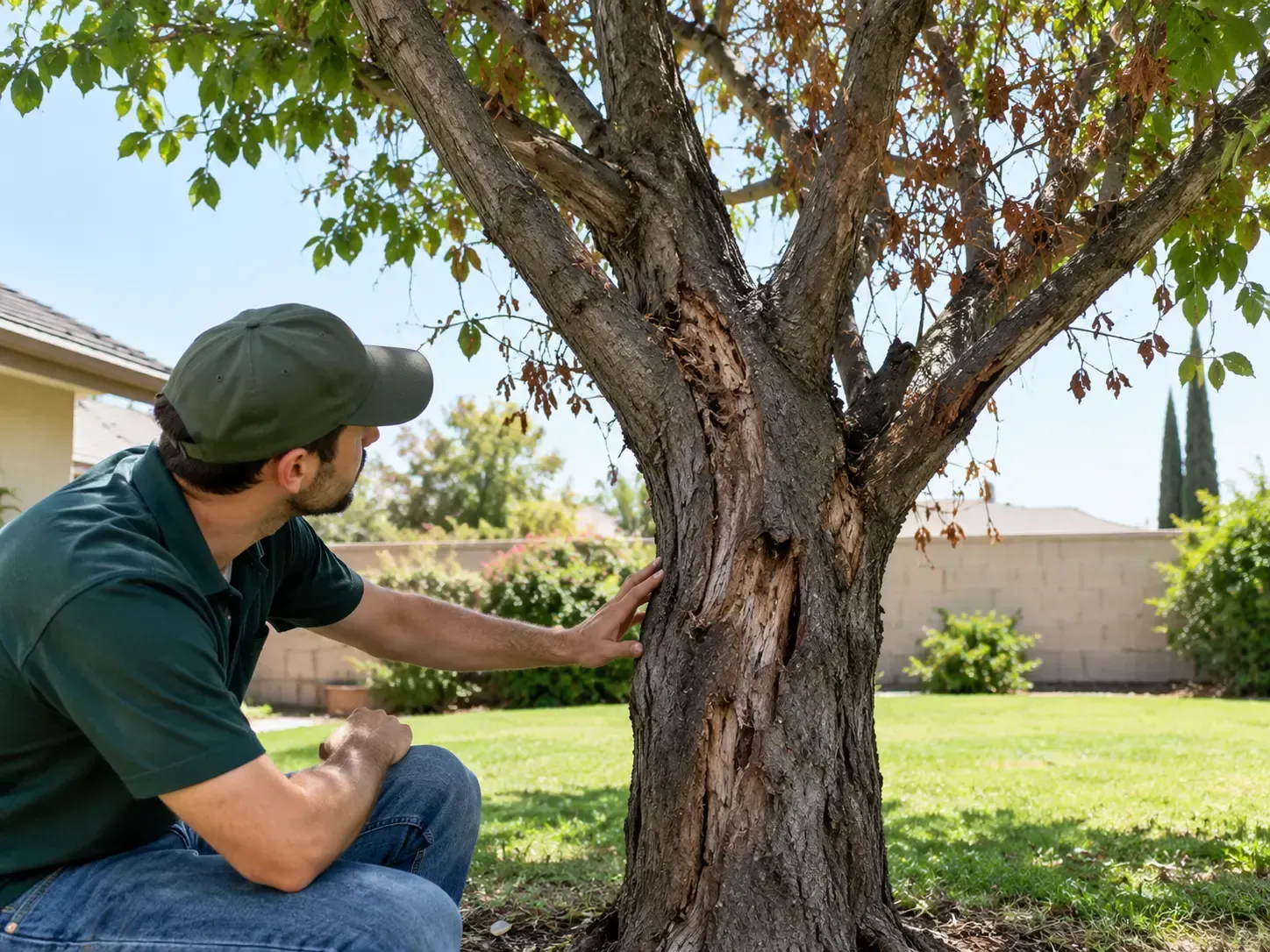
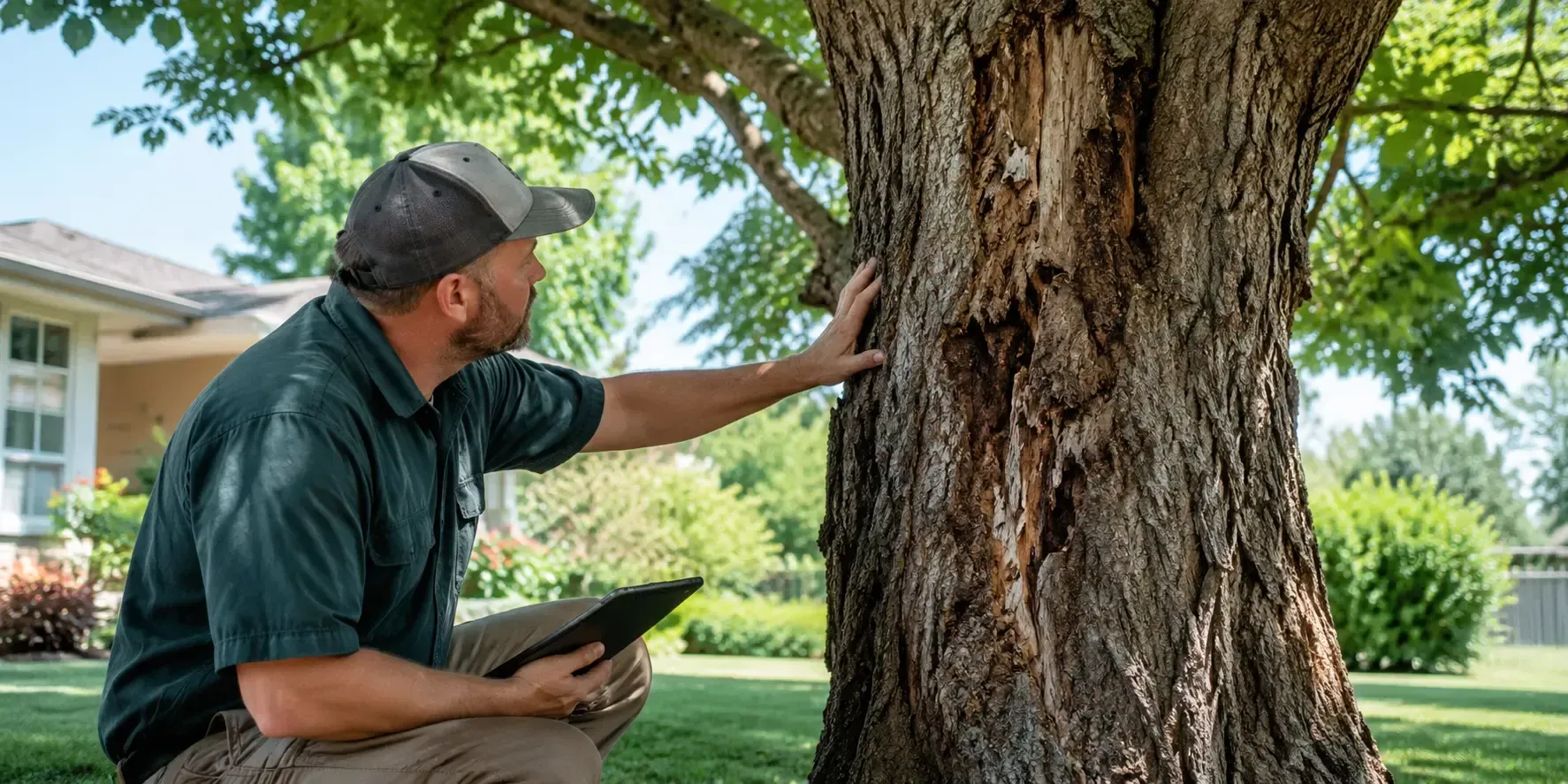
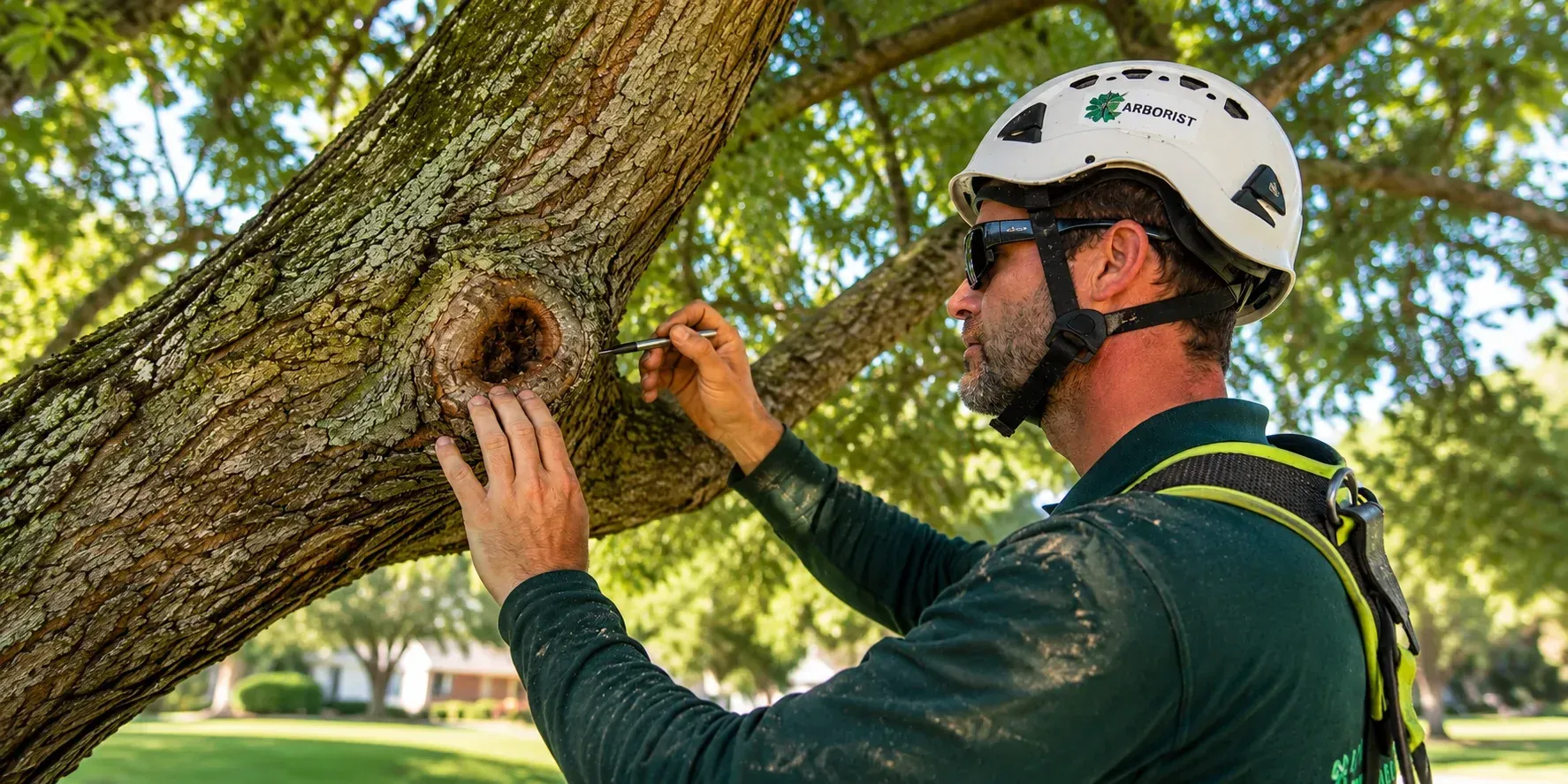
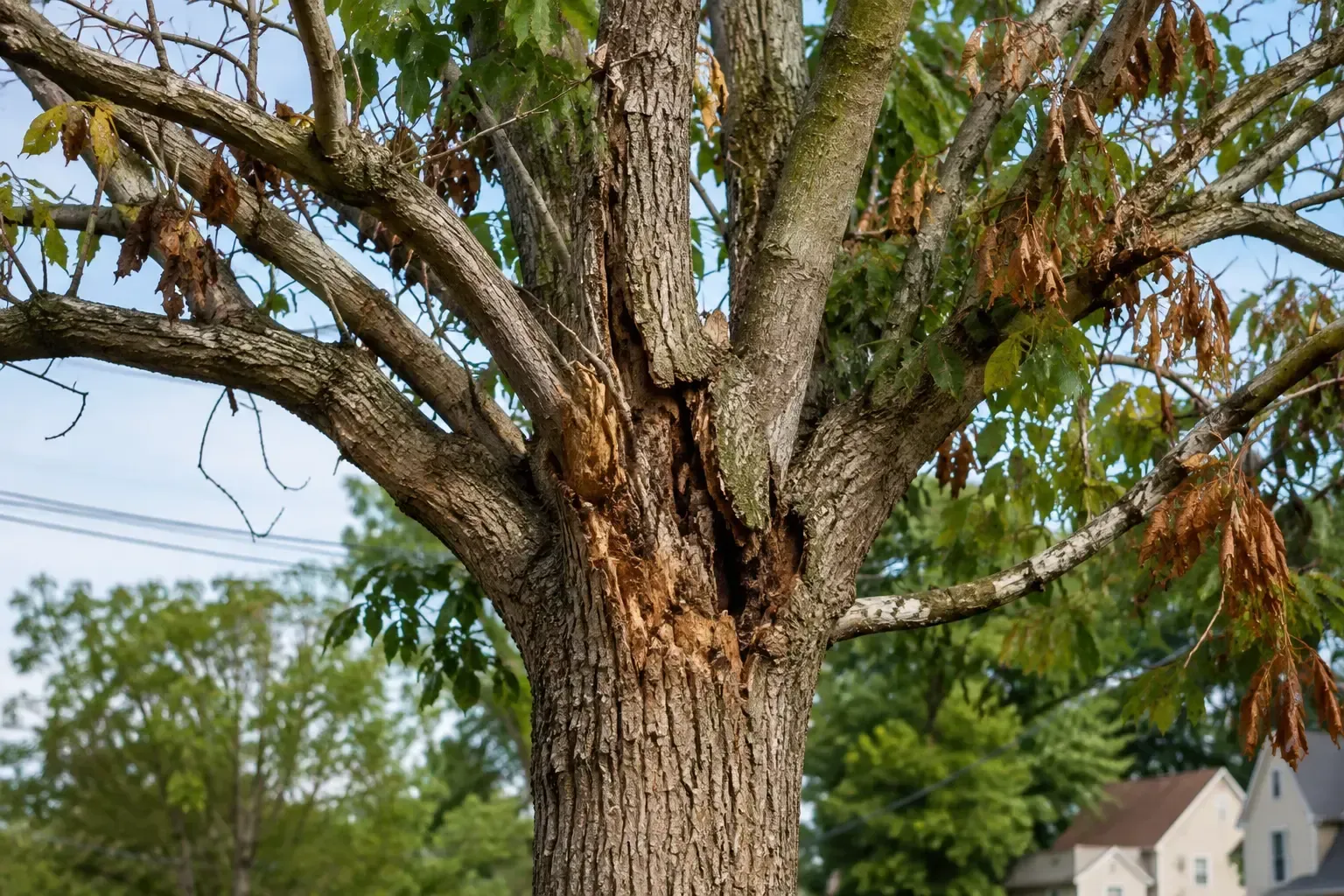
Vertical cracks in the main trunk represent another severe structural compromise. These fissures often occur where two large branches join, known as co-dominant stems. If bark is trapped between these stems, it creates a weak union that is highly susceptible to splitting under the weight of high winds or heavy foliage. Fungal fruiting bodies, such as conks or mushrooms growing at the base of the trunk, indicate advanced internal wood decay. By the time these fungi are visible, the tree may be entirely hollowed out.
If you spot any of these critical warning signs, professional intervention is mandatory. Timely tree removal eliminates the risk before gravity and weather take their toll on the compromised structure.
The Impact of Severe Weather on Southern California Trees
El Monte and the surrounding regions experience unique weather patterns that put immense stress on local urban forests. Long periods of drought weaken root systems and dry out canopy branches, making the wood brittle. When seasonal atmospheric rivers bring heavy, sustained rainfall, the parched soil rapidly saturates.
Saturated soil loses its friction and structural integrity. When heavy rain is paired with high-velocity wind events, trees with compromised or shallow root systems easily uproot. The canopy acts like a giant sail, catching the wind and applying massive leverage to the destabilized roots below.
Even healthy trees can suffer catastrophic damage during severe storms. High winds can induce a twisting motion on large limbs, causing torsion failures that tear branches entirely off the trunk. After any major storm event, homeowners should conduct a visual inspection of their property. Look for hanging branches, split wood, or changes in the tree's posture.
Proactive Tree Care Versus Reactive Emergency Response
The most effective way to manage tree-related emergencies is to prevent them through consistent, proactive maintenance. Trees that receive routine attention are exponentially more resilient to environmental stress and mechanical failure.
Professional tree care involves much more than simply cutting away low-hanging branches. Certified arborists evaluate the entire structure of the tree to identify friction points, deadwood, and excessive canopy density. By carefully thinning the canopy, professionals allow wind to pass freely through the branches rather than pushing against them as a solid mass.
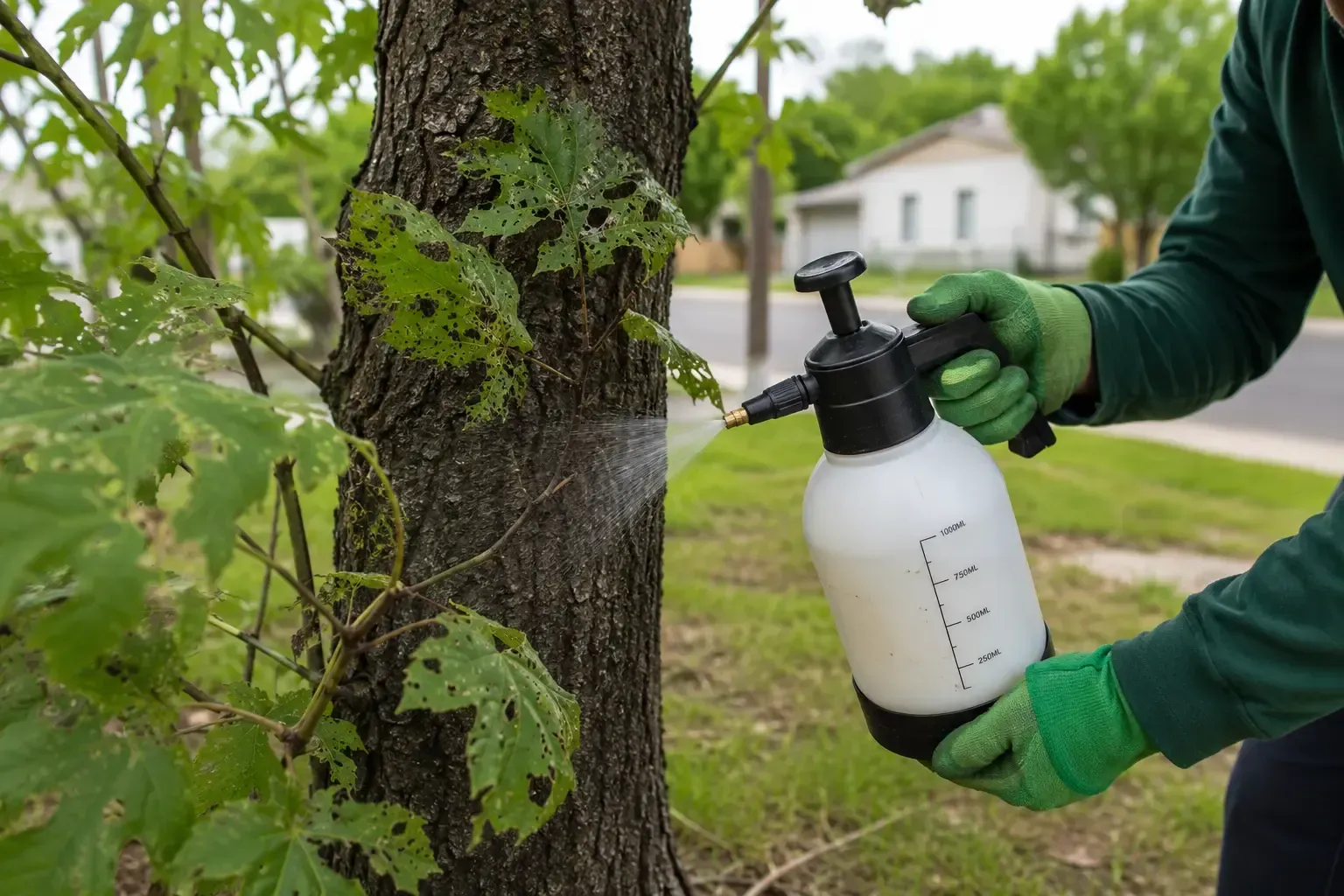
Regular maintenance also allows experts to monitor the progression of diseases or pest infestations. Early intervention can save a tree that might otherwise deteriorate into a structural hazard. While proactive care requires a scheduled investment, it is significantly less stressful and costly than managing an emergency situation where a tree has already collapsed onto a home or vehicle.
What to Expect During an Emergency Tree Removal Process
When a tree fails, the site becomes highly unpredictable. The stored kinetic energy in bent branches or leaning trunks can release violently if cut incorrectly. This is why emergency extraction requires a specialized approach compared to standard landscaping work.
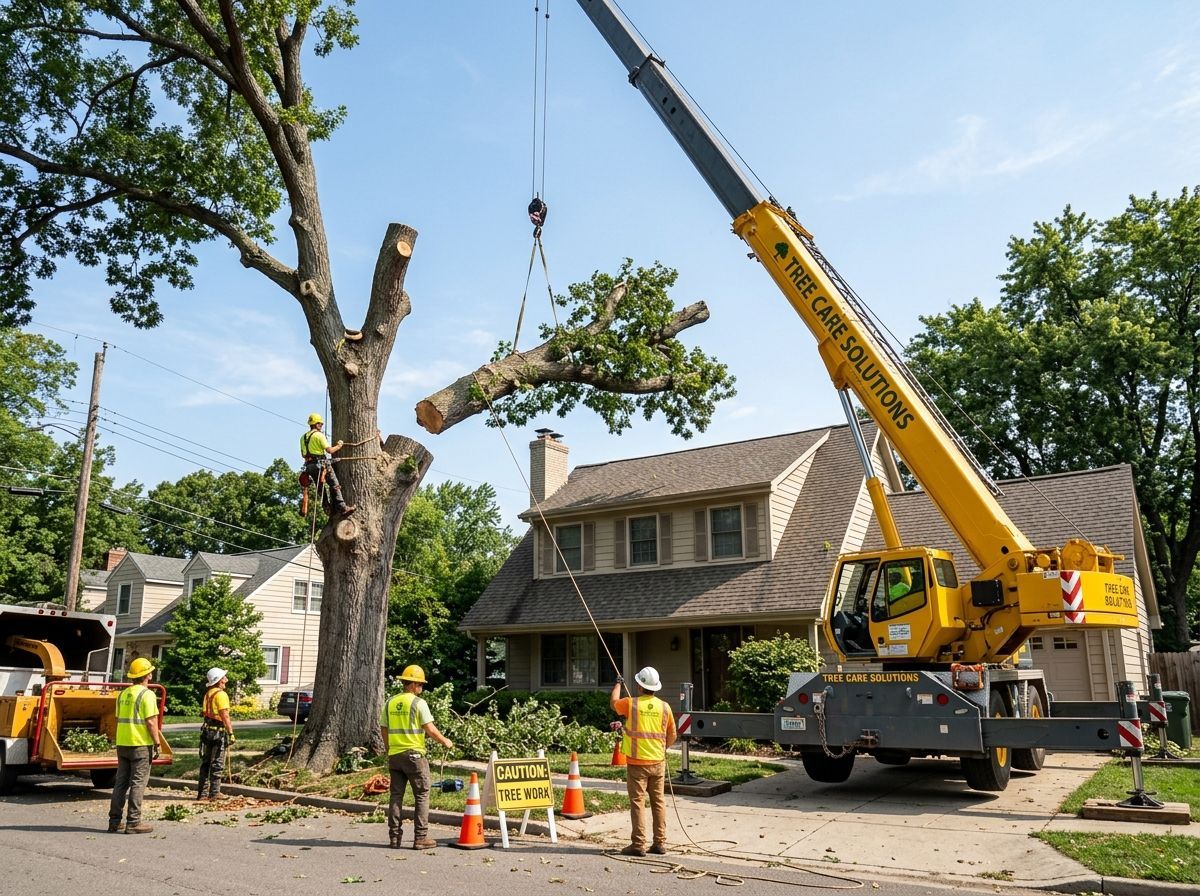
The first step in any emergency tree removal is securing the perimeter and conducting a rigorous hazard assessment. Professionals will inspect the area for downed power lines, compromised underground utilities, and secondary hazards. If the tree is resting on a structure, the crew must calculate the weight distribution to ensure the building does not collapse further when the tree's weight is shifted.
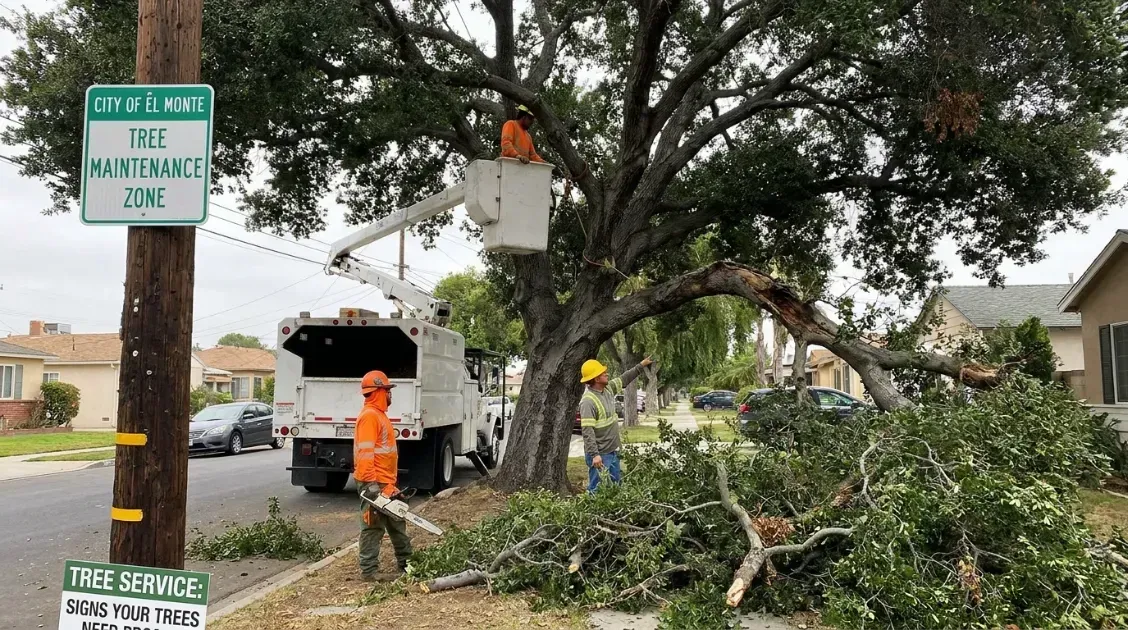
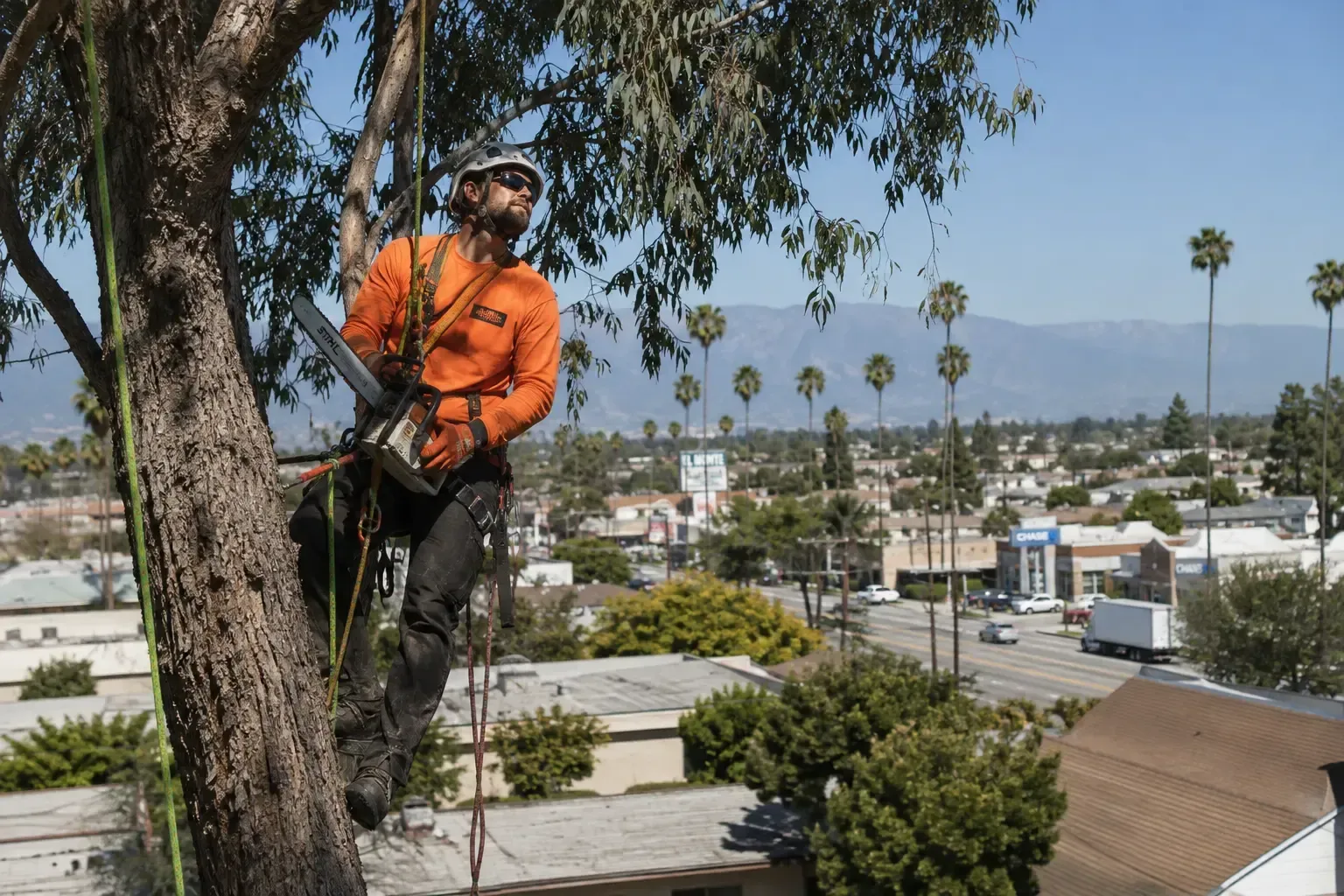
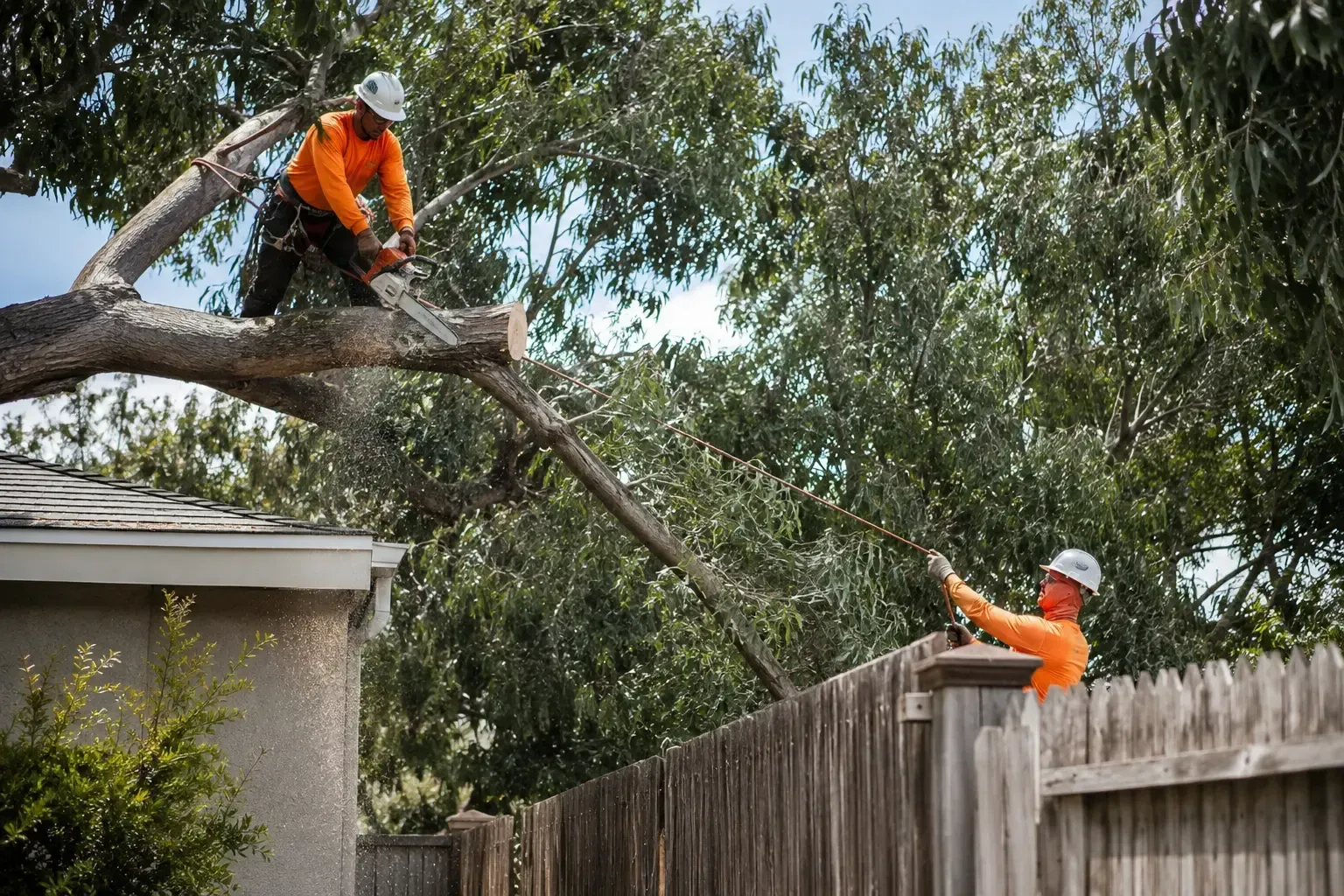
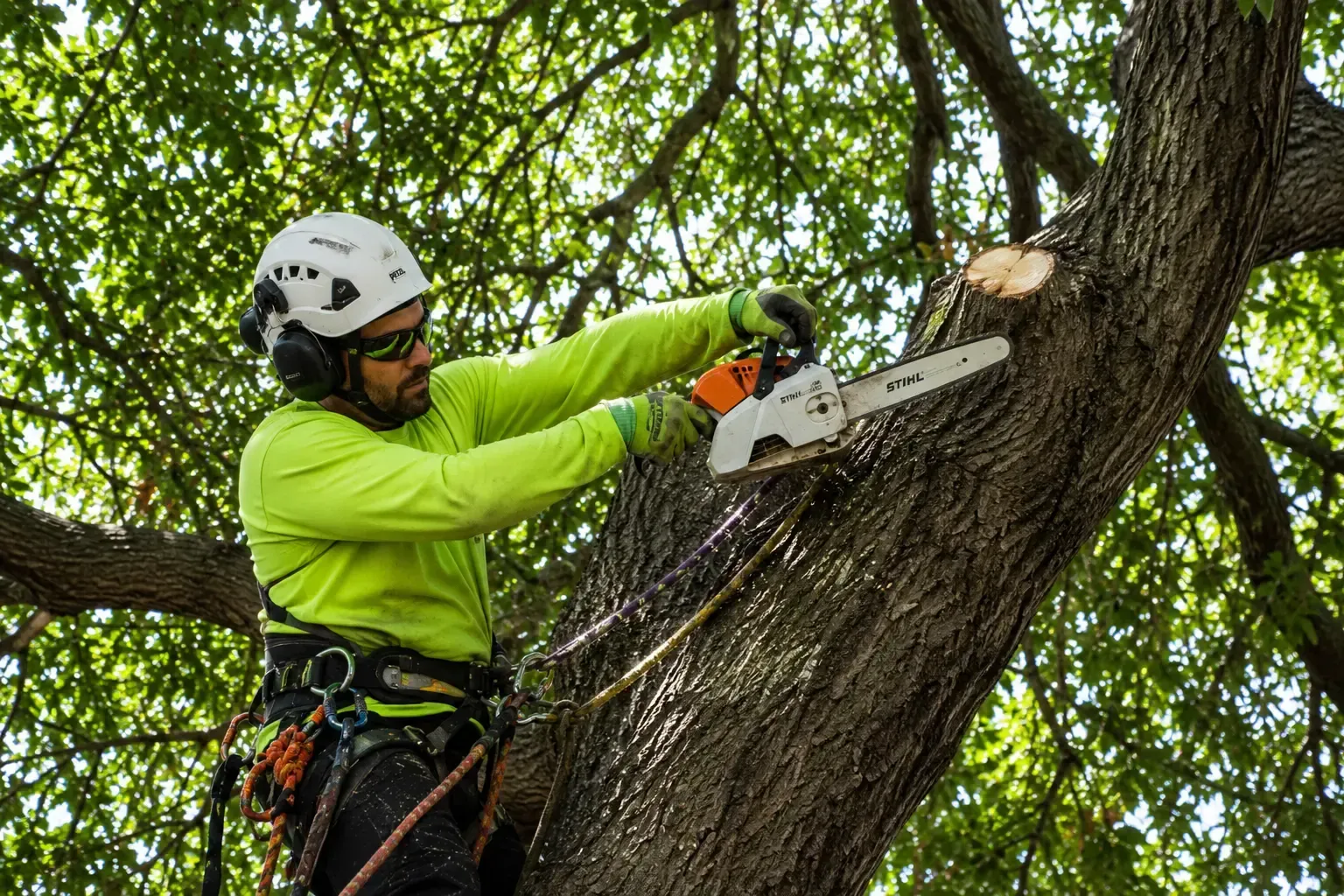
Heavy equipment is frequently deployed during these high-stakes operations. Cranes and bucket trucks allow operators to access the canopy without climbing a destabilized trunk. Rigging lines are attached to specific sections of the tree to control their descent. The crew systematically dismantles the hazard, starting from the outermost branches and working their way down to the main trunk. Every cut is planned to control the exact landing zone of the debris, prioritizing the safety of the crew and the preservation of the surrounding property.
Partnering with a Reliable West Covina Tree Service and El Monte Arborist
When disaster strikes at three in the morning, homeowners need immediate access to qualified professionals. Selecting the right contractor requires looking for specific credentials, insurance coverage, and a proven track record of safe operations. An emergency is not the time to rely on an unverified operator with a chainsaw.
A highly capable El Monte and West Covina tree service brings both the technical expertise and the necessary heavy equipment to resolve complex scenarios. Proper liability insurance and workers' compensation coverage are non-negotiable requirements. If an uninsured worker is injured on your property, or if a mishandled branch damages your neighbor's roof, you could be held financially responsible.
Local experts understand the specific tree species native to the San Gabriel Valley and how they respond to structural failure. Eucalyptus trees shatter differently than mature oaks, and each species demands a specific dismantling strategy.
Below is a detailed breakdown of the differences between standard scheduling and emergency operations.
| Feature | Standard Tree Removal | Emergency Tree Removal | Equipment Required |
|---|---|---|---|
| Response Time | Scheduled days or weeks in advance | Immediate dispatch, 24/7 availability | Service trucks, mobile lighting |
| Hazard Level | Low to moderate, controlled environment | Extremely high, unstable structures | Heavy rigging, cranes, bucket trucks |
| Typical Causes | Landscaping changes, slow disease progression | Storm damage, sudden root failure, lightning strikes | Specialized chainsaws, winches |
| Site Complications | Clear access pathways usually available | Tangled in power lines, resting on houses | Tarping, emergency stabilization gear |
| Cost Factors | Standard hourly or project rates | Premium rates due to risk, urgency, and equipment | Specialized hauling vehicles |
Safety Protocols and Site Restoration
The conclusion of the physical removal is only part of the emergency response. Once the immediate danger is dismantled and safely on the ground, the site must be thoroughly cleared and secured.
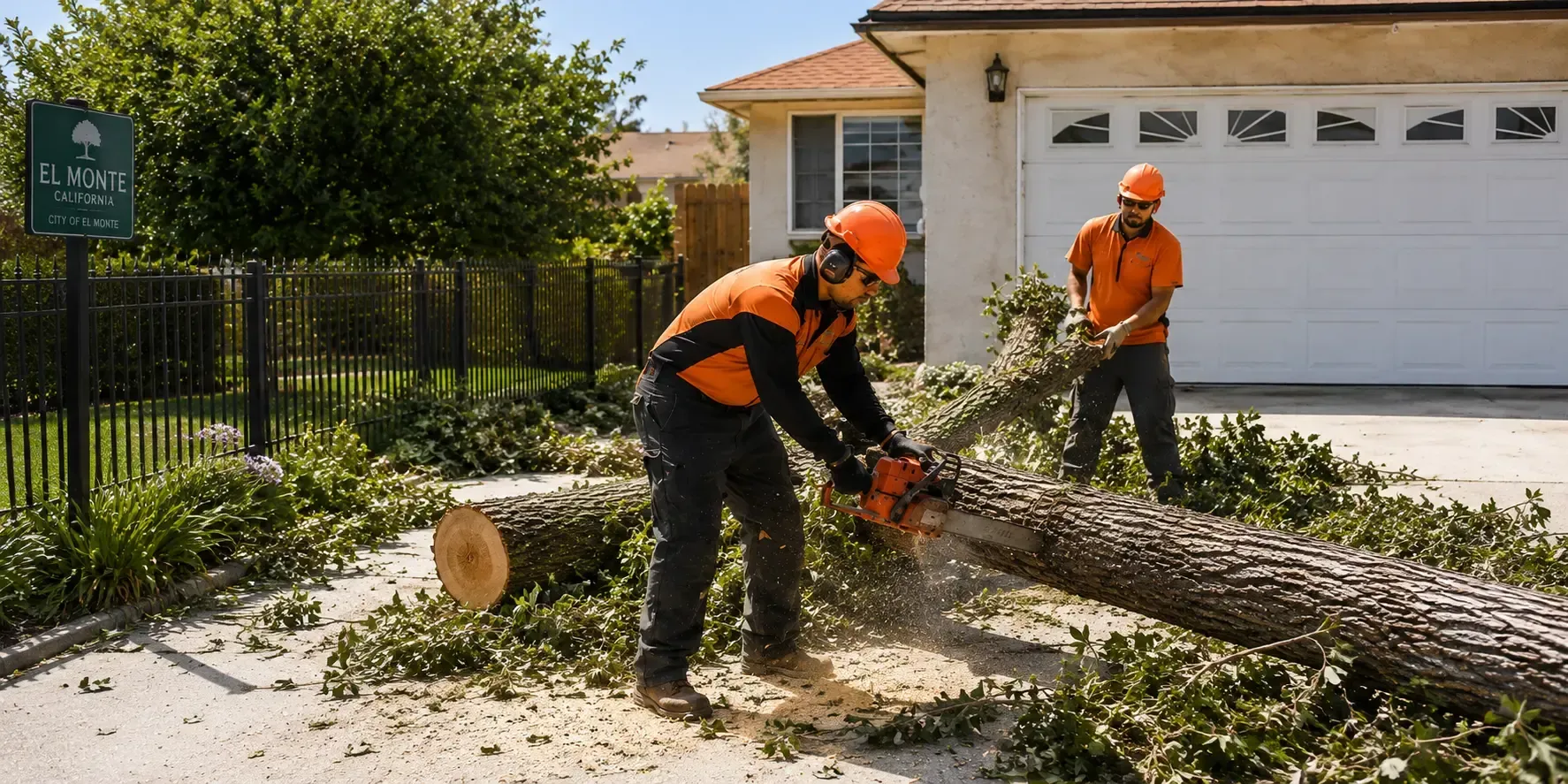
Large tree sections are run through commercial wood chippers, while massive trunk logs are hauled away on flatbed trucks. The crew will meticulously clear the impact zone of sharp debris, splinters, and fragmented branches. If the tree's failure caused damage to the landscape, temporary measures such as soil stabilization or tarping over exposed roof sections may be implemented.
Stump grinding is usually scheduled as a follow-up service. During an emergency, the priority is eliminating the overhead threat. Once the property is safe, the crew can return to grind the remaining stump below grade, allowing the homeowner to replant or repurpose the affected area.
How to Proceed When You Have a Tree Emergency
Time is the most critical factor when dealing with a failing tree. Hesitation allows weather conditions to worsen and structural cracks to widen. As soon as you recognize a potential hazard, clear the immediate area, keep family members and pets indoors, and reach out to certified professionals.
For immediate assistance with hazardous trees, contact us directly. The team at El Monte Tree Service is available at (626) 654-3698 to dispatch an emergency response crew to your property. Swift action protects your home, your family, and your financial security from the unpredictable nature of structural tree failure.
Frequently Asked Questions
What qualifies as an actual tree emergency?
A tree emergency occurs when a tree or a large branch has fallen on a structure, is actively blocking a public roadway, or presents an immediate, unavoidable threat of falling due to severe structural compromise or storm damage.
Will my homeowners insurance cover emergency tree removal?
Most homeowners insurance policies will cover the cost of tree removal and associated repairs if the tree falls on a covered structure, such as your house or garage, due to a covered peril like a windstorm. It is best to review your specific policy details with your insurance agent.
Is it safe to try cutting fallen branches myself?
No. Fallen trees store immense amounts of unpredictable tension and compression. Cutting a branch without understanding the physics involved can cause the tree to roll, snap back, or drop suddenly, leading to severe injury or death. Always wait for qualified professionals.