10 Warning Signs You Need Professional Tree Removal Before It Becomes Dangerous
Key Insights and Takeaways
Protecting your El Monte property requires vigilant monitoring of the large trees surrounding your home to catch structural issues early. Identifying critical warning signs like sudden leaning, deep trunk cavities, and fungal growth allows you to hire a professional tree removal team before catastrophic damage occurs. Proactive landscape management ensures the safety of your family and preserves the overall value of your real estate investment.
* Sudden leaning or soil heaving indicates critical root failure requiring immediate attention.
* Deep cracks, hollow trunks, and fungal growth point to severe internal decay.
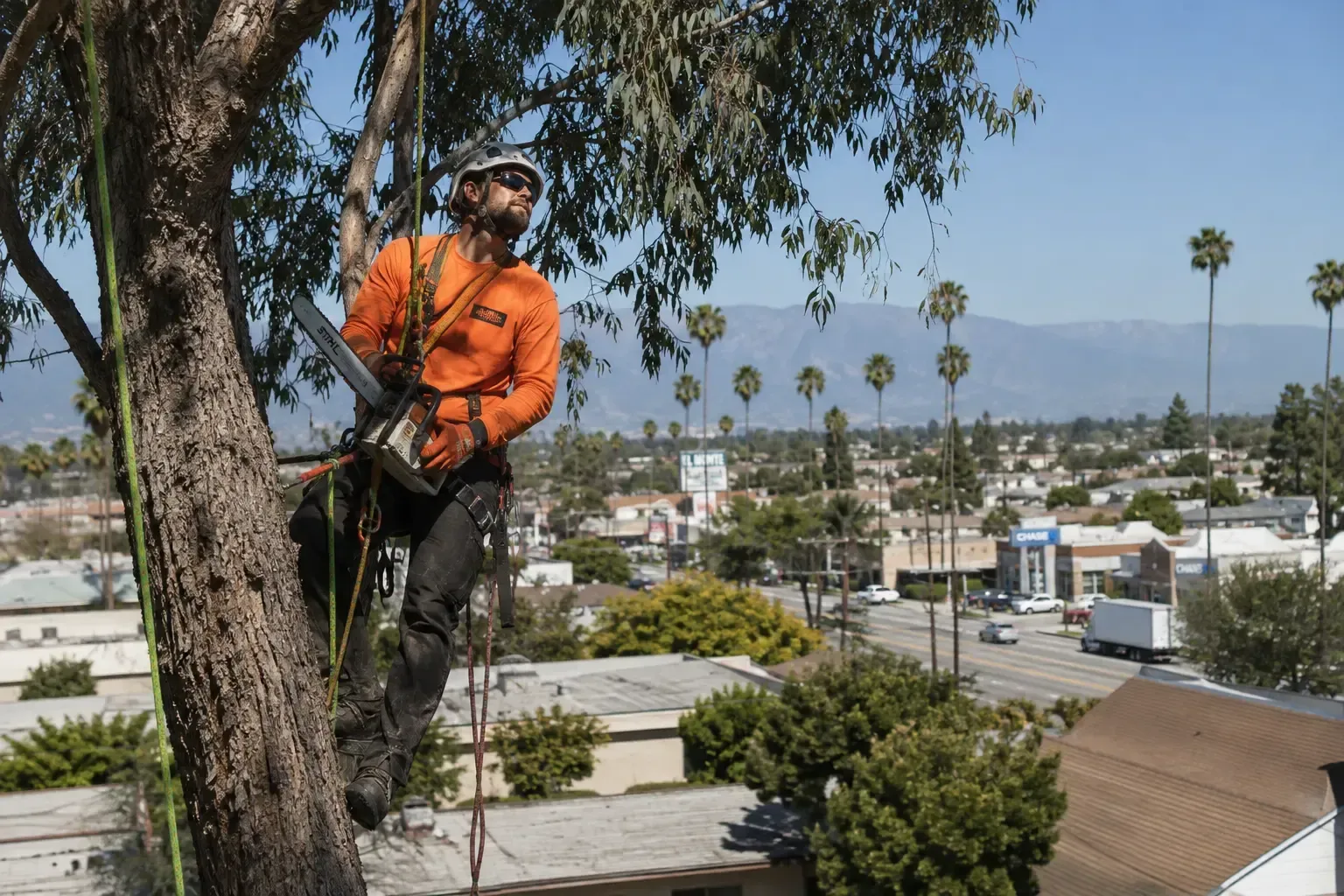
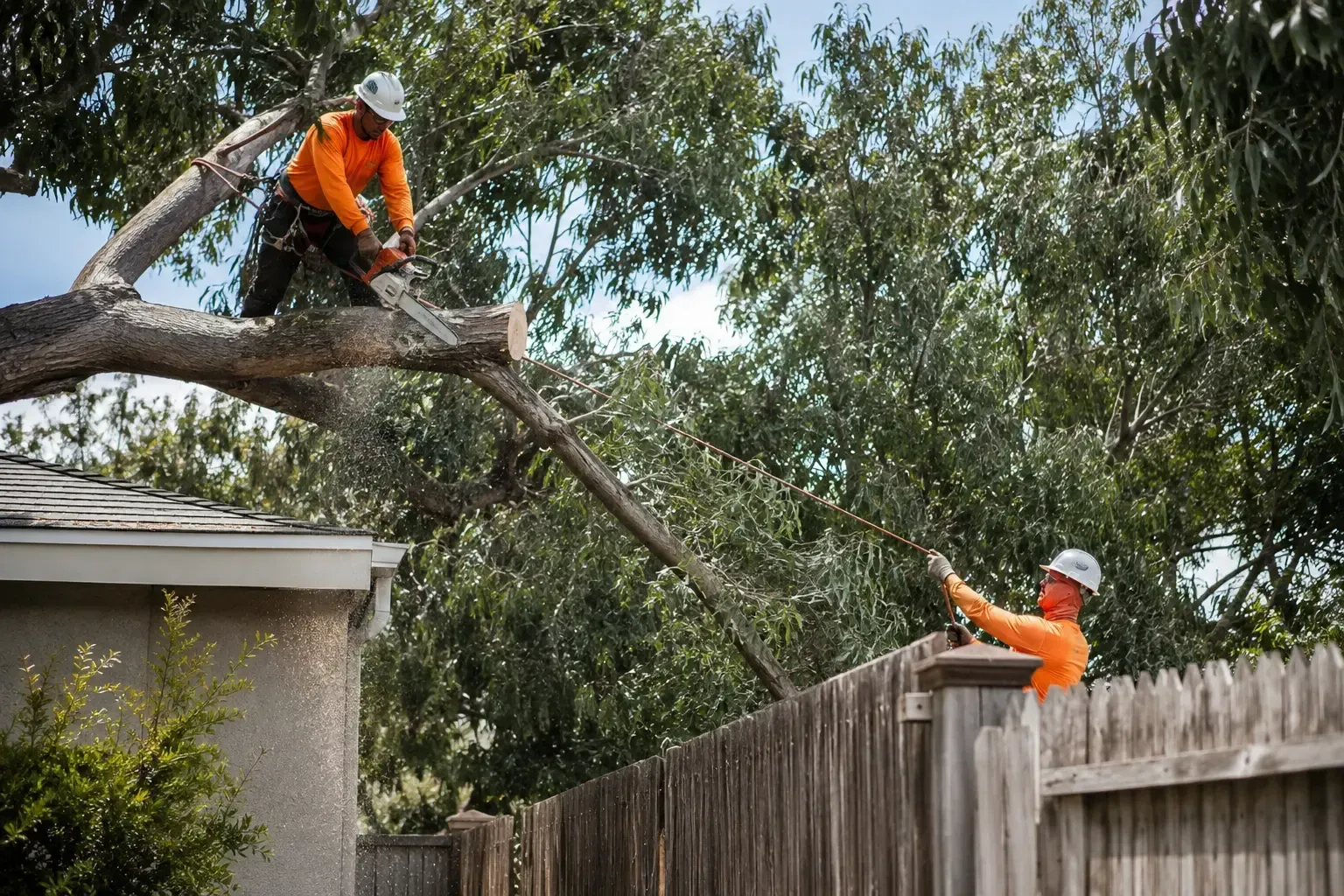
* Relying on professional arborists ensures hazardous removals are conducted safely and efficiently.
Homeowners in El Monte know that mature trees add significant aesthetic value and shade to a property. The local climate supports a wide variety of beautiful species, but environmental stressors like high winds and seasonal droughts take a heavy toll on structural stability. A deteriorating tree poses severe risks to your home, your family, and your neighbors. Identifying the early indicators of structural failure allows you to act proactively rather than reacting to a disaster. Trusting an experienced local provider like El Monte Tree Service ensures your landscape remains safe and visually appealing year-round.
The Core of Proactive Tree Care and Risk Management
Property maintenance extends far beyond regular mowing and watering. Proper tree care requires vigilant observation and timely intervention. When a large plant begins to fail, the structural integrity compromises rapidly. Waiting for a massive branch to break or a trunk to split often leads to catastrophic property damage. Routine inspections by trained specialists help identify hidden dangers long before they result in a collapsed canopy.
1. A Sudden or Pronounced Lean
Trees naturally grow with a slight tilt to chase available sunlight. However, a sudden and severe lean indicates compromised root structures. If you notice a distinct shift in the angle of the trunk after heavy rain or powerful seasonal winds, the root system has likely lost its structural anchor in the soil. This sudden movement is a primary indicator that you need immediate emergency tree removal to prevent a total collapse onto nearby structures.
2. Deep Cracks and Trunk Cavities
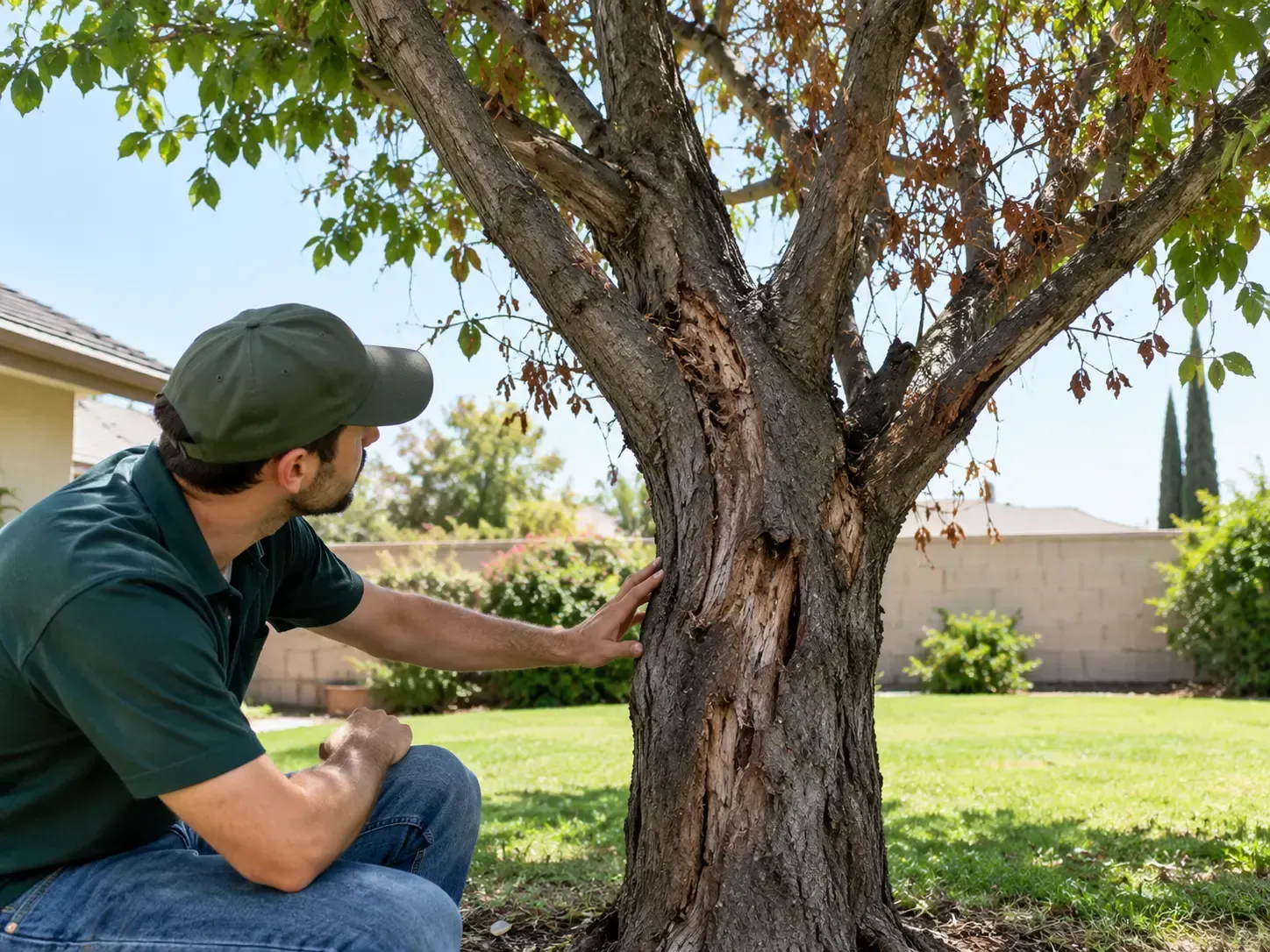
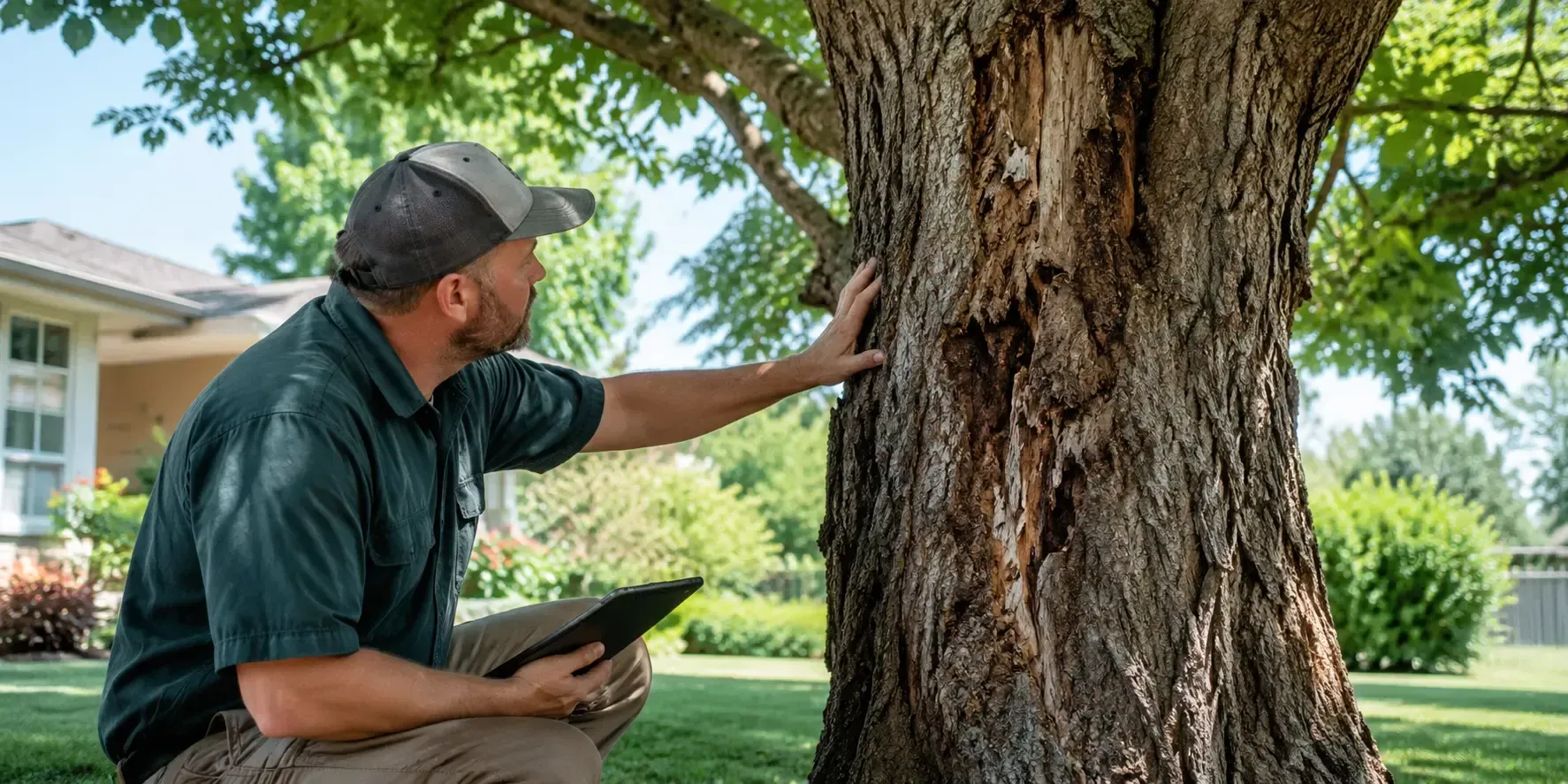
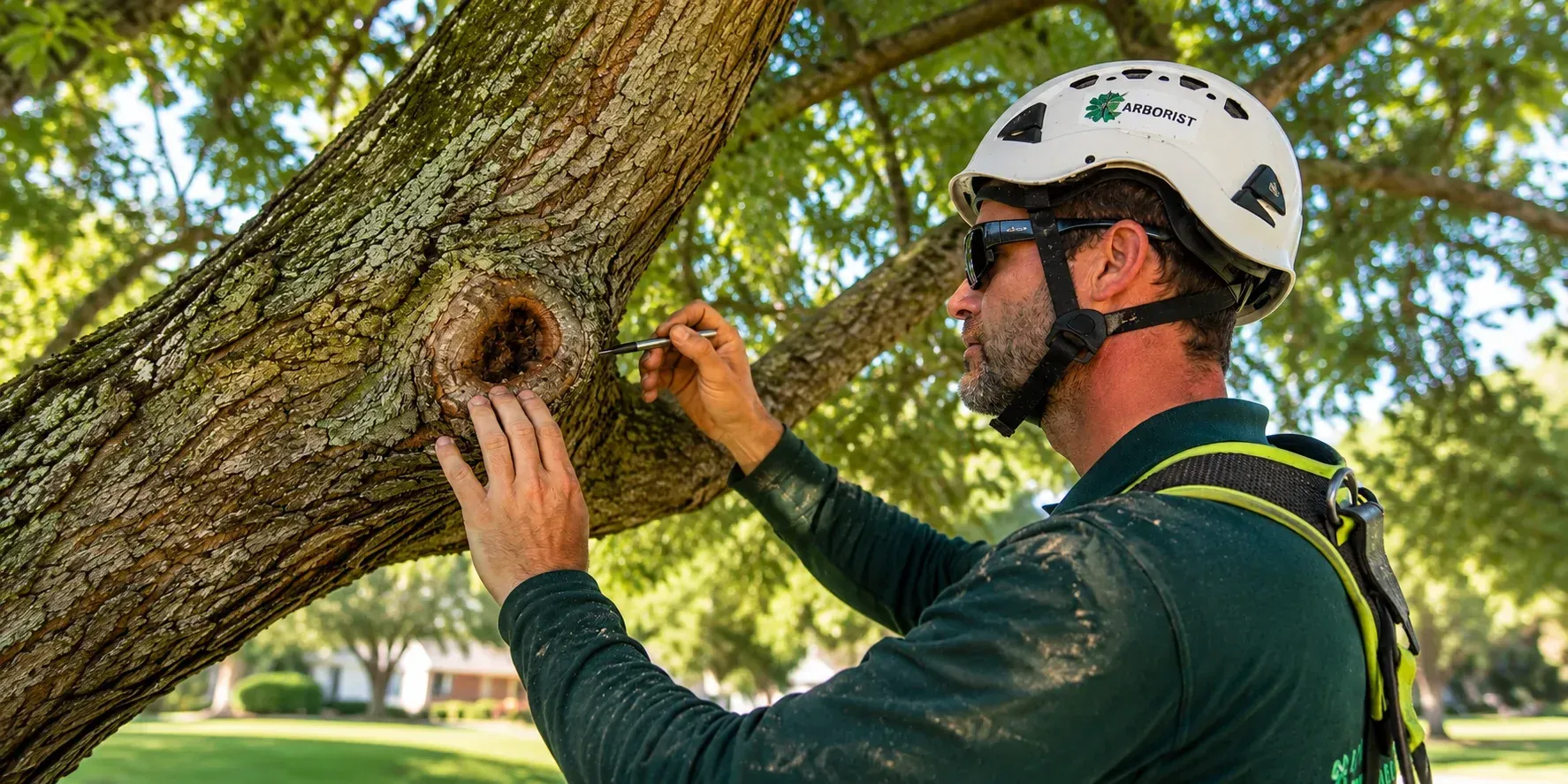
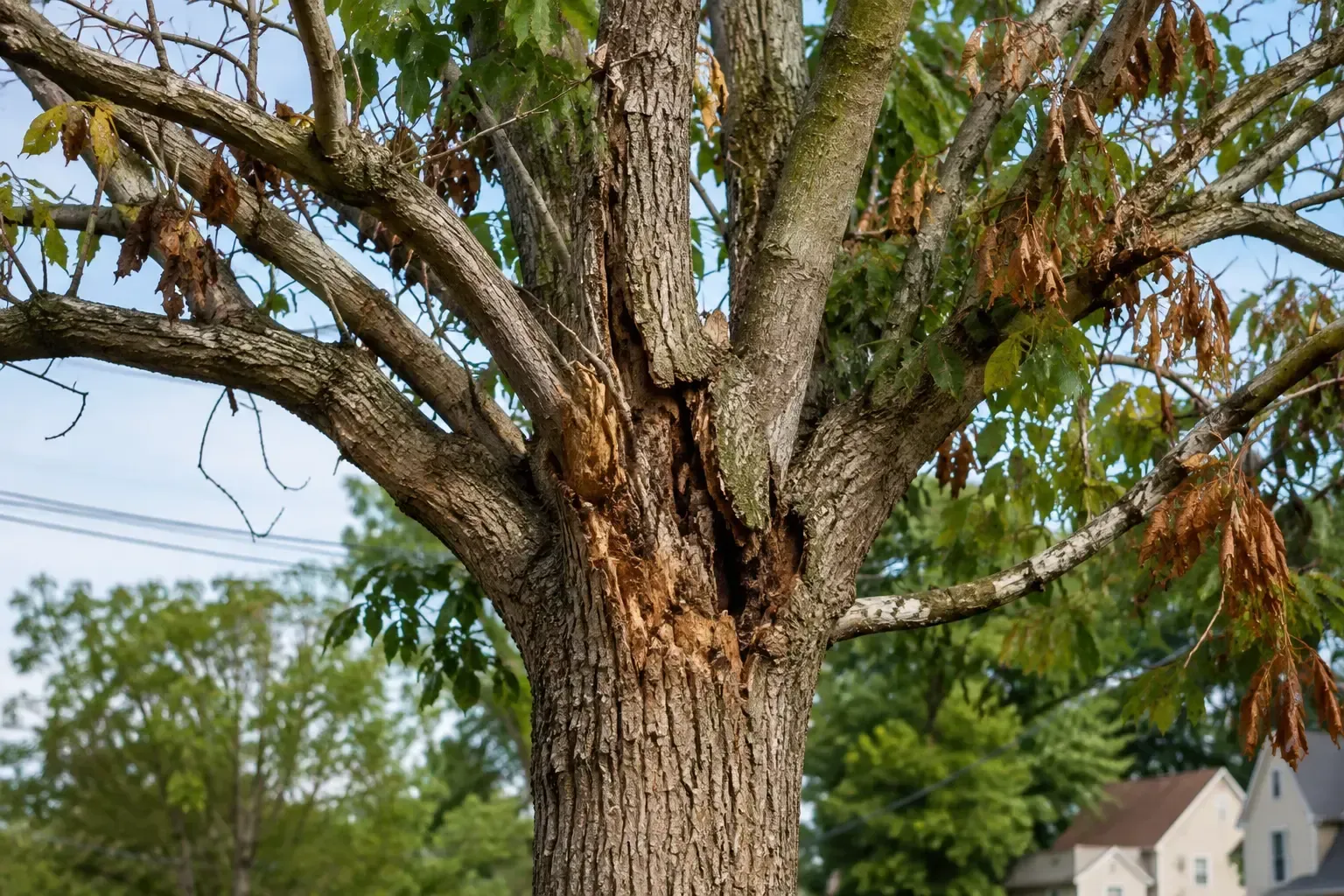
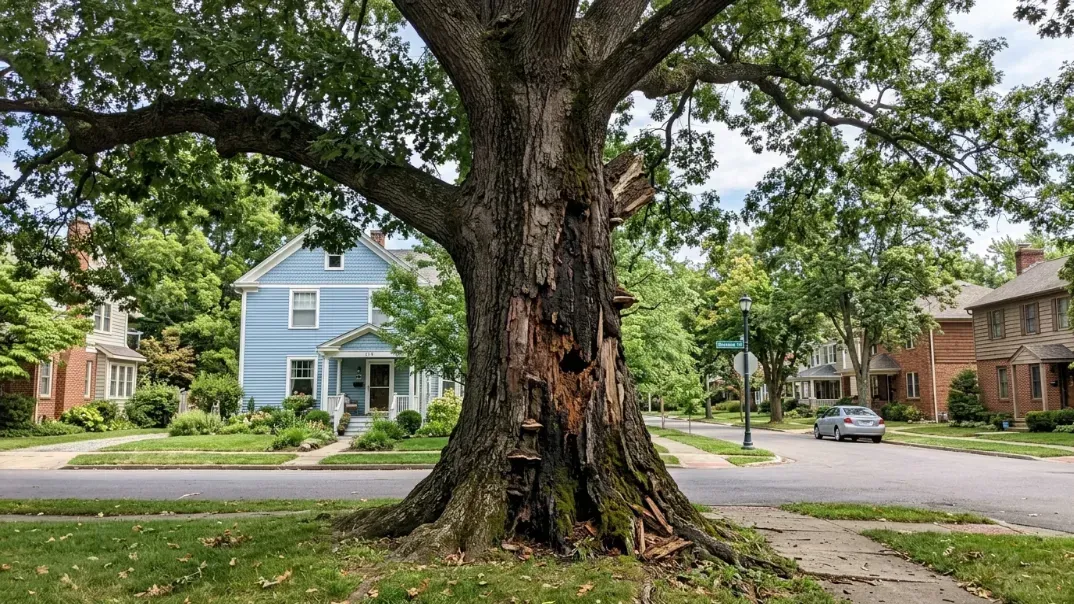
Inspect the main trunk of your trees regularly. Deep vertical fissures or large missing sections of bark point to internal weakness. While healthy bark acts as a protective shield, a cavity that penetrates deeply into the heartwood weakens the entire canopy above. Once decay breaches the outer layers, the internal wood rots, leaving the massive weight of the upper branches entirely unsupported.
3. An Abundance of Dead Branches
When a tree starts dropping large dead branches, it is actively shedding weight to survive. This phenomenon often precedes a much larger structural failure. Crown dieback is a strong signal that the vascular system is failing from the top down. Large dead branches hanging precariously in the canopy are severe hazards to pedestrians and parked vehicles below.
4. Fungal Growth Around the Base
Mushrooms growing directly at the base of the trunk or sprouting out of the exposed roots strongly suggest advanced root rot. Fungi thrive on decaying and dead wood. If you see extensive fungal brackets attached to the bark, the internal support system of the tree is actively rotting away. The presence of these organisms means the wood is actively degrading and losing its load-bearing capacity.
5. Soil Heaving Near the Roots
Look closely at the ground directly surrounding the base of the trunk. Raised or cracked soil indicates that the root system is physically pulling up from the earth. This loss of anchorage leaves the entire structure highly susceptible to toppling during the next major storm. Ground upheaval is a critical warning sign that the subterranean anchor has failed entirely.
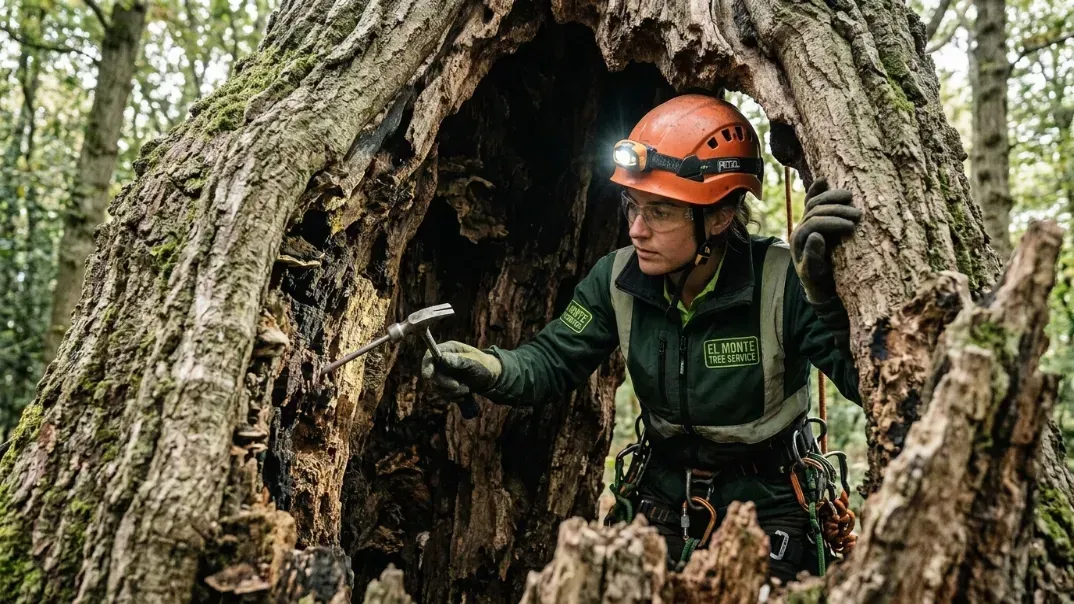
6. Hollow Sounding Trunks
A healthy tree trunk should feel entirely solid. If tapping on the trunk produces a resonant hollow sound, a significant portion of the interior wood is missing or compromised. Professional
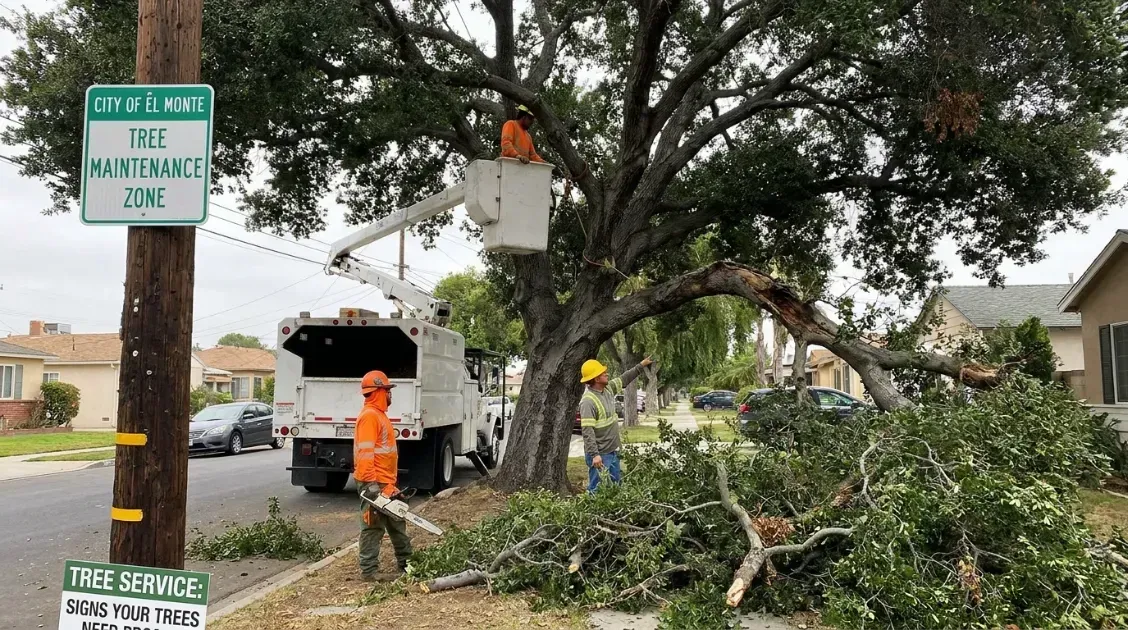
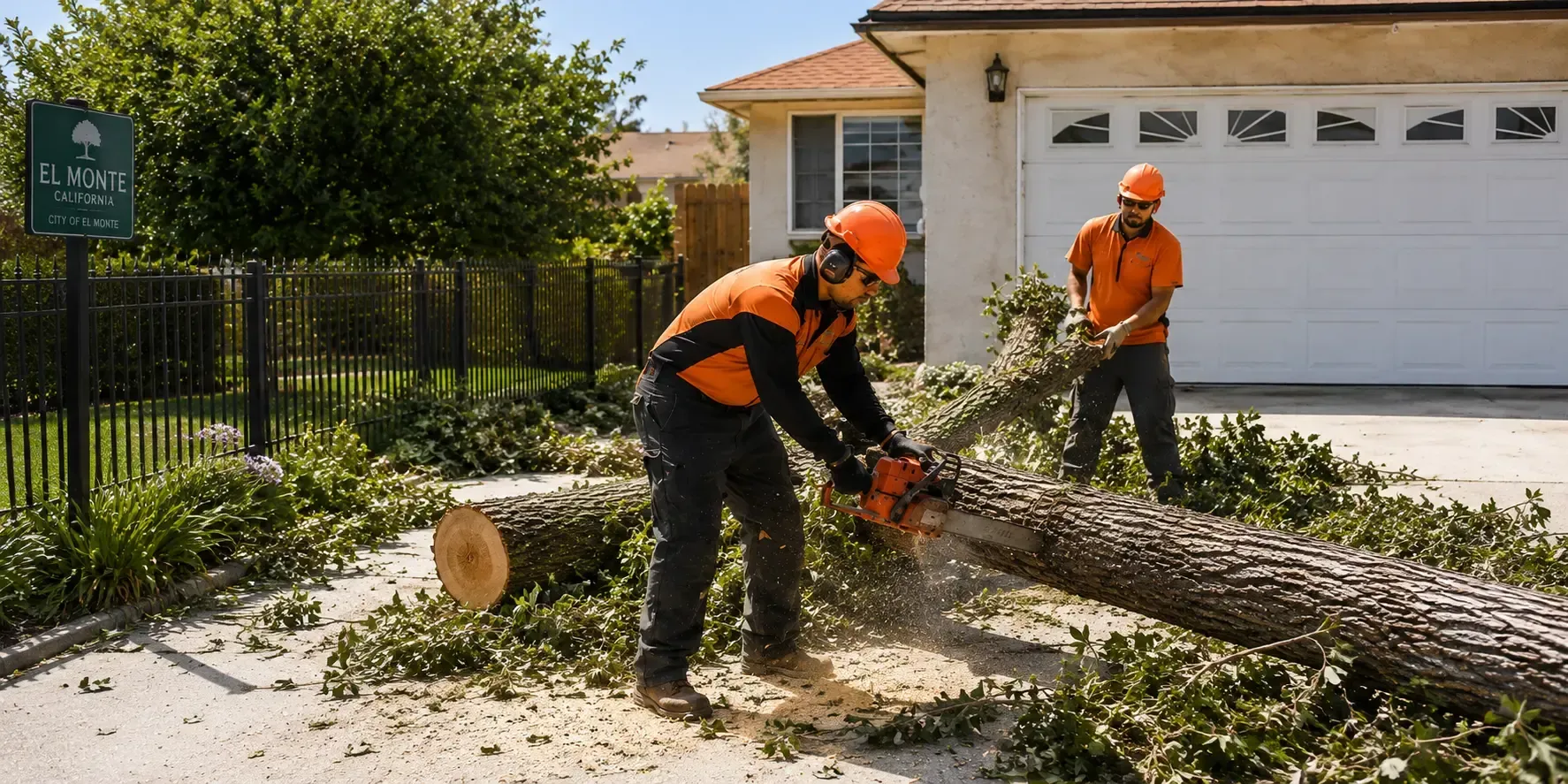
tree removal is often the safest and only viable option for a heavily hollowed-out tree. Removing a hollow tree requires specialized rigging techniques to ensure the fragile trunk does not shatter during the dismantling process.
7. Proximity to Power Lines and Structures
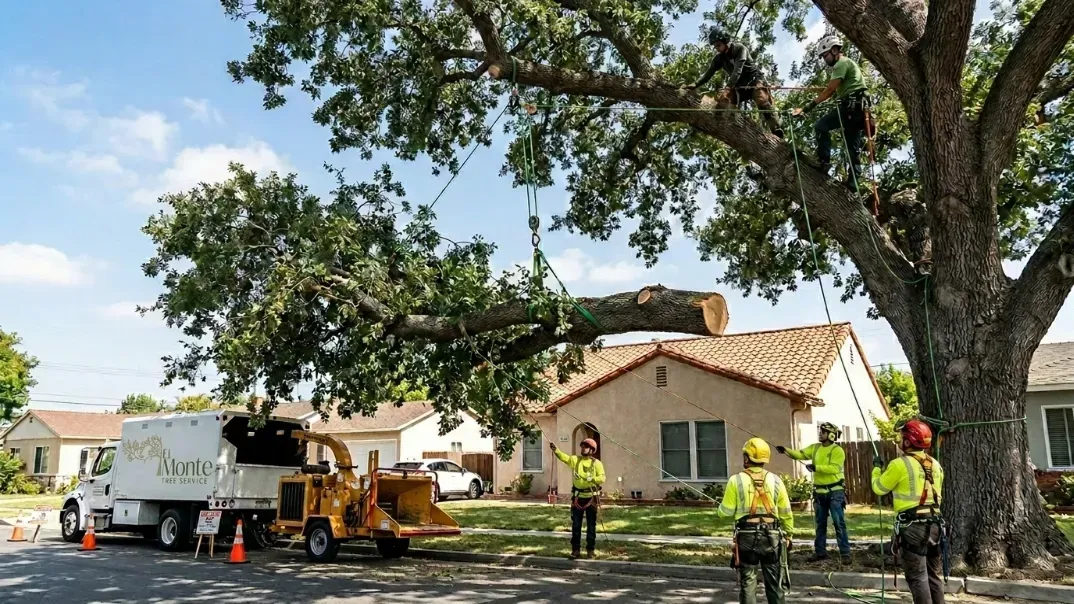
A large canopy growing dangerously close to overhead utility lines or the foundation of your home presents a constant daily hazard. Aggressive roots can destroy subterranean plumbing and crack concrete foundations, while heavy branches can trigger devastating electrical fires. When directional pruning is no longer sufficient to keep the area clear safely, taking down the entire plant is the responsible choice.
8. Premature Leaf Loss
If a tree drops its leaves completely out of season or fails to produce new buds in the spring, it is suffering from severe systemic stress or disease. Deciduous trees that remain bare during the warm summer months are essentially dead timber waiting to fall. The lack of foliage means the tree is no longer photosynthesizing and cannot heal any existing internal wounds.
9. Previous Severe Storm Damage
High winds in Southern California often cause invisible micro-fractures in large lateral branches. If your property experienced severe weather recently, hidden internal damage might eventually cause sudden limb failure on a perfectly clear day. We highly recommend reviewing our comprehensive guide on emergency tree removal in El Monte to understand exactly how high wind events affect long-term stability.
10. V-Shaped Branch Crotches
Branches that grow in a very tight "V" shape are significantly weaker than those forming a wider "U" shape. As the structure matures, the tight connection point accumulates included bark, which acts like a wedge pushing the branches apart. These weak unions are notorious for splitting completely down the middle under the stress of heavy foliage or high winds.
Structural Risk Assessment Summary
Below is a diagnostic reference guide to help property owners categorize the severity of common warning signs.
| Observable Symptom | Associated Risk Level | Recommended Action | Urgency |
|---|---|---|---|
| Sudden Trunk Lean | Critical | Immediate bracing and removal assessment | 24 to 48 Hours |
| Fungal Base Growth | High | Arborist inspection for root rot | Within 1 Week |
| Hollow Trunk Sound | High | Structural integrity evaluation | Within 1 Week |
| Dead Canopy Branches | Moderate | Target pruning or partial removal | Within 1 Month |
| V-Shaped Crotches | Moderate | Cabling or localized branch removal | Next Maintenance Cycle |
Securing Your El Monte Property
Taking decisive action at the first sign of structural trouble protects your home from unpredictable and costly damage. If you spot any of these ten warning signs, a professional assessment is your absolute best defense. Precise diagnostics determine whether corrective pruning can save the structure or if immediate extraction is required for property safety.
For property owners living near 3380 Flair Dr Suite 215 test in El Monte, CA 91731, our dedicated crews are perfectly positioned to respond quickly to your concerns. We encourage you to
learn more about us and our unwavering commitment to safe urban forestry practices. If you are concerned about a specific hazard on your property,
contact our team directly at (626) 654-3698 to schedule a comprehensive on-site evaluation.
Frequently Asked Questions
How do I know if my tree is dead or just dormant?
Dormant trees still have live, pliable twigs with green tissue just under the bark. You can gently scratch a small twig with your fingernail to check for a green layer. If the twig snaps easily and is completely brown and dry inside, that section is dead. Widespread brittleness indicates the entire tree has died.
Can a leaning tree be saved without removal?
If the lean is natural and the tree has grown that way over many years to reach sunlight, it is likely structurally sound. However, if the lean happens suddenly due to root failure or storm damage, the tree generally cannot be saved and requires immediate professional removal to prevent property damage.
Does homeowners insurance cover the cost of removing dangerous trees?
Insurance policies vary widely. Generally, insurance covers removal if a tree falls on a covered structure like your house or garage due to a covered peril like a windstorm. Preventative removal of a standing tree before it falls is typically considered routine property maintenance and is not covered by standard policies.