What Happens When Trees Are Not Trimmed for Several Years?
Key Takeaways and Insights
Neglecting routine tree care for several years creates hidden biological decay and severe structural hazards within the canopy. Without proper maintenance, overgrown trees become highly vulnerable to extreme local weather, pest infestations, and catastrophic branch failure. Relying on professional arboriculture intervention restores structural integrity and protects your property from expensive damages.
- Dense, unpruned canopies block vital sunlight and create massive amounts of dangerous deadwood.
- Overgrown trees act like sails in high winds, drastically increasing the risk of uprooting or snapping.
- Restoring a neglected tree requires a careful, phased approach to avoid fatal pruning shock.
Trees are living structural assets on your property. They require routine care to grow safely and beautifully. Property owners sometimes delay basic maintenance for years due to budget concerns or simple oversight. This delay triggers a series of hidden biological and structural problems. Neglecting proper care alters how a tree distributes nutrients. It compromises root stability and invites severe local hazards.
When you ignore tree canopies for long periods, the consequences stretch far beyond minor aesthetic issues. The entire structure of the plant begins to adapt to the lack of maintenance. These natural adaptations are rarely safe for residential environments.
The Hidden Biology of Overgrown Canopies
A tree relies on its leaves to produce food through photosynthesis. When a canopy grows completely unchecked, the outer leaves form a dense biological wall. This thick exterior shell prevents vital sunlight from penetrating the interior layers of the tree.
Without adequate sunlight, the interior branches stop producing food. The tree stops sending nutrients to these shaded areas. As a result, the inner branches slowly starve and die. This creates a massive accumulation of deadwood hidden inside the canopy. Deadwood is incredibly brittle. It decays rapidly and becomes a prime target for opportunistic insects.
Overgrown trees also struggle with moisture retention. A dense canopy prevents proper airflow through the branches. Rain or morning dew stays trapped on the inner leaves and bark. This prolonged moisture creates the perfect environment for aggressive fungal diseases to take root.
Increased Risks of Structural Failure
Unpruned trees develop serious structural weaknesses over time. Branches grow randomly in search of whatever sunlight they can find. This random growth pattern throws off the center of gravity. A lopsided tree puts tremendous stress on its main trunk and root system.
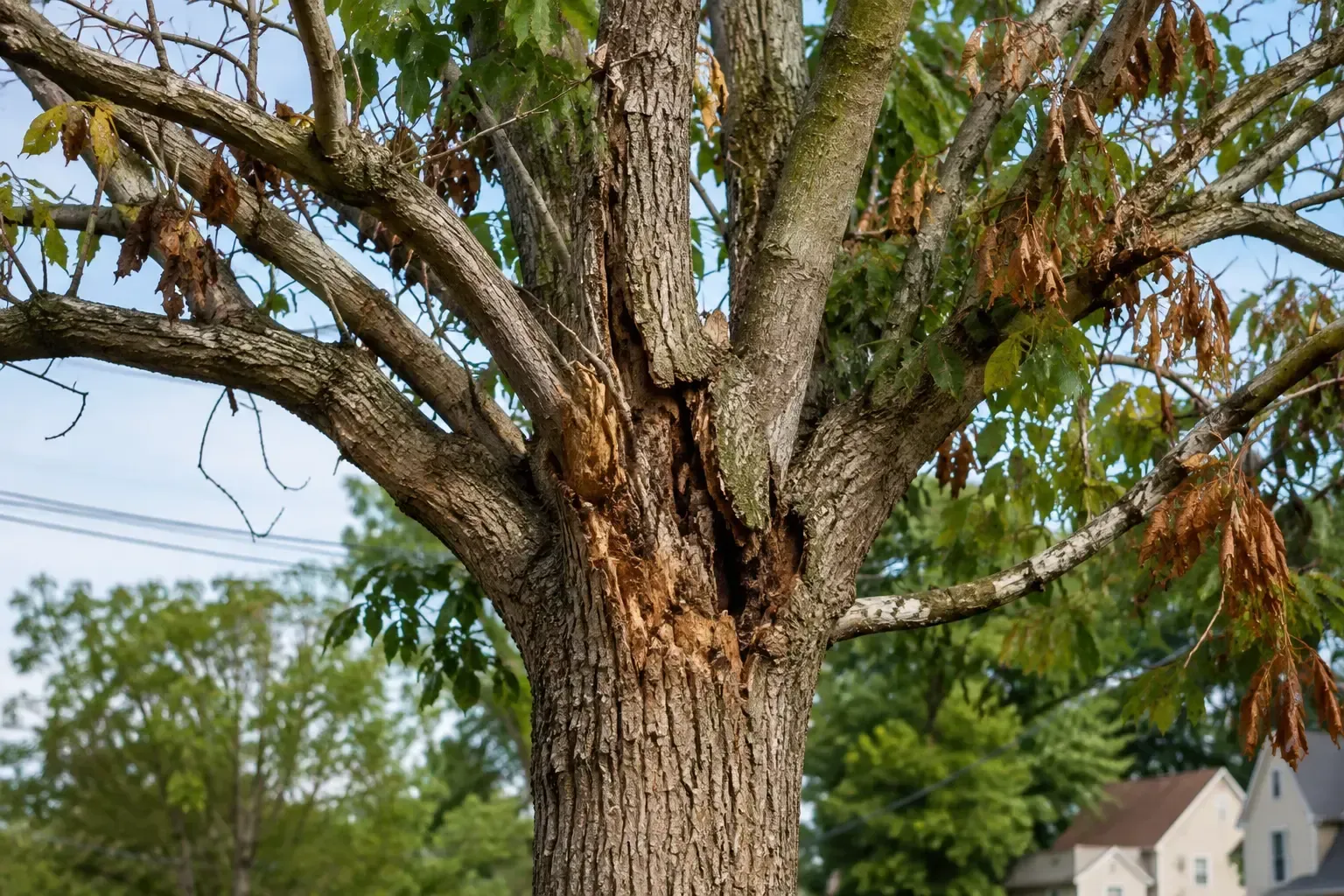
Co-dominant stems are another major issue. These are two equally sized branches growing from the exact same point on the trunk. As they grow thicker over several years, they push against each other. The bark trapped between them prevents a solid wood connection. This creates a highly fragile "V" shaped crotch. A heavy rainstorm or sudden gust of wind can easily split a tree right down the middle at this weak point.
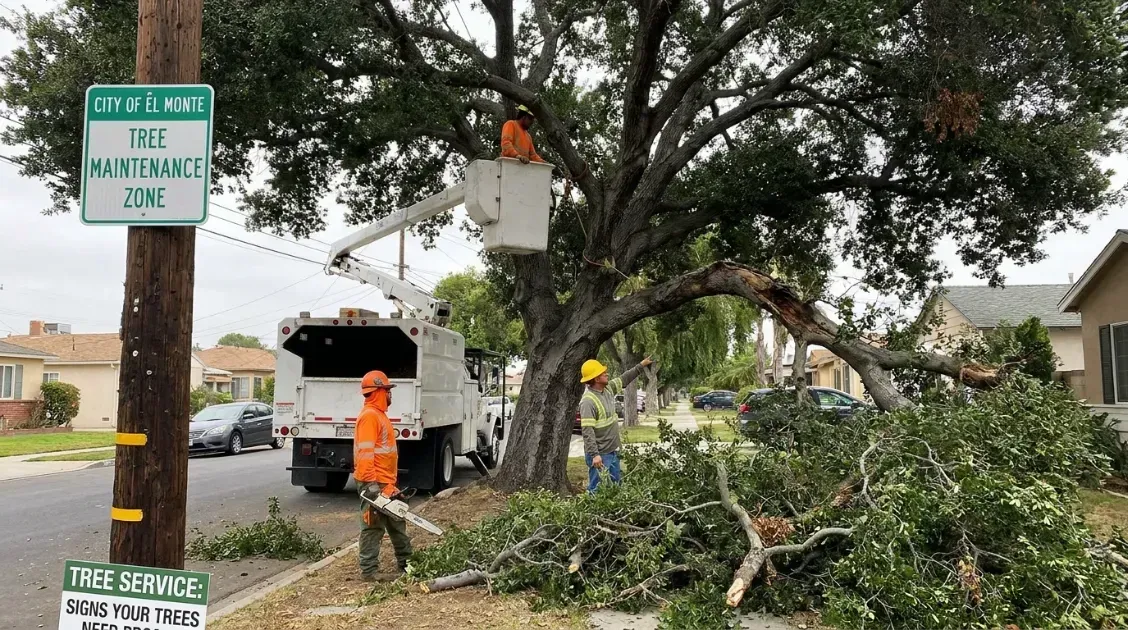
Heavy end-weight is a frequent result of long-term neglect. Branches grow incredibly long and thick at the tips. The leverage exerted by this heavy foliage is enormous. The branch collar simply cannot support the extreme weight. These heavy limbs are highly susceptible to sudden dropping. Summer branch drop is a documented phenomenon where perfectly healthy-looking heavy branches snap without warning.
Pest Infestations and Disease Spread
Insects look for easy targets in the natural world. A neglected tree provides the ultimate sanctuary for pests. Deadwood and dying branches emit specific chemical signals. These signals attract wood-boring insects like bark beetles and termites. Once these pests infiltrate the deadwood, they often bore deeper into the healthy sections of the trunk.
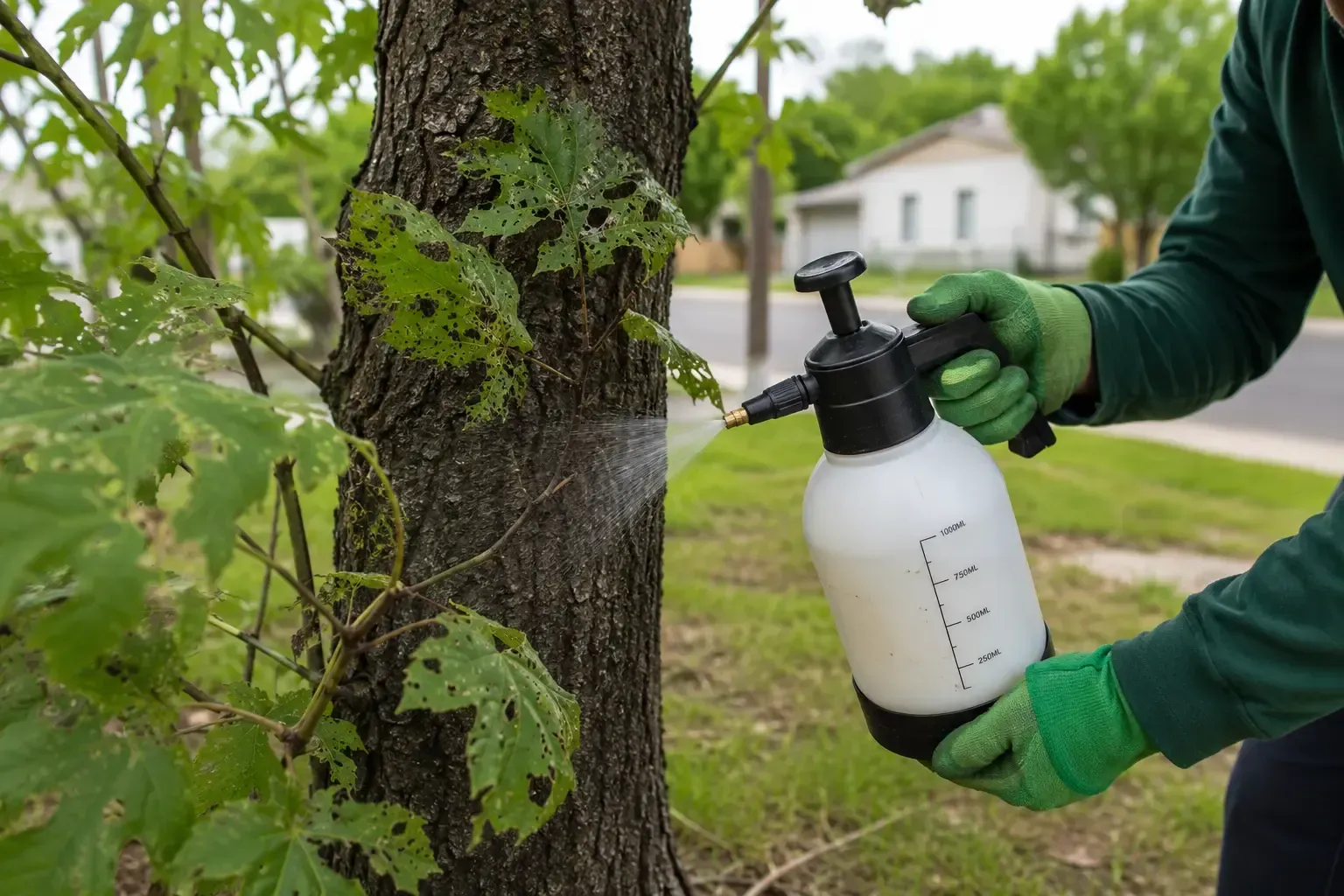
Dense canopies also harbor destructive sap-sucking insects. Aphids and scale insects thrive in heavily shaded areas away from natural predators. They drain vital sap from the leaves and excrete a sticky substance called honeydew. Honeydew quickly coats the lower branches and your property below. This sticky residue then grows a black fungus known as sooty mold.
Professional care disrupts these harmful life cycles. Routine tree trimming removes the deadwood that attracts pests. It opens up the canopy to let sunlight and wind flow freely. This natural ventilation is the absolute best defense against fungal infections and pest colonies.
Why Tree Services Prevent Costly Property Damage
Allowing trees to grow wild poses a massive risk to your physical property. Tree roots and branches do not respect property lines or building materials. As the crown of the tree expands, the root system underground expands to support it.
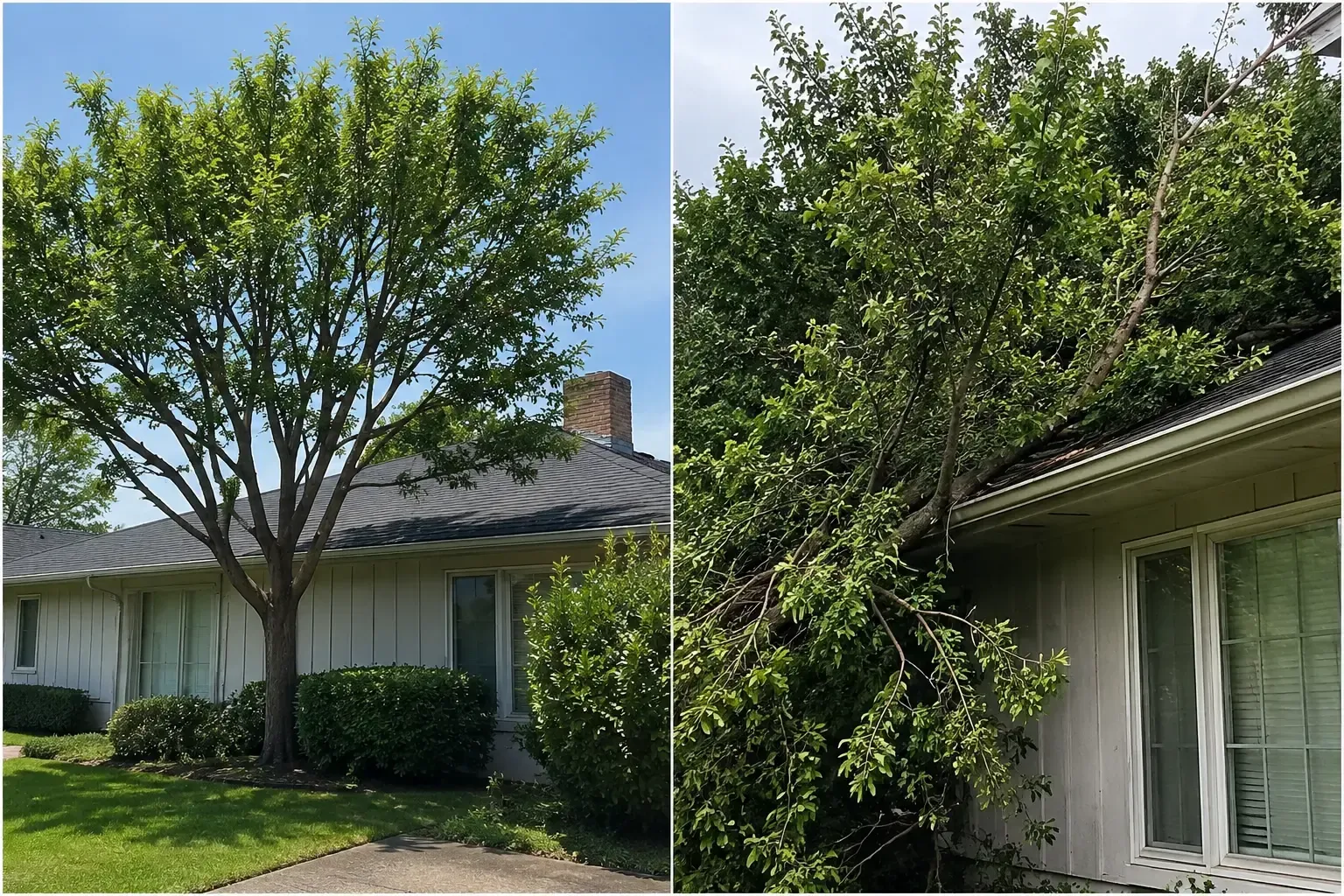
Large branches eventually reach rooflines. Wind causes these heavy limbs to scrape repeatedly against roof shingles. This friction easily tears away roofing materials and damages protective underlayment. Branches overhanging gutters drop excessive amounts of leaves and twigs. Clogged gutters lead directly to severe water damage on your home exterior.
Overgrown roots seek out moisture aggressively. They can easily infiltrate tiny cracks in underground plumbing or sewer lines. The roots expand inside the pipes and cause complete blockages. Repairing a destroyed sewer line is significantly more expensive than hiring routine property maintenance.
Power lines present the most immediate danger. Branches that grow into electrical wires create severe fire hazards. The friction can strip the insulation from the wires. During a storm, a wet branch conducts electricity and can spark a devastating fire.
El Monte Weather Considerations
Property owners in Southern California face unique environmental challenges. El Monte experiences intense dry spells and dramatic heat waves. Trees suffering from long-term neglect are highly vulnerable to drought stress. An overgrown tree requires significantly more water to sustain its massive canopy. When water is scarce, the tree quickly drops heavy limbs to conserve energy.
Santa Ana winds are a critical factor. These seasonal winds bring extreme gusts that test the structural limits of every tree in the area. A tree with a dense, unthinned canopy acts like a giant sail. The wind cannot pass through the branches. The sheer force of the wind pushes against the solid wall of foliage. This routinely results in catastrophic uprooting or massive trunk failure. Thinning out the canopy allows the wind to flow harmlessly through the tree.
Comparing Neglected Trees to Maintained Trees
Understanding the specific consequences of neglect helps property owners make better decisions. The table below outlines the exact differences between a neglected tree and one that receives routine care.
| Maintenance Status | Structural Integrity | Pest Vulnerability | Long-term Financial Cost | Solution Focus |
|---|---|---|---|---|
| 5+ Years Neglected | High risk of branch failure | Severe risk of boring insects | Very High (Emergency removal or repairs) | Intensive restorative pruning needed |
| 2-4 Years Neglected | Moderate end-weight issues | Moderate fungal growth risk | High (Corrective structural cuts required) | Crown thinning and deadwood removal |
| Routinely Maintained | Excellent wind resistance | Minimal pest attraction | Low (Predictable seasonal care budget) | Standard canopy management |
| Newly Planted (Ignored) | Poor root establishment | High risk of early mortality | Complete replacement cost | Formative pruning and guidance |
The Impact on Home Value and Aesthetics
Curb appeal relies heavily on landscaping. Mature trees are highly desirable features for any residential property. They provide shade, reduce energy costs, and look beautiful. However, an unkempt tree has the exact opposite effect.
Overgrown trees make a property look abandoned. Dead branches hanging from the canopy signal a lack of basic maintenance to potential home buyers. Heavy shade kills the grass underneath the tree, leaving large patches of bare dirt. This degrades the entire visual aesthetic of the yard.
Neighbor disputes frequently arise from neglected trees. Branches extending over property lines drop debris on neighboring driveways or roofs. Proactive maintenance preserves property value and keeps neighborhood relationships positive.
The Pruning Shock Reality
You cannot simply hack away half of an overgrown tree to fix years of neglect. This severe approach causes immense biological stress known as pruning shock. Removing too much foliage at one time starves the tree. The plant panics and rapidly pushes out weak, stringy growth called water sprouts.
Water sprouts grow straight up from the main branches. They are weakly attached and highly prone to snapping. A tree suffering from pruning shock also becomes highly susceptible to extreme sunburn on its bark.
Restoring a neglected tree requires a multi-year strategy. Experts carefully remove a specific percentage of the canopy each season. This calculated approach allows the tree to recover its strength slowly. It guides the tree back to a healthy structure without triggering a panic response.
When to Call Professional Tree Services
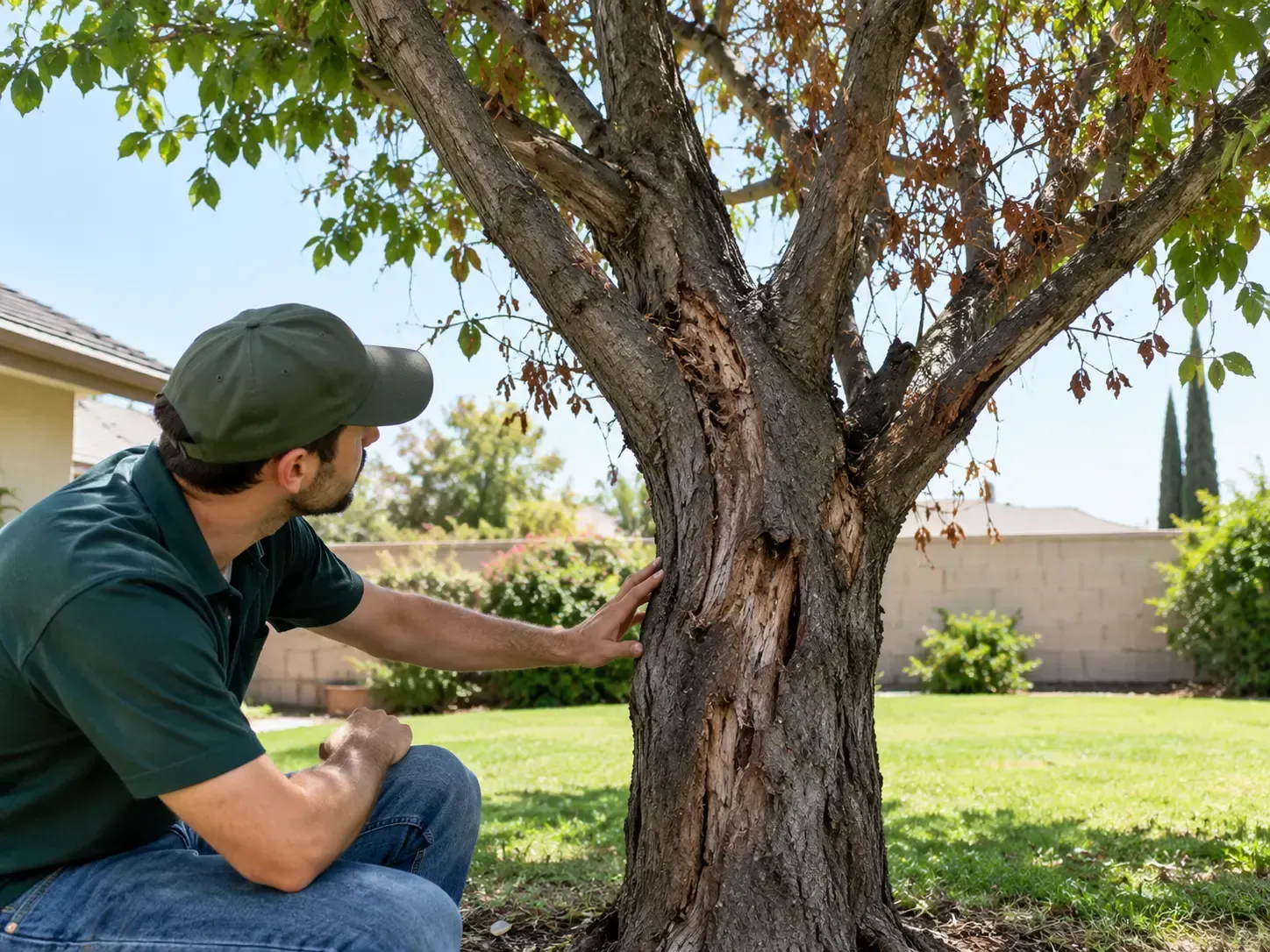
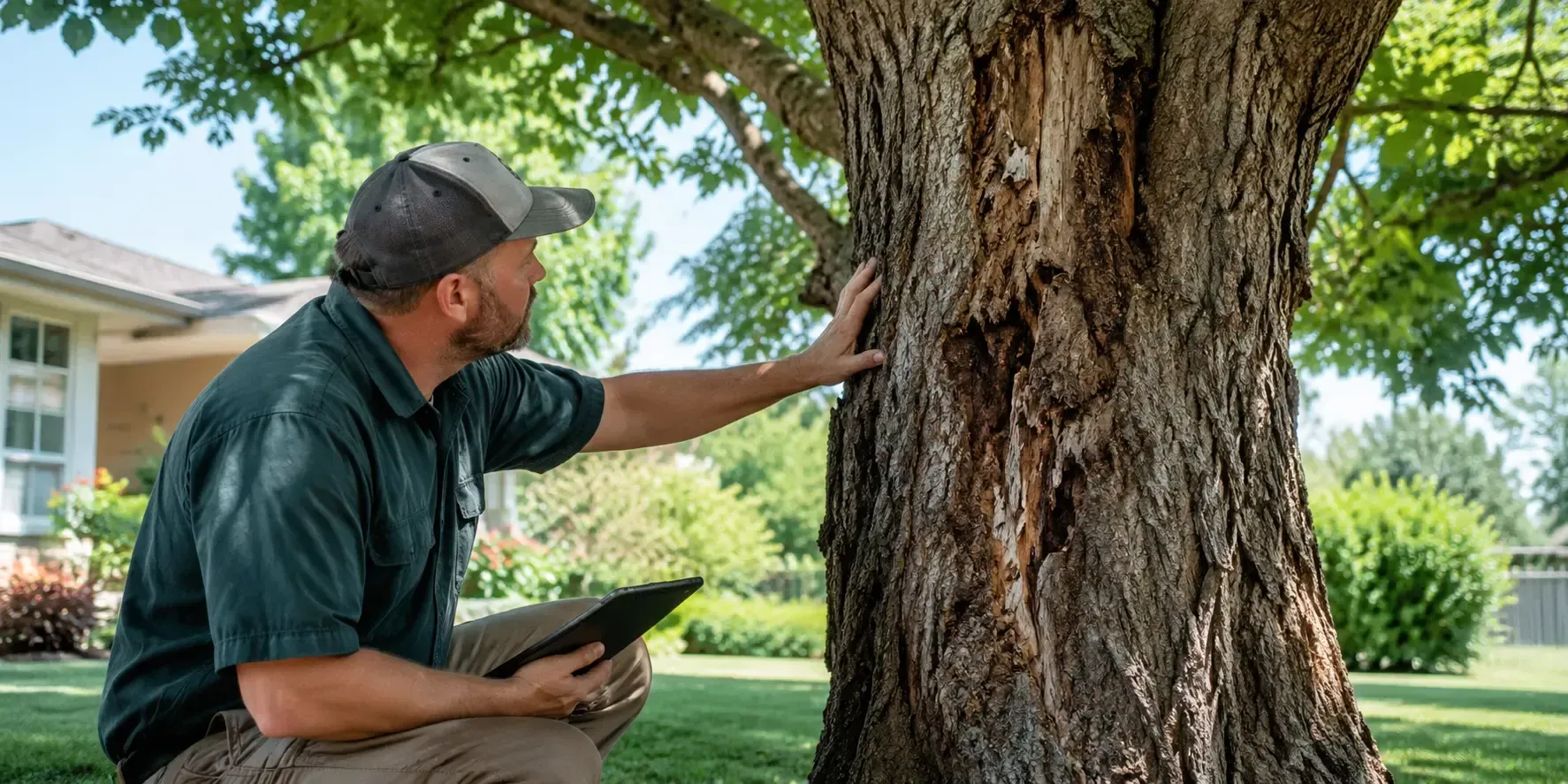
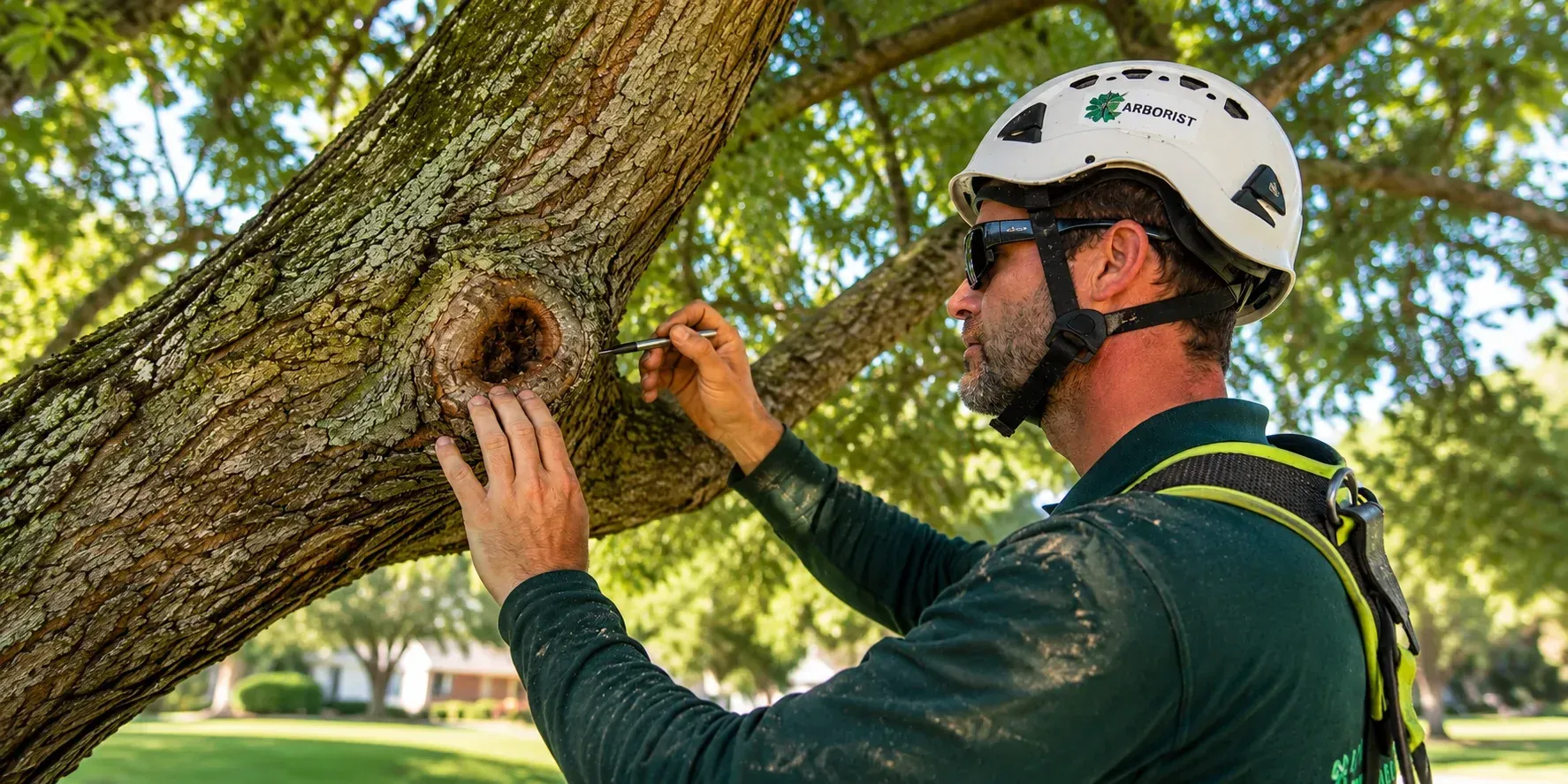
Identifying a dangerous tree is the first step in protecting your property. Look for heavy deadwood inside the canopy. Check for branches rubbing against each other or your roof. Look for signs of insect damage or large cracks in the main trunk.
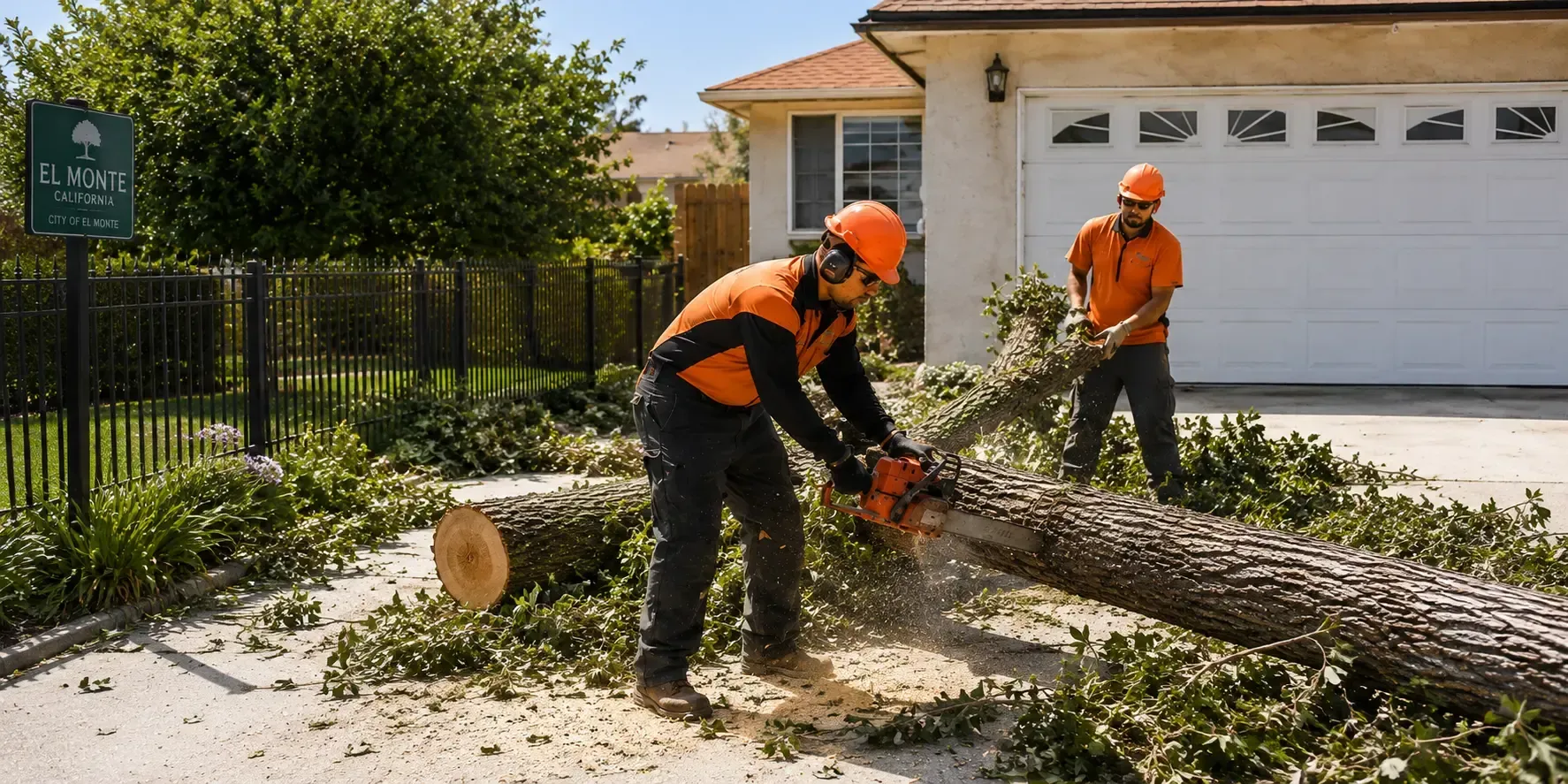
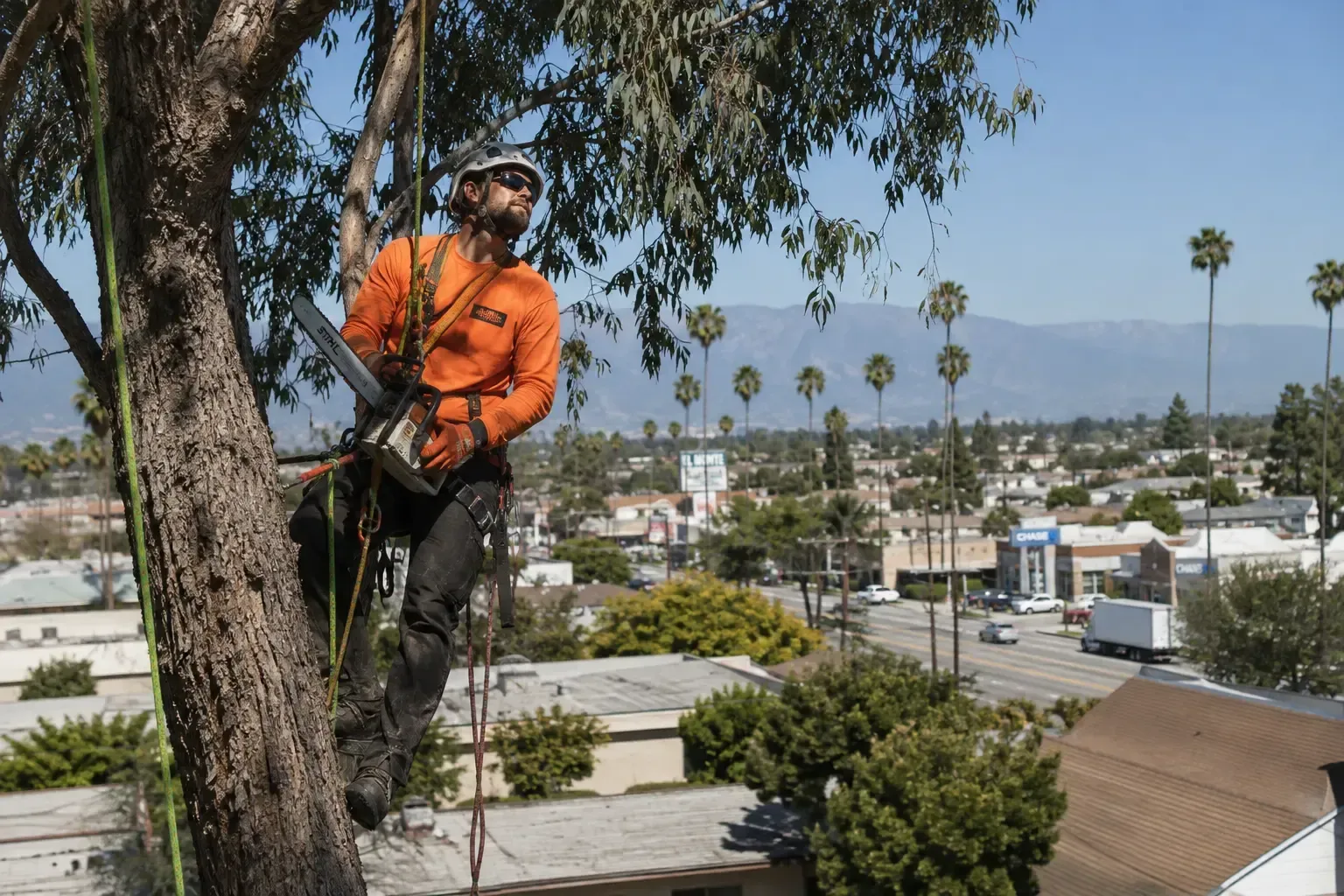
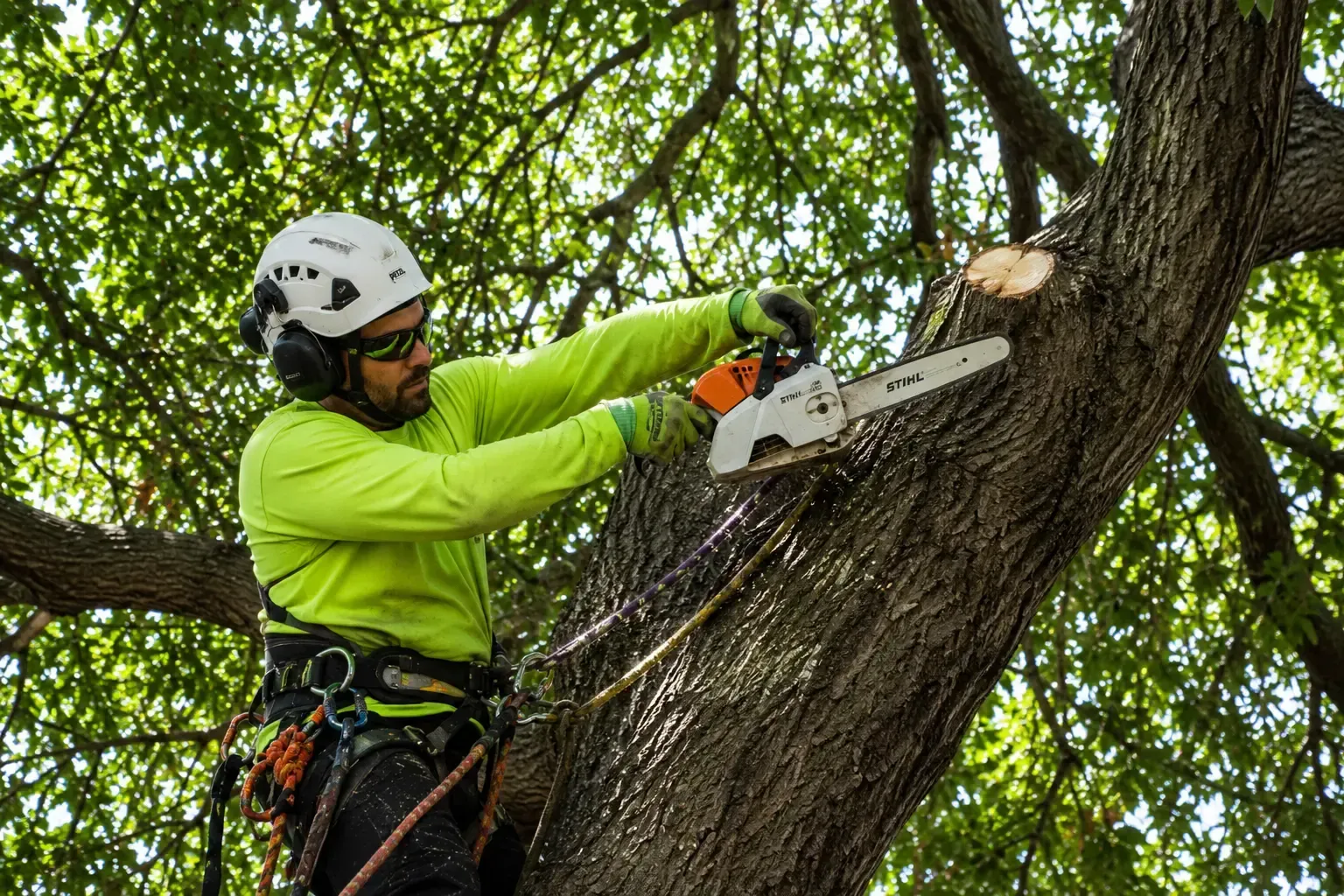
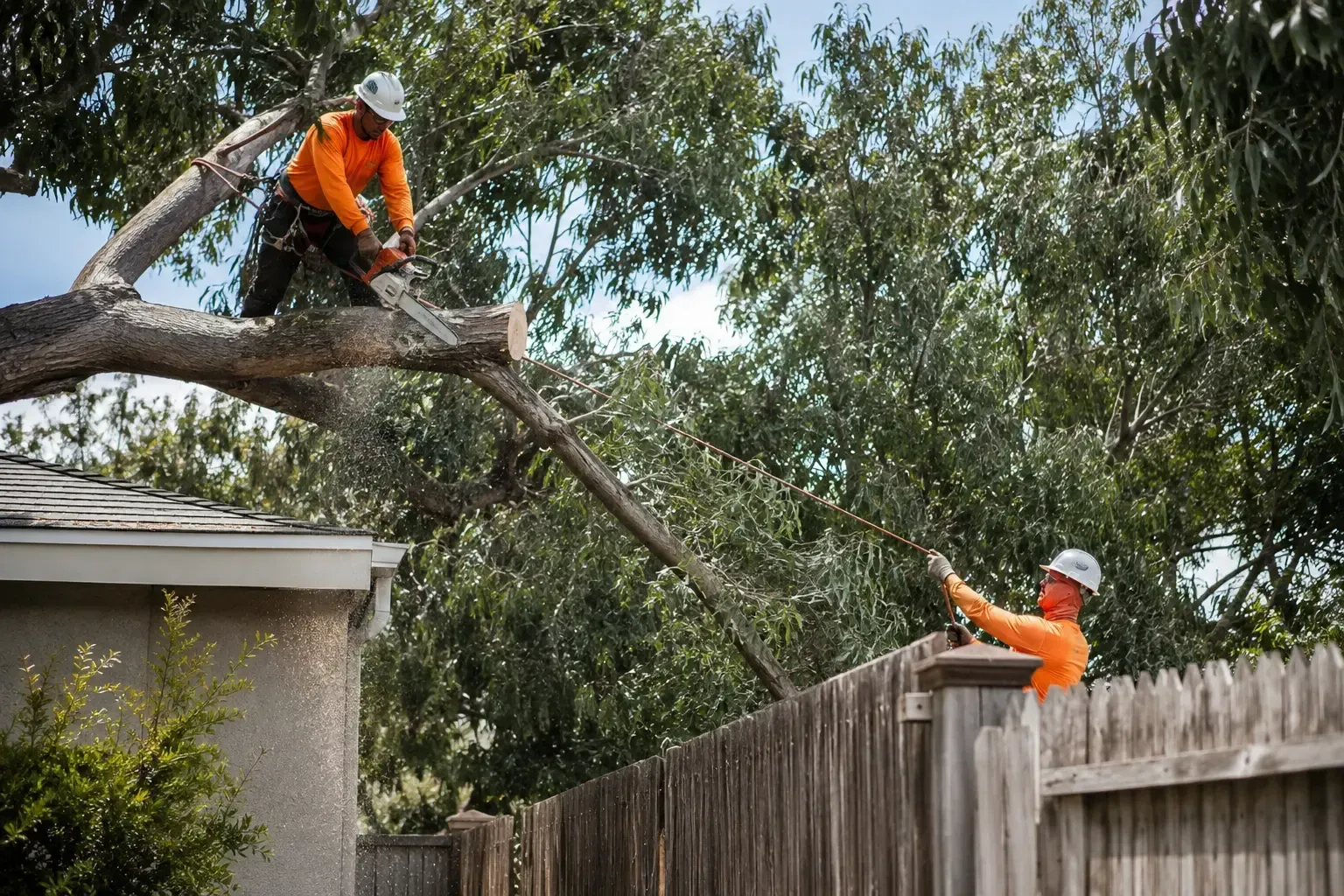
If you notice any of these warning signs, you need expert intervention. You should never attempt to climb or trim large, dangerous trees yourself. Professional arborists have the correct equipment, liability insurance, and biological knowledge to handle the job safely.
For residents in Southern California, Elmonte Tree Service provides complete management for overgrown and dangerous properties. Our team understands the local climate challenges and native plant species. We operate directly out of our headquarters at 3380 Flair Dr Suite 215 El Monte, CA 91731.
If your property contains trees that have not been serviced in several years, you should contact our local experts today. We will evaluate the structural integrity of your landscaping. We can develop a safe, effective restoration plan. Do not wait for a heavy windstorm to reveal the hidden dangers in your yard.
Frequently Asked Questions
Can a tree die if it is never pruned?
Yes. While wild trees survive in forests, residential trees face different stressors. Lack of pruning leads to heavy deadwood, pest infestations, and structural failures. These combined factors frequently cause premature death in urban trees.
How much of an overgrown tree can be safely cut at once?
Industry standards dictate that you should never remove more than 25 percent of a tree's live foliage in a single year. Removing more than this triggers severe pruning shock and permanent biological damage.
Will trimming a neglected tree encourage it to grow back faster?
Proper trimming redirects a tree's energy. Removing dead or crossing branches allows the tree to focus its resources on healthy, structurally sound growth. It improves overall vitality without causing rapid, unstable sprouting.