How Proper Tree Removal in El Monte Protects Your Home from Costly Property Repairs
Owning a home in El Monte, California, requires constant vigilance and proactive property maintenance. Mature trees add incredible curb appeal, essential shade, and natural beauty to your yard. However, they also harbor hidden liabilities if left unmanaged for too long. A towering oak or an overgrown pine might look picturesque but could be secretly undermining your foundation or threatening your roof structure. Managing these organic assets is a highly calculated financial strategy to prevent catastrophic property damage.
For property investors and established homeowners, understanding the lifespan and structural integrity of the trees on your lot is vital. Recognizing when a tree transitions from a landscape asset to a structural hazard allows you to take decisive action. Relying on professional Elmonte tree service experts ensures that hazardous trees are mitigated before they cause thousands of dollars in irreversible damage.
The Hidden Threat Beneath the Surface
The most expensive property damage often happens entirely out of sight. A tree's root system can extend outward up to three times the width of its canopy. In an urban or suburban environment like El Monte, this aggressive underground growth inevitably interacts with man-made infrastructure.
Roots are naturally programmed to seek out moisture and nutrients. Southern California experiences long dry spells that force tree roots to search deeper and wider for water sources. They frequently target the minor condensation surrounding older plumbing systems or the tiny leaks in aging sewer lines. Once a hairline root breaches a pipe, it proliferates rapidly inside the plumbing. This causes massive blockages, water backups into the home, and eventual pipe bursting. Repairing a destroyed subterranean sewer line involves heavy excavation, concrete trenching, and thousands of dollars in plumbing fees.
Furthermore, roots exert immense hydrostatic pressure as they thicken. When planted too close to a house, expanding roots will push against concrete slab foundations. Over time, this pressure causes structural shifting, deep foundation cracks, and uneven flooring inside the home. Once foundation damage occurs, the structural integrity of the entire house is compromised. In these severe cases, proactive tree removal is the only permanent way to halt the progression of the damage and protect the home's concrete base.
Why Expert Tree Services Prevent Expensive Disasters
Homeowners often underestimate the sheer weight, height, and mechanical complexity of mature trees. Attempting DIY maintenance on large, compromised trees is incredibly dangerous and frequently leads to the exact property damage the homeowner was trying to avoid.
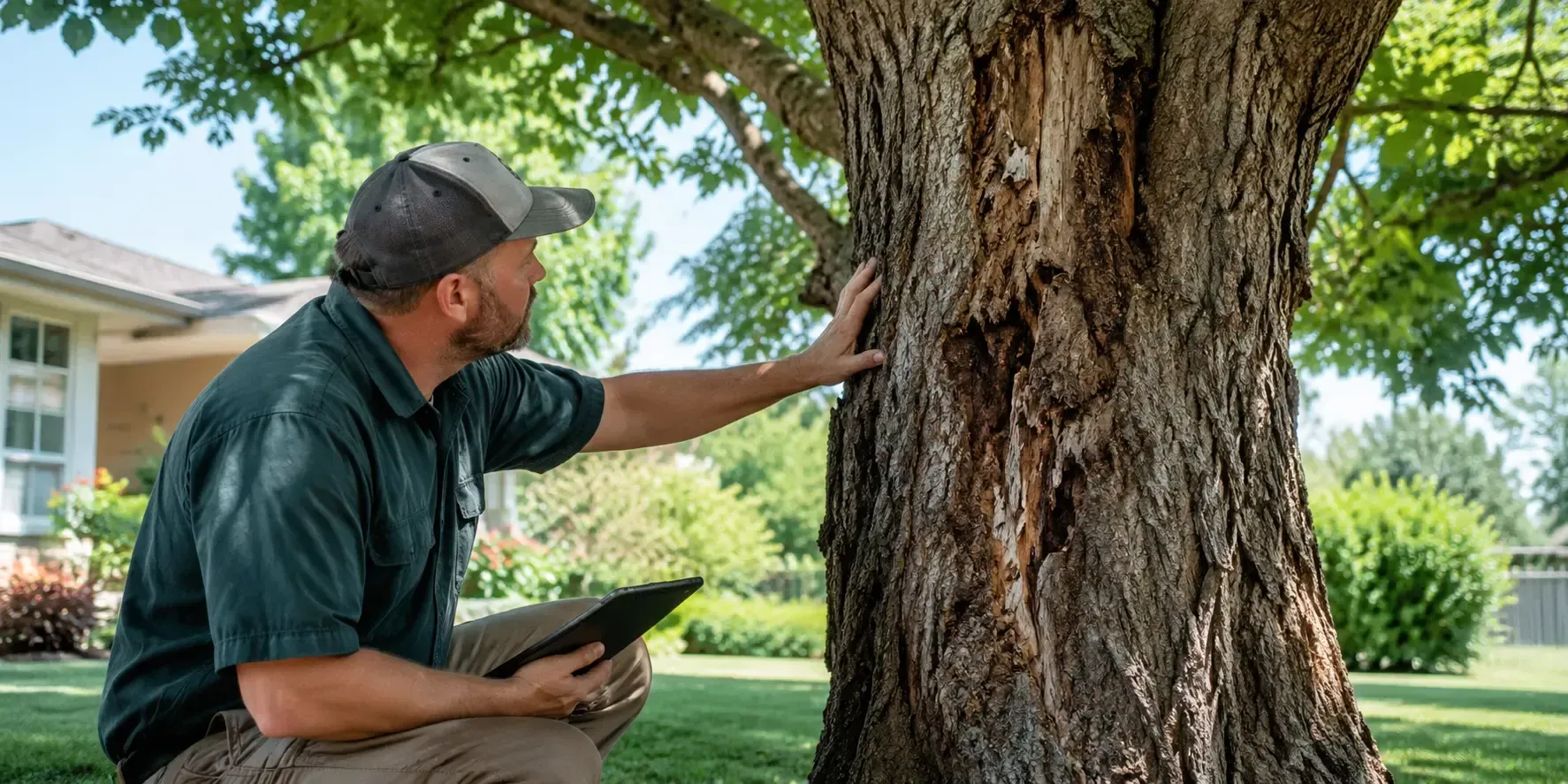
Hiring professional tree services ensures that a qualified expert evaluates the structural integrity of the tree before any cutting begins.
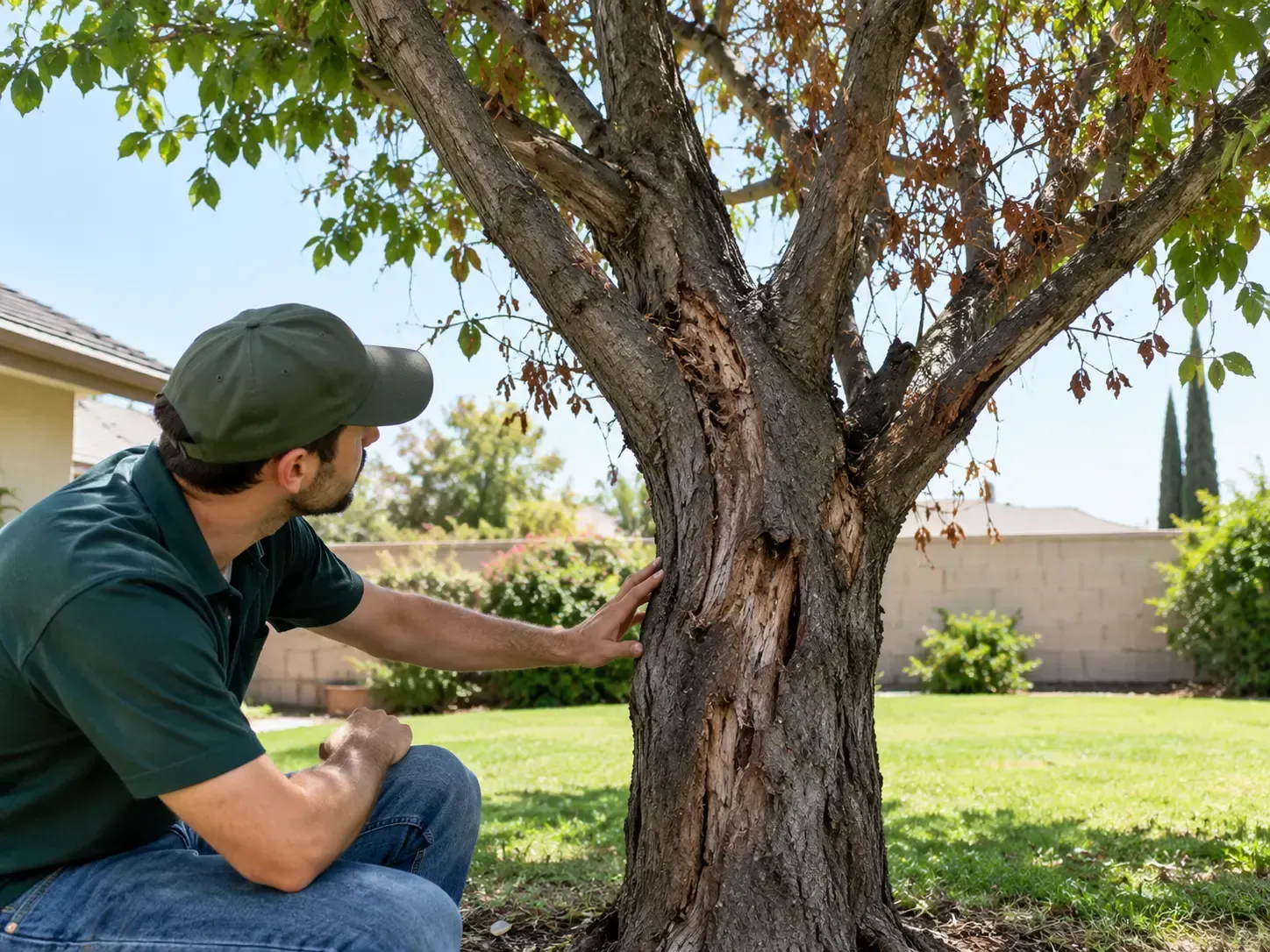
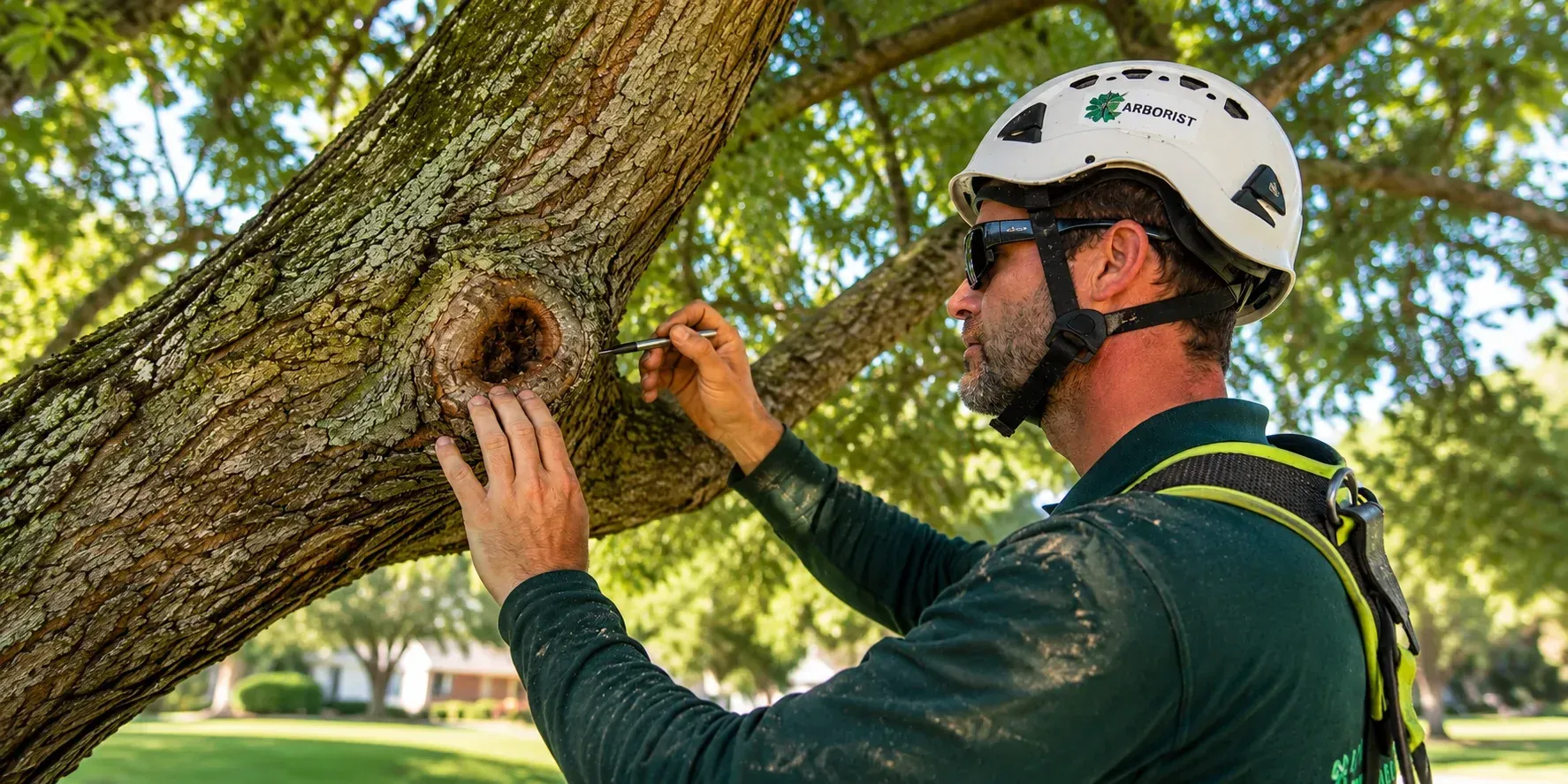
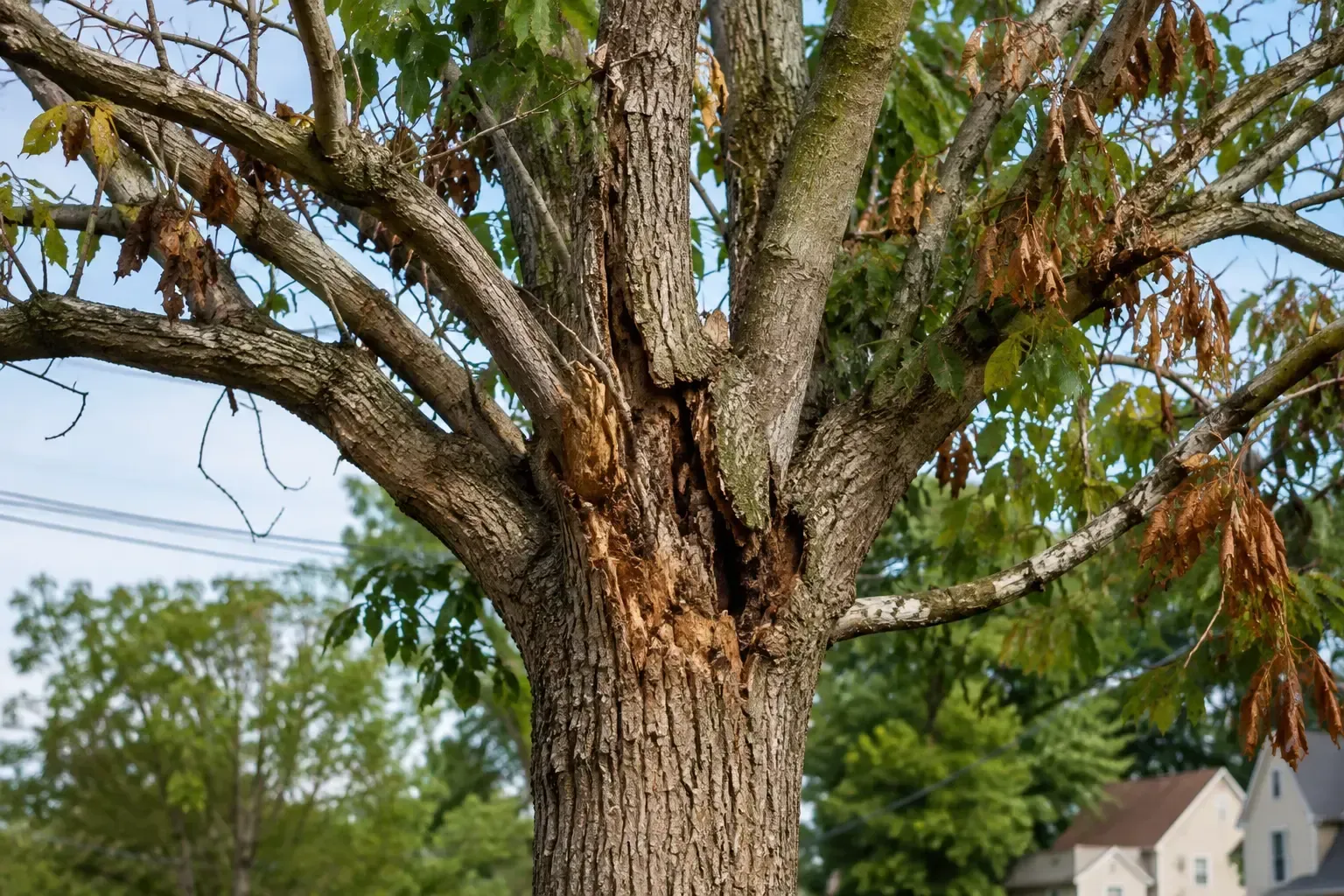
Professionals understand how to read the subtle signs of internal decay. They look for fungal growth at the base of the trunk, peeling bark, excessive deadwood in the upper canopy, and abnormal leaning. Identifying these biological failure points dictates whether a tree can be saved through targeted pruning or if it must be dismantled completely.
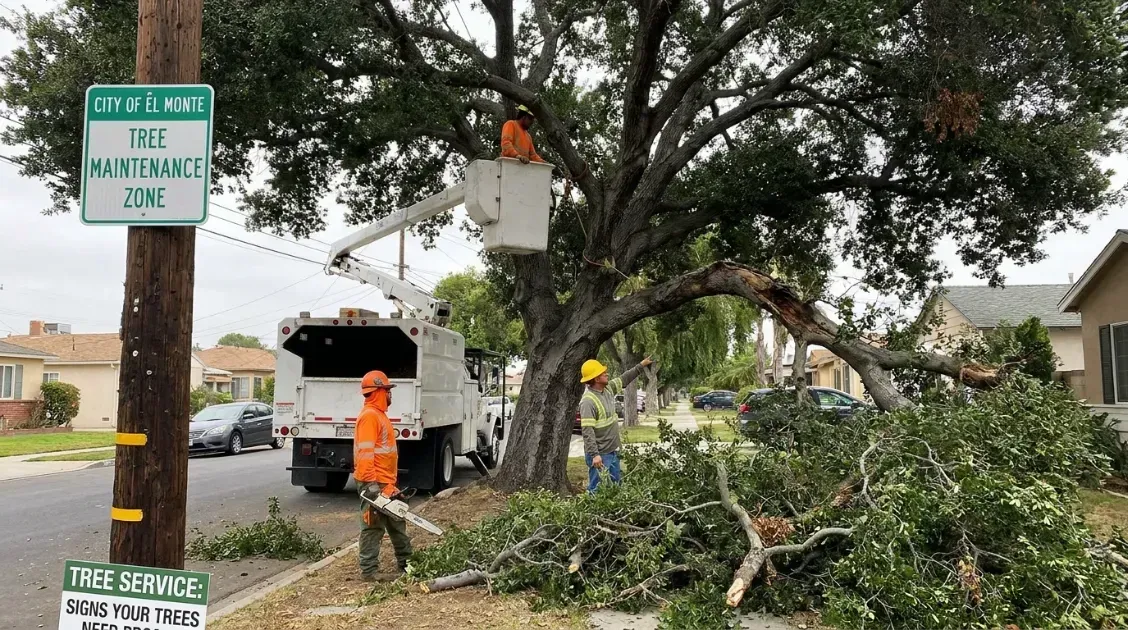
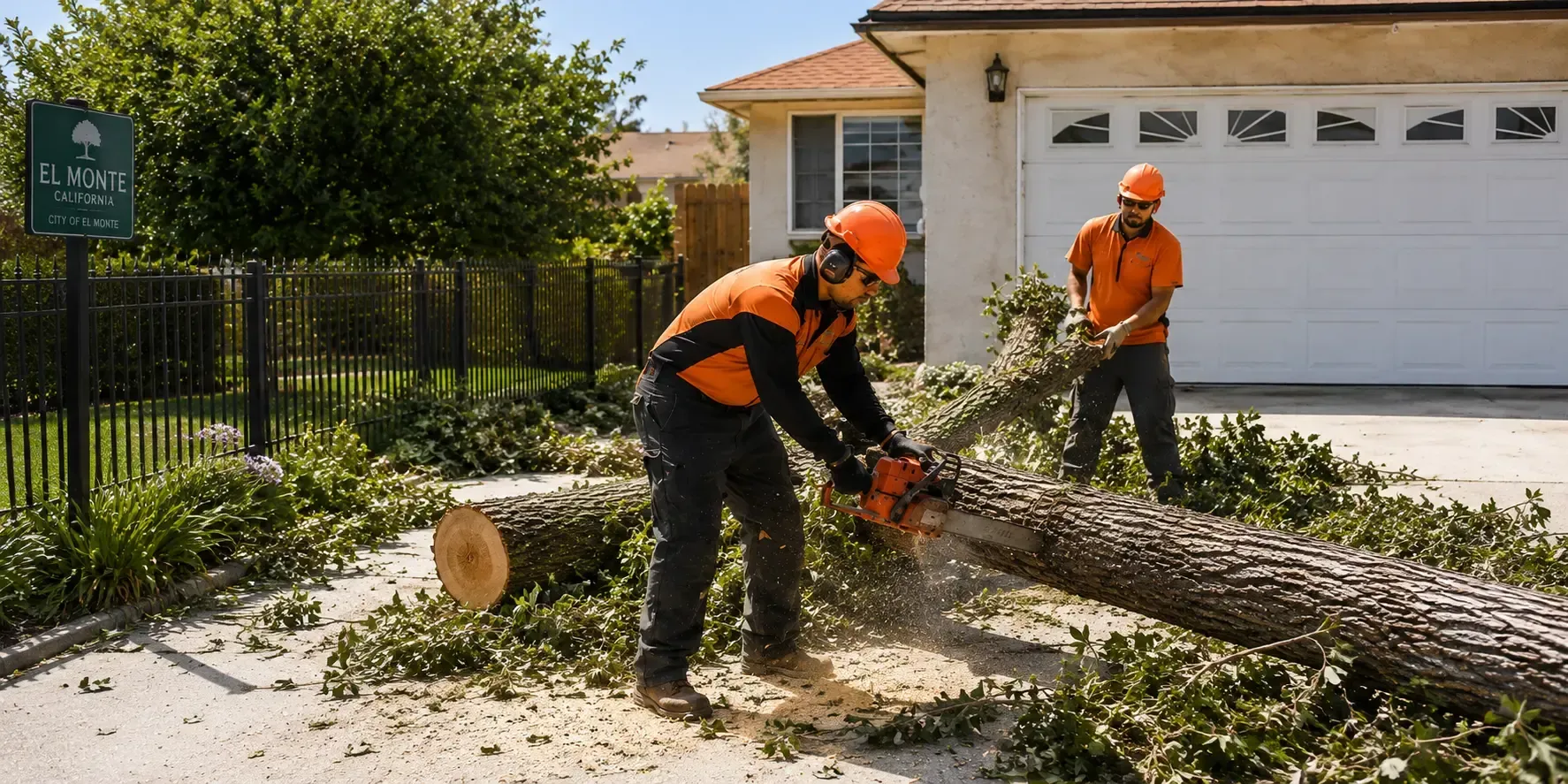
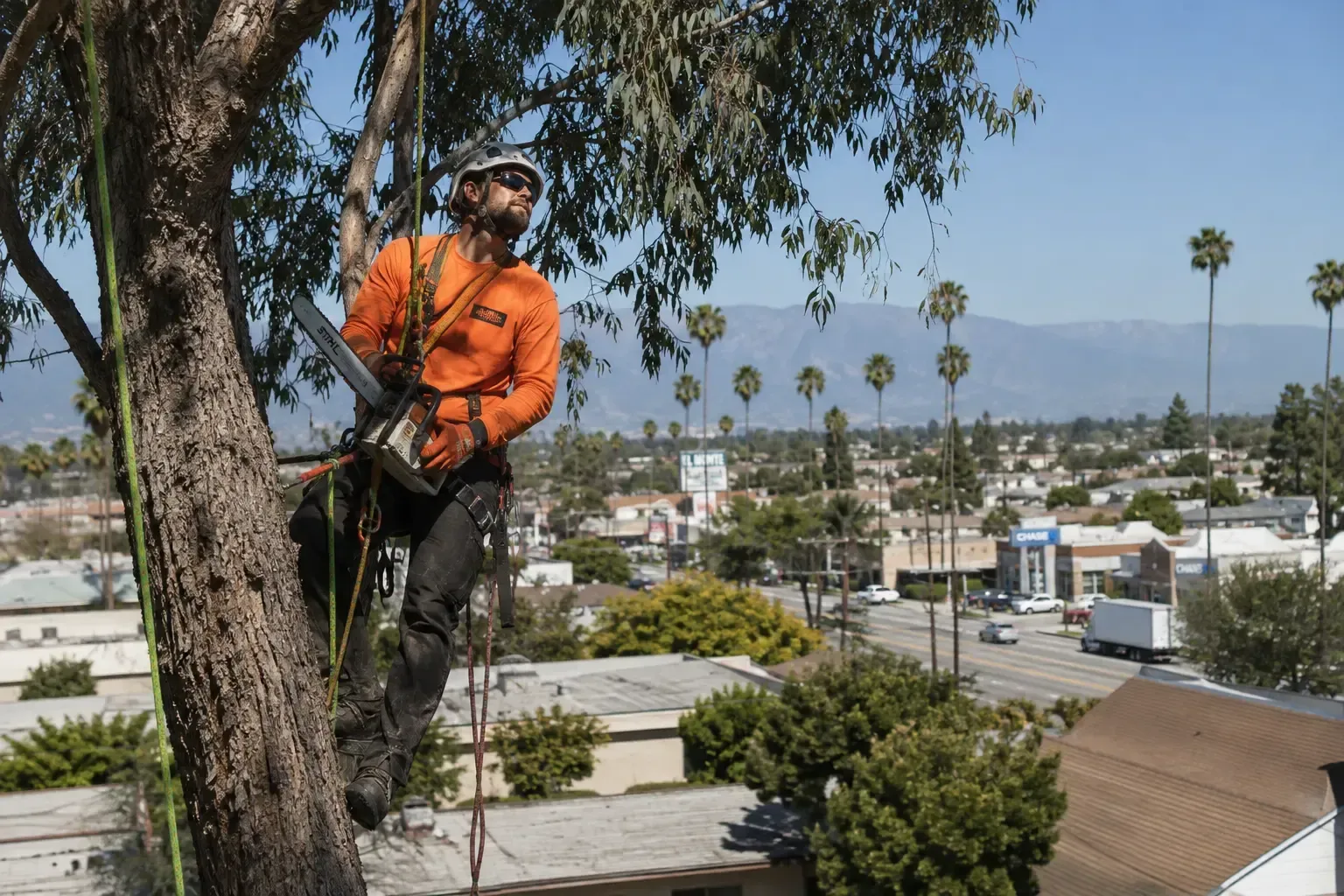
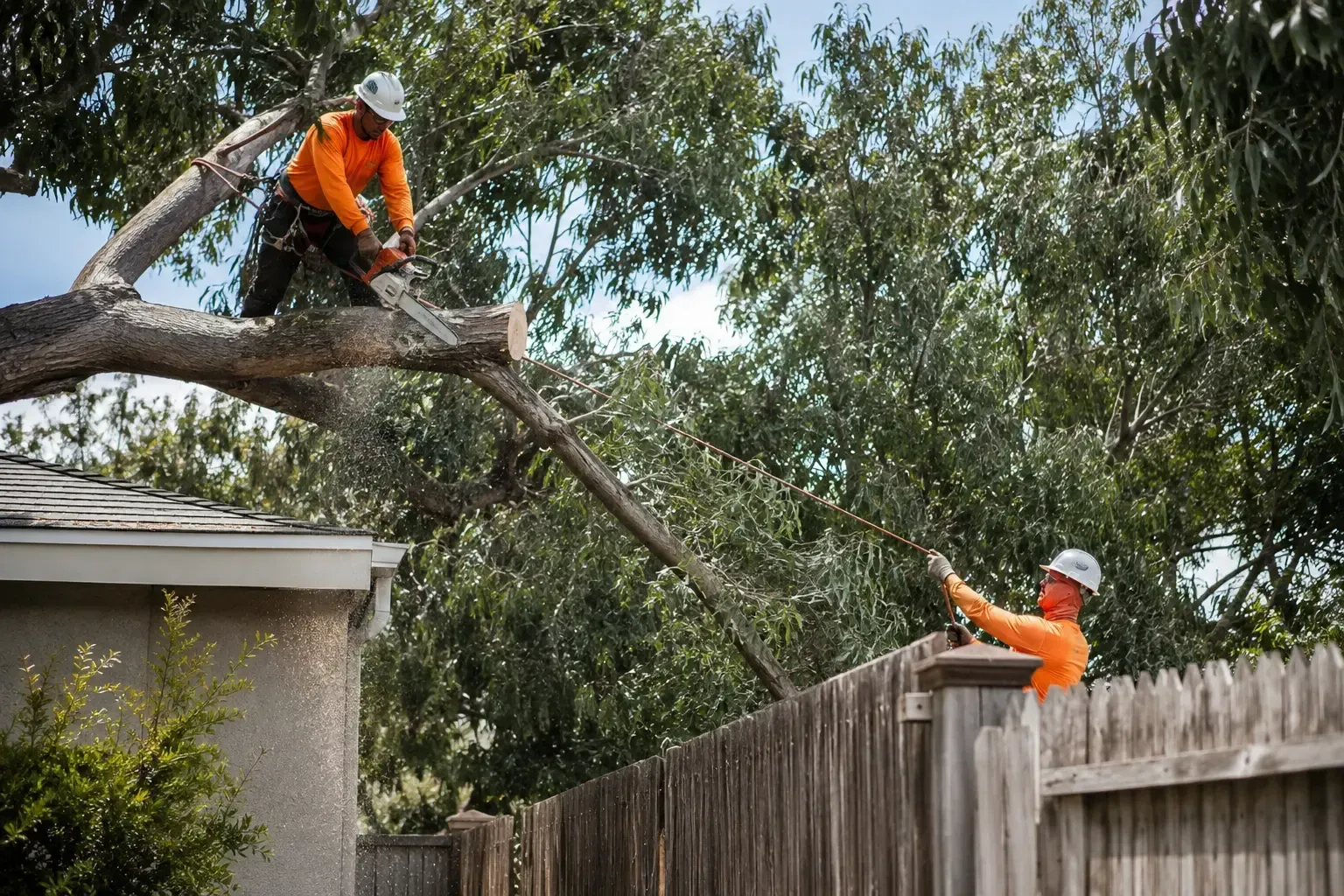
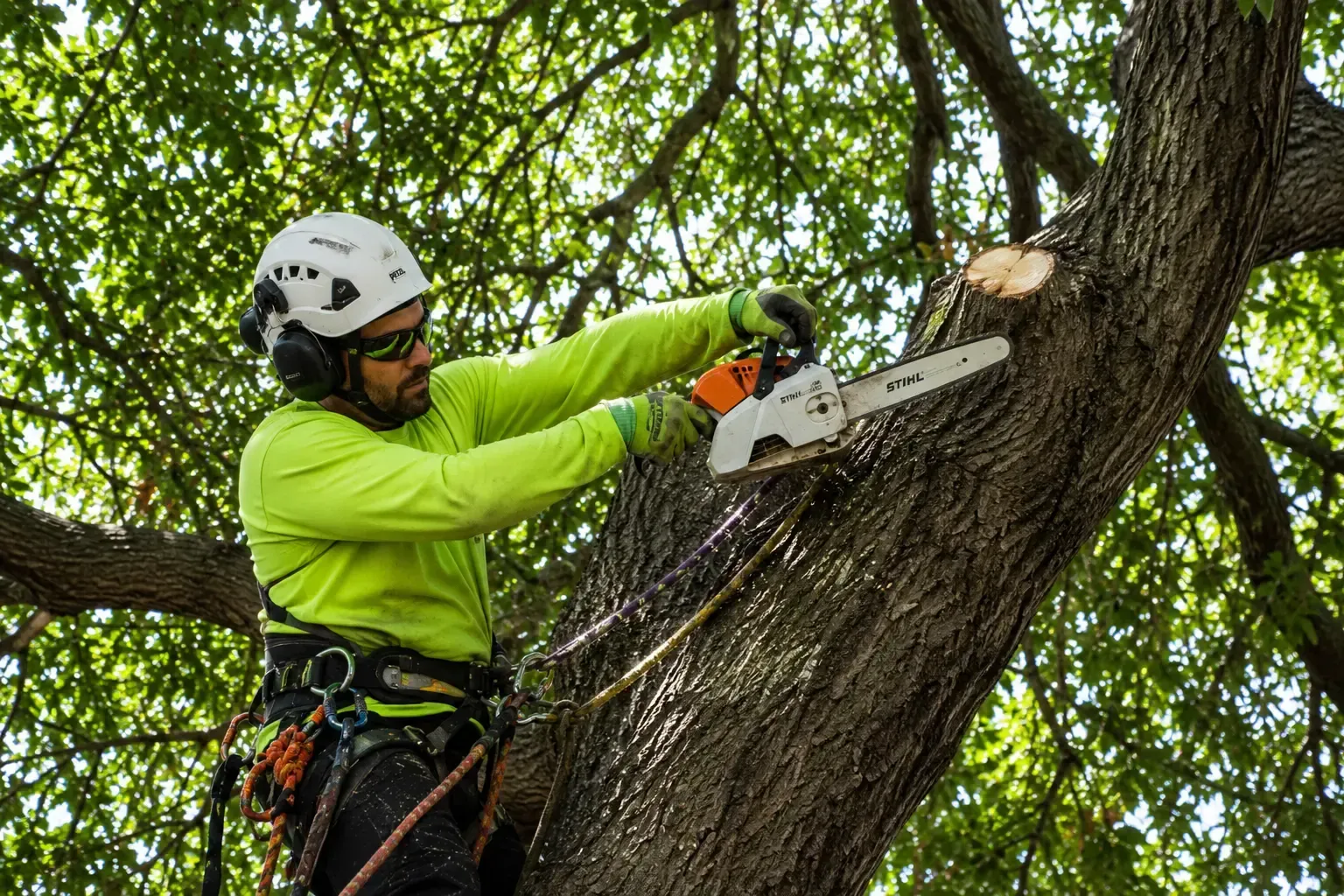
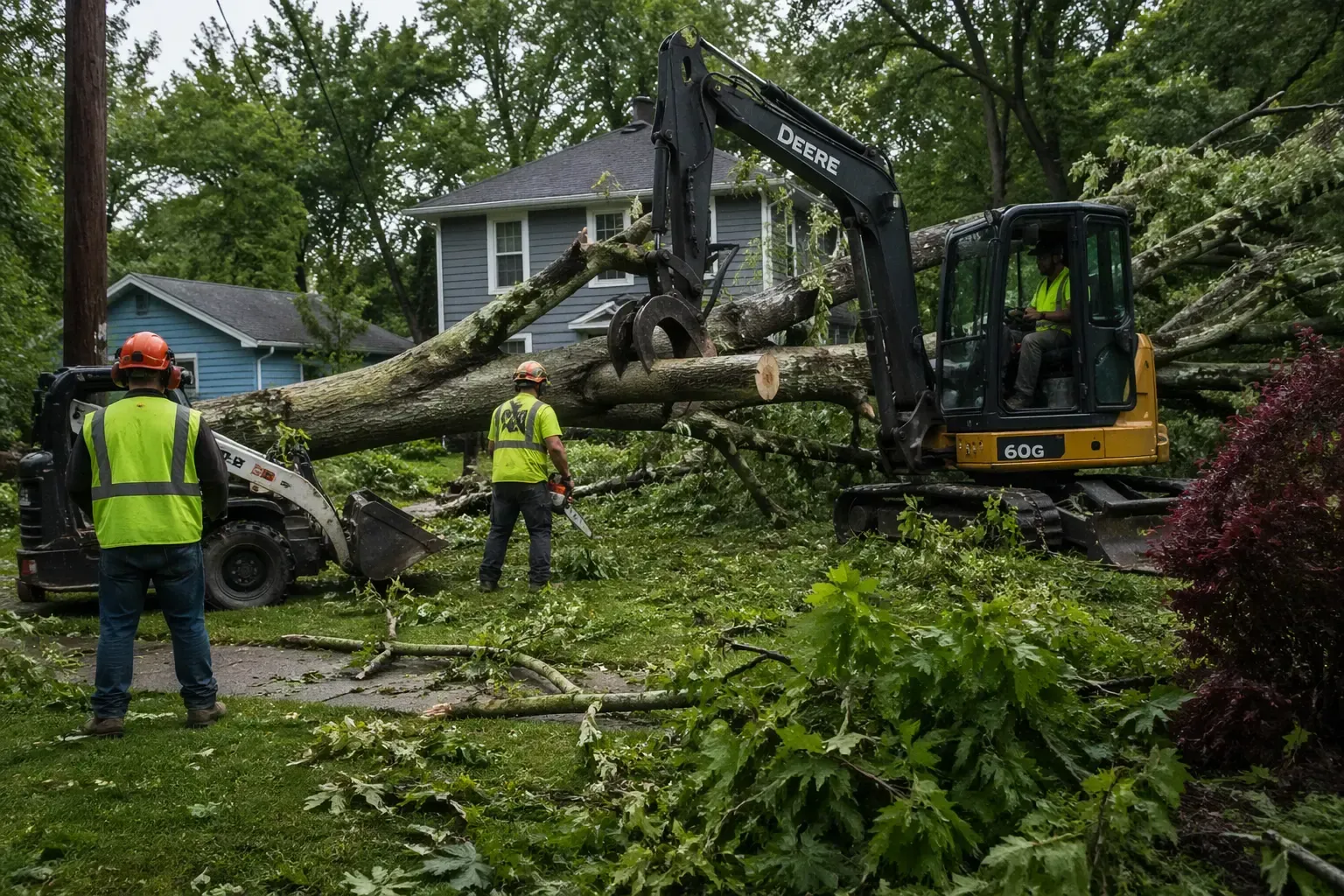
Professional crews utilize advanced rigging techniques, cranes, and heavy-duty cabling to safely lower massive sections of wood to the ground without impacting the home below. This meticulous approach guarantees that your landscaping, roof tiles, and hardscaping remain entirely untouched during the extraction process.
Comparing Preventive Maintenance Against Reactive Repairs
Understanding the financial disparity between proactive tree management and reactive property repair highlights the value of prompt intervention. Below is a detailed breakdown of common tree-related hazards and their associated financial impacts.
| Hazard Category | Associated Property Damage | Estimated Reactive Repair Cost | Proactive Solution Strategy |
|---|---|---|---|
| Subterranean Root Intrusion | Severed sewer lines and cracked plumbing pipes | $3,500 to $10,000+ | Strategic root pruning or complete removal |
| Canopy Overgrowth | Crushed roofing tiles and damaged rafters | $5,000 to $15,000 | Routine seasonal trimming |
| Foundation Encroachment | Slab cracking and structural shifting | $10,000 to $25,000+ | Tree removal and stump grinding |
| Deadwood and Decay | Vehicle damage or broken windows from fallen limbs | $2,000 to $8,000 | Hazard assessment and deadwood removal |
Airborne Hazards and Canopy Vulnerabilities
While roots attack from below, unmanaged canopies pose a severe threat from above. Trees with overly dense crowns act like massive sails during heavy wind events. El Monte and the surrounding regions occasionally experience strong, erratic wind gusts that test the physical limits of local vegetation.
When a canopy is too thick, the wind cannot pass through the foliage cleanly. Instead, it catches the entire crown, placing extreme stress on the main trunk and primary branch unions. If the tree has an undetected structural flaw or internal rot, these wind events will cause sudden and violent limb failure. A mature branch can easily weigh several hundred pounds. When a limb of that size falls onto a residential roof, it shatters tiles, snaps wooden support rafters, and instantly compromises the waterproof barrier of the home.
Routine tree trimming mitigates this risk by thinning out the canopy. This allows wind to pass through the branches safely, drastically reducing the sail effect. Proper trimming also removes crossing branches and heavy end-weight, rebalancing the tree so it can withstand severe weather patterns.
Navigating Property Insurance and Liability Concerns
Homeowners insurance policies are designed to protect your finances from unexpected disasters. However, the specific wording within these policies heavily relies on the concept of homeowner negligence. Property owners have a legal and contractual obligation to maintain their premises and prevent obvious hazards from causing damage.
If a healthy tree is suddenly struck by lightning and falls onto your roof, insurance providers typically classify this as an unavoidable act of nature and will cover the resulting damages. The situation changes drastically if the fallen tree was visibly dead, heavily diseased, or severely leaning for months prior to the incident. If an insurance adjuster determines that the homeowner ignored an obvious hazard, the claim for property damage can be entirely denied due to gross negligence.
This liability extends beyond your own property lines. If your dead tree falls onto a neighbor's house, crushes their vehicle, or damages city power lines, you could be held financially responsible for all the resulting destruction. Removing dead or dying trees promptly shifts this immense financial risk away from your shoulders. It protects your property value, keeps your insurance premiums stable, and ensures you remain in good standing with your coverage provider.
Recognizing When Immediate Intervention is Necessary
Property maintenance is usually a scheduled event, but nature is highly unpredictable. Heavy seasonal storms, sudden soil saturation from heavy rain, or severe pest infestations can turn a seemingly healthy tree into an immediate threat overnight.
Knowing how to spot an emergency situation is critical for the safety of your family and the preservation of your home. You should seek immediate professional assistance if you notice any of the following warning signs. The first indicator is sudden soil heaving. If the ground around the base of the trunk begins to lift or crack, the root system is actively failing and the tree is preparing to uproot entirely.
Another urgent warning sign is a loud cracking sound coming from the trunk, accompanied by deep, visible vertical splits in the wood. This indicates complete structural failure. In these highly volatile situations, you must keep all people and pets away from the drop zone and call for emergency tree removal immediately. Emergency crews possess the necessary equipment to stabilize a falling tree and dismantle it rapidly before gravity takes its toll on your home.
Protecting Your Real Estate Investment in El Monte
Your home is likely your most significant financial asset. Protecting that investment requires looking beyond the paint, the plumbing, and the interior upgrades. The landscape surrounding your house plays a massive role in the overall structural health of your property.
Ignoring a problematic tree will never resolve the issue. Roots will continue to grow, decay will continue to spread, and heavy branches will continue to weaken. By addressing these natural hazards head-on, El Monte property owners save thousands of dollars in avoidable repair bills. Partnering with dedicated local professionals ensures your property remains safe, visually appealing, and structurally secure for decades to come.
Frequently Asked Questions
How do I know if a tree is dangerously close to my foundation?
A general guideline is that large trees should be planted at least fifteen to twenty feet away from your home. If a mature tree is growing within five feet of your exterior walls, or if you notice unexplained cracks in your foundation slab or interior drywall, the roots may already be exerting pressure on your home. A professional inspection is highly recommended to assess the subterranean risk.
Will removing a large tree negatively impact my property value?
While healthy, well-placed trees add to curb appeal, dead, dying, or dangerous trees actively detract from your property value. Home buyers and property inspectors view hazardous trees as expensive liabilities. Removing a dangerous tree and replacing it with an appropriate, safe species will ultimately protect and enhance the total value of your real estate.
Does my homeowner's insurance cover the cost of preventive tree removal?
Standard homeowners insurance policies generally do not cover the cost of routine maintenance or preventive tree removal. Insurance is designed to cover sudden, accidental damage rather than ongoing property upkeep. However, paying out of pocket for proactive removal is vastly cheaper than paying the high deductibles and repairing the extensive structural damage caused by a fallen tree.
Can tree removal improve my home’s safety rating?
Yes. Removing hazardous or diseased trees reduces the risk of falling branches and storm damage. Insurance adjusters often view proactive removal as a responsible measure, which can help avoid claim disputes after severe weather.