Expert Tree Trimming in El Monte CA: Preserving Your Canopy Health
Southern California landscapes require specific care and attention to thrive under unique regional pressures. In El Monte CA, the local environment combines intense summer sunshine with occasional high-velocity winds. This creates distinct physical stress on your landscape. Maintaining a healthy property involves far more than just basic watering or occasional fertilization. It requires highly strategic pruning and continuous structural care.
At El monte tree, we deeply understand the precise horticultural needs of the San Gabriel Valley. Proper canopy management ensures your greenery remains safe, vibrant, and structurally sound year-round. Taking a proactive approach to landscape health protects your property value and enhances the natural beauty of your neighborhood.
The Core Benefits of Professional Tree Services
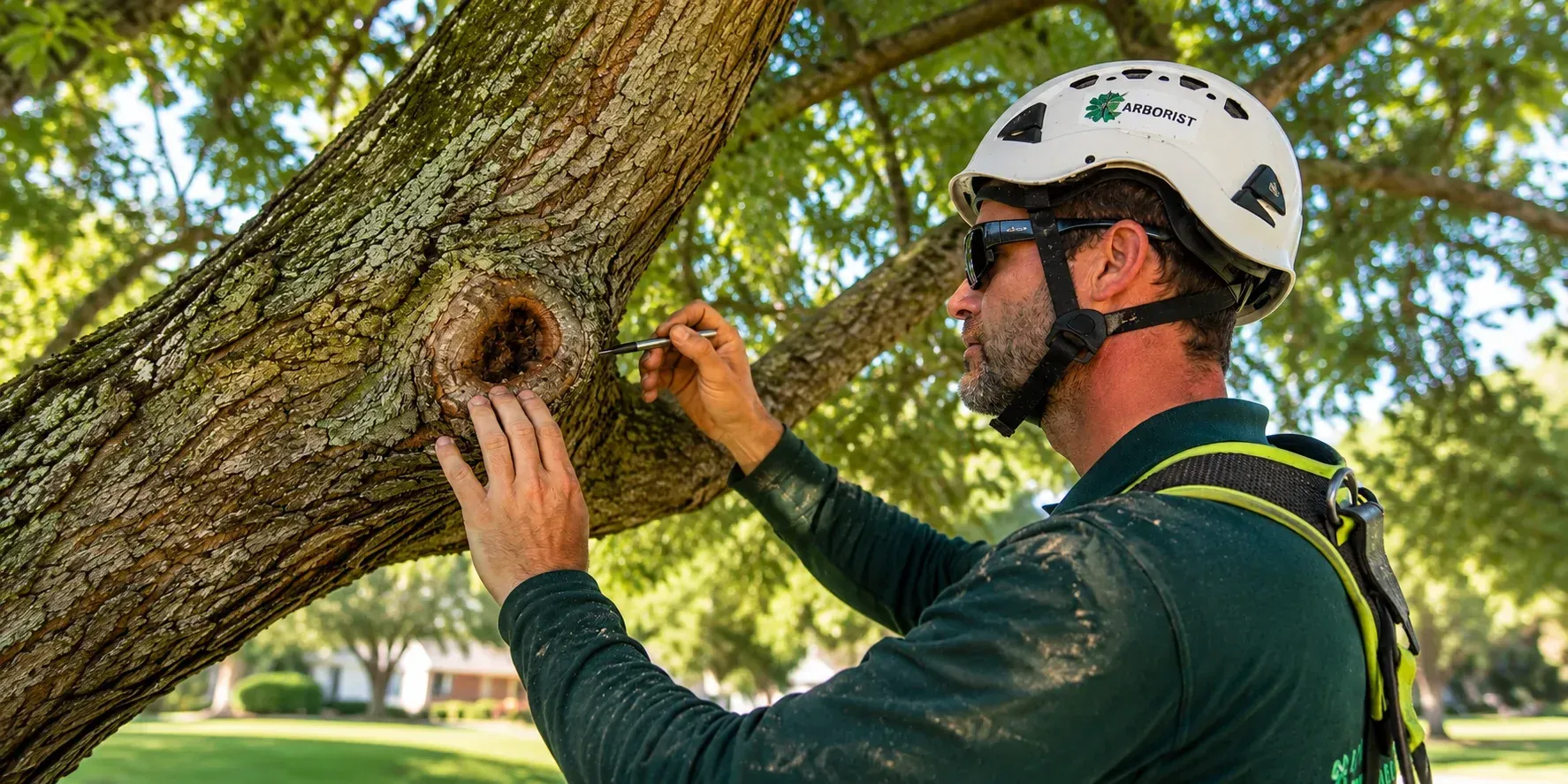
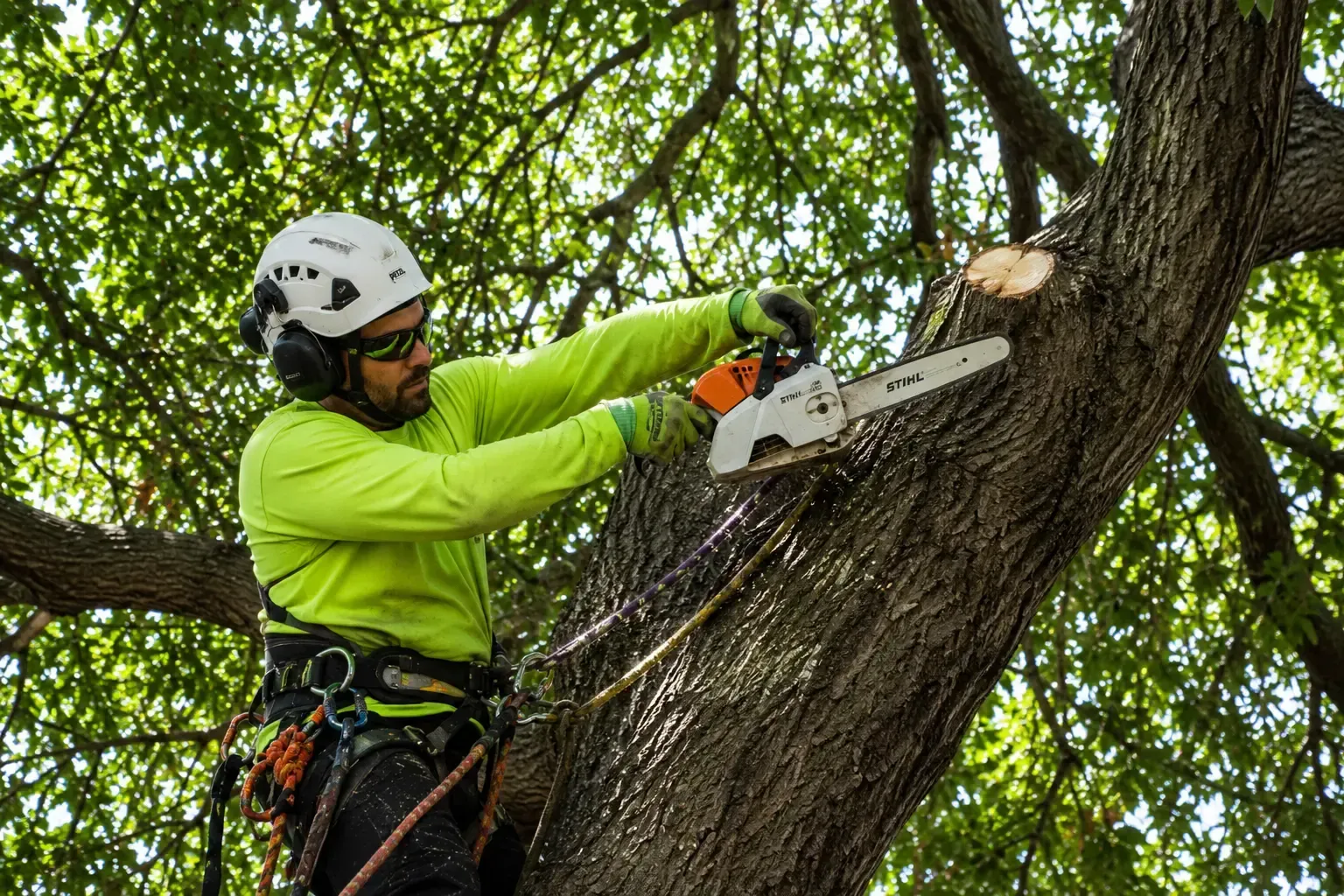
Neglecting overgrown branches inevitably leads to poor structural integrity. When you invest in comprehensive Tree Services, you are actively preventing future property hazards while promoting vigorous, healthy growth. Routine tree trimming systematically removes dead, dying, or diseased wood. This precise removal prevents harmful decay from spreading from an infected branch into the main trunk and the vulnerable root system below.
Furthermore, strategic pruning drastically improves air circulation and sunlight penetration throughout the canopy. Dense, overgrown canopies trap moisture and heat. This trapped moisture acts as a breeding ground for fungal infections that can devastate otherwise healthy specimens. By selectively thinning the crown, skilled arborists allow vital sunlight to reach the lower branches and the surrounding landscape plants.
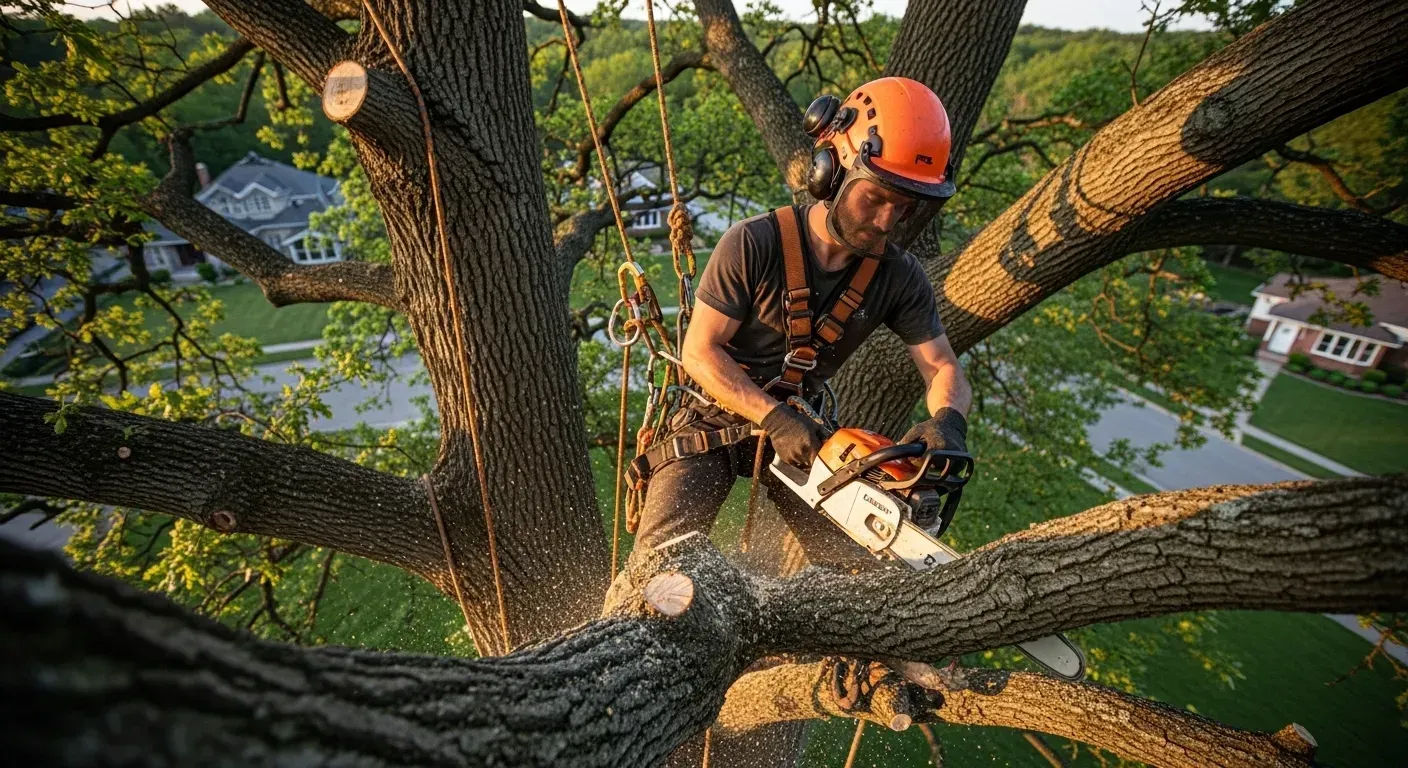
Proper pruning also encourages a stronger core structure. Young plants benefit immensely from corrective trimming, which establishes a dominant leader trunk and prevents co-dominant stems from splitting later in life.
Adapting to El Monte CA Weather Patterns
The local climate in El Monte dictates a highly specialized approach to yard maintenance. Long, dry summers followed by sudden, intense winter storms create a challenging cycle for local plant life. Flora often experiences rapid growth spurts during the brief rainy season. This rapid growth produces heavy, water-logged limbs that instantly become major liabilities when the notorious Santa Ana winds arrive.
Taking proactive steps before the windy season is essential for property owners. Heavy branches hanging directly over roofs, driveways, or power lines are prime candidates for mechanical failure. Engaging a local professional who thoroughly understands these specific environmental pressures guarantees that your property is completely prepared for unpredictable weather shifts.
Our team at El monte tree has spent years studying how the local soil composition and weather systems impact root stability and branch strength in our area. You can learn more about our extensive background and regional expertise on our about us page.
The Science of Proper Pruning Techniques
Every single cut made to a living plant alters its future growth pattern. Amateurs often make the severe mistake of "topping" a mature specimen. This heavily outdated practice involves indiscriminately cutting off the upper branches to reduce height. Topping physically starves the plant, ruins its natural architectural shape, and forces it to rapidly sprout weak, poorly attached shoots.
Proper maintenance always follows the natural architecture of the specific species. Cuts must be precisely made just outside the branch collar to allow the plant to properly heal itself and form protective callus tissue. Using sterilized, razor-sharp tools prevents the dangerous transmission of bacterial diseases between different plants in your yard.
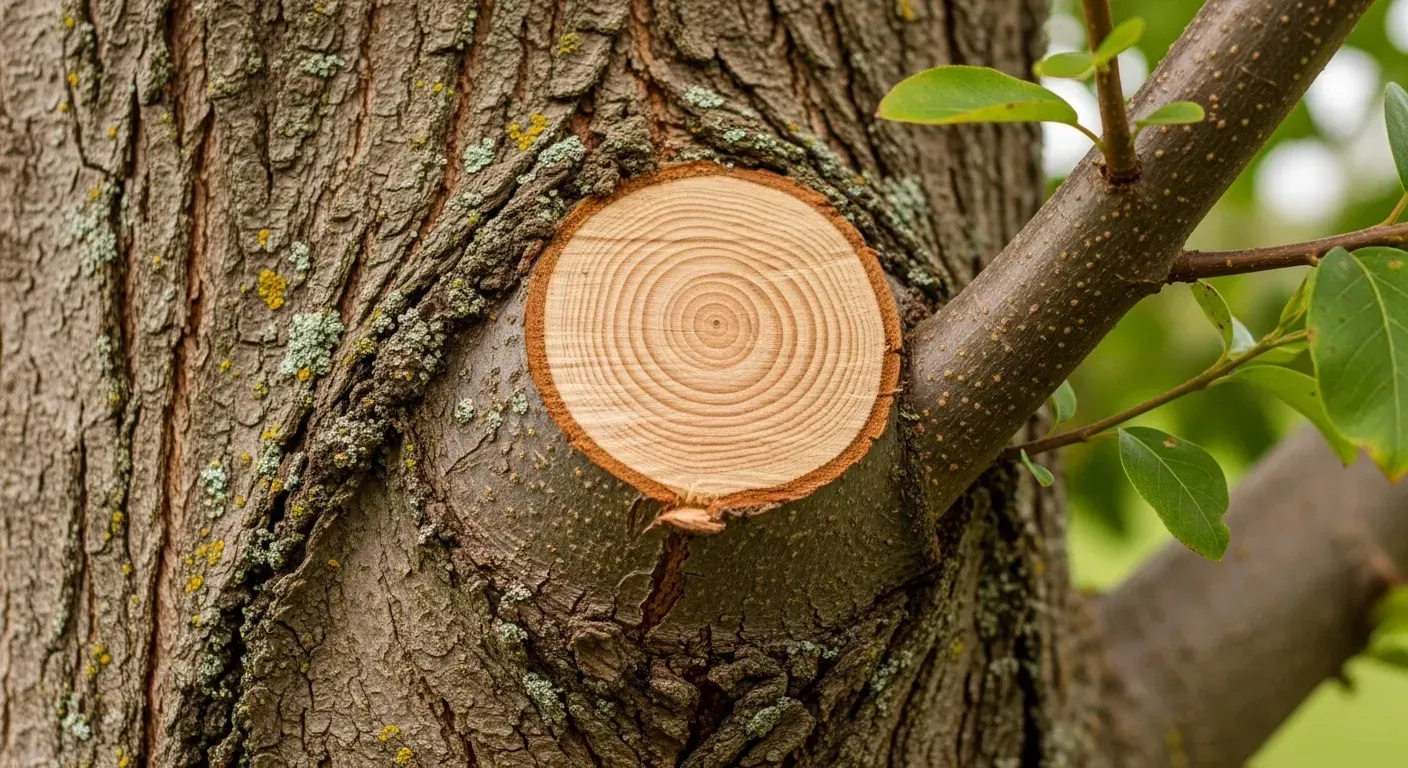
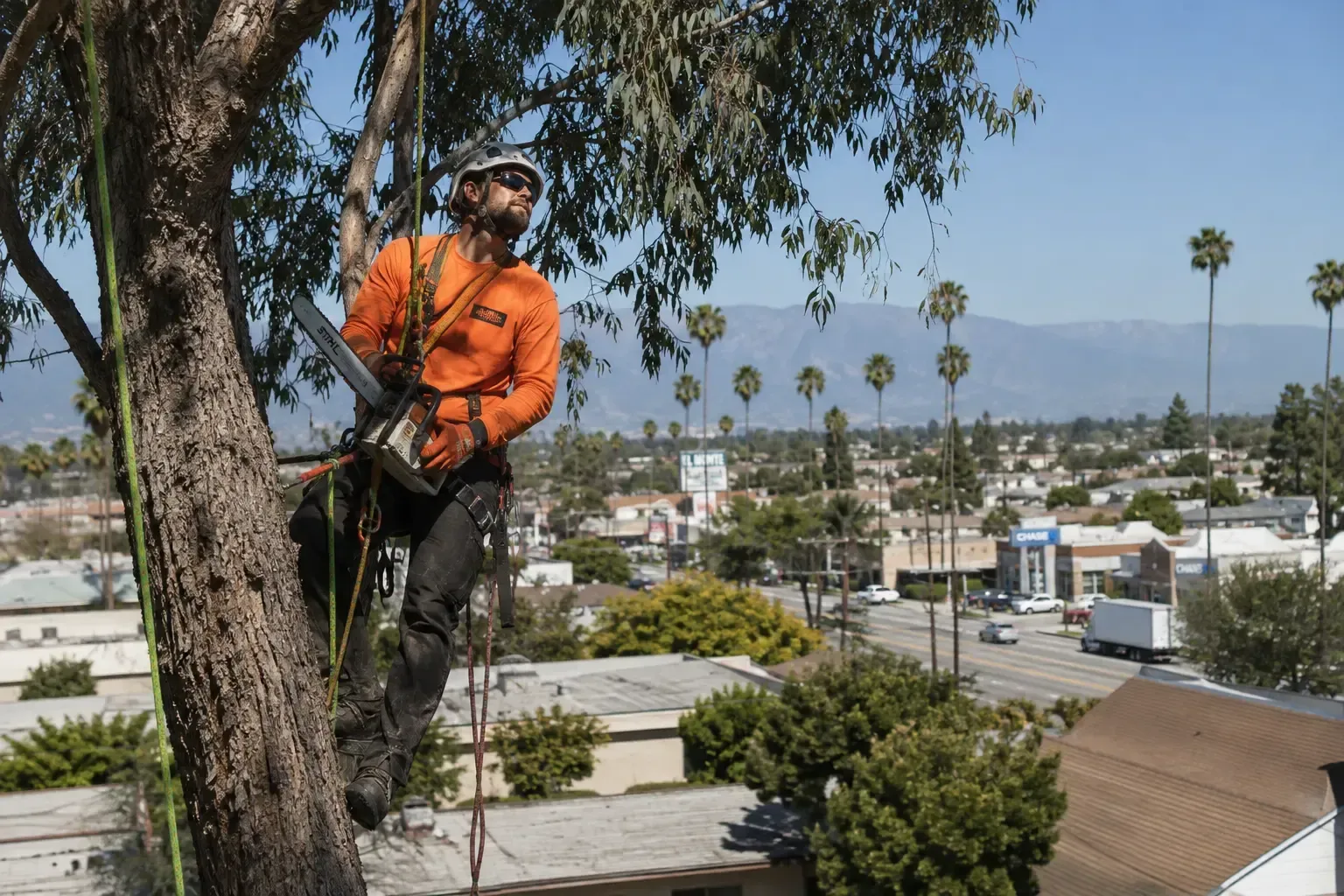
Different species require completely different techniques. Crown reduction decreases the overall size of the plant safely, while crown raising removes lower branches to provide clearance for pedestrians and vehicles. Professional arborists know exactly which technique to apply to achieve your aesthetic goals without compromising plant health.
When Trimming Turns into Tree Removal
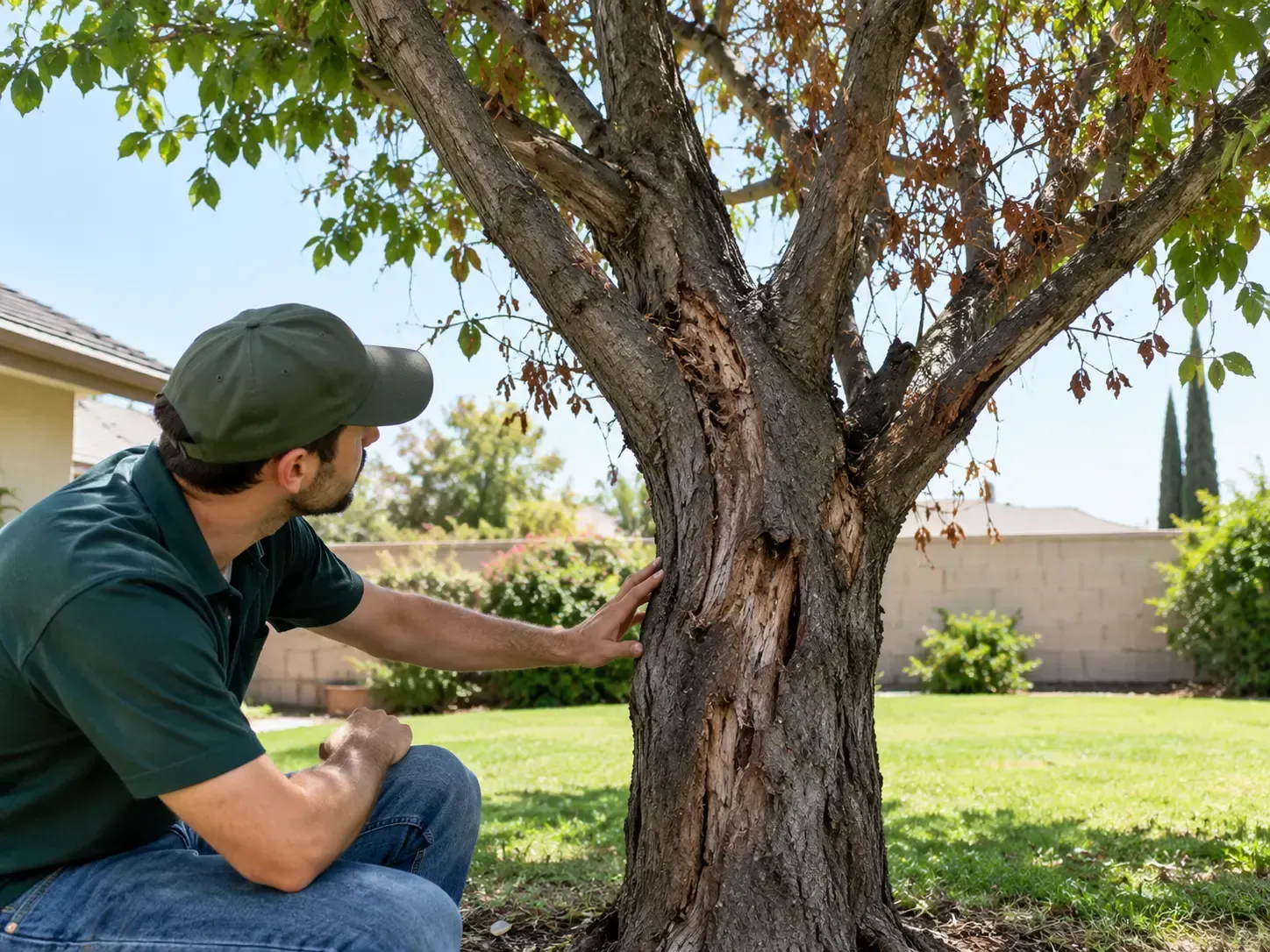
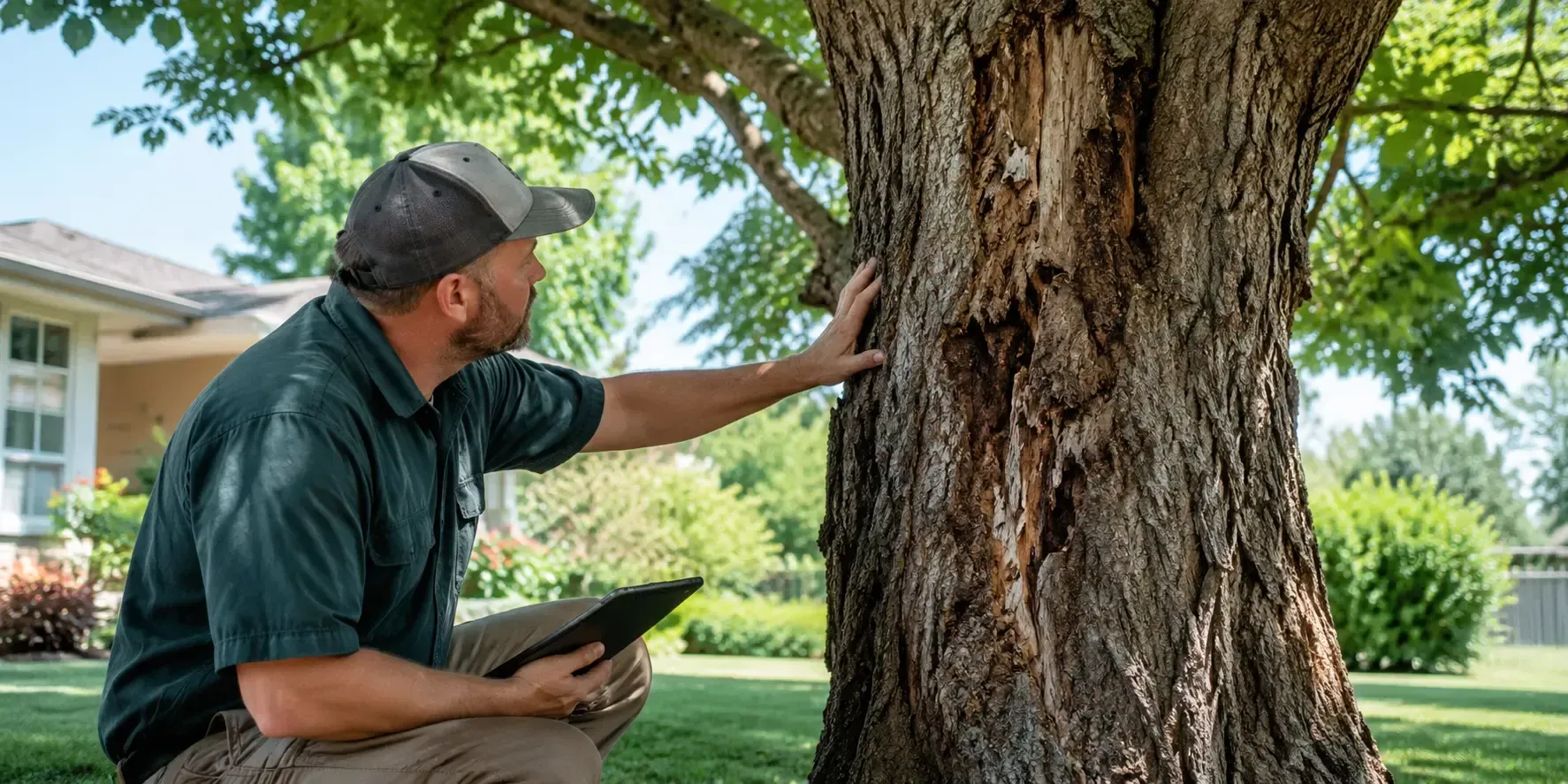
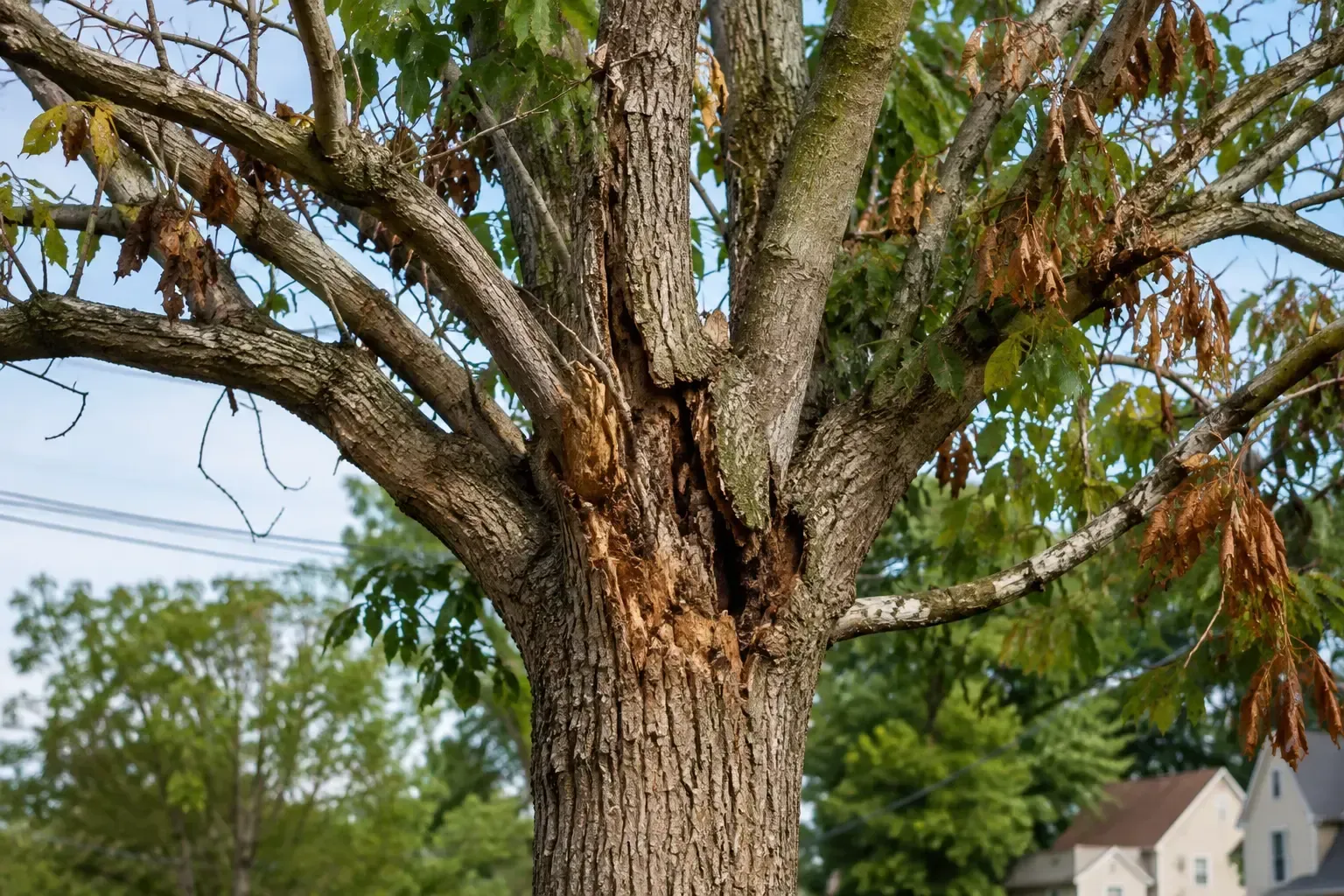
Sometimes, a specimen is simply too severely damaged, diseased, or unstable for a standard pruning session to save it. Recognizing the strict difference between a branch that needs a haircut and a trunk that poses an imminent threat requires an expert eye. Property owners should constantly look for deep vertical cracks in the main trunk, extensive fungal growth near the soil line, or a sudden and severe lean toward a structure.
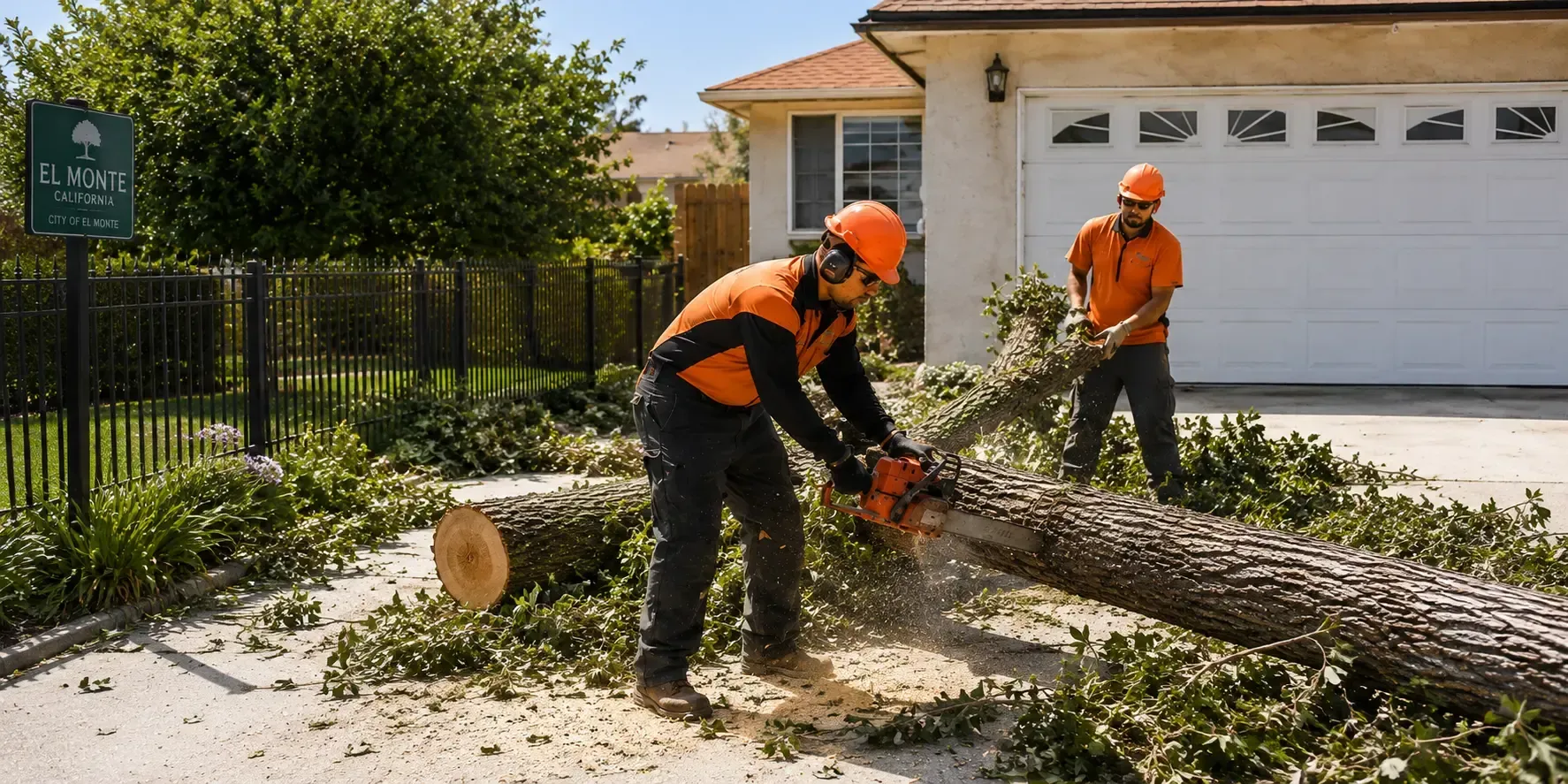
If you spot these visible warning signs, you might require complete tree removal. Leaving a dying specimen standing on your property invites destructive wood-boring insects and risks catastrophic failure during the next storm. We have extensively detailed the financial and safety risks of ignoring dead timber in our previous discussion on how tree removal protects your home from costly property repairs.
Managing Sudden Storm Damage and Canopy Hazards
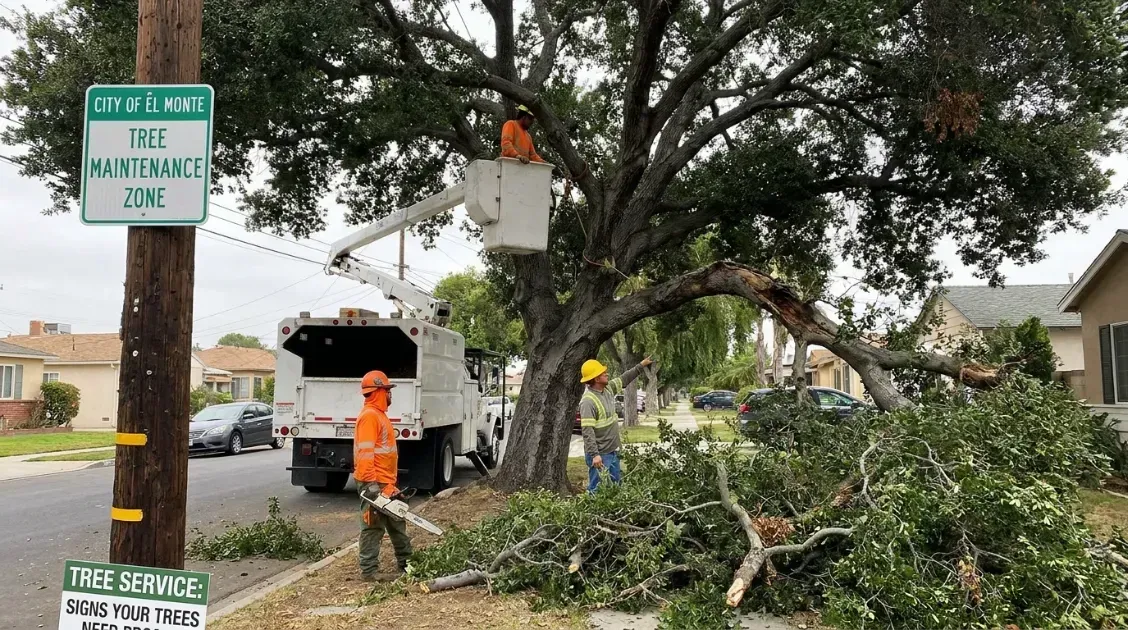
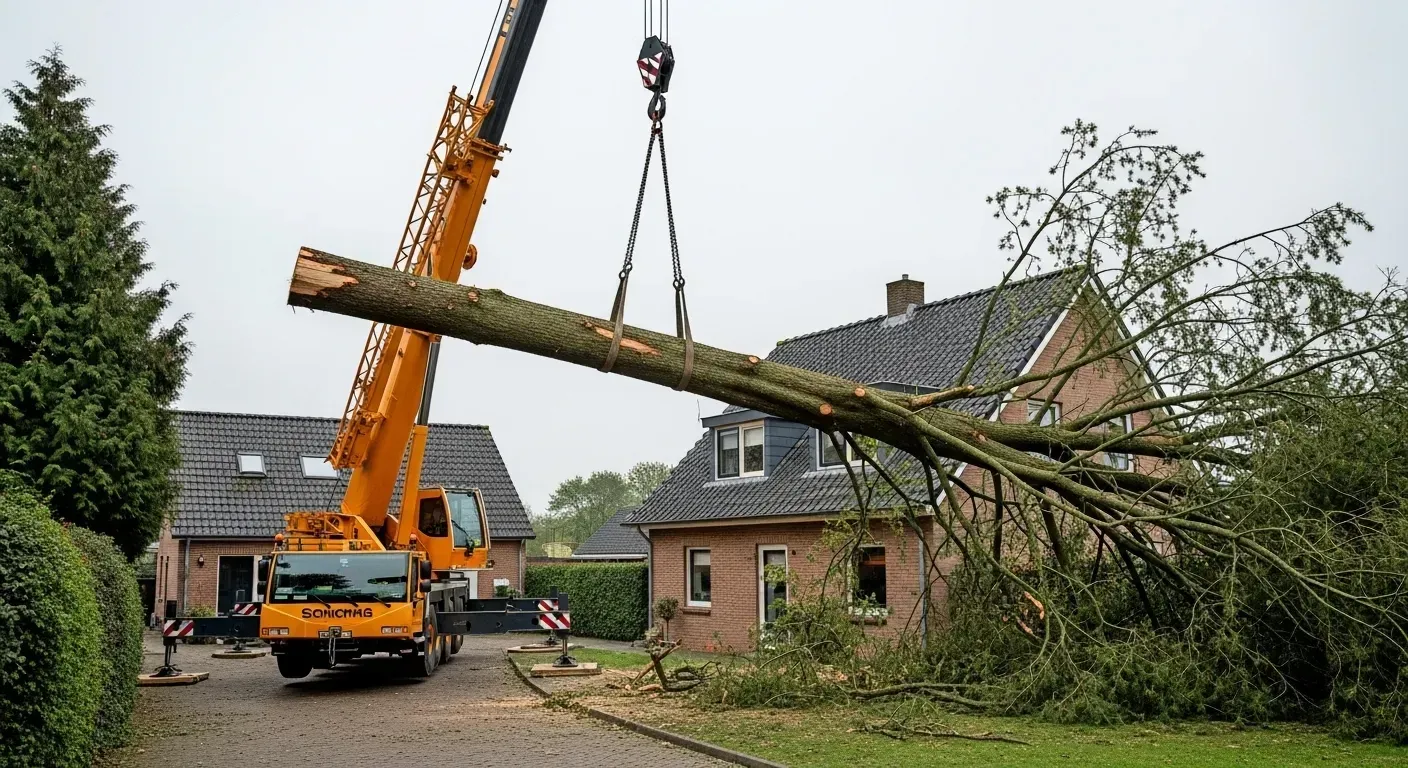
Even with the most meticulous and consistent maintenance schedule, sudden emergencies happen. A severe localized storm or an unexpected shifting of saturated soil can completely uproot an otherwise healthy oak or pine. When massive, heavy limbs block your driveway or crash onto a residential structure, immediate professional action is required.
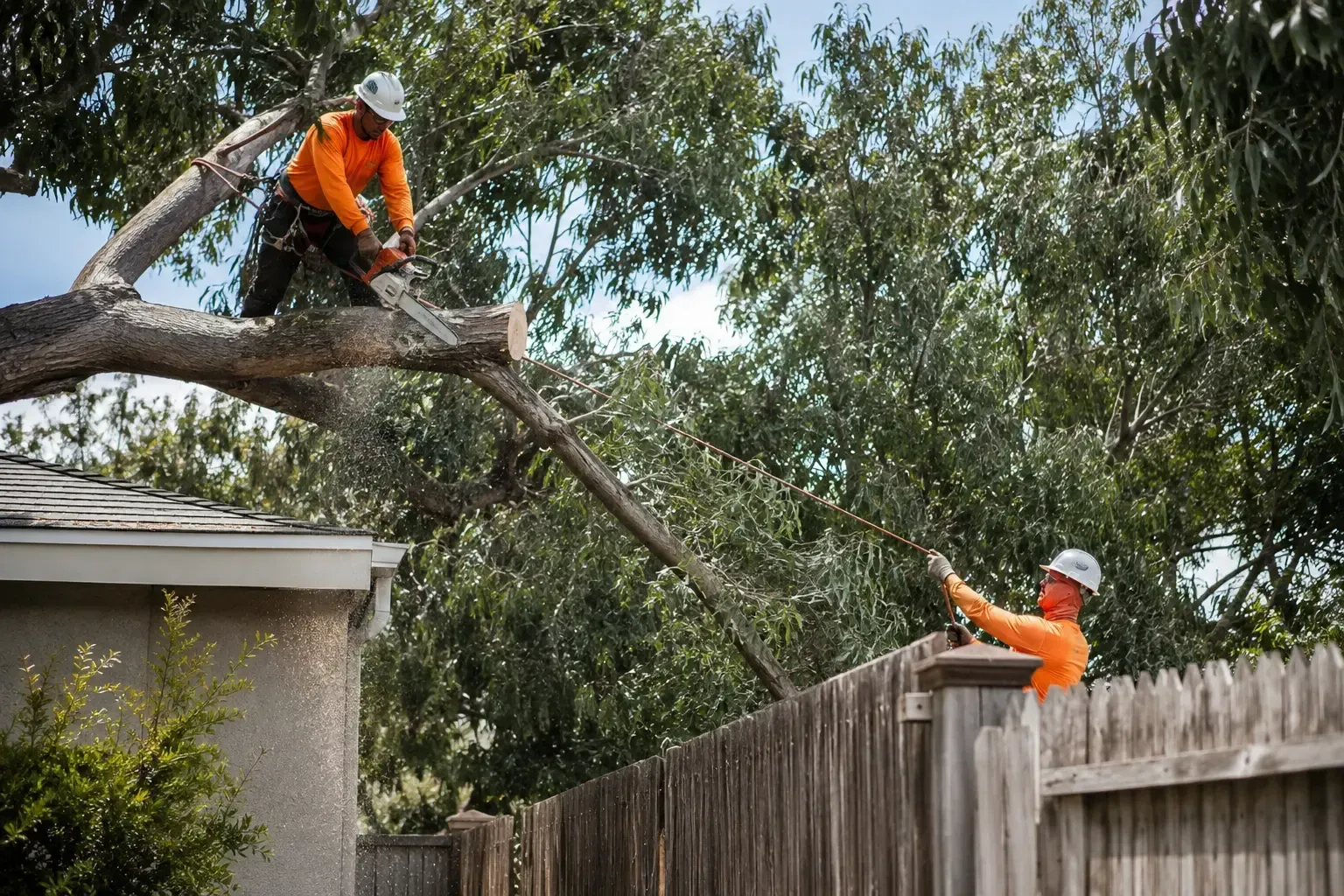
In these high-stress situations, a rapid response directly prevents further structural damage and water intrusion. Professional emergency tree removal involves specialized heavy cranes and advanced rigging techniques. This allows crews to safely lift heavy wood off delicate roofs or dangerous power lines without causing a single inch of additional harm. Attempting to clear massive fallen limbs yourself is extremely dangerous and frequently leads to severe physical injury.
Creating a Long-Term Maintenance Plan
True landscape health is an ongoing, continuous process rather than a one-time event. A responsible property owner should closely evaluate their canopy at least twice a single year. Late winter is universally considered an excellent time for structural pruning because the leaves are entirely gone. This bare state reveals the true underlying architecture of the branches. Summer visual inspections help easily identify dead wood that failed to leaf out during the spring flush.
Partnering with El monte tree means developing a carefully customized care schedule tailored to your exact plant varieties. Some fast-growing ornamental species require annual thinning to maintain their shape. Conversely, slower-growing native oaks might only need highly selective thinning every three to five years.
We completely take the stressful guesswork out of complex yard care. We handle the heavy lifting, the safe debris removal, and the long-term health monitoring. If you are ready to schedule a comprehensive physical assessment of your property, please reach out to our local team directly through our contact us page.
Frequently Asked Questions
What is the best time of year to trim trees in El Monte CA?
The ideal time largely depends on the specific species on your property. However, late winter or early spring is generally considered the best time for structural pruning. The plant is dormant, which minimizes sap loss and heavily reduces the risk of insect infestation at the precise site of the fresh cut.
How do I know if my branches are close enough to power lines to be dangerous?
If any branch is within ten feet of a main utility line, it poses a severe electrical hazard and a fire risk. You should never attempt to trim foliage near power lines yourself. Always hire certified professionals who possess the required safety training and insulated equipment to manage utility line clearance safely.
Will regular pruning help my yard survive a local drought?
Yes, strategic thinning absolutely helps conserve vital water resources. By removing dead, dying, or completely unnecessary branches, the root system has a smaller total canopy to support. This redirects the limited water supply to the most essential, healthy parts of the plant during severe periods of low rainfall.