Certified Arborist vs. Regular Tree Worker: What’s the Difference?
When the trees on your property need attention, you might think that any tree service professional can handle the job. However, there's a significant difference between a regular tree worker and a certified arborist, and choosing the right expert can impact the health, safety, and beauty of your trees for years to come. Understanding the distinction in the arborist vs. tree worker debate is crucial for any property owner.
Here at El Monte Tree Service, we believe in providing the highest level of professional tree care, which starts with education. Let's explore the key differences and why hiring a certified arborist is a smart investment for your landscape.
What is a Tree Worker?
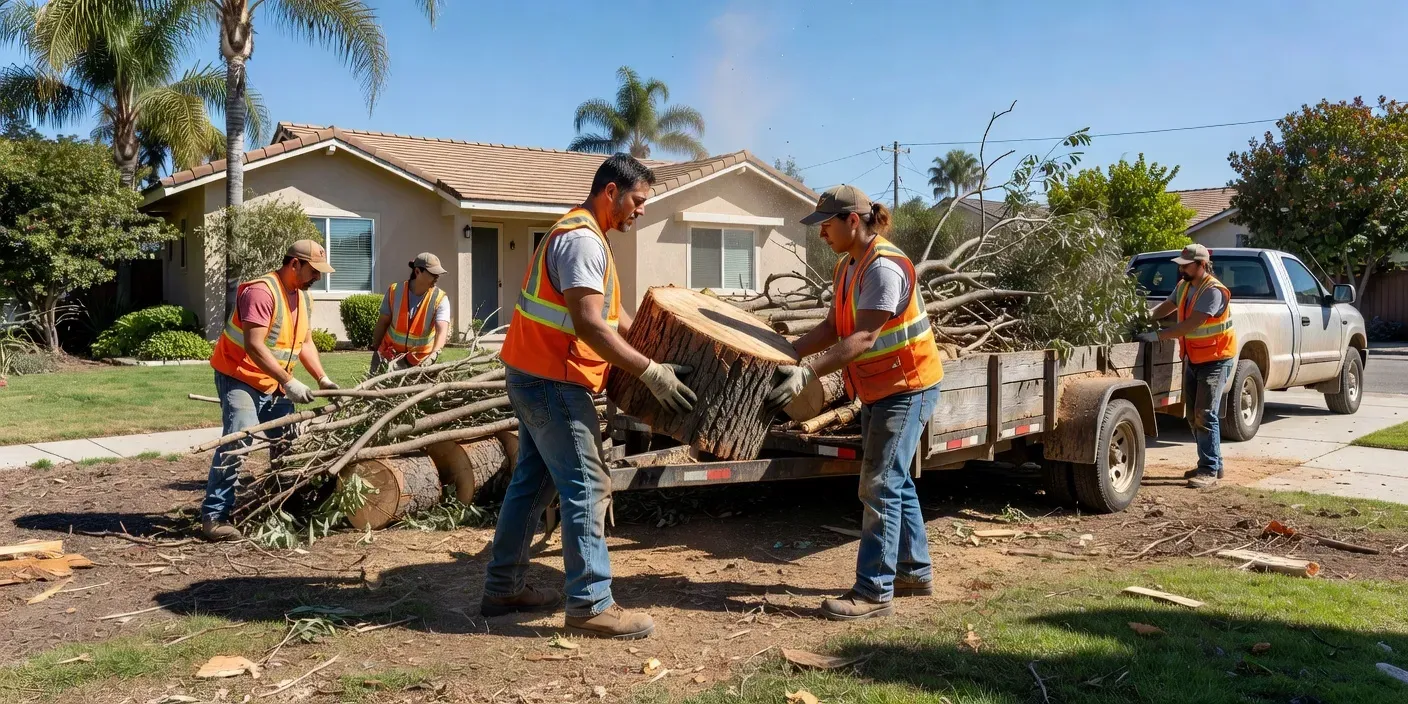
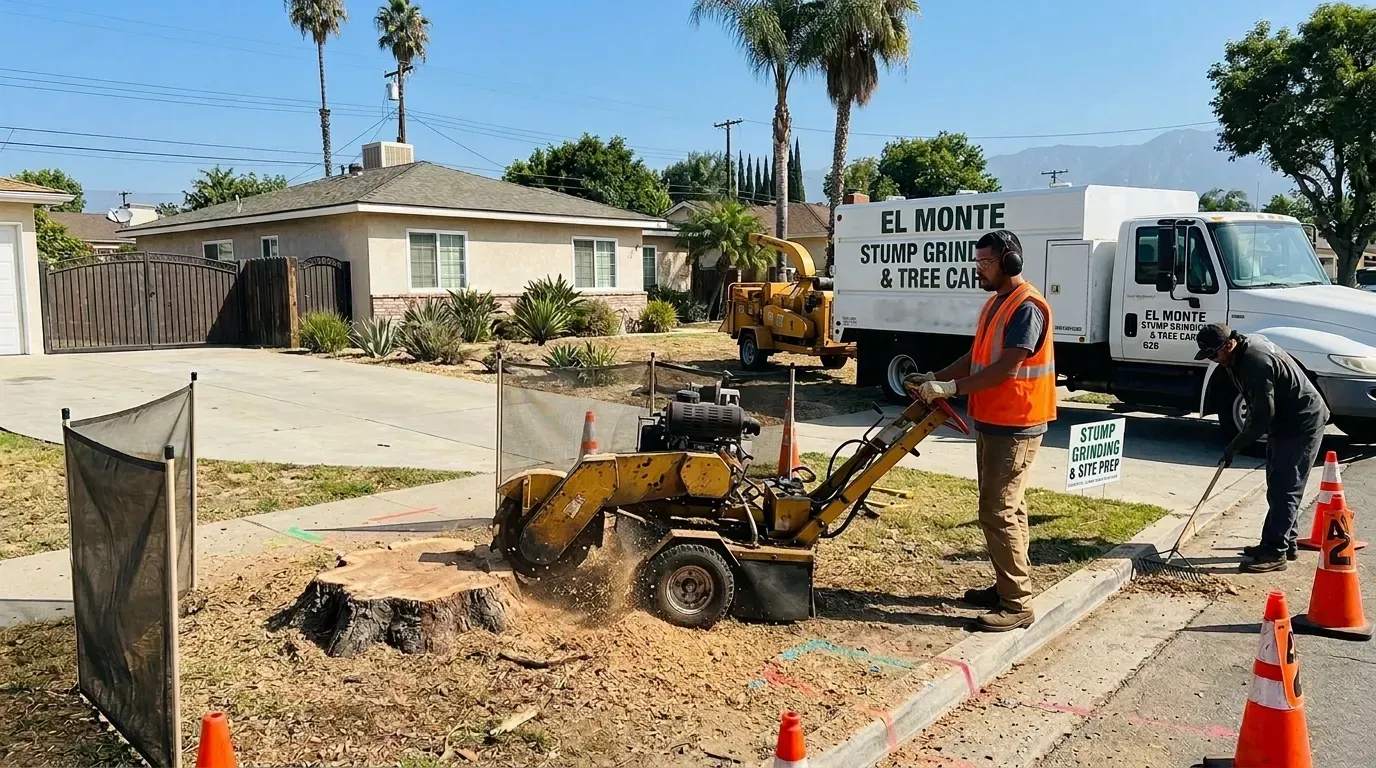
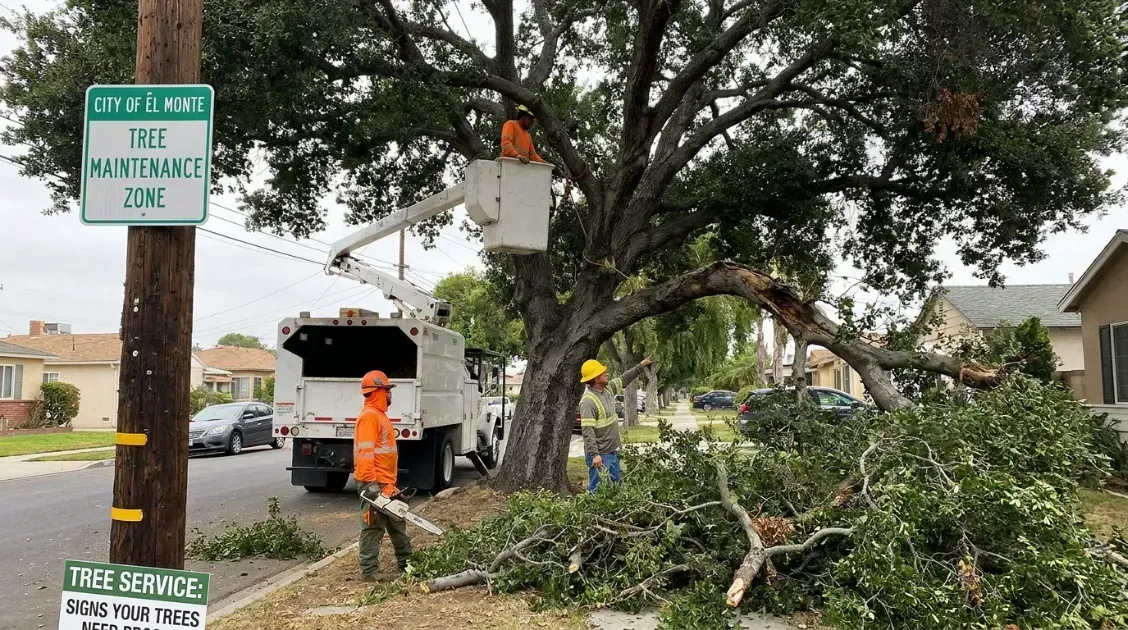
A tree worker, sometimes called a tree trimmer or tree cutter, is an individual who performs the physical labor involved in tree care. Their work often includes tasks like:
- Cutting down trees
- Trimming branches
- Operating equipment like chainsaws and wood chippers
- Clearing away debris
While many tree workers are skilled and experienced in the physical aspects of the job, they may not have formal education in the science of tree health. Their training is often focused on the "how-to" of tree removal and trimming, but not necessarily the "why" or "when" from a biological perspective.
What Makes a Certified Arborist Different?
A certified arborist is a tree service expert who has achieved a professional benchmark of knowledge and experience in arboriculture, the study of trees. To become certified, an individual must typically have a minimum of three years of full-time experience in the industry and pass a comprehensive exam administered by the International Society of Arboriculture (ISA). This exam covers a wide range of topics, including:
- Tree Biology and Physiology
- Soil Science
- Pest and Disease Diagnosis
- Proper Pruning Techniques
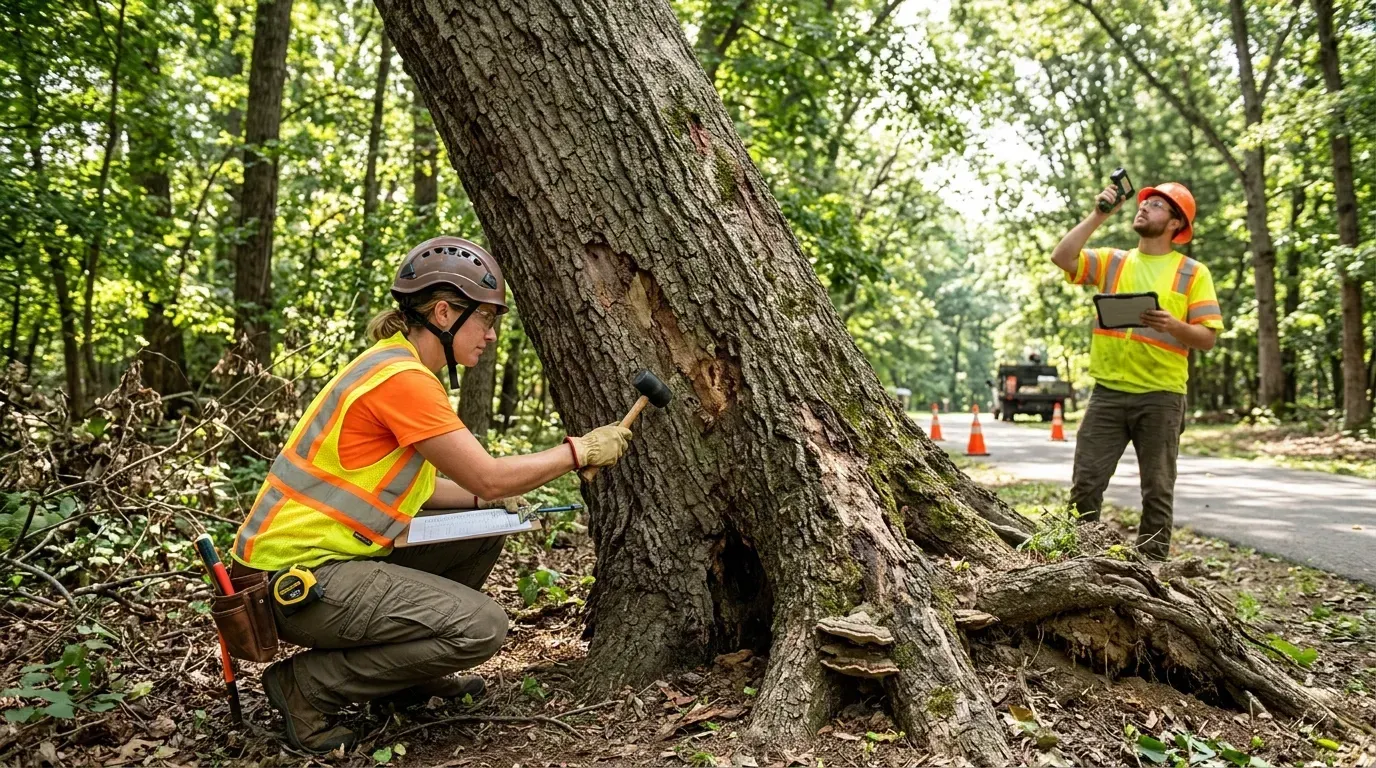
- Tree Risk Assessment
- Safe Work Practices
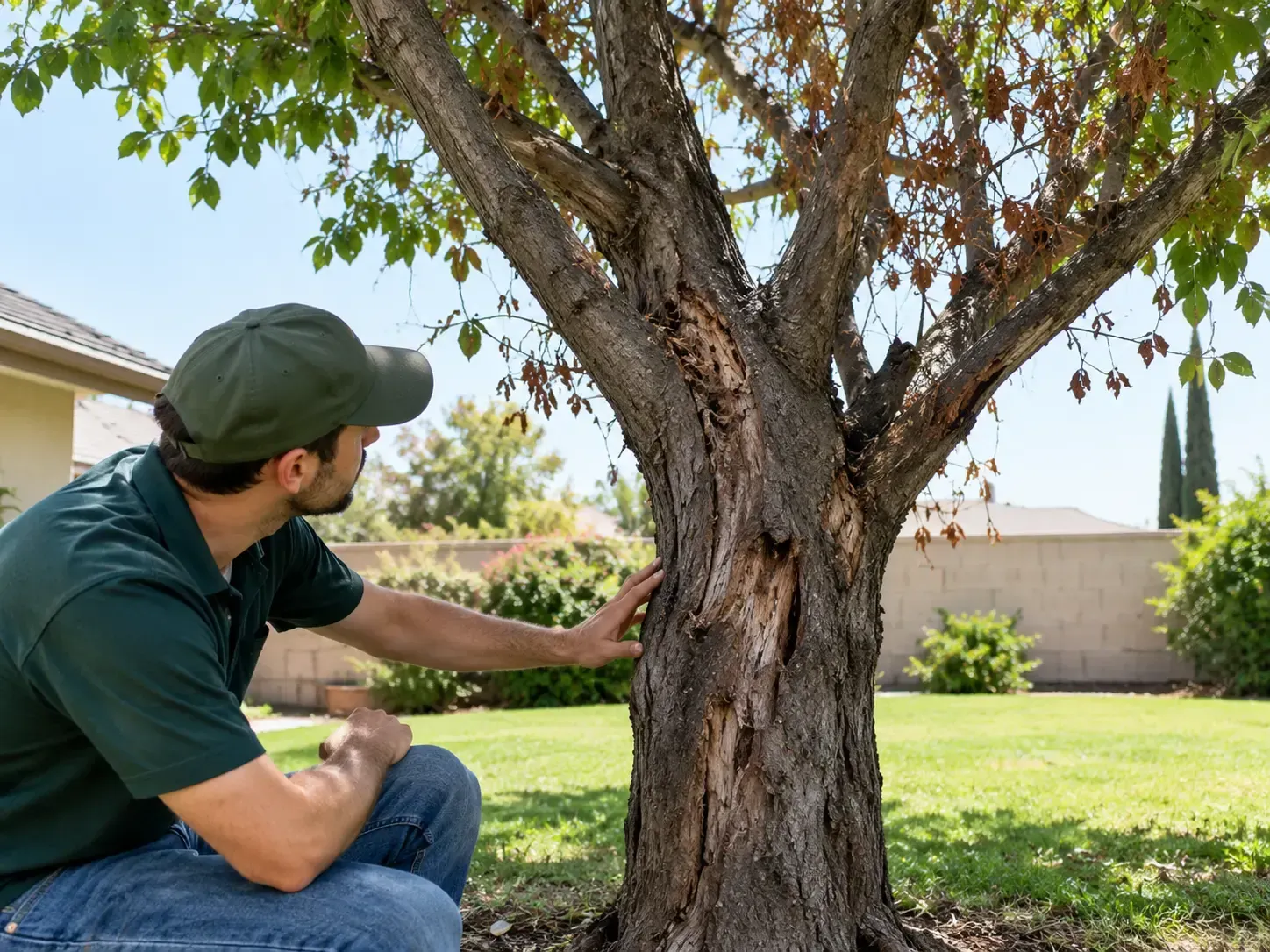
Think of a certified arborist as a doctor for your trees. They don't just see a tree that needs to be trimmed; they see a complex living organism and understand how to care for it properly to ensure its long-term health and stability. Furthermore, ISA Certified Arborists must maintain their credential through continuing education, ensuring they are up-to-date on the latest research and techniques in professional tree care.
Key Differences at a Glance: Arborist vs. Tree Worker
| Attribute | Certified Arborist | Regular Tree Worker |
|---|---|---|
| Training & Education | Formal training, comprehensive exam, and continuing education required. | Primarily on-the-job training; no formal certification required. |
| Scope of Work | Holistic tree health, diagnosis, risk assessment, preservation plans, and advanced pruning. | Focused on physical tasks like cutting, trimming, and removal. |
| Knowledge Base | In-depth understanding of tree biology, soil science, and pest/disease management. | Knowledge is often based on experience rather than formal study. |
| Tree Care Safety | Trained in and adheres to industry safety standards like the ANSI Z133. | Safety practices can vary and may not be standardized |
Why You Should Hire an Arborist for Professional Tree Care
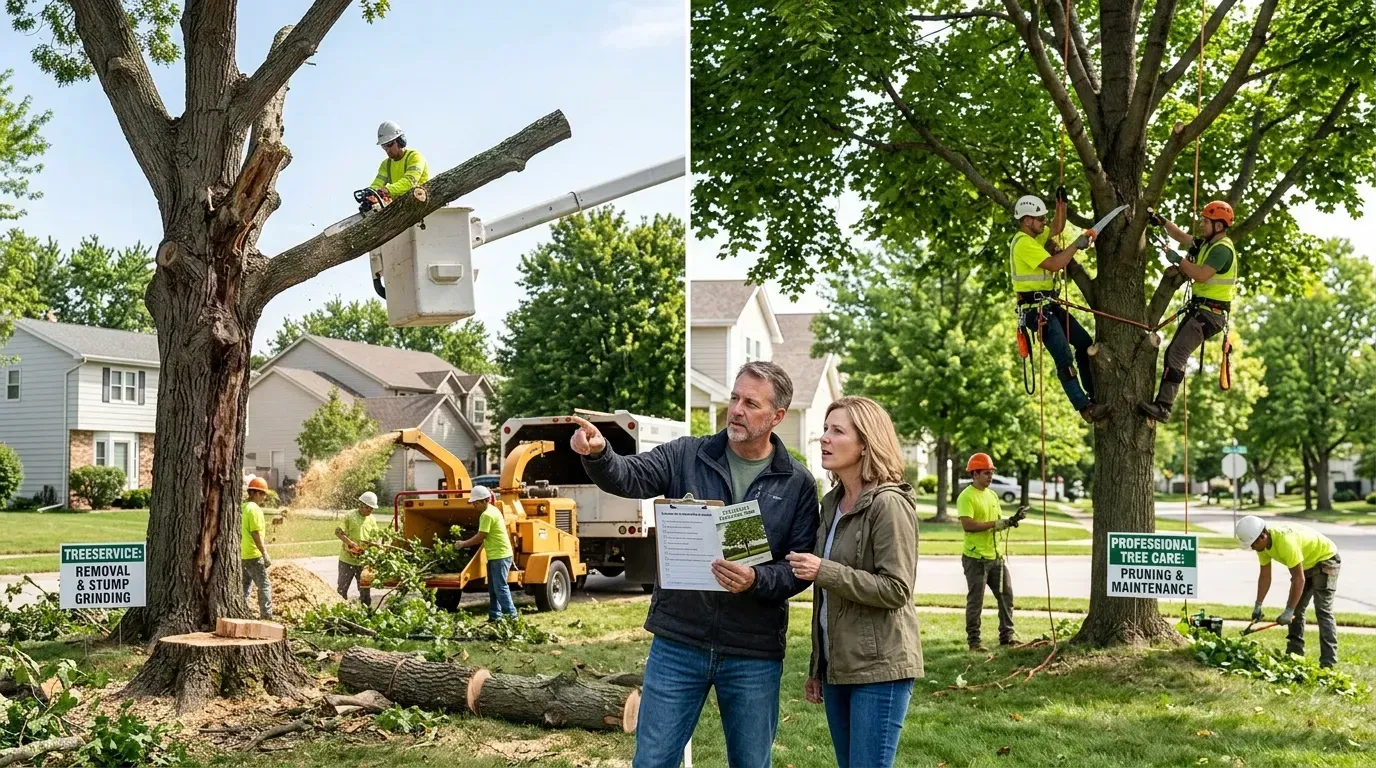
While a tree worker might be suitable for simple, straightforward jobs, there are many situations where the expertise of a certified arborist is essential.
- Diagnosing Problems: If your tree looks sick, has discolored leaves, or shows signs of pest infestation, a certified arborist can accurately diagnose the issue and recommend a treatment plan. This can often save a tree that might otherwise be unnecessarily removed.
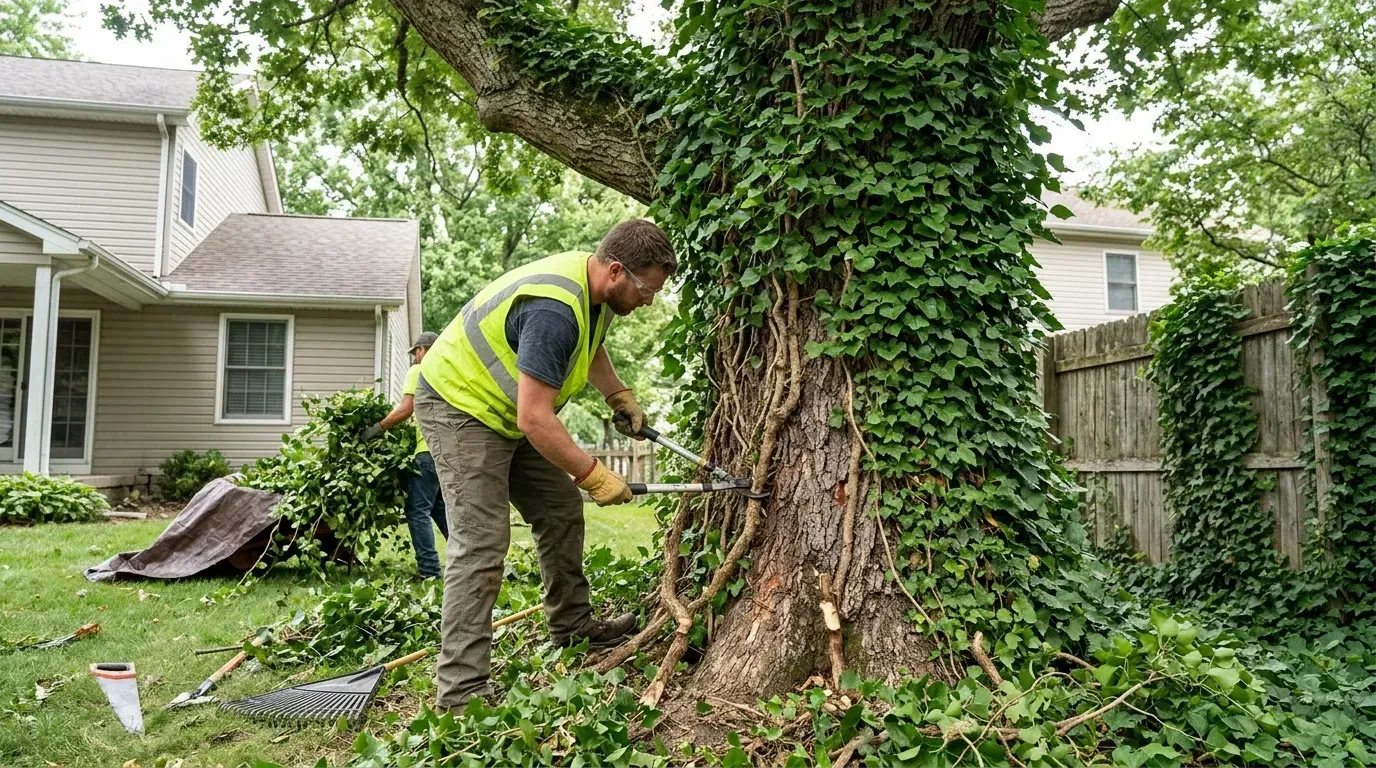
- Proper Pruning: There is an art and science to pruning. Improper cuts can harm a tree, making it vulnerable to disease and decay. A certified arborist knows how to make the right cuts to improve a tree's structure, health, and appearance.
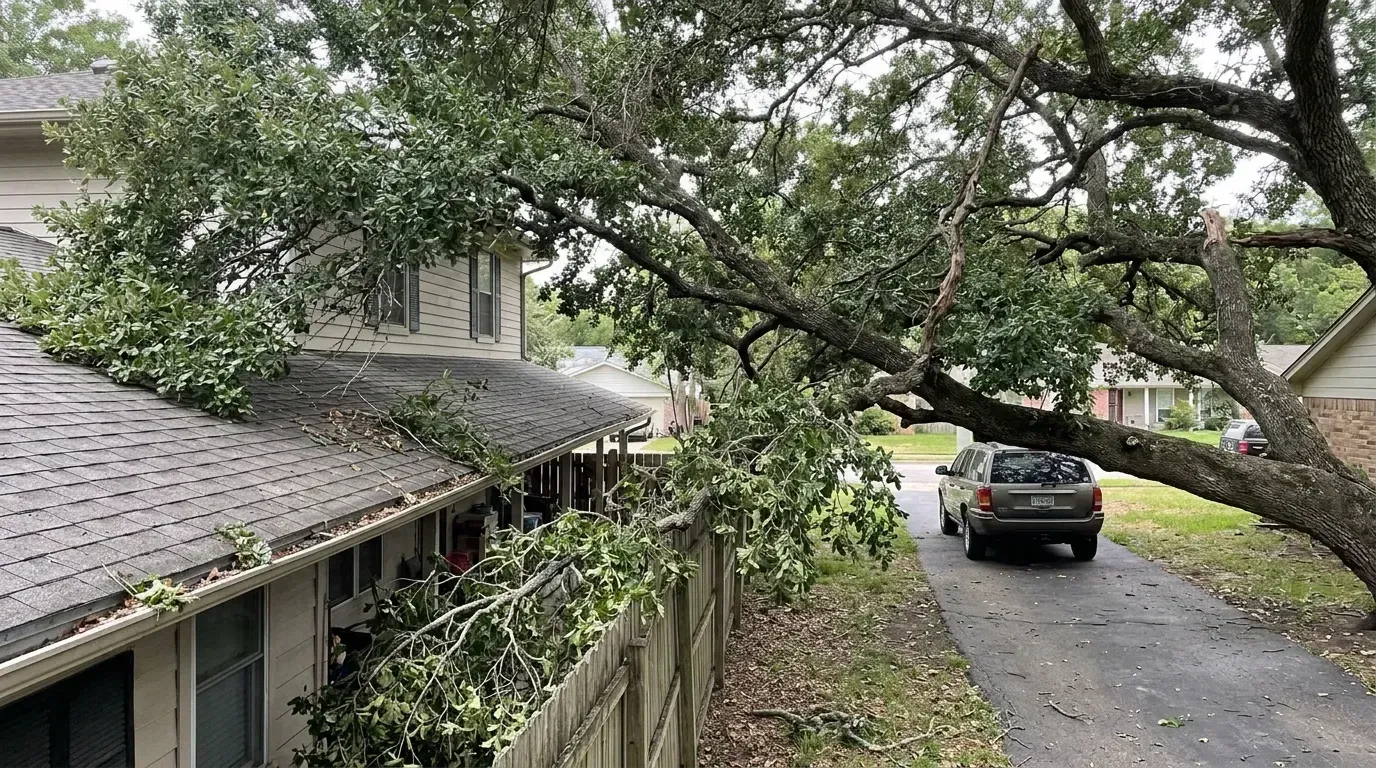
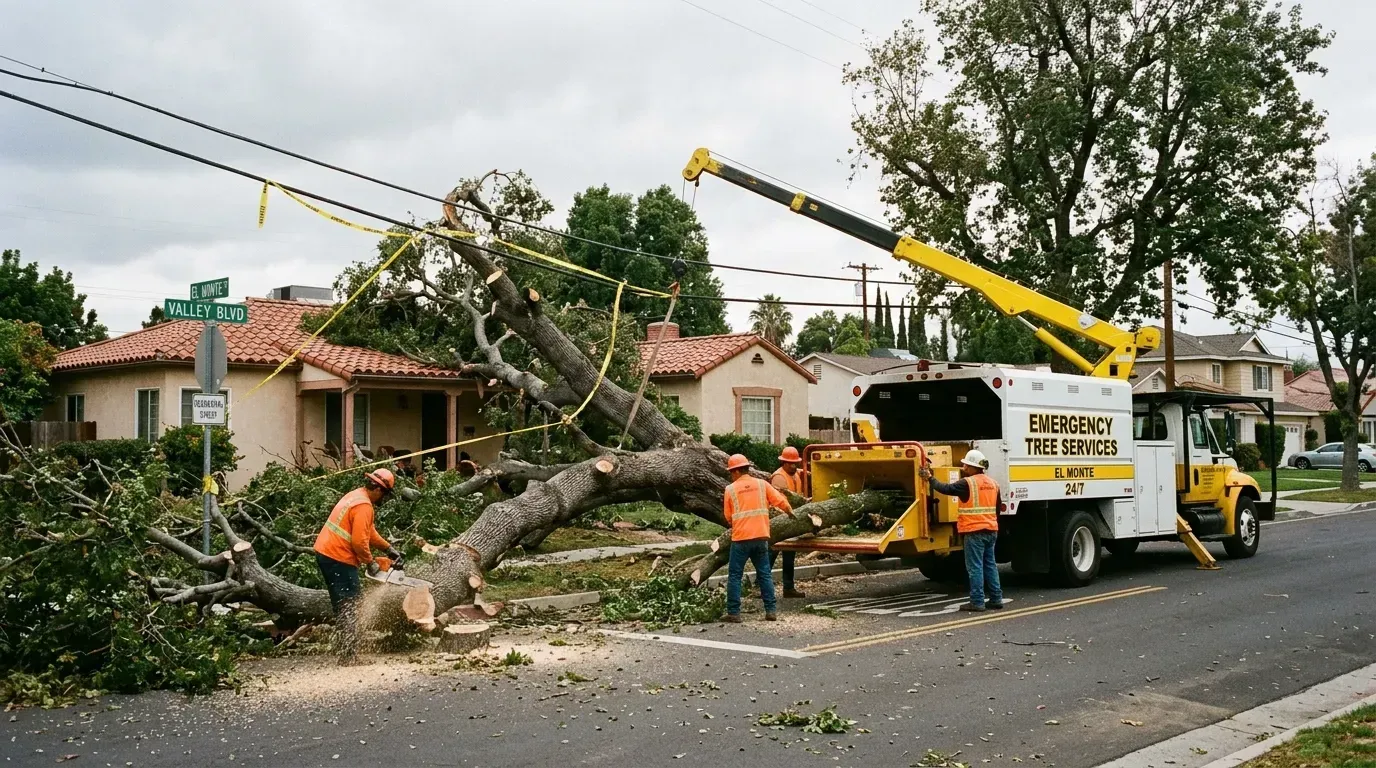
- Risk Assessment and Tree Care Safety: Is that large branch hanging over your roof a hazard? A certified arborist is trained to assess a tree's structural integrity and identify potential risks to people and property, which is a critical component of tree care safety.
- Long-Term Tree Health: When you hire an arborist, you're investing in the long-term vitality of your trees. They can provide guidance on everything from proper watering and fertilization to selecting the right tree for the right location, ensuring your landscape thrives for years to come.
Your Trusted Tree Service Expert in El Monte
When it comes to your trees, knowledge matters. The difference between a certified arborist and a tree worker lies in the depth of their expertise and their commitment to the health and science of trees. For tasks that require more than just a chainsaw—like diagnosing diseases, performing delicate pruning, or assessing potential hazards—it’s always best to hire an arborist.
At El Monte Tree Service, our team includes knowledgeable professionals dedicated to the best practices in arboriculture. We provide expert care to ensure your trees are not just maintained, but truly nurtured. If you're looking for professional tree care from a team you can trust, give us a call. Contact El Monte Tree Service today for a consultation at (626) 654-3698!
FREQUENTLY ASKED QUESTIONS:
Is a certified arborist more expensive to hire?
While the initial cost may sometimes be higher, hiring a certified arborist can save you money in the long run. Their expertise can prevent costly damage from improper pruning, save a valuable tree from removal, and help you avoid property damage by identifying hazards early. It's an investment in professional tree care that pays off.
When should I definitely call a certified arborist instead of a general tree service?
You should always prioritize a certified arborist when your tree appears sick or damaged, when you need pruning for a large or mature tree, if a tree is located near power lines or structures, or if you need advice on planting the right tree in the right place. Their diagnostic skills and understanding of tree risk are invaluable in these situations.
What is an ISA Certified Arborist?
An ISA Certified Arborist is a professional who has a minimum of three years of experience in the tree care industry and has passed a comprehensive examination from the International Society of Arboriculture. They are required to stay current with the latest techniques through ongoing education, making them a true tree service expert.