Stop Waiting for a Storm: Why Proactive Tree Care Saves Your Property and Your Wallet
The Biological Engine: How Trimming Drives Healthy Growth
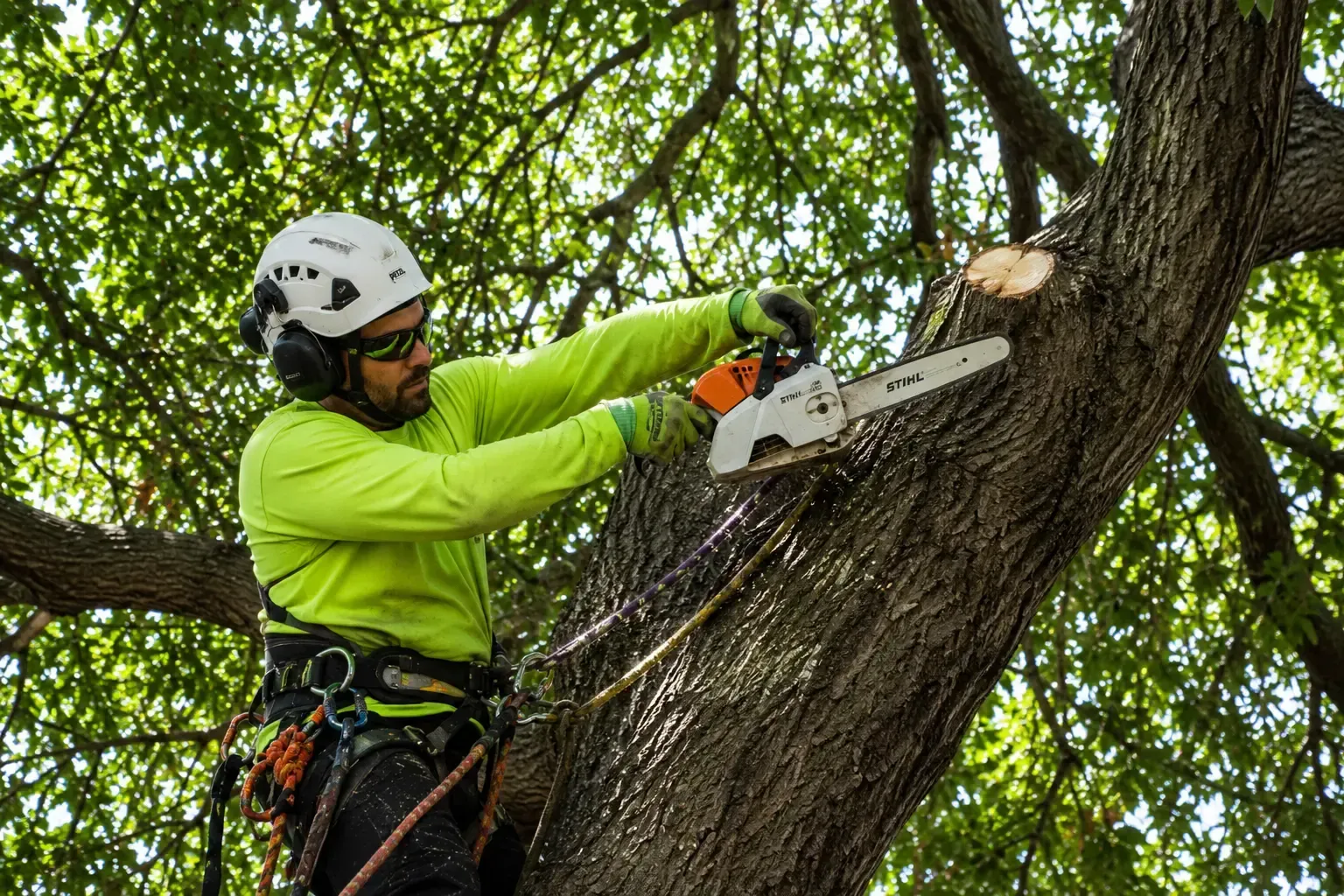
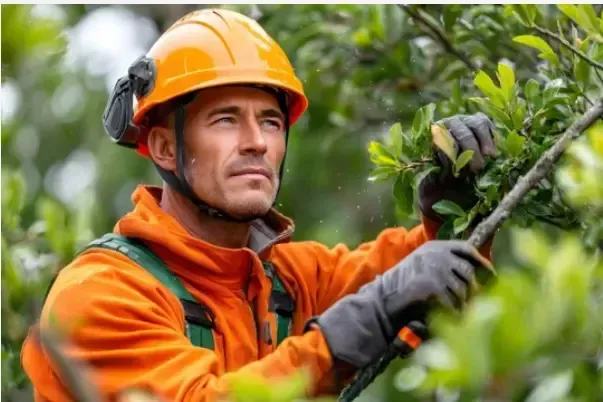
Think of tree trimming as a biological reset button. When a tree grows unchecked, it often develops a dense, cluttered canopy. This might look lush, but it’s actually a recipe for disaster. A thick canopy blocks sunlight from reaching the interior leaves, effectively "starving" the inner parts of the tree. When you hire a professional for crown thinning, you are opening up the structure to allow sunlight and air to circulate. This isn't just for show; it’s for photosynthesis. More light means more energy, which leads to stronger wood and deeper roots.
Beyond light, airflow is critical. In humid or even typical Southern California coastal weather, stagnant air inside a tree canopy creates a microclimate for fungi. By removing crossing or "rubbing" branches, you eliminate the friction that causes open wounds in the bark. Those wounds are the entry points for pathogens. According to the International Society of Arboriculture (ISA), strategic cuts redirect the tree's growth hormones (auxins) to the branches that matter most, ensuring the tree grows up and out, rather than becoming a tangled mess of weak "suckers" and water sprouts.
Disease Defense: Spotting the Silent Killers
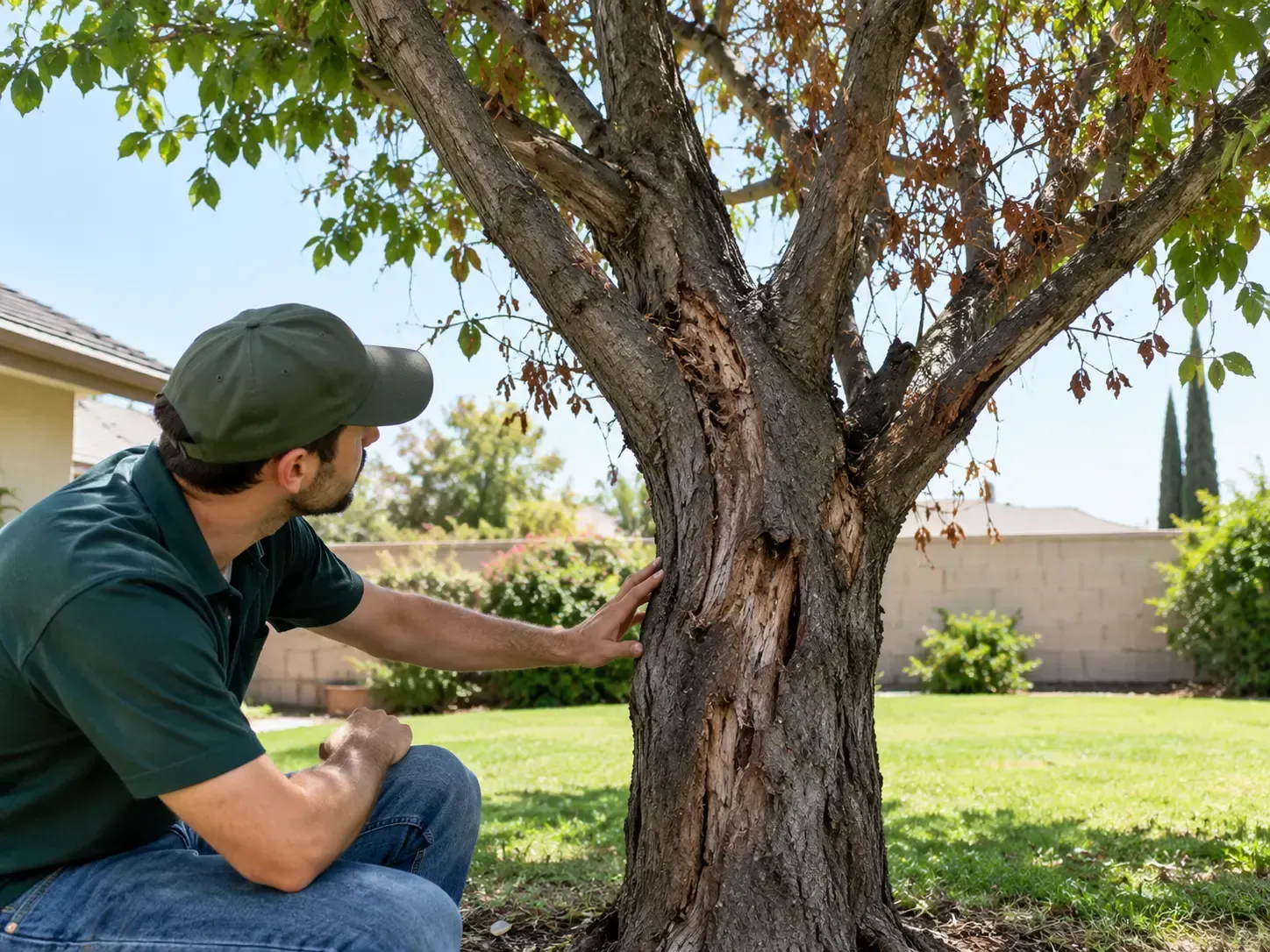
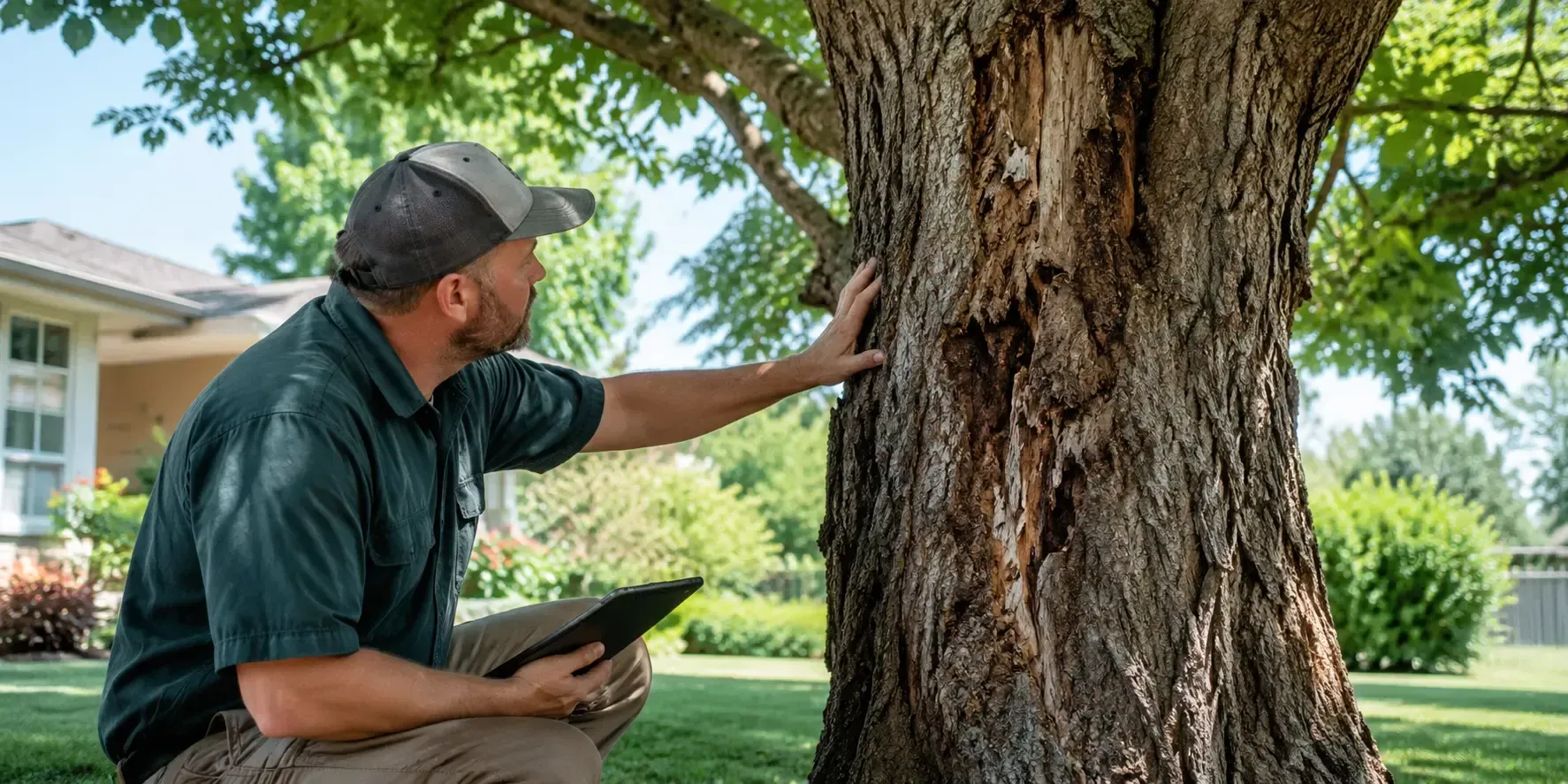
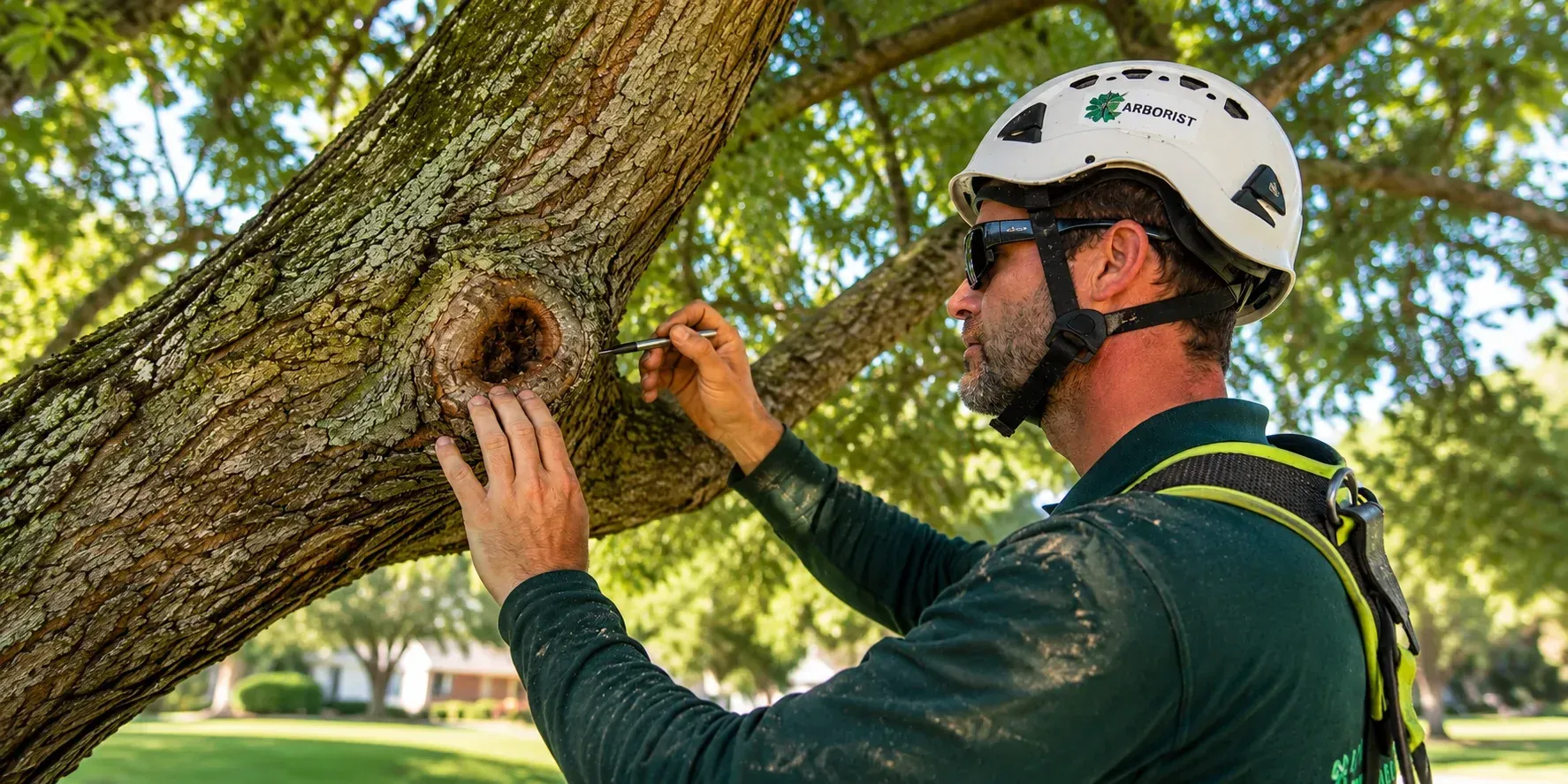
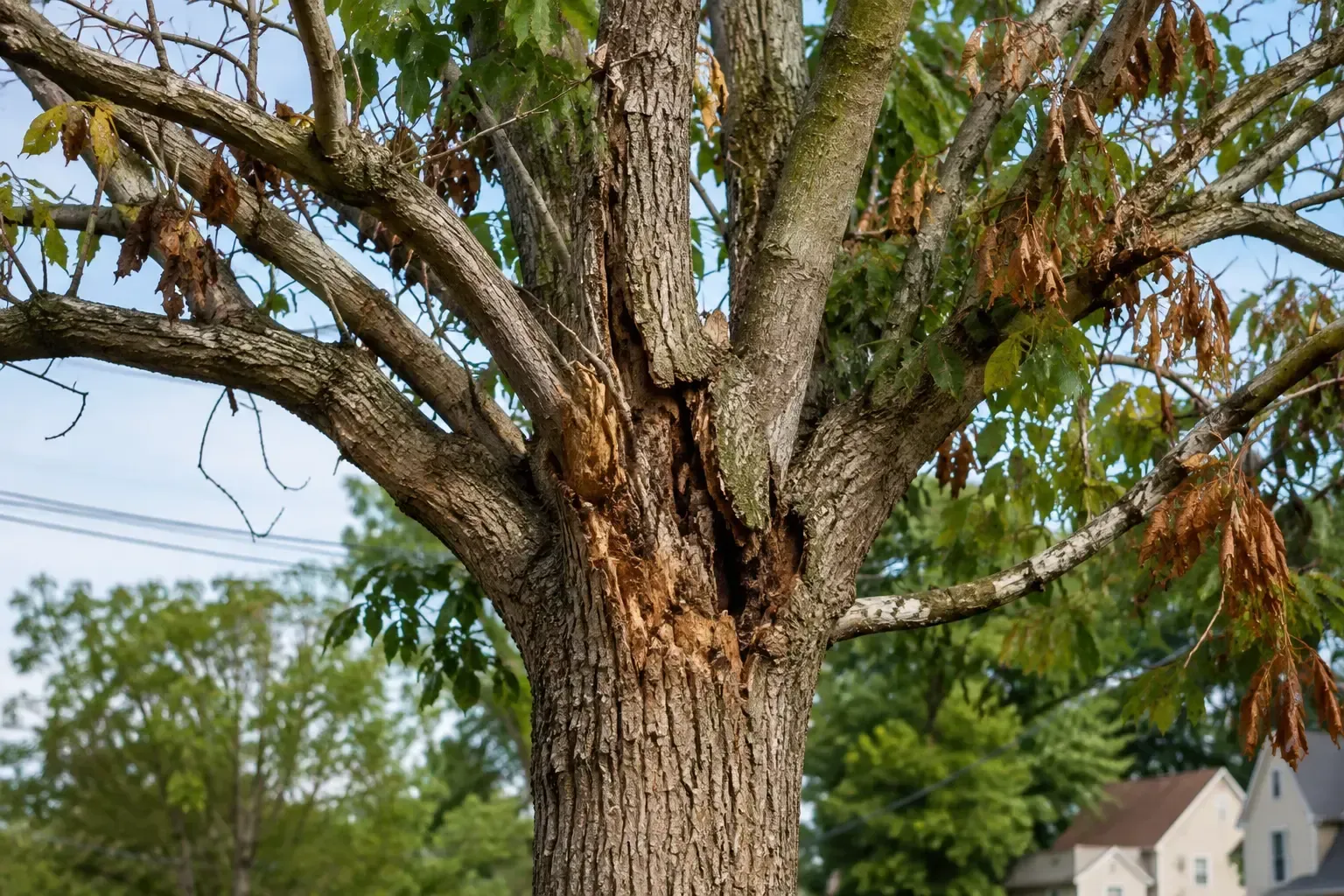
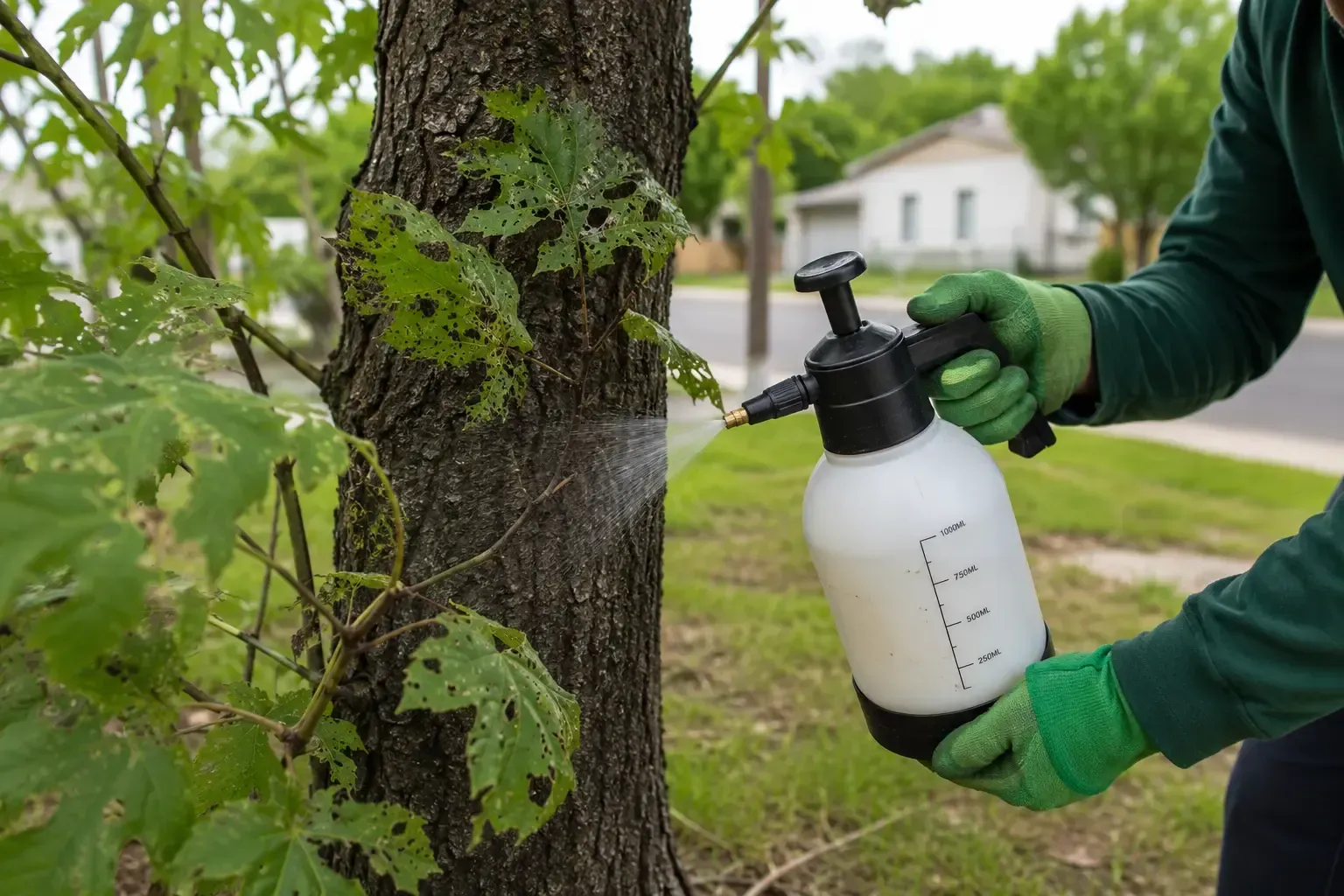
Trees don’t usually die overnight. They die over years, slowly eaten from the inside by fungi or hollowed out by wood-boring insects. Professional tree care allows an expert to spot these issues before they become terminal. In El Monte, we often see drought-stressed trees become targets for the Polyphagous Shot Hole Borer or various forms of root rot. If you aren't looking at your trees regularly, you’ll miss the sawdust at the base or the fungal brackets on the trunk.
Pruning is the most effective way to quarantine a tree. If one limb is infected with fire blight or oak wilt, cutting it off immediately can save the entire specimen. If you wait, the infection travels to the trunk. Once it hits the vascular system of the main trunk, you aren't looking at a trim anymore—you’re looking at an emergency tree removal. The University of California Agriculture and Natural Resources highlights that early detection through regular maintenance is the only way to manage many common California pests without resorting to heavy chemical use.
The Safety Crisis: Why You Need Emergency Tree Service Readiness
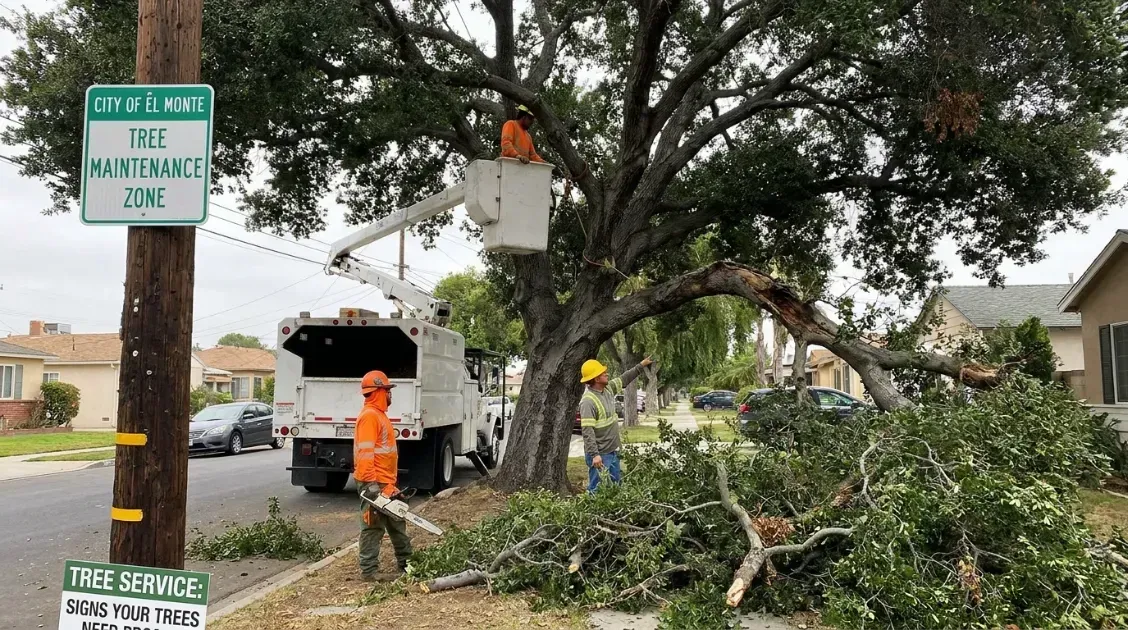
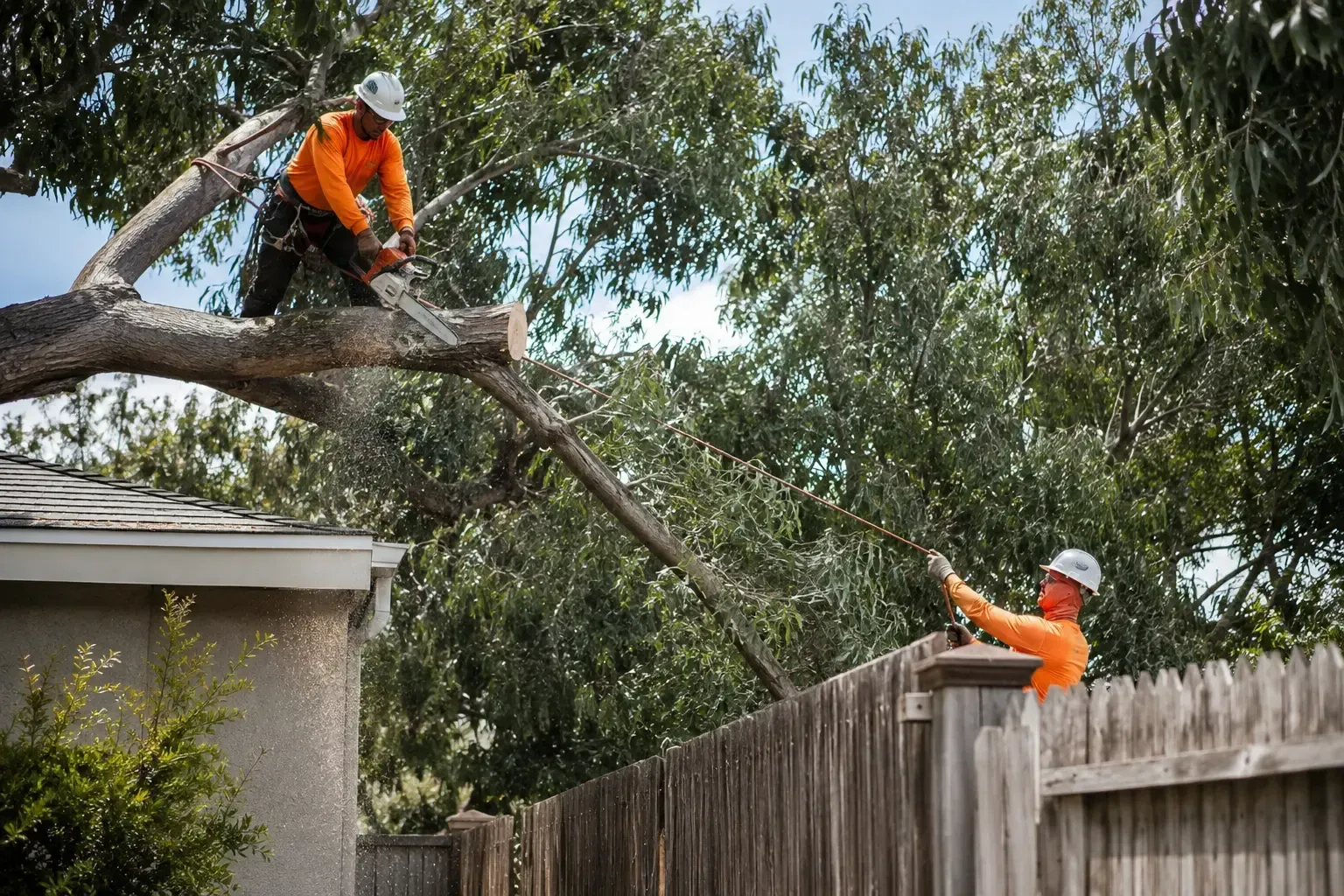
Imagine it’s 2 AM. A windstorm is howling through the valley. You hear a sickening crack, and suddenly half of your backyard pine is resting on your power lines or your neighbor’s car. This is the moment everyone regrets skipping their annual maintenance. An emergency tree service is a high-stakes operation. It involves heavy machinery, specialized rigging, and arborists who can work in dangerous, unstable conditions. It is also significantly more expensive than a scheduled pruning.
Proactive trimming reduces the "sail effect" of a tree. A dense tree acts like a giant sail in the wind; if the wind can't pass through the branches, it pushes against the whole structure until something gives. By thinning the canopy, you let the wind whistle through. You’re also removing "deadwood"—branches that are already dead but haven't fallen yet. These are the first things to fly off in a storm. If you have trees near your home, a professional tree service el monte will identify these hazards and remove them while the sun is still shining, saving you from a frantic search for emergency tree removal service when the power is out and the roads are blocked.
Aesthetics and Appraisal: Real Money in the Leaves
Let’s talk about the money. Mature, well-maintained trees can add between 10% and 20% to your property value. Buyers love the look of a stately, well-shaped tree. They hate the look of a neglected, overgrown hazard that looks like it will cost $5,000 to remove the week they move in. Proper trimming enhances the "curb appeal" by framing your home rather than obscuring it. It creates clean lines and allows for a healthy lawn or garden underneath by letting light reach the ground.
The Arbor Day Foundation notes that strategically placed trees can even lower your cooling costs by up to 30% by providing natural shade. But a tree can only provide that shade if it’s healthy. If the canopy is dying back because of neglect, you lose the cooling benefit and gain a fire hazard. In the dry California heat, a dead or dying tree is essentially a giant matchstick standing next to your house. Keeping it trimmed and hydrated is a basic requirement for fire safety in our region.
Choosing the Right Experts in El Monte
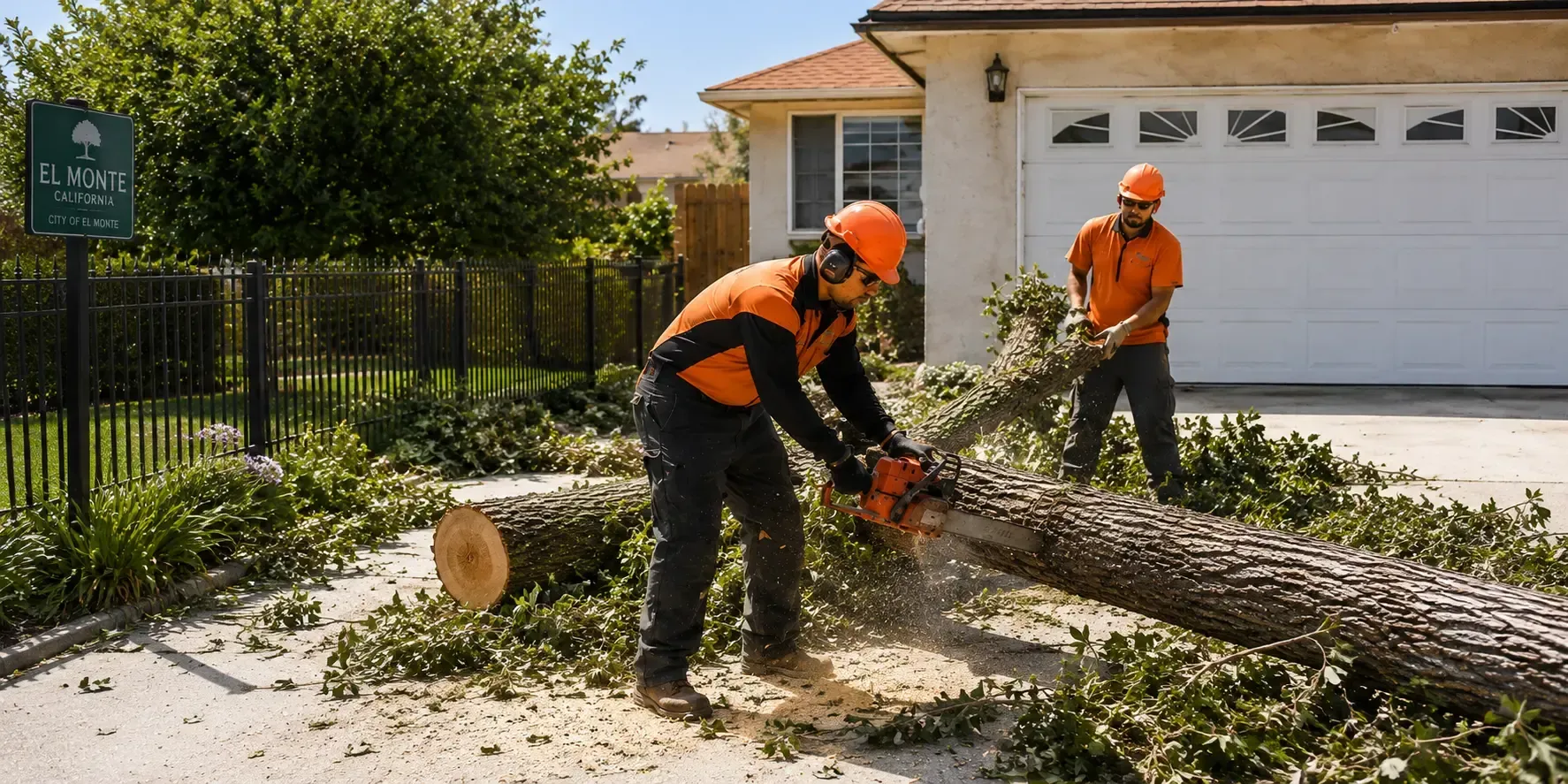
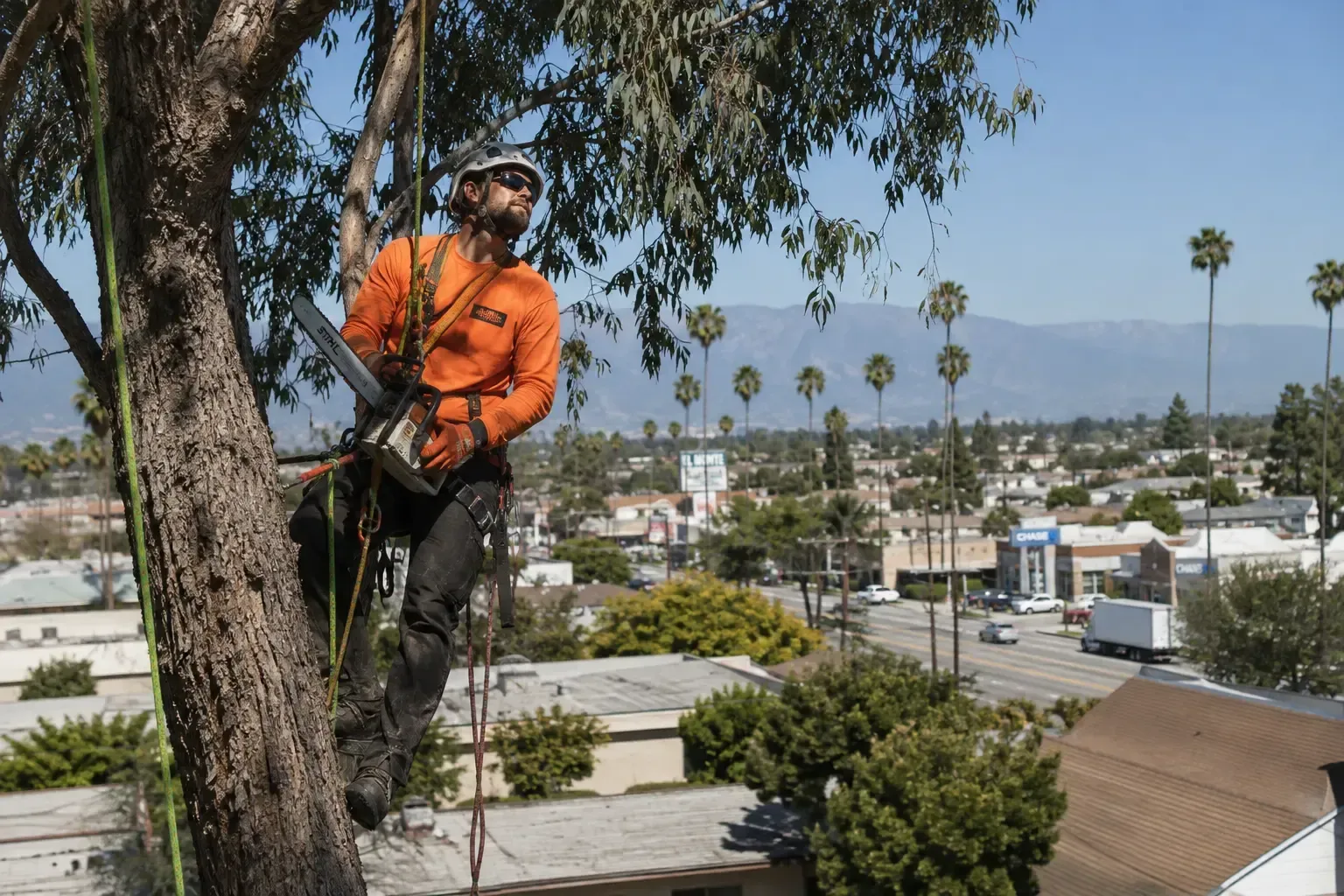
Don't just hire a guy with a truck and a chainsaw. Tree work is dangerous and requires a deep understanding of tree biology. A bad cut can permanently stunt a tree or lead to "topping," which creates a flush of weak, dangerous new growth. You need a tree service el monte that carries full liability insurance and workers' compensation. This protects you if a branch falls on your roof or a worker gets injured on your property. When you look for a team, ask about their experience with emergency tree removal. If they can handle a 50-foot fallen eucalyptus in a rainstorm, they can certainly handle your routine maple pruning.
In the end, trees are the only part of your property that actually increases in value over time—if you take care of them. A roof gets older. Paint peels. But a tree grows bigger and more impressive every year. Give them the attention they deserve. The alternative is waiting for the wind to decide which branch falls where. And usually, the wind doesn't care about your roof.
Frequently Asked Questions
How often should I have my trees trimmed?
Most mature trees should be inspected and trimmed every 3 to 5 years. However, younger trees may need more frequent attention—every 2 to 3 years—to establish a strong structural foundation. Fruit-bearing trees often require annual pruning to maximize their yield and maintain health.
When does a tree become an emergency?
A tree requires emergency tree service if it is leaning suddenly, has large cracks in the trunk, or has hanging branches after a storm. If the tree is touching power lines or obstructing a public roadway, it is a critical safety hazard that needs immediate professional intervention.
Can tree trimming prevent the need for removal?
Absolutely. Regular trimming removes diseased or weak limbs before they can affect the rest of the tree. By maintaining structural integrity and reducing weight, you prevent the trunk from splitting or the roots from failing, which are the primary reasons trees eventually require emergency tree removal.
Is it better to trim trees in the winter or summer?
For most species, the dormant season (late fall to early spring) is the best time for pruning. It minimizes stress and makes it easier to see the tree's structure without leaves. However, dead or hazardous branches should be removed immediately by a professional tree service el monte regardless of the season.