Common Tree Problems and How Tree Service Experts Solve Them
Trees are the silent guardians of our landscapes, offering shade, beauty, and environmental stability. However, even the sturdiest oak or the most vibrant sycamore can fall victim to invisible threats. From invasive pests to fungal infections, the challenges facing our urban canopy are more complex than many homeowners realize. When these issues arise, the difference between a thriving yard and a hazardous property often comes down to the intervention of professional tree service experts.
At El Monte Tree Service, we have spent years diagnosing and resolving the most stubborn arboricultural challenges. Understanding the "why" behind tree decline is the first step toward a solution. In this guide, we’ll explore the most common tree problems and the advanced techniques used by professionals to restore health and safety to your landscape.
Identifying Common Tree Diseases: The Silent Killers
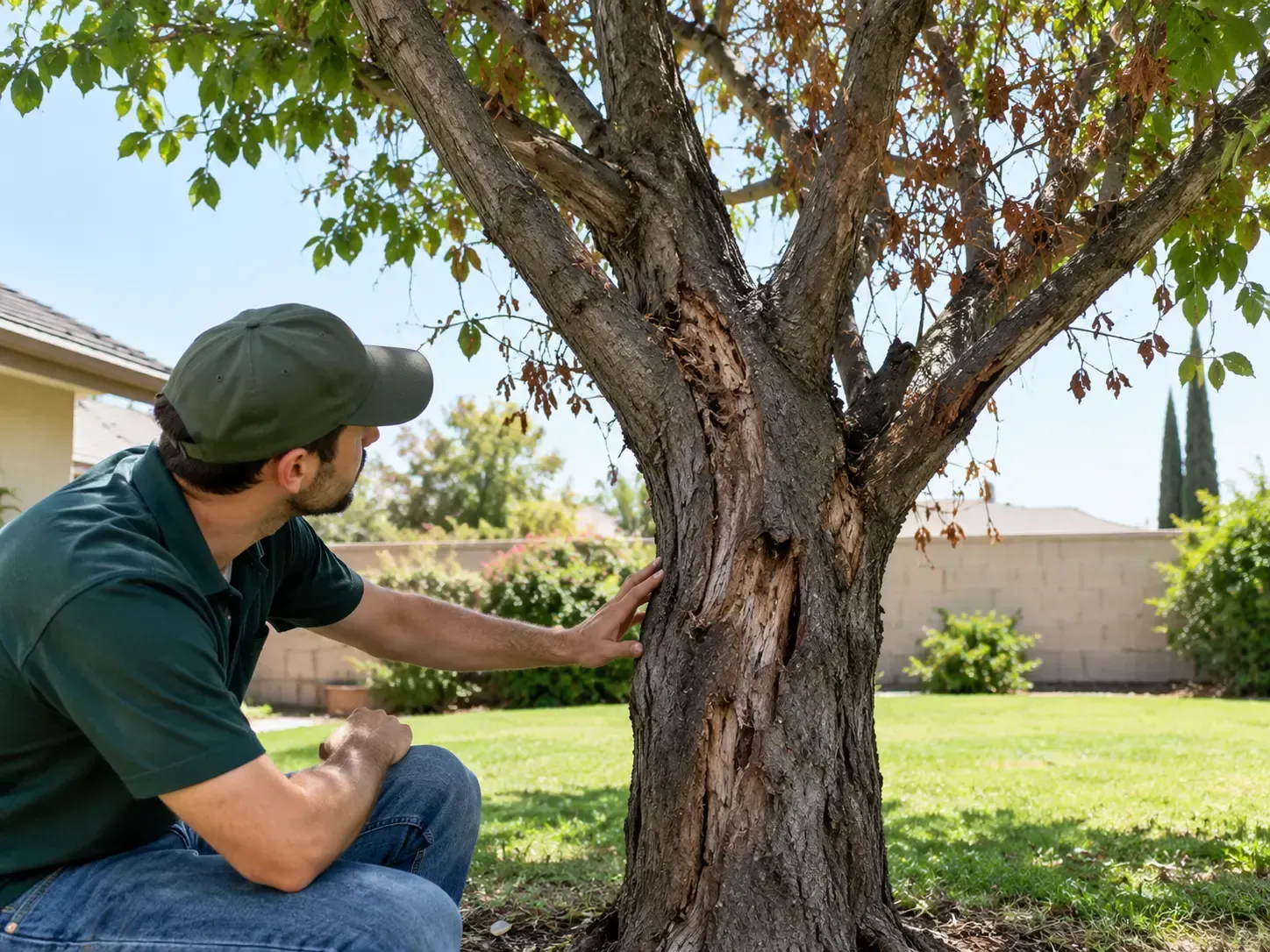
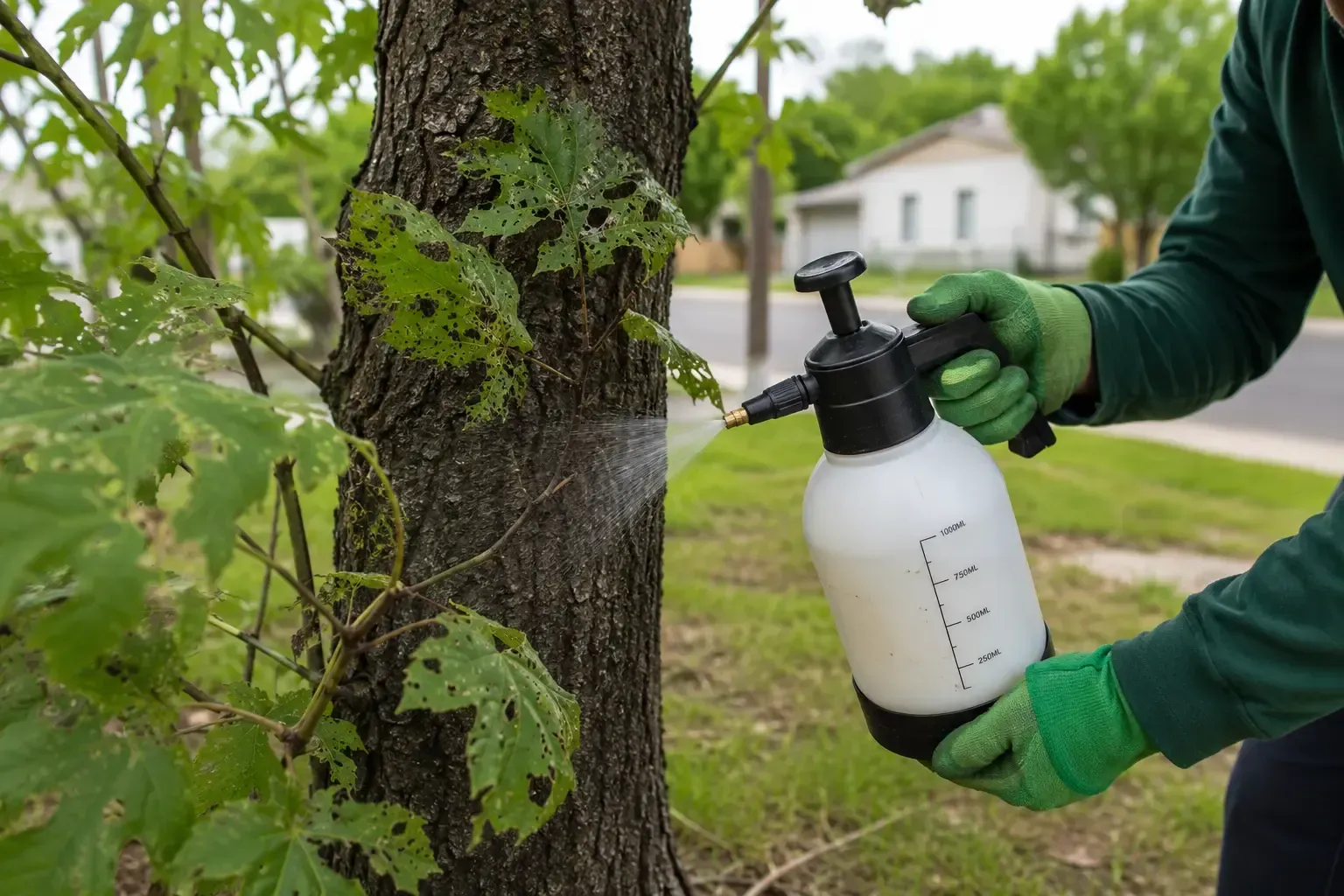
Disease is often the most deceptive problem because it starts internally. In Southern California, several pathogens are notorious for devastating local species. One of the most prevalent is Anthracnose, a fungal disease that thrives in cool, wet springs. It manifests as unsightly brown spots on leaves and can lead to premature leaf drop. While rarely fatal to mature trees, it weakens them over time, making them susceptible to other stressors.
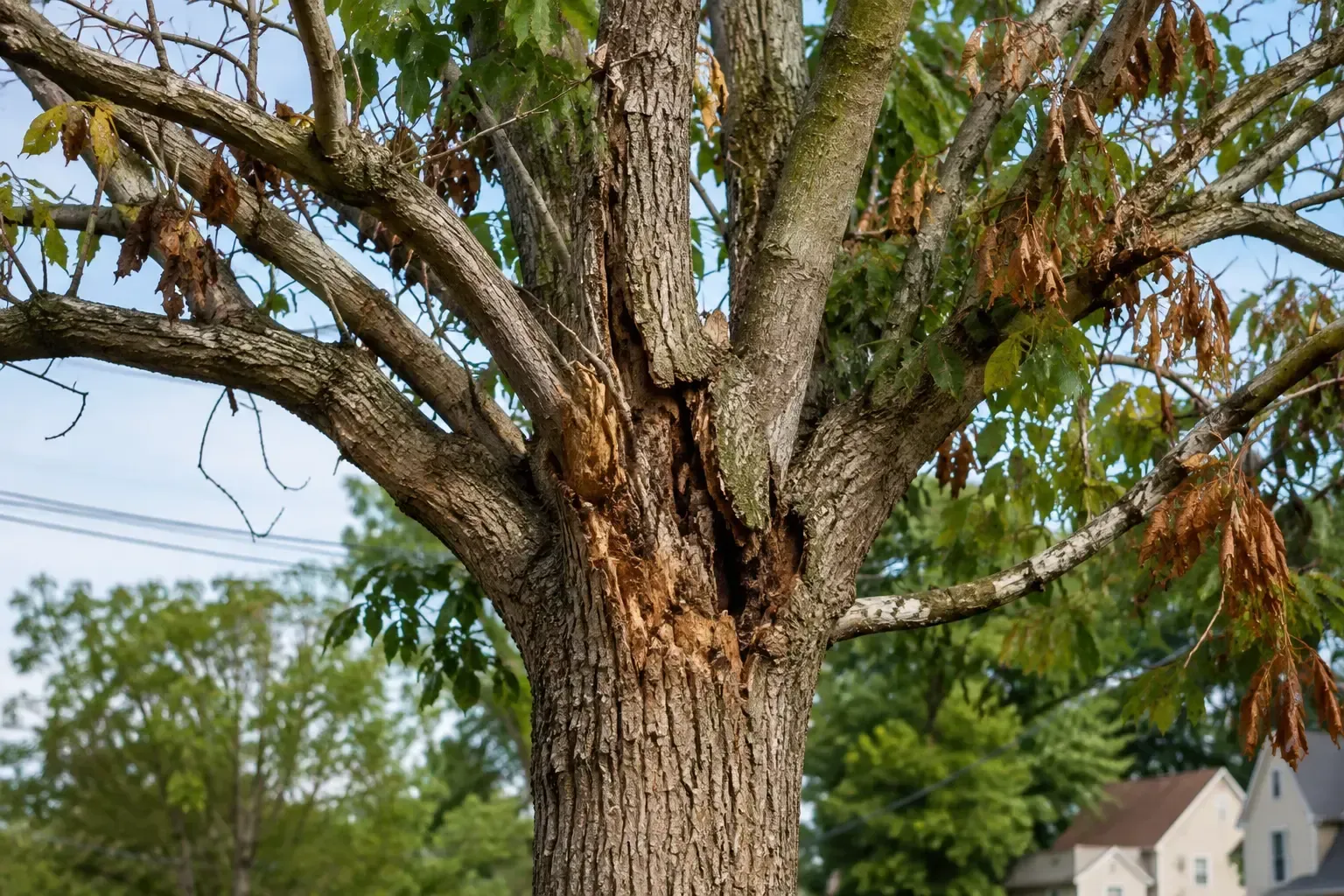
A more aggressive threat is Fire Blight, a bacterial infection that primarily targets fruit trees like pears and apples. It leaves branches looking scorched, as if they’ve been touched by a flame. Without intervention, Fire Blight can spread rapidly, killing entire limbs. Additionally, Sudden Oak Death (SOD) remains a major concern for our native oaks. Caused by the water mold Phytophthora ramorum, it creates bleeding cankers on the trunk and can lead to a rapid decline in tree health.
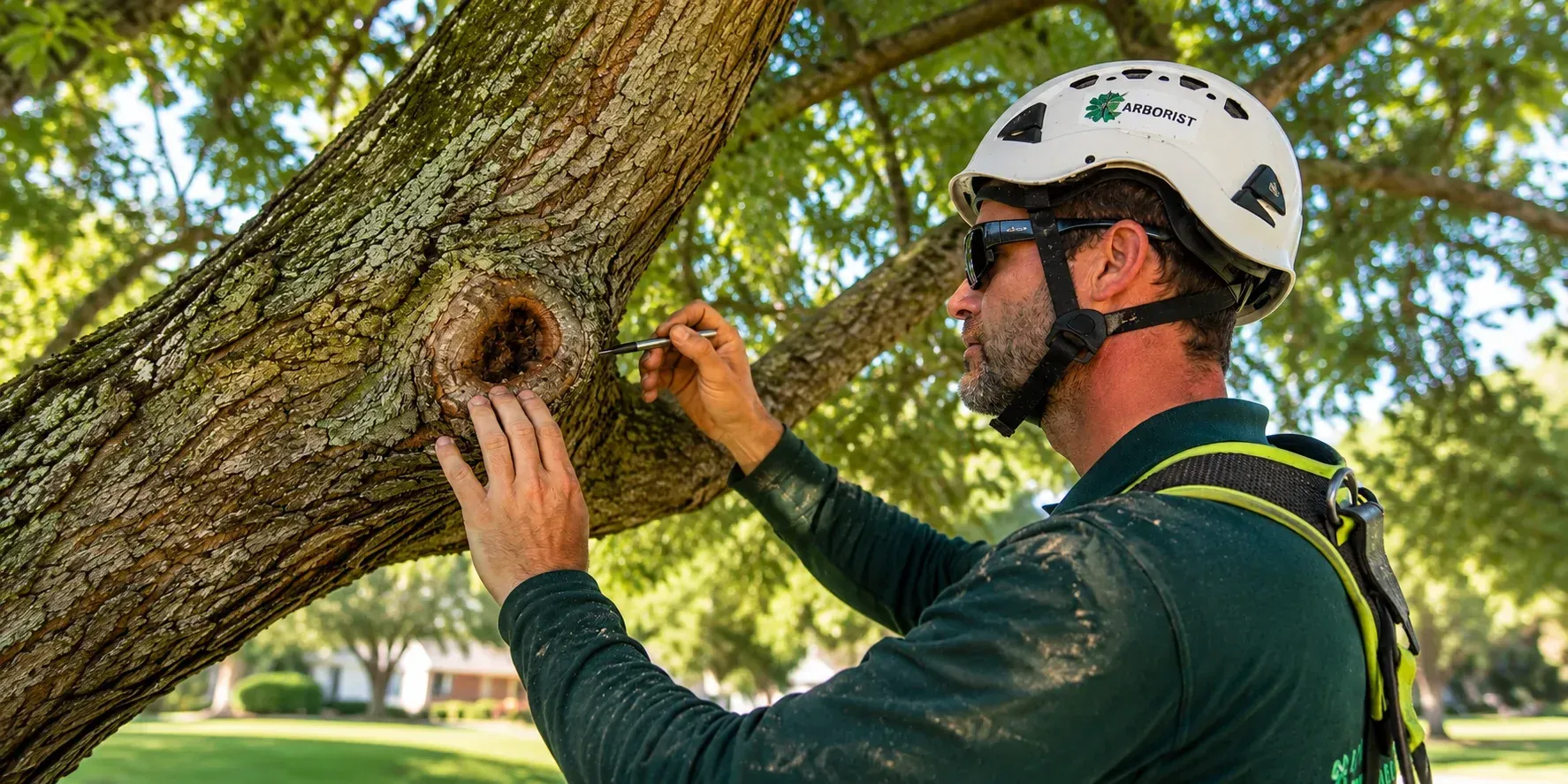
How Experts Solve It: Professional arborists from El Monte Tree Service use a combination of tree disease diagnosis and targeted treatments. This often involves precision pruning to remove infected wood—sterilizing tools between every cut to prevent cross-contamination—and applying specialized fungicides or bactericides. According to the International Society of Arboriculture (ISA), early detection is the single most important factor in successfully managing tree pathogens.
Battling Destructive Pests: More Than Just a Nuisance
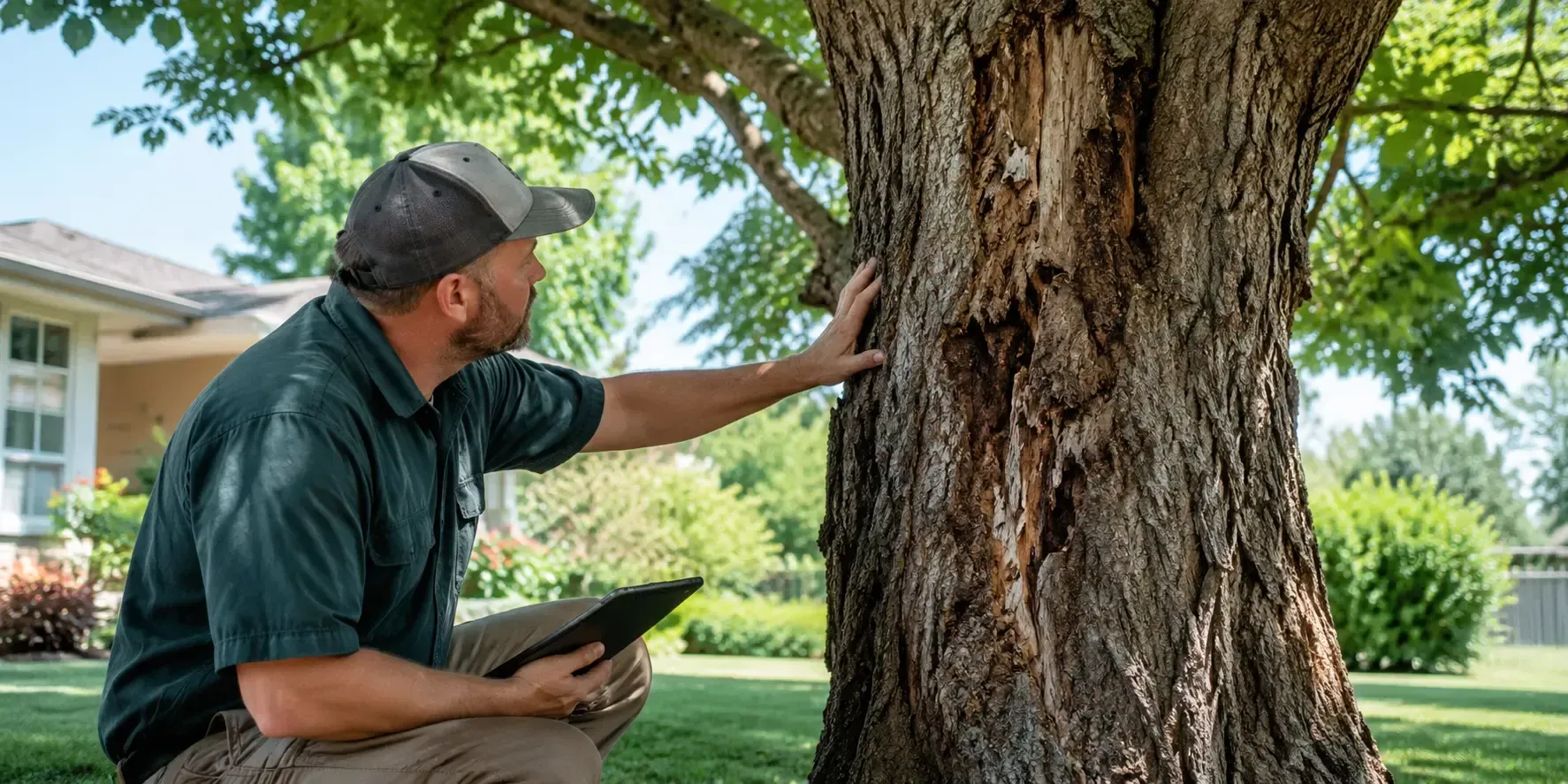
If disease is the silent killer, pests are the active invaders. Local trees currently face an onslaught from invasive wood-boring beetles. The Goldspotted Oak Borer (GSOB) and the Polyphagous Shot Hole Borer (PSHB) are particularly destructive. These tiny insects bore into the bark, creating tunnels that disrupt the tree's ability to transport water and nutrients.
Signs of infestation include:
- D-shaped or perfectly round exit holes in the bark.
- Thinning canopies and branch dieback.
- "Staining" or oozing sap on the trunk.
How Experts Solve It: Managing these pests requires more than just a surface spray. Experts at El Monte Tree Service employ systemic trunk injections, which deliver protective treatments directly into the tree's vascular system. This method is not only more effective but also more environmentally friendly than traditional spraying. Research from the UC Riverside Eskalen Lab highlights the importance of integrated pest management (IPM) to control these borers without harming beneficial local wildlife.
Structural Issues: When a Tree Becomes a Liability
Not all tree problems are biological. Physical and structural defects can turn a beautiful tree into a significant safety hazard. Storm damage, poor pruning in the past, or simple age can lead to structural failure. One common issue is the "widow maker"—a large, dead branch hanging precariously in the canopy. Another is the leaning tree. While some trees grow naturally at an angle, a sudden lean often indicates root failure or soil instability.
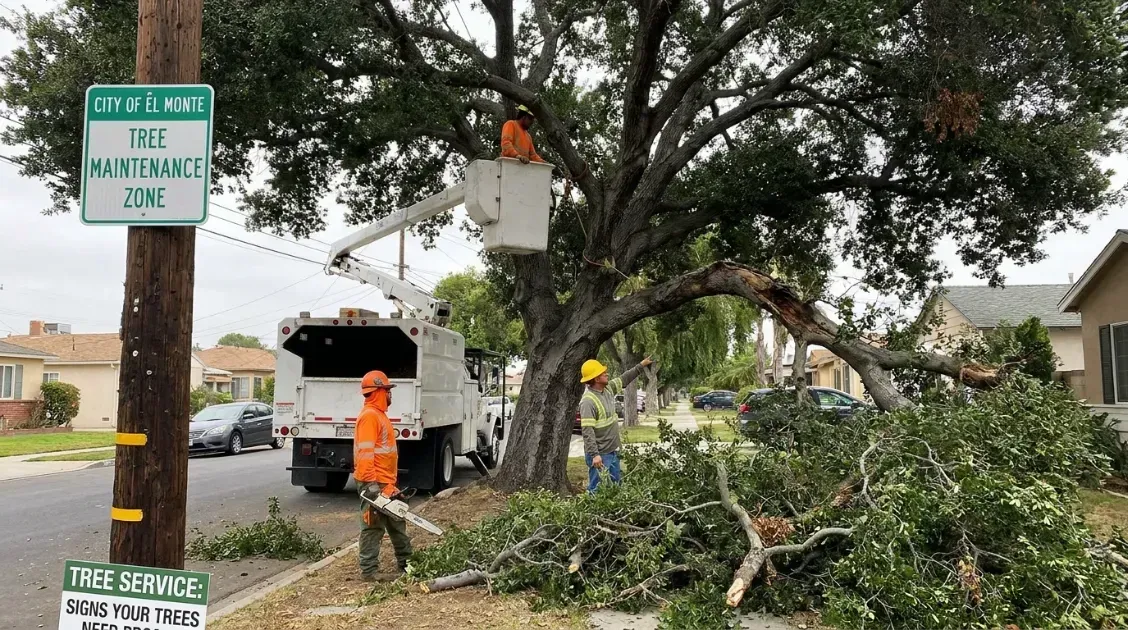
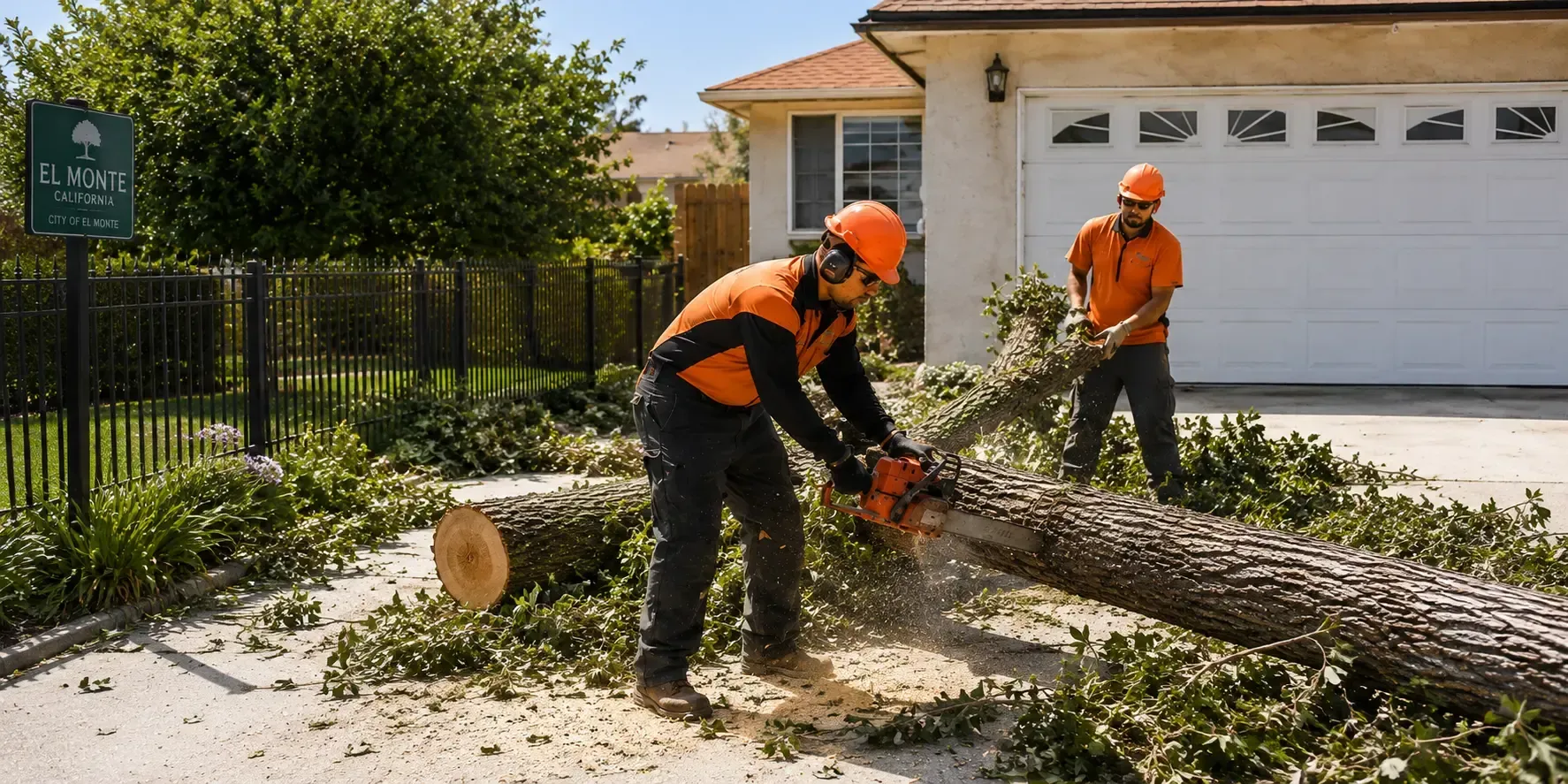
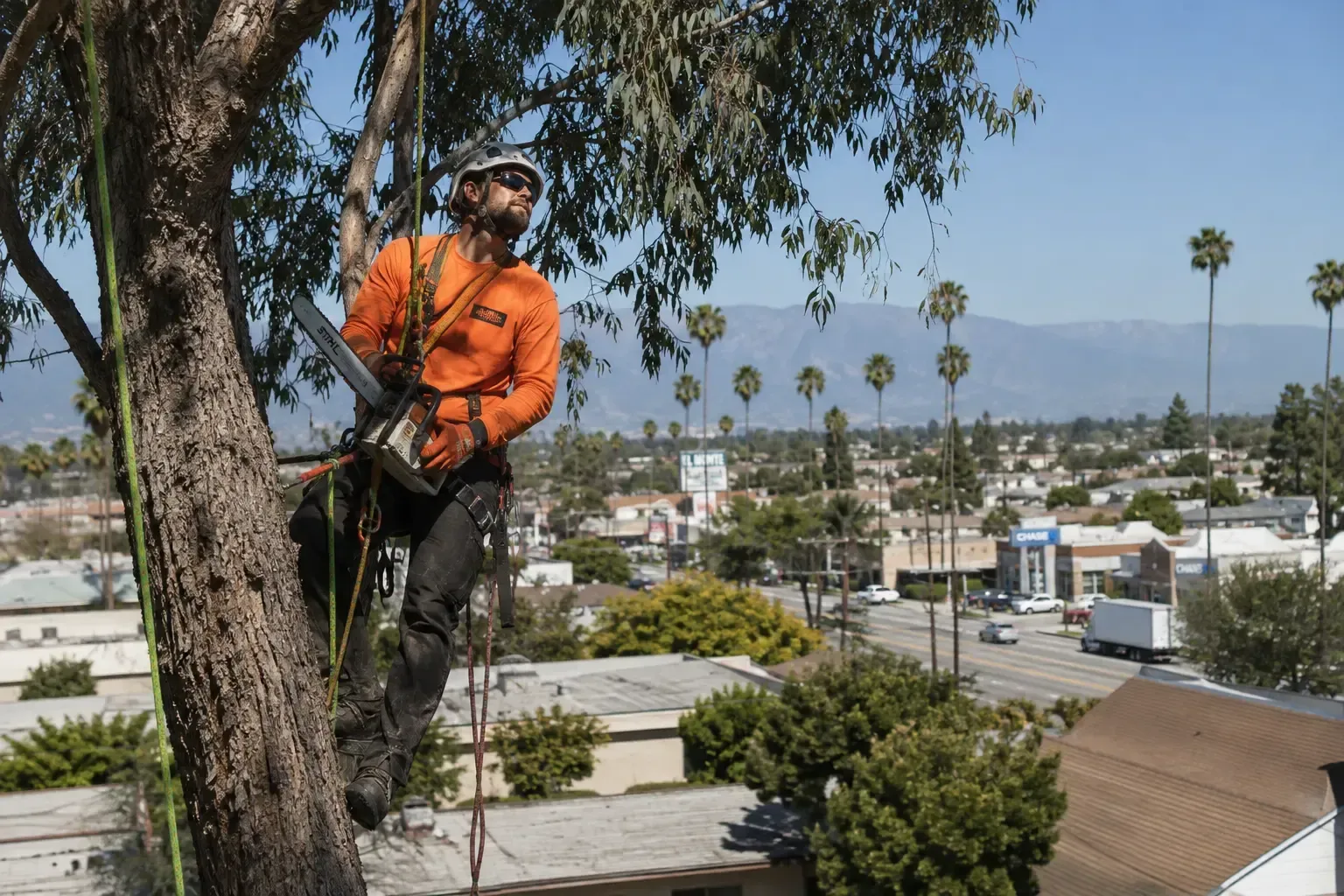
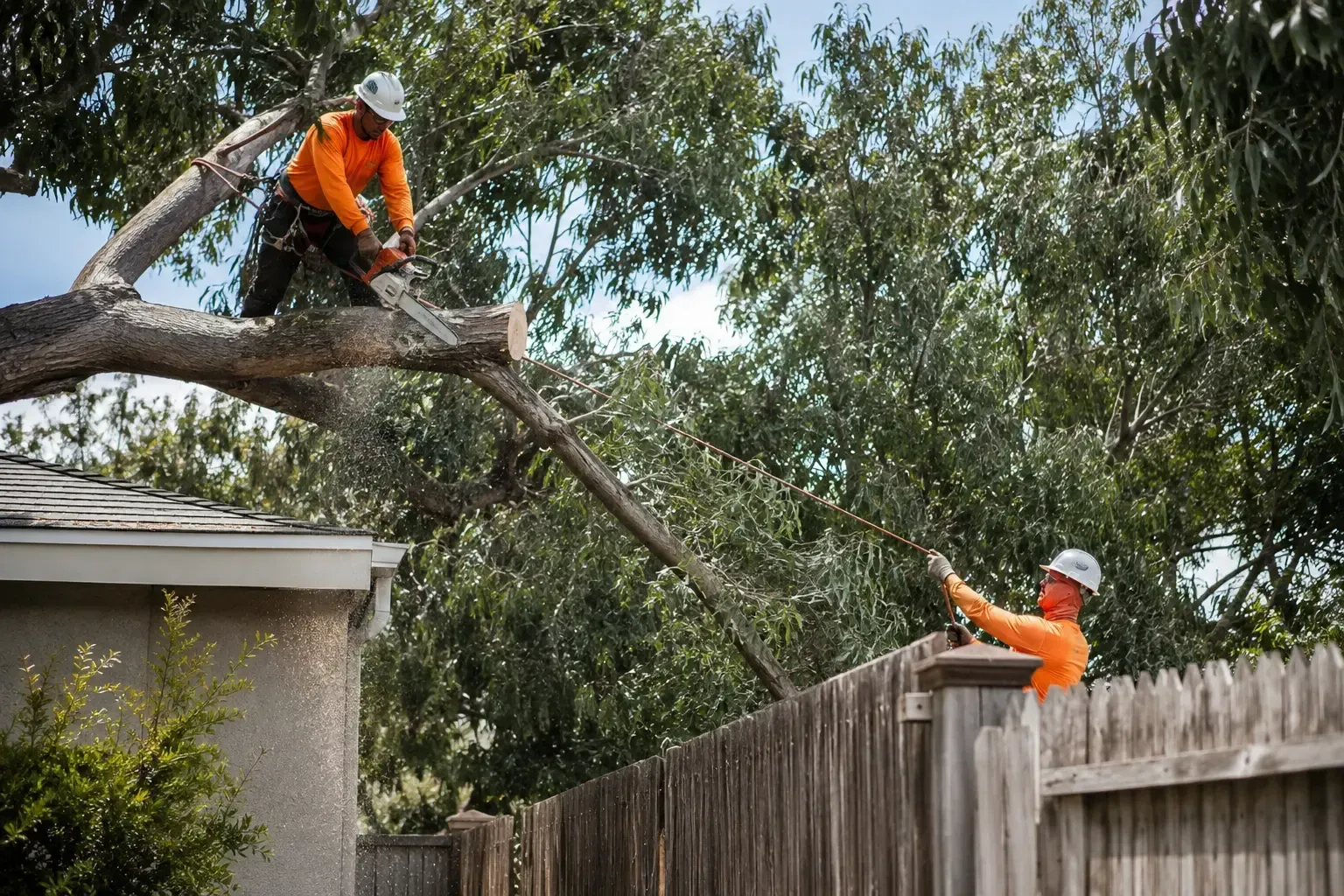
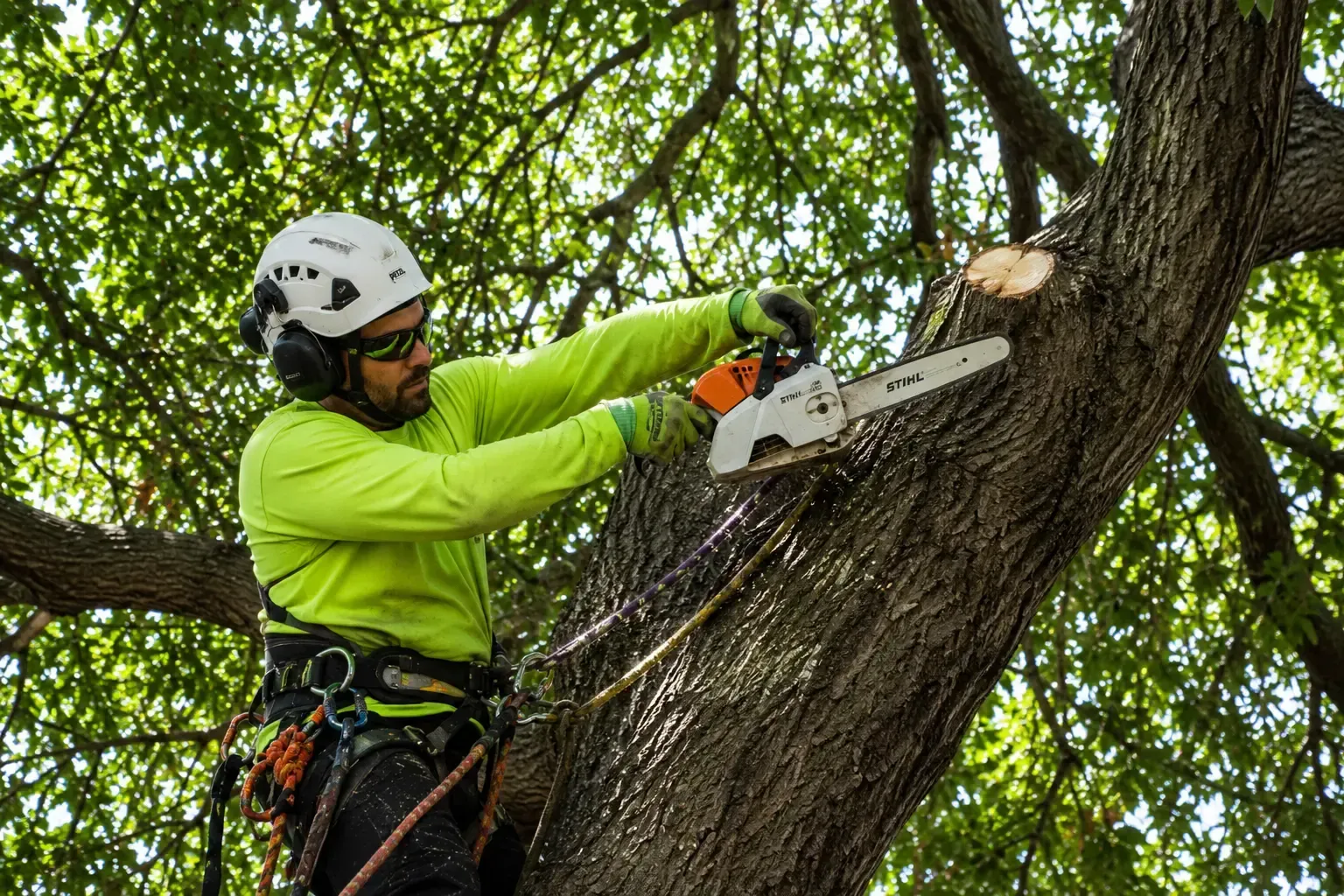
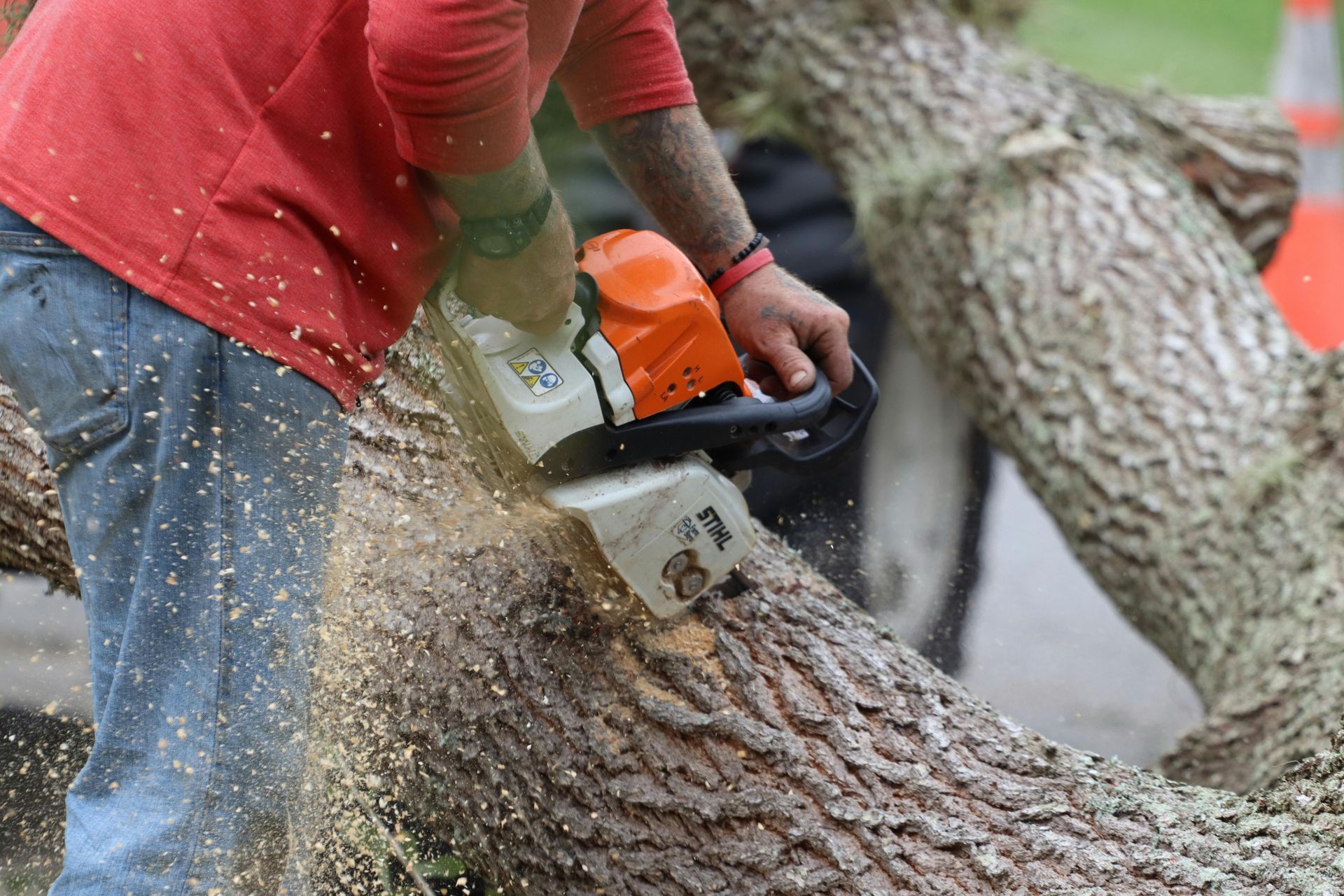
How Experts Solve It: Safety is the priority. Our team performs hazard tree assessments to determine the risk level. If a tree is structurally sound but has a weak crotch or heavy limbs, we may use cabling and bracing. This involves installing high-strength steel cables to support the tree’s structure, allowing it to withstand high winds. However, if the root system is compromised, emergency tree removal may be the only safe course of action to protect your home and family.
The Power of Professional Pruning and Maintenance
Many homeowners view pruning as a cosmetic task, but in the hands of a professional, it is a surgical procedure. Proper tree pruning benefits the entire ecosystem of your yard. By removing deadwood and thinning the canopy, we improve airflow and sunlight penetration, which naturally discourages fungal growth.
Furthermore, El Monte Tree Service focuses on soil health. Often, tree problems stem from poor "site conditions"—compacted soil that prevents roots from breathing. We utilize air-spading and deep-root fertilization to restore the nutrient balance and aeration that trees need to thrive. As noted by the Arbor Day Foundation, a healthy root system is the foundation of a resilient tree.
Why Choose El Monte Tree Service?
When you see signs of distress—yellowing leaves, strange holes in the bark, or a suspicious lean—don't wait for the problem to solve itself. Tree issues are progressive. What starts as a minor fungal spot can quickly escalate into a dead tree that requires expensive removal. El Monte Tree Service brings a combination of local expertise and scientific rigor to every job. We don't just cut branches; we manage the long-term health of your landscape.
Whether you need a routine health check or an emergency intervention, our certified arborists are ready to help. We follow the strict guidelines set by the USDA Forest Service to ensure that our work supports the broader health of our community's urban forest.
Frequently Asked Questions
How can I tell if my tree is diseased or just thirsty?
Thirsty trees typically show uniform wilting or leaf curling across the entire canopy. In contrast, disease often presents as localized spots, "bleeding" cankers on the trunk, or specific branches dying while others remain green. A professional arborist can perform a soil moisture test and a tissue analysis to provide an accurate tree disease diagnosis.
Is it always necessary to remove a leaning tree?
Not necessarily. If a tree has always leaned and shows no signs of root heaving or soil cracking, it may be stable. However, if the lean is new, exceeds 20 degrees, or is accompanied by exposed roots, it is a major safety hazard. Tree service experts can evaluate the structural integrity and determine if cabling or removal is required.
What are the main benefits of professional tree pruning?
Professional pruning improves tree health by removing diseased limbs, enhances safety by eliminating "widow makers," and boosts aesthetic appeal. It also promotes better fruit and flower production by allowing the tree to focus its energy on healthy growth. Improper DIY pruning can lead to "topping," which permanently weakens the tree and invites pest infestations.