Why Winter is the Prime Time for Tree Trimming in El Monte
Put the shears down. If you are reading this in July, you are likely too late or too early. But if the days are short and the San Gabriel Mountains have that crisp, cold look, you are right on time. Most homeowners in El Monte, CA (91731) operate under a massive misconception: they think trees should be pruned when they are blooming. That is dead wrong.
Winter is the power season for arboriculture. It isn't just about tidying up; it is about biological necessity.
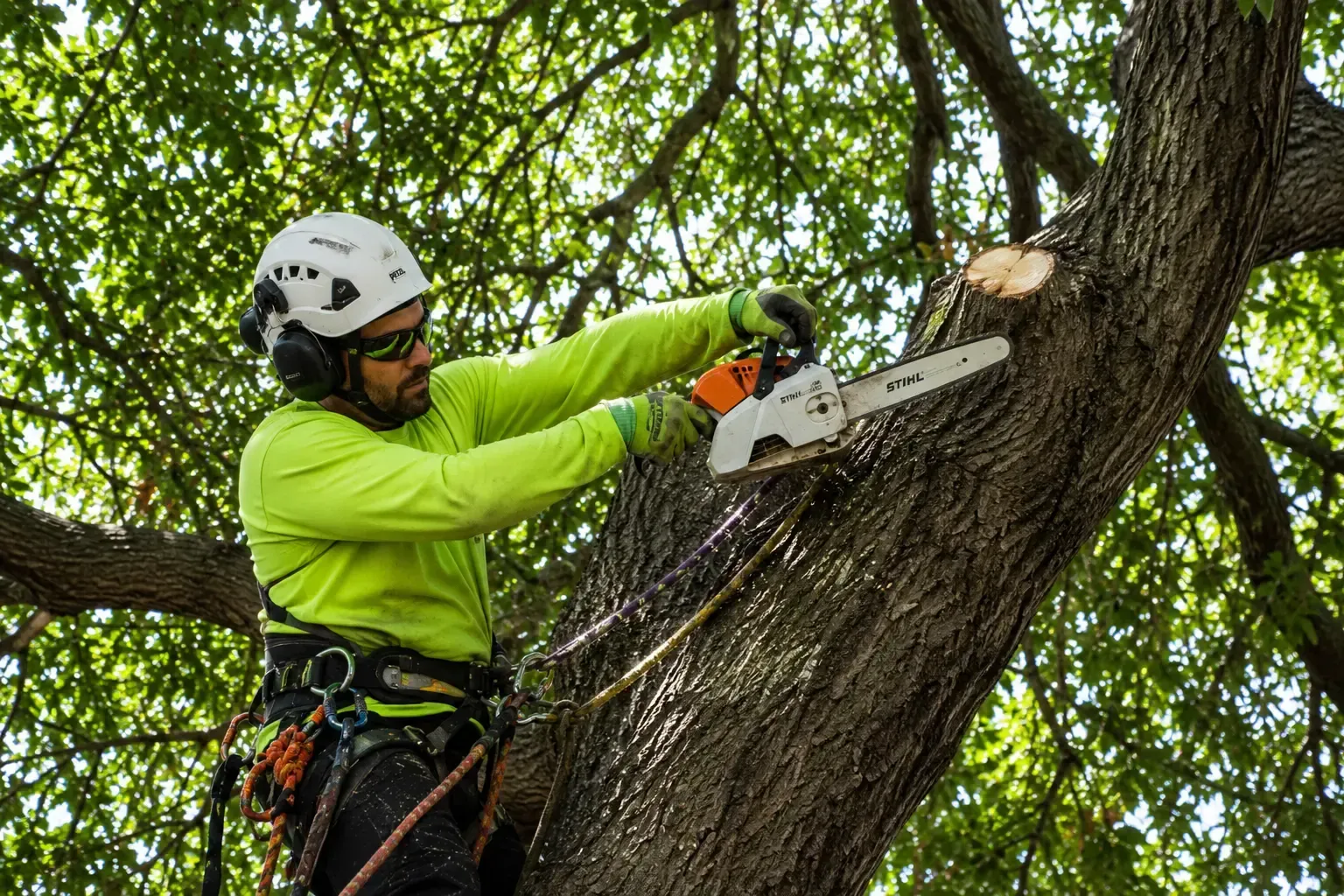
While you are bundled up inside, the massive Oaks, Sycamores, and Ash trees lining our neighborhoods are in a state of dormancy. This metabolic "sleep" makes winter the safest, most effective time to cut. At El Monte Tree Service, we don't just hack away at branches; we execute strategic surgical cuts that dictate how your landscape behaves for the rest of the year. If you want a lush canopy in May, you have to do the work in January.
The Science of "Dormant Pruning"
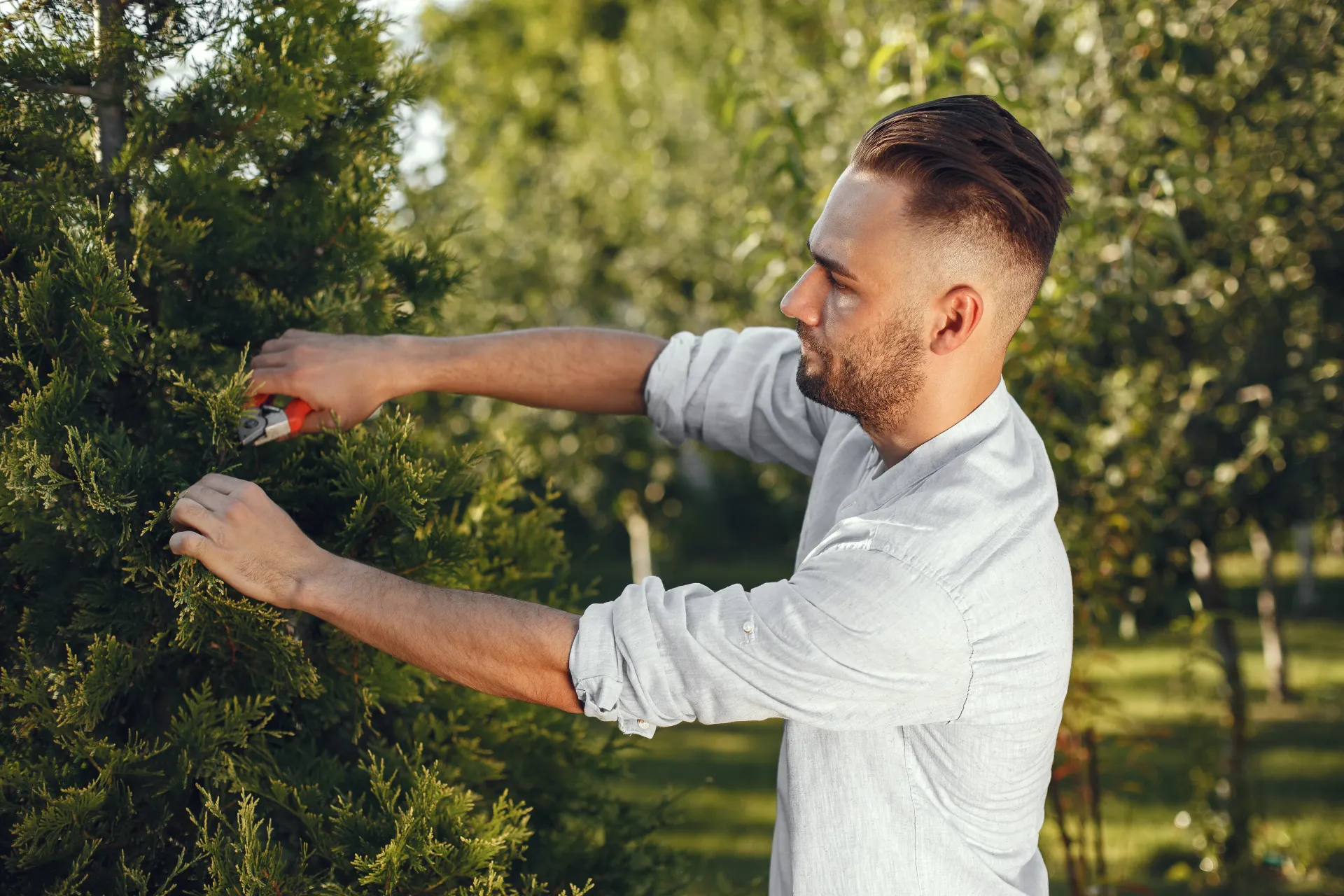
Why exactly does winter win? It comes down to energy management. During the active growing season (spring and summer), a tree is pumping energy from its roots to its leaves. Cutting a limb then is like poking a hole in a pressurized hose; the tree bleeds sap, loses energy, and gets stressed.
In winter, specifically in our Mediterranean climate here in the San Gabriel Valley, deciduous trees pull their energy reserves down into the root system. The structure is exposed. We can see the skeleton of the tree without the distraction of foliage. This visibility is crucial.
According to the
University of California Master Gardeners, dormant pruning results in an "invigorating" burst of growth in the spring. When we remove a branch in winter, the tree doesn't panic. It simply redirects that stored root energy to the remaining buds once the weather warms up. It’s efficient. It’s cleaner. It’s better.
Battling the Santa Ana Winds
We aren't worried about blizzards in El Monte. We are worried about wind.
Anyone who has lived off Peck Road or near the Whittier Narrows knows what happens when the Santa Ana winds kick up. They don't ask for permission. They snap heavy, over-extended limbs and drop them on roofs, cars, and power lines.
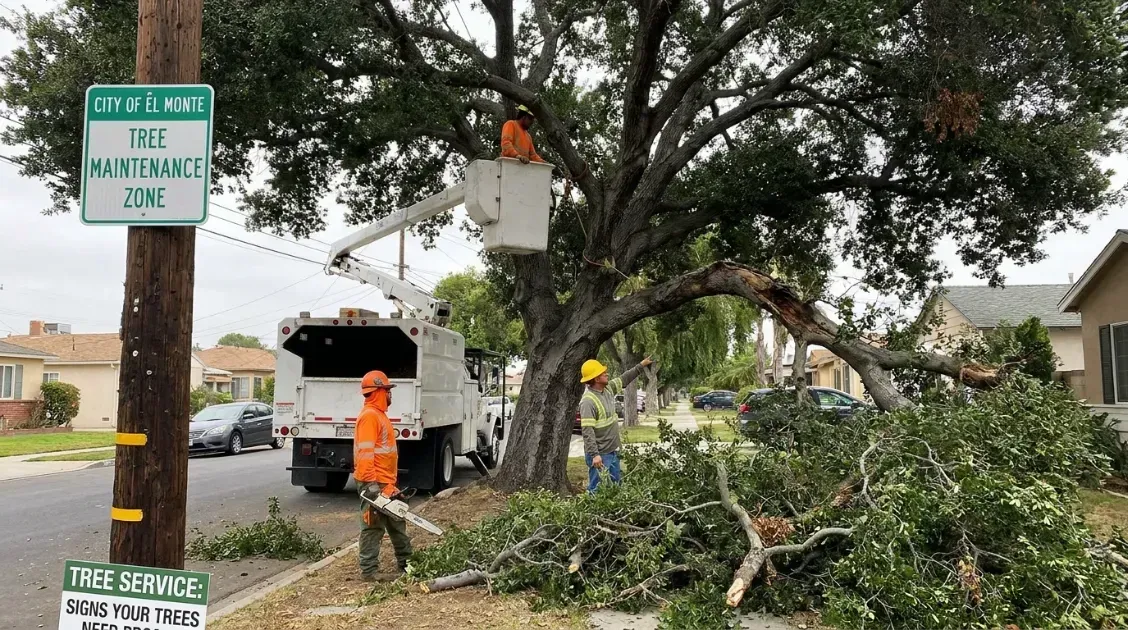
Winter trimming is your primary defense mechanism against wind damage. This process is called "crown thinning." By selectively removing branches from the interior of the canopy, we reduce the "sail effect." Instead of the wind hitting a wall of leaves and wood, it passes through the tree. The tree sways; it doesn't break.
Neglecting this is a gamble. A heavy canopy in a high-wind event is a liability. El Monte Tree Service specializes in wind-resistance pruning that maintains the tree's beauty while significantly lowering the risk of failure.
Disease Prevention: The Silent Killer
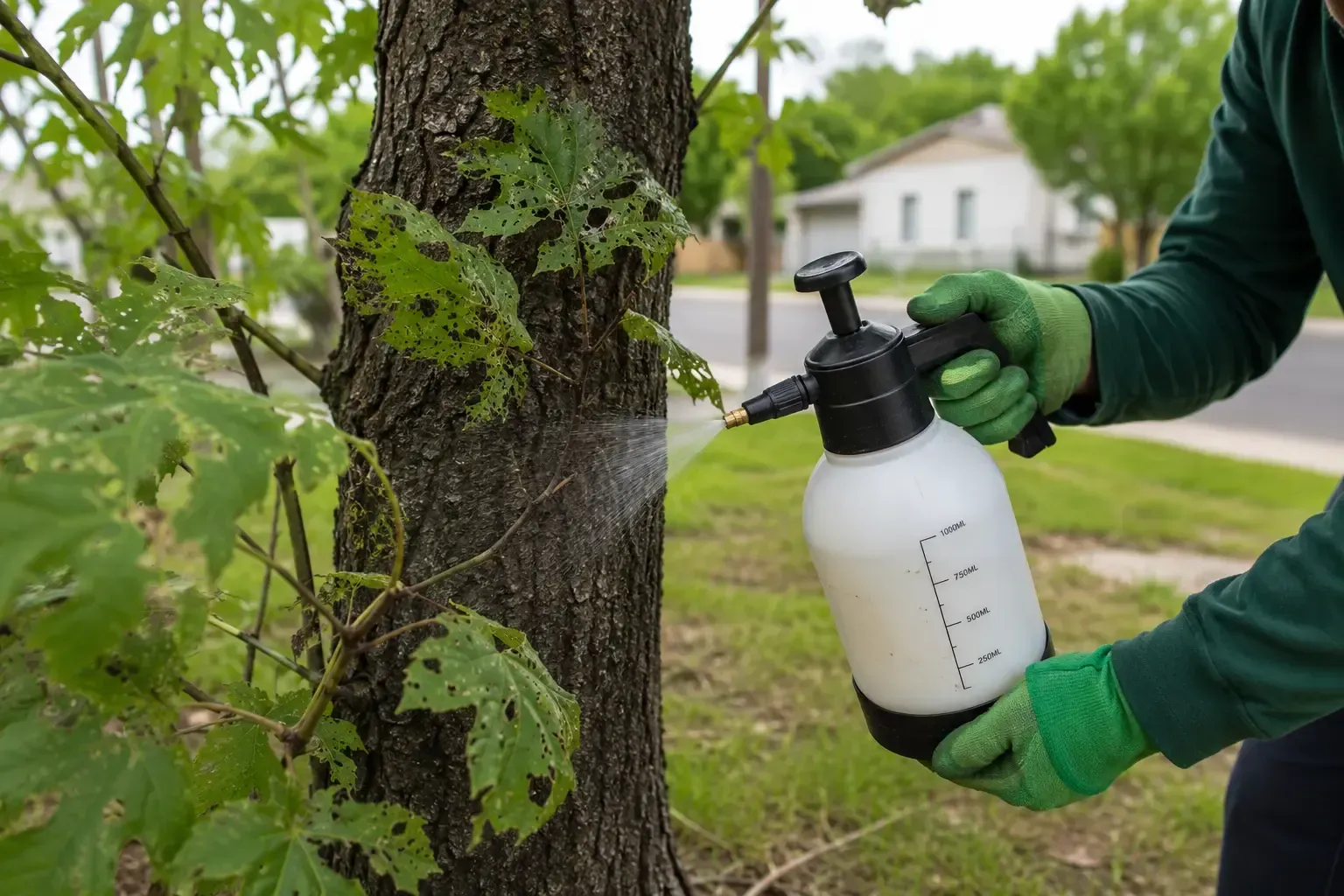
Fresh cuts on a tree are open wounds. In the warm, humid months, these wounds are magnets for pests and pathogens. Beetles, borers, and fungal spores are active and hunting for easy entry points.
In winter, the pest population in the 91731 area drops significantly. Bacteria and fungi are less active. By pruning now, the wounds have time to "harden off" before the bugs wake up in spring. This is particularly vital for trees susceptible to bark beetles, which are a known issue in Southern California.
The
International Society of Arboriculture (ISA) consistently recommends dormant pruning to minimize the transmission of diseases like Oak Wilt or Fire Blight. If you trim an infected tree in summer, you might spread the infection to your entire yard. In winter, the risk is minimal.
Local Regulations and "Heritage" Trees
El Monte isn't the Wild West. You can't just chop down whatever you want. The city has specific ordinances protecting certain tree species and street trees. There is a respect for the canopy here that adds value to our properties.
Navigating these rules can be a headache for the average homeowner. Is that Oak on your property line protected? Do you need a permit to remove that dying pine?
El Monte Tree Service
handles this red tape. We know the local code enforcement nuances. We know the difference between a standard trim and a violation.
Furthermore, improper pruning—like "topping"—isn't just ugly; it can be illegal if it harms a protected tree. Topping is the act of indiscriminately chopping off the top of a tree. It creates weak, spindly regrowth that is dangerous. A legitimate arborist will never top a tree. We reduce height through "drop-crotching," a technique that preserves the natural shape and structural integrity.
What El Monte Homeowners Should Expect
When you hire a professional team for winter service, the process should be transparent. Here is the reality of the job:
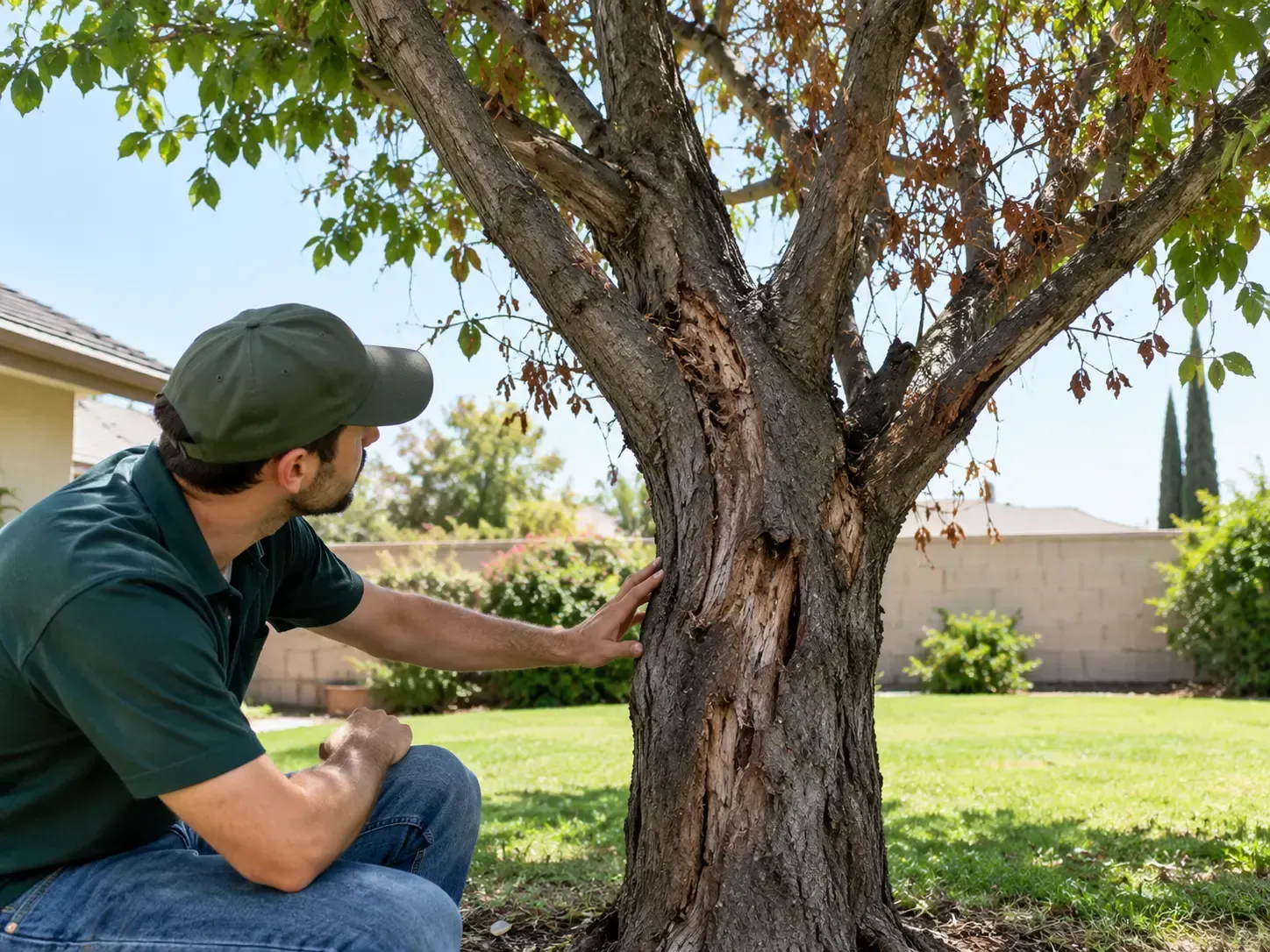
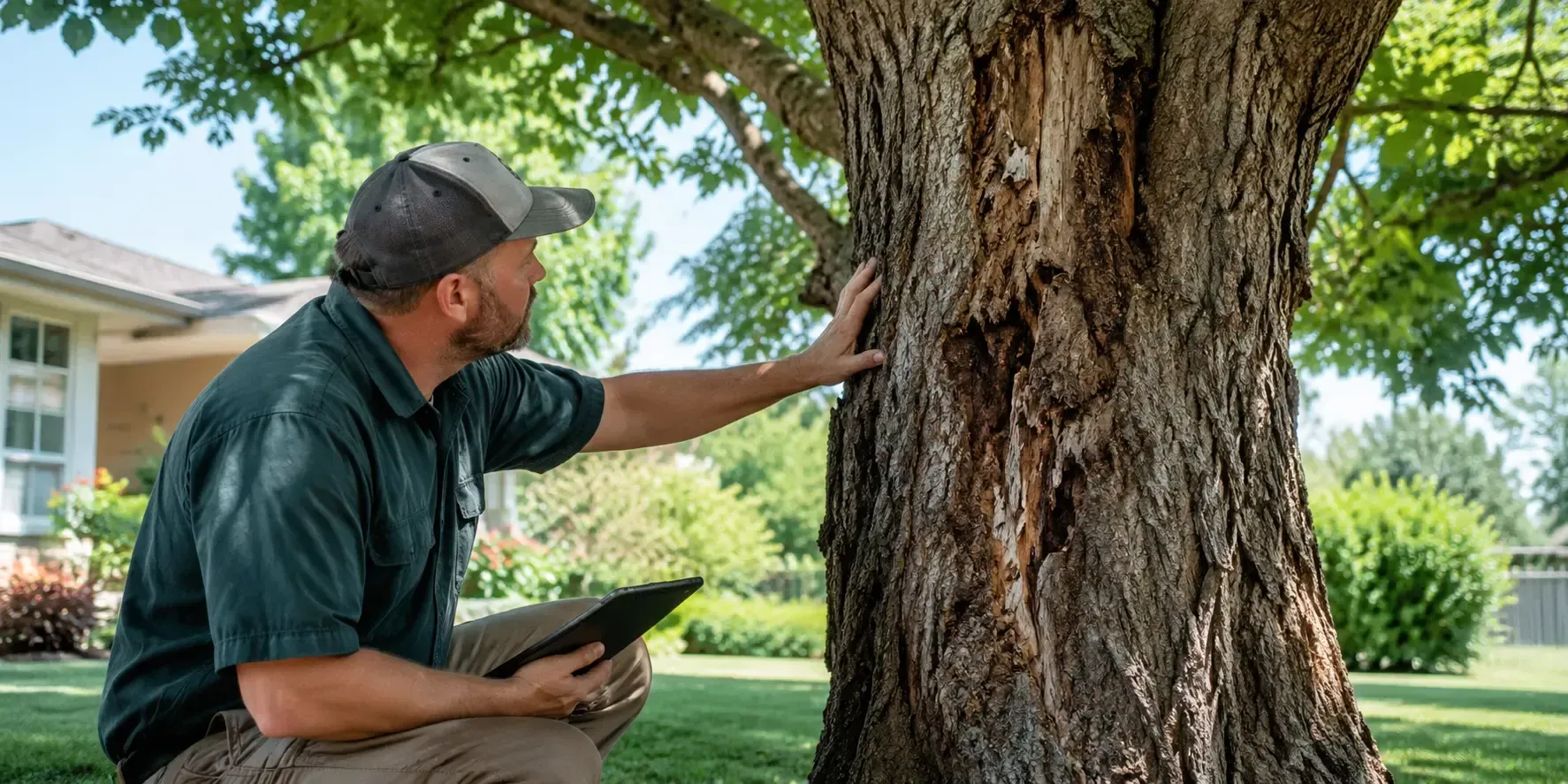
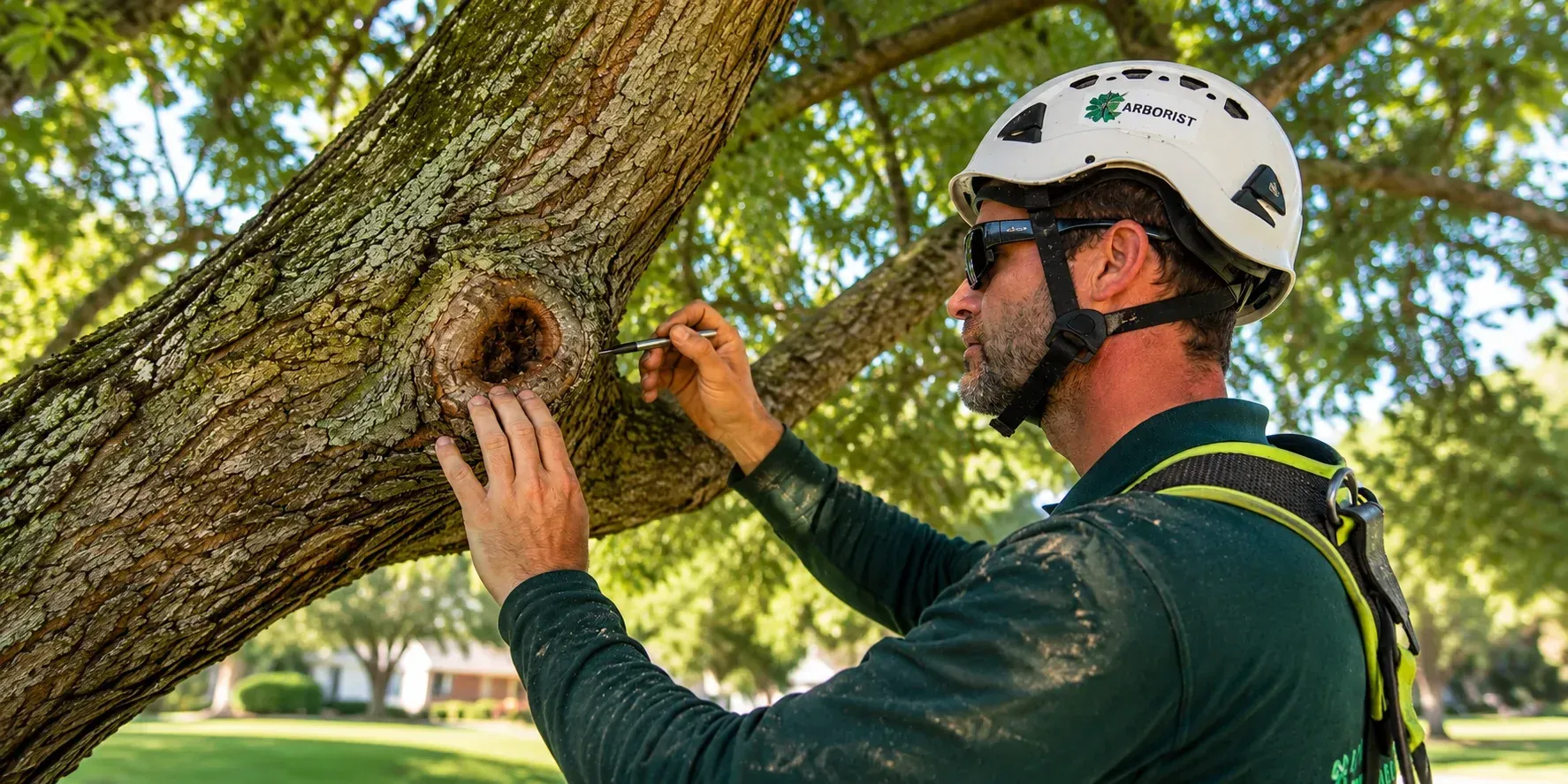
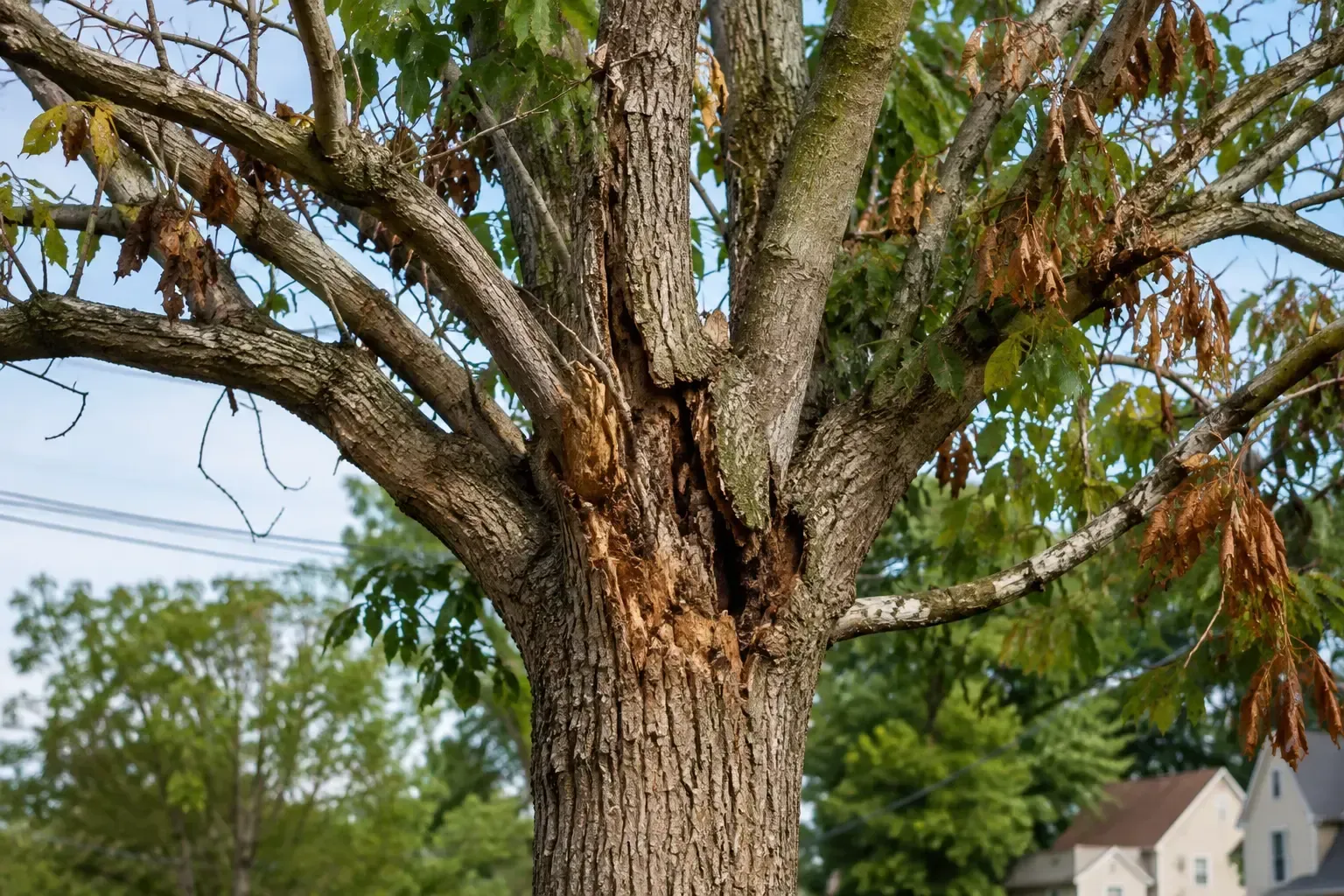
Assessment: We look for the "Three Ds": Dead, Damaged, and Diseased wood. That goes first.
Structure: We look for crossing branches that rub against each other. Friction causes wounds. We remove the weaker limb.
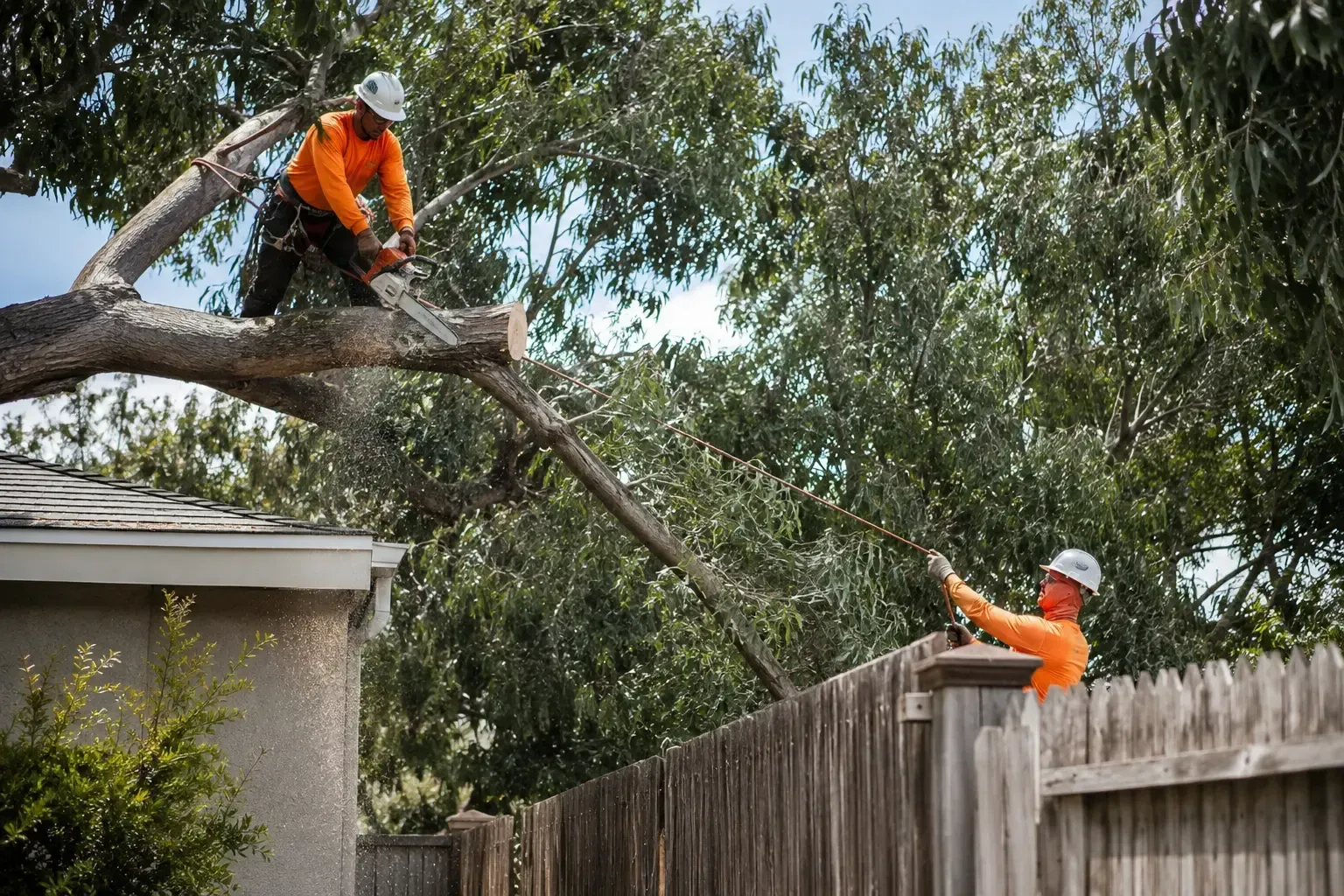
Clearance: We ensure branches are cleared away from your roof, gutters, and service lines. Rats love using tree bridges to get into your attic. We cut off their highway.
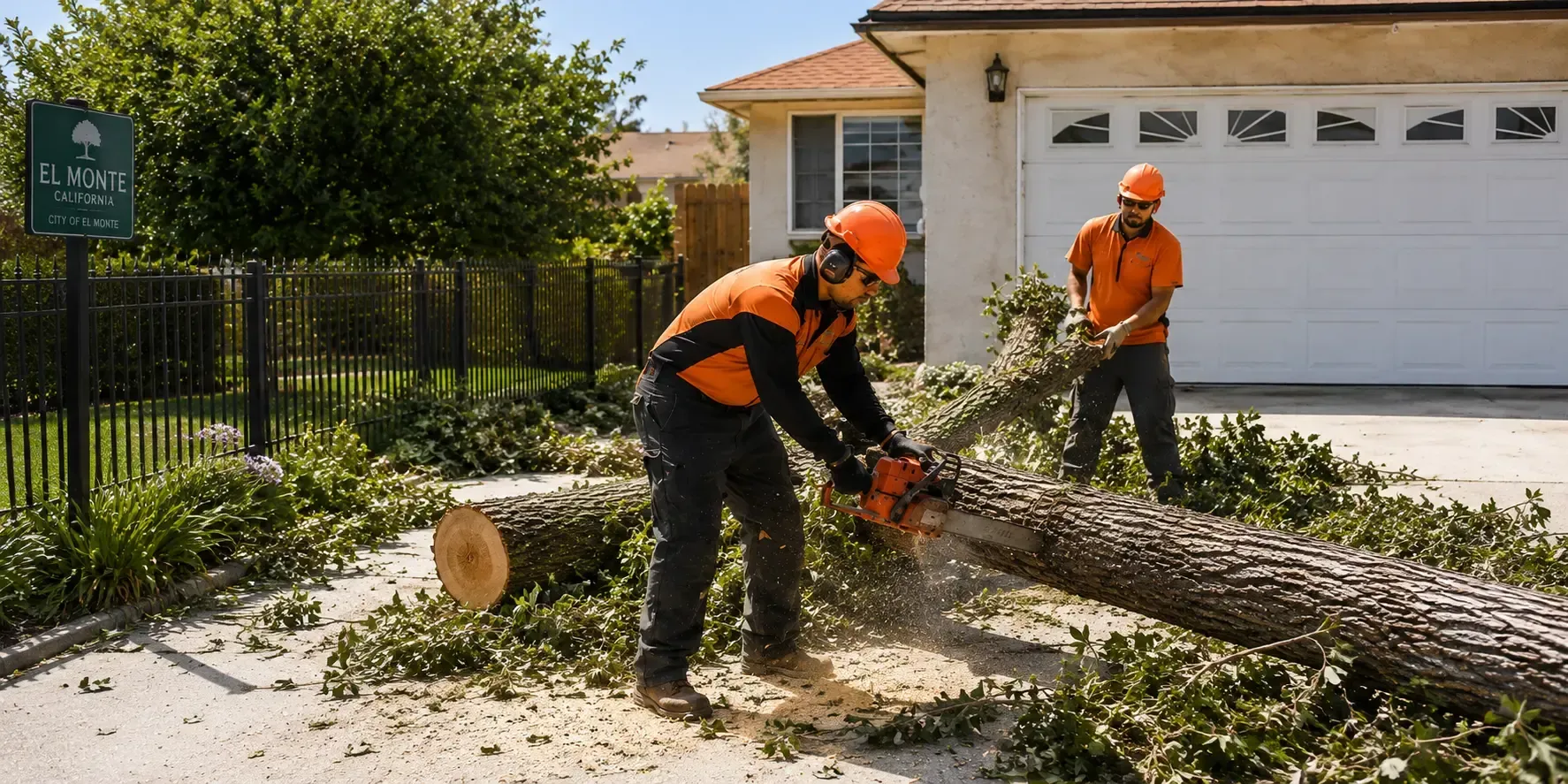
Cleanup: Winter pruning produces heavy wood. We chip and haul it away, leaving your yard cleaner than we found it.
Don't fall for the "guy with a chainsaw" pitch. Your trees are assets. Mature trees can add up to 20% to your property value according to the Arbor Day Foundation. Treat them like an investment, not a nuisance.
The Cost of Inaction
Ignoring your trees in winter leads to "sticker shock" in spring. Or worse, an insurance claim. A tree that hasn't been thinned is a ticking time bomb for the next windstorm. A tree that hasn't been cleaned of deadwood is a breeding ground for next season's pests.
El Monte residents take pride in their homes. From the historic neighborhoods to the newer developments, the landscape matters. El Monte Tree Service is the industry standard here because we combine local knowledge with arboricultural science. We don't guess. We know.
Frequently Asked Questions
When is the absolute best month to trim trees in El Monte?
For most deciduous trees, January and February are ideal. The trees are fully dormant, and the lack of foliage allows arborists to see the structural architecture clearly. However, dead or hazardous branches should be removed immediately, regardless of the season.
Do I need a permit to trim the tree in front of my house?
If the tree is in the "parkway" (the strip between the sidewalk and the street), it likely belongs to the City of El Monte. You generally cannot touch these without permission. For trees on private property, permits are usually only required for full removal of significant "heritage" trees, not standard maintenance.
Why is "topping" a tree bad?
Topping removes the tree's ability to produce food (leaves) and shocks the system. The rapid regrowth, called "water sprouts," is weakly attached and prone to breaking. It destroys the tree's natural shape and significantly shortens its lifespan. Never hire a company that suggests topping.