The Real Risk of Cheap Tree Work vs. Professional Care in El Monte
Every homeowner wants to save money on property maintenance. When a large eucalyptus or oak tree requires pruning or complete removal, the estimates can sometimes feel overwhelming. It is at this exact moment that a flyer on your door or a handwritten sign offering drastically reduced rates for tree cutting seems like a perfect solution. You might think that cutting down a branch is just a matter of owning a chainsaw and a ladder.
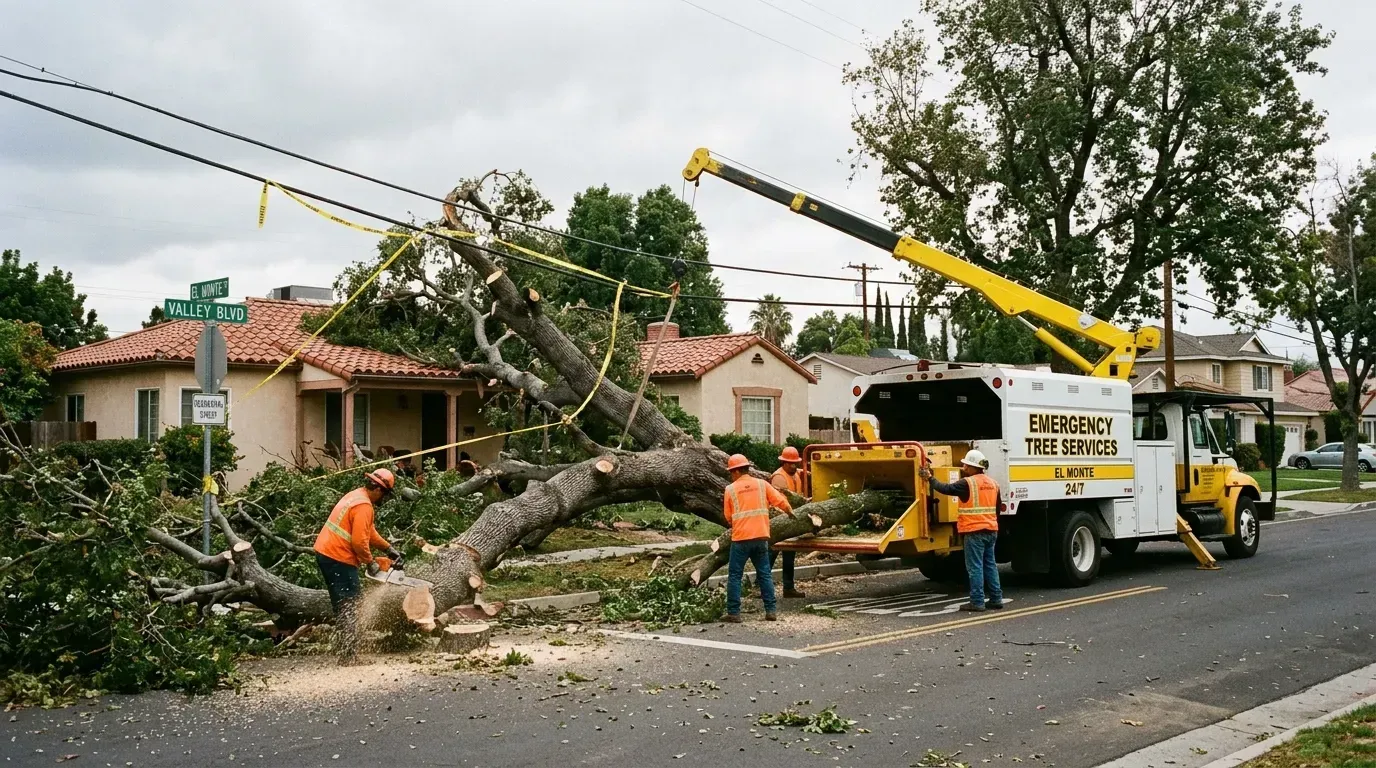
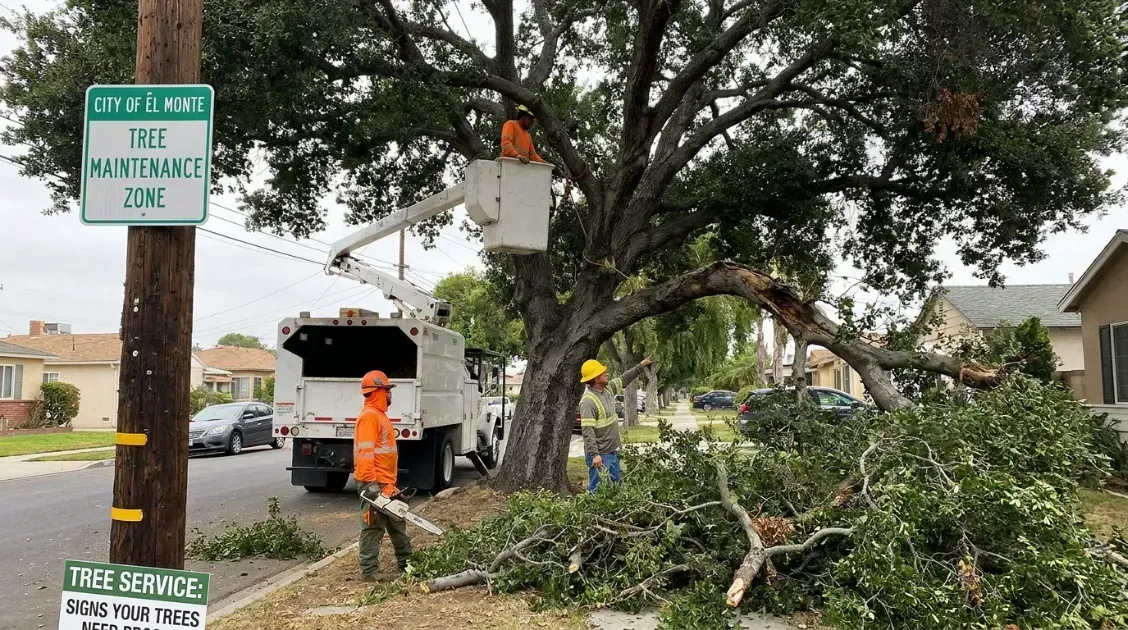
This line of thinking exposes property owners to massive financial and physical risks. Tree care is a highly technical, inherently dangerous industry that requires a deep understanding of physics, biology, and safety protocols. Hiring untrained individuals to perform heavy canopy work or complex removals sets the stage for disastrous consequences. For residents managing properties in El Monte, understanding the sharp divide between amateur tree cutters and trained arborists is a matter of protecting your home, your finances, and your family.
Comparing the True Costs of Tree Care
To fully grasp the difference between amateur labor and a professional operation, we must look at the variables that impact your property over time. The table below outlines the core differences.
| Risk Factor | Unlicensed "Cheap" Crews | Professional Tree Service | Financial Impact on Homeowner |
|---|---|---|---|
| Worker Injury | No workers compensation. Homeowner assumes full liability. | Fully insured. Company assumes all medical and legal liability. | Extremely High (Potential lawsuits and medical bills) |
| 2 | No liability insurance. Damage is paid out of pocket by the homeowner. | Comprehensive coverage guarantees repairs for any accidental damage. | High (Roof, fence, or concrete repair costs) |
| 3 | Uses harmful techniques like topping or flush cutting, causing rot. | Uses ISA standard pruning, promoting long-term stability and health. | Moderate (Cost of eventual tree removal due to decay) |
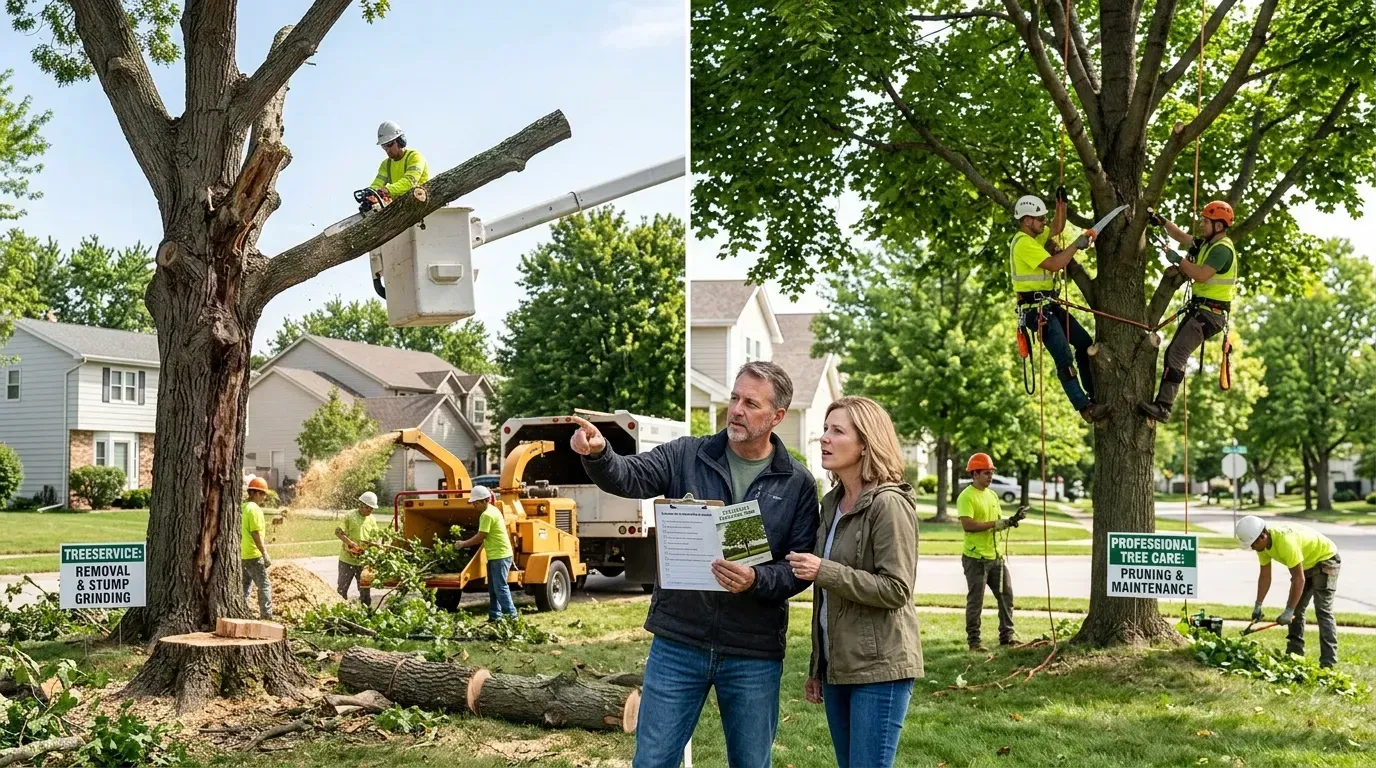
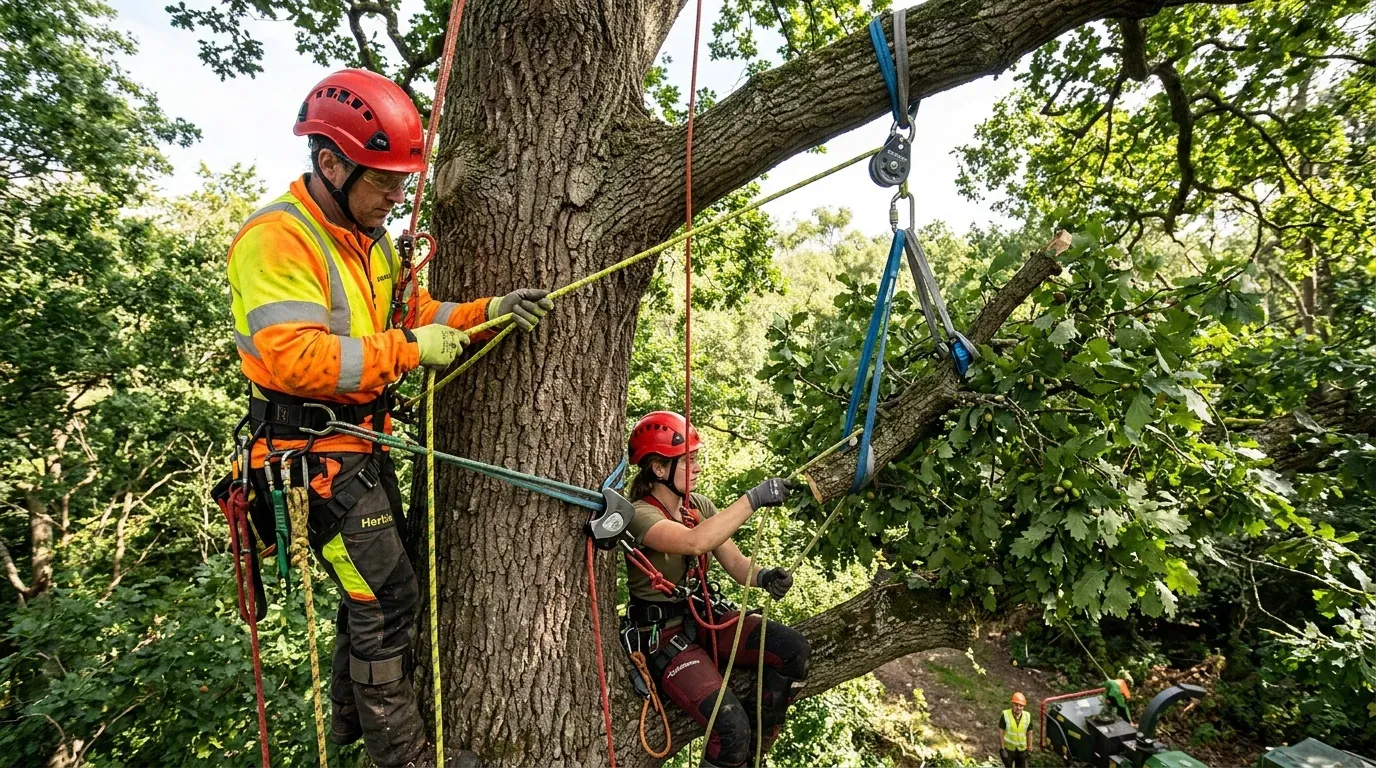
| 4 | Basic ladders and chainsaws; no safety rigging or chippers. | Cranes, bucket trucks, lowering devices, and heavy-duty wood chippers. | Low to Moderate (Slow work, poor cleanup) |
Protecting Your Home, Family, and Property Value
Your property is likely your most significant financial asset. The landscaping and mature trees surrounding your home play a massive role in its overall curb appeal and market valuation. Healthy, well-maintained trees provide shade that lowers summer cooling costs and creates a welcoming, secure environment for your family.
Butchered trees destroy that aesthetic. If you are preparing to sell your property, real estate agents and potential buyers will immediately notice the difference between a meticulously maintained oak tree and one that has been hacked apart by untrained labor. Poor tree care signals to buyers that other areas of the home may also suffer from deferred or cheap maintenance.
For property managers and landlords in El Monte, the stakes are even higher. You have a legal obligation to ensure the safety of your tenants. Allowing an overgrown or dying tree to remain on the property, or hiring an incompetent crew to manage it, opens you up to severe negligence claims if a branch falls and injures a resident. Relying on El Monte Tree Service professionals ensures you meet your duty of care, providing safe, beautiful grounds for your tenants while protecting your investment portfolio.
What to Demand from Your Tree Care Provider
Knowing the risks is only half the battle. You must also know exactly what to look for when securing estimates for your property. Never accept a verbal quote without verifying the credentials of the business.
You should always demand the following from any tree care provider you invite onto your property:
- Proof of active liability insurance and workers compensation policies.
- A detailed, written estimate outlining exactly what branches will be removed or how the stump will be ground.
- Confirmation that they follow proper arboricultural standards for pruning.
- A clear plan for debris removal and property cleanup after the cutting is finished.
- A visible commitment to safety gear, including hard hats, protective eyewear, and climbing harnesses.
Taking the time to vet the company protects your wallet and your peace of mind. Tree care is not an area where you want to cut corners. Investing in professional, rigorous, and safe tree management ensures your home remains secure, your trees stay healthy, and your financial assets are shielded from unnecessary liability. Make the smart choice for your property by prioritizing competence and safety over a dangerously low price tag.
Frequently Asked Questions
How do I know if a tree poses an immediate danger to my home?
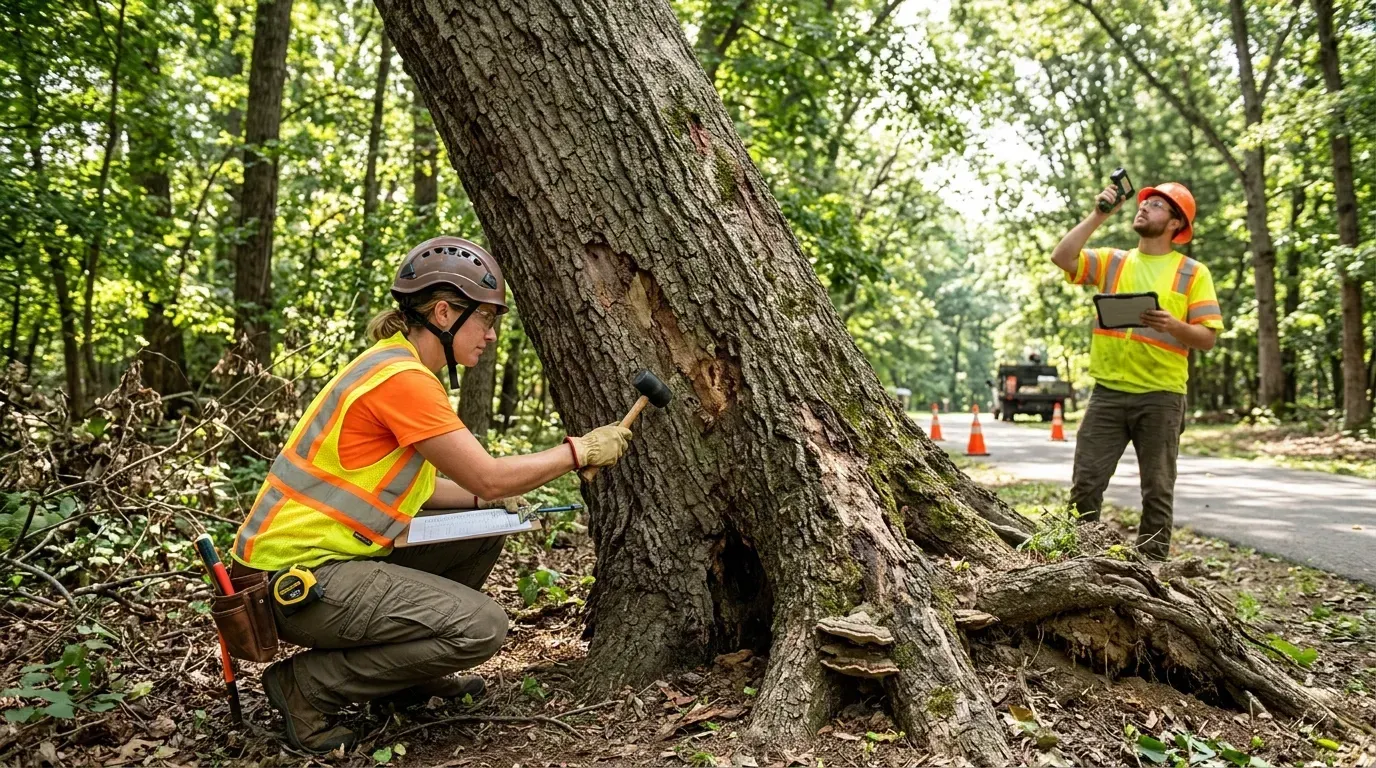
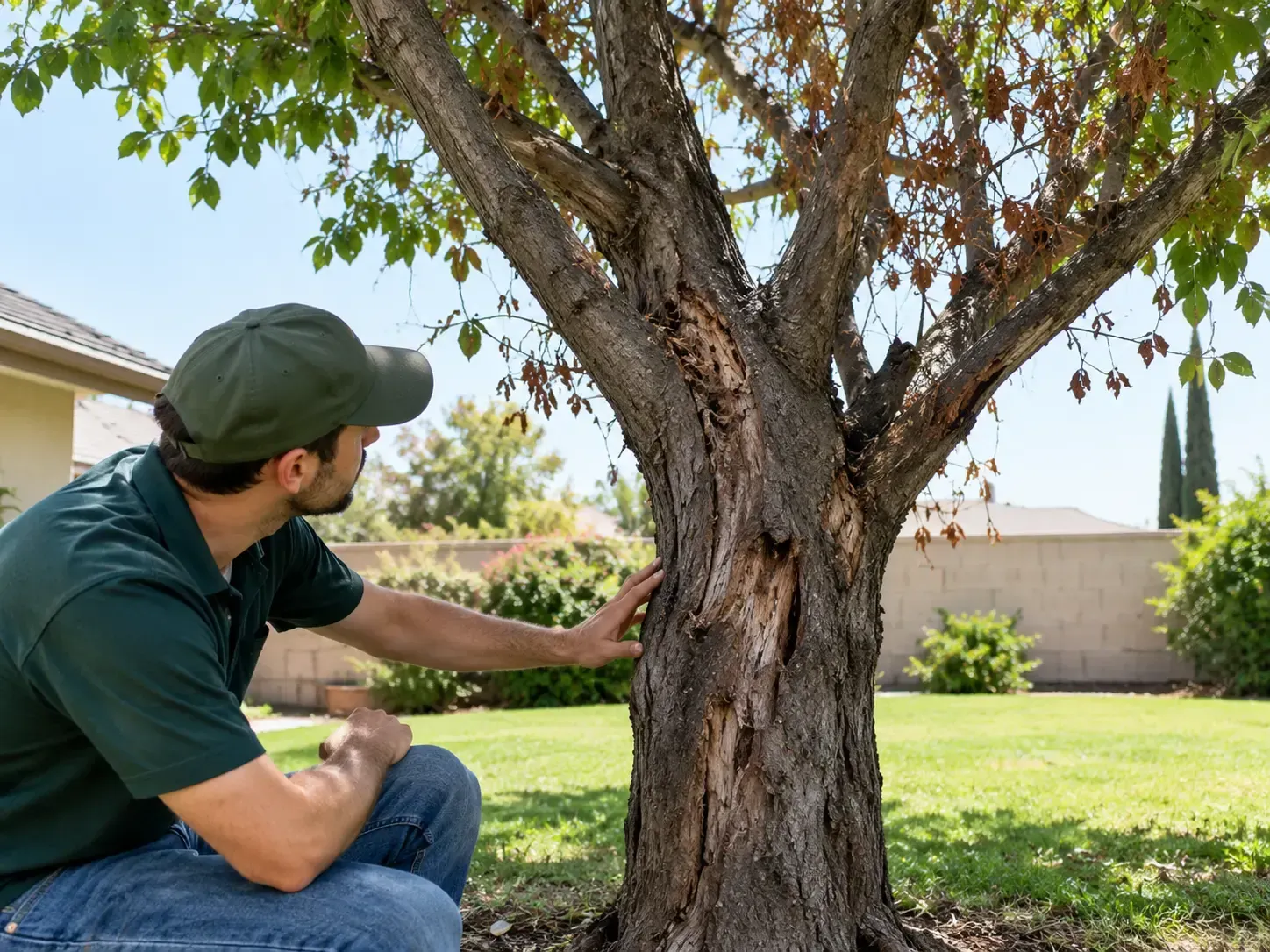
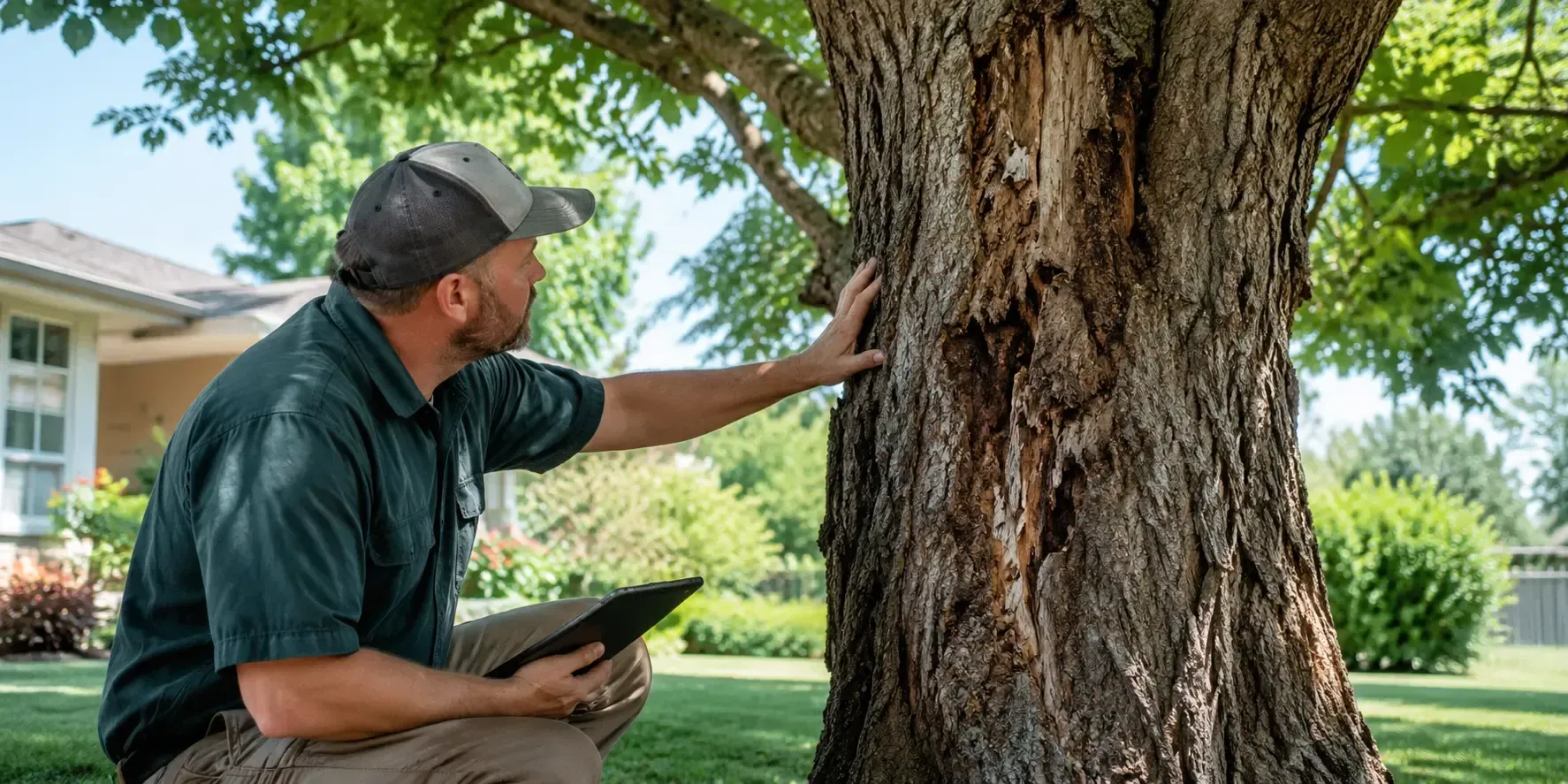
Look for warning signs such as deep cracks in the trunk, a sudden lean toward your house, or large dead branches hanging in the canopy. Fungus growing near the base of the trunk can also indicate severe internal decay. If you spot any of these issues, you should request an inspection from a professional arborist immediately.
Am I responsible if an unlicensed tree worker gets hurt on my property?
Yes. If you hire an individual or a company that does not carry workers compensation insurance, you become the general contractor in the eyes of the law. If they fall or sustain an injury while working on your trees, you can be held legally and financially responsible for their medical bills and lost wages.
What is the difference between tree topping and structural pruning?
Tree topping is a harmful practice where the entire top of the tree is cut off indiscriminately, leaving bare stubs that are prone to disease and weak regrowth. Structural pruning is a careful, scientific process where specific branches are removed to improve the shape of the tree, increase light penetration, and reduce wind resistance while preserving the health of the tree.
Is removing a tree always necessary if it’s diseased?
Not always. Some diseases can be treated with proper care, soil management, or targeted pruning. A certified arborist can determine whether treatment or removal is the safest option.