Expert Tree Trimming Strategies for Healthy Landscapes in El Monte
Maintaining a healthy urban canopy requires more than occasional watering and basic lawn care. Trees are dynamic living structures that react constantly to environmental stressors. In El Monte, CA, the combination of intense summer heat, drought conditions, and occasional strong Santa Ana winds makes proper tree maintenance a major responsibility for property owners. Working with experienced arborists ensures your landscape remains safe, structurally sound, and visually appealing. For comprehensive care, partnering with
El Monte Tree Service provides peace of mind and superior horticultural results.
Recognizing the Need for Expert Tree Services
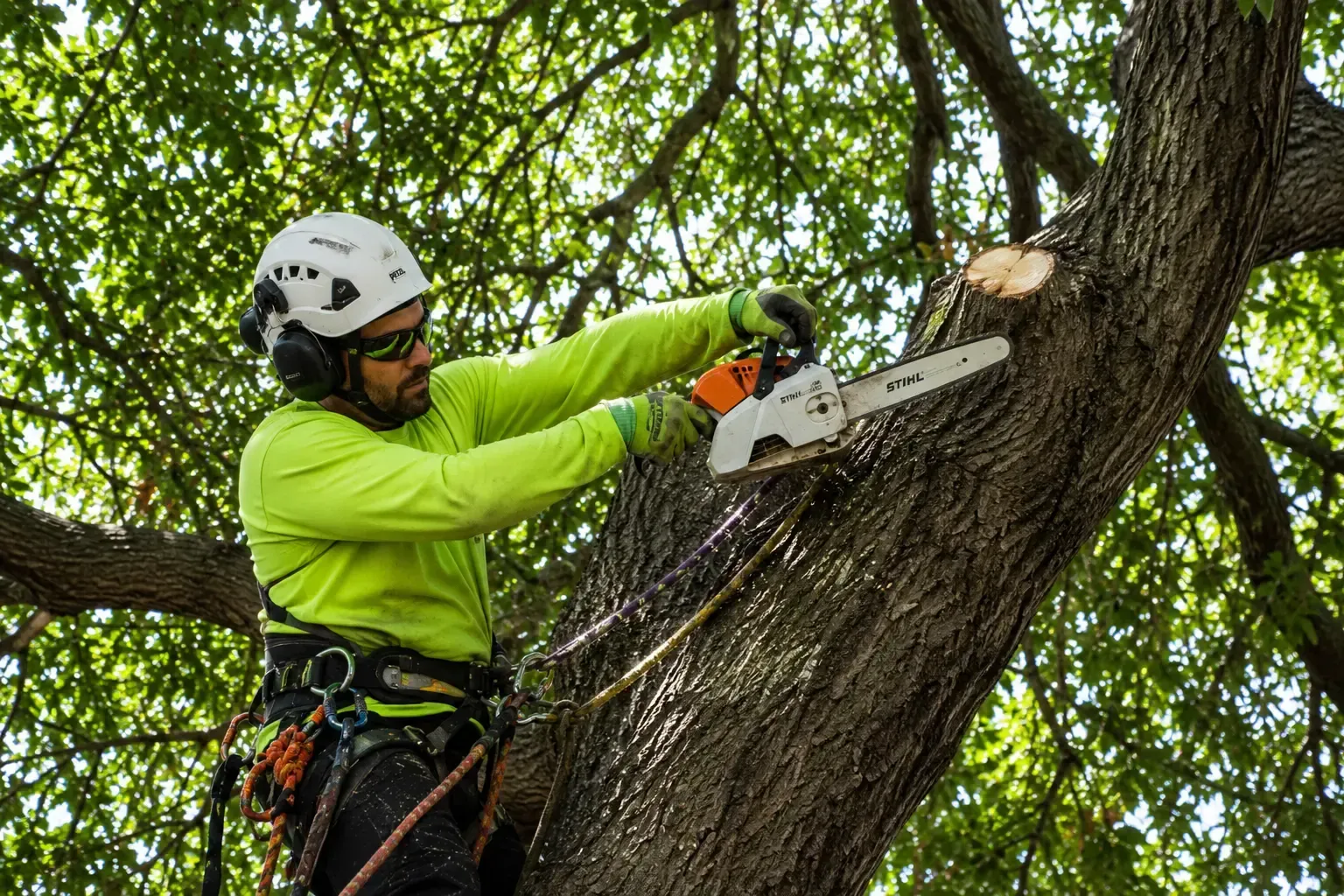
Waiting for a branch to break is a dangerous approach to property management. Proactive assessment is the most effective way to protect your home and extend the life of your trees. Professional Tree Services encompass a wide range of preventive and corrective measures designed to optimize plant health.
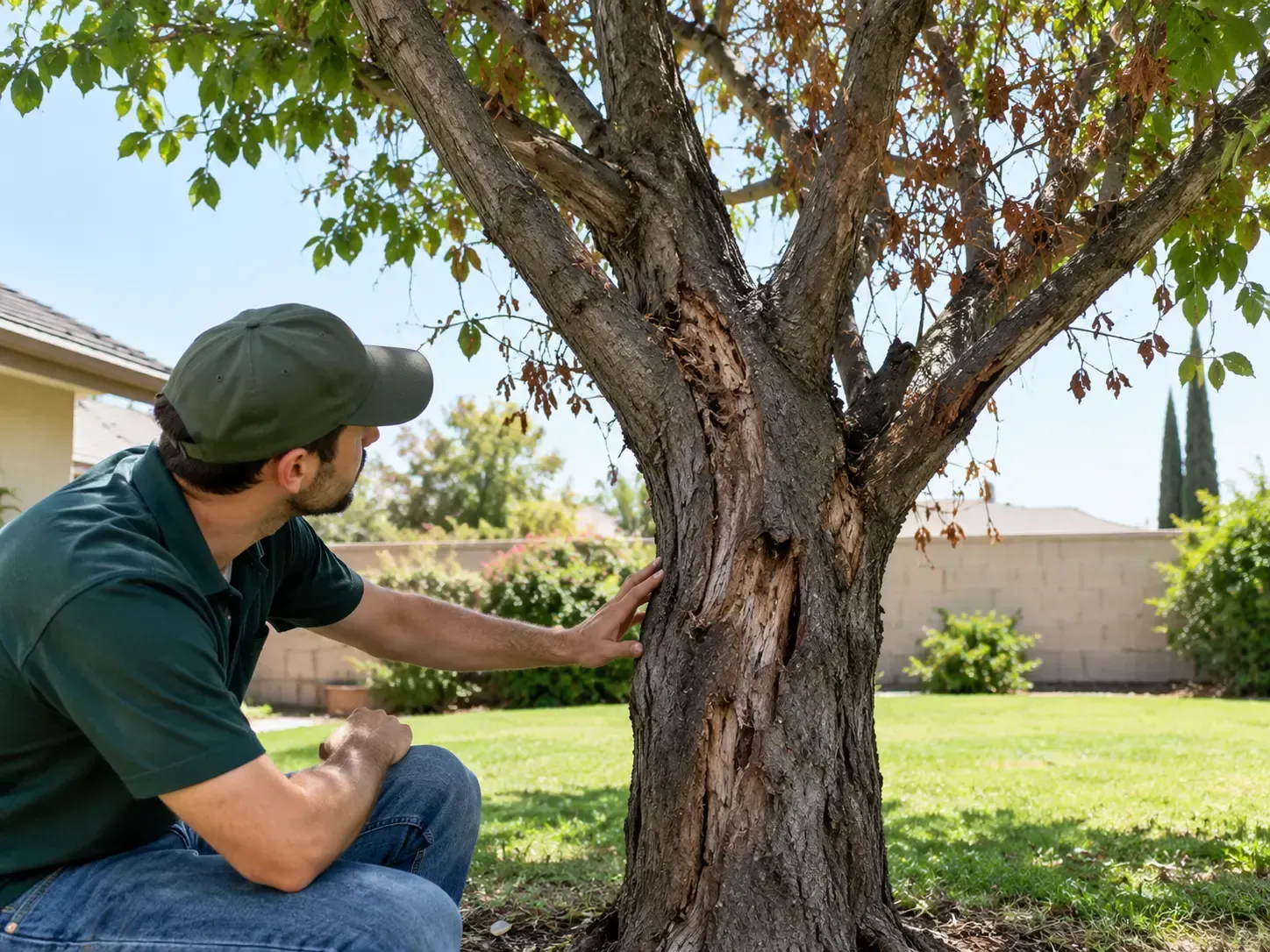
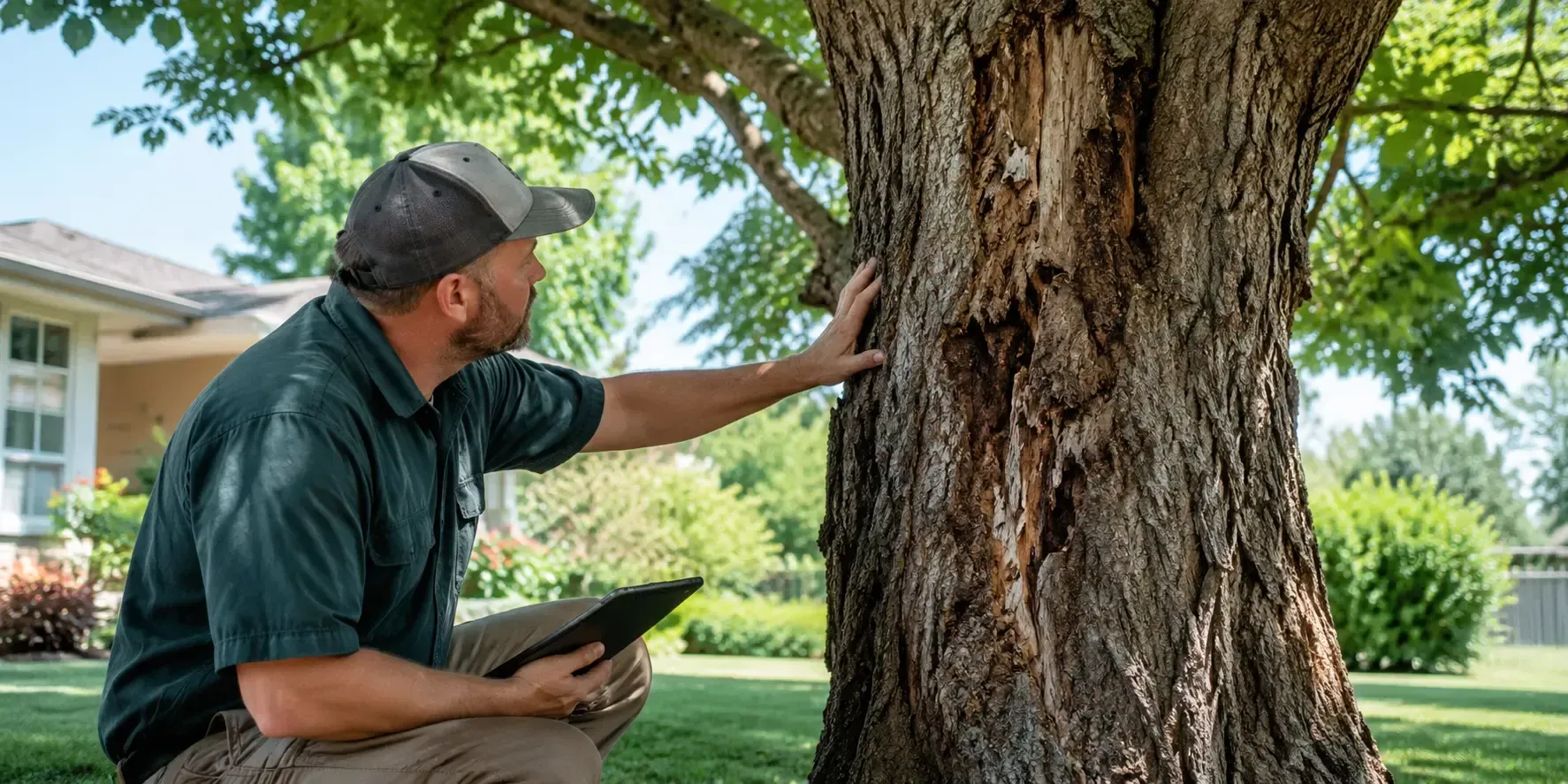
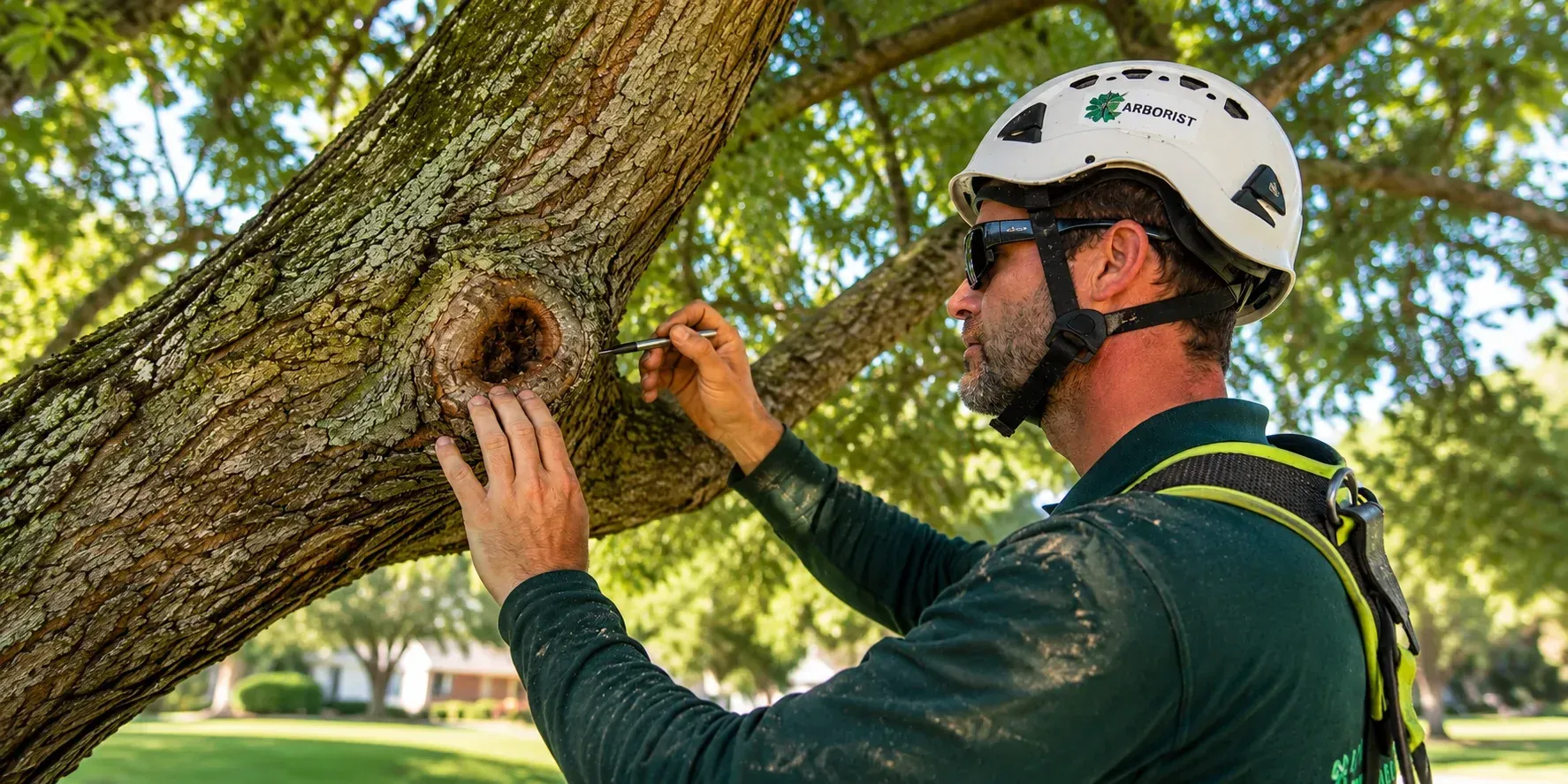
You might notice dead or dying branches hanging loosely within the canopy. These decaying limbs pose a severe risk to pedestrians and structures below. Another clear indicator is crossing branches that rub against each other in the wind. This friction creates open wounds in the bark, inviting pests and fungal infections to compromise the entire circulatory system of the plant.
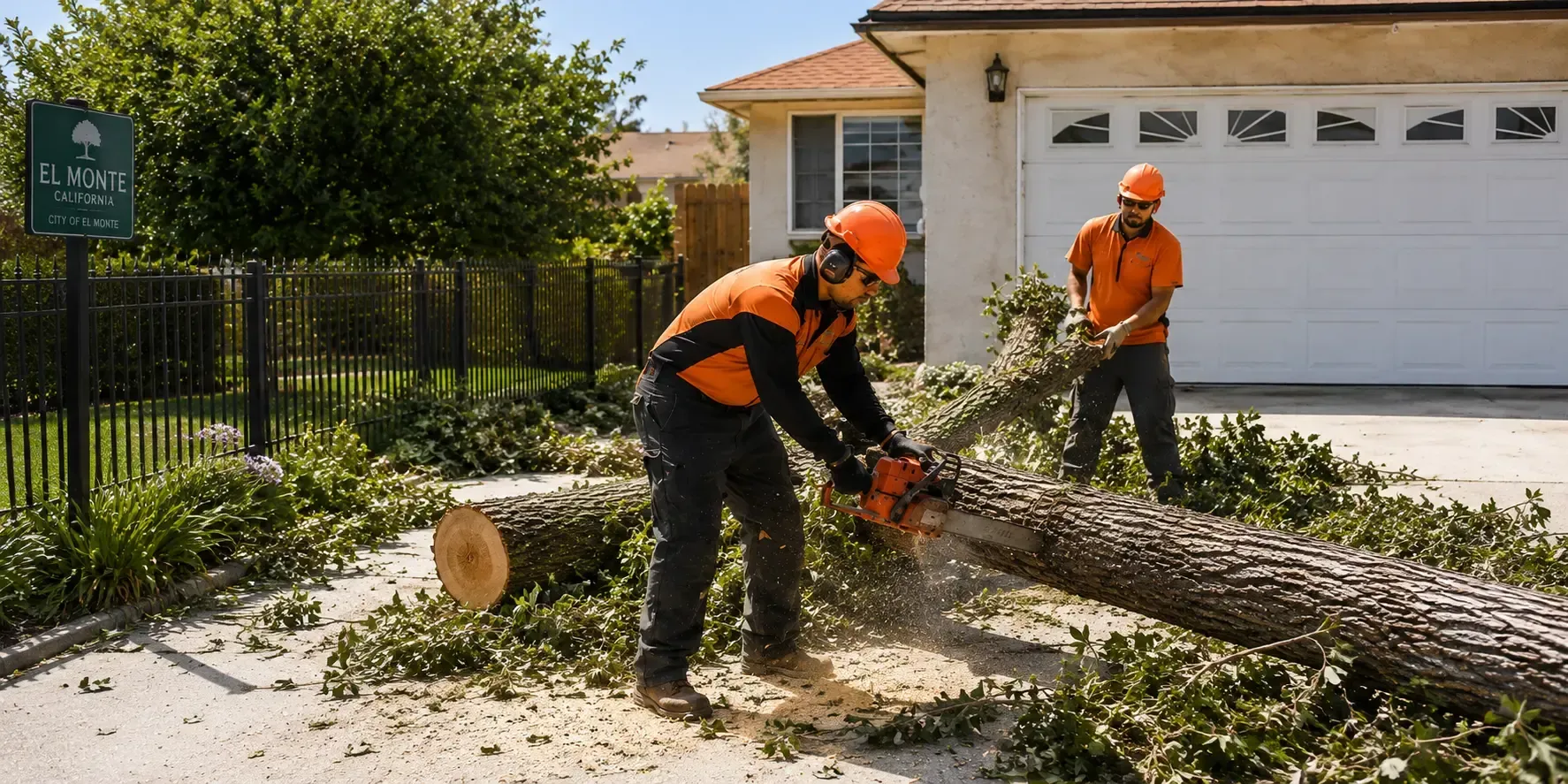
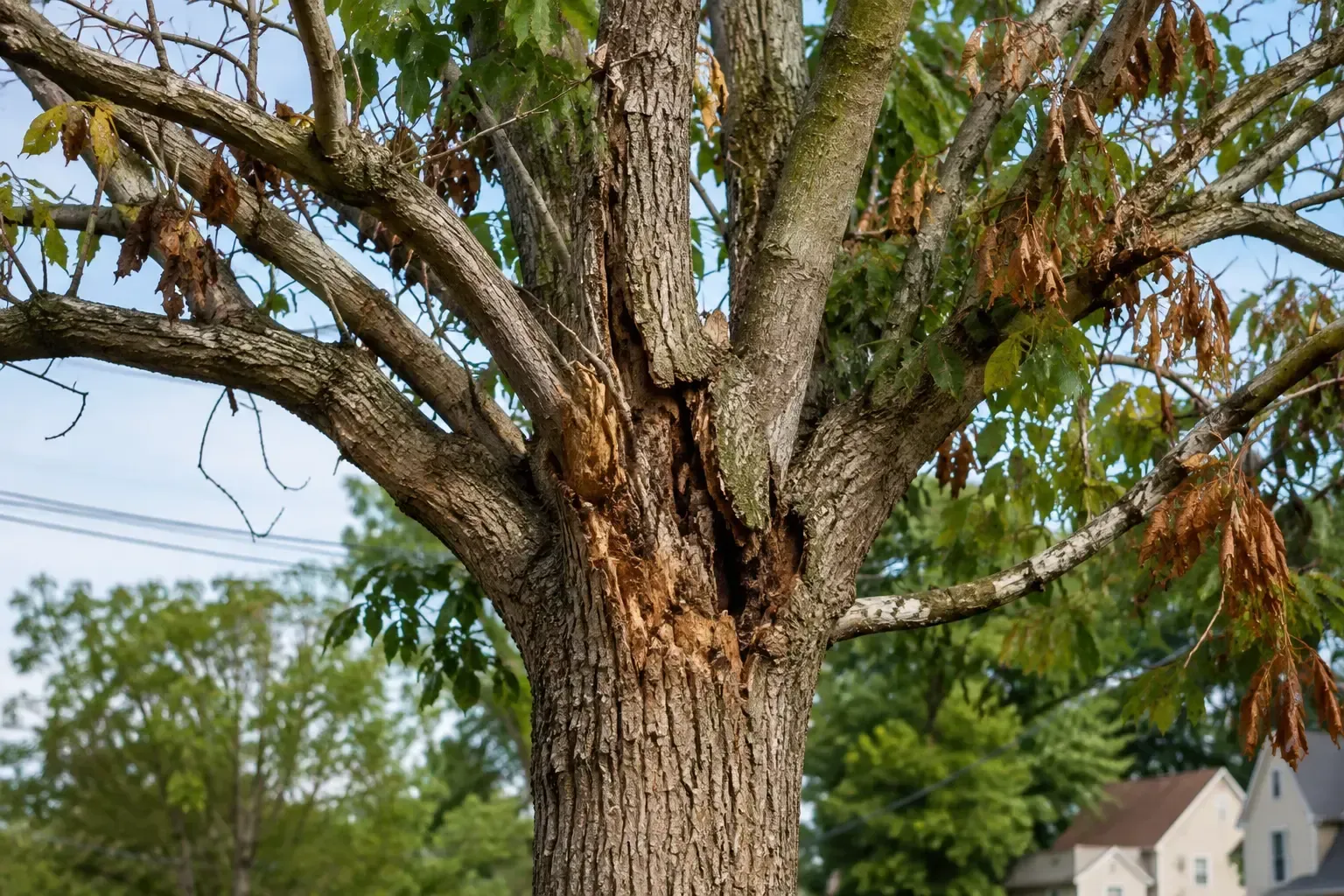
When dealing with severe decay or structural failure, simple pruning may not be enough to save the specimen. In these severe cases, complete tree removal becomes necessary to eliminate hazards from your yard. However, regular tree trimming is your primary defense against premature decline. By removing compromised wood early, you redirect the tree's energy into healthy new growth and fortify its natural biological defenses.
Understanding Trimming Techniques and Timing
Not all pruning cuts serve the same purpose. Arboriculture relies on specific techniques tailored to the species, age, and location of the plant. Understanding these methods helps property owners make informed decisions about their landscape investments. Proper cutting techniques ensure the branch collar remains intact, allowing the tree to heal the pruning wound efficiently.
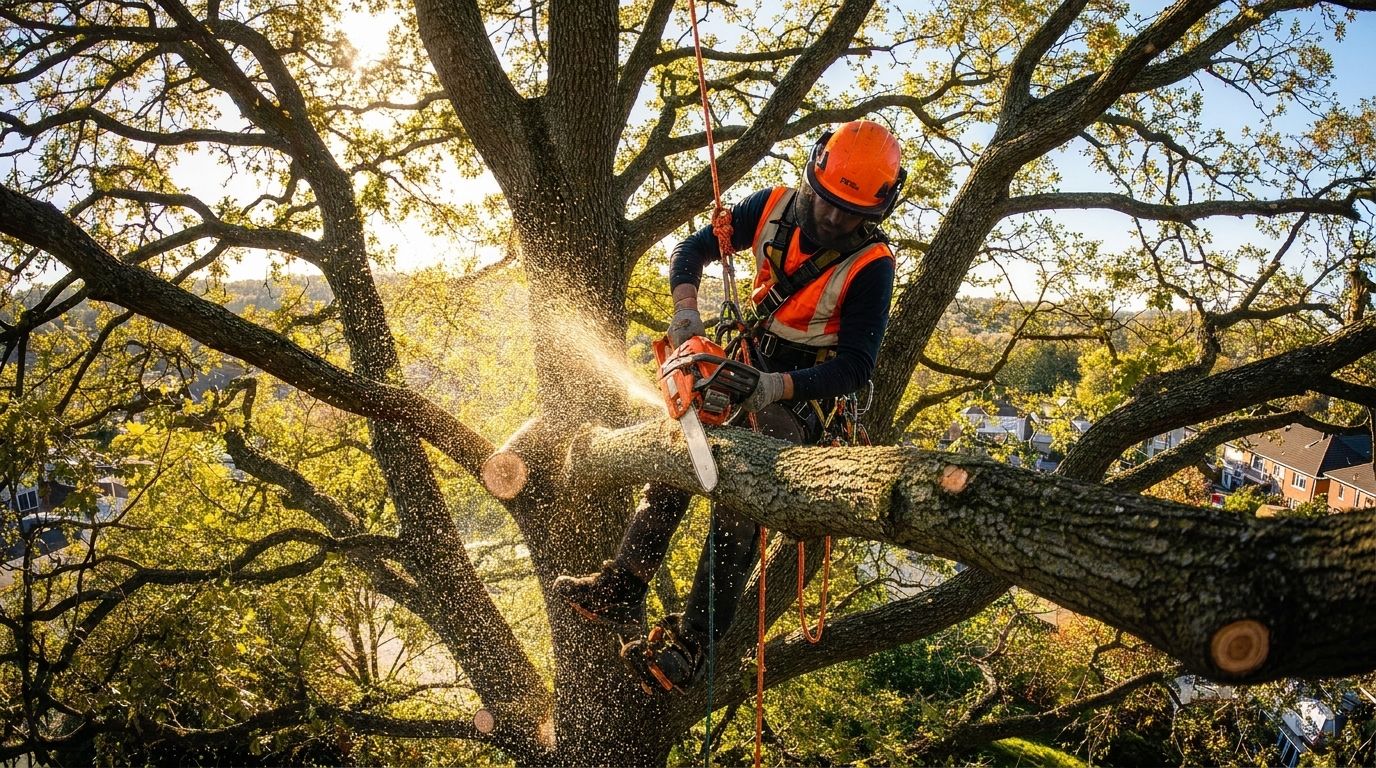
Crown thinning is a highly effective technique used for mature trees. This process selectively removes inner branches to increase light penetration and air movement through the foliage. Better airflow reduces wind resistance, which directly lowers the risk of storm damage during El Monte's high-wind events.
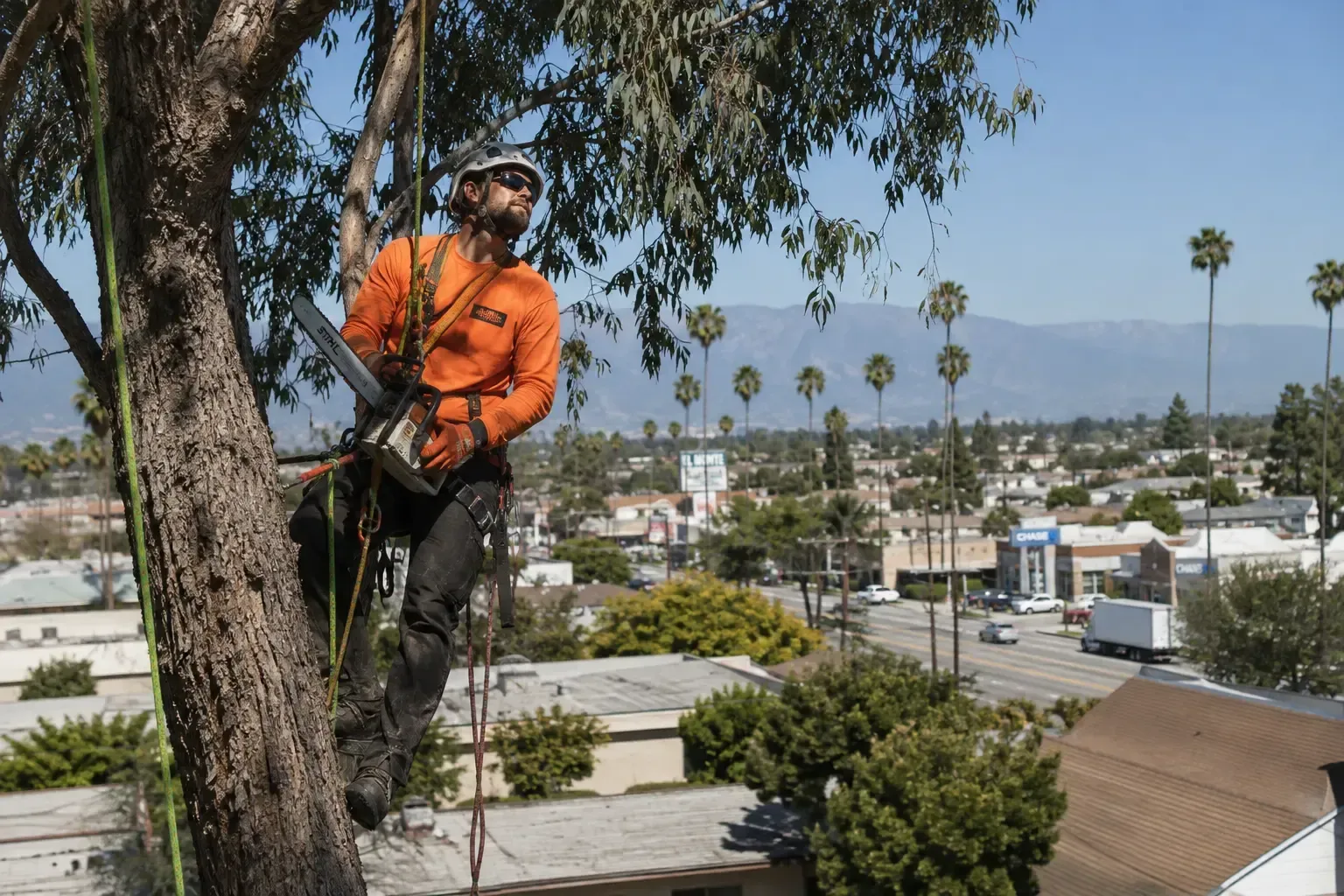
Crown raising involves removing the lowest branches to provide vertical clearance for buildings, vehicles, and pedestrians. This is particularly important for street-lining trees or specimens growing near driveways. Alternatively, crown reduction decreases the overall height or spread of the canopy. Arborists use reduction to manage trees that have grown too large for their permitted space by carefully cutting back leaders to lateral branches capable of assuming the terminal role.
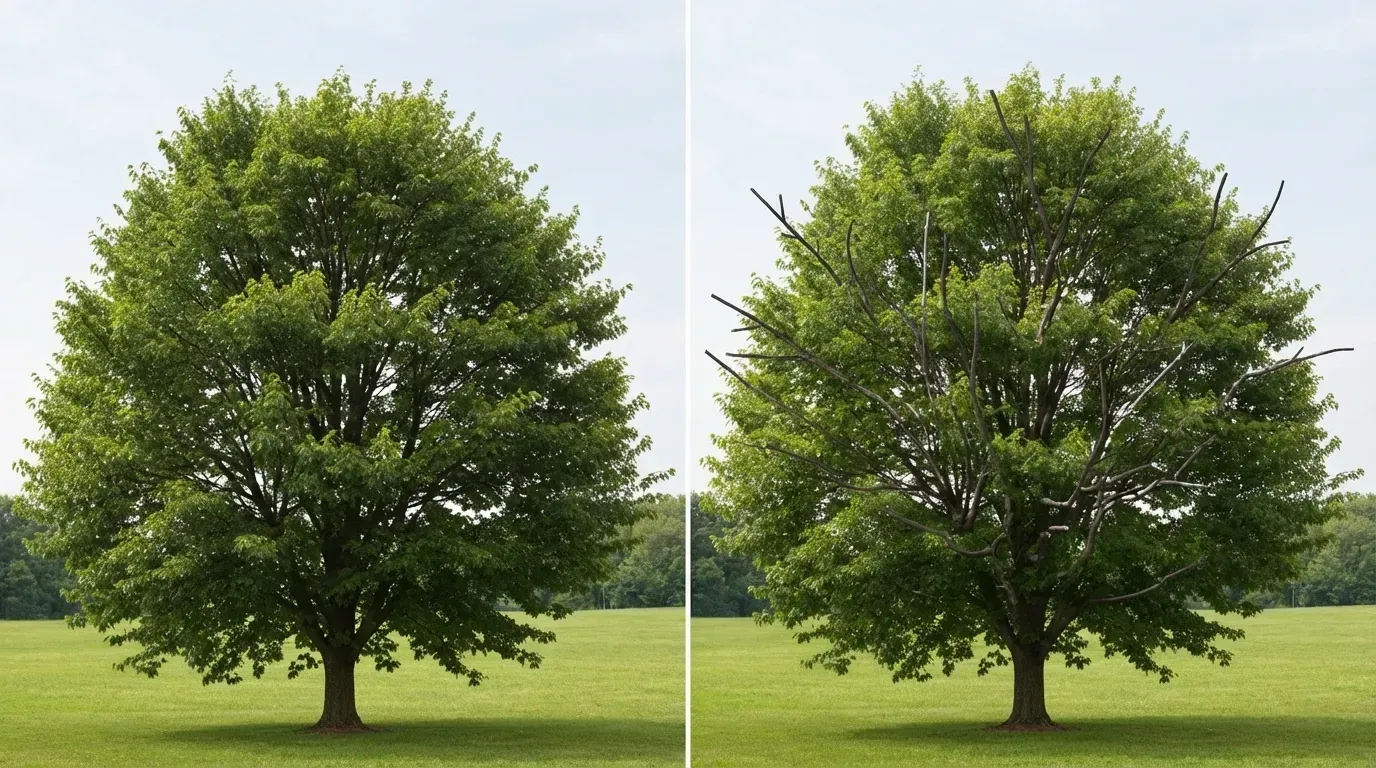
Here is a detailed breakdown of how different trimming methods achieve specific structural goals:
| Trimming Technique | Primary Objective | Best Application | Expected Outcome |
|---|---|---|---|
| Crown Thinning | Improve airflow and light penetration | Dense, mature trees like Oaks or Ficus | Reduced wind resistance and lower disease risk |
| Crown Raising | Create vertical clearance below the tree | Street trees, walkway shading trees | Safe passage for pedestrians and vehicles |
| Crown Reduction | Control overall size and canopy spread | Trees interfering with power lines or structures | Maintained structural integrity in tight spaces |
| Deadwooding | Eliminate hazardous, decaying wood | Older trees exhibiting natural dieback | Improved safety and redirected growth energy |
Protecting Your Property from Overgrown Canopy Risks
The environment in Southern California presents unique challenges for property owners. Heavy canopies act like sails during windstorms. If a tree lacks proper aerodynamic flow, the entire trunk takes the brunt of the force, significantly increasing the chance of total root failure or trunk snapping. To protect your property, you should be aware of several key risk factors:
- Heavy branches overhanging your roof can damage shingles or cause structural cave-ins during severe weather.
- Encroaching roots and low-hanging limbs can disrupt pedestrian walkways and block driveway visibility.
- Dense, unkempt canopies trap moisture against the trunk, promoting harmful fungal growth and wood rot.
- Branches growing near power lines present a severe fire hazard and risk localized power outages.
Utility companies often perform rough line-clearance pruning to protect the wires, but their priority is not the visual appeal of the tree. Hiring a certified professional ensures the cuts are made with the tree's long-term health in mind.
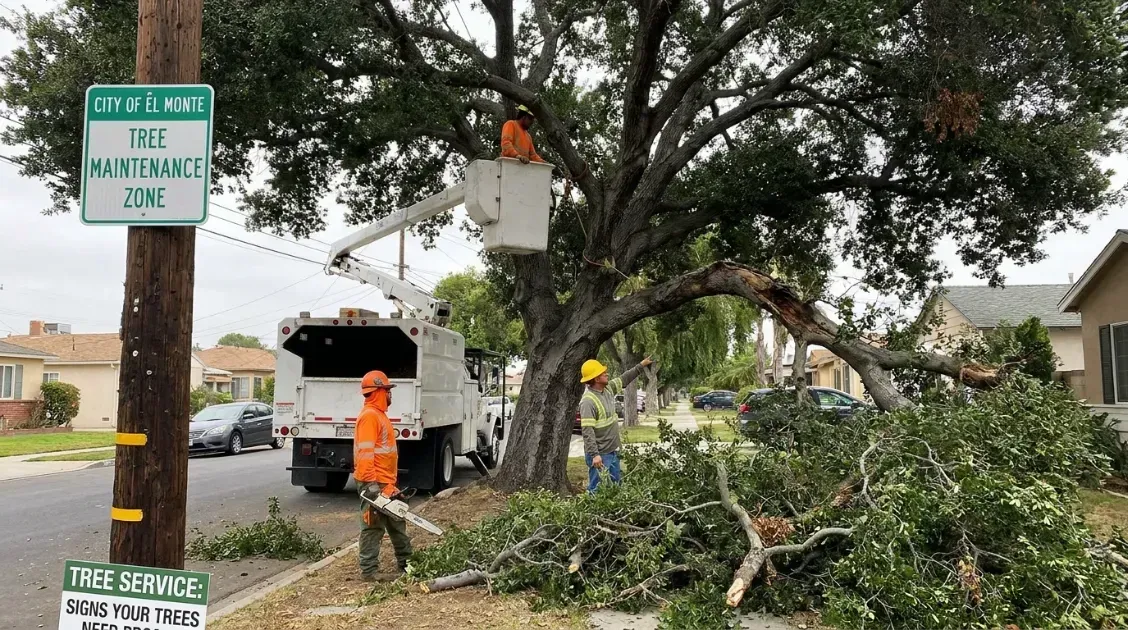
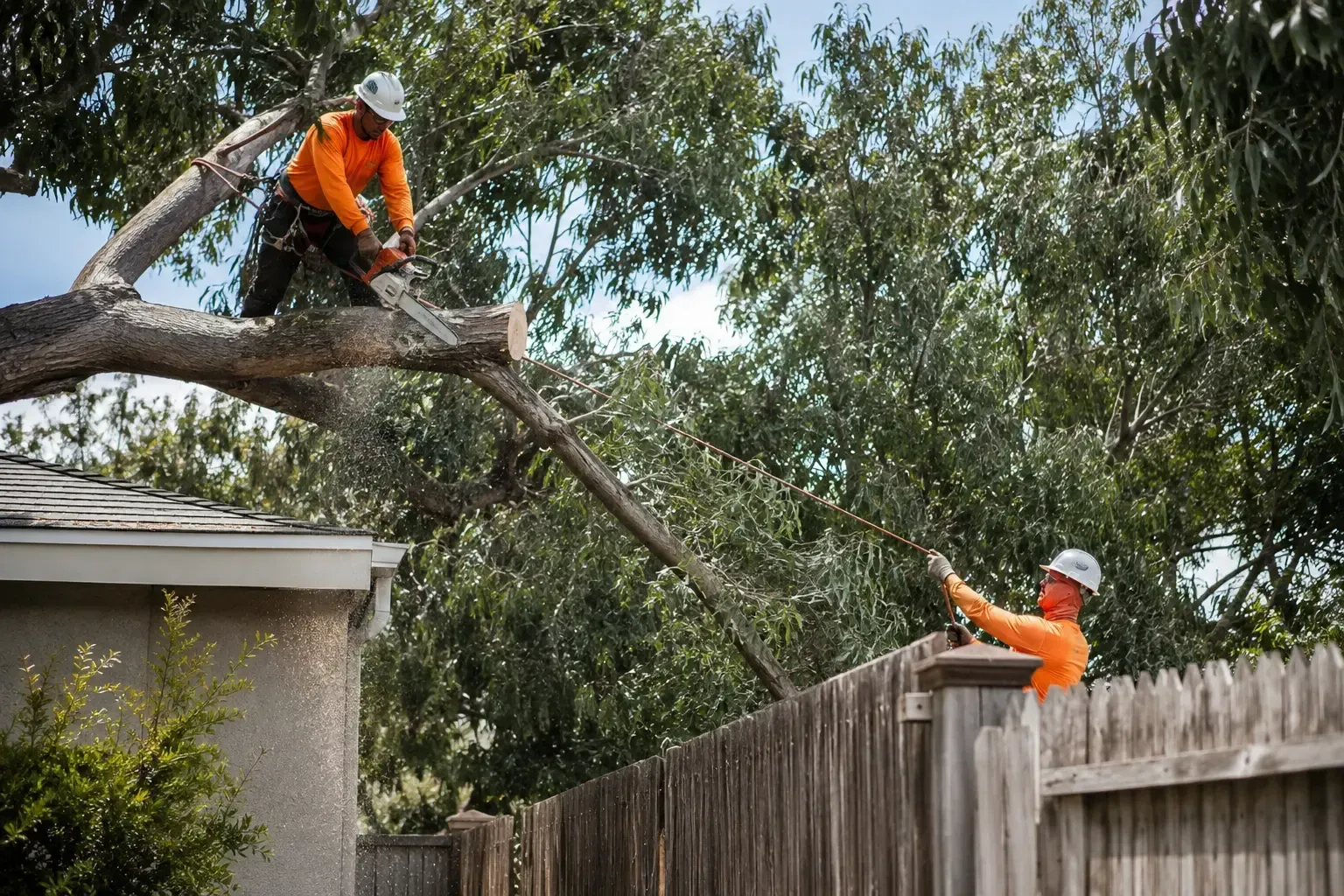
Sometimes sudden weather events or unexpected structural failures create immediate dangers. When a massive limb crashes onto a roof or blocks a primary access road, rapid response is mandatory. Securing emergency tree removal services mitigates further property damage and restores safety to the environment. Once the immediate threat is cleared, attention must turn to the remaining root system. Just as leaving a stump in the ground can cause long-term pest issues, addressing the aftermath of a fallen tree requires thorough cleanup. You can read more about comprehensive yard restoration in our detailed post covering why stump grinding matters in West Covina.
Why Local Expertise Matters
Tree care is heavily dependent on microclimates. What works for a pine tree in the Pacific Northwest will not apply to a California Sycamore or an invasive Eucalyptus growing in the San Gabriel Valley. Local soil compositions, average rainfall, and native pest populations dictate the specific care regimen a tree requires.
Our team at El Monte Tree Service understands the specific environmental pressures facing properties in El Monte, CA. From managing the aggressive growth rates of certain palm species to preserving heritage oaks, local experience dictates the right approach. Timing is equally critical. Pruning a tree right before a major heatwave can lead to severe sunscald on the newly exposed interior bark. Conversely, pruning during the dormant winter months often yields the most vigorous spring growth.
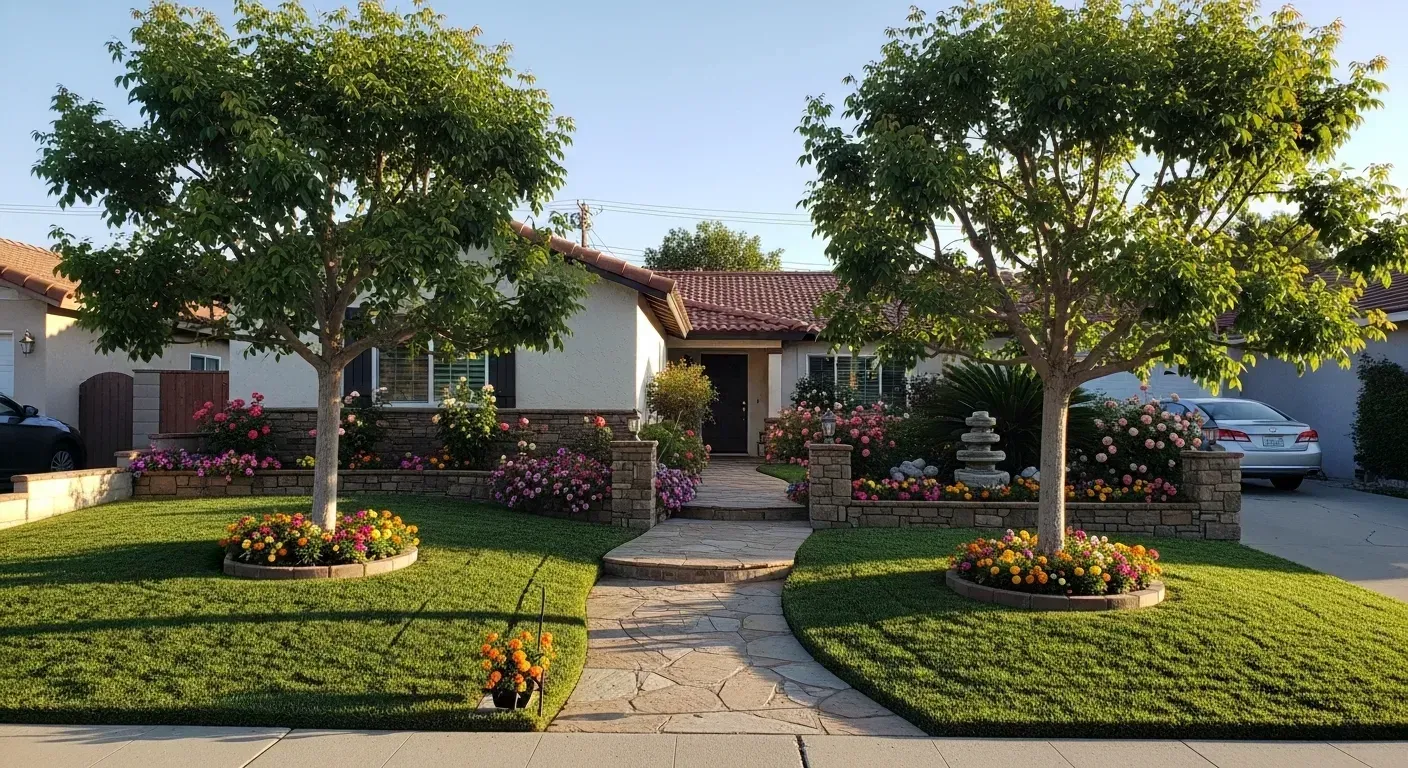
Partnering with local experts guarantees that your landscape receives care tailored to its exact geographic needs. Discover more about our commitment to the community and our deep horticultural background on our About Us page.
Property management requires consistent attention to detail. Ignoring your trees leads to compounding problems that eventually require costly interventions. Regular, strategic pruning preserves the aesthetic value of your property while keeping your family and assets secure.
Taking the next step toward a healthier landscape is straightforward. If you notice crossing branches, excessive deadwood, or canopy overgrowth, do not wait for the next storm to test your tree's resilience. Reach out to our arborists to schedule a comprehensive property assessment. Visit our Contact Us page to book a consultation and secure the future of your urban forest.
Frequently Asked Questions
How often should mature trees be trimmed?
Mature trees generally require professional pruning every three to five years. However, this timeline varies drastically based on the specific species, its growth rate, and its location on the property. Fast-growing trees like specific varieties of eucalyptus or elm might need assessment every two years to maintain structural safety.
Can I trim branches near power lines myself?
No. Trimming vegetation near active utility lines is incredibly dangerous and should only be performed by certified professionals with specialized training and equipment. Attempting this work yourself poses a lethal risk of electrocution and can cause severe damage to the local electrical grid.
What is the best time of year to prune trees in Southern California?
Late winter or early spring is typically the optimal time for heavy pruning in El Monte, CA. Pruning during the dormant season minimizes sap loss and reduces the risk of insect infestation at the cut sites. Light maintenance and deadwood removal can safely be performed year-round.