What Are the First Signs of an Unhealthy Tree?
Key Takeaways and Insights
Monitoring the health of your trees is a crucial part of responsible property ownership in Elmonte. Catching early warning signs like discolored leaves, peeling bark, and fungal growth can prevent catastrophic property damage and save you money. Always rely on certified local professionals to assess structural risks and handle dangerous removals safely.
- Look for early leaf drop and dead branches as primary indicators of poor health.
- Inspect the trunk and base for deep cracks, hollow cavities, and fungal growth.
- Hire local experts immediately if a tree leans suddenly or poses a falling hazard.
Spotting the Early Signs of an Unhealthy Tree Before It Is Too Late
Trees add shade, beauty, and value to your property. However, they are living organisms susceptible to disease, pest infestations, and environmental stress. Many property owners in Elmonte, California, overlook the gradual decline of their landscape until a severe problem occurs. Spotting the signs of an unhealthy tree early can save your property from sudden damage.
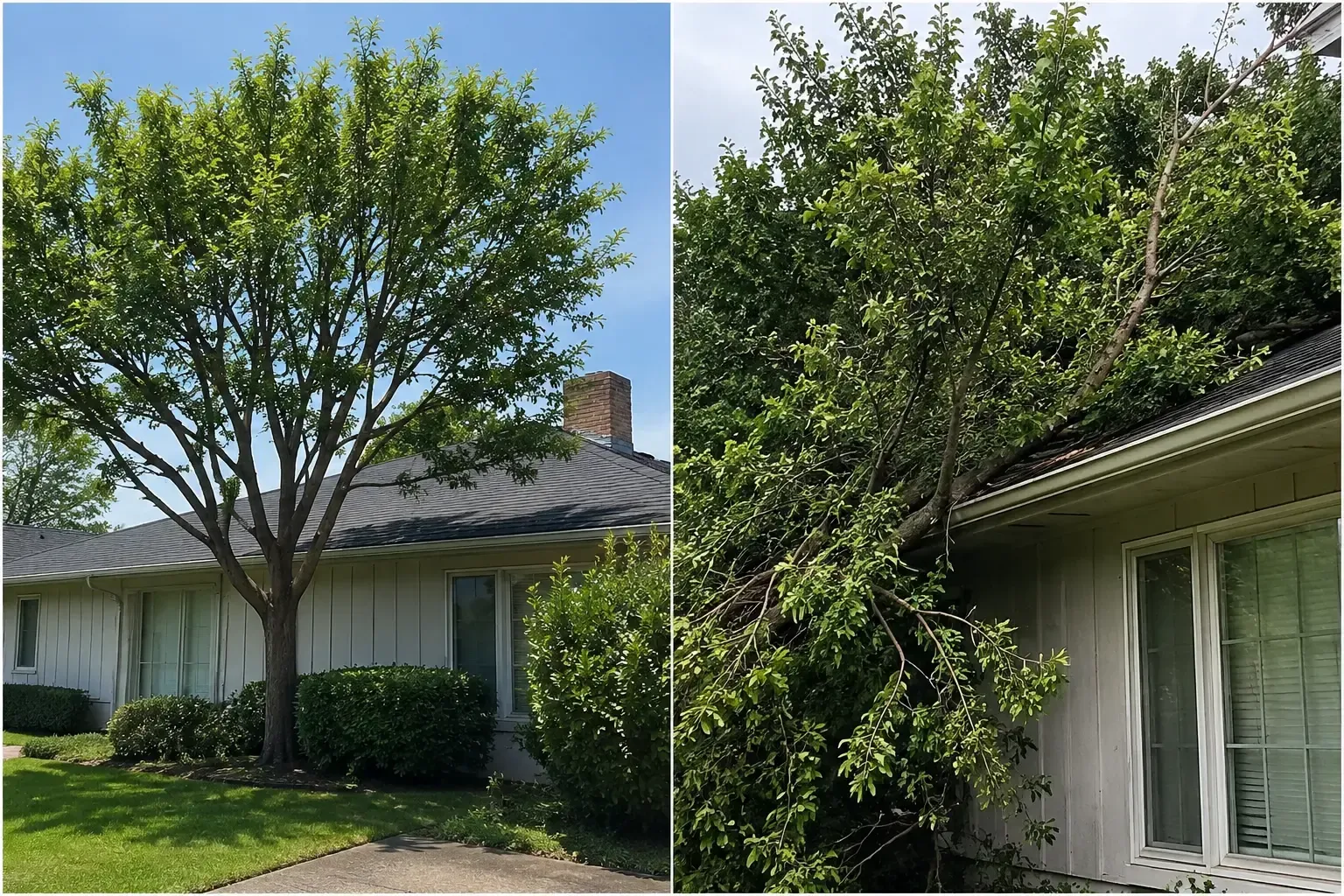
Ignoring a dying plant is a major safety risk. Weak branches can snap during heavy winds. A compromised root system can cause a massive trunk to uproot and crash into your roof. Early detection allows you to treat the problem or remove the hazard safely. You must know exactly what to look for when inspecting your yard.
The Importance of Monitoring Your Landscape
Your landscaping is a major financial investment. Mature trees boost curb appeal and provide natural cooling during hot Southern California summers. Protecting this investment requires regular visual inspections. You do not need to be a botanist to spot basic warning signs. You simply need to observe changes in growth patterns.
Routine observation helps you catch minor issues before they become major expenses. A slight discoloration in the leaves might indicate a simple nutrient deficiency. Catching this early means you can apply fertilizer and save the plant. Waiting too long might allow the underlying issue to spread. By the time the damage becomes obvious, the entire structure could be dead.
Trusting local professionals is the best way to maintain property safety. Consulting with experts at Elmonte Tree Service ensures your landscape receives the precise care it needs to thrive in our specific climate.
Visual Clues in the Canopy and Leaves
The canopy is often the first place a tree shows signs of stress. Healthy leaves should be vibrant and full during the growing season. If you notice early leaf drop in the middle of summer, you have a problem. Trees shed leaves prematurely when they lack water or suffer from root damage.
Another major red flag is leaf discoloration. Leaves that turn yellow with green veins often suffer from chlorosis. This condition means the plant cannot absorb enough nutrients from the soil. Brown, brittle leaves at the tips of branches indicate severe dehydration or a fungal infection spreading through the canopy.
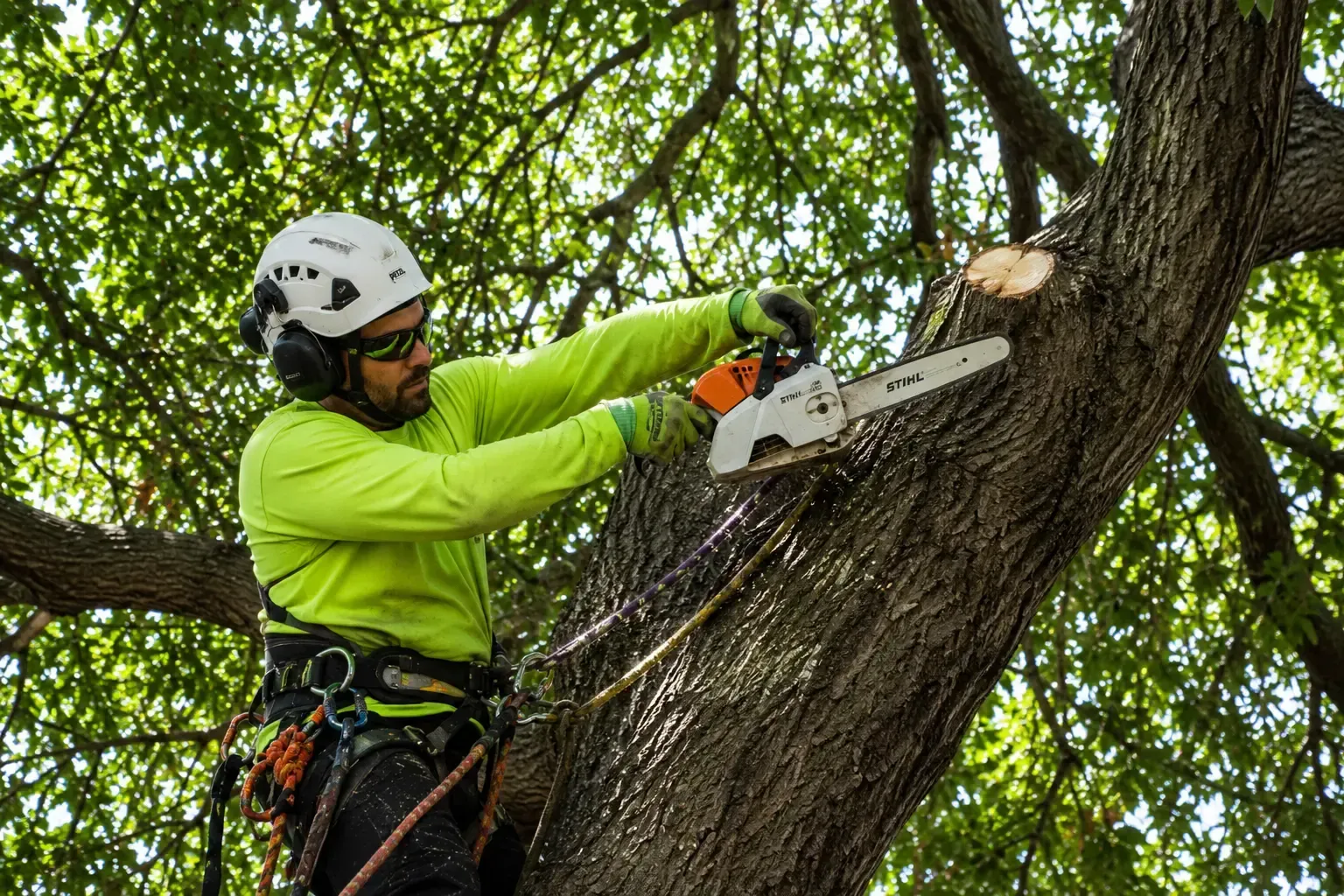
You must also look for dead or bare branches. A healthy plant produces growth uniformly across its branches. If one side of the canopy is completely bare, the internal vascular system is likely failing. Dead wood is extremely brittle and poses an immediate falling hazard. Scheduling professional tree trimming is essential to remove these dangerous limbs before they damage your property or injure a bystander.
Inspecting the Trunk for Warning Signs
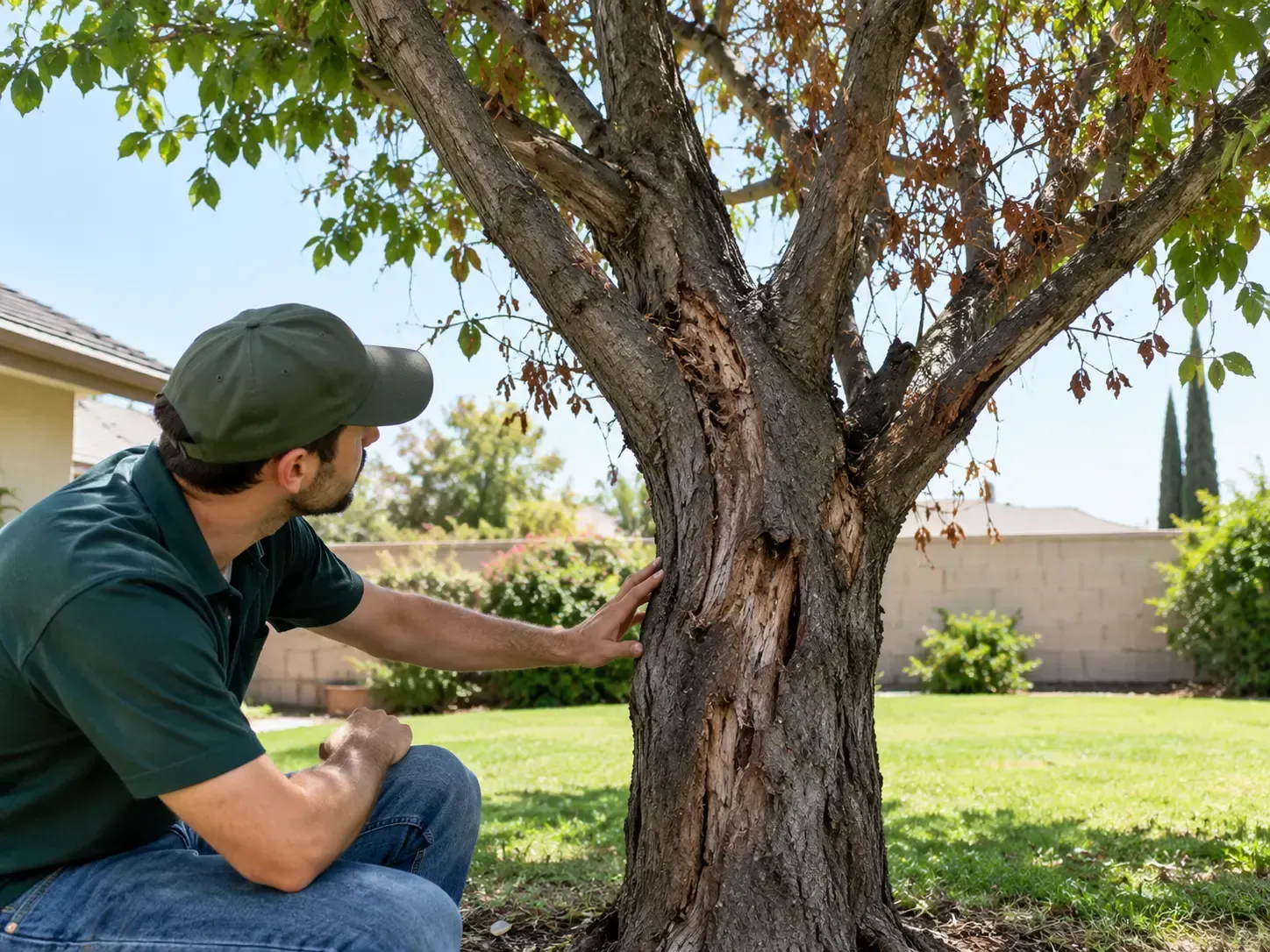
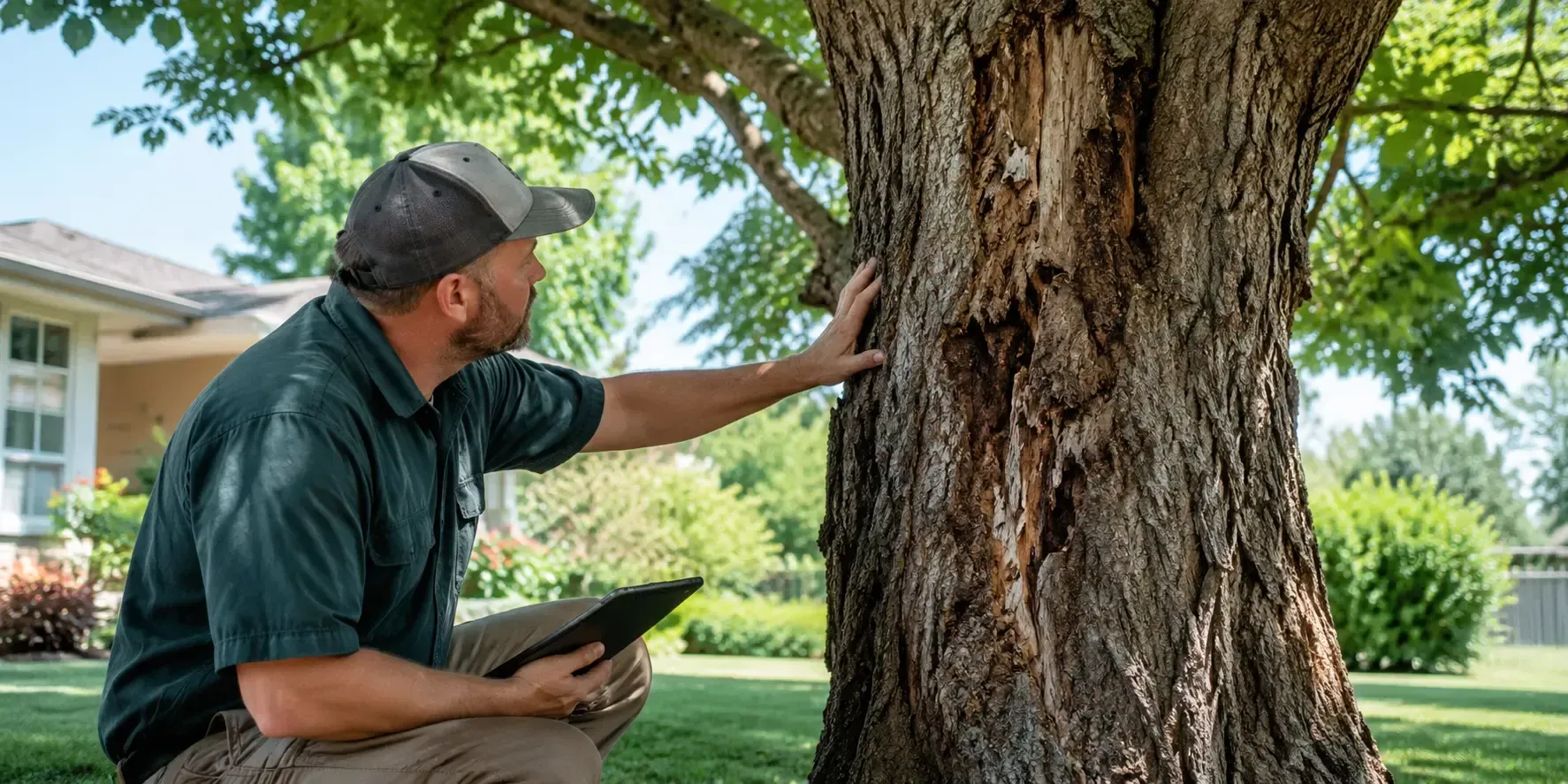
The trunk is the core support structure of the organism. Any damage here compromises the stability of the entire plant. You should inspect the bark regularly. Healthy bark should have a consistent texture. Peeling, flaking, or brittle bark is a common indicator of a dead or dying section.
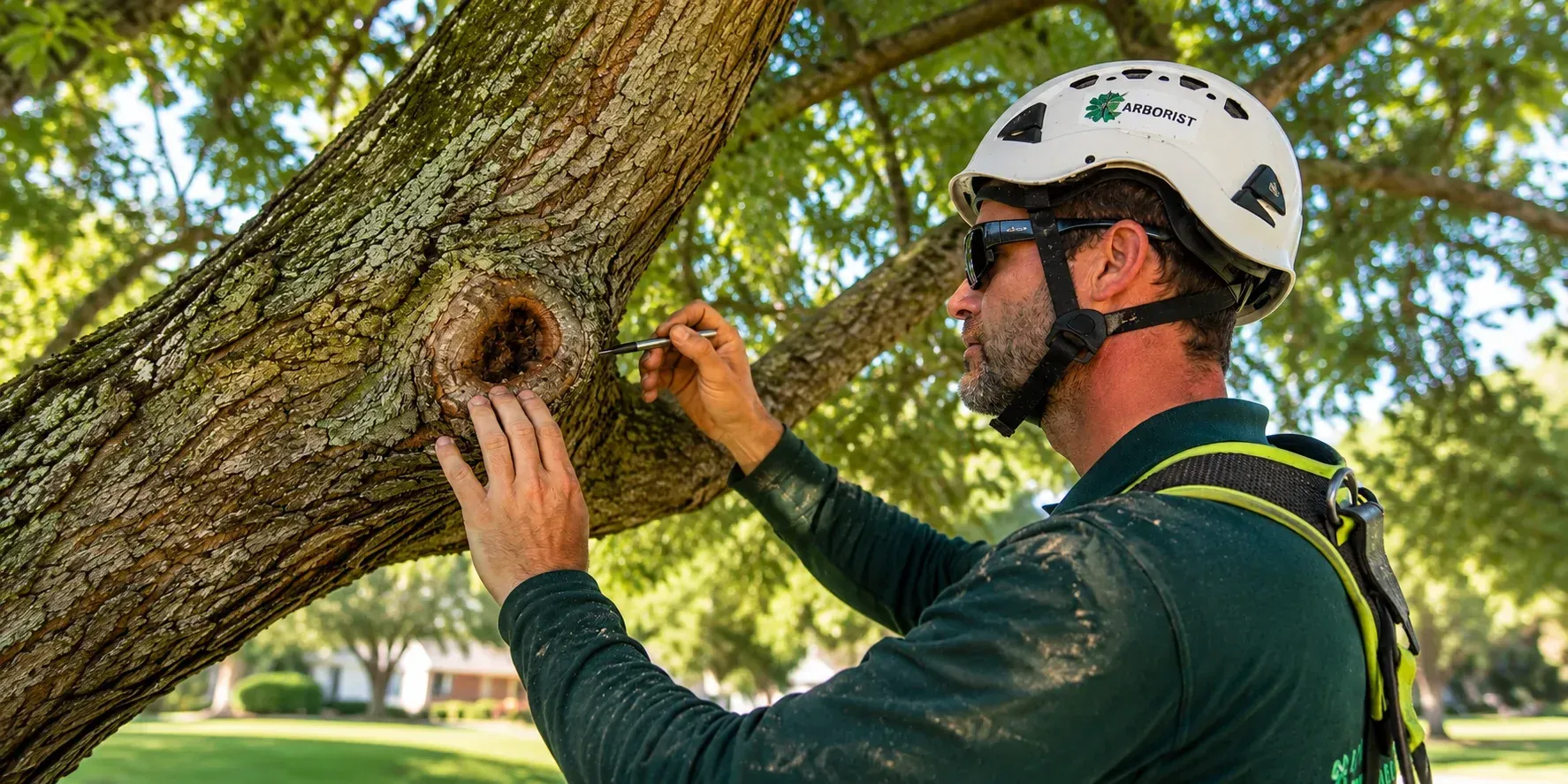
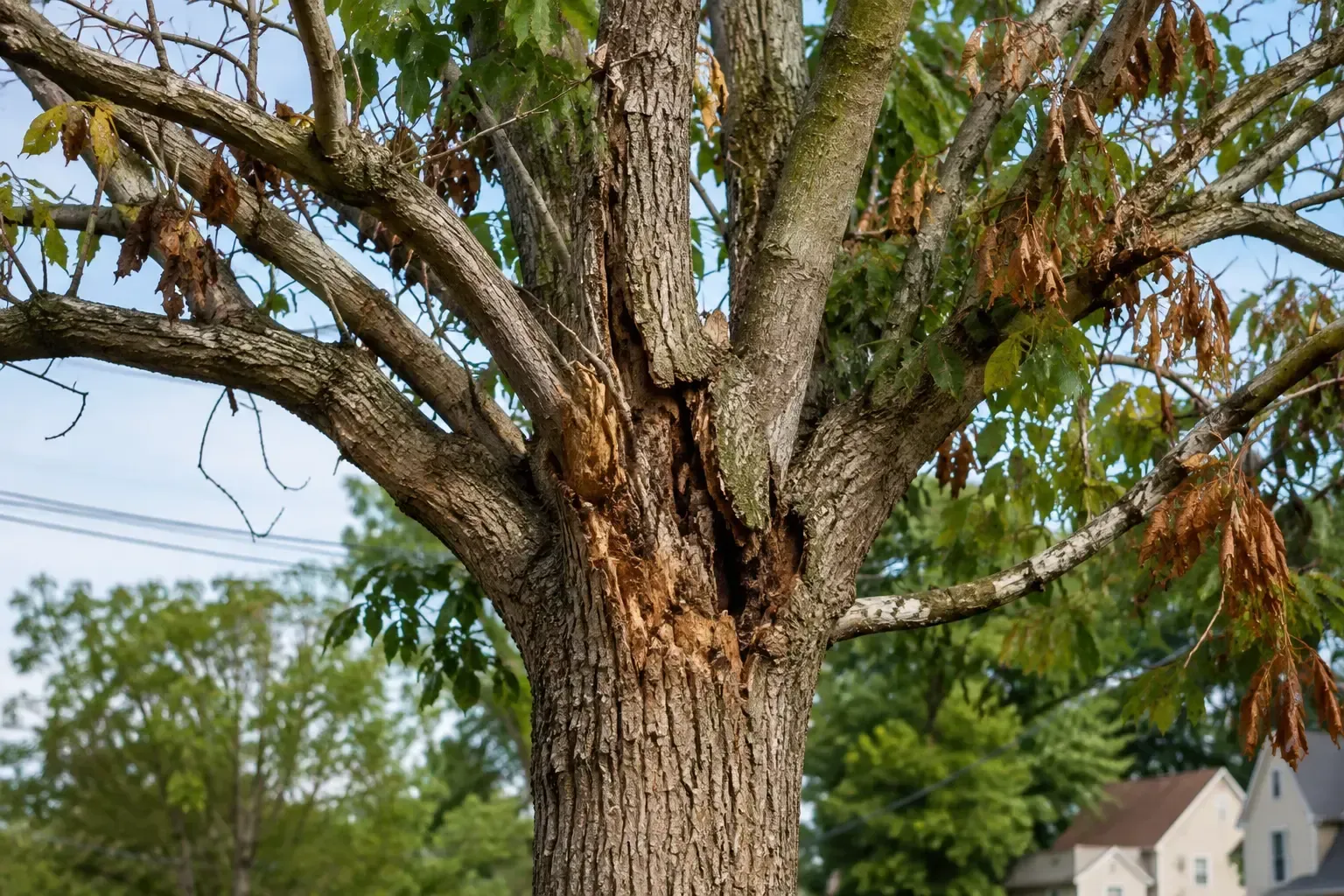
Look closely for deep vertical cracks. Minor surface cracks are normal as a plant grows. Deep splits that extend into the inner wood are severe structural flaws. These cracks weaken the trunk and provide entry points for destructive pests and diseases. Moisture can collect inside these deep crevices and accelerate the rotting process.
Cavities and hollow spaces are also major concerns. A hollow trunk does not always mean the plant will die immediately. The outer layer can continue transporting nutrients for years. However, a hollowed core significantly reduces structural integrity. High winds can easily snap a hollow trunk in half. If you find a large cavity, you need a professional assessment immediately.
Hidden Dangers in the Root System
Roots anchor the structure to the ground and absorb vital nutrients. Because they are hidden underground, root issues are notoriously difficult to detect. You must look for secondary clues on the soil surface.
The sudden appearance of fungi is a major warning sign. Mushrooms growing at the base of the trunk indicate rotting wood. Fungi feed on decaying organic matter. If mushrooms are sprouting directly from the root flare, the underground support system is actively decaying.
Soil heaving is another critical warning. If the ground around the base appears lifted or cracked, the root system is failing. This often happens right before a massive uprooting event. Severed or decaying roots can no longer hold onto the soil. A leaning trunk paired with heaving soil is an emergency that requires immediate action.
Common Tree Symptoms and Recommended Actions
Below is a quick reference guide to help you identify common symptoms and understand the required response.
| Visible Symptom | Likely Cause | Risk Level | Recommended Action |
|---|---|---|---|
| Deep vertical trunk cracks | Structural failure or extreme stress | High | Request a structural assessment immediately. |
| Mushrooms at the base | Root rot or internal decay | High | Consult a professional to check root stability. |
| Yellowing leaves in summer | Nutrient deficiency or lack of water | Moderate | Adjust watering schedule and apply fertilizer. |
| Dead or brittle branches | Pest infestation or localized disease | Moderate | Schedule pruning to remove hazardous limbs. |
| Soil heaving near the trunk | Severed roots or imminent uprooting | Extreme | Evacuate the fall zone and call for emergency help. |
Evaluating Pest and Fungal Threats
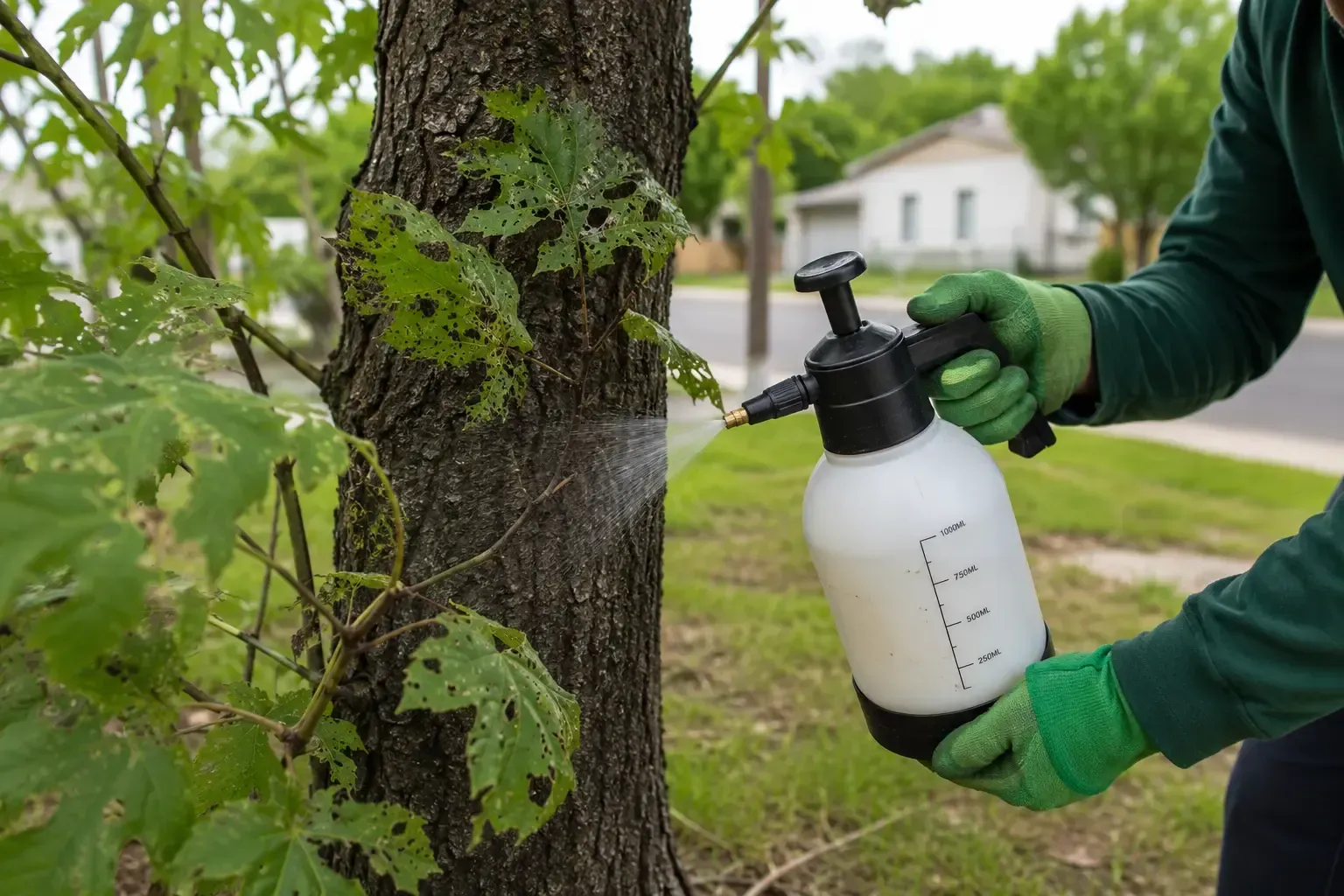
Insects and diseases are relentless threats to your landscaping. Bark beetles are particularly destructive in Southern California. These tiny pests bore through the outer bark to lay their eggs. They feed on the inner cambium layer. This completely cuts off the flow of water and nutrients to the canopy.
Look for small holes in the bark. You might also notice sawdust collecting at the base of the trunk. This substance is called frass, and it is a clear sign of boring insects. Once beetles heavily infest a trunk, saving the plant is rarely possible. The focus must shift to removing the hazard before the pests spread to neighboring healthy plants.
Bacterial and fungal infections also leave clear visual markers. Cankers are sunken, dead areas of bark caused by disease. They look like open wounds on the branches or trunk. Cankers disrupt nutrient flow and weaken the wood. Pruning affected branches early is the best way to stop the spread of infection.
Relying on Expert Tree Services in Elmonte
Attempting DIY landscape maintenance on large dying plants is dangerous. Property owners lack the specialized equipment and training required to manage heavy limbs and unpredictable structures safely. When a trunk is internally decayed, its center of gravity shifts. Cutting a compromised branch incorrectly can cause the entire structure to collapse in an unintended direction.
This is why hiring professional Tree Services is non-negotiable for large-scale landscaping issues. Trained experts know how to read the complex signs of disease and structural failure. They can determine if a plant can be saved through targeted treatments or if it must be taken down completely.
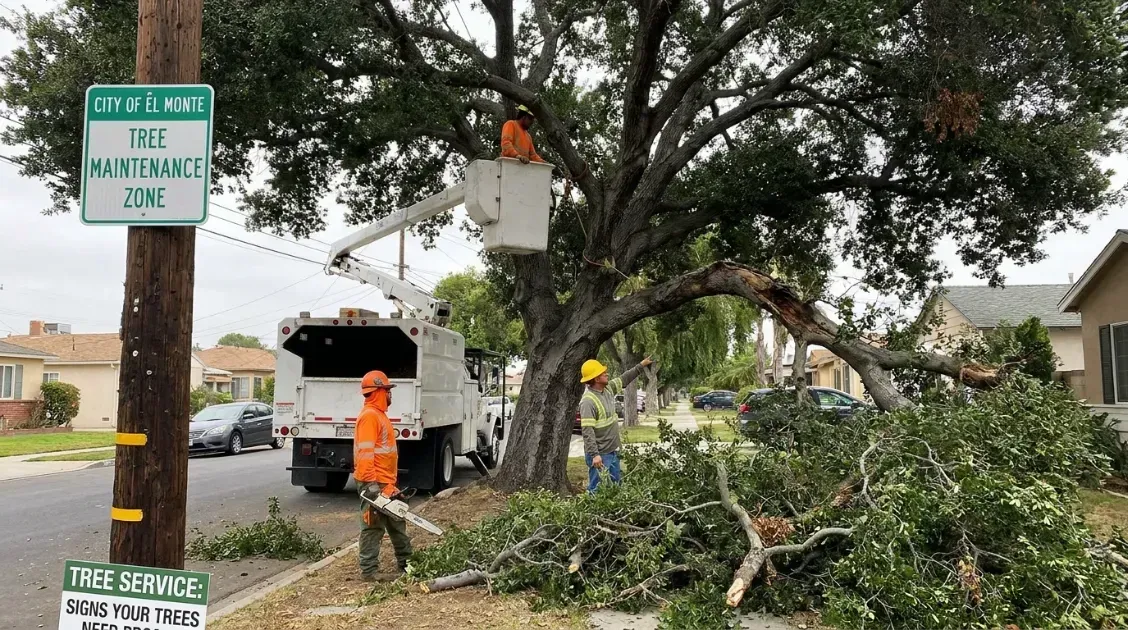
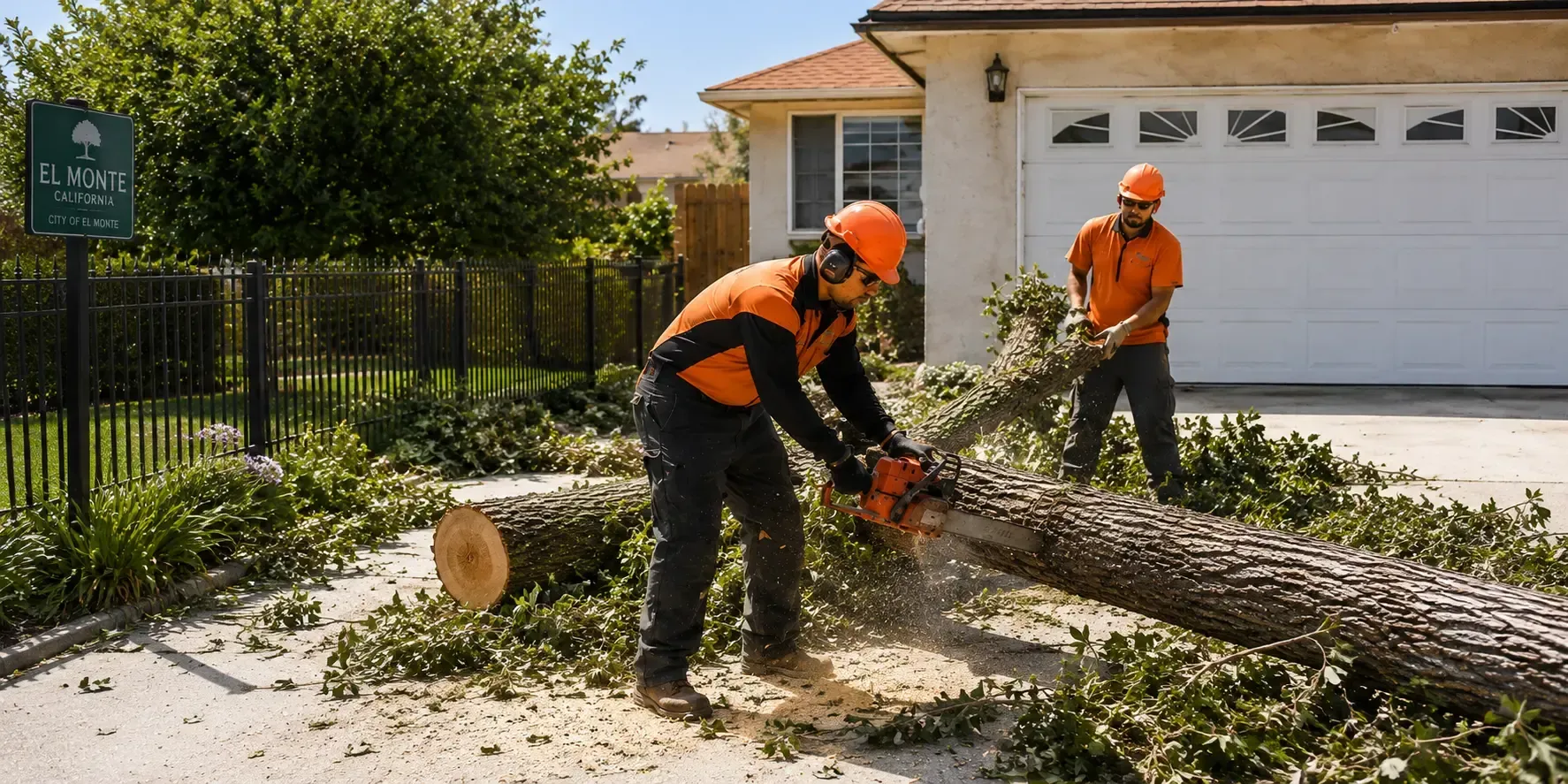
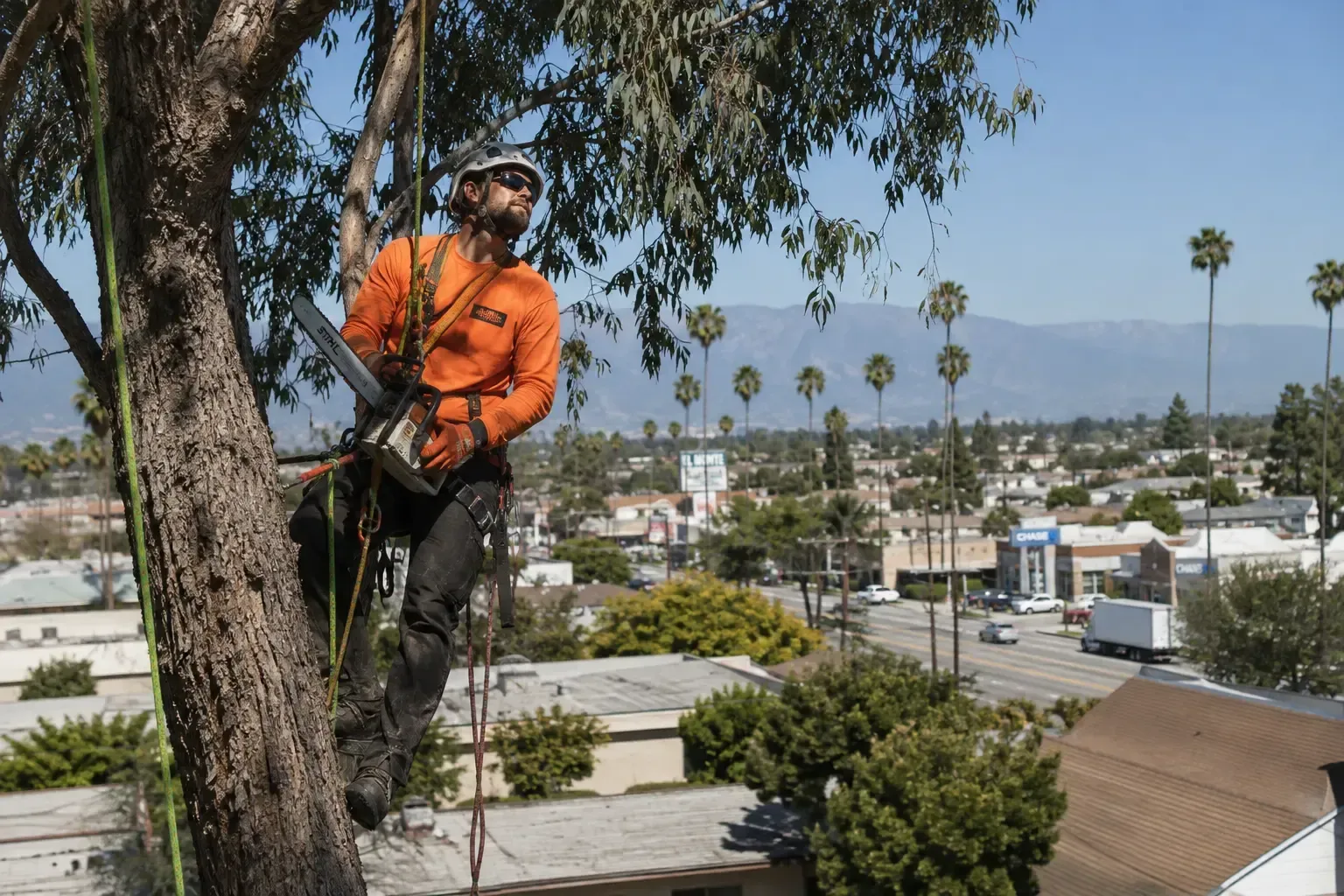
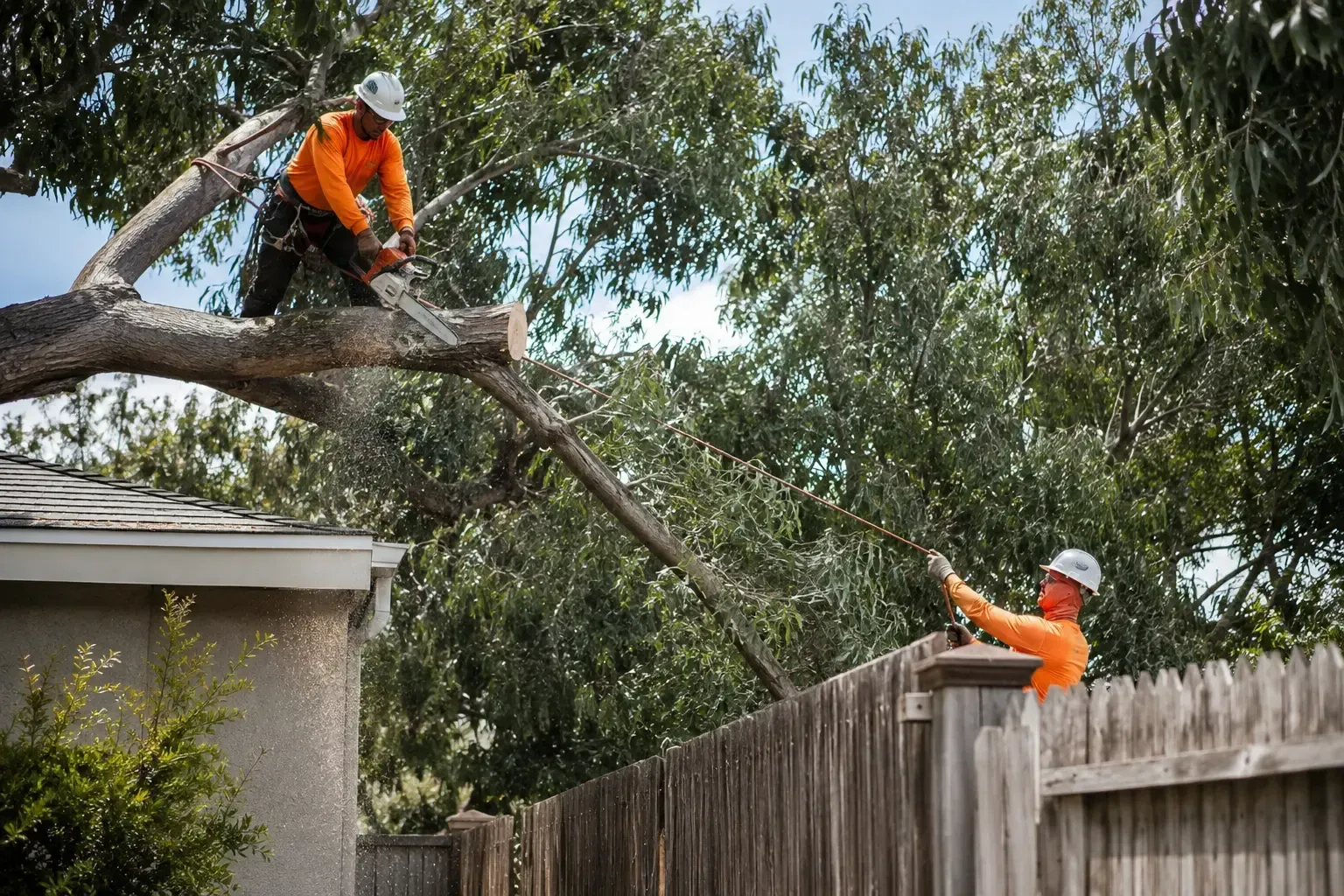
Professional crews handle hazardous situations with precision. If an organism is beyond saving, scheduling a controlled tree removal protects your home, your family, and your neighbors. Experts use rigging systems to lower heavy wood safely to the ground without damaging your lawn or surrounding structures.
Handling Urgent Property Hazards
Some warning signs require immediate intervention. Weather events in Elmonte can turn a sick plant into an immediate threat overnight. If a trunk develops a sudden and severe lean, the root system has failed. The structure is merely resting on gravity and will eventually fall.
Large, hanging branches that have snapped but remain caught in the canopy are called "widow-makers." These branches can dislodge at any moment and fall with lethal force. Never attempt to dislodge these trapped branches yourself.
When you face these extreme hazards, you must act fast. Do not wait for standard business hours if a massive limb is threatening your roof. You should immediately call for emergency tree removal to secure the property and eliminate the danger.
If you notice any of the warning signs mentioned above, do not hesitate to reach out for professional help. Taking action today can prevent a disaster tomorrow.
Frequently Asked Questions
What is the most obvious sign that a tree is dying?
The most obvious sign of a dying tree is a significant lack of leaves during the active growing season. If the canopy is bare, filled with brittle wood, or dropping leaves in early summer, the root system is likely failing. Deep cracks in the trunk also indicate severe decline.
Can a sick tree heal on its own without professional help?
Describe the item or answer the question so that site visitors who are interested get more information. You can emphasize this text with bullets, italics or bold, and add links.When should I remove a dying tree instead of treating it?
Removal is necessary when the structural integrity is compromised beyond repair. If the main trunk is hollow, the root system is failing, or a large portion of the canopy is completely dead, removal is the safest option. A professional can help you make this decision.