Why Are My Tree Branches Dying? Common Causes in El Monte, California
Key Takeaways and Insights
Dying tree branches in El Monte are typically caused by drought stress, invasive pests, fungal diseases, or improper pruning practices. Ignoring dead limbs creates significant safety hazards, especially during strong seasonal winds. Property owners can protect their investments by relying on local arboriculture experts to diagnose, treat, and safely manage their landscapes.
* Deep watering is essential to prevent drought stress and keep outer branches healthy during hot El Monte summers.
* Improper pruning techniques, like topping, cause severe structural damage and invite fungal diseases into the wood.
* Hiring professionals for deadwood pruning and tree removal is critical to prevent property damage and ensure personal safety.
Walking out into your yard and seeing dead or dying tree branches can be alarming. Healthy trees add massive value to your property. They provide shade, improve air quality, and elevate your curb appeal. When branches start losing leaves or bark begins peeling, it is a clear sign your tree is experiencing stress.
Property owners in El Monte face specific environmental challenges. Our unique Southern California climate plays a massive role in tree health. Understanding why branches die is the first step toward saving your landscape. This guide will explore the most common causes of branch die-back in the San Gabriel Valley and explain how to address these issues safely.
Understanding the Local Environmental Stress
Trees in El Monte endure long, hot summers and limited rainfall. Drought is one of the most common reasons for dead branches. When a tree lacks adequate water, it goes into survival mode. The tree will stop sending water to its outermost branches. This process helps preserve the main trunk and root system.
As a result, the outer canopy begins to brown and die. Extreme heatwaves compound this problem. The intense sun bakes the soil, causing moisture to evaporate before it reaches the deep feeder roots. Shallow watering habits often make this worse. If you only water the surface of your grass, deep-rooted trees do not get enough moisture.
To combat environmental stress, you must implement deep watering schedules. Use a soaker hose around the drip line of the tree. Let the water run slowly for a few hours. This encourages the roots to grow downward into the cooler, moist soil layers.
Pest Infestations in San Gabriel Valley Trees
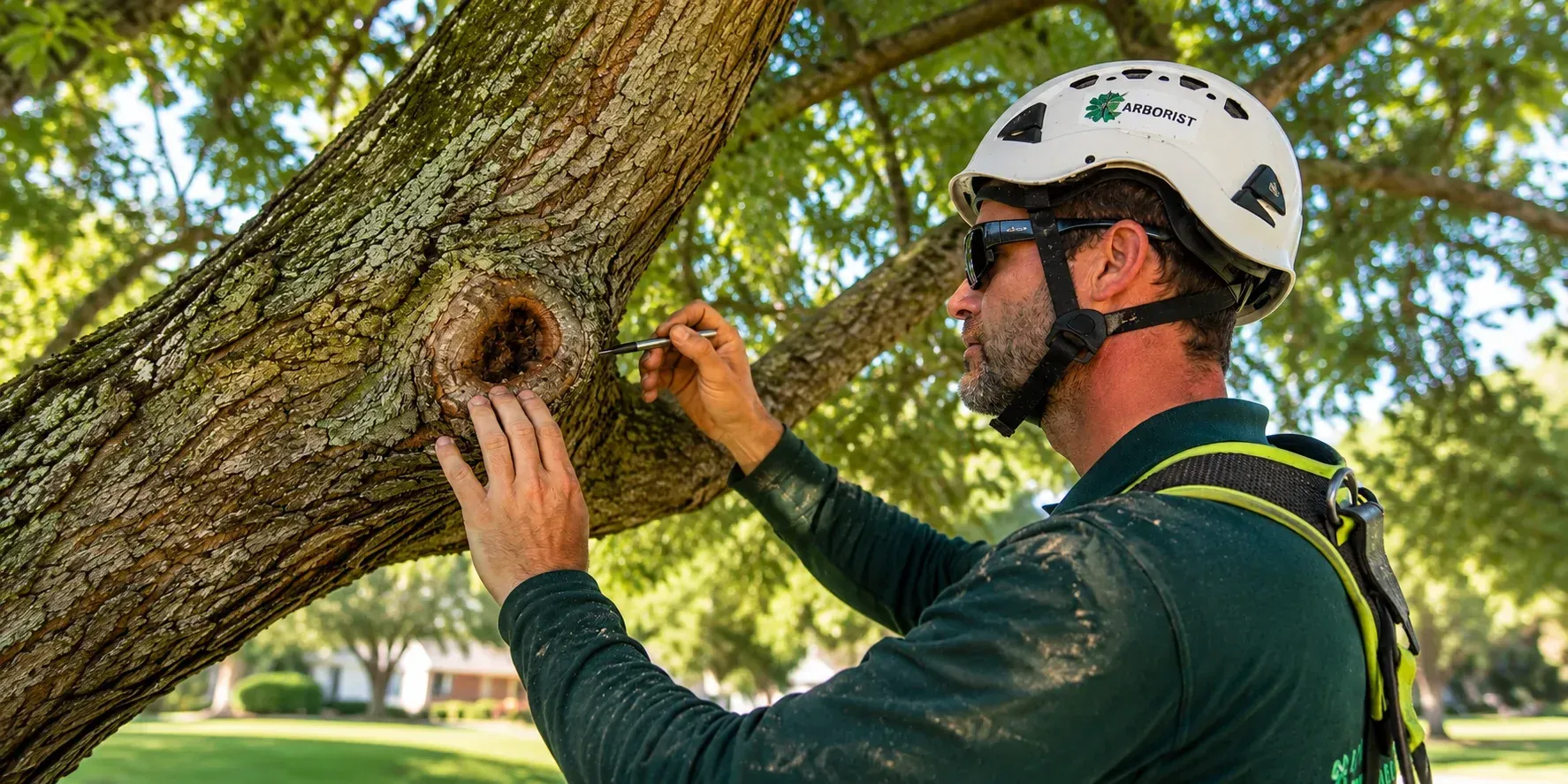
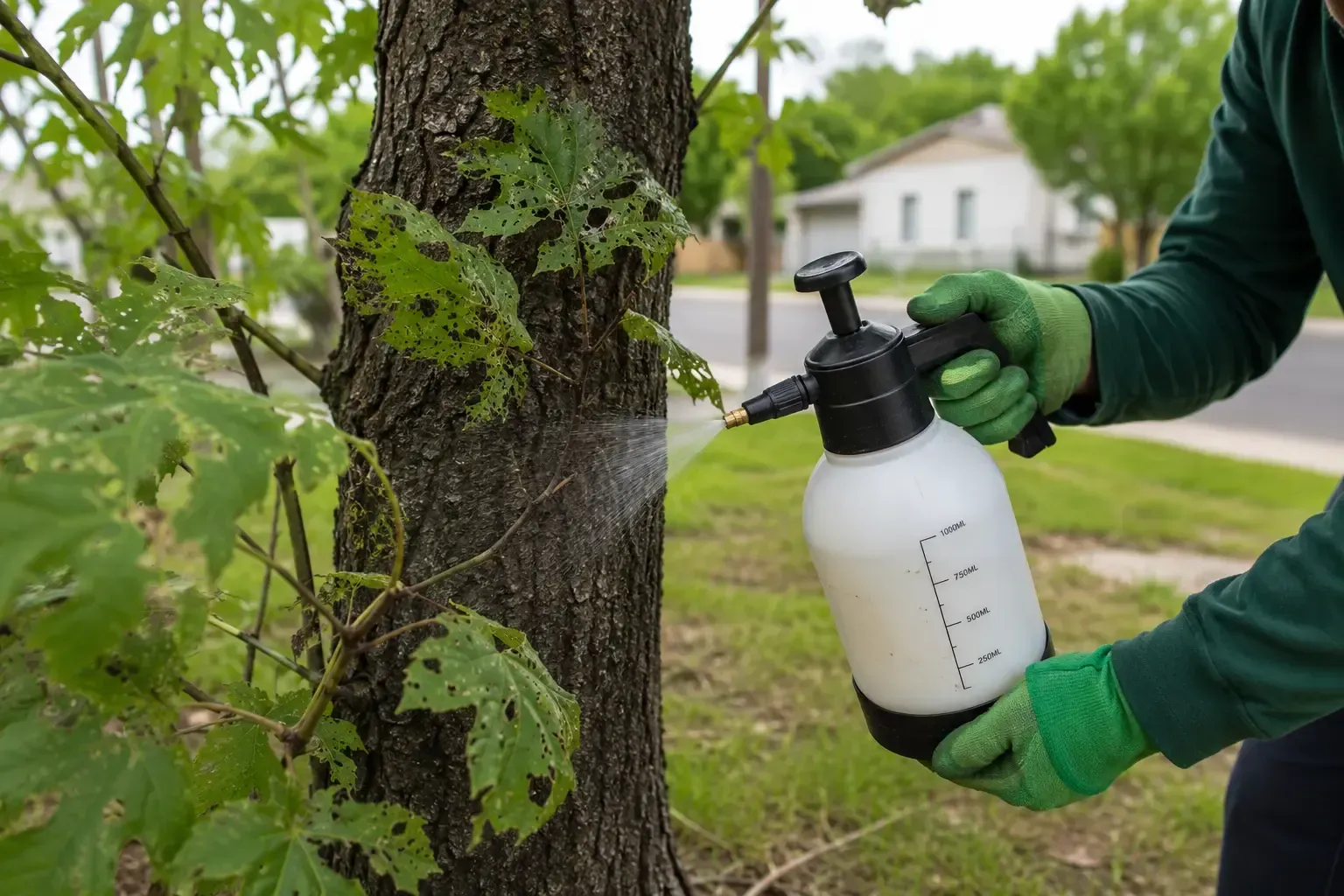
Insects are another major cause of dying branches. Southern California is home to several invasive pests that target weakened trees. Bark beetles and wood-boring insects are especially destructive. These pests bore small holes into the bark. They lay their eggs in the inner wood.
Once the larvae hatch, they feed on the vascular tissue of the tree. This vascular tissue acts like the veins of the plant. It transports water and essential nutrients from the roots up to the canopy. When pests destroy these pathways, the branches starve and eventually die.
You might notice tiny holes in the trunk. You might also see fine sawdust collecting at the base of the tree. If you spot these signs, the infestation is already underway. Rapid intervention is necessary to prevent the pests from spreading to neighboring vegetation.
Common Fungal Infections and Diseases
Fungal diseases thrive in specific conditions. While El Monte is generally dry, poor drainage can create serious issues. Heavy clay soils can trap water around the base of the tree. Overwatering your landscape can lead to root rot. Root rot is a fungal infection that suffocates the root system.
When the roots rot away, they can no longer absorb water or nutrients. The tree will display symptoms similar to drought stress. The leaves will turn yellow, wilt, and drop early. The branches will become brittle and snap easily.
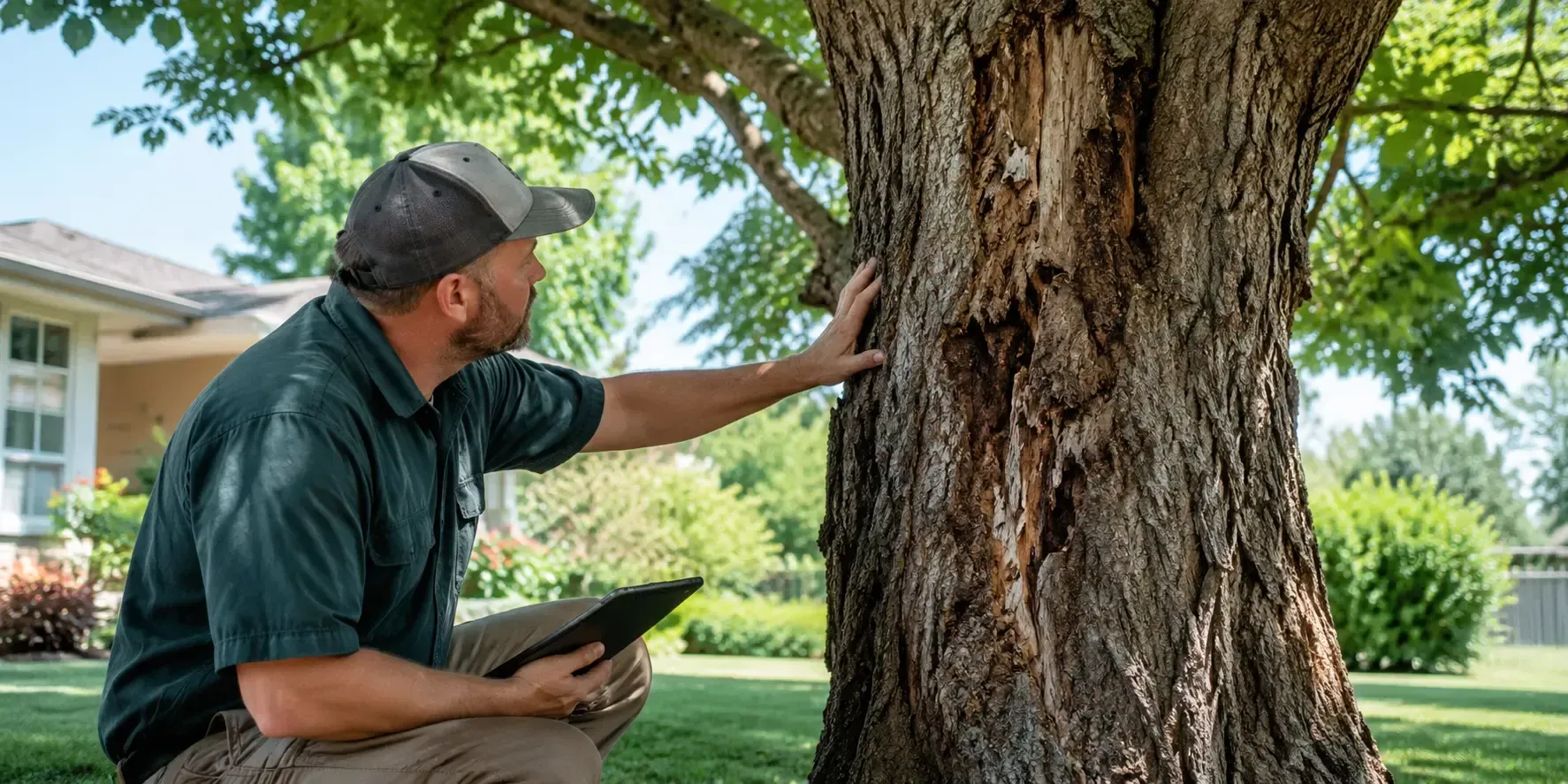
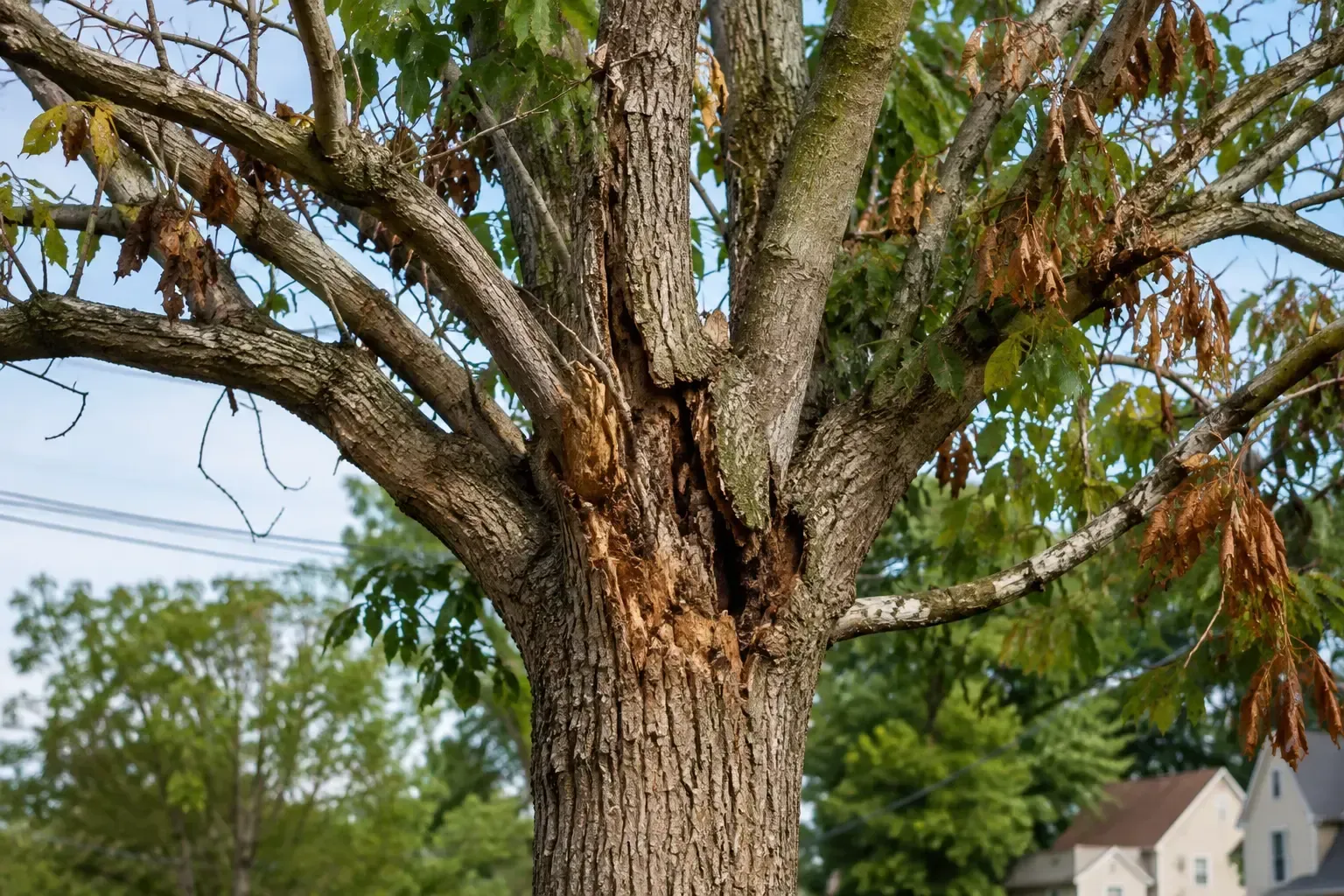
Canker diseases are another fungal threat. Fungi enter the tree through open wounds. These wounds often occur from lawnmower damage or improper cuts. The fungus creates sunken, dark areas on the branches. These areas block the flow of sap, causing the branch above the canker to die. Properly managing soil moisture and protecting the trunk from physical damage will help prevent these infections.
The Dangers of Improper Pruning
Human error is frequently to blame for dying branches. Many property owners try to maintain their own landscape without knowing proper arboriculture techniques. Making incorrect cuts can severely damage the structural integrity of the plant.
One of the worst practices is called "topping". Topping involves indiscriminately cutting off the entire top canopy of the tree. This practice removes the leaves the tree needs to produce food. The tree reacts by rapidly pushing out weak, spindly shoots. These new branches are prone to breaking and often die off quickly.
Cutting branches too flush to the trunk is also harmful. It removes the branch collar, which is the area where the tree naturally heals wounds. Without the branch collar, the tree cannot seal the cut. This leaves the wood exposed to pests and rot. If you are unsure how to make proper cuts, it is highly recommended to seek professional tree trimming to keep your landscape healthy and structurally sound.
Why Professional Tree Services Are Essential for Safety
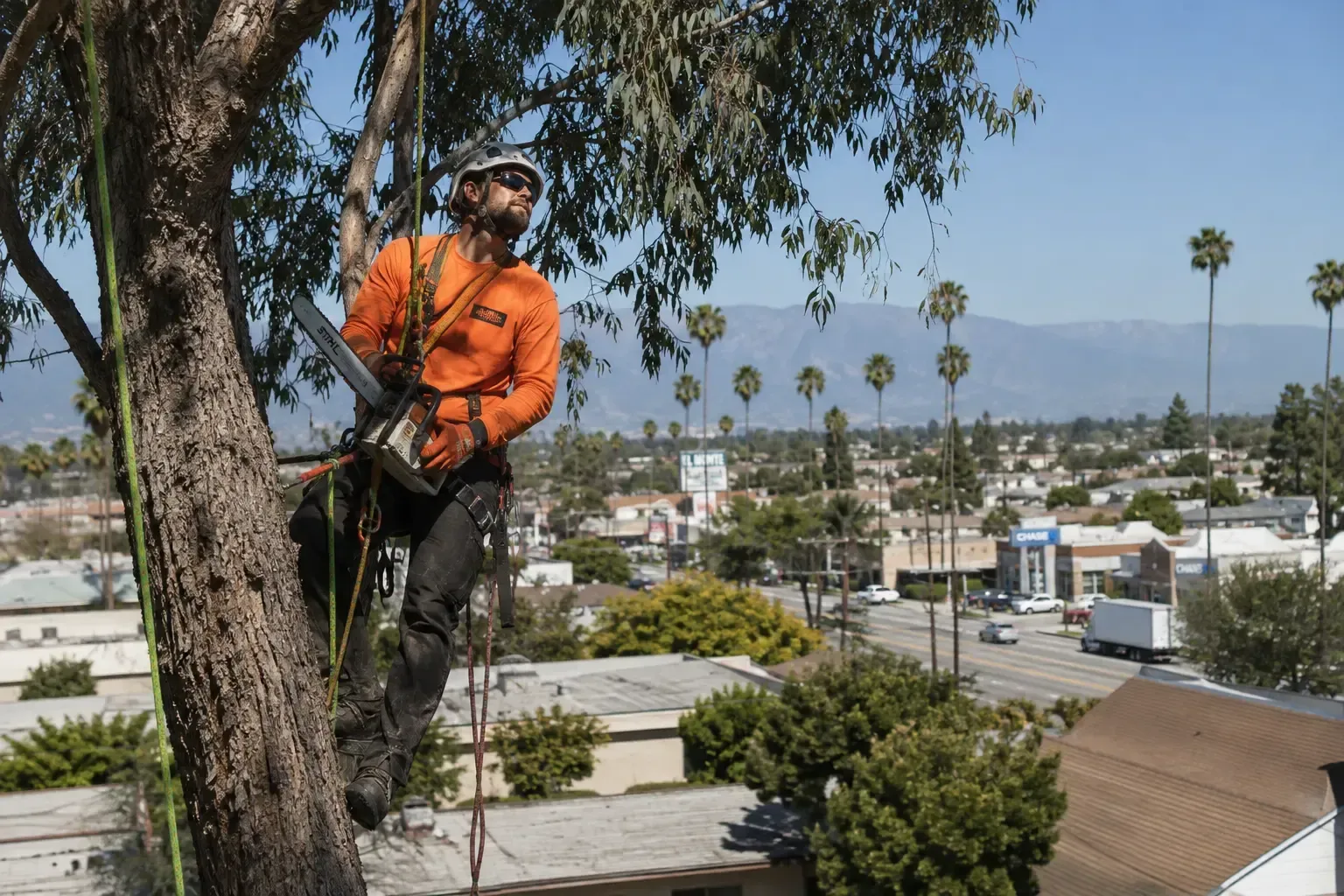
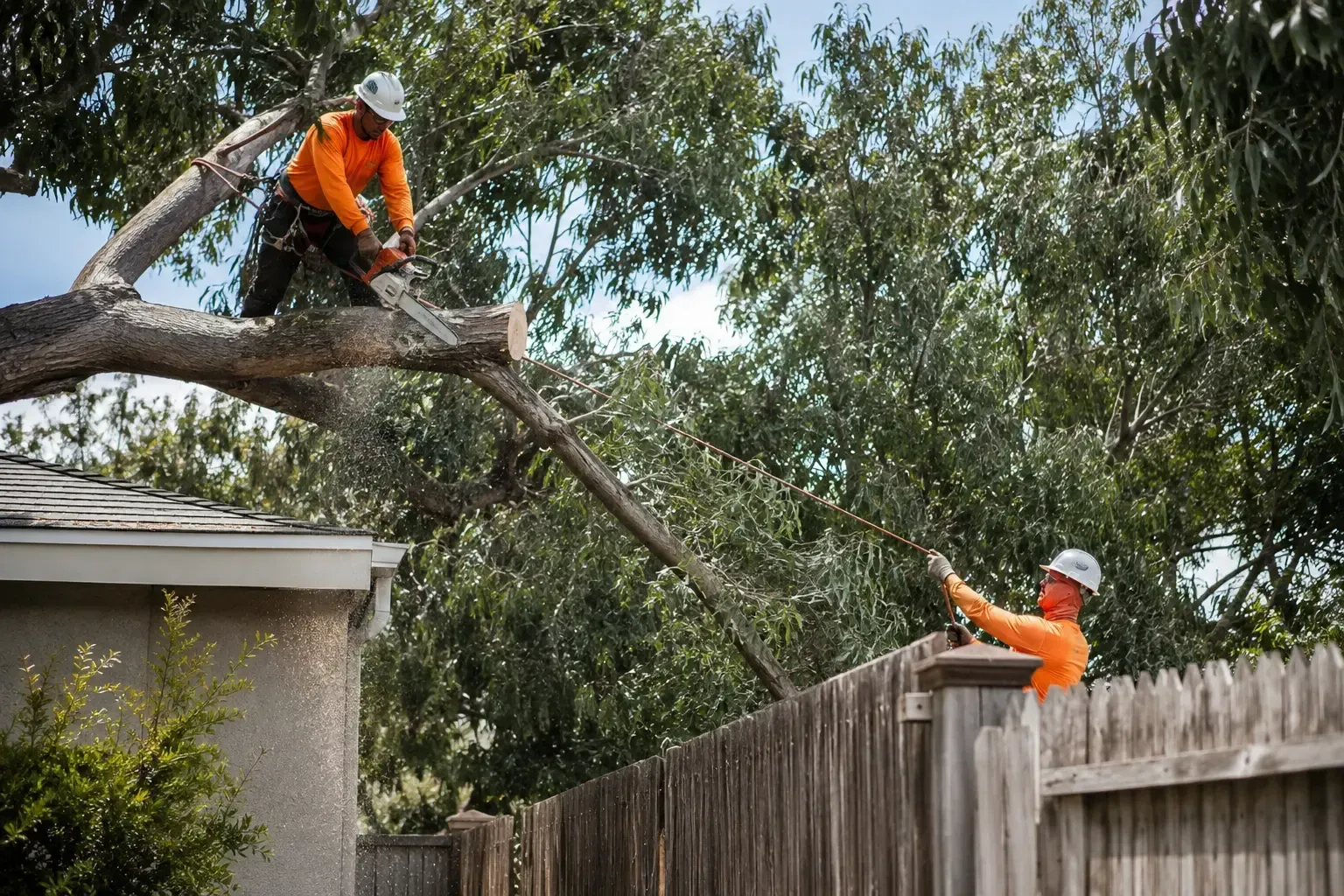
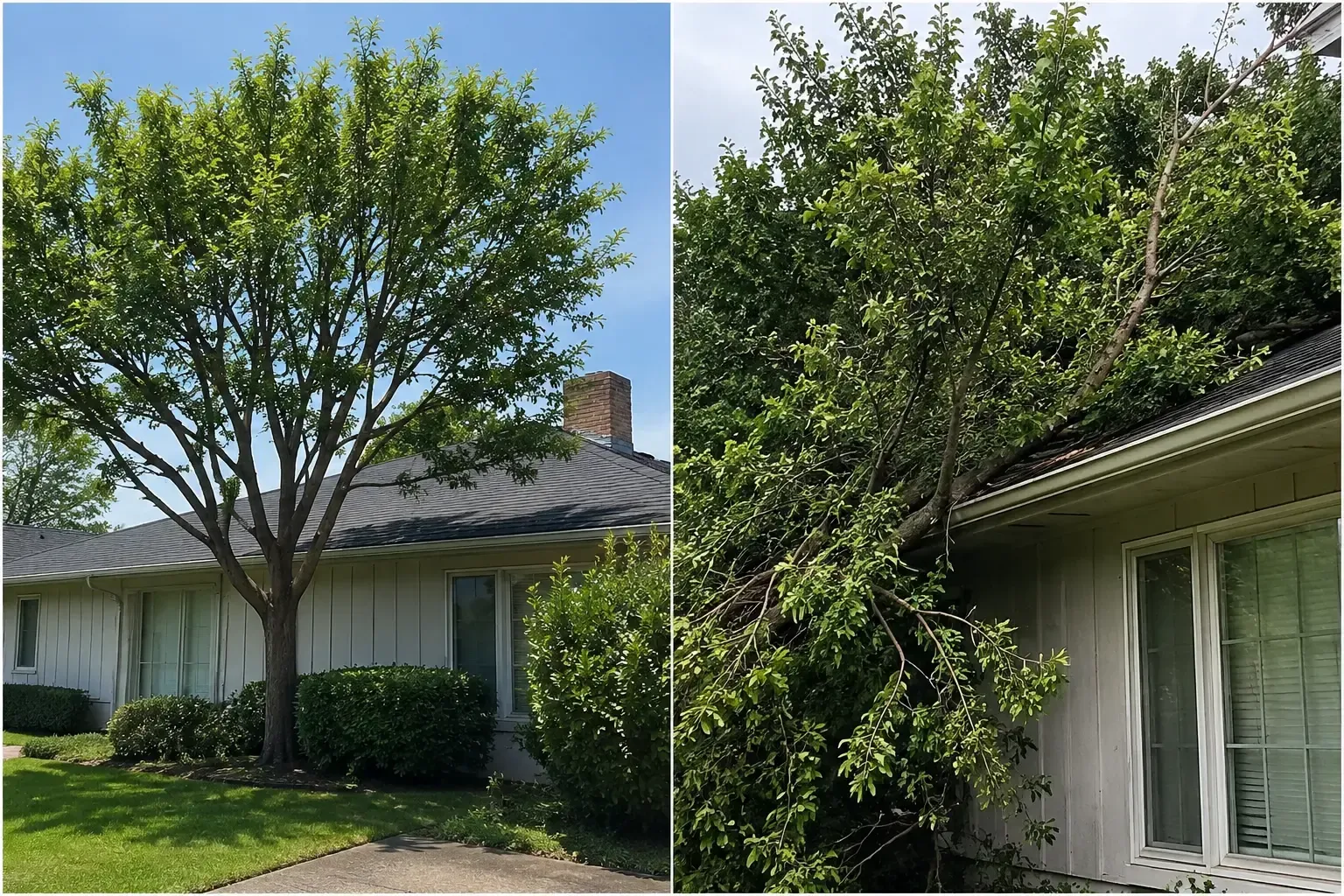
Ignoring dead branches is a massive safety hazard. Brittle wood can snap off at any moment. High winds can easily dislodge heavy limbs. When these branches fall, they can crush vehicles, damage roofs, and cause severe injuries. Hiring expert Tree Services ensures your property remains safe and visually appealing.
Professionals have the training to identify exactly why a branch is dying. They can spot early signs of disease that the untrained eye might miss. They also possess the heavy equipment needed to safely lower massive limbs without damaging the property below.
Below is a diagnostic breakdown of common branch issues and how professionals handle them.
| Symptom Observed | Likely Underlying Cause | Property Risk Level | Professional Solution |
|---|---|---|---|
| Brittle, leafless tips at the top canopy | Severe drought stress or shallow watering | Low to Medium | Deep root fertilization and deadwood removal. |
| Tiny holes in bark with visible sawdust | Wood-boring insects or bark beetles | High | Targeted pest treatments and pruning infected limbs. |
| Sunken, dark lesions on the branches | Canker disease or fungal infection | Medium | Sanitized pruning below the infected area. |
| Yellowing canopy with soft, mushy soil | Root rot from poor drainage or overwatering | High | Soil aeration, watering adjustments, and canopy reduction. |
Knowing When Complete Removal is Necessary
Sometimes, dying branches indicate a much larger problem. If the majority of the canopy is bare, the entire tree might be dead. A dead tree loses its structural integrity quickly. The root system rots, meaning the tree no longer has an anchor in the ground.
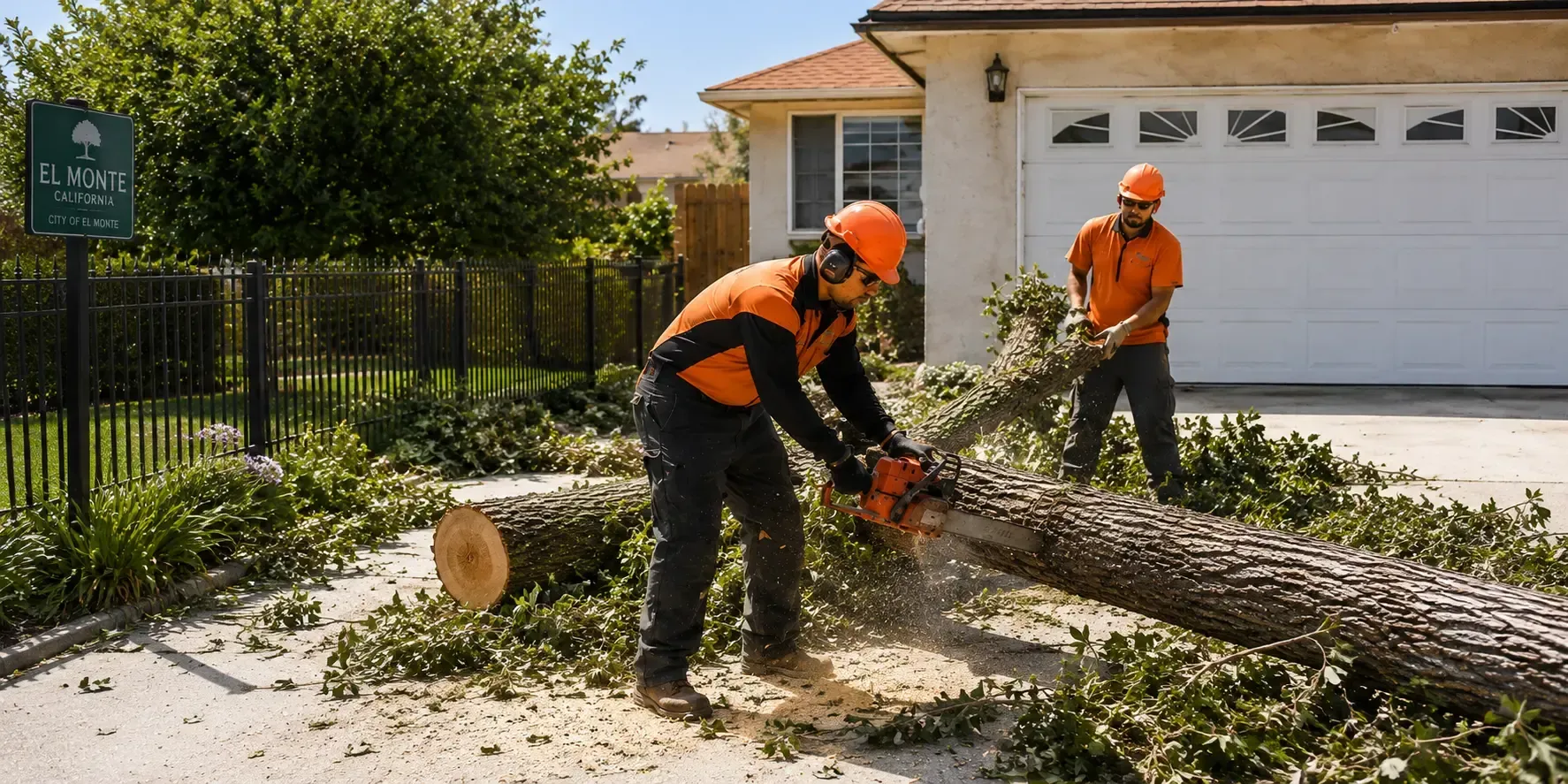
During the strong Santa Ana winds we experience in El Monte, a dead tree is a ticking time bomb. The wind can easily uproot the entire trunk. If an assessment reveals that the structural damage is irreversible, you will need to schedule a complete tree removal. Leaving a dead tree standing is never worth the financial risk or the danger to your family.
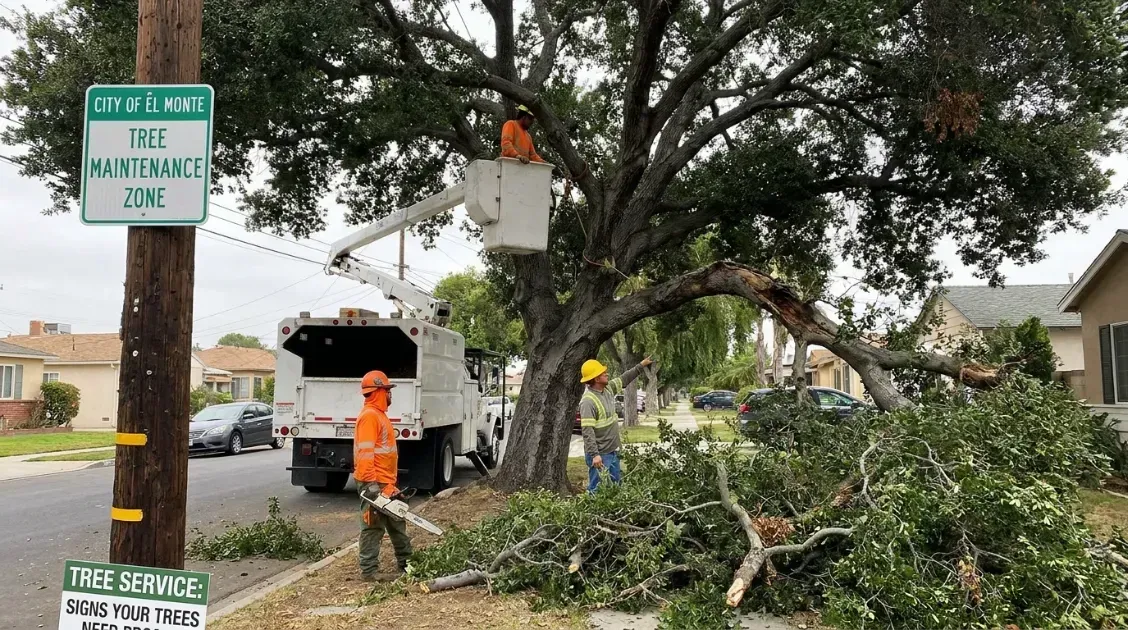
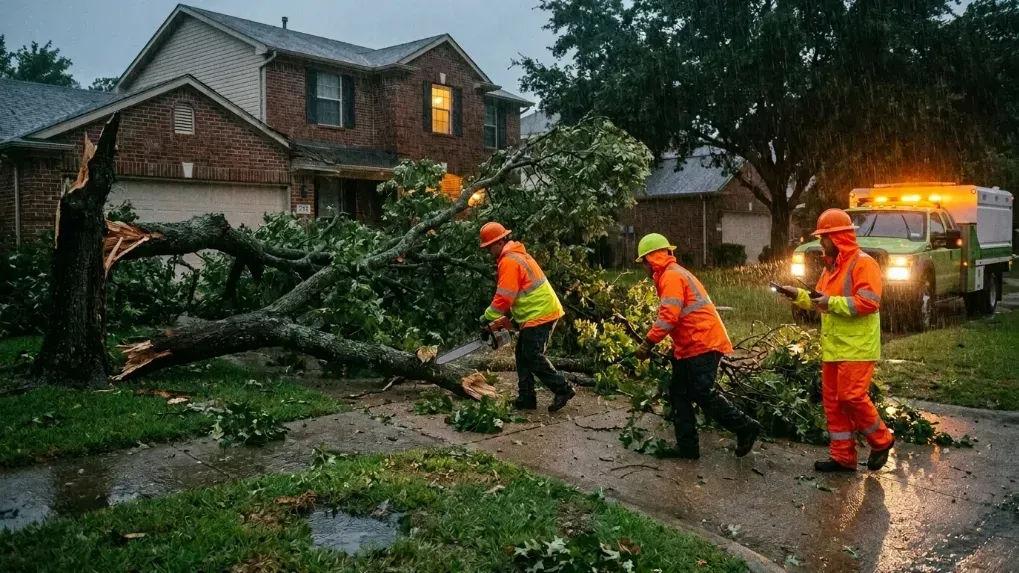
In some cases, storms can cause sudden branch failure that hangs dangerously over power lines or walkways. In these urgent situations, you should immediately request an emergency tree removal. Professionals will secure the area, remove the immediate hazard, and clean up the dangerous debris quickly.
Protecting Your Property with Local Experts
Maintaining a safe and beautiful landscape requires consistent care. Dealing with heavy branches and power equipment is inherently dangerous. You do not have to tackle these overwhelming yard projects by yourself.
For reliable maintenance, accurate disease diagnosis, and safe hazard removal, you can trust Elmonte Tree Service to handle the hard work. We understand the specific soil types and local climate challenges of the San Gabriel Valley. Our team is fully equipped to protect your home and business properties.
You can find us at 3380 Flair Dr Suite 215, El Monte, CA 91731. If you notice dying branches or need immediate yard assistance, call us directly at +1 (626) 654-3698 to schedule an inspection.
Frequently Asked Questions
Can a tree survive if half its branches are dead?
It depends on the cause of the die-back. If the damage is strictly due to a localized infection or minor drought stress, the tree might survive with professional pruning and proper watering. However, if a structural root issue or widespread pest infestation caused the die-back, the tree will likely continue to decline and require removal.
Should I cut off dead branches myself?
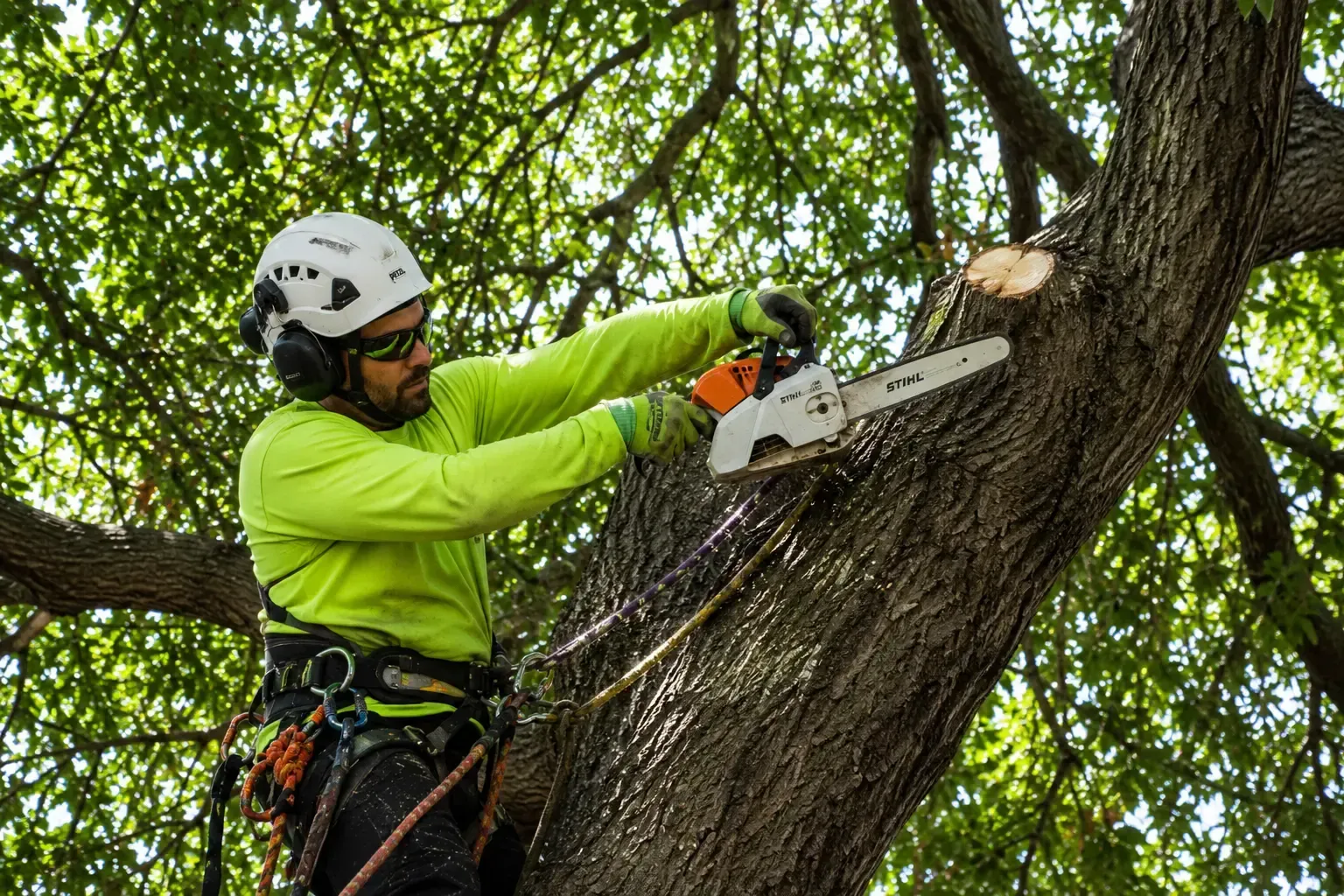
Minor pruning of small, low-hanging twigs is generally safe for homeowners. However, you should never attempt to cut large branches, especially those requiring a ladder or chainsaw. Large limbs are incredibly heavy and unpredictable when they fall. Always hire a trained arborist for branches located high in the canopy or near structures.
How much water do mature trees need in El Monte?
Mature trees require deep, infrequent watering rather than short, daily sprinkles. During the hot summer months, you should soak the soil around the drip line every two to four weeks. The water needs to penetrate at least twelve inches into the ground. Adjust this schedule based on your specific soil type and seasonal rainfall.