What Happens If You Cut Down a Tree Without a Permit in El Monte?
Cutting down a tree without the required municipal permits in El Monte can result in severe financial penalties, property liens, and denied homeowners insurance claims. Navigating local environmental ordinances and hiring licensed professionals is essential to protect your property value and personal liability.
* Removing a protected tree illegally results in steep fines and mandatory replacement fees.
* Insurance companies will deny liability and damage claims if the removal was unpermitted.
* Partnering with a licensed tree care company ensures legal compliance and safe extraction.
The Severe Consequences of Cutting Down a Tree Without a Permit in El Monte
Maintaining a beautiful and safe property in Southern California requires careful attention to the mature trees shading your yard. For homeowners in El Monte, Monterey Park, and the surrounding San Gabriel Valley, large trees add significant curb appeal and property value. However, when a massive oak or sycamore becomes a nuisance or a safety hazard, property owners often assume they have the absolute right to chop it down. This assumption can lead to severe legal and financial trouble.
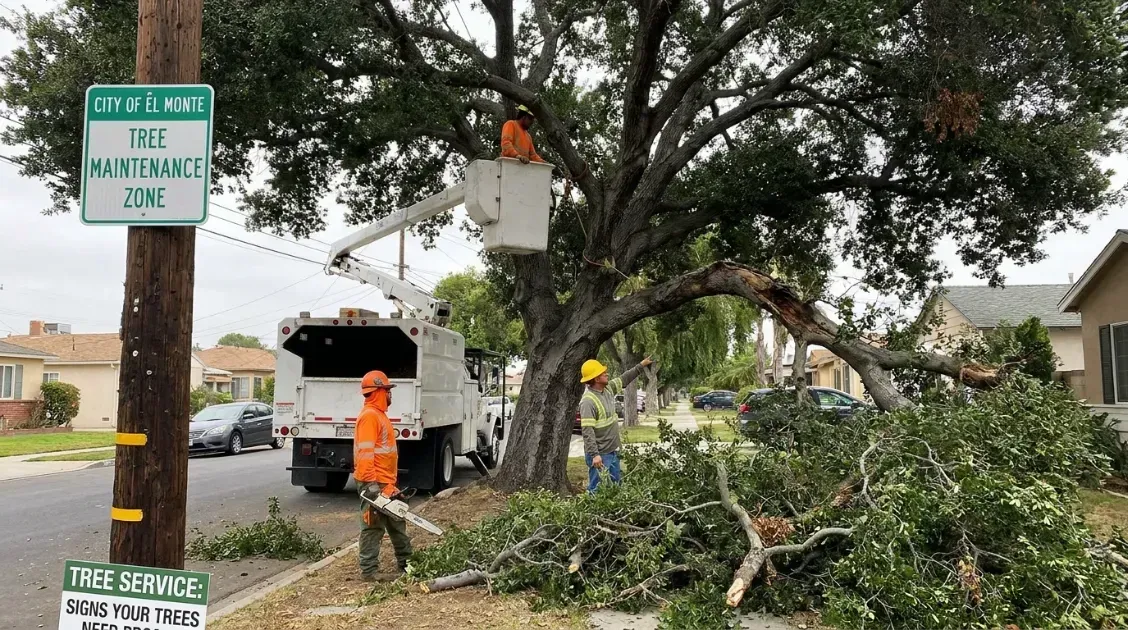
The city of El Monte strictly regulates the removal, heavy pruning, and alteration of mature trees. Removing a protected or street-facing tree without the proper municipal approval triggers a cascade of negative consequences. Understanding local forestry ordinances is crucial for any homeowner, property manager, or landlord planning landscaping changes.
The Legal Reality of Tree Preservation in El Monte
Southern California municipalities take their urban canopy seriously. Trees provide essential shade, reduce local temperatures, improve air quality, and prevent soil erosion. To protect these environmental assets, El Monte requires permits for removing most significant trees.
City ordinances generally classify trees based on species, trunk diameter, and location on the property. Protected species often include native California oaks and western sycamores. Furthermore, any tree located in the public right-of-way or parkway area directly in front of your home is strictly regulated.
If you proceed with cutting down a regulated tree without written permission, you are in direct violation of municipal code. The city relies on code enforcement officers, neighborhood complaints, and routine inspections to identify unauthorized removals. Neighbors who value the shade and aesthetic of older trees are frequently the first to report unpermitted chainsaw activity.
Financial Penalties and Legal Ramifications
The immediate aftermath of an illegal tree removal involves significant financial pain. Municipalities view unauthorized removal as property damage to the community ecosystem.
When code enforcement issues a citation, homeowners can expect to face multiple layers of penalties:
- Steep Fines: Base fines for illegal tree removal can range from hundreds to thousands of dollars per tree. In cases involving protected heritage trees, the monetary penalties increase exponentially.
- Mandatory Restitution: Cities often require the violator to plant replacement trees of equal or greater value. If replacing a massive mature tree is impossible, the city may charge a compensatory fee based on the appraised value of the destroyed tree.
- Property Liens: Failure to pay these fines promptly can result in a lien being placed on your property. This complicates future attempts to sell your home or refinance your mortgage.
- Stop-Work Orders: If the removal is part of a broader landscaping or home renovation project, the city will issue a stop-work order. Your entire project will stall until the tree violation is completely resolved.
Impact on Homeowners Insurance and Liability
Beyond city fines, illegal tree removal creates massive liability risks. Standard homeowners insurance policies are designed to protect you from accidental damage and unforeseen disasters. They do not cover damages resulting from illegal or unpermitted activities.
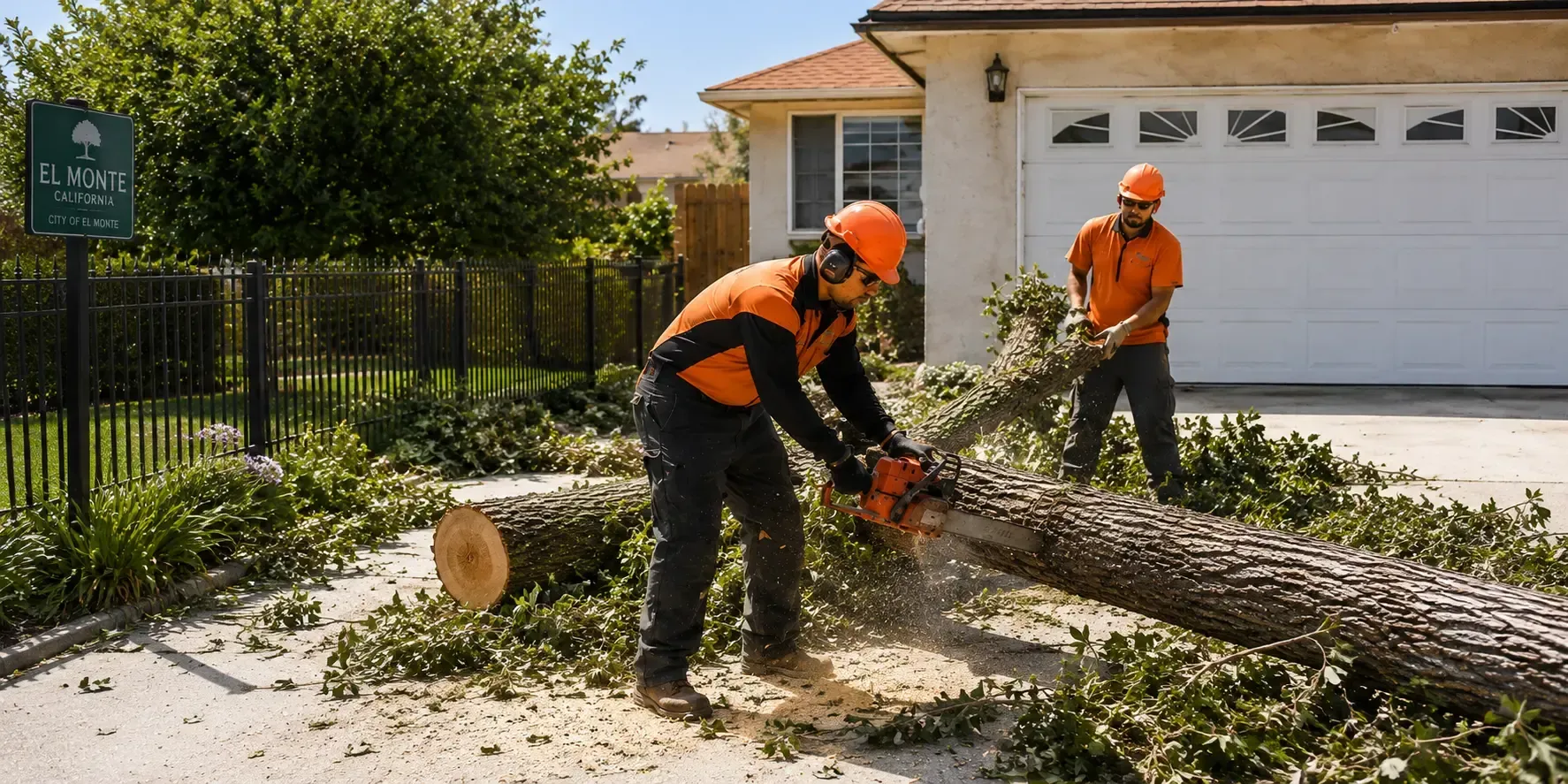
If a DIY removal attempt goes wrong and the falling tree crushes your roof, destroys a neighbor's fence, or injures a pedestrian, your insurance provider will likely deny the claim. Operating without a permit invalidates coverage for the incident. You will be entirely out of pocket for the property repairs, medical bills, and potential legal settlements.
Why Hiring a Professional Tree Service Protects Your Property
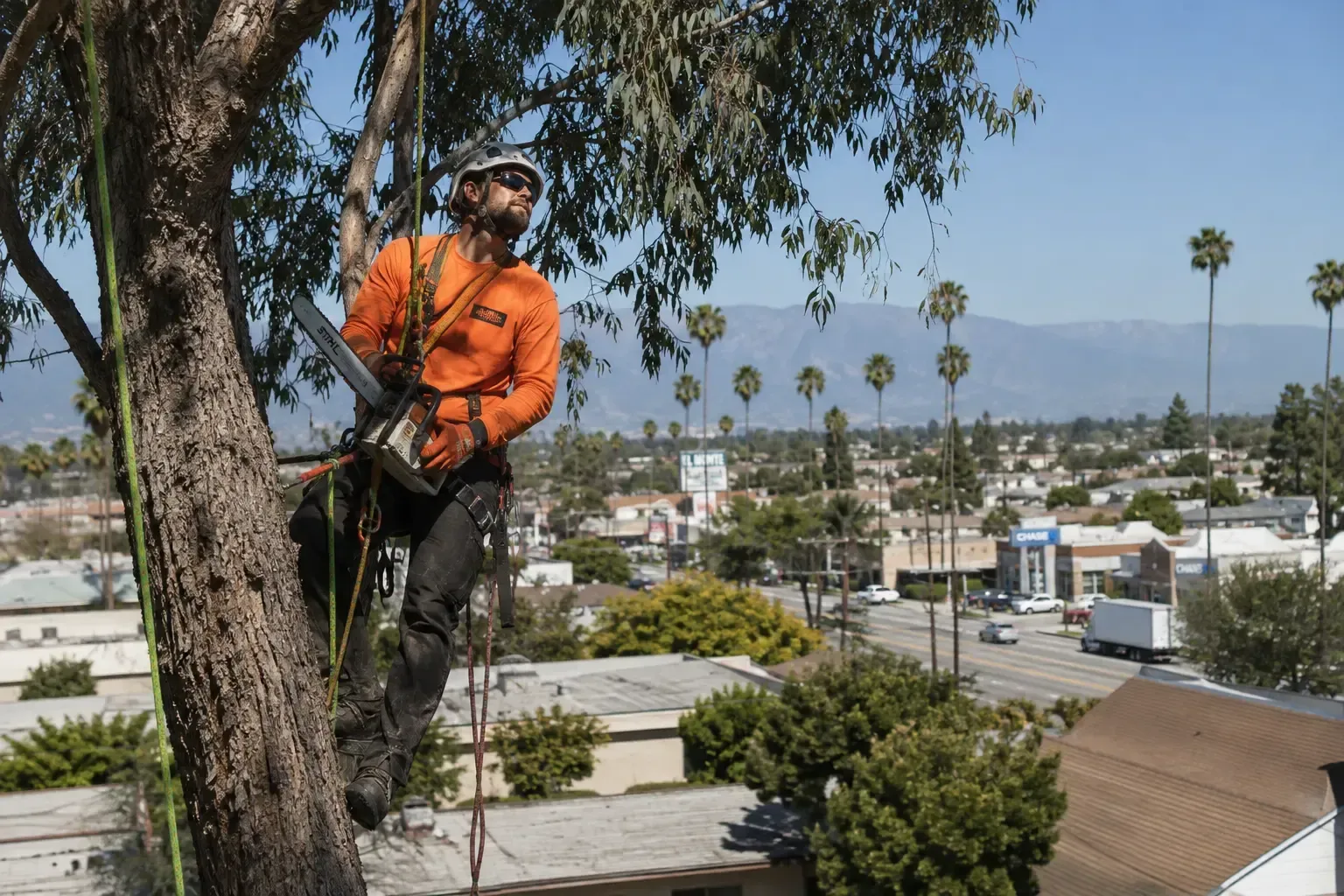
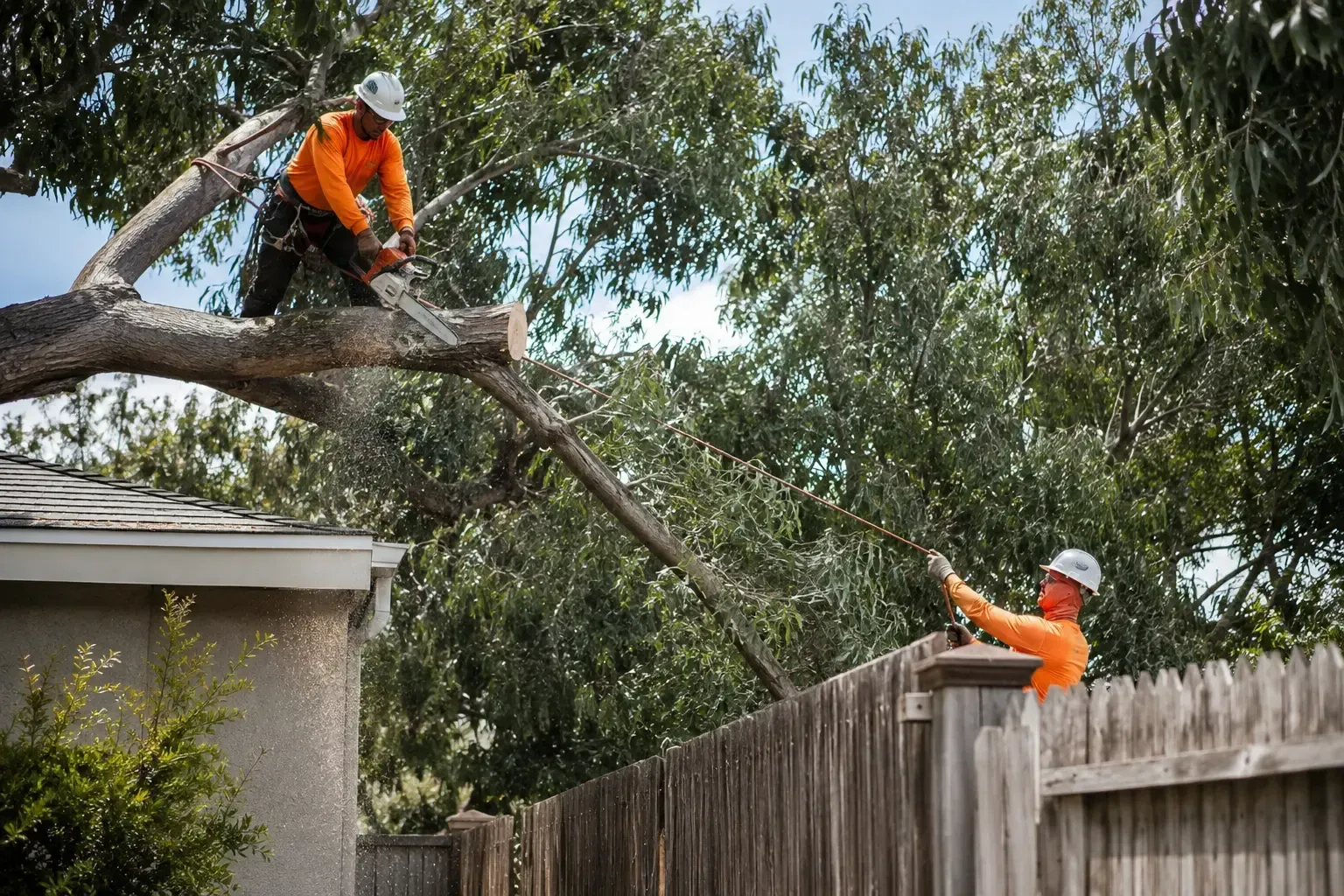
Navigating local ordinances is complex, and the physical act of bringing down a massive tree is inherently dangerous. This is precisely why relying on a professional Tree Service is a non-negotiable step for responsible homeowners.
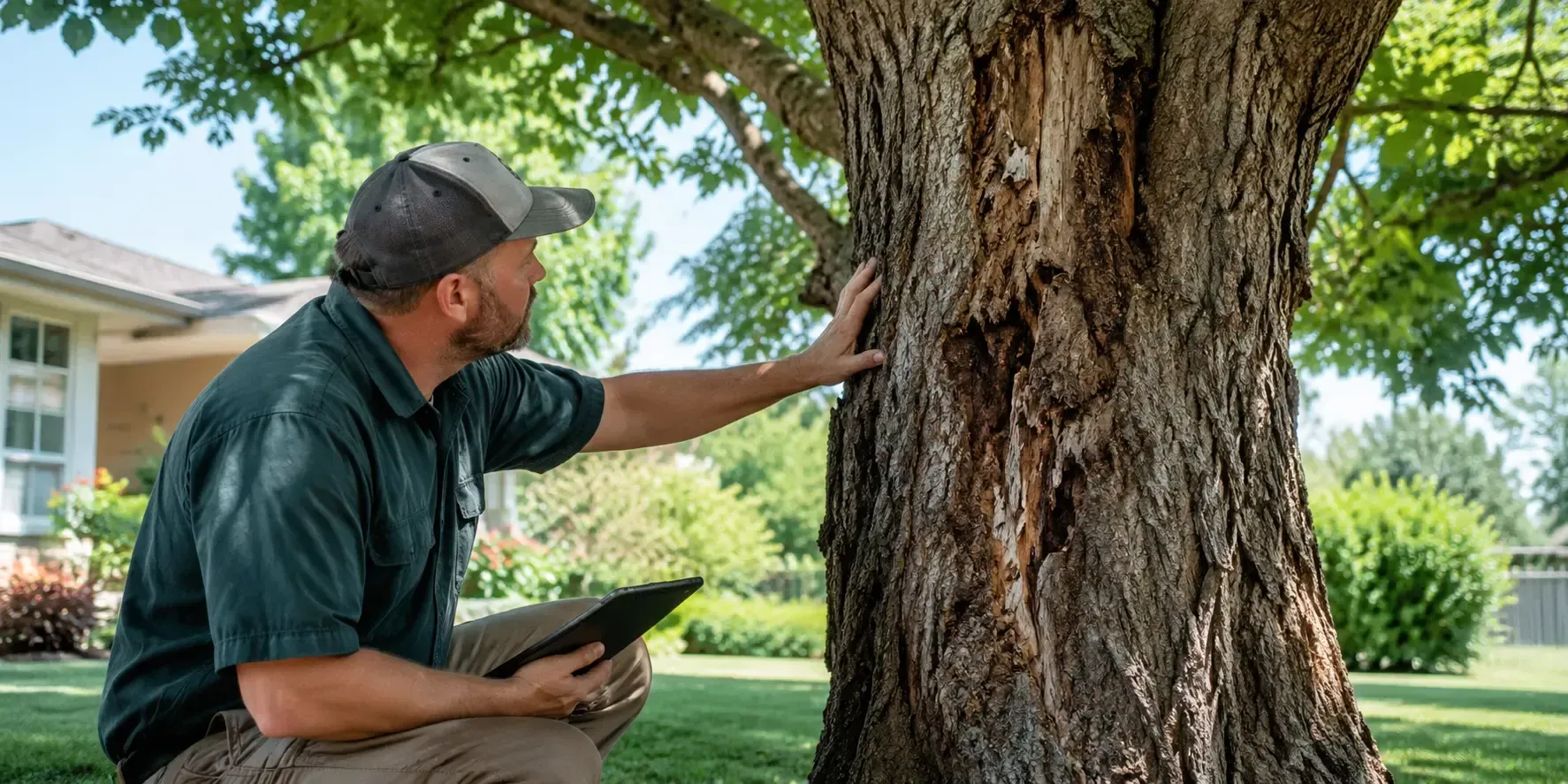
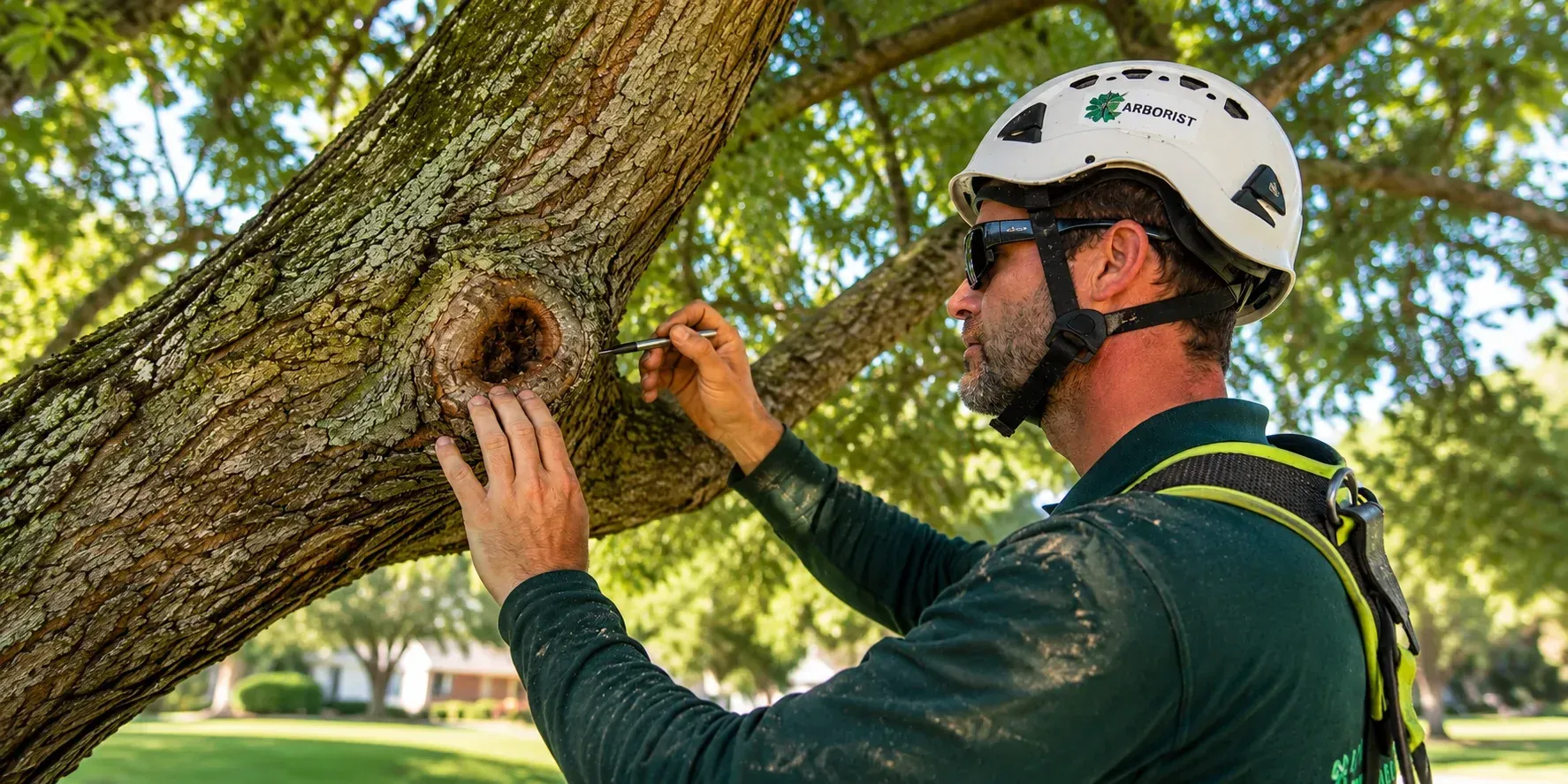
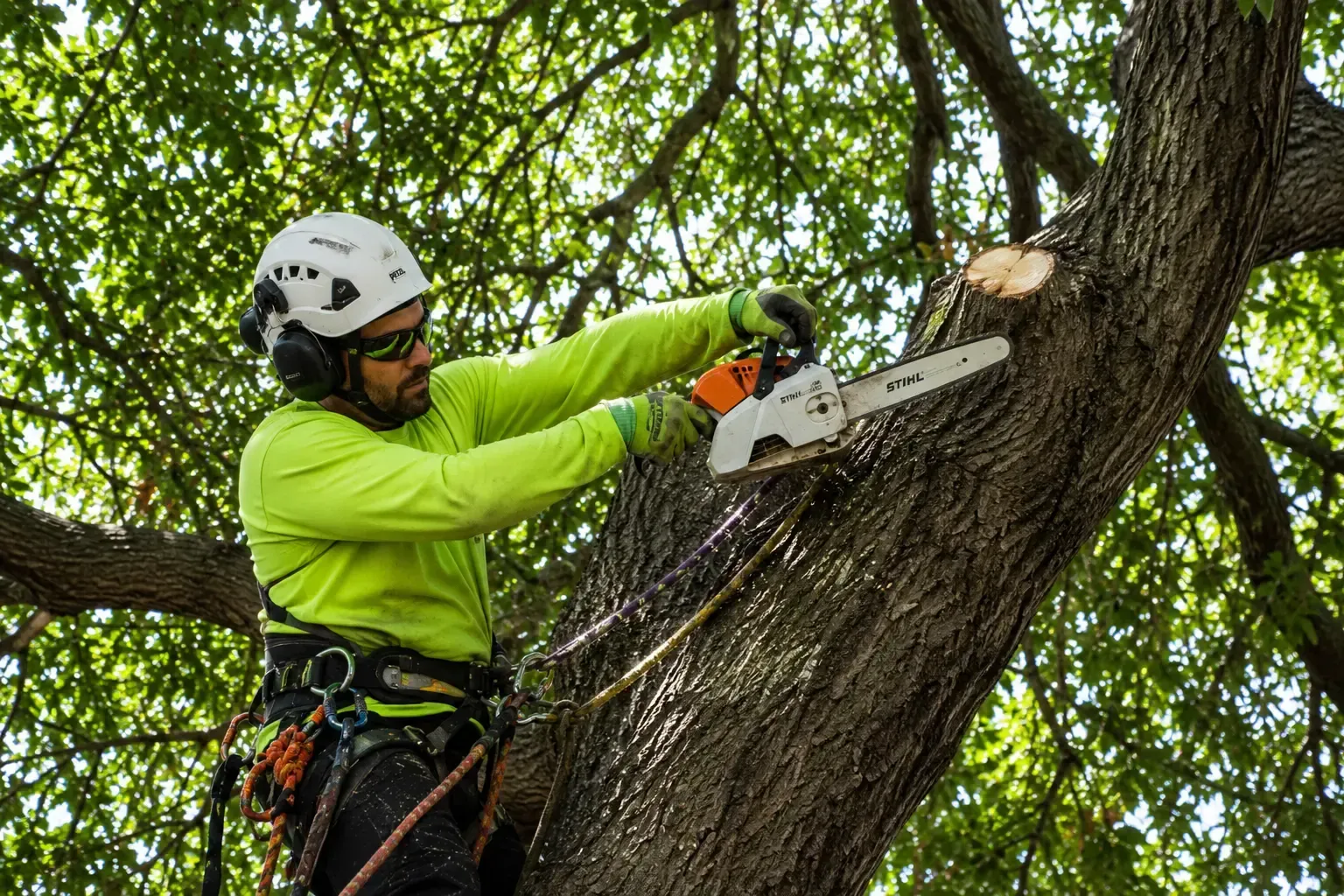
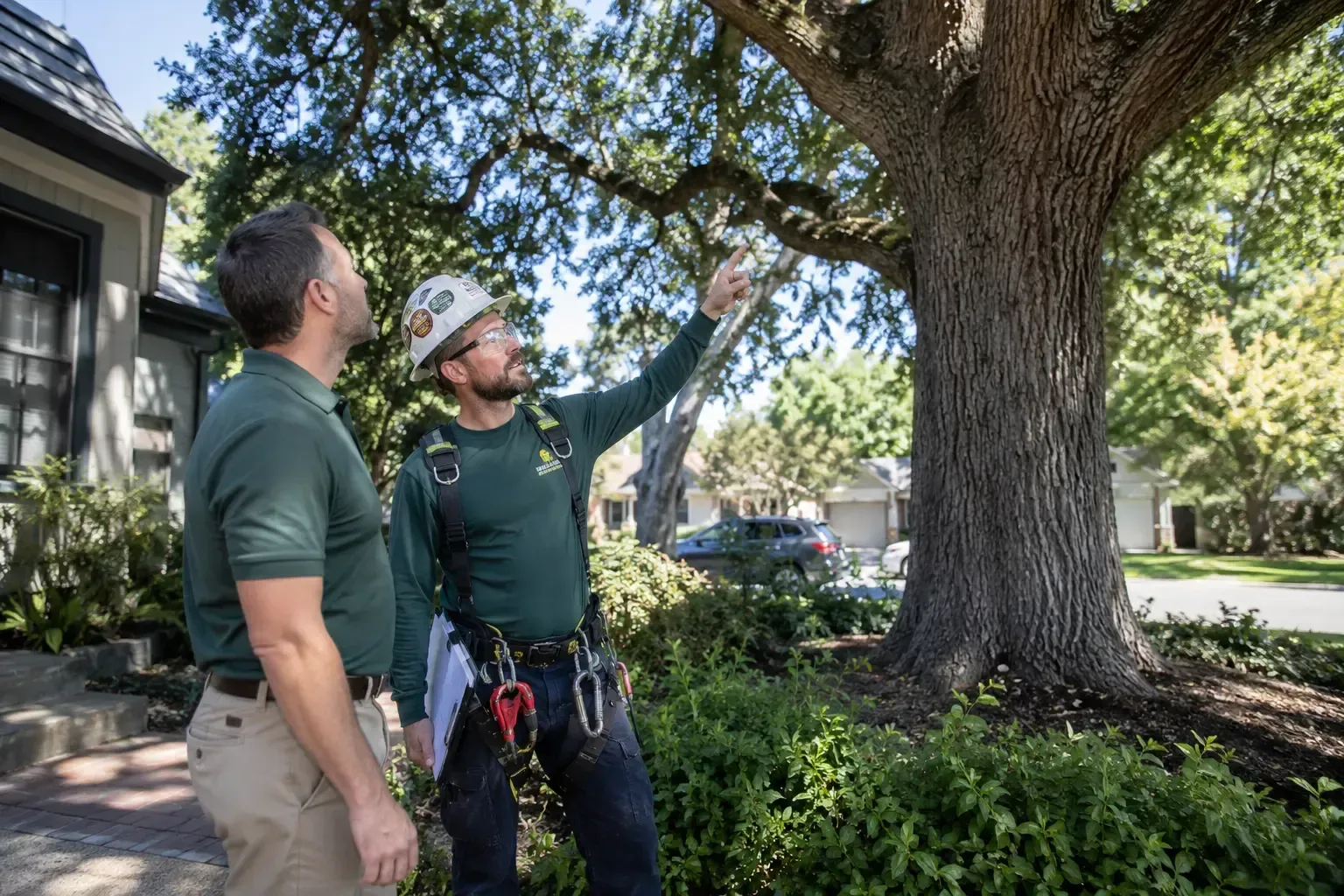
Professionals understand the nuances of El Monte city codes. Licensed arborists and tree care experts can assess your property, identify protected species, and determine exactly what type of permit is required. They handle the bureaucratic red tape on your behalf, ensuring every action taken is fully compliant with local laws.
Furthermore, a licensed and fully insured company brings liability protection to the job site. If an unexpected property damage incident occurs during a permitted removal, the company's robust insurance policy covers the damages. This shields your personal assets and provides profound peace of mind.
To clearly illustrate the differences between taking matters into your own hands and hiring qualified professionals, review the comparative breakdown below.
| Factor | Unpermitted DIY Removal | Permitted Professional Removal | Financial Risk Level |
|---|---|---|---|
| Legal Status | Violation of municipal code | Fully compliant with city laws | Extreme |
| Liability Insurance | None (Homeowner assumes all risk) | Full commercial coverage provided | Zero |
| Safety Standards | Unregulated and highly dangerous | Strict adherence to OSHA guidelines | Minimal |
| Property Value | Potential liens and neighborhood disputes | Enhanced safety and clean aesthetic | Low |
| Equipment Used | Consumer-grade chainsaws | Commercial cranes and rigging gear | Moderate |
Navigating the Permit Process in Southern California
Securing a tree removal permit in El Monte does not have to be an overwhelming ordeal. It simply requires following a structured process.
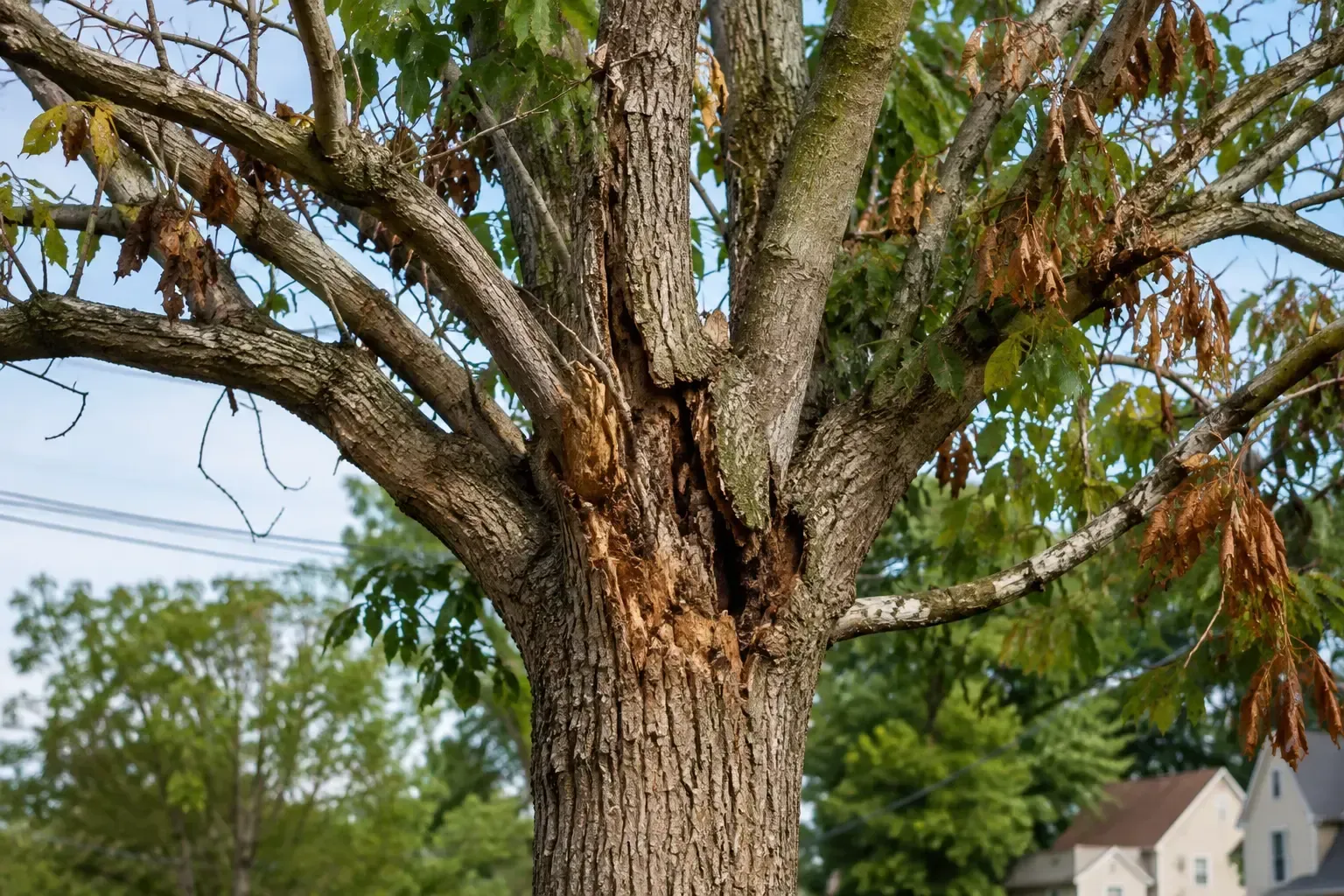
First, you must obtain a formal assessment. The city needs a valid reason to authorize the removal of a healthy tree. Valid reasons typically include structural instability, advanced disease, root systems threatening your home's foundation, or significant interference with utility lines.
Second, you must submit a detailed application to the city planning or public works department. This application usually requires a site plan showing the exact location of the tree, photographs of the damage or disease, and sometimes a formal report from a certified arborist.
Third, the city will review the application and may dispatch an inspector to your property to verify the claims. Once approved, the city issues the permit, which must be clearly displayed on the property during the actual removal work.
When Emergency Removals Apply
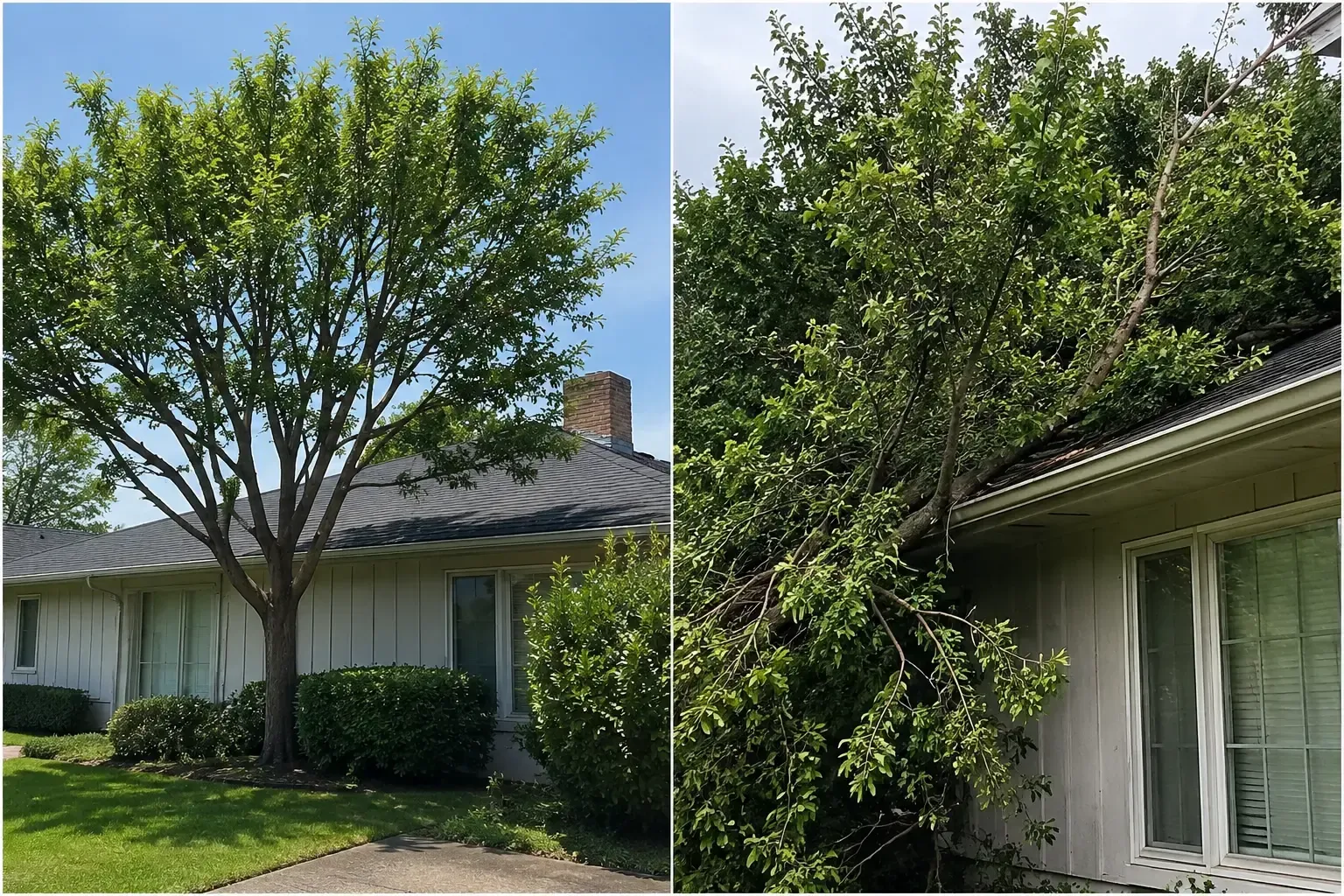
Homeowners often worry about bureaucratic delays during a crisis. If a severe Southern California winter storm severely damages a tree, leaving it leaning precariously over your roof, you do not have weeks to wait for a standard permit.
El Monte and surrounding cities have emergency provisions for hazardous situations. If a tree poses an immediate, undeniable threat to life or property, it can often be removed immediately. However, you must document the emergency thoroughly. Take clear photographs of the hazardous tree from multiple angles before the cutting begins.
Even in an emergency, it is highly recommended to have a professional arborist perform the work. They can accurately assess the immediate danger, safely dismantle the hazard, and provide the necessary documentation to the city after the fact to prove the emergency removal was justified.
Protecting Your Real Estate Investment
For residents in their primary earning years and retirees maintaining long-term family homes, property equity is a critical asset. An unpermitted tree removal puts that asset at unnecessary risk. Municipal fines, legal disputes with neighbors, and denied insurance claims drain finances rapidly.
Investing in proper maintenance, timely pruning, and legally compliant tree removal ensures your property remains safe, beautiful, and free of legal encumbrances. Taking shortcuts with local environmental regulations simply is not worth the gamble.
If you are concerned about a potentially hazardous tree on your property, or if you need expert guidance on municipal codes, we are here to help. Elmonte Tree Service has years of experience assisting property owners throughout the San Gabriel Valley. Our team handles everything from initial arborist assessments to the final cleanup.
You can visit us at our office located at 3380 Flair Dr Suite 215 test El Monte, CA 91731, or call us directly at +1 626 654-3698 to schedule a comprehensive property evaluation. To discuss your specific landscaping needs and ensure your project remains fully compliant with city laws, please contact our team today.
Frequently Asked Questions
Do I need a permit to trim or prune my tree in El Monte?
Standard maintenance pruning usually does not require a permit. However, excessive pruning that alters the fundamental structure of the tree, or "topping" a protected tree, is strictly prohibited and can incur the same fines as an illegal removal. You must adhere to proper arboricultural standards.
How much does a typical tree removal permit cost?
Permit fees vary depending on the scope of the project and the type of tree involved. Basic application fees often start around fifty to one hundred dollars, but additional costs for arborist reports or city inspections may apply. A professional tree care company can provide an exact estimate based on current municipal fee schedules.
Can I be fined if my neighbor cuts down a tree on our shared property line?
Yes, trees situated precisely on a property line are generally considered shared property. Both homeowners share legal responsibility. If your neighbor removes a boundary tree without a permit and without your consent, you could be drawn into the municipal investigation. It is vital to communicate with neighbors and coordinate proper permitting for boundary trees.