Mastering Tree Canopy Care in El Monte
Key Insights and Takeaways
Maintaining structural integrity and canopy health is a complex science vital for property owners in Southern California. By partnering with certified professionals, you can mitigate dangerous wind hazards, prevent pest infestations, and greatly extend the lifespan of your landscape.
* Proper pruning requires precise anatomical cuts to ensure rapid healing and long-term structural stability.
* Addressing crossing branches, deadwood, and overly dense canopies prevents severe damage during unpredictable high winds.
* Hiring local specialists guarantees compliance with arboricultural safety standards while significantly reducing property owner liability.
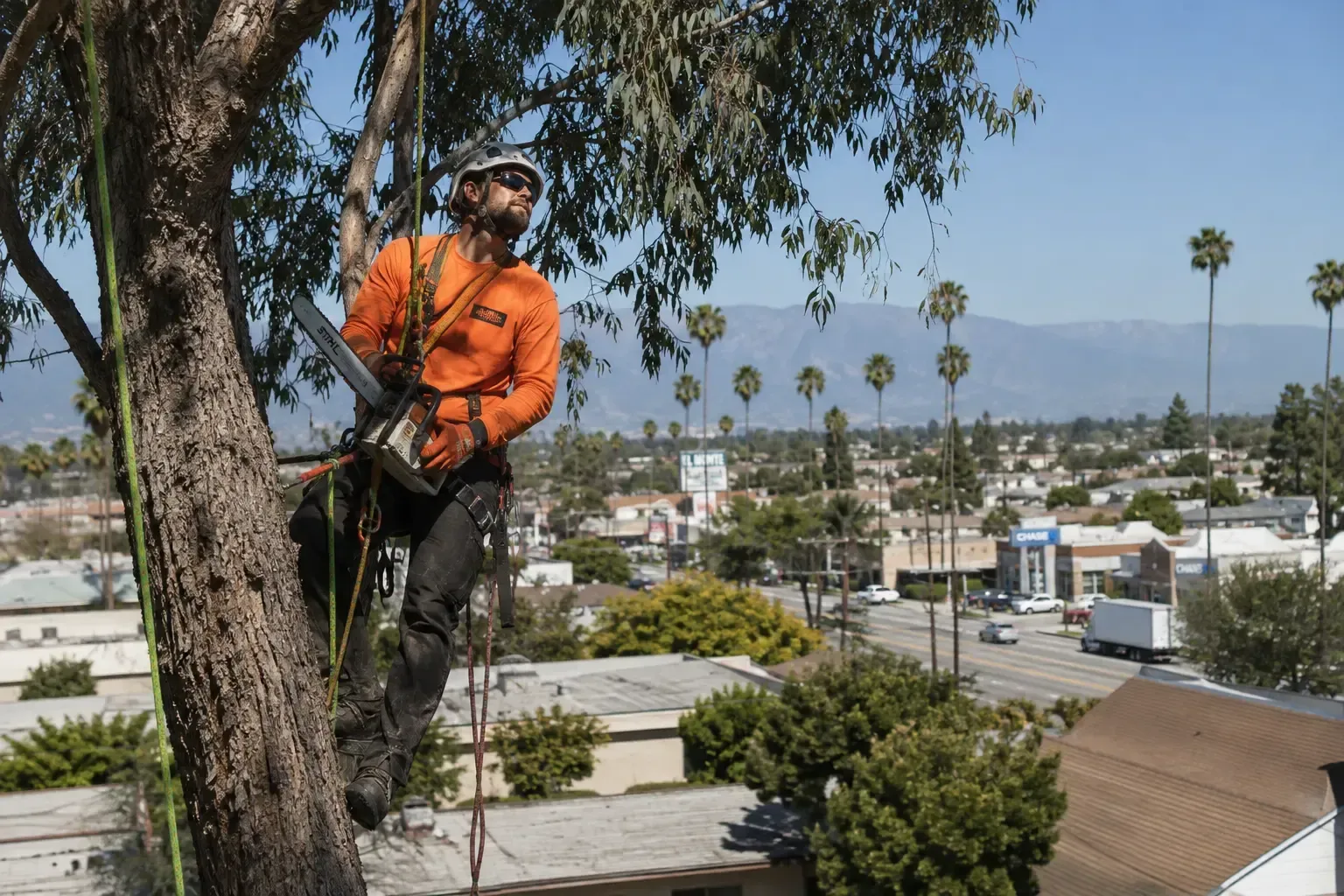
Maintaining property aesthetics and safety in Southern California requires significantly more than basic landscaping. For residents of El Monte, CA, the intense sun, seasonal drought conditions, and fierce Santa Ana winds demand proactive arboricultural care. Proper canopy management ensures that large oaks, palms, and sycamores thrive year after year despite these environmental stressors. The specialists at El Monte Tree understand that strategic pruning is an exacting science. Every cut made to a living plant alters its physiological growth pattern. Implementing professional techniques safeguards your property, enhances curb appeal, and promotes the long-term vitality of your local ecosystem.
Why Expert Tree Services Are Crucial for Canopy Health
Many property owners mistakenly believe that any aggressive cutting will benefit an overgrown landscape. The reality is quite different. Trees rely on their foliage for photosynthesis, and removing an excessive amount of the crown starves the plant. Utilizing professional Tree Services ensures that pruning is executed with precision, preserving the necessary leaf surface area for adequate energy production.
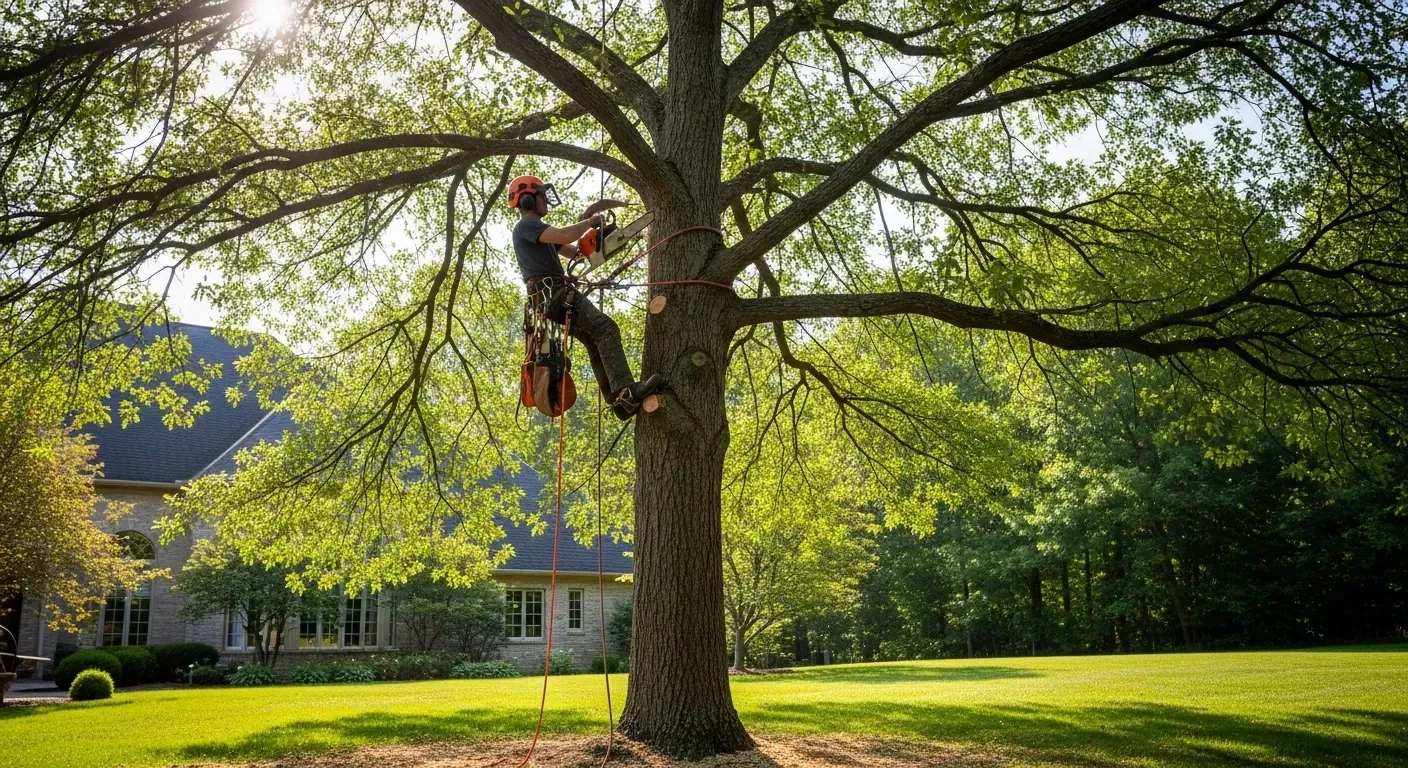
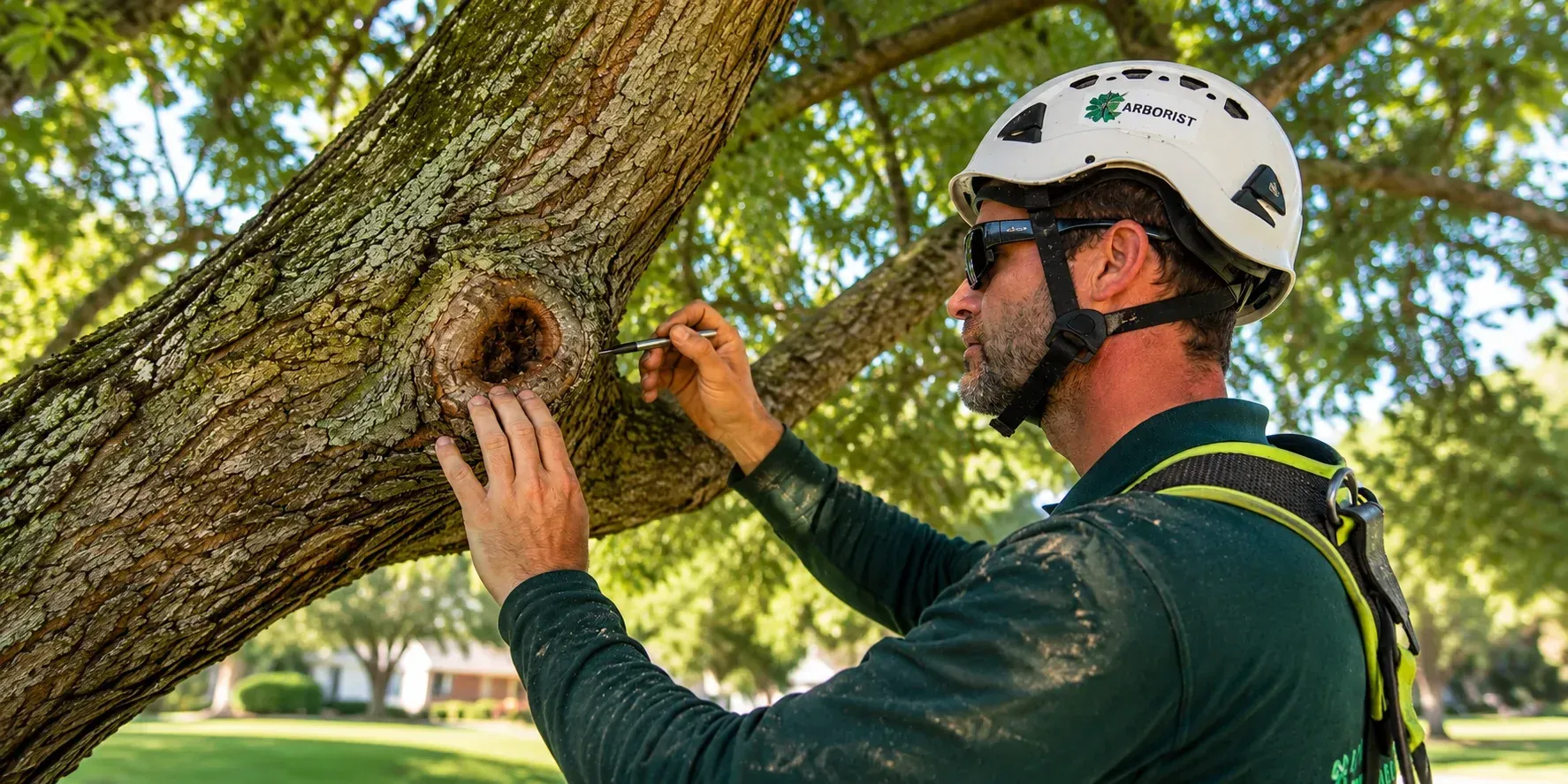
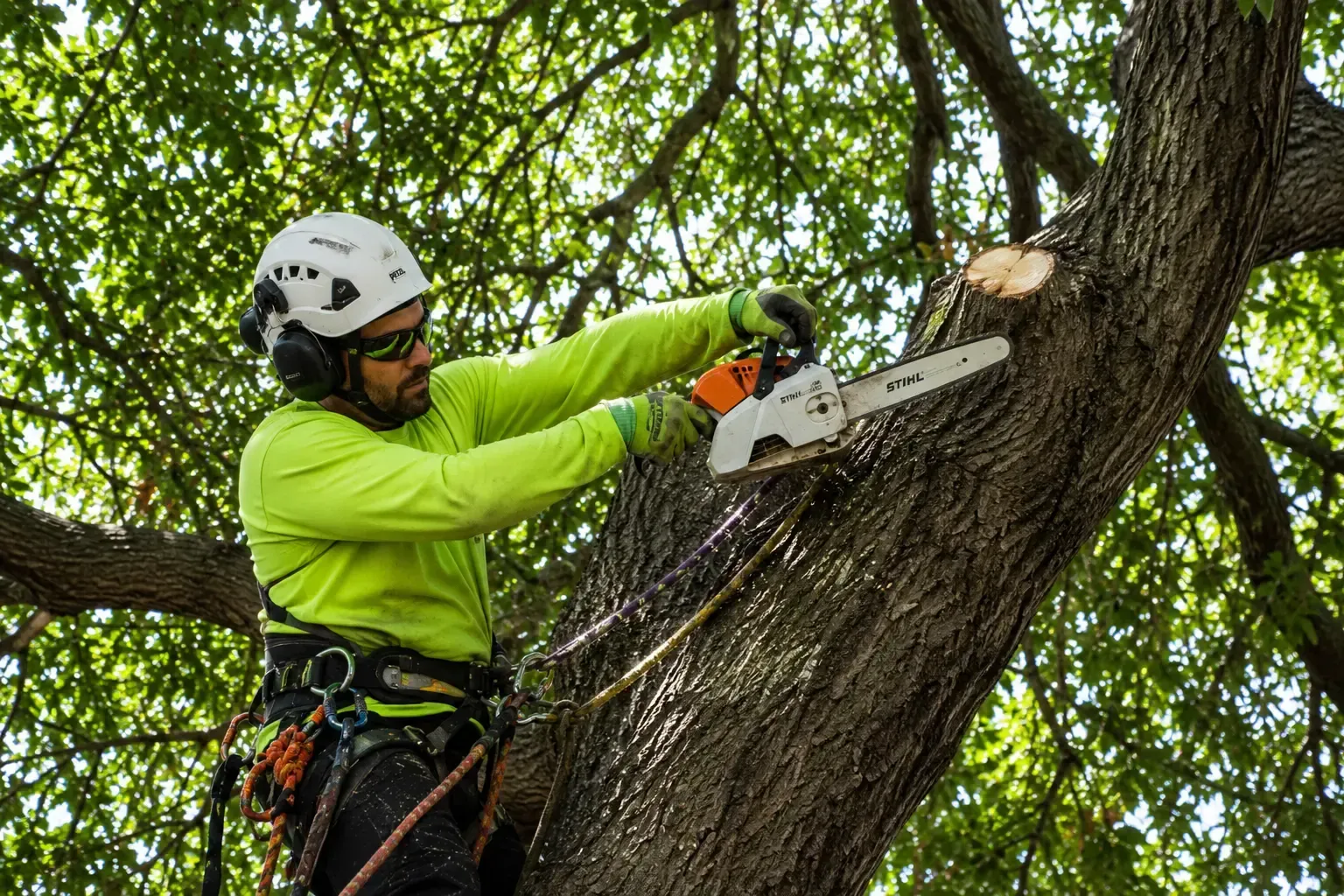
When an uncertified individual hacks away at branches, they frequently leave jagged, tearing wounds. These improper cuts become highly susceptible entry points for wood-boring pests, fungal infections, and widespread decay. A trained specialist makes clean, deliberate cuts just outside the branch collar. This specific anatomical location contains specialized cells that assist the wound in compartmentalizing and healing rapidly.
Specialized Pruning Techniques
Not all cutting serves the same purpose. Arborists utilize several distinct methods depending on the goals for the property. Crown cleaning involves the meticulous removal of dead, diseased, or broken branches to sanitize the canopy. Crown raising removes the lower branches to provide clearance for pedestrians, vehicles, or underlying structures. Crown reduction decreases the overall height and spread of a plant, which is heavily utilized when managing growth near utility lines. Applying the correct methodology requires an educated assessment of each unique specimen.
Recognizing the Signs That Your Landscape Needs Attention
Trees are excellent communicators if you understand what visual signs to observe. Property owners should regularly inspect their grounds for specific indicators of stress, structural weakness, or excessive overgrowth. Waiting until a heavy branch snaps during high winds is an incredibly dangerous approach to property management.
Here are several critical signs that professional tree trimming is strictly necessary:
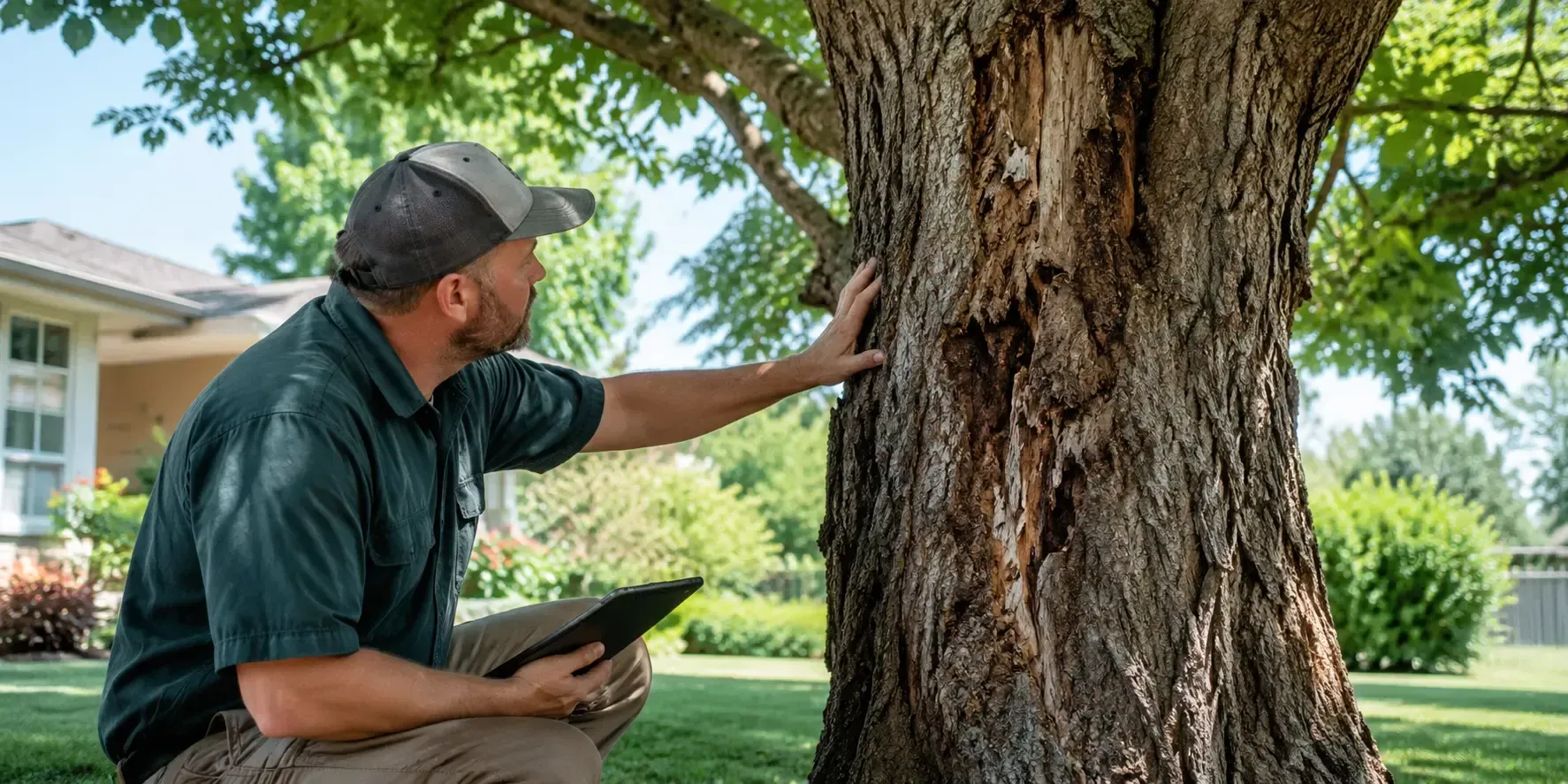
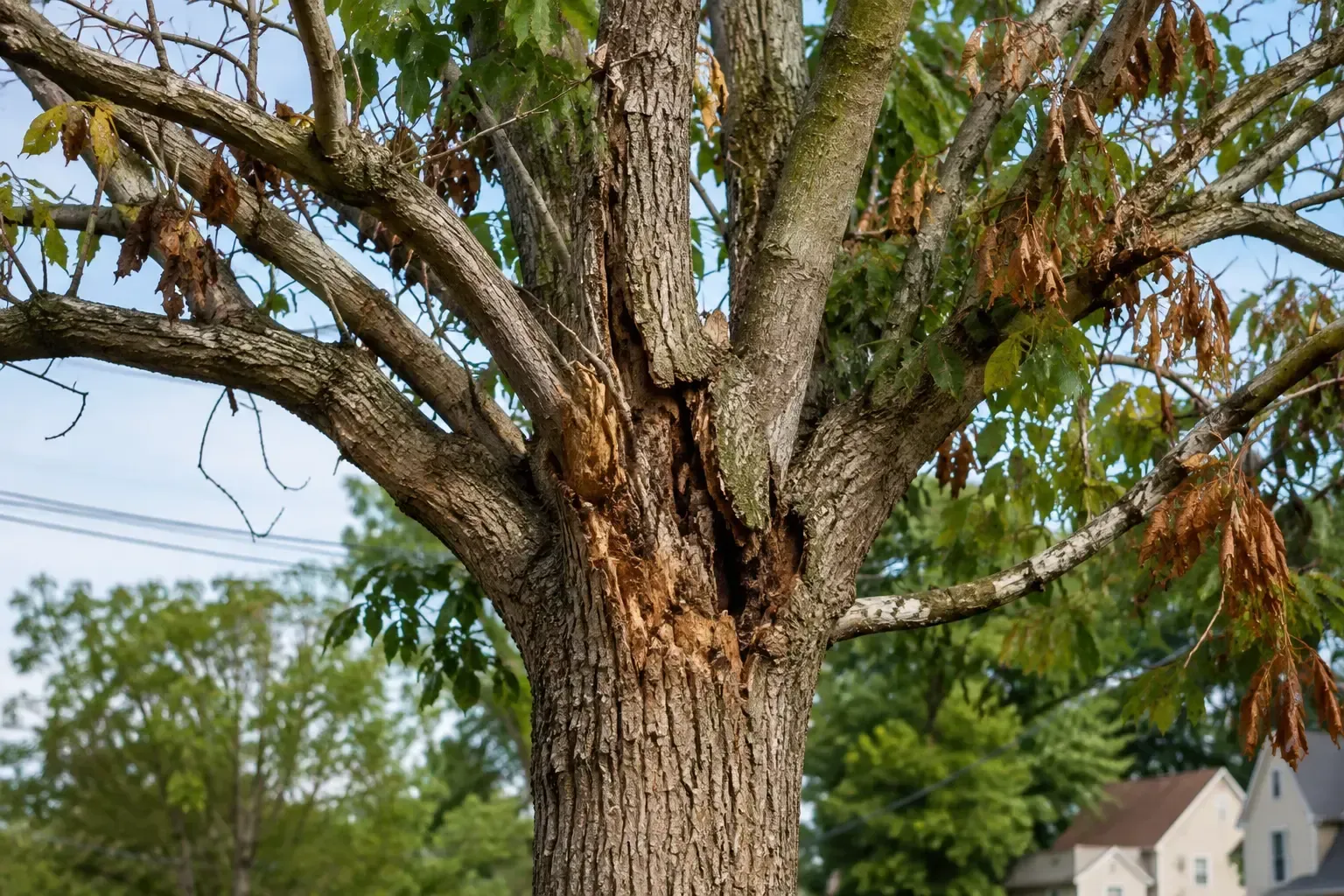
- Visible Deadwood: Branches that lack leaves during the growing season or display peeling bark are likely completely dead. These brittle, decaying limbs pose an immediate and severe hazard to anything positioned directly below them.
- Crossing and Rubbing Branches: When limbs rub against one another in the wind, the constant friction strips away the protective bark layers. This exposes the sensitive inner wood to disease and creates massive structural vulnerabilities.
- Overly Dense Canopies: A crown that is too thick restricts necessary airflow and prevents sunlight from penetrating the interior branches. Thinning the canopy allows strong winds to pass through harmlessly during severe weather events, vastly reducing the risk of a total structural collapse.
- Proximity to Power Lines and Roofs: Any vegetation growing within ten feet of utility lines or scraping against roofing materials requires immediate professional intervention to prevent electrical hazards, fires, and costly structural damage.
Addressing these issues promptly is vital for the safety of your family and neighbors. For a deeper understanding of risk mitigation strategies, you can review our detailed guide on how routine tree trimming helps prevent falling branch accidents in El Monte. Proactive maintenance is always significantly less costly than reacting to severe property damage.
The Difference Between Pruning and Complete Removal
There are unfortunate instances where selective shaping and thinning are simply not enough to resolve a hazardous problem. Recognizing the threshold between routine maintenance and total extraction is a critical component of responsible property care. Severe, untreatable disease, extensive root system damage from construction, or a deeply hollowed trunk often indicate that the structural integrity is entirely compromised.
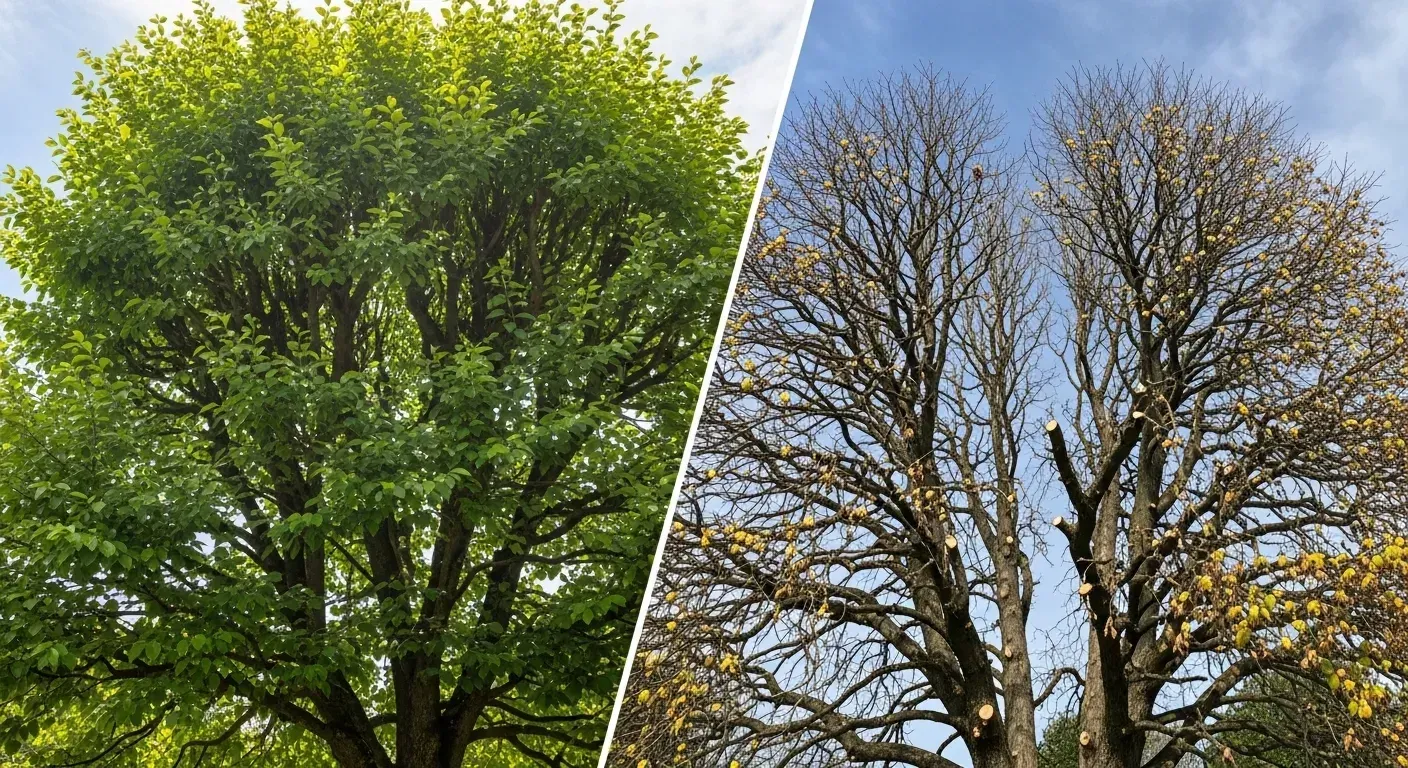
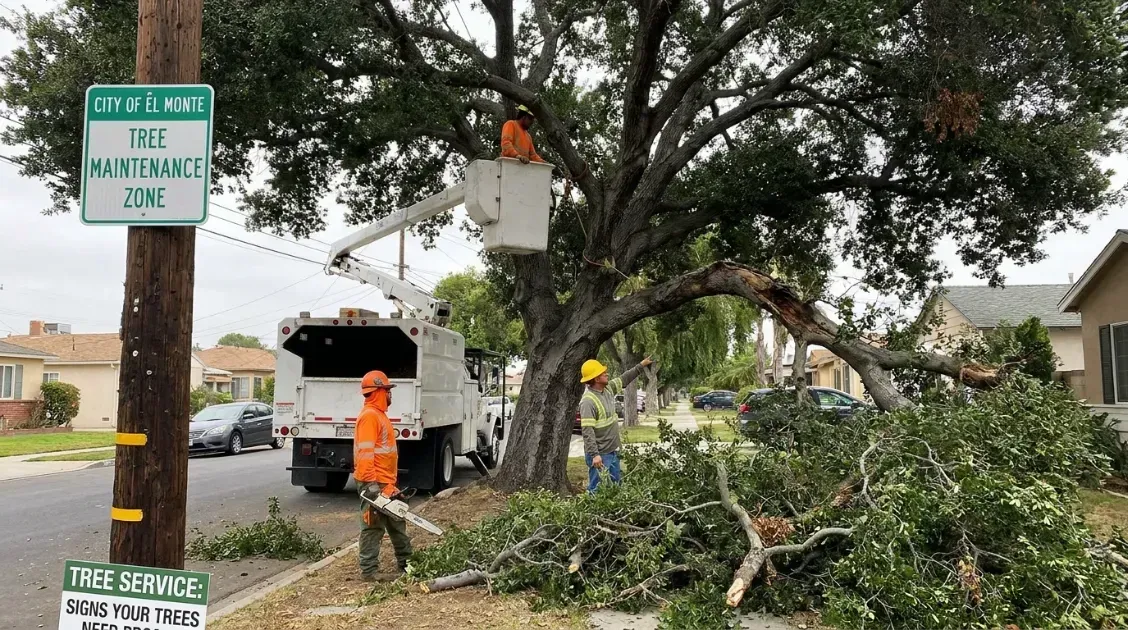
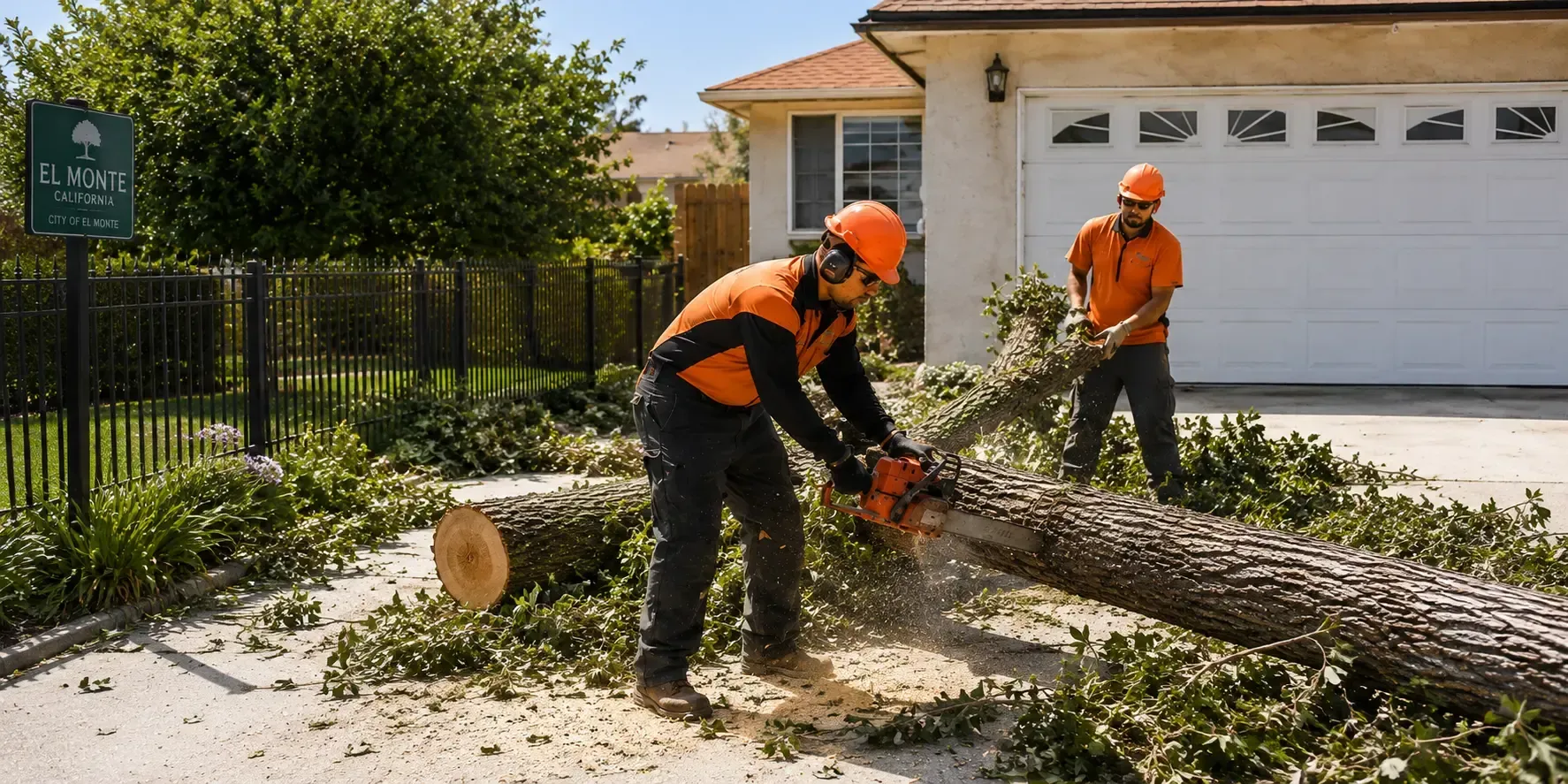
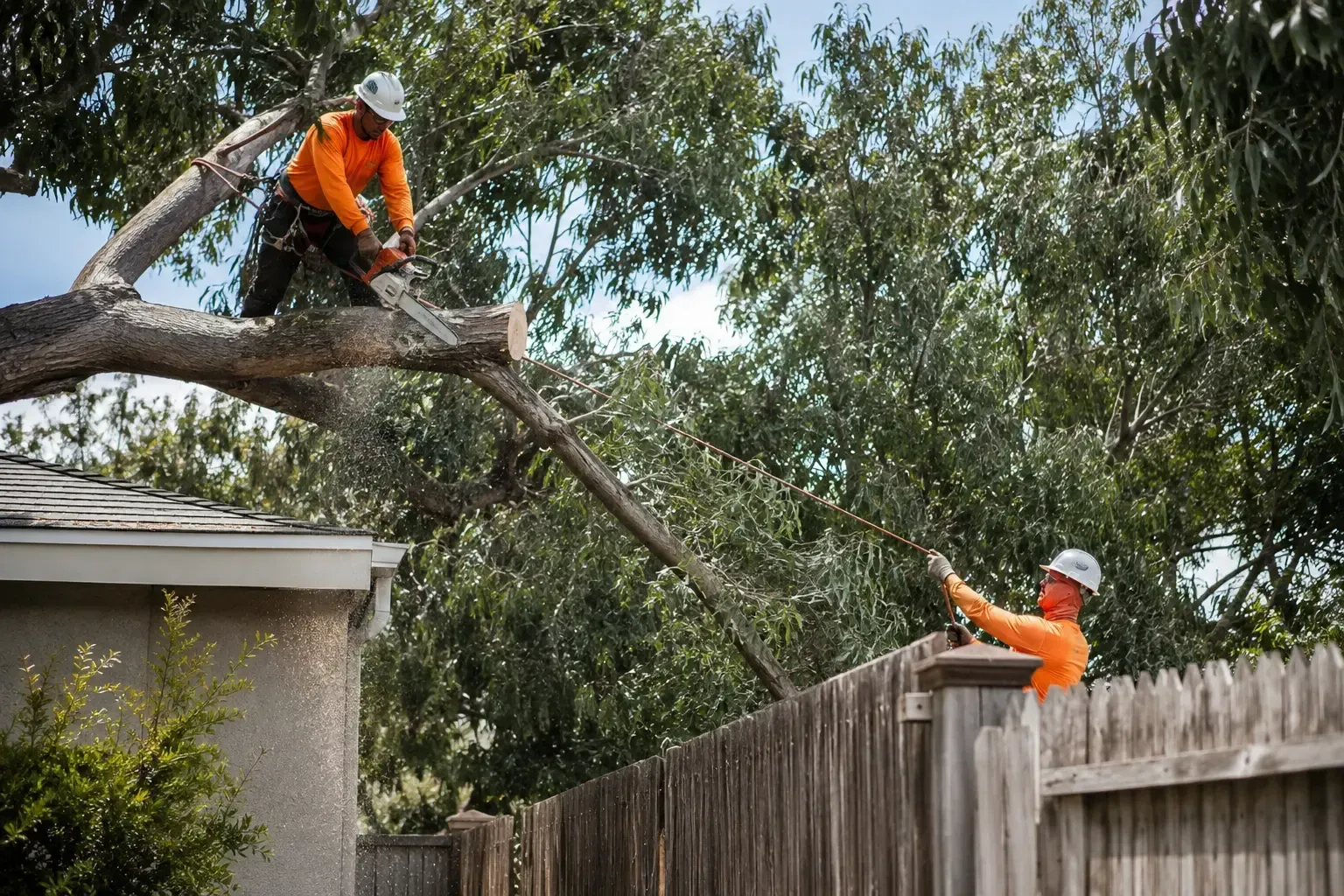
When a specimen poses an unmanageable risk or is actively dying, complete tree removal becomes the only viable and safe option. Removing a large, deeply established specimen is a highly complex operation. It requires heavy machinery, precise roping and rigging techniques, and an acute awareness of the surrounding environment. Attempting this dangerous task without the proper credentials and equipment is a massive liability.
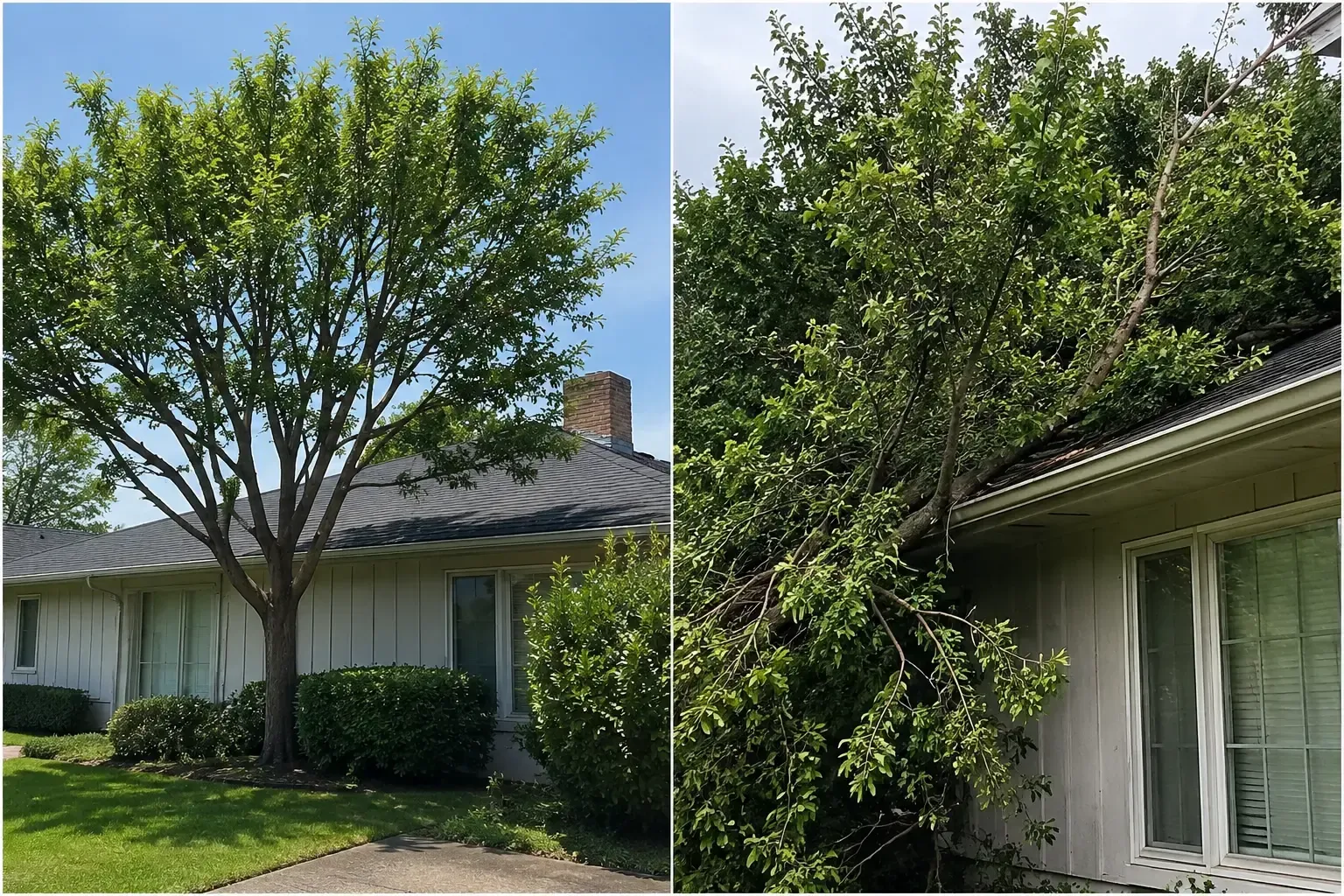
Furthermore, unpredictable California storms can cause sudden, catastrophic failures without any prior warning. When a massive limb crashes onto a driveway, blocks a public roadway, or leans precariously against a residential roof, immediate action is mandated. In these highly stressful and urgent scenarios, relying on prompt emergency tree removal services ensures the hazard is safely dismantled before further destruction occurs.
Partnering with the Right Specialists in El Monte, CA
Your landscape requires consistent, highly knowledgeable attention to remain safe, healthy, and visually appealing. Trusting this substantial responsibility to general laborers often yields subpar results and drastically increases your long-term costs. The right professionals bring a deep, specialized understanding of local soil conditions, regional pest infestations, and native species behaviors specific to El Monte, CA.
When evaluating potential contractors for your property, always verify their specific licensing, comprehensive insurance coverage, and relevant industry certifications. Proper documentation protects you entirely from financial liability in the unfortunate event of an on-site accident. Furthermore, a highly reputable company will gladly explain their specific methodology to you, offering entirely transparent assessments rather than pressuring you into expensive and unnecessary services.
To learn more about our unwavering commitment to superior arboricultural standards and our extensive local expertise, you can read about our team. We firmly prioritize the unique biological needs of your landscape while ensuring the absolute safety of your physical property. If you are ready to evaluate the structural health of your canopy or address an overgrown residential lot, please contact us to schedule a comprehensive property assessment today.
Frequently Asked Questions
How often should large shade trees be pruned?
The ideal frequency depends heavily on the specific species, its age, and its overall health. Most mature shade trees require professional attention every three to five years to maintain a safe structure and remove deadwood. However, younger, rapidly growing trees may need structural pruning every one to two years to establish a strong, desirable shape.
Can pruning be done during any season in California?
While minor maintenance can occur year-round, the optimal time for heavy pruning is generally during the dormant winter months. Cutting during dormancy minimizes sap loss, drastically reduces the risk of pest infestations, and allows the plant to heal efficiently before the rapid spring growth cycle begins. However, dead or highly hazardous branches must be removed immediately, regardless of the current season.
Will topping my tree make it safer in high winds?
No. Topping is an outdated and highly destructive practice that involves indiscriminately cutting off the top branches. This process starves the plant, induces severe stress, and forces the rapid growth of weak, poorly attached shoots called water sprouts. These new shoots are significantly more likely to snap and break during future windstorms, creating a much higher long-term risk.