What Happens If You Do Not Trim Trees in El Monte? Risks Every Homeowner Should Know
The urban canopy throughout El Monte provides vital shade, improves air quality, and adds significant aesthetic value to residential and commercial properties. Mature trees define the character of the San Gabriel Valley. However, these beautiful natural assets require consistent management. When property owners neglect routine canopy maintenance, the results often extend far beyond an untidy yard. Untrimmed trees introduce severe structural hazards, increase financial liabilities, and threaten the overall health of your landscape.
Understanding the specific risks associated with overgrown vegetation is critical for anyone managing property in Southern California. From the impact of seasonal high winds to the gradual spread of decay, ignoring tree maintenance is a gamble that homeowners routinely lose.
Structural Hazards and Property Damage
Trees never stop growing. Without intervention, branches extend outward and upward, constantly searching for sunlight. This unrestricted growth drastically alters the structural integrity of the tree.
The Sail Effect and High Winds
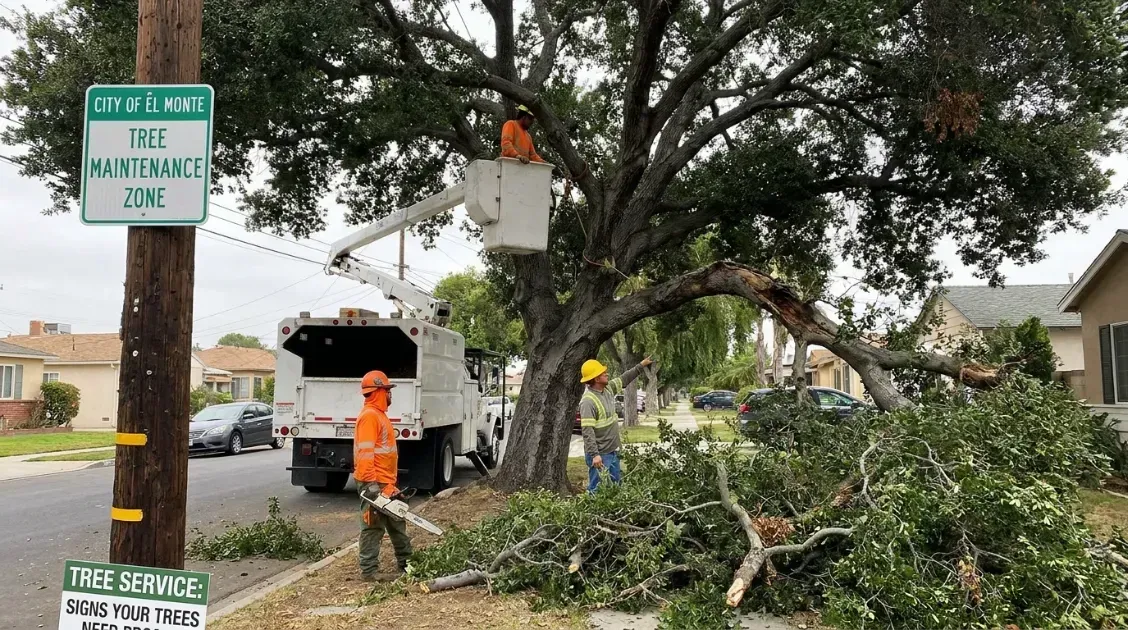
El Monte experiences periodic high wind events, including the notorious Santa Ana winds. A dense, untrimmed tree canopy acts like a solid sail catching these powerful gusts. Instead of allowing wind to pass safely through the branches, a thick canopy absorbs the full force of the weather. This immense pressure transfers directly to the trunk and the root system. Over time, this stress causes healthy trees to uproot entirely or suffer catastrophic trunk splitting.
Roof and Foundation Threats
Branches that grow too close to your home pose a constant mechanical threat. Even moderate breezes cause low-hanging limbs to scrape against roofing materials. This friction systematically strips away asphalt shingles, compromises the roof underlayment, and creates vulnerabilities for water intrusion. Furthermore, excessive shade from an overgrown canopy prevents moisture from evaporating off the roof, accelerating the growth of moss and accelerating structural rot.
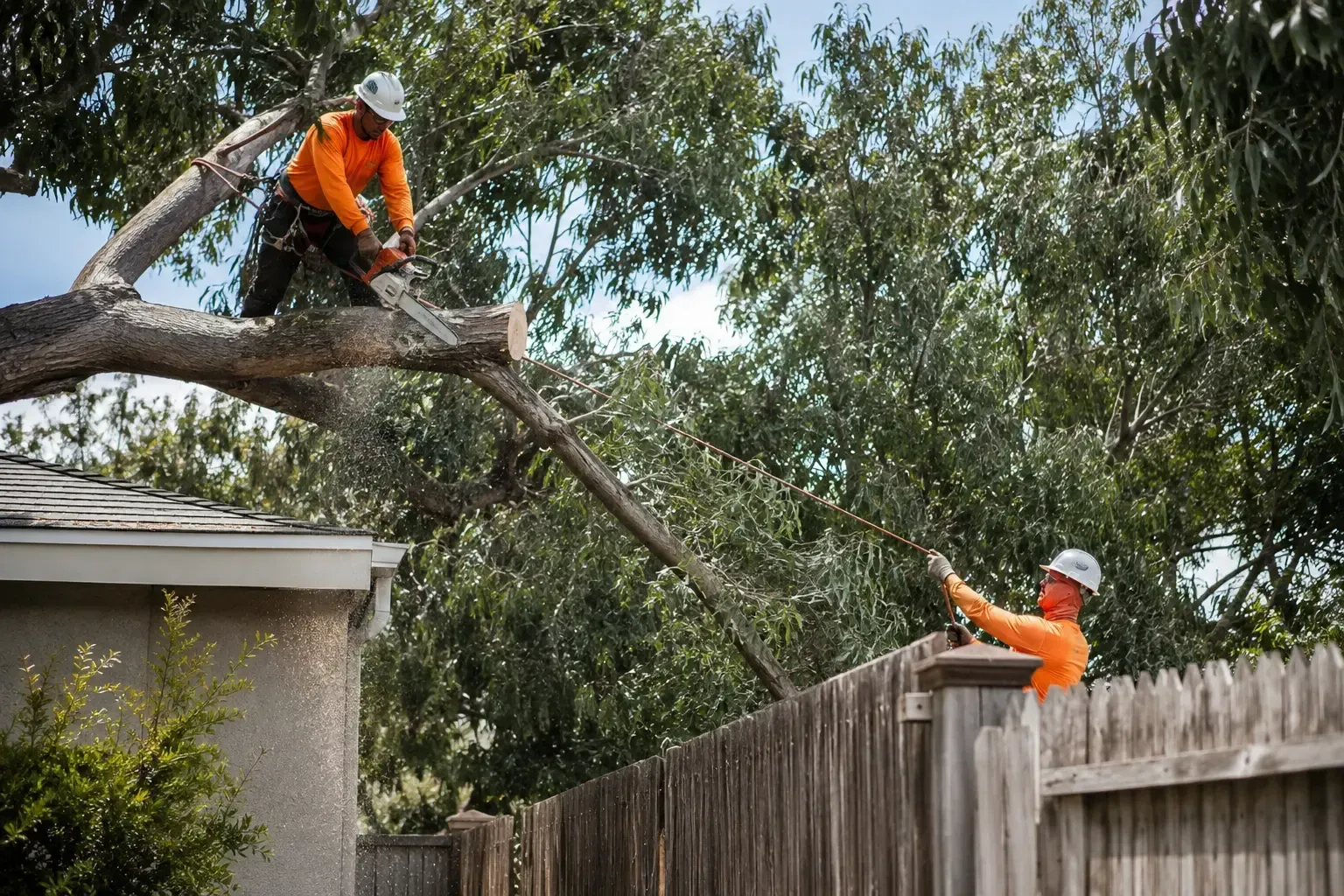
When heavy, extended branches eventually snap, the resulting impact can crush roof trusses, shatter windows, and destroy siding. Preventing this level of destruction requires proactive intervention. Scheduling tree trimming ensures that dangerous limbs are mitigated before gravity and weather take their toll.
Financial and Legal Liabilities for Homeowners
Property ownership inherently involves risk management. In California, you are legally responsible for the hazards present on your land. Allowing a tree to deteriorate into a dangerous condition exposes you to significant liability.
Neighboring Property Disputes
Tree branches do not respect property lines. If a neglected limb from your oak or sycamore breaks and damages a neighbor's fence, vehicle, or structure, you are typically held financially responsible for the repairs. These disputes strain neighborhood relationships and often lead to costly legal mediation.
Insurance Complications
Homeowners insurance policies generally cover damage from falling trees caused by sudden weather events. However, insurance adjusters strictly evaluate the condition of the tree prior to the incident. If an investigator determines that the tree failed due to long-term neglect, disease, or obvious deadwood, your insurance provider can deny the claim entirely. Maintaining documented proof of regular canopy maintenance through Elmonte Tree Service serves as a vital safeguard against denied insurance claims.
Pest Infestations and Disease Proliferation
Overgrown trees create an ideal microclimate for invasive pests and destructive fungi. When a canopy becomes too dense, it blocks vital sunlight and traps humidity within the interior branches.
Wood-Boring Insects
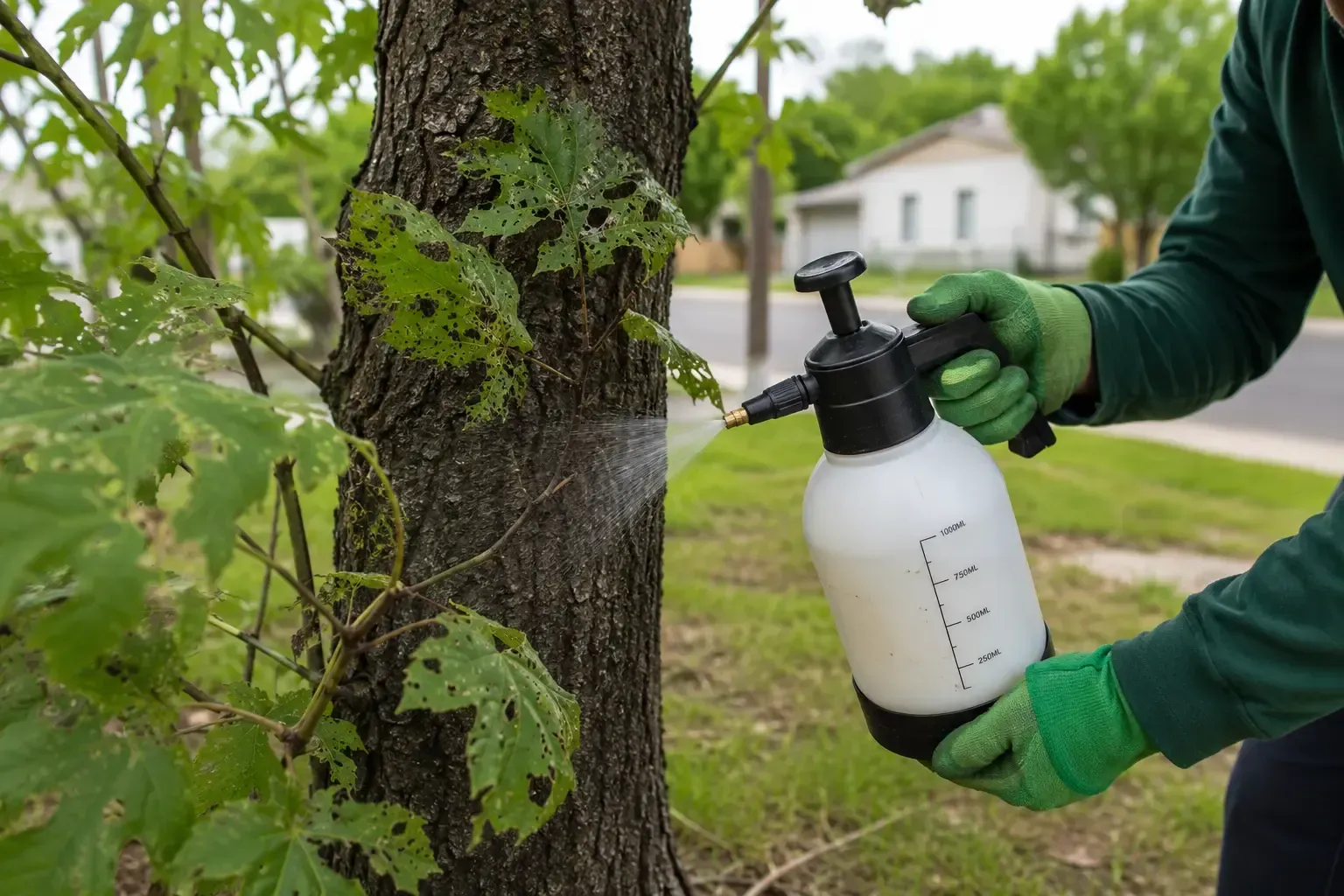
Dead or dying branches left attached to a tree act as a beacon for wood-boring insects. Termites, carpenter ants, and bark beetles actively seek out compromised wood. Once these pests establish a colony in the deadwood, they quickly migrate into the healthy sections of the tree. Even worse, proximity to your home means these insects can easily transition from an overhanging branch directly into your attic or wall framing.
Fungal Infections
Fungi thrive in damp, dark environments. An untrimmed canopy prevents adequate air circulation, leaving the interior foliage perpetually damp. This moisture invites fungal diseases like powdery mildew, root rot, and anthracnose. These diseases rapidly weaken the structural integrity of the wood, making the tree highly susceptible to failure.
Why Professional Tree Services Are Essential in El Monte
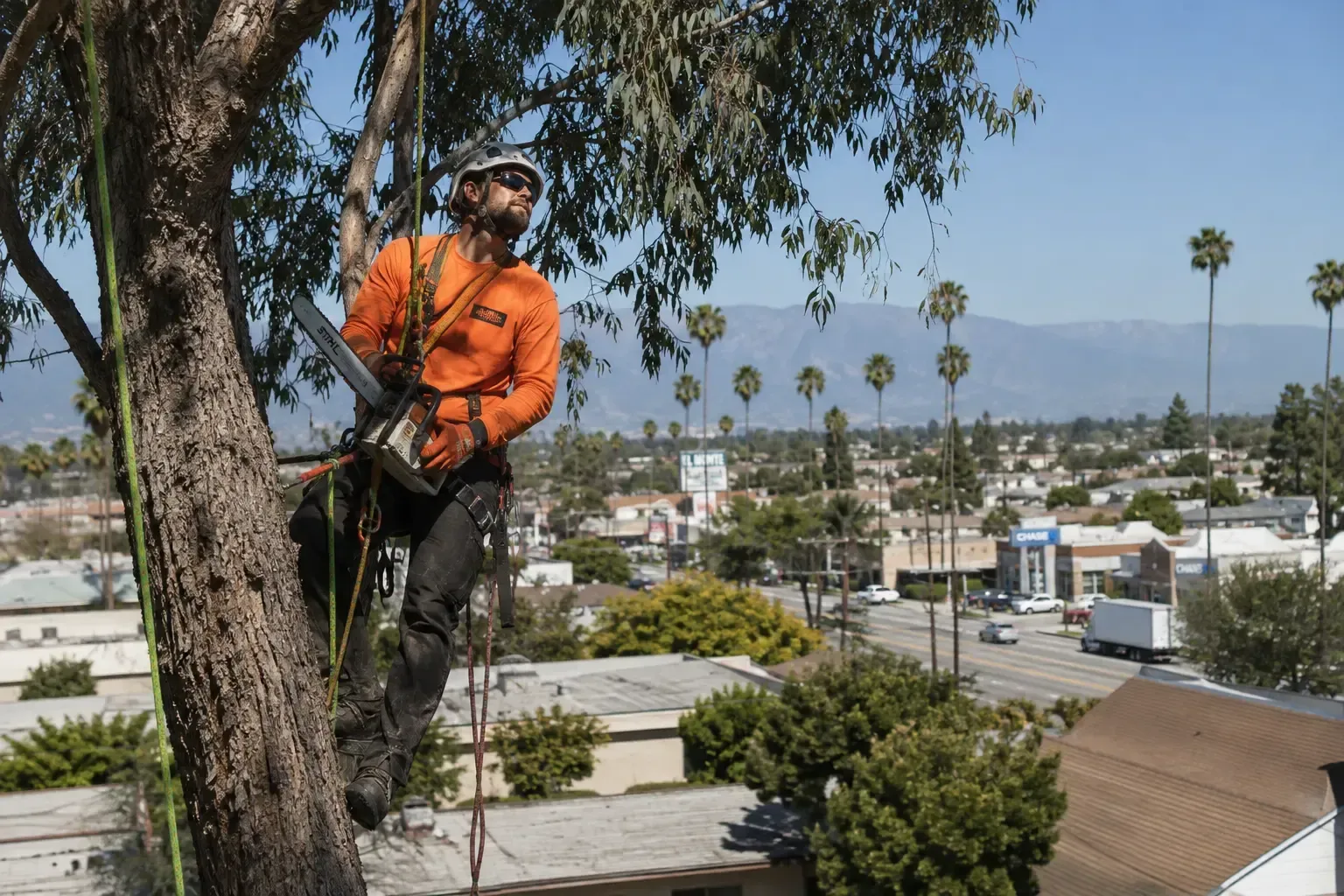
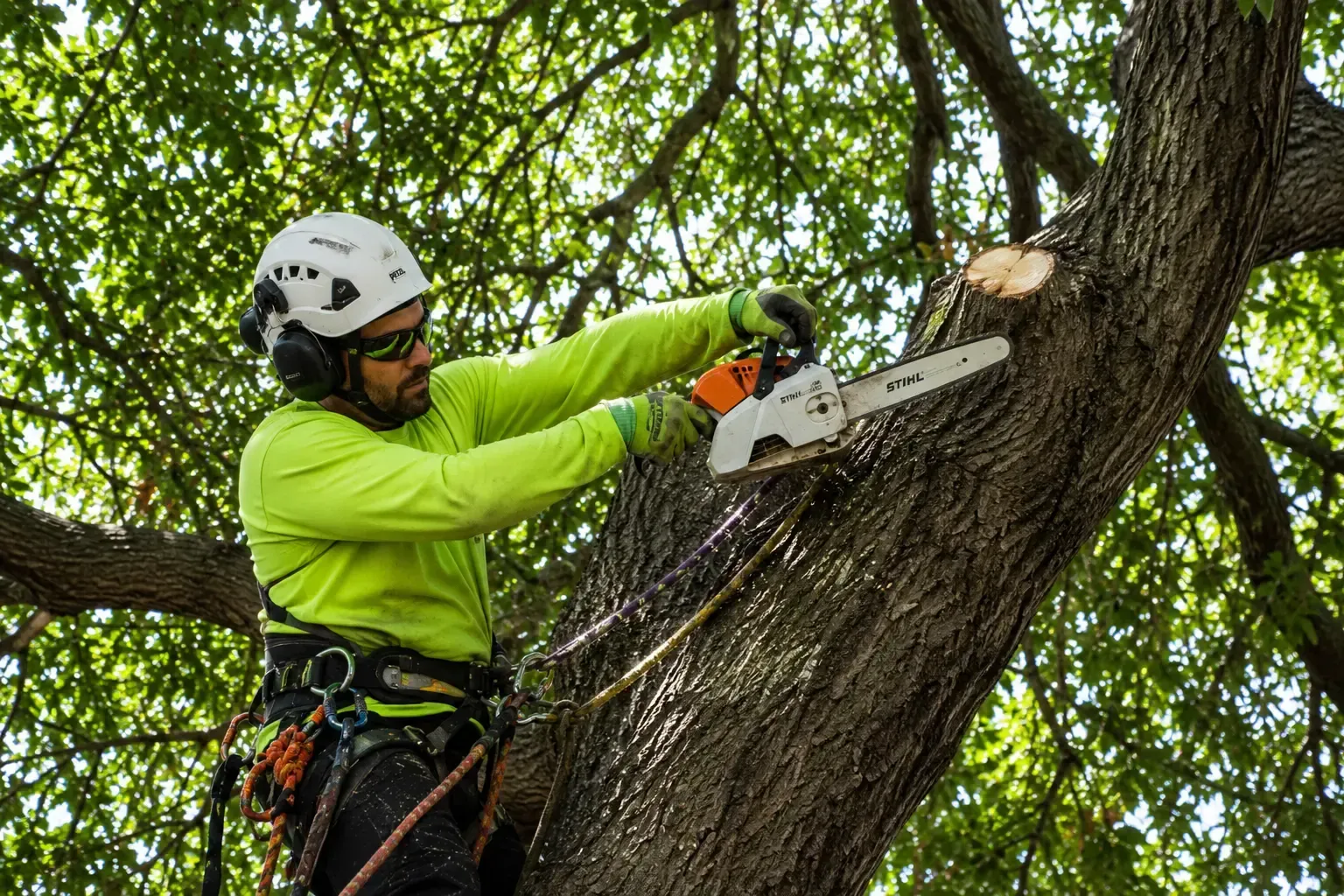
Handling mature vegetation requires specific technical knowledge, specialized equipment, and an understanding of local tree biology. Attempting to manage massive canopies without professional training often results in property damage or severe personal injury.
Relying on specialized Tree Services guarantees that the unique needs of your landscape are met safely. Professional arborists understand precisely how much foliage can be removed without stressing the organism. They utilize techniques such as crown thinning, crown raising, and directional pruning to improve wind resistance while maintaining the natural shape of the canopy.
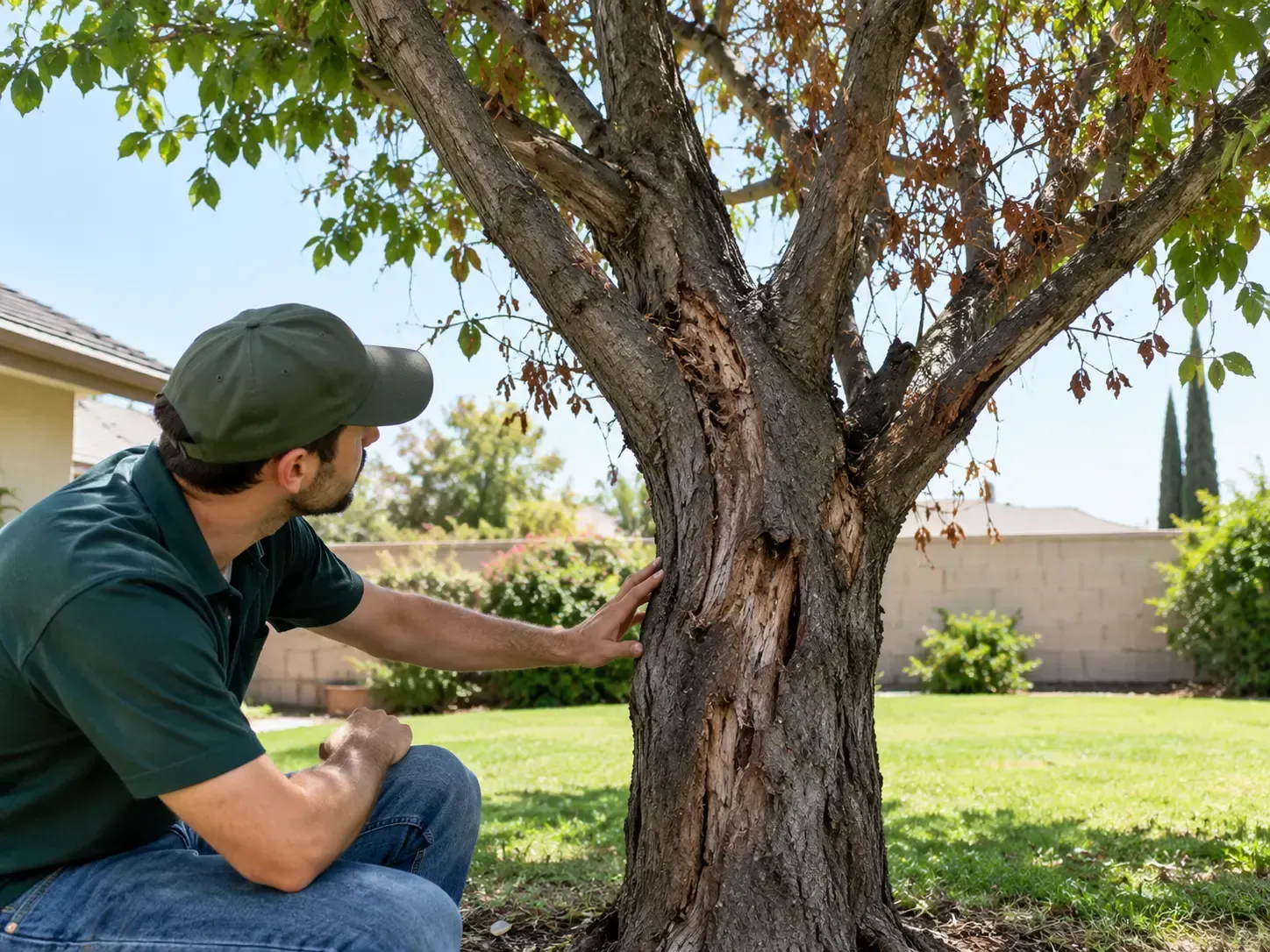
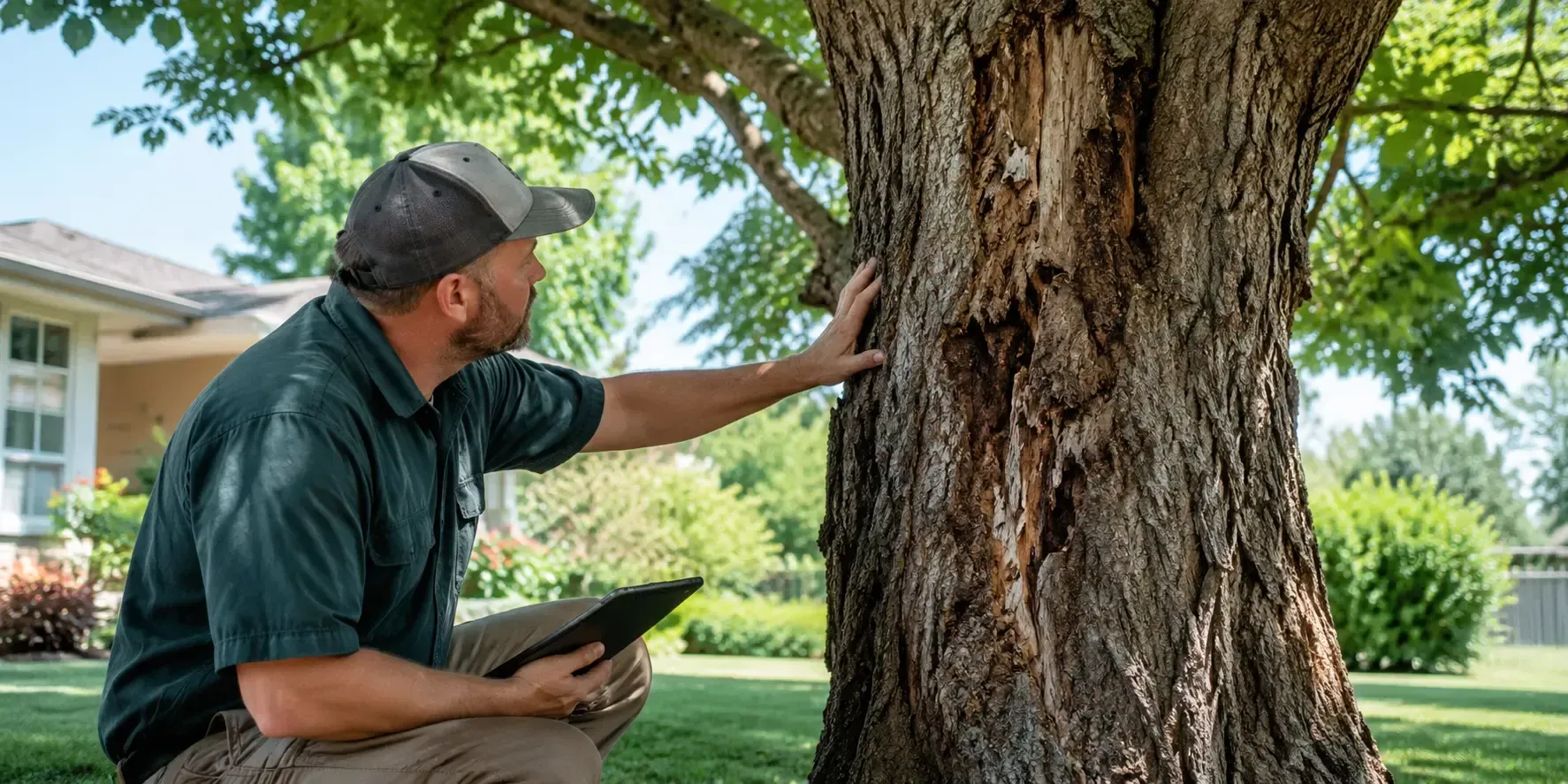
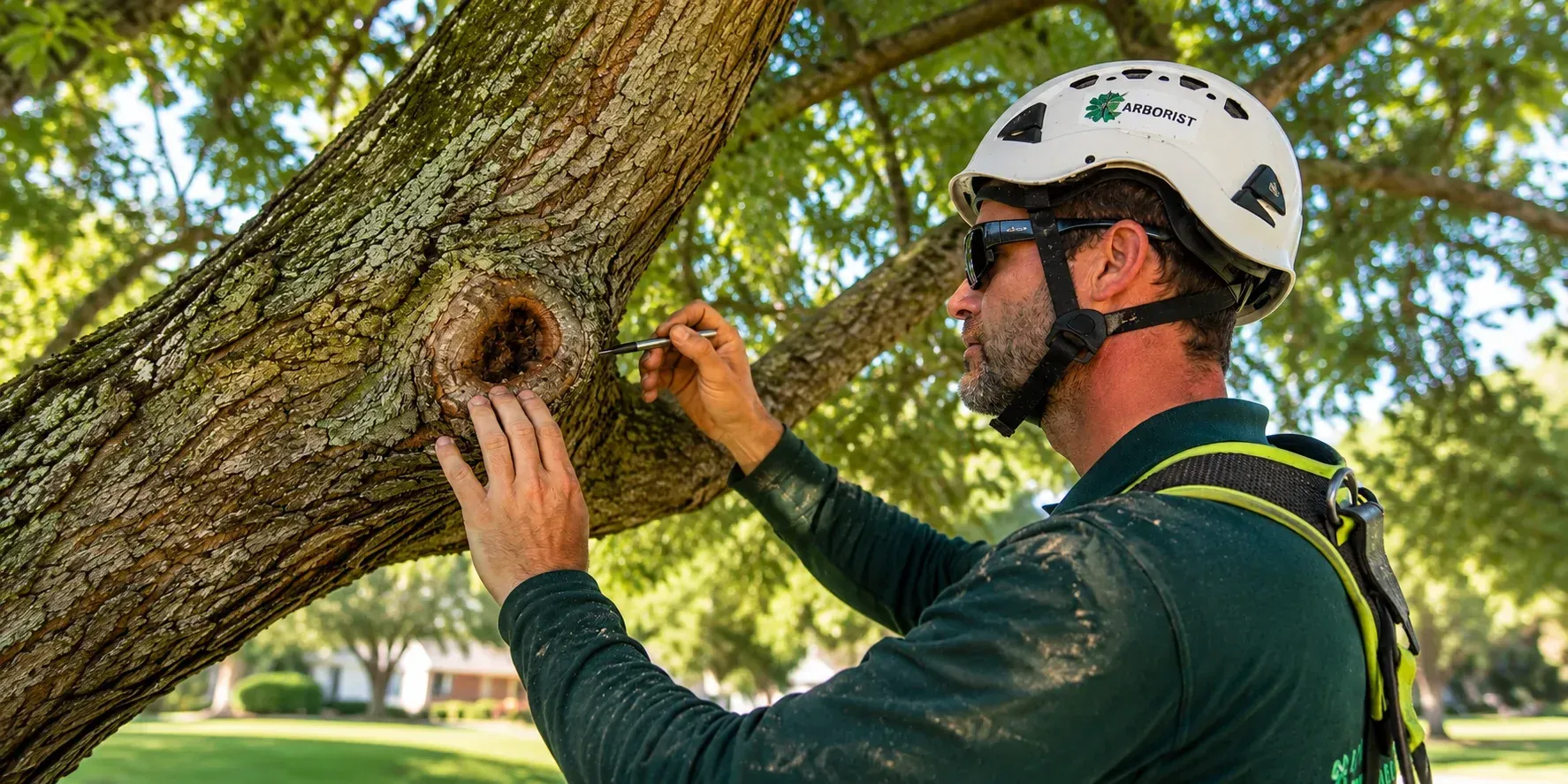
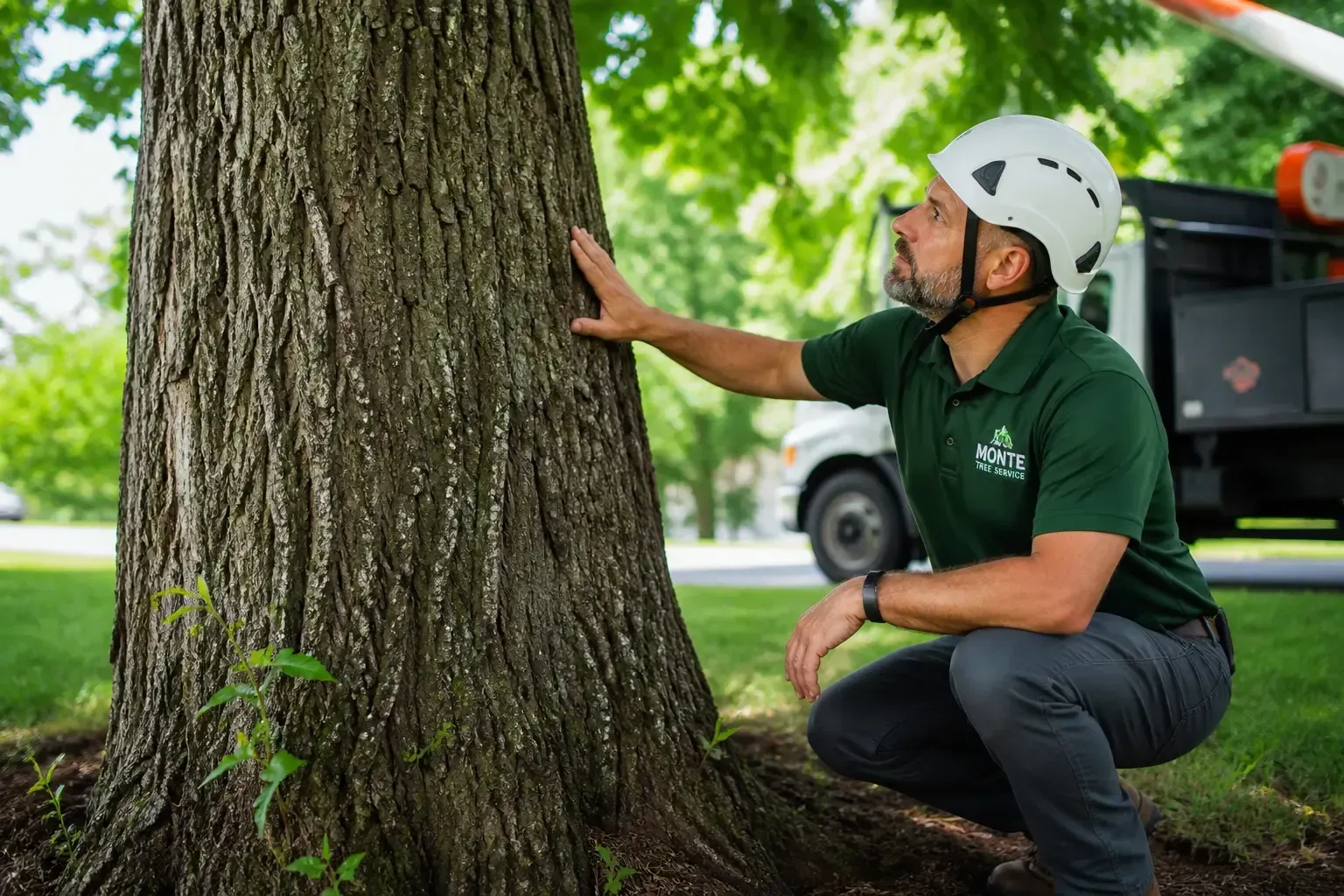
Investing in professional oversight also allows for early detection of structural flaws. Arborists can identify hidden rot, subtle root heaving, and weak branch unions that an untrained eye will inevitably miss.
Risk Assessment Matrix for Untrimmed Trees
Evaluating the specific hazards in your yard helps prioritize maintenance efforts. The following table outlines common structural issues found in neglected canopies, the associated risks, and the appropriate corrective actions.
| Tree Condition | Primary Hazard | Financial Risk Level | Recommended Action |
|---|---|---|---|
| Heavy Deadwood Accumulation | Unpredictable falling limbs | High | Crown cleaning and deadwood removal |
| Overly Dense Canopy | Windstorm uprooting (Sail Effect) | Critical | Professional canopy thinning |
| Branches Overhanging Roof | Shingle degradation and impact damage | High | Directional pruning and crown raising |
| Cracks in Main Trunk | Imminent structural collapse | Severe | Immediate structural evaluation |
| Fungal Growth at Base | Root system decay and instability | Critical | Health assessment and potential removal |
Recognizing When Maintenance Escalates to Removal
While preservation is always the primary goal of landscape management, ongoing neglect sometimes pushes a tree past the point of recovery. Recognizing the signs of irreversible decline is vital for property safety.
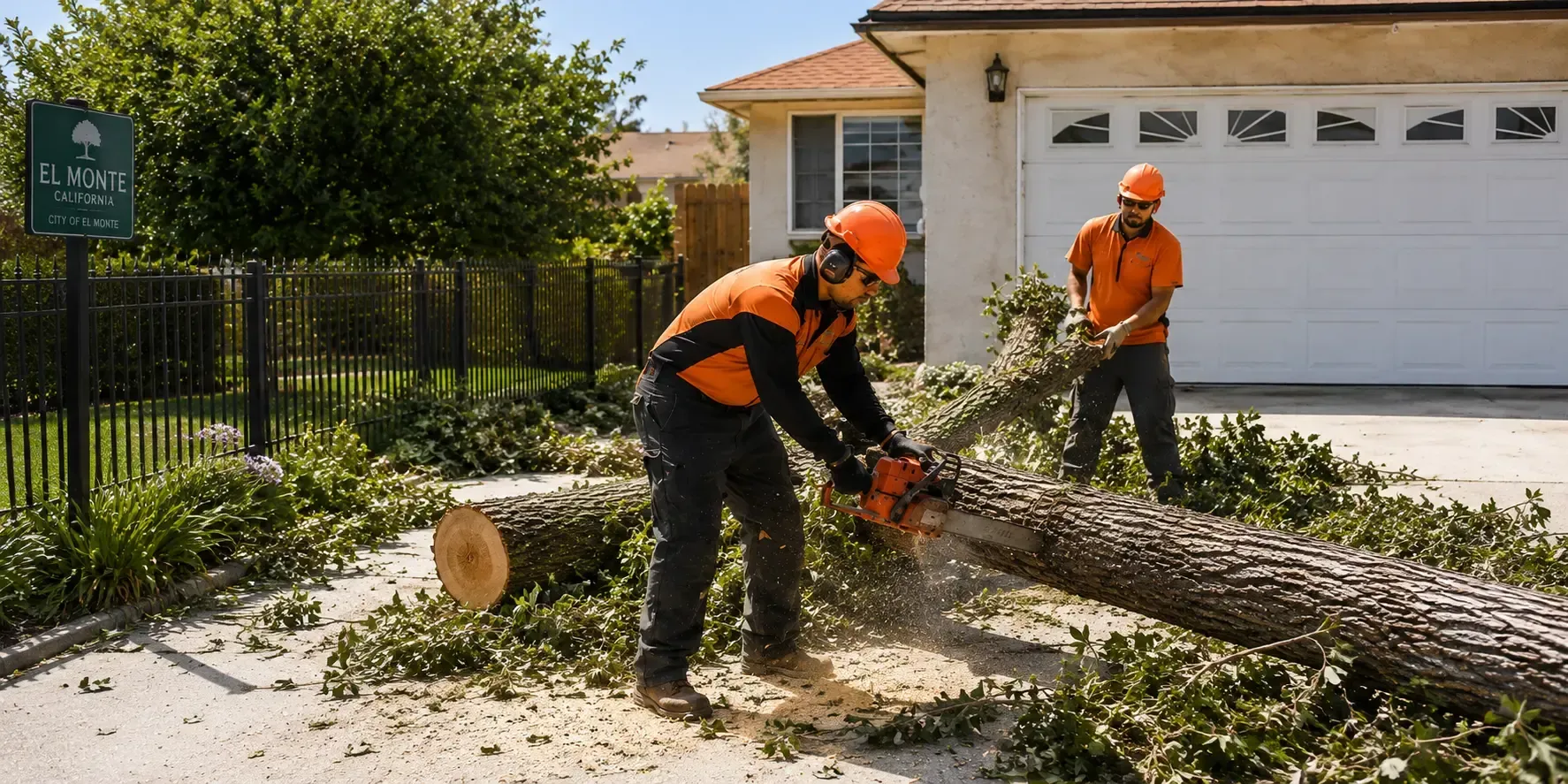
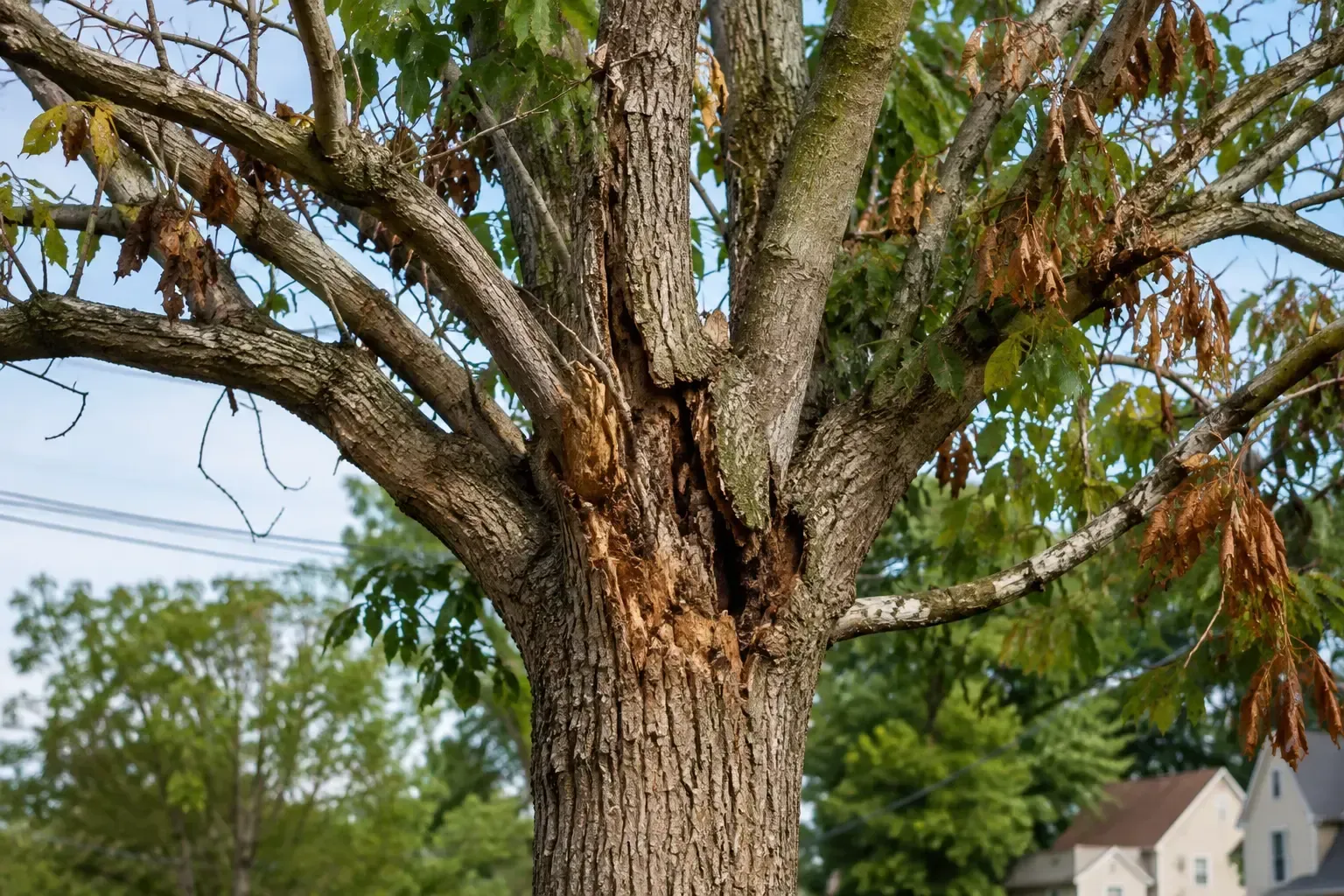
If a tree exhibits deep trunk cavities, extensive bark loss, or a sudden, dramatic lean toward a structure, simple pruning will no longer solve the problem. In these high-risk scenarios, complete tree removal is the only reliable way to eliminate the hazard. Leaving a fundamentally compromised tree standing on an El Monte property is a major safety violation.
Furthermore, severe weather can instantly transform an unmaintained tree into an immediate crisis. A split trunk or a massive branch caught precariously in the remaining canopy requires urgent intervention. Delaying action in these moments puts lives at risk. Contacting a specialized team for emergency tree removal ensures that volatile situations are dismantled safely and methodically.
Preserving Property Value Through Proactive Care
Beyond the clear safety and liability concerns, the aesthetic impact of your landscape directly influences property valuation. Real estate professionals consistently note that well-maintained mature trees increase a property's market value. They provide curb appeal, energy-saving shade, and a sense of established permanence.
Conversely, a yard dominated by overgrown, hazardous, and diseased trees has the exact opposite effect. Potential buyers and commercial tenants view unkempt vegetation as an immediate financial burden. They calculate the cost of necessary remediation and subtract it from their offers. By prioritizing consistent landscape maintenance, you protect your real estate investment and ensure your property remains a safe, beautiful environment for years to come.
Frequently Asked Questions
How often should mature trees in El Monte be professionally trimmed?
Most mature shade trees benefit from professional trimming every three to five years. However, fast-growing species or trees positioned very close to structures may require evaluation every one to two years to ensure optimal safety and clearance.
Can I trim branches that are near utility power lines myself?
No. Attempting to prune vegetation near active power lines is extremely dangerous and often illegal for uncertified individuals. Always hire specialized professionals who have the proper clearance, training, and equipment to handle utility line clearing safely.
What is the best time of year to prune deciduous trees in Southern California?
The optimal time to prune most deciduous trees is during their dormant season in the late fall or winter. Pruning during dormancy minimizes sap loss, reduces the risk of pest infestation at the pruning wounds, and allows arborists a clear view of the branch structure.
How can I tell if my tree needs immediate pruning?
Signs include dead or broken branches, limbs rubbing against each other, branches obstructing sidewalks or driveways, or growth too close to roofs and gutters. These situations often require prompt attention to avoid damage or safety risks.