Why Stump Grinding Matters in El Monte: Protecting Your Property and Enhancing Curb Appeal
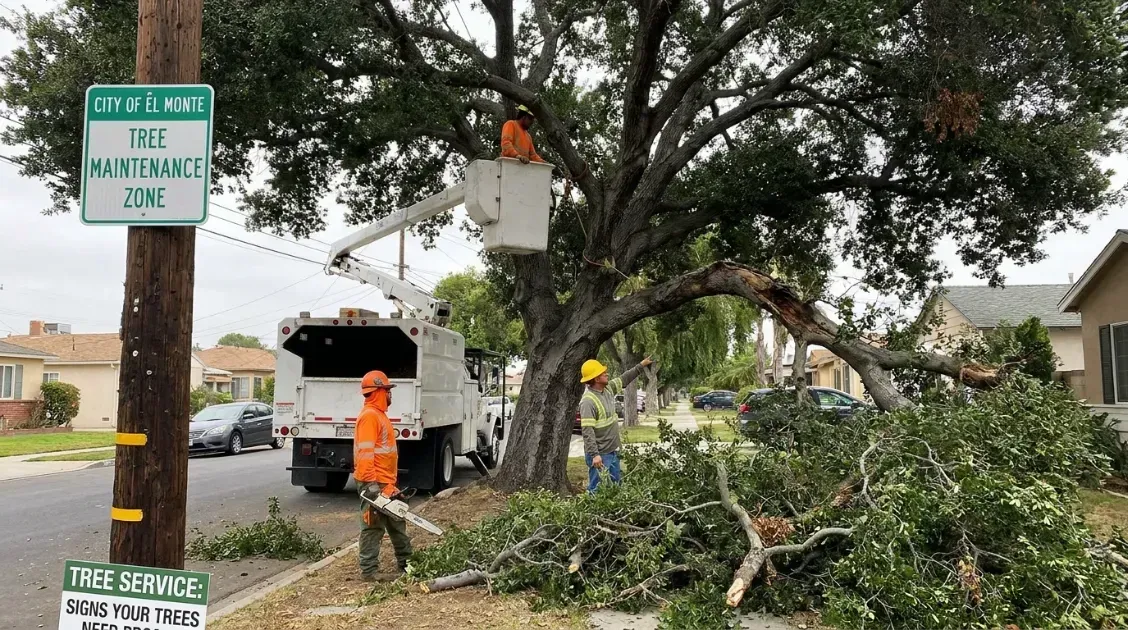
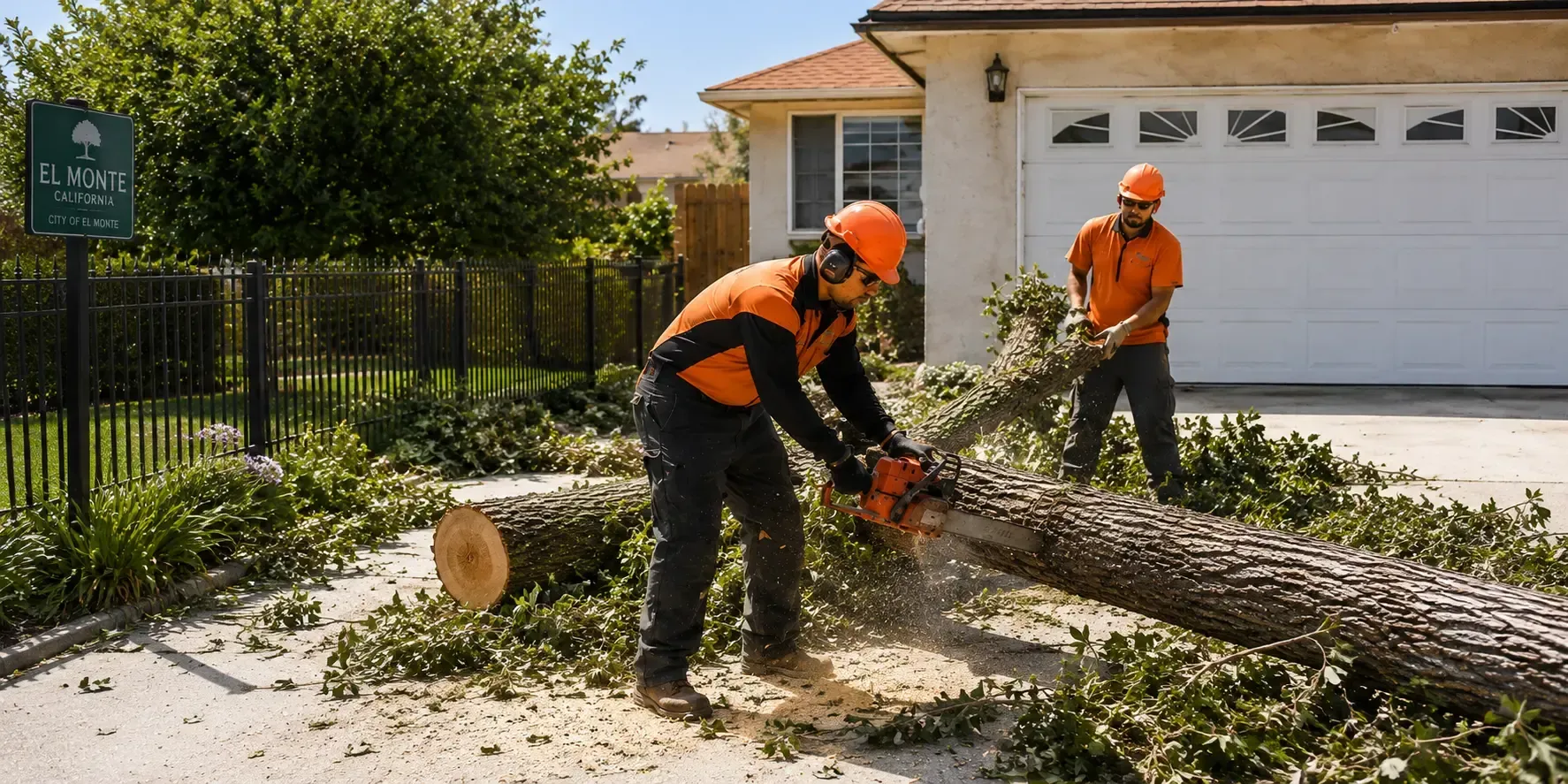
Removing a dead or damaged tree from your property is often only the first half of the landscaping process. Once the canopy and trunk are cleared away, a stubborn and unsightly stump remains anchored in the ground. Many property owners view this leftover wood as a minor annoyance and choose to leave it in place out of convenience. However, ignoring a remaining stump can lead to cascading problems for your landscape, your property value, and your overall liability.
Whether you are managing a sprawling commercial complex, overseeing municipal park maintenance, or upgrading your residential backyard, addressing leftover stumps is a necessary step for complete land care. Leaving a stump to rot naturally takes years. During that time, it becomes an active threat to everything surrounding it. El Monte Tree Service provides comprehensive solutions to ensure your grounds remain safe. Understanding the mechanical, aesthetic, and biological reasons for immediate stump removal will help you make an informed decision regarding your property management strategy.
The Hidden Dangers of Leftover Tree Stumps in Southern California
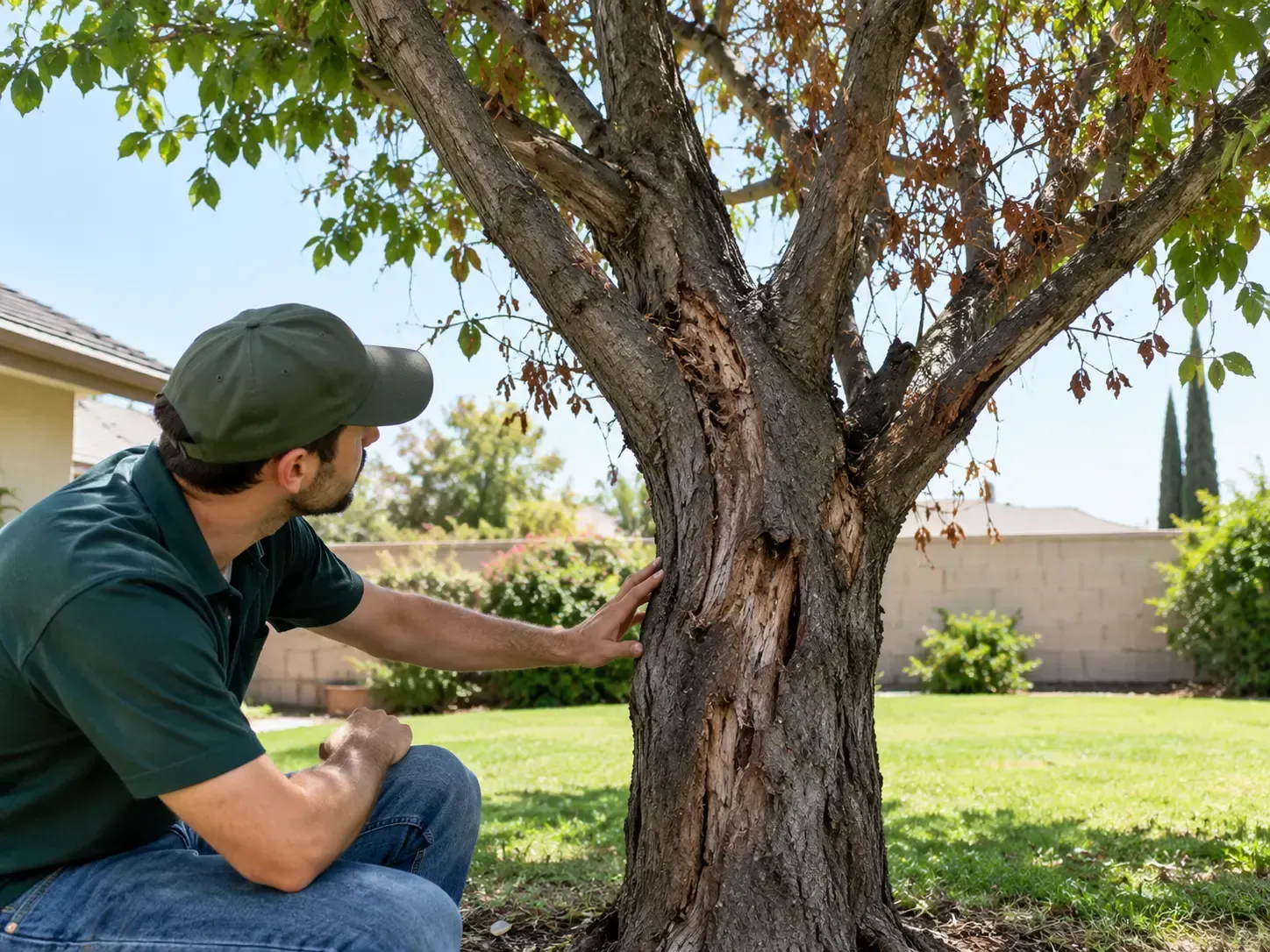
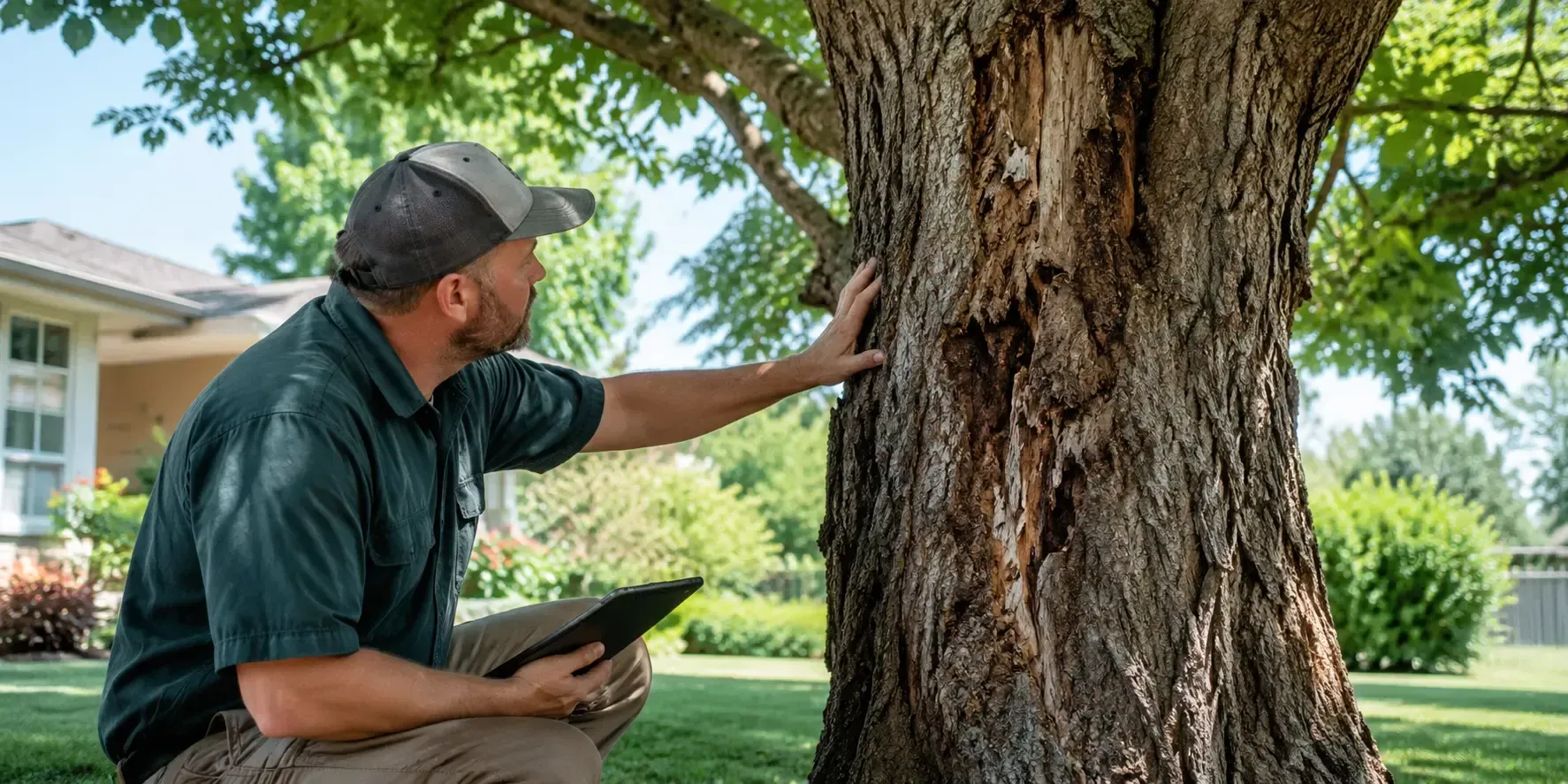
A decaying stump is far more than just a visual blemish on your lawn. As the wood begins to break down, it becomes a biological magnet for destructive pests. The warm climate in Southern California provides an ideal environment for insects that feed on dead wood. Termites, carpenter ants, and wood-boring beetles will quickly colonize an abandoned stump. Once these pests establish a robust colony in your yard, they rarely confine themselves to the original food source. They will eventually seek out new territory, which frequently includes the wooden structures of nearby homes, commercial office buildings, or municipal facilities.
Beyond pest infestations, a decaying stump acts as a breeding ground for harmful fungi and soil diseases. Certain types of root rot can spread from the dead stump through the subterranean root system and transfer to healthy trees and shrubs nearby. By allowing a stump to slowly decay on its own, you risk compromising the health of your entire surrounding landscape.
Why Choosing a Reliable Tree Service El Monte Residents Trust is Crucial
Property owners frequently underestimate the physical resilience of a tree stump. A common mistake is attempting a do-it-yourself removal using retail-grade chainsaws, consumer chemicals, or chains attached to personal vehicles. These methods are highly dangerous and frequently result in severe property damage or personal injury.
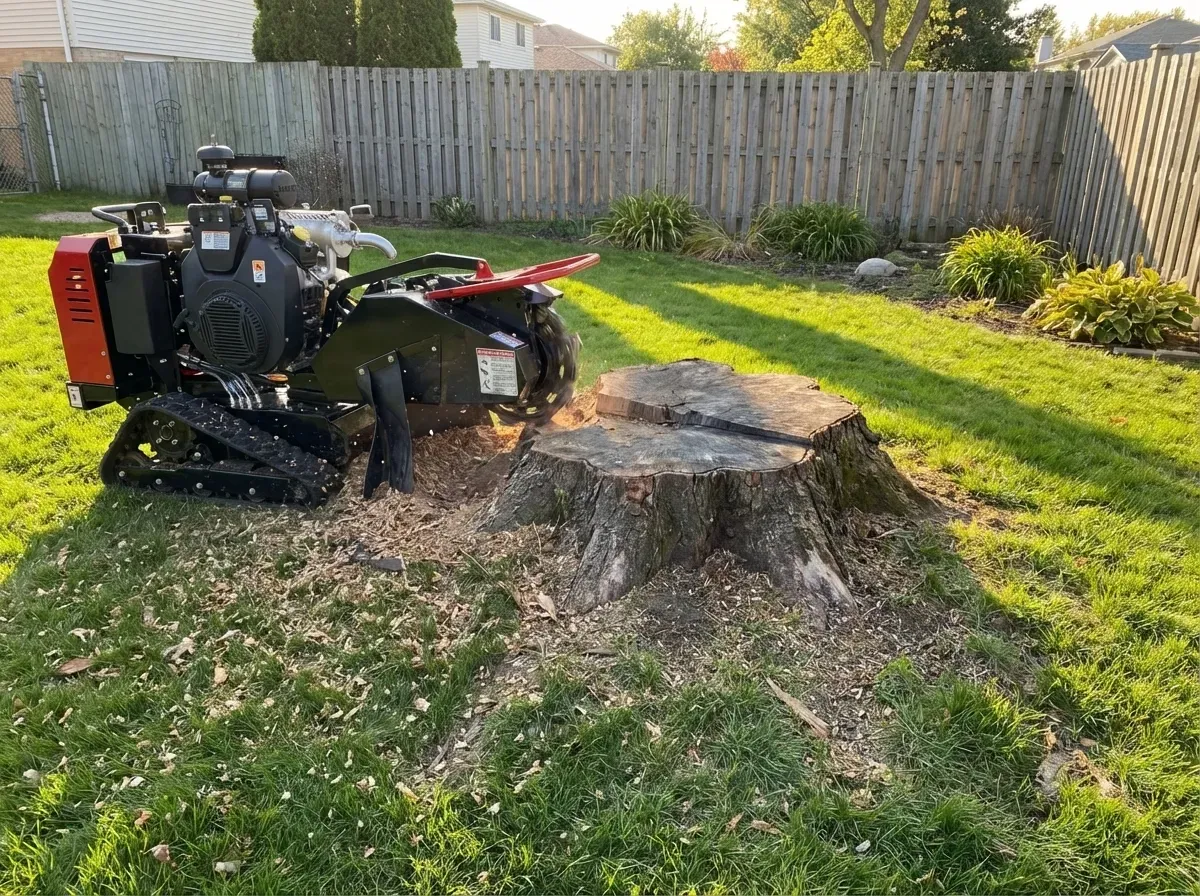
Securing a professional tree service El Monte property owners rely on ensures the job is executed safely and efficiently. Heavy-duty stump grinding requires specialized machinery featuring high-speed rotating cutting disks equipped with carbide teeth. These machines are engineered to systematically pulverize the solid wood and the immediate root collar deep below the soil line. Operating this equipment requires extensive technical training to avoid underground utilities, irrigation systems, and hardscaping features.
Furthermore, professionals understand the specific soil conditions and common tree species native to El Monte, CA. Different tree species have distinctly different root structures. Some trees produce deep taproots while others develop expansive surface roots. A trained technician will assess the specific type of stump and calibrate their grinding approach to ensure the entire hazard is neutralized without causing unnecessary collateral damage to your lawn.
Maximizing Real Estate Value and Commercial Curb Appeal
First impressions carry immense weight in real estate and commercial property management. An unkempt landscape immediately signals neglect to potential homebuyers, incoming commercial tenants, or retail customers. A jagged, rotting stump protruding from an otherwise manicured lawn breaks the visual flow of the property and severely diminishes its aesthetic appeal.
For residential homeowners preparing to put their house on the market, curb appeal is directly tied to property valuation. Real estate appraisers and prospective buyers will note dead landscaping elements and calculate the cost of removal into their financial offers. Removing the stump clears the canvas entirely. It allows you to plant new grass, install a vibrant garden bed, or build a decorative patio.
Commercial property managers and municipal directors face similar aesthetic pressures. Corporate business parks, public schools, and local government buildings are expected to maintain pristine grounds at all times. Clean landscaping reflects operational competence and creates a welcoming environment for the public. Grinding down unsightly stumps is a highly cost-effective way to instantly elevate the professional appearance of any large-scale property.
Protecting Yourself from Unnecessary Liability and Trip Hazards
Safety is arguably the most critical reason to invest in professional stump grinding. Stumps are notorious trip hazards. Grass and weeds frequently grow rapidly around the base of the wood, completely camouflaging it from view.
If a guest, postal worker, or neighbor trips over a hidden stump on your residential property, you could be held liable for their resulting medical expenses. The stakes are even higher for commercial property managers and municipal officials. A visitor injuring themselves on a corporate campus or a child tripping in a public park can result in massive premises liability lawsuits. Insurance claims stemming from preventable landscaping hazards often lead to skyrocketing operational premiums.
Groundskeepers also face daily challenges when navigating around these obstacles. Mowing a lawn with embedded stumps is tedious and dangerous. Accidental contact between a riding lawnmower blade and a solid wood stump will destroy the landscaping equipment and can send dangerous shrapnel flying across the yard. Grinding the stump below the surface eliminates these liabilities completely.
Stump Grinding versus Traditional Excavation Methods
When property owners decide to remove a stump, they generally choose between grinding and complete excavation. Excavation involves using heavy earth-moving tractors to rip the entire root ball out of the ground. This process is highly destructive and leaves a massive crater in the yard that requires immediate backfilling with topsoil. Grinding is far more precise. It neatly chips away the main body of the stump while leaving the surrounding soil structure relatively undisturbed.
To better understand the differences between common stump management methods, review the comparison data below.
| Removal Method | Soil Disruption Level | Average Time Requirement | Ideal Application |
|---|---|---|---|
| Stump Grinding | Minimal | Fast (1 to 3 hours) | Residential lawns and commercial landscapes |
| Complete Excavation | High | Moderate (3 to 6 hours) | Major construction sites requiring deep concrete foundations |
| Chemical Rotting | None | Very Slow (4 to 8 weeks) | Remote wooded areas with zero urgency |
| Natural Decay | None | Years (5 to 10 years) | Undisturbed forests or untouched rural acreage |
The Environmental Benefits of Repurposing Wood Chips
One of the distinct advantages of the stump grinding process is the immediate creation of usable organic matter. The heavy machinery shreds the solid wood into a large pile of fine wood chips mixed with topsoil. Instead of paying to haul this material away to a commercial landfill, property owners can repurpose it directly on-site.
These wood chips make excellent mulch for flower beds, garden pathways, and the bases of other healthy trees. In the dry climate of Southern California, mulch is incredibly valuable for moisture retention. A thick layer of wood chips reduces water evaporation from the soil, suppresses invasive weed growth, and slowly introduces vital nutrients back into the earth as it decomposes over time.
Preventing Unwanted Sprouting and Root Disease
Certain tree species refuse to die simply because the trunk was severed. Trees like ficus, elm, and various invasive species possess aggressive root systems that will attempt to regenerate. If you leave the stump intact, you will likely notice small, leafy sprouts pushing up from the base or emerging from the roots stretching across your lawn.
These tiny sprouts siphon vital nutrients and water away from the surrounding plants you actually want to cultivate. Repeatedly clipping these sprouts with shears is a frustrating and endless chore. By grinding the main root collar and the central stump mass below the soil surface, you effectively destroy the tree's ability to regenerate. This severs the central nervous system of the root network, ensuring the remaining subterranean roots naturally decompose over time without attempting to push new growth to the surface.
Securing Your Landscape with El Monte Tree Service
Maintaining a safe, beautiful, and liability free property requires proactive landscape management. Ignoring leftover stumps only invites pest infestations, complicates routine lawn maintenance, and lowers the overall visual standard of your grounds. Whether you are dealing with the aftermath of a severe storm or finally addressing a stump that has been sitting in your yard for years, professional intervention is the safest and most effective route forward.
Our experienced technicians possess the heavy-duty equipment and local botanical knowledge required to safely obliterate stumps of any size or species. We prioritize property preservation, ensuring your surrounding hardscaping, lawns, and gardens remain completely unharmed during the extraction process.
If you are ready to reclaim your outdoor space and permanently eliminate unsightly tripping hazards from your property, reach out to our professional team today. Visit our Contact Us page to schedule a comprehensive property assessment and secure a clear, hazard-free landscape.
Frequently Asked Questions
How deep does the stump grinding process actually go?
A standard stump grinding service typically reduces the wood to anywhere between four and six inches below the existing soil grade. This depth is generally more than enough to allow for laying down topsoil, planting new grass seed, or installing shallow garden beds over the area. If you plan to plant a new tree in the exact same location, deeper grinding can be requested to accommodate the new root ball.
Will a ground stump eventually grow back over time?
No, a properly ground stump will not grow back. The grinding process destroys the root collar, which is the biological center responsible for generating new sprouts. While some of the deeper, lateral roots remain buried in the soil, they are completely cut off from their energy source and will harmlessly decompose underground over the following years.
How long does the stump grinding process take to complete?
The duration of the project depends heavily on the diameter of the stump, the specific tree species, and the accessibility of the location. Hardwood species take slightly longer to process than softwoods. However, most residential stump grinding projects are completed within one to three hours. Commercial projects involving multiple large stumps will be assessed individually to provide an accurate and transparent timeline.
Is stump grinding better than complete stump removal?
Stump grinding is usually the preferred option because it is faster, less invasive, and more cost-effective than full stump removal. Instead of digging out the entire root system, professionals grind the stump down below ground level so the area can be covered with soil or grass. Complete stump removal requires heavy excavation and can damage nearby landscaping or underground utilities.