Your Guide to Identifying and Treating Common Tree Diseases
Your trees are more than just part of your landscape; they're a vital part of your home's ecosystem, providing shade, beauty, and clean air. But just like any living thing, they can get sick. Unaddressed tree diseases can turn a beautiful, thriving tree into a hazard. Here at El Monte Tree Service, we believe that a little knowledge can go a long way in preserving the health of your green assets. This guide will walk you through identifying and managing common tree health problems.
Reading the Signs: How to Spot an Unhealthy Tree
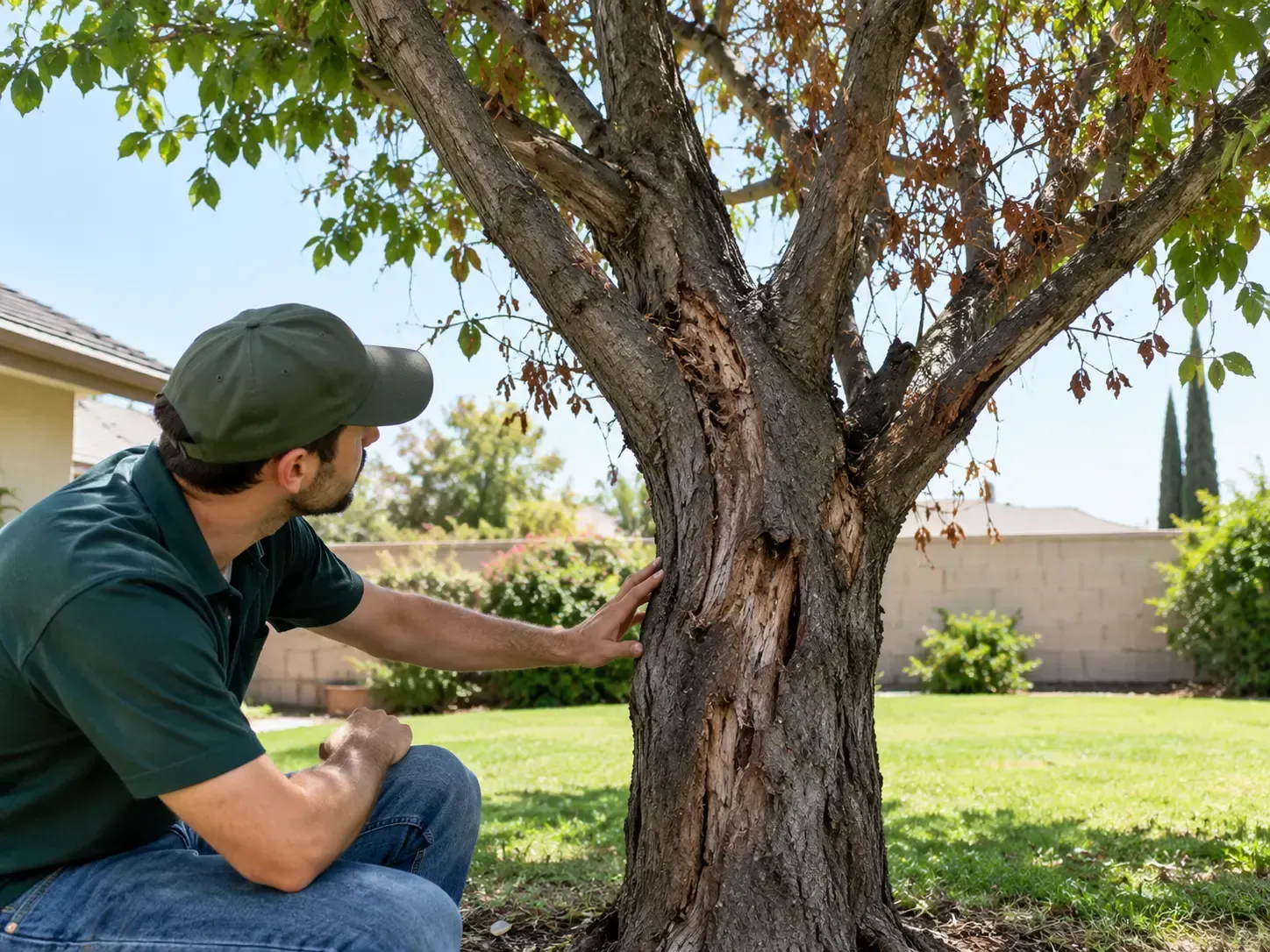
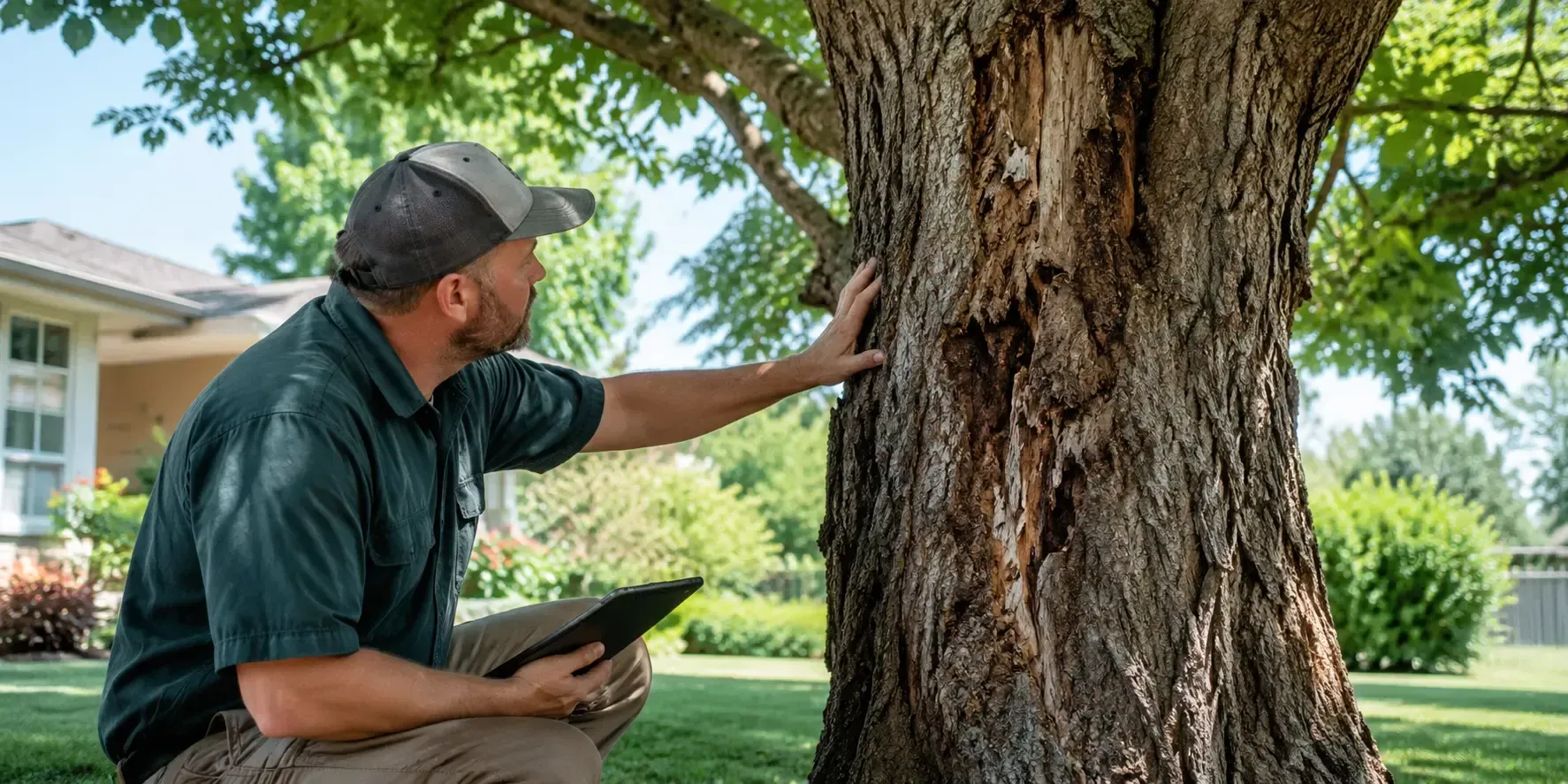
Early detection is crucial for effective treatment. Regularly inspecting your trees can help you catch problems before they become severe. Look for these common symptoms:
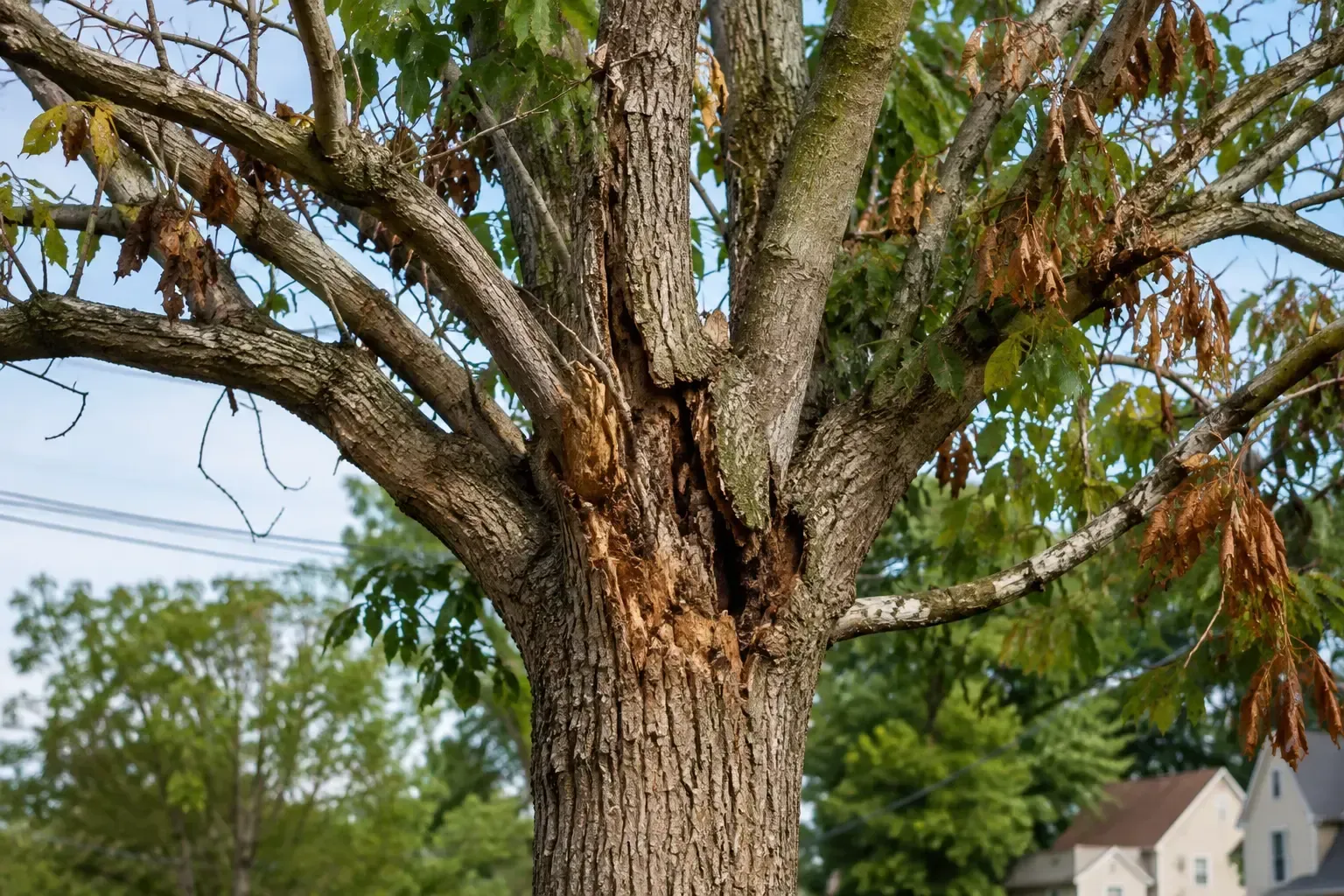
- Leaf Discoloration: Yellowing, browning, or spotted leaves during the growing season can signal an issue.
- Unusual Growths: Fungi, like mushrooms at the base of the tree, can indicate root decay. Cankers, which are dead areas on the bark, are also a red flag.
- Wilting or Drooping: Branches that are wilting or leaves that are curling can be a sign of both fungal and bacterial infections.
- Premature Leaf Drop: If your tree starts losing its leaves long before autumn, it's a sign of stress or disease.
- Dead Branches (Dieback): Look for brittle branches that are bare of leaves when the rest of the tree is green.
Common Culprits: A Look at Prevalent Tree Diseases
While countless diseases can affect trees, a few are particularly common. Understanding these can help you narrow down the potential issues affecting your trees.
1. Fungal Diseases
Fungi are one of the most common causes of tree diseases. They can manifest in several ways:
- Powdery Mildew: This appears as white, powdery spots on leaves and stems. It thrives in humid conditions but can be managed by improving air circulation through proper pruning.
- Anthracnose: This disease causes dark, sunken lesions on leaves, stems, and fruits. It's particularly active in cool, wet spring weather. For management, it's important to rake up and destroy fallen leaves.
- Root Rot: Often hidden underground, root rot is a serious issue caused by fungi in poorly drained soil. Symptoms above ground include a thinning canopy and yellowing leaves.
For more in-depth information on fungal infections, the Utah State University Forestry Extension provides excellent resources.
2. Bacterial Diseases
Bacterial infections can spread rapidly, often through wind and rain or contaminated pruning tools.
- Fire Blight: This disease gives trees a scorched appearance, causing leaves and twigs to blacken and curl. It commonly affects fruit trees like apples and pears. Pruning infected branches is a key treatment method.
- Bacterial Leaf Scorch: This results in a browning or "scorched" appearance on leaf edges. Symptoms often appear in late summer and worsen over time.
The Woodland Trust offers a helpful guide to identifying various symptoms of tree pests and diseases.
A Proactive Approach: Tree Maintenance and Disease Control
The best defense against disease is a healthy tree. Proactive tree maintenance and disease control are essential for longevity. Here are some top tree care tips:
- Water Properly: Both overwatering and underwatering can stress a tree, making it vulnerable. Water deeply and less frequently to encourage strong root growth. The soil should be moist, not waterlogged.
- Prune Wisely: Regular pruning removes dead or diseased branches, which can prevent the spread of pathogens and improve air circulation. Always use clean, sharp tools.
- Mulch Correctly: A layer of mulch helps retain soil moisture and regulate temperature. However, avoid piling mulch directly against the trunk, as this can encourage rot.
- Choose Resistant Species: When planting new trees, select varieties that are known to be resistant to common diseases in your area. This is a great long-term prevention strategy.
For guidance on selecting trees and proper care, the Trees Are Good website, sponsored by the International Society of Arboriculture, is an invaluable resource.
When to Call the Professionals
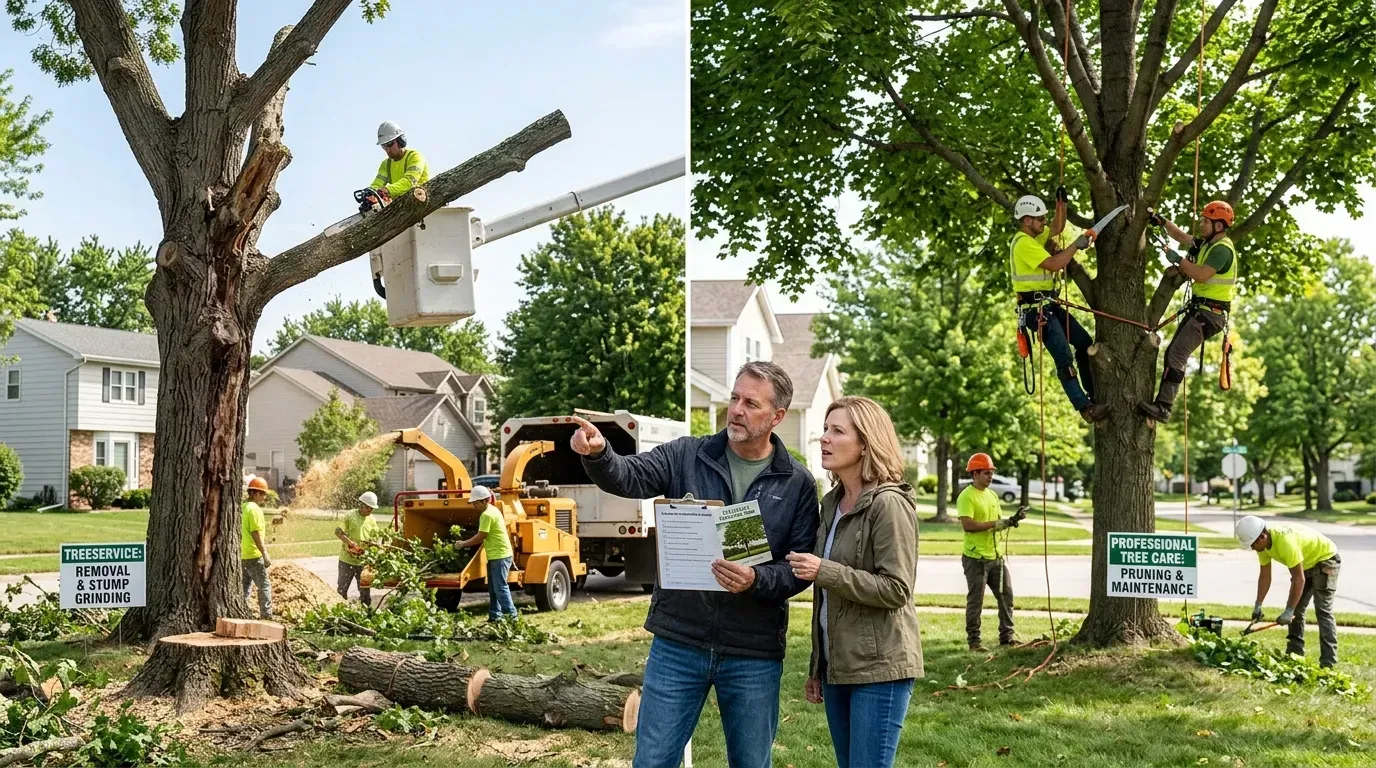
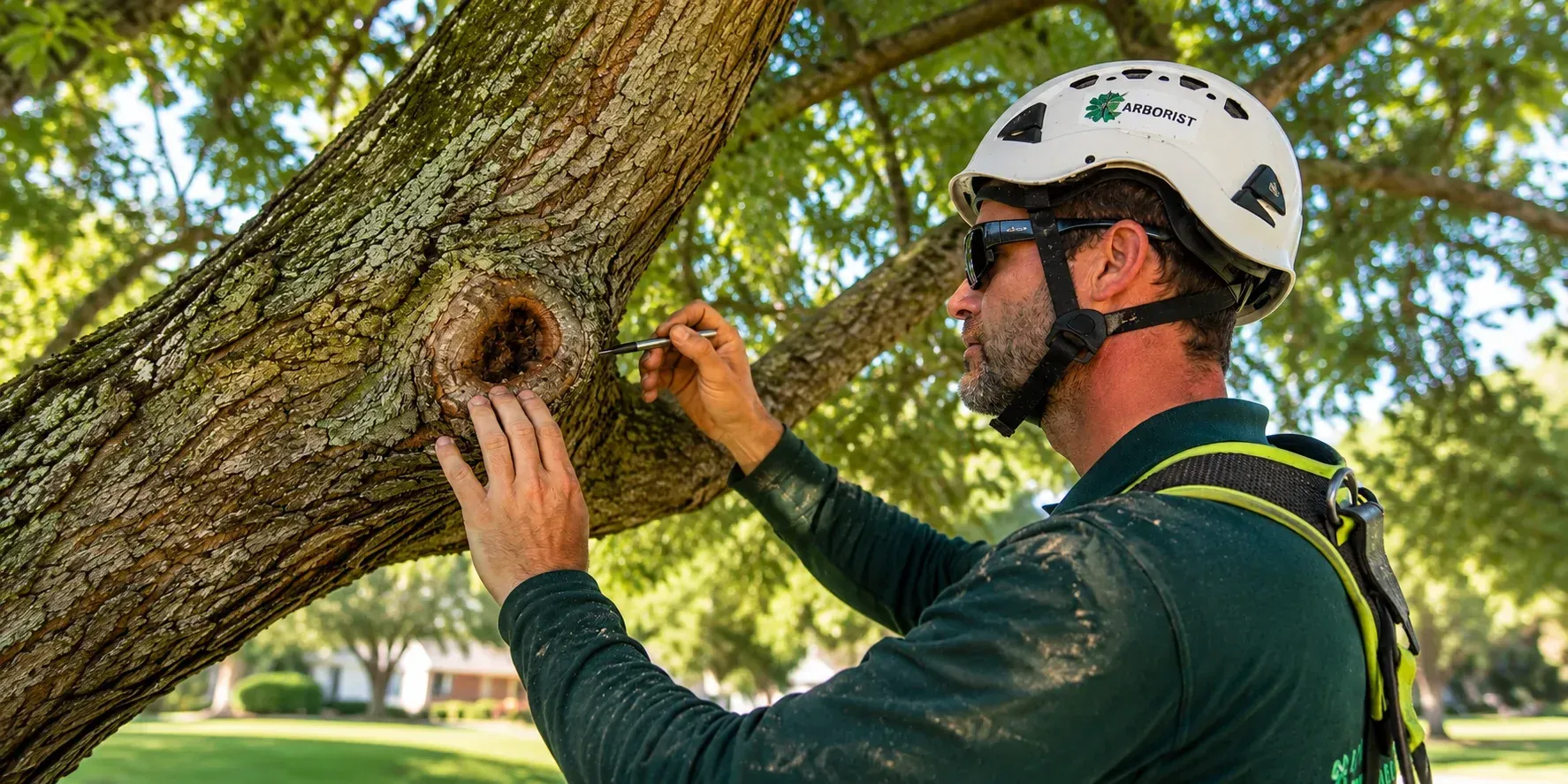
While many minor issues can be managed with good care, some tree health problems require an expert touch. If you see signs of a serious disease, or if a large, mature tree seems unwell, it's time to consult a certified arborist. Professionals have the tools and expertise for accurate diagnosis and treatment, including the application of fungicides or bactericides.
At El Monte Tree Service, we are dedicated to preserving the health and beauty of your trees. If you're concerned about a tree on your property or want to establish a proactive maintenance plan, don't hesitate to reach out. Your trees are an investment worth protecting. For a professional consultation, call us today at (626) 654-3698. You can also find useful diagnostic tools at the Texas A&M Forest Service or report diseases through TreeAlert to help protect our wider urban forests.
Frequently Asked Questions
What is the most common cause of tree diseases?
Fungal infections are among the most common causes of tree diseases. Pathogens like those that cause powdery mildew, anthracnose, and root rot are widespread and can affect a variety of tree species, especially when environmental conditions are favorable for their growth.
Can a diseased tree recover on its own?
Sometimes, a healthy and vigorous tree can fight off a minor infection. However, many diseases will worsen without intervention and can lead to the tree's decline or death. Proactive treatments and proper tree care significantly increase the chances of recovery.
How can I prevent tree diseases from spreading to my other trees?
Good sanitation is key. Promptly remove and dispose of any diseased branches or fallen leaves. It's also crucial to sterilize your pruning tools with a disinfectant between each cut, and especially before moving to a different tree, to avoid cross-contamination.