How Tree Trimming Service in El Monte Helps Preserve Mature Trees
Proper tree trimming is a vital investment for El Monte homeowners looking to protect their property values and ensure neighborhood safety. By employing scientifically backed pruning techniques, professionals mitigate the structural risks caused by local droughts and severe wind events. Consistent, expert maintenance not only extends the lifespan of mature landscaping but also shields homeowners from the costly liabilities of falling branches.
* Strategic crown thinning prevents uprooting by allowing heavy Santa Ana winds to pass safely through the canopy.
* Precise cutting techniques prevent fungal infections and internal rot, which are common in aging, stressed trees.
* Documented routine maintenance significantly boosts property appraisals while actively mitigating homeowner liability risks.
Preserving Mature Landscape Investments: The Science of Tree Trimming in El Monte
Owning a home in El Monte brings the distinct advantage of established neighborhoods characterized by mature, decades-old landscaping. These older trees offer deep, cooling shade during hot Southern California summers and significantly elevate neighborhood curb appeal. Preserving these living investments requires far more than occasional watering or seasonal raking. It requires specialized knowledge of tree biology and structural mechanics. Homeowners who prioritize the health of their mature trees actively protect their property values while ensuring a safe environment for their families.
When homeowners purchase property in the San Gabriel Valley, they are often inheriting decades of localized growth. Massive oaks, sprawling sycamores, and vibrant jacarandas require careful stewardship to ensure they remain safe, healthy, and structurally sound for future generations. Recognizing how to manage the distinct needs of these older plants is critical for protecting both the property itself and the financial investment it represents.
Understanding the Local Environmental Stressors in El Monte
Trees located throughout El Monte and the broader San Gabriel Valley face a highly specific set of environmental stressors. Southern California is defined by its prolonged periods of drought, fluctuating seasonal rainfall, and the notorious Santa Ana winds. These fierce, dry winds can exert tremendous physical force on heavy tree canopies, testing the structural integrity of every branch and limb.
Urban soil compaction adds another layer of complexity to tree health. In established residential neighborhoods, decades of foot traffic, vehicle parking, and hardscaping projects compress the soil. This prevents vital oxygen and water from reaching the intricate root systems of mature trees. When roots cannot properly absorb nutrients, the upper canopy begins to suffer, leading to deadwood and weakened structural limbs.
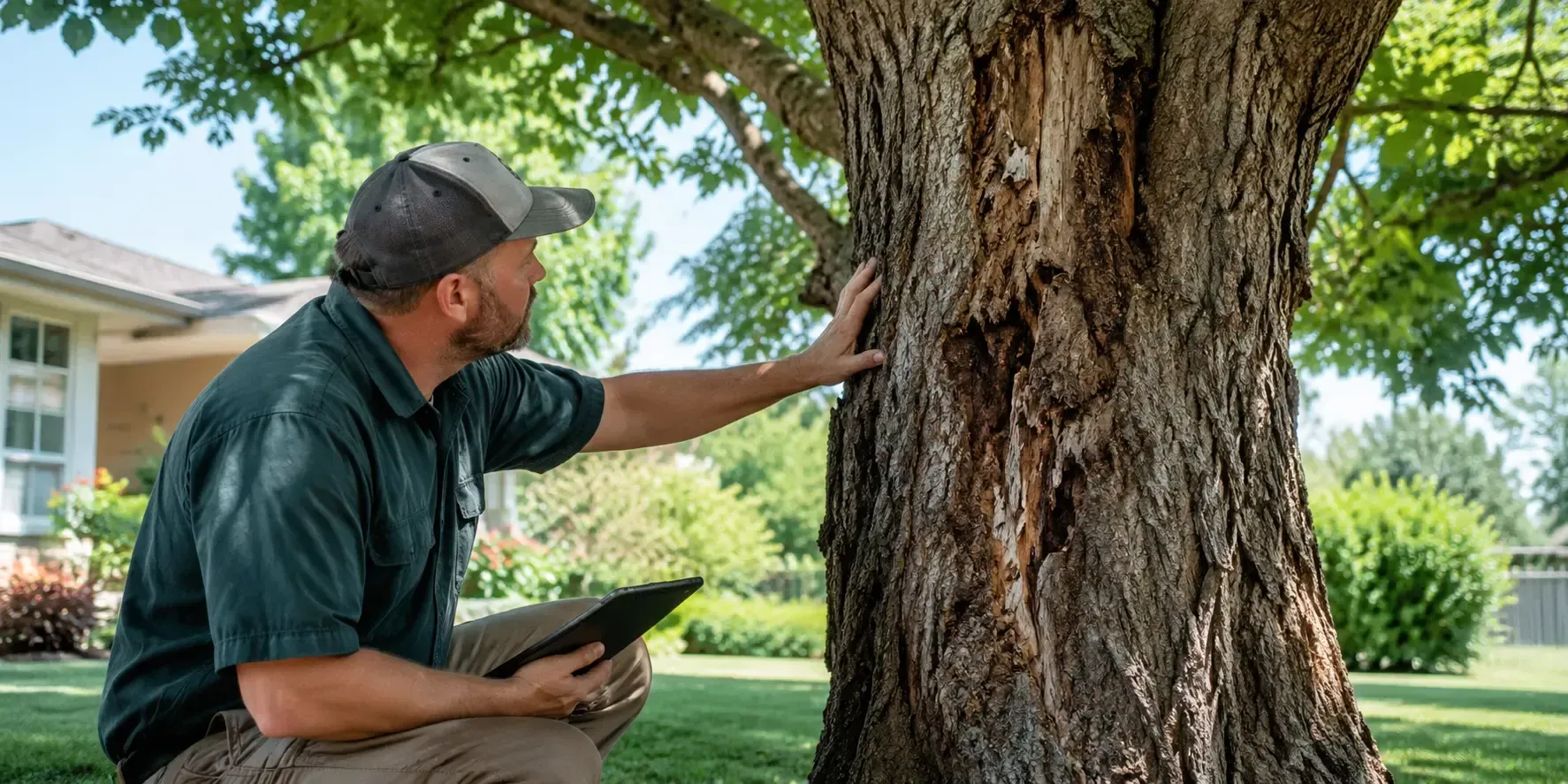
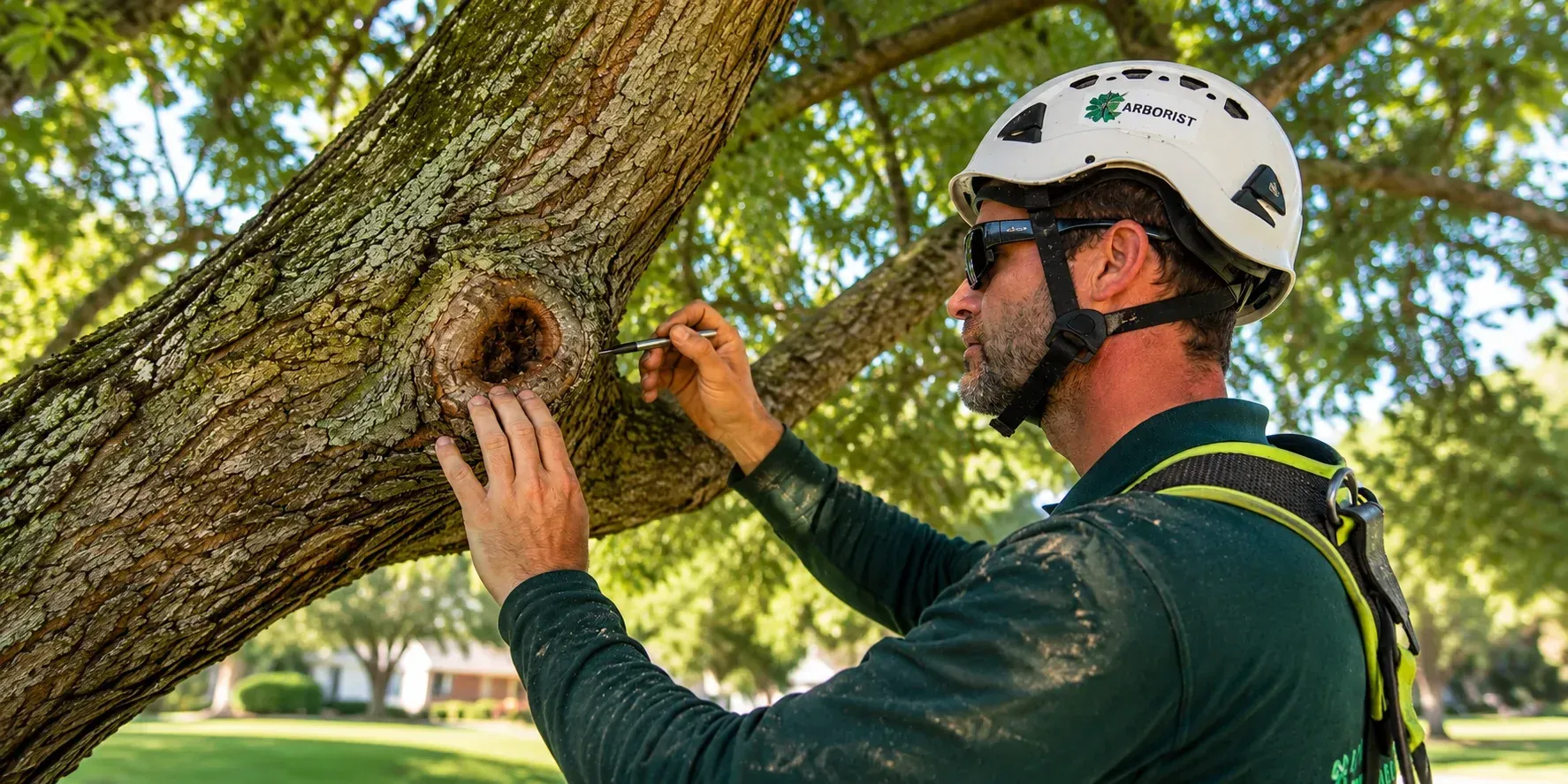
Without regular professional intervention, these environmental pressures compound over time. A mature tree that appears entirely healthy to the untrained eye may actually be masking significant internal decay, root stress, or dangerous weight imbalances in its highest branches. Identifying these hidden vulnerabilities before they cause catastrophic failure is a primary responsibility of professional arborists.
Why Professional Tree Services Are Essential for Mature Canopy Health
Protecting your home and preserving your landscape requires proactive maintenance. Investing in specialized tree services guarantees that your mature trees receive the precise structural support they need to thrive. For established homeowners who prioritize safety and curb appeal, expert intervention offers distinct advantages over DIY landscaping attempts.
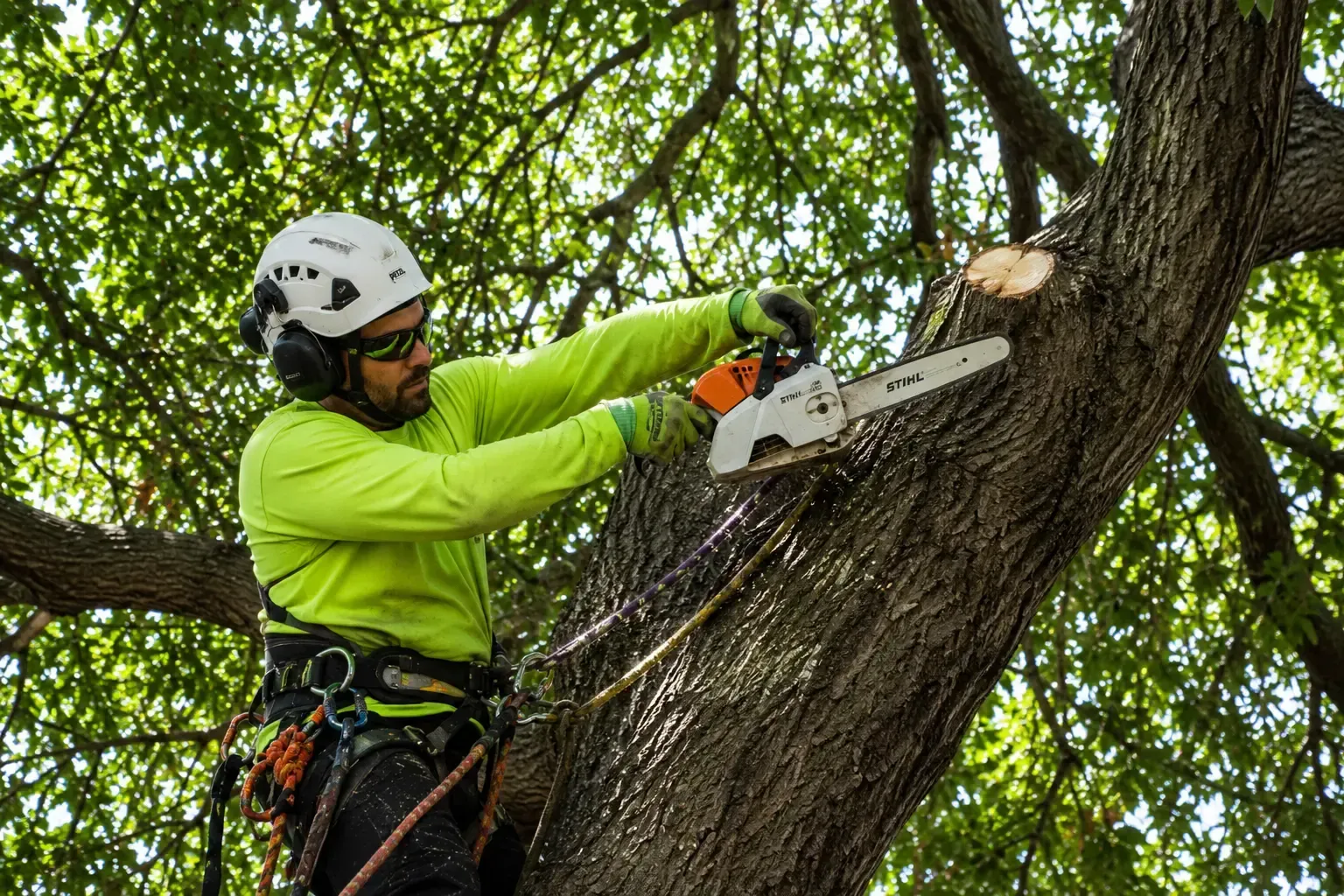
The primary advantage of professional trimming is the deliberate management of canopy weight distribution. As trees age, they naturally push their growth outward and upward in search of unfiltered sunlight. Over several decades, this growth pattern can create excessively heavy lateral branches. If left unmanaged, these massive limbs become highly susceptible to snapping during high wind events or heavy winter rains. A certified professional understands exactly how to reduce this end-weight without traumatizing the tree or triggering aggressive, unstable regrowth.
Furthermore, proper trimming directly impacts property value. Real estate market data consistently demonstrates that homes with healthy, well-maintained mature landscaping command higher asking prices and spend fewer days on the market. Buyers are attracted to the cooling shade and privacy that large trees provide. However, poorly maintained trees overgrown with dead branches or leaning precariously toward rooflines serve as immediate red flags to potential buyers and home insurance inspectors.
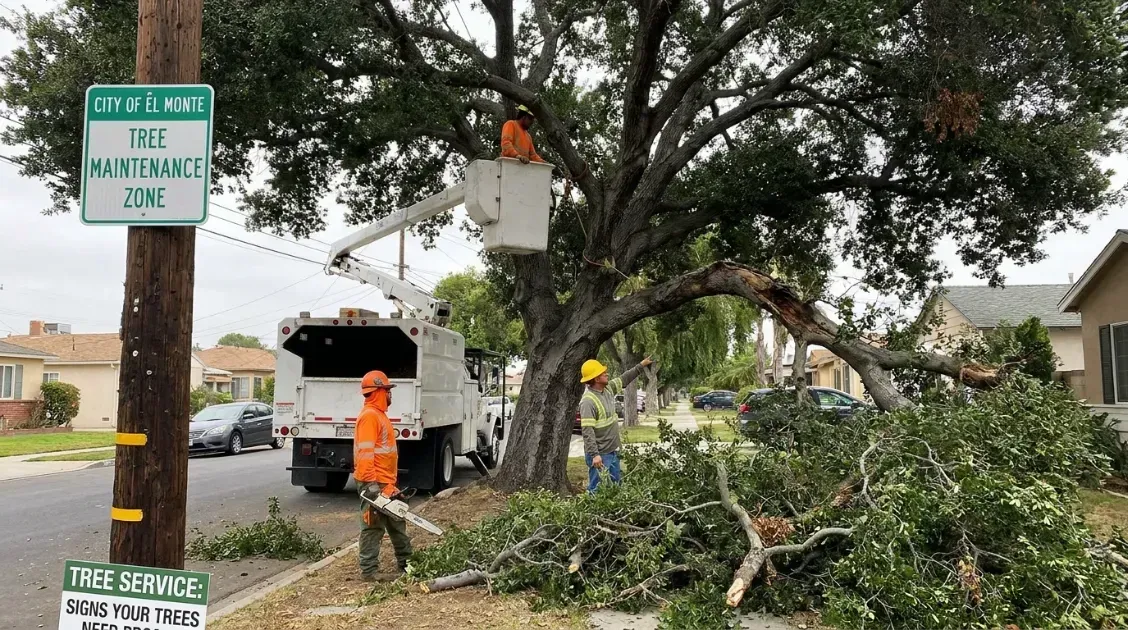
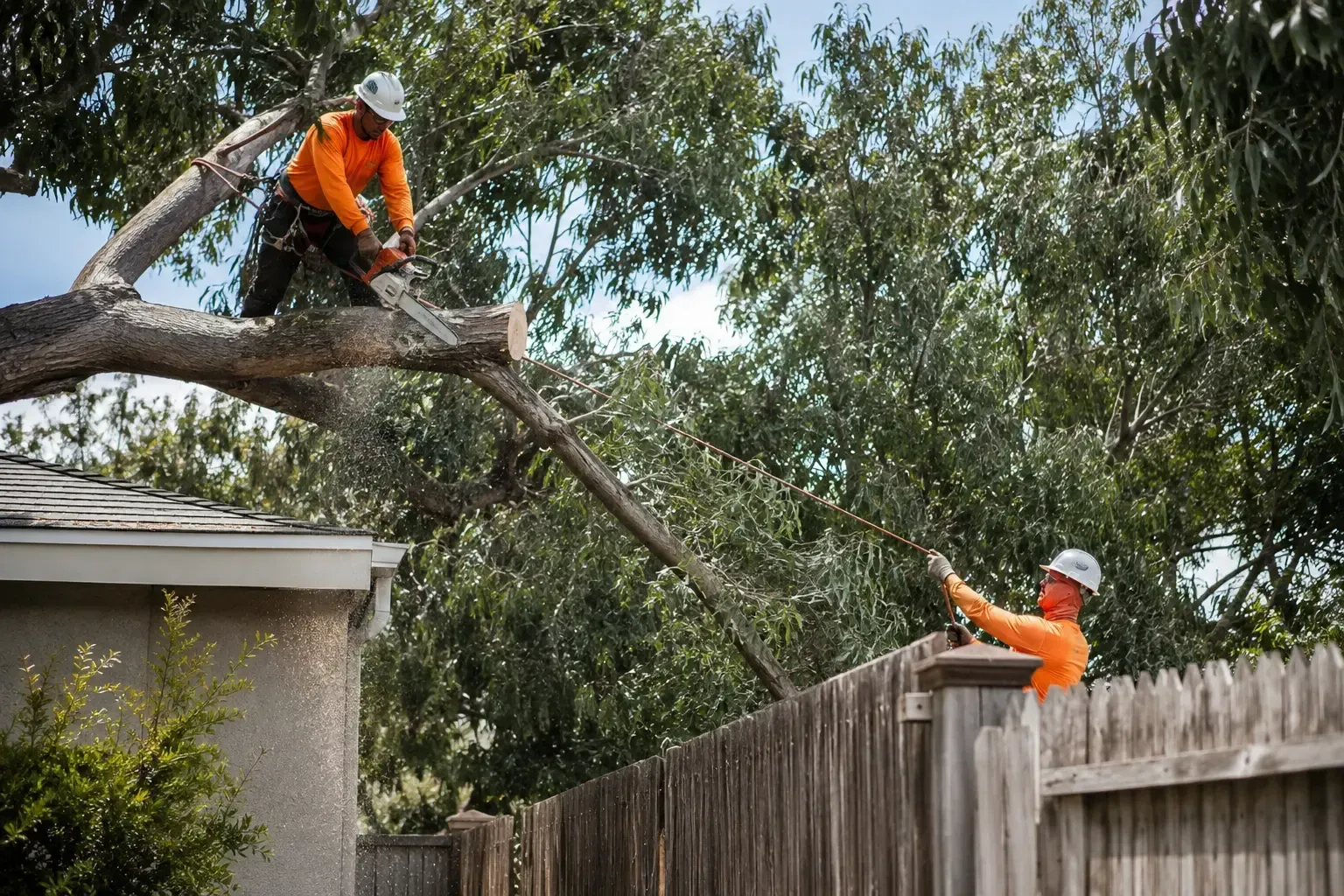
By utilizing comprehensive tree services, homeowners effectively mitigate liability risks. Falling branches can cause thousands of dollars in property damage to roofs, vehicles, and utility lines, while also posing severe safety hazards to families and neighbors. Regular structural pruning minimizes these risks by eliminating weak limbs before they fail.
The Biological Science Behind Strategic Canopy Pruning
Trimming a tree is a highly technical process that directly influences the plant's biological functions. Every cut made on a mature tree creates a wound that the plant must expend valuable energy to seal. Because older trees have slower metabolisms than young saplings, they possess less excess energy to recover from massive, indiscriminate branch removal.
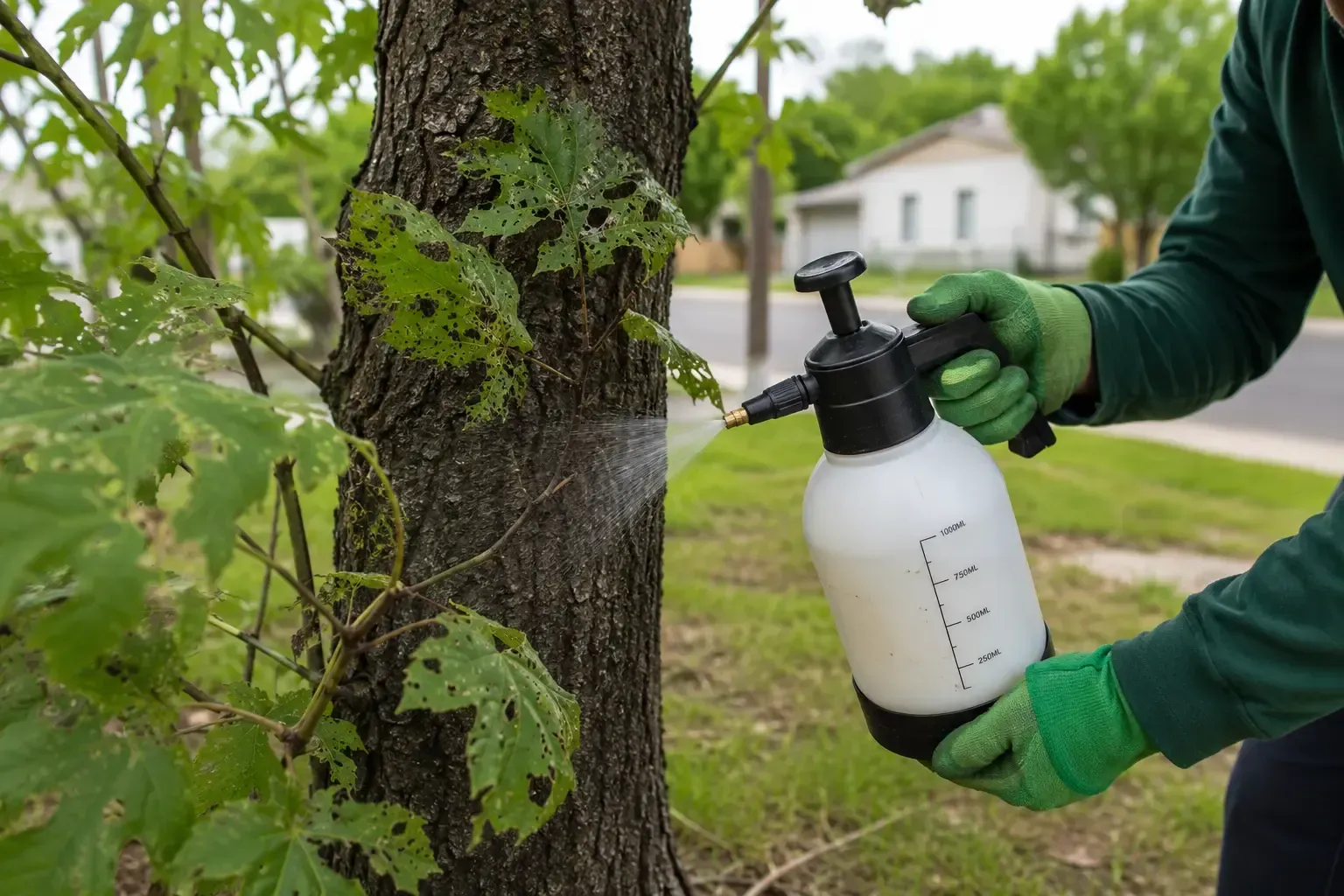
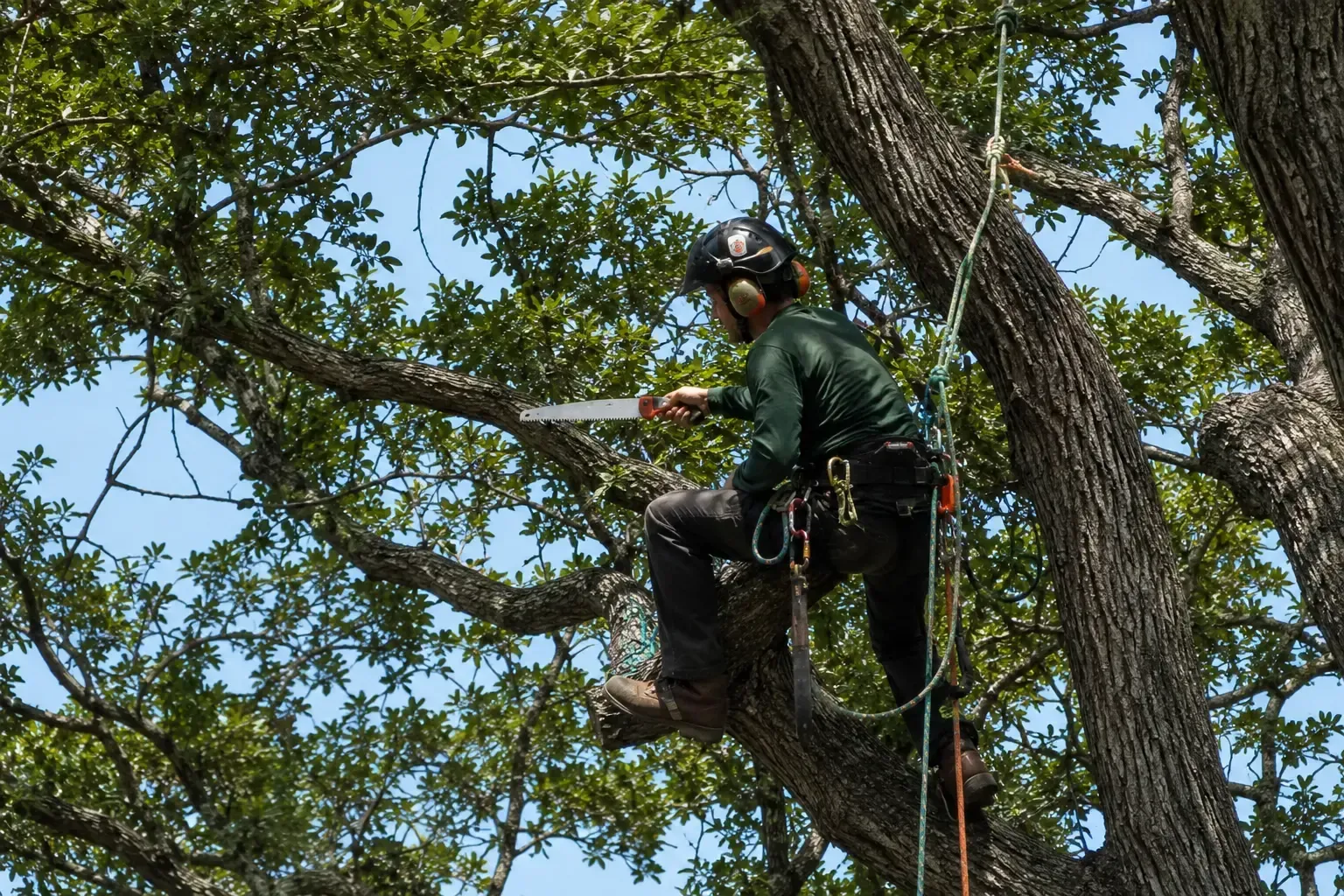
Expert trimming focuses on specific, calculated cuts that benefit the tree's overall biological efficiency. By removing dead, diseased, or rubbing branches, arborists redirect the tree's water and nutrient resources toward healthy, viable foliage. This process, known as deadwooding, also removes decaying wood that actively attracts wood-boring insects, termites, and fungal pathogens.
Strategic pruning also dramatically improves light penetration and internal airflow. A canopy that is too dense creates a dark, humid microclimate near the trunk. This damp environment is the perfect breeding ground for destructive fungal infections and harmful mosses. By selectively thinning the crown, professionals allow sunlight to reach the interior branches and ensure that strong winds can pass safely through the foliage rather than pushing against it like a solid sail.
Comparing Tree Maintenance Strategies
Different stages of a tree's life require entirely different maintenance approaches. Understanding the specific terminology and techniques utilized by professionals can help El Monte homeowners make informed decisions about their landscape management.
Below is a detailed comparison of standard arboricultural pruning techniques utilized to preserve mature trees.
| Trimming Technique | Primary Objective | Recommended Frequency | Impact on Mature Trees |
|---|---|---|---|
| Crown Thinning | Increases light penetration and internal airflow | Every 2 to 3 years | Reduces wind resistance and prevents major branch failure during storms. |
| Crown Raising | Clears lower branches for pedestrian or structural clearance | As needed for safety | Improves sightlines, enhances curb appeal, and prevents roof damage. |
| Crown Reduction | Decreases the overall height and spread of the canopy | Every 3 to 5 years | Minimizes mechanical stress on the root system and primary structural trunk. |
| Deadwooding | Removes completely dead, diseased, or broken limbs | Annually | Prevents localized pest infestations and eliminates immediate hazard risks. |
Spotting the Signs That Your Mature Trees Need Attention
Homeowners should actively monitor their property for the early warning signs of tree distress. Catching these symptoms early can mean the difference between a simple, routine pruning appointment and a complex, emergency tree removal situation.
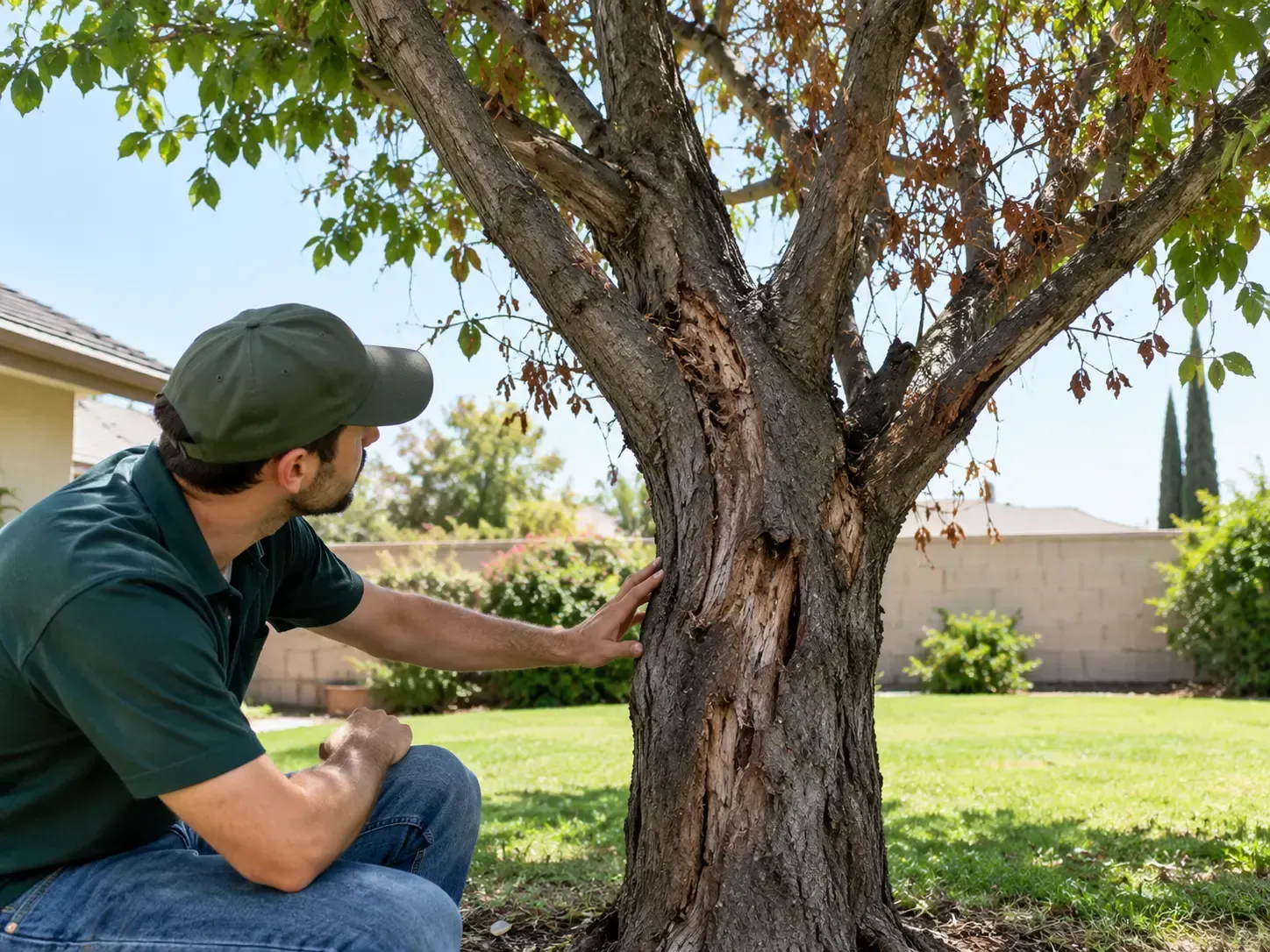
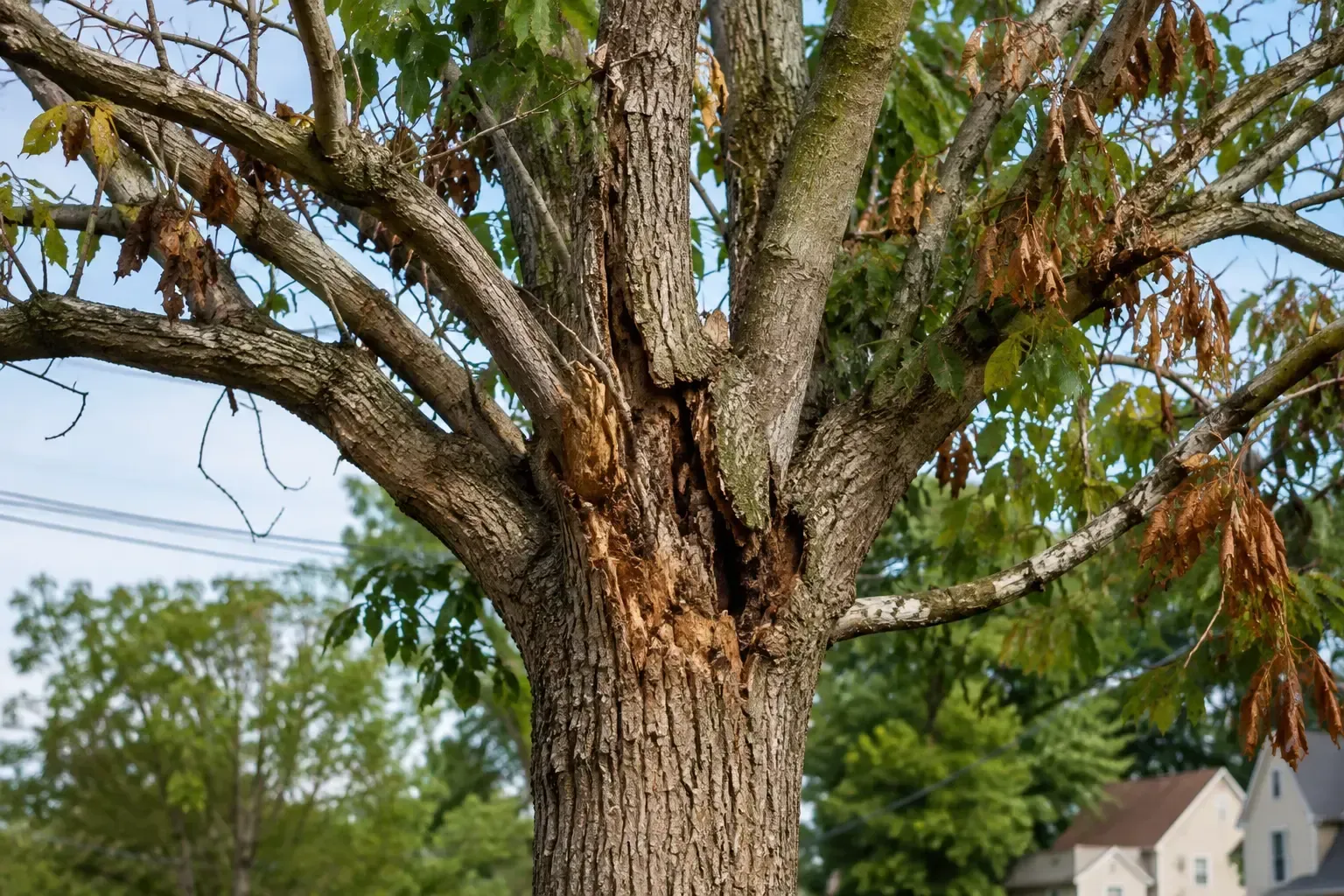
Visible deadwood in the upper canopy is the most obvious indicator that a tree requires maintenance. Branches lacking leaves during the spring and summer growing seasons are likely dead and pose an immediate falling hazard. Another critical warning sign is the presence of crossing branches. When two large branches rub against one another in the wind, the resulting friction strips away their protective bark, leaving open wounds highly susceptible to disease and rot.
Homeowners should also inspect the base of their trees. Soil heaving or visible root decay suggests severe structural instability. If a mature tree suddenly develops a pronounced lean or if localized cracks appear in the main trunk, immediate professional assessment is absolutely mandatory to ensure residential safety.
Securing Elmonte Tree Service for Your Home's Landscape
Proper maintenance of mature residential landscapes is an ongoing commitment to the safety, beauty, and value of your property. For homeowners in the San Gabriel Valley, partnering with locally experienced professionals ensures that regional climate factors and specific species requirements are always taken into account.
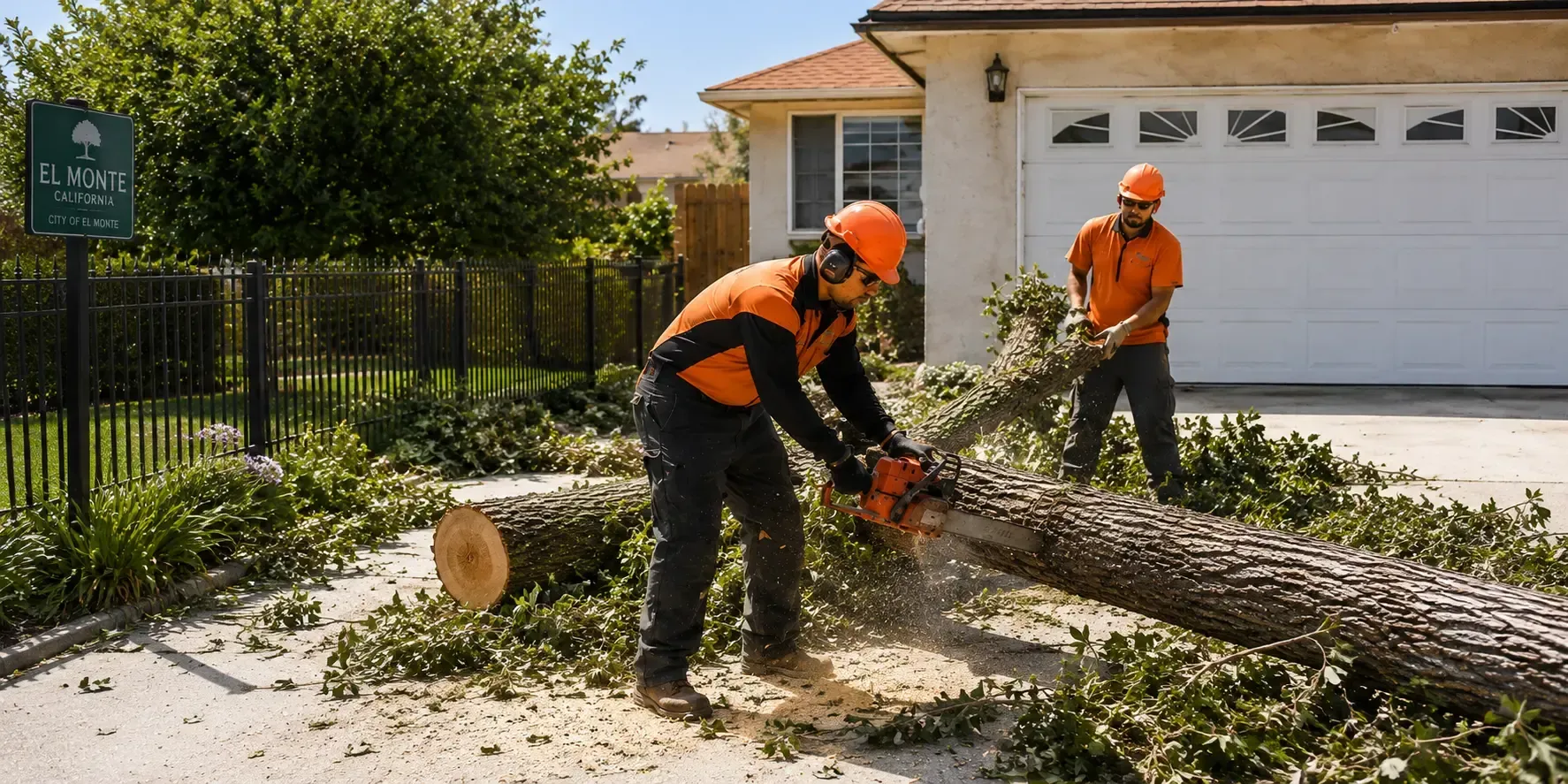
Elmonte Tree Service is dedicated to providing superior tree care for the community. Located at 3380 Flair Dr Suite 215 El Monte, CA 91731, our team brings specialized expertise to every residential and commercial project. From meticulous canopy thinning to emergency storm damage mitigation, we prioritize the long-term health of your landscape and the immediate safety of your property.
To schedule an expert assessment of the mature trees on your property, we encourage you to contact our local team today or call us directly at +1 626 654-3698 to discuss your customized tree care strategy.
Frequently Asked Questions
How often should mature trees in El Monte be trimmed?
Most mature shade trees in Southern California benefit from a professional inspection and light pruning every three to five years. However, specific frequency depends entirely on the tree species, its current health status, and its proximity to physical structures like houses or power lines. Annual deadwooding is highly recommended to maintain property safety.
Can improper pruning permanently damage a mature tree?
Yes. Over-pruning, commonly referred to as "tree topping," removes an excessive amount of the tree's vital foliage. This drastically limits the tree's ability to photosynthesize, forces it to exhaust its stored energy reserves, and stimulates the growth of weak, unstable water sprouts. Improper cuts can permanently stunt a mature tree or lead to its eventual death.
What time of year is best for major tree maintenance in Southern California?
For many deciduous species, late winter or early spring is the optimal time for heavy structural pruning. During this dormant period, the tree is less susceptible to sap loss and fungal infections. However, routine deadwooding and emergency hazard removal can and should be performed safely at any point during the year.