Are Tree Roots Destroying Your Yard? How Elmonte Homeowners Are Solving It Fast
A mature, sprawling tree provides incredible shade, enhances property value, and adds distinct character to suburban neighborhoods. Homeowners take immense pride in their landscapes. However, a silent and highly destructive process often occurs just beneath the surface of the soil. Aggressive root systems can quickly turn a beautiful landscape into a costly nightmare.
Property owners across Elmonte, Covina, Glendora, and the surrounding Southern California communities are increasingly discovering the hidden damage caused by expanding roots. Lifted driveways, shattered plumbing pipes, and compromised home foundations are common consequences of planting the wrong tree in the wrong location. Ignoring these issues inevitably leads to escalating repair bills and significant safety hazards for families.
Understanding how root systems behave in our local climate is the first step toward protecting your property. Taking proactive measures with a professional team like Elmonte Tree Service ensures your landscape remains an asset rather than a liability.
The Hidden Threat Beneath Southern California Lawns
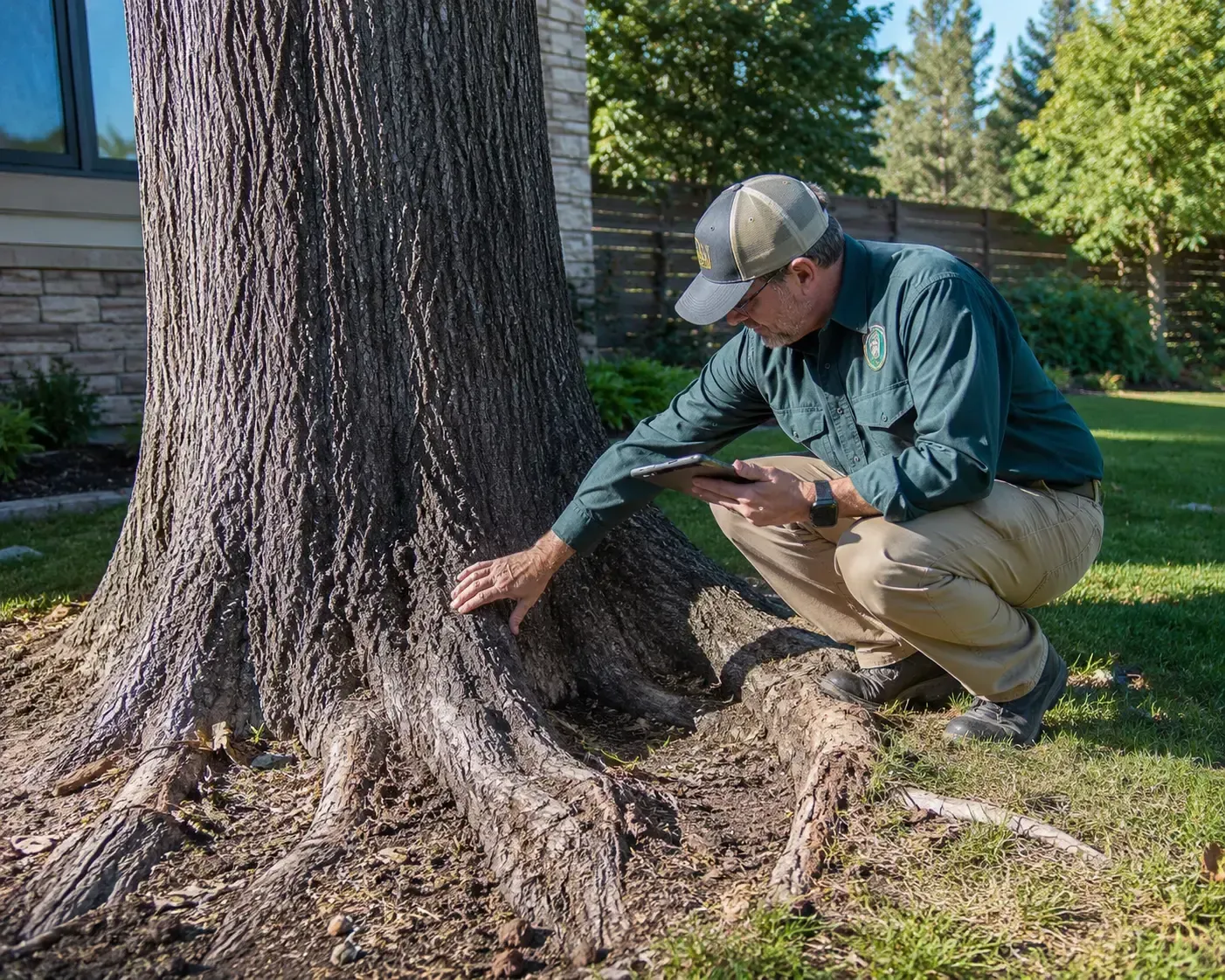
Tree roots are biologically programmed to seek out oxygen, nutrients, and moisture. In Southern California, long periods of dry heat combined with strict watering schedules force root systems to adapt aggressively. Instead of growing deep into the earth, the roots of many common ornamental and shade trees spread laterally just below the surface.
This lateral growth puts roots on a direct collision course with residential infrastructure. As the roots thicken and expand over the years, they exert thousands of pounds of hydraulic pressure. This incredible force easily lifts heavy concrete slabs, misaligns retaining walls, and cracks brick pathways.
Furthermore, root systems are highly sensitive to moisture gradients. A tiny leak in an underground sewer line or irrigation pipe creates a localized moisture zone. Roots will actively migrate toward this water source, wrap around the pipe, and eventually crush or penetrate it. This biological survival mechanism often results in massive plumbing backups that require trenching through established lawns to repair.
Recognizing the Warning Signs of Aggressive Root Growth
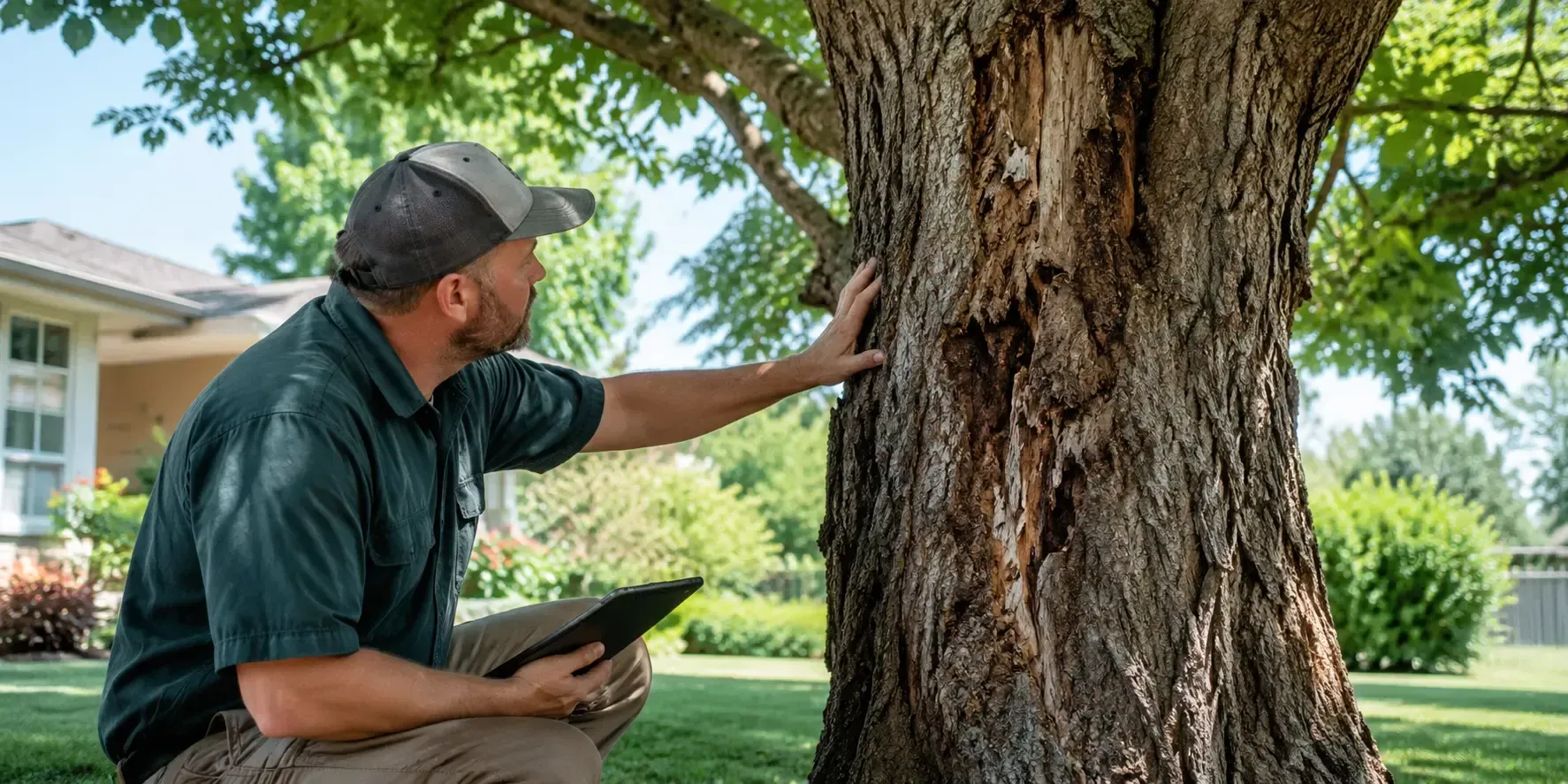
Catching root intrusion early can save homeowners tens of thousands of dollars in structural and plumbing repairs. You must routinely inspect your property for the physical indicators of subsurface expansion.
Key signs of destructive root activity include:
- Buckling Hardscapes: Uneven walkways, cracked driveways, and lifted patio pavers are the most obvious visual cues. These create severe tripping hazards for families and older adults.
- Slow Draining Plumbing: If multiple sinks or bathtubs in your home are draining slowly, or if you hear gurgling sounds from your toilets, roots may have infiltrated your main sewer line.
- Foundation Cracks: Hairline cracks appearing in your exterior stucco or basement walls can indicate that a massive root system is altering the soil moisture balance under your home.
- Depleted Lawns: An aggressive root system will monopolize water and soil nutrients. Unexplained dead patches of grass near a large tree strongly indicate the roots are starving the surrounding vegetation.
Why Expert Tree Services Are Crucial for Root Management
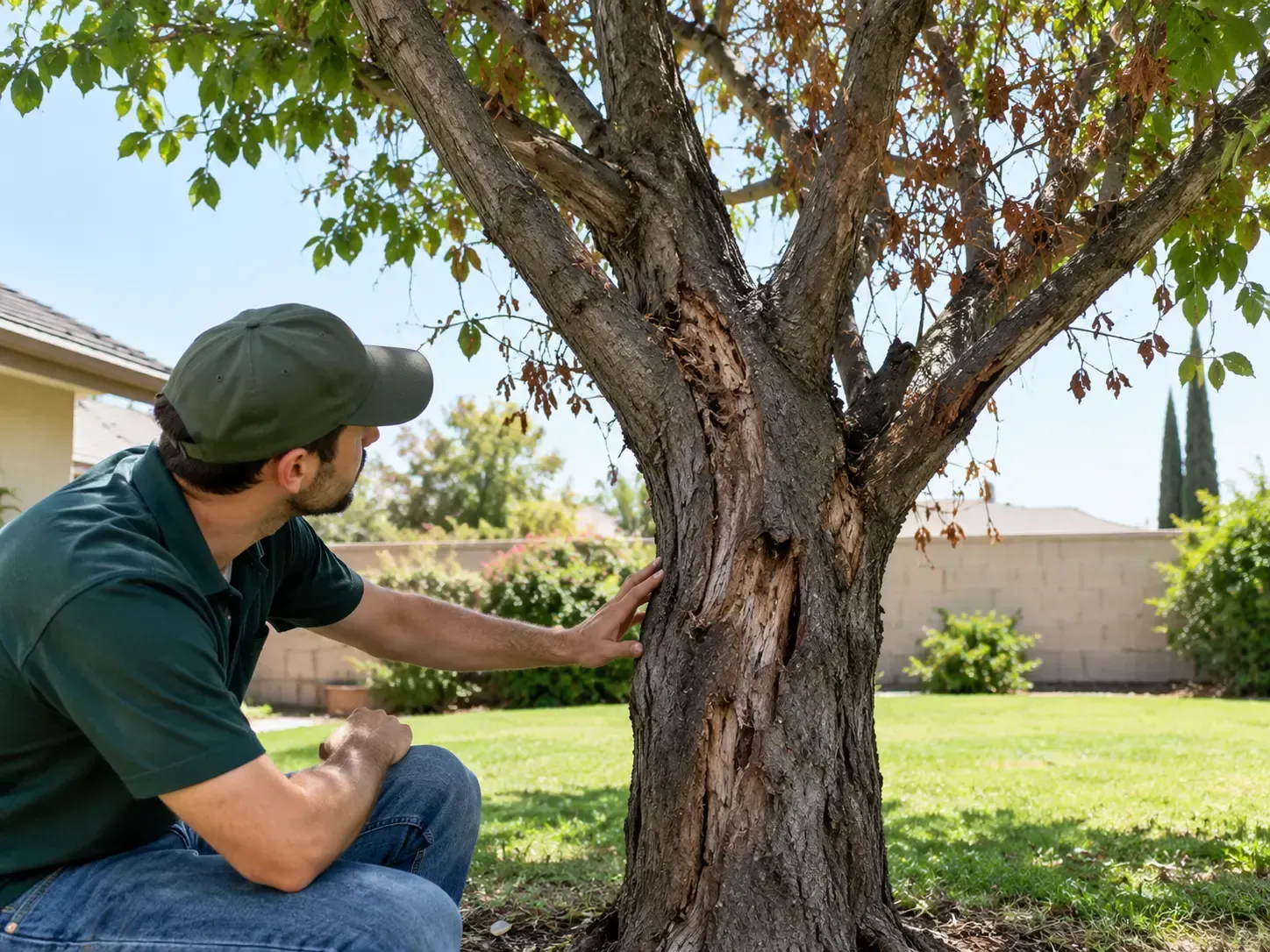
Property owners often attempt to solve root issues by renting heavy equipment and severing the offending roots themselves. This is a highly dangerous practice. A tree relies on its structural root system to remain upright during the heavy winds and severe storms that occasionally strike the San Gabriel Valley. Cutting the wrong structural root can instantly destabilize a massive tree.
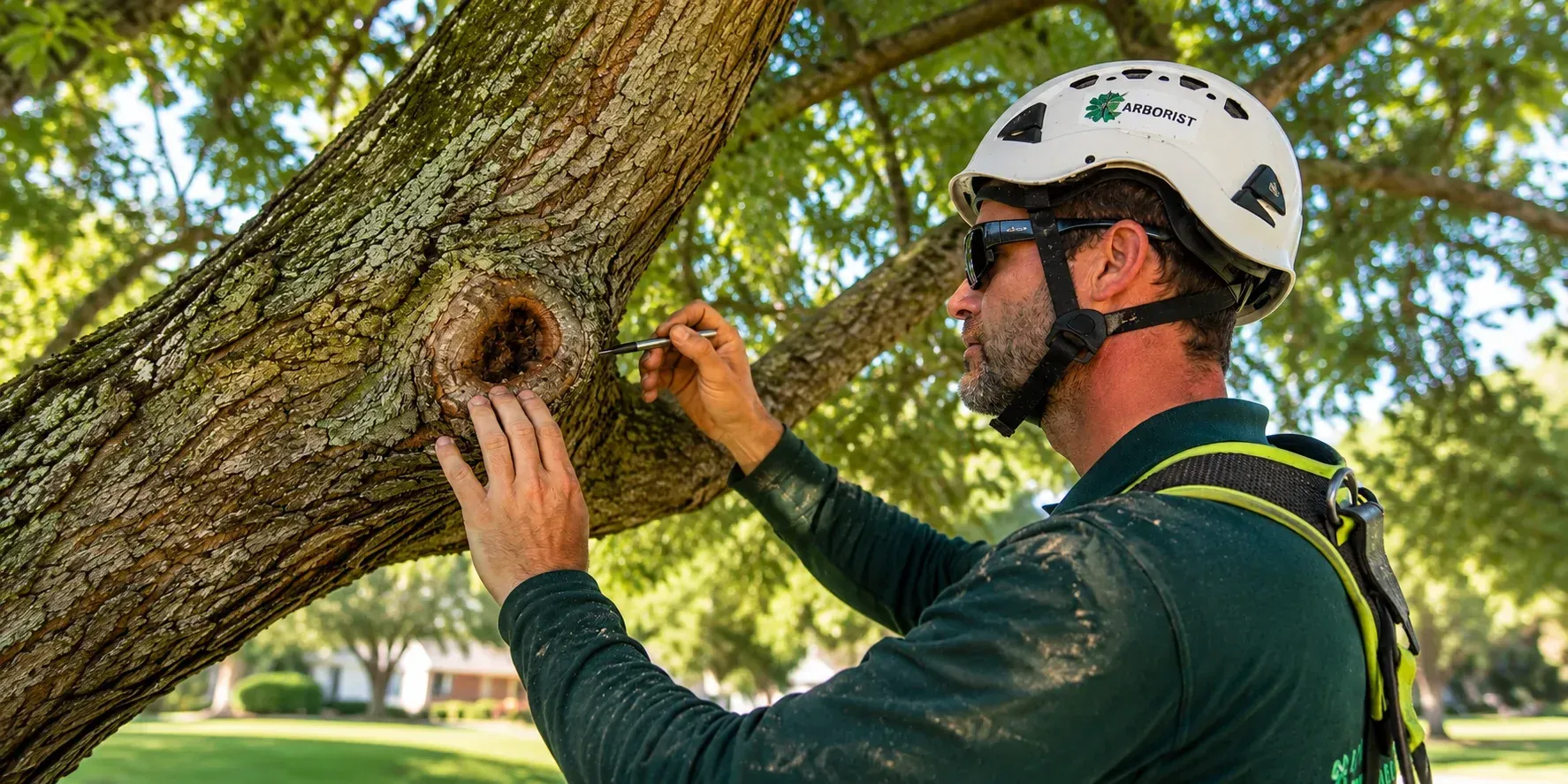
Professional Tree Services focus on preserving the health of your landscape while permanently mitigating the risk to your property. Certified specialists understand the complex biology of different tree species. They know exactly how much of a root system can be safely pruned without triggering a catastrophic failure or killing the tree outright.
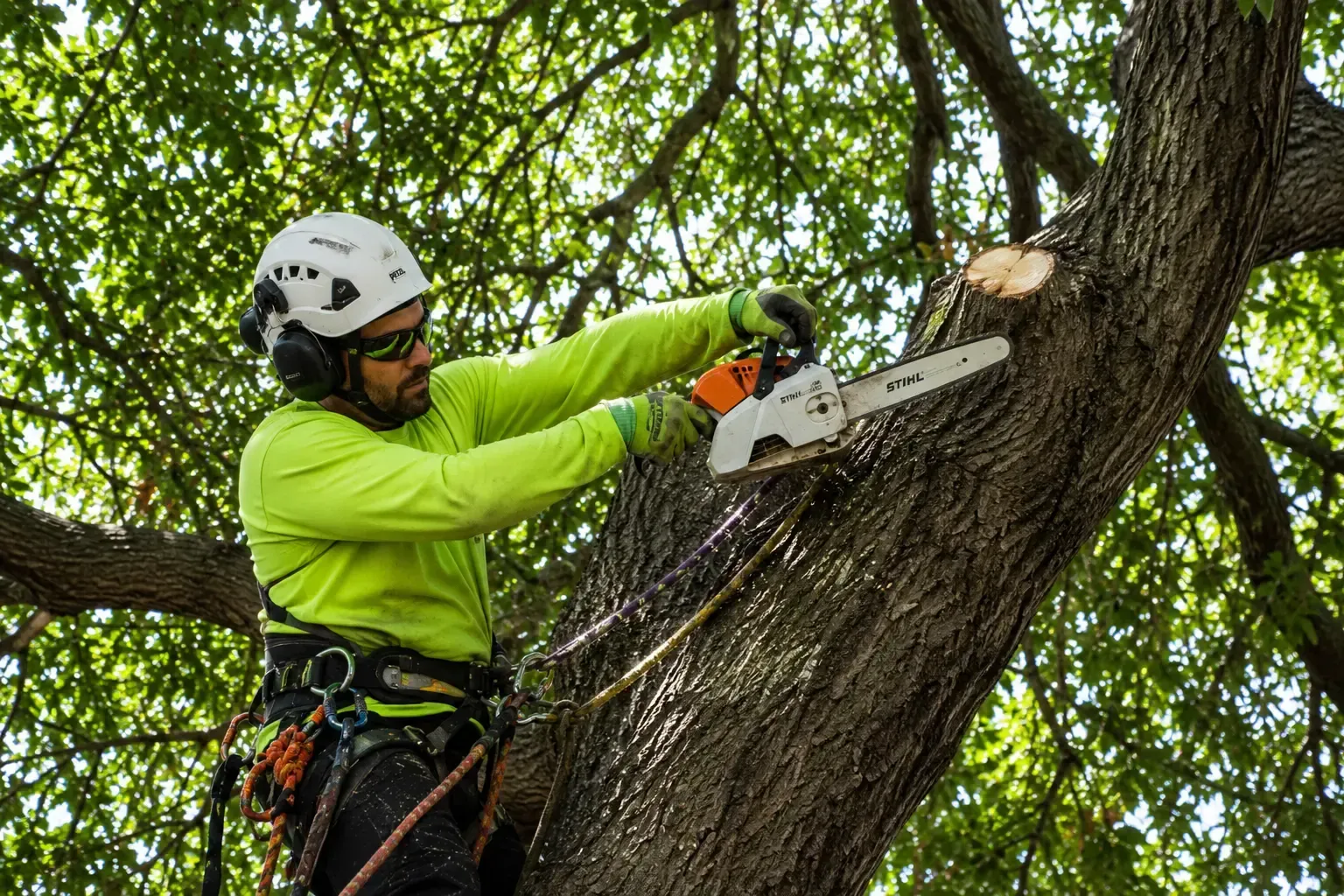
Comprehensive root management requires a holistic approach. Interestingly, managing the top of the tree plays a major role in managing the bottom. A strategic tree trimming plan reduces the overall canopy volume. By lowering the foliage mass, you reduce the tree's demand for water and nutrients. This naturally slows the aggressive expansion of the root system below ground.
Comparing Root Mitigation Strategies
The approach a professional takes depends entirely on the tree species, the proximity to your home, and the severity of the existing damage. The table below outlines the primary methods used to address invasive roots.
| Mitigation Strategy | Effectiveness | Risk to Tree Health | Ideal Application Scenario |
|---|---|---|---|
| Surface Root Pruning | Moderate | High if done improperly | Removing specific, non-structural surface roots lifting a lightweight walkway. |
| Root Barrier Installation | High | Low | Trenches dug alongside new hardscaping to physically block lateral root spread. |
| Canopy Thinning | Moderate | Beneficial | Balancing a tree's nutrient demands to naturally slow aggressive underground expansion.es@mail.com |
| Complete Eradication | Absolute | Complete Loss | When roots have breached a home foundation or caused irreparable main sewer line damage. |
When Mitigation Fails and Removal Becomes Necessary
There are specific instances where pruning roots or installing underground barriers simply will not solve the problem. Large, fast-growing species like Ficus, Eucalyptus, and certain Pines were historically planted in cramped suburban yards. Over decades, these trees outgrow their designated spaces completely.
If an arborist determines that severing the problematic roots will render the tree structurally unsound, the only responsible option is complete tree removal. Leaving a destabilized tree standing near a family home, power lines, or neighboring properties is a massive liability risk.
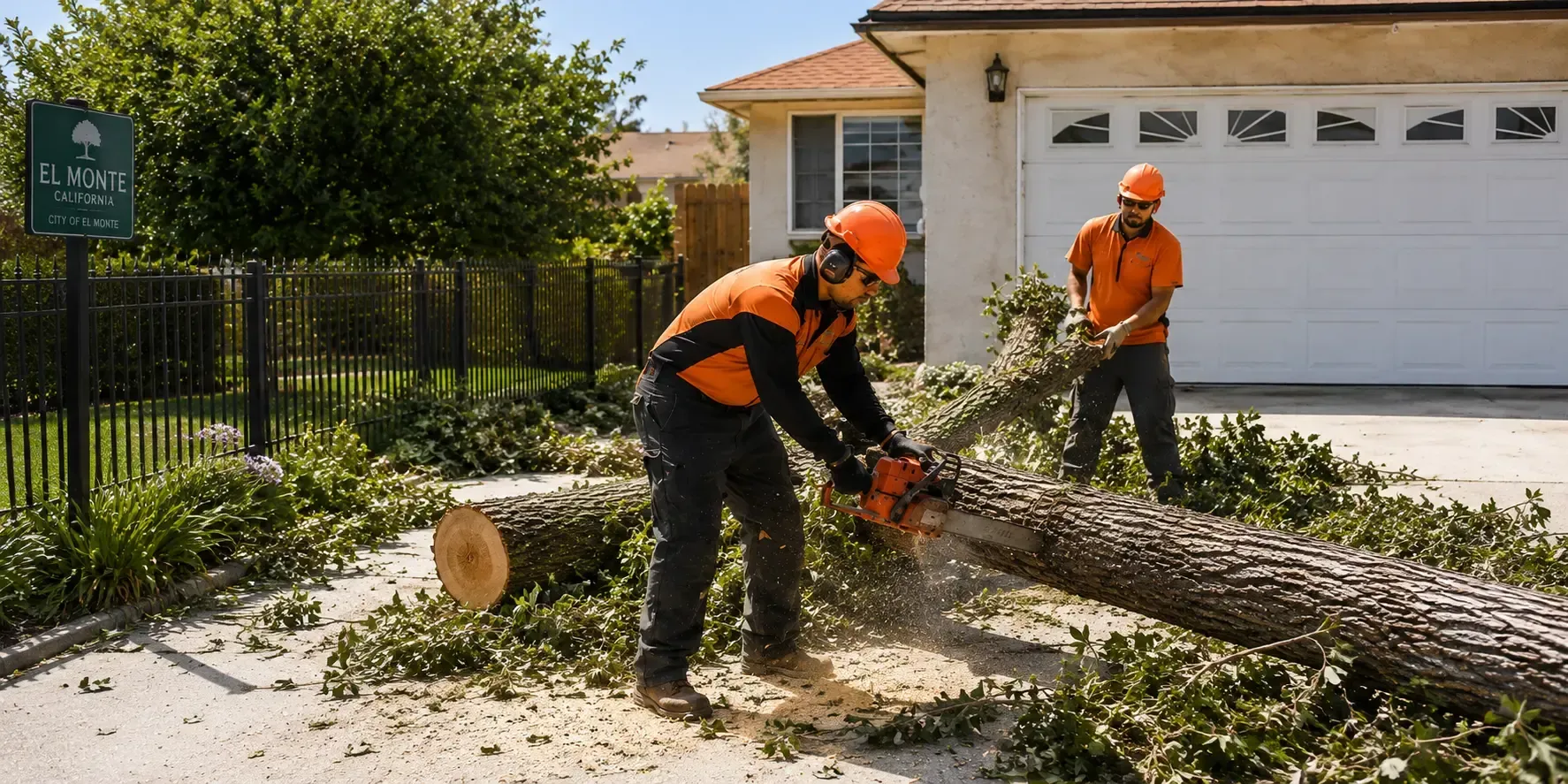
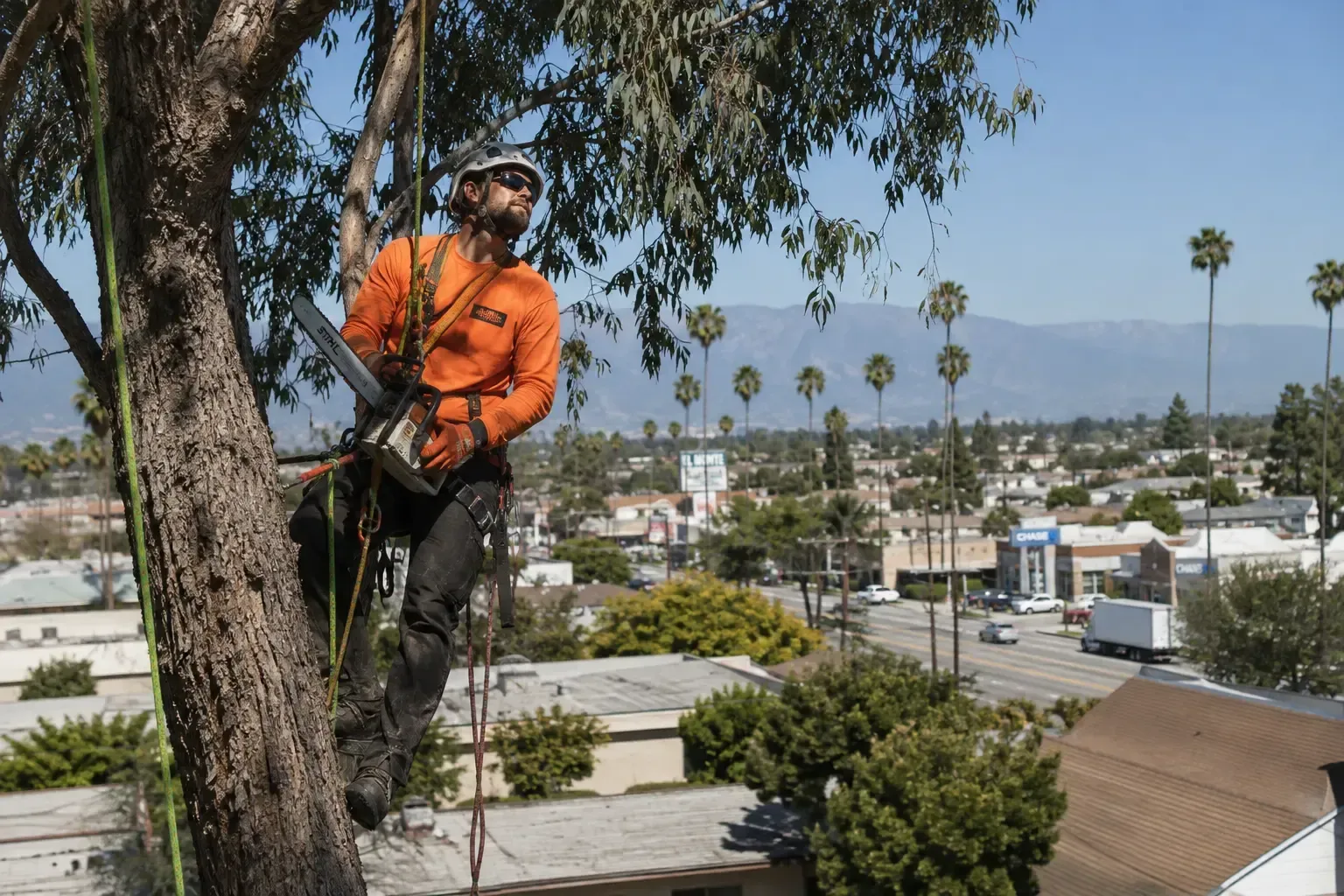
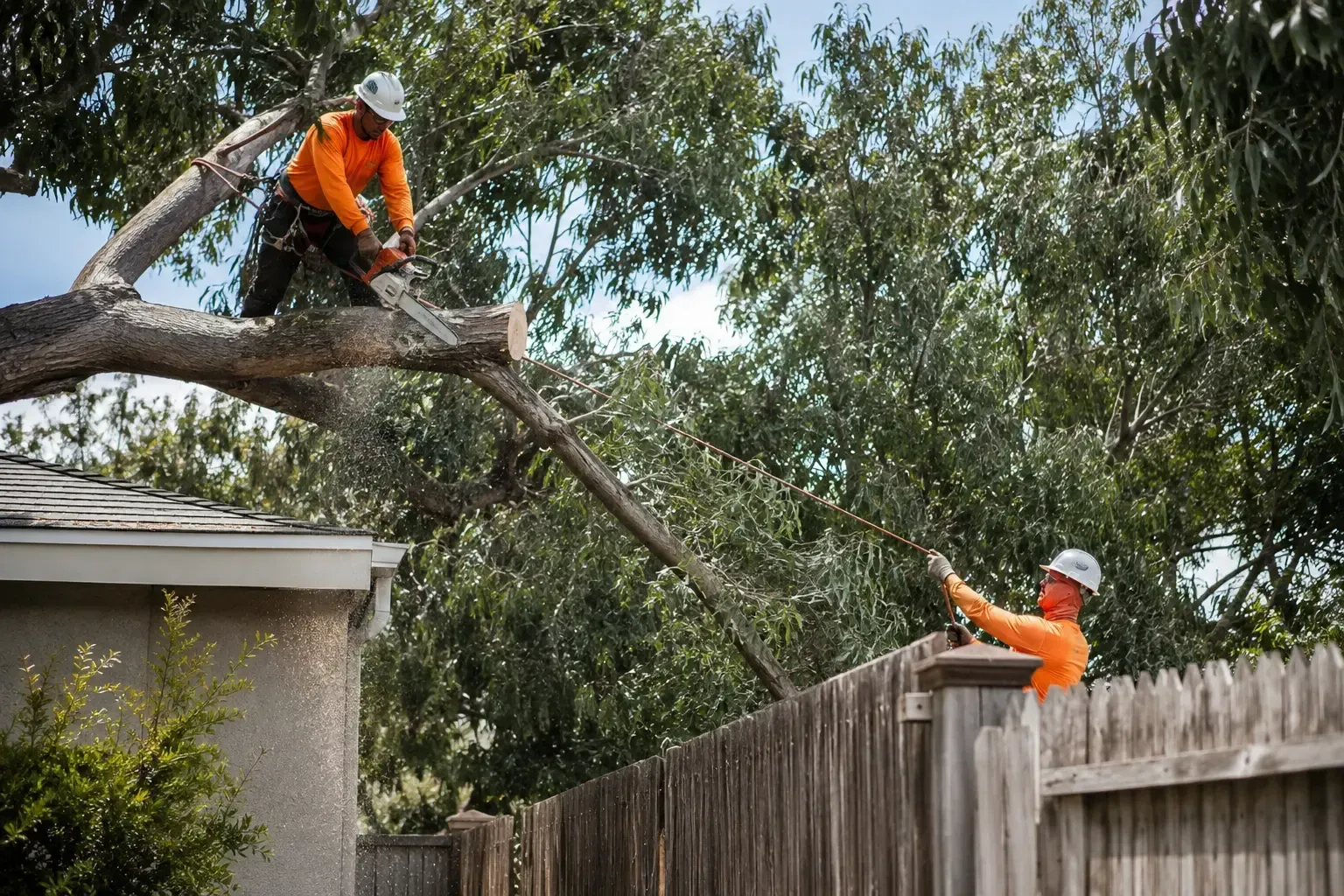
The removal process for a massive, deeply rooted tree requires heavy machinery, rigging expertise, and precise safety protocols. Once the canopy and trunk are safely dismantled, professional stump grinding is mandatory. Merely cutting a tree down to ground level does not stop the root system from growing. Many resilient species will send up rapid, invasive shoots from a live stump, continuing the cycle of hardscape destruction. Grinding the stump destroys the central root crown and permanently halts underground growth.
Handling Sudden Disasters with Urgent Action
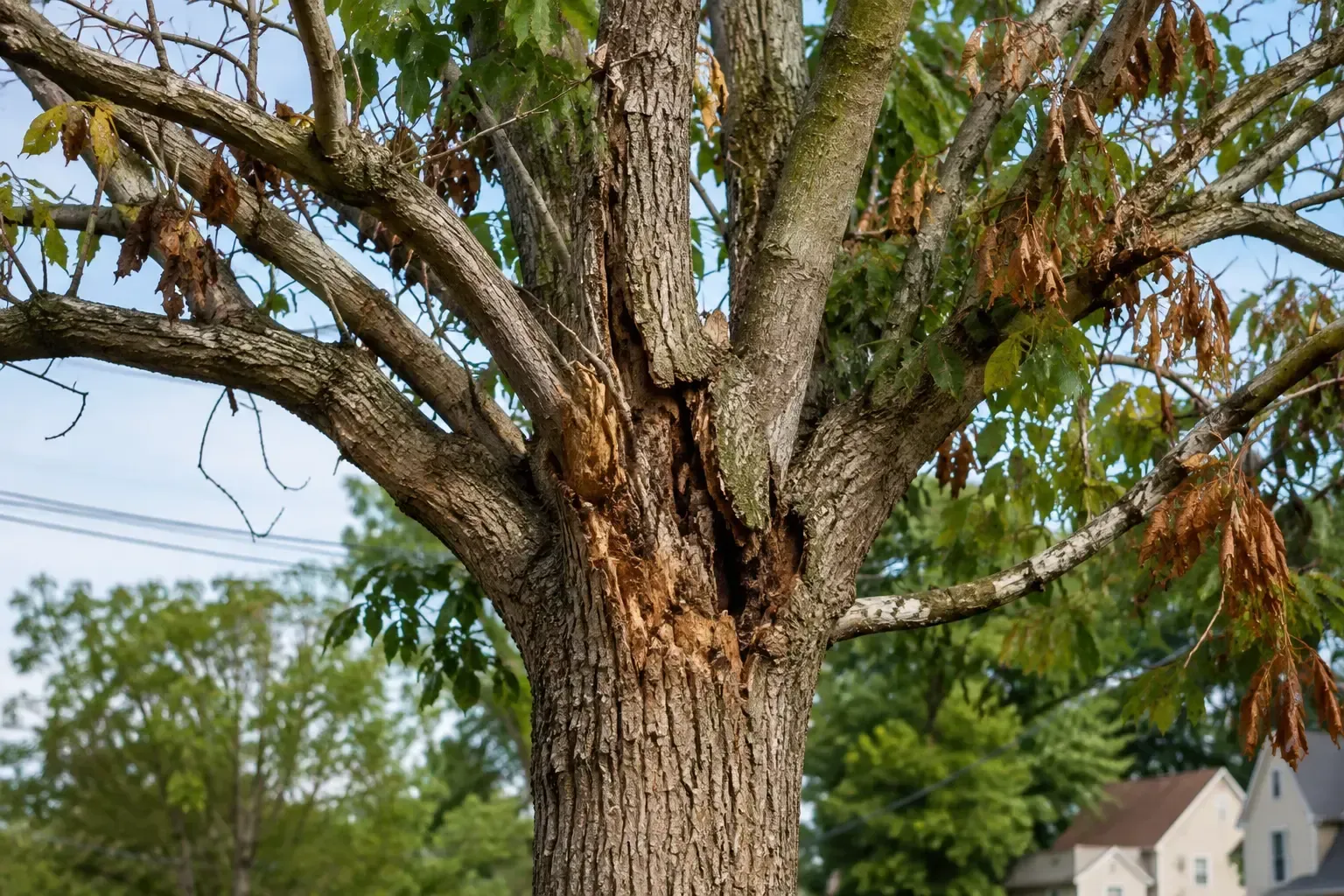
Sometimes, the damage caused by tree roots remains entirely hidden until a severe weather event triggers a crisis. Prolonged winter rains can saturate the soil, loosening the grip of a compromised root system. If roots have been previously cut by construction work or severely damaged by fungal rot, the entire tree can suddenly uproot and fall.
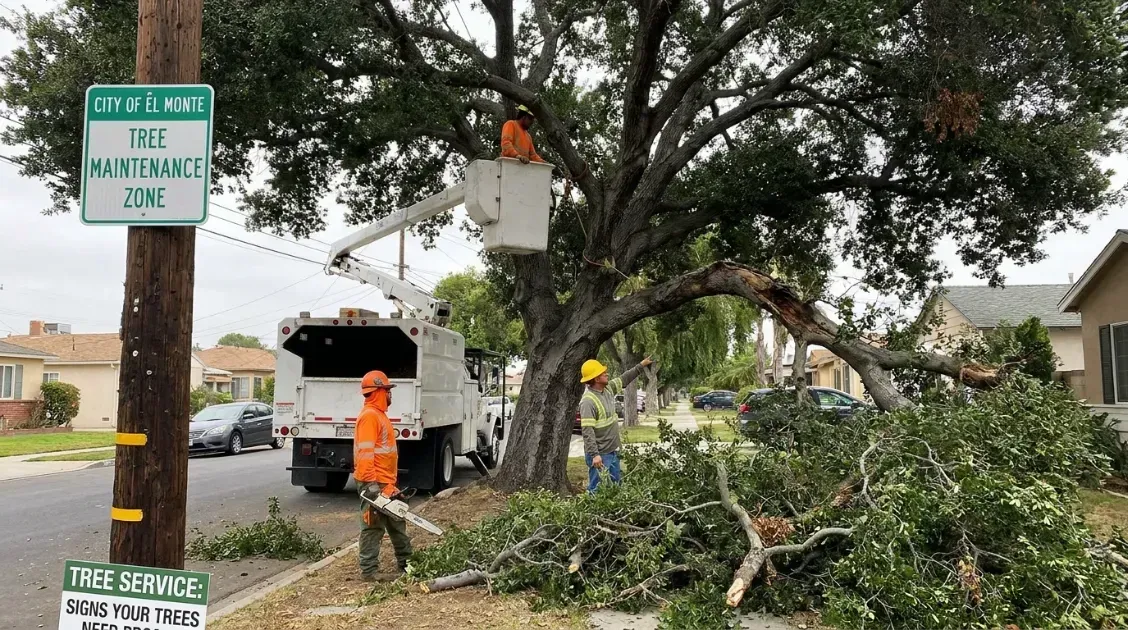
When a massive tree crashes onto a driveway, tears through a roof, or blocks public access, property owners must act immediately. Attempting to clear a fallen mature tree with consumer-grade tools is incredibly dangerous due to the unpredictable tension stored in the twisted branches and lifted roots.
In these high-risk scenarios, relying on emergency tree removal ensures the hazard is neutralized quickly. Professional crews arrive with the necessary equipment to safely lift immense weight off your property, stabilize the surrounding area, and prevent further damage to your home and utility lines.
Protecting Your Property Value and Landscape
Your home is likely your most significant financial asset. The curb appeal generated by a healthy, well-maintained landscape directly correlates to your property value. Maintaining that value requires diligent oversight and regular maintenance.
Older homeowners and long-term property investors in communities like Elmonte understand that ignoring tree maintenance leads to severe financial penalties. Repairing a cracked concrete driveway can cost thousands of dollars. Excavating and replacing a crushed main sewer line is even more expensive.
Partnering with local arboricultural experts allows you to enjoy the shade, beauty, and environmental benefits of mature trees without the underlying stress of property damage. By scheduling annual property inspections, setting up routine canopy trimming, and addressing surface root issues the moment they appear, you safeguard your home for generations to come.
Professional oversight transforms an unpredictable natural element into a stable, managed feature of your home exterior.
Frequently Asked Questions
Can I just cut the tree roots that are lifting my driveway?
Cutting large tree roots yourself is highly discouraged. Severing roots larger than two inches in diameter can introduce deadly fungal diseases to the tree. More importantly, cutting the wrong structural roots can completely destabilize the tree, creating an immediate risk of the tree falling onto your home or a neighboring property. Always consult a professional to determine which roots can be safely pruned.
Does homeowners insurance cover damage caused by tree roots?
In most cases, standard homeowners insurance policies do not cover damage caused by tree roots. Insurance companies generally view root expansion as a slow, predictable maintenance issue rather than a sudden, unavoidable peril. Consequently, the cost to repair foundations, plumbing, or driveways damaged by roots usually falls entirely on the property owner.
How do professionals stop roots from growing back?
Professionals use several methods to prevent root regrowth after mitigation. If a tree is preserved, they often install high-density polyethylene root barriers deep into the soil to physically redirect future growth downward. If the tree must be removed, commercial stump grinding is used to pulverize the main root crown, which stops the root system from surviving and sending up new invasive shoots.
Can tree trimming help prevent wildfires?
Yes. Proper trimming removes dead vegetation and reduces fuel sources around homes, which is especially important during California fire season.