Recognizing the Signs That Your Property Requires Professional Tree Removal
Trees provide shade, improve local air quality, and elevate property values across El Monte, CA. However, these living structures are highly susceptible to disease, age, and environmental stress. Knowing exactly when a tree transitions from a valuable asset to a dangerous liability is a critical responsibility for property owners. Ignoring structural defects or deep-seated decay often leads to severe property damage or personal injury.
The unique climate cycles in Southern California, which frequently alternate between intense drought and sudden heavy rainfall, place immense stress on local landscapes. At El Monte Tree Service, we help property owners navigate these complex environmental challenges with precision, safety, and expertise.
The Core Elements of Comprehensive Tree Services
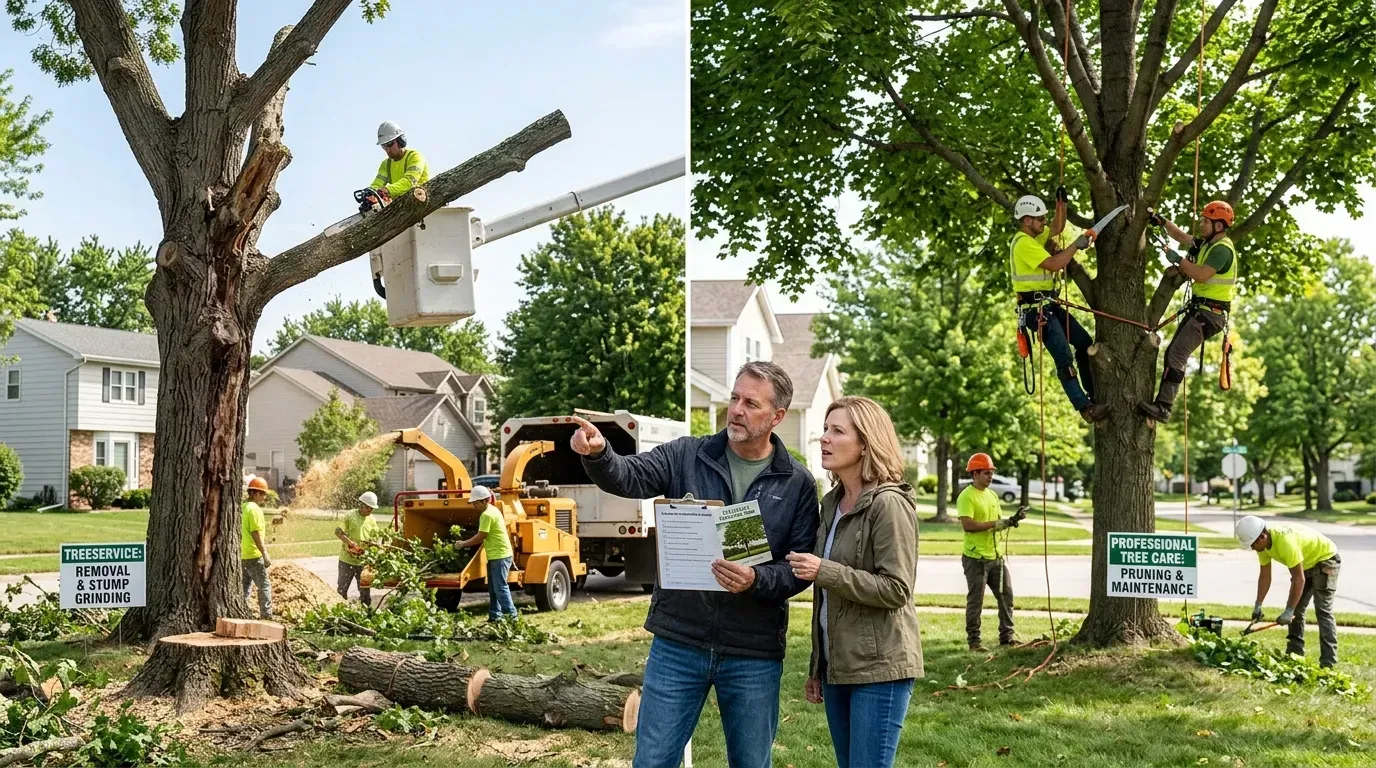
Proper arboriculture involves much more than simply cutting down branches. Professional Tree Services focus on the holistic health and long-term viability of your landscape. Regular maintenance helps identify minor physiological issues before they escalate into dangerous structural problems.
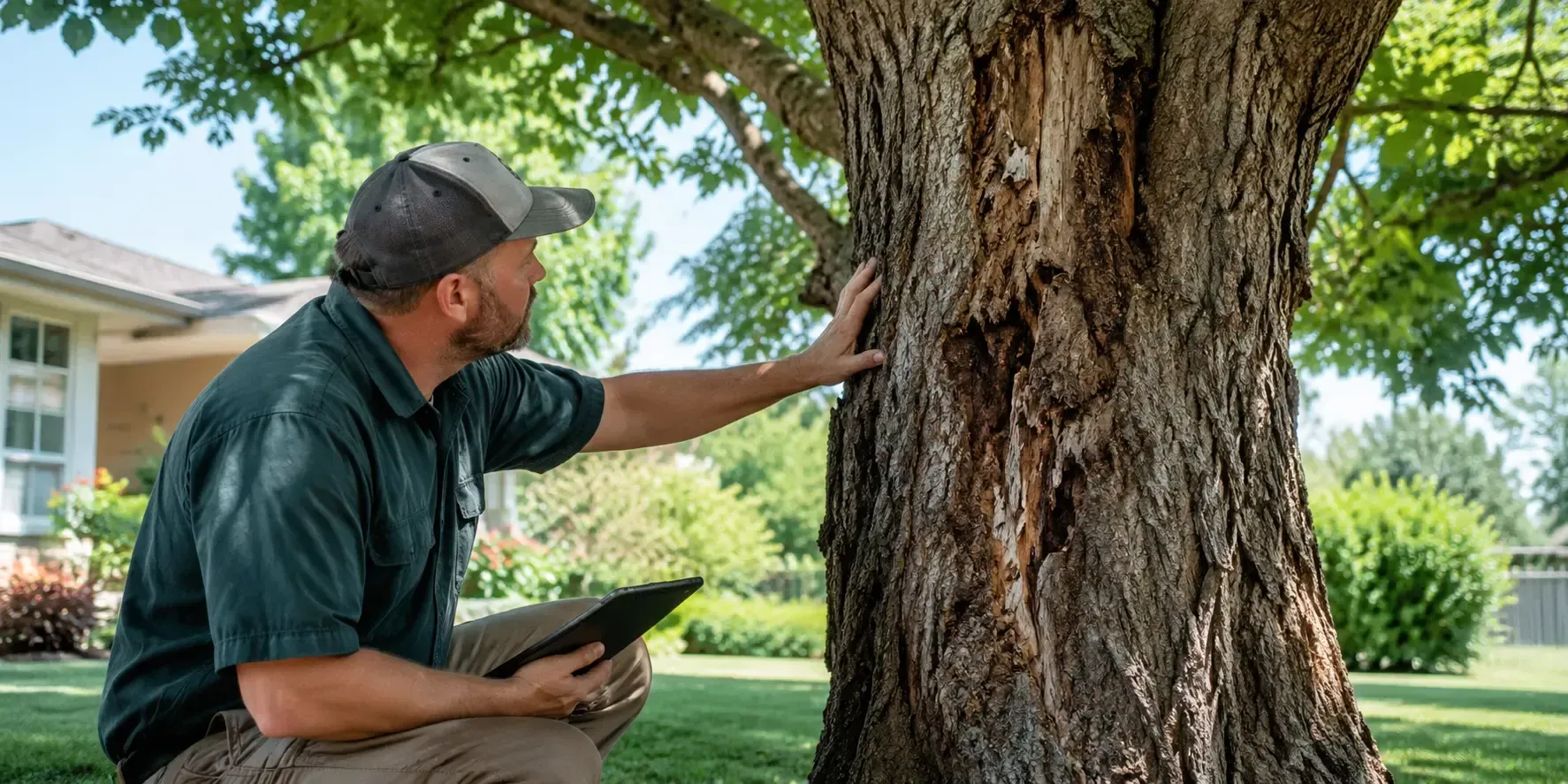
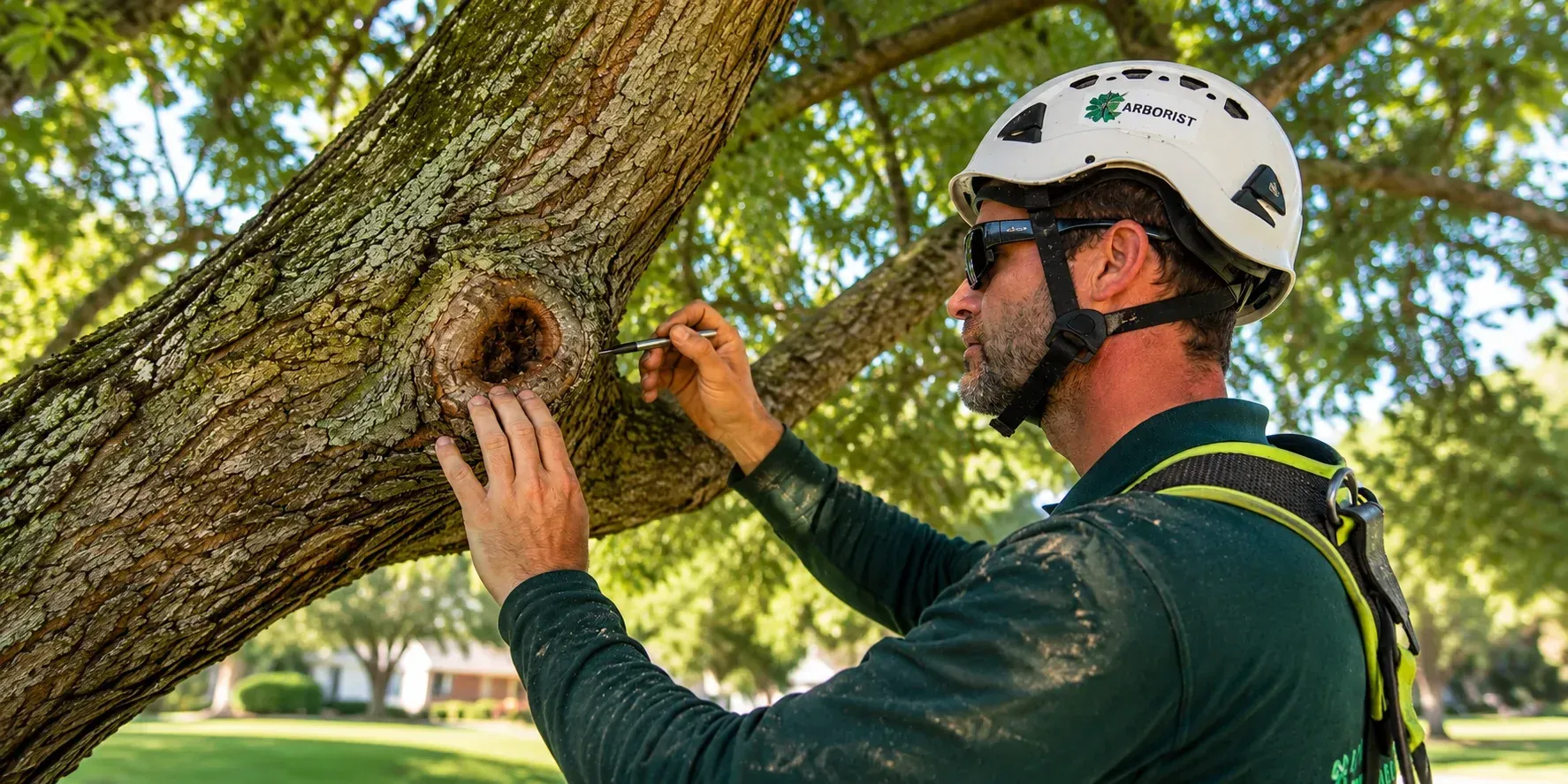
Certified arborists evaluate root stability, bark integrity, and foliage density to determine the best course of action. Sometimes, routine canopy adjustments and strategic weight reduction can save a struggling specimen. Other times, the structural integrity is compromised beyond the point of rehabilitation. Understanding the full spectrum of available care ensures your landscape remains secure, aesthetically pleasing, and vibrant year round.
Visible Indicators Demanding Immediate Attention
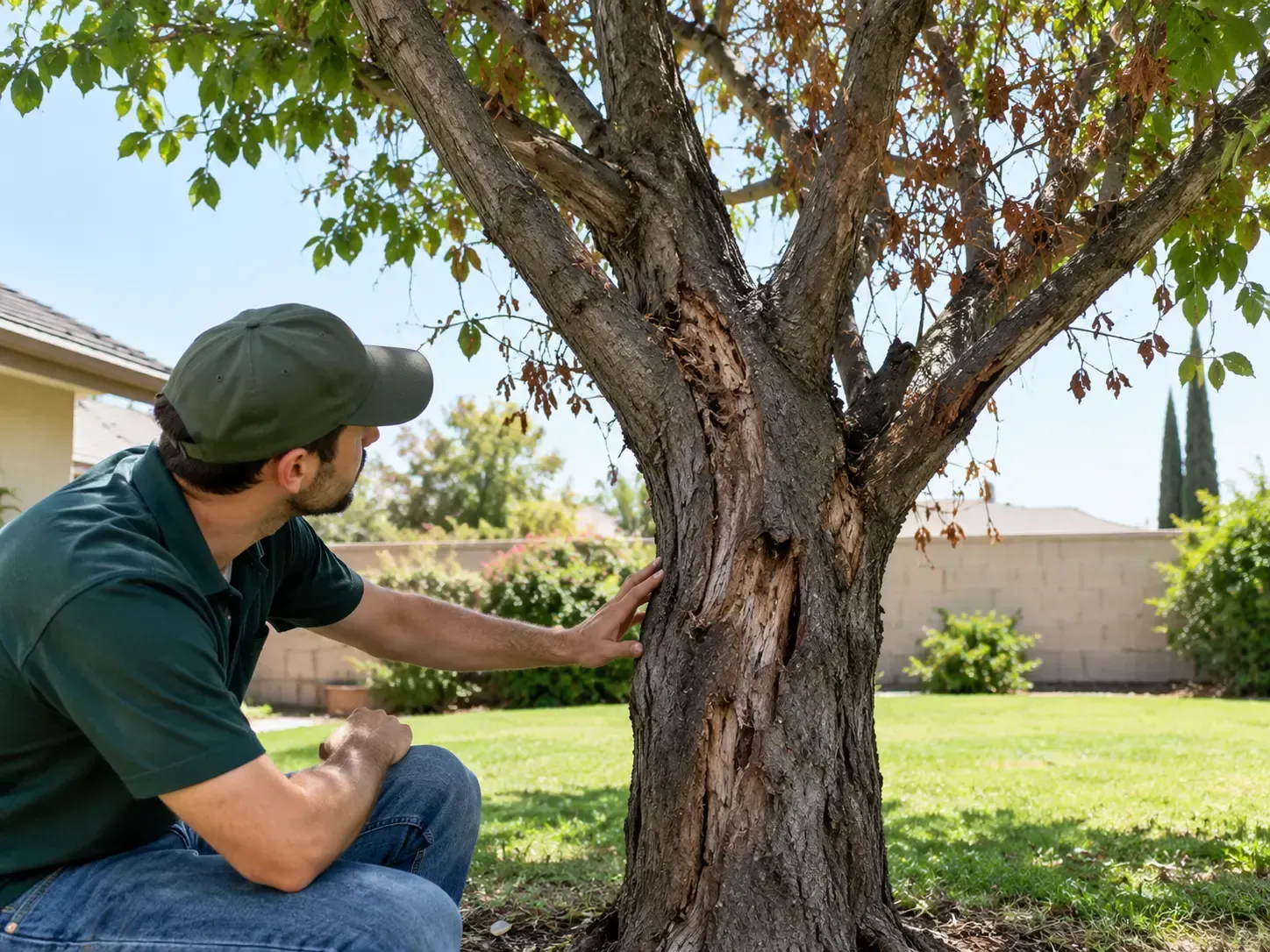
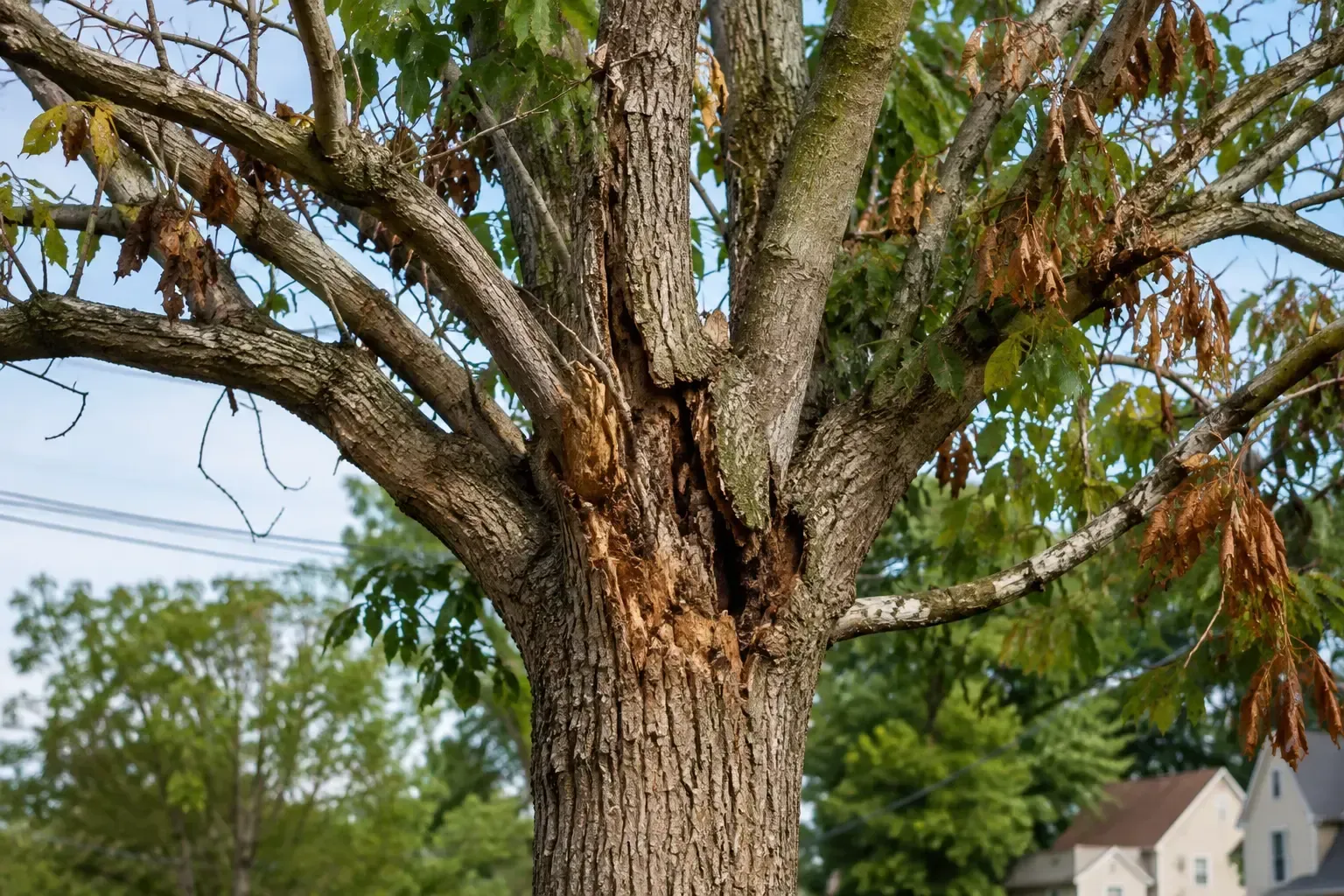
Certain physical symptoms demand immediate evaluation by a professional. A sudden, pronounced lean indicates that the root system has failed and the entire structure is unstable. Deep vertical cracks or hollow cavities in the main trunk serve as primary indicators of severe internal structural weakness.
Property owners should also closely monitor the ground surrounding the base of the trunk. Soil heaving or sudden changes in the yard's grade often suggest underground root failure. This is a common issue we see throughout the San Gabriel Valley. If you suspect underground complications, it is crucial to understand how local homeowners are resolving destructive root systems before catastrophic foundation damage occurs. Once a root system is fundamentally compromised, safe and methodical tree removal becomes the only viable solution to protect the surrounding area.
Disease, Decay, and Local Pest Infestations
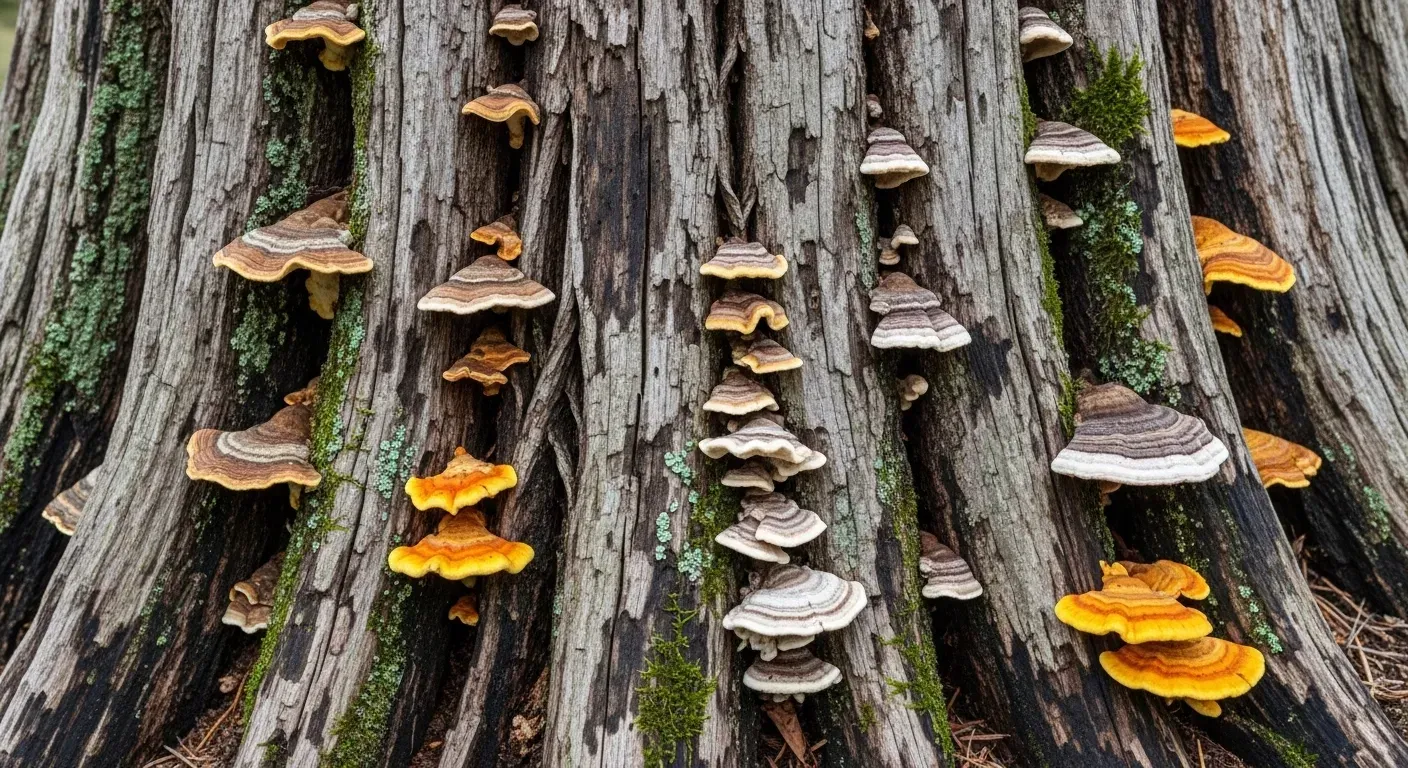
The local climate in El Monte creates an environment where certain diseases and pests thrive. Fungal growth at the base of the trunk or along major structural limbs is a strong indicator of internal rot. Wood-boring insects can systematically hollow out an otherwise healthy looking specimen from the inside out.
Look for dead or dying branches clustered specifically in the upper canopy. When a tree sheds large sections of foliage out of season, it is actively attempting to conserve energy due to severe systemic stress. If more than half of the canopy is dead or severely damaged, full recovery is highly unlikely. Removing the infected wood promptly prevents the spread of aggressive pathogens to neighboring plants and protects the overall health of your remaining landscape.
Managing Storm Damage and Sudden Failures
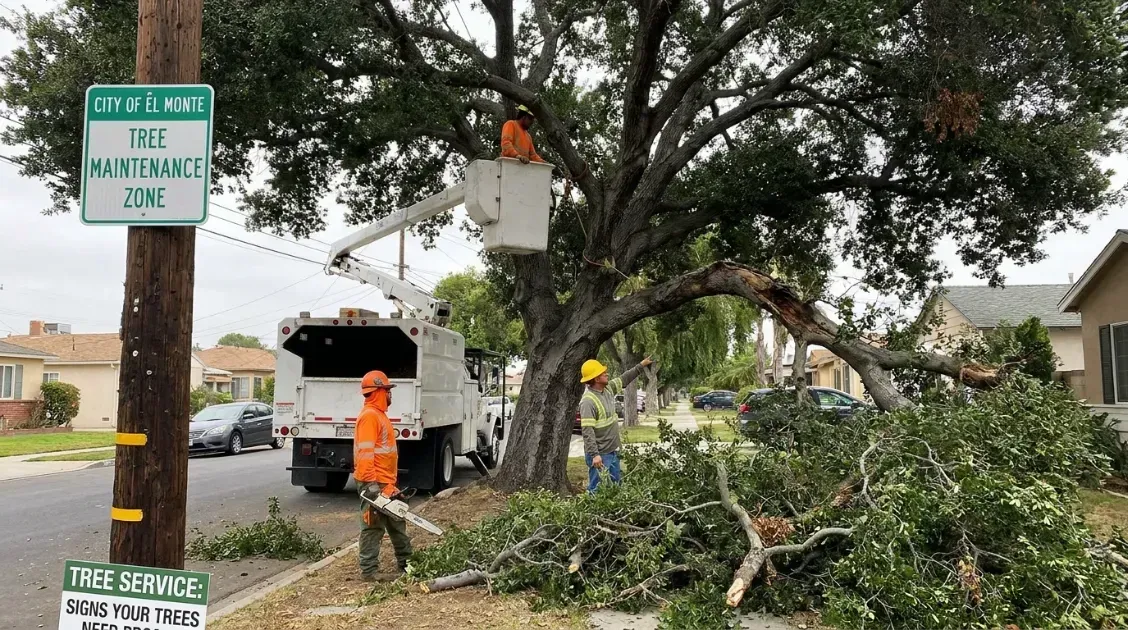
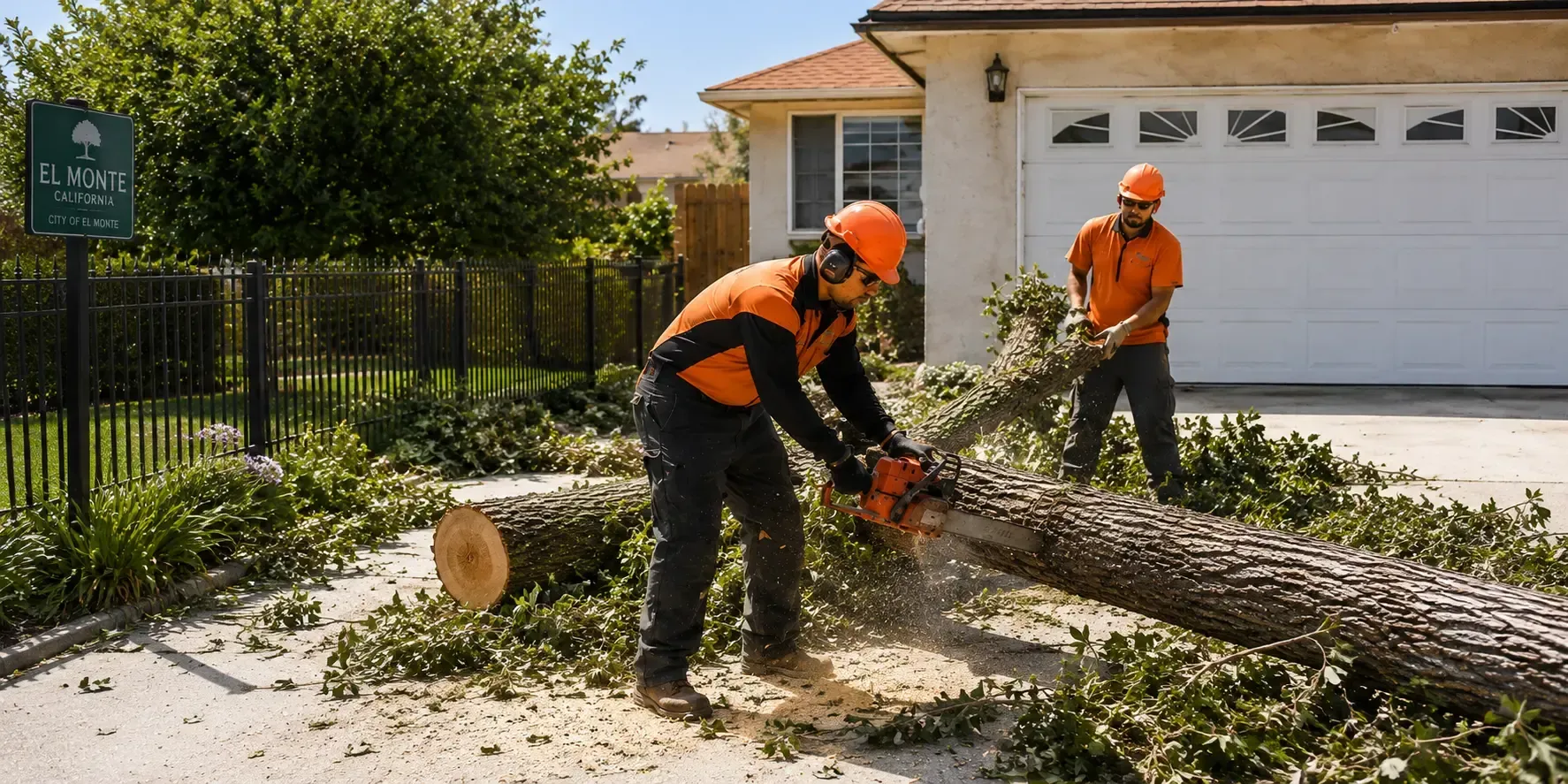
High winds and heavy winter rains routinely test the structural limits of our urban forests. Even perfectly healthy structures can suffer catastrophic damage during severe weather events. Split trunks, massive broken limbs caught high in the canopy, and uprooted bases present immediate hazards to nearby structures, vehicles, and active utility lines.
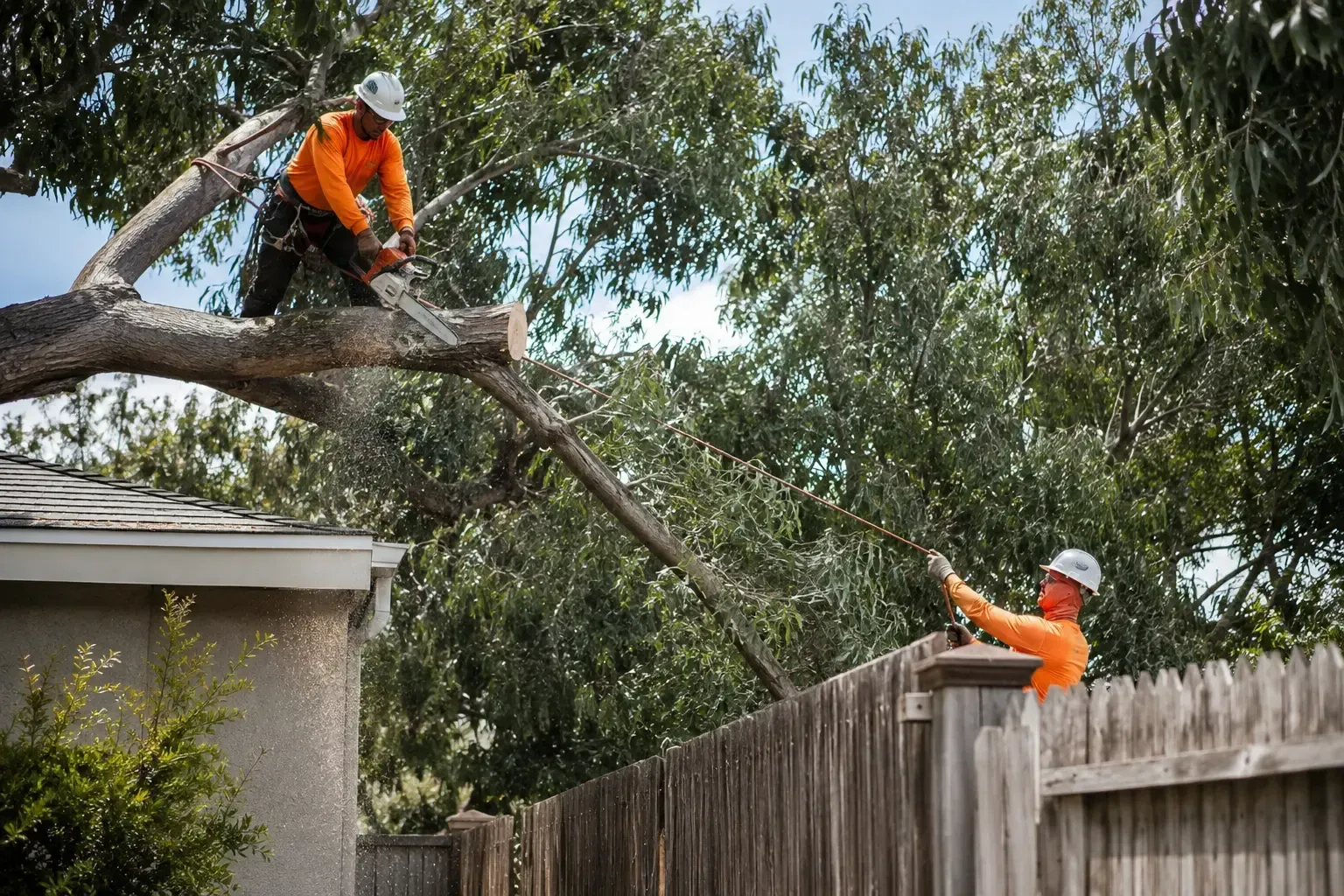
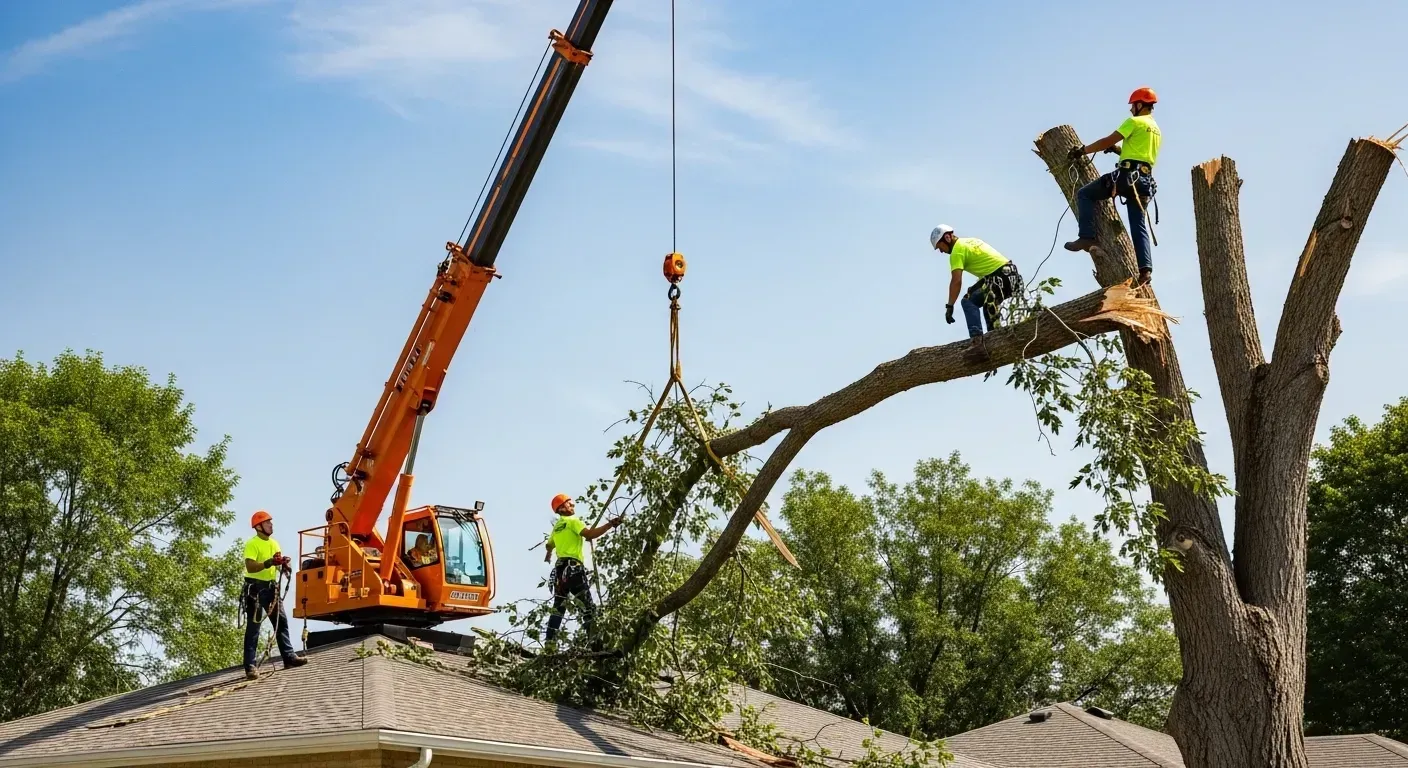
When heavy branches are suspended precariously above homes or driveways, time is of the essence. These highly volatile situations require specialized rigging and heavy machinery to dismantle the hazard without causing further destruction below. Property owners facing sudden and dangerous structural failures rely on prompt emergency tree removal to secure their premises safely and restore order to their property.
Evaluating Proximity to Structures and Infrastructure
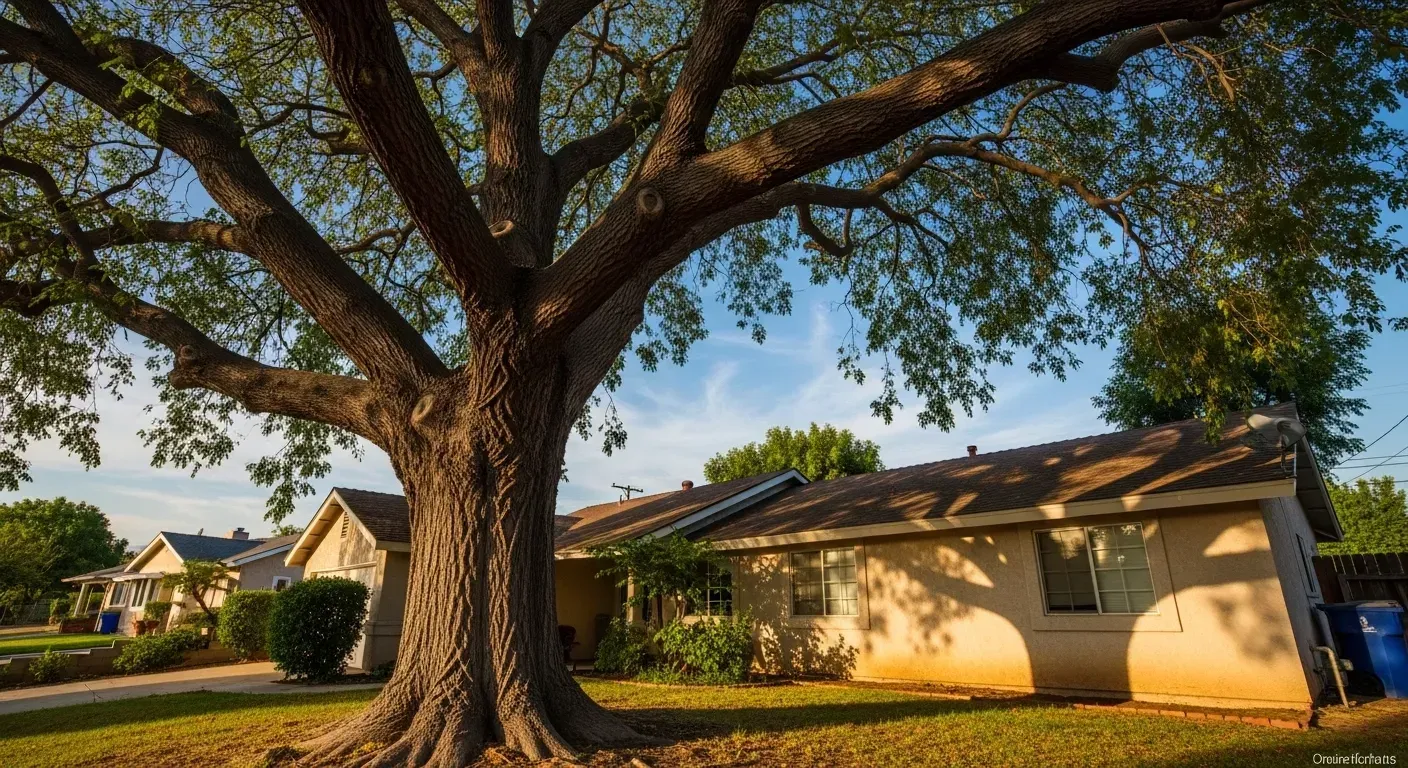
Trees planted too close to houses, garages, or utility lines inevitably create long-term conflicts. Branches constantly rubbing against roofing materials will strip protective shingles and compromise the waterproofing of your home.
Underground, aggressive root systems constantly seek out moisture sources. They can easily infiltrate aging plumbing lines, crack solid concrete driveways, and destabilize primary structural foundations. Strategic planning is necessary to balance the environmental benefits of shade with the reality of property maintenance. If targeted pruning cannot provide adequate clearance without entirely stripping the tree of its essential foliage, complete extraction is often the safest and most logical path forward.
Partnering with El Monte Arboriculture Experts
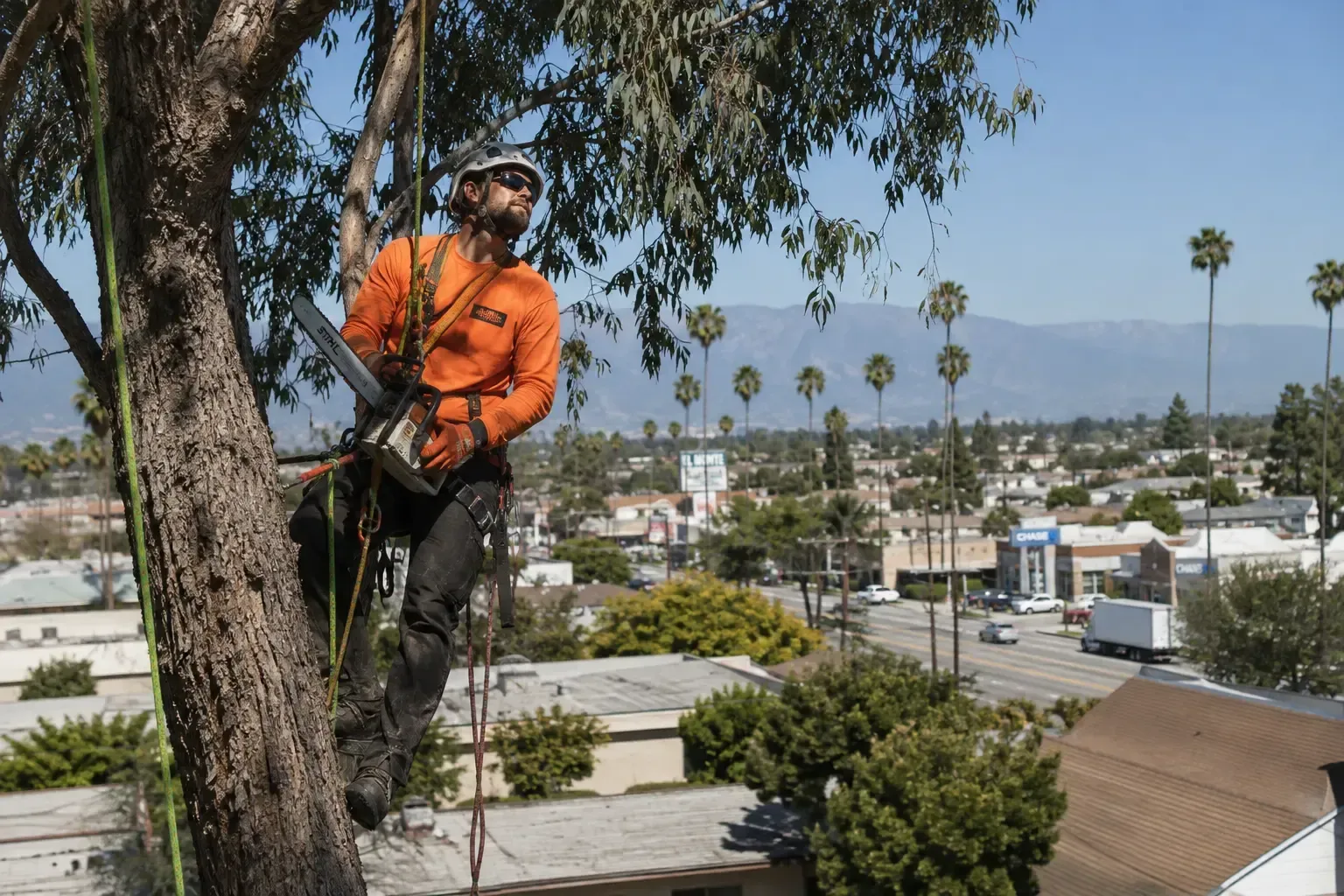
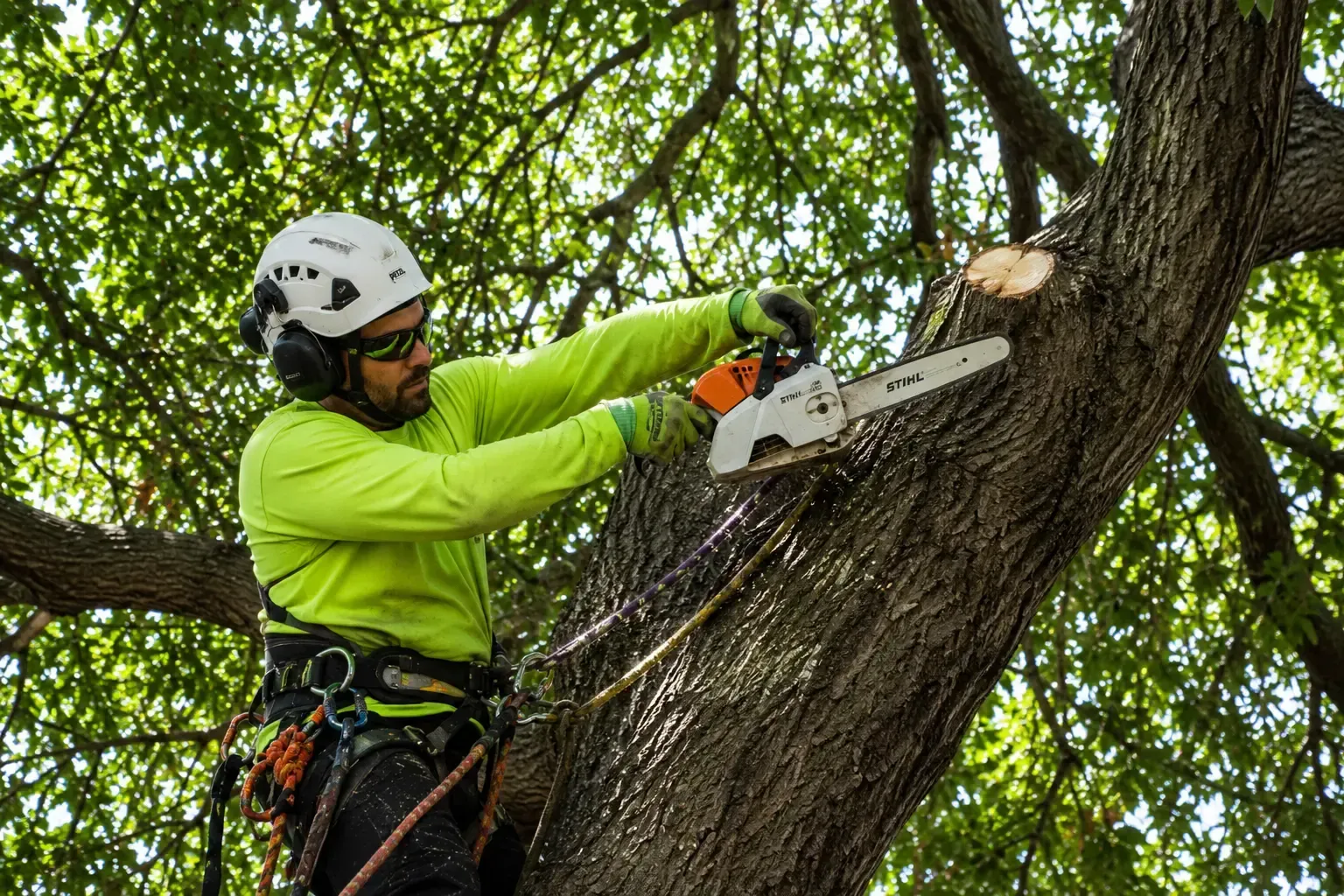
Executing a large-scale extraction requires deep technical expertise, specialized machinery, and comprehensive liability insurance coverage. Attempting this highly technical work without proper training puts people and property at immense risk. Precision felling, technical rope rigging, and deep stump grinding require years of dedicated field experience to execute flawlessly.
Finding a dependable local contractor ensures that the team understands the specific environmental factors affecting Southern California landscapes. At El Monte Tree Service, our absolute priority is securing your property while maintaining the aesthetic value of your outdoor space. You can learn more about our team and our unwavering commitment to industry safety standards by exploring our company background. If you are concerned about a specific hazard on your property, we encourage you to contact us directly to schedule a detailed site assessment.
Frequently Asked Questions
How do I know if a tree is dead or just temporarily dormant?
Inspect the twigs and smaller outer branches. A living branch will bend easily, and scratching the top surface layer will reveal green, moist tissue underneath. Dead branches snap under minimal pressure and appear brown and brittle beneath the bark. A complete lack of foliage during the active spring or summer growing season is another definitive sign of permanent decline.
Will my homeowner's insurance policy cover the cost of extraction?
Insurance policies generally cover extraction costs only if the structure falls onto a covered building, such as your primary residence or detached garage, due to a covered peril like a severe windstorm. If it simply falls into an empty yard or you want to cut it down preventatively due to disease, the financial cost is typically your responsibility. Always review your specific policy details directly with your insurance provider.
Can I keep the wood for firewood after the job is completed?
Yes. Most professional contractors are more than happy to cut the main trunk and larger structural limbs into manageable rounds for you to keep and season as firewood. You simply need to request this specific service before the project begins so the crew can plan the dismantling process and wood processing accordingly.