How Can I Stop Insects From Damaging My Trees? | Tree Service El Monte, CA
Key Takeaways and Insights
Protecting your El Monte landscaping from destructive insects requires proactive care and early detection. Homeowners must watch for signs like sticky sap, curled leaves, and sawdust at the trunk base to stop infestations early. Partnering with local experts ensures your mature trees receive the precise watering, proper pruning, and targeted treatments needed to thrive.
Drought stress is the leading cause of insect infestations in Southern California trees.
Proper deep watering and routine pruning are your best natural defenses against pests.
Severe internal damage from borers or beetles often requires immediate professional removal to prevent safety hazards.
Homeowners in El Monte understand the immense value of mature landscaping. Big, healthy trees provide essential shade during hot Southern California summers. They also increase your property value and enhance your neighborhood. However, local insects can destroy these valuable assets very quickly.
Bugs view weak or stressed trees as easy targets. Once an infestation takes hold, the damage spreads rapidly. Leaves drop prematurely. Branches become brittle. Eventually, the entire structure of the tree fails.
You do not have to watch your landscape suffer. You can take direct action to stop insects from causing permanent harm. Proper care requires a mix of diligent observation, consistent maintenance, and expert intervention.
Recognizing Common Tree Pests in Southern California
You cannot fight an enemy you do not see. The first step in pest prevention is learning how to spot the early warning signs. Different insects attack different parts of the plant. Some chew through leaves. Others bore deep into the woody trunk.
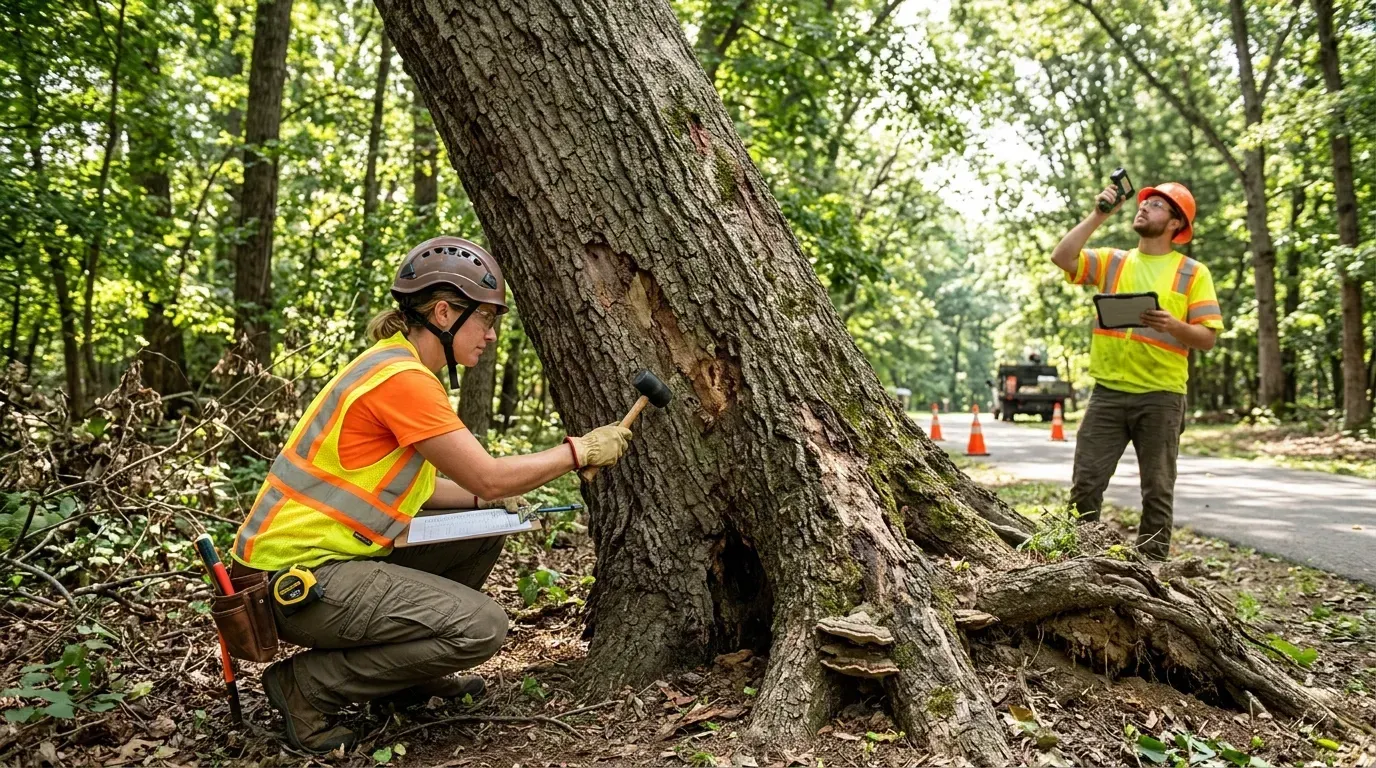
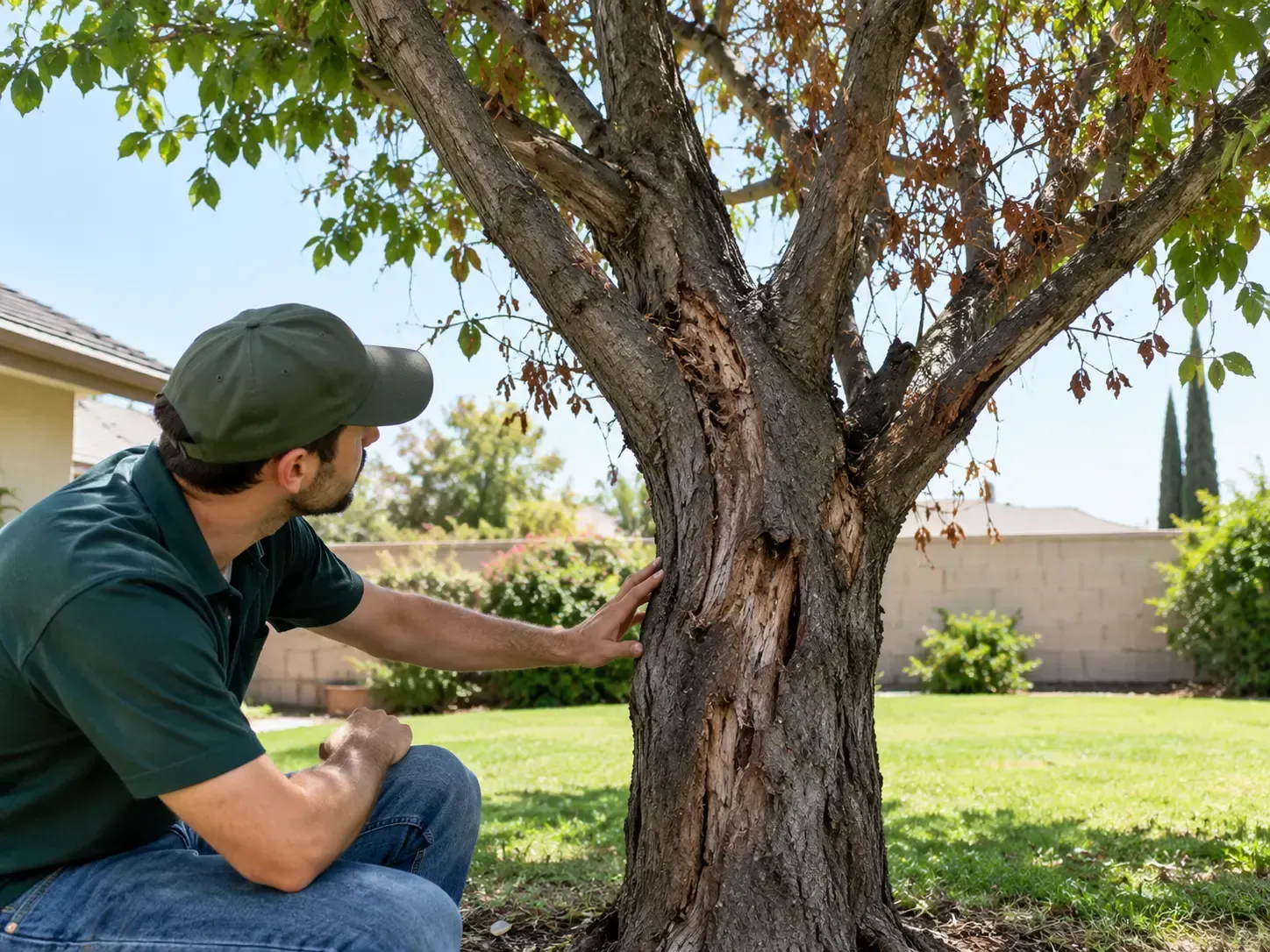
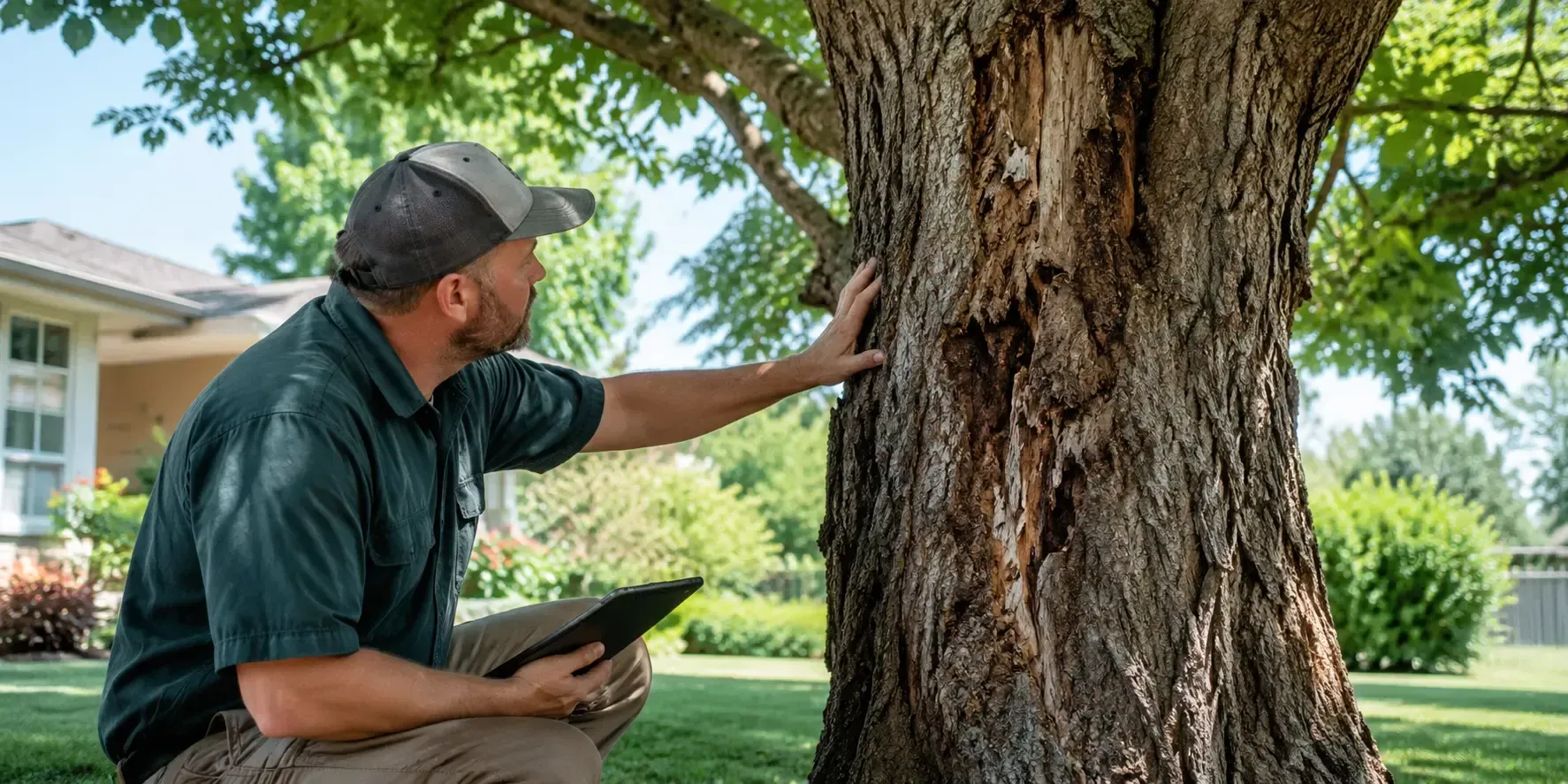
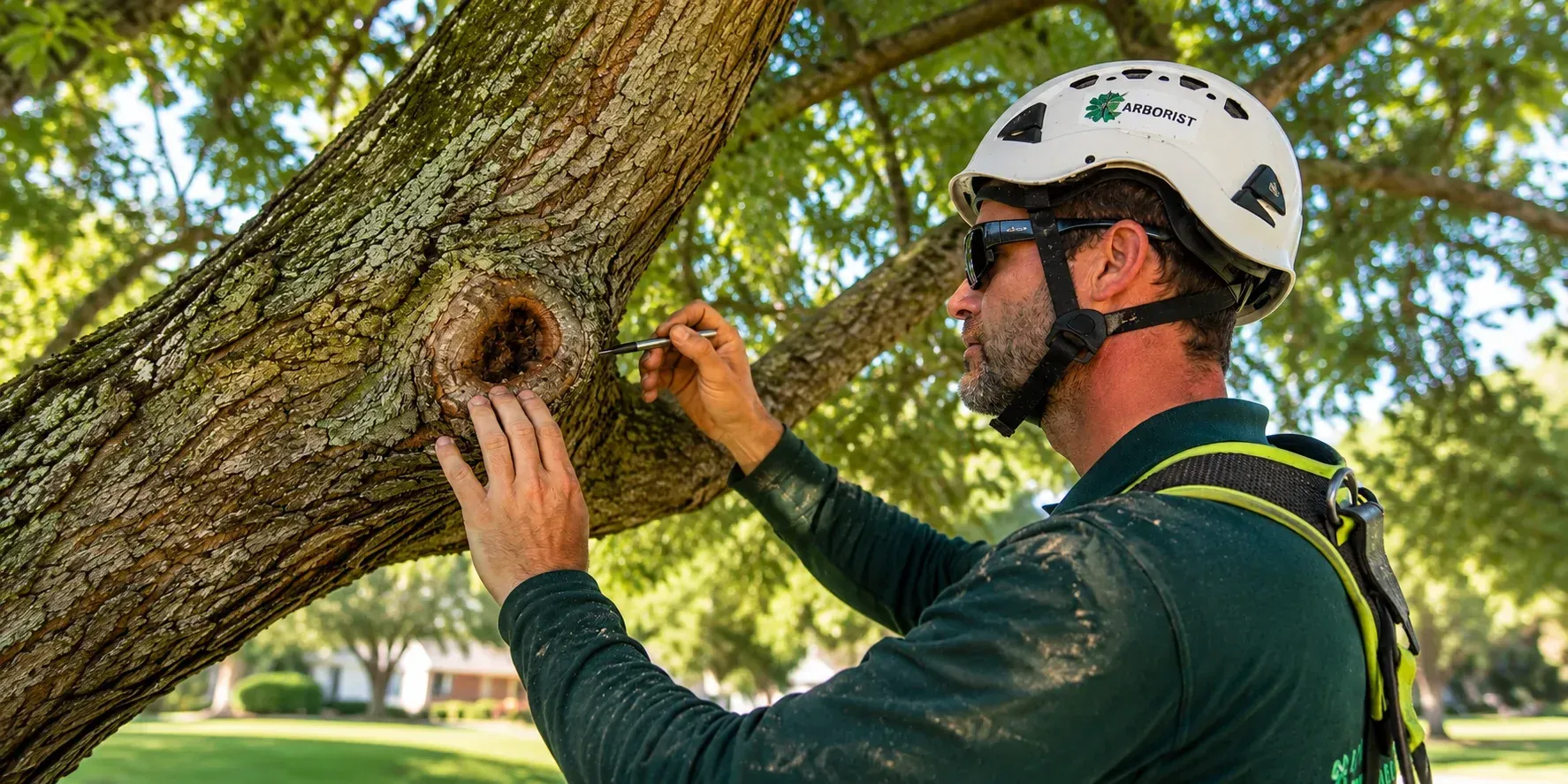
Bark beetles are a major threat in our region. These tiny insects smell chemical changes in drought-stressed trees. They tunnel under the bark to lay their eggs. You will often notice small holes in the trunk. Sometimes, you will see a sticky sap leaking from these holes. This is the tree trying to push the beetles out.
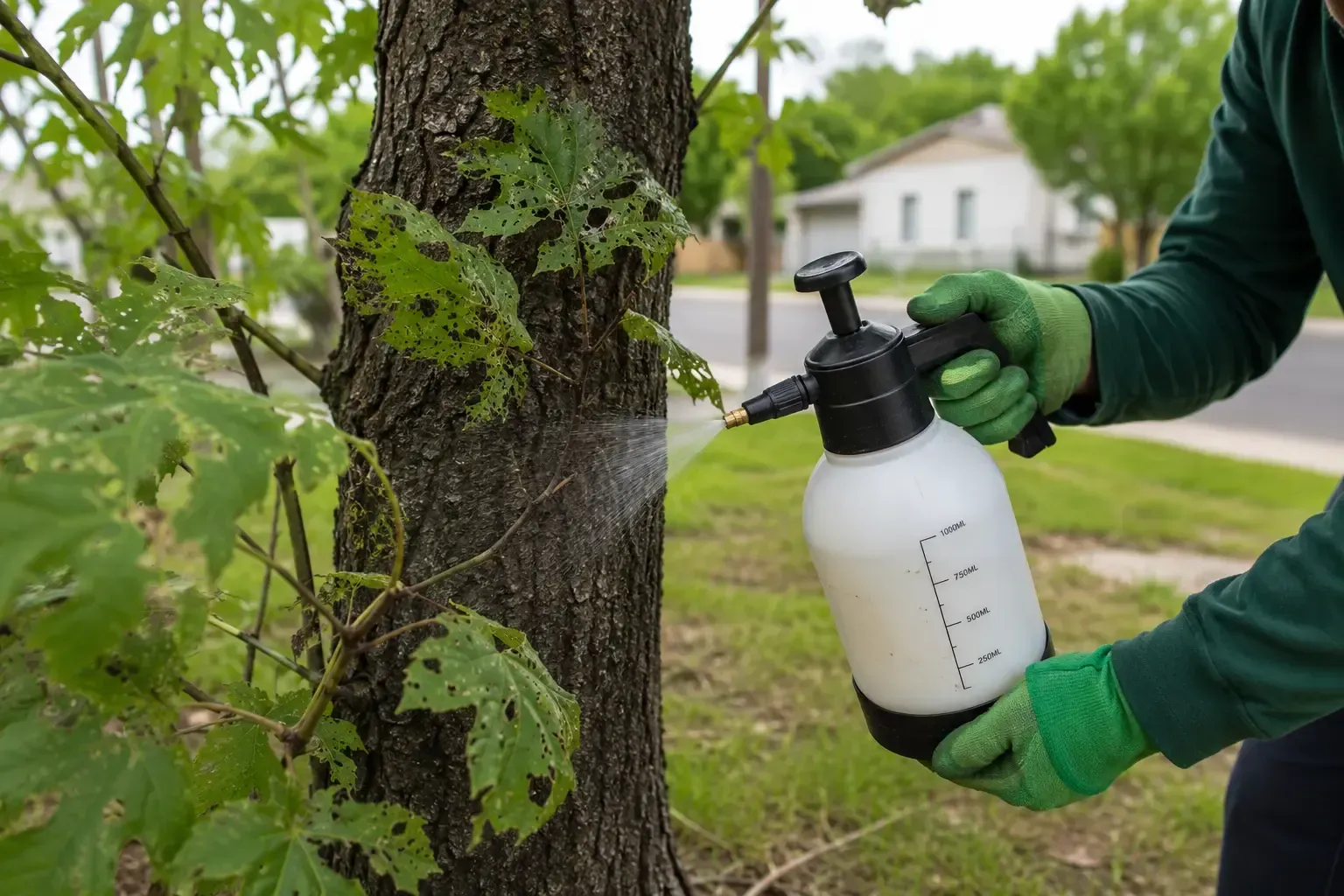
Aphids and whiteflies prefer the softer parts of the plant. They cluster on the underside of green leaves. These pests suck the sap directly out of the foliage. The leaves will turn yellow and curl inward. Aphids also leave behind a sticky residue called honeydew. This substance attracts ants and causes black sooty mold to grow.
Borers act similarly to bark beetles but cause more aggressive structural damage. They target weakened hardwood trees. If you see fine sawdust accumulating at the base of your trunk, borers are likely inside.
Below is a quick reference guide to help you identify the most common local threats.
| Pest Name | Targeted Trees | Visual Damage Signs | Seasonal Activity |
|---|---|---|---|
| Bark Beetles | Pines, Cypresses | Pitch tubes, small holes, red needles | Year-round, peaks in summer |
| Aphids | Fruit trees, Crape Myrtles | Curled yellow leaves, sticky honeydew | Spring and early summer |
| Whiteflies | Citrus, Ornamental shrubs | White swarms when disturbed, sooty mold | Late spring through fall |
| Wood Borers | Oaks, Sycamores | Sawdust at base, large exit holes | Summer months |
Proactive Steps for Stronger Landscapes
Healthy trees naturally fight off insect attacks. They produce internal chemicals and thick sap that repel invaders. Keeping your landscape robust is the best possible defense.
Watering correctly is your primary tool. El Monte experiences long periods of high heat and low rainfall. Surface watering with a quick hose spray is not enough. Tree roots grow deep. They need slow, deep watering sessions. You should use a soaker hose around the drip line of the canopy. This method encourages roots to grow downward where the soil stays cool.
Mulch is another simple but powerful defense mechanism. A three-inch layer of organic mulch retains soil moisture. It also regulates the soil temperature during extreme heat waves. You must keep the mulch a few inches away from the actual trunk. Piling mulch against the wood creates a damp environment that invites fungus and decay.
Fertilization matters, but you must be careful. Too much nitrogen causes a tree to push out rapid, weak growth. Aphids love this new, soft foliage. You should test your soil before adding chemical fertilizers. Organic compost is usually a safer choice for steady nutrition.
Pruning to Prevent Pest Habitats
Air circulation is vital for a healthy canopy. Dense, overgrown branches trap heat and moisture. This creates a perfect breeding ground for whiteflies and fungal diseases.
Routine maintenance thins out the canopy. Sunlight needs to penetrate the interior branches. This keeps the environment dry and less attractive to pests. You must also remove dead or dying branches immediately. Decaying wood serves as a magnet for wood-boring insects. Once they settle in a dead branch, they will eventually move to the healthy parts of the tree.
Clean cuts are critical. Jagged, torn bark takes a long time to heal. Open wounds emit stress signals that attract beetles from miles away. It is highly recommended to seek regular tree trimming from trained specialists. Proper cuts heal quickly and seal out future infestations.
Comprehensive Tree Services Protect Your Property
Homeowners often try to handle pest problems alone. Hardware stores sell dozens of chemical sprays. Unfortunately, over-the-counter pesticides often do more harm than good.
Broad-spectrum sprays kill everything they touch. They eliminate the bad bugs, but they also kill the good ones. Ladybugs and parasitic wasps are natural predators that eat aphids. If you kill these helpful insects, the pest population will return faster and stronger.
A targeted approach requires deep knowledge of tree biology. Certified experts know exactly which treatments to use. They understand the life cycles of local pests. Sometimes, the solution is not a chemical spray. The solution might be targeted soil injections that the tree absorbs through its roots.
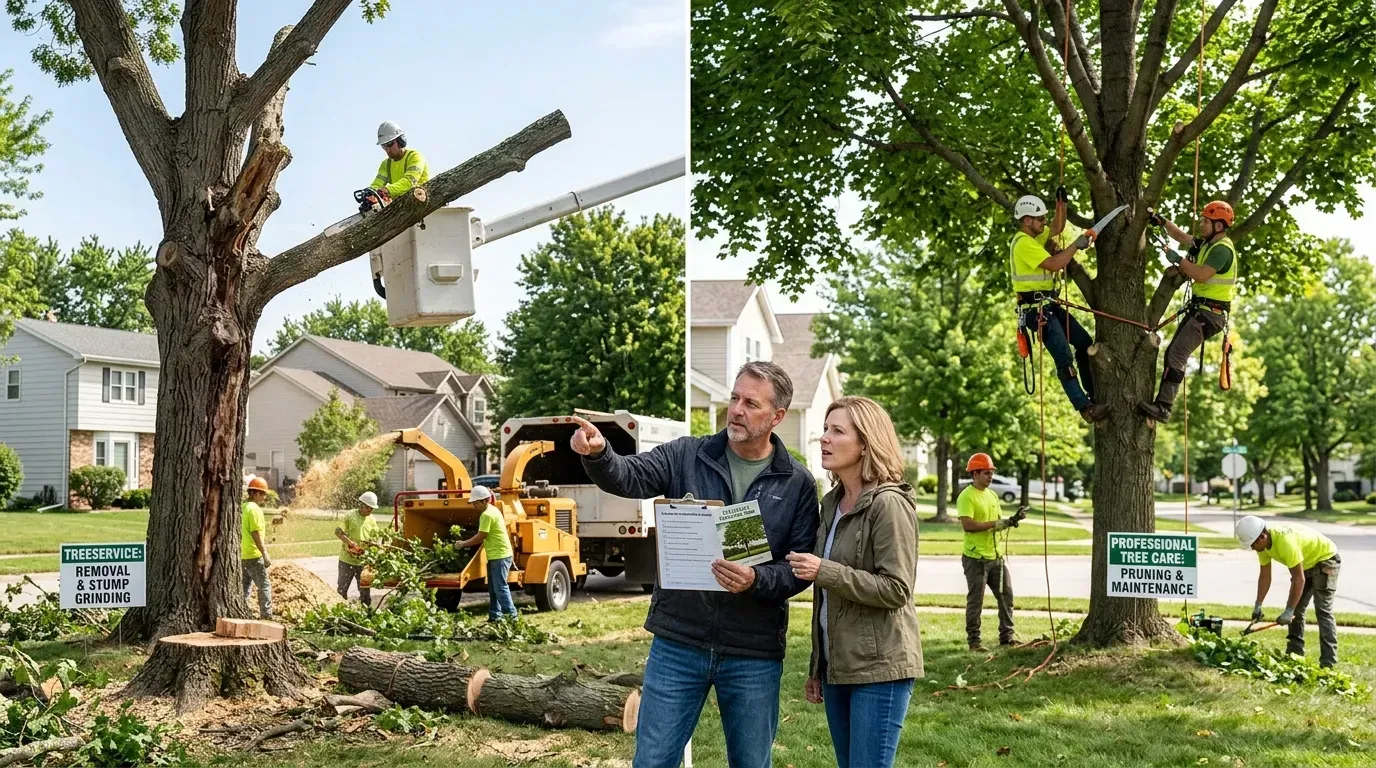
Partnering with experienced professionals ensures long-term health for your yard. You can learn more about comprehensive care plans by visiting Elmonte Tree Service. An expert assessment will identify hidden risks before they become expensive problems.
When the Damage Reaches the Point of No Return
Sometimes, an infestation goes unnoticed for too long. Bark beetles and borers can destroy the vascular system of a tree entirely. When this happens, water and nutrients can no longer travel from the roots to the leaves. The tree will die.
A dead tree on your property is a massive liability. Dead wood is extremely brittle. The heavy branches will eventually snap. They can fall onto your roof, your car, or your neighbor's fence. Southern California winds can easily topple a hollowed-out trunk.
Leaving a dead, infested tree in your yard is dangerous for your other plants. The insects will simply multiply and migrate to the healthy vegetation nearby.
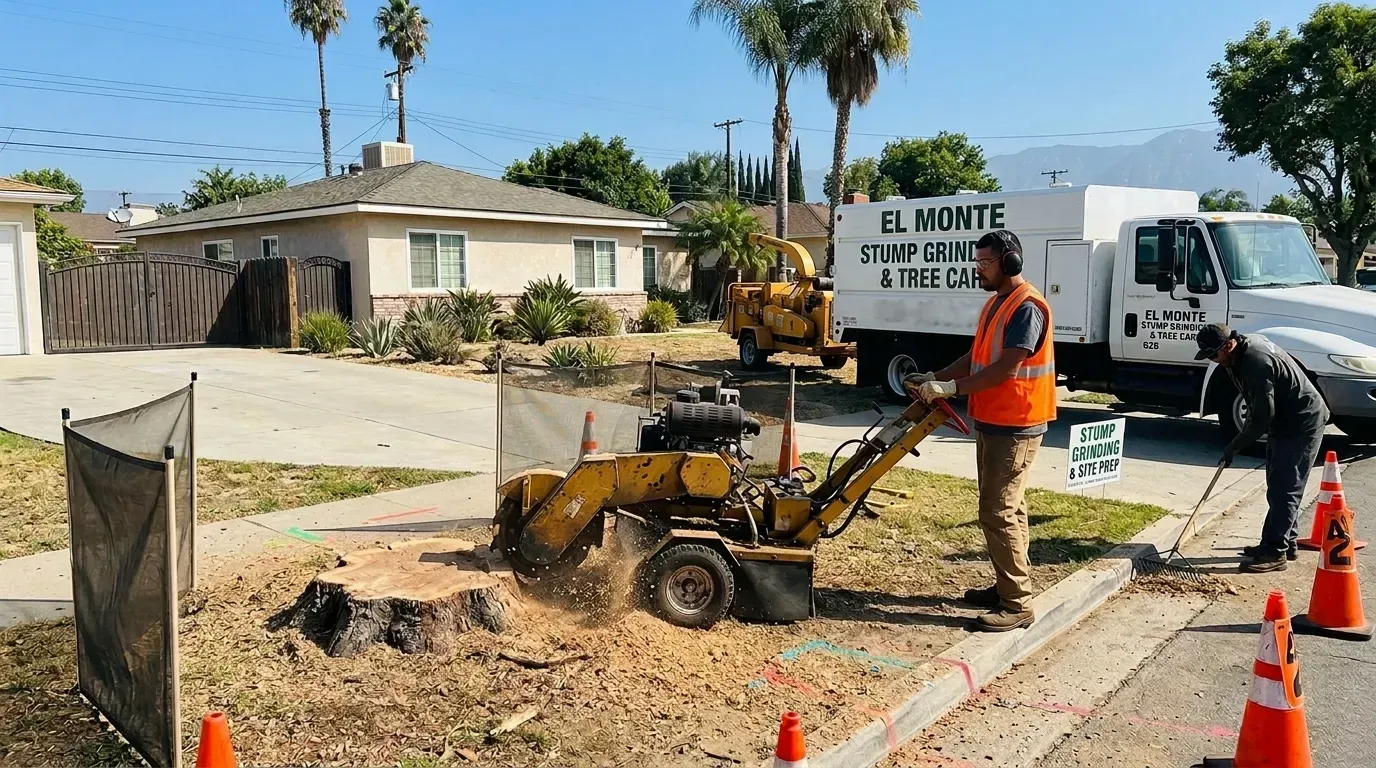
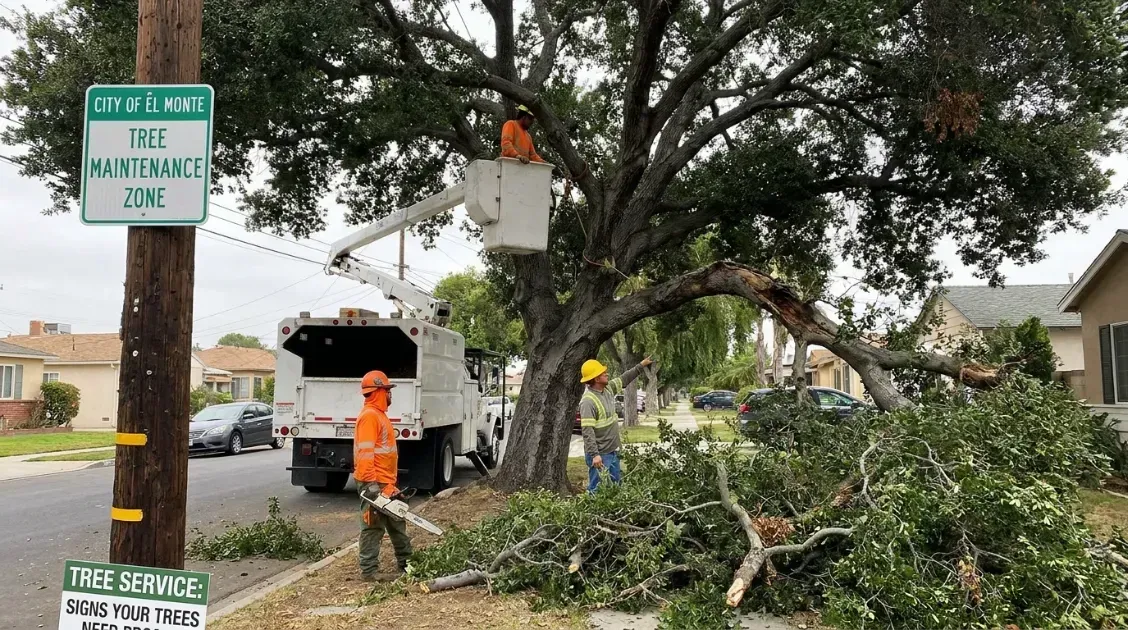
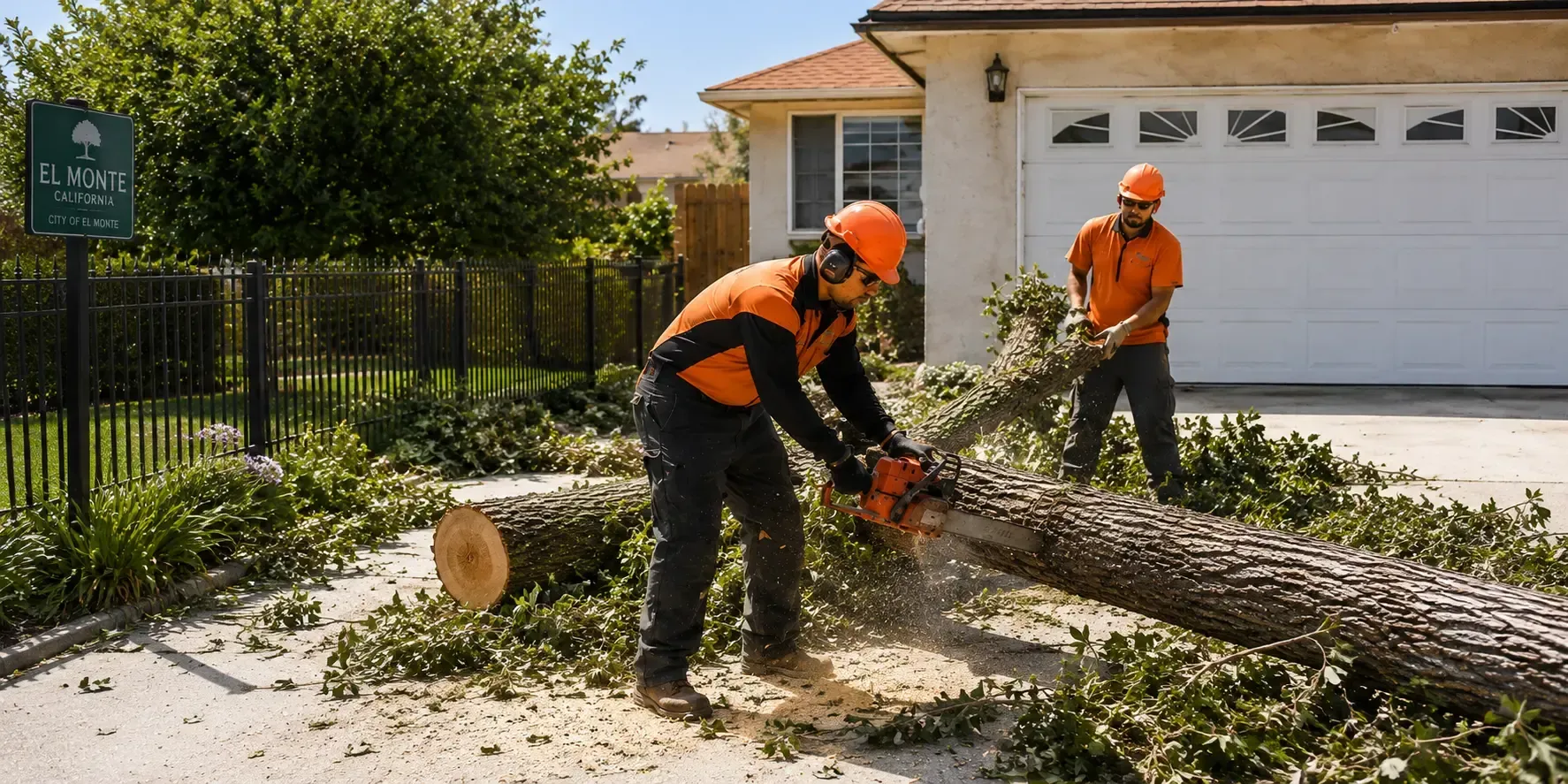
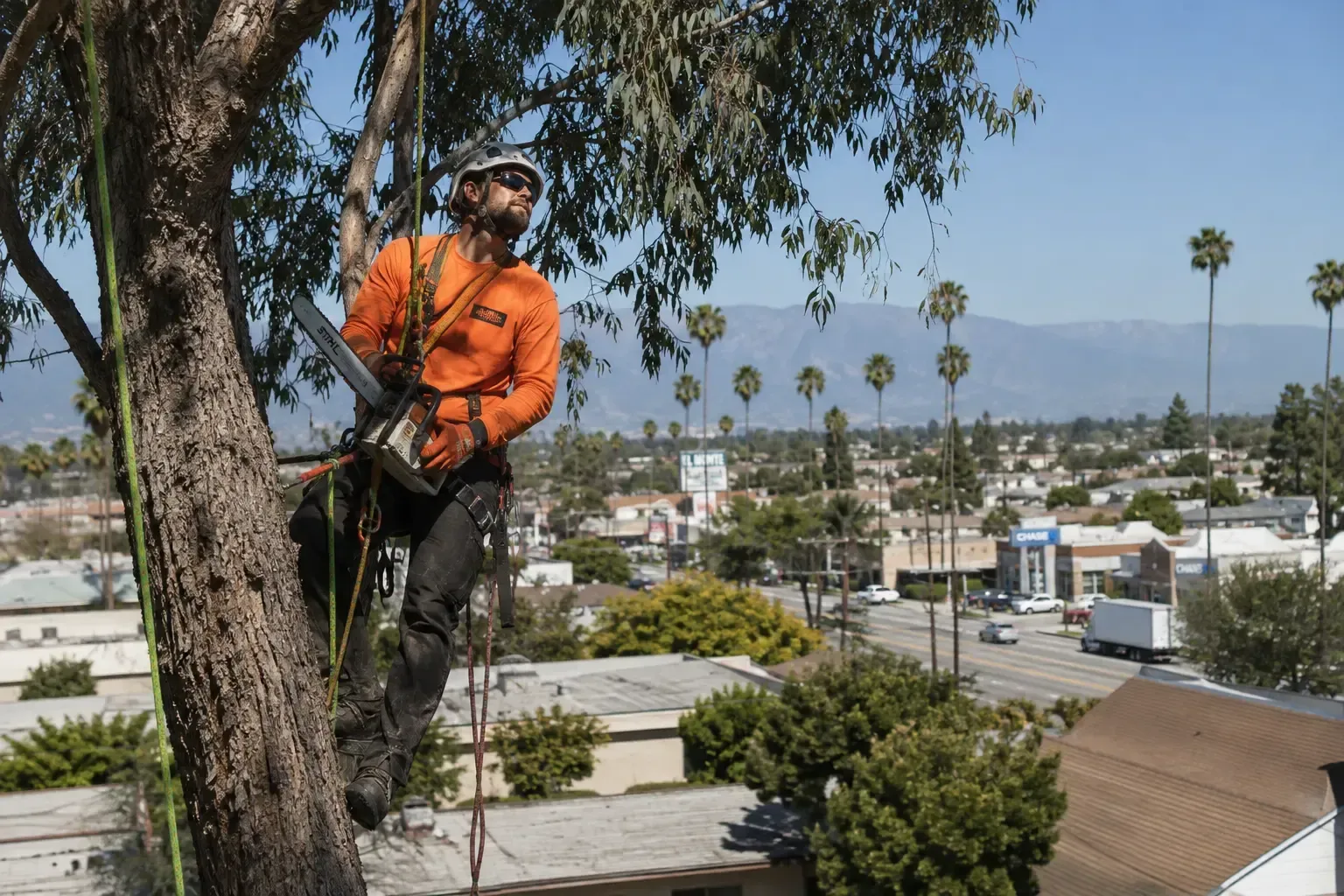
In these severe cases, removal is the only safe option. You must eliminate the hazard to protect your family and your remaining landscape. Safe and efficient professional tree removal is a complex process. It requires heavy equipment and strict safety protocols to prevent property damage.
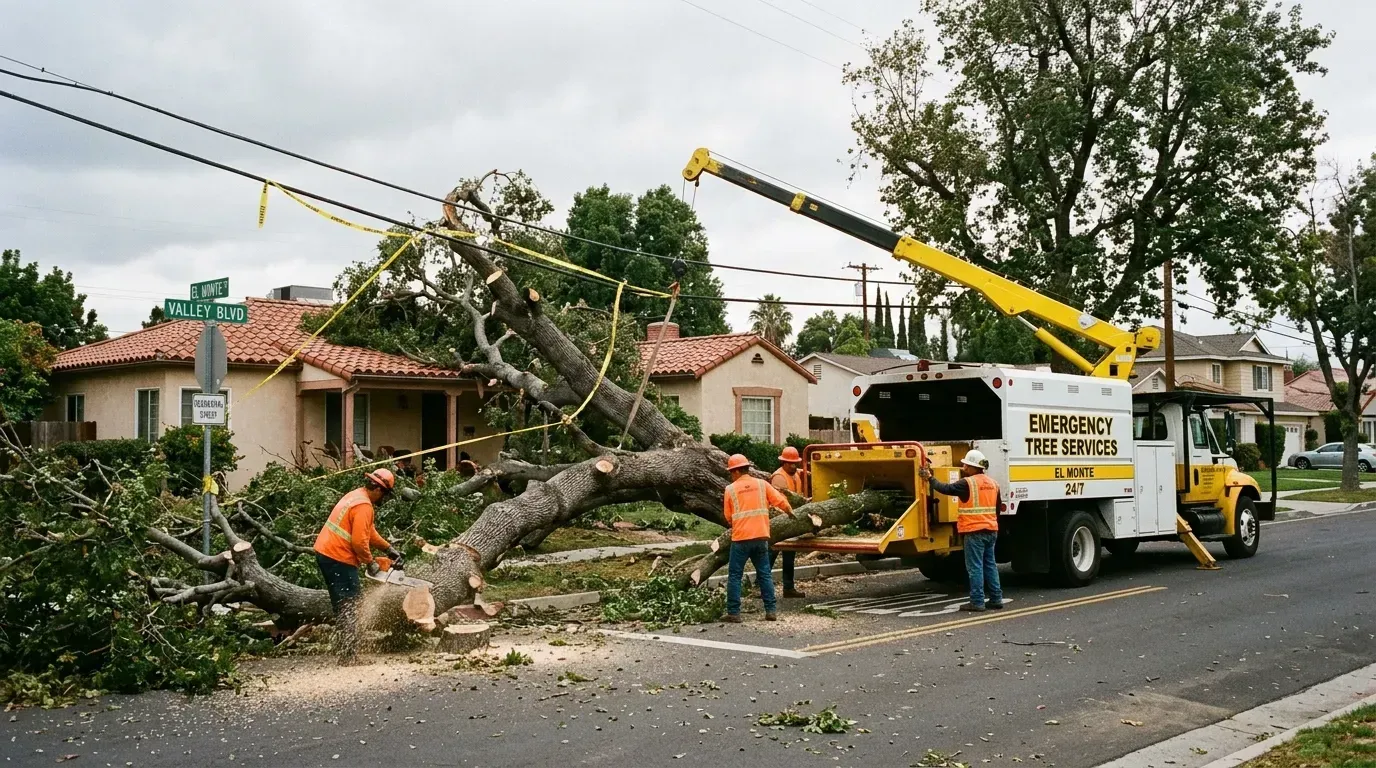
If a hollowed tree suddenly cracks during a storm, the threat is immediate. Do not wait for the weather to clear if a massive branch is hanging over your driveway. You will need emergency tree removal to secure the area and prevent a disaster.
Trust Local Knowledge for Lasting Results
El Monte has a unique microclimate. Our soil conditions, local pest populations, and weather patterns require specific approaches to landscaping. Generic advice from the internet often falls short in our area.
You need partners who understand the local environment. Regular inspections catch early signs of distress. Consistent watering, precise pruning, and professional treatments form a complete defense shield.
Protect your property value by protecting your landscape. Keep a close eye on your leaves and bark. If you see sap leaking, leaves curling, or sawdust accumulating, act quickly. Call our local team at +1 626 654-3698 to schedule an immediate evaluation.
Frequently Asked Questions
Can I save a tree that has bark beetles?
It depends on the severity of the infestation. If the beetles are just starting to attack a few branches, pruning and treatments might work. If the main trunk is heavily infested and the needles are completely red or brown, the tree usually cannot be saved.
How often should I water my mature trees in El Monte?
During the hot summer months, mature trees typically need a deep soaking every two to four weeks. The exact schedule depends on the species and the soil type. You should let the top few inches of soil dry out between watering sessions to prevent root rot.
Does painting the trunk protect against insects?
Painting the lower trunk with a mixture of white latex paint and water can help prevent sunburn on young fruit trees. Sunburn damages the bark, which can then invite pests. However, paint alone will not stop a determined borer or beetle from attacking an already stressed tree.