24/7 Emergency Tree Removal in El Monte: When the Storm Breaks, We Fix It
3:00 AM. The wind is howling down the San Gabriel Valley, rattling your windows like a freight train. Then, you hear it. A sickening crack, followed by a thud that shakes the foundation of your house. That 80-foot Eucalyptus in the backyard finally gave up the ghost. It’s sitting on your garage. Or worse, your roof.
Panic sets in. Who do you call at this hour?
Most people freeze. They wait until morning. Big mistake. A fallen tree is dynamic; it settles, shifts, and breaks further. Waiting turns a repairable roof patch into a total structural collapse. You need immediate intervention. In El Monte, where the Santa Ana winds funnel through the I-10 corridor with punishing force, El Monte Tree Service is the crew that picks up the phone while the others are sleeping.
Why "Wait and See" is the Most Expensive Strategy
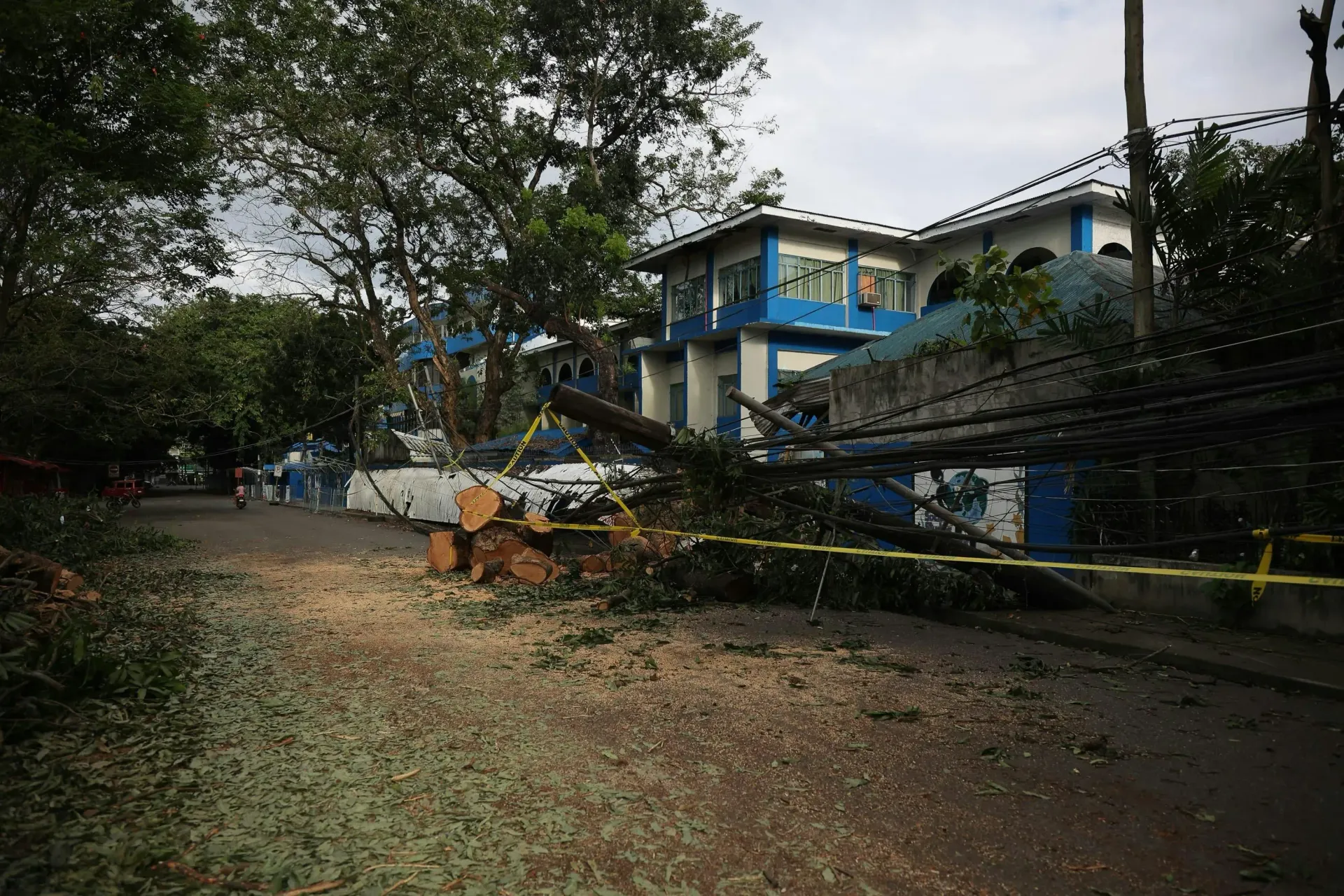
Let’s be blunt. Ignoring a storm-damaged tree is gambling with your property equity. We see it every winter. A homeowner on Peck Road notices a leaning Pine after a heavy rain. They think, "I'll handle it next weekend." Two days later, gravity wins. The tree snaps, taking out the power lines and crushing a parked sedan.
Emergency tree removal service isn't just about aesthetics. It’s about risk mitigation. When a tree fails, it creates tension points. Branches are loaded like springs. If you—or an unlicensed handyman—cut the wrong limb, that tension releases explosively. This is called a "barber chair" fracture, and it kills amateur loggers every single year.
According to the Tree Care Industry Association (TCIA), tree work is consistently ranked as one of the most hazardous professions in the U.S. Don't become a statistic in your own driveway.
El Monte’s Unique Geographic Risks
We aren't in Kansas. But El Monte has its own specific set of problems. Located between the San Gabriel River and the Rio Hondo, the soil here can become incredibly saturated during atmospheric rivers. We have a high water table in certain zones near Whittier Narrows.
Why does this matter?
Root stability. When the ground turns to soup and the wind hits 50 mph, shallow-rooted trees like the ficus or heavy-canopied oaks lose their grip. They don't snap; they topple. Entire root balls rip out of the earth.
If you live near Garvey Avenue or close to the Mountain View High School area, you’ve seen the older tree stock. These giants are beautiful, but without regular maintenance, they are liabilities. El Monte Tree Service knows this terrain. We know how the soil reacts near the riverbeds versus the concrete-heavy zones off Valley Boulevard.
The "Red Zone" Indicators: When to Call Us Immediately
Not every fallen branch is a 911 situation. But you need to know the difference between a cleanup job and a crisis. Call for emergency tree removal service if:
- The Lean: A tree has suddenly shifted more than 15 degrees.
- Soil Heaving: The ground around the base of the tree is cracking or lifting (a sign the roots are failing).
- Utility Conflict: Any part of the tree is touching a power line. (Stop. Do not approach. Call Edison, then call us).
- Structural Threat: A limb is resting on your home, vehicle, or fence.
- Driveway Blockage: You are physically trapped on your property.
If you see these signs, time is your enemy. The longer that weight sits on your structure, the more damage it does.
Our Process: Precision Under Pressure
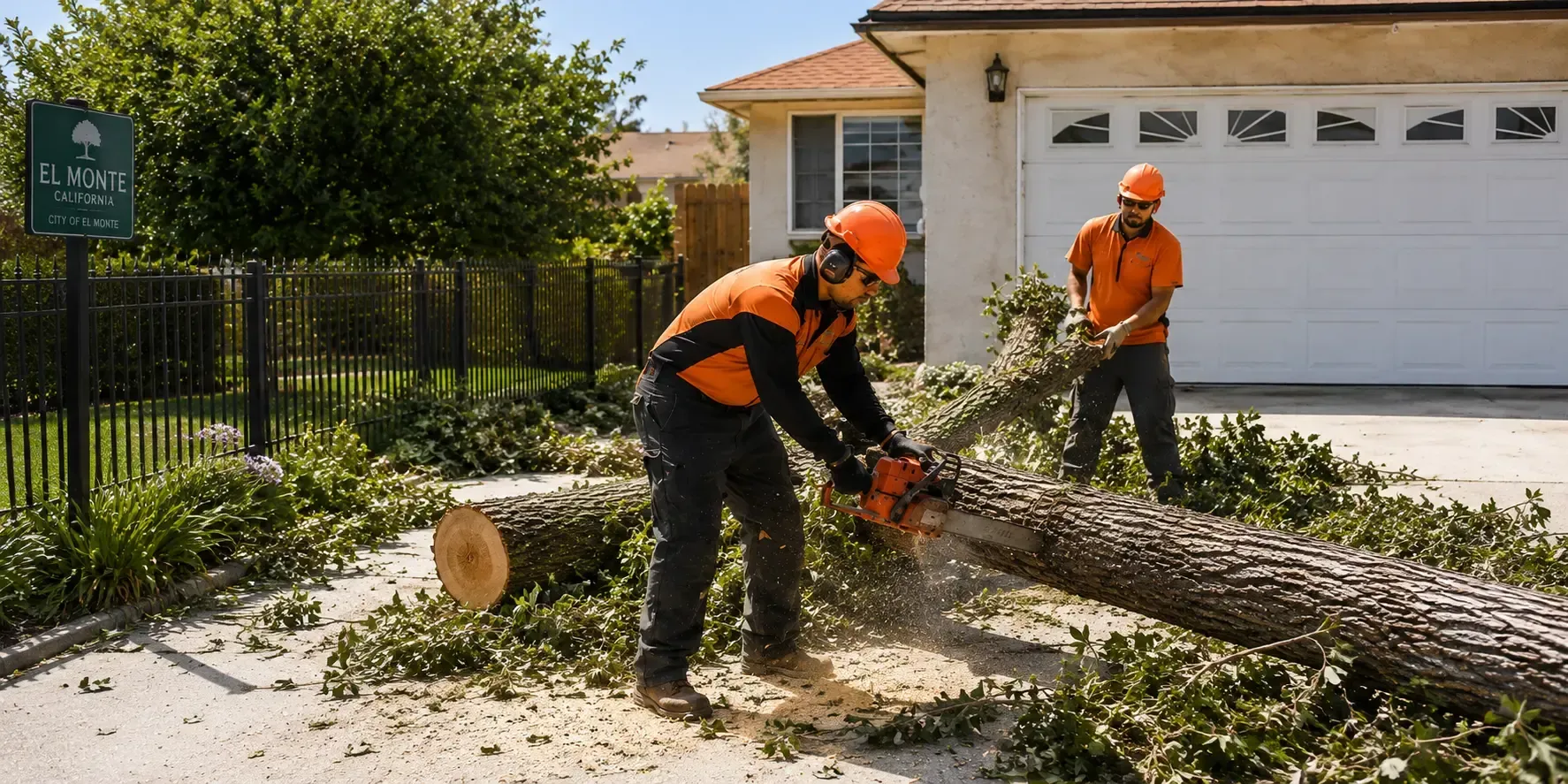
We don't just show up with chainsaws and start hacking. That’s how people get hurt. When El Monte Tree Service arrives on the scene, we execute a tactical removal.
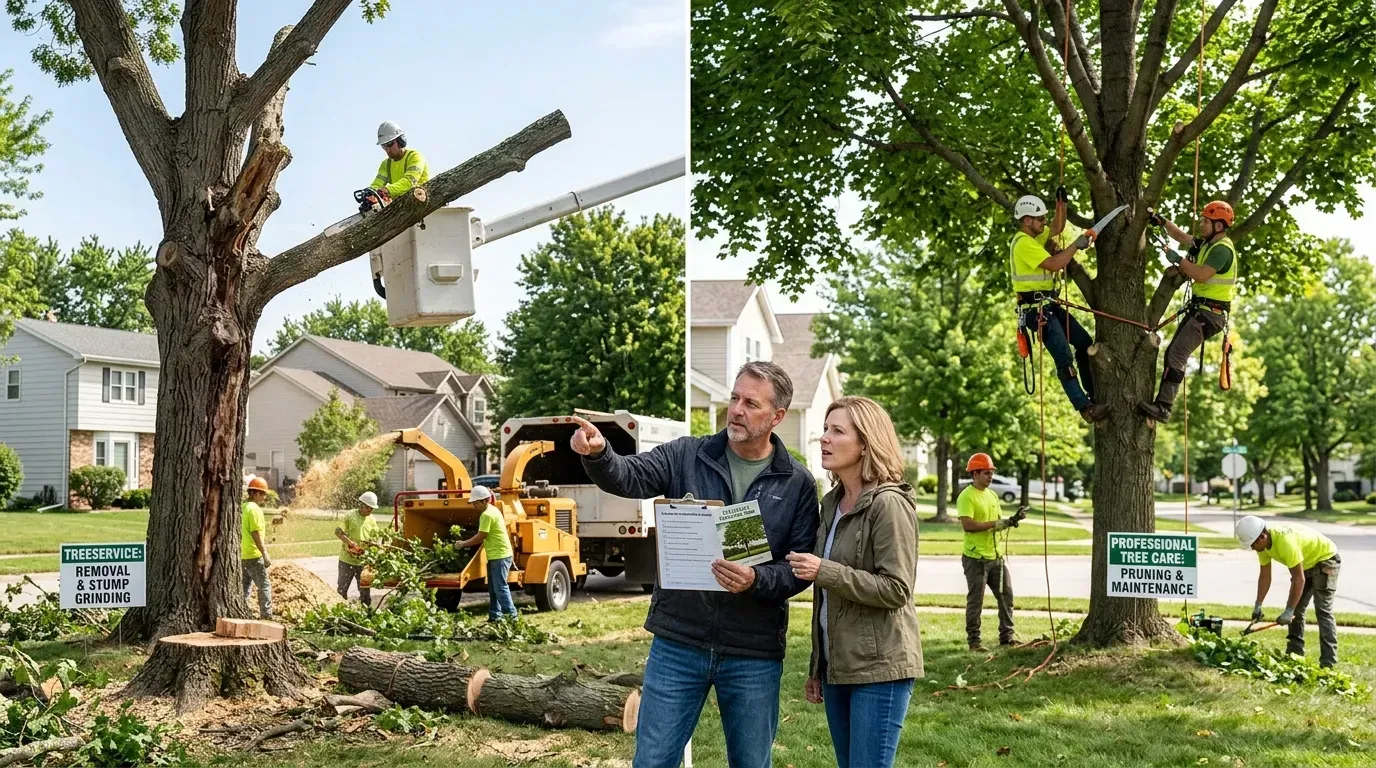
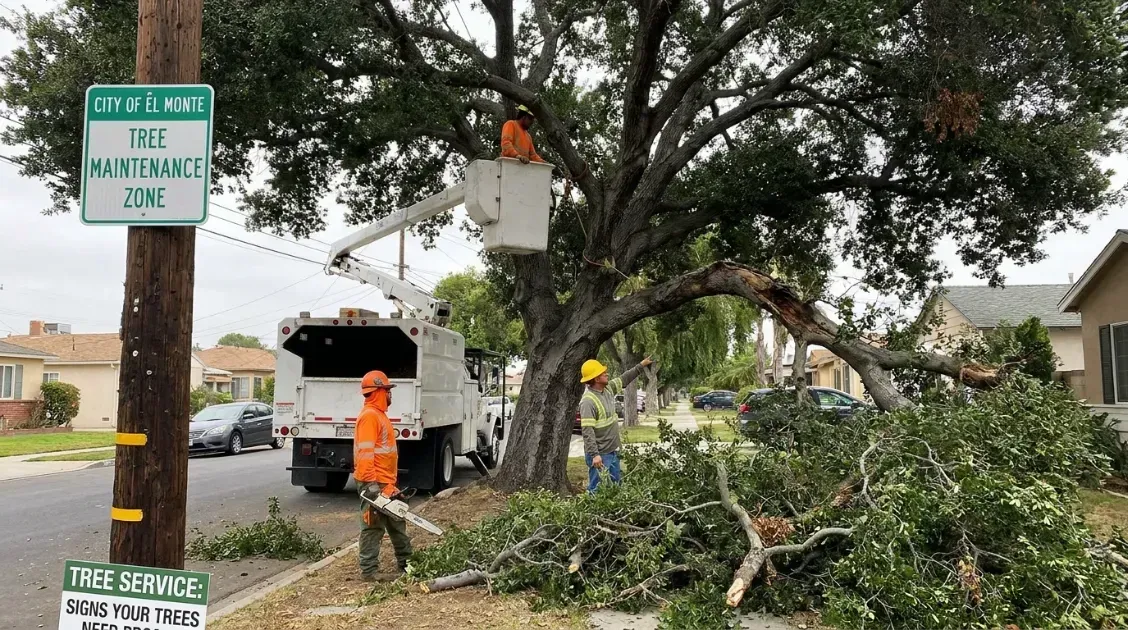
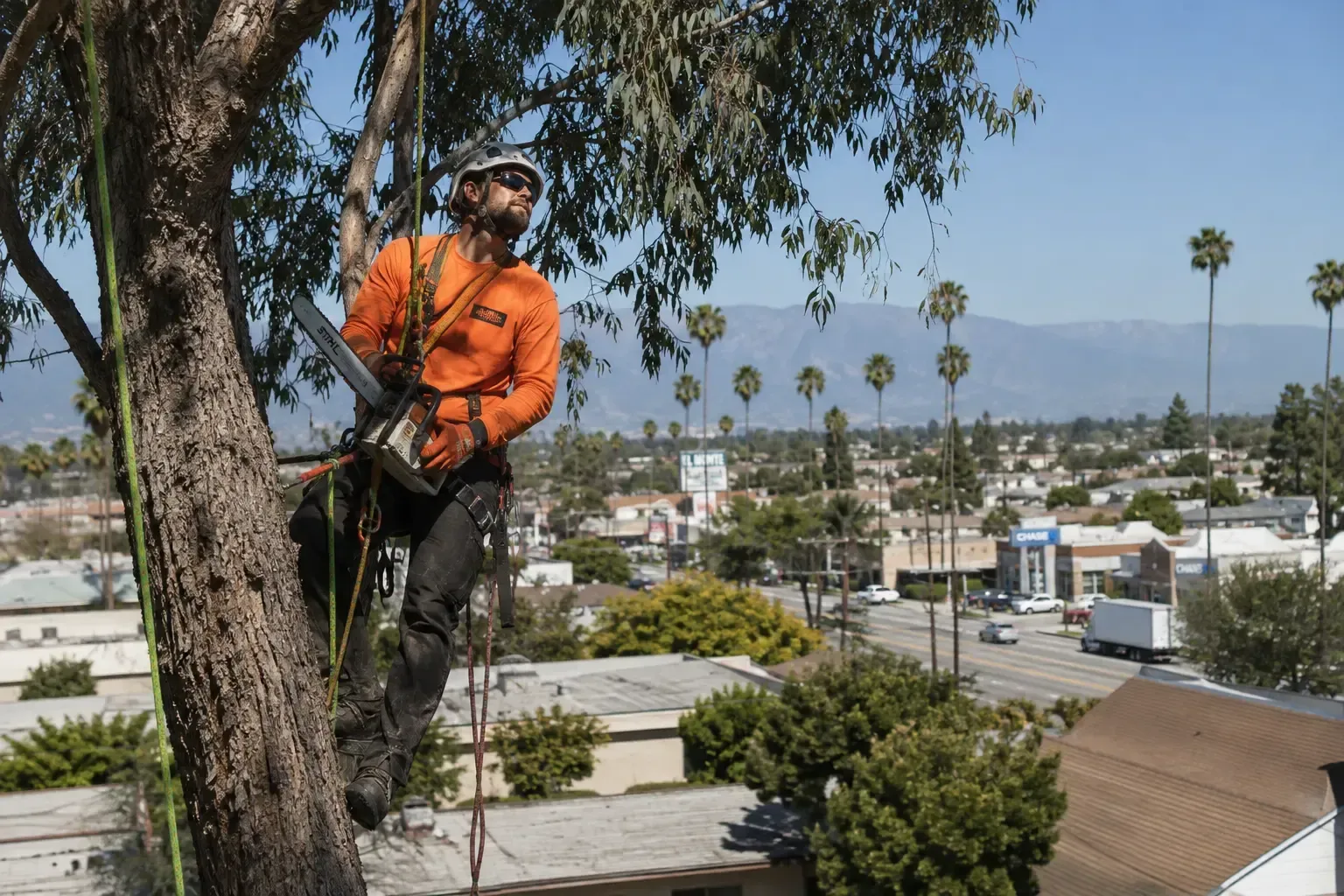
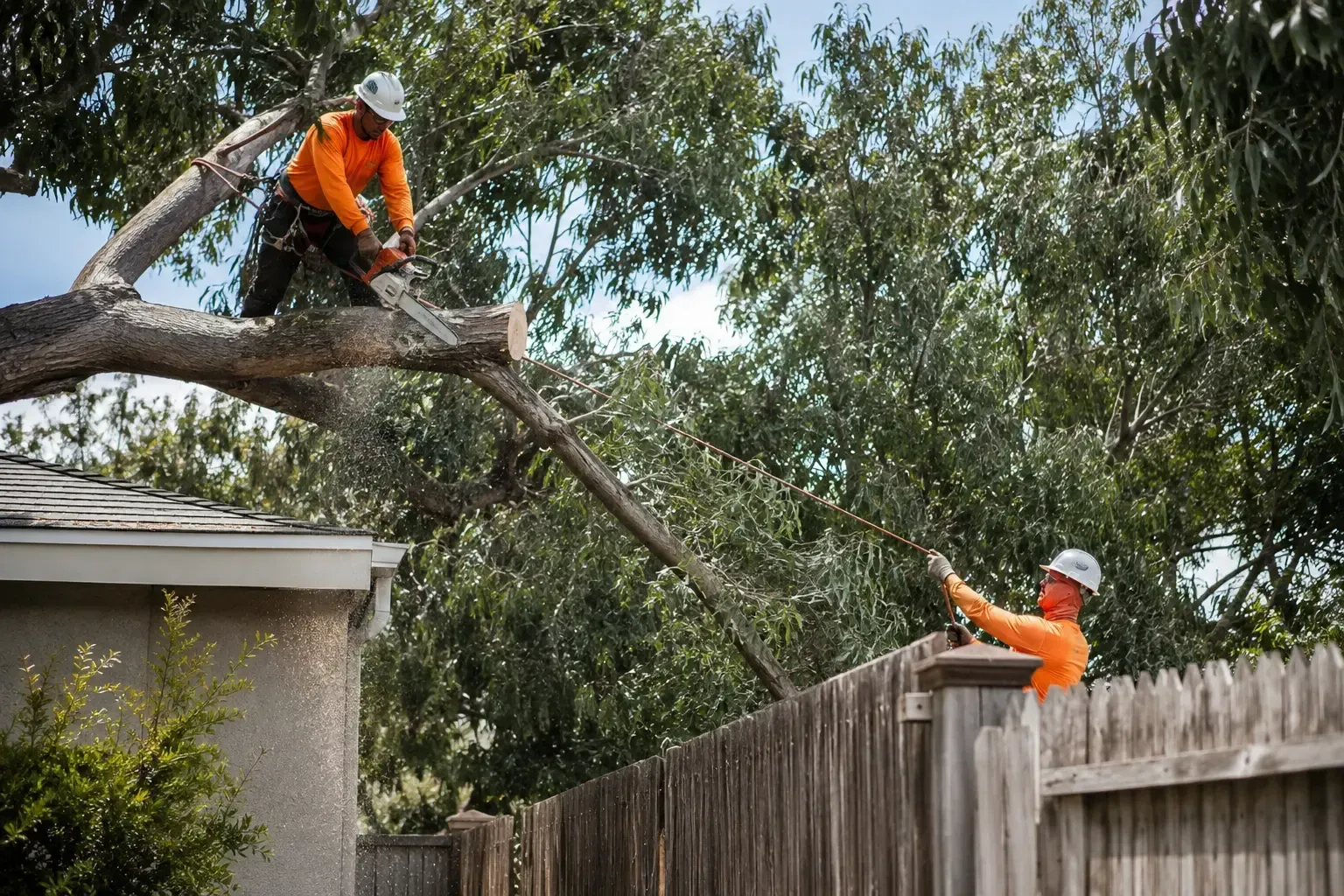
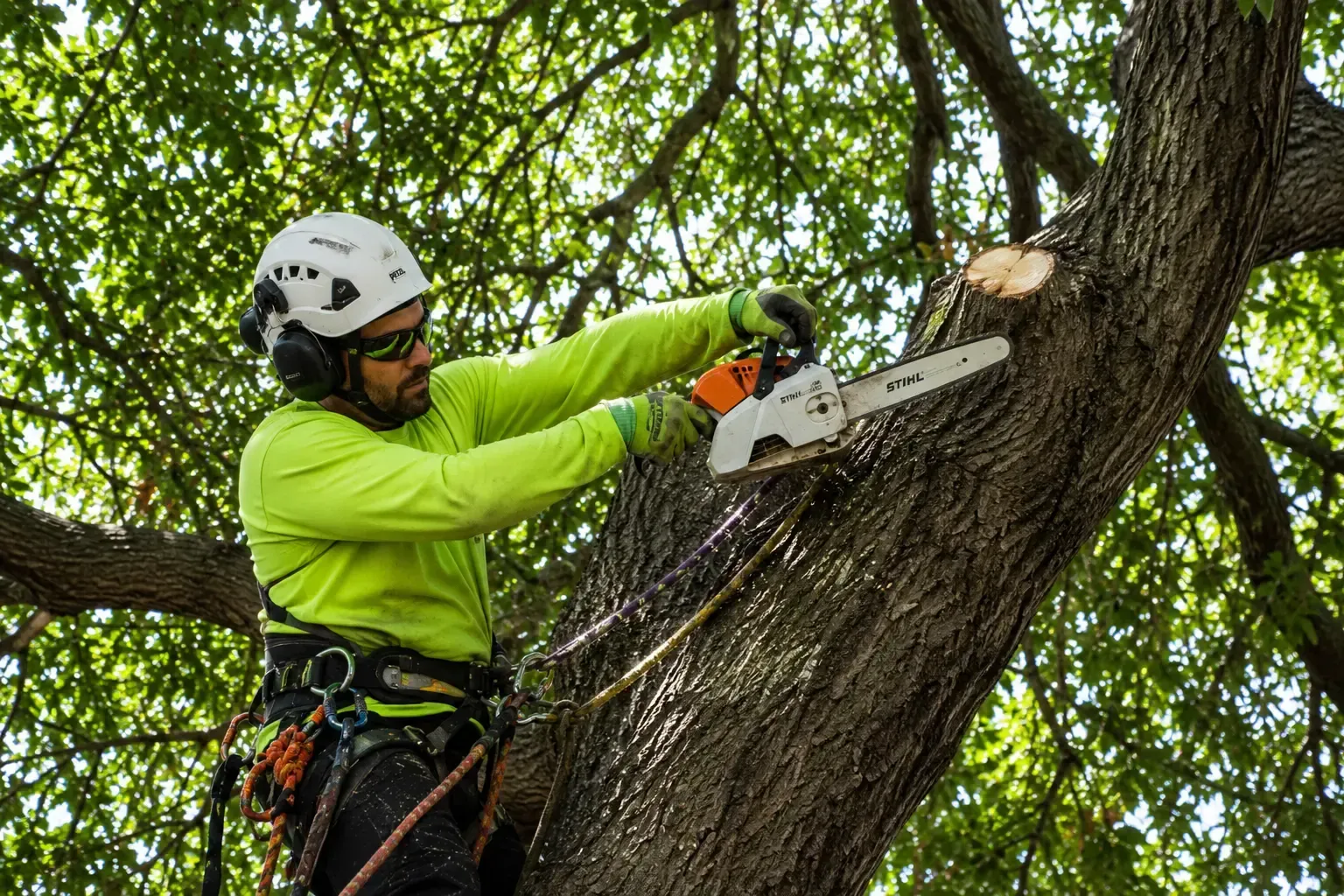
First, we assess the load. Is the tree under tension? Is the structure supporting it stable? We use cranes and bucket trucks to lift the weight off the house before we make a single cut. This prevents the "rebound" effect that often smashes windows or chimneys during amateur removals.
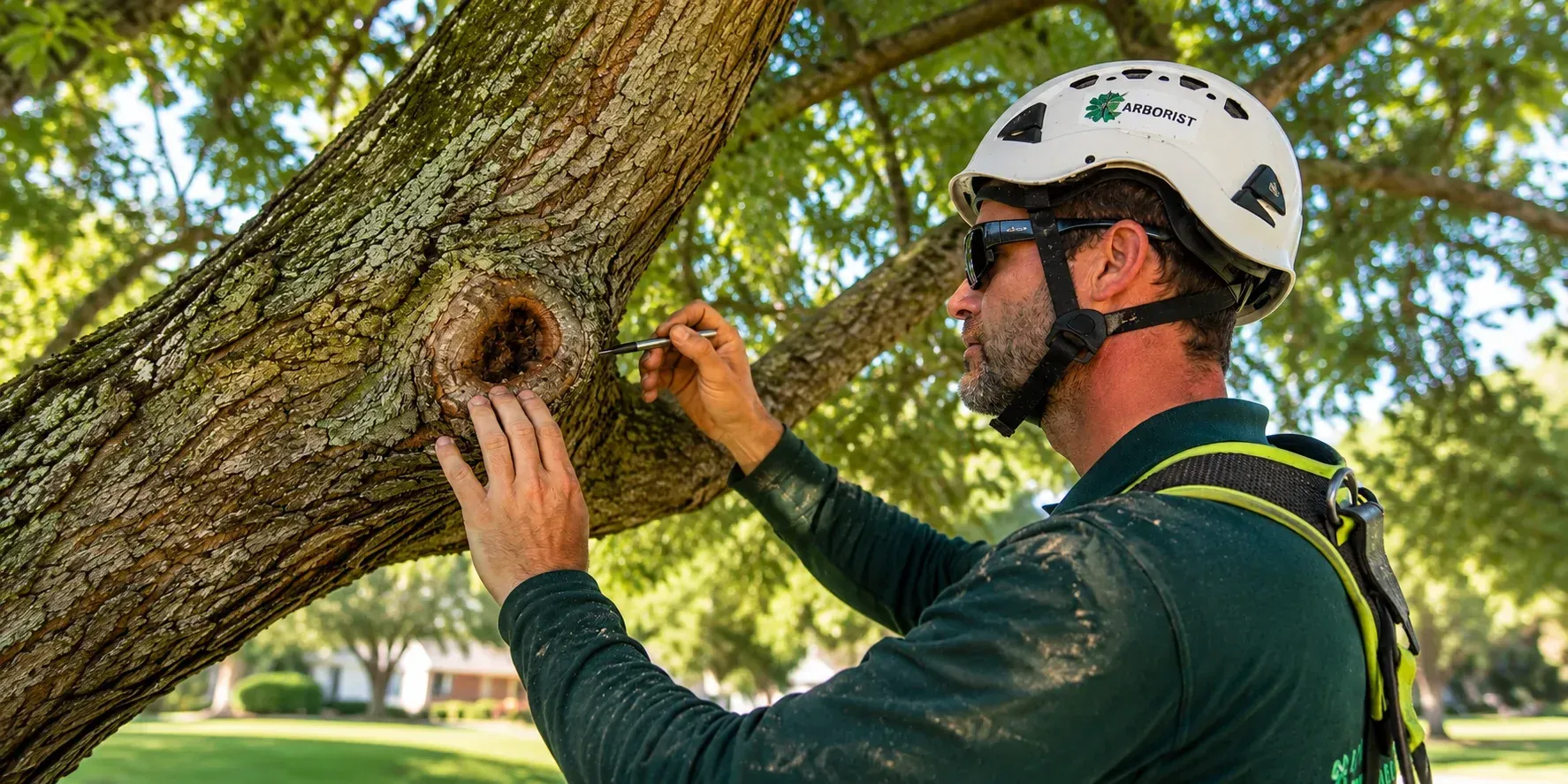
We operate with ISA-certified arborists on staff. This isn't just a badge; it means we understand the physics of wood under stress. We rig the heavy sections, lower them systematically, and ensure that when the sun comes up, your yard looks like we were never there.
Navigating the Insurance Maze
Here is the part nobody likes to talk about: Who pays for this?
If a tree falls on your house, your homeowner's insurance usually covers the removal and the repair. If it falls on your lawn and hits nothing? They often won't pay a dime. It’s a cruel technicality.
However, documentation is king. We provide detailed incident reports and photos that act as ammunition for your claim. We speak "adjuster language." We separate the invoice into "removal from structure" (covered) and "debris haul away" (sometimes covered), maximizing your chance of a full payout. The Insurance Information Institute confirms that specific phrasing on contractor invoices can make or break a claim approval.
Preventative Care: The Best Defense
The best emergency tree removal service is the one you never have to call. El Monte’s climate—hot, dry summers followed by wet, windy winters—stresses trees. They get brittle.
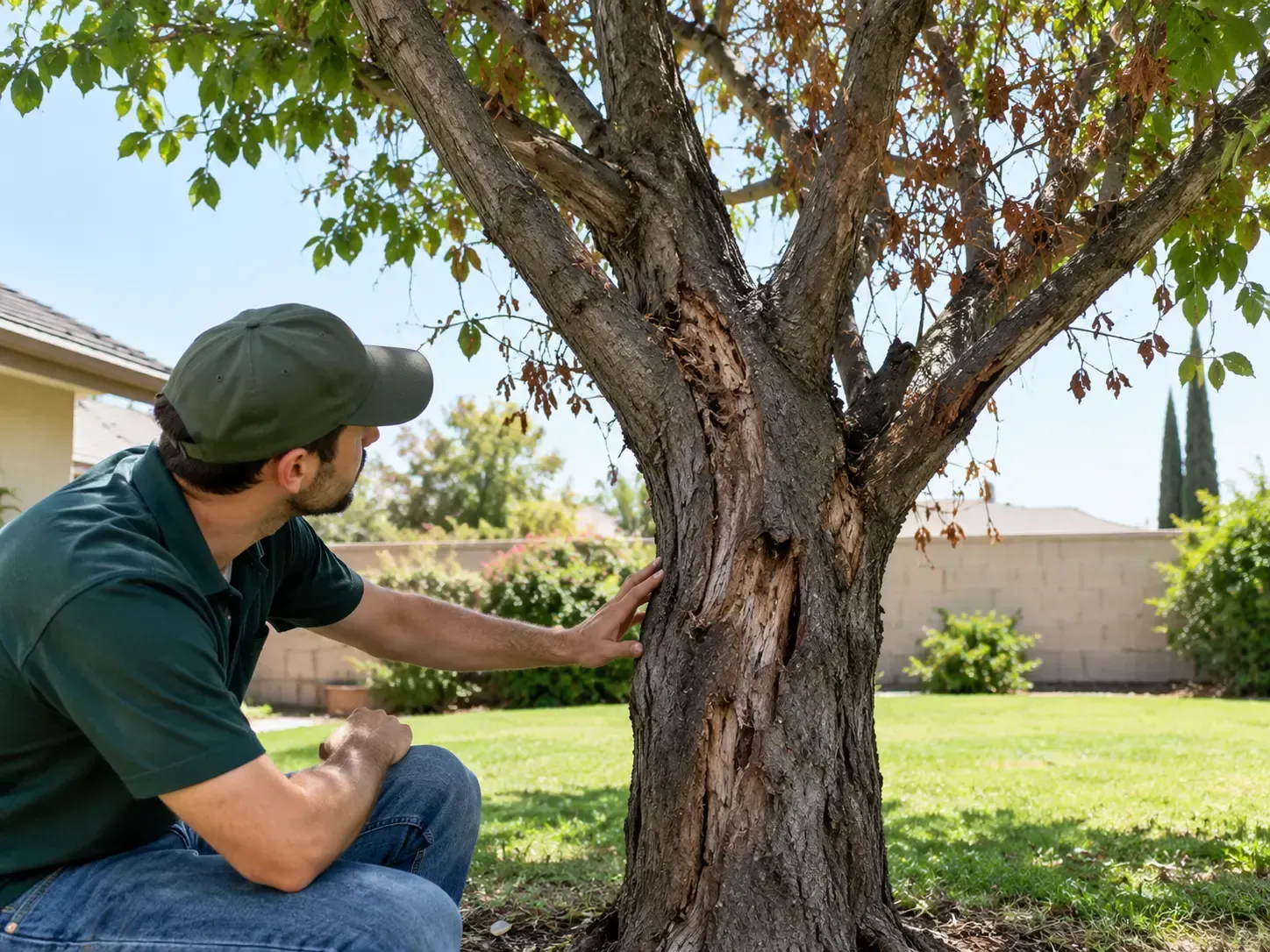
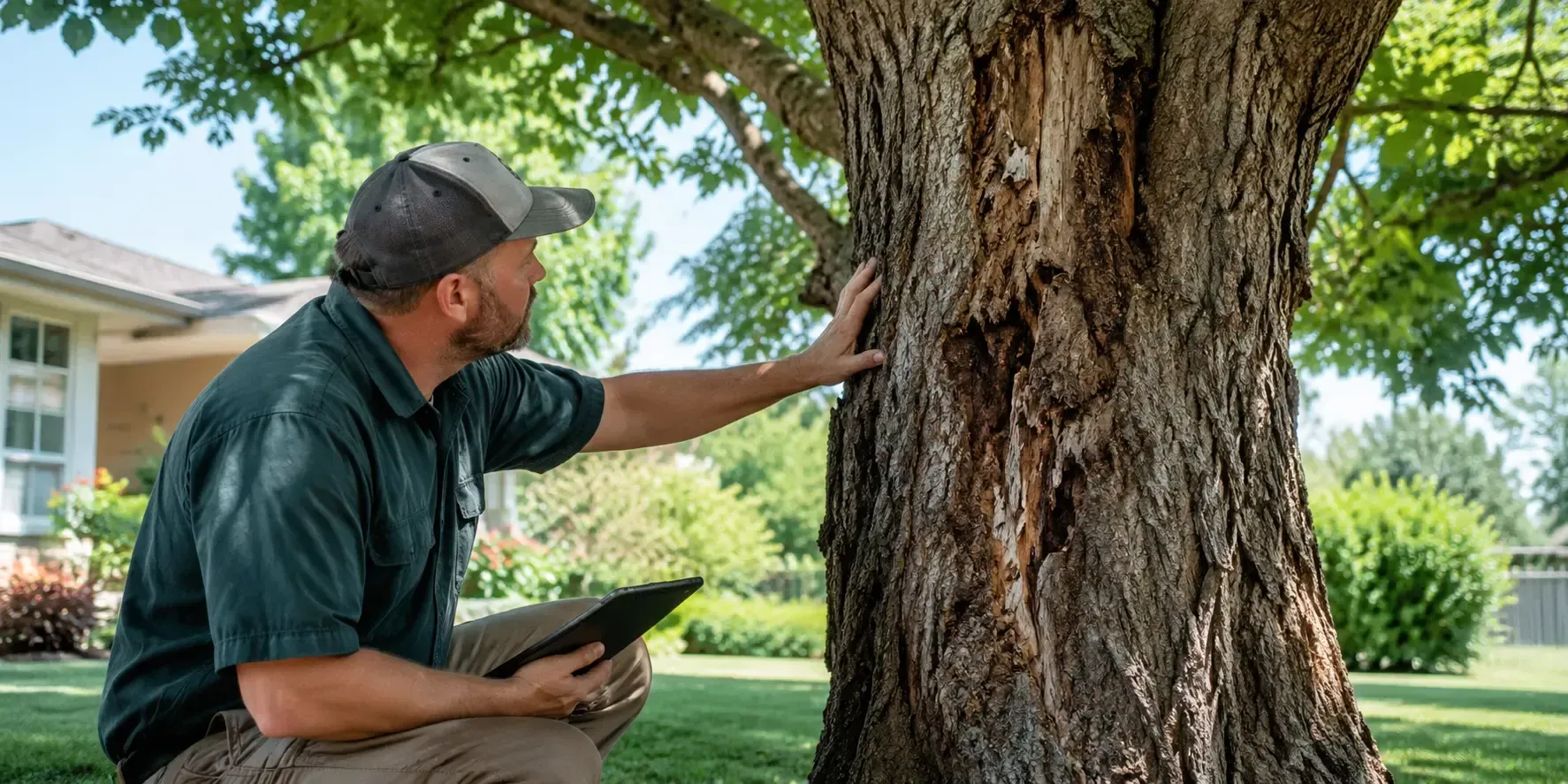
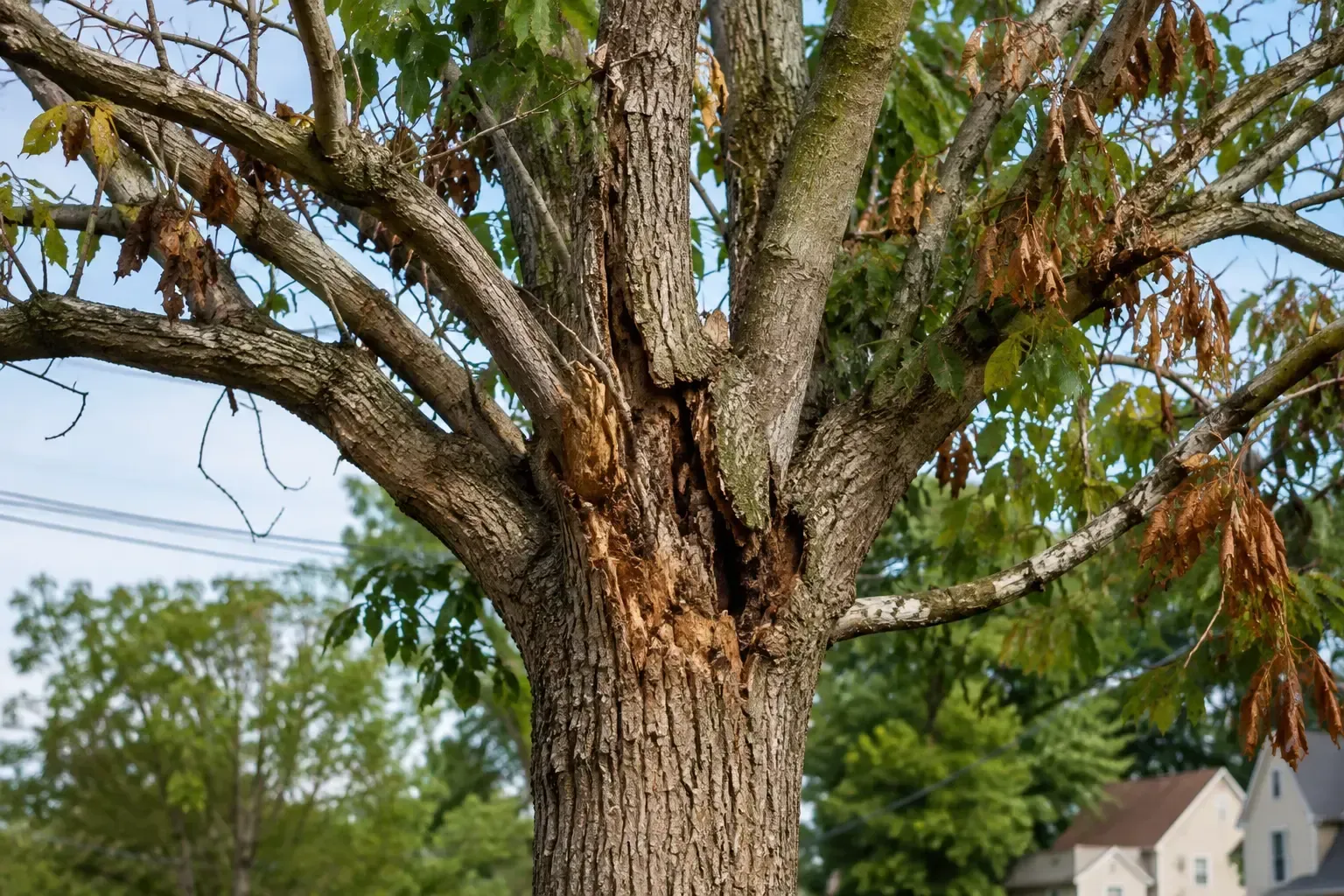
Don't wait for the storm. Have us inspect your large Sycamores and Pines now. We can identify weak crotches, rot pockets, and heavy end-weight that acts as a sail in the wind. A strategic trim today costs a fraction of an emergency removal at 2 AM on a rainy Tuesday.
We are locally rooted. From the 10 freeway to the 605, El Monte is our home. We don't chase storms across the country; we protect our neighbors right here. When the sky turns dark and the wind picks up, keep our number close.
Frequently Asked Questions
Does homeowner insurance cover tree removal?
Usually, yes, but only if the tree damages a covered structure like your home or garage. If a tree falls on your lawn without hitting anything, insurance typically denies the claim. Always check your specific policy limits regarding debris removal.
How much does emergency tree removal cost in El Monte?
Costs vary based on tree size, location, and hazard level. Emergency after-hours work carries a premium due to the risk and immediate mobilization of heavy machinery. Expect a range between $500 for simple limbs to over $3,000 for complex crane-assisted removals.
Can I remove a fallen city tree myself?
No. If a tree falls from a sidewalk or city median, do not touch it. Contact the El Monte Public Works Department. Private removal of municipal property can result in fines. However, if it blocks your driveway, call a pro to clear access safely.
What is the most dangerous tree in Southern California storms?
The Eucalyptus is notoriously dangerous due to "summer limb drop" and shallow roots. However, the Alepppo Pine is also a frequent offender during high winds. Both require regular thinning to reduce wind resistance and prevent failure.
How quickly can you arrive after a storm?
We prioritize calls based on structural danger. For life-safety or structural impact situations in El Monte, we aim for a response time of under 60 minutes. Traffic conditions on the I-10 or local flooding can affect arrival times.